Review

Polyamine Metabolism and the DHPS/eIF5A Hypusination Axis: From Metabolic Reprogramming to a Therapeutic Achilles’ Heel in Melanoma

College of Medical Engineering, Jining Medical University, Jining 272067, China
*
Author to whom correspondence should be addressed.
Biomolecules 2026, 16(4), 574; https://doi.org/10.3390/biom16040574
Submission received: 24 February 2026 / Revised: 1 April 2026 / Accepted: 9 April 2026 / Published: 13 April 2026
(This article belongs to the Section Biomacromolecules: Proteins, Nucleic Acids and Carbohydrates)

Abstract

The polyamine metabolic pathway, an evolutionarily conserved nexus integrating nutrient sensing, translation control, and cellular proliferation, is fundamentally rewired in cancer. Melanoma, a malignancy of melanocytes notorious for its metastatic propensity and therapy resistance, exhibits a profound dependency on this pathway, extending beyond mere polyamine abundance to the specialized function of their derivative, hypusine. This review synthesizes cutting-edge insights into the deoxyhypusine synthase (DHPS)/eukaryotic initiation factor 5A (eIF5A) hypusination circuit as a critical amplifier of oncogenic signaling in melanoma. We dissect its role as a translational rheostat for pro-tumorigenic proteomes, a driver of phenotypic plasticity underpinning invasion and vasculogenic mimicry, and a modulator of the immunosuppressive tumor microenvironment. Moving beyond the classical inhibitor GC7, we explore the emergence of novel allosteric DHPS inhibitors with compelling preclinical efficacy. Finally, we propose a paradigm shift: targeting the DHPS/eIF5A axis represents a strategy to disrupt the “non-oncogene addiction” of melanoma—its reliance on hyperactive translation and adaptive survival mechanisms—offering a promising avenue alongside targeted therapies and immunotherapies.

1. Introduction: Polyamines—From Housekeeping Cations to Oncogenic Effectors

Polyamines (putrescine, spermidine, spermine) are ubiquitous organic polycations [1,2,3], long recognized for their pleiotropic roles in nucleic acid stabilization [4,5], membrane integrity [6,7], and ion channel regulation [8,9]. In oncology, their status has evolved from generic proliferation markers to central players in metabolic transformation [10,11]. The frequent amplification of the MYC oncogene, a master transcriptional regulator of polyamine biosynthetic enzymes like ornithine decarboxylase (ODC) [12,13,14], creates a permissive metabolic landscape across cancers [15,16]. However, the mere accumulation of polyamines is only part of the story. A pivotal and more selective output of polyamine flux, particularly spermidine, is the post-translational hypusination of eIF5A-a modification as specific as it is essential [17,18,19,20]. This review argues that in melanoma, a cancer characterized by high mutational burden [21,22], metabolic adaptability [23,24], and robust stress response pathways [25,26], the DHPS/eIF5A axis is co-opted to meet the extraordinary translational demands of tumorigenesis, metastasis, and immune evasion, making it a target of exceptional vulnerability [27,28,29,30].

2. The Hypusine Circuit: A Unique Translational Control Node

2.1. The Biochemistry of a Two-Step “Tag”

Hypusination is arguably biology’s most specific protein modification [31,32]. DHPS catalyzes the NAD-dependent transfer of the 4-aminobutyl moiety from spermidine to Lys50 of the eIF5A precursor, forming deoxyhypusine [33,34]. Deoxyhypusine hydroxylase (DOHH), a non-heme di-iron enzyme, then completes the synthesis of hypusine [35,36]. This irreversible modification is exclusive to two paralogs, eIF5A1 and eIF5A2, creating a direct molecular link between polyamine pools and the functional status of this translation factor [37,38] (Figure 1).

2.2. Beyond Initiation: eIF5A as the Elongation Specialist

Early studies mischaracterized eIF5A as an initiation factor [39,40,41]. It is now established as a crucial elongation factor that alleviates ribosome stalling at problematic sequences, notably consecutive proline residues, which pose a kinetic challenge to the peptidyl transferase center [42,43,44,45]. Thus, hypusinated eIF5A acts as a sequence-specific translator, disproportionately affecting the synthesis of proteomes enriched in polyproline motifs [46,47].
Mechanistically, hypusinated eIF5A promotes translation elongation by facilitating peptide bond formation at ribosome-stalling sequences, particularly those containing consecutive proline residues. Proline, due to its rigid cyclic structure and lack of a free amide hydrogen, acts as a poor substrate for the peptidyl transferase center, causing ribosome pausing during elongation [47]. The hypusine residue—a modified lysine with an extended, flexible 4-aminobutyl-hydroxybutyl side chain—is critical for this function. Structural studies indicate that the hypusine side chain protrudes from eIF5A into the ribosome’s E (exit) site and peptidyl transferase center, where it stabilizes the positioning of the peptidyl-tRNA and facilitates the nucleophilic attack necessary for peptide bond formation [48]. This “ribosome rescue” function is particularly essential for the translation of proteins with polyproline stretches, but emerging evidence suggests eIF5A also alleviates stalling at other problematic sequences, exerting a global effect on translation elongation efficiency [43,45].
Bioinformatic analyses reveal that such proteins are overrepresented in pathways governing cytoskeleton dynamics (e.g., ACTN4, VASP) [49], extracellular matrix remodeling (e.g., MMPs) [50], and cell cycle control [27,51] all processes central to malignancy.

2.3. A Nexus for Oncogenic Signaling Integration

The DHPS/eIF5A hypusination axis does not function in isolation, it is intricately embedded within and regulated by core oncogenic signaling networks, acting as both a recipient of upstream signals and a critical effector that reprograms the translational output to support malignant phenotypes [52,53]. Its position at this crossroads allows it to integrate metabolic status and growth factor cues to prioritize the synthesis of a malignancy-adaptive proteome.

2.3.1. The MYC-ODC-eIF5A Positive Feedback Loop

The transcription factor MYC is a master regulator that drives the expression of ODC, the rate-limiting enzyme in polyamine biosynthesis. This leads to elevated spermidine pools, which fuel the hypusination of eIF5A [12]. Crucially, hypusinated eIF5A is not a passive beneficiary but an active facilitator of MYC-driven oncogenesis [18]. It directly regulates MYC biosynthesis at the translational level by alleviating ribosome stalling at specific, problematic motifs within the MYC mRNA coding sequence, thereby ensuring efficient MYC protein synthesis. This establishes a powerful feed-forward loop: MYC drives the transcriptional upregulation of ODC, leading to increased spermidine production. This elevated spermidine pool fuels the DHPS-mediated hypusination of eIF5A. Hypusinated eIF5A, in turn, directly facilitates the translational elongation of MYC mRNA, thereby completing a positive feed-forward loop that robustly sustains MYC protein synthesis and oncogenic activity. This circuit is a key vulnerability, as combined inhibition of ODC [54,55] (e.g., with DFMO) and eIF5A hypusination [56,57] (e.g., with GC7) synergistically disrupts this loop, leading to profound suppression of MYC protein levels, inhibition of cell proliferation, and induction of apoptosis, as demonstrated in colorectal cancer models [20].

2.3.2. Regulation by the MAPK Pathway: Kinase-Dependent and Independent Mechanisms

The BRAF/MEK/ERK pathway, frequently hyperactivated in melanoma, exerts a dual-layer control over the hypusination axis [58,59]. Firstly, ERK1/2 kinase activity can transcriptionally upregulate the expression of components like DHPS and eIF5A [60]. Secondly, and more dynamically, ERK1/2 proteins themselves directly interact with DHPS in a kinase-activity-independent manner [60]. Structural studies reveal that ERK2 binding to DHPS can physically hinder the access of the eIF5A substrate to the enzyme’s active site, thereby inhibiting hypusination. Activation of the Raf/MEK/ERK cascade leads to decreased ERK-DHPS interaction and a concomitant increase in DHPS-eIF5A association, promoting hypusination. This non-canonical, scaffolding function of ERK adds a rapid, post-translational layer of regulation, allowing the cell to fine-tune hypusination rates directly in response to mitogenic signals [60].
From a melanoma genetics perspective, the functional implications of this scaffolding interaction may vary depending on the specific driver mutation. In BRAF-mutant melanomas (particularly BRAF V600E), the MAPK pathway is constitutively activated, leading to sustained ERK phosphorylation and a predicted decrease in ERK-DHPS binding, thereby relieving the inhibitory constraint on DHPS and promoting eIF5A hypusination. Conversely, in NRAS-mutant melanomas, where pathway activation is more dynamic and subject to feedback regulation, the ERK-DHPS interaction may fluctuate in response to upstream signaling. While direct comparative studies across these genetic backgrounds are currently lacking, emerging evidence suggests that polyamine metabolism and eIF5A hypusination are functionally relevant in both BRAF- and NRAS-driven melanomas [60].
Critically, the dynamic nature of this scaffolding interaction raises important considerations for clinical application of MAPK pathway inhibitors. Current standard-of-care BRAF inhibitors (e.g., vemurafenib, dabrafenib) and MEK inhibitors (e.g., trametinib) suppress ERK phosphorylation [61,62,63], which would be expected to stabilize the ERK-DHPS inhibitory complex and reduce eIF5A hypusination. This effect may contribute to the overall anti-proliferative response to MAPK pathway blockade. However, in the context of acquired resistance—often mediated by reactivation of ERK signaling—the dissociation of ERK from DHPS may be restored, allowing hypusination to resume and potentially facilitating survival of resistant clones. Understanding whether combining MAPK inhibitors with DHPS allosteric inhibitors can prevent or overcome such resistance represents a compelling avenue for future investigation.

2.3.3. The Dual Role of p53 in Stress and Surveillance

The tumor suppressor p53 engages with the hypusination circuit in a context-dependent manner. Under basal conditions, p53 can repress polyamine synthesis, indirectly limiting substrate availability for hypusination [53]. However, under cellular stress (e.g., DNA damage), a p53-dependent program is activated to maintain eIF5A hypusination levels [64,65]. This functional eIF5A is required for the elevated protein synthesis characteristic of cellular senescence, particularly the synthesis of mitochondrial ribosomal proteins, which is crucial for metabolic adaptation. Furthermore, hypusinated eIF5A is necessary for the efficient translation of p53 itself in response to genotoxic stress. Thus, p53 and eIF5A hypusination are linked in a regulatory network that influences cell fate decisions-apoptosis and senescence—and impacts immune surveillance of pre-malignant cells [64,66].
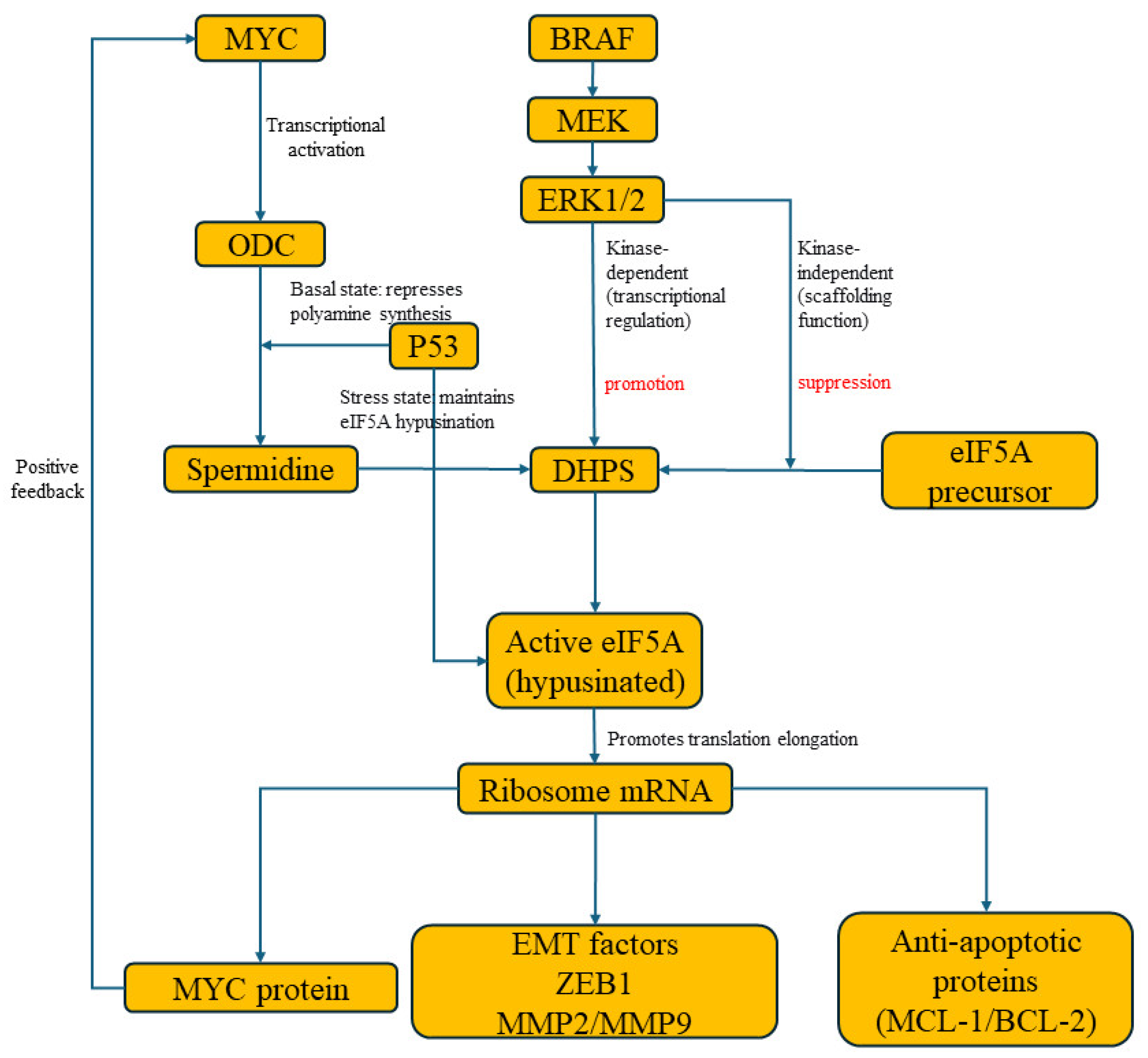
In summary, the DHPS/eIF5A axis serves as a convergent signaling hub, translating inputs from major oncogenic pathways [67,68] (MYC, MAPK) and tumor suppressors [69] (p53) into specific translational programs. This integration enables cancer cells to couple their growth signal reception with the precise protein synthesis machinery needed for proliferation, stress adaptation, survival, and evasion of immune destruction (Figure 2).

3. The Multifaceted Role of the DHPS/eIF5A Axis in Melanoma Pathogenesis

A key observation supporting the potential selectivity of DHPS inhibition in melanoma comes from comparative analyses across different cell lines. In our previous work, we evaluated the anti-proliferative activity of a series of allosteric DHPS inhibitors against human melanoma cell lines (A375, SK-MEL-28), a murine melanoma cell line (B16), and normal human keratinocytes (HaCaT). Notably, these compounds exhibited potent inhibitory effects on human melanoma cells, while showing considerably weaker activity against B16 cells. Moreover, approximately half of the tested compounds displayed no measurable cytotoxicity against HaCaT cells, strongly indicating a favorable selectivity profile toward malignant cells. Consistent with these phenotypic observations, further analysis revealed marked differences in DHPS expression levels across cell lines. Specifically, A375 and SK-MEL-28 cells expressed high levels of DHPS, whereas B16 cells exhibited substantially lower DHPS abundance compared to human melanoma cells. Importantly, other cancer cell lines—including A549 (lung adenocarcinoma), SW620 (colorectal carcinoma), and MDA-MB-231 (breast carcinoma)—expressed DHPS at levels far below those observed in human melanoma cells. Collectively, these findings provide a mechanistic rationale for the enhanced susceptibility of human melanoma cells to DHPS allosteric inhibition and suggest that the therapeutic window of these inhibitors may be particularly favorable in this malignancy [28].

3.1. Fueling the Metastatic Cascade: More than Just Proliferation

The lethality of melanoma is predominantly driven by its metastatic spread, a complex cascade in which the DHPS/eIF5A hypusination circuit plays a fundamental and multi-faceted role [70]. By enabling the efficient translation of pro-migratory proteins, including regulators of the Rho GTPase pathway and actin-binding proteins, this axis directly fuels the motility and invasive capacity of melanoma cells, with experimental inhibition effectively blocking migration and invasion in vitro [30].
Beyond motility, the pathway is critical for sustaining the epithelial-to-mesenchymal transition (EMT) and the associated cellular plasticity required for dissemination. It supports the synthesis of key EMT-transcription factors (e.g., ZEB1) and extracellular matrix-remodeling enzymes such as matrix metalloproteinases (MMP2, MMP9), thereby maintaining the mesenchymal, invasive phenotype [28].
Furthermore, in highly aggressive melanomas capable of forming vasculogenic mimicry (VM)—networks of endothelial-like, fluid-conducting channels that bypass angiogenesis—the hypusination circuit is indispensable. Genetic or pharmacological disruption of DHPS/eIF5A signaling dismantles these VM networks, at least in part by downregulating essential mediators like FGFR2 and c-KIT, highlighting its direct contribution to this alternative perfusion strategy.

3.2. Mastering the Art of Stress Resistance

The hypusination circuit is a critical determinant of melanoma cell resilience within the stressful tumor microenvironment. It equips tumor cells to manage proteotoxic stress, as hypusinated eIF5A facilitates the translation of key mediators involved in the unfolded protein response (UPR), and its inhibition can compromise this adaptive program [66]. Furthermore, this pathway intersects with core energy metabolism, influencing mitochondrial function and potentially altering cellular sensitivity to metabolic perturbations [71]. Most critically, the DHPS/eIF5A axis is a key contributor to therapy resistance. By supporting the efficient synthesis of anti-apoptotic proteins (e.g., MCL-1, BCL-2) and DNA repair factors, it enhances cell survival following cytotoxic insult [28]. This mechanism underpins resistance to diverse agents, including targeted BRAF/MEK inhibitors and conventional chemotherapy, highlighting its role as a broad-spectrum survival pathway.

3.3. Sculpting an Immunosuppressive Niche: Open Questions and a Dual-Cell Hypothesis

The role of the DHPS/eIF5A axis in shaping the immunosuppressive tumor microenvironment (TME) remains an emerging and incompletely defined area, particularly in melanoma. While the broader polyamine metabolism is well-established as a mediator of immune evasion—impairing T-cell function and promoting the polarization of myeloid-derived suppressor cells (MDSCs) and M2-like tumor-associated macrophages [72,73]—the specific contribution of the hypusination circuit to these processes is less understood. Critically, it remains unresolved whether therapeutic targeting of DHPS/eIF5A primarily exerts its immunomodulatory effects through a cell-autonomous action on melanoma cells, by directly affecting infiltrating immune cells, or through a combination of both.
From a tumor cell-intrinsic perspective, DHPS inhibition may enhance anti-tumor immunity indirectly by inducing immunogenic cell stress or apoptosis in melanoma cells. Preclinical studies in melanoma models have shown that allosteric DHPS inhibitors trigger caspase activation and reduce the expression of pro-survival proteins, events that can increase tumor antigen presentation and sensitivity to T-cell-mediated killing [28,29]. This mechanism does not require the inhibitor to directly act on immune cells; rather, it converts the tumor itself into a more immunogenic target.
Conversely, emerging evidence from non-melanoma models suggests that hypusination is also functionally relevant in immune cells. For instance, eIF5A activity has been implicated in the proliferation and effector function of T cells [66], and polyamine depletion strategies have been shown to reverse T-cell exhaustion and reduce MDSC accumulation in the TME [72]. However, direct evidence demonstrating that DHPS/eIF5A inhibition within immune cells contributes to anti-tumor immunity in melanoma is currently lacking. Whether the available DHPS inhibitors can effectively penetrate and modulate the hypusination status of tumor-infiltrating lymphocytes or myeloid cells remains an open question.
Thus, the proposed dual-mechanism strategy—direct tumor cytotoxicity coupled with immune potentiation—remains a compelling but largely untested hypothesis in melanoma. Future studies using conditional knockout mouse models (e.g., cell-type-specific deletion of Dhps in melanoma cells versus immune compartments), along with syngeneic melanoma models treated with allosteric DHPS inhibitors, will be essential to dissect the relative contributions of tumor cell-intrinsic versus immune cell-intrinsic hypusination to the overall anti-tumor response.

4. Therapeutic Targeting: From Spermidine Mimetics to Allosteric Warfare

4.1. The First Generation: GC7 and Its Limitations

The classic approach to DHPS inhibition has relied on spermidine mimetics. These compounds act by competitively occupying the spermidine-binding site of DHPS, thereby physically blocking the transfer of the 4-aminobutyl moiety to its substrate, the eIF5A precursor protein.
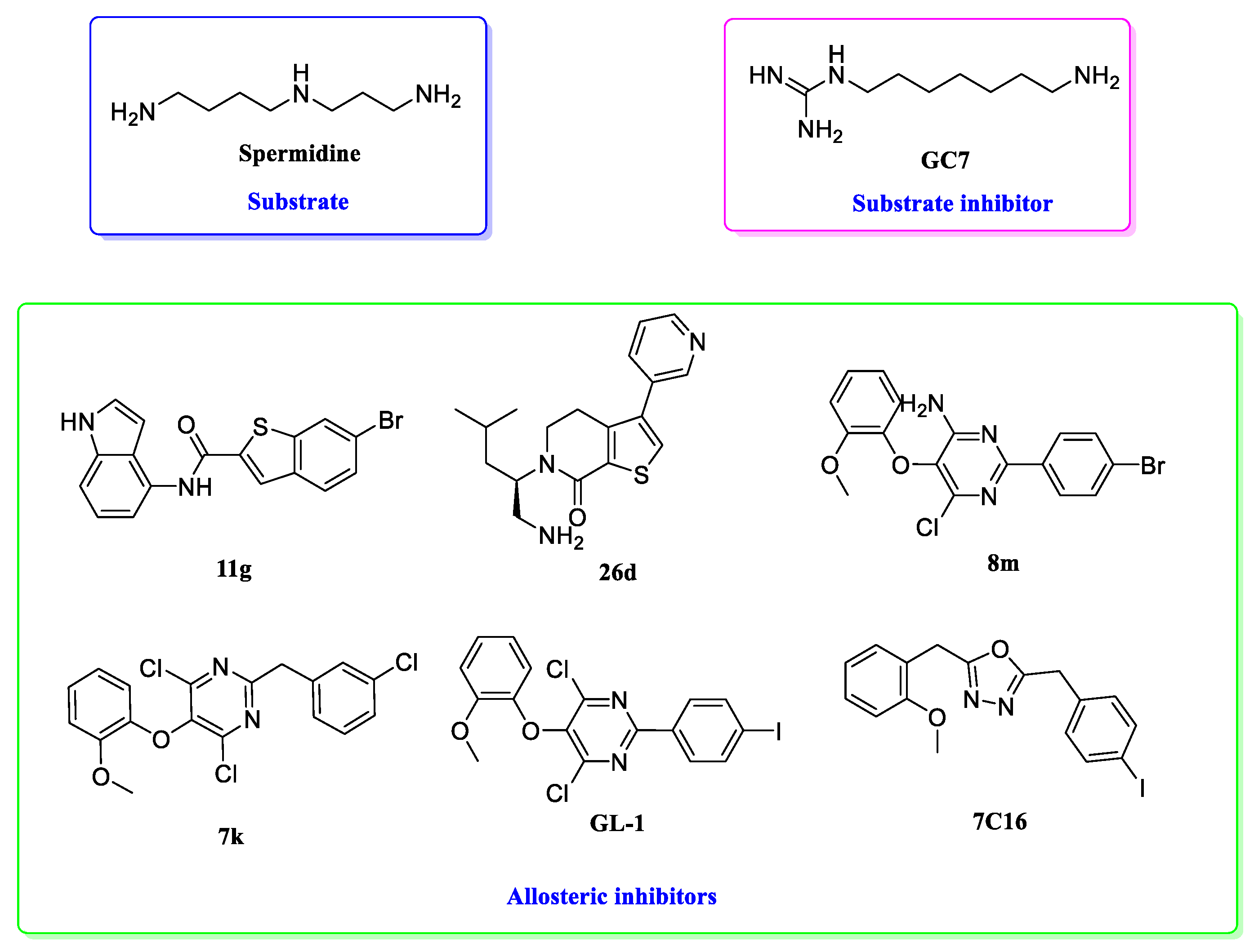
Structurally, these inhibitors typically feature two polar groups, often guanidino or amino functionalities, connected by an extended aliphatic linker, mirroring the architecture of spermidine itself [74,75,76]. Among these, the most extensively studied is GC7 (N1-guanyl-1,7-diaminoheptane) [77]. GC7 has served as a vital proof-of-concept molecule, demonstrating potent anti-proliferative activity across a broad spectrum of cancer cell lines in vitro, including HeLa cervical carcinoma [78], N2a neuroblastoma [79], DS19 murine erythroleukemia [79], Tm5 murine melanoma [80], and various human neuroblastoma and head-and-neck squamous carcinoma cells [34]. It has also shown anti-melanoma activity in preclinical in vivo models. However, its clinical translation has been hampered by significant limitations. Primarily, its close structural resemblance to spermidine compromises selectivity, allowing it to potentially interfere with other polyamine-dependent physiological processes. Furthermore, suboptimal pharmacokinetic properties and the ability of cancer cells to compensate by upregulating polyamine transport systems have diminished its efficacy as a standalone therapeutic agent [73,81,82].
While GC7 has demonstrated broad antiproliferative activity across multiple cancer cell lines, its therapeutic window is inherently constrained by the essential nature of DHPS for cell viability [77,83]. Because hypusinated eIF5A is required for proliferation in all eukaryotic cells, inhibition of DHPS would be expected to impair growth in both malignant and non-transformed cells. Indeed, studies have shown that GC7 inhibits the proliferation of non-transformed cells such as NIH3T3 fibroblasts and CHO-K1 cells at concentrations comparable to those effective against cancer cells [78], suggesting a narrow therapeutic index. Moreover, the compound’s structural similarity to spermidine raises concerns regarding off-target effects on other polyamine-dependent processes, including autophagy, ion channel regulation, and oxidative stress responses [84]. These observations underscore the need for more selective inhibitors, such as the allosteric compounds described in Section 4.2, which offer the potential for improved selectivity by targeting a unique DHPS-specific regulatory site rather than competing with spermidine.

4.2. The Allosteric Revolution

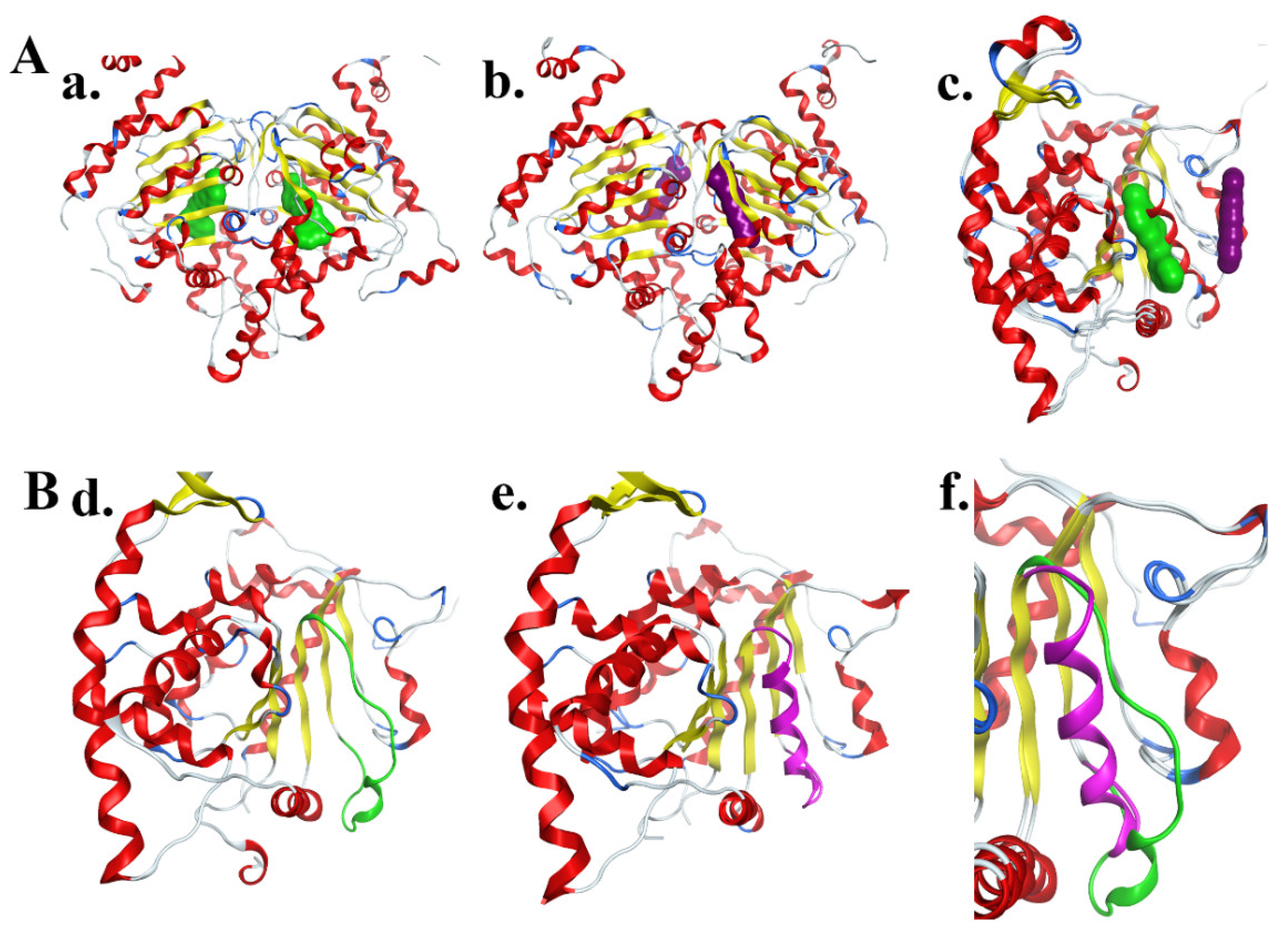
The paradigm of DHPS inhibition was revolutionized by the structural elucidation of a novel allosteric site, distinct from the catalytic center. This breakthrough stemmed from the work of Tanaka et al., who, through high-throughput screening and subsequent optimization, identified the first-in-class allosteric DHPS inhibitors [85]. Their initial discovery centered on a bromobenzothiophene derivative, compound 11g, which exhibited potent inhibitory activity. Critically, X-ray crystallographic analysis of the DHPS-11g complex revealed a dramatic conformational change in the enzyme, providing definitive evidence for a previously unknown allosteric regulatory site and a non-competitive mechanism of action relative to spermidine.
Building on this foundational discovery, the same research group subsequently developed a new chemical series based on a fused-ring scaffold, leading to the potent 5,6-dihydrothieno [2,3-c]pyridine derivative (compound 26d) [86]. Structural studies confirmed that this later inhibitor also binds to the allosteric site but exhibits a distinct binding mode compared to compound 11g. These seminal studies demonstrated that targeting the allosteric pocket could lock DHPS in an inactive conformation through induced structural changes, establishing a pioneering therapeutic strategy beyond spermidine mimetics (Figure 3).
From a drug safety perspective, the distinction between substrate-mimetic and allosteric inhibitors carries fundamental implications for selectivity. Classical inhibitors such as GC7 are designed to mimic spermidine, featuring two polar groups (guanidino or amino functionalities) connected by an aliphatic linker. While this structural mimicry enables competitive occupation of the spermidine-binding pocket, it also inevitably allows these compounds to interact with other spermidine-dependent processes. Spermidine, beyond serving as the substrate for eIF5A hypusination, participates in numerous essential cellular functions including autophagy regulation [87,88], oxidative stress responses [89,90], ion channel modulation [91], and nucleic acid stabilization [92]. Consequently, GC7 and related spermidine mimetics may interfere with these diverse physiological pathways, contributing to off-target effects and limiting their therapeutic window.
In contrast, allosteric inhibitors such as 11g, 26d bind to a unique pocket located at the DHPS dimer interface—a structural feature distinct from the catalytic site and not shared by other spermidine-binding proteins. Their mechanism of action relies on inducing a conformational change (α-helix unwinding) that is specific to DHPS [85], rather than competing with spermidine for a common binding motif. This allosteric mode of inhibition thus offers the theoretical advantage of greater selectivity, as it minimizes unintended interference with other spermidine-dependent biological processes. While rigorous selectivity profiling across the polyamine interactome remains to be fully established, the distinct binding mode of these allosteric inhibitors provides a rational basis for expecting a more favorable safety profile compared with first-generation substrate mimetics (Figure 4).
This pivotal work laid the essential structural and mechanistic groundwork for the subsequent development of other potent allosteric inhibitors in our work, such as the pyrimidine derivative 8m [28], 7k, GL-1 [29], and the oxadiazole derivative 7C16 [30]. By virtue of their unique mechanism, these allosteric inhibitors, which do not compete with spermidine, offer a promising avenue for combination therapies with polyamine depletion agents (e.g., DFMO) or transport inhibitors, potentially enhancing efficacy and therapeutic index.

4.3. Rational Combination Strategies for Melanoma

The therapeutic potential of targeting the DHPS/eIF5A axis is greatly enhanced when integrated into rational combination regimens, leveraging its unique mechanism to overcome common resistance pathways in melanoma. One highly relevant strategy is co-administration with MAPK pathway inhibitors. While BRAF and MEK inhibitors (BRAFi/MEKi) are standard-of-care for BRAF-mutant melanoma, their efficacy is often limited by cytostatic responses and acquired resistance [93,94]. The addition of a DHPS inhibitor presents a mechanistically coherent approach to convert cytostasis into apoptosis. This is underpinned by the non-canonical, kinase-independent regulation of DHPS-eIF5A interaction by ERK1/2, which links MAPK signaling directly to hypusination efficiency [60]. By inhibiting the synthesis of short-lived pro-survival proteins (e.g., MCL-1) whose translation is maintained by oncogenic signaling and facilitated by eIF5A, DHPS blockade can deplete this critical survival buffer and potentiate the cytotoxic effects of MAPK inhibition [28,66].
A second paradigm involves combination with immunotherapies, aiming to remodel the immunosuppressive TME. Elevated polyamine levels contribute to an immune-cold TME by inhibiting T-cell function and promoting the activity of MDSCs [72,73]. Preclinical evidence demonstrates that depleting polyamines via a combination of the biosynthesis inhibitor DFMO and a polyamine transport inhibitor can reverse this immunosuppression and synergize with immune checkpoint blockade [73]. Incorporating a DHPS inhibitor could provide a dual attack: first, by directly inducing immunogenic stress and apoptosis in tumor cells, thereby potentially enhancing antigen presentation and T-cell priming [71,95]. And second, by depleting the spermidine substrate required for hypusination, it may further disrupt the functional adaptation of both tumor and immunosuppressive cells within the TME, creating a more favorable context for immune-mediated tumor clearance [72,73].
Finally, combining DHPS/eIF5A inhibition with genotoxic chemotherapeutic agents or radiotherapy represents a logical approach to overcome treatment resistance. The efficacy of DNA-damaging therapies is frequently limited by the tumor’s capacity to rapidly deploy DNA repair machinery. The hypusination circuit is essential for the efficient translation of a subset of proteins, including those involved in the DNA damage response and repair pathways [48,96]. By impairing the de novo synthesis of key DNA repair enzymes, DHPS inhibition could prevent the resolution of therapy-induced DNA lesions, thereby sensitizing melanoma cells to a broad range of genotoxic insults [82,97]. This strategy targets a fundamental vulnerability—the tumor’s reliance on rapid protein synthesis for adaptive survival—and could help mitigate a common cause of therapeutic failure.
While these combination strategies offer compelling rationale, their clinical translation must consider several critical factors. First, additive toxicities may arise from overlapping requirements for eIF5A-mediated translation in rapidly dividing normal tissues, particularly hematopoietic and gastrointestinal cells [83,84]. Careful dose optimization and intermittent scheduling will therefore be essential. Second, the tumor-selective synergy of these combinations likely stems from the heightened dependency of melanoma cells on DHPS/eIF5A—driven by constitutive MAPK signaling and MYC activation—coupled with their elevated DHPS expression compared to normal cells [28,58,60]. This differential reliance creates a therapeutic window. Third, the impact on immune function is complex: while activated T cells require eIF5A for proliferation and effector function, polyamine depletion has been shown to preferentially target immunosuppressive populations such as MDSCs and M2 macrophages [72,73]. The net effect of DHPS inhibition on anti-tumor immunity in melanoma thus remains an open question requiring rigorous evaluation in immunocompetent models.

5. Challenges, Future Perspectives, and Translational Roadmap

The translation of DHPS/eIF5A inhibition into clinical practice faces several key challenges that define critical future research directions. A foremost hurdle is patient stratification, as not all melanomas exhibit equal dependence on this pathway. The identification and validation of predictive biomarkers are therefore essential for enriching clinical trials with likely responders. Candidate biomarkers include elevated expression of DHPS or its specific substrate isoform eIF5A2, increased levels of hypusinated eIF5A in tumor tissue, or specific genomic backgrounds such as concurrent BRAF mutation and PTEN loss that may confer heightened addiction to the hypusination circuit [98]. Implementing such biomarker-driven strategies will be crucial for optimizing therapeutic efficacy and trial design (Table 1).
Another significant challenge lies in managing the therapeutic index, given the fundamental role of hypusination in normal cellular physiology, particularly in neurodevelopment. Systemic, continuous inhibition carries a risk of on-target toxicity [83,84]. To mitigate this, innovative drug delivery and dosing strategies are needed. These may include the development of nanoparticle-based carriers for tumor-targeted delivery, intermittent dosing regimens designed to exploit the differential addiction between rapidly proliferating tumor cells and most normal tissues, or topical formulations for the treatment of primary or cutaneous metastatic melanoma to minimize systemic exposure [71,99] (Table 1).
Looking beyond direct enzyme inhibition, a deeper understanding of the pathway’s downstream effectors could unveil new therapeutic opportunities. Future research should aim to comprehensively define the specific suite of pro-tumorigenic proteins in melanoma whose translation is critically dependent on hypusinated eIF5A. This “hypusinome” profiling could reveal more druggable, and potentially more tissue-specific, downstream targets than DHPS itself, offering alternative intervention points with potentially improved safety profiles [100,101].
Finally, to fully grasp the therapeutic vulnerability, the DHPS/eIF5A axis must be studied within the integrated context of melanoma biology. Future investigations need to elucidate how extracellular nutrient inputs—such as glutamine and arginine that feed into polyamine synthesis—and oncogenic signals converge to regulate this pathway [12]. Furthermore, understanding its interaction with other major translational control nodes, including the mTORC1 and eIF4F complexes, will reveal potential compensatory mechanisms and rational combination strategies, painting a complete picture of its role in the malignant translation program [39,96].

6. Conclusions

The DHPS/eIF5A hypusination pathway represents a formidable vulnerability in melanoma, acting as a central processor that converts metabolic resources (polyamines) and oncogenic signals into a specialized translational output that fuels every facet of the disease—from uncontrolled growth and invasion to microenvironment manipulation. Moving beyond the era of broad polyamine depletion, the development of precise allosteric DHPS inhibitors heralds a new therapeutic modality. By crippling the tumor’s ability to synthesize its malignant proteome, these agents hold the potential to undermine melanoma’s adaptability and resilience. As we stand at the confluence of cancer metabolism, translation, and immunotherapy, targeting this ancient and unique modification pathway offers a promising and novel strategy to combat one of the most aggressive human cancers.

Author Contributions

Conceptualization, K.W.; writing—original draft preparation, K.-L.L. and S.Z. writing—review and editing, F.-S.L. and M.-J.C.; supervision, K.W., N.Z. and Y.-Y.C.; project administration, K.-L.L., F.-S.L. and S.Z.; funding acquisition, K.-L.L. All authors have read and agreed to the published version of the manuscript.

Funding

This work was supported by the Shandong Provincial Natural Science Foundation Youth Fund (ZR2025QC961), Jining Medical University Innovation and Entrepreneurship Training Program for College Students (cx2024048z, cx2025174), the Startup Grant for Research of Jining Medical University (NO. 601076001), Shandong Colleges Youth Innovation & Tech Support Program (2024KJG030).

Institutional Review Board Statement

Not applicable.

Informed Consent Statement

Not applicable.

Data Availability Statement

No new data were created or analyzed in this study.

Conflicts of Interest

The authors declare no conflicts of interest.

References

  1. Djordjievski, S.; Vukasinovic, E.L.; Celic, T.V.; Pihler, I.; Kebert, M.; Kojic, D.; Purac, J. Spermidine Dietary Supplementation and Polyamines Level in Reference to Survival and Lifespan of Honey Bees. Sci. Rep. 2023, 13, 4329. [Google Scholar] [CrossRef] [PubMed]
  2. Mojumdar, A.; Unnikrishnan, B.S.; Packirisamy, G. A Simple and Effective Method for Smartphone-Based Detection of Polyamines in Oral Cancer. Biomed. Mater. 2024, 19, 045044. [Google Scholar] [CrossRef] [PubMed]
  3. Vrijsen, S.; Houdou, M.; Cascalho, A.; Eggermont, J.; Vangheluwe, P. Polyamines in Parkinson’s Disease: Balancing Between Neurotoxicity and Neuroprotection. Annu. Rev. Biochem. 2023, 92, 435–464. [Google Scholar] [CrossRef] [PubMed]
  4. Hoshino, H.; Kasahara, Y.; Obika, S. Polyamines Promote Xenobiotic Nucleic Acid Synthesis by Modified Thermophilic Polymerase Mutants. RSC Chem. Biol. 2024, 5, 467–472. [Google Scholar] [CrossRef]
  5. Terui, Y.; Ohnuma, M.; Hiraga, K.; Kawashima, E.; Oshima, T. Stabilization of Nucleic Acids by Unusual Polyamines Produced by an Extreme Thermophile, Thermus Thermophilus. Biochem. J. 2005, 388, 427–433. [Google Scholar] [CrossRef]
  6. Na, C.; Zhou, Z.; Li, Y.; Zhang, X. Exogenously Applied Spd and Spm Enhance Drought Tolerance in Tea Plants by Increasing Fatty Acid Desaturation and Plasma Membrane H+-ATPase Activity. Plant Physiol. Biochem. 2022, 170, 225–233. [Google Scholar] [CrossRef]
  7. Li, R.; Wu, X.; Zhu, Z.; Lv, Y.; Zheng, Y.; Lu, H.; Zhou, K.; Wu, D.; Zeng, W.; Dong, W.; et al. Polyamines Protect Boar Sperm from Oxidative Stress in Vitro. J. Anim. Sci. 2022, 100, skac069. [Google Scholar] [CrossRef]
  8. Bowie, D. Polyamine-Mediated Channel Block of Ionotropic Glutamate Receptors and Its Regulation by Auxiliary Proteins. J. Biol. Chem. 2018, 293, 18789–18802. [Google Scholar] [CrossRef]
  9. Dhara, M.; Matta, J.A.; Lei, M.; Knowland, D.; Yu, H.; Gu, S.; Bredt, D.S. Polyamine Regulation of Ion Channel Assembly and Implications for Nicotinic Acetylcholine Receptor Pharmacology. Nat. Commun. 2020, 11, 2799. [Google Scholar] [CrossRef]
  10. Basuroy, U.K.; Gerner, E.W. Emerging Concepts in Targeting the Polyamine Metabolic Pathway in Epithelial Cancer Chemoprevention and Chemotherapy. J. Biochem. 2006, 139, 27–33. [Google Scholar] [CrossRef]
  11. Dudkina, N.; Park, H.B.; Song, D.; Jain, A.; Khan, S.A.; Flavell, R.A.; Johnson, C.H.; Palm, N.W.; Crawford, J.M. Human AKR1C3 Binds Agonists of GPR84 and Participates in an Expanded Polyamine Pathway. Cell Chem. Biol. 2025, 32, 126–144.e18. [Google Scholar] [CrossRef]
  12. Bachmann, A.S.; Geerts, D. Polyamine Synthesis as a Target of MYC Oncogenes. J. Biol. Chem. 2018, 293, 18757–18769. [Google Scholar] [CrossRef]
  13. Selvakumaran, M.; Liebermann, D.; Hoffman, B. The Proto-Oncogene c-Myc Blocks Myeloid Differentiation Independently of Its Target Gene Ornithine Decarboxylase. Blood 1996, 88, 1248–1255. [Google Scholar] [CrossRef]
  14. Martinez, M.E.; O’Brien, T.G.; Fultz, K.E.; Babbar, N.; Yerushalmi, H.; Qu, N.; Guo, Y.; Boorman, D.; Einspahr, J.; Alberts, D.S.; et al. Pronounced Reduction in Adenoma Recurrence Associated with Aspirin Use and a Polymorphism in the Ornithine Decarboxylase Gene. Proc. Natl. Acad. Sci. USA 2003, 100, 7859–7864. [Google Scholar] [CrossRef] [PubMed]
  15. Saeed, H.; Leibowitz, B.J.; Zhang, L.; Yu, J. Targeting Myc-Driven Stress Addiction in Colorectal Cancer. Drug Resist. Updates 2023, 69, 100963. [Google Scholar] [CrossRef] [PubMed]
  16. Tolomeo, D.; Traversa, D.; Venuto, S.; Ebbesen, K.K.; Garcia Rodriguez, J.L.; Tamma, G.; Ranieri, M.; Simonetti, G.; Ghetti, M.; Paganelli, M.; et al. CircPVT1 and PVT1/AKT3 Show a Role in Cell Proliferation, Apoptosis, and Tumor Subtype-Definition in Small Cell Lung Cancer. Genes Chromosomes Cancer 2023, 62, 377–391. [Google Scholar] [CrossRef] [PubMed]
  17. Kaiser, A.; Agostinelli, E. Hypusinated EIF5A as a Feasible Drug Target for Advanced Medicinal Therapies in the Treatment of Pathogenic Parasites and Therapy-Resistant Tumors. Amino Acids 2022, 54, 501–511. [Google Scholar] [CrossRef]
  18. Coni, S.; Serrao, S.M.; Yurtsever, Z.N.; Di Magno, L.; Bordone, R.; Bertani, C.; Licursi, V.; Ianniello, Z.; Infante, P.; Moretti, M.; et al. Blockade of EIF5A Hypusination Limits Colorectal Cancer Growth by Inhibiting MYC Elongation. Cell Death Dis. 2020, 11, 1045. [Google Scholar] [CrossRef]
  19. Sfakianos, A.P.; Raven, R.M.; Willis, A.E. The Pleiotropic Roles of EIF5A in Cellular Life and Its Therapeutic Potential in Cancer. Biochem. Soc. Trans. 2022, 50, 1885–1895. [Google Scholar] [CrossRef]
  20. Coni, S.; Bordone, R.; Ivy, D.M.; Yurtsever, Z.N.; Di Magno, L.; D’Amico, R.; Cesaro, B.; Fatica, A.; Belardinilli, F.; Bufalieri, F.; et al. Combined Inhibition of Polyamine Metabolism and EIF5A Hypusination Suppresses Colorectal Cancer Growth through a Converging Effect on MYC Translation. Cancer Lett. 2023, 559, 216120. [Google Scholar] [CrossRef]
  21. Dousset, L.; Poizeau, F.; Robert, C.; Mansard, S.; Mortier, L.; Caumont, C.; Routier, É.; Dupuy, A.; Rouanet, J.; Battistella, M.; et al. Positive Association Between Location of Melanoma, Ultraviolet Signature, Tumor Mutational Burden, and Response to Anti-PD-1 Therapy. JCO Precis. Oncol. 2021, 5, 1821–1829. [Google Scholar] [CrossRef] [PubMed]
  22. Hanrahan, G.B.; Giobbie-Hurder, A.; Allais, B.; Vogelzang, J.; Fay, C.; Tsibris, H.C. Melanoma Tumor Mutational Burden and Indoor Tanning Exposure. JAMA Dermatol. 2025, 161, 198–202. [Google Scholar] [CrossRef] [PubMed]
  23. Soumoy, L.; Genbauffe, A.; Sant’Angelo, D.; Everaert, M.; Mukeba-Harchies, L.; Sarry, J.-E.; Decleves, A.-E.; Journe, F. Therapeutic Potential of Glutaminase Inhibition Targeting Metabolic Adaptations in Resistant Melanomas to Targeted Therapy. Int. J. Mol. Sci. 2025, 26, 8241. [Google Scholar] [CrossRef] [PubMed]
  24. Ratnikov, B.I.; Scott, D.A.; Osterman, A.L.; Smith, J.W.; Ronai, Z.A. Metabolic Rewiring in Melanoma. Oncogene 2017, 36, 147–157. [Google Scholar] [CrossRef]
  25. Wang, B.; Tang, X.; Xiao, C.; Yu, Z.; Bo, H.; Wang, J.; Wang, J. Nucleus-Targeted Ruthenium(II) Complex Triggers Immunogenic Cell Death and Sensitizes Melanoma to Anti-PD-1 Therapy by Activating CGAS-STING Pathway. J. Inorg. Biochem. 2025, 267, 112871. [Google Scholar] [CrossRef]
  26. Buart, S.; Terry, S.; Noman, M.Z.; Lanoy, E.; Boutros, C.; Fogel, P.; Dessen, P.; Meurice, G.; Gaston-Mathé, Y.; Vielh, P.; et al. Transcriptional Response to Hypoxic Stress in Melanoma and Prognostic Potential of GBE1 and BNIP3. Oncotarget 2017, 8, 108786–108801. [Google Scholar] [CrossRef]
  27. Becker, A.E.; Wu, P.-K.; Park, J.-I. EIF5A-Independent Role of DHPS in P21CIP1 and Cell Fate Regulation. Int. J. Mol. Sci. 2021, 22, 13187. [Google Scholar] [CrossRef]
  28. Liu, K.; Li, X.; Wang, D.; Xue, W.; Qian, X.; Li, Y.; Lin, Q.; Li, S.; Meng, F. Novel Allosteric Inhibitors of Deoxyhypusine Synthase against Malignant Melanoma: Design, Synthesis, and Biological Evaluation. J. Med. Chem. 2021, 64, 13356–13372. [Google Scholar] [CrossRef]
  29. Guo, J.; Ma, J.; Zhao, X.; Zhang, J.; Liu, K.; Li, L.; Qin, Y.; Meng, F.; Jian, L.; Yang, Y.; et al. DHPS-Mediated Hypusination Regulates METTL3 Self-M6A-Methylation Modification to Promote Melanoma Proliferation and the Development of Novel Inhibitors. Adv. Sci. 2024, 11, 2402450. [Google Scholar] [CrossRef]
  30. Liu, K.; Dong, G.; Li, L.; Liu, Y.; Meng, Q.; Yan, Y.; Li, X. In Silico Design, Synthesis and Biological Evaluation of 2-Benzyl-5-(2-Methoxybenzyl)-1,3,4-Oxadiazole Derivates as Allosteric Deoxyhypusine Synthase (DHPS) Inhibitors for Melanoma Treatment. Eur. J. Med. Chem. 2025, 299, 118061. [Google Scholar] [CrossRef]
  31. Maier, B.; Ogihara, T.; Trace, A.P.; Tersey, S.A.; Robbins, R.D.; Chakrabarti, S.K.; Nunemaker, C.S.; Stull, N.D.; Taylor, C.A.; Thompson, J.E.; et al. The Unique Hypusine Modification of EIF5A Promotes Islet β Cell Inflammation and Dysfunction in Mice. J. Clin. Investig. 2010, 120, 2156–2170. [Google Scholar] [CrossRef]
  32. Palfi, P.; Bakacsy, L.; Kovacs, H.; Szepesi, A. Hypusination, a Metabolic Posttranslational Modification of EIF5A in Plants during Development and Environmental Stress Responses. Plants 2021, 10, 1261. [Google Scholar] [CrossRef] [PubMed]
  33. Wang, C.; Chen, Z.; Nie, L.; Tang, M.; Feng, X.; Su, D.; Zhang, H.; Xiong, Y.; Park, J.-M.; Chen, J. Extracellular Signal-Regulated Kinases Associate with and Phosphorylate DHPS to Promote Cell Proliferation. Oncogenesis 2020, 9, 85. [Google Scholar] [CrossRef] [PubMed]
  34. Bandino, A.; Geerts, D.; Koster, J.; Bachmann, A.S. Deoxyhypusine Synthase (DHPS) Inhibitor GC7 Induces P21/Rb-Mediated Inhibition of Tumor Cell Growth and DHPS Expression Correlates with Poor Prognosis in Neuroblastoma Patients. Cell. Oncol. 2014, 37, 387–398. [Google Scholar] [CrossRef] [PubMed]
  35. Nakanishi, S.; Cleveland, J.L. Genetic Analyses of Myc and Hypusine Circuits in Tumorigenesis. Methods Enzymol. 2025, 715, 1–17. [Google Scholar]
  36. Wator-Wilk, E.; Wilk, P.; Grudnik, P. The Structural Biology of Deoxyhypusination Complexes. Structure 2025, 33, 221–227. [Google Scholar] [CrossRef]
  37. Suzuki, M.; Suzuki, T.; Nakano, Y.; Matsumoto, K.; Manaka, H.; Komeno, M.; Tamori, S.; Sato, A.; Dohmae, N.; Akimoto, K.; et al. Polyamines Stimulate the Protein Synthesis of the Translation Initiation Factor EIF5A2, Participating in MRNA Decoding, Distinct from EIF5A1. J. Biol. Chem. 2025, 301, 110453. [Google Scholar] [CrossRef]
  38. Wu, Y.-Y.; Wu, G.-Q.; Cai, N.-L.; Xu, Y.-M.; Lau, A.T.Y. Comparison of Human Eukaryotic Translation Initiation Factors 5A1 and 5AL1: Identification of Amino Acid Residues Important for EIF5A1 Lysine 50 Hypusination and Its Protein Stability. Int. J. Mol. Sci. 2023, 24, 6067. [Google Scholar] [CrossRef]
  39. Guo, K.; Zhou, J. Insights into Eukaryotic Translation Initiation Factor 5A: Its Role and Mechanisms in Protein Synthesis. Biochim. Biophys. Acta Mol. Cell Res. 2024, 1871, 119849. [Google Scholar] [CrossRef]
  40. Tariq, M.; Ito, A.; Ishfaq, M.; Bradshaw, E.; Yoshida, M. Eukaryotic Translation Initiation Factor 5A (EIF5A) Is Essential for HIF-1α Activation in Hypoxia. Biochem. Biophys. Res. Commun. 2016, 470, 417–424. [Google Scholar] [CrossRef]
  41. Dias, C.A.O.; Gregio, A.P.B.; Rossi, D.; Galvao, F.C.; Watanabe, T.F.; Park, M.H.; Valentini, S.R.; Zanelli, C.F. EIF5A Interacts Functionally with EEF2. Amino Acids 2012, 42, 697–702. [Google Scholar] [CrossRef] [PubMed]
  42. Barba-Aliaga, M.; Bernal, V.; Rong, C.; Volfbeyn, M.E.; Zhang, K.; Zid, B.M.; Alepuz, P. EIF5A Controls Mitoprotein Import by Relieving Ribosome Stalling at TIM50 Translocase MRNA. J. Cell Biol. 2024, 223, e202404094. [Google Scholar] [CrossRef] [PubMed]
  43. Schuller, A.P.; Wu, C.C.-C.; Dever, T.E.; Buskirk, A.R.; Green, R. EIF5A Functions Globally in Translation Elongation and Termination. Mol. Cell 2017, 66, 194–205.e5. [Google Scholar] [CrossRef] [PubMed]
  44. Brischigliaro, M.; Kruger, A.; Moran, J.C.; Antonicka, H.; Ahn, A.; Shoubridge, E.A.; Rorbach, J.; Barrientos, A. The Human Mitochondrial Translation Factor TACO1 Alleviates Mitoribosome Stalling at Polyproline Stretches. Nucleic Acids Res. 2024, 52, 9710–9726. [Google Scholar] [CrossRef]
  45. Pelechano, V.; Alepuz, P. EIF5A Facilitates Translation Termination Globally and Promotes the Elongation of Many Non Polyproline-Specific Tripeptide Sequences. Nucleic Acids Res. 2017, 45, 7326–7338. [Google Scholar] [CrossRef]
  46. Meneguello, L.; Barbosa, N.M.; Pereira, K.D.; Proenca, A.R.G.; Tamborlin, L.; Simabuco, F.M.; Iwai, L.K.; Zanelli, C.F.; Valentini, S.R.; Luchessi, A.D. The Polyproline-Motif of S6K2: EIF5A Translational Dependence and Importance for Protein-Protein Interactions. J. Cell. Biochem. 2019, 120, 6015–6025. [Google Scholar] [CrossRef]
  47. Gutierrez, E.; Shin, B.-S.; Woolstenhulme, C.J.; Kim, J.-R.; Saini, P.; Buskirk, A.R.; Dever, T.E. EIF5A Promotes Translation of Polyproline Motifs. Mol. Cell 2013, 51, 35–45. [Google Scholar] [CrossRef]
  48. Dever, T.E.; Gutierrez, E.; Shin, B.-S. The Hypusine-Containing Translation Factor EIF5A. Crit. Rev. Biochem. Mol. Biol. 2014, 49, 413–425. [Google Scholar] [CrossRef]
  49. Chatterjee, I.; Gross, S.R.; Kinzy, T.G.; Chen, K.Y. Rapid Depletion of Mutant Eukaryotic Initiation Factor 5A at Restrictive Temperature Reveals Connections to Actin Cytoskeleton and Cell Cycle Progression. Mol. Genet. Genom. 2006, 275, 264–276. [Google Scholar] [CrossRef]
  50. Subbaiah, K.C.V.; Wu, J.; Tang, W.H.W.; Yao, P. Ciclopirox Inhibition of EIF5A Hypusination Attenuates Fibroblast Activation and Cardiac Fibrosis. J. Cardiovasc. Dev. Dis. 2023, 10, 52. [Google Scholar] [CrossRef]
  51. Yang, Z.; Yuan, H.; He, H.; Qi, S.; Zhu, X.; Hu, X.; Jin, M.; Zhang, X.-X.; Yuan, Z.-G. Unlocking the Role of EIF5A: A Potential Diagnostic Marker Regulating the Cell Cycle and Showing Negative Correlation with Immune Infiltration in Lung Adenocarcinoma. Int. Immunopharmacol. 2024, 126, 111227. [Google Scholar] [CrossRef] [PubMed]
  52. Sievert, H.; Paellmann, N.; Miller, K.K.; Hermans-Borgmeyer, I.; Venz, S.; Sendoel, A.; Preukschas, M.; Schweizer, M.; Boettcher, S.; Janiesch, P.C.; et al. A Novel Mouse Model for Inhibition of DOHH-Mediated Hypusine Modification Reveals a Crucial Function in Embryonic Development, Proliferation and Oncogenic Transformation. Dis. Model. Mech. 2014, 7, 963. [Google Scholar] [CrossRef] [PubMed]
  53. Nakanishi, S.; Li, J.; Berglund, A.E.; Kim, Y.; Zhang, Y.; Zhang, L.; Yang, C.; Song, J.; Mirmira, R.G.; Cleveland, J.L. The Polyamine-Hypusine Circuit Controls an Oncogenic Translational Program Essential for Malignant Conversion in MYC-Driven Lymphoma. Blood Cancer Discov. 2023, 4, 294–317. [Google Scholar] [CrossRef] [PubMed]
  54. Franson, A.T.; Liu, K.; Vemu, R.; Scadden, E.; Li, Y.; Vu, A.; Hogarty, M.D. High-Dose DFMO Alters Protein Translation in Neuroblastoma. Neoplasia 2025, 68, 101215. [Google Scholar] [CrossRef]
  55. Schramm, J.; Sholler, C.; Menachery, L.; Vazquez, L.; Saulnier Sholler, G. Polyamine Inhibition with DFMO: Shifting the Paradigm in Neuroblastoma Therapy. J. Clin. Med. 2025, 14, 1068. [Google Scholar] [CrossRef]
  56. Ouahmi, H.; Massa, F.; Cougnon, M.; Rubera, I.; Jarretou, G.; Tauc, M.; Van Obberghen, E.; Sicard, A.; Pisani, D.F. The EIF5A Hypusination Inhibitor GC7 Improves Tolerance of Pancreatic Beta Cells to Ischemia/Reperfusion. Am. J. Physiol. 2026, 330, C56. [Google Scholar] [CrossRef]
  57. Benaceur, O.; Ferreira Montenegro, P.; Kahi, M.; Fontaine-Vive, F.; Mazure, N.M.; Mehiri, M.; Bost, F.; Peraldi, P. Development of a Reliable, Sensitive, and Convenient Assay for the Discovery of New EIF5A Hypusination Inhibitors. PLoS ONE 2025, 20, e0308049. [Google Scholar] [CrossRef]
  58. Park, B.-S.; Jeon, H.; Kim, Y.; Kwon, H.; Choi, G.-E.; Chi, S.-G.; Park, H.-M.; Lee, H.; Kim, T. Polyamine and EIF5A Hypusination Downstream of C-Myc Confers Targeted Therapy Resistance in BRAF Mutant Melanoma. Mol. Cancer 2024, 23, 136. [Google Scholar] [CrossRef]
  59. Guida, M.; Apollonio, B.; Romano, L.; Spagnolo, F.; Quaglino, P.; Depenni, R.; Pinto, R.; Squicciarini, T.; Fucci, L.; Di Tullio, P.; et al. High BRAF Variant Allele Frequency Predicts Poor Outcomes in Metastatic Melanoma Patients Treated with BRAF/MEK Inhibitors. J. Transl. Med. 2025, 23, 1407. [Google Scholar] [CrossRef]
  60. Becker, A.E.; Kochanowski, P.; Wu, P.-K.; Wator, E.; Chen, W.; Guchhait, K.; Biela, A.P.; Grudnik, P.; Park, J.-I. ERK1/2 Interaction with DHPS Regulates EIF5A Deoxyhypusination Independently of ERK Kinase Activity. Cell Rep. 2024, 43, 114831. [Google Scholar] [CrossRef]
  61. Vin, H.; Ojeda, S.S.; Ching, G.; Leung, M.L.; Chitsazzadeh, V.; Dwyer, D.W.; Adelmann, C.H.; Restrepo, M.; Richards, K.N.; Stewart, L.R.; et al. BRAF Inhibitors Suppress Apoptosis through Off-Target Inhibition of JNK Signaling. eLife 2013, 2, e00969/1. [Google Scholar] [CrossRef]
  62. Bye, B.A.; Jack, J.L.; Pierce, A.; Walsh, R.M.; Eades, A.E.; Chalise, P.; Olou, A.; VanSaun, M.N. Combined Omipalisib and MAPK Inhibition Suppress PDAC Growth. Cancers 2025, 17, 1152. [Google Scholar] [CrossRef]
  63. Feng, J.-H.; Nakagawa-Goto, K.; Lee, K.-H.; Shyur, L.-F. A Novel Plant Sesquiterpene Lactone Derivative, DETD-35, Suppresses BRAFV600E Mutant Melanoma Growth and Overcomes Acquired Vemurafenib Resistance in Mice. Mol. Cancer Ther. 2016, 15, 1163–1176. [Google Scholar] [CrossRef] [PubMed]
  64. Jiang, X.; Baig, A.H.; Palazzo, G.; Del Pizzo, R.; Bortecen, T.; Groessl, S.; Zaal, E.A.; Amaya Ramirez, C.C.; Kowar, A.; Aviles-Huerta, D.; et al. P53-Dependent Hypusination of EIF5A Affects Mitochondrial Translation and Senescence Immune Surveillance. Nat. Commun. 2024, 15, 7458. [Google Scholar] [CrossRef] [PubMed]
  65. Li, A.-L.; Li, H.-Y.; Jin, B.-F.; Ye, Q.-N.; Zhou, T.; Yu, X.-D.; Pan, X.; Man, J.-H.; He, K.; Yu, M.; et al. A Novel EIF5A Complex Functions As a Regulator of P53 and P53-Dependent Apoptosis. J. Biol. Chem. 2004, 279, 49251–49258. [Google Scholar] [CrossRef] [PubMed]
  66. Martella, M.; Catalanotto, C.; Talora, C.; La Teana, A.; Londei, P.; Benelli, D. Inhibition of Eukaryotic Translation Initiation Factor 5A (EIF5A) Hypusination Suppress P53 Translation and Alters the Association of EIF5A to the Ribosomes. Int. J. Mol. Sci. 2020, 21, 4583. [Google Scholar] [CrossRef] [PubMed]
  67. Fujimura, K.; Wang, H.; Watson, F.; Klemke, R.L. KRAS Oncoprotein Expression Is Regulated by a Self-Governing EIF5A-PEAK1 Feed-Forward Regulatory Loop. Cancer Res. 2018, 78, 1444–1456. [Google Scholar] [CrossRef]
  68. Paz, E.A.; Garcia-Huidobro, J.; Ignatenko, N.A. Polyamines in Cancer. In Advances in Clinical Chemistry; Elsevier: Amsterdam, The Netherlands, 2011; Volume 54. [Google Scholar]
  69. Scuoppo, C.; Miething, C.; Lindqvist, L.; Reyes, J.; Ruse, C.; Appelmann, I.; Yoon, S.; Krasnitz, A.; Teruya-Feldstein, J.; Pappin, D.; et al. A Tumor Suppressor Network Relying on the Polyamine-Hypusine Axis. Nature 2012, 487, 244–248. [Google Scholar] [CrossRef]
  70. Barba-Aliaga, M.; Villarroel-Vicente, C.; Stanciu, A.; Corman, A.; Martinez-Pastor, M.T.; Alepuz, P. Yeast Translation Elongation Factor EIF5A Expression Is Regulated by Nutrient Availability through Different Signalling Pathways. Int. J. Mol. Sci. 2021, 22, 219. [Google Scholar] [CrossRef]
  71. Lin, K.; Zhang, Y.; Lu, J.; Zhang, J.; Chen, Y.; Chen, X.; Shi, Y.; Zhang, Y.; Li, L.; Zhang, Q.; et al. Efficient Co-Delivery of Metformin and Ammonia Borane via a Hollow Mesoporous Polydopamine Nanogenerator for Enhanced Chemo-Photothermal Therapy against Melanoma. ACS Appl. Mater. Interfaces 2025, 17, 7462–7477. [Google Scholar] [CrossRef]
  72. Holbert, C.E.; Casero, R.A.J.; Stewart, T.M. Polyamines: The Pivotal Amines in Influencing the Tumor Microenvironment. Discov. Oncol. 2024, 15, 173. [Google Scholar] [CrossRef]
  73. Hayes, C.S.; Shicora, A.C.; Keough, M.P.; Snook, A.E.; Burns, M.R.; Gilmour, S.K. Polyamine-Blocking Therapy Reverses Immunosuppression in the Tumor Microenvironment. Cancer Immunol. Res. 2014, 2, 274–285. [Google Scholar] [CrossRef]
  74. Schroeder, M.; Kolodzik, A.; Pfaff, K.; Priyadarshini, P.; Krepstakies, M.; Hauber, J.; Rarey, M.; Meier, C. In Silico Design, Synthesis, and Screening of Novel Deoxyhypusine Synthase Inhibitors Targeting HIV-1 Replication. ChemMedChem 2014, 9, 940–952. [Google Scholar] [CrossRef] [PubMed]
  75. Lee, Y.B.; Folk, J.E. Branched-Chain and Unsaturated 1,7-Diaminoheptane Derivatives as Deoxyhypusine Synthase Inhibitors. Bioorg. Med. Chem. 1998, 6, 253–270. [Google Scholar] [CrossRef] [PubMed]
  76. Lee, Y.B.; Park, M.H.; Folk, J.E. Diamine and Triamine Analogs and Derivatives as Inhibitors of Deoxyhypusine Synthase: Synthesis and Biological Activity. J. Med. Chem. 1995, 38, 3053. [Google Scholar] [CrossRef]
  77. Jakus, J.; Wolff, E.C.; Park, M.H.; Folk, J.E. Features of the Spermidine-Binding Site of Deoxyhypusine Synthase as Derived from Inhibition Studies. Effective Inhibition by Bis- and Mono-Guanylated Diamines and Polyamines. J. Biol. Chem. 1993, 268, 13151. [Google Scholar] [CrossRef] [PubMed]
  78. Shi, X.-P.; Yin, K.-C.; Ahern, J.; Davis, L.J.; Stern, A.M.; Waxman, L. Effects of N1-Guanyl-1,7-Diaminoheptane, an Inhibitor of Deoxyhypusine Synthase, on the Growth of Tumorigenic Cell Lines in Culture. Biochim. Biophys. Acta Mol. Cell Res. 1996, 1310, 119. [Google Scholar] [CrossRef]
  79. Chen, Z.P.; Yan, Y.P.; Ding, Q.J.; Knapp, S.; Potenza, J.A.; Schugar, H.J.; Chen, K.Y. Effects of Inhibitors of Deoxyhypusine Synthase on the Differentiation of Mouse Neuroblastoma and Erythroleukemia Cells. Cancer Lett. 1996, 105, 233–239. [Google Scholar] [CrossRef]
  80. Jasiulionis, M.G.; Luchessi, A.D.; Moreira, A.G.; Souza, P.P.C.; Suenaga, A.P.M.; Correa, M.; Costa, C.A.S.; Curi, R.; Costa-Neto, C.M. Inhibition of Eukaryotic Translation Initiation Factor 5A (EIF5A) Hypusination Impairs Melanoma Growth. Cell Biochem. Funct. 2007, 25, 109–114. [Google Scholar] [CrossRef]
  81. Casero, R.A.; Woster, P.M. Recent Advances in the Development of Polyamine Analogues as Antitumor Agents. J. Med. Chem. 2009, 52, 4551–4573. [Google Scholar] [CrossRef]
  82. Casero, J.R.A.; Murray Stewart, T.; Pegg, A.E. Polyamine Metabolism and Cancer: Treatments, Challenges and Opportunities. Nat. Rev. Cancer 2018, 18, 681–695. [Google Scholar] [CrossRef]
  83. Nishimura, K.; Lee, S.B.; Park, J.H.; Park, M.H. Essential Role of EIF5A-1 and Deoxyhypusine Synthase in Mouse Embryonic Development. Amino Acids 2012, 42, 703–710. [Google Scholar] [CrossRef]
  84. Park, M.H.; Kar, R.K.; Banka, S.; Ziegler, A.; Chung, W.K. Post-Translational Formation of Hypusine in EIF5A: Implications in Human Neurodevelopment. Amino Acids 2022, 54, 485–499. [Google Scholar] [CrossRef] [PubMed]
  85. Tanaka, Y.; Kurasawa, O.; Yokota, A.; Klein, M.G.; Ono, K.; Saito, B.; Matsumoto, S.; Okaniwa, M.; Ambrus-Aikelin, G.; Morishita, D.; et al. Discovery of Novel Allosteric Inhibitors of Deoxyhypusine Synthase. J. Med. Chem. 2020, 63, 3215–3226. [Google Scholar] [CrossRef] [PubMed]
  86. Tanaka, Y.; Kurasawa, O.; Yokota, A.; Klein, M.G.; Saito, B.; Matsumoto, S.; Okaniwa, M.; Ambrus-Aikelin, G.; Uchiyama, N.; Morishita, D.; et al. New Series of Potent Allosteric Inhibitors of Deoxyhypusine Synthase. ACS Med. Chem. Lett. 2020, 11, 1645–1652. [Google Scholar] [CrossRef] [PubMed]
  87. Liang, W.; Yamahara, K.; Hernando-Erhard, C.; Lagies, S.; Wanner, N.; Liang, H.; Schell, C.; Kammerer, B.; Huber, T.B.; Bork, T. A Reciprocal Regulation of Spermidine and Autophagy in Podocytes Maintains the Filtration Barrier. Kidney Int. 2020, 98, 1434–1448. [Google Scholar] [CrossRef]
  88. Vanrell, M.C.; Losinno, A.D.; Cueto, J.A.; Balcazar, D.; Fraccaroli, L.V.; Carrillo, C.; Romano, P.S. The Regulation of Autophagy Differentially Affects Trypanosoma Cruzi Metacyclogenesis. PLoS Negl. Trop. Dis. 2017, 11, e0006049/1. [Google Scholar] [CrossRef]
  89. D’Adamo, S.; Cetrullo, S.; Guidotti, S.; Silvestri, Y.; Minguzzi, M.; Santi, S.; Cattini, L.; Filardo, G.; Flamigni, F.; Borzi, R.M. Spermidine Rescues the Deregulated Autophagic Response to Oxidative Stress of Osteoarthritic Chondrocytes. Free Radic. Biol. Med. 2020, 153, 159–172. [Google Scholar] [CrossRef]
  90. Zhao, L.; Ortiz, C.; Adeleye, A.S.; Hu, Q.; Zhou, H.; Huang, Y.; Keller, A.A. Metabolomics to Detect Response of Lettuce (Lactuca Sativa) to Cu(OH)2 Nanopesticides: Oxidative Stress Response and Detoxification Mechanisms. Environ. Sci. Technol. 2016, 50, 9697–9707. [Google Scholar] [CrossRef]
  91. Guerra, G.P.; Rubin, M.A.; Mello, C.F. Modulation of Learning and Memory by Natural Polyamines. Pharmacol. Res. 2016, 112, 99–118. [Google Scholar] [CrossRef]
  92. Patel, J.R.; Bonzon, T.J.; Bakht, T.F.; Fagbohun, O.O.; Clinger, J.A. Multi-Temperature Crystallography of S-Adenosylmethionine Decarboxylase Observes Dynamic Loop Motions. Biomolecules 2025, 15, 1274. [Google Scholar] [CrossRef]
  93. Chorti, E.; Kebir, S.; Ahmed, M.S.; Keyvani, K.; Umutlu, L.; Kanaki, T.; Zaremba, A.; Reinboldt-Jockenhoefer, F.; Knispel, S.; Gratsias, E.; et al. Leptomeningeal Disease from Melanoma-Poor Prognosis despite New Therapeutic Modalities. Eur. J. Cancer 2021, 148, 395–404. [Google Scholar] [CrossRef] [PubMed]
  94. Fecker, L.F.; Geilen, C.C.; Tchernev, G.; Trefzer, U.; Assaf, C.; Kurbanov, B.M.; Schwarz, C.; Daniel, P.T.; Eberle, J. Loss of Proapoptotic Bcl-2-Related Multidomain Proteins in Primary Melanomas Is Associated with Poor Prognosis. J. Investig. Dermatol. 2006, 126, 1366–1371. [Google Scholar] [CrossRef]
  95. Almeida, T.C.; Giannotti, K.C.; Silva, L.M.R.; Marques-Porto, R.; Deocesano-Pereira, C.; Camargo, L.; Chudzinski-Tavassi, A.M.; Reid, P.; Picolo, G. Crotoxin Induces Cytotoxic Effects in Human Malignant Melanoma Cells in Both Native and Detoxified Forms. Front. Pharmacol. 2024, 15, 1425446. [Google Scholar] [CrossRef] [PubMed]
  96. Saini, P.; Eyler, D.E.; Green, R.; Dever, T.E. Hypusine-Containing Protein EIF5A Promotes Translation Elongation. Nature 2009, 459, 118–121. [Google Scholar] [CrossRef] [PubMed]
  97. Gerner, E.W.; Meyskens, F.L., Jr. Polyamines and Cancer: Old Molecules, New Understanding. Nat. Rev. Cancer 2004, 4, 781–792. [Google Scholar] [CrossRef]
  98. Wang, J.; Yang, J. Identification of Significant Genes with a Poor Prognosis in Skin Cutaneous Malignant Melanoma Based on a Bioinformatics Analysis. Ann. Transl. Med. 2022, 10, 448. [Google Scholar] [CrossRef]
  99. Dastgheib, Z.S.; Abolmaali, S.S.; Farahavar, G.; Salmanpour, M.; Tamaddon, A.M. Gold Nanostructures in Melanoma: Advances in Treatment, Diagnosis, and Theranostic Applications. Heliyon 2024, 10, e35655. [Google Scholar] [CrossRef]
  100. Strnadel, J.; Choi, S.; Fujimura, K.; Wang, H.; Zhang, W.; Wyse, M.; Wright, T.; Gross, E.; Peinado, C.; Park, H.W.; et al. EIF5A-PEAK1 Signaling Regulates YAP1/TAZ Protein Expression and Pancreatic Cancer Cell Growth. Cancer Res. 2017, 77, 1997–2007. [Google Scholar] [CrossRef]
  101. Nakanishi, S.; Cleveland, J.L. Targeting the Polyamine-Hypusine Circuit for the Prevention and Treatment of Cancer. Amino Acids 2016, 48, 2353–2362. [Google Scholar] [CrossRef]
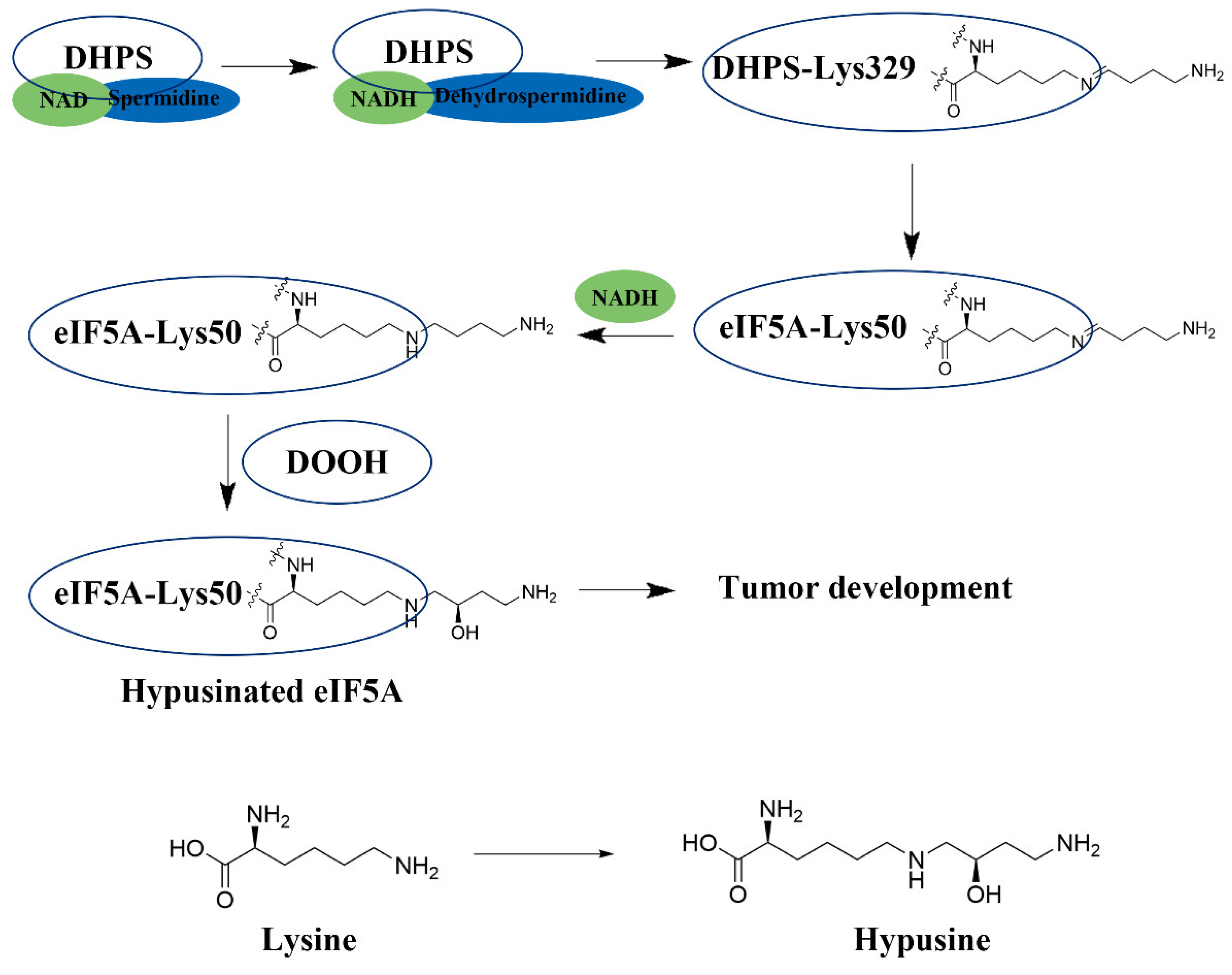
Figure 1. Schematic representation of the eIF5A maturation process catalyzed by DHPS and DOOH.
Biomolecules 16 00574 g001
Figure 2. Schematic overview of upstream signaling convergence on the DHPS/eIF5A hypusination axis. MYC drives ODC expression, increasing spermidine availability to fuel eIF5A hypusination. Hypusinated eIF5A reciprocally promotes MYC translation, establishing a positive feed-forward loop. ERK1/2 regulates the axis through both kinase-dependent transcriptional effects and kinase-independent scaffolding interactions. p53 exerts context-dependent effects, repressing polyamine synthesis under basal conditions while maintaining eIF5A hypusination under stress.
Biomolecules 16 00574 g002
Figure 3. Chemical structures of the substrate, substrate inhibitor, and allosteric inhibitor of DHPS.
Biomolecules 16 00574 g003
Figure 4. (A) Binding sites of the allosteric inhibitor and spermidine in DHPS. (a) Binding site of the allosteric inhibitor (shown in green, PDB ID: 6PGR). (b) Binding site of the substrate inhibitor (shown in purple, PDB ID: 6P4V). (c) Superposition of different DHPS conformations, showing that the allosteric inhibitor binding site is located in close proximity to the substrate inhibitor binding site. (B) Conformational changes in DHPS upon binding of different types of inhibitors. (d) Binding of the allosteric inhibitor induces unwinding of the α-helix near the binding site. (e) Binding of the substrate inhibitor does not induce unwinding of the α-helix. (f) Following unwinding, the spatial arrangement of the amino acid residues is altered, allowing them to extend into the spermidine-binding pocket, thereby affecting the catalytic activity of DHPS.
Biomolecules 16 00574 g004
Table 1. Summary of DHPS inhibitors and their development status in melanoma.
InhibitorClassDevelopment StageNotes
GC7Substrate mimeticPreclinical/ExploratoryBroad antiproliferative activity; limited by poor selectivity and off-target effects due to interference with other spermidine-dependent processes
11gAllosteric inhibitorPreclinicalFirst-in-class allosteric inhibitor; induces conformational change in DHPS; validated in biochemical and structural studies
26dAllosteric inhibitorPreclinicalFused-ring scaffold with distinct binding mode compared to 11g; potent inhibitory activity
8mAllosteric inhibitorPreclinicalPyrimidine derivative; potent anti-melanoma activity in vitro and in vivo; activates caspase-3
7kAllosteric inhibitorPreclinicalSuppresses vasculogenic mimicry (VM) via downregulation of FGFR2 and c-KIT; favorable pharmacokinetic profile
GL-1Allosteric inhibitorPreclinicalInhibits DHPS-eIF5A binding; promotes Cu2+ accumulation-induced apoptosis; regulates METTL3 m6A modification
7C16Allosteric inhibitorPreclinicalOxadiazole derivative; inhibits melanoma cell migration and invasion; active in zebrafish xenograft models
Disclaimer/Publisher’s Note: The statements, opinions and data contained in all publications are solely those of the individual author(s) and contributor(s) and not of MDPI and/or the editor(s). MDPI and/or the editor(s) disclaim responsibility for any injury to people or property resulting from any ideas, methods, instructions or products referred to in the content.