Dose- and Organ-Specific Dual Effects of MitoTempo in Paracetamol-Induced Hepatorenal Toxicity in Mice

Abstract
1. Introduction
2. Materials and Methods
2.1. Chemicals and Reagents
2.2. Animals and Experimental Design
2.3. Biochemical Assays
2.4. Preparation of Mitochondrial Fractions
2.5. Measurement of Mitochondrial Reactive Oxygen Species
2.6. Measurement of Mitochondrial Lipid Peroxidation
2.7. Quantification of Mitochondrial GSSG/GSH Ratio
2.8. Mitochondrial Superoxide Dismutase Activity Assay
2.9. Measurement of 8-OHdG in Mitochondrial and Nuclear DNA
2.10. Assessment of Mitochondrial Membrane Potential
2.11. Evaluation of Mitochondrial Permeability Transition Pore Opening
2.12. Gene Expression Analysis of Electron Transport Chain Components
2.13. Quantification of ETC Complex Proteins by Western Blotting
2.14. Measurement of Enzymatic Activities of ETC Complexes
2.15. Statistical Analysis
3. Results
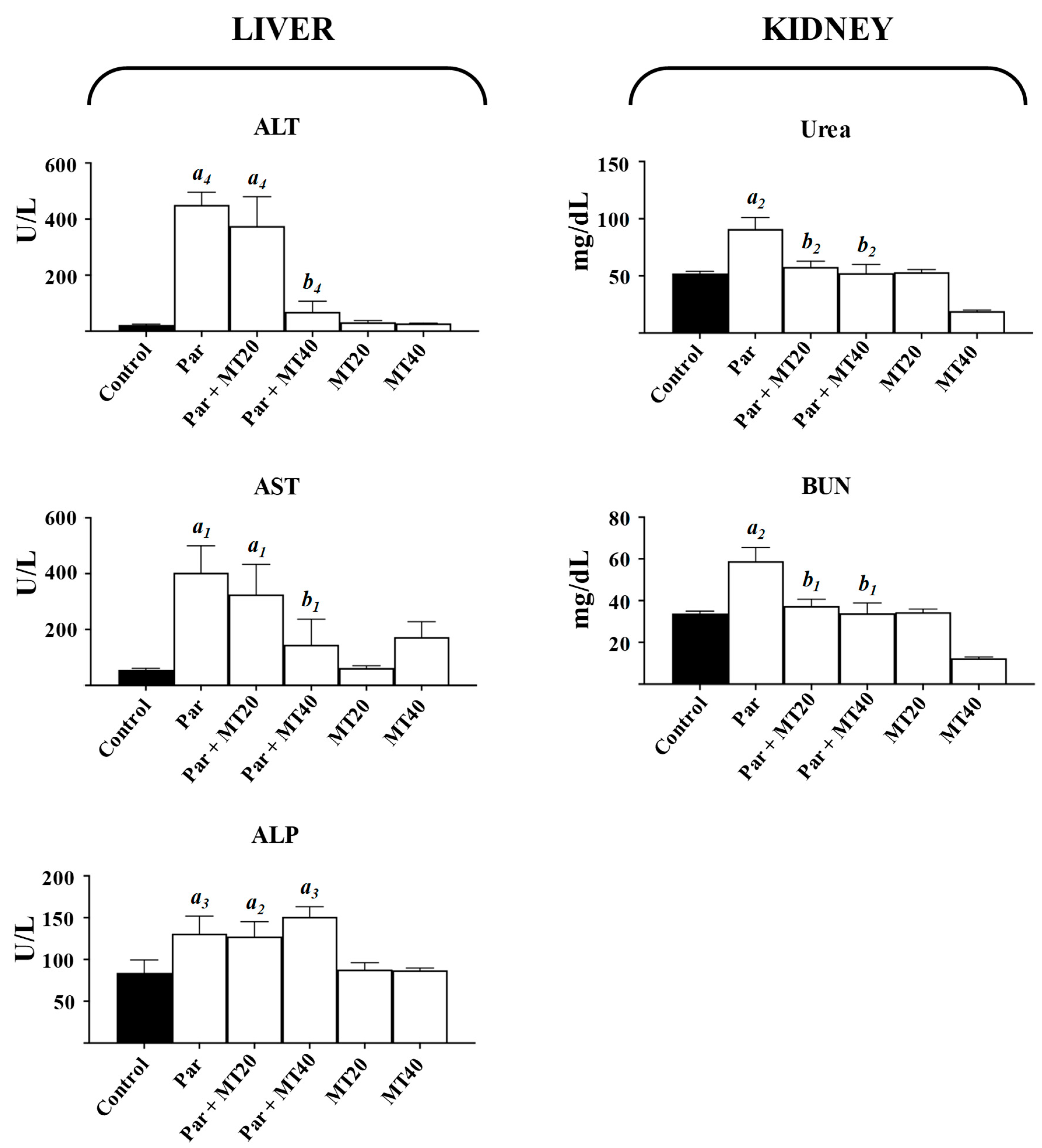
3.1. Effects of Paracetamol and MT on Serum Markers of Hepatic and Renal Injury
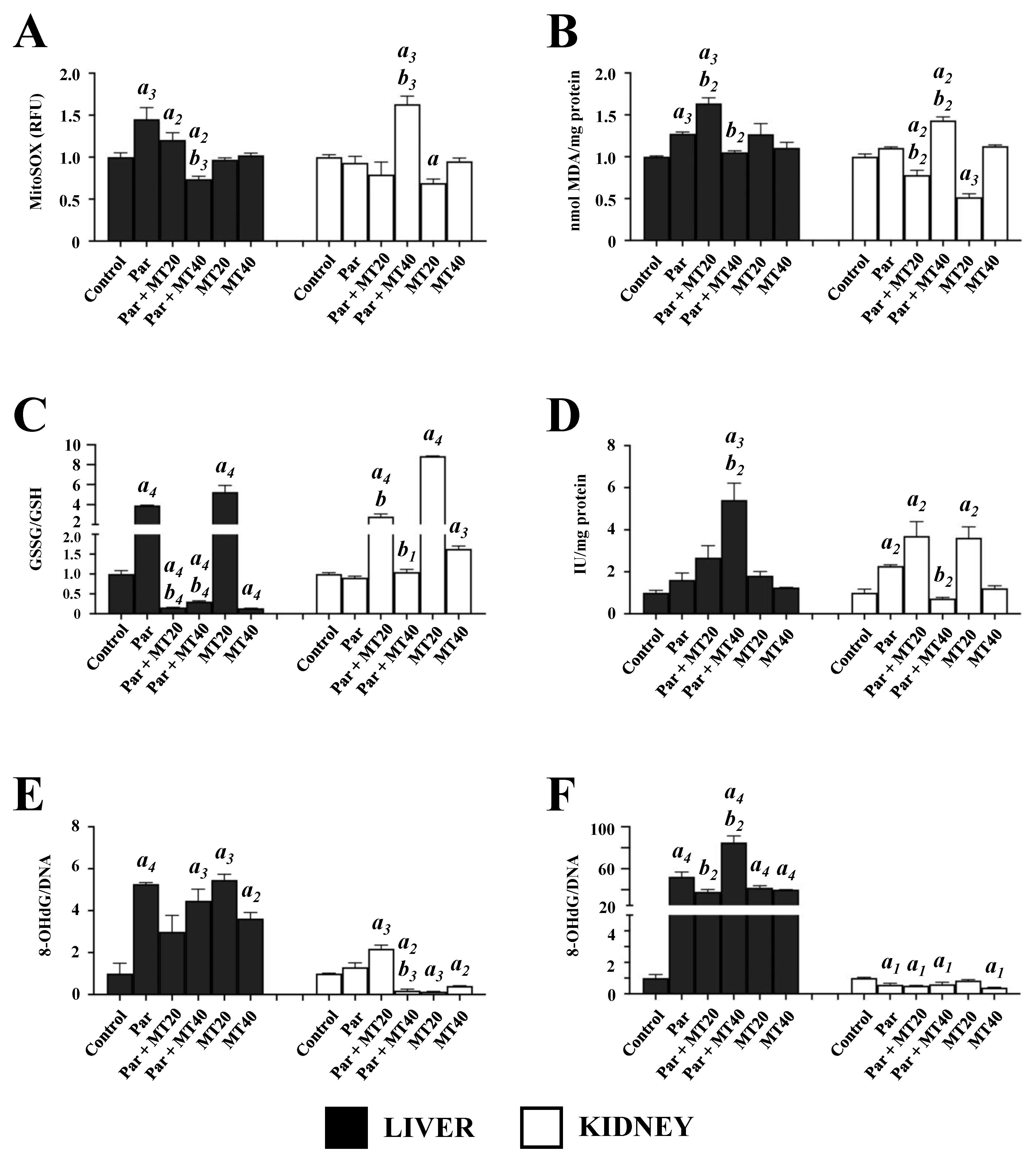
3.2. Effects of PAR and MT on Mitochondrial Oxidative Stress Parameters
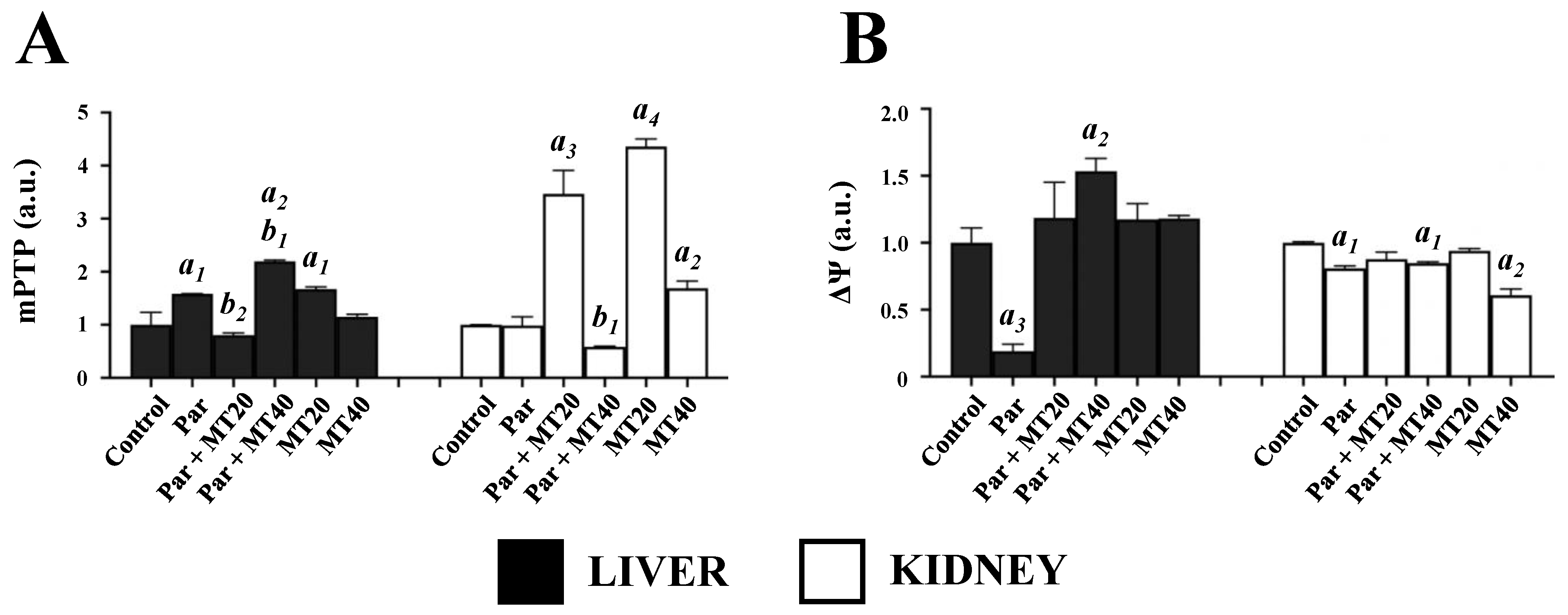
3.3. Effects of PAR and MT on Mitochondrial Permeability and Membrane Potential
3.4. Effects of PAR and MT on Mitochondrial Electron Transport Chain Complexes
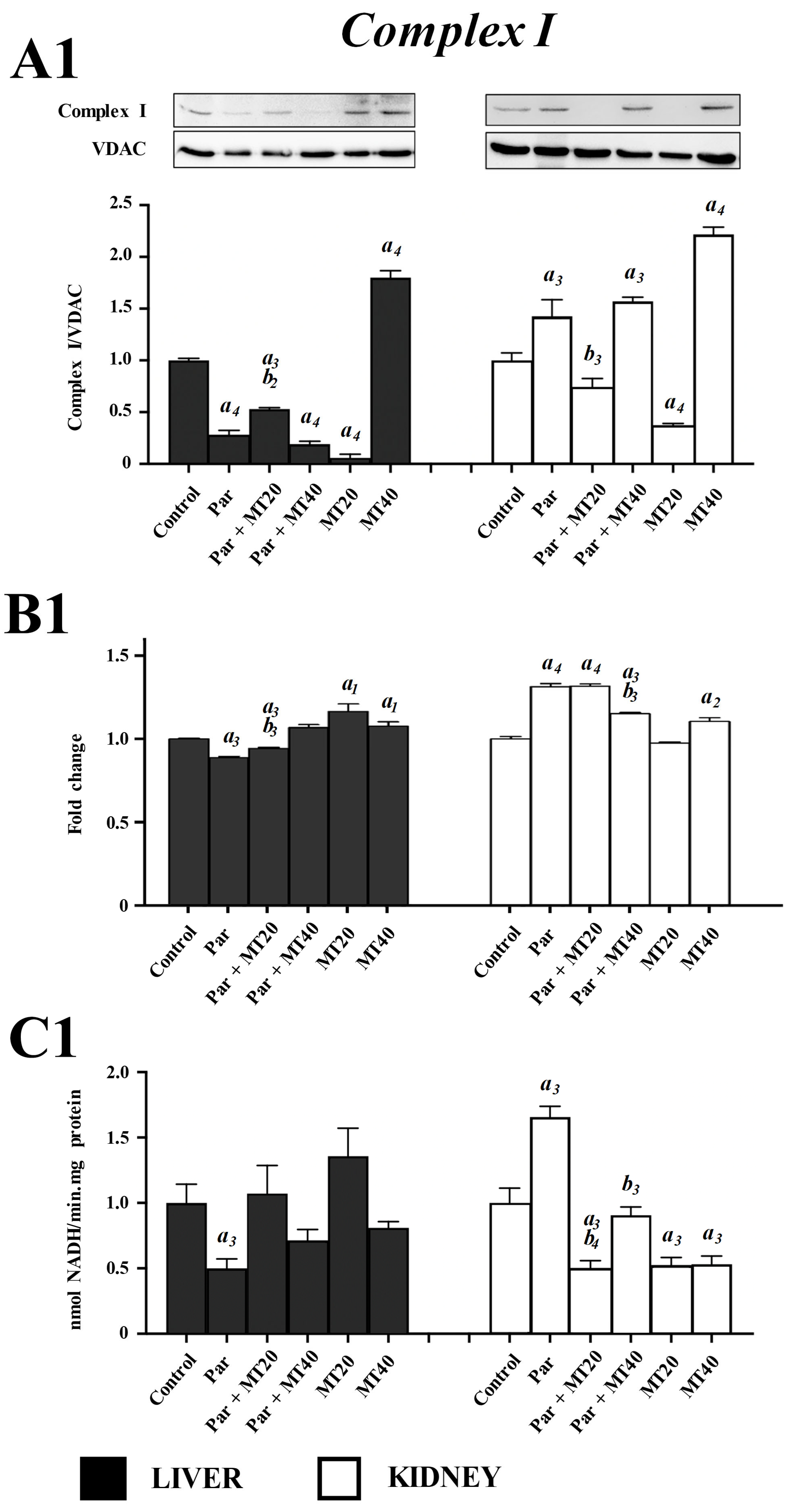
3.4.1. Complex I
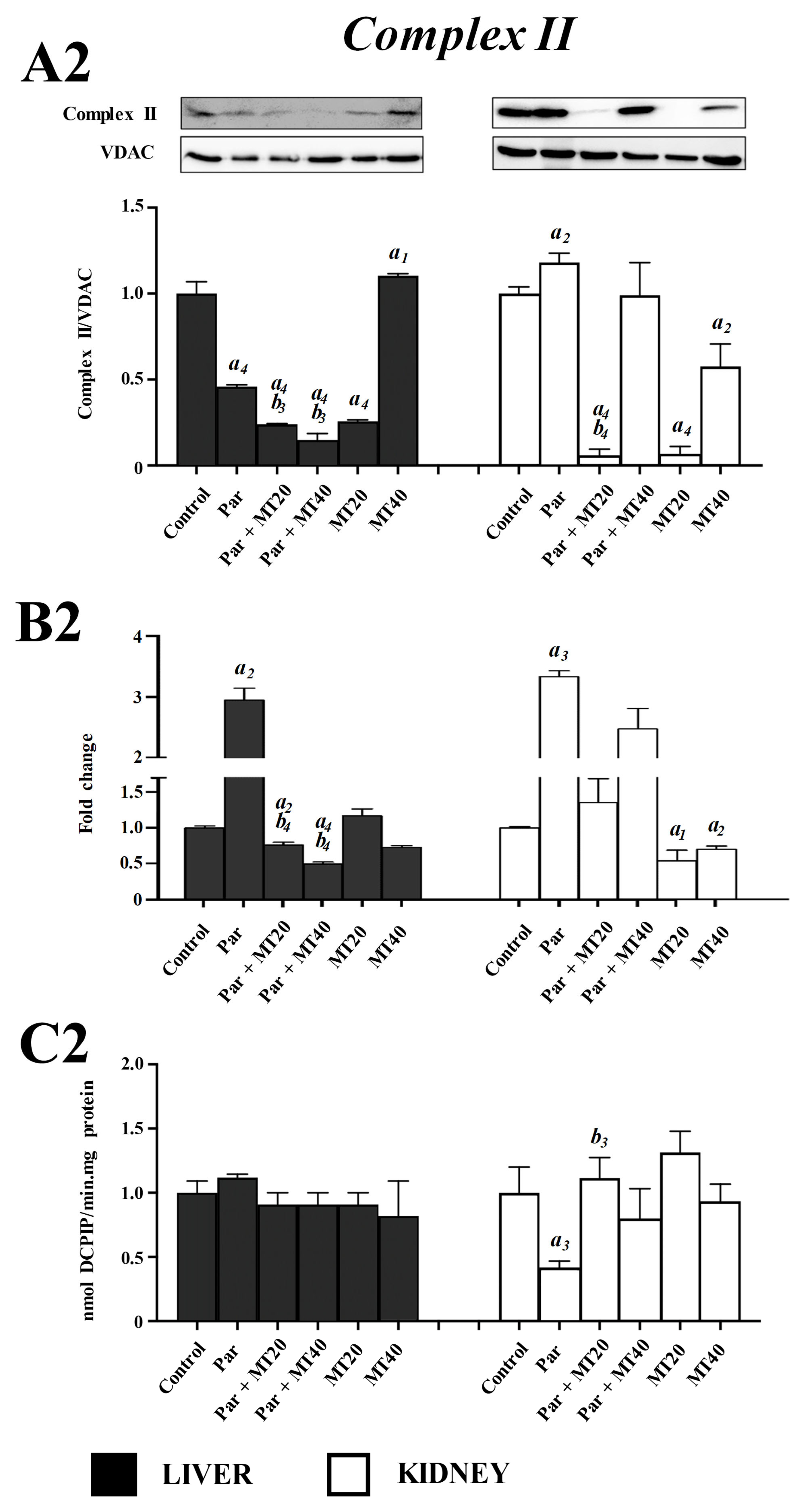
3.4.2. Complex II
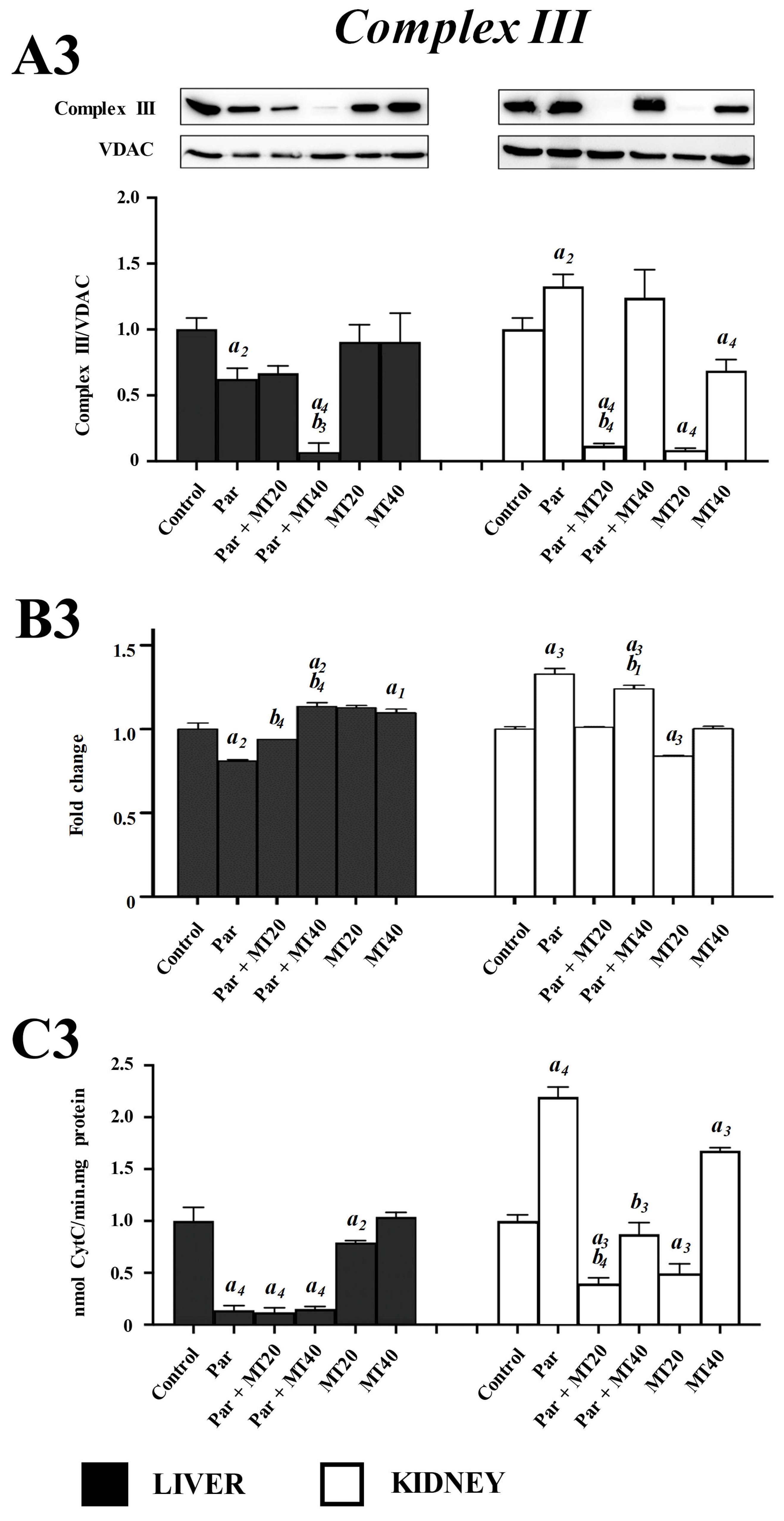
3.4.3. Complex III
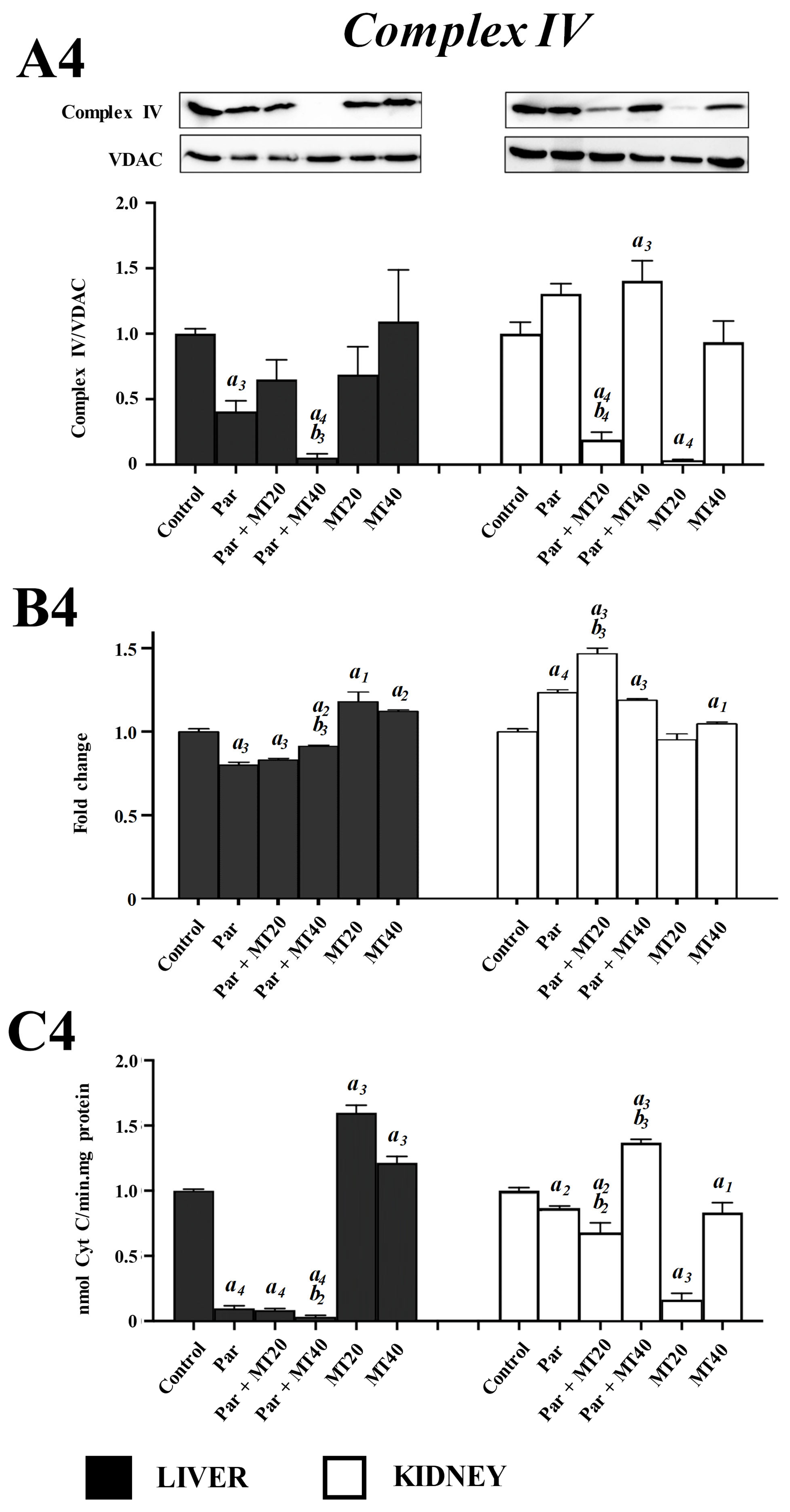
3.4.4. Complex IV
4. Discussion
5. Conclusions
Supplementary Materials
Author Contributions
Funding
Institutional Review Board Statement
Informed Consent Statement
Data Availability Statement
Acknowledgments
Conflicts of Interest
Abbreviations
| AIF | Apoptosis-inducing factor |
| ALT | Alanine aminotransferase |
| AST | Aspartate aminotransferase |
| ALP | Alkaline phosphatase |
| BUN | Blood urea nitrogen |
| cDNA | Complementary DNA |
| ETC | Electron transport chain |
| 8-OHdG | 8-Hydroxy-2′-deoxyguanosine |
| JNK | c-Jun N-terminal kinase |
| mPTP | Mitochondrial permeability transition pore |
| MT | Mitotempo |
| NAC | N-acetylcysteine |
| NAPQI | N-acetyl-p-benzoquinoneimine |
| PAR | Paracetamol |
| ROS | Reactive oxygen species |
| SOD2 | Mitochondrial superoxide dismutase |
References
- Jaeschke, H.; McGill, M.R.; Ramachandran, A. Oxidant stress, mitochondria, and cell death mechanisms in drug-induced liver injury: Lessons learned from acetaminophen hepatotoxicity. Drug Metab. Rev. 2012, 44, 88–106. [Google Scholar] [CrossRef]
- Saito, C.; Lemasters, J.J.; Jaeschke, H. c-Jun N-terminal kinase modulates oxidant stress and peroxynitrite formation independent of inducible nitric oxide synthase in acetaminophen hepatotoxicity. Toxicol. Appl. Pharmacol. 2010, 246, 8–17. [Google Scholar] [CrossRef] [PubMed]
- Ramachandran, A.; Lebofsky, M.; Baines, C.P.; Lemasters, J.J.; Jaeschke, H. Cyclophilin D deficiency protects against acetaminophen-induced oxidant stress and liver injury. Free. Radic. Res. 2011, 45, 156–164. [Google Scholar] [CrossRef] [PubMed]
- McGill, M.R.; Sharpe, M.R.; Williams, C.D.; Taha, M.; Curry, S.C.; Jaeschke, H. The mechanism underlying acetaminophen-induced hepatotoxicity in humans and mice involves mitochondrial damage and nuclear DNA fragmentation. J. Clin. Investig. 2012, 122, 1574–1583. [Google Scholar] [CrossRef] [PubMed]
- Shi, J.; Peng, X.; Huang, J.; Zhang, M.; Wang, Y. Dihydromyricetin Alleviated Acetaminophen-Induced Acute Kidney Injury via Nrf2-Dependent Anti-Oxidative and Anti-Inflammatory Effects. Int. J. Mol. Sci. 2025, 26, 2365. [Google Scholar] [CrossRef]
- Akakpo, J.Y.; Ramachandran, A.; Rumack, B.H.; Wallace, D.P.; Jaeschke, H. Lack of mitochondrial Cyp2E1 drives acetaminophen-induced ER stress-mediated apoptosis in mouse and human kidneys: Inhibition by 4-methylpyrazole but not N-acetylcysteine. Toxicology 2023, 500, 153692. [Google Scholar] [CrossRef]
- Cobden, I.; Record, C.O.; Ward, M.K.; Kerr, D.N.S. Renal failure following paracetamol overdose. BMJ 1982, 284, 21–22. [Google Scholar] [CrossRef]
- Davenport, A.; Finn, R. Paracetamol poisoning and acute renal failure. Hum. Toxicol. 1988, 7, 241–245. [Google Scholar]
- Mohamed, S.; Flament, J. Paracetamol overdose causing acute kidney injury without hepatotoxicity: A case report. Int. J. Emerg. Med. 2024, 17, 62. [Google Scholar] [CrossRef]
- Blakely, P.; McDonald, B.R. Acute renal failure due to acetaminophen ingestion: A case report and review of the literature. Clin. Nephrol. 1995, 43, 196–199. [Google Scholar] [CrossRef]
- Möller-Hartmann, W.; Siegers, C.P. Nephrotoxicity of paracetamol in the rat—Mechanistic and therapeutic aspects. J. Appl. Toxicol. 1991, 11, 141–146. [Google Scholar] [CrossRef] [PubMed]
- Akakpo, J.Y.; Ramachandran, A.; Orhan, H.; Curry, S.C.; Rumack, B.H.; Jaeschke, H. 4-Methylpyrazole protects against acetaminophen-induced acute kidney injury. Toxicol. Appl. Pharmacol. 2020, 409, 115317. [Google Scholar] [CrossRef]
- Du, K.; Farhood, A.; Jaeschke, H. Mitochondria-targeted antioxidant Mito-Tempo protects against acetaminophen hepatotoxicity. Arch. Toxicol. 2017, 91, 761–773. [Google Scholar] [CrossRef] [PubMed]
- Du, K.; Ramachandran, A.; McGill, M.R.; Jaeschke, H. Mito-Tempo protects against acute liver injury but induces limited secondary apoptosis during the late phase of acetaminophen hepatotoxicity. Arch. Toxicol. 2019, 93, 163–178. [Google Scholar] [CrossRef]
- Fouret, G.; Gaillet, S.; Lecomte, J.; Bonafos, B.; Djohan, F.; Barea, B.; Badia, E.; Coudray, C.; Feillet-Coudray, C. The mitochondrial-targeted antioxidant, MitoQ, increases liver mitochondrial cardiolipin content in obesogenic diet-fed rats. Biochim. Biophys. Acta Bioenerg. 2015, 1847, 1025–1035. [Google Scholar] [CrossRef]
- Arzuk, E.; Karakuş, F.; Orhan, H. Bioactivation of clozapine by mitochondria of the murine heart: Possible cause of cardiotoxicity. Toxicology 2021, 447, 152628. [Google Scholar] [CrossRef]
- Arzuk, E.; Tokdemir, M.; Orhan, H. Mitochondrial versus microsomal bioactivation of paracetamol by human liver and kidney tissues. Toxicol. Lett. 2022, 363, 36–44. [Google Scholar] [CrossRef]
- Kauffman, M.E.; Kauffman, M.K.; Traore, K.; Zhu, H.; Trush, M.A.; Jia, Z.; Li, Y.R. MitoSOX-based flow cytometry for detecting mitochondrial ROS. React. Oxyg. Species 2016, 2, 361–370. [Google Scholar] [CrossRef]
- Richard, M.J.; Arnaud, J.; Jurkovitz, C.; Hachace, T.; Meftahi, H.; Laporte, F.; Foret, M.; Favier, A. Trace element and lipid peroxidation abnormalities in patients with chronic renal failure. Nephron 1991, 57, 10–15. [Google Scholar] [CrossRef]
- Du, K.; Williams, C.D.; McGill, M.R.; Jaeschke, H. Lower susceptibility of female mice to acetaminophen hepatotoxicity: Role of mitochondrial glutathione, oxidant stress and c-Jun N-terminal kinase. Toxicol. Appl. Pharmacol. 2014, 281, 58–66. [Google Scholar] [CrossRef] [PubMed]
- Kocagöz, R.; Onmuş, O.; Onat, İ.; Çağdaş, B.; Sıkı, M.; Orhan, H. Environmental and biological monitoring of persistent organic pollutants in waterbirds by non-invasive versus invasive sampling. Toxicol. Lett. 2014, 230, 208–217. [Google Scholar] [CrossRef]
- Karaca, M.; Varışlı, L.; Korkmaz, K.; Özaydın, O.; Perçin, F.; Orhan, H. Organochlorine pesticides and antioxidant enzymes are inversely correlated with liver enzyme gene expression in Cyprinus carpio. Toxicol. Lett. 2014, 230, 198–207. [Google Scholar] [CrossRef] [PubMed]
- Kauppila, J.H.K.; Bonekamp, N.A.; Mourier, A.; Isokallio, M.A.; Just, A.; Kauppila, T.E.S.; Stewart, J.B.; Larsson, N.-G. Base-excision repair deficiency alone or combined with increased oxidative stress does not increase mtDNA point mutations in mice. Nucleic Acids Res. 2018, 46, 6642–6669. [Google Scholar] [CrossRef]
- Sivandzade, F.; Bhalerao, A.; Cucullo, L. Analysis of the mitochondrial membrane potential using the cationic JC-1 dye as a sensitive fluorescent probe. Bio-Protocol 2019, 9, e3128. [Google Scholar] [CrossRef]
- Dumbali, S.P.; Horton, P.D.; Moore, T.I.; Wenzel, P.L. Mitochondrial permeability transition dictates mitochondrial maturation upon switch in cellular identity of hematopoietic precursors. Commun. Biol. 2024, 7, 967. [Google Scholar] [CrossRef] [PubMed]
- Chomczynski, P.; Sacchi, N. The single-step method of RNA isolation by acid guanidinium thiocyanate–phenol–chloroform extraction: Twenty-something years on. Nat. Protoc. 2006, 1, 581–585. [Google Scholar] [CrossRef] [PubMed]
- Brischigliaro, M.; Frigo, E.; Fernandez-Vizarra, E.; Bernardi, P.; Viscomi, C. Measurement of mitochondrial respiratory chain enzymatic activities in Drosophila melanogaster samples. STAR Protoc. 2022, 3, 101322. [Google Scholar] [CrossRef]
- Pöverlein, M.C.; Jussupow, A.; Kim, H.; Kaila, V.R.I. Protein-Induced Membrane Strain Drives Supercomplex Formation. eLife 2024, 13, RP102104. [Google Scholar] [CrossRef]
- Foti, S.C.; Hargreaves, I.; Carrington, S.; Kiely, A.P.; Houlden, H.; Holton, J.L. Cerebral mitochondrial electron transport chain dysfunction in multiple system atrophy and Parkinson’s disease. Sci. Rep. 2019, 9, 6559. [Google Scholar] [CrossRef]
- Sadeesh, E.M.; Lahamge, M.S.; Malik, A.; Ampadi, A.N. Differential Expression of Nuclear-Encoded Mitochondrial Protein Genes of ATP Synthase Across Different Tissues of Female Buffalo. Mol. Biotechnol. 2025, 67, 705–722. [Google Scholar] [CrossRef]




| Gene Name | Forward (5′→3′) | Reverse (5′→3′) |
|---|---|---|
| Complex I | 5′-GCTTTAACGAGCCGTAGCCCA-3′ | 5′-GGGTCAGGCTGGCAGAAGTAA-3′ |
| Complex II | 5′-GCTCGAGCTCTCCTACTCC-3′ | 5′-GCTTGGTGACAGGTGAATGT-3′ |
| Complex III | 5′-TCCTTCATGTCGGACGAGGC-3′ | 5′-AATGCTGTGGCTATGACTGCG-3′ |
| Complex IV | 5′-ACCTGGTGAACTACGACTGCT-3′ | 5′-TCCTAGGGAGGGGACTGCTC-3′ |
| 16SRNA | 5′-ACACCGGAATGCCTAAAGGA-3′ | 5′-ATACCGCGGCCGTTAAACTT-3′ |
Disclaimer/Publisher’s Note: The statements, opinions and data contained in all publications are solely those of the individual author(s) and contributor(s) and not of MDPI and/or the editor(s). MDPI and/or the editor(s) disclaim responsibility for any injury to people or property resulting from any ideas, methods, instructions or products referred to in the content. |
© 2026 by the authors. Licensee MDPI, Basel, Switzerland. This article is an open access article distributed under the terms and conditions of the Creative Commons Attribution (CC BY) license.
Share and Cite
Orhan, H.; Atmaca, K.; Aladağ, B.; Kotmakçı, M. Dose- and Organ-Specific Dual Effects of MitoTempo in Paracetamol-Induced Hepatorenal Toxicity in Mice. Biomolecules 2026, 16, 556. https://doi.org/10.3390/biom16040556
Orhan H, Atmaca K, Aladağ B, Kotmakçı M. Dose- and Organ-Specific Dual Effects of MitoTempo in Paracetamol-Induced Hepatorenal Toxicity in Mice. Biomolecules. 2026; 16(4):556. https://doi.org/10.3390/biom16040556
Chicago/Turabian StyleOrhan, Hilmi, Kemal Atmaca, Berin Aladağ, and Mustafa Kotmakçı. 2026. "Dose- and Organ-Specific Dual Effects of MitoTempo in Paracetamol-Induced Hepatorenal Toxicity in Mice" Biomolecules 16, no. 4: 556. https://doi.org/10.3390/biom16040556
APA StyleOrhan, H., Atmaca, K., Aladağ, B., & Kotmakçı, M. (2026). Dose- and Organ-Specific Dual Effects of MitoTempo in Paracetamol-Induced Hepatorenal Toxicity in Mice. Biomolecules, 16(4), 556. https://doi.org/10.3390/biom16040556