Article

Beyond Small Molecules: Orchestrating Cell Fate with Engineered Water-Soluble Membrane Proteins

by
Sebastian Valencia-Amores
1,
Israel Davila Aleman
1,
Timothy G. Jenkins
1 and
Dario Mizrachi
2,*
1
Department of Cell Biology and Physiology, Brigham Young University, Provo, UT 84602, USA
2
Department of Biomedical Sciences, Noorda College of Osteopathic Medicine, Provo, UT 84606, USA
*
Author to whom correspondence should be addressed.
Biomolecules 2026, 16(4), 546; https://doi.org/10.3390/biom16040546
Submission received: 23 January 2026 / Revised: 25 March 2026 / Accepted: 30 March 2026 / Published: 8 April 2026
(This article belongs to the Special Issue Recent Molecular Research on Protein Structure and Function)

Abstract

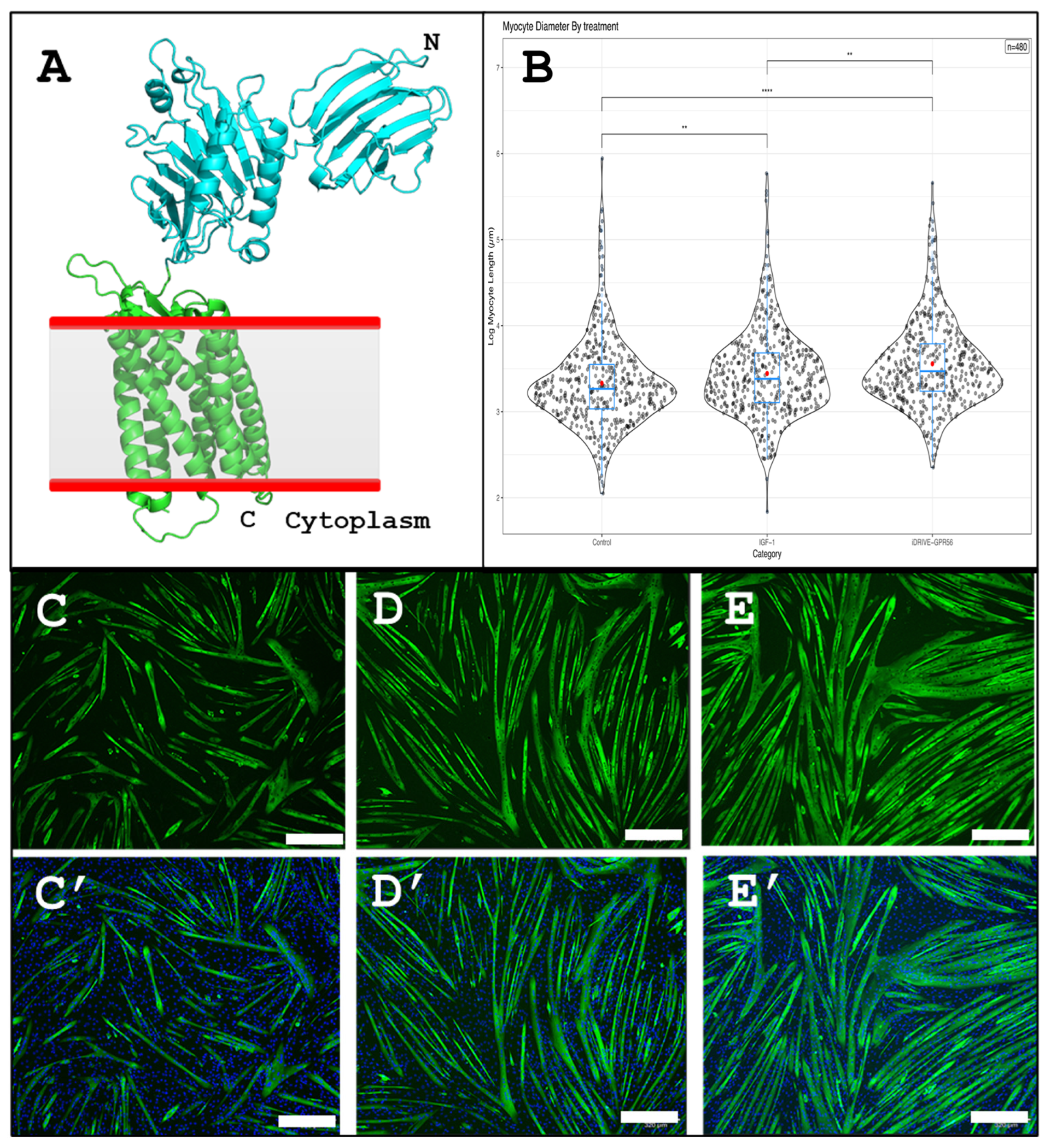
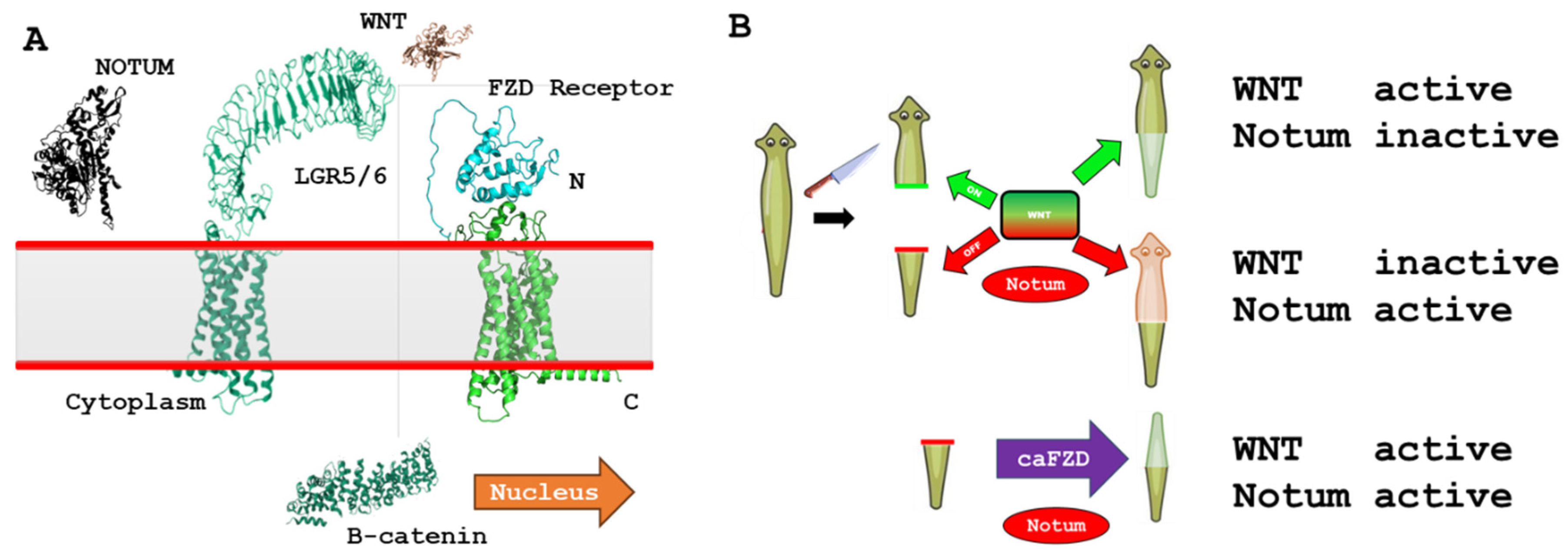
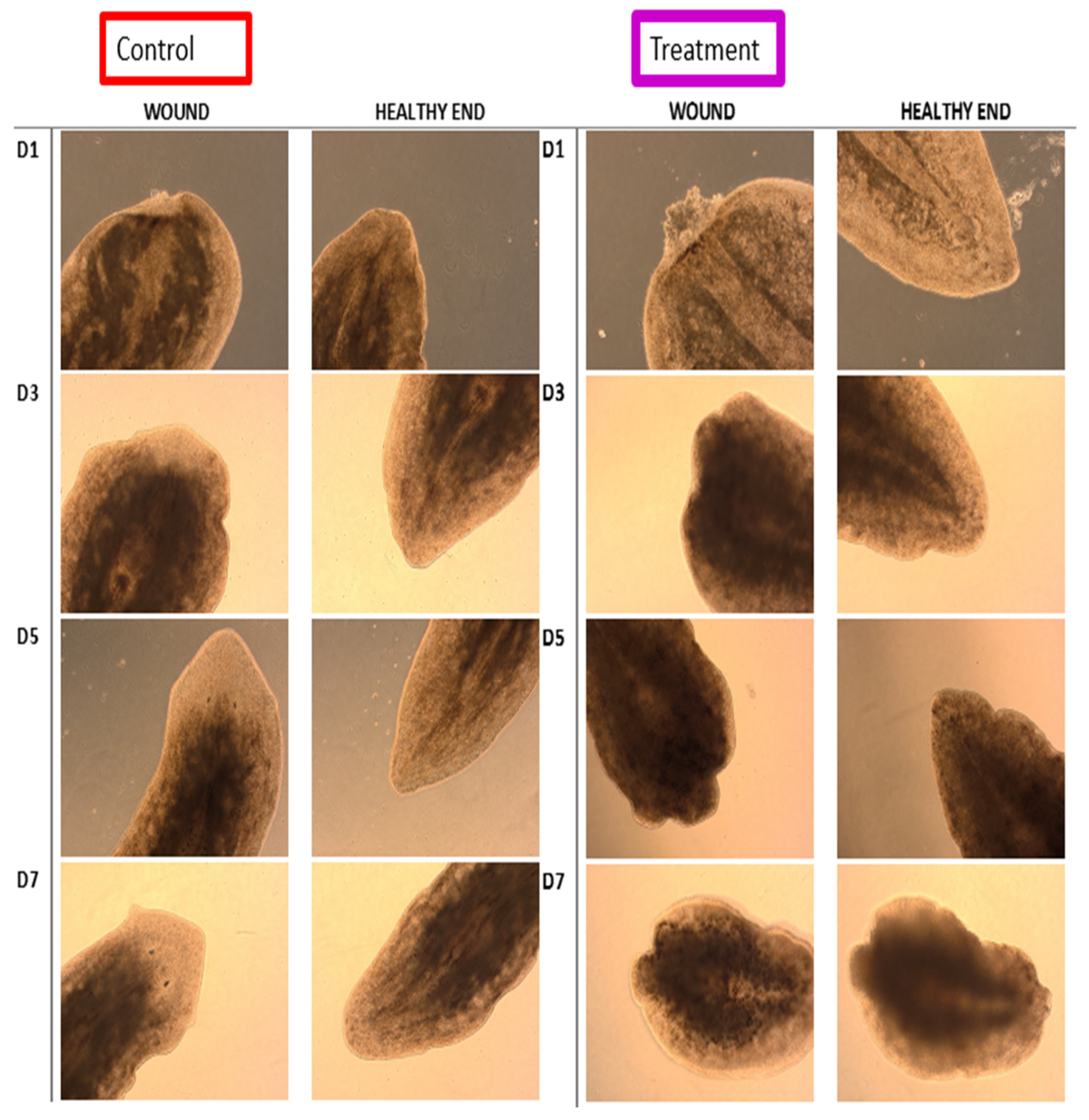
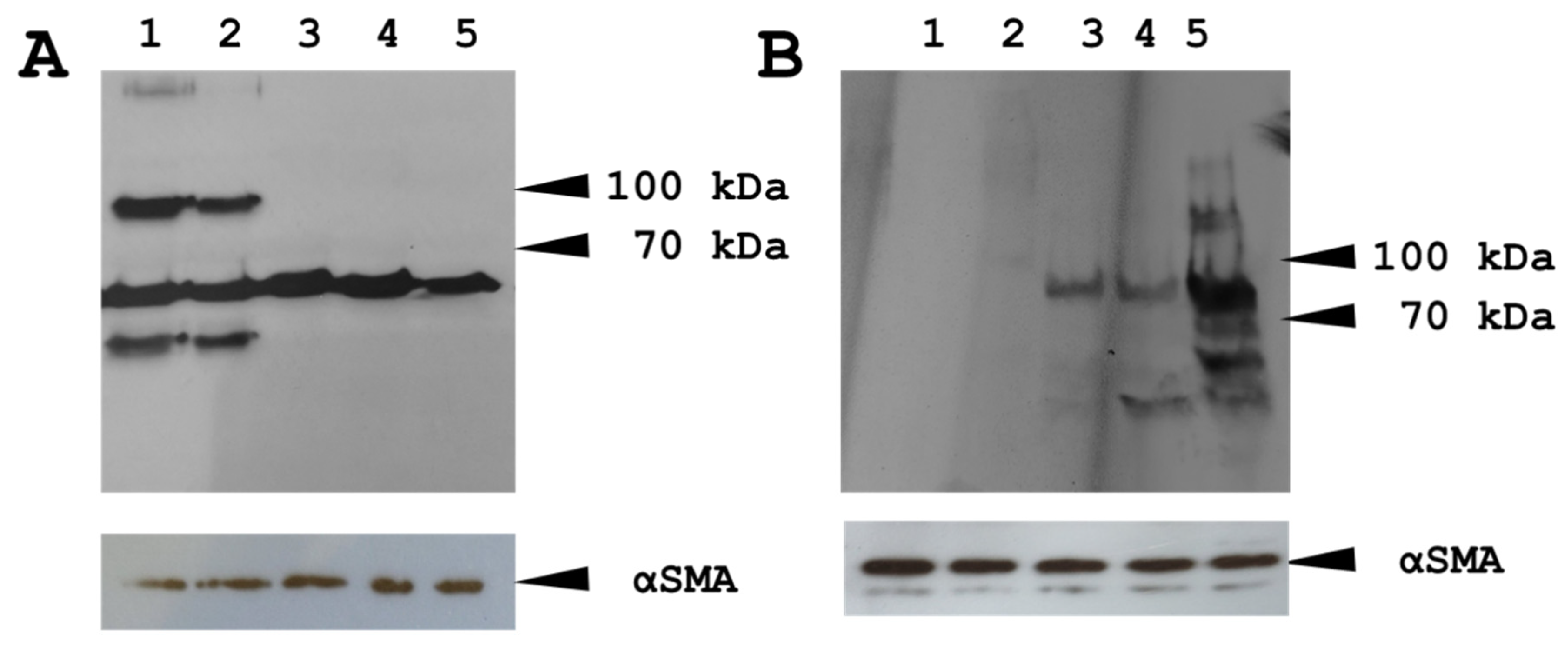
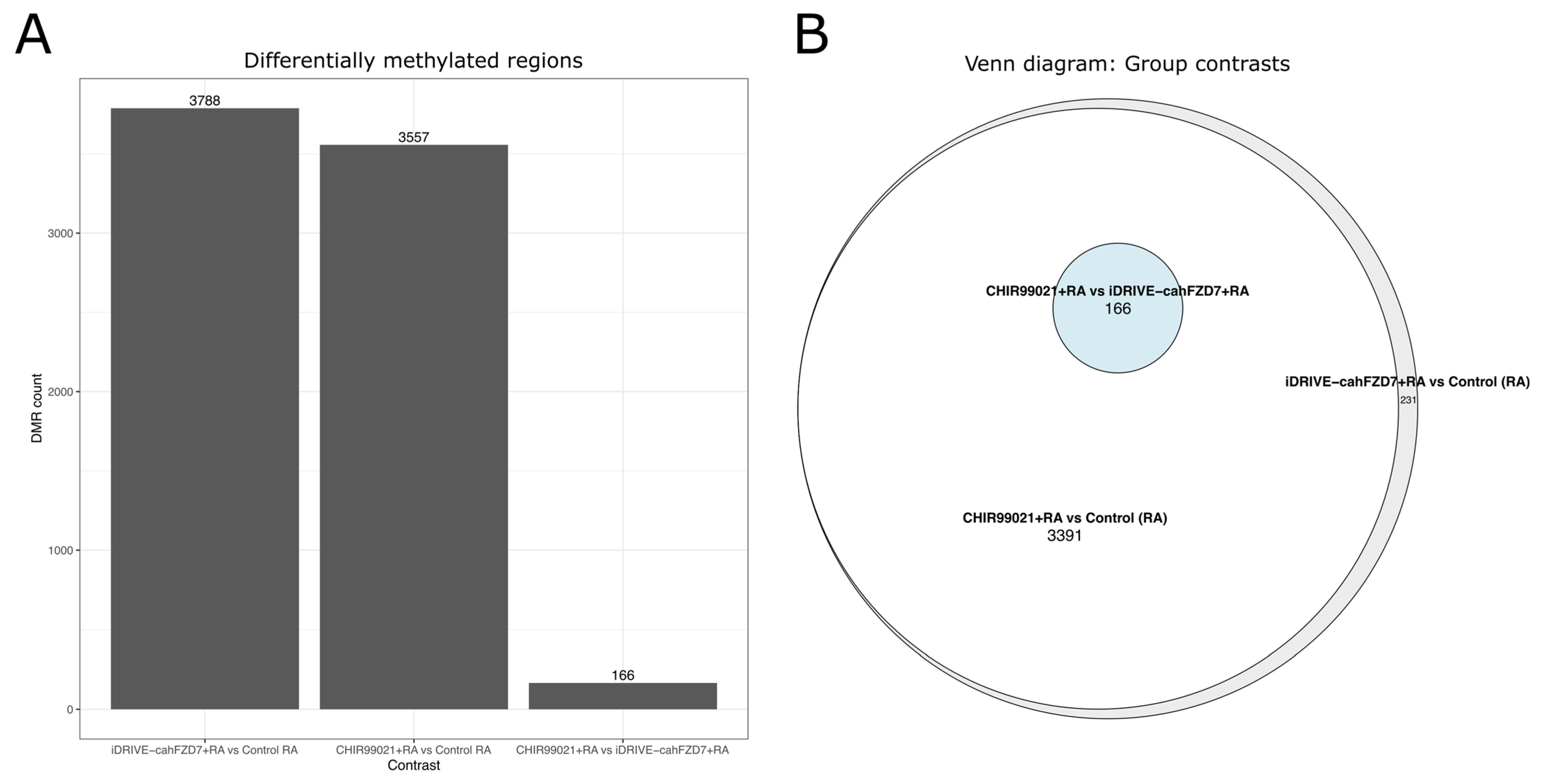
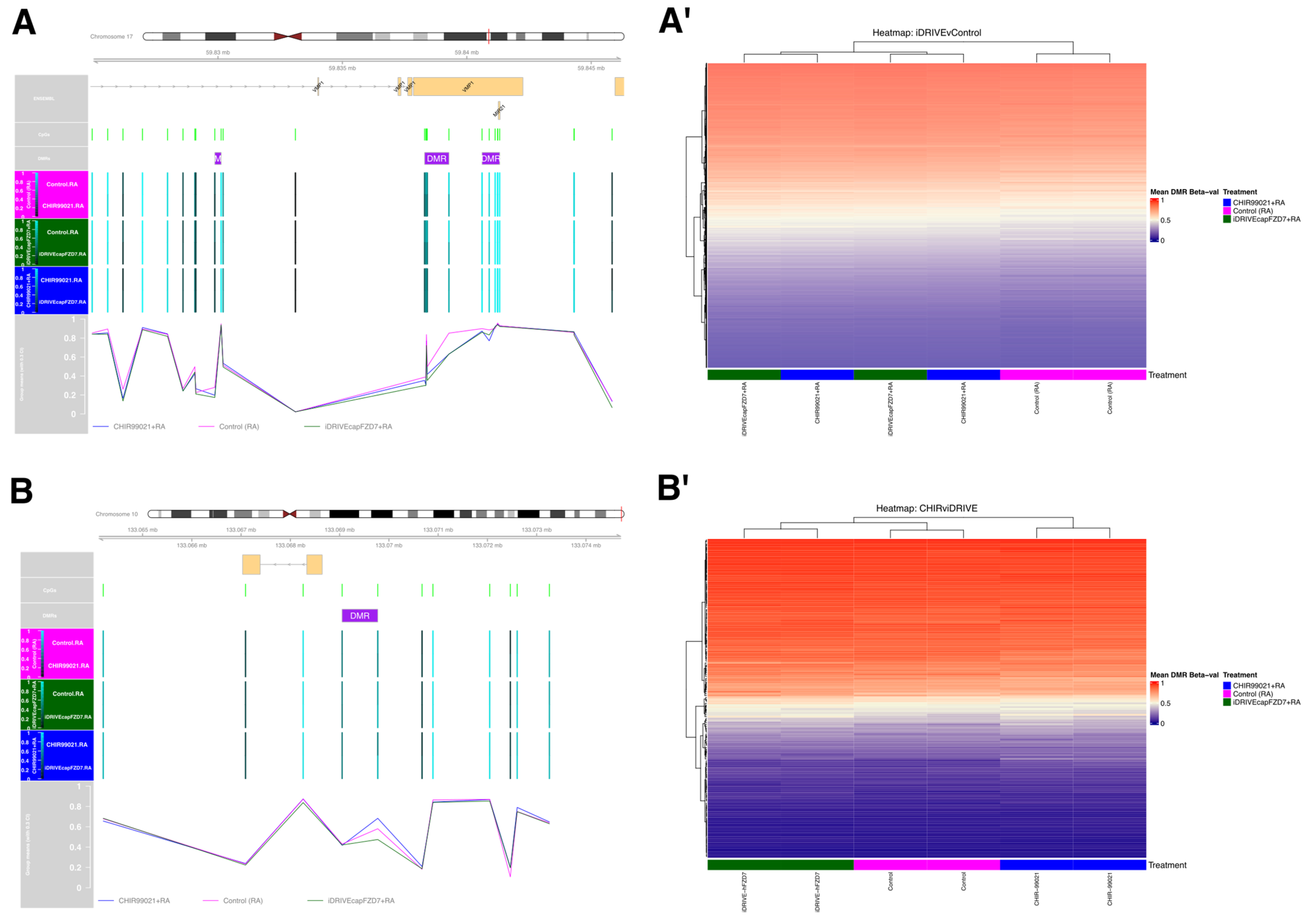
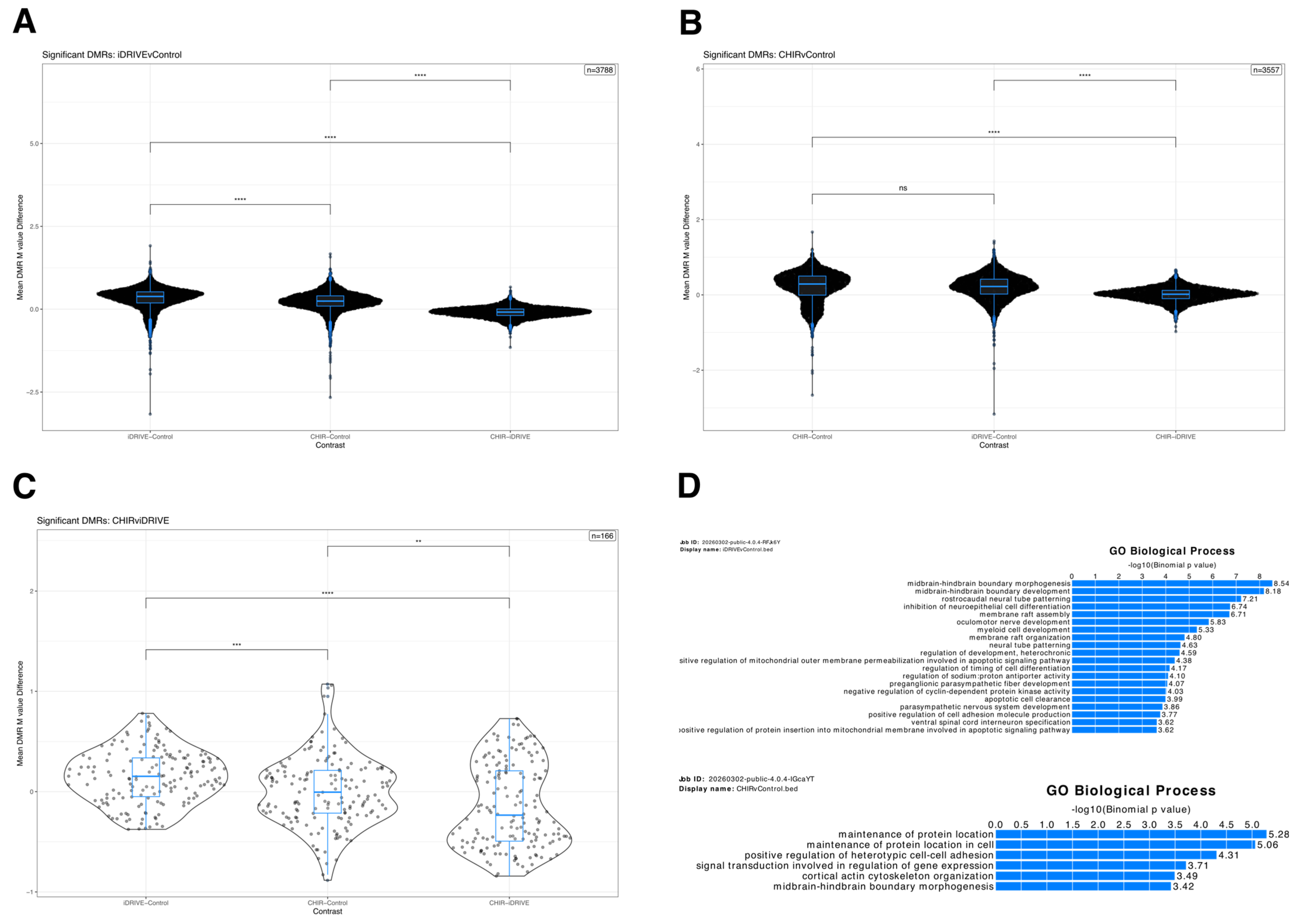
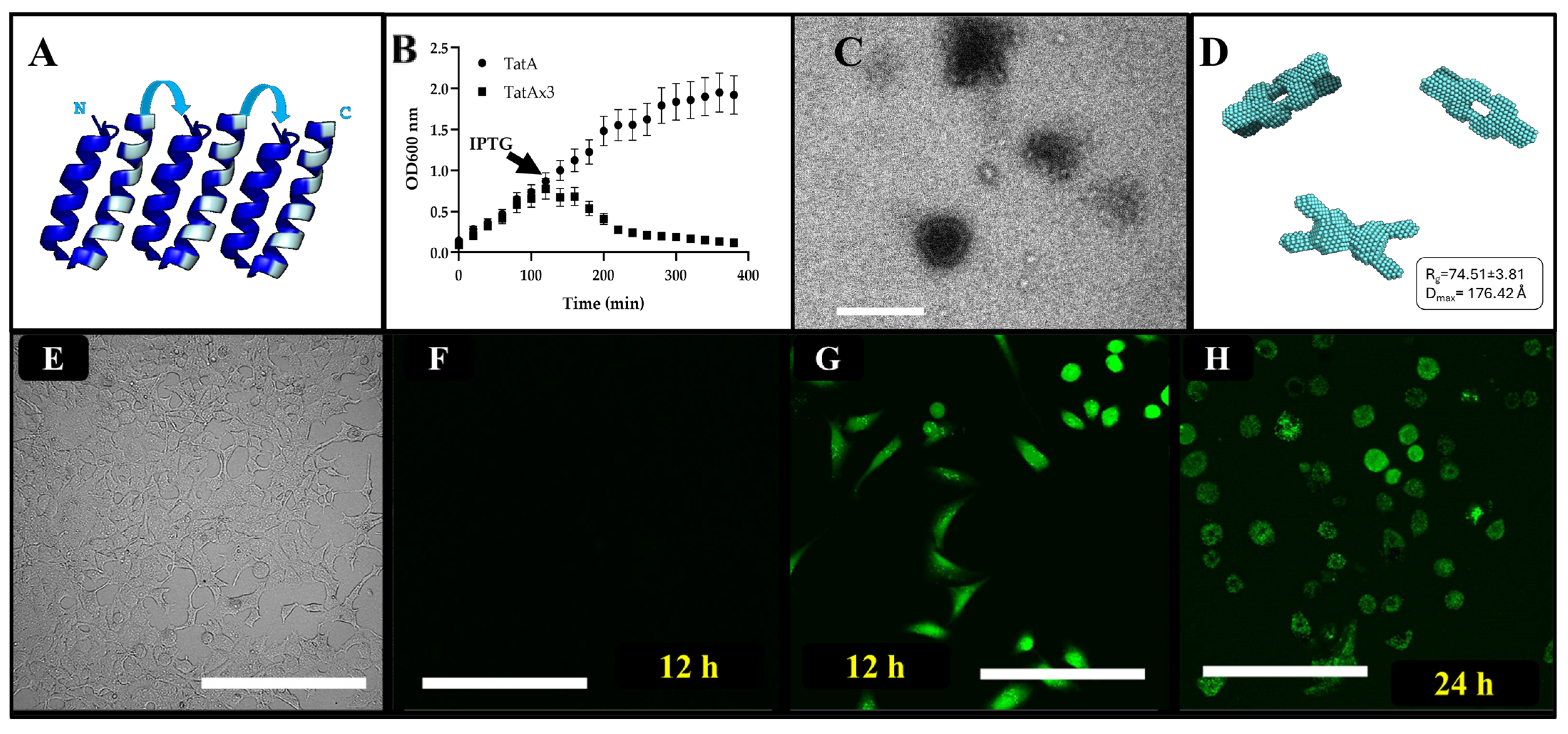
The potential of water-soluble membrane proteins (wsMPs) has not been fully realized. In this article, we exploit the nearly identical functionality of wsMPs with their membrane-bound counterparts and show that we can create water-soluble membrane proteins that incorporate into the plasma membranes of cells and alter their fate. As a proof of concept, we demonstrate the functional properties of water-soluble engineered pore-forming proteins, K+ ionic channels (MthK), and constitutively active GPCRs—among them frizzled receptors—both in vitro and in vivo. We call this method in vivo deployment of recombinant viable MPs, iDRIVE. Furthermore, we demonstrate that our strategy mediates the unidirectional insertion of MPs into the plasma membrane, and through constitutively active receptors, we present evidence for similar signaling pathway activation between small molecules and our water-soluble proteins using model phenotypes and molecular signaling assays. We present three examples where wsMPs are functional in dictating cellular fate, both in vitro and in vivo. Lastly, we show the induction of similar differential methylation via the activation of the Wnt signaling pathway using the conventional small molecule agonist, CHIR99021, or our wsFrizzled receptors (iDRIVE-FZD) in human embryonic kidney (HEK 293) embryoid spheroids (ESs). Additionally, we show that Wnt activation via wsFrizzled receptors results in even more biologically relevant epigenetic changes than via the small molecule CHIR99021. Future work will employ iDRIVE to differentiate stem cells in the production of research and clinically relevant organoids.
Keywords: water-soluble membrane proteins; regeneration; cell differentiation water-soluble membrane proteins; regeneration; cell differentiation