Apigenin Inhibits the Growth of Esophageal Squamous Cell Carcinoma (ESCC) Cells by Harnessing the Expression of MicroRNAs

 , , and
Abstract
1. Introduction
2. Materials and Methods
2.1. Reagents and Cell Lines
2.2. Cell Viability and Colony Formation Assays
2.3. Apoptosis Analysis
2.4. Wound Healing and Transwell Invasion Assay
2.5. MicroRNA Transcriptome Profiling
2.6. Bioinformatics and Target Gene Prediction
2.7. RNA Isolation and Quantitative Real-Time PCR (qRT-PCR)
2.8. Statistical Analysis
3. Results
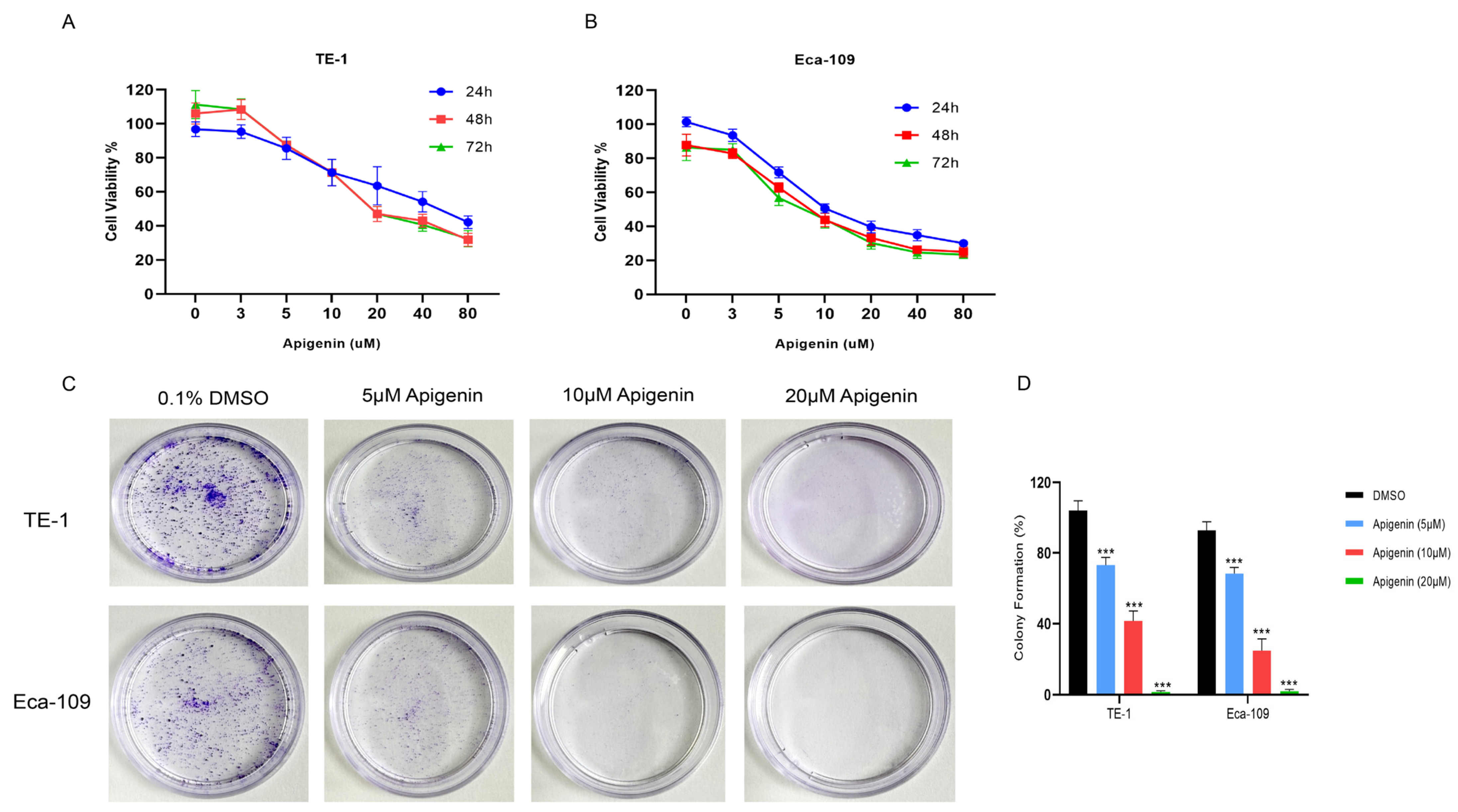
3.1. Apigenin Suppresses the Proliferation of TE-1 and Eca-109 Cells
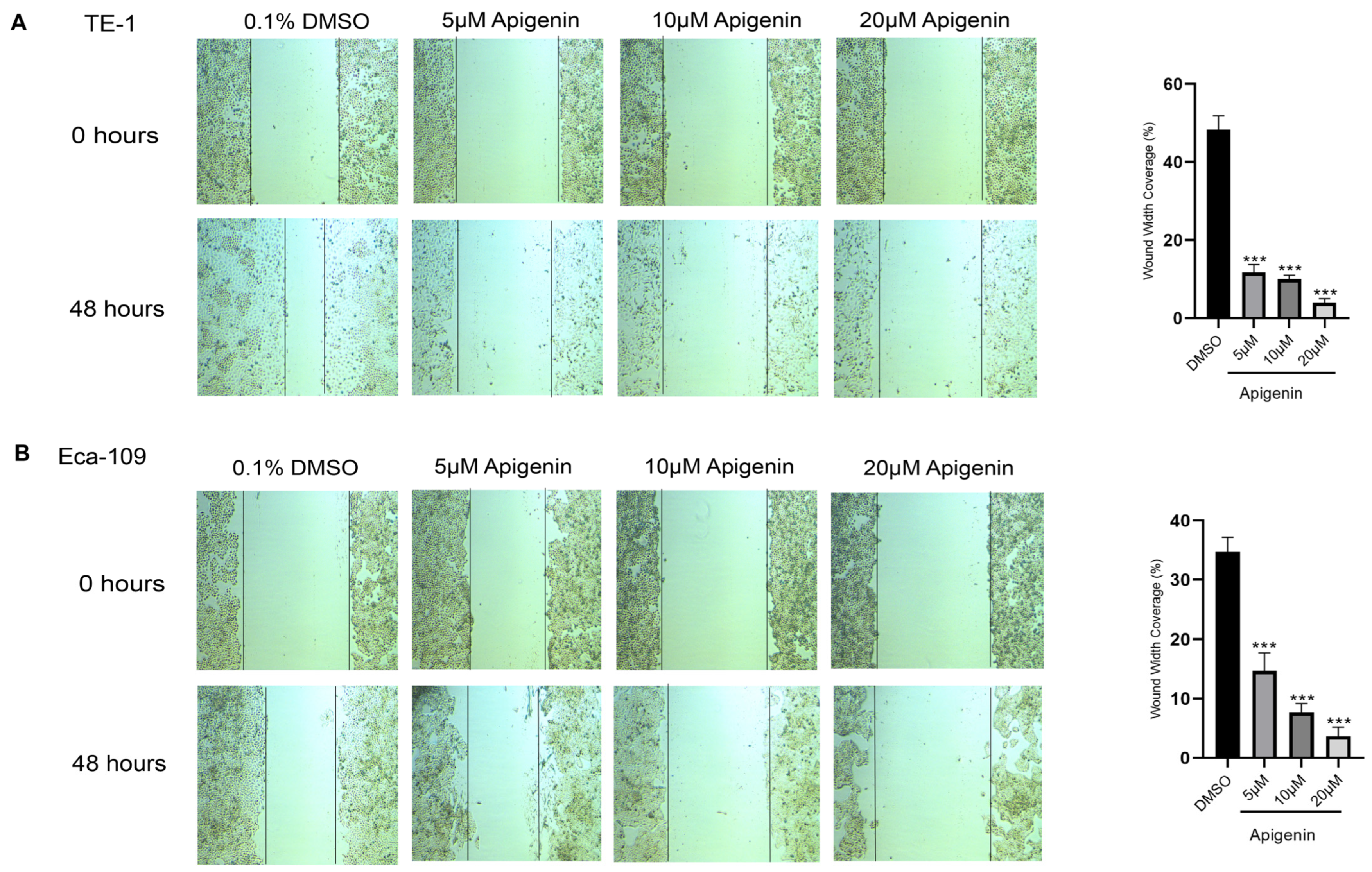
3.2. Apigenin Attenuated Wound Healing in TE-1 and Eca-109 Cells
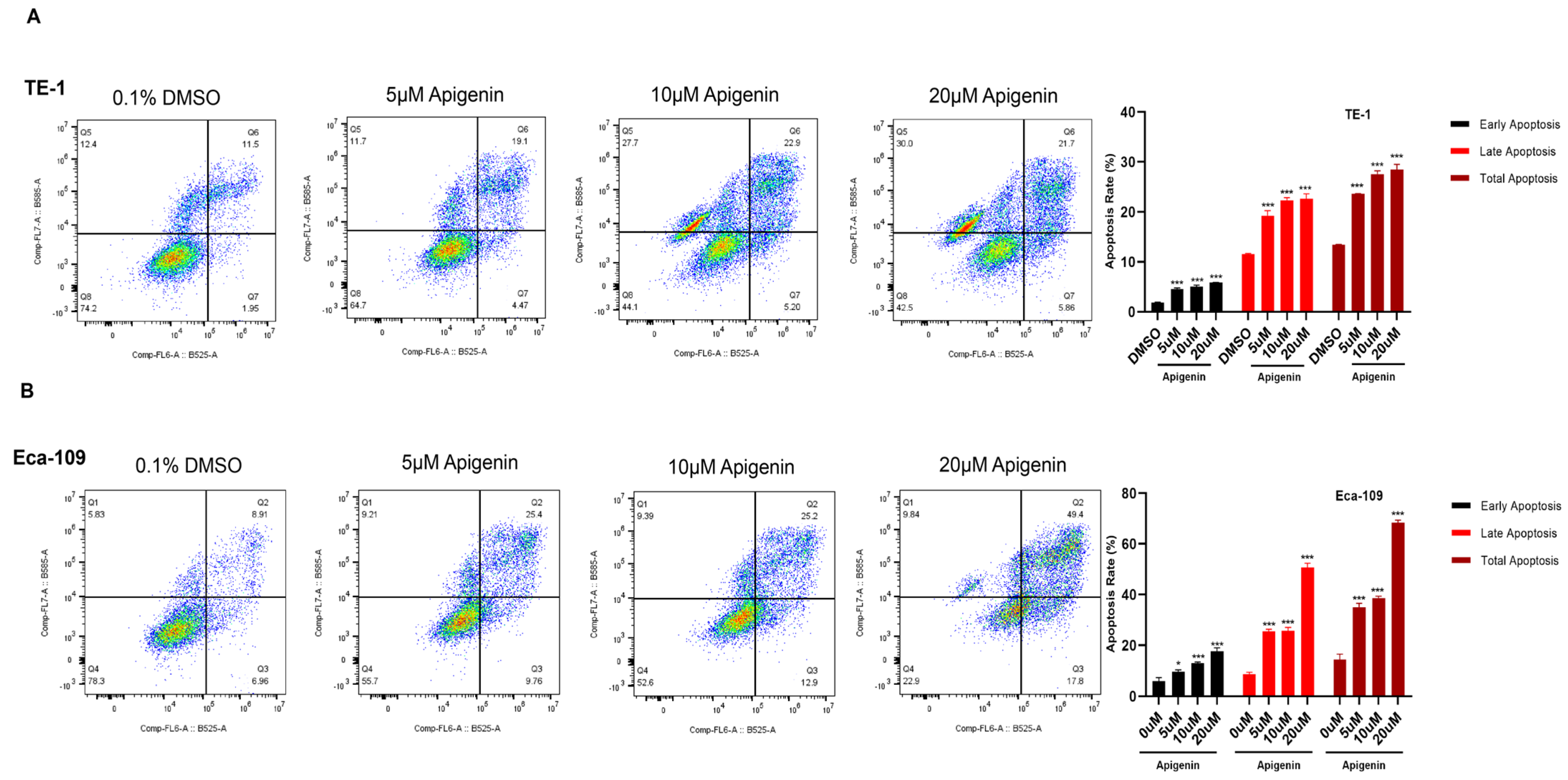
3.3. Apigenin Induces Apoptosis in ESCC Cells
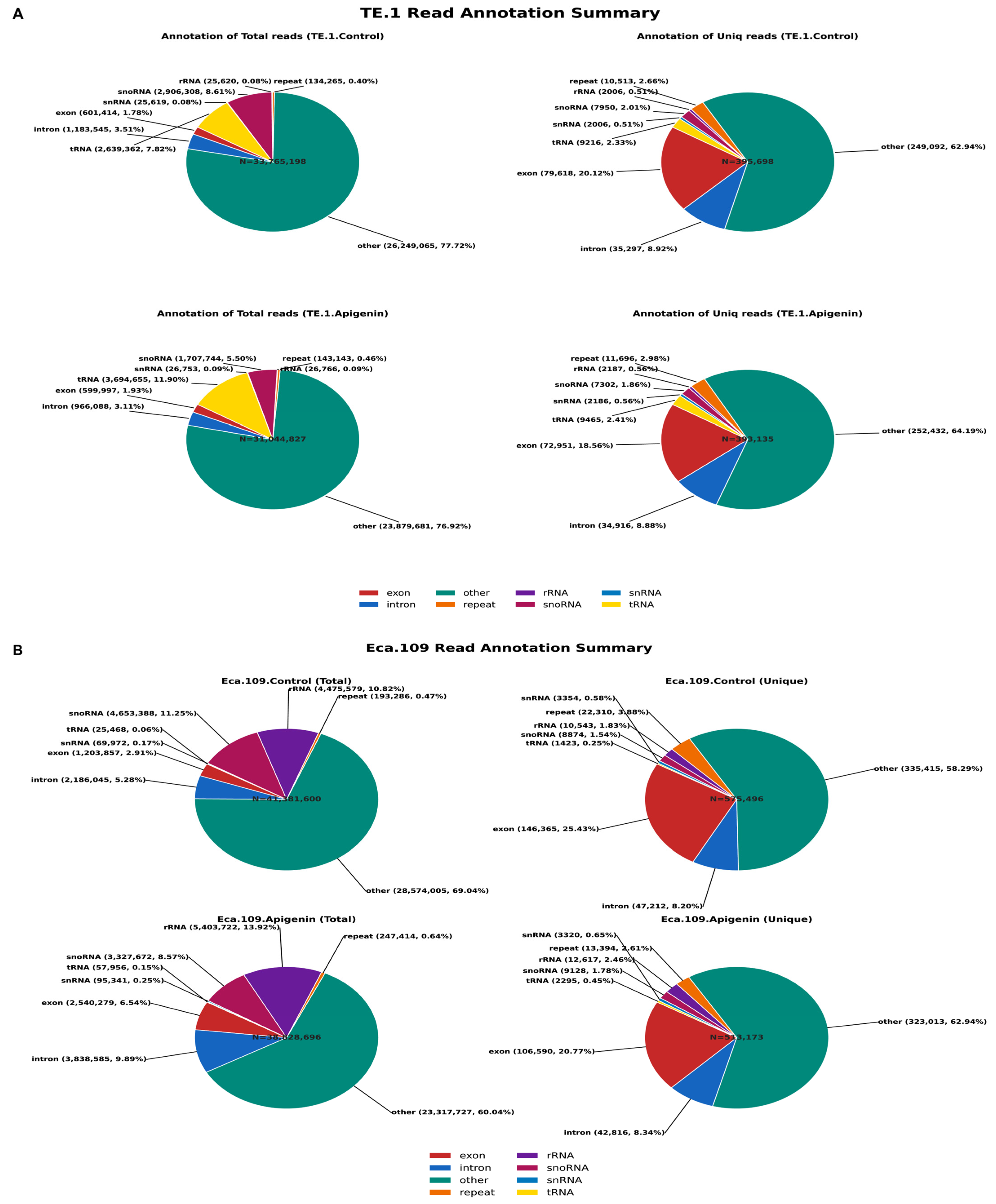
3.4. Annotation Total and Uniquely Mapped Reads from TE-1 and Eca-109 Cells
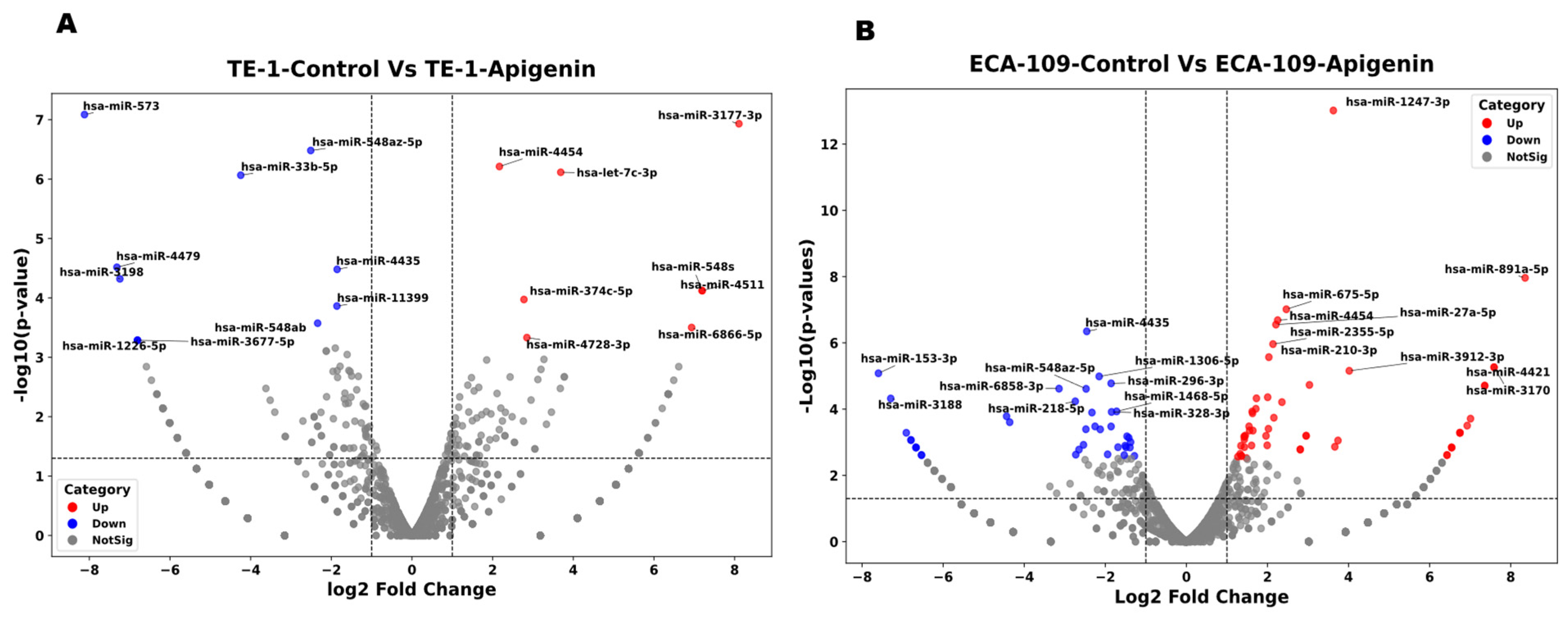
3.5. Apigenin Alters miRNA Expression Profiles in TE-1 and Eca-109 Cells
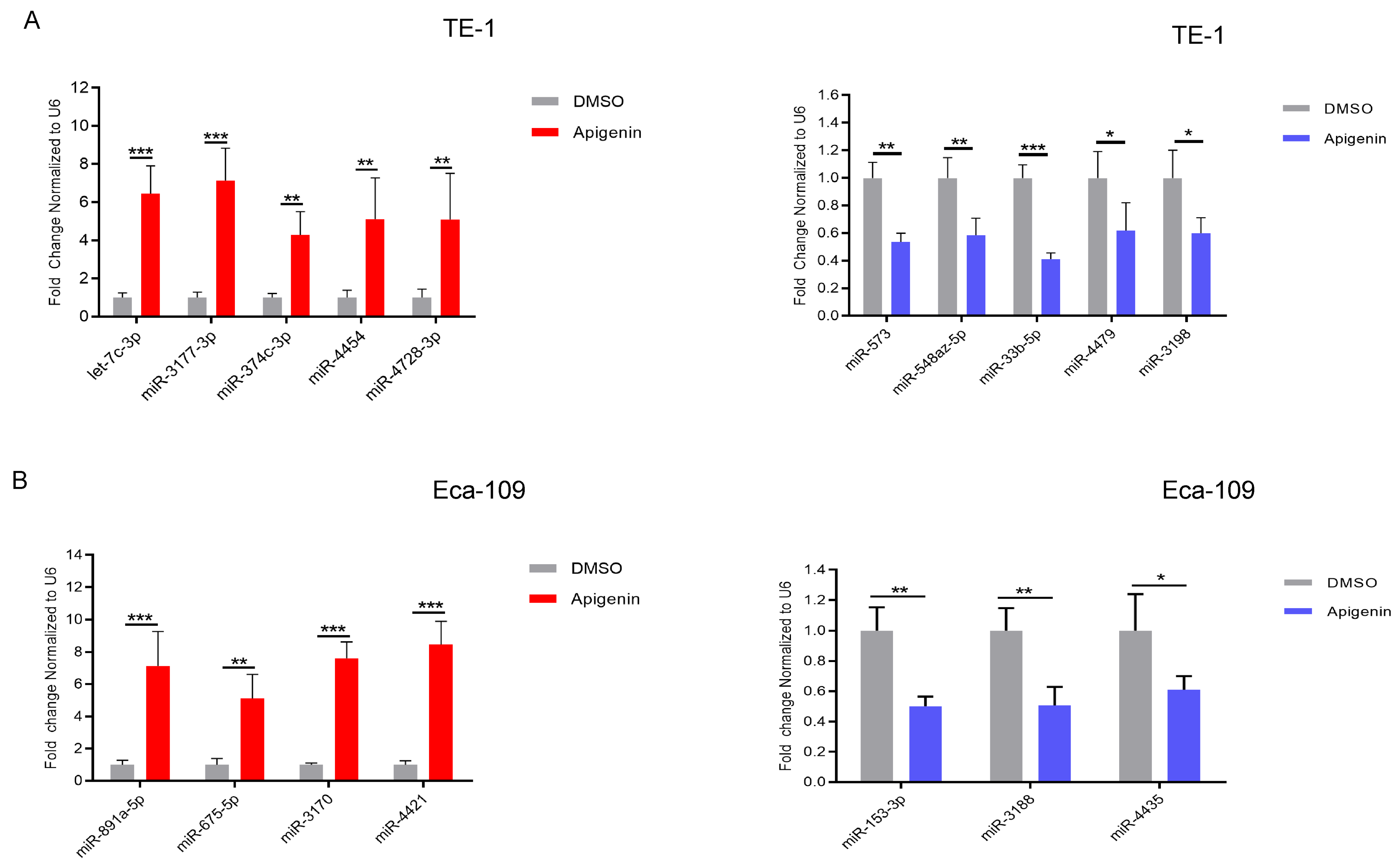
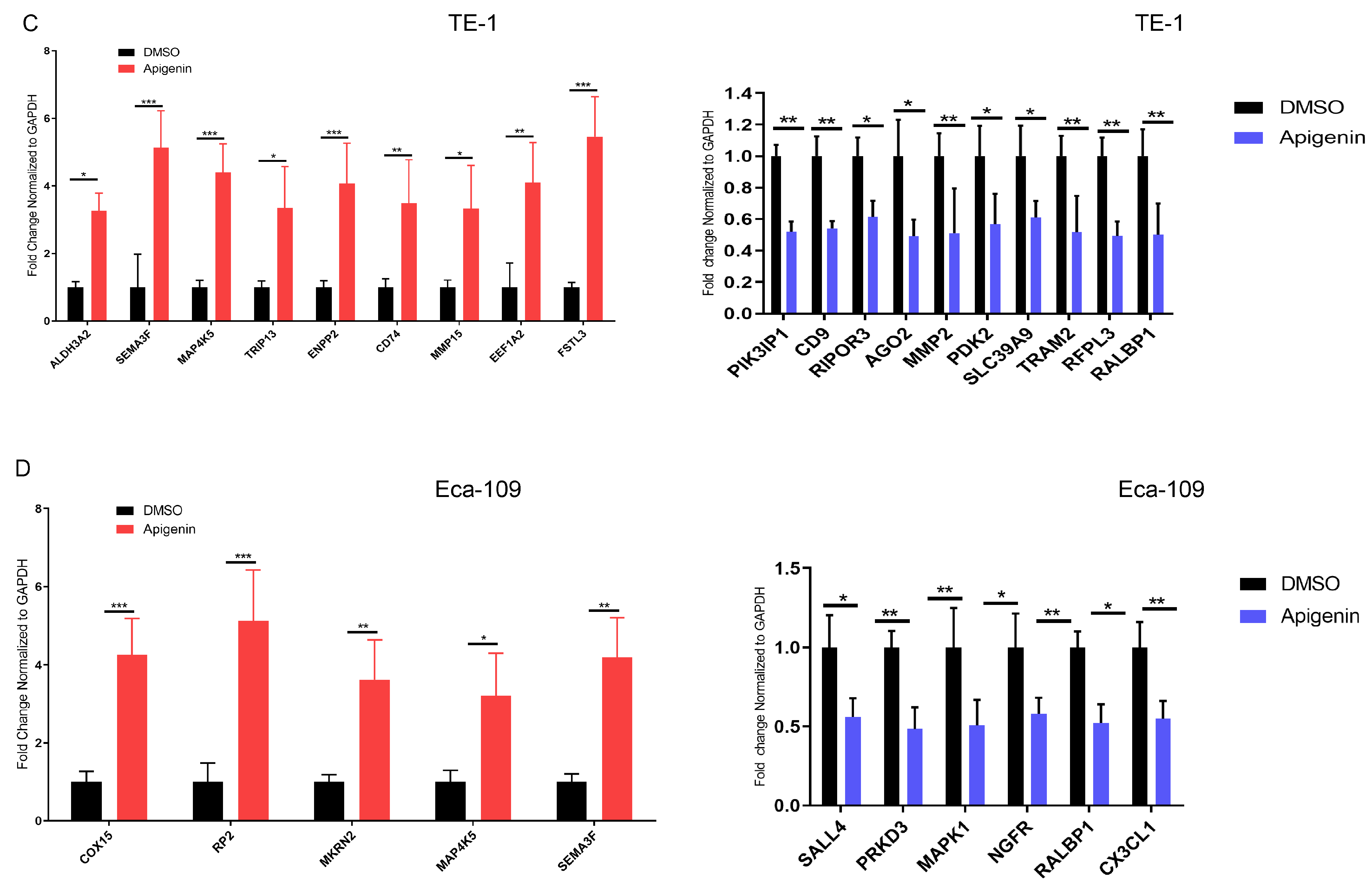
3.6. Confirmation of Differential miRNA and Target Gene Expression via qRT-PCR
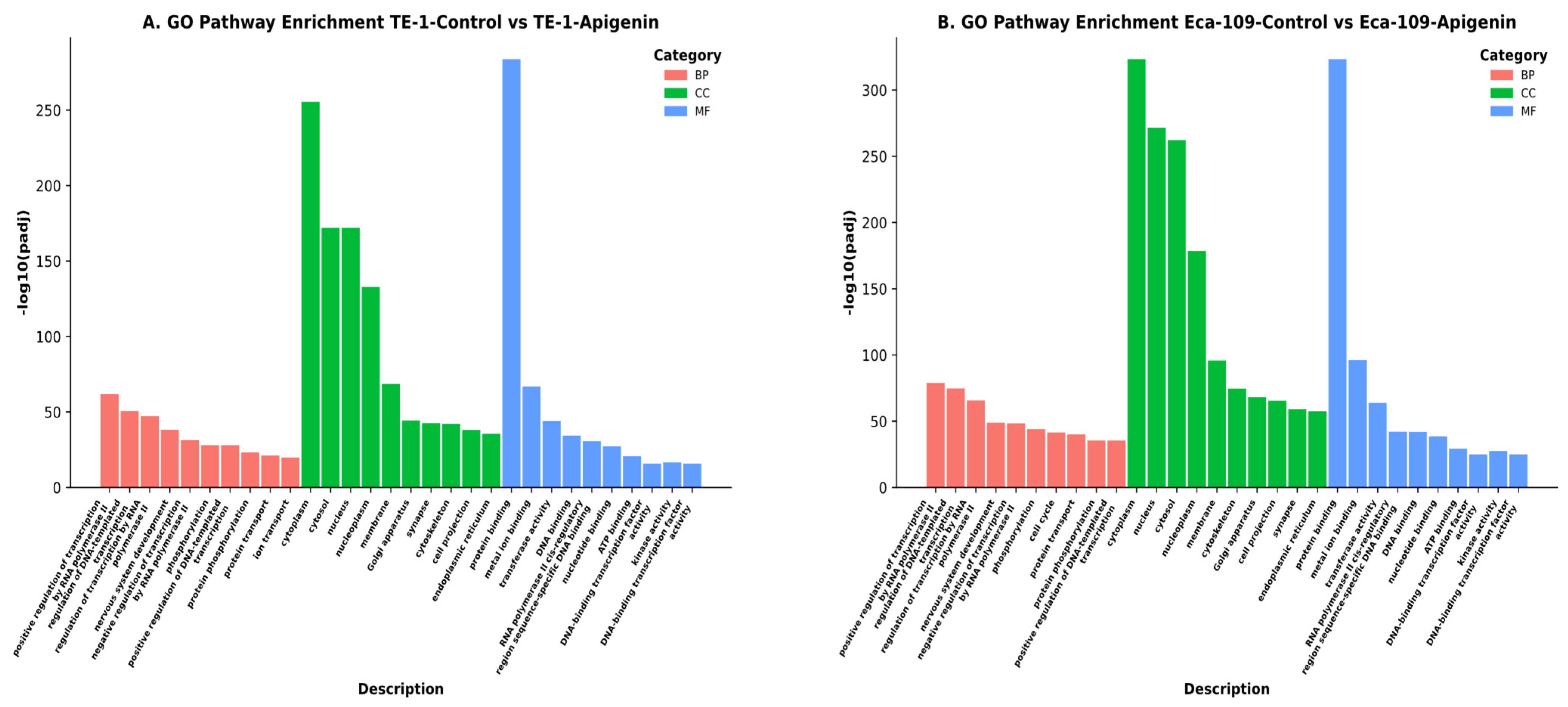
3.7. GO Functional Enrichment Analysis of miRNA-Associated Target Genes
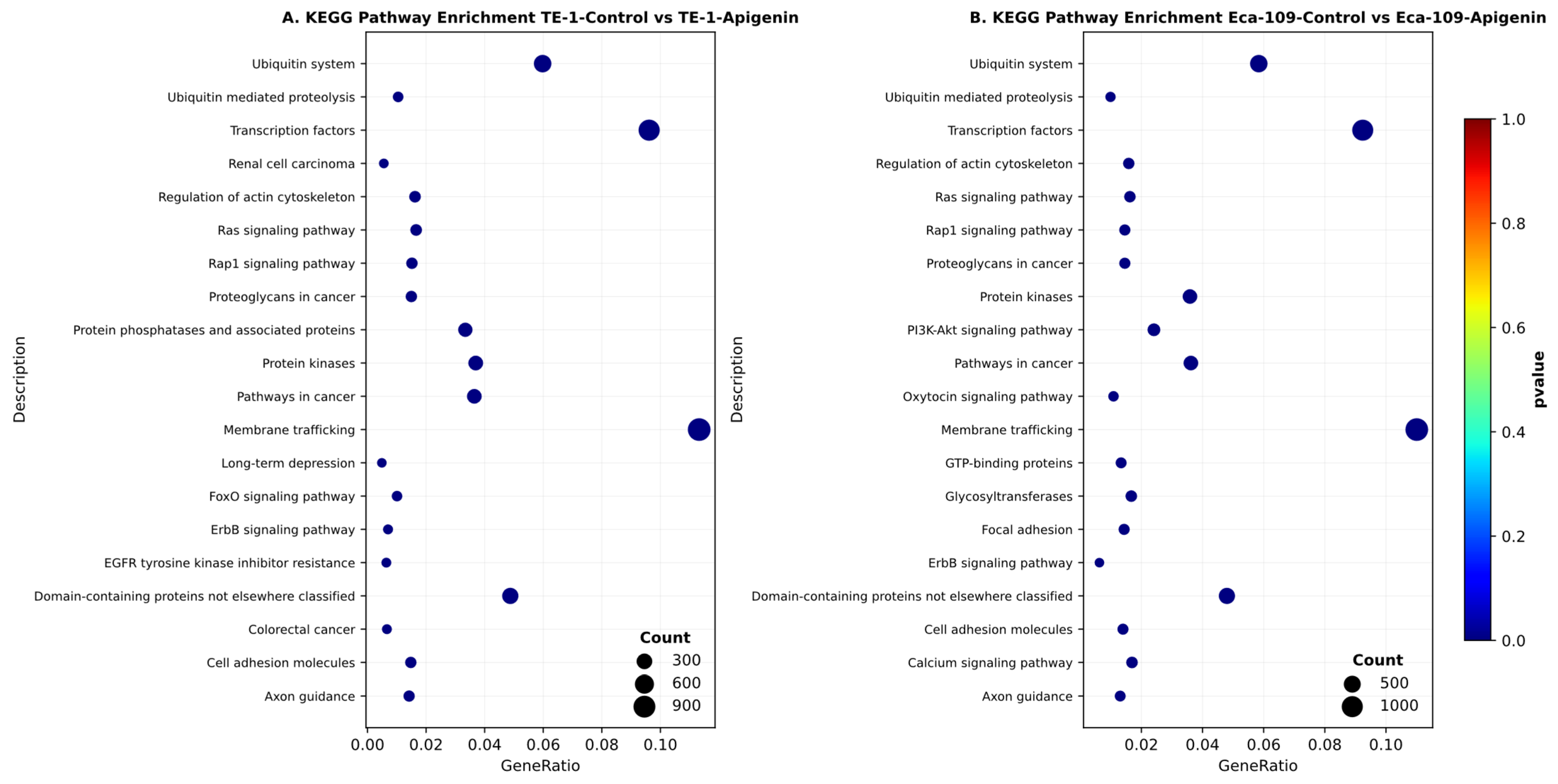
3.8. KEGG Pathway Analysis of Altered miRNAs and Their Predicted Target Genes
4. Discussion
5. Conclusions
Supplementary Materials
Author Contributions
Funding
Institutional Review Board Statement
Informed Consent Statement
Data Availability Statement
Conflicts of Interest
References
- Jin, W.; Huang, K.; Ding, Z.; Zhang, M.; Li, C.; Yuan, Z.; Ma, K.; Ye, X. Global, Regional, and National Burden of Esophageal Cancer: A Systematic Analysis of the Global Burden of Disease Study 2021. Biomark. Res. 2025, 13, 3. [Google Scholar] [CrossRef]
- Sung, H.; Ferlay, J.; Siegel, R.L.; Laversanne, M.; Soerjomataram, I.; Jemal, A.; Bray, F. Global Cancer Statistics 2020: GLOBOCAN Estimates of Incidence and Mortality Worldwide for 36 Cancers in 185 Countries. CA A Cancer J. Clin. 2021, 71, 209–249. [Google Scholar] [CrossRef]
- Gelzinis, T.A. The Society of Thoracic Surgeons/American Society for Radiation Oncology/American Society of Clinical Oncology Recommendations on the Care of Patients with Localized Esophageal Cancers. J. Cardiothorac. Vasc. Anesth. 2024, 38, 1445–1450. [Google Scholar] [CrossRef] [PubMed]
- Ge, F.; Huo, Z.; Cai, X.; Hu, Q.; Chen, W.; Lin, G.; Zhong, R.; You, Z.; Wang, R.; Lu, Y. Evaluation of Clinical and Safety Outcomes of Neoadjuvant Immunotherapy Combined with Chemotherapy for Patients with Resectable Esophageal Cancer: A Systematic Review and Meta-Analysis. JAMA Netw. Open 2025, 5, e2239778. Available online: https://jamanetwork.com/journals/jamanetworkopen/fullarticle/2798101 (accessed on 26 December 2025). [CrossRef] [PubMed]
- Gao, X.; Yang, Z.-H.; Cheng, Y.-H.; Chi, C.-L.; Yang, T.-Y.; Chuang, K.-H.; Wu, C.-E.; van Lanschot, J.J.-B.; Wen, Y.-W.; Chao, Y.-K. Treatment Burden and Cost-Effectiveness Analysis of the Neoadjuvant CROSS Regimen in Esophageal Squamous Cell Carcinoma: A Multicenter Retrospective Study. Dis. Esophagus 2023, 36, doad031. [Google Scholar] [CrossRef]
- Javed, Z.; Sadia, H.; Iqbal, M.J.; Shamas, S.; Malik, K.; Ahmed, R.; Raza, S.; Butnariu, M.; Cruz-Martins, N.; Sharifi-Rad, J. Apigenin Role as Cell-Signaling Pathways Modulator: Implications in Cancer Prevention and Treatment. Cancer Cell Int. 2021, 21, 189. [Google Scholar] [CrossRef] [PubMed]
- Qiu, J.-G.; Wang, L.; Liu, W.-J.; Wang, J.-F.; Zhao, E.-J.; Zhou, F.-M.; Ji, X.-B.; Wang, L.-H.; Xia, Z.-K.; Wang, W.; et al. Apigenin Inhibits IL-6 Transcription and Suppresses Esophageal Carcinogenesis. Front. Pharmacol. 2019, 10, 1002. [Google Scholar] [CrossRef]
- Nozhat, Z.; Heydarzadeh, S.; Memariani, Z.; Ahmadi, A. Chemoprotective and Chemosensitizing Effects of Apigenin on Cancer Therapy. Cancer Cell Int. 2021, 21, 574. [Google Scholar] [CrossRef]
- Wang, S.M.; Yang, P.W.; Feng, X.J.; Zhu, Y.W.; Qiu, F.J.; Hu, X.D.; Zhang, S.H. Apigenin Inhibits the Growth of Hepatocellular Carcinoma Cells by Affecting the Expression of microRNA Transcriptome. Front. Oncol. 2021, 11, 657665. Available online: https://www.frontiersin.org/journals/oncology/articles/10.3389/fonc.2021.657665/full (accessed on 26 December 2025). [CrossRef]
- Aida, R.; Hagiwara, K.; Okano, K.; Nakata, K.; Obata, Y.; Yamashita, T.; Yoshida, K.; Hagiwara, H. miR-34a-5p Might Have an Important Role for Inducing Apoptosis by down-Regulation of SNAI1 in Apigenin-Treated Lung Cancer Cells. Mol. Biol. Rep. 2021, 48, 2291–2297. Available online: https://link.springer.com/article/10.1007/s11033-021-06255-7 (accessed on 26 December 2025). [CrossRef]
- Shang, R.; Lee, S.; Senavirathne, G.; Lai, E.C. MicroRNAs in Action: Biogenesis, Function and Regulation. Nat. Rev. Genet. 2023, 24, 816–833. Available online: https://www.nature.com/articles/s41576-023-00611-y (accessed on 26 December 2025). [CrossRef] [PubMed]
- Seida, M.; Ogami, K.; Yoshino, S.; Suzuki, H.I. Fine Regulation of MicroRNAs in Gene Regulatory Networks and Pathophysiology. Int. J. Mol. Sci. 2025, 26, 2861. [Google Scholar] [CrossRef]
- Zheng, J.; Zhang, G.; Ren, L. Advances in miRNA Research: Unraveling the Complexities of Gene Regulation. In Animal Models and Experimental Medicine; Wiley Online Library: Hoboken, NJ, USA, 2025; Available online: https://onlinelibrary.wiley.com/doi/full/10.1002/ame2.70076 (accessed on 26 December 2025).
- Martino, M.T.D.; Tagliaferri, P.; Tassone, P. MicroRNA in Cancer Therapy: Breakthroughs and Challenges in Early Clinical Applications. J. Exp. Clin. Cancer Res. 2025, 44, 126. [Google Scholar] [CrossRef] [PubMed]
- Otmani, K.; Lewalle, P. Tumor Suppressor miRNA in Cancer Cells and the Tumor Microenvironment: Mechanism of Deregulation and Clinical Implications. Front. Oncol. 2021, 11, 708765. Available online: https://www.frontiersin.org/journals/oncology/articles/10.3389/fonc.2021.708765/full (accessed on 26 December 2025). [CrossRef]
- Zarlashat, Y.; Halász, J.; Dósa, E. Dysregulation of MicroRNAs in Hepatocellular Carcinoma: Targeting Oncogenic Signaling Pathways for Innovative Therapies. Int. J. Mol. Sci. 2025, 26, 8365. Available online: https://www.mdpi.com/1422-0067/26/17/8365 (accessed on 26 December 2025). [CrossRef]
- Dhawan, A.; Scott, J.G.; Harris, A.L.; Buffa, F.M. Pan-Cancer Characterisation of microRNA Across Cancer Hallmarks Reveals microRNA-Mediated Downregulation of Tumour Suppressors. Nat. Commun. 2018, 9, 5228. Available online: https://www.nature.com/articles/s41467-018-07657-1 (accessed on 26 December 2025). [CrossRef]
- Rahmani, A.H.; Alsahli, M.A.; Almatroudi, A.; Almogbel, M.A.; Khan, A.A.; Anwar, S.; Almatroodi, S.A. The Potential Role of Apigenin in Cancer Prevention and Treatment. Molecules 2022, 27, 6051. [Google Scholar] [CrossRef] [PubMed]
- Singh, A.; Singh, J.; Parween, G.; Khator, R.; Monga, V. A Comprehensive Review of Apigenin a Dietary Flavonoid: Biological Sources, Nutraceutical Prospects, Chemistry and Pharmacological Insights and Health Benefits. Crit. Rev. Food Sci. Nutr. 2025, 65, 4529–4565. Available online: https://www.tandfonline.com/doi/abs/10.1080/10408398.2024.2390550 (accessed on 3 February 2026). [CrossRef]
- Zou, H.; Li, Y.; Liu, X.; Wu, Z.; Li, J.; Ma, Z. Roles of Plant-derived Bioactive Compounds and Related microRNAs in Cancer Therapy. Phytother. Res. 2021, 35, 1176–1186. [Google Scholar] [CrossRef]
- Sumaira, S.; Vijayarathna, S.; Hemagirri, M.; Adnan, M.; Hassan, M.I.; Patel, M.; Gupta, R.; Sasidharan, S.; Chen, Y.; Gopinath, S.C.B.; et al. Plant Bioactive Compounds Driven microRNAs (miRNAs): A Potential Source and Novel Strategy Targeting Gene and Cancer Therapeutics. Non-Coding RNA Res. 2024, 9, 1140–1158. [Google Scholar] [CrossRef]
- Xu, L.; Peng, L.; Cao, T.; Zhang, L.; Li, M.; Liu, Y. Apigenin Inhibits the Proliferation and Aerobic Glycolysis of Endometrial Cancer Cells by Regulating the PI3K/Akt Signaling Pathway. Eur. J. Gynaecol. Oncol. 2024, 45, 125. Available online: https://www.ejgo.net/articles/10.22514/ejgo.2024.100?utm_source=chatgpt.com (accessed on 27 December 2025).
- Chen, Y.-H.; Wu, J.-X.; Yang, S.-F.; Yang, C.-K.; Chen, T.-H.; Hsiao, Y.-H. Anticancer Effects and Molecular Mechanisms of Apigenin in Cervical Cancer Cells. Cancers 2022, 14, 1824. [Google Scholar] [CrossRef]
- Zhou, Z.; Tang, M.; Liu, Y.; Zhang, Z.; Lu, R.; Lu, J. Apigenin Inhibits Cell Proliferation, Migration, and Invasion by Targeting Akt in the A549 Human Lung Cancer Cell Line. Anticancer Drugs 2017, 28, 446–456. [Google Scholar] [CrossRef] [PubMed]
- Zhang, C.; Liao, Y.; Li, T.; Zhong, H.; Shan, L.; Yu, P.; Xia, C.; Xu, L. Apigenin Promotes Apoptosis of 4T1 Cells through PI3K/AKT/Nrf2 Pathway and Improves Tumor Immune Microenvironment In Vivo. Toxicol. Res. 2024, 13, tfae011. [Google Scholar] [CrossRef]
- Wang, W.; Liu, X.; Zhang, Z.; Yin, M.; Chen, X.; Zhao, S.; Wu, L. Apigenin Induced Apoptosis by Downregulating Sulfiredoxin Expression in Cutaneous Squamous Cell Carcinoma. Oxidative Med. Cell. Longev. 2022, 2022, 8172866. [Google Scholar] [CrossRef] [PubMed]
- Lee, Y.S.; Dutta, A. The Tumor Suppressor microRNA Let-7 Represses the HMGA2 Oncogene. Genes Dev. 2007, 21, 1025–1030. [Google Scholar] [CrossRef] [PubMed]
- Ma, Y.; Shen, N.; Wicha, M.S.; Luo, M. The Roles of the Let-7 Family of MicroRNAs in the Regulation of Cancer Stemness. Cells 2021, 10, 2415. [Google Scholar] [CrossRef]
- Tang, H.; Ma, M.; Dai, J.; Cui, C.; Si, L.; Sheng, X.; Chi, Z.; Xu, L.; Yu, S.; Xu, T.; et al. miR-Let-7b and miR-Let-7c Suppress Tumourigenesis of Human Mucosal Melanoma and Enhance the Sensitivity to Chemotherapy. J. Exp. Clin. Cancer Res. 2019, 38, 212. [Google Scholar] [CrossRef]
- Wu, C.-S.; Chien, Y.-C.; Yen, C.; Wu, J.-Y.; Bai, L.-Y.; Yu, Y.-L. EZH2-Mediated Epigenetic Silencing of Tumor-Suppressive Let-7c/miR-99a Cluster by Hepatitis B Virus X Antigen Enhances Hepatocellular Carcinoma Progression and Metastasis. Cancer Cell Int. 2023, 23, 199. [Google Scholar] [CrossRef]
- Lin, T.; Guo, X.; Du, Q.; Liu, W.; Zhong, X.; Wang, S.; Cao, L. MicroRNA Let-7c-5p Alleviates in Hepatocellular Carcinoma by Targeting Enhancer of Zeste Homolog 2: A Study Intersecting Bioinformatic Analysis and Validated Experiments. Crit. Rev. Immunol. 2024, 44, 23–39. [Google Scholar] [CrossRef]
- Dasari, S.; Pandhiri, T.; Grassi, T.; Visscher, D.W.; Multinu, F.; Agarwal, K.; Mariani, A.; Shridhar, V.; Mitra, A.K. Signals from the Metastatic Niche Regulate Early and Advanced Ovarian Cancer Metastasis through miR-4454 Downregulation. Mol. Cancer Res. 2020, 18, 1202–1217. [Google Scholar] [CrossRef]
- Pekow, J.; Hutchison, A.L.; Meckel, K.; Harrington, K.; Deng, Z.; Talasila, N.; Rubin, D.T.; Hanauer, S.B.; Hurst, R.; Umanskiy, K.; et al. miR-4728-3p Functions as a Tumor Suppressor in Ulcerative Colitis-Associated Colorectal Neoplasia Through Regulation of Focal Adhesion Signaling. Inflamm. Bowel Dis. 2017, 23, 1328–1337. [Google Scholar] [CrossRef]
- Pengcheng, Z.; Peng, G.; Haowen, F.; Xida, L.; Yuhua, L.; Yao, W.; Mingyan, Z.; Xiangjun, F.; Zhiwei, W.; Yewei, Z.; et al. MiR-573 Suppresses Cell Proliferation, Migration and Invasion via Regulation of E2F3 in Pancreatic Cancer. J. Cancer 2021, 12, 3033–3044. [Google Scholar] [CrossRef]
- Wang, L.; Gao, P.; Yuan, P.; Zhou, P.; Fan, H.; Lin, X.; Yuan, X.; Zhu, M.; Fan, X.; Lu, Y.; et al. miR-573 Suppresses Pancreatic Cancer Cell Proliferation, Migration, and Invasion through Targeting TSPAN1. Strahlenther. Onkol. 2021, 197, 438–448. [Google Scholar] [CrossRef]
- Jing, D.; Liu, Q.; Zhang, H.; Li, Y.; Jiang, X.; Cai, Y.; Wang, X.; Li, L. miR-548az-5p Induces Amniotic Epithelial Cell Senescence by Regulating KATNAL1 Expression in Labor. Sci. Rep. 2024, 14, 30380. [Google Scholar] [CrossRef] [PubMed]
- Huang, G.; Lai, Y.; Pan, X.; Zhou, L.; Quan, J.; Zhao, L.; Li, Z.; Lin, C.; Wang, J.; Li, H.; et al. Tumor Suppressor miR-33b-5p Regulates Cellular Function and Acts a Prognostic Biomarker in RCC. Am. J. Transl. Res. 2020, 12, 3346–3360. [Google Scholar] [PubMed]
- Liu, B.; Pu, Z.-Y.; Wang, L.; Fang, J.; Xue, T. Inhibiting miR-33b-5p Enhances Chemoresistance in Lung Adenocarcinoma by Targeting YWHAH to Regulate Epithelial-Mesenchymal Transition. Anticancer Res. 2023, 43, 5447–5458. [Google Scholar] [CrossRef] [PubMed]
- Liu, R.; Liu, J.; Wu, P.; Yi, H.; Zhang, B.; Huang, W. Flotillin-2 Promotes Cell Proliferation via Activating the c-Myc/BCAT1 Axis by Suppressing miR-33b-5p in Nasopharyngeal Carcinoma. Aging 2021, 13, 8078–8094. [Google Scholar] [CrossRef]
- Wang, S.; Song, X.; Wang, K.; Zheng, B.; Lin, Q.; Yu, M.; Xie, L.; Chen, L.; Song, X. Plasma Exosomal miR-320d, miR-4479, and miR-6763-5p as Diagnostic Biomarkers in Epithelial Ovarian Cancer. Front. Oncol. 2022, 12, 986343. [Google Scholar] [CrossRef]
- He, D.; Wang, J.; Zhang, C.; Shan, B.; Deng, X.; Li, B.; Zhou, Y.; Chen, W.; Hong, J.; Gao, Y.; et al. Down-Regulation of miR-675-5p Contributes to Tumor Progression and Development by Targeting pro-Tumorigenic GPR55 in Non-Small Cell Lung Cancer. Mol. Cancer 2015, 14, 73. [Google Scholar] [CrossRef]
- Christodoulou, S.; Sotiropoulou, C.D.; Vassiliu, P.; Danias, N.; Arkadopoulos, N.; Sideris, D.C. MicroRNA-675-5p Overexpression Is an Independent Prognostic Molecular Biomarker of Short-Term Relapse and Poor Overall Survival in Colorectal Cancer. Int. J. Mol. Sci. 2023, 24, 9990. [Google Scholar] [CrossRef]
- Wan, N.; Zheng, J. MicroRNA-891a-5p Is a Novel Biomarker for Non-Small Cell Lung Cancer and Targets HOXA5 to Regulate Tumor Cell Biological Function. Oncol. Lett. 2021, 22, 507. [Google Scholar] [CrossRef]
- Zhang, Z.; Xu, L.; He, L.; Wang, J.; Shi, X.; Li, Z.; Shi, S.; Hou, K.; Teng, Y.; Qu, X. MiR-891a-5p as a Prognostic Marker and Therapeutic Target for Hormone Receptor-Positive Breast Cancer. J. Cancer 2020, 11, 3771–3782. [Google Scholar] [CrossRef] [PubMed]
- Chen, X.; Cao, L.; Xie, N.; Xu, X.; Liu, M.; Wang, K. A 4-miRNA Signature Act as a Novel Prognostic Biomarker in Patients with Sarcoma. Transl. Cancer Res. 2019, 8, 1412–1422. [Google Scholar] [CrossRef]
- Carron, J.; Costa, A.P.D.; Rinck-Junior, J.A.; Mariano, F.V.; de Sá Carvalho, B.; Lima, C.S.P.; Lourenço, G.J. Role of a Genetic Variation in the microRNA-4421 Binding Site of ERP29 Regarding Risk of Oropharynx Cancer and Prognosis. Sci. Rep. 2020, 10, 17039. [Google Scholar] [CrossRef] [PubMed]
- Yang, Z.; Fan, W.; Zheng, Y.; Yang, Z.; Du, J.; Wu, Y. MiR-153-5p Has Effects on Cell Proliferation and Invasion and Is Critical for Prognosis of Patients with Esophageal Squamous Cell Carcinoma. Int. J. Clin. Exp. Med. 2017, 10, 7468–7481. [Google Scholar]
- Yousefnia, S. A Comprehensive Review on miR-153: Mechanistic and Controversial Roles of miR-153 in Tumorigenicity of Cancer Cells. Front. Oncol. 2022, 12, 985897. [Google Scholar] [CrossRef]
- Wang, Y.; Wu, N.; Zhang, J.; Wang, H.; Men, X. MiR-153-5p Enhances the Sensitivity of Triple-Negative Breast Cancer Cells to Paclitaxel by Inducing G2M Phase Arrest. OncoTargets Ther. 2020, 13, 4089–4097. [Google Scholar] [CrossRef] [PubMed]
- Li, Z.; Zhao, S.; Zhu, S.; Fan, Y. MicroRNA-153-5p Promotes the Proliferation and Metastasis of Renal Cell Carcinoma via Direct Targeting of AGO1. Cell Death Dis. 2021, 12, 33. [Google Scholar] [CrossRef]
- Mariam, A.; Miller-Atkins, G.; Moro, A.; Rodarte, A.I.; Siddiqi, S.; Acevedo-Moreno, L.-A.; Brown, J.M.; Allende, D.S.; Aucejo, F.; Rotroff, D.M. Salivary miRNAs as Non-Invasive Biomarkers of Hepatocellular Carcinoma: A Pilot Study. PeerJ 2022, 10, e12715. [Google Scholar] [CrossRef]
- Mosapour, A.; Karami Tehrani, F.S.; Atri, M. Differential Expression of miR-1297, miR-3191-5p, miR-4435, and miR-4465 in Malignant and Benign Breast Tumors. Iran. J. Basic. Med. Sci. 2020, 23, 1045–1052. [Google Scholar] [CrossRef] [PubMed]
- Hong, J.W.; Kim, J.M.; Kim, J.E.; Cho, H.; Kim, D.; Kim, W.; Oh, J.-W.; Kwon, H.J. MiR-4435 Is an UQCRB-Related Circulating miRNA in Human Colorectal Cancer. Sci. Rep. 2020, 10, 2833. [Google Scholar] [CrossRef] [PubMed]
- Zhang, C.; Li, C.; Su, J.Z.; Zhao, K.; Shao, L.; Deng, J. The Genomic Landscape of Esophageal Squamous Cell Carcinoma Cell Lines. Cancer Cell Int. 2025, 25, 174. Available online: https://link.springer.com/article/10.1186/s12935-025-03686-1 (accessed on 3 February 2026). [CrossRef]
- Sheng, K.; Chen, J.; Xu, R.; Sun, H.; Liu, R.; Wang, Y.; Xu, W.; Guo, J.; Zhang, M.; Liu, S.; et al. Deciphering the Generation of Heterogeneity in Esophageal Squamous Cell Carcinoma Metastasis via Single-Cell Multiomics Analysis. J. Transl. Med. 2025, 23, 148. Available online: https://link.springer.com/article/10.1186/s12967-025-06154-6 (accessed on 3 February 2026). [CrossRef]
- Bartel, D.P. MicroRNAs: Target Recognition and Regulatory Functions. Cell 2009, 136, 215–233. [Google Scholar] [CrossRef]
- Jonas, S.; Izaurralde, E. Towards a Molecular Understanding of microRNA-Mediated Gene Silencing. Nat. Rev. Genet. 2015, 16, 421–433. Available online: https://www.nature.com/articles/nrg3965 (accessed on 3 February 2026). [CrossRef]
- Stavast, C.J.; Erkeland, S.J. The Non-Canonical Aspects of MicroRNAs: Many Roads to Gene Regulation. Cells 2019, 8, 1465. [Google Scholar] [CrossRef] [PubMed]





Disclaimer/Publisher’s Note: The statements, opinions and data contained in all publications are solely those of the individual author(s) and contributor(s) and not of MDPI and/or the editor(s). MDPI and/or the editor(s) disclaim responsibility for any injury to people or property resulting from any ideas, methods, instructions or products referred to in the content. |
© 2026 by the authors. Licensee MDPI, Basel, Switzerland. This article is an open access article distributed under the terms and conditions of the Creative Commons Attribution (CC BY) license.
Share and Cite
Amjad, N.; Majid, M.; Sun, Z.; Basnet, R.; Rasool, K.; Wu, L.; Li, Z. Apigenin Inhibits the Growth of Esophageal Squamous Cell Carcinoma (ESCC) Cells by Harnessing the Expression of MicroRNAs. Biomolecules 2026, 16, 366. https://doi.org/10.3390/biom16030366
Amjad N, Majid M, Sun Z, Basnet R, Rasool K, Wu L, Li Z. Apigenin Inhibits the Growth of Esophageal Squamous Cell Carcinoma (ESCC) Cells by Harnessing the Expression of MicroRNAs. Biomolecules. 2026; 16(3):366. https://doi.org/10.3390/biom16030366
Chicago/Turabian StyleAmjad, Nouman, Muhammad Majid, Zhaojian Sun, Rajesh Basnet, Kashaf Rasool, Linping Wu, and Zhiyuan Li. 2026. "Apigenin Inhibits the Growth of Esophageal Squamous Cell Carcinoma (ESCC) Cells by Harnessing the Expression of MicroRNAs" Biomolecules 16, no. 3: 366. https://doi.org/10.3390/biom16030366
APA StyleAmjad, N., Majid, M., Sun, Z., Basnet, R., Rasool, K., Wu, L., & Li, Z. (2026). Apigenin Inhibits the Growth of Esophageal Squamous Cell Carcinoma (ESCC) Cells by Harnessing the Expression of MicroRNAs. Biomolecules, 16(3), 366. https://doi.org/10.3390/biom16030366