Article

TRPA1 Covalent Ligand JT010 Modifies T Lymphocyte Activation

1
Institute of Pharmacology and Pharmacotherapy, University of Pécs Medical School, H-7624 Pécs, Hungary
2
Nano-Bio-Imaging Core Facility, University of Pécs Medical School, H-7624 Pécs, Hungary
3
Research Group for Mood Disorders, Department of Anatomy, University of Pécs Medical School, H-7624 Pécs, Hungary
4
Department of Immunology and Biotechnology, University of Pécs Clinical Center, H-7624 Pécs, Hungary
*
Author to whom correspondence should be addressed.
Biomolecules 2024, 14(6), 632; https://doi.org/10.3390/biom14060632
Submission received: 29 April 2024 / Revised: 25 May 2024 / Accepted: 26 May 2024 / Published: 28 May 2024
(This article belongs to the Special Issue TRP Channels in Cardiovascular and Inflammatory Disease)

Abstract

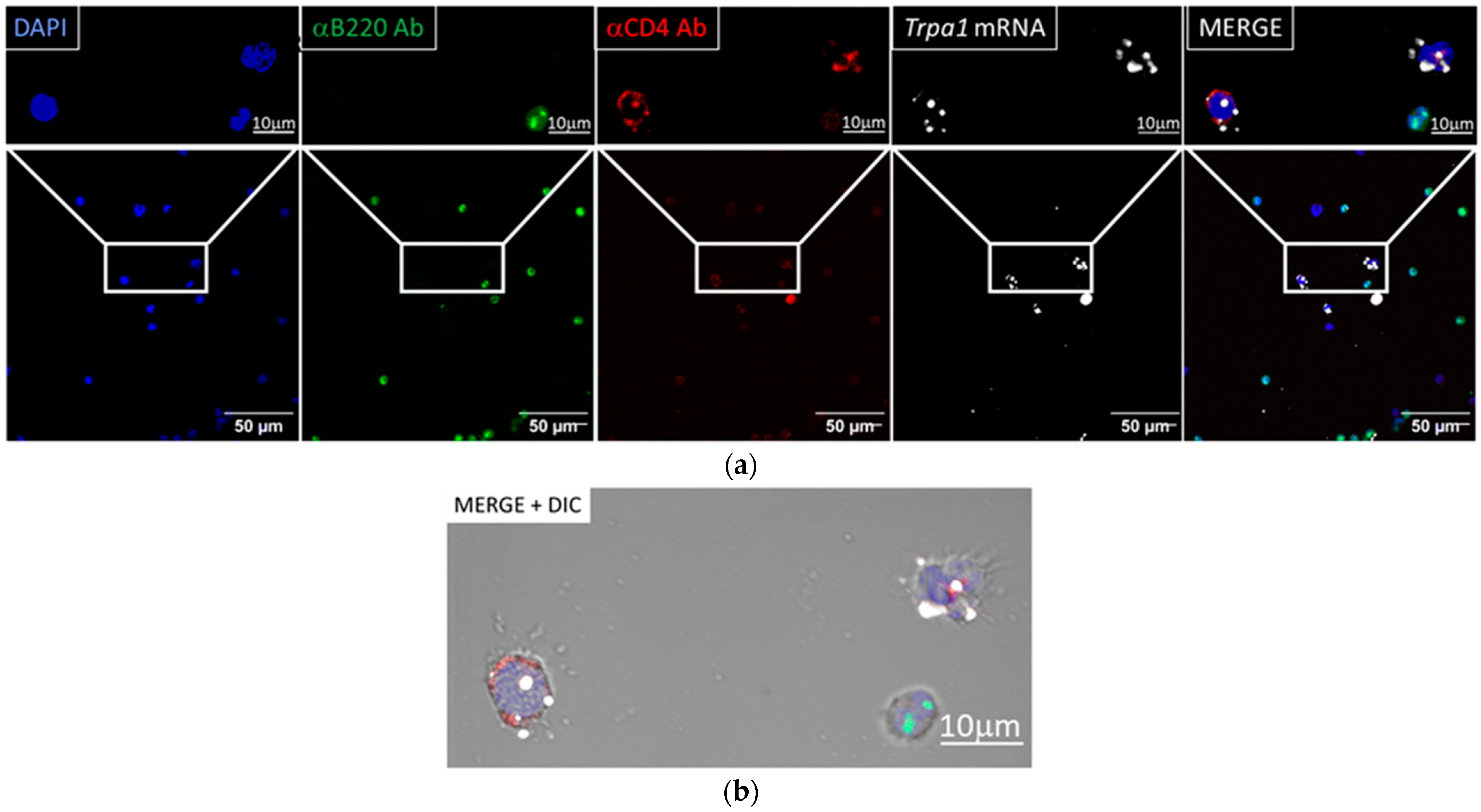
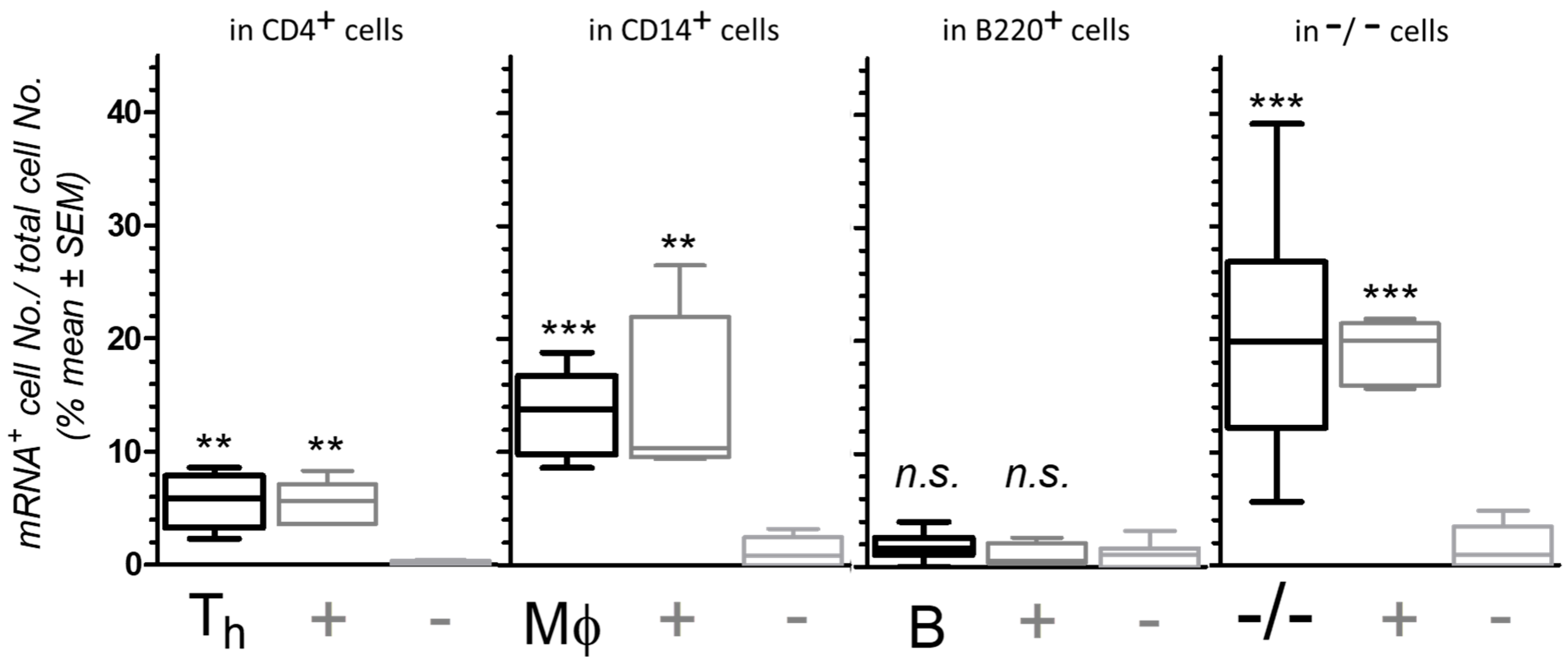
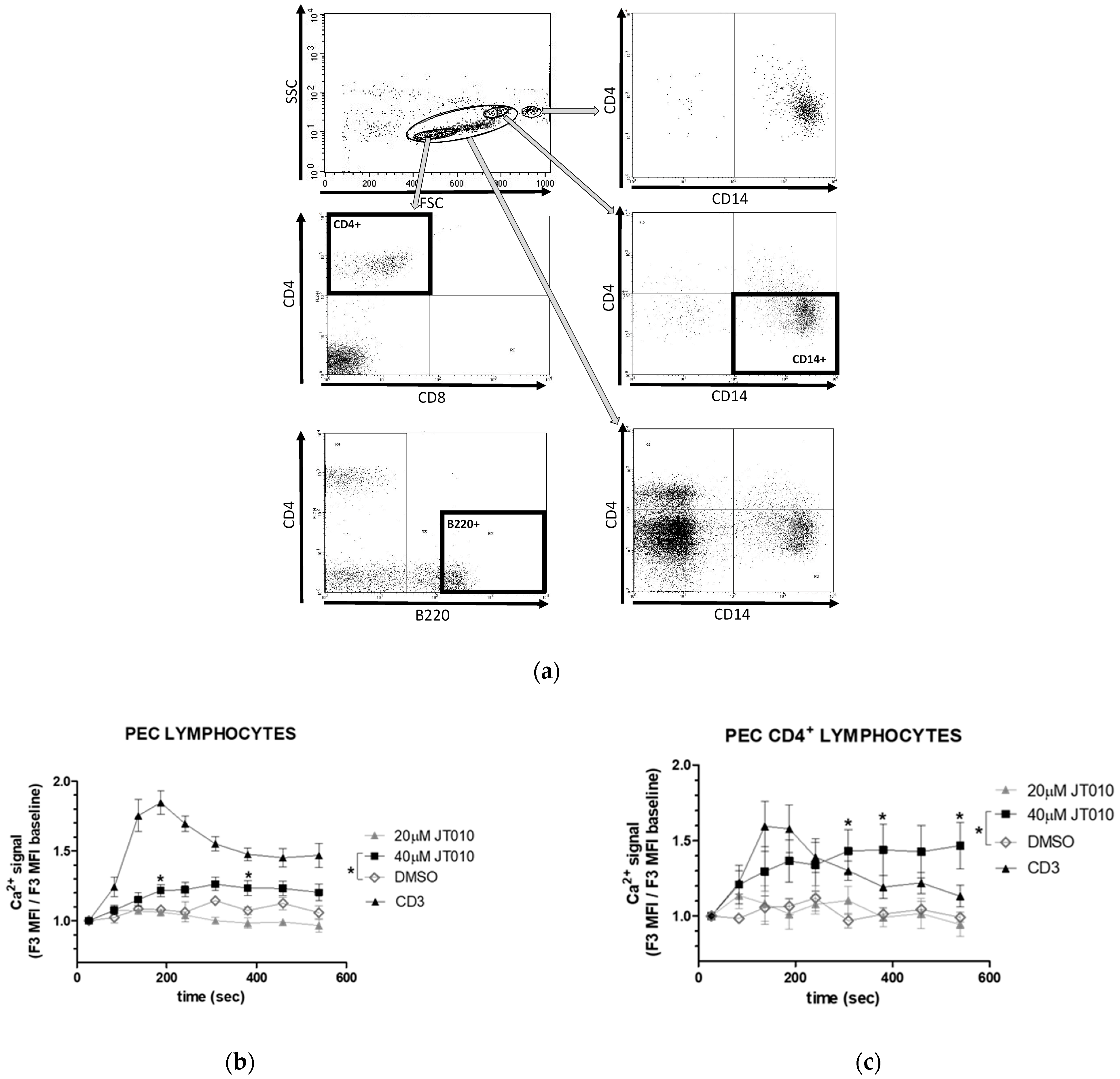
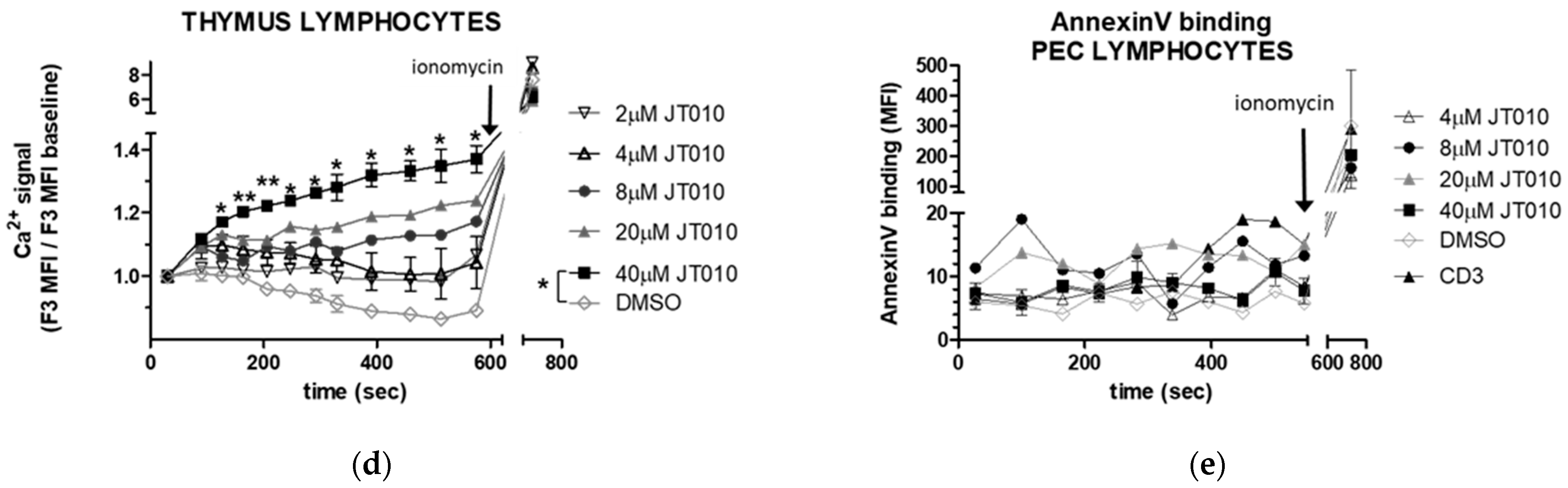
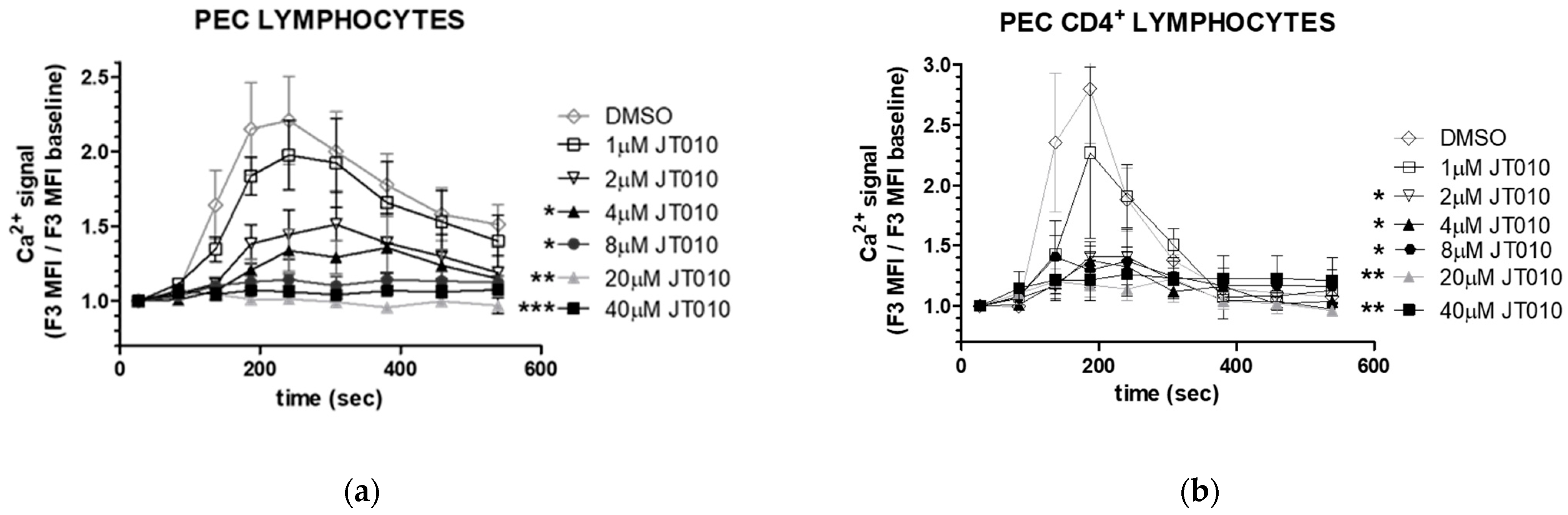
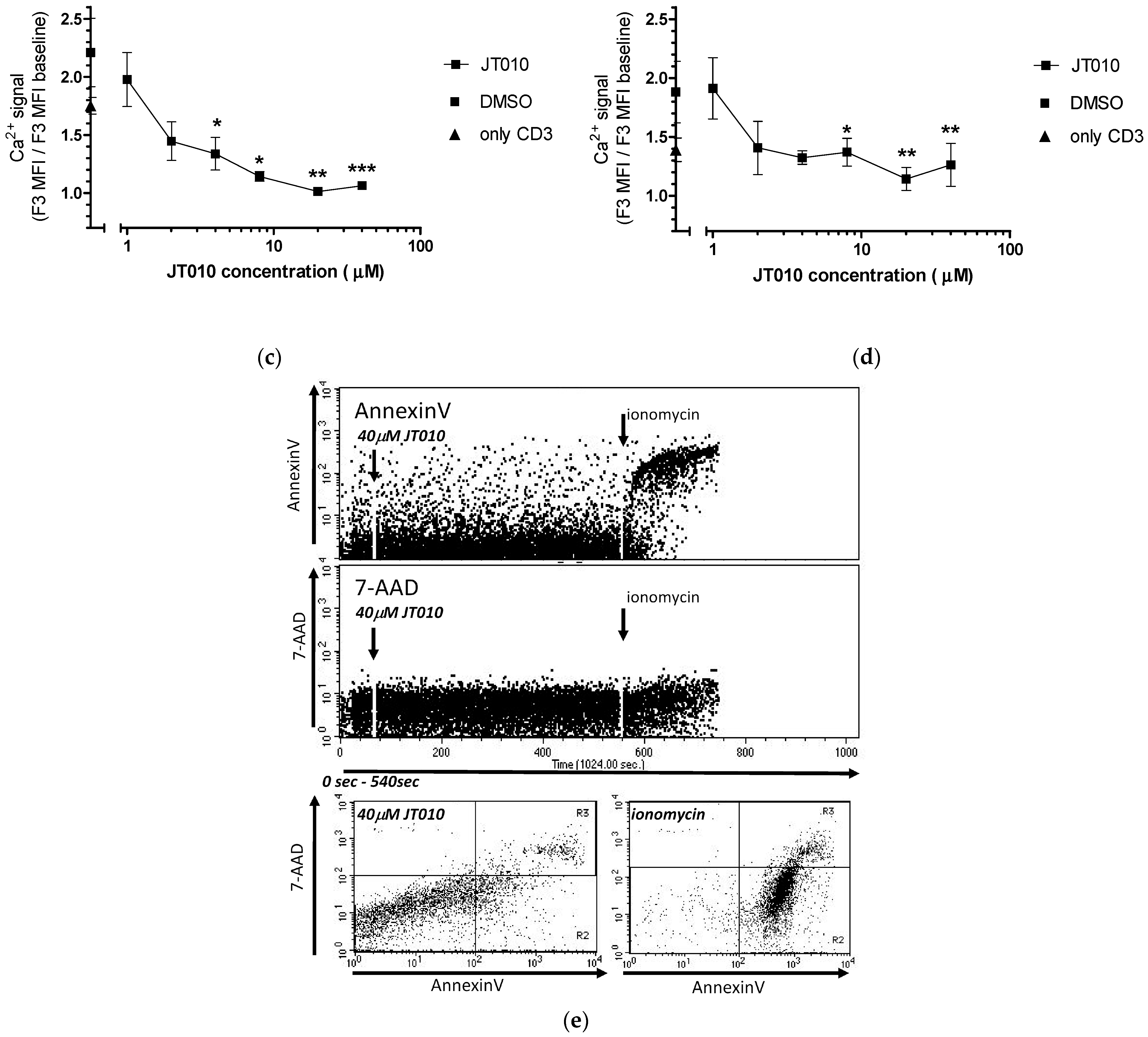
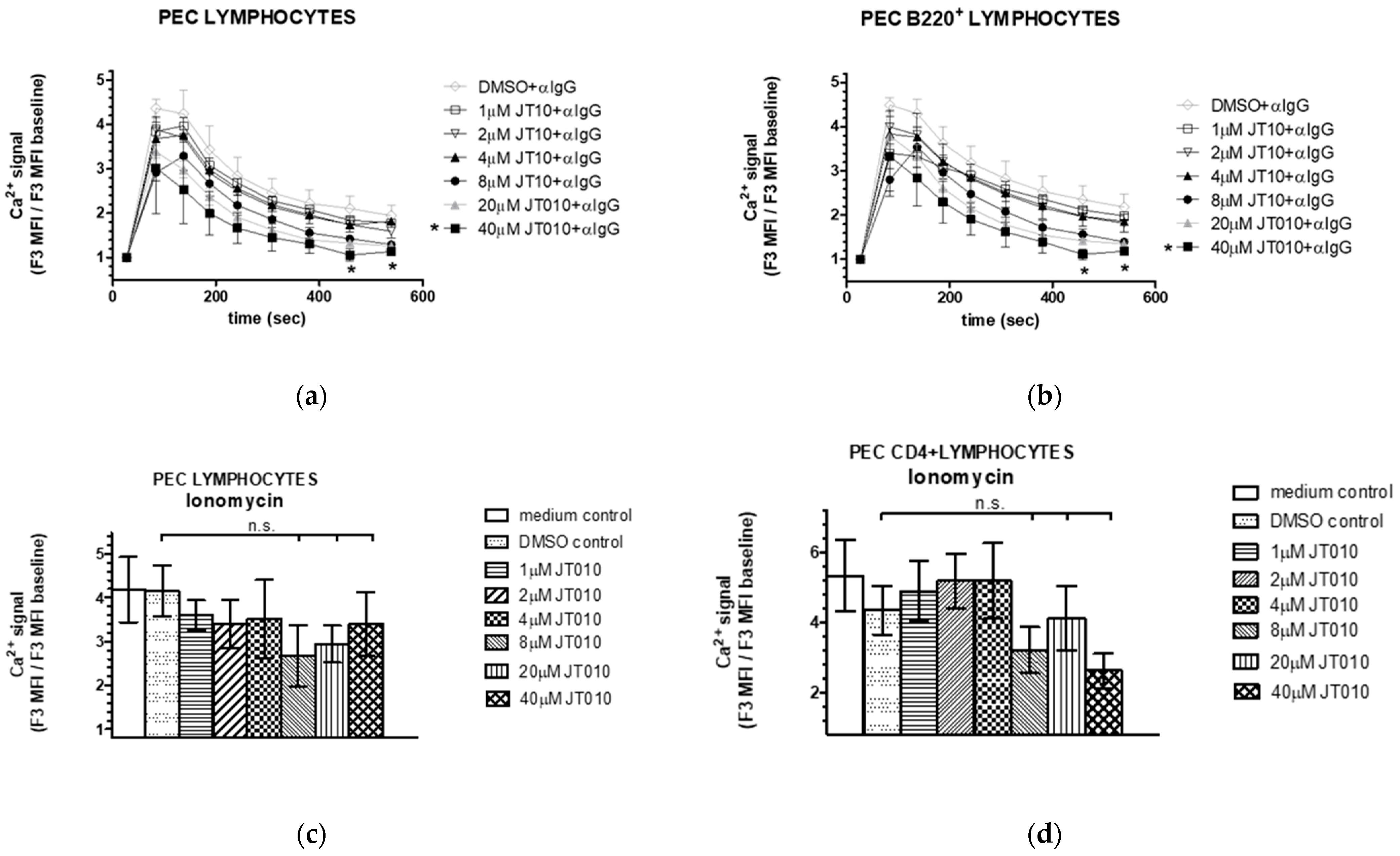
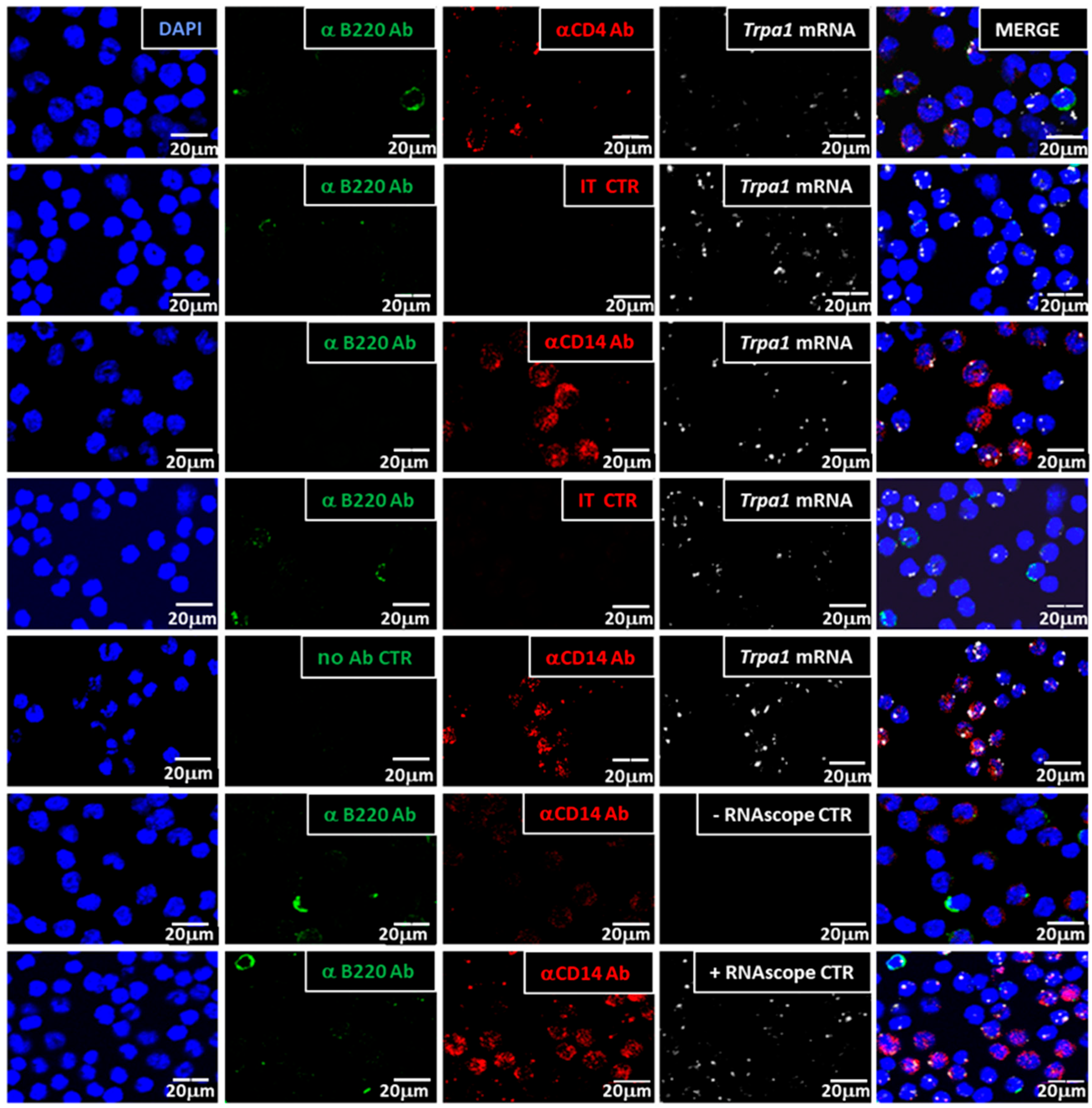
Transient Receptor Potential Ankyrin 1 (TRPA1) is a non-selective cation channel involved in sensitivity to a plethora of irritating agents and endogenous mediators of oxidative stress. TRPA1 influences neuroinflammation and macrophage and lymphocyte functions, but its role is controversial in immune cells. We reported earlier a detectable, but orders-of-magnitude-lower level of Trpa1 mRNA in monocytes and lymphocytes than in sensory neurons by qRT-PCR analyses of cells from lymphoid organs of mice. Our present goals were to (a) further elucidate the expression of Trpa1 mRNA in immune cells by RNAscope in situ hybridization (ISH) and (b) test the role of TRPA1 in lymphocyte activation. RNAscope ISH confirmed that Trpa1 transcripts were detectable in CD14+ and CD4+ cells from the peritoneal cavity of mice. A selective TRPA1 agonist JT010 elevated Ca2+ levels in these cells only at high concentrations. However, a concentration-dependent inhibitory effect of JT010 was observed on T-cell receptor (TcR)-induced Ca2+ signals in CD4+ T lymphocytes, while JT010 neither modified B cell activation nor ionomycin-stimulated Ca2+ level. Based on our present and past findings, TRPA1 activation negatively modulates T lymphocyte activation, but it does not appear to be a key regulator of TcR-stimulated calcium signaling.
Keywords: TRPA1; lymphocytes; monocytes; CD4+ cells; CD14+ cells; B cells; dual RNAscope® ISH-IF technique; TcR activation; JT010; intracellular Ca2+; flow cytometry TRPA1; lymphocytes; monocytes; CD4+ cells; CD14+ cells; B cells; dual RNAscope® ISH-IF technique; TcR activation; JT010; intracellular Ca2+; flow cytometry