Next Article in Journal
The Roles of sPLA2s in Skin Homeostasis and Disease
Previous Article in Journal
Molecular Mind Games: The Medicinal Action of Cyclodextrins in Neurodegenerative Diseases
 
 
Correction published on 12 August 2025, see Biomolecules 2025, 15(8), 1155.
Article

Enhancing the Conformational Stability of the cl-Par-4 Tumor Suppressor via Site-Directed Mutagenesis


1
Biomedical Sciences Program, Old Dominion University, Norfolk, VA 23529, USA
2
Department of Chemistry and Biochemistry, Old Dominion University, Norfolk, VA 23529, USA
3
Greehey Children’s Cancer Research Institute, University of Texas Health Science Center at San Antonio, San Antonio, TX 78229, USA
4
Department of Biochemistry and Structural Biology, University of Texas Health Science Center at San Antonio, San Antonio, TX 78229, USA
*
Author to whom correspondence should be addressed.
Biomolecules 2023, 13(4), 667; https://doi.org/10.3390/biom13040667
Submission received: 1 March 2023 / Revised: 28 March 2023 / Accepted: 5 April 2023 / Published: 12 April 2023 / Corrected: 12 August 2025

Abstract

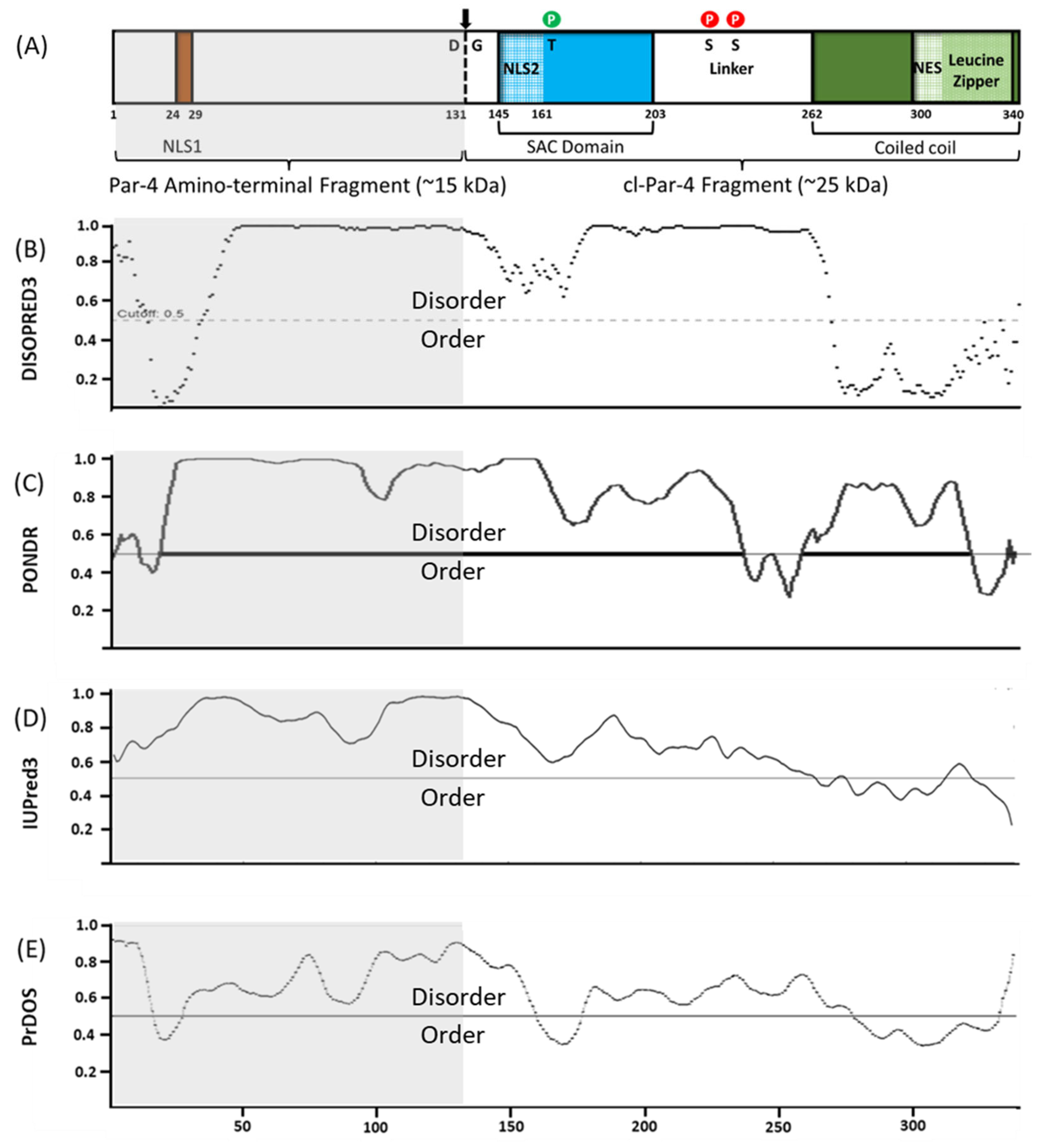
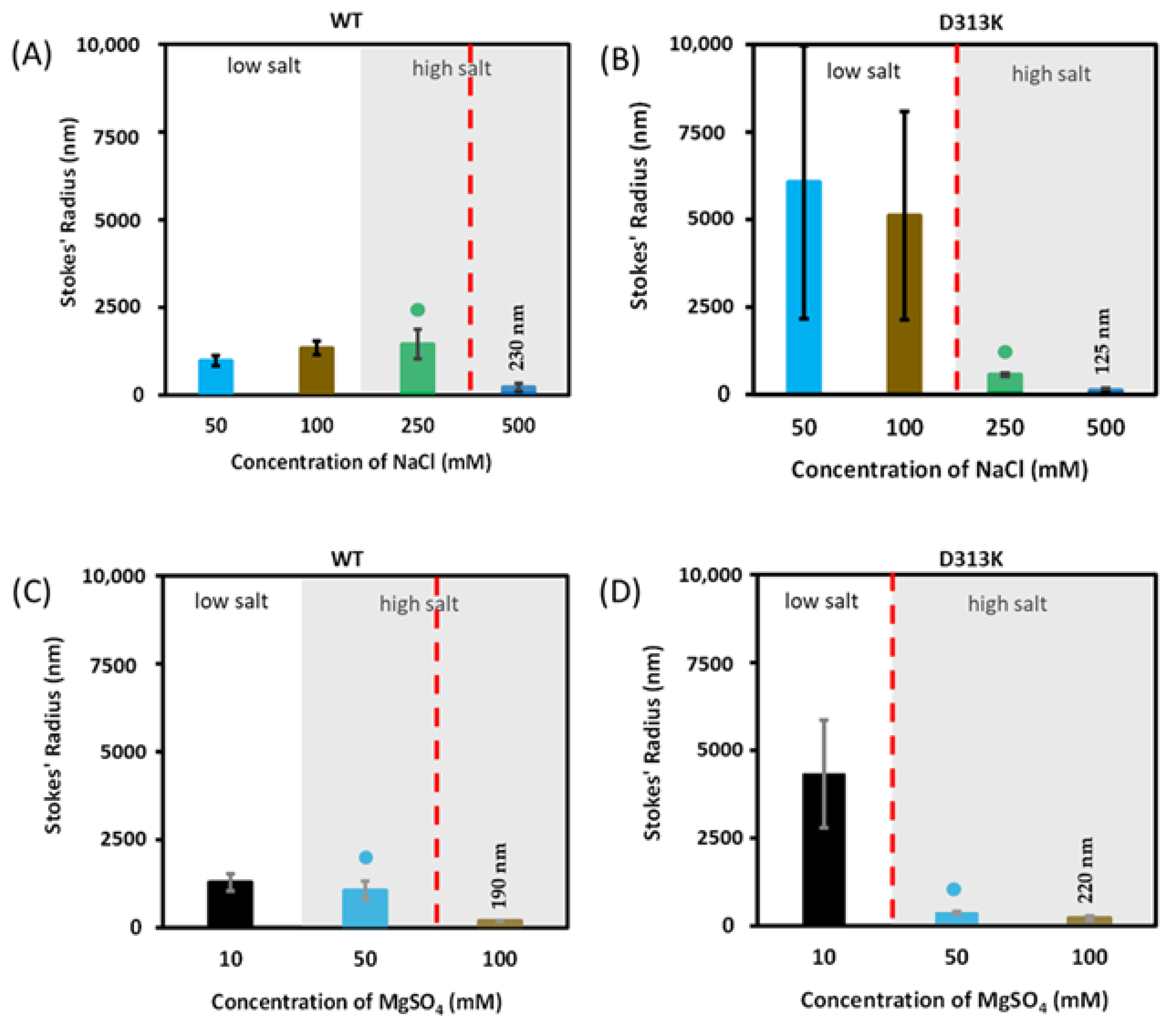
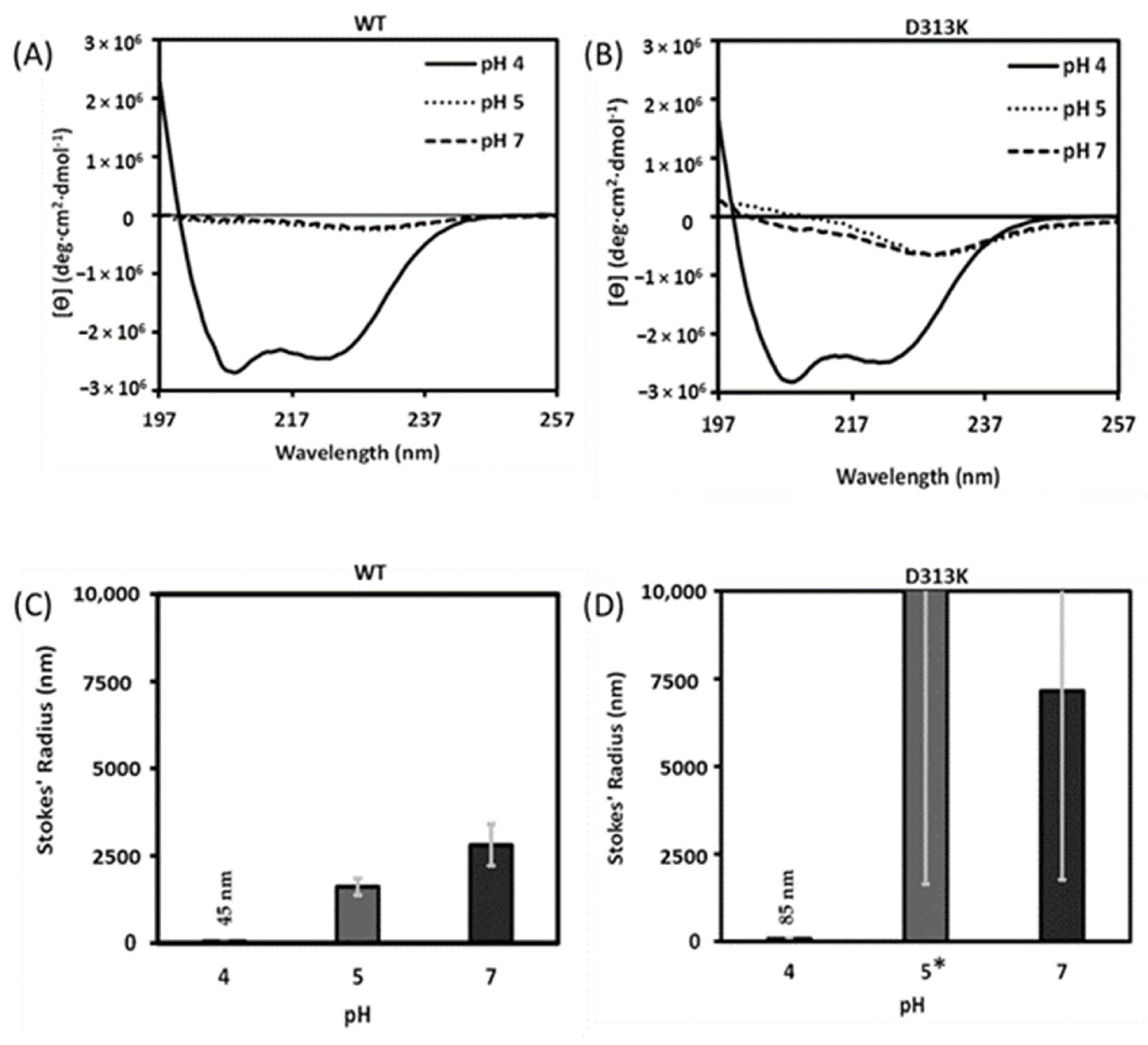
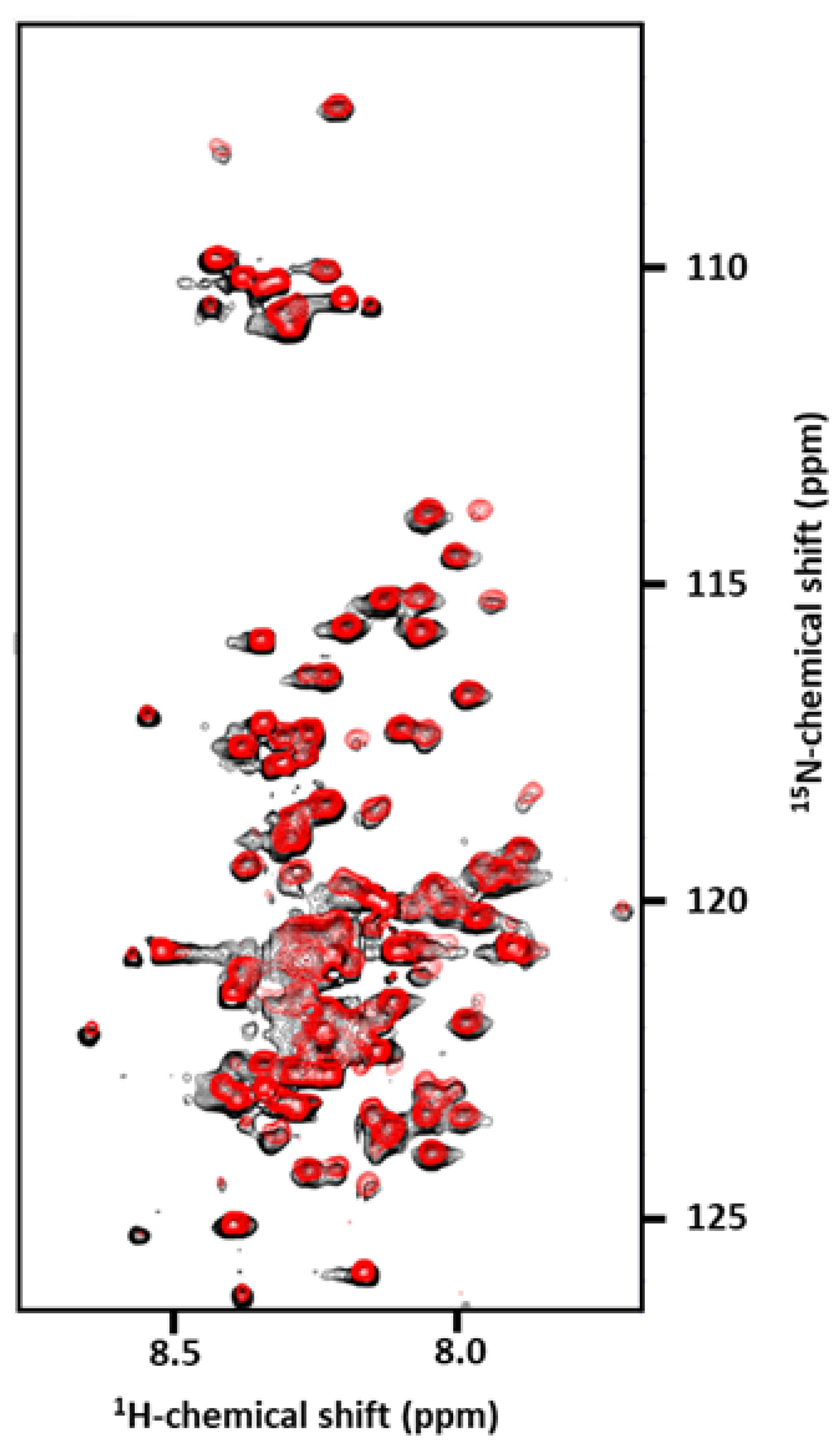
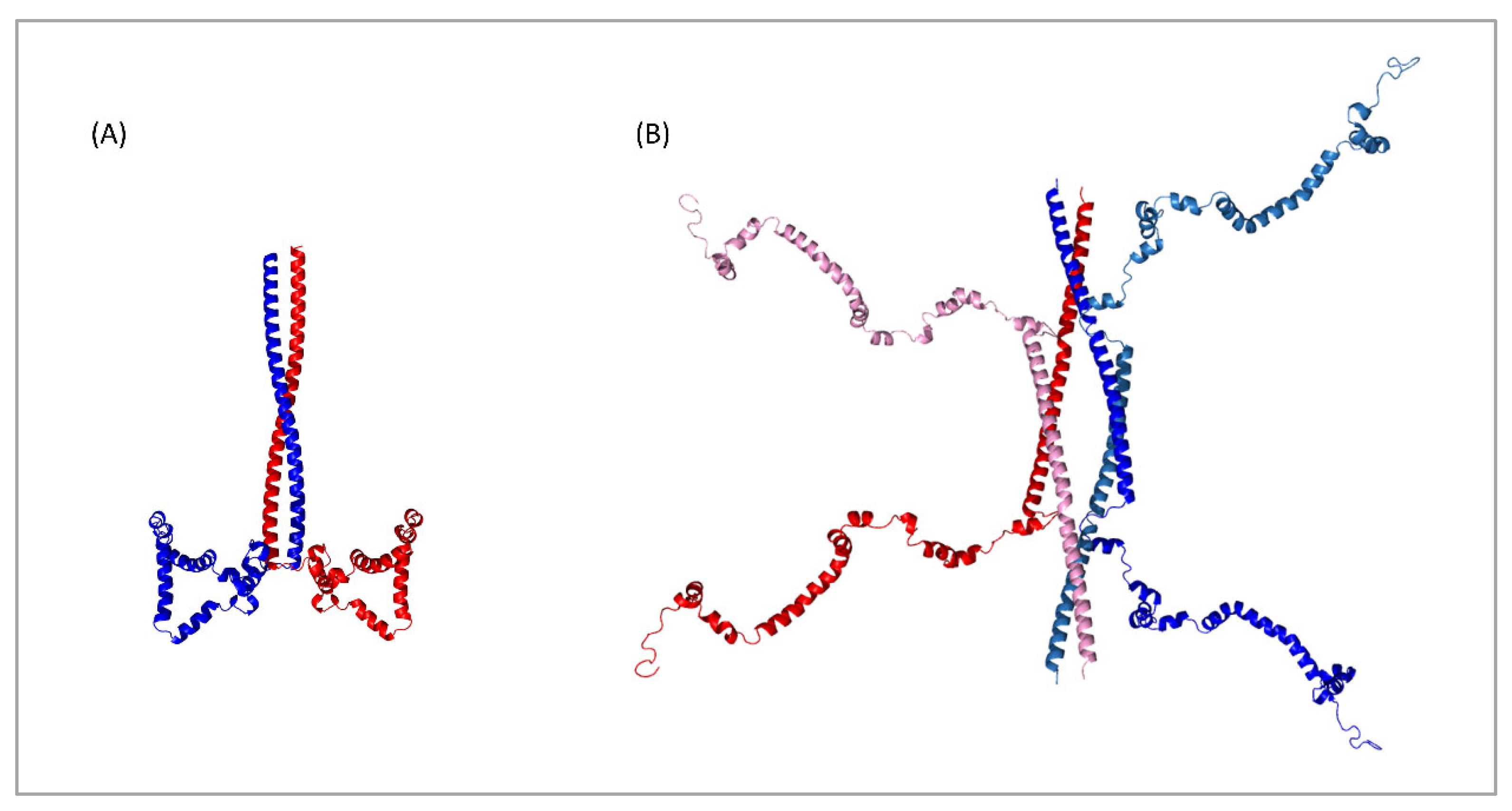
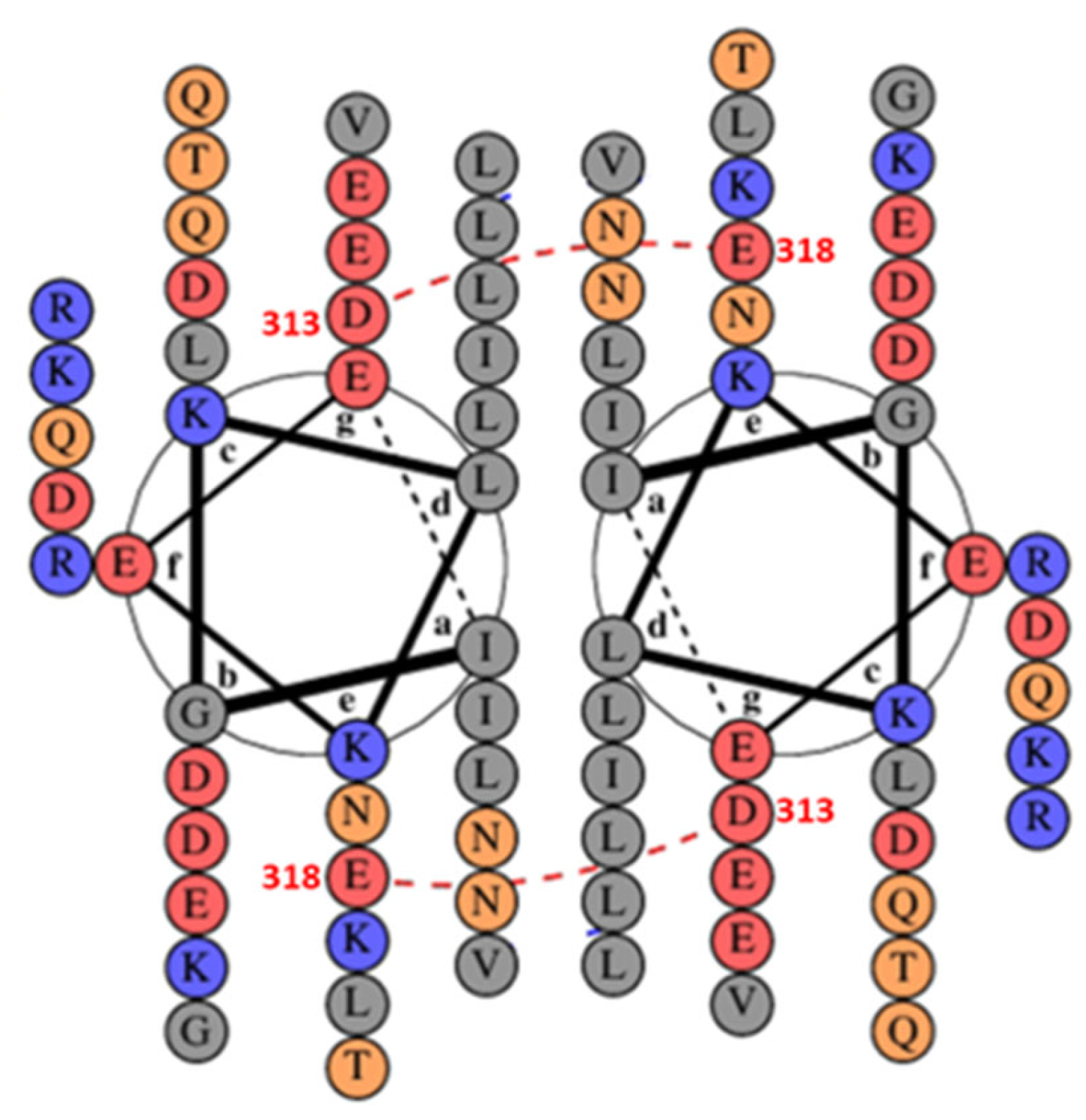
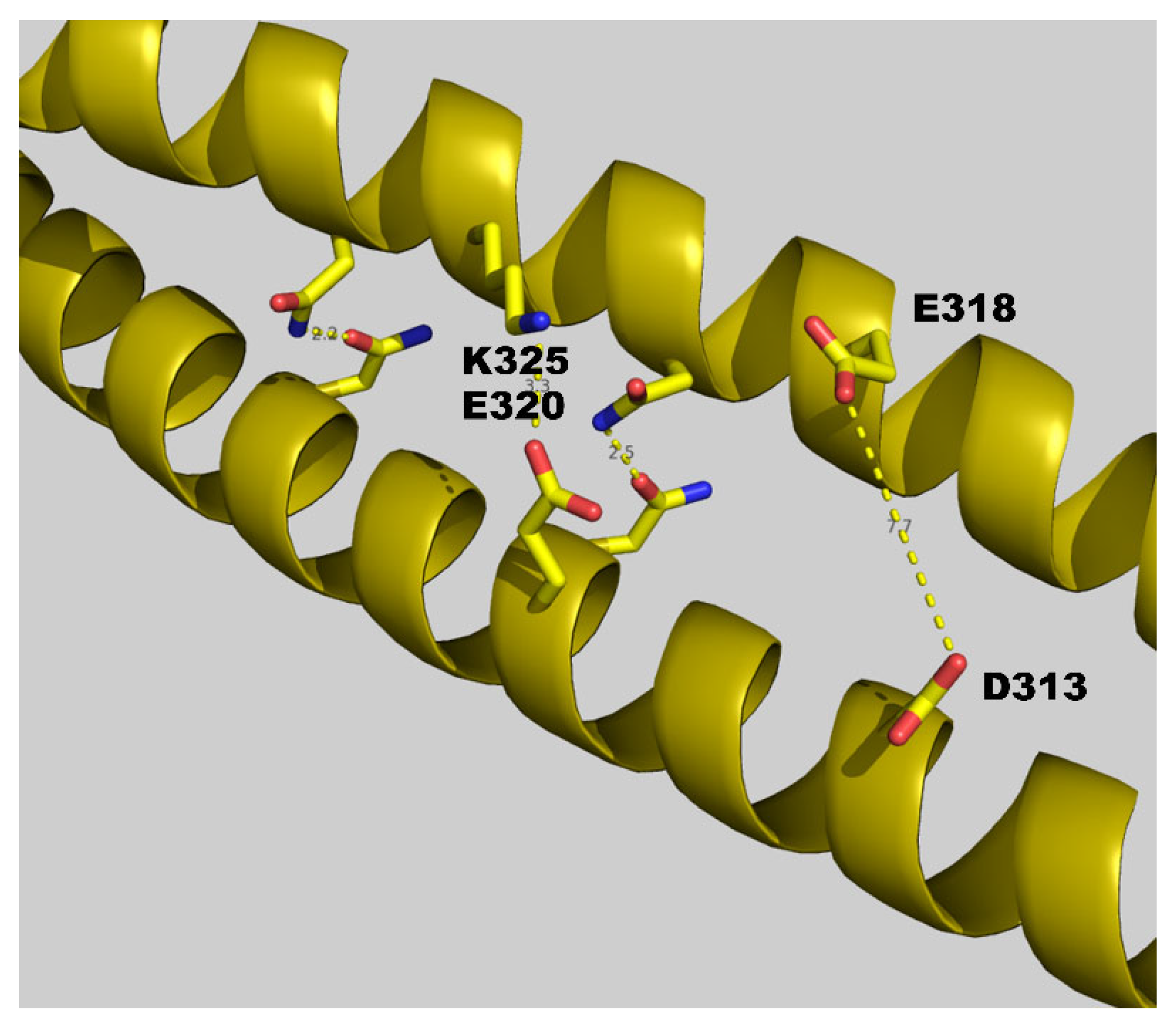
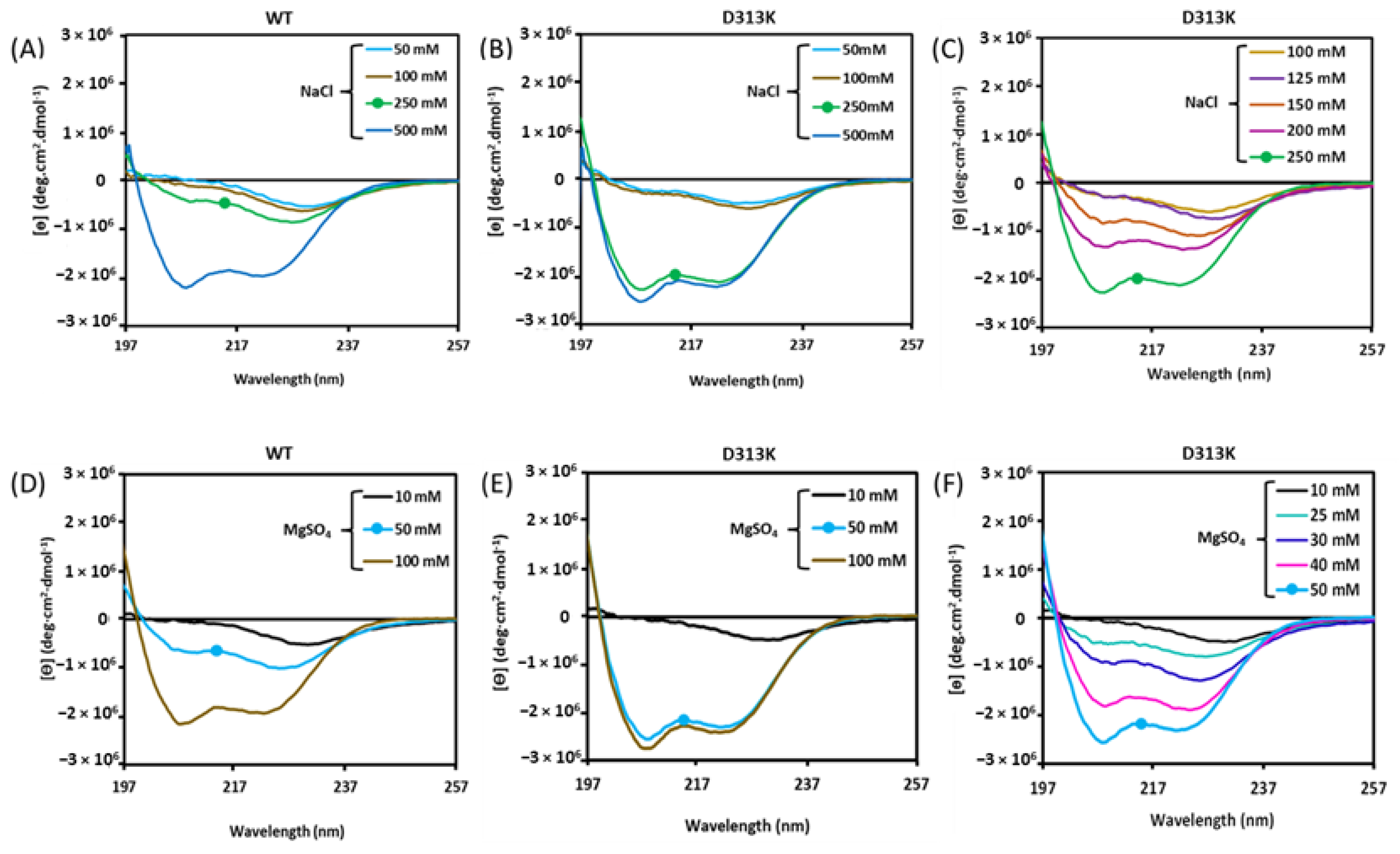
Intrinsically disordered proteins play important roles in cell signaling, and dysregulation of these proteins is associated with several diseases. Prostate apoptosis response-4 (Par-4), an approximately 40 kilodalton proapoptotic tumor suppressor, is a predominantly intrinsically disordered protein whose downregulation has been observed in various cancers. The caspase-cleaved fragment of Par-4 (cl-Par-4) is active and plays a role in tumor suppression by inhibiting cell survival pathways. Here, we employed site-directed mutagenesis to create a cl-Par-4 point mutant (D313K). The expressed and purified D313K protein was characterized using biophysical techniques, and the results were compared to that of the wild-type (WT). We have previously demonstrated that WT cl-Par-4 attains a stable, compact, and helical conformation in the presence of a high level of salt at physiological pH. Here, we show that the D313K protein attains a similar conformation as the WT in the presence of salt, but at an approximately two times lower salt concentration. This establishes that the substitution of a basic residue for an acidic residue at position 313 alleviates inter-helical charge repulsion between dimer partners and helps to stabilize the structural conformation.
Keywords: intrinsically disordered proteins (IDPs); prostate apoptosis response-4 (Par-4); tumor suppressor; site-directed mutagenesis; circular dichroism (CD) spectroscopy; dynamic light scattering (DLS); nuclear magnetic resonance (NMR) spectroscopy intrinsically disordered proteins (IDPs); prostate apoptosis response-4 (Par-4); tumor suppressor; site-directed mutagenesis; circular dichroism (CD) spectroscopy; dynamic light scattering (DLS); nuclear magnetic resonance (NMR) spectroscopy