Article

Potential Biomarkers and Endometrial Immune Microenvironment in Recurrent Implantation Failure

1
The First School of Clinical Medicine, Lanzhou University, Lanzhou 730000, China
2
Gansu International Scientific and Technological Cooperation Base of Reproductive Medicine Transformation Application, Key Laboratory for Reproductive Medicine and Embryo of Gansu, Lanzhou 730000, China
*
Authors to whom correspondence should be addressed.
These authors contributed equally to this work.
Biomolecules 2023, 13(3), 406; https://doi.org/10.3390/biom13030406
Submission received: 13 November 2022 / Revised: 8 February 2023 / Accepted: 16 February 2023 / Published: 21 February 2023
(This article belongs to the Special Issue Immune-Related Biomarkers)

Abstract

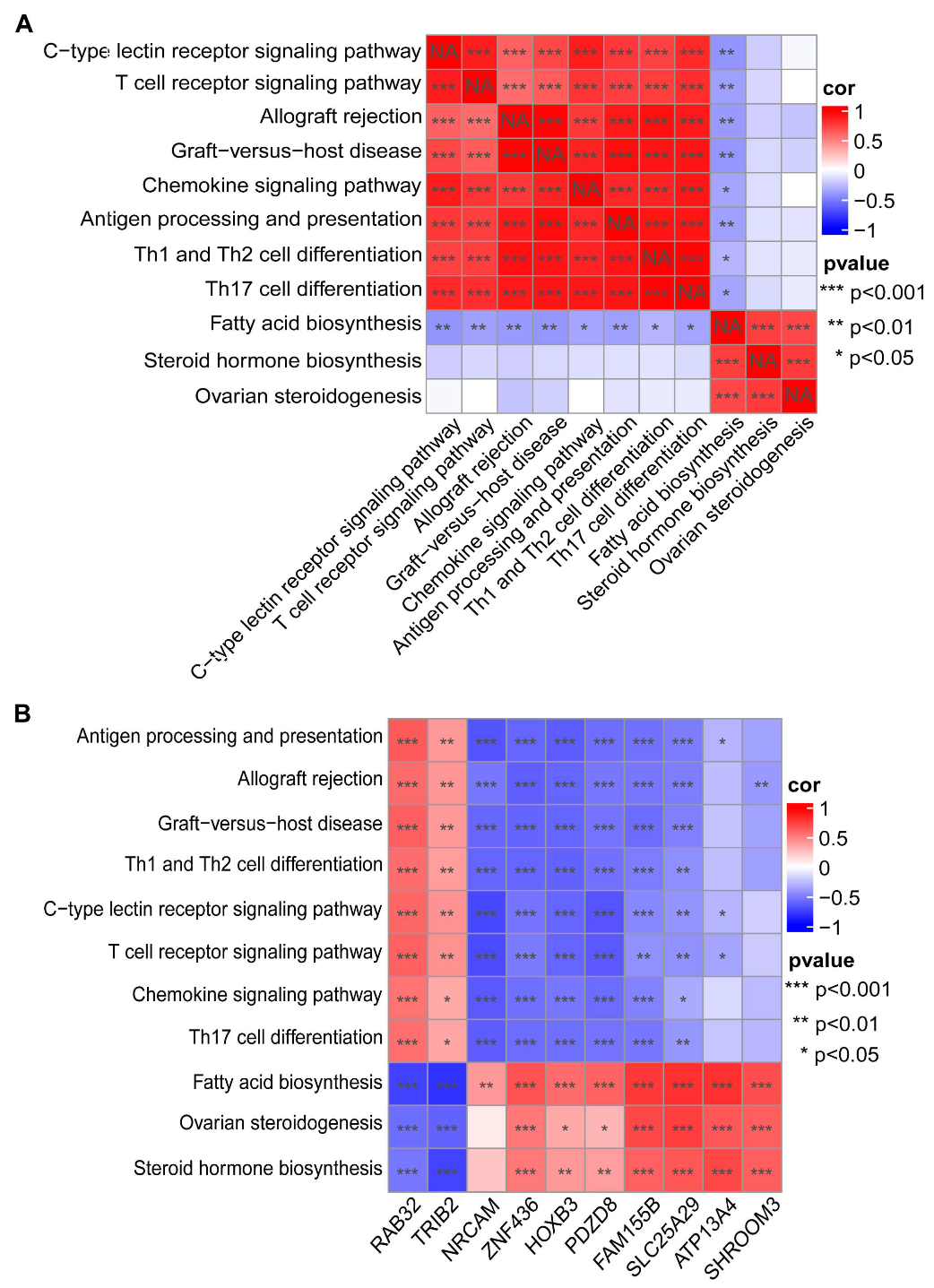
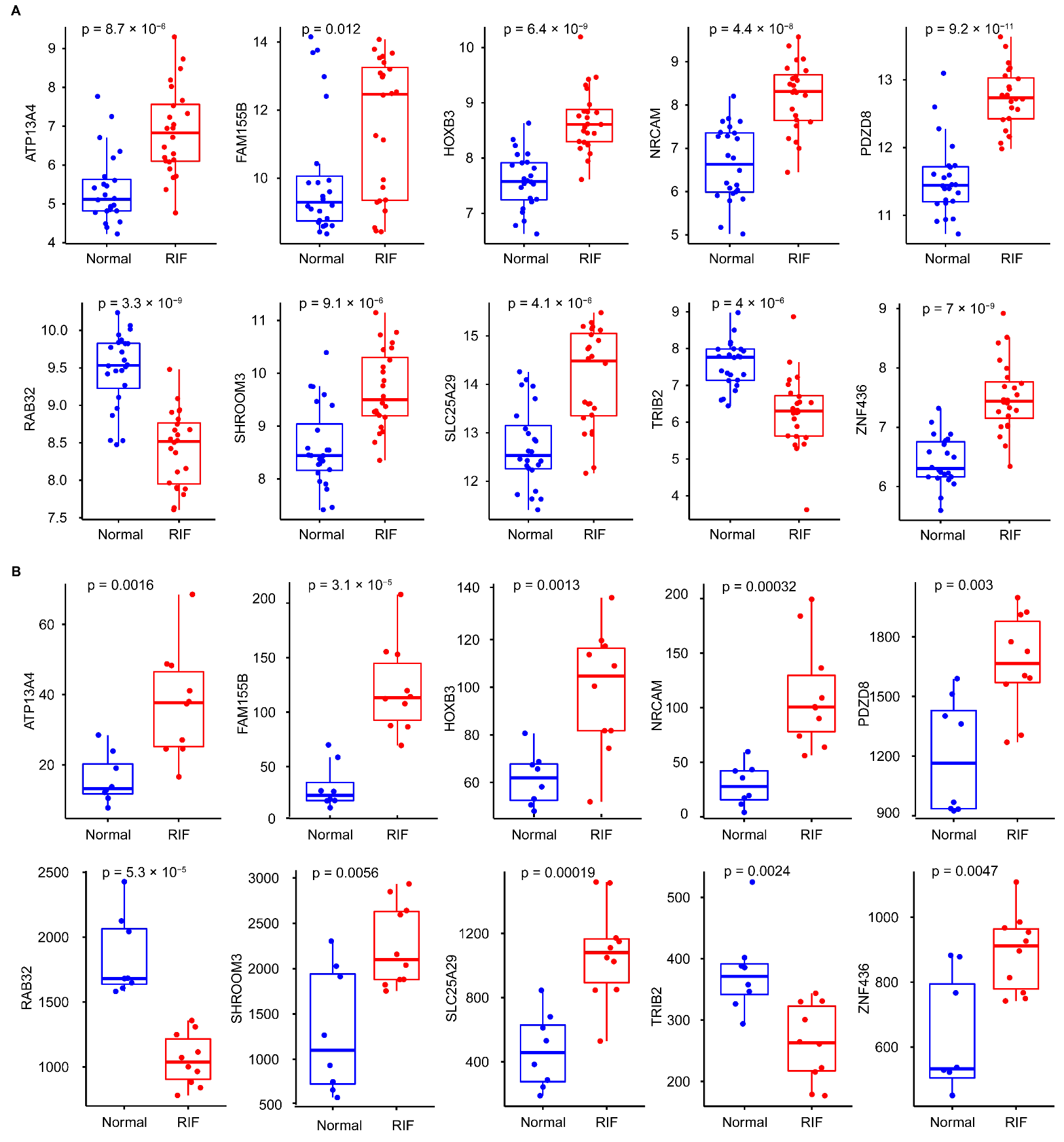
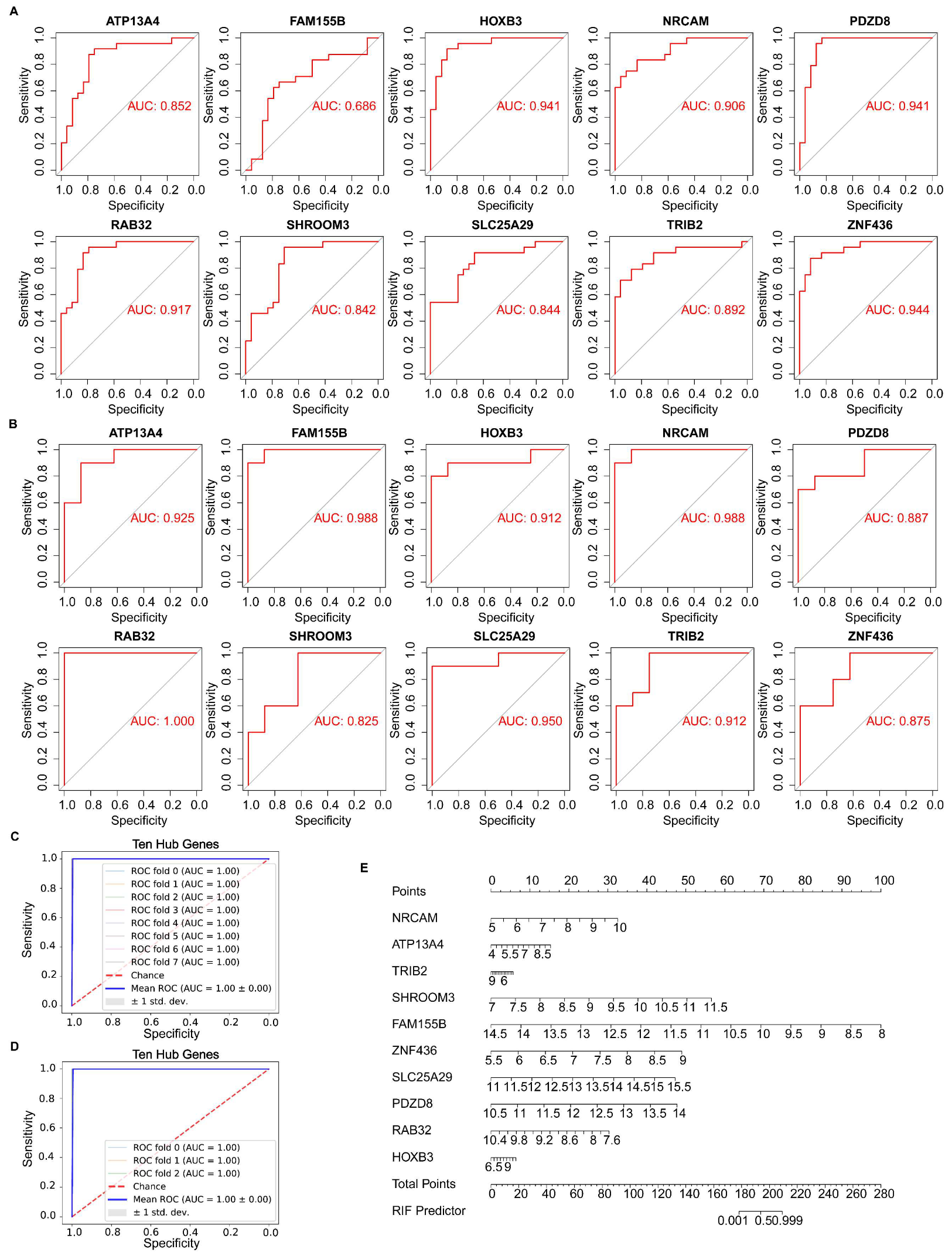
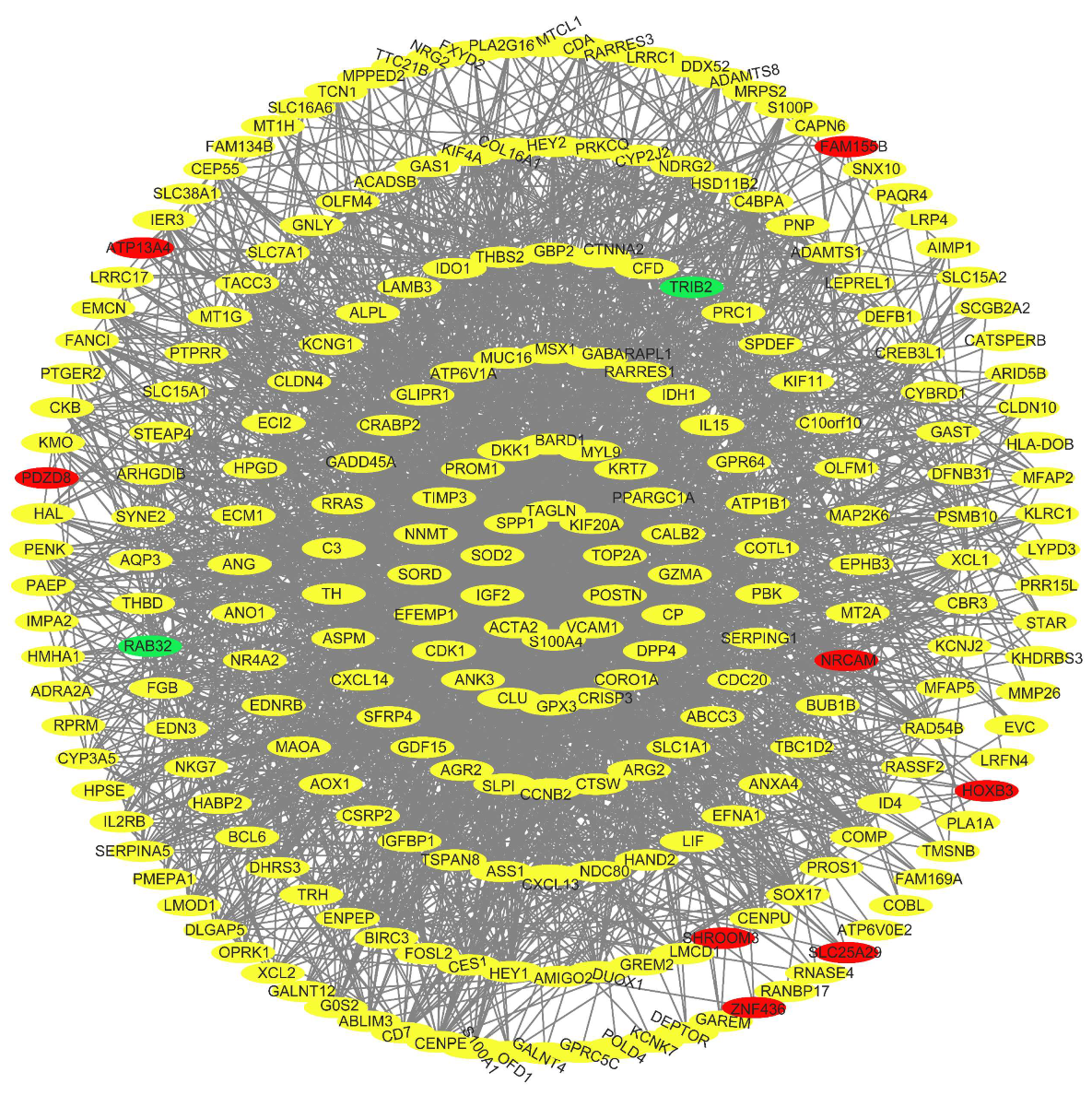
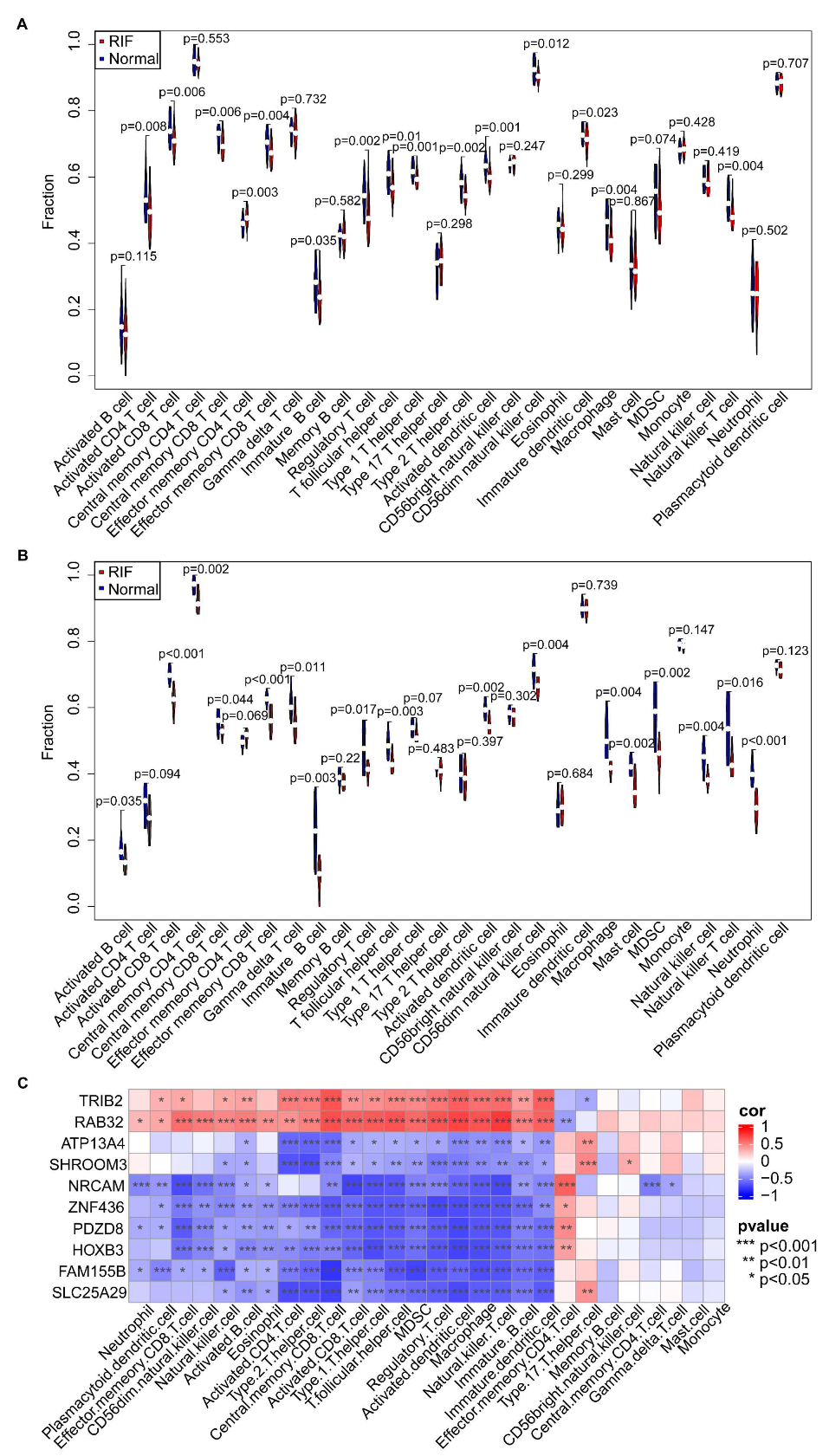
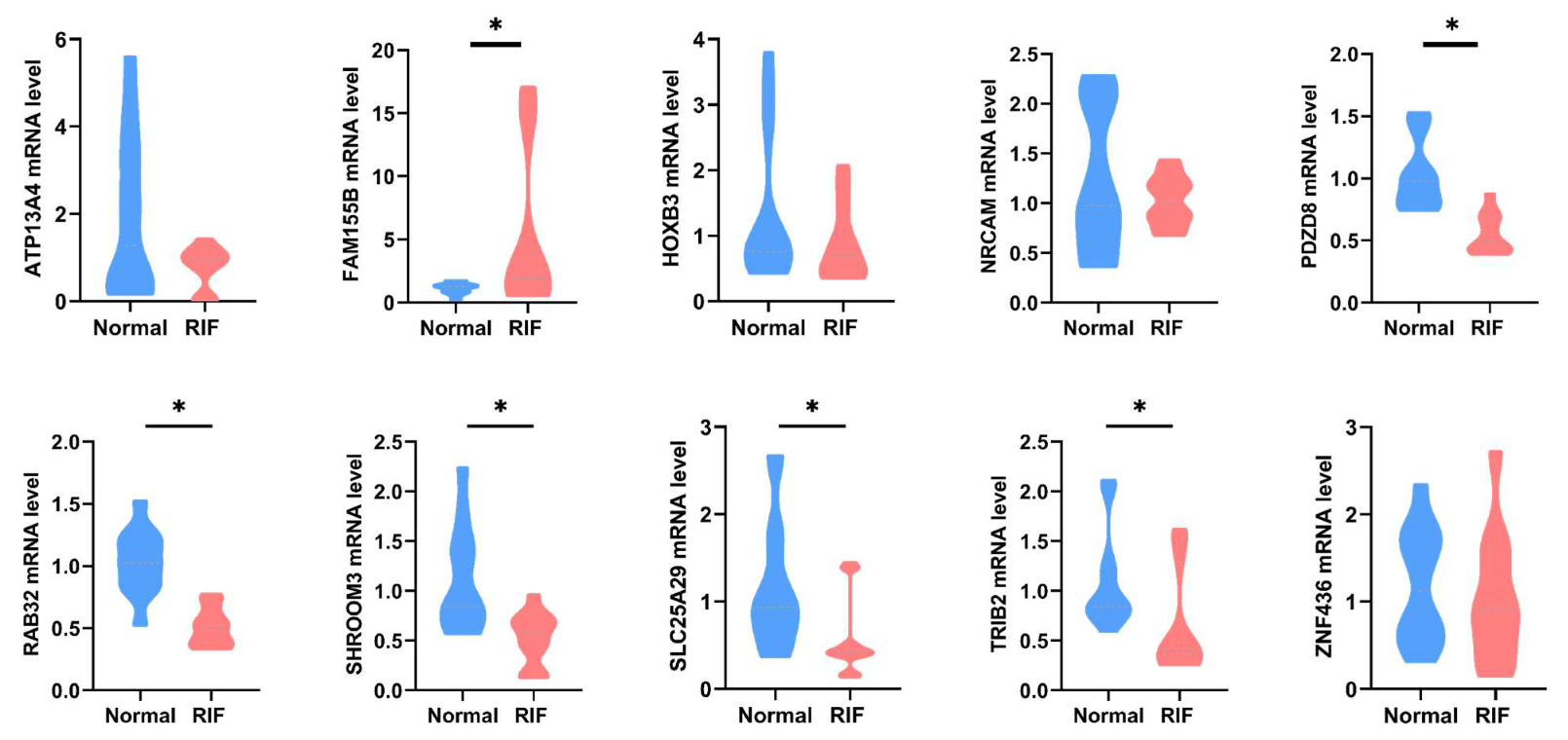
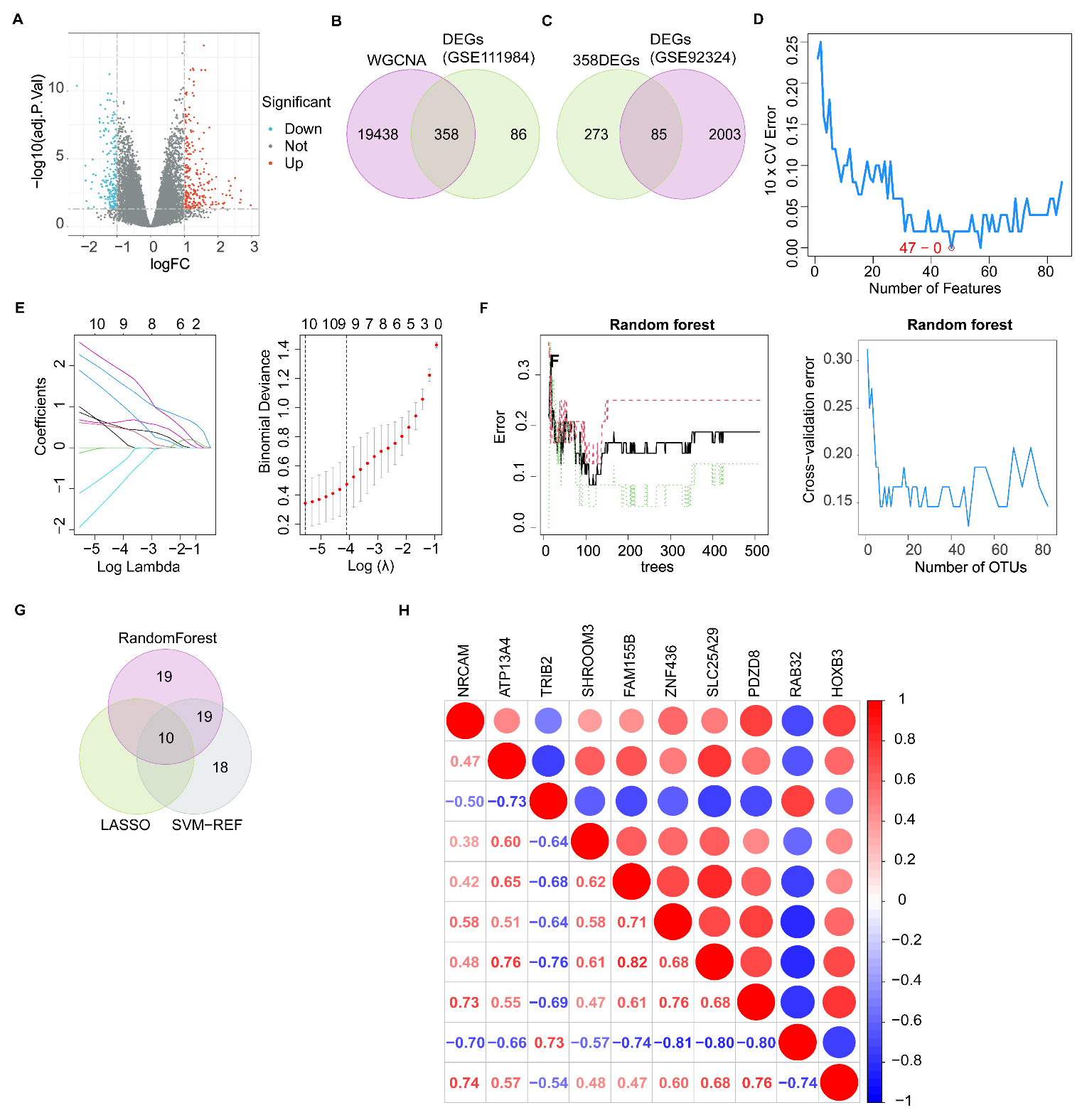
The molecular mechanisms underlying unexplained recurrent implantation failure (RIF) remain unclear. This study aimed at identifying potential biomarkers, exploring relevant signaling pathways, and analyzing the contribution of immune cell infiltration in RIF. Microarray expression datasets were extracted from the Gene Expression Omnibus database to perform bioinformatic analyses. The results showed that ten hub genes may predict RIF with high specificity and sensitivity (area under the curve = 1.000). Protein–protein interaction analysis revealed close interactions between the hub genes and the endometrial receptivity array. The real-time quantitative polymerase chain reaction further validated three potential biomarkers (RAB32, TRIB2, and FAM155B). Functional enrichment analyses indicated that immune pathways were significantly downregulated and lipid metabolism pathways were significantly upregulated in RIF compared with the controls. Significant negative correlations were observed between fatty acid biosynthesis and the immune pathways. Immune cell infiltration, including those in CD56dim natural killer, dendritic, Th1, Th2, and regulatory T cells, as well as macrophages, was significantly reduced in RIF compared with the controls used herein. This study may provide a novel perspective on the diagnosis and treatment of RIF.
Keywords: recurrent implantation failure; biomarker; immune cell infiltration; immune pathway; lipid metabolism recurrent implantation failure; biomarker; immune cell infiltration; immune pathway; lipid metabolism