Article

Gibberellic Acid Inhibits Dendrobium nobilePiriformospora Symbiosis by Regulating the Expression of Cell Wall Metabolism Genes
1
Guangdong Provincial Key Laboratory of Applied Botany, South China Botanical Garden, Chinese Academy of Sciences, Guangzhou 510650, China
2
Department of Botany, Guangzhou Institute of Forestry and Landscape Architecture, Huangzhuang South Road 6, Baiyun District, Guangzhou 510540, China
3
University of the Chinese Academy of Sciences, Beijing 100049, China
4
Key Laboratory of South China Agricultural Plant Molecular Analysis and Gene Improvement, South China Botanical Garden, Chinese Academy of Sciences, Guangzhou 510650, China
*
Authors to whom correspondence should be addressed.
Biomolecules 2023, 13(11), 1649; https://doi.org/10.3390/biom13111649
Submission received: 30 August 2023 / Revised: 26 October 2023 / Accepted: 6 November 2023 / Published: 14 November 2023

Abstract

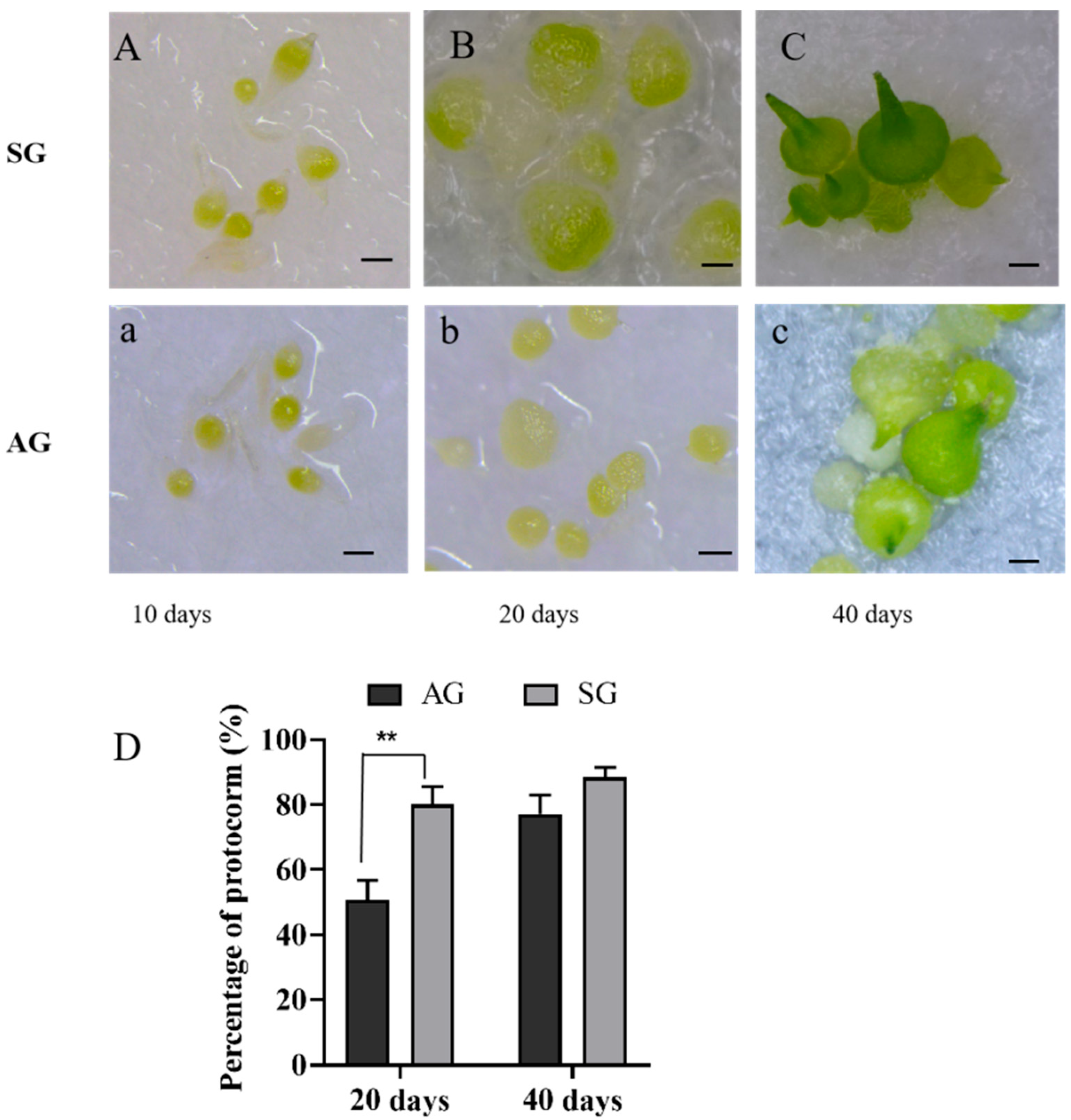
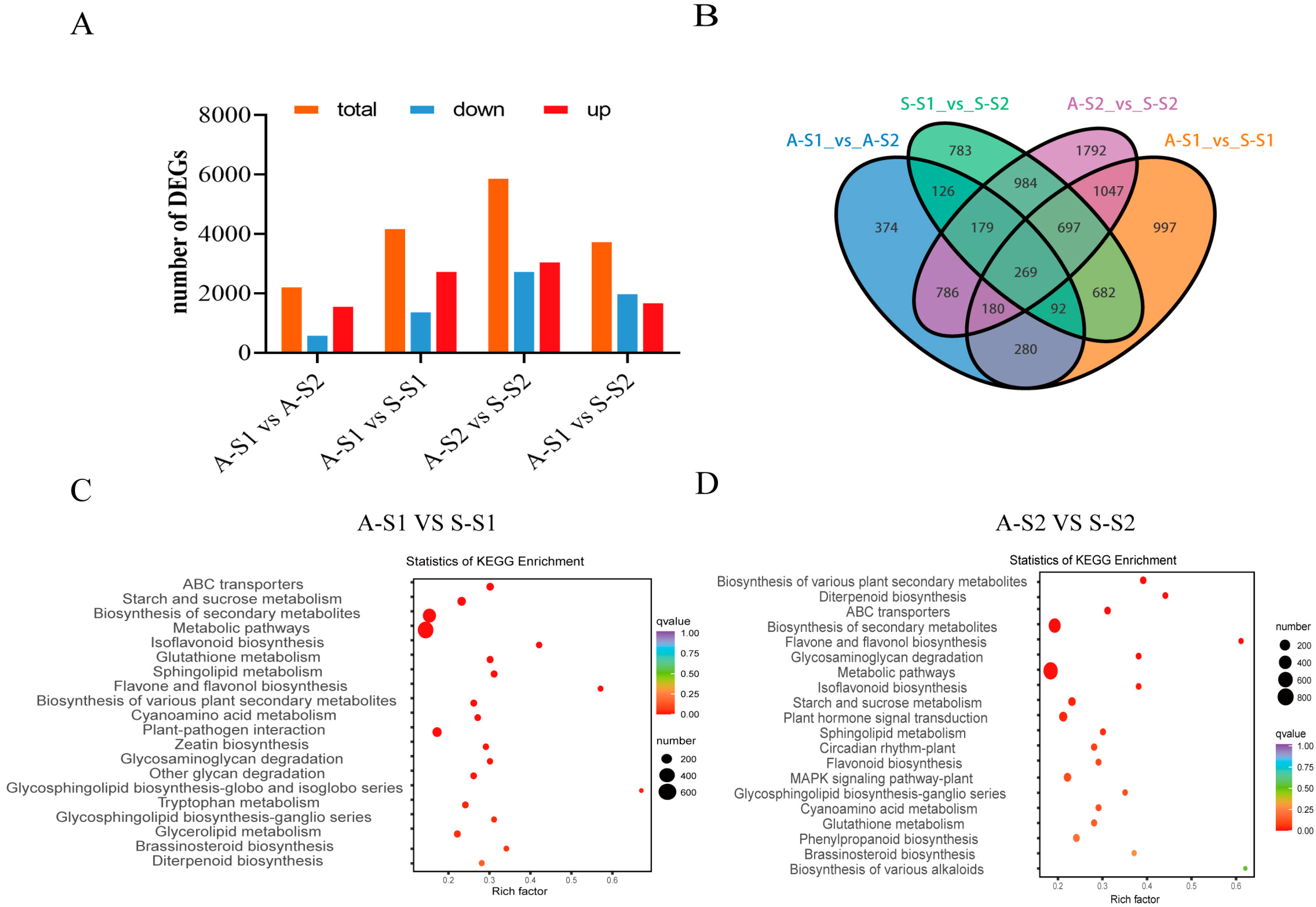
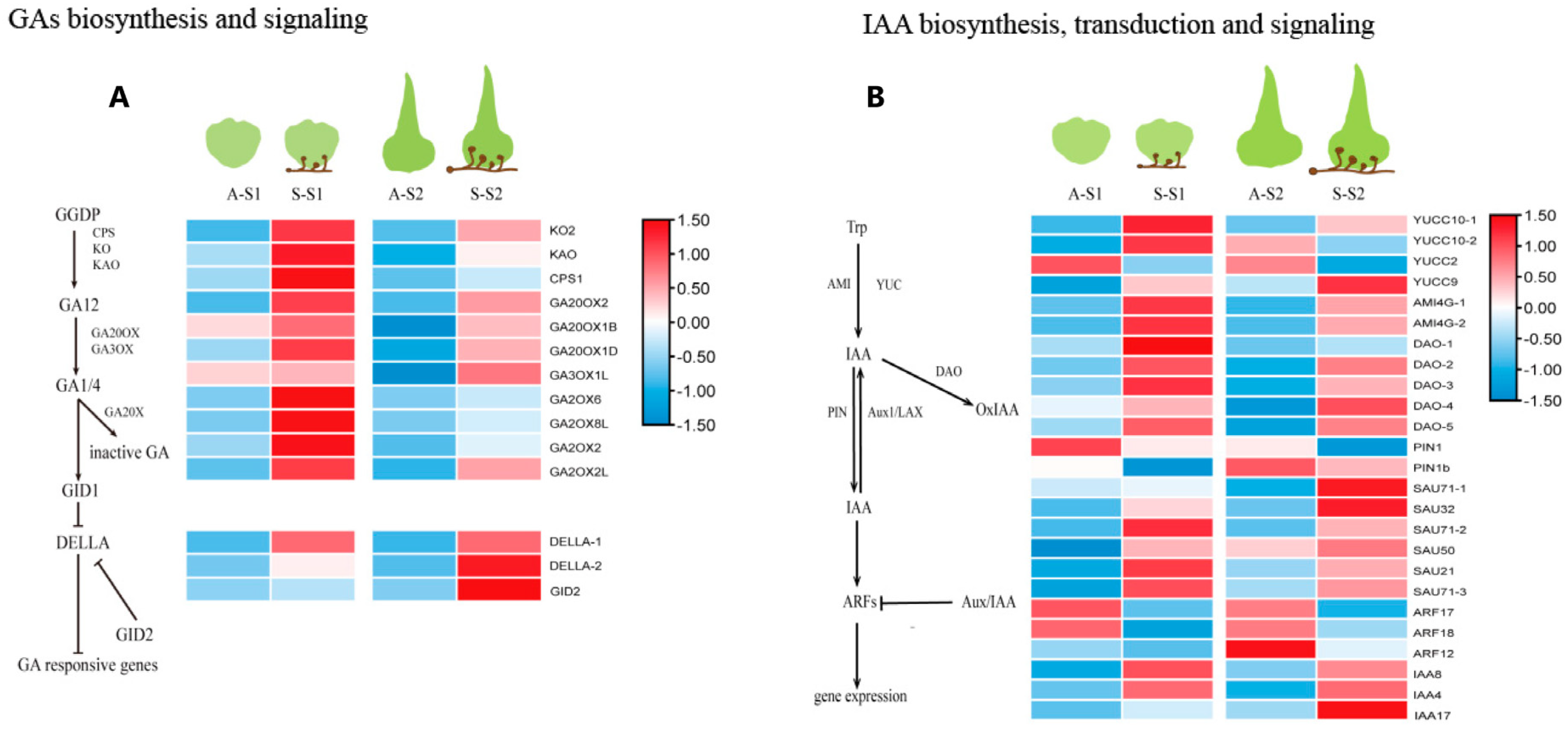
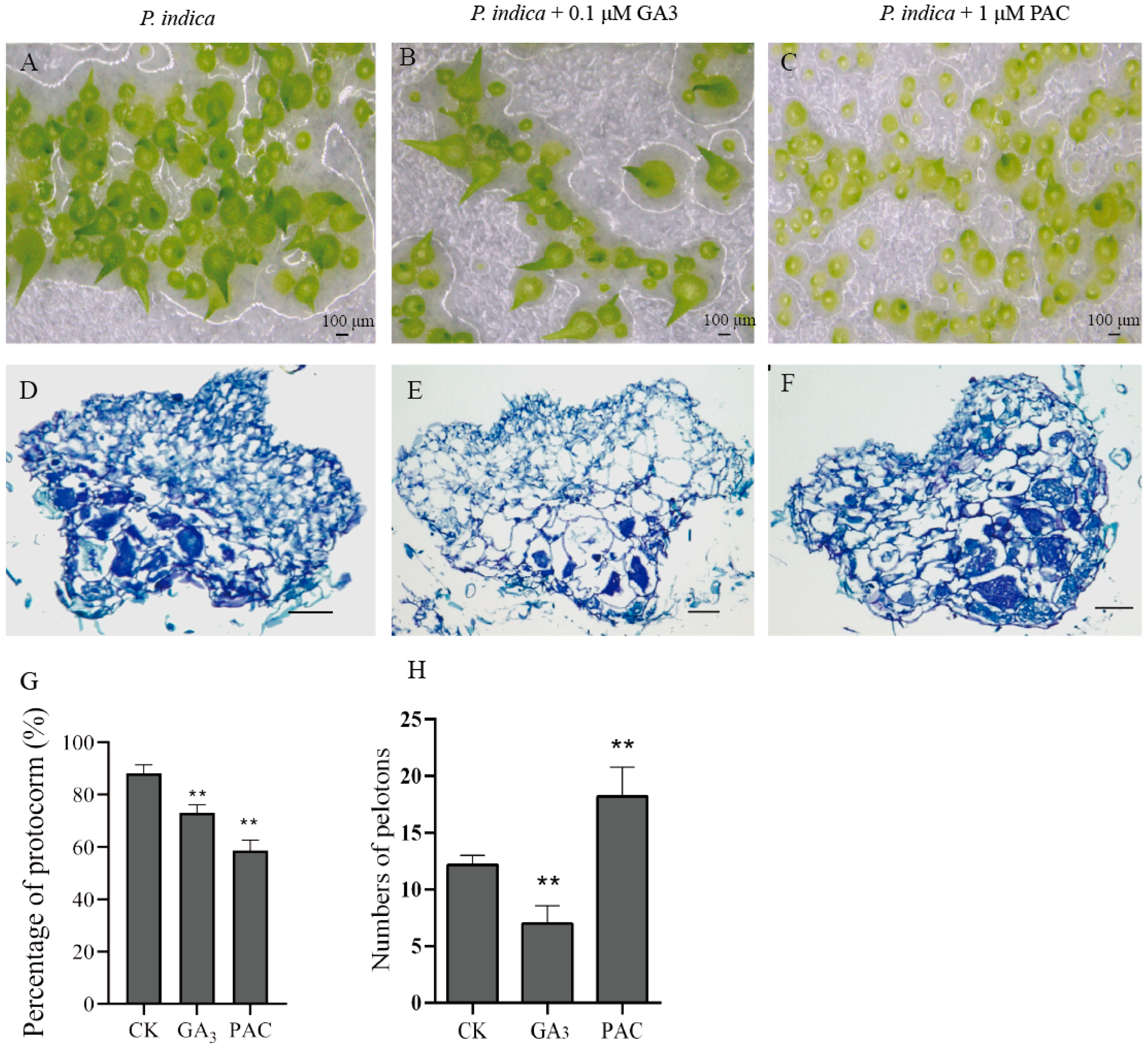
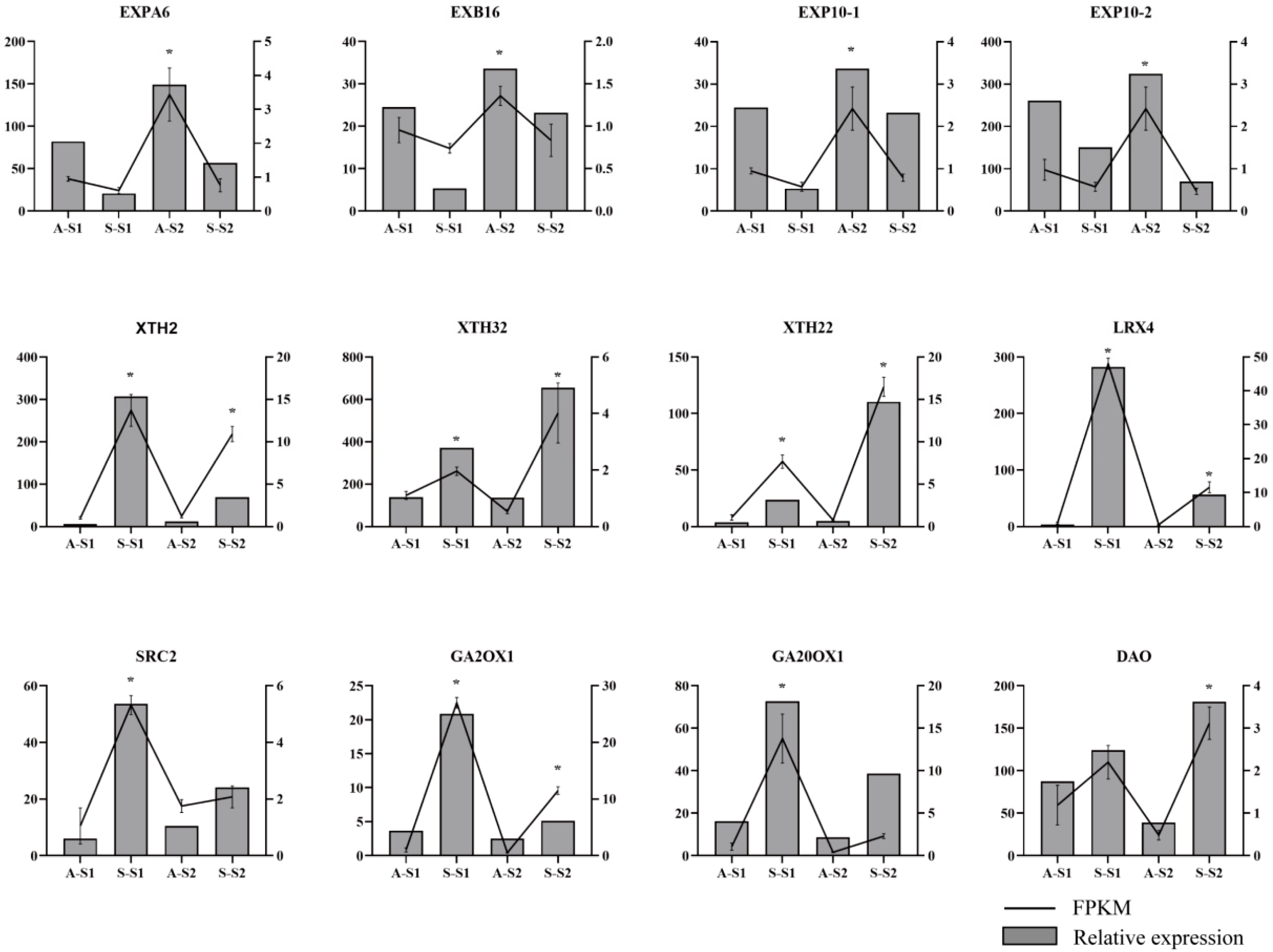
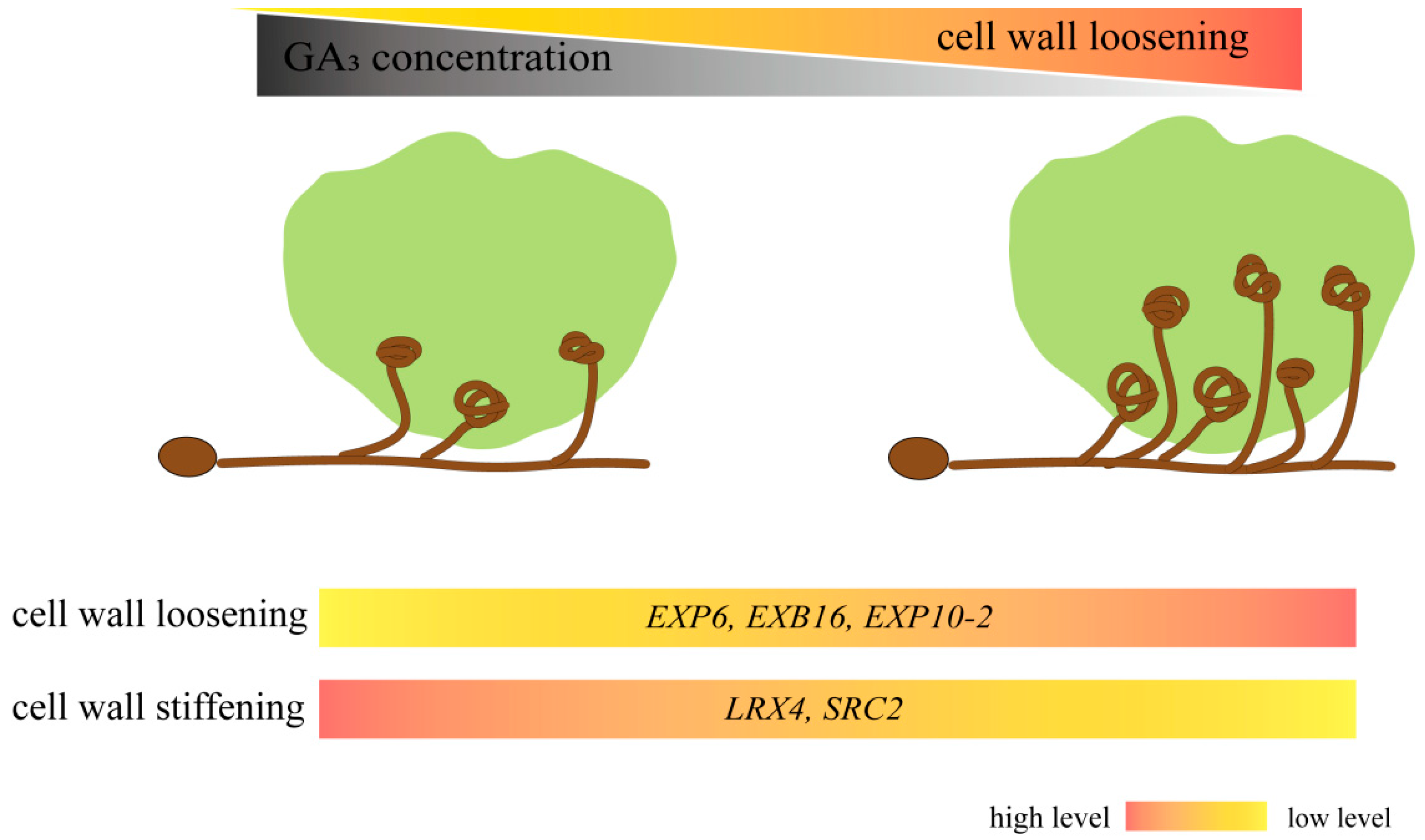
Orchid seeds lack endosperms and depend on mycorrhizal fungi for germination and nutrition acquisition under natural conditions. Piriformospora indica is a mycorrhizal fungus that promotes seed germination and seedling development in epiphytic orchids, such as Dendrobium nobile. To understand the impact of P. indica on D. nobile seed germination, we examined endogenous hormone levels by using liquid chromatography–mass spectrometry. We performed transcriptomic analysis of D. nobile protocorm at two developmental stages under asymbiotic germination (AG) and symbiotic germination (SG) conditions. The result showed that the level of endogenous IAA in the SG protocorm treatments was significantly higher than that in the AG protocorm treatments. Meanwhile, GA3 was only detected in the SG protocorm stages. IAA and GA synthesis and signaling genes were upregulated in the SG protocorm stages. Exogenous GA3 application inhibited fungal colonization inside the protocorm, and a GA biosynthesis inhibitor (PAC) promoted fungal colonization. Furthermore, we found that PAC prevented fungal hyphae collapse and degeneration in the protocorm, and differentially expressed genes related to cell wall metabolism were identified between the SG and AG protocorm stages. Exogenous GA3 upregulated SRC2 and LRX4 expression, leading to decreased fungal colonization. Meanwhile, GA inhibitors upregulated EXP6, EXB16, and EXP10-2 expression, leading to increased fungal colonization. Our findings suggest that GA regulates the expression of cell wall metabolism genes in D. nobile, thereby inhibiting the establishment of mycorrhizal symbiosis.
Keywords: protocorm; symbiosis; cell wall; hormones protocorm; symbiosis; cell wall; hormones