Article

Hybrid-Enhanced Siamese Similarity Models in Ligand-Based Virtual Screen

by
Mohammed Khaldoon Altalib
1,2,* and
Naomie Salim
3
1
School of Computing, Universiti Teknologi Malaysia, Johor Bahru 81310, Malaysia
2
Computer Science Department, Education for Pure Science Collage, University of Mosul, Mosul 41002, Iraq
3
UTM Big Data Centre, Ibnu Sina Institute for Scientific and Industrial Research, Universiti Teknologi Malaysia, Johor Bahru 81310, Malaysia
*
Author to whom correspondence should be addressed.
Biomolecules 2022, 12(11), 1719; https://doi.org/10.3390/biom12111719
Submission received: 26 October 2022 / Revised: 17 November 2022 / Accepted: 18 November 2022 / Published: 20 November 2022

Abstract

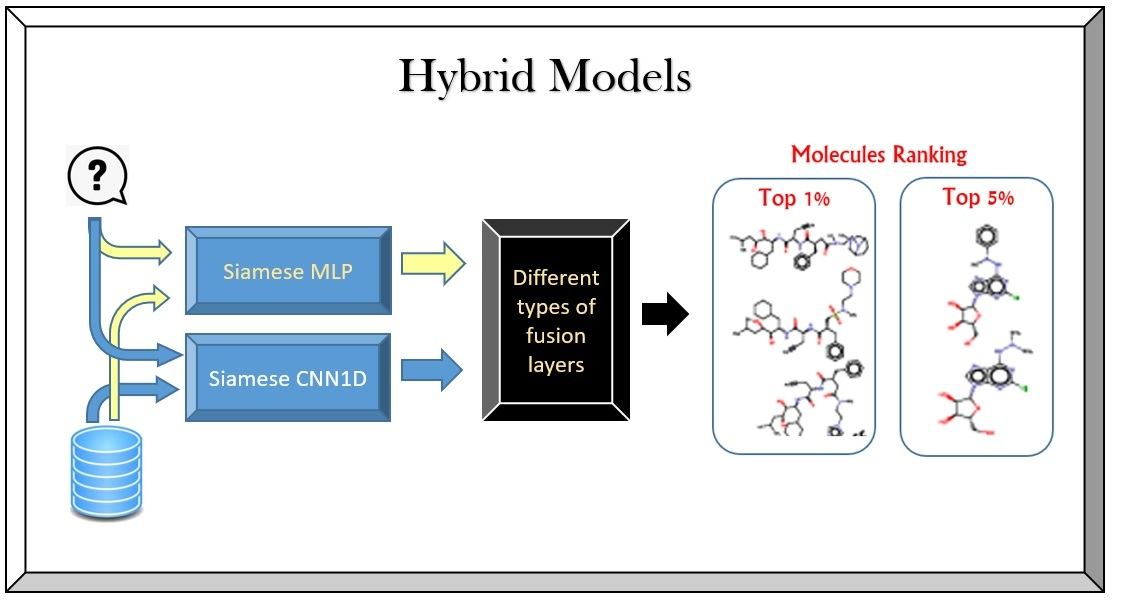
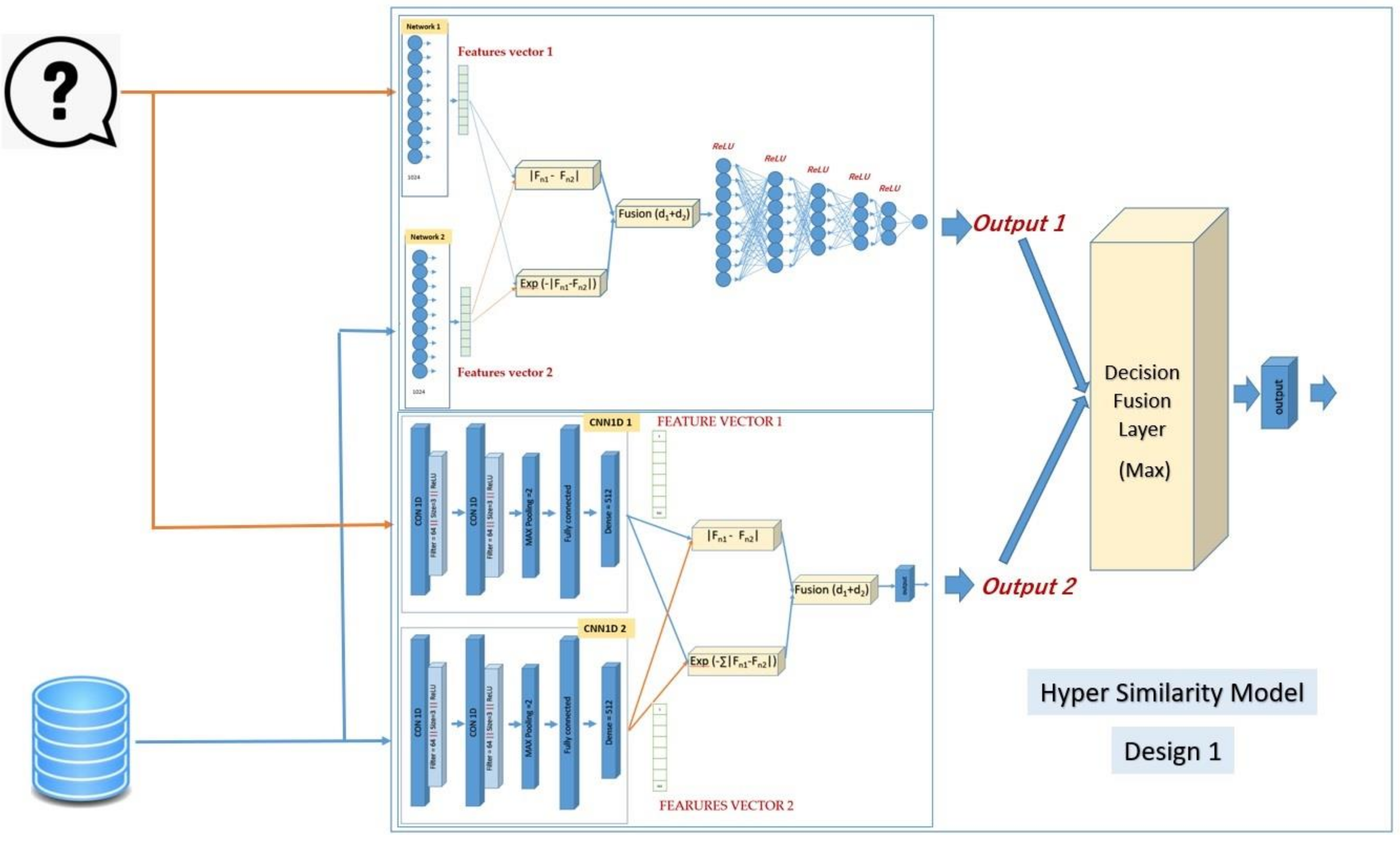
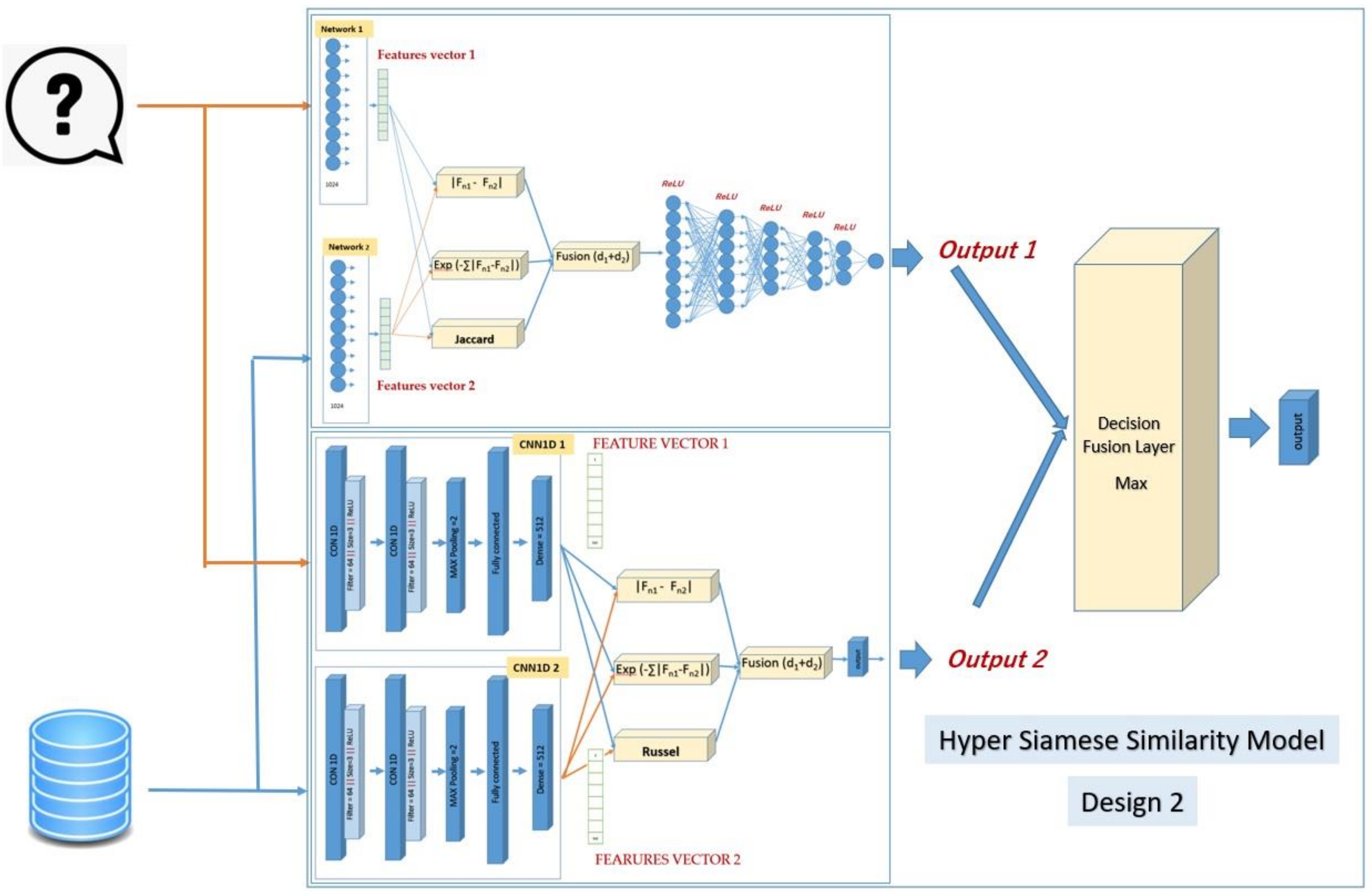
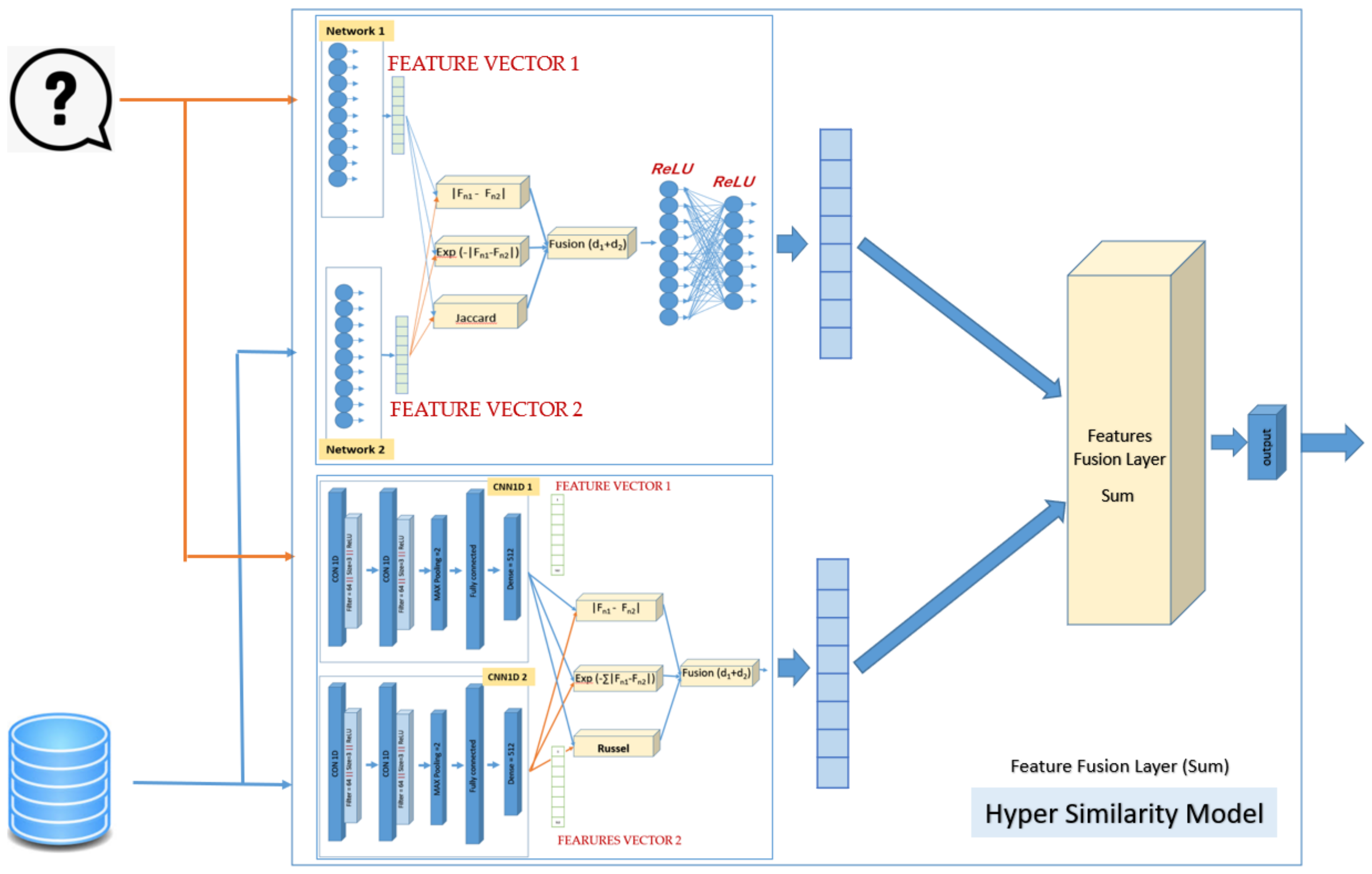
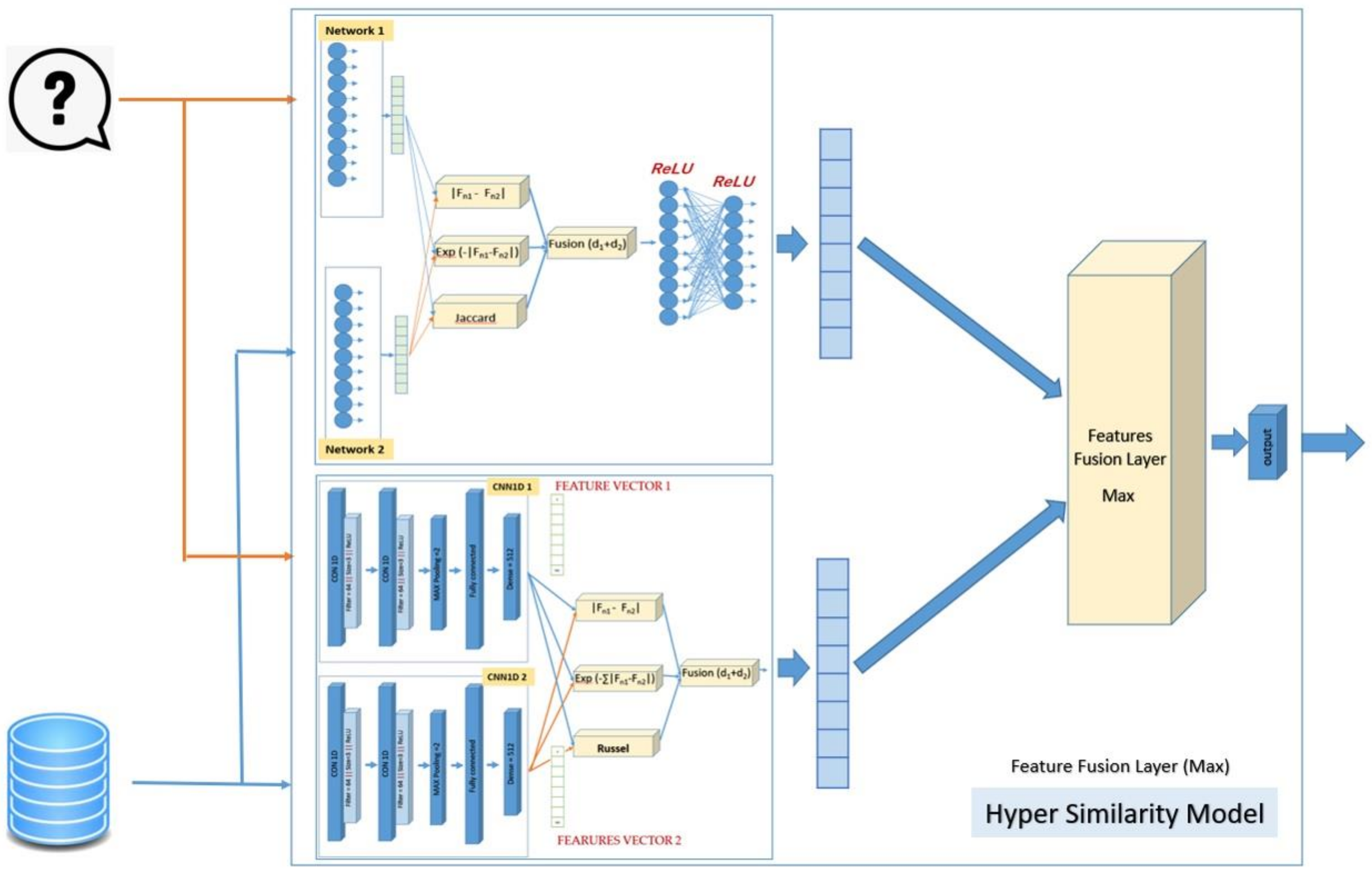
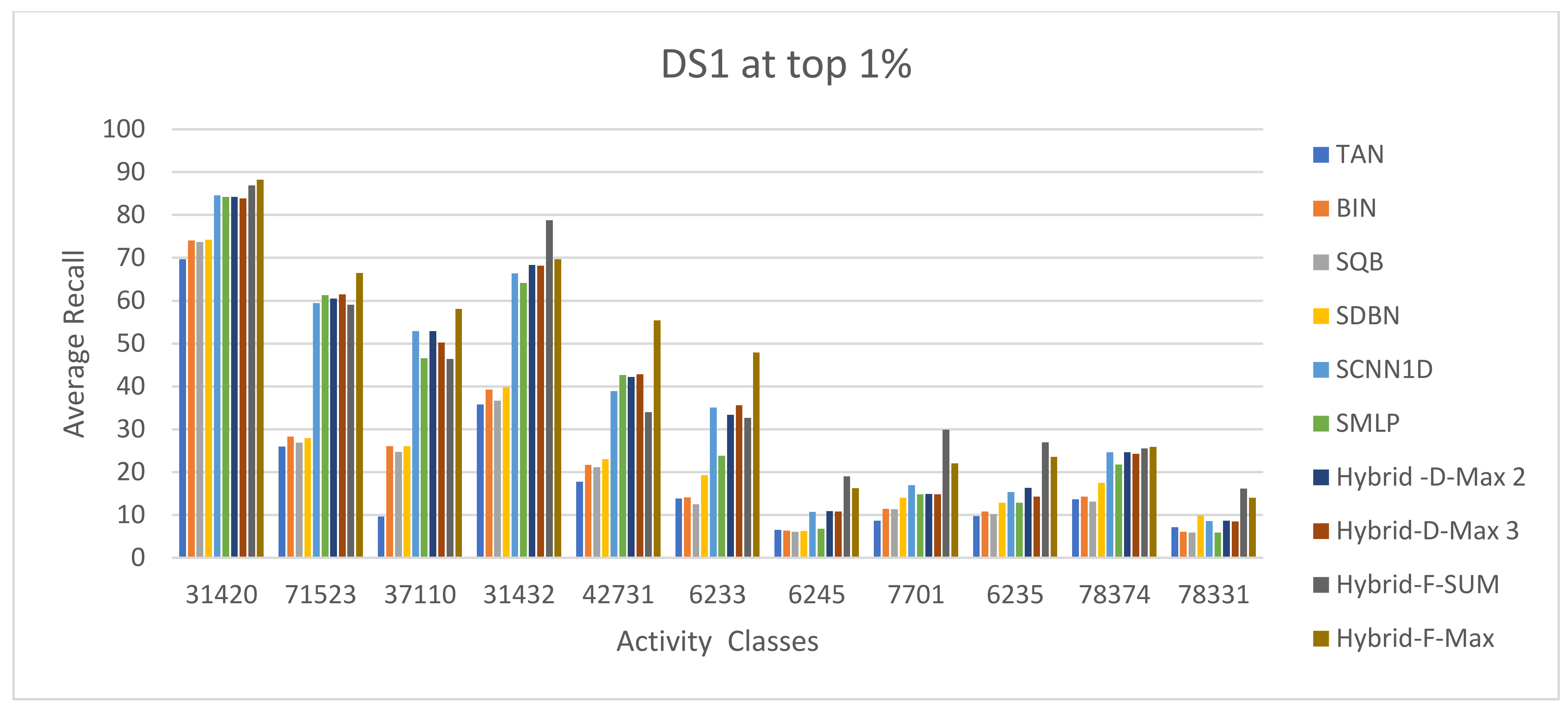
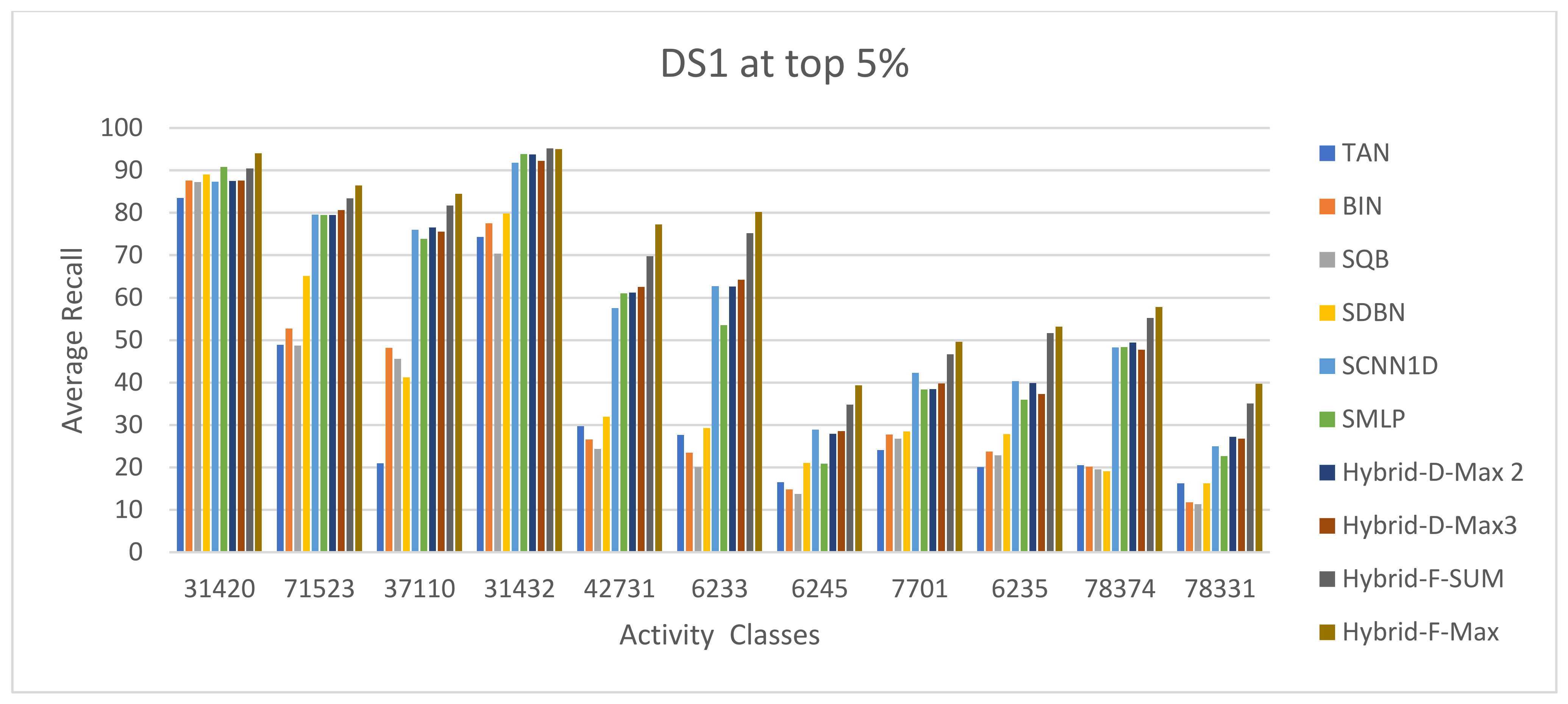
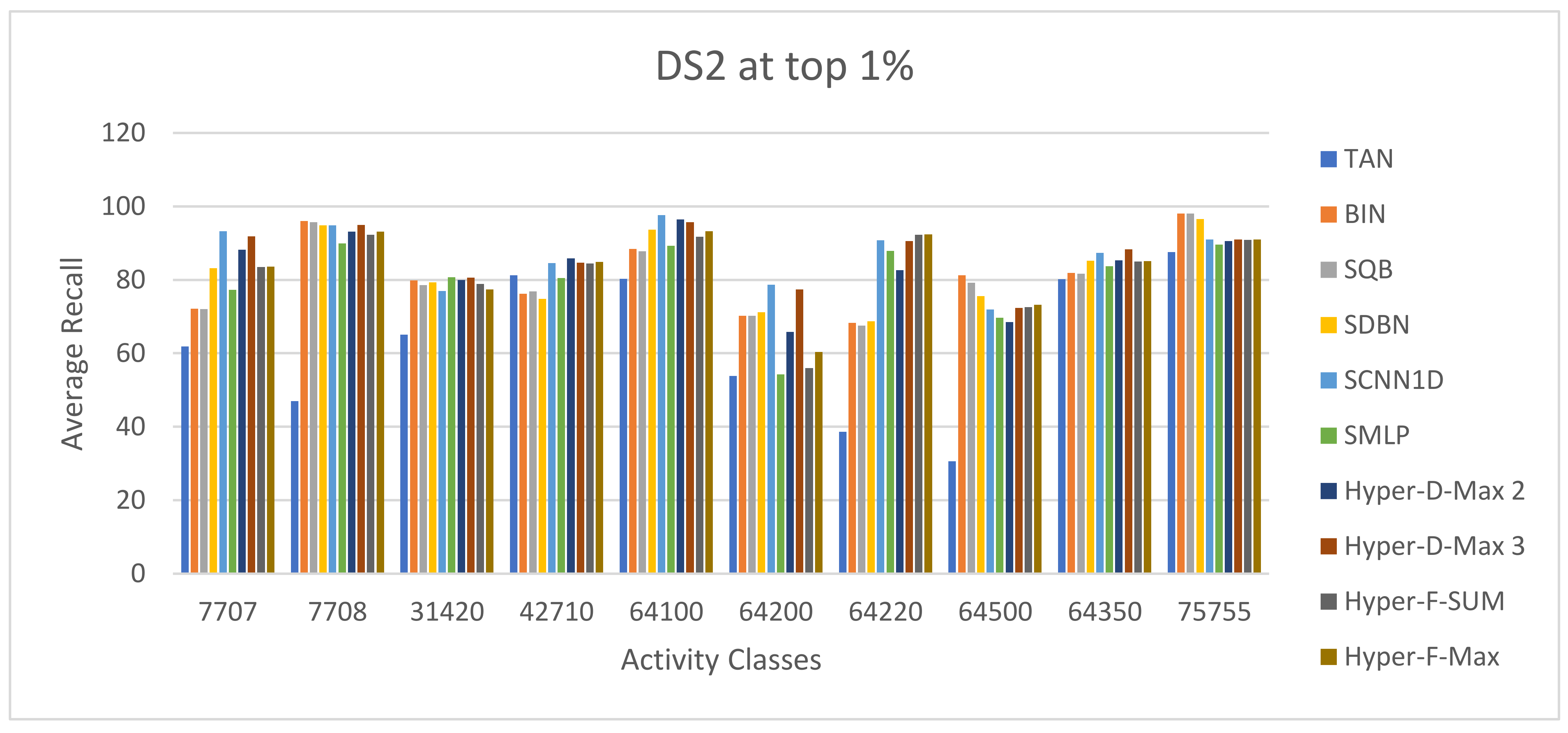
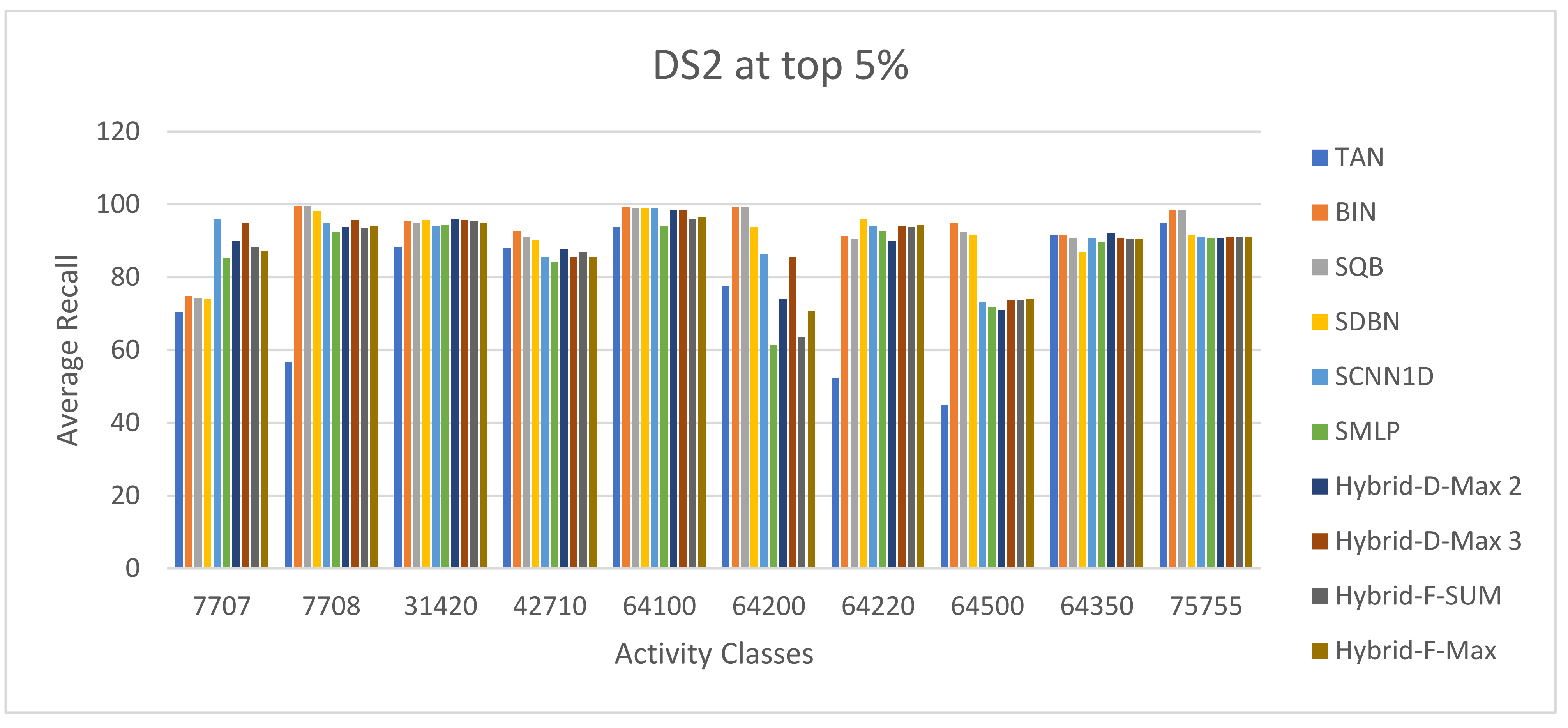
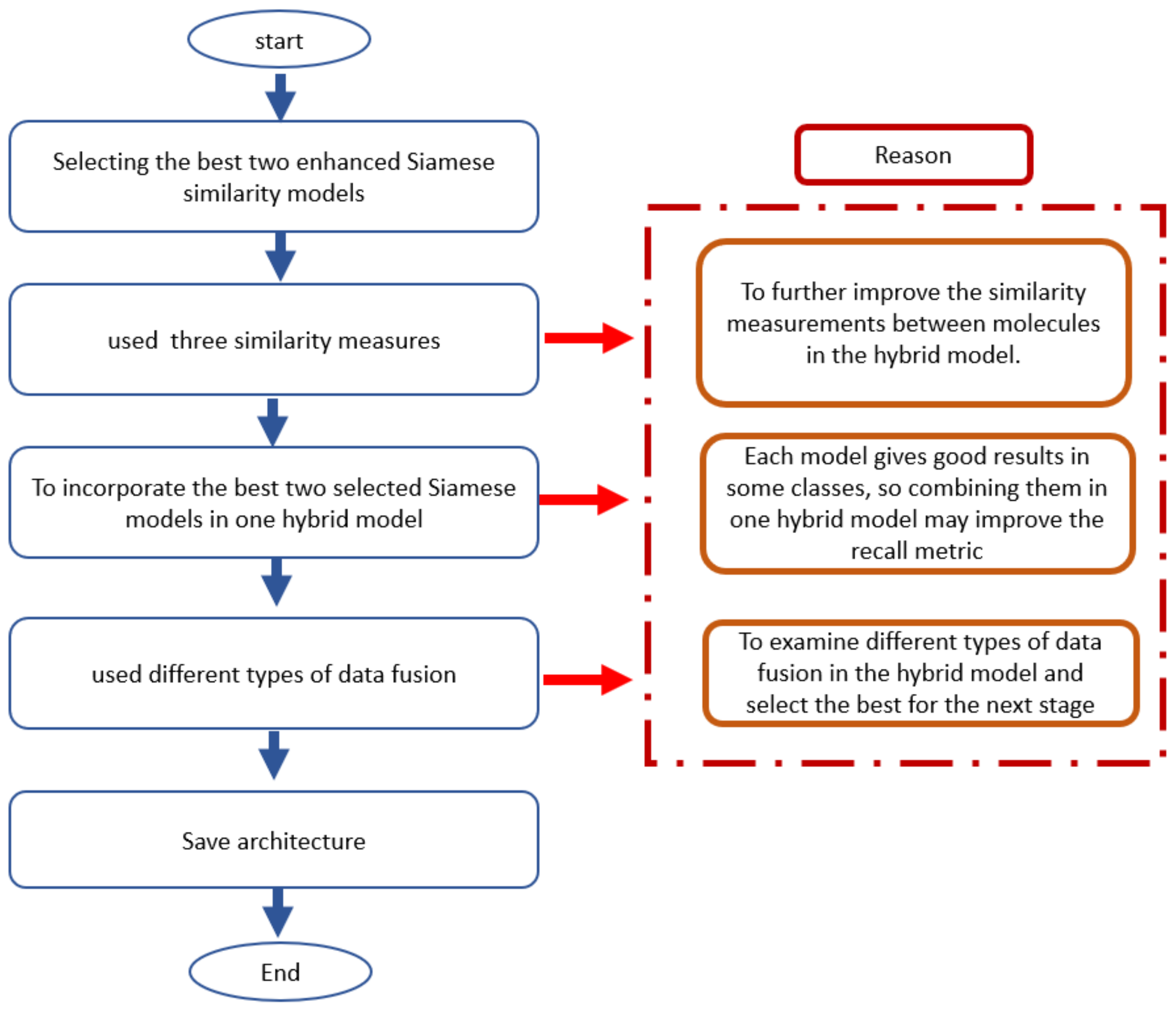
Information technology has become an integral aspect of the drug development process. The virtual screening process (VS) is a computational technique for screening chemical compounds in a reasonable amount of time and cost. The similarity search is one of the primary tasks in VS that estimates a molecule’s similarity. It is predicated on the idea that molecules with similar structures may also have similar activities. Many techniques for comparing the biological similarity between a target compound and each compound in the database have been established. Although the approaches have a strong performance, particularly when dealing with molecules with homogenous active structural, they are not enough good when dealing with structurally heterogeneous compounds. The previous works examined many deep learning methods in the enhanced Siamese similarity model and demonstrated that the Enhanced Siamese Multi-Layer Perceptron similarity model (SMLP) and the Siamese Convolutional Neural Network-one dimension similarity model (SCNN1D) have good outcomes when dealing with structurally heterogeneous molecules. To further improve the retrieval effectiveness of the similarity model, we incorporate the best two models in one hybrid model. The reason is that each method gives good results in some classes, so combining them in one hybrid model may improve the retrieval recall. Many designs of the hybrid models will be tested in this study. Several experiments on real-world data sets were conducted, and the findings demonstrated that the new approaches outperformed the previous method.
Keywords: drug discovery; ligand-based virtual screen; similarity model; Siamese architecture; hybrid model drug discovery; ligand-based virtual screen; similarity model; Siamese architecture; hybrid model
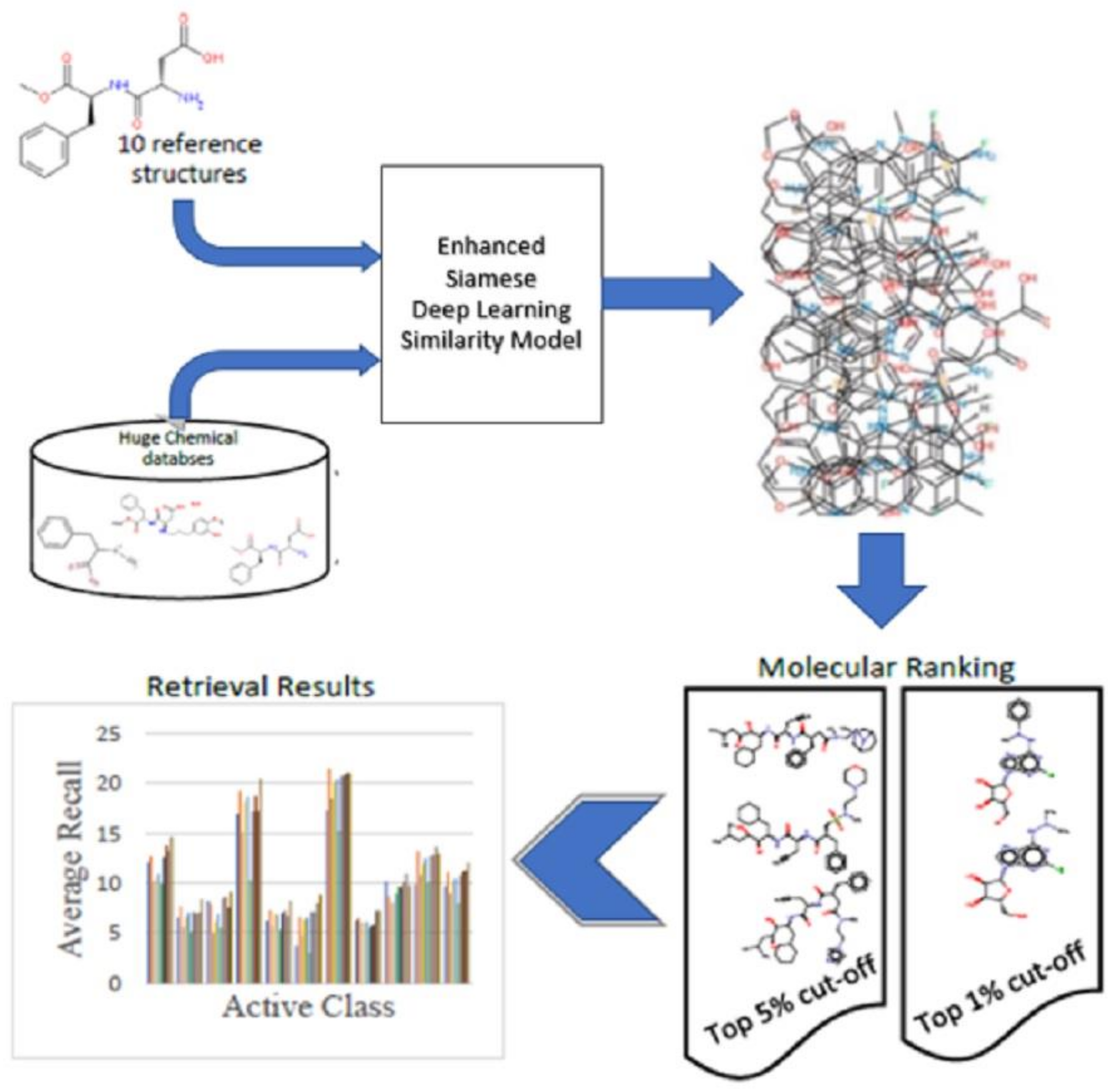
Graphical Abstract