Article

The Role of Cholesterol in Amyloidogenic Substrate Binding to the γ-Secretase Complex
by
Urszula Orzeł
,
Jakub Jakowiecki
,
Krzysztof Młynarczyk
* and
Sławomir Filipek
*
Faculty of Chemistry, Biological and Chemical Research Centre, University of Warsaw, 02-093 Warsaw, Poland
*
Authors to whom correspondence should be addressed.
Biomolecules 2021, 11(7), 935; https://doi.org/10.3390/biom11070935
Submission received: 3 May 2021 / Revised: 16 June 2021 / Accepted: 17 June 2021 / Published: 24 June 2021
(This article belongs to the Special Issue Molecular and Cellular Basis of Alzheimer's Disease)

Abstract

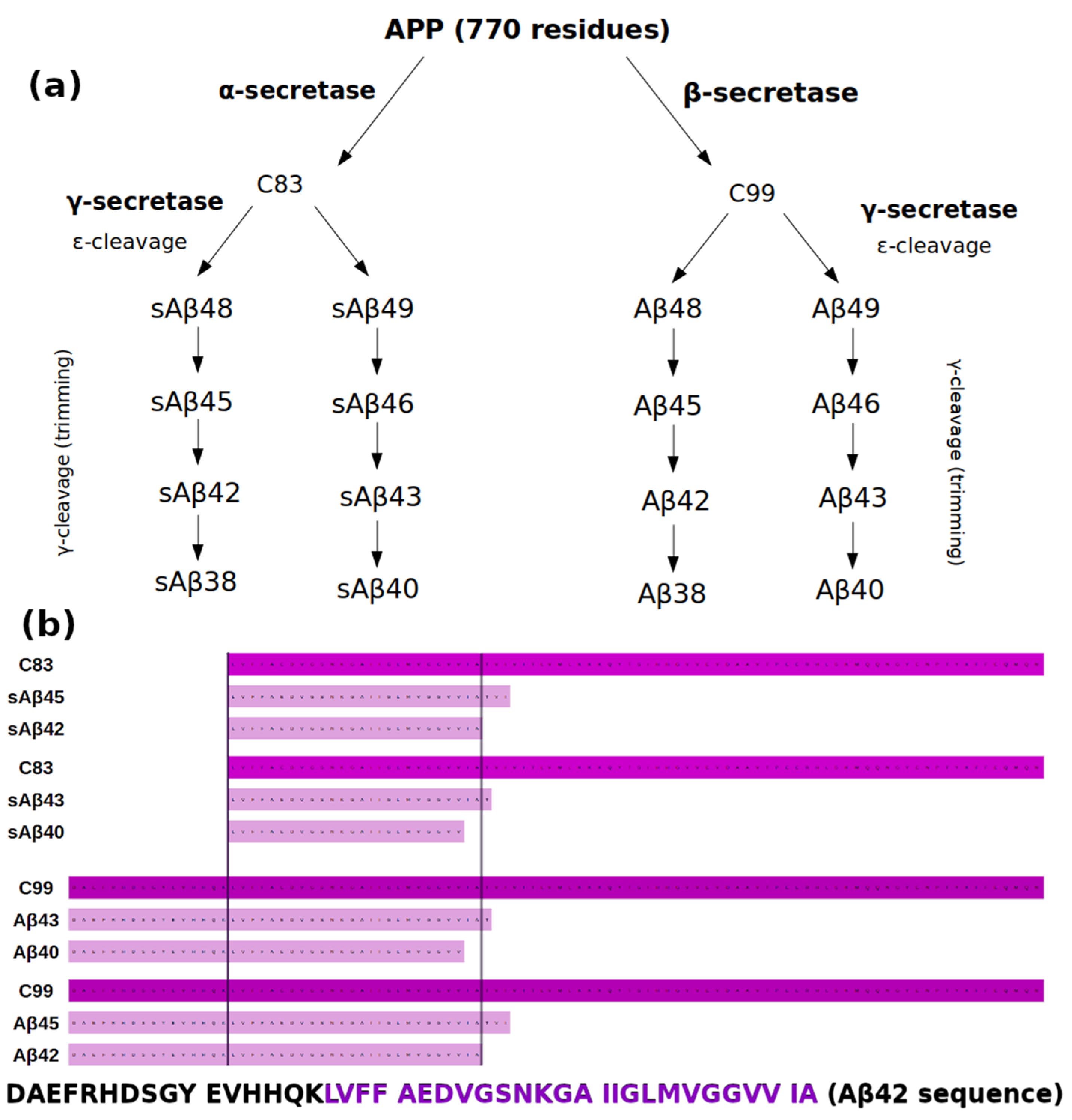
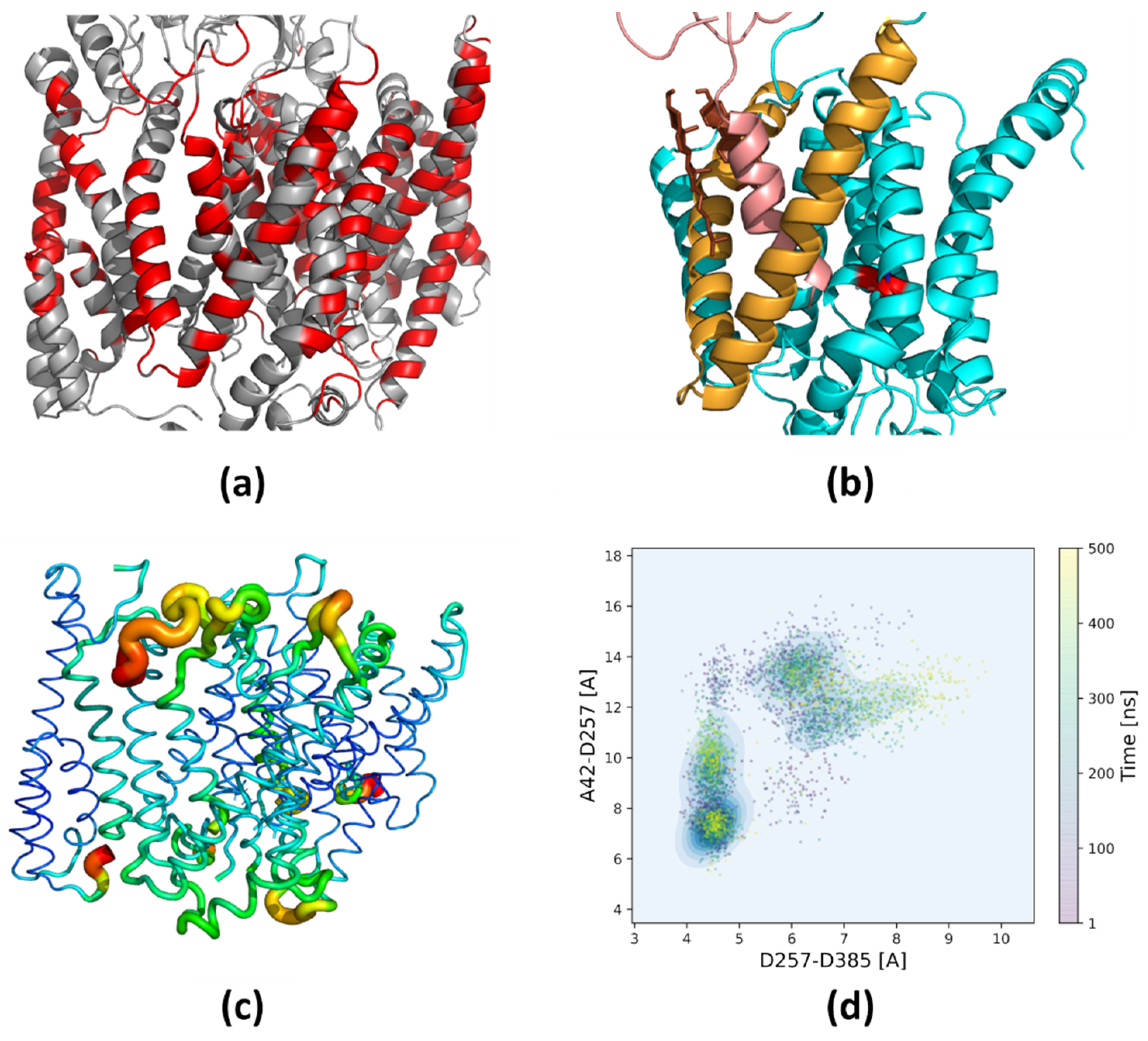
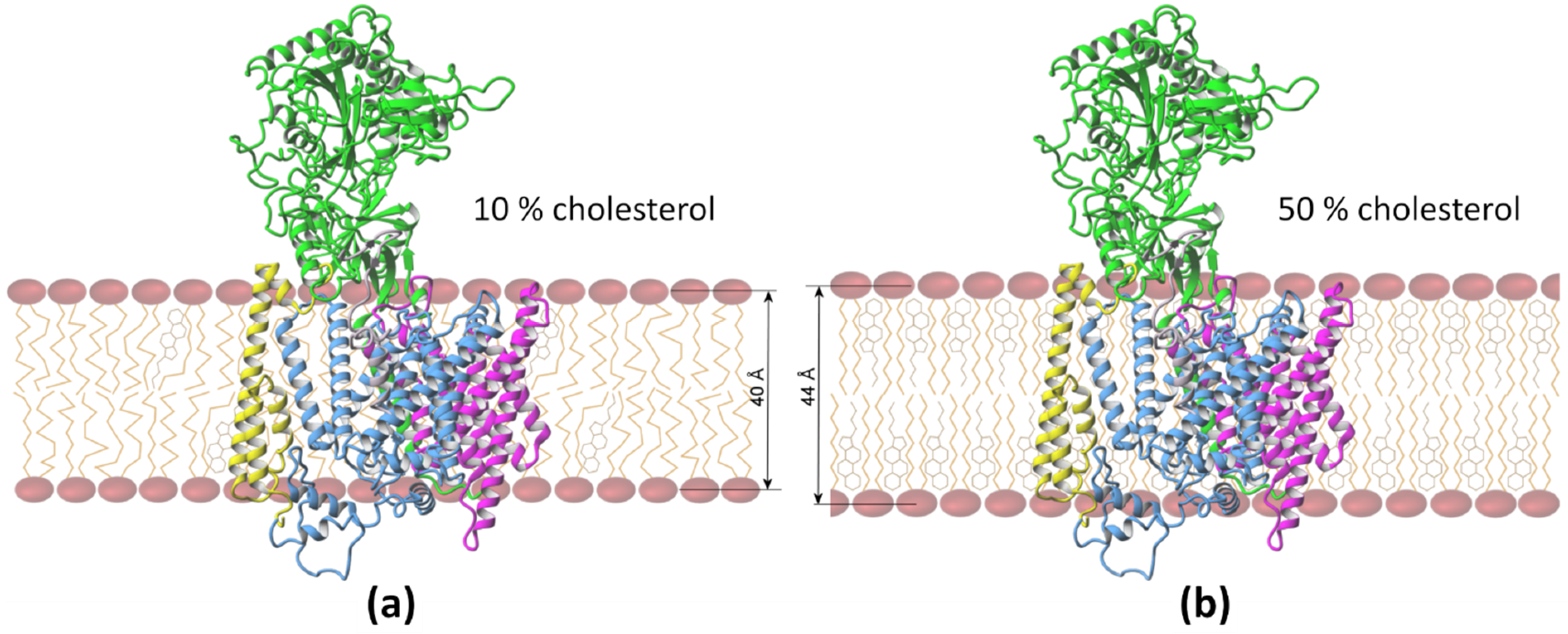
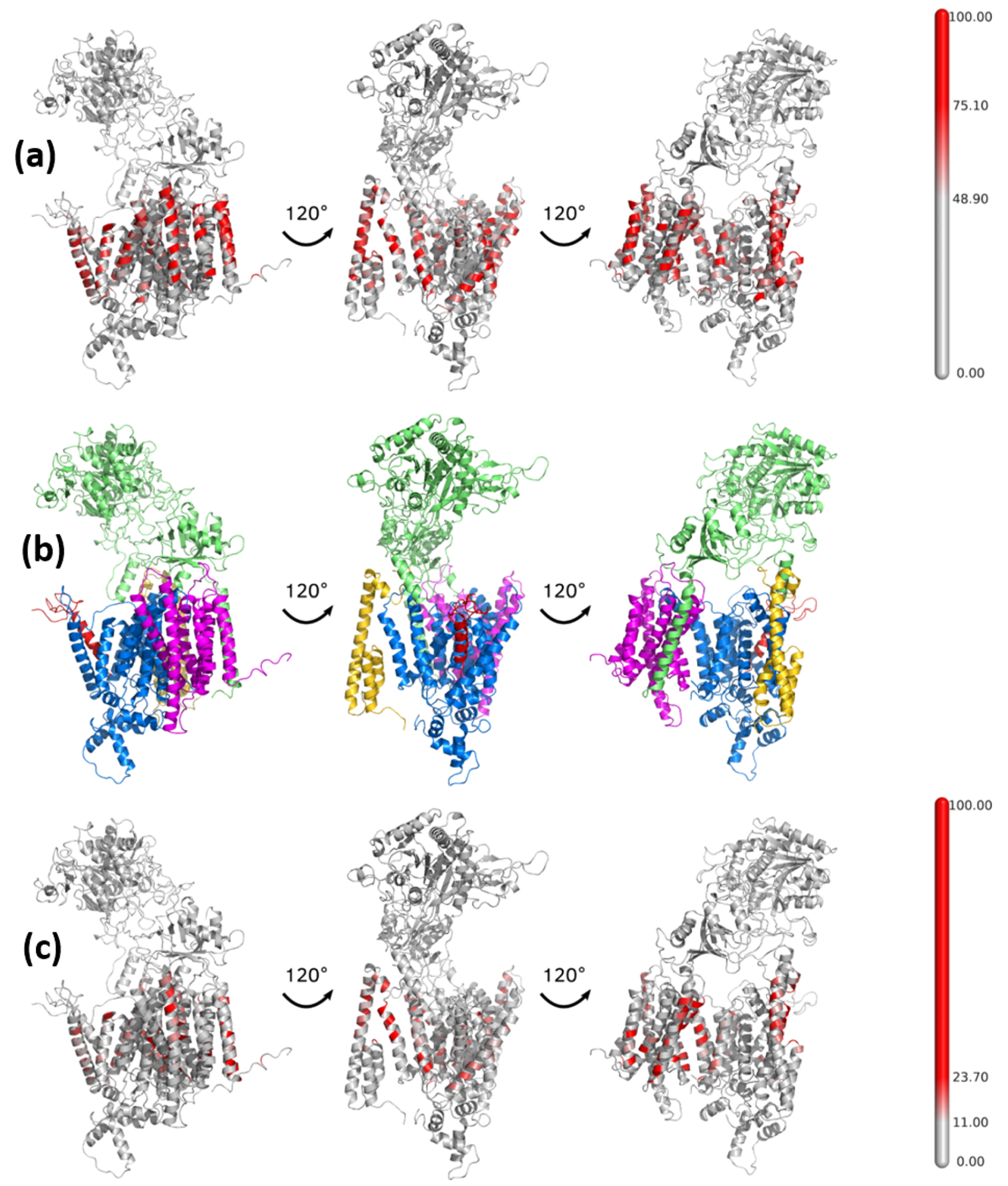
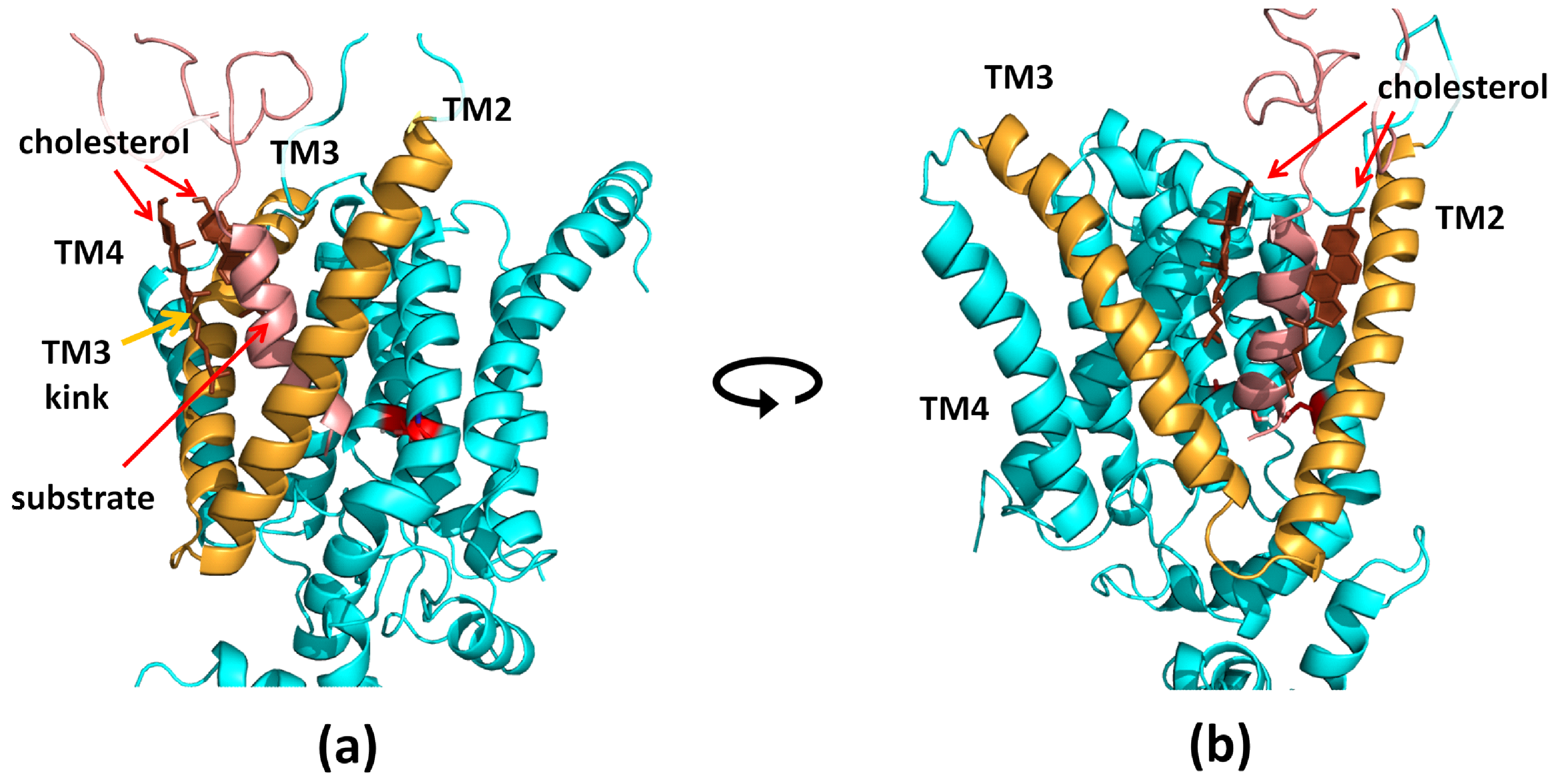
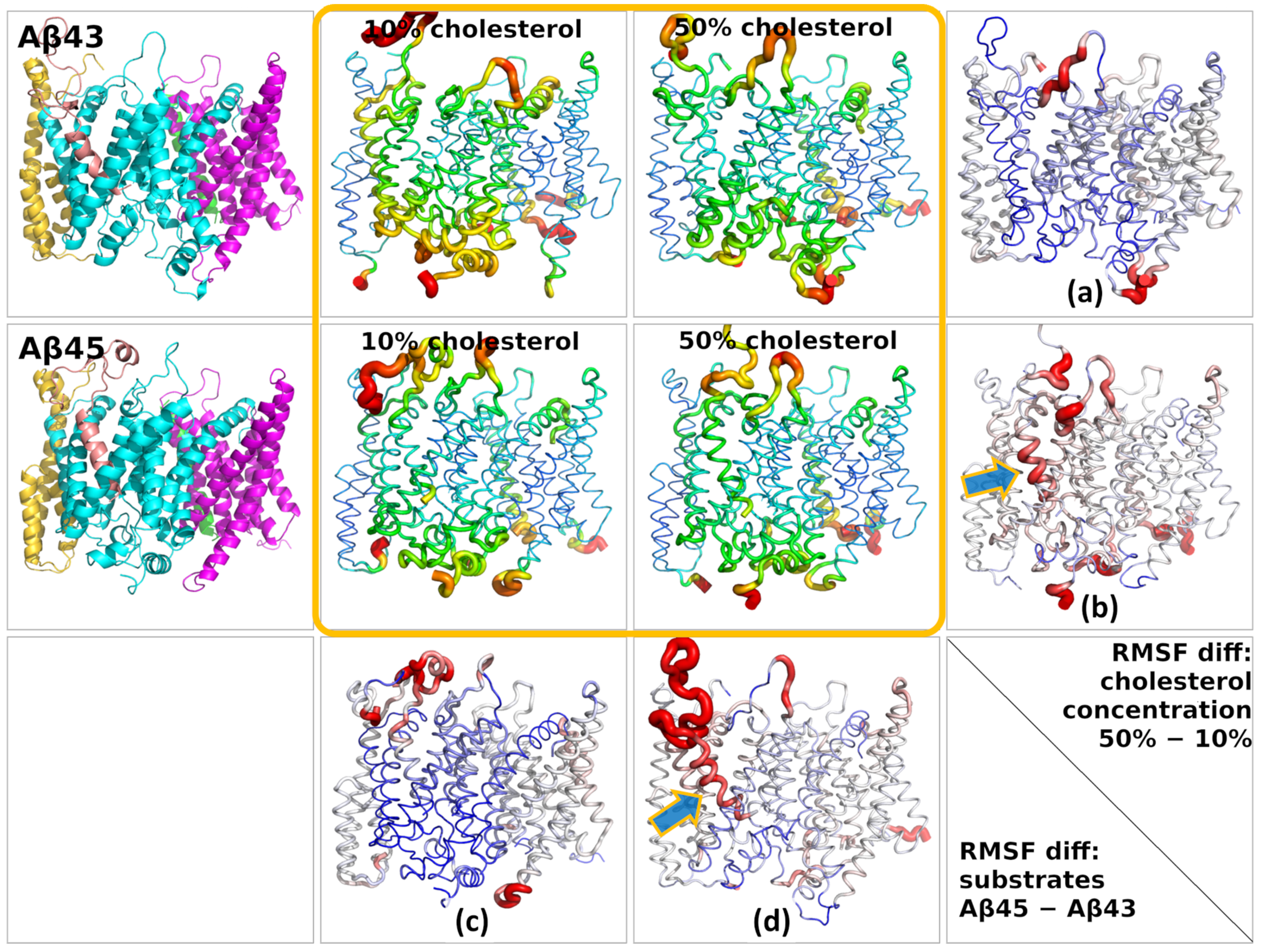
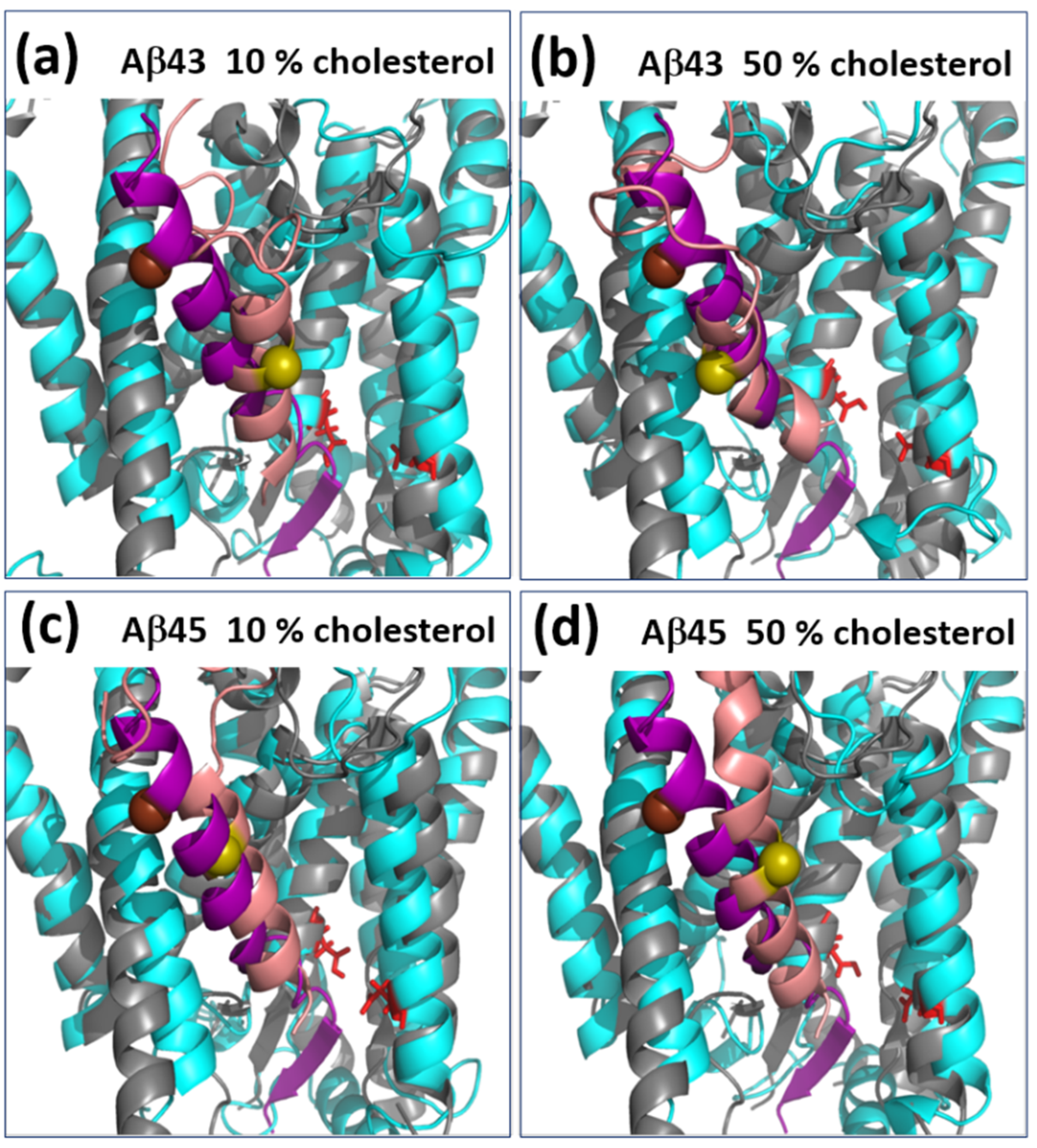
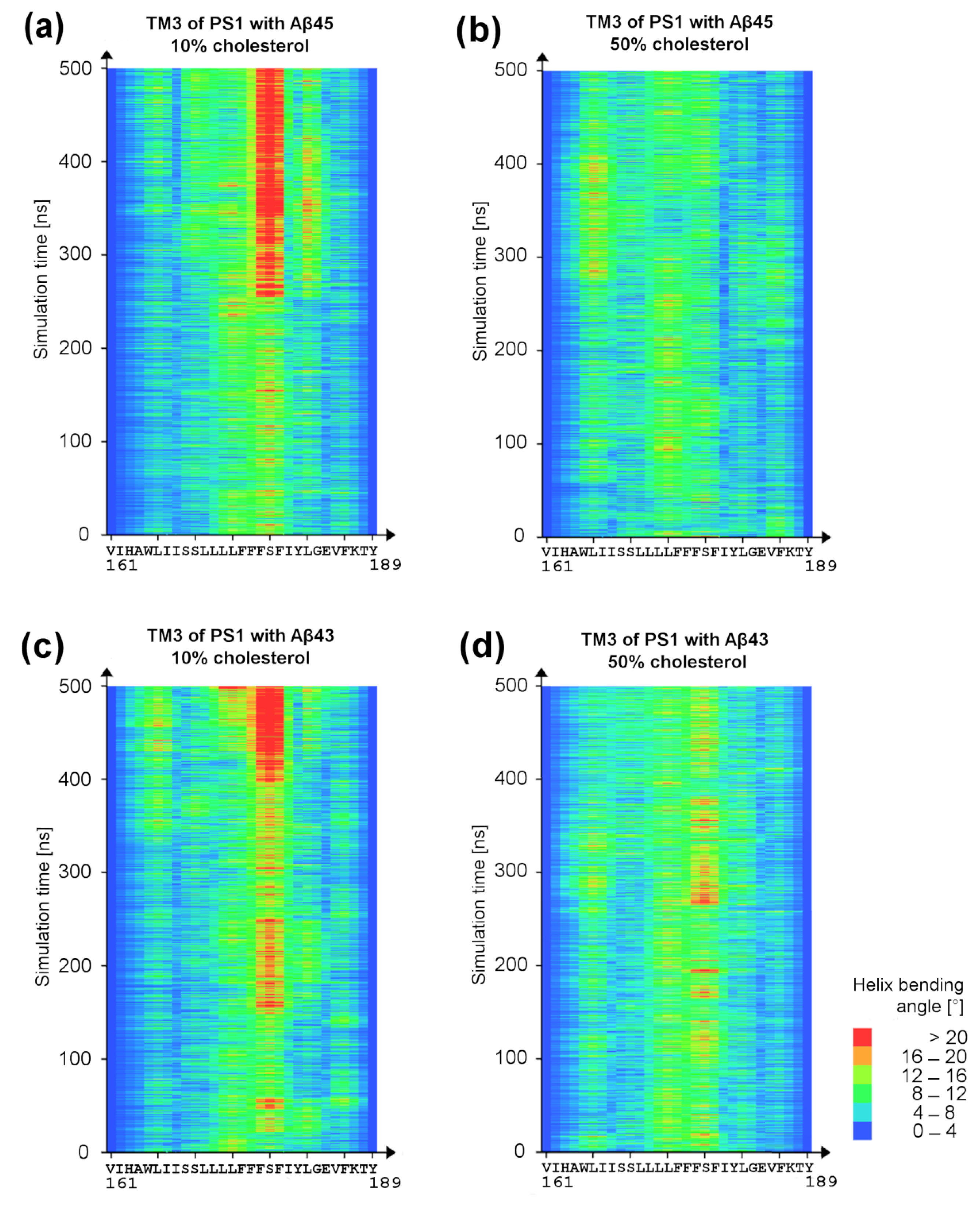
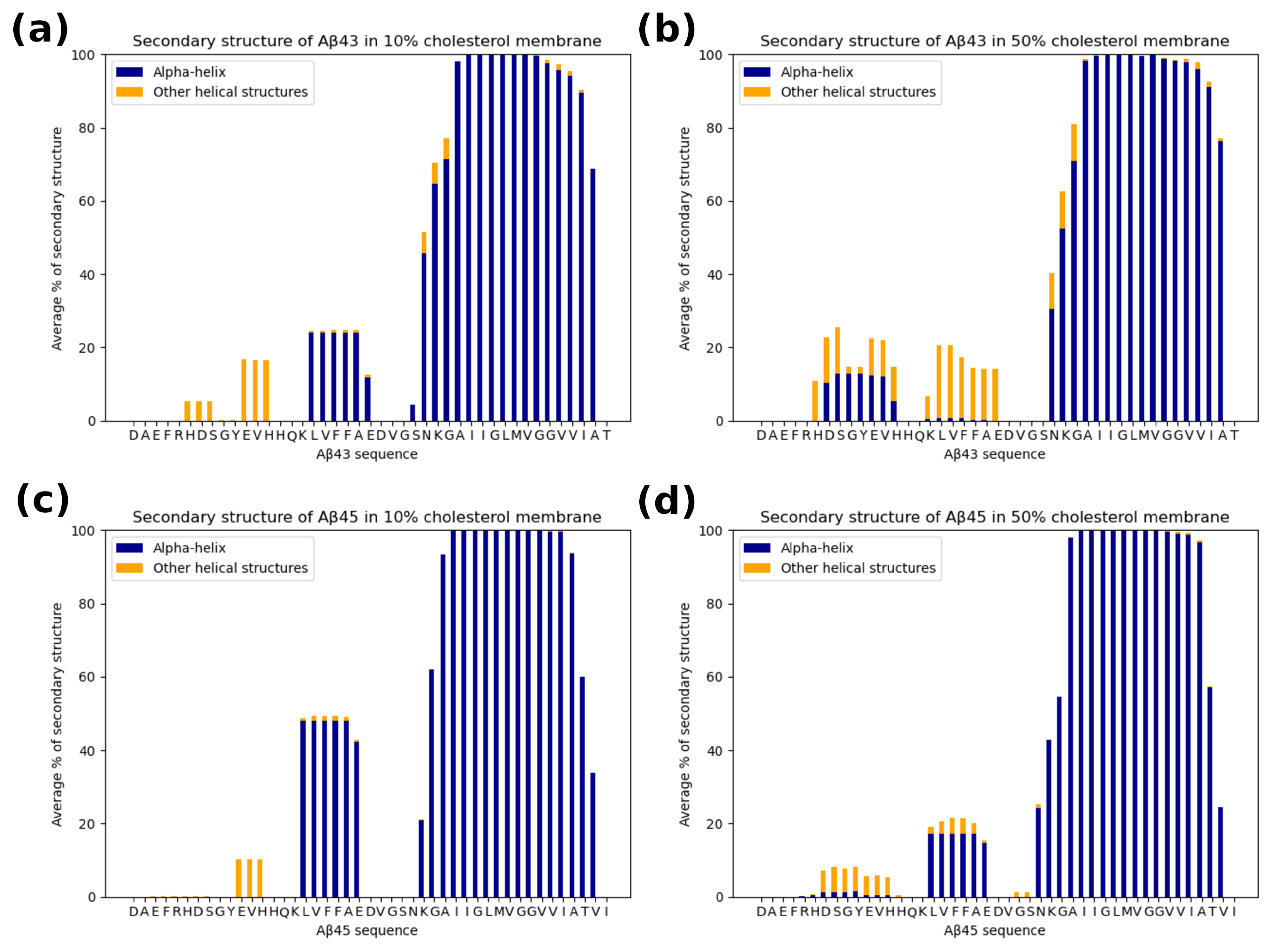
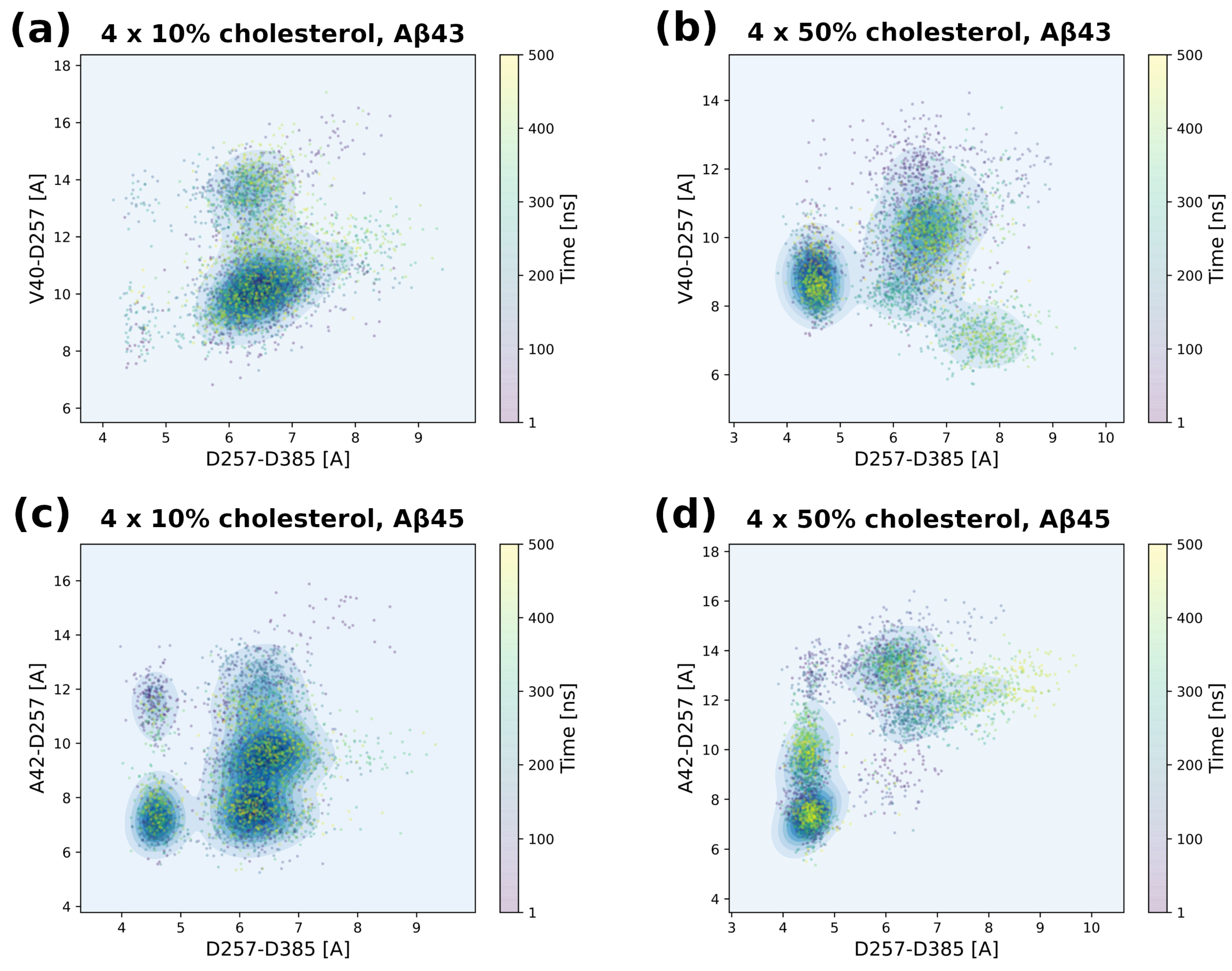
Alzheimer’s disease is the most common progressive neurodegenerative disorder and is characterized by the presence of amyloid β (Aβ) plaques in the brain. The γ-secretase complex, which produces Aβ, is an intramembrane-cleaving protease consisting of four membrane proteins. In this paper we investigated the amyloidogenic fragments of amyloid precursor protein (substrates Aβ43 and Aβ45, leading to less amyloidogenic Aβ40 and more amyloidogenic Aβ42, respectively) docked to the binding site of presenilin, the catalytic subunit of γ-secretase. In total, we performed 9 μs of all-atom molecular dynamics simulations of the whole γ-secretase complex with both substrates in low (10%) and high (50%) concentrations of cholesterol in the membrane. We found that, at the high cholesterol level, the Aβ45 helix was statistically more flexible in the binding site of presenilin than Aβ43. An increase in the cholesterol concentration was also correlated with a higher flexibility of the Aβ45 helix, which suggests incompatibility between Aβ45 and the binding site of presenilin potentiated by a high cholesterol level. However, at the C-terminal part of Aβ45, the active site of presenilin was more compact in the case of a high cholesterol level, which could promote processing of this substrate. We also performed detailed mapping of the cholesterol binding sites at low and high cholesterol concentrations, which were independent of the typical cholesterol binding motifs.
Keywords: Alzheimer’s disease; γ-secretase complex; membrane proteolysis; amyloid precursor protein; cholesterol Alzheimer’s disease; γ-secretase complex; membrane proteolysis; amyloid precursor protein; cholesterol