Article

Properties of the Extracellular Polymeric Substance Layer from Minimally Grown Planktonic Cells of Listeria monocytogenes

1
Division of Food, Nutrition and Dietetics, School of Biosciences, University of Nottingham, Nottingham LE12 5RD, UK
2
Senthink Science & Technology, Hangzhou 310000, China
*
Author to whom correspondence should be addressed.
Biomolecules 2021, 11(2), 331; https://doi.org/10.3390/biom11020331
Submission received: 29 December 2020 / Revised: 13 February 2021 / Accepted: 19 February 2021 / Published: 22 February 2021
(This article belongs to the Special Issue Recent Advance of Listeria)

Abstract

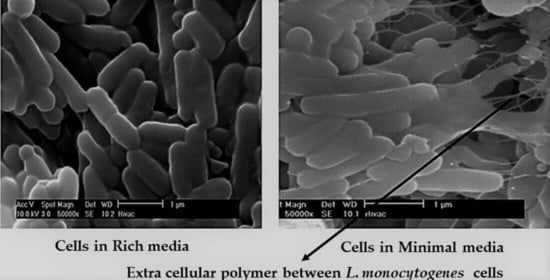
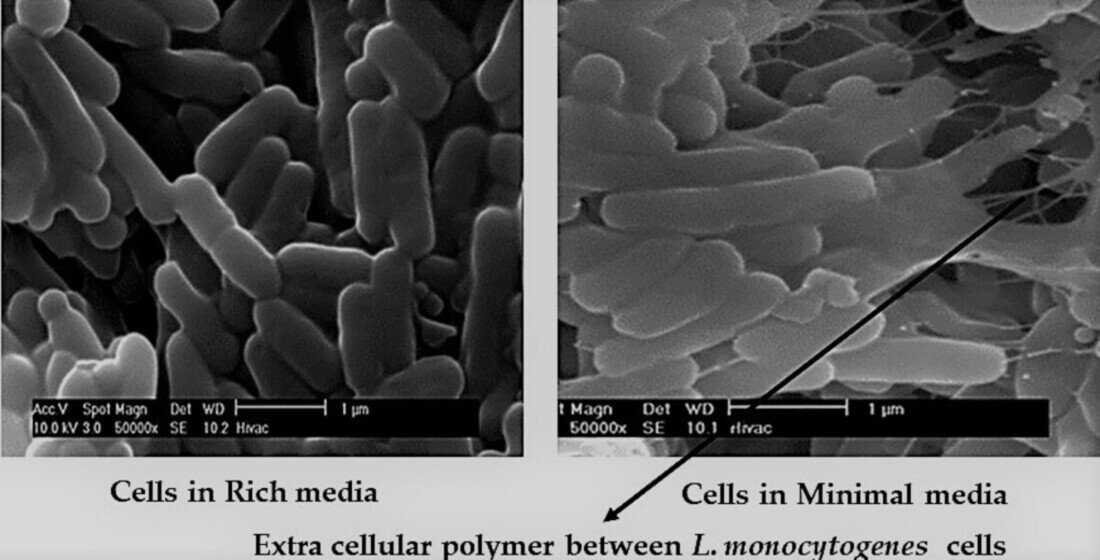
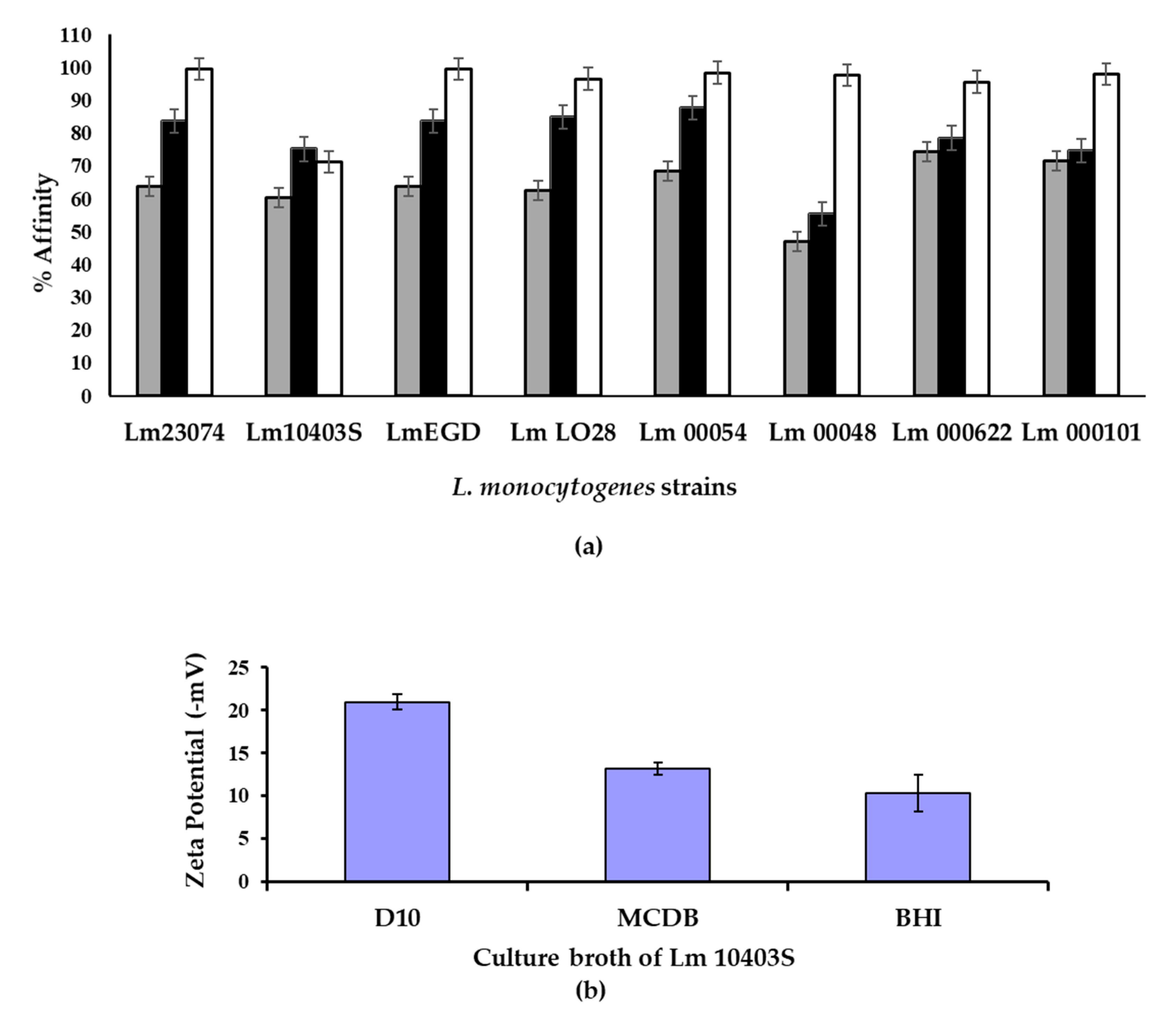
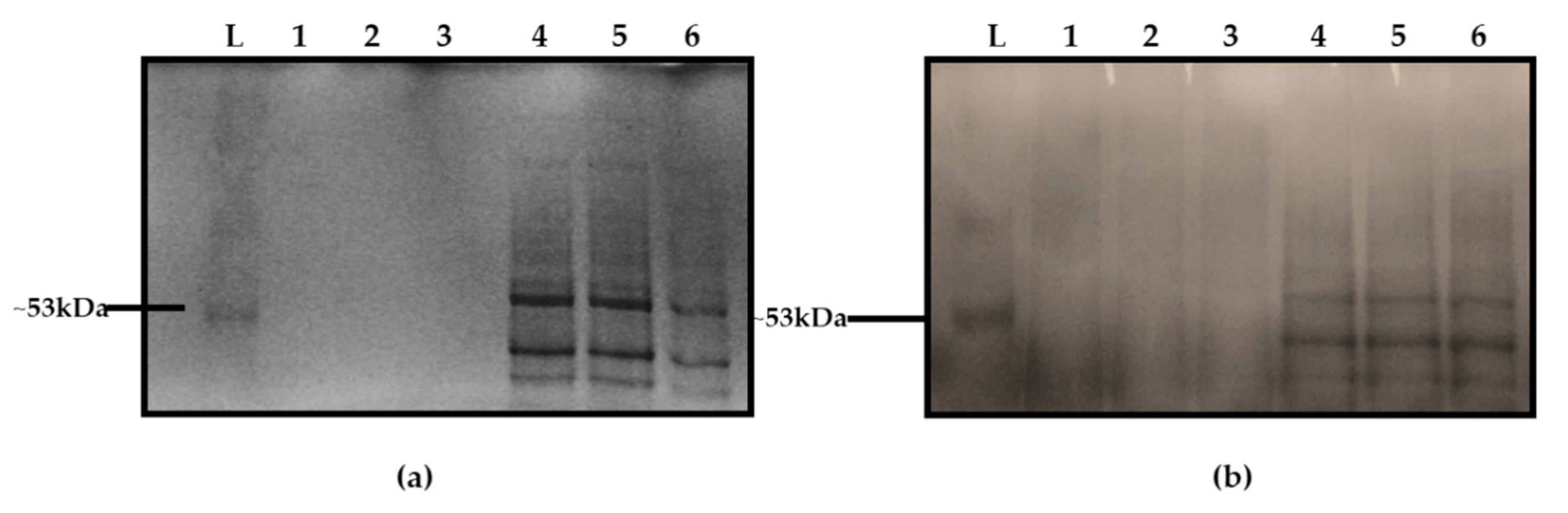
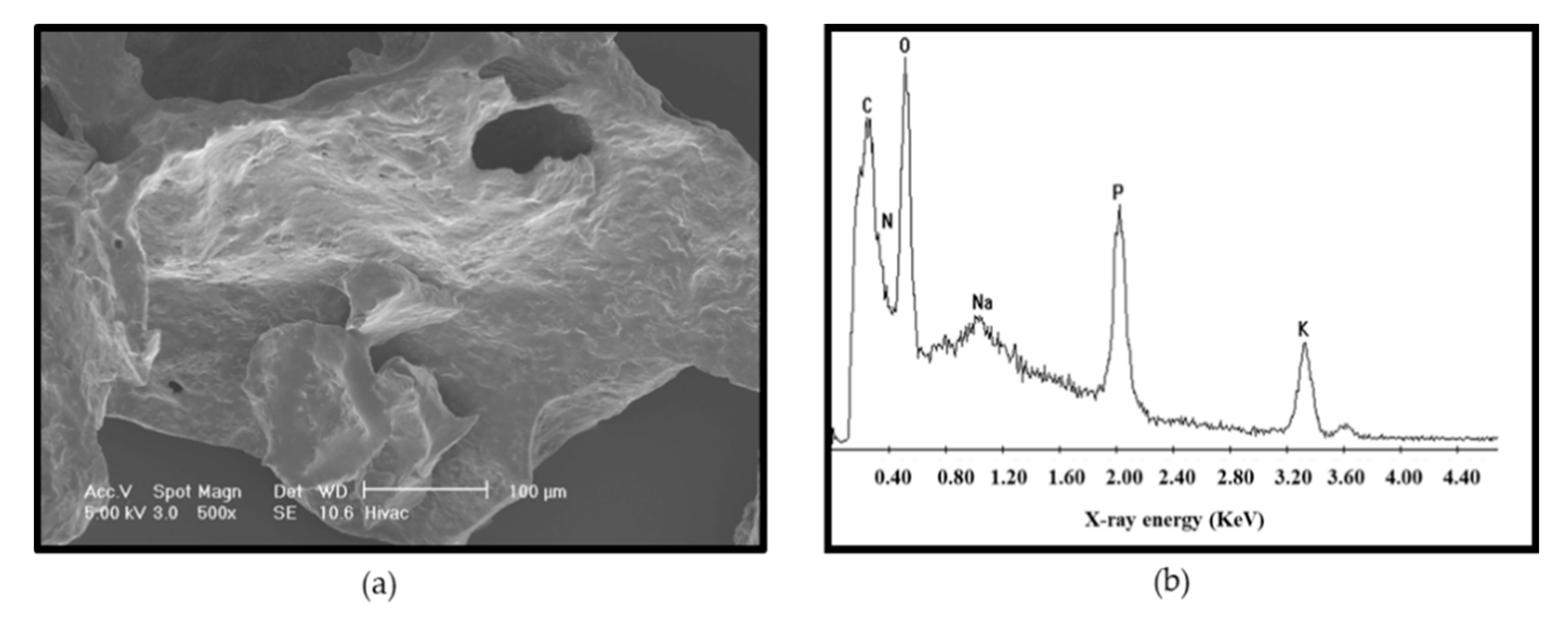
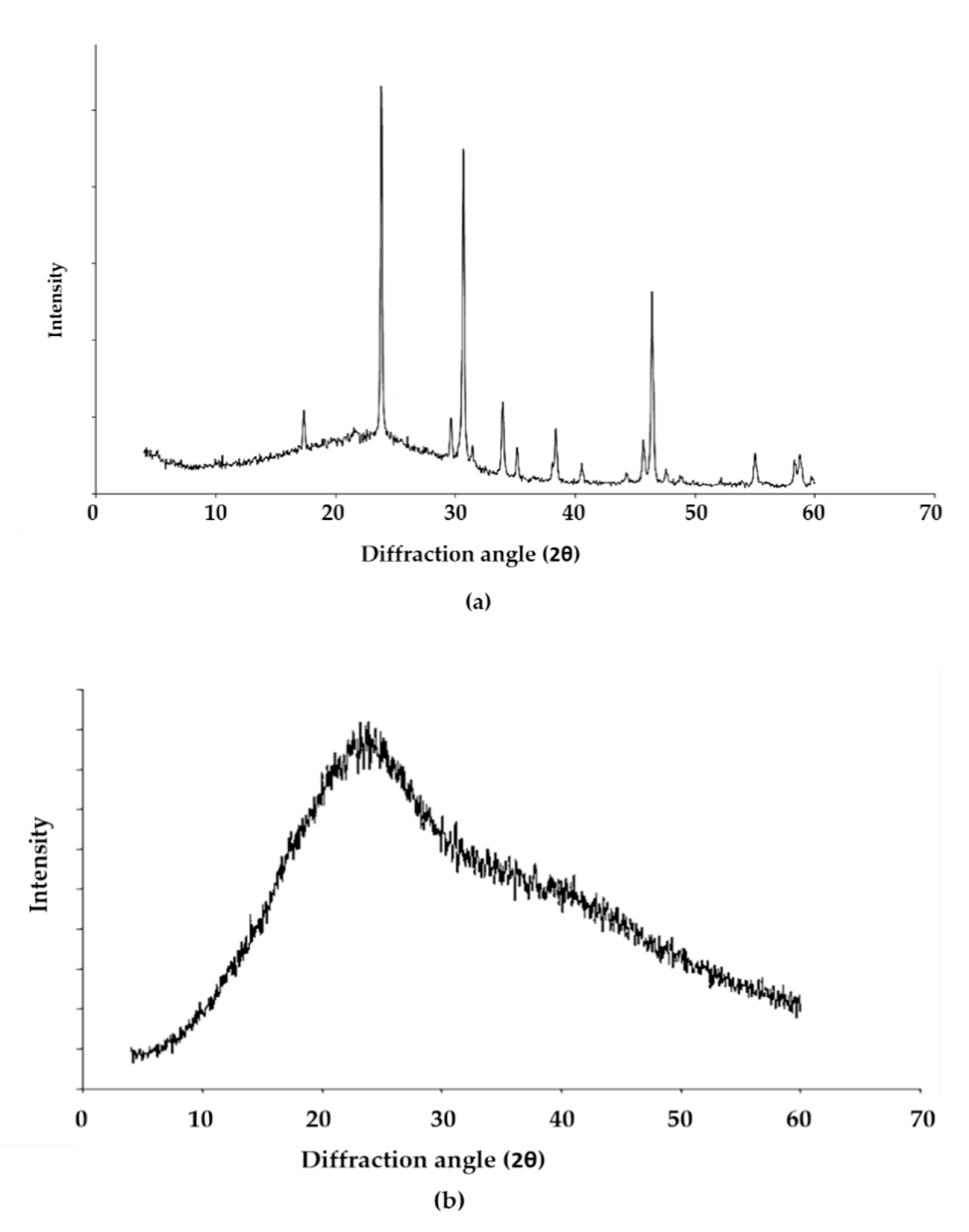
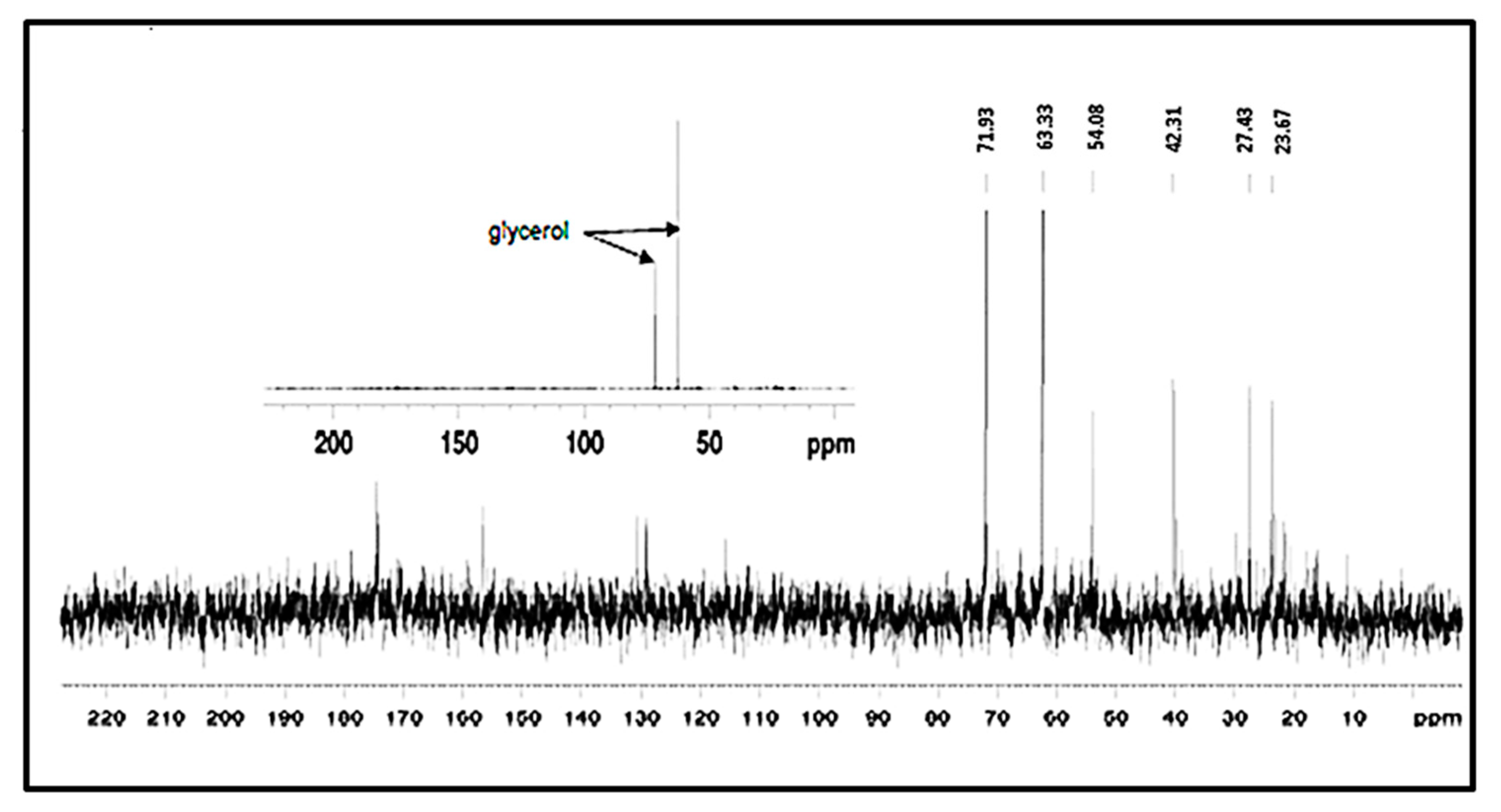
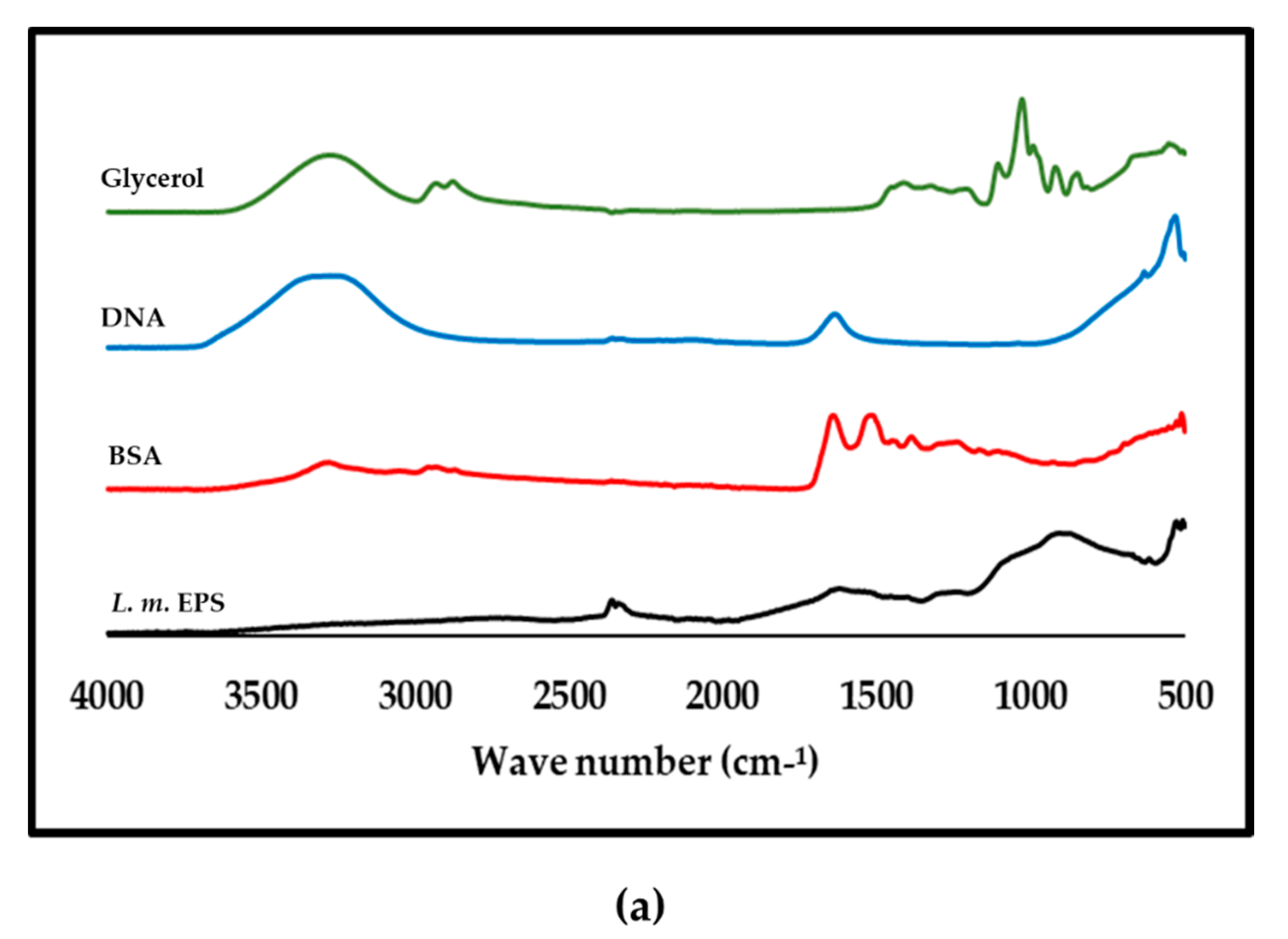
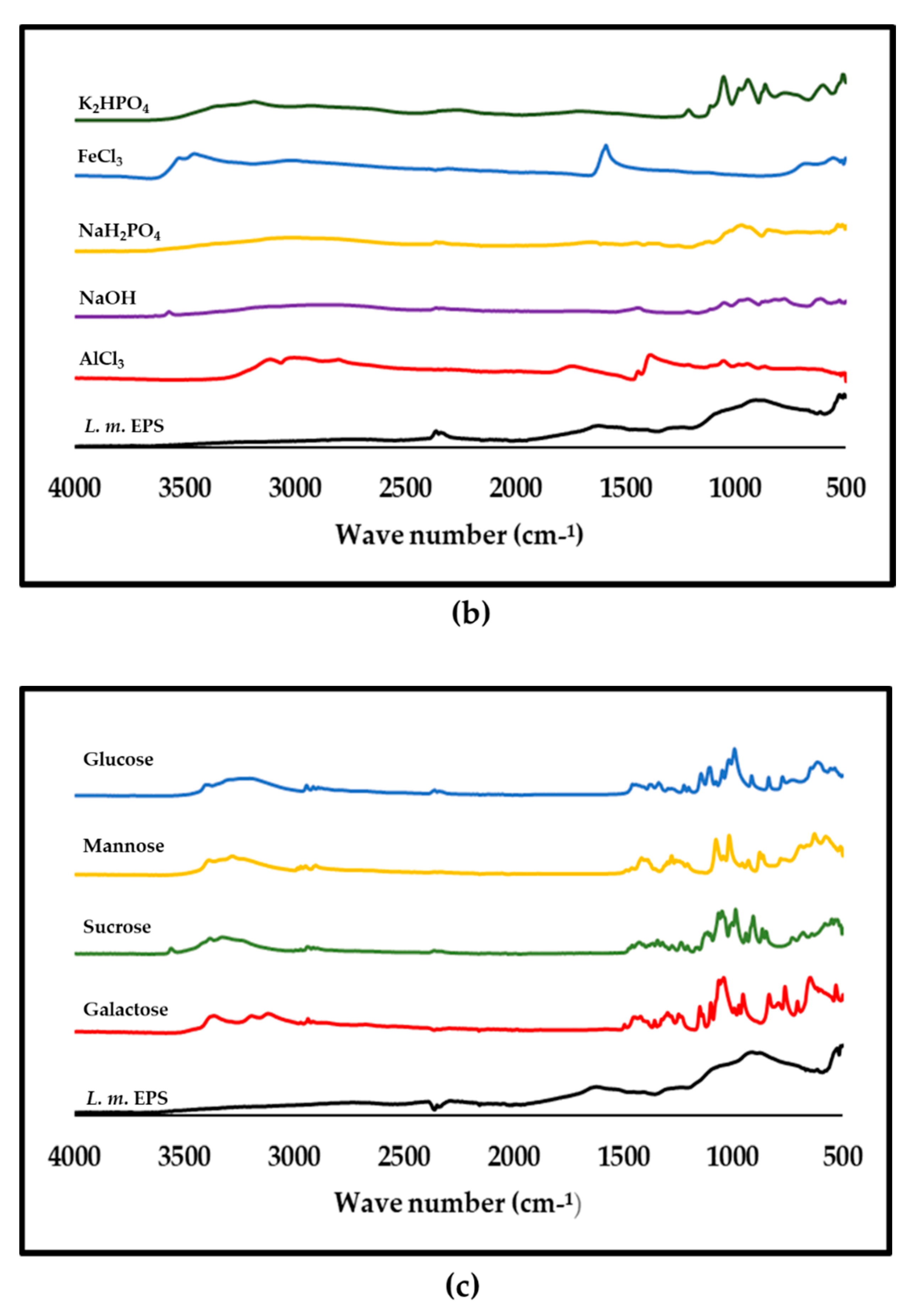
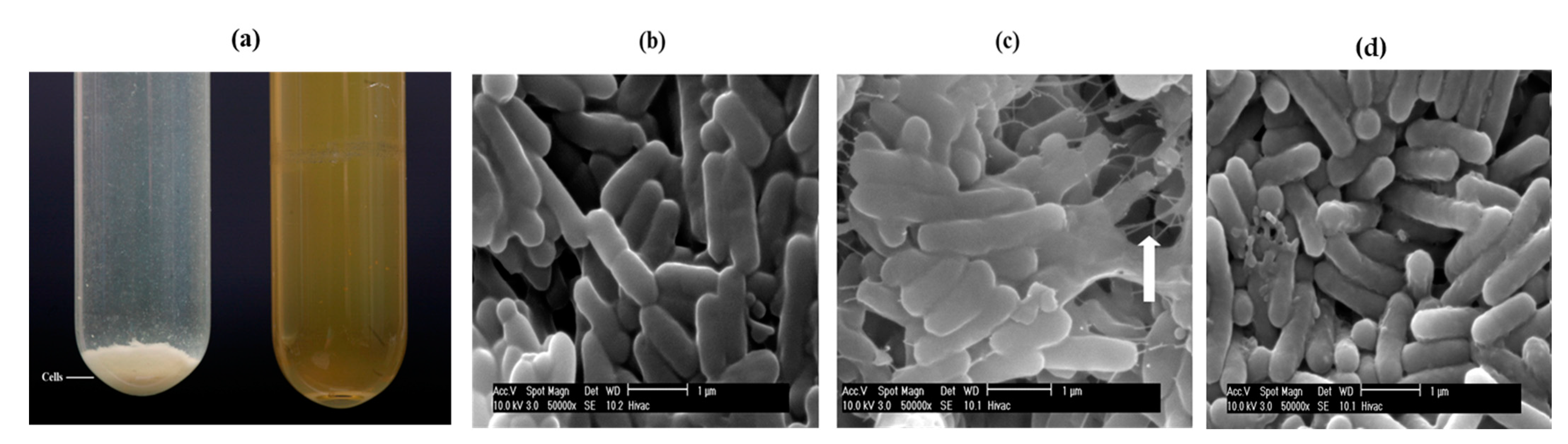
The bacterium Listeria monocytogenes is a serious concern to food processing facilities because of its persistence. When liquid cultures of L. monocytogenes were prepared in defined media, it was noted that planktonic cells rapidly dropped out of suspension. Zeta potential and hydrophobicity assays found that the cells were more negatively charged (−22, −18, −10 mV in defined media D10, MCDB 202 and brain heart infusion [BHI] media, respectively) and were also more hydrophobic. A SEM analysis detected a capsular-like structure on the surface of cells grown in D10 media. A crude extract of the extracellular polymeric substance (EPS) was found to contain cell-associated proteins. The proteins were removed with pronase treatment. The remaining non-proteinaceous component was not stained by Coomassie blue dye and a further chemical analysis of the EPS did not detect significant amounts of sugars, DNA, polyglutamic acid or any other specific amino acid. When the purified EPS was subjected to attenuated total reflectance-Fourier transform infrared (ATR-FTIR) spectroscopy, the spectra obtained did not match the profile of any of the 12 reference compounds used. An x-ray diffraction (XRD) analysis showed that the EPS was amorphous and a nuclear magnetic resonance (NMR) analysis detected the presence of glycerol. An elemental energy dispersive x-ray (EDX) analysis showed traces of phosphorous as a major component. In conclusion, it is proposed that the non-proteinaceous component may be phospholipid in nature, possibly derived from the cell wall lipoteichoic acid.
Keywords: extracellular polymeric substance; capsule; L. monocytogenes; minimal media; proteinaceous and non-proteinaceous moiety; spectroscopy; bond stretching extracellular polymeric substance; capsule; L. monocytogenes; minimal media; proteinaceous and non-proteinaceous moiety; spectroscopy; bond stretching
Graphical Abstract