Short-Chain Fatty Acids: Bridging Gut Microbiota and Systemic Aging—Mechanisms, Interventions, and Current Challenges


Abstract
1. Introduction
2. SCFAs Regulate the Aging Process
2.1. The Molecular Mechanism of SCFAs in Regulating Aging
2.1.1. AMPK Pathway
2.1.2. MAPK/ERK Pathway
2.1.3. PI3K/Akt/mTOR Pathway
2.1.4. NF-κB Pathway
2.2. Protection of Organizational Barriers
2.3. Improvement of Metabolic Disorders
2.4. Immune and Inflammatory Regulation
3. The Improvement Effect of SCFAs on Aging-Related Systemic Diseases
3.1. Neuroprotective Effects of Neurodegenerative Diseases: Focusing on the Gut–Brain Axis
3.2. Cardiovascular Diseases: Focusing on Vascular Homeostasis and Repair of Aging-Related Damage
4. Anti-Aging Intervention Strategies Based on SCFAs
4.1. Intervention Categories and Mechanistic Characteristics
4.1.1. Dietary Interventions
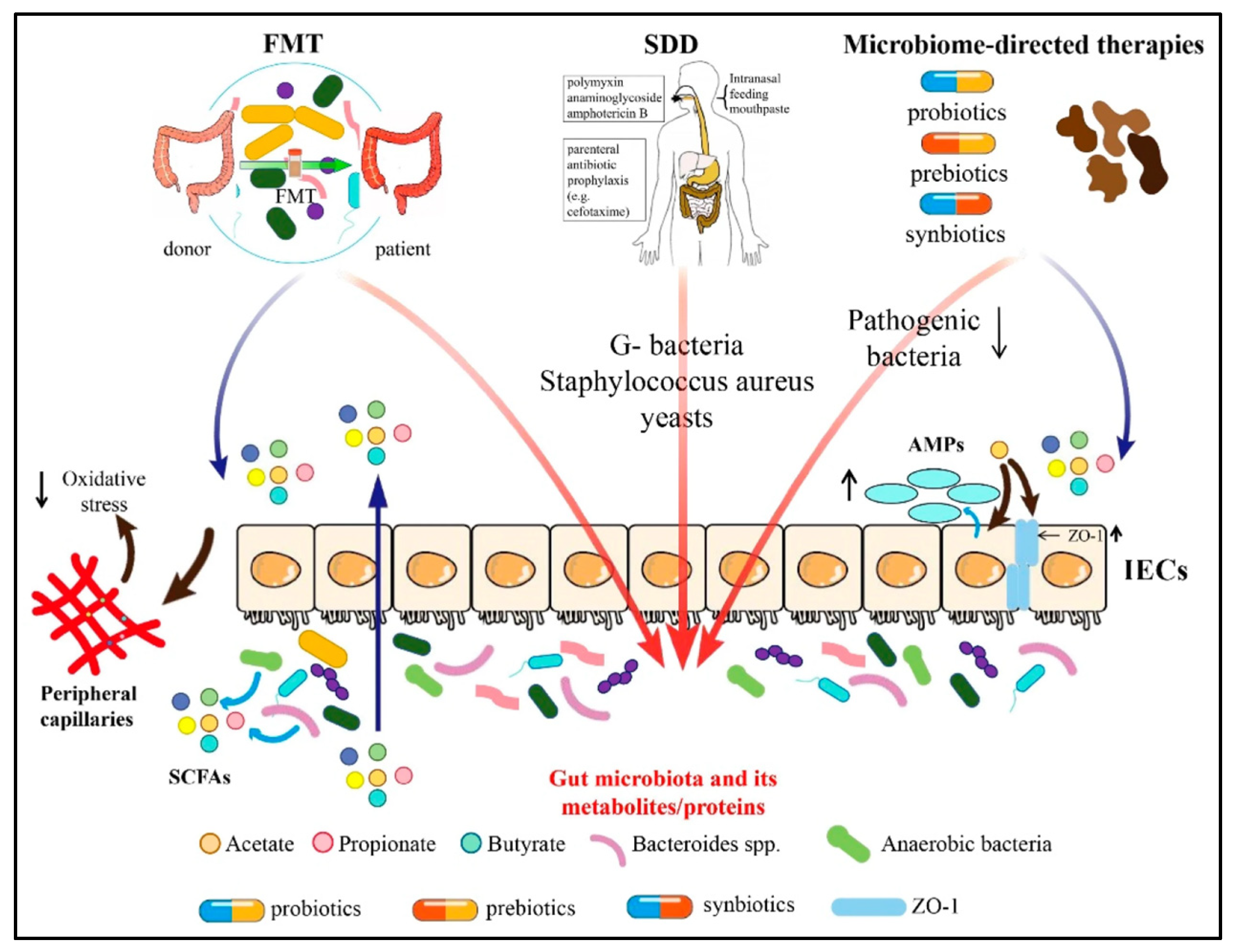
4.1.2. Probiotic, Prebiotic, and Synbiotic Interventions
4.1.3. Postbiotic and Exogenous SCFA Supplementation
4.1.4. Natural Products and Pharmacological Interventions
4.1.5. Fecal Microbiota Transplantation and Cell Therapy
4.2. Precision Intervention Implementation Strategies
4.3. Limitations and Translational Challenges
5. Conclusions
Author Contributions
Funding
Institutional Review Board Statement
Informed Consent Statement
Data Availability Statement
Acknowledgments
Conflicts of Interest
Abbreviations
| Akt/mTOR | protein kinase B/mechanistic target of rapamycin |
| AMPK | adenosine monophosphate-activated protein kinase |
| FMT | fecal microbiota transplantation |
| GPR43 | G-protein coupled receptor 43 |
| GPR41 | G-protein coupled receptor 41 |
| GPCRs | G-protein coupled receptors |
| HDAC | histone deacetylase |
| MAPK/ERK | mitogen-activated protein kinase/extracellular signal-regulated kinase |
| MCMM | microbial community-scale metabolic modelling |
| NF-κB | nuclear factor kappa-light-chain-enhancer of activated B cells |
| PI3K | phosphoinositide 3-kinase |
| SCFAs | short-chain fatty acids |
References
- Xiao, X.; Singh, A.; Giometto, A.; Brito, I.L. Segatella clades adopt distinct roles within a single individual’s gut. npj Biofilms Microbiomes 2024, 10, 114. [Google Scholar] [CrossRef] [PubMed]
- Sun, J.; Xie, F.; Wang, J.; Luo, J.; Chen, T.; Jiang, Q.; Xi, Q.; Liu, G.E.; Zhang, Y. Integrated meta-omics reveals the regulatory landscape involved in lipid metabolism between pig breeds. Microbiome 2024, 12, 33. [Google Scholar] [CrossRef] [PubMed]
- Su, S.H.; Wu, Y.F.; Lin, Q.; Zhang, L.; Wang, D.P.; Hai, J. Fecal microbiota transplantation and replenishment of short-chain fatty acids protect against chronic cerebral hypoperfusion-induced colonic dysfunction by regulating gut microbiota, differentiation of Th17 cells, and mitochondrial energy metabolism. J. Neuroinflamm. 2022, 19, 313. [Google Scholar] [CrossRef] [PubMed]
- Hou, S.; Yu, J.; Li, Y.; Zhao, D.; Zhang, Z. Advances in Fecal Microbiota Transplantation for Gut Dysbiosis-Related Diseases. Adv. Sci. 2025, 12, e2413197. [Google Scholar] [CrossRef] [PubMed]
- Jiang, S.; Li, H.; Zhang, L.; Mu, W.; Zhang, Y.; Chen, T.; Wu, J.; Tang, H.; Zheng, S.; Liu, Y.; et al. Generic Diagramming Platform (GDP): A comprehensive database of high-quality biomedical graphics. Nucleic Acids Res. 2025, 53, D1670–D1676. [Google Scholar] [CrossRef] [PubMed]
- Rohm, T.V.; Meier, D.T.; Olefsky, J.M.; Donath, M.Y. Inflammation in obesity, diabetes, and related disorders. Immunity 2022, 55, 31–55. [Google Scholar] [CrossRef] [PubMed]
- Li, Q.; Xiao, N.; Zhang, H.; Liang, G.; Lin, Y.; Qian, Z.; Yang, X.; Yang, J.; Fu, Y.; Zhang, C.; et al. Systemic aging and aging-related diseases. FASEB J. 2025, 39, e70430. [Google Scholar] [CrossRef] [PubMed]
- López-Otín, C.; Blasco, M.A.; Partridge, L.; Serrano, M.; Kroemer, G. Hallmarks of aging: An expanding universe. Cell 2023, 186, 243–278. [Google Scholar] [CrossRef] [PubMed]
- Wiley, C.D.; Campisi, J. The metabolic roots of senescence: Mechanisms and opportunities for intervention. Nat. Metab. 2021, 3, 1290–1301. [Google Scholar] [CrossRef] [PubMed]
- Almeida, H.M.; Sardeli, A.V.; Conway, J.; Duggal, N.A.; Cavaglieri, C.R. Comparison between frail and non-frail older adults’ gut microbiota: A systematic review and meta-analysis. Ageing Res. Rev. 2022, 82, 101773. [Google Scholar] [CrossRef] [PubMed]
- Tang, Y.; Chen, Y.; Jiang, H.; Nie, D. Short-chain fatty acids induced autophagy serves as an adaptive strategy for retarding mitochondria-mediated apoptotic cell death. Cell Death Differ. 2011, 18, 602–618. [Google Scholar] [CrossRef] [PubMed]
- Thulasinathan, B.; Suvilesh, K.N.; Maram, S.; Grossmann, E.; Ghouri, Y.; Teixeiro, E.P.; Chan, J.; Kaif, J.T.; Rachagani, S. The impact of gut microbial short-chain fatty acids on colorectal cancer development and prevention. Gut Microbes 2025, 17, 2483780. [Google Scholar] [CrossRef] [PubMed]
- Lee, K.C.; Wu, P.S.; Lin, H.C. Pathogenesis and treatment of non-alcoholic steatohepatitis and its fibrosis. Clin. Mol. Hepatol. 2023, 29, 77–98. [Google Scholar] [CrossRef] [PubMed]
- González-Bosch, C.; Boorman, E.; Zunszain, P.A.; Mann, G.E. Short-chain fatty acids as modulators of redox signaling in health and disease. Redox Biol. 2021, 47, 102165. [Google Scholar] [CrossRef] [PubMed]
- Xiao, Y.; Feng, Y.; Zhao, J.; Chen, W.; Lu, W. Achieving healthy aging through gut microbiota-directed dietary intervention: Focusing on microbial biomarkers and host mechanisms. J. Adv. Res. 2025, 68, 179–200. [Google Scholar] [CrossRef] [PubMed]
- Bradley, E.; Haran, J. The human gut microbiome and aging. Gut Microbes 2024, 16, 2359677. [Google Scholar] [CrossRef] [PubMed]
- Tian, B.; Wang, H.; Zhang, Y.; Lv, J.; Li, D.; Zhou, C.; Xu, J.; Ni, Y.; Wu, B.; Zhang, M.; et al. Tryptophan-producing bacteria to mitigate osteoporosis and intestinal dysfunction. Bioact. Mater. 2025, 51, 293–305. [Google Scholar] [CrossRef] [PubMed]
- Xu, T.; Wu, X.; Zhang, Y.; Cai, Y.; Zhang, X.; Zeng, Q.; Luo, J.; Wei, J.; Chen, T. L-Tryptophan Produced by Bifidobacterium pseudocatenulatum NCU-08 Delays Aging in SAMP8 Mice by Activating the Sirt1/P53/P21/Rb Signaling Pathway. Aging Cell 2025, 24, e70166. [Google Scholar] [CrossRef] [PubMed]
- Dissanayaka, S.; Jayasingh, T.; Sohrabi, H.R.; Rainey-Smith, S.R.; Scott, K.; Martins, R.N.; Fernando, W.M.A.D.B.; AIBL Research Group. Changes in Gut Microbiota and Short-Chain Fatty Acids in Different Stages of Alzheimer’s Disease. Alzheimer’s Dement. 2025, 21, e105512. [Google Scholar] [CrossRef]
- Wu, Q.; Yan, J.; Zhang, Y.; Ming, X.; Chen, S.; Zou, Z.; Feng, N.; Xiao, J. Modulation of Aging Diseases via RAGE Targets: A Dietary Intervention Review. Adv. Sci. 2025, 12, e10242. [Google Scholar] [CrossRef] [PubMed]
- Li, M.; van Esch, B.C.A.M.; Henricks, P.A.J.; Garssen, J.; Folkerts, G. Time and Concentration Dependent Effects of Short Chain Fatty Acids on Lipopolysaccharide- or Tumor Necrosis Factor α-Induced Endothelial Activation. Front. Pharmacol. 2018, 9, 233. [Google Scholar] [CrossRef] [PubMed]
- Dwivedi, M.; Kumar, P.; Laddha, N.C.; Kemp, E.H. Induction of regulatory T cells: A role for probiotics and prebiotics to suppress autoimmunity. Autoimmun. Rev. 2016, 15, 379–392. [Google Scholar] [CrossRef] [PubMed]
- Rangan, P.; Mondino, A. Microbial short-chain fatty acids: A strategy to tune adoptive T cell therapy. J. Immunother. Cancer 2022, 10, e004147. [Google Scholar] [CrossRef] [PubMed]
- Kong, D.; Schipper, L.; van Dijk, G. Distinct Effects of Short Chain Fatty Acids on Host Energy Balance and Fuel Homeostasis with Focus on Route of Administration and Host Species. Front. Neurosci. 2021, 15, 755845. [Google Scholar] [CrossRef] [PubMed]
- van Deuren, T.; Blaak, E.E.; Canfora, E.E. Butyrate to combat obesity and obesity-associated metabolic disorders: Current status and future implications for therapeutic use. Obes. Rev. 2022, 23, e13498. [Google Scholar] [CrossRef] [PubMed]
- Wang, W.; Liu, F.; Xu, C.; Liu, Z.; Ma, J.; Gu, L.; Jiang, Z.; Hou, J. Lactobacillus plantarum 69-2 Combined with Galacto-Oligosaccharides Alleviates d-Galactose-Induced Aging by Regulating the AMPK/SIRT1 Signaling Pathway and Gut Microbiota in Mice. J. Agric. Food Chem. 2021, 69, 2745–2757. [Google Scholar] [CrossRef] [PubMed]
- Houslay, M.D.; Milligan, G. Tailoring cAMP-signalling responses through isoform multiplicity. Trends Biochem. Sci. 1997, 22, 217–224. [Google Scholar] [CrossRef] [PubMed]
- Carmen, G.Y.; Víctor, S.M. Signalling mechanisms regulating lipolysis. Cell Signal 2006, 18, 401–408. [Google Scholar] [CrossRef] [PubMed]
- Polyák, Á.; Winkler, Z.; Kuti, D.; Ferenczi, S.; Kovács, K.J. Brown adipose tissue in obesity: Fractalkine-receptor dependent immune cell recruitment affects metabolic-related gene expression. Biochim. Biophys. Acta 2016, 1861, 1614–1622. [Google Scholar] [CrossRef] [PubMed]
- Schirinzi, V.; Poli, C.; Berteotti, C.; Leone, A. Browning of Adipocytes: A Potential Therapeutic Approach to Obesity. Nutrients 2023, 15, 2229. [Google Scholar] [CrossRef] [PubMed]
- He, J.; Zhang, P.; Shen, L.; Niu, L.; Tan, Y.; Chen, L.; Zhao, Y.; Bai, L.; Hao, X.; Li, X.; et al. Short-Chain Fatty Acids and Their Association with Signalling Pathways in Inflammation, Glucose and Lipid Metabolism. Int. J. Mol. Sci. 2020, 21, 6356. [Google Scholar] [CrossRef] [PubMed]
- Zhao, Z.-H.; Wang, Z.-X.; Zhou, D.; Han, Y.; Ma, F.; Hu, Z.; Xin, F.-Z.; Liu, X.-L.; Ren, T.-Y.; Zhang, F.; et al. Sodium Butyrate Supplementation Inhibits Hepatic Steatosis by Stimulating Liver Kinase B1 and Insulin-Induced Gene. Cell. Mol. Gastroenterol. Hepatol. 2021, 12, 857–871. [Google Scholar] [CrossRef] [PubMed]
- Fang, J.; Yan, W.; Sun, X.; Chen, J. The role of exercise-induced short-chain fatty acids in the gut–muscle axis: Implications for sarcopenia prevention and therapy. Front. Microbiol. 2025, 16, 1665551. [Google Scholar] [CrossRef] [PubMed]
- Adu-Amankwaah, J.; Shi, Y.; Song, H.; Ma, Y.; Liu, J.; Wang, H.; Yuan, J.; Sun, K.; Hu, Q.; Tan, R. Signaling pathways and targeted therapy for pulmonary hypertension. Signal Transduct. Target. Ther. 2025, 10, 207. [Google Scholar] [CrossRef] [PubMed]
- Wu, X.; Motoshima, H.; Mahadev, K.; Stalker, T.J.; Scalia, R.; Goldstein, B.J. Involvement of AMP-activated protein kinase in glucose uptake stimulated by the globular domain of adiponectin in primary rat adipocytes. Diabetes 2003, 52, 1355–1363. [Google Scholar] [CrossRef] [PubMed]
- Orci, L.; Cook, W.S.; Ravazzola, M.; Wang, M.Y.; Park, B.H.; Montesano, R.; Unger, R.H. Rapid transformation of white adipocytes into fat-oxidizing machines. Proc. Natl. Acad. Sci. USA 2004, 101, 2058–2063. [Google Scholar] [CrossRef] [PubMed]
- Giri, S.; Rattan, R.; Haq, E.; Khan, M.; Yasmin, R.; Won, J.S.; Key, L.; Singh, A.K.; Singh, I. AICAR inhibits adipocyte differentiation in 3T3L1 and restores metabolic alterations in diet-induced obesity mice model. Nutr. Metab. 2006, 3, 31. [Google Scholar] [CrossRef] [PubMed]
- Li, G.; Yao, W.; Jiang, H. Short-chain fatty acids enhance adipocyte differentiation in the stromal vascular fraction of porcine adipose tissue. J. Nutr. 2014, 144, 1887–1895. [Google Scholar] [CrossRef] [PubMed]
- Yan, H.; Ajuwon, K.M. Mechanism of Butyrate Stimulation of Triglyceride Storage and Adipokine Expression during Adipogenic Differentiation of Porcine Stromovascular Cells. PLoS ONE 2016, 10, e0145940. [Google Scholar] [CrossRef] [PubMed]
- Cerezo, E.L.; Houles, T.; Lié, O.; Sarthou, M.K.; Audoynaud, C.; Lavoie, G.; Halladjian, M.; Cantaloube, S.; Froment, C.; Burlet-Schiltz, O.; et al. RIOK2 phosphorylation by RSK promotes synthesis of the human small ribosomal subunit. PLoS Genet. 2021, 17, e1009583. [Google Scholar] [CrossRef] [PubMed]
- Steinberg, G.R.; Carling, D. AMP-activated protein kinase: The current landscape for drug development. Nat. Rev. Drug Discov. 2019, 18, 527–551. [Google Scholar] [CrossRef] [PubMed]
- Jeong, Y.; Du, R.; Zhu, X.; Yin, S.; Wang, J.; Cui, H.; Cao, W.; Lowenstein, C.J. Histone deacetylase isoforms regulate innate immune responses by deacetylating mitogen-activated protein kinase phosphatase-1. J. Leukoc. Biol. 2014, 95, 651–659. [Google Scholar] [CrossRef] [PubMed]
- Khan, S.; Jena, G.B. Protective role of sodium butyrate, a HDAC inhibitor on beta-cell proliferation, function and glucose homeostasis through modulation of p38/ERK MAPK and apoptotic pathways: Study in juvenile diabetic rat. Chem.-Biol. Interact. 2014, 213, 1–12. [Google Scholar] [CrossRef] [PubMed]
- Roger, T.; Lugrin, J.; Le Roy, D.; Goy, G.; Mombelli, M.; Koessler, T.; Ding, X.C.; Chanson, A.L.; Reymond, M.K.; Miconnet, I.; et al. Histone deacetylase inhibitors impair innate immune responses to Toll-like receptor agonists and to infection. Blood 2011, 117, 1205–1217. [Google Scholar] [CrossRef] [PubMed]
- Guan, L.; Cao, Z.; Pan, Z.; Zhao, C.; Xue, M.; Yang, F.; Chen, J. Butyrate promotes C2C12 myoblast proliferation by activating ERK/MAPK pathway. Mol. Omics 2023, 19, 552–559. [Google Scholar] [CrossRef] [PubMed]
- Negari, I.P.; Keshari, S.; Huang, C.M. Probiotic Activity of Staphylococcus epidermidis Induces Collagen Type I Production through FFaR2/p-ERK Signaling. Int. J. Mol. Sci. 2021, 22, 1414. [Google Scholar] [CrossRef] [PubMed]
- Dibble, C.C.; Cantley, L.C. Regulation of mTORC1 by PI3K signaling. Trends Cell Biol. 2015, 25, 545–555. [Google Scholar] [CrossRef] [PubMed]
- Saline, M.; Badertscher, L.; Wolter, M.; Lau, R.; Gunnarsson, A.; Jacso, T.; Norris, T.; Ottmann, C.; Snijder, A. AMPK and AKT protein kinases hierarchically phosphorylate the N-terminus of the FOXO1 transcription factor, modulating interactions with 14-3-3 proteins. J. Biol. Chem. 2019, 294, 13106–13116. [Google Scholar] [CrossRef] [PubMed]
- Zhou, X.; Zhong, Y.; Molinar-Inglis, O.; Kunkel, M.T.; Chen, M.; Sun, T.; Zhang, J.; Shyy, J.Y.; Trejo, J.; Newton, A.C.; et al. Location-specific inhibition of Akt reveals regulation of mTORC1 activity in the nucleus. Nat. Commun. 2020, 11, 6088. [Google Scholar] [CrossRef] [PubMed]
- Carracedo, A.; Ma, L.; Teruya-Feldstein, J.; Rojo, F.; Salmena, L.; Alimonti, A.; Egia, A.; Sasaki, A.T.; Thomas, G.; Kozma, S.C.; et al. Inhibition of mTORC1 leads to MAPK pathway activation through a PI3K-dependent feedback loop in human cancer. J. Clin. Investig. 2008, 118, 3065–3074. [Google Scholar] [CrossRef] [PubMed]
- Efeyan, A.; Sabatini, D.M. mTOR and cancer: Many loops in one pathway. Curr. Opin. Cell Biol. 2010, 22, 169–176. [Google Scholar] [CrossRef] [PubMed]
- Fock, E.; Parnova, R. Mechanisms of Blood-Brain Barrier Protection by Microbiota-Derived Short-Chain Fatty Acids. Cells 2023, 12, 657. [Google Scholar] [CrossRef] [PubMed]
- Tedelind, S.; Westberg, F.; Kjerrulf, M.; Vidal, A. Anti-inflammatory properties of the short-chain fatty acids acetate and propionate: A study with relevance to inflammatory bowel disease. World J. Gastroenterol. 2007, 13, 2826–2832. [Google Scholar] [CrossRef] [PubMed]
- Vallabhapurapu, S.; Karin, M. Regulation and function of NF-κB transcription factors in the immune system. Annu. Rev. Immunol. 2009, 27, 693–733. [Google Scholar] [CrossRef] [PubMed]
- Säemann, M.D.; Böhmig, G.A.; Osterreicher, C.H.; Burtscher, H.; Parolini, O.; Diakos, C.; Stöckl, J.; Hörl, W.H.; Zlabinger, G.J. Anti-inflammatory effects of sodium butyrate on human monocytes: Potent inhibition of IL-12 and up-regulation of IL-10 production. FASEB J. 2000, 14, 2380–2382. [Google Scholar] [CrossRef] [PubMed]
- Ni, Y.F.; Wang, J.; Yan, X.L.; Tian, F.; Zhao, J.B.; Wang, Y.J.; Jiang, T. Histone deacetylase inhibitor, butyrate, attenuates lipopolysaccharide-induced acute lung injury in mice. Respir. Res. 2010, 11, 33. [Google Scholar] [CrossRef] [PubMed]
- Liu, X.-F.; Shao, J.-H.; Liao, Y.-T.; Wang, L.-N.; Jia, Y.; Dong, P.-J.; Liu, Z.-Z.; He, D.-D.; Li, C.; Zhang, X. Regulation of short-chain fatty acids in the immune system. Front. Immunol. 2023, 14, 1186892. [Google Scholar] [CrossRef] [PubMed]
- Luo, Q.J.; Sun, M.X.; Guo, Y.W.; Tan, S.W.; Wu, X.Y.; Abassa, K.K.; Lin, L.; Liu, H.L.; Jiang, J.; Wei, X.Q. Sodium butyrate protects against lipopolysaccharide-induced liver injury partially via the GPR43/ β-arrestin-2/NF-κB network. Gastroenterol. Rep. 2021, 9, 154–165. [Google Scholar] [CrossRef] [PubMed]
- Liao, H.; Li, H.; Bao, H.; Jiang, L.; Du, J.; Guo, Y.; Si, Y. Short Chain Fatty Acids Protect the Cognitive Function of Sepsis Associated Encephalopathy Mice via GPR43. Front. Neurol. 2022, 13, 909436. [Google Scholar] [CrossRef] [PubMed]
- Zhao, D.; Keates, A.C.; Kuhnt-Moore, S.; Moyer, M.P.; Kelly, C.P.; Pothoulakis, C. Signal transduction pathways mediating neurotensin-stimulated interleukin-8 expression in human colonocytes. J. Biol. Chem. 2001, 276, 44464–44471. [Google Scholar] [CrossRef] [PubMed]
- Juszczak, F.; Caron, N.; Mathew, A.V.; Declèves, A.E. Critical Role for AMPK in Metabolic Disease-Induced Chronic Kidney Disease. Int. J. Mol. Sci. 2020, 21, 7994. [Google Scholar] [CrossRef] [PubMed]
- Deleu, S.; Machiels, K.; Raes, J.; Verbeke, K.; Vermeire, S. Short chain fatty acids and its producing organisms: An overlooked therapy for IBD? eBioMedicine 2021, 66, 103293. [Google Scholar] [CrossRef] [PubMed]
- Kelly, C.J.; Zheng, L.; Campbell, E.L.; Saeedi, B.; Scholz, C.C.; Bayless, A.J.; Wilson, K.E.; Glover, L.E.; Kominsky, D.J.; Magnuson, A.; et al. Crosstalk Between Microbiota-Derived Short-Chain Fatty Acids and Intestinal Epithelial HIF Augments Tissue Barrier Function. Cell Host Microbe 2015, 17, 662–671. [Google Scholar] [CrossRef] [PubMed]
- Miao, W.; Wu, X.; Wang, K.; Wang, W.; Wang, Y.; Li, Z.; Liu, J.; Li, L.; Peng, L. Sodium Butyrate Promotes Reassembly of Tight Junctions in Caco-2 Monolayers Involving Inhibition of MLCK/MLC2 Pathway and Phosphorylation of PKCβ2. Int. J. Mol. Sci. 2016, 17, 1696. [Google Scholar] [CrossRef] [PubMed]
- Valenzano, M.C.; DiGuilio, K.; Mercado, J.; Teter, M.; To, J.; Ferraro, B.; Mixson, B.; Manley, I.; Baker, V.; Moore, B.A.; et al. Remodeling of Tight Junctions and Enhancement of Barrier Integrity of the CACO-2 Intestinal Epithelial Cell Layer by Micronutrients. PLoS ONE 2015, 10, e0133926. [Google Scholar] [CrossRef] [PubMed]
- Zheng, L.; Kelly, C.J.; Battista, K.D.; Schaefer, R.; Lanis, J.M.; Alexeev, E.E.; Wang, R.X.; Onyiah, J.C.; Kominsky, D.J.; Colgan, S.P. Microbial-Derived Butyrate Promotes Epithelial Barrier Function through IL-10 Receptor-Dependent Repression of Claudin-2. J. Immunol. 2017, 199, 2976–2984. [Google Scholar] [CrossRef] [PubMed]
- Yan, H.; Ajuwon, K.M. Butyrate modifies intestinal barrier function in IPEC-J2 cells through a selective upregulation of tight junction proteins and activation of the Akt signaling pathway. PLoS ONE 2017, 12, e0179586. [Google Scholar] [CrossRef] [PubMed]
- Venegas, D.P.; De la Fuente, M.K.; Landskron, G.; González, M.J.; Quera, R.; Dijkstra, G.; Harmsen, H.J.M.; Faber, K.N.; Hermoso, M.A. Short Chain Fatty Acids (SCFAs)-Mediated Gut Epithelial and Immune Regulation and Its Relevance for Inflammatory Bowel Diseases. Front. Immunol. 2019, 10, 277. [Google Scholar] [CrossRef] [PubMed]
- Carneiro, L.; Pellerin, L. Nutritional Impact on Metabolic Homeostasis and Brain Health. Front. Neurosci. 2021, 15, 767405. [Google Scholar] [CrossRef] [PubMed]
- Qiu, X.; Chen, C.; Chen, X. Lipocalin 2 Deficiency Restrains Aging-Related Reshaping of Gut Microbiota Structure and Metabolism. Biomolecules 2021, 11, 1286. [Google Scholar] [CrossRef] [PubMed]
- Zhan, K.; Yang, T.Y.; Chen, Y.; Jiang, M.C.; Zhao, G.Q. Propionate enhances the expression of key genes involved in the gluconeogenic pathway in bovine intestinal epithelial cells. J. Dairy Sci. 2020, 103, 5514–5524. [Google Scholar] [CrossRef] [PubMed]
- Sakakibara, S.; Yamauchi, T.; Oshima, Y.; Tsukamoto, Y.; Kadowaki, T. Acetic acid activates hepatic AMPK and reduces hyperglycemia in diabetic KK-A(y) mice. Biochem. Biophys. Res. Commun. 2006, 344, 597–604. [Google Scholar] [CrossRef] [PubMed]
- Fujikawa, T.; Berglund, E.D.; Patel, V.R.; Ramadori, G.; Vianna, C.R.; Vong, L.; Thorel, F.; Chera, S.; Herrera, P.L.; Lowell, B.B.; et al. Leptin engages a hypothalamic neurocircuitry to permit survival in the absence of insulin. Cell Metab. 2013, 18, 431–444. [Google Scholar] [CrossRef] [PubMed]
- Chand, M.; Chopra, R.; Talwar, B.; Homroy, S.; Singh, P.K.; Dhiman, A.; Payyunni, A.W. Unveiling the potential of linseed mucilage, its health benefits, and applications in food packaging. Front. Nutr. 2024, 11, 1334247. [Google Scholar] [CrossRef] [PubMed]
- Wang, G.; Sun, C.; Xie, B.; Wang, T.; Liu, H.; Chen, X.; Huang, Q.; Zhang, C.; Li, T.; Deng, W. Cordyceps guangdongensis lipid-lowering formula alleviates fat and lipid accumulation by modulating gut microbiota and short-chain fatty acids in high-fat diet mice. Front. Nutr. 2022, 9, 1038740. [Google Scholar] [CrossRef] [PubMed]
- Zhao, Y.; Liu, J.; Hao, W.; Zhu, H.; Liang, N.; He, Z.; Ma, K.Y.; Chen, Z.Y. Structure-Specific Effects of Short-Chain Fatty Acids on Plasma Cholesterol Concentration in Male Syrian Hamsters. J. Agric. Food Chem. 2017, 65, 10984–10992. [Google Scholar] [CrossRef] [PubMed]
- Xiong, Y.; Miyamoto, N.; Shibata, K.; Valasek, M.A.; Motoike, T.; Kedzierski, R.M.; Yanagisawa, M. Short-chain fatty acids stimulate leptin production in adipocytes through the G protein-coupled receptor GPR41. Proc. Natl. Acad. Sci. USA 2004, 101, 1045–1050. [Google Scholar] [CrossRef] [PubMed]
- Tan, H.L.; Yin, L.; Tan, Y.; Ivanov, J.; Plucinska, K.; Ilanges, A.; Herb, B.R.; Wang, P.; Kosse, C.; Cohen, P.; et al. Leptin-activated hypothalamic BNC2 neurons acutely suppress food intake. Nature 2024, 636, 198–205. [Google Scholar] [CrossRef] [PubMed]
- Portincasa, P.; Bonfrate, L.; Vacca, M.; De Angelis, M.; Farella, I.; Lanza, E.; Khalil, M.; Wang, D.Q.; Sperandio, M.; Di Ciaula, A. Gut Microbiota and Short Chain Fatty Acids: Implications in Glucose Homeostasis. Int. J. Mol. Sci. 2022, 23, 1105. [Google Scholar] [CrossRef] [PubMed]
- Horino, M.; Ikeda, K.; Yamada, T. The Role of Thermogenic Fat Tissue in Energy Consumption. Curr. Issues Mol. Biol. 2022, 44, 3166–3179. [Google Scholar] [CrossRef] [PubMed]
- Gao, Z.; Yin, J.; Zhang, J.; Ward, R.E.; Martin, R.J.; Lefevre, M.; Cefalu, W.T.; Ye, J. Butyrate improves insulin sensitivity and increases energy expenditure in mice. Diabetes 2009, 58, 1509–1517. [Google Scholar] [CrossRef] [PubMed]
- Hibi, M.; Oishi, S.; Matsushita, M.; Yoneshiro, T.; Yamaguchi, T.; Usui, C.; Yasunaga, K.; Katsuragi, Y.; Kubota, K.; Tanaka, S.; et al. Brown adipose tissue is involved in diet-induced thermogenesis and whole-body fat utilization in healthy humans. Int. J. Obes. 2016, 40, 1655–1661. [Google Scholar] [CrossRef] [PubMed]
- Ikeda, T.; Nishida, A.; Yamano, M.; Kimura, I. Short-chain fatty acid receptors and gut microbiota as therapeutic targets in metabolic, immune, and neurological diseases. Pharmacol. Ther. 2022, 239, 108273. [Google Scholar] [CrossRef] [PubMed]
- Schwiertz, A.; Taras, D.; Schäfer, K.; Beijer, S.; Bos, N.A.; Donus, C.; Hardt, P.D. Microbiota and SCFA in lean and overweight healthy subjects. Obesity 2010, 18, 190–195. [Google Scholar] [CrossRef] [PubMed]
- Qin, J.; Li, Y.; Cai, Z.; Li, S.; Zhu, J.; Zhang, F.; Liang, S.; Zhang, W.; Guan, Y.; Shen, D.; et al. A metagenome-wide association study of gut microbiota in type 2 diabetes. Nature 2012, 490, 55–60. [Google Scholar] [CrossRef] [PubMed]
- Lin, H.V.; Frassetto, A.; Kowalik, E.J., Jr.; Nawrocki, A.R.; Lu, M.M.; Kosinski, J.R.; Hubert, J.A.; Szeto, D.; Yao, X.; Forrest, G.; et al. Butyrate and propionate protect against diet-induced obesity and regulate gut hormones via free fatty acid receptor 3-independent mechanisms. PLoS ONE 2012, 7, e35240. [Google Scholar] [CrossRef] [PubMed]
- Chun, E.; Lavoie, S.; Fonseca-Pereira, D.; Bae, S.; Michaud, M.; Hoveyda, H.R.; Fraser, G.L.; Comeau, C.A.G.; Glickman, J.N.; Fuller, M.H.; et al. Metabolite-Sensing Receptor Ffar2 Regulates Colonic Group 3 Innate Lymphoid Cells and Gut Immunity. Immunity 2019, 51, 871–884.e876. [Google Scholar] [CrossRef] [PubMed]
- Yao, Y.; Cai, X.; Fei, W.; Ye, Y.; Zhao, M.; Zheng, C. The role of short-chain fatty acids in immunity, inflammation and metabolism. Crit. Rev. Food Sci. Nutr. 2022, 62, 1–12. [Google Scholar] [CrossRef] [PubMed]
- Ohira, H.; Tsutsui, W.; Fujioka, Y. Are Short Chain Fatty Acids in Gut Microbiota Defensive Players for Inflammation and Atherosclerosis? J. Atheroscler. Thromb. 2017, 24, 660–672. [Google Scholar] [CrossRef] [PubMed]
- Abdu, S.M.N.; Abdalla, I.M.; Zhen, Y.; Zhang, C.; Xi, Z.; Ma, J.; Zhong, Y.; Lin, J.; Ali, R.; Wang, M. Gastric Infusion of Short-Chain Fatty Acids Improves Health via Enhance Liver and Intestinal Immune Response and Antioxidant Capacity in Goats. Vet. Sci. 2025, 12, 395. [Google Scholar] [CrossRef] [PubMed]
- Chiu, C.Y.; Cheng, M.L.; Chiang, M.H.; Wang, C.J.; Tsai, M.H.; Lin, G. Integrated metabolic and microbial analysis reveals host-microbial interactions in IgE-mediated childhood asthma. Sci. Rep. 2021, 11, 23407. [Google Scholar] [CrossRef] [PubMed]
- Wang, W.; Dernst, A.; Martin, B.; Lorenzi, L.; Cadefau-Fabregat, M.; Phulphagar, K.; Wagener, A.; Budden, C.; Stair, N.; Wagner, T.; et al. Butyrate and propionate are microbial danger signals that activate the NLRP3 inflammasome in human macrophages upon TLR stimulation. Cell Rep. 2024, 43, 114736. [Google Scholar] [CrossRef] [PubMed]
- Begum, N.; Mandhare, A.; Tryphena, K.P.; Srivastava, S.; Shaikh, M.F.; Singh, S.B.; Khatri, D.K. Epigenetics in depression and gut-brain axis: A molecular crosstalk. Front. Aging Neurosci. 2022, 14, 1048333. [Google Scholar] [CrossRef] [PubMed]
- Kuehn, J.F.; Zhang, Q.; Heston, M.B.; Kang, J.W.; Harding, S.J.; Davenport-Sis, N.J.; Peter, D.C.; Kerby, R.L.; Vemuganti, V.; Schiffmann, E.C.; et al. Fecal Short-Chain Fatty Acids Vary by Sex and Amyloid Status. Alzheimer’s Dement. 2025, 21, e70877. [Google Scholar] [CrossRef] [PubMed]
- Mateo, D.; Marquès, M.; Domingo, J.L.; Torrente, M. Influence of gut microbiota on the development of most prevalent neurodegenerative dementias and the potential effect of probiotics in elderly: A scoping review. Am. J. Med. Genet. B Neuropsychiatr. Genet. 2024, 195, e32959. [Google Scholar] [CrossRef] [PubMed]
- Tran, S.M.; Mohajeri, M.H. The Role of Gut Bacterial Metabolites in Brain Development, Aging and Disease. Nutrients 2021, 13, 732. [Google Scholar] [CrossRef] [PubMed]
- Sun, Y.; Zhang, H.; Zhang, X.; Wang, W.; Chen, Y.; Cai, Z.; Wang, Q.; Wang, J.; Shi, Y. Promotion of astrocyte-neuron glutamate-glutamine shuttle by SCFA contributes to the alleviation of Alzheimer’s disease. Redox Biol. 2023, 62, 102690. [Google Scholar] [CrossRef] [PubMed]
- Lin, A.L.; Aware, C.; Neher, C.; Hamdi, M.; Ericsson, A.; Khegai, O.; Patrie, J.; Kurt, M.; Govindarajan, M.; Woods, C.; et al. Rapamycin enhances neurovascular, peripheral metabolic, and immune function in cognitively normal, middle-aged APOE4 Carriers: Genotype-dependent effects compared to non-carriers. Res. Sq. 2025, rs-6214340. [Google Scholar] [CrossRef] [PubMed]
- Lee, P.J.; Lo, Y.C.; Chen, Y.Y.; Hu, C.J.; Lin, Y.K.; Pham, Q.T.T.; Sim, N.K.; Then, C.K.; Shen, S.C. Short-Chain Fatty Acids Improve Hippocampal Atrophy, Ventricular Dilatation and Cognitive Function Decline in Aged Mice. Aging Dis. 2025, 17, 1737–1755. [Google Scholar] [CrossRef] [PubMed]
- Shi, H.; Ge, X.; Ma, X.; Zheng, M.; Cui, X.; Pan, W.; Zheng, P.; Yang, X.; Zhang, P.; Hu, M.; et al. A fiber-deprived diet causes cognitive impairment and hippocampal microglia-mediated synaptic loss through the gut microbiota and metabolites. Microbiome 2021, 9, 223. [Google Scholar] [CrossRef] [PubMed]
- Salminen, A. Activation of aryl hydrocarbon receptor (AhR) in Alzheimer’s disease: Role of tryptophan metabolites generated by gut host-microbiota. J. Mol. Med. 2023, 101, 201–222. [Google Scholar] [CrossRef] [PubMed]
- Guo, M.; Fan, X.; Tuerhongjiang, G.; Wang, C.; Wu, H.; Lou, B.; Wu, Y.; Yuan, Z.; She, J. Targeted metabolomic analysis of plasma fatty acids in acute myocardial infarction in young adults. Nutr. Metab. Cardiovasc. Dis. 2021, 31, 3131–3141. [Google Scholar] [CrossRef] [PubMed]
- Šantić, R.; Pavlović, N.; Kumrić, M.; Vilović, M.; Božić, J. Pathophysiological Links Between Inflammatory Bowel Disease and Cardiovascular Disease: The Role of Dysbiosis and Emerging Biomarkers. Biomedicines 2025, 13, 1864. [Google Scholar] [CrossRef] [PubMed]
- Chen, L.; He, F.J.; Dong, Y.; Huang, Y.; Wang, C.; Harshfield, G.A.; Zhu, H. Modest Sodium Reduction Increases Circulating Short-Chain Fatty Acids in Untreated Hypertensives: A Randomized, Double-Blind, Placebo-Controlled Trial. Hypertension 2020, 76, 73–79. [Google Scholar] [CrossRef] [PubMed]
- Verhaar, B.J.H.; Collard, D.; Prodan, A.; Levels, J.H.M.; Zwinderman, A.H.; Bäckhed, F.; Vogt, L.; Peters, M.J.L.; Muller, M.; Nieuwdorp, M.; et al. Associations between gut microbiota, faecal short-chain fatty acids, and blood pressure across ethnic groups: The HELIUS study. Eur. Heart J. 2020, 41, 4259–4267. [Google Scholar] [CrossRef] [PubMed]
- Huart, J.; Cirillo, A.; Taminiau, B.; Descy, J.; Saint-Remy, A.; Daube, G.; Krzesinski, J.M.; Melin, P.; de Tullio, P.; Jouret, F. Human Stool Metabolome Differs upon 24 h Blood Pressure Levels and Blood Pressure Dipping Status: A Prospective Longitudinal Study. Metabolites 2021, 11, 282. [Google Scholar] [CrossRef] [PubMed]
- Wang, L.; Zhu, Q.; Lu, A.; Liu, X.; Zhang, L.; Xu, C.; Liu, X.; Li, H.; Yang, T. Sodium butyrate suppresses angiotensin II-induced hypertension by inhibition of renal (pro)renin receptor and intrarenal renin-angiotensin system. J. Hypertens. 2017, 35, 1899–1908. [Google Scholar] [CrossRef] [PubMed]
- Pluznick, J.L.; Protzko, R.J.; Gevorgyan, H.; Peterlin, Z.; Sipos, A.; Han, J.; Brunet, I.; Wan, L.X.; Rey, F.; Wang, T.; et al. Olfactory receptor responding to gut microbiota-derived signals plays a role in renin secretion and blood pressure regulation. Proc. Natl. Acad. Sci. USA 2013, 110, 4410–4415. [Google Scholar] [CrossRef] [PubMed]
- Yoo, J.Y.; Sniffen, S.; McGill Percy, K.C.; Pallaval, V.B.; Chidipi, B. Gut Dysbiosis and Immune System in Atherosclerotic Cardiovascular Disease (ACVD). Microorganisms 2022, 10, 108. [Google Scholar] [CrossRef] [PubMed]
- Arpaia, N.; Campbell, C.; Fan, X.; Dikiy, S.; van der Veeken, J.; deRoos, P.; Liu, H.; Cross, J.R.; Pfeffer, K.; Coffer, P.J.; et al. Metabolites produced by commensal bacteria promote peripheral regulatory T-cell generation. Nature 2013, 504, 451–455. [Google Scholar] [CrossRef] [PubMed]
- Tian, Q.; Leung, F.P.; Chen, F.M.; Tian, X.Y.; Chen, Z.; Tse, G.; Ma, S.; Wong, W.T. Butyrate protects endothelial function through PPARδ/miR-181b signaling. Pharmacol. Res. 2021, 169, 105681. [Google Scholar] [CrossRef] [PubMed]
- Longtine, A.G.; Greenberg, N.T.; Gonzalez, A.; Lindquist, A.; VanDongen, N.S.; Mahoney, S.A.; Rahman, G.; Clayton, Z.S.; Ziemba, B.P.; Ludwig, K.R.; et al. Oral Supplementation with the Short-Chain Fatty Acid Acetate Ameliorates Age-Related Arterial Dysfunction in Mice. Aging Biol. 2024, 2, 20240033. [Google Scholar] [CrossRef] [PubMed]
- Carley, A.N.; Maurya, S.K.; Fasano, M.; Wang, Y.; Selzman, C.H.; Drakos, S.G.; Lewandowski, E.D. Short-Chain Fatty Acids Outpace Ketone Oxidation in the Failing Heart. Circulation 2021, 143, 1797–1808. [Google Scholar] [CrossRef] [PubMed]
- Li, L.; Zhong, S.J.; Hu, S.Y.; Cheng, B.; Qiu, H.; Hu, Z.X. Changes of gut microbiome composition and metabolites associated with hypertensive heart failure rats. BMC Microbiol. 2021, 21, 141. [Google Scholar] [CrossRef] [PubMed]
- Kirschner, S.K.; Deutz, N.E.P.; Rijnaarts, I.; Smit, T.J.; Larsen, D.J.; Engelen, M. Impaired intestinal function is associated with lower muscle and cognitive health and well-being in patients with congestive heart failure. JPEN J. Parenter. Enter. Nutr. 2022, 46, 660–670. [Google Scholar] [CrossRef] [PubMed]
- Yuan, Y.; Li, L.; Wang, J.; Myagmar, B.O.; Gao, Y.; Wang, H.; Wang, Z.; Zhang, C.; Zhang, X. Gut microbiota-derived acetate promotes long-term recovery through angiogenesis guided by lymphatic ingrowth in older adults with stroke. Front. Neurosci. 2024, 18, 1398913. [Google Scholar] [CrossRef] [PubMed]
- Yu, Z.; Han, J.; Chen, H.; Wang, Y.; Zhou, L.; Wang, M.; Zhang, R.; Jin, X.; Zhang, G.; Wang, C.; et al. Oral Supplementation with Butyrate Improves Myocardial Ischemia/Reperfusion Injury via a Gut-Brain Neural Circuit. Front. Cardiovasc. Med. 2021, 8, 718674. [Google Scholar] [CrossRef] [PubMed]
- Deng, F.; Zhang, L.Q.; Wu, H.; Chen, Y.; Yu, W.Q.; Han, R.H.; Han, Y.; Zhang, X.Q.; Sun, Q.S.; Lin, Z.B.; et al. Propionate alleviates myocardial ischemia-reperfusion injury aggravated by Angiotensin II dependent on caveolin-1/ACE2 axis through GPR41. Int. J. Biol. Sci. 2022, 18, 858–872. [Google Scholar] [CrossRef] [PubMed]
- Ding, Y.; Chen, X.; Shen, W.; Yin, H.; Zhang, Y.; Feng, C.; He, J.; Wang, M.; Xia, J.; Lin, H.; et al. Inflammation-associated lipidomic signatures prior to carotid artery atherosclerosis in people living with HIV. J. Clin. Endocrinol. Metab. 2025, 111, 62–71. [Google Scholar] [CrossRef] [PubMed]
- Bijla, M.; Saini, S.K.; Pathak, A.K.; Bharadwaj, K.P.; Sukhavasi, K.; Patil, A.; Saini, D.; Yadav, R.; Singh, S.; Leeuwenburgh, C.; et al. Microbiome interactions with different risk factors in development of myocardial infarction. Exp. Gerontol. 2024, 189, 112409. [Google Scholar] [CrossRef] [PubMed]
- Kirschner, S.K.; Deutz, N.E.P.; Engelen, M. Intestinal dysfunction in chronic disease. Curr. Opin. Clin. Nutr. Metab. Care 2021, 24, 464–472. [Google Scholar] [CrossRef] [PubMed]
- Hamilton, A.M.; Blackmer-Raynolds, L.; Li, Y.; Kelly, S.D.; Kebede, N.; Williams, A.E.; Chang, J.; Garraway, S.M.; Srinivasan, S.; Sampson, T.R. Diet-microbiome interactions promote enteric nervous system resilience following spinal cord injury. npj Biofilms Microbiomes 2024, 10, 75. [Google Scholar] [CrossRef] [PubMed]
- He, S.; Lin, F.; Hu, X.; Pan, P. Gut Microbiome-Based Therapeutics in Critically Ill Adult Patients-A Narrative Review. Nutrients 2023, 15, 4734. [Google Scholar] [CrossRef] [PubMed]
- Araújo, J.R.; Marques, C.; Rodrigues, C.; Calhau, C.; Faria, A. The metabolic and endocrine impact of diet-derived gut microbiota metabolites on ageing and longevity. Ageing Res. Rev. 2024, 100, 102451. [Google Scholar] [CrossRef] [PubMed]
- Clark, J.S.; Simpson, B.S.; Murphy, K.J. The role of a Mediterranean diet and physical activity in decreasing age-related inflammation through modulation of the gut microbiota composition. Br. J. Nutr. 2022, 128, 1299–1314. [Google Scholar] [CrossRef] [PubMed]
- Maghsoumi-Norouzabad, L.; Bagherzadeh-Karimi, A.; Aliakbari Majd, S.; Hosseini, L.; Shahi, F. The Effects of Prebiotic Dietary Fibers, Probiotics, and Synbiotics on Gut Permeability and Immunity: A Systematic Review. Iran. J. Med. Sci. 2025, 50, 500–529. [Google Scholar] [CrossRef] [PubMed]
- Tan, J.; Ribeiro, R.V.; Barker, C.; Daien, C.; De Abreu Silveira, E.; Holmes, A.; Nanan, R.; Simpson, S.J.; Macia, L. Functional profiling of gut microbial and immune responses toward different types of dietary fiber: A step toward personalized dietary interventions. Gut Microbes 2023, 15, 2274127. [Google Scholar] [CrossRef] [PubMed]
- Muthyala, S.D.V.; Shankar, S.; Klemashevich, C.; Blazier, J.C.; Hillhouse, A.; Wu, C.S. Differential effects of the soluble fiber inulin in reducing adiposity and altering gut microbiome in aging mice. J. Nutr. Biochem. 2022, 105, 108999. [Google Scholar] [CrossRef] [PubMed]
- Meiners, F.; Kreikemeyer, B.; Newels, P.; Zude, I.; Walter, M.; Hartmann, A.; Palmer, D.; Fuellen, G.; Barrantes, I. Strawberry dietary intervention influences diversity and increases abundances of SCFA-producing bacteria in healthy elderly people. Microbiol. Spectr. 2025, 13, e0191324. [Google Scholar] [CrossRef] [PubMed]
- Deng, J.; Wang, X.; Yan, C.; Huang, Z.; Luo, H.; Dai, C.; Huang, X.; Huang, Y.; Fu, Q. Dietary purslane modulates gut microbiota and fecal metabolites in aging rats. Front. Microbiol. 2025, 16, 1549853. [Google Scholar] [CrossRef] [PubMed]
- Chao, Y.W.; Tung, Y.T.; Yang, S.C.; Shirakawa, H.; Su, L.H.; Loe, P.Y.; Chiu, W.C. The Effects of Rice Bran on Neuroinflammation and Gut Microbiota in Ovariectomized Mice Fed a Drink with Fructose. Nutrients 2024, 16, 2980. [Google Scholar] [CrossRef] [PubMed]
- Hou, Q.; Huang, J.; Zhao, L.; Pan, X.; Liao, C.; Jiang, Q.; Lei, J.; Guo, F.; Cui, J.; Guo, Y.; et al. Dietary genistein increases microbiota-derived short chain fatty acid levels, modulates homeostasis of the aging gut, and extends healthspan and lifespan. Pharmacol. Res. 2023, 188, 106676. [Google Scholar] [CrossRef] [PubMed]
- Mullins, A.P.; Arjmandi, B.H. Health Benefits of Plant-Based Nutrition: Focus on Beans in Cardiometabolic Diseases. Nutrients 2021, 13, 519. [Google Scholar] [CrossRef] [PubMed]
- Chelluboina, B.; Cho, T.; Park, J.S.; Mehta, S.L.; Bathula, S.; Jeong, S.; Vemuganti, R. Intermittent fasting induced cerebral ischemic tolerance altered gut microbiome and increased levels of short-chain fatty acids to a beneficial phenotype. Neurochem. Int. 2024, 178, 105795. [Google Scholar] [CrossRef] [PubMed]
- Xu, Y.; Yang, Y.; Li, B.; Xie, Y.; Shi, Y.; Le, G. Dietary methionine restriction improves gut microbiota composition and prevents cognitive impairment in D-galactose-induced aging mice. Food Funct. 2022, 13, 12896–12914. [Google Scholar] [CrossRef] [PubMed]
- Liu, X.; Guan, K.; Liu, C.; Sun, Y.; Ma, Y.; Mao, K.; Li, Q.; Wang, R.; Lu, W. Qula-derived Limosilactobacillus fermentum TD-3 and Lactococcus lactis MQ1-1 alleviate aging-related intestinal barrier dysfunction via microbiota-short-chain fatty acid-AMPK/MLCK-tight junction axis. J. Dairy Sci. 2025, 108, 12949–12969. [Google Scholar] [CrossRef] [PubMed]
- Shaheen, N.; Khursheed, W.; Gurung, B.; Wang, S. Akkermansia muciniphila: A key player in gut microbiota-based disease modulation. Microbiol. Res. 2025, 301, 128317. [Google Scholar] [CrossRef] [PubMed]
- Kunevičius, A.; Vijaya, A.K.; Atzeni, A.; Mingaila, J.; Šimoliūnė, I.; Jamontas, R.; Keževičiūtė, E.; Gueimonde, M.; Meškys, R.; Baltriukienė, D.; et al. Intermittent supplementation with Akkermansia muciniphila and galactooligosaccharides modulates Alzheimer’s disease progression, gut microbiota, and colon short-chain fatty acid profiles in mice. Front. Aging Neurosci. 2025, 17, 1617980. [Google Scholar] [CrossRef] [PubMed]
- Yin, D.; Zhao, L.; Deng, S.; Xie, Y.; Ro, K.S.; Yang, Z.; Du, L.; Xie, J.; Wei, D. Lactiplantibacillus plantarum X7022 Plays Roles on Aging Mice with Memory Impairment Induced by D-Galactose Through Restoring Neuronal Damage, Relieving Inflammation and Oxidative Stress. Probiotics Antimicrob. Proteins 2025, 17, 1–14. [Google Scholar] [CrossRef] [PubMed]
- Dong, S.; Zeng, Q.; He, W.; Cheng, W.; Zhang, L.; Zhong, R.; He, W.; Fang, X.; Wei, H. Effect of Lactobacillus plantarum BFS1243 on a female frailty model induced by fecal microbiota transplantation in germ-free mice. Food Funct. 2024, 15, 3993–4009. [Google Scholar] [CrossRef] [PubMed]
- Lee, C.C.; Liao, Y.C.; Lee, M.C.; Lin, K.J.; Hsu, H.Y.; Chiou, S.Y.; Young, S.L.; Lin, J.S.; Huang, C.C.; Watanabe, K. Lactobacillus plantarum TWK10 Attenuates Aging-Associated Muscle Weakness, Bone Loss, and Cognitive Impairment by Modulating the Gut Microbiome in Mice. Front. Nutr. 2021, 8, 708096. [Google Scholar] [CrossRef] [PubMed]
- Schott, E.M.; Charbonneau, M.R.; Kiel, D.P.; Bukata, S.; Zuscik, M.J.; Rosen, C.; Ballok, A.; Toledo, G.V.; Steels, E.; Huntress, H.; et al. A randomized, double-blind, placebo-controlled clinical study to evaluate the efficacy of the synbiotic medical food, SBD111, for the clinical dietary management of bone loss in menopausal women. Osteoporos. Int. 2025, 36, 2019–2030. [Google Scholar] [CrossRef] [PubMed]
- Salvesi, C.; Silvi, S.; Fiorini, D.; Scortichini, S.; Sagratini, G.; Palermo, F.A.; De Leone, R.; Egidi, N.; Fatone, L.; Cifani, C.; et al. Impact of a probiotic diet on well-being of healthy senior: THE PROBIOSENIOR PROJECT. J. Appl. Microbiol. 2022, 133, 2941–2953. [Google Scholar] [CrossRef] [PubMed]
- Han, K.; Hong, K.B.; Ahn, Y.; Jo, K.; Jung, J.; Suh, H.J. Effects of Collagen-Tripeptide and Galacto-oligosaccharide Mixture on Skin Photoaging Inhibition in UVB-exposed Hairless Mice. Photochem. Photobiol. 2022, 98, 1172–1181. [Google Scholar] [CrossRef] [PubMed]
- Kim, D.; Lee, K.R.; Kim, N.R.; Park, S.J.; Lee, M.; Kim, O.K. Combination of Bifidobacterium longum and Galacto-Oligosaccharide Protects the Skin from Photoaging. J. Med. Food 2021, 24, 606–616. [Google Scholar] [CrossRef] [PubMed]
- Vandenbempt, V.; Eski, S.E.; Brahma, M.K.; Li, A.; Negueruela, J.; Bruggeman, Y.; Demine, S.; Xiao, P.; Cardozo, A.K.; Baeyens, N.; et al. HAMSAB diet ameliorates dysfunctional signaling in pancreatic islets in autoimmune diabetes. iScience 2024, 27, 108694. [Google Scholar] [CrossRef] [PubMed]
- Deroover, L.; Vázquez-Castellanos, J.F.; Vandermeulen, G.; Luypaerts, A.; Raes, J.; Courtin, C.M.; Verbeke, K. Wheat bran with reduced particle size increases serum SCFAs in obese subjects without improving health parameters compared with a maltodextrin placebo. Am. J. Clin. Nutr. 2021, 114, 1328–1341. [Google Scholar] [CrossRef] [PubMed]
- Hildebrand, C.B.; Lichatz, R.; Pich, A.; Mühlfeld, C.; Woltemate, S.; Vital, M.; Brandenberger, C. Short-chain fatty acids improve inflamm-aging and acute lung injury in old mice. Am. J. Physiol.-Lung Cell. Mol. Physiol. 2023, 324, L480–L492. [Google Scholar] [CrossRef] [PubMed]
- Dalile, B.; Vervliet, B.; Bergonzelli, G.; Verbeke, K.; Van Oudenhove, L. Colon-delivered short-chain fatty acids attenuate the cortisol response to psychosocial stress in healthy men: A randomized, placebo-controlled trial. Neuropsychopharmacology 2020, 45, 2257–2266. [Google Scholar] [CrossRef] [PubMed]
- Li, S.; He, M.; He, Y.; Jin, T.; Chen, J.; Peng, J.; Hu, W.; He, F. Icariin Supplementation Alleviates Cognitive Impairment Induced by d-Galactose via Modulation of the Gut-Brain Axis. J. Agric. Food Chem. 2025, 73, 15138–15154. [Google Scholar] [CrossRef] [PubMed]
- Jing, Y.; Su, Z.; Zhang, S.; Han, Q.; Wang, Z.; Hu, B.; Zhang, D.; Sun, S.; Wu, L. Structural Characterization, Simulated Digestion and Anti-Aging Activities of an Acidic Polysaccharide from Salvia miltiorrhiza. Plant Foods Hum. Nutr. 2023, 78, 390–398. [Google Scholar] [CrossRef] [PubMed]
- Duan, H.; Li, J.; Fan, L. Agaricus bisporus Polysaccharides Ameliorates Behavioural Deficits in D-Galactose-Induced Aging Mice: Mediated by Gut Microbiota. Foods 2023, 12, 424. [Google Scholar] [CrossRef] [PubMed]
- Lee, H.S.; Kim, J.M.; Lee, H.L.; Go, M.J.; Lee, D.Y.; Kim, C.W.; Kim, H.J.; Heo, H.J. Eucommia ulmoides Leaves Alleviate Cognitive Dysfunction in Dextran Sulfate Sodium (DSS)-Induced Colitis Mice Through Regulating JNK/TLR4 Signaling Pathway. Int. J. Mol. Sci. 2024, 25, 4063. [Google Scholar] [CrossRef] [PubMed]
- Guo, L.L.; Yan, R.Y.; Du, Z.; Li, H.B.; Li, G.L.; Wu, S.H. Ginseng promotes the function of intestinal stem cells through the Wnt/β-catenin signaling pathway in D-galactose-induced aging mice. Exp. Gerontol. 2024, 185, 112351. [Google Scholar] [CrossRef] [PubMed]
- Neyrinck, A.M.; Rodriguez, J.; Taminiau, B.; Herpin, F.; Cani, P.D.; Daube, G.; Bindels, L.B.; Delzenne, N.M. Constipation Mitigation by Rhubarb Extract in Middle-Aged Adults Is Linked to Gut Microbiome Modulation: A Double-Blind Randomized Placebo-Controlled Trial. Int. J. Mol. Sci. 2022, 23, 14685. [Google Scholar] [CrossRef] [PubMed]
- Chen, B.; Li, Y.; Li, Z.; Hu, X.; Zhen, H.; Chen, H.; Nie, C.; Hou, Y.; Zhu, S.; Xiao, L.; et al. Vitamin E ameliorates blood cholesterol level and alters gut microbiota composition: A randomized controlled trial. Nutr. Metab. Cardiovasc. Dis. 2025, 35, 103964. [Google Scholar] [CrossRef] [PubMed]
- Araj-Khodaei, M.; Ayati, M.H.; Zeinalhajlou, A.A.; Novinbahador, T.; Yousefi, M.; Shiri, M.; Mahmoodpoor, A.; Shamekh, A.; Namazi, N.; Sanaie, S. Berberine-induced glucagon-like peptide-1 and its mechanism for controlling type 2 diabetes mellitus: A comprehensive pathway review. Arch. Physiol. Biochem. 2024, 130, 678–685. [Google Scholar] [CrossRef] [PubMed]
- Cerna, C.; Vidal-Herrera, N.; Silva-Olivares, F.; Álvarez, D.; González-Arancibia, C.; Hidalgo, M.; Aguirre, P.; González-Urra, J.; Astudillo-Guerrero, C.; Jara, M.; et al. Fecal Microbiota Transplantation from Young-Trained Donors Improves Cognitive Function in Old Mice Through Modulation of the Gut-Brain Axis. Aging Dis. 2024, 16, 3649–3670. [Google Scholar] [CrossRef] [PubMed]
- Zhu, M.; Huang, Y.; Wang, Z.; Jin, Z.; Cao, J.; Zhong, Q.; Xiong, Z. Fecal Microbiota Transplantation Attenuates Frailty via Gut-Muscle Axis in Old Mice. Aging Dis. 2024, 16, 1180–1198. [Google Scholar] [CrossRef] [PubMed]
- Lian, J.; Xia, L.; Wang, G.; Wu, W.; Yi, P.; Li, M.; Su, X.; Chen, Y.; Li, X.; Dou, F.; et al. Multi-omics evaluation of clinical-grade human umbilical cord-derived mesenchymal stem cells in synergistic improvement of aging related disorders in a senescence-accelerated mouse model. Stem Cell Res. Ther. 2024, 15, 383. [Google Scholar] [CrossRef] [PubMed]
- Erlandson, K.M.; Liu, J.; Johnson, R.; Dillon, S.; Jankowski, C.M.; Kroehl, M.; Robertson, C.E.; Frank, D.N.; Tuncil, Y.; Higgins, J.; et al. An exercise intervention alters stool microbiota and metabolites among older, sedentary adults. Ther. Adv. Infect. Dis. 2021, 8, 20499361211027067. [Google Scholar] [CrossRef] [PubMed]
- Agyin-Birikorang, A.; Lennon, S.; Smith, K.S.; Van Der Pol, W.; Smith, M.A.; Sexton, C.L.; Lamb, D.A.; Young, K.C.; Mobley, C.B.; Huggins, K.W.; et al. Fecal Microbiota and Associated Metabolites Are Minimally Affected by Ten Weeks of Resistance Training in Younger and Older Adults. Sports 2025, 13, 98. [Google Scholar] [CrossRef] [PubMed]
- Cai, D.; Zhao, Z.; Zhao, L.; Dong, Y.; Wang, L.; Zhao, S.; Li, Q. The Age-Accompanied and Diet-Associated Remodeling of the Phospholipid, Amino Acid, and SCFA Metabolism of Healthy Centenarians from a Chinese Longevous Region: A Window into Exceptional Longevity. Nutrients 2022, 14, 4420. [Google Scholar] [CrossRef] [PubMed]
- Song, B.; He, J.; Pan, X.; Kong, L.; Xiao, C.; Keerqin, C.; Song, Z. Dietary Macleaya cordata extract supplementation improves the growth performance and gut health of broiler chickens with necrotic enteritis. J. Anim. Sci. Biotechnol. 2023, 14, 113. [Google Scholar] [CrossRef] [PubMed]
- Ferrari, S.; Galla, R.; Mulè, S.; Rosso, G.; Brovero, A.; Macchi, V.; Ruga, S.; Uberti, F. The Role of Bifidobacterium bifidum novaBBF7, Bifidobacterium longum novaBLG2 and Lactobacillus paracasei TJB8 to Improve Mechanisms Linked to Neuronal Cells Protection against Oxidative Condition in a Gut-Brain Axis Model. Int. J. Mol. Sci. 2023, 24, 12281. [Google Scholar] [CrossRef] [PubMed]
- Liu, T.; Song, X.; An, Y.; Wu, X.; Zhang, W.; Li, J.; Sun, Y.; Jin, G.; Liu, X.; Guo, Z.; et al. Lactobacillus rhamnosus GG Colonization in Early Life Ameliorates Inflammaging of Offspring by Activating SIRT1/AMPK/PGC-1α Pathway. Oxidative Med. Cell. Longev. 2021, 2021, 3328505. [Google Scholar] [CrossRef] [PubMed]
- Vailati-Riboni, M.; Rund, L.; Caetano-Silva, M.E.; Hutchinson, N.T.; Wang, S.S.; Soto-Díaz, K.; Woods, J.A.; Steelman, A.J.; Johnson, R.W. Dietary Fiber as a Counterbalance to Age-Related Microglial Cell Dysfunction. Front. Nutr. 2022, 9, 835824. [Google Scholar] [CrossRef] [PubMed]
- Zajac, D.J.; Shaw, B.C.; Braun, D.J.; Green, S.J.; Morganti, J.M.; Estus, S. Exogenous Short Chain Fatty Acid Effects in APP/PS1 Mice. Front. Neurosci. 2022, 16, 873549. [Google Scholar] [CrossRef] [PubMed]
- Jensen, E.A.; Young, J.A.; Jackson, Z.; Busken, J.; Kuhn, J.; Onusko, M.; Carroll, R.K.; List, E.O.; Brown, J.M.; Kopchick, J.J.; et al. Excess Growth Hormone Alters the Male Mouse Gut Microbiome in an Age-dependent Manner. Endocrinology 2022, 163, bqac074. [Google Scholar] [CrossRef] [PubMed]
- Svačina, M.K.R.; Gao, T.; Sprenger-Svačina, A.; Lin, J.; Ganesh, B.P.; Lee, J.; McCullough, L.D.; Sheikh, K.A.; Zhang, G. Rejuvenating fecal microbiota transplant enhances peripheral nerve repair in aged mice by modulating endoneurial inflammation. Exp. Neurol. 2024, 376, 114774. [Google Scholar] [CrossRef] [PubMed]
- Cantu-Jungles, T.M.; Bulut, N.; Chambry, E.; Ruthes, A.; Iacomini, M.; Keshavarzian, A.; Johnson, T.A.; Hamaker, B.R. Dietary Fiber Hierarchical Specificity: The Missing Link for Predictable and Strong Shifts in Gut Bacterial Communities. mBio 2021, 12, e0102821. [Google Scholar] [CrossRef] [PubMed]
- Healey, G.R.; Murphy, R.; Brough, L.; Butts, C.A.; Coad, J. Interindividual variability in gut microbiota and host response to dietary interventions. Nutr. Rev. 2017, 75, 1059–1080. [Google Scholar] [CrossRef] [PubMed]
- Quinn-Bohmann, N.; Wilmanski, T.; Sarmiento, K.R.; Levy, L.; Lampe, J.W.; Gurry, T.; Rappaport, N.; Ostrem, E.M.; Venturelli, O.S.; Diener, C.; et al. Microbial community-scale metabolic modelling predicts personalized short-chain fatty acid production profiles in the human gut. Nat. Microbiol. 2024, 9, 1700–1712. [Google Scholar] [CrossRef] [PubMed]
- Clark, R.L.; Connors, B.M.; Stevenson, D.M.; Hromada, S.E.; Hamilton, J.J.; Amador-Noguez, D.; Venturelli, O.S. Design of synthetic human gut microbiome assembly and butyrate production. Nat. Commun. 2021, 12, 3254. [Google Scholar] [CrossRef] [PubMed]
- Diener, C.; Gibbons, S.M.; Resendis-Antonio, O. MICOM: Metagenome-Scale Modeling To Infer Metabolic Interactions in the Gut Microbiota. mSystems 2020, 5, 10-1128. [Google Scholar] [CrossRef] [PubMed]
- Long, J.M.; Holtzman, D.M. Alzheimer Disease: An Update on Pathobiology and Treatment Strategies. Cell 2019, 179, 312–339. [Google Scholar] [CrossRef] [PubMed]
- Santos-Marcos, J.A.; Mora-Ortiz, M.; Tena-Sempere, M.; Lopez-Miranda, J.; Camargo, A. Interaction between gut microbiota and sex hormones and their relation to sexual dimorphism in metabolic diseases. Biol. Sex Differ. 2023, 14, 4. [Google Scholar] [CrossRef] [PubMed]
- Peters, B.A.; Santoro, N.; Kaplan, R.C.; Qi, Q. Spotlight on the Gut Microbiome in Menopause: Current Insights. Int. J. Womens Health 2022, 14, 1059–1072. [Google Scholar] [CrossRef] [PubMed]
- Kirschner, S.K.; Ghane, P.; Park, J.K.; Simbo, S.Y.; Ivanov, I.; Braga-Neto, U.M.; Have, G.A.M.T.; Thaden, J.J.; Engelen, M.; Deutz, N.E.P. Short-chain fatty acid production in accessible and inaccessible body pools as assessed by novel stable tracer pulse approach is reduced by aging independent of presence of COPD. Metabolism 2023, 141, 155399. [Google Scholar] [CrossRef] [PubMed]
- Manor, O.; Dai, C.L.; Kornilov, S.A.; Smith, B.; Price, N.D.; Lovejoy, J.C.; Gibbons, S.M.; Magis, A.T. Health and disease markers correlate with gut microbiome composition across thousands of people. Nat. Commun. 2020, 11, 5206. [Google Scholar] [CrossRef] [PubMed]
- Arifuzzaman, M.; Won, T.H.; Li, T.T.; Yano, H.; Digumarthi, S.; Heras, A.F.; Zhang, W.; Parkhurst, C.N.; Kashyap, S.; Jin, W.B.; et al. Inulin fibre promotes microbiota-derived bile acids and type 2 inflammation. Nature 2022, 611, 578–584. [Google Scholar] [CrossRef] [PubMed]
- Armstrong, H.K.; Bording-Jorgensen, M.; Santer, D.M.; Zhang, Z.; Valcheva, R.; Rieger, A.M.; Kim, J.S.-H.; Dijk, S.I.; Mahmood, R.; Ogungbola, O.; et al. Unfermented β-fructan Fibers Fuel Inflammation in Select Inflammatory Bowel Disease Patients. Gastroenterology 2023, 164, 228–240. [Google Scholar] [CrossRef] [PubMed]
- Fu, L.; Wang, M.; Li, D.; Ma, S.; Zhang, F.; Zheng, L. Microbial metabolites short chain fatty acids, tight junction, gap junction, and reproduction: A review. Front. Cell Dev. Biol. 2025, 13, 1624415. [Google Scholar] [CrossRef] [PubMed]
- Abdill, R.J.; Adamowicz, E.M.; Blekhman, R. Public human microbiome data are dominated by highly developed countries. PLoS Biol. 2022, 20, e3001536. [Google Scholar] [CrossRef] [PubMed]
- Jiao, X.; Li, H.; Wang, T.; Fu, H.; Wang, S.; Liu, H.; Wang, L.; Li, X.; Deng, A.; Li, Z. Progressive gut microbiota shifts and functional alterations across aging stages and frailty in mice. iScience 2025, 28, 112985. [Google Scholar] [CrossRef] [PubMed]
- Xiao, H.M.; Zhao, S.; Fan, R.T.; Hussain, D.; Wang, X. Simultaneous determination of short-chain fatty alcohols in aged oil and biodiesels by stable isotope labeling assisted liquid chromatography-mass spectrometry. Talanta 2021, 229, 122223. [Google Scholar] [CrossRef] [PubMed]
- Chu, J.N.; Traverso, G. Foundations of gastrointestinal-based drug delivery and future developments. Nat. Rev. Gastroenterol. Hepatol. 2022, 19, 219–238. [Google Scholar] [CrossRef] [PubMed]



| References | Target/ Receptor | Tissue/Cellular Expression Profile | Relative Potency Ranking of SCFA Subtypes | Quantitative Functional Parameters |
|---|---|---|---|---|
| [21,22,23] | HDAC | Ubiquitous expression throughout the body | Butyrate > Propionate >> Acetate | Butyrate: ~80% maximum inhibition efficiency on HDAC1/2; Propionate: ~60% maximum inhibition efficiency on HDAC; Acetate: no inhibitory activity at physiological concentrations |
| [24] | GPR43 | Immune cells (neutrophils, macrophages), adipocytes, intestinal epithelial cells | Propionate ≥ Acetate ≥ Butyrate | EC50 of Acetate and Propionate: μM to low mM range |
| [25] | GPR41 | Intestinal tract, adipose tissue, peripheral nervous system, pancreatic β-cells, immune tissues | Propionate ≥ Butyrate > Acetate | Higher affinity for propionate and butyrate, only weak activation of acetate at extremely high concentrations |
| Intervention Category | Specific Intervention | Core Mechanism of Action | Primary Anti-Aging Efficacy | Level of Clinical Evidence | Target Population | Major Limitations | References |
|---|---|---|---|---|---|---|---|
| Dietary Interventions | Mediterranean diet | Increases the abundance of SCFA-producing bacteria, promoting acetate, propionate, and butyrate production | Improves the intestinal barrier, reduces systemic inflammation, lowers frailty risk, and delays cognitive decline | High (multiple large cohort studies + RCTs) | All healthy elderly and chronic disease high-risk populations | Requires long-term adherence, significant individual dietary compliance differences | [124,125] |
| High soluble fiber diet (inulin, fructooligosaccharides) | Provides fermentation substrates for SCFAs-producing bacteria, enriches Bifidobacterium and Faecalibacterium genera | Increases intestinal SCFAs levels, reduces F/B ratio, and decreases the pro-inflammatory factor CXCL1 | Moderate (extensive animal experiments + partial RCTs) | Constipation, metabolic syndrome, and prediabetes populations | High doses easily cause bloating and diarrhea, as well as reduced responsiveness in the elderly | [126,127,128] | |
| Strawberries (fresh/freeze-dried) | Enriches SCFAs-producing genera, including Faecalibacterium and Prevotella, reduces potential pathogens | Increases gut microbiota diversity, improves lipid metabolism, and reduces inflammation | Moderate (RCT) | Healthy elderly, mild cognitive impairment populations | Requires high intake and relatively high cost | [129] | |
| Purslane | Increases concentrations of acetate, propionate, butyrate, valerate, caproate, and total SCFAs, regulates the F/B ratio | Maintains intestinal morphological integrity and improves intestinal health | Low (animal experiments) | Elderly with reduced intestinal function | Lack of human clinical trial data | [130] | |
| Rice bran + tea seed oil | Increases SCFAs-producing Clostridium species and reduces endotoxin-producing Tannerellaceae | Alleviates gut–liver–brain axis imbalance, reduces neuroinflammation, and improves metabolic disorders | Low (animal experiments) | Postmenopausal women, metabolic syndrome populations | Lack of human clinical trial data | [131] | |
| Soybeans and daidzein | Enriches Prevotella ruminicola, increases SCFAs production, and promotes Treg cell secretion of IL-10 | Extends healthy lifespan, reduces intestinal inflammation, and improves the intestinal barrier | Moderate (animal experiments + limited human studies) | Menopausal women, premature aging populations | Estrogen-like effects of soy isoflavones require attention | [132,133] | |
| Intermittent fasting (15 h/day) | Reshapes the gut microbiota, increases the abundance of SCFAs-producing bacteria | Induces cerebral ischemia tolerance, protects post-stroke brain function, effects independent of age and gender | Moderate (animal experiments + limited human studies) | Stroke high-risk populations, healthy elderly | Poor fasting compliance may cause hypoglycemia | [134] | |
| Methionine restriction (0.17%) | Increases the abundance of SCFA-producing bacteria, including Lachnospiraceae, Roseburia, and Ruminococcaceae | Reverses intestinal SCFA decline, reduces hippocampal oxidative stress and inflammation, and improves cognitive impairment | Low (animal experiments) | Cognitive decline in high-risk populations | Long-term restriction may cause malnutrition | [135] | |
| Probiotic Interventions | Lactobacillus amylolyticus TD-3 + Lactococcus lactis MQ1-1 | Activates the AMPK/MLCK pathway, increases tight junction protein expression, and enriches SCFA-producing bacteria | Alleviates aging-related intestinal barrier dysfunction, reduces oxidative stress, and inflammation | Low (animal experiments) | Elderly with impaired intestinal barrier | Lack of human clinical trial data | [136] |
| Akkermansia muciniphila | Promotes SCFA production, improves metabolic health, reduces chronic inflammation, and maintains the blood–brain barrier | Improves insulin sensitivity, reduces neuroinflammation, and modulates Alzheimer’s disease progression | Moderate (extensive animal experiments + limited human studies) | Metabolic syndrome, Alzheimer’s disease high-risk populations | Live bacterial preparations require strict storage conditions | [137,138] | |
| Lactobacillus plantarum X7022 | Improves fecal SCFAs content and increases the abundance of anti-inflammatory bacteria, including Lactobacillus and Akkermansia | Improves age-related memory impairment, alleviates cerebral oxidative stress and hippocampal inflammation, and protects neurons | Low (animal experiments) | Elderly with mild cognitive impairment | Lack of human clinical trial data | [139] | |
| Lactobacillus plantarum BFS1243 | Partially reverses frailty-related microbiota dysbiosis and SCFAs reduction, upregulates irisin expression | Improves female frailty symptoms, reduces inflammatory markers, and enhances intestinal barrier integrity and physical endurance | Low (animal experiments) | Female pre-frail and frail populations | Lack of human clinical trial data | [140] | |
| Lactobacillus plantarum TWK10 | Increases SCFA-producing bacteria abundance and total intestinal SCFA levels, and reverses pathogenic bacteria accumulation | Prevents age-related muscle strength loss, alleviates bone loss, and cognitive impairment | Low (animal experiments) | Sarcopenia, osteopenia in the elderly | Lack of human clinical trial data | [141] | |
| Synbiotic Interventions | SBD111 (specific probiotics + prebiotics) | Regulates SCFAs levels and improves the inflammatory microenvironment | Reduces hip and femoral neck bone loss in postmenopausal obese/osteopenic women | High (multicenter RCT) | Postmenopausal obese or early osteopenic women | Bone density improvement was not statistically significant in the entire cohort | [142] |
| Akkermansia muciniphila + galactooligosaccharides | Regulates cecal SCFAs concentrations and improves gut microbiota richness | Improves metabolic health in APP/PS1 mice, reduces neuroinflammation, and modulates Alzheimer’s disease symptoms | Low (animal experiments) | Alzheimer’s disease high-risk populations | Lack of human clinical trial data | [138] | |
| Synbio® mixture | Increases fecal Lactobacillus and Bifidobacterium abundance, raises total SCFAs and butyrate levels | Reduces serum high-sensitivity C-reactive protein and modulates the gut microbiota | Moderate (RCT) | Healthy elderly | Small sample size, short follow-up duration | [143] | |
| Lactobacillus plantarum 69-2 + galactooligosaccharides | Increases cecal butyrate content by nearly 3-fold and activates the hepatic AMPK/SIRT1 pathway | Improves liver function, antioxidant capacity, and inflammatory status, alleviating aging | Low (animal experiments) | Premature aging populations | Lack of human clinical trial data | [26] | |
| Prebiotic Interventions | Inulin | Selectively promotes the growth of SCFA-producing bacteria, including Bifidobacterium | Increases intestinal SCFA levels, improves the intestinal barrier, and prevents enteric nervous system atrophy | Moderate (extensive animal experiments + partial RCTs) | Constipation, spinal cord injury-related intestinal dysfunction populations | High individual variability; non-responders exist | [122,126] |
| Galactooligosaccharides | Synergistically enhances SCFAs production with probiotics | Improves gut microbiota, protects against skin photoaging | Moderate (animal experiments + limited human studies) | Skin aging populations | High doses may cause gastrointestinal discomfort | [144,145] | |
| HAMSAB (high-amylose maize starch + sodium butyrate) | Enhances serum acetate and butyrate production | Improves glycemic control in type 1 diabetes patients and maintains β-cell function | Moderate (animal experiments + limited human studies) | Type 1 diabetes patients | Insufficient long-term safety data | [146] | |
| Particle-size-reduced wheat bran | Increases fasting serum acetate and total SCFAs concentrations in obese subjects | No clear health benefits observed | Moderate (RCT) | Obese populations | No improvement in metabolic parameters was observed | [147] | |
| Postbiotic/SCFAs Supplementation | Mixed SCFAs (acetate:propionate:butyrate = 60:20:20) | Directly supplements SCFAs, modulates the gut microbiota, and activates relevant signaling pathways | Improves cognitive deficits in aged mice, reduces hippocampal atrophy, and ameliorates inflammaging | Moderate (extensive animal experiments) | Cognitive impairment, inflammaging populations | Poor taste; significant gastrointestinal irritation | [99,148] |
| Acetate | Improves vascular endothelial function and inhibits the early growth response-1 signaling pathway | Reverses increased aortic stiffness in aged mice and restores carotid artery endothelium-dependent relaxation | Moderate (animal experiments + limited human studies) | Atherosclerosis high-risk populations | Low bioavailability, strong first-pass metabolism | [112,149] | |
| Butyrate | Inhibits HDAC, activates the AMPK pathway, and promotes neuronal plasticity | Improves cognition, inhibits inflammation, and protects neurons, promoting myocyte proliferation | Moderate (extensive animal experiments + limited human studies) | Cognitive impairment, sarcopenia populations | Strong colonic first-pass metabolism, low systemic exposure | [45,92,99] | |
| Pasteurized Akkermansia muciniphila | Promotes SCFA production and activates the TLR2 signaling pathway | Improves metabolic health, reduces fat accumulation, and increases GLP-1 secretion | Moderate (animal experiments + limited human studies) | Metabolic syndrome populations | Mechanism of action not fully elucidated | [137] | |
| Natural Product Interventions | Icariin | Reshapes the microbial composition, enriches SCFA-producing genera, and upregulates SCFA content | Alleviates d-galactose-induced cognitive impairment, improves mitochondrial function | Low (animal experiments) | Elderly with mild cognitive impairment | Lack of human clinical trial data | [150] |
| Salvia miltiorrhiza polysaccharides | Increases intestinal SCFA content and regulates gut microbiota structure | Improves working memory impairment in aged mice, reduces oxidative stress and inflammation | Low (animal experiments) | Cognitive decline populations | Lack of human clinical trial data | [151] | |
| White mushroom polysaccharides | Increases α-diversity, SCFA levels, and Bacteroides abundance | Improves motor ability, spatial memory, and recognition memory, and reduces brain inflammation | Low (animal experiments) | Cognitive decline in populations | Lack of human clinical trial data | [152] | |
| Eucommia ulmoides leaf aqueous extract | Increases fecal SCFAs content, protects intestinal barrier integrity | Alleviates colitis-associated cognitive dysfunction, inhibits the JNK/TLR4 signaling pathway | Low (animal experiments) | Inflammation-related cognitive impairment populations | Lack of human clinical trial data | [153] | |
| Ginseng extract | Increases colonic acetate, propionate, and butyrate content, and activates the Wnt/β-catenin pathway | Improves intestinal function, regulates intestinal stem cell function, and protects intestinal health | Low (animal experiments) | Elderly with reduced intestinal function | Lack of human clinical trial data | [154] | |
| Rhubarb extract | Promotes butyrate-producing bacteria and short-chain fatty acid production | Alleviates chronic constipation in middle-aged adults | Moderate (RCT) | Middle-aged and elderly with chronic constipation | Long-term use may cause intestinal dependence | [155] | |
| Vitamin E | Increases the relative abundance of SCFA-producing bacteria and bile acid-metabolizing bacteria | Reduces low-density lipoprotein cholesterol levels, and improves lipid metabolism | Moderate (RCT) | Elderly with dyslipidemia | High doses may increase bleeding risk | [156] | |
| Pharmacological Interventions | Rapamycin (1 mg/day) | Increases SCFA levels and enriches the gut microbiota associated with SCFA production | Improves cerebral blood flow in APOE4 carriers, reduces inflammation, and enhances lipid metabolism | Moderate (clinical trial) | Cognitively normal middle-aged APOE4 carriers | Immunosuppression risk; unclear long-term safety | [98] |
| Berberine | Regulates gut microbiota balance, affects SCFA-related metabolism | Lowers blood glucose, improves insulin resistance | High (extensive clinical application) | Type 2 diabetes patients | Significant gastrointestinal adverse reactions | [157] | |
| Fecal Microbiota Transplantation | FMT from young, trained donors | Reshapes the aged microbiota, increases butyrate and valerate levels, and reduces intestinal permeability | Improves cognitive function and synaptic plasticity, and reduces neuroinflammation | Low (animal experiments) | Elderly with cognitive impairment | Strict donor screening is required; infection transmission risk | [158] |
| FMT from young healthy donors | Restores intestinal microecology, increases SCFA levels, and inhibits the TLR4/NF-κB pathway | Reduces frailty symptoms in aged mice, improves muscle mass, and intestinal barrier | Low (animal experiments) | Frail elderly | High individual variability in colonization success rate | [159] | |
| FMT from daidzein-treated donors | Transfers SCFA-producing microbiota characteristics | Rejuvenates aging intestine, extends lifespan in progeroid mice | Low (animal experiments) | Premature aging populations | Lack of human clinical trial data | [132] | |
| Cell Therapy | Human umbilical cord mesenchymal stem cells | Induces beneficial changes in gut microbiota, increases the abundance of SCFA-producing bacteria | Alleviates aging-related DNA damage, improves motor coordination, reduces anxiety | Low (animal experiments) | Progeria syndrome populations | Technically complex, high cost, ethical controversies | [160] |
| Exercise Interventions | Combined aerobic exercise | Increases the abundance of Bifidobacterium and Oscillibacter genera and raises fecal butyrate levels | Improves gut microbiota and alleviates age-related microbiota dysbiosis | Moderate (RCT) | Sedentary elderly | Requires long-term adherence and poor compliance | [161] |
| Resistance training (10 weeks) | No significant effects on gut microbiota, SCFAs, or gastrointestinal integrity markers | Increases muscle mass and strength | Moderate (RCT) | Sarcopenia populations | Limited SCFA-modulating effects | [162] |
Disclaimer/Publisher’s Note: The statements, opinions and data contained in all publications are solely those of the individual author(s) and contributor(s) and not of MDPI and/or the editor(s). MDPI and/or the editor(s) disclaim responsibility for any injury to people or property resulting from any ideas, methods, instructions or products referred to in the content. |
© 2026 by the authors. Licensee MDPI, Basel, Switzerland. This article is an open access article distributed under the terms and conditions of the Creative Commons Attribution (CC BY) license.
Share and Cite
Xie, P.; Pei, Y.; Xu, L.; Shan, Y.; Cao, X. Short-Chain Fatty Acids: Bridging Gut Microbiota and Systemic Aging—Mechanisms, Interventions, and Current Challenges. Metabolites 2026, 16, 438. https://doi.org/10.3390/metabo16070438
Xie P, Pei Y, Xu L, Shan Y, Cao X. Short-Chain Fatty Acids: Bridging Gut Microbiota and Systemic Aging—Mechanisms, Interventions, and Current Challenges. Metabolites. 2026; 16(7):438. https://doi.org/10.3390/metabo16070438
Chicago/Turabian StyleXie, Pengpeng, Yaoye Pei, Luyun Xu, Yuanhao Shan, and Xiamin Cao. 2026. "Short-Chain Fatty Acids: Bridging Gut Microbiota and Systemic Aging—Mechanisms, Interventions, and Current Challenges" Metabolites 16, no. 7: 438. https://doi.org/10.3390/metabo16070438
APA StyleXie, P., Pei, Y., Xu, L., Shan, Y., & Cao, X. (2026). Short-Chain Fatty Acids: Bridging Gut Microbiota and Systemic Aging—Mechanisms, Interventions, and Current Challenges. Metabolites, 16(7), 438. https://doi.org/10.3390/metabo16070438