
Metabolomic Profiling of Extracellular Vesicles from Flower and Leaf Tissues of Hibiscus syriacus
Abstract
1. Introduction
2. Materials and Methods
2.1. Reagents and Instruments
2.2. H. syriacus Material and EV Isolation
2.3. Sample Extraction of EVs
2.4. UPLC-MS/MS Analysis Conditions
2.5. Data Processing and Quality Control
2.6. Functional Annotation and Enrichment Analysis
2.7. Statistical Analysis
3. Results
3.1. Metabolomic Profiling of EVs
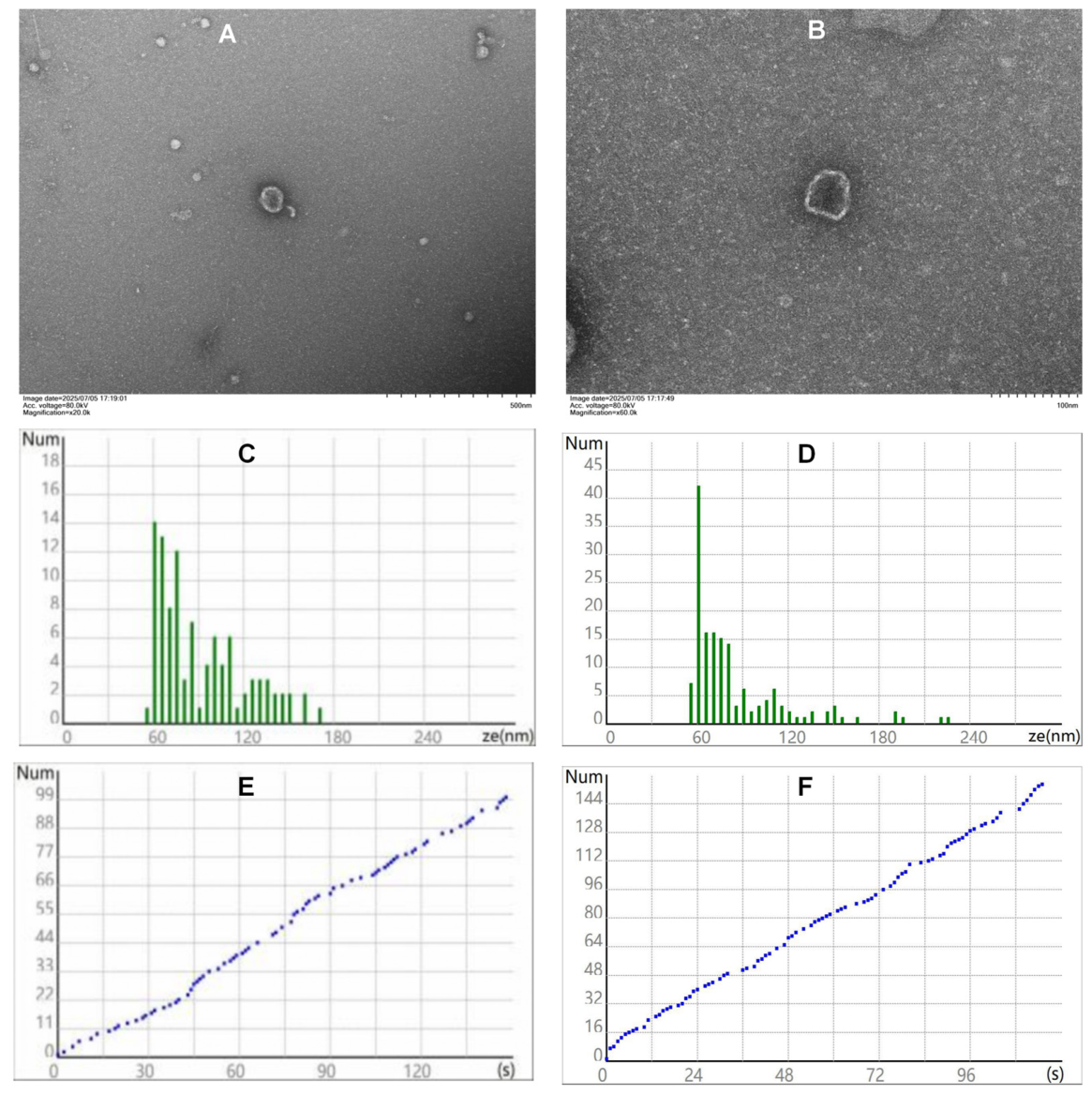
3.1.1. Isolation and Characterization of EVs
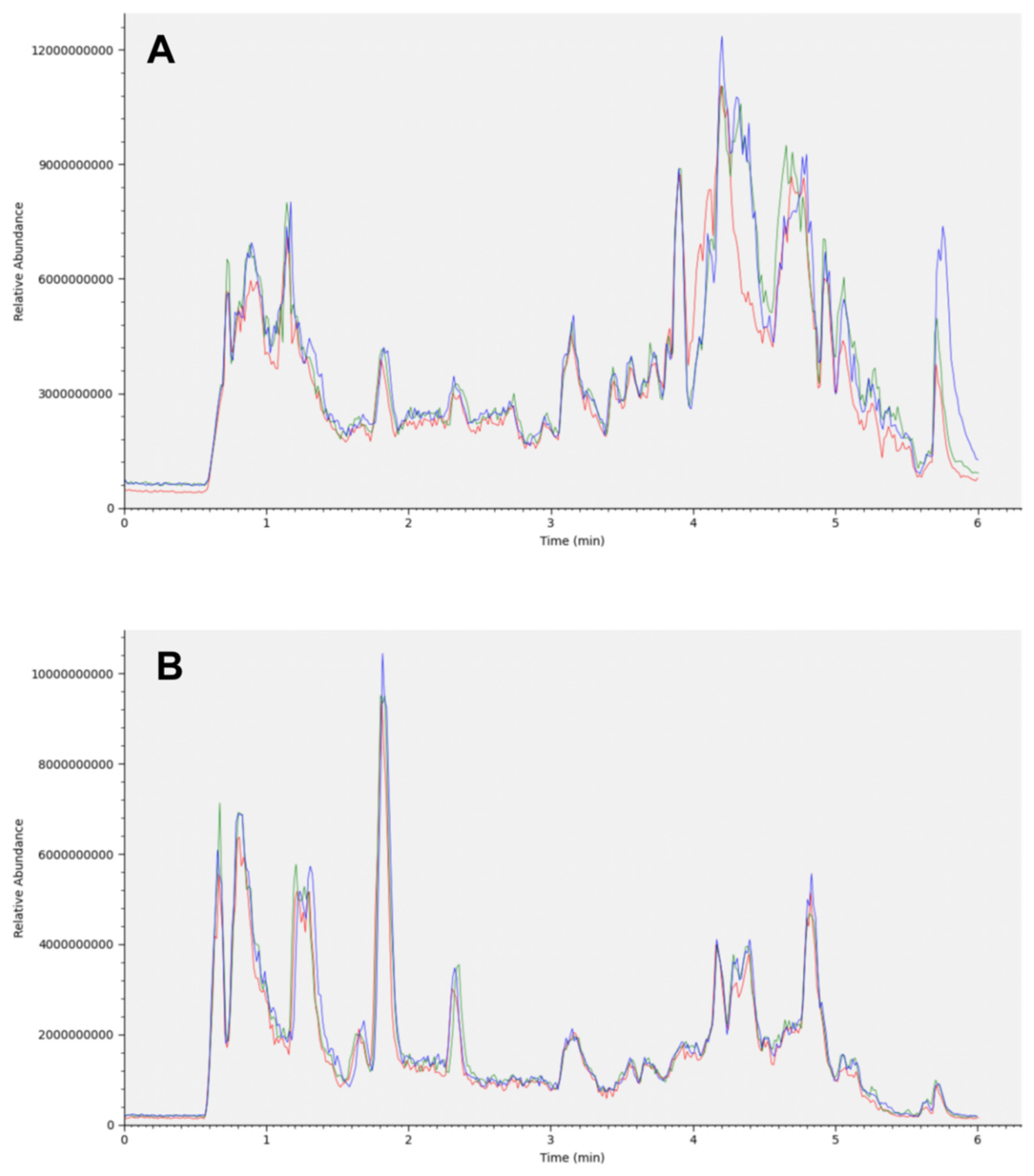
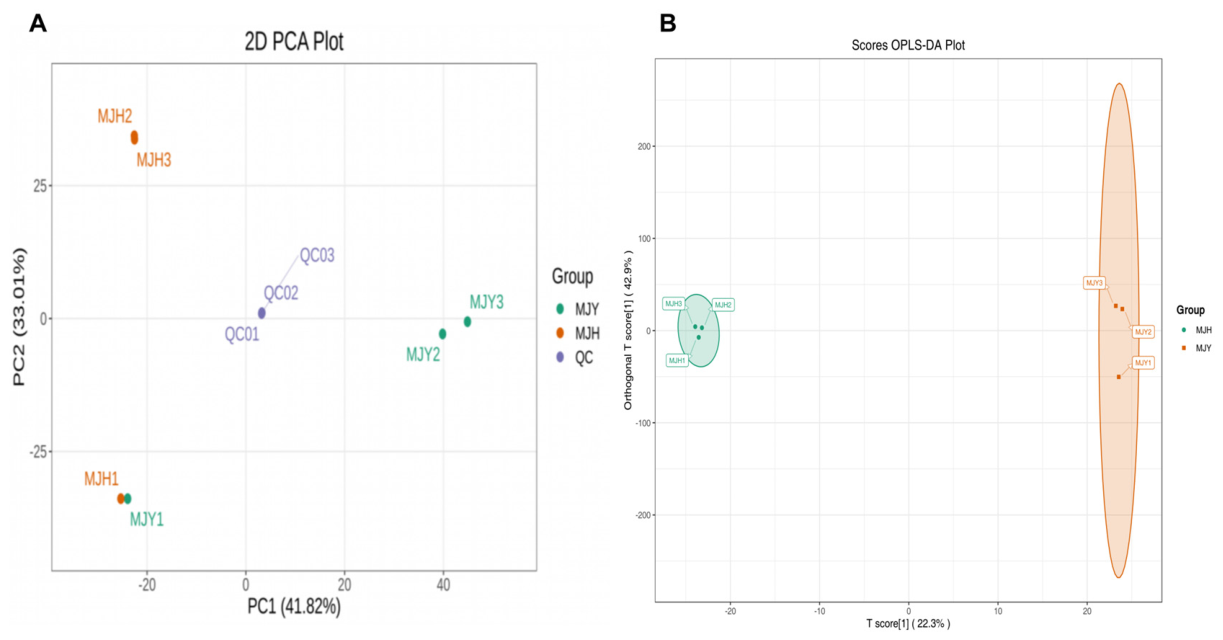
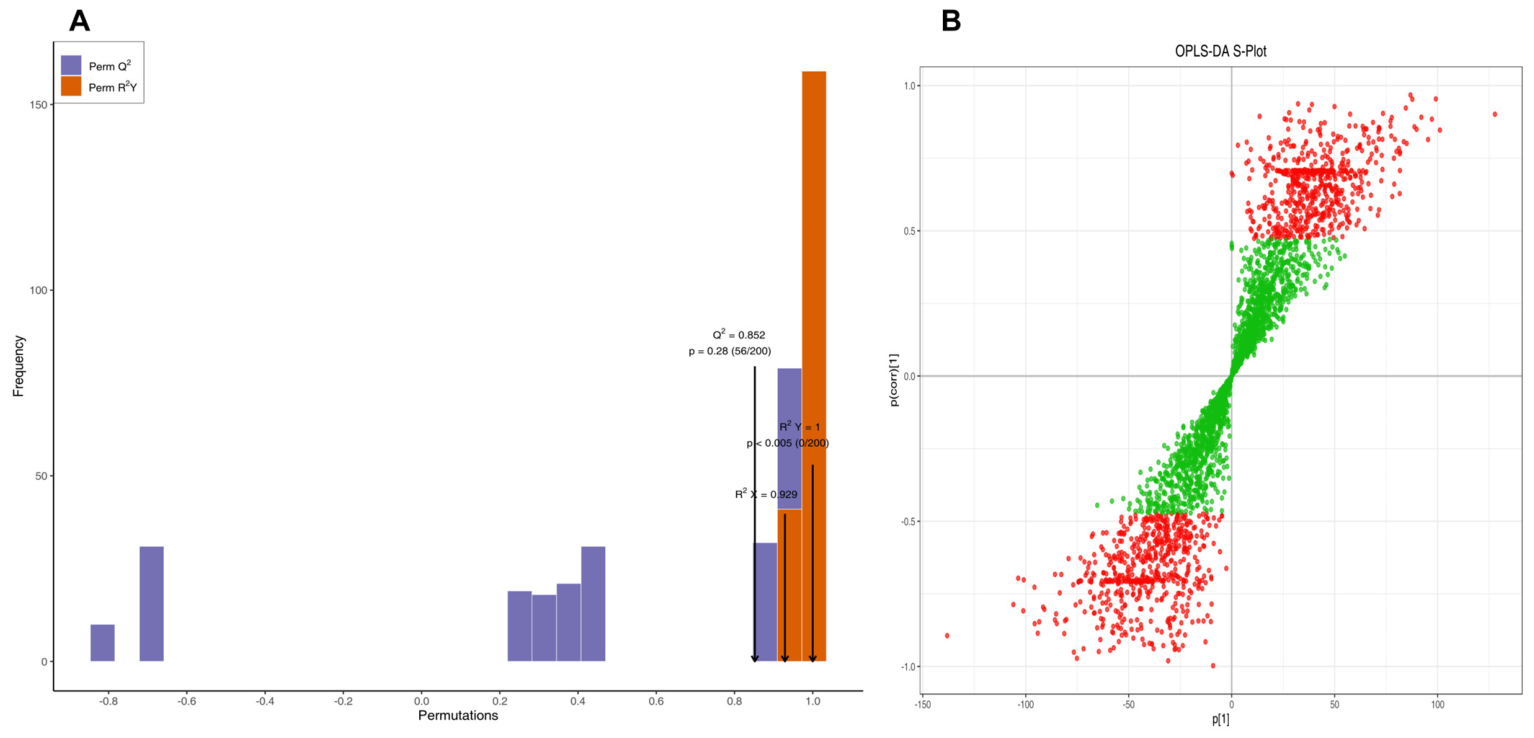
3.1.2. Quality Control and Multivariate Statistical Analysis of Data
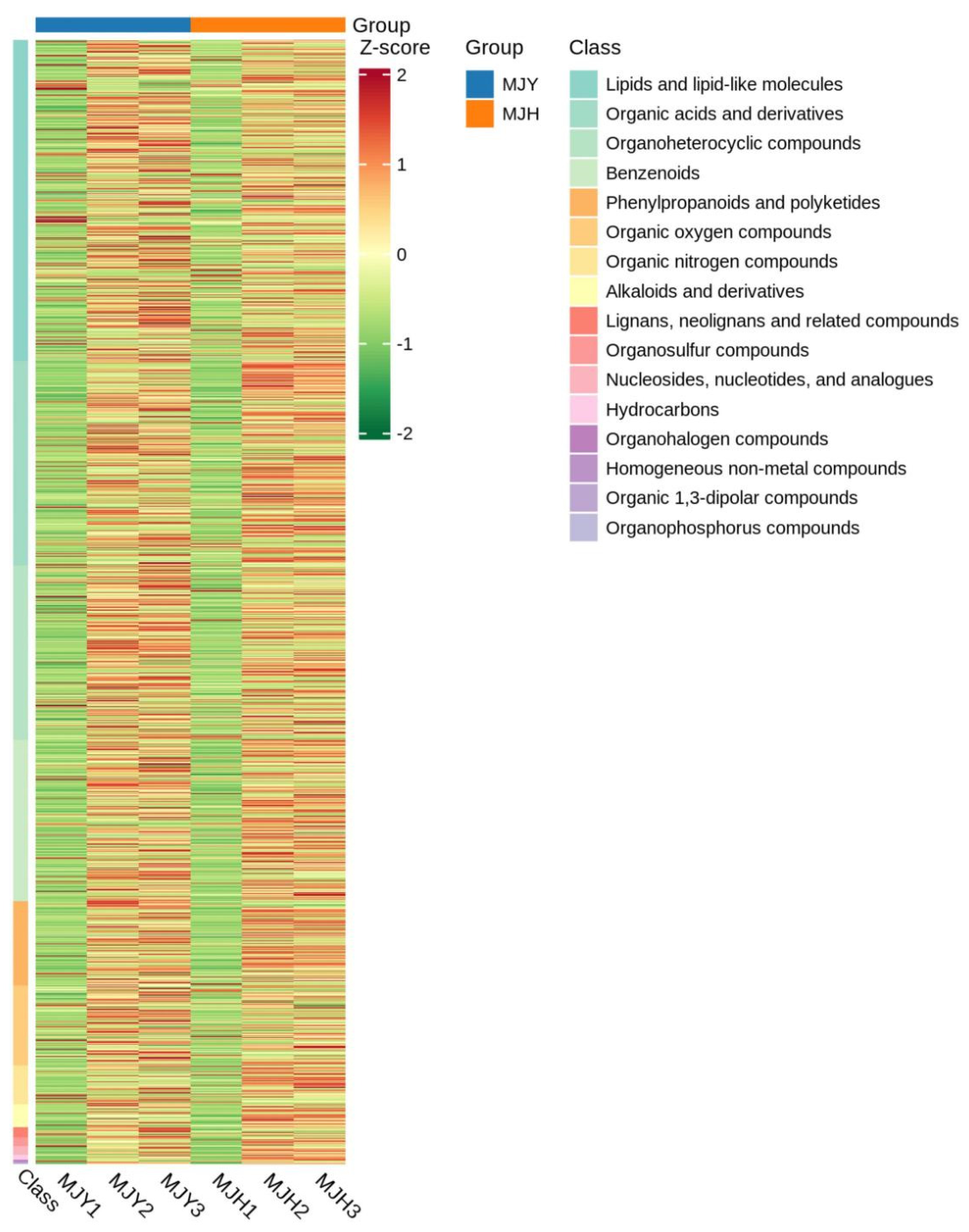
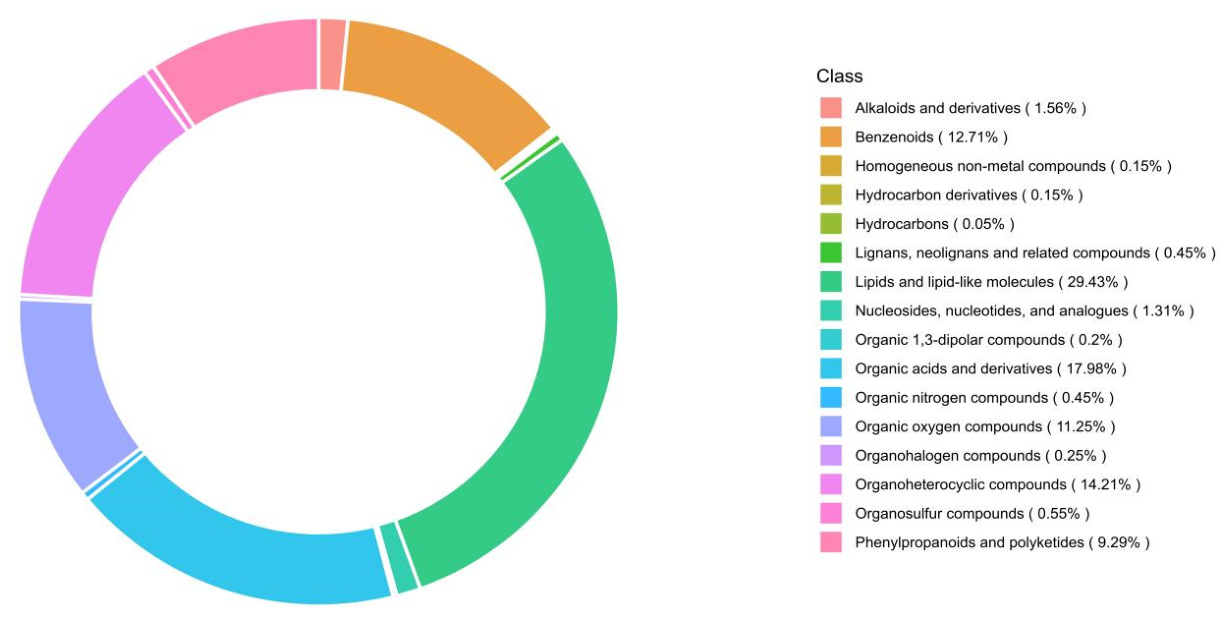
3.1.3. Metabolomic Profiling of EVs from Different Tissues
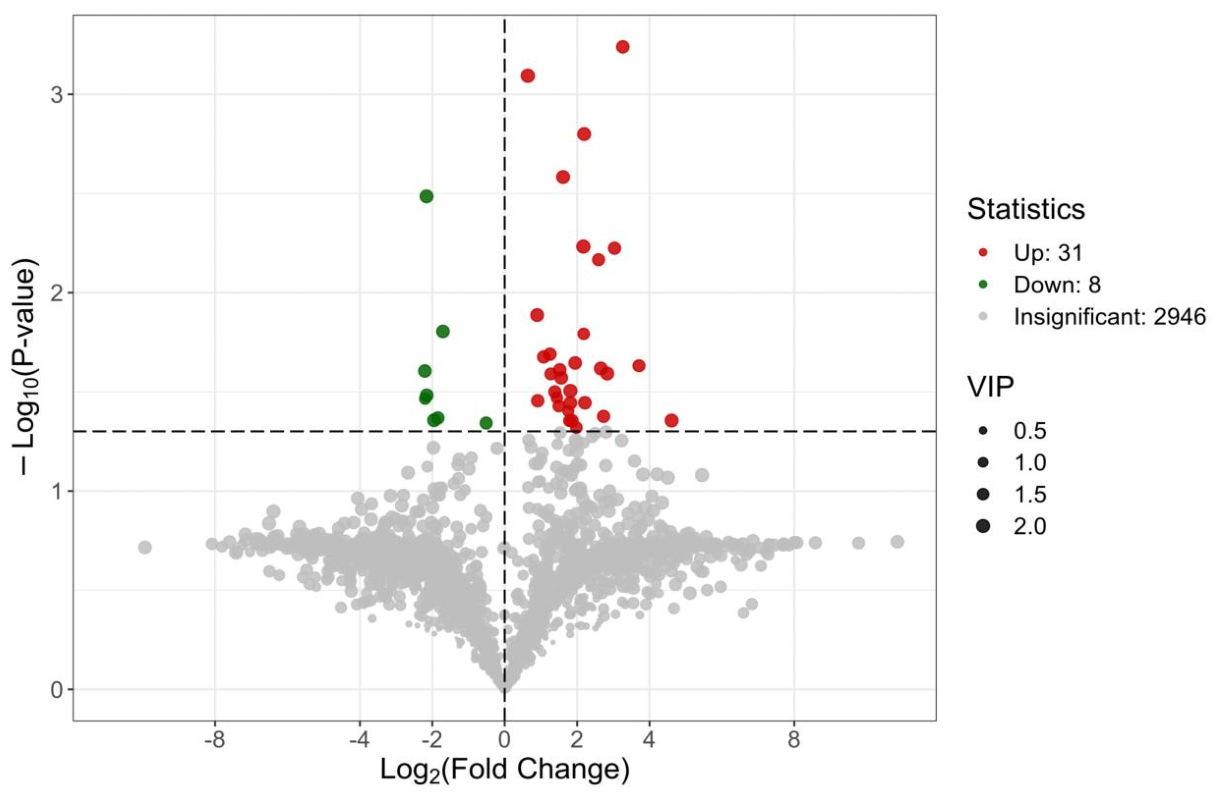
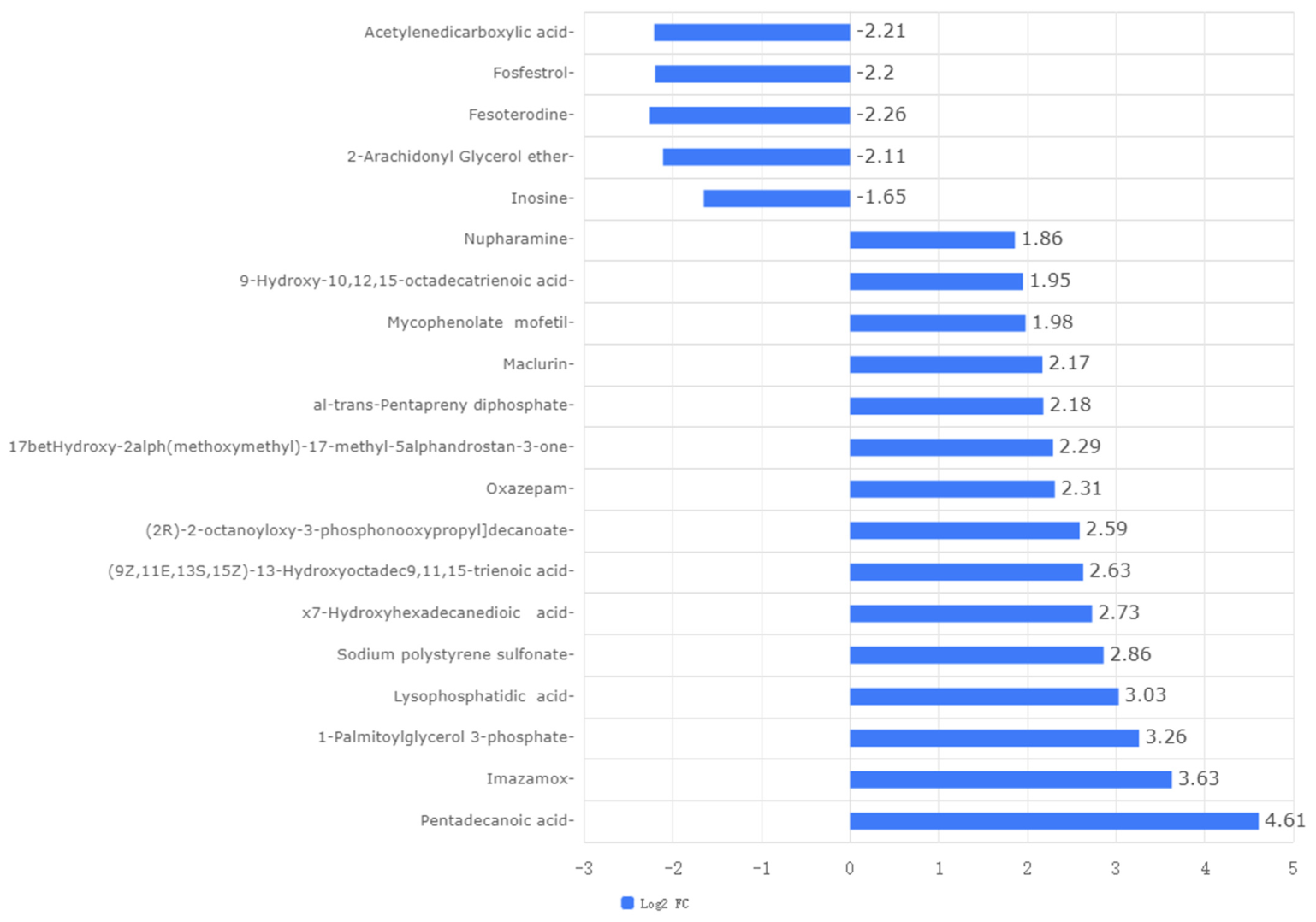
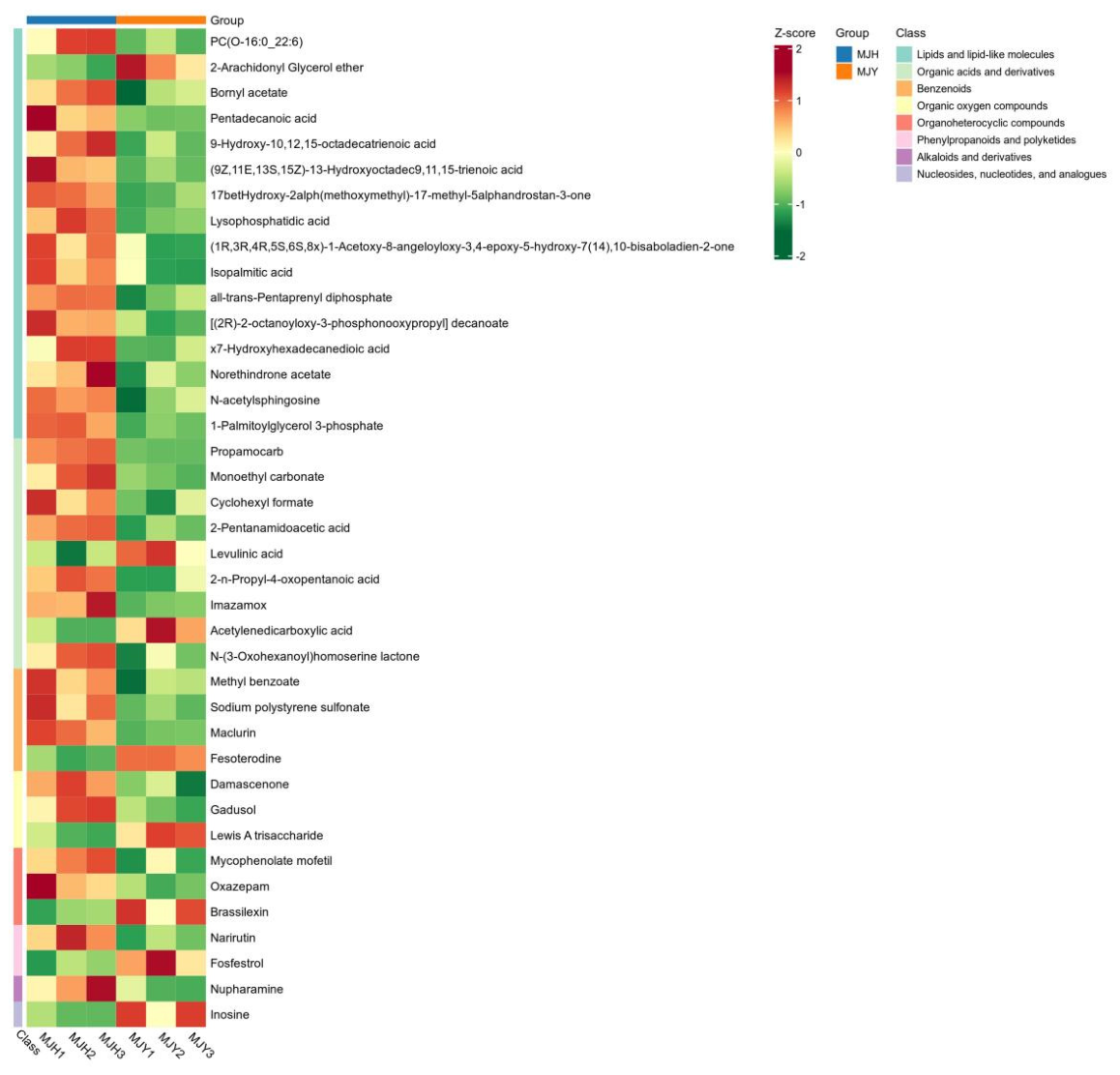
3.1.4. Identification of Differential Metabolites
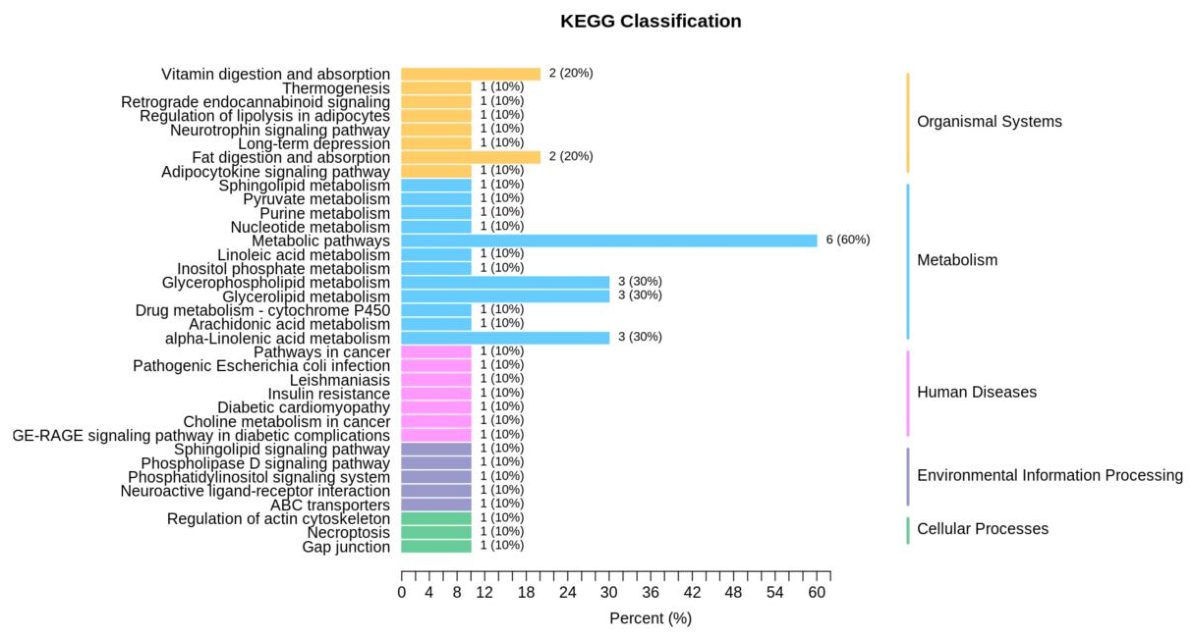
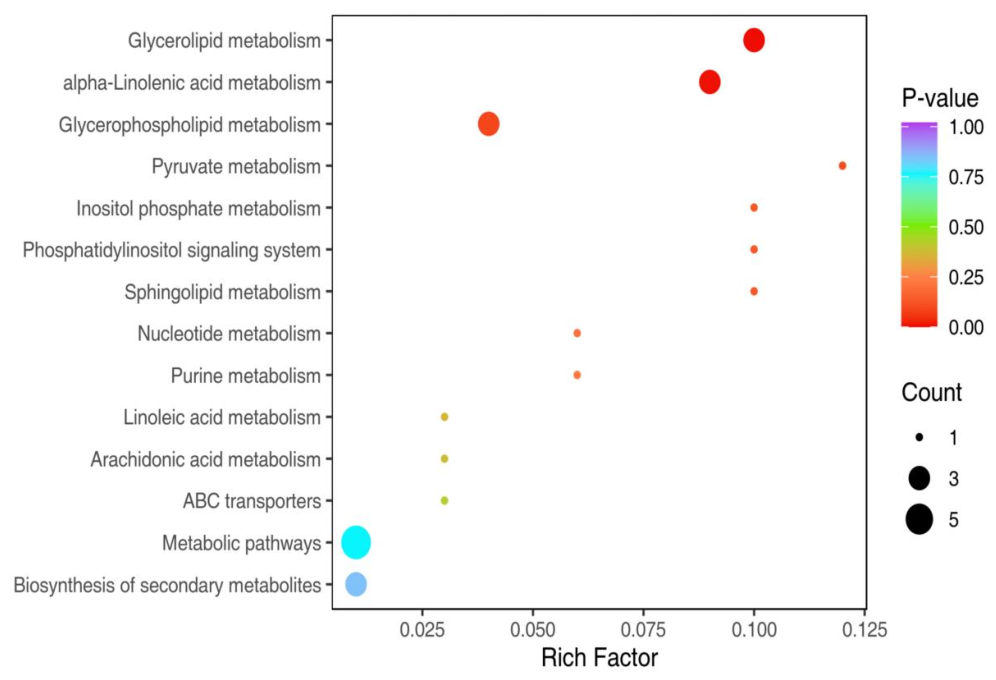
3.1.5. Functional Annotation and Pathway Enrichment Analysis of Differential Metabolites
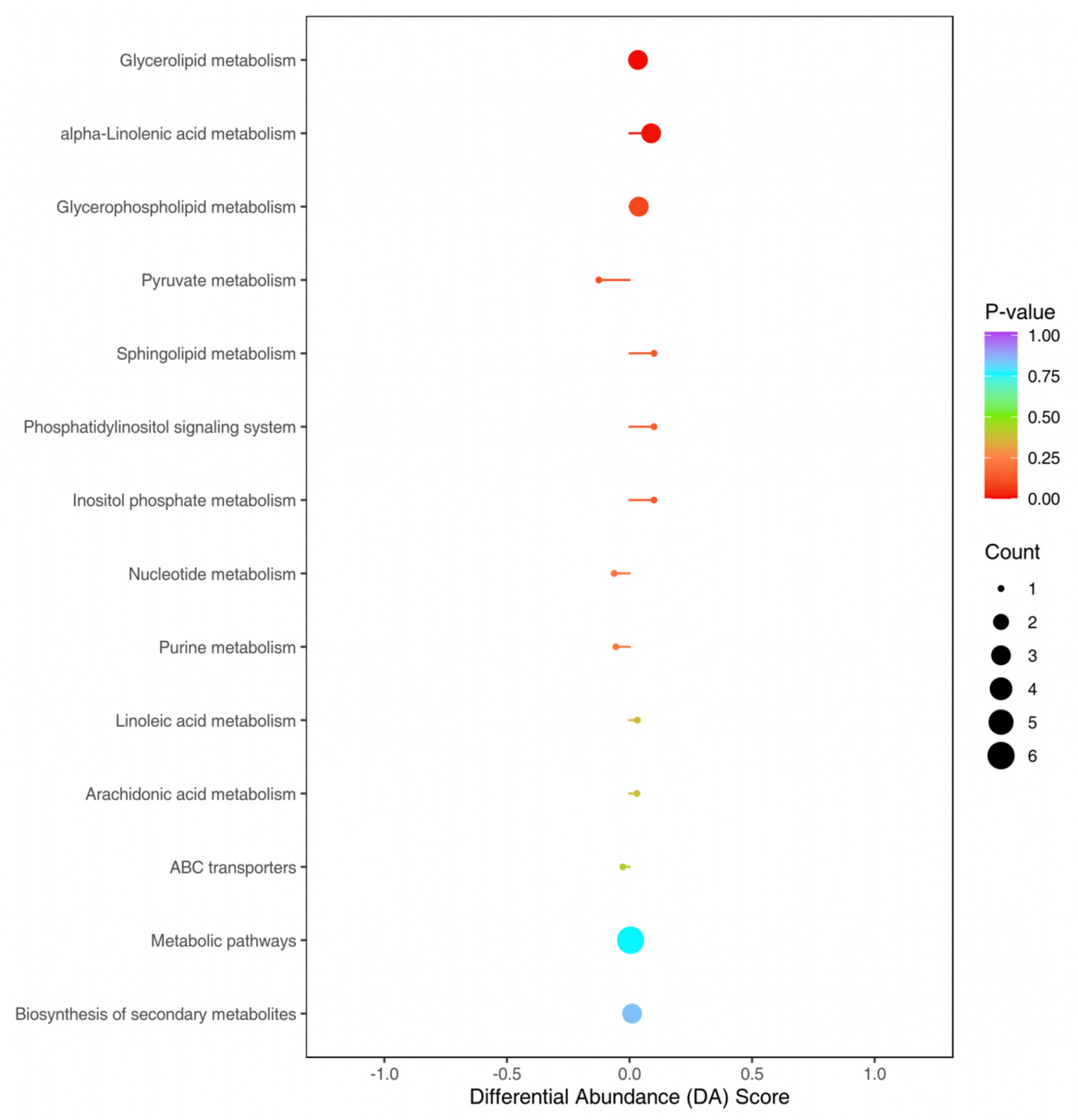
3.1.6. Analysis of Correlations and Functional Prediction of DMs
4. Discussion
5. Conclusions
Supplementary Materials
Author Contributions
Funding
Institutional Review Board Statement
Informed Consent Statement
Data Availability Statement
Conflicts of Interest
References
- Ambrosone, A.; Barbulova, A.; Cappetta, E.; Cillo, F.; De Palma, M.; Ruocco, M.; Pocsfalvi, G. Plant Extracellular Vesicles: Current Landscape and Future Directions. Plants 2023, 12, 4141. [Google Scholar] [CrossRef]
- Cai, Q.; Halilovic, L.; Shi, T.; Chen, A.; He, B.; Wu, H.; Jin, H. Extracellular Vesicles: Cross-Organismal RNA Trafficking in Plants, Microbes, and Mammalian Cells. Extracell. Vesicles Circ. Nucl. Acids 2023, 4, 262–282. [Google Scholar] [CrossRef] [PubMed]
- Bai, C.; Liu, J.; Zhang, X.; Li, Y.; Qin, Q.; Song, H.; Yuan, C.; Huang, Z. Research Status and Challenges of Plant-Derived Exosome-like Nanoparticles. Biomed. Pharmacother. 2024, 174, 116543. [Google Scholar] [CrossRef]
- Wu, R.; Chen, B.; Jia, J.; Liu, J. Relationship between Protein, MicroRNA Expression in Extracellular Vesicles and Rice Seed Vigor. Int. J. Mol. Sci. 2024, 25, 10504. [Google Scholar] [CrossRef]
- Mu, N.; Li, J.; Zeng, L.; You, J.; Li, R.; Qin, A.; Liu, X.; Yan, F.; Zhou, Z. Plant-Derived Exosome-Like Nanovesicles: Current Progress and Prospects. Int. J. Nanomed. 2023, 18, 4987–5009. [Google Scholar] [CrossRef]
- Orefice, N.S.; Di Raimo, R.; Mizzoni, D.; Logozzi, M.; Fais, S. Purposing plant-derived exosomes-like nanovesicles for drug delivery: Patents and literature review. Expert Opin. Ther. Pat. 2023, 33, 89–100. [Google Scholar] [CrossRef]
- Hong, R.; Luo, L.; Wang, L.; Hu, Z.-L.; Yin, Q.-R.; Li, M.; Gu, B.; Wang, B.; Zhuang, T.; Zhang, X.-Y.; et al. Lepidium meyenii Walp (Maca)-derived extracellular vesicles ameliorate depression by promoting 5-HT synthesis via the modulation of gut-brain axis. Imeta 2023, 2, e116. [Google Scholar] [CrossRef] [PubMed]
- Perut, F.; Roncuzzi, L.; Avnet, S.; Massa, A.; Zini, N.; Sabbadini, S.; Giampieri, F.; Mezzetti, B.; Baldini, N. Strawberry-Derived Exosome-Like Nanoparticles Prevent Oxidative Stress in Human Mesenchymal Stromal Cells. Biomolecules 2021, 11, 87. [Google Scholar] [CrossRef] [PubMed]
- Chew, L.Y.; Teng, S.K.; Neo, Y.P.; Sim, Y.Y.; Chew, S.C. The Potential of Roselle (Hibiscus sabdariffa) Plant in Industrial Applications: A Promising Source of Functional Compounds. J. Oleo Sci. 2024, 73, 275–292. [Google Scholar] [CrossRef]
- Liu, H.; Wang, X.; Li, A.; Zhang, L.; Mo, Q.; Zhang, S. Organic Acids Copigmentation With Hibiscus Syriacus Flower (Hibiscus syriacus L.) Anthocyanins: Thermal Stability, Characterization, and Copigmentation Mechanisms. J. Food Sci. 2025, 90, e70371. [Google Scholar] [CrossRef]
- Xu, X.; Du, K.; Zhang, C.; Zheng, C.; Wang, L.; Wang, Y.; Meng, D. Hibiscus syriacus L. Flower Attenuates Ethanol-Induced Gastric Ulcer via Modulation of the Nrf2/HO-1, AKT, and JNK Pathways. J. Ethnopharmacol. 2026, 357, 120920. [Google Scholar] [CrossRef]
- Chiu, C.-T.; Chen, J.-H.; Chou, F.-P.; Lin, H.-H. Hibiscus sabdariffa Leaf Extract Inhibits Human Prostate Cancer Cell Invasion via Down-Regulation of Akt/NF-kB/MMP-9 Pathway. Nutrients 2015, 7, 5065–5087. [Google Scholar] [CrossRef]
- Tahmasebi, A.; Ebrahimie, E.; Pakniyat, H.; Ebrahimi, M.; Mohammadi-Dehcheshmeh, M. Tissue-Specific Transcriptional Biomarkers in Medicinal Plants: Application of Large-Scale Meta-Analysis and Computational Systems Biology. Gene 2019, 691, 114–124. [Google Scholar] [CrossRef]
- Manickam, S.; Rajagopalan, V.R.; Kambale, R.; Rajasekaran, R.; Kanagarajan, S.; Muthurajan, R. Plant Metabolomics: Current Initiatives and Future Prospects. Curr. Issues Mol. Biol. 2023, 45, 8894–8906. [Google Scholar] [CrossRef] [PubMed]
- Yu, X.; Sun, H.; Gao, X.; Zhang, C.; Sun, Y.; Wang, H.; Zhang, H.; Shi, Y.; He, X. A Comprehensive Analysis of Age-Related Metabolomics and Transcriptomics Reveals Metabolic Alterations in Rat Bone Marrow Mesenchymal Stem Cells. Aging 2022, 14, 1014–1032. [Google Scholar] [CrossRef] [PubMed]
- Wang, X.; Li, L.; Liu, C.; Zhang, M.; Wen, Y. An Integrated Metabolome and Transcriptome Analysis of the Hibiscus syriacus L. Petals Reveal the Molecular Mechanisms of Anthocyanin Accumulation. Front. Genet. 2022, 13, 995748. [Google Scholar] [CrossRef]
- Ou, Y.; Teng, Z.; Shu, Y.; Wang, Y.; Wang, D.; Sun, C.; Lin, X. Linoleic Acid Alleviates Aluminum Toxicity by Modulating Fatty Acid Composition and Redox Homeostasis in Wheat (Triticum aestivum) Seedlings. J. Hazard. Mater. 2025, 487, 137156. [Google Scholar] [CrossRef]
- Rutter, B.D.; Innes, R.W. Extracellular Vesicles as Key Mediators of Plant–Microbe Interactions. Curr. Opin. Plant Biol. 2018, 44, 16–22. [Google Scholar] [CrossRef] [PubMed]
- Kankaanpää, S.; Väisänen, E.; Goeminne, G.; Soliymani, R.; Desmet, S.; Samoylenko, A.; Vainio, S.; Wingsle, G.; Boerjan, W.; Vanholme, R.; et al. Extracellular Vesicles of Norway Spruce Contain Precursors and Enzymes for Lignin Formation and Salicylic Acid. Plant Physiol. 2024, 196, 788–809. [Google Scholar] [CrossRef]
- Lee, B.-H.; Wu, S.-C.; Chien, H.-Y.; Shen, T.-L.; Hsu, W.-H. Tomato-Fruit-Derived Extracellular Vesicles Inhibit Fusobacterium Nucleatum via Lipid-Mediated Mechanism. Food Funct. 2023, 14, 8942–8950. [Google Scholar] [CrossRef]
- Lo, K.-J.; Wang, M.-H.; Ho, C.-T.; Pan, M.-H. Plant-Derived Extracellular Vesicles: A New Revolutionization of Modern Healthy Diets and Biomedical Applications. J. Agric. Food Chem. 2024, 72, 2853–2878. [Google Scholar] [CrossRef]
- Wang, R.; Zhang, Y.; Guo, Y.; Zeng, W.; Li, J.; Wu, J.; Li, N.; Zhu, A.; Li, J.; Di, L.; et al. Plant-Derived Nanovesicles: Promising Therapeutics and Drug Delivery Nanoplatforms for Brain Disorders. Fundam. Res. 2025, 5, 830–850. [Google Scholar] [CrossRef] [PubMed]
- Zhu, H.; He, W. Ginger: A Representative Material of Herb-Derived Exosome-like Nanoparticles. Front. Nutr. 2023, 10, 1223349. [Google Scholar] [CrossRef] [PubMed]
- Castelli, G.; Logozzi, M.; Mizzoni, D.; Di Raimo, R.; Cerio, A.; Dolo, V.; Pasquini, L.; Screnci, M.; Ottone, T.; Testa, U.; et al. Ex Vivo Anti-Leukemic Effect of Exosome-like Grapefruit-Derived Nanovesicles from Organic Farming-The Potential Role of Ascorbic Acid. Int. J. Mol. Sci. 2023, 24, 15663. [Google Scholar] [CrossRef]
- Del Pozo-Acebo, L.; López De Las Hazas, M.-C.; Tomé-Carneiro, J.; Del Saz-Lara, A.; Gil-Zamorano, J.; Balaguer, L.; Chapado, L.A.; Busto, R.; Visioli, F.; Dávalos, A. Therapeutic Potential of Broccoli-Derived Extracellular Vesicles as Nanocarriers of Exogenous miRNAs. Pharmacol. Res. 2022, 185, 106472. [Google Scholar] [CrossRef]
- Dad, H.A.; Gu, T.-W.; Zhu, A.-Q.; Huang, L.-Q.; Peng, L.-H. Plant Exosome-like Nanovesicles: Emerging Therapeutics and Drug Delivery Nanoplatforms. Mol. Ther. 2021, 29, 13–31. [Google Scholar] [CrossRef] [PubMed]
- Savcı, Y.; Kırbaş, O.K.; Bozkurt, B.T.; Abdik, E.A.; Taşlı, P.N.; Şahin, F.; Abdik, H. Grapefruit-Derived Extracellular Vesicles as a Promising Cell-Free Therapeutic Tool for Wound Healing. Food Funct. 2021, 12, 5144–5156. [Google Scholar] [CrossRef]
- Karamanidou, T.; Tsouknidas, A. Plant-Derived Extracellular Vesicles as Therapeutic Nanocarriers. Int. J. Mol. Sci. 2021, 23, 191. [Google Scholar] [CrossRef] [PubMed]
- Jokhio, S.; Peng, I.; Peng, C.-A. Extracellular Vesicles Isolated from Arabidopsis Thaliana Leaves Reveal Characteristics of Mammalian Exosomes. Protoplasma 2024, 261, 1025–1033. [Google Scholar] [CrossRef]
- Kranawetter, C.; Zeng, S.; Joshi, T.; Sumner, L.W. A Medicago Truncatula Metabolite Atlas Enables the Visualization of Differential Accumulation of Metabolites in Root Tissues. Metabolites 2021, 11, 238. [Google Scholar] [CrossRef]
- Li, Z.; Liu, D.; Wang, D.; Sun, M.; Zhang, G.; Wu, Y.; Zhang, Y.; Cheng, B. Study on the Causes of Changes in Colour during Hibiscus syriacus Flowering Based on Transcriptome and Metabolome Analyses. BMC Plant Biol. 2024, 24, 431. [Google Scholar] [CrossRef] [PubMed]
- Choi, Y.; Park, Y.H.; Yang, C.; Kim, D.H.; Lee, K.W.; Lee, M.Y. Protocol for a Randomized Controlled Trial Evaluating the Effect of Hibiscus syriacus L. Flower Extract on Sleep Quality. Front. Nutr. 2023, 10, 1169193. [Google Scholar] [CrossRef] [PubMed]
- Venn-Watson, S.; Lumpkin, R.; Dennis, E.A. Efficacy of Dietary Odd-Chain Saturated Fatty Acid Pentadecanoic Acid Parallels Broad Associated Health Benefits in Humans: Could It Be Essential? Sci. Rep. 2020, 10, 8161. [Google Scholar] [CrossRef]
- Kim, I.S.; Jo, E.-K. Inosine: A Bioactive Metabolite with Multimodal Actions in Human Diseases. Front. Pharmacol. 2022, 13, 1043970. [Google Scholar] [CrossRef]
- Liu, G.; Kang, G.; Wang, S.; Huang, Y.; Cai, Q. Extracellular Vesicles: Emerging Players in Plant Defense Against Pathogens. Front. Plant Sci. 2021, 12, 757925. [Google Scholar] [CrossRef]
- Zhang, W.J.; Zhou, Y.; Zhang, Y.; Su, Y.H.; Xu, T. Protein Phosphorylation: A Molecular Switch in Plant Signaling. Cell Rep. 2023, 42, 112729. [Google Scholar] [CrossRef]
- Wasternack, C.; Hause, B. Jasmonates: Biosynthesis, Perception, Signal Transduction and Action in Plant Stress Response, Growth and Development. An Update to the 2007 Review in Annals of Botany. Ann. Bot. 2013, 111, 1021–1058. [Google Scholar] [CrossRef] [PubMed]



| Index | Q1 Molecular Weight (Da) | RT (min) | CV | Name | CAS. No | Purity | Company |
|---|---|---|---|---|---|---|---|
| MWS201357-IS-P | 403.3601 | 4.69 | 0.0239 | CAR(16:0)-d3 | 202480-73-7 | >98% | Sigma (St. Louis, MO, USA) |
| MWS3085-IS-P | 281.0048 | 3.78 | 0.0339 | D-Luciferin | 2591-17-5 | >98% | Rhawn (Louisville, KY, USA) |
| MWS20572-IS-P | 198.0977 | 2.83 | 0.0465 | caffeine 13C3 | 58-08-2 | >98% | Chembind LLC (Atlanta, GA, USA) |
| MWS04187-IS-P | 210.1282 | 2.21 | 0.0498 | L-Tryptophan-d5 | 62595-11-3 | >98% | isoreag (Shanghai, China) |
| Index | Compounds | VIP | p-Value | Log2FC (MJH/MJY) | Type |
|---|---|---|---|---|---|
| ME0169706 | Propamocarb | 2.11 | 0.00 | 0.64 | up |
| ME0007535 | Maclurin | 2.08 | 0.01 | 2.17 | up |
| ME0108343 | Monoethyl carbonate | 1.99 | 0.03 | 1.81 | up |
| ME0061027 | Pentadecanoic acid | 1.99 | 0.04 | 4.61 | up |
| ME0007146 | Fesoterodine | 1.98 | 0.00 | −2.16 | down |
| ME0110395 | 2-Pentanamidoacetic acid | 1.97 | 0.00 | 1.61 | up |
| ME0141551 | 17betHydroxy-2alph(methoxymethyl)- 17-methyl-5alphandrostan-3-one | 1.96 | 0.00 | 2.19 | up |
| ME0009496 | Sodium polystyrene sulfonate | 1.96 | 0.03 | 2.83 | up |
| ME0012348 | (9Z,11E,13S,15Z)-13-Hydroxyoctadec- 9,11,15-trienoic acid | 1.95 | 0.02 | 2.65 | up |
| ME0139112 | Narirutin | 1.94 | 0.01 | 0.64 | up |
| ko_ID | Pathway Name | Number of Annotated Differential Metabolites | Total Number of Annotated Metabolites in Pathway |
|---|---|---|---|
| ko01100 | Metabolic pathways | 16 | 440 |
| ko01110 | Biosynthesis of secondary metabolites | 15 | 276 |
| ko00564 | Glycerophospholipid metabolism | 9 | 74 |
| ko00590 | Arachidonic acid metabolism | 4 | 33 |
| ko00591 | Linoleic acid metabolism | 6 | 31 |
| ko00592 | Alpha-linolenic acid metabolism | 6 | 34 |
| ko00440 | Phosphonate and phosphinate metabolism | 1 | 8 |
| ko00999 | Biosynthesis of various plant secondary metabolites | 1 | 24 |
| ko00960 | Tropane, piperidine and pyridine alkaloid biosynthesis | 2 | 15 |
| ko00561 | Glycerolipid metabolism | 3 | 26 |
Disclaimer/Publisher’s Note: The statements, opinions and data contained in all publications are solely those of the individual author(s) and contributor(s) and not of MDPI and/or the editor(s). MDPI and/or the editor(s) disclaim responsibility for any injury to people or property resulting from any ideas, methods, instructions or products referred to in the content. |
© 2026 by the authors. Licensee MDPI, Basel, Switzerland. This article is an open access article distributed under the terms and conditions of the Creative Commons Attribution (CC BY) license.
Share and Cite
Hu, J.; Peng, S.; Zhou, S.; Zeng, Z.; Wang, S.; Guo, Z.; Chen, Y. Metabolomic Profiling of Extracellular Vesicles from Flower and Leaf Tissues of Hibiscus syriacus. Metabolites 2026, 16, 386. https://doi.org/10.3390/metabo16060386
Hu J, Peng S, Zhou S, Zeng Z, Wang S, Guo Z, Chen Y. Metabolomic Profiling of Extracellular Vesicles from Flower and Leaf Tissues of Hibiscus syriacus. Metabolites. 2026; 16(6):386. https://doi.org/10.3390/metabo16060386
Chicago/Turabian StyleHu, Junhe, Shuting Peng, Shichang Zhou, Zhi Zeng, Shuanghui Wang, Zhenzhen Guo, and Yong Chen. 2026. "Metabolomic Profiling of Extracellular Vesicles from Flower and Leaf Tissues of Hibiscus syriacus" Metabolites 16, no. 6: 386. https://doi.org/10.3390/metabo16060386
APA StyleHu, J., Peng, S., Zhou, S., Zeng, Z., Wang, S., Guo, Z., & Chen, Y. (2026). Metabolomic Profiling of Extracellular Vesicles from Flower and Leaf Tissues of Hibiscus syriacus. Metabolites, 16(6), 386. https://doi.org/10.3390/metabo16060386