Article

1,12-Bis-Triphenyl Phosphonium Dodecane Bromide Nanovesicles as Potential Inhibitors of MDR Staphylococcal Biofilms


1
Department of Pharmacy, University of Genoa, Viale Cembrano, 16148 Genoa, Italy
2
Hospital Hygiene Unit, E.O. Galliera Hospital, Mura delle Cappuccine 14, 16128 Genoa, Italy
3
Department of Health Sciences, University of Genoa, Via Pastore 1, 16132 Genova, Italy
4
Laboratory of Experimental Therapies in Oncology, IRCCS Istituto Giannina Gaslini, Via G. Gaslini 5, 16147 Genoa, Italy
5
Department of Surgical Sciences and Integrated Diagnostics (DISC), University of Genoa, Viale Benedetto XV, 6, 16132 Genova, Italy
*
Author to whom correspondence should be addressed.
Sci. Pharm. 2026, 94(3), 80; https://doi.org/10.3390/scipharm94030080 (registering DOI)

Submission received: 17 August 2026 / Revised: 10 September 2026 / Accepted: 13 September 2026 / Published: 19 September 2026

Abstract

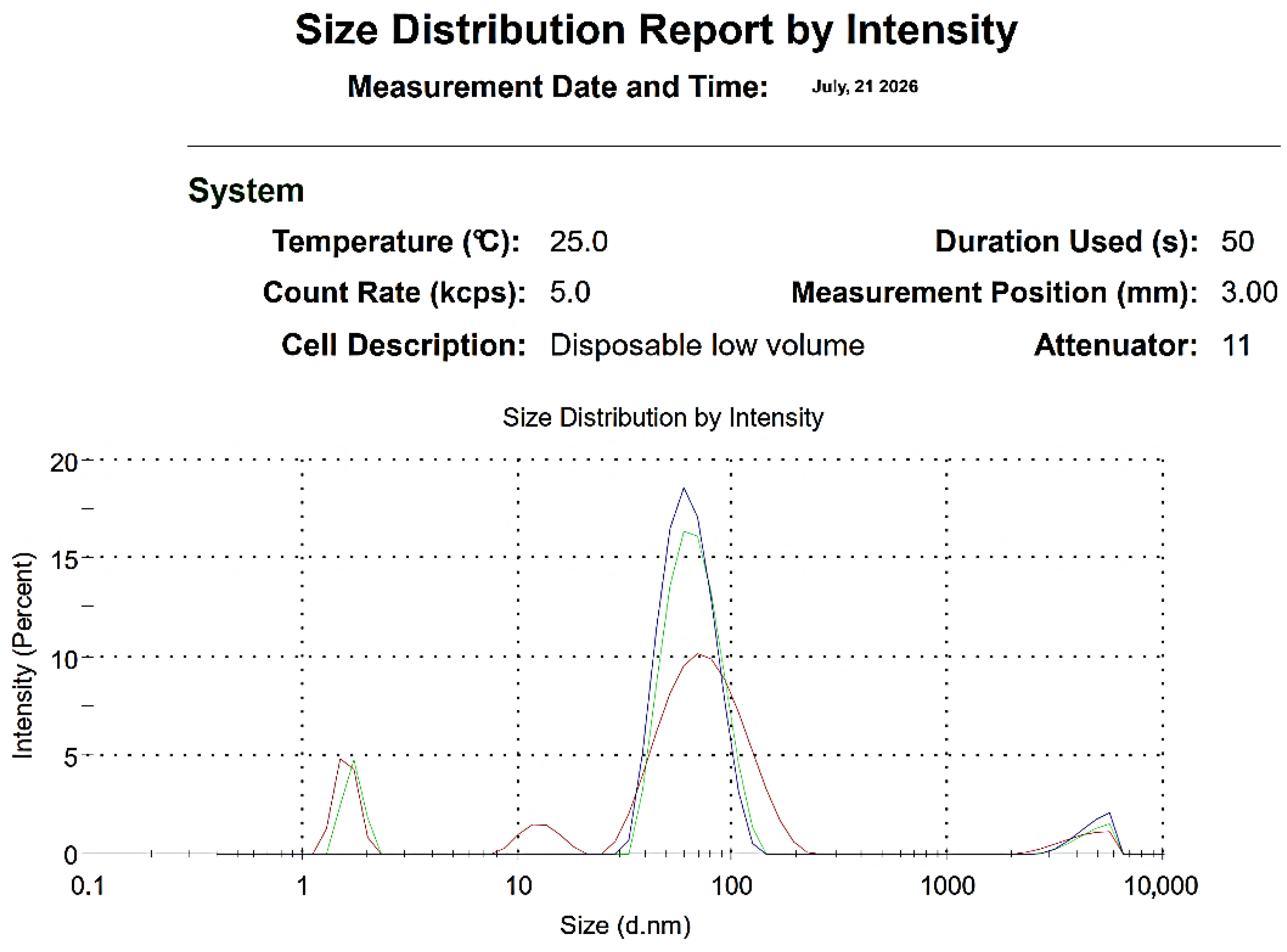
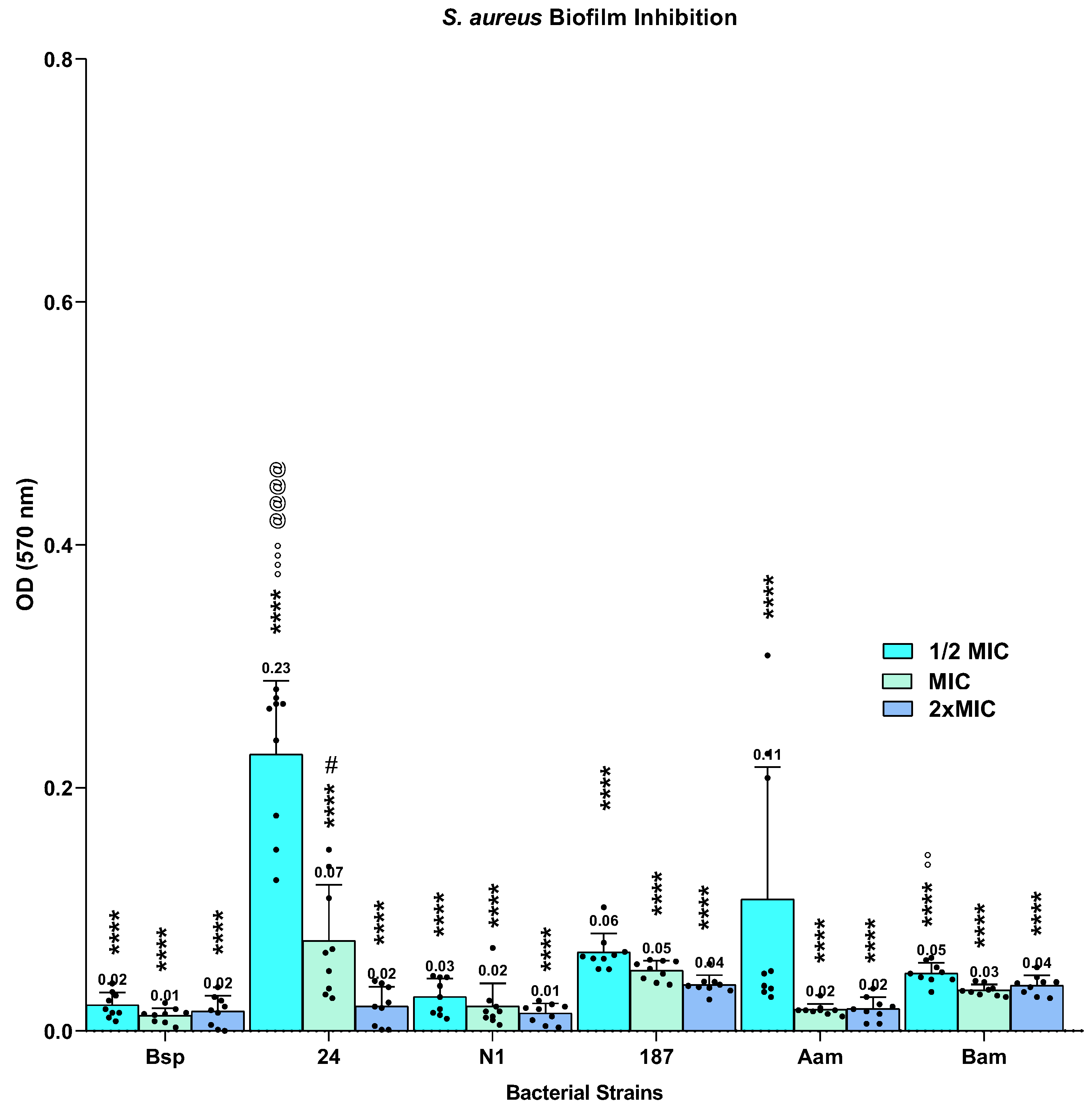
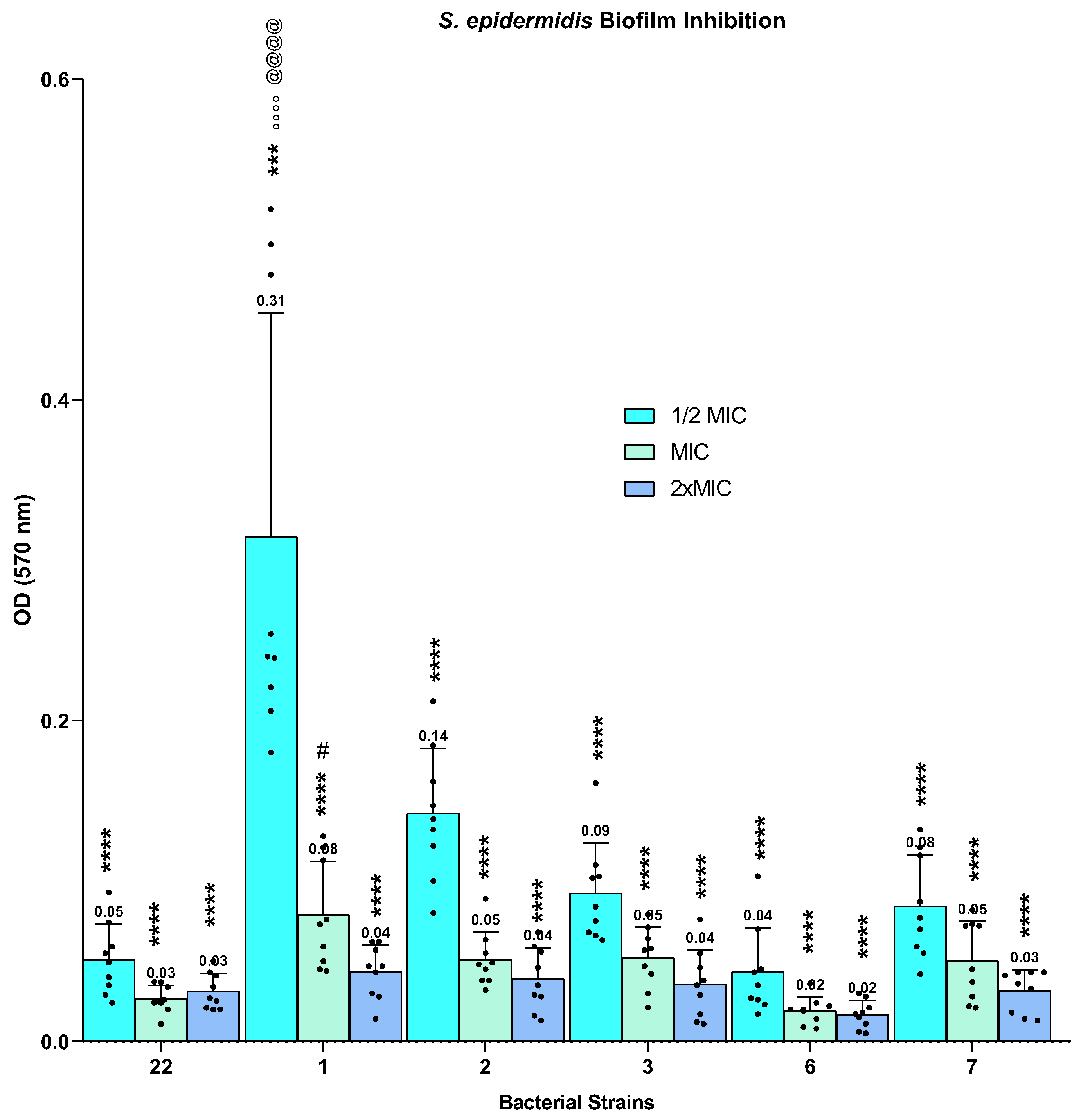
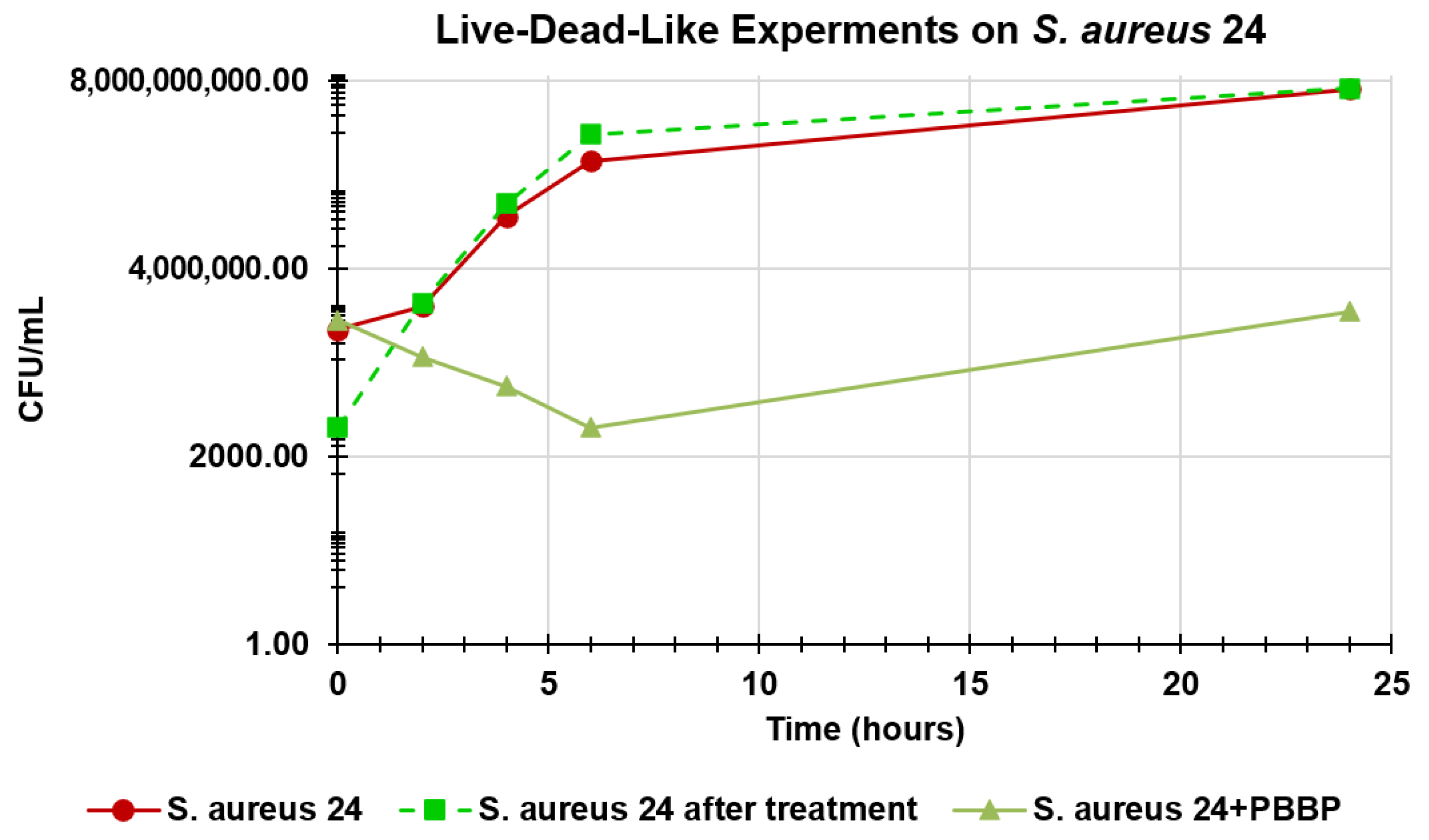
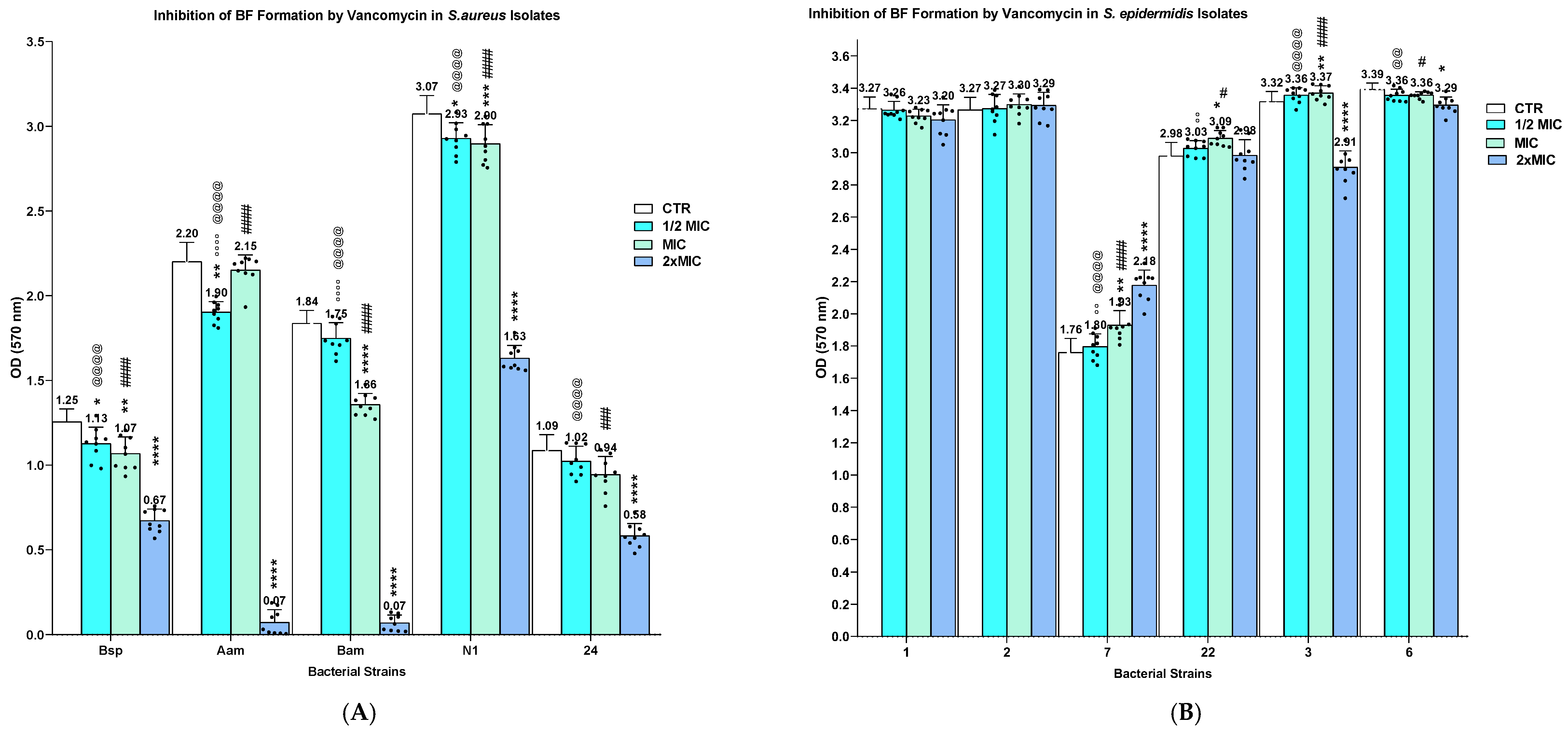
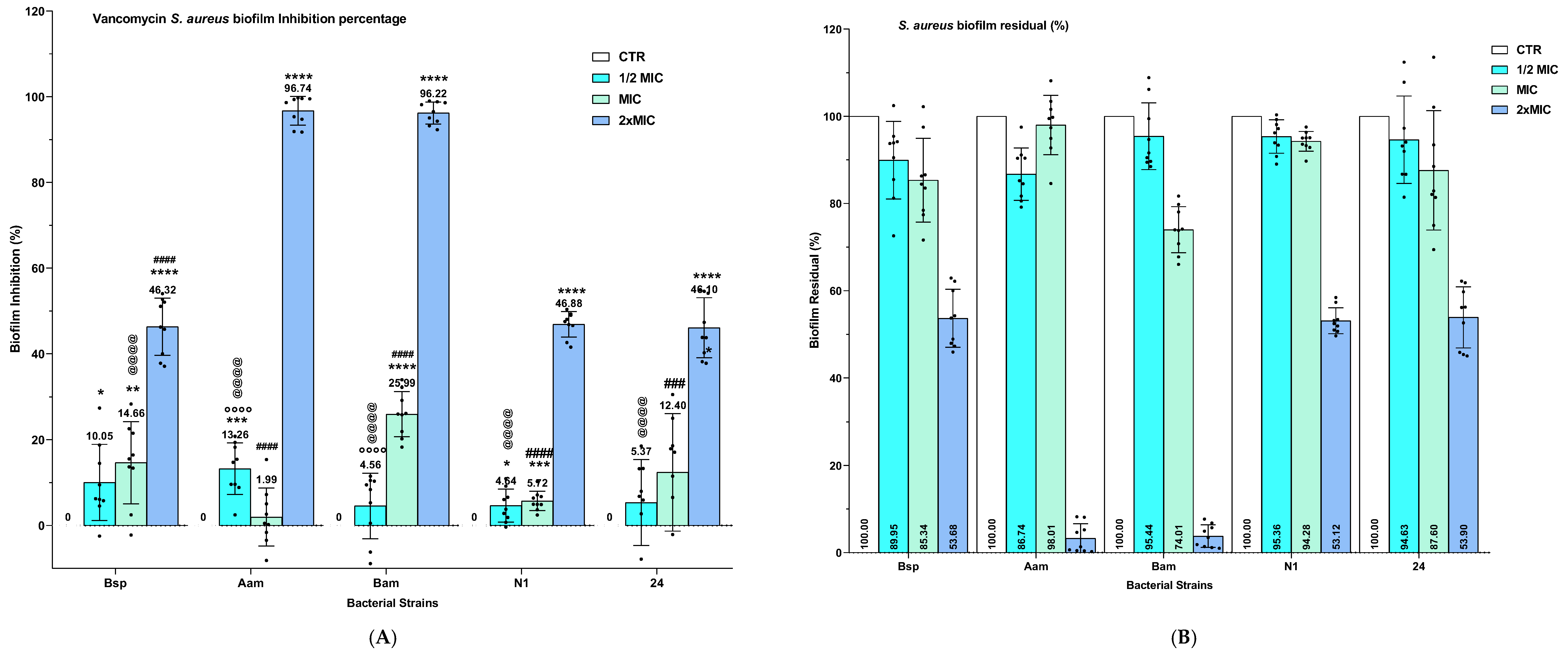
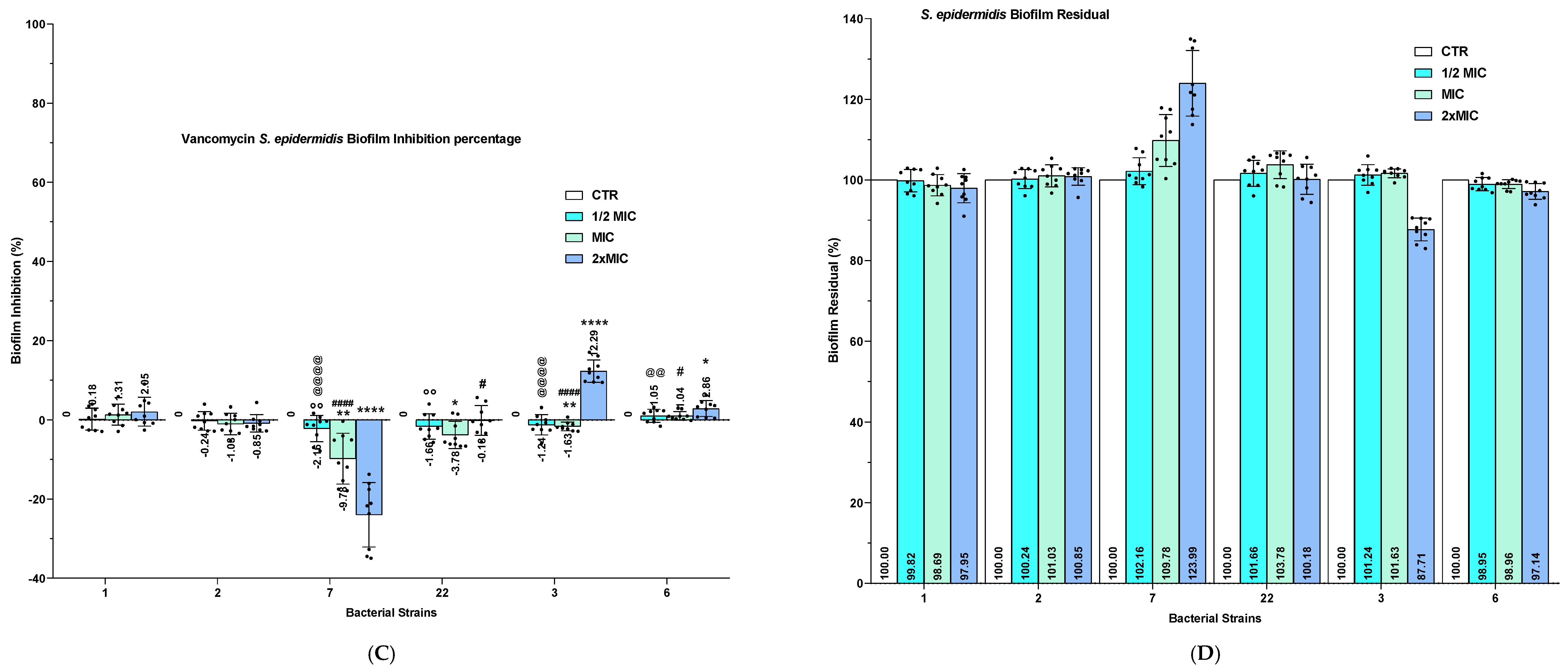
Multidrug resistance (MDR) has become a major global health threat, leading to the emergence of difficult-to-treat bacterial “superbugs” among both Gram-positive and Gram-negative species. In hospital settings, biofilm (BF)-producing staphylococci further aggravate this problem by markedly increasing tolerance to conventional antibiotics, thereby promoting chronic and potentially life-threatening infections. In the present study, previously synthesized and characterized 1,12-bis-triphenyl phosphonium dodecane bromide nanovesicles (BPPB, 45 nm, water) were assayed by DLS in a medium (TSB), which was used for microbiologic tests, to assess the actual particle size (≈65 nm) existing in this biological setting, with PDI (0.37) and zeta potential (+6.1 mV). Although never investigated for its effects on the formation of staphylococcal BF, BPPB was, for the first time, evaluated as a potential novel agent to combat its development. A total of 12 highly BF-producing isolates from our collection, comprising six Staphylococcus aureus and six S. epidermidis strains, were selected because they are strong BF producers. Their full antibiogram was determined, and they were tested against BPPB to determine minimum inhibitory concentrations (MICs). Subsequently, BF inhibition activity was evaluated at ½ MIC, MIC, and 2× MIC concentrations. Vancomycin (V), used as a reference antibiotic, was tested under the same experimental conditions. BPPB exhibited MIC values ranging from 0.125 to 0.250 µg/mL, which were 1–8-fold lower than those of V. V did not inhibit BF formation by S. epidermidis at all and inhibited BF formation by Bam and Aam S. aureus isolates (96–97% inhibition) only at max concentrations (2 × MIC). Conversely, BPPB demonstrated potent and consistent inhibition activity against all strains, irrespective of species or resistance profile, as determined by VITEK. BF inhibition values of 83–99%, 95–>99%, and 98–>99% were observed at ½ MIC, MIC, and 2 × MIC, respectively. To confirm that BF inhibition did not arise from killing bacteria, determinations of bacterial colony count after BPPB treatment at 4 × MIC for 24 h were performed, establishing full vitality and a regrowth of 45% with respect to the inoculum. Once reseeded as in the control, treated bacteria grew exactly as the control. Overall, the findings confirmed the nanosized dimension of BPPB particles, which remained <100 nm, including in the complex biological medium; this highlighted the strong BF-forming capability and MDR phenotype of the selected staphylococcal isolates, as well as the remarkable antibacterial and BF inhibition efficacy of BPPB nanovesicles, significantly outperforming vancomycin. Importantly, the low cytotoxicity previously observed against eukaryotic Cos-7 and HepG2 cells, resulting in high selectivity index (SI) values (23.0–90.5), supports BPPB as a promising candidate for the development of new NM-based therapeutic strategies against MDR staphylococcal BF-associated infections.
Keywords: multidrug-resistant (MDR) Gram-positive superbugs; cationic phosphonium salts (QPSs); triphenyl phosphonium (TPP) groups; BPPB nanovesicles (45 nm); bacteriostatic effects; biofilm (BF) inhibition experiments; OD570 evaluations; structure–activity relationships (SARs) multidrug-resistant (MDR) Gram-positive superbugs; cationic phosphonium salts (QPSs); triphenyl phosphonium (TPP) groups; BPPB nanovesicles (45 nm); bacteriostatic effects; biofilm (BF) inhibition experiments; OD570 evaluations; structure–activity relationships (SARs)