Article

Predictive Analysis of Drug-Resistant Tuberculosis: Integrating Molecular Markers, Clinical Governance, and Community-Engaged Education in Rural South Africa


1
WSU—TB Research Group, School of Pathology, Faculty of Medicine and Health Sciences, Walter Sisulu University, Private Bag X1, Mthatha 5100, South Africa
2
Walter Sisulu Institute for Clinical Governance, Healthcare Administration, School of Public Health, Faculty of Medicine and Health Sciences, Walter Sisulu University, Mthatha 5099, South Africa
*
Author to whom correspondence should be addressed.
Diseases 2026, 14(4), 132; https://doi.org/10.3390/diseases14040132

Submission received: 13 February 2026 / Revised: 26 March 2026 / Accepted: 28 March 2026 / Published: 3 April 2026

Abstract

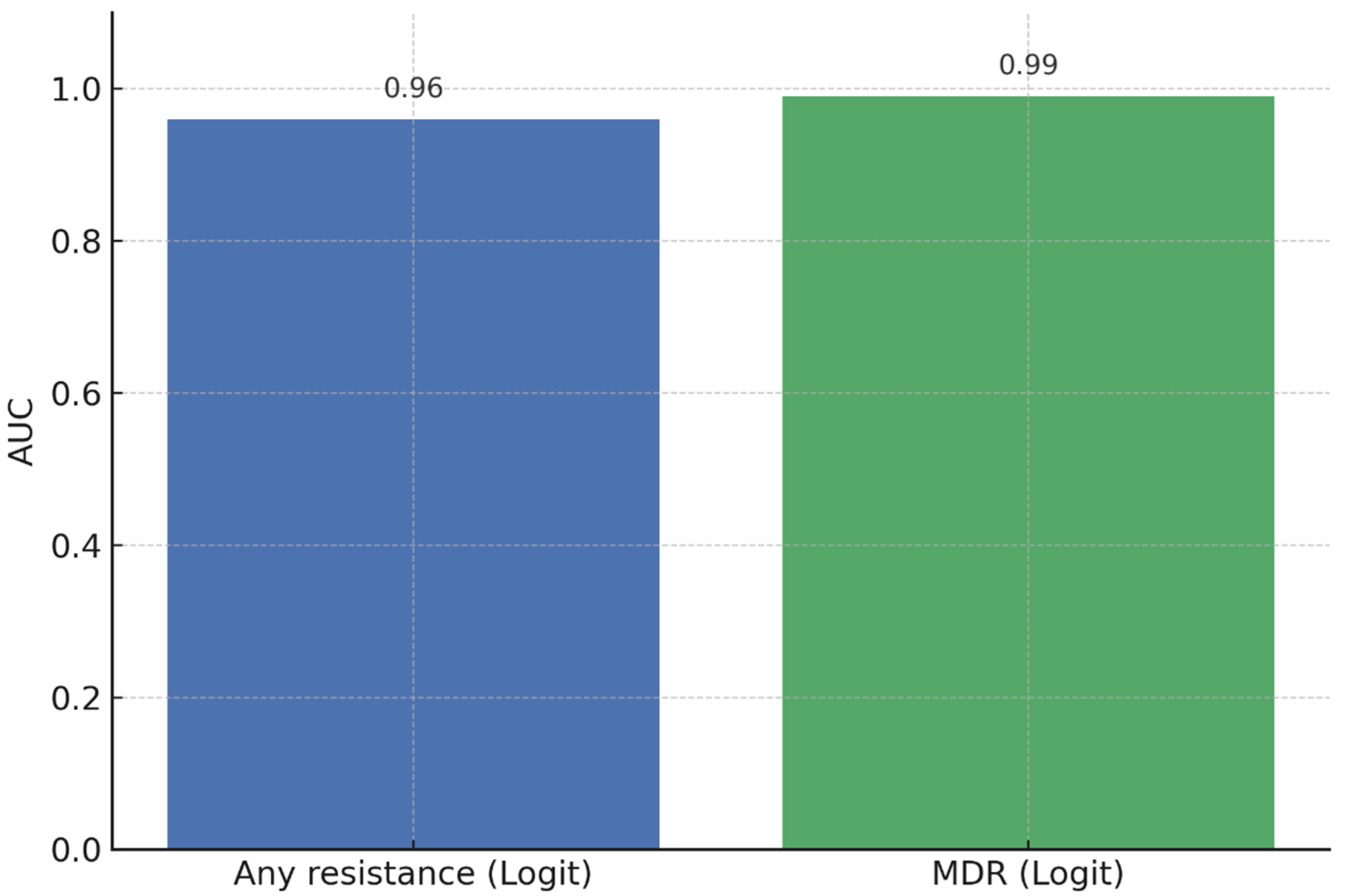
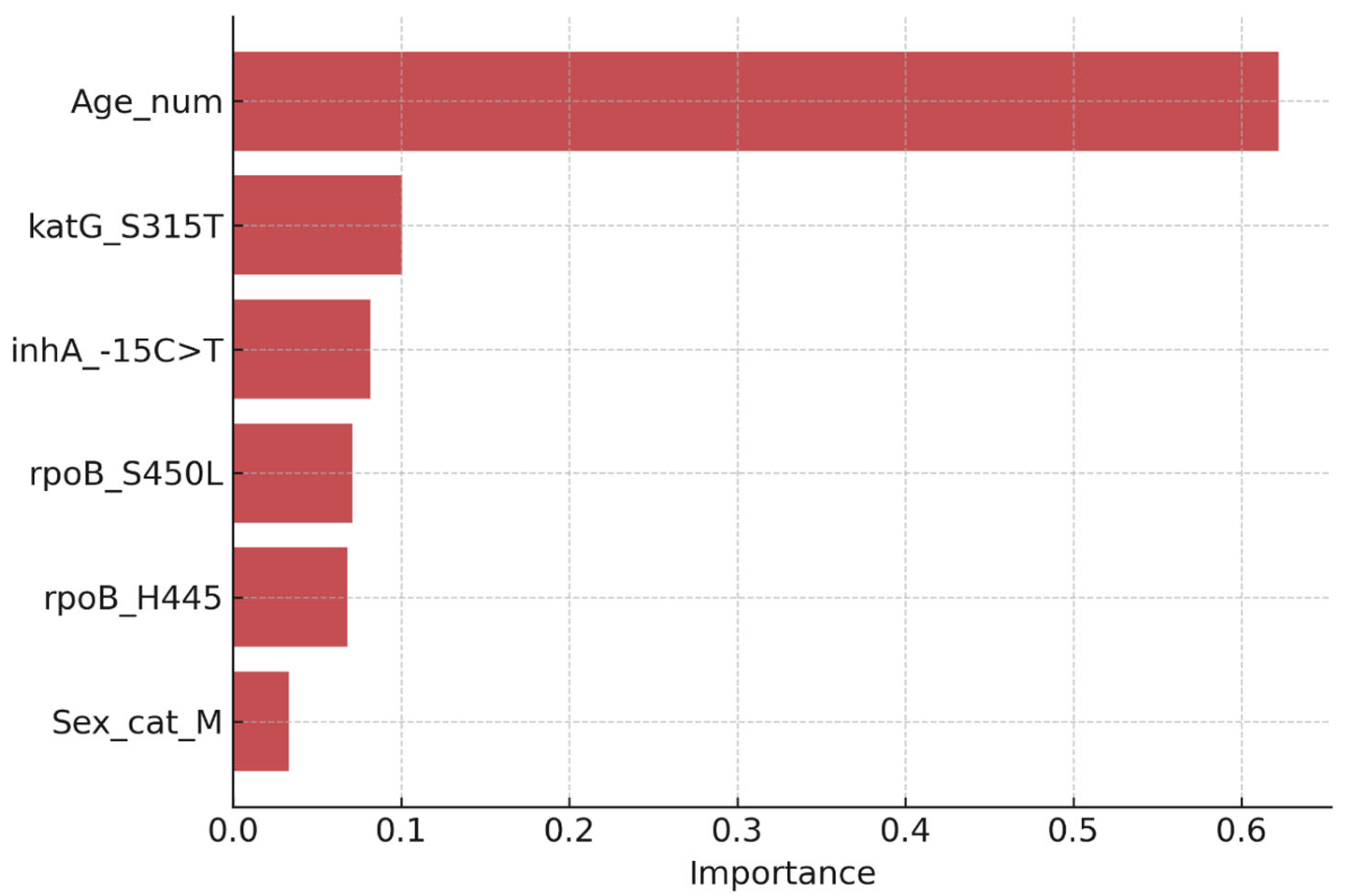
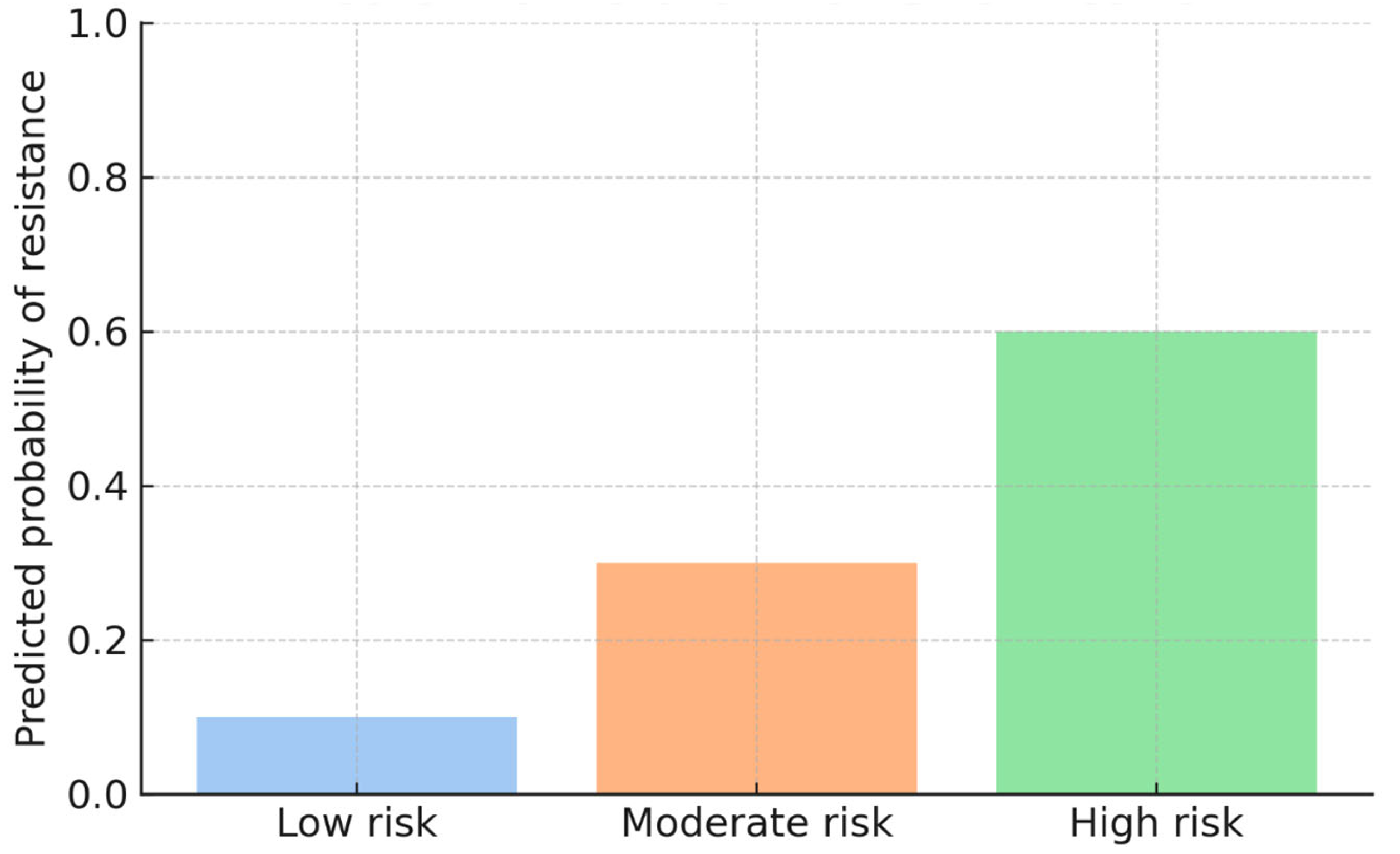
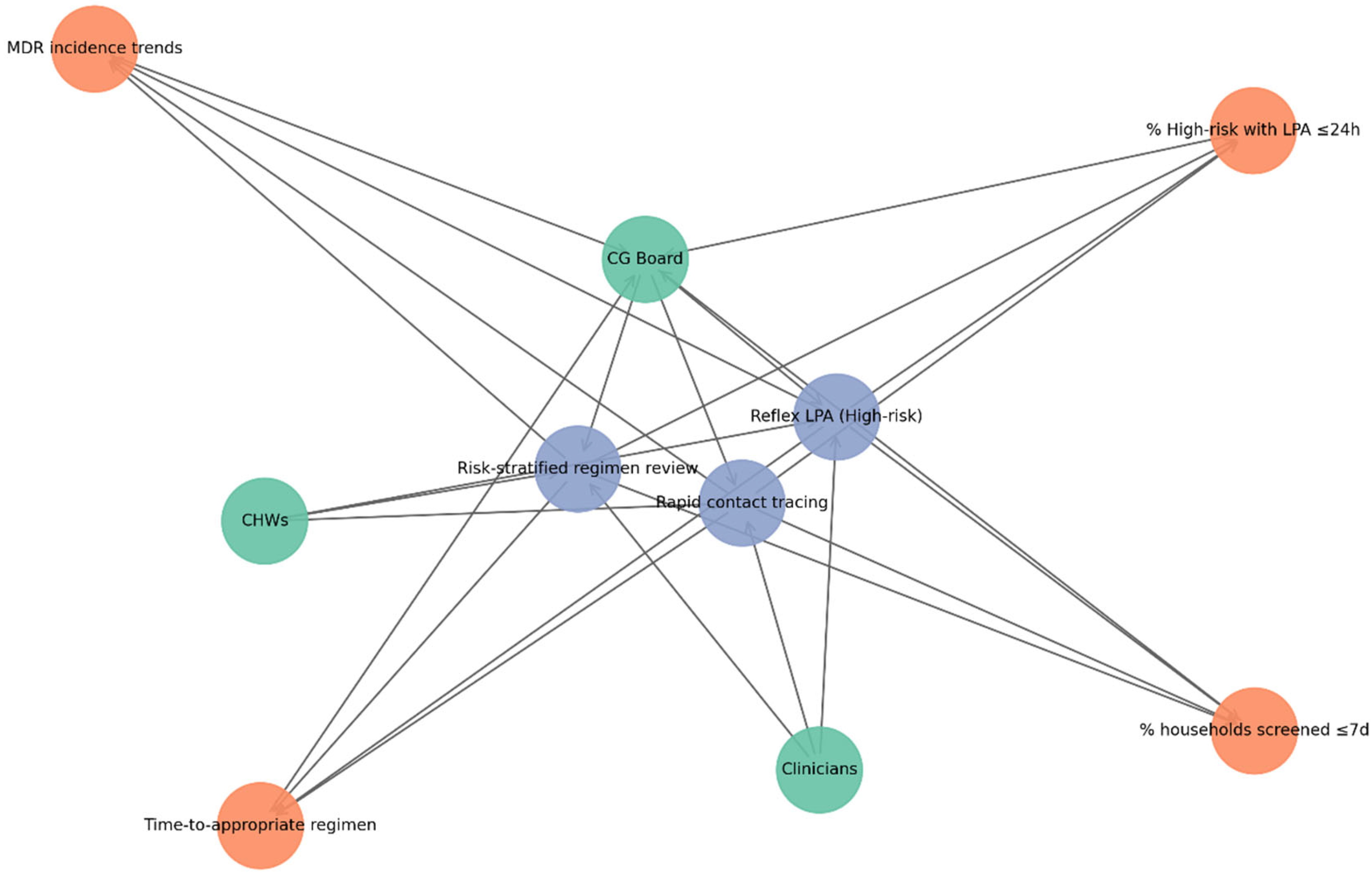
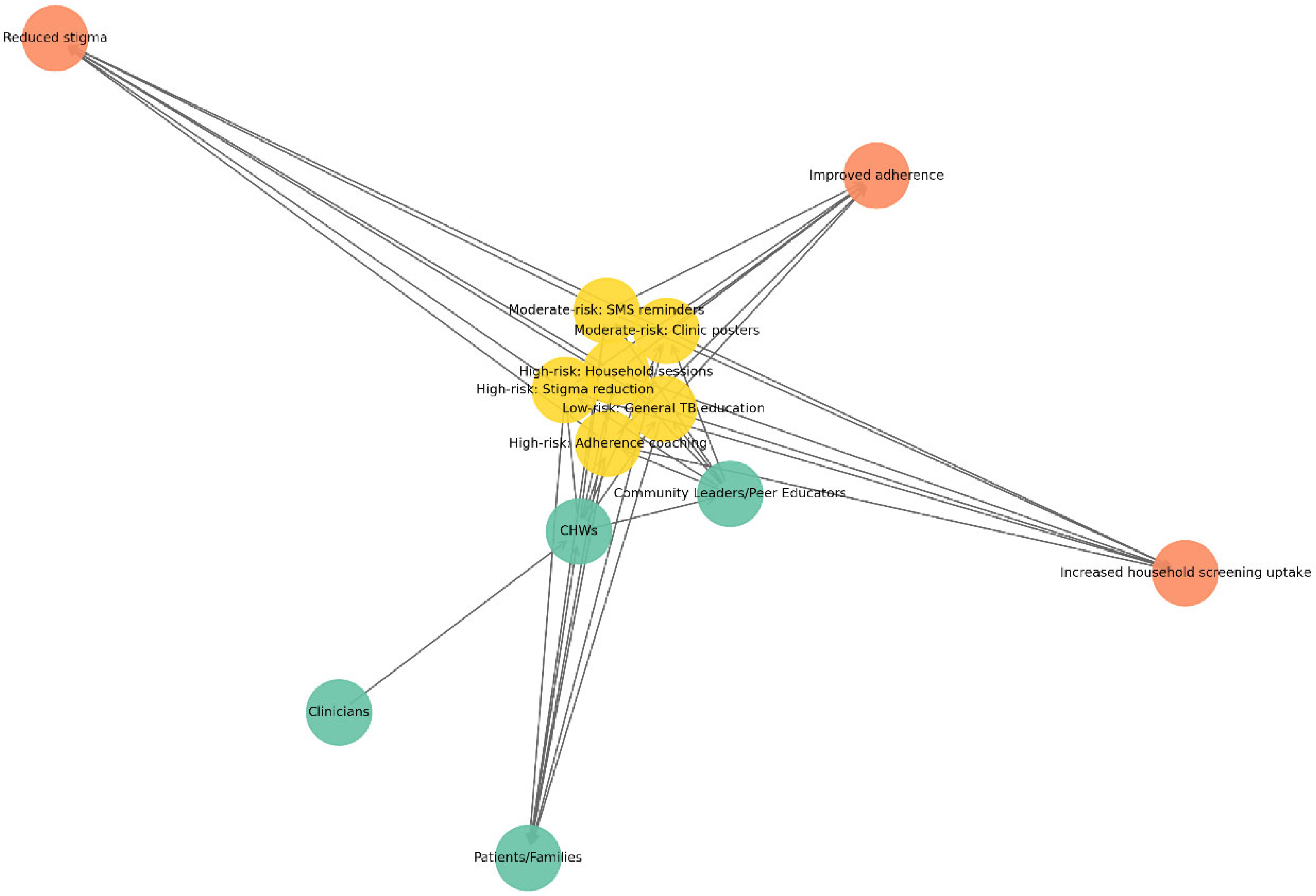
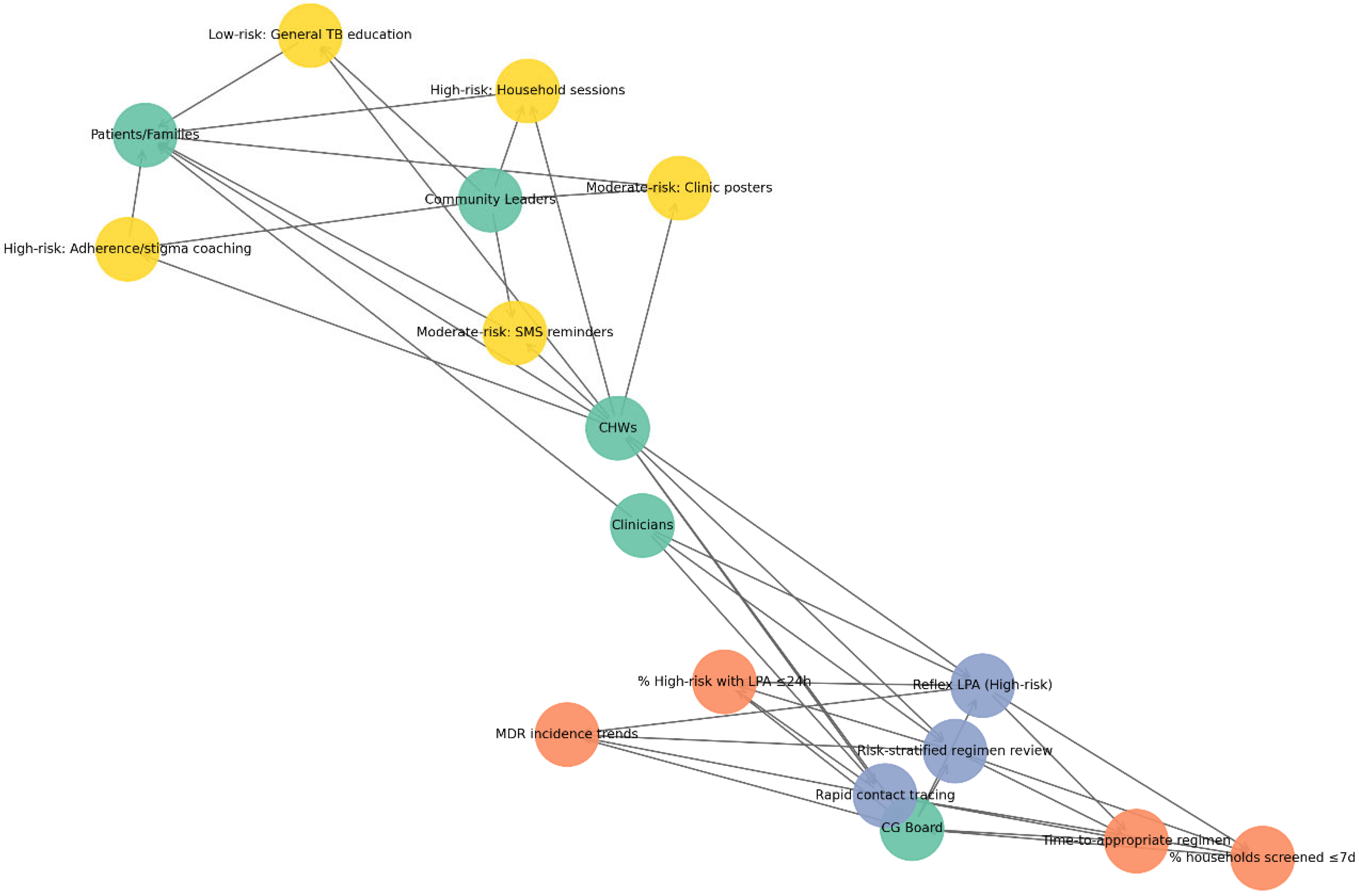
Background: Drug-resistant tuberculosis remains a major challenge in resource-limited settings, particularly in rural regions of the Eastern Cape Province, where limited laboratory infrastructure, constrained access to advanced molecular diagnostics, shortages of specialized healthcare personnel, and prolonged diagnostic turnaround times can delay appropriate treatment initiation. This study examined whether routinely detectable genomic resistance markers could be integrated with parsimonious machine learning approaches to support early risk stratification for isoniazid (INH) and/or rifampicin (RIF) resistance and multidrug-resistant tuberculosis (MDR-TB). Methods: We conducted a retrospective analysis of clinical, demographic, and genomic data from 207 Mycobacterium tuberculosis isolates representing 207 unique patients. Resistance was classified as INH and/or RIF resistance or MDR-TB (concurrent resistance to both drugs). Predictors included age, sex, and canonical resistance-associated mutations (katG S315T, inhA −15C>T, and rpoB codon substitutions). Logistic regression was used to estimate adjusted odds ratios (aORs), while Random Forest models were applied to assess non-linear feature importance. Internal validation was performed using 10-fold cross-validation. A systems network analysis mapped the integration of model-derived risk bands into Clinical Governance structures and Community-Engaged Education pathways, including interventions delivered by Community Health Workers (CHWs). Results: INH and/or RIF resistance was identified in 58.9% of isolates, with 21.7% classified as MDR-TB. The most frequently detected mutations were katG S315T (29.0%) and rpoB S450L (26.6%). Logistic regression identified rpoB S450L (aOR 4.20; 95% CI: 2.10–8.45) and katG S315T (aOR 2.85; 95% CI: 1.40–5.80) as the strongest independent predictors, while age and sex were not statistically significant. Models demonstrated strong internal discrimination (AUCs of 0.96 for INH and/or RIF resistance and 0.99 for MDR-TB). Risk stratification categorized 18% of patients as high risk. Scenario-based modelling suggested that prioritizing high-risk patients for reflex Line Probe Assay testing could reduce the median time to appropriate treatment from 14 to 3 days and may reduce progression from isoniazid-resistant TB to MDR-TB under specified operational assumptions. Conclusions: Mutation-informed predictive modelling demonstrates strong internally validated discrimination and provides a structured framework for risk-stratified intervention. Integrating probability-based risk thresholds within Clinical Governance systems and community-level support structures, including CHW-led adherence and education strategies, may support earlier treatment optimization in high-burden rural settings. External validation and prospective implementation studies are required before broader programmatic adoption.
Keywords: drug-resistant tuberculosis; machine learning; predictive modelling; katG; rpoB; clinical governance; community-engaged education drug-resistant tuberculosis; machine learning; predictive modelling; katG; rpoB; clinical governance; community-engaged education