1. Introduction
Over the past decade, the number of Low Earth Orbit (LEO) satellite constellations, such as SpaceX’s Starlink (over 10,000 satellites), Telesat’s Light Speed (about 200 elements), and Amazon’s Kuiper (over 3000), has increased significantly. This growth has been driven by the broader evolution of telecommunications, where the demand for higher data rates, lower latency, and global coverage has accelerated the adoption of LEO systems.
Their reliance on fast-moving satellites at low orbital altitudes introduces new challenges for ground terminals, which must track rapidly changing orbital positions and perform satellite handovers to maintain reliable communication links.
Unlike Geostationary systems, which typically rely on mechanical parabolic dishes that offer limited agility, slower tracking response, and can generally track only one satellite at a time, LEO networks require rapid and wide-angle beam steering capabilities. For this reason, electronically steerable Phased Array Antennas (PAAs) are widely adopted as the preferred ground terminal solution [
1,
2].
PAAs can be implemented as either Passive Phased Arrays, where a single transmitter or receiver chain feeds all antenna elements through a phase shifting network, or as Active Electronically Scanned Arrays, in which each element is equipped with its own transmit/receive module, providing independent phase and amplitude control, but at a higher complexity and cost [
3]. As ground station antennas, PAAs offer several advantages over traditional reflector antennas. They can generate multiple beams simultaneously to communicate with several satellites or users and provide fast tracking with radiation patterns that can be dynamically adapted through amplitude tapering and phase control, enabling sidelobe suppression and interference mitigation. Additionally, because beam steering is performed electronically, PAAs eliminate mechanical moving parts, improving reliability and reducing maintenance requirements over time [
1,
2].
Despite these advantages, conventional linear or planar PAAs exhibit inherent limitations. In particular, their Field-of-View (FoV) is typically restricted to about ±45° to ±60° from broadside. Beyond these angles, beam degradation, gain reduction, and increased sidelobe or grating lobe levels reduce their ability to maintain uninterrupted communication with satellites moving across wide angular trajectories in the sky. Extending the FoV generally demands larger physical apertures or additional radiating elements, which leads to increased system complexity, power consumption, and cost [
3,
4].
These challenges motivated the exploration of alternative architectures, particularly Non-Planar or Conformal Arrays, where the radiating surface follows the curvature of a supporting structure, either continuously or through a segmented approximation. By distributing the antenna elements over a non-planar geometry, conformal arrays can maintain more favorable angular coverage while preserving performance [
4,
5].
Early Conformal Phased Arrays (CPA) implementations demonstrated performance improvements in airborne satellite terminals [
5], and more recent three-dimensional (3D) architectures have achieved extended FoV suitable for mobile satellite communication terminals [
4]. Other studies have explored several approaches to achieve wide angular beam coverage, including spherical configurations [
6], combinations of planar and arc-shaped arrays [
7], frequency-selective surfaces based on dipole elements [
8], segmented or spliced spherical arrays designed to approximate continuous curvatures while reducing fabrication complexity [
9], low-profile distributed conformal architectures [
10], and cylindrically conformal metasurface arrays for wideband and wide-scan applications [
11].
More recent works have further advanced wide-angle scanning capabilities in phased arrays, particularly through metasurface-based designs [
12] and heterogeneous element configurations [
13], which enable improved angular coverage and reduced grating lobes. Alternative beam-steering approaches have also been explored using metamaterial-based transmission lines and discrete modulation techniques, enabling multi-beam generation without conventional phase shifters [
14]. While these solutions offer reduced hardware complexity and the ability to generate multiple simultaneous beams, they fundamentally differ from phased-array architectures, where continuous beam steering is achieved through controlled phase excitation of individual elements. In addition, recent review studies have emphasized the growing importance of wide-angle beam scanning in modern communication systems, as well as the associated challenges related to mutual coupling and element radiation characteristics [
15,
16].
Among these alternatives, two-dimensional (2D) semi-circular or arc-shaped arrays have emerged as a practical compromise, offering extended angular beam coverage compared to planar arrays while maintaining simpler structural implementation and lower cost [
1,
17].
In this context, this work focuses on the analysis of scan coverage in different non-planar phased array geometries, evaluating how the curvature of the radiating surface affects the angular range over which the array maintains a stable gain.
This paper is organized into five main sections, starting with an Introduction reporting how the topic relates to the current state of wireless communications and presenting a brief review of previous related works.
Section 2 introduces the theoretical basis of 3D antenna array modelling.
Section 3 details the simulated configurations and discusses the corresponding results, while
Section 4 describes the fabrication and experimental characterization of the non-planar array prototypes. Finally,
Section 5 summarizes the main conclusions.
2. 3D Antenna Array Theory
This section presents the essential theoretical concepts for the analysis of the proposed architectures. For a generic 3D array composed of N radiating elements located at positions (
,
,
), the Array Factor (AF) is given by
where
;
;
with
corresponding to the amplitude weighting of each element,
, and (
,
) represent the steering angles in elevation and azimuth, respectively [
18]. The AF, along with the radiation pattern of the individual radiating element, determines the total radiation pattern of the array.
As stated in the previous section, phased arrays enable electronic beam steering by controlling the complex excitation applied to each element. This control is implemented by introducing a phase shift and, optionally, amplitude tapering across the array, and can be obtained by analytically expanding (1). Equation (2) represents the complex excitation for each element, whilst (3) specifies the phase shift component applied to achieve beam steering.
In this work, to simplify the analysis, only one-dimensional (1D) arrays with elements positioned along the x-axis and two-dimensional (2D) arrays with elements distributed along the x- and z-axis were considered. In both configurations, uniform amplitude excitation was assumed (, ), and beam steering was performed exclusively in the elevation angle (), while the azimuth angle () remains fixed. Although theoretically ranges from −90° to 90°, in this work, the interval from −88° to 88° is considered, with a step size of 11°.
2.1. Linear Array
A linear array represents a particular case of the 3D generic array, in which all elements are placed along a single reference axis. As a result, the coordinates in the remaining dimension are constant, simplifying the AF expression.
For a linear array along the
x-axis, with uniform amplitude, the terms in
and
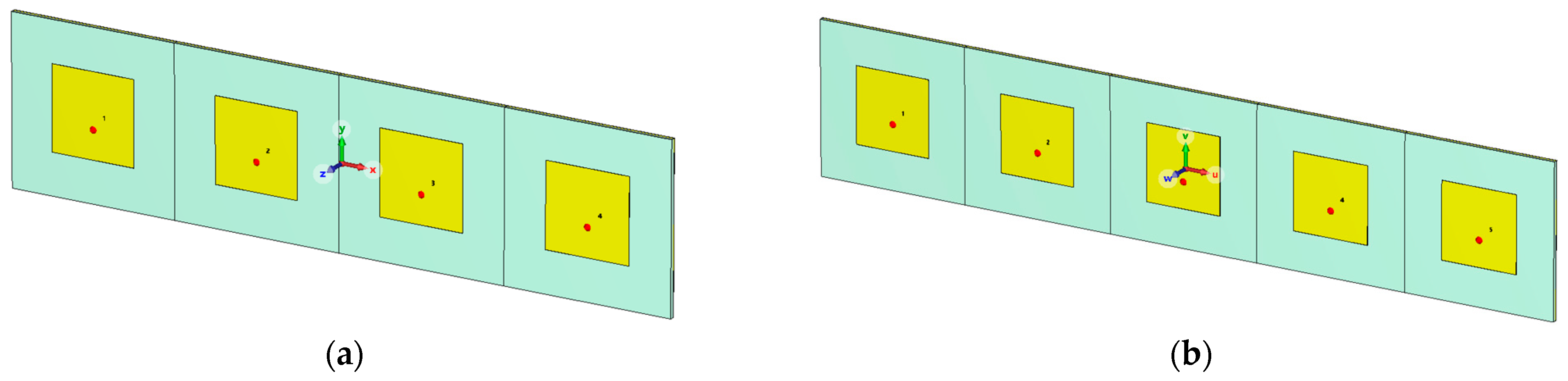
disappear from the AF equation. Two linear arrays with four (
Figure 1a) and five elements (
Figure 1b) were used as reference configurations for subsequent geometric modifications.
2.2. Partially Tilted Array
The initial exploration of conformal arrays involved modifying the linear array by symmetrically tilting the outer elements relative to their adjacent inner elements, as shown in
Figure 2a for the four-element array and in
Figure 2b for the five-element, where α denotes the tilt angle.
In this configuration, the outer elements are no longer aligned along a single axis, acquiring a vertical displacement determined by the tilt angle. Their positions can therefore be described as (
,
), with
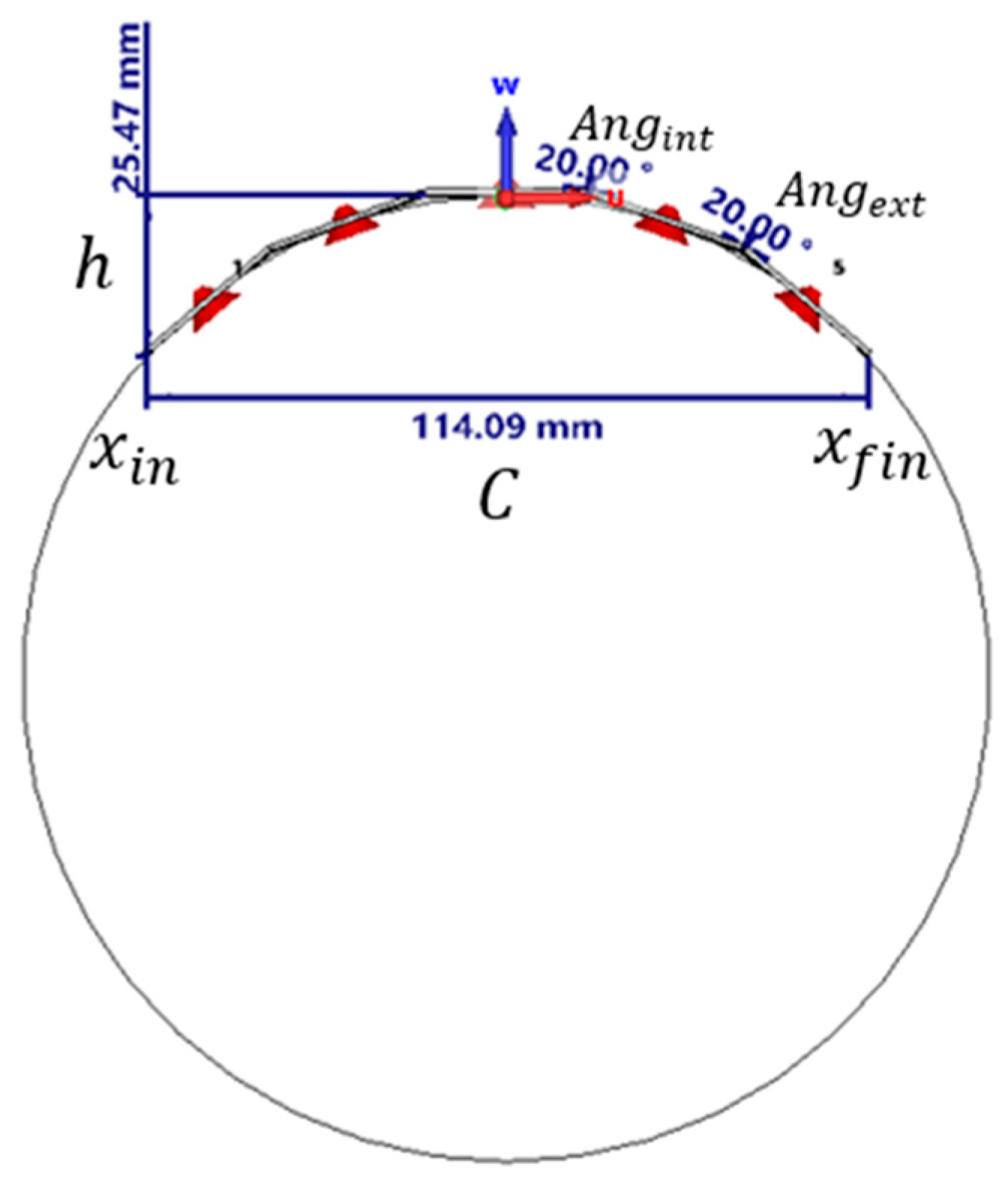
= 0 in all elements. However, because of the new displacement of the radiating elements, the relative path lengths to the steering direction are modified, requiring phase compensation to preserve coherent beamforming. Although this configuration does not form an arc, the phase compensation was calculated assuming an equivalent arc-shaped geometry, as depicted in
Figure 3. This approach was adopted consistently in both cases as an initial approximation, enabling a simplified yet effective compensation of the geometric effects introduced by the element displacement.
In this formulation, and correspond to the initial and final coordinates of the array along the x-axis, respectively, while represents the chord length of the equivalent arc and its height. The angle denotes the angle between the central element and its adjacent element, whereas corresponds to the angle between this adjacent element and the outer element.
Based on this geometric representation, the phase compensation expressions can be derived from trigonometric relationships associated with the equivalent arc. The geometric parameters of the equivalent arc can be explicitly obtained from the array configuration. The chord length
is defined as:
The arc height
is determined from the imposed angular configuration of the array elements. Based on these parameters, the radius of the equivalent arc is given by:
The modified inter-element spacing
, resulting from the projection of the arc geometry, is expressed as:
The resulting phase terms, applied to each element to account for the introduced displacement, are given by:
which correspond to the phase compensation applied to the inner and outer elements, respectively.
Finally, the phase of each element is obtained by subtracting the sum of the compensation terms associated with the inner and outer elements from the initial phase:
In this case, since the internal elements are not tilted and remain aligned along the x-axis, no geometric displacement is introduced, and, therefore, the phase compensation term is equal to zero.
2.3. Fully Conformal Array
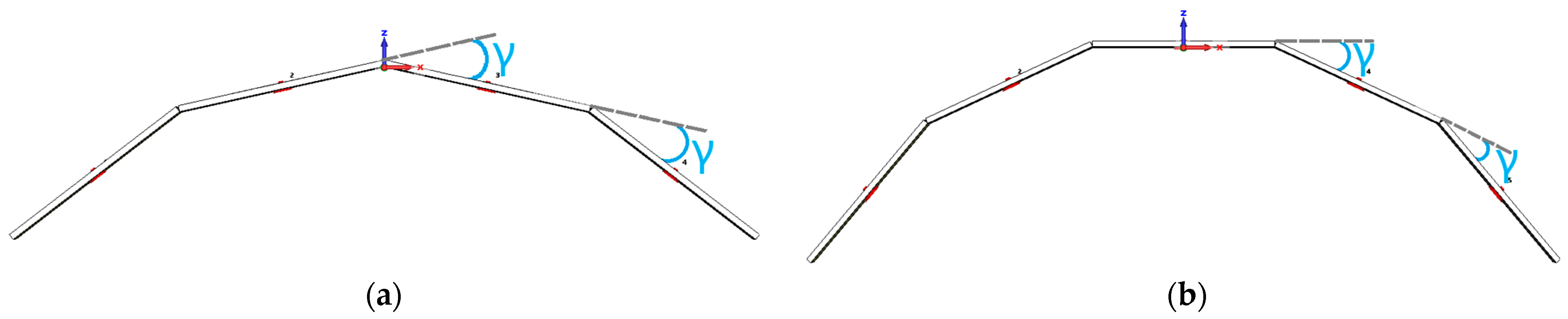
To further extend the curvature, the inner elements were also symmetrically tilted, forming an approximately arc-shaped array. In the four-element configuration (
Figure 4a), all elements were tilted relative to the center of the array, whereas in the five-element configuration (
Figure 4b), the central element remained static, with the other elements distributed symmetrically around it. The inter-element angles are represented by γ for both arrays.
As in the previous configuration, the element positions are defined only by (, ), with = 0 for all elements. Consequently, the Array Factor remains as in the previous configuration, and the complex weights are unchanged from the linear array case. Phase compensation was again applied assuming an equivalent arc-shaped geometry, ensuring coherent beamforming across the curved aperture.
3. Coverage Analysis of a Non-Planar Phased Array
This section presents an analysis of a set of simulation results for the structures presented in the previous section, operating as phased arrays, offering an analysis of the scan coverage as a function of different physical characteristics of the array.
3.1. Patch Antenna
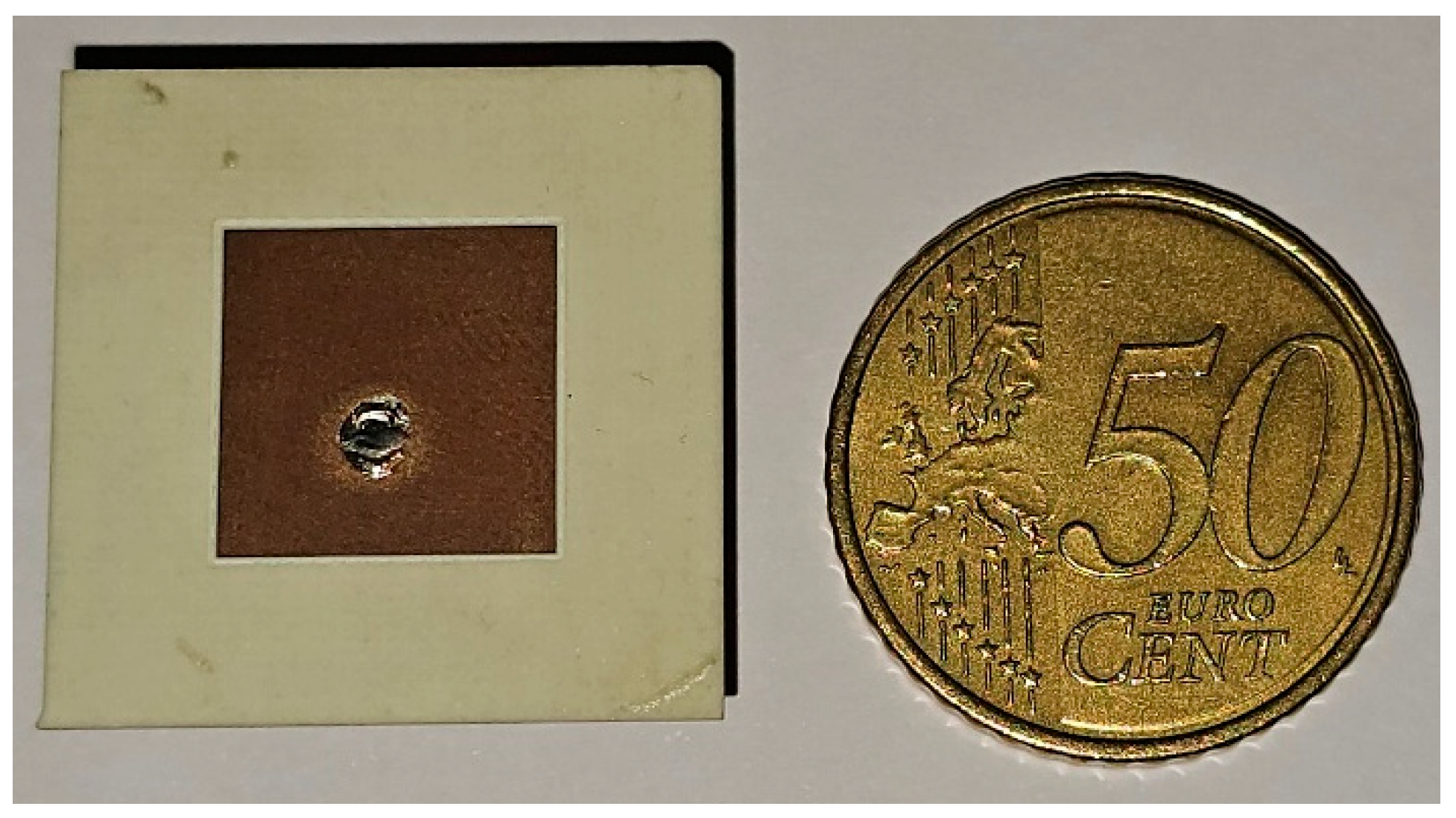
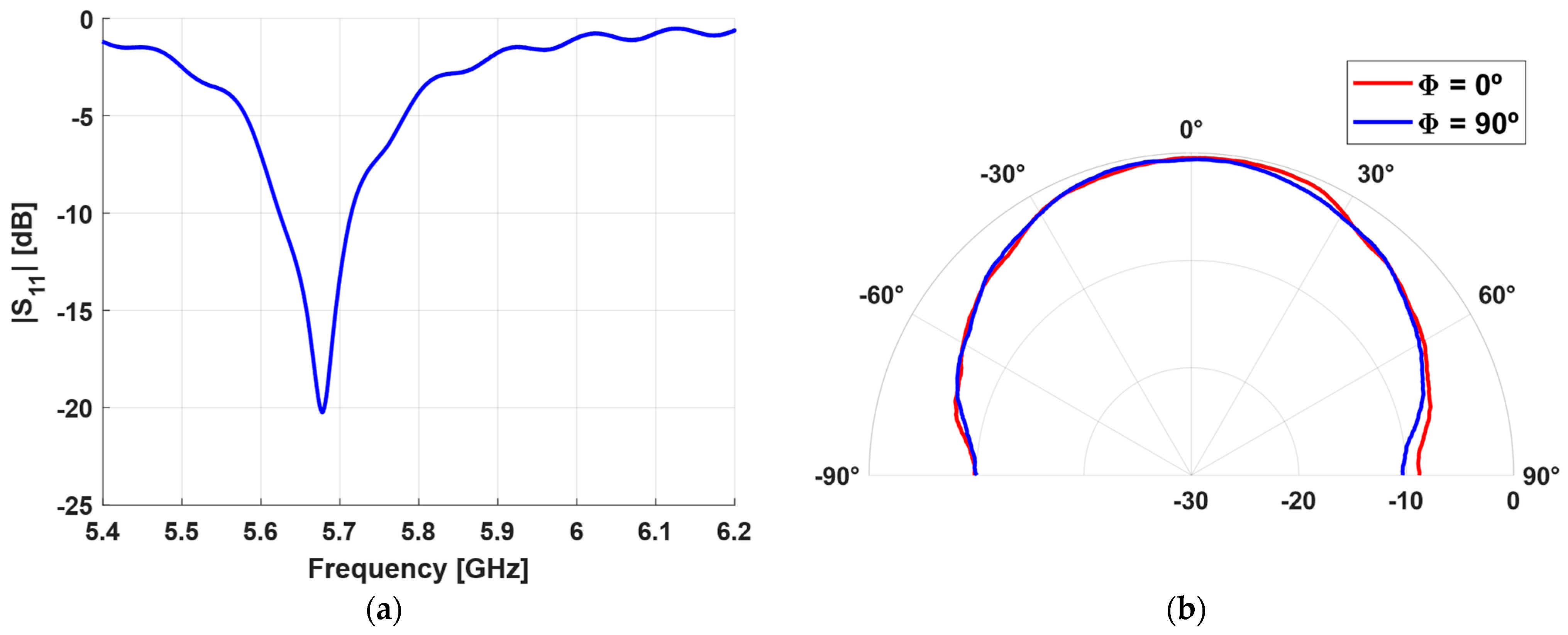
The radiating element used in the arrays is a square microstrip patch antenna with coaxial back feeding, designed to operate at 5.8 GHz, implemented on a Rogers RO4350B substrate with relative permittivity of εr = 3.66 and thickness h = 0.76 mm. The patch has dimensions of 12.96 × 12.96 mm2, and the ground plane measures λ/2, presenting a realized gain of 6.41 dBi and a half-power beamwidth (HPBW) of 89° and an angular beamwidth of approximately 205° at the −6 dB level. In terms of efficiency, the element achieves about 94%.
3.2. Linear Array
Both linear arrays were designed with an inter-element spacing of half-wavelength and uniform excitation. The arrays were designed and simulated in the electromagnetic simulator CST Studio Suite, and the results were analyzed.
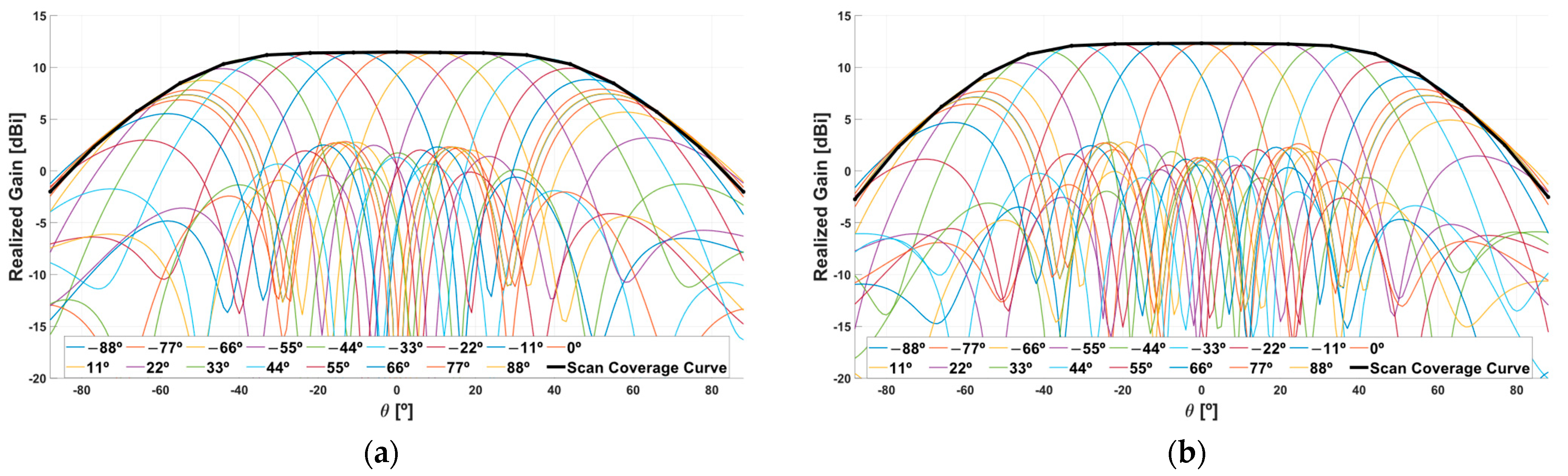
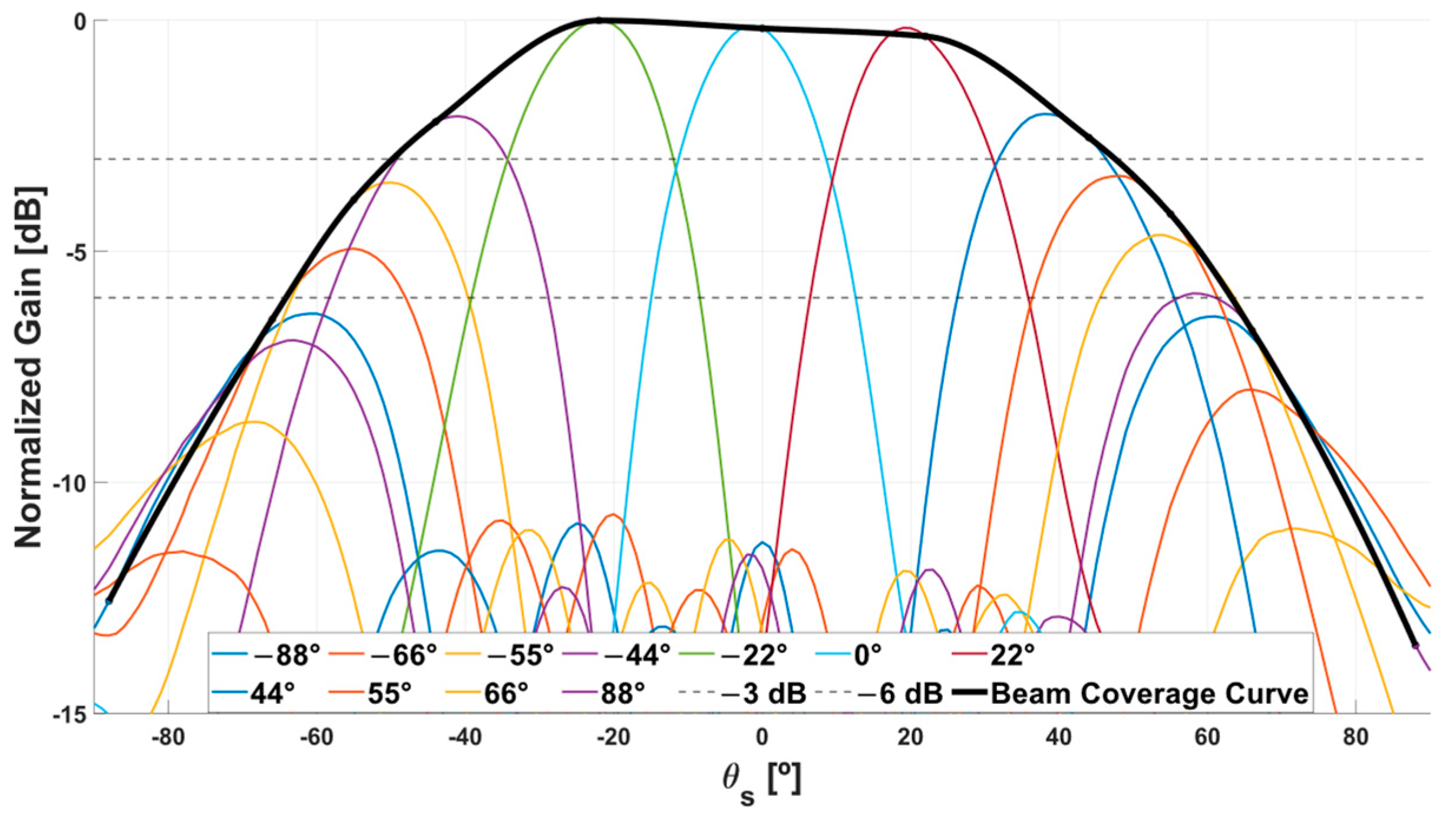
Figure 5 shows the simulated realized gain as a function of the elevation angle for a fixed radiation plane, Φ = 0°, in different pointing angles (between −88° and 88°), for the array with four elements (
Figure 5a) and for the array with five elements (
Figure 5b). These figures comprise the superposition of the various radiation patterns, making it possible to define an envelope curve that defines the coverage of the array. Coverage is defined by identifying the angular region over which the realized gain remains within 3 dB of the maximum gain at broadside.
Table 1 presents the reference results obtained from
Figure 5a for the four-element array and
Figure 5b for the five-element array.
3.3. Partially Tilted Array
The tilt angle of the outer elements (
Figure 2) was varied from 0° (planar configuration) up to 90° in order to evaluate the effect of progressively increasing curvature on the radiation characteristics of the array. The impact of this tilting on array performance is summarised in
Figure 6 and
Figure 7.
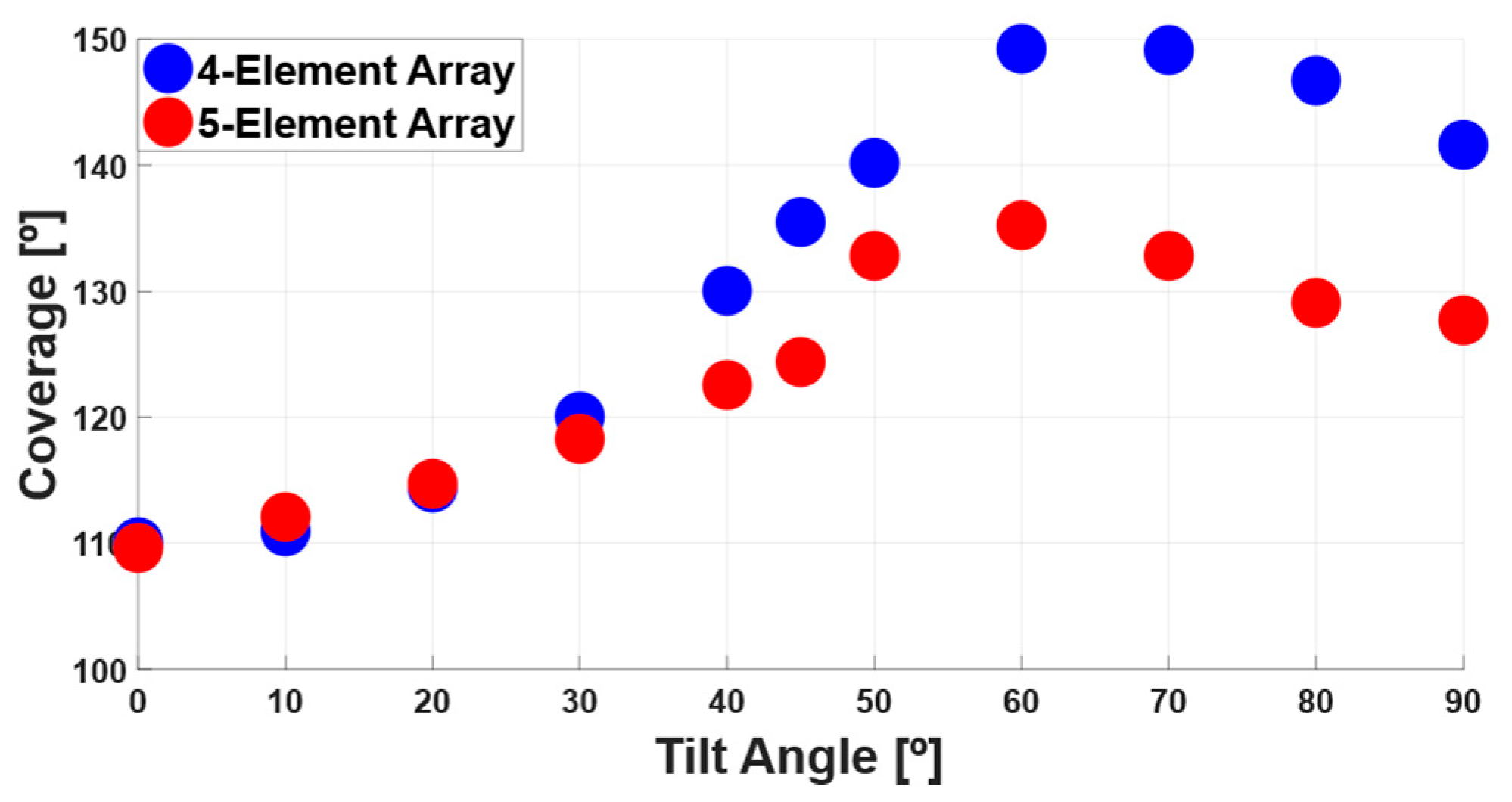
Figure 6 illustrates the scan coverage for the four- (blue) and the five–element (red) arrays as a function of the tilt angle α. The presented scan coverage corresponds to the angular range where the coverage curves intersect the −3 dB reference level.
The scan coverage increases with the tilt angle of the outer elements up to approximately α = 60°, reaching a maximum of 150° for the four-element array and 135° for the five-element array. Up to this angle, this inclination helps to expand the effective coverage, as the radiation of each element interacts constructively towards the array edges. However, beyond this angle, coverage reaches a geometric limit, and further tilting causes the outer elements’ radiation beam to point increasingly away from the broadside. This misalignment prevents the constructive combination of the outer and inner elements’ patterns, resulting in a reduction of the realised gain at larger steering angles and, consequently, a decrease in overall angular beam coverage.
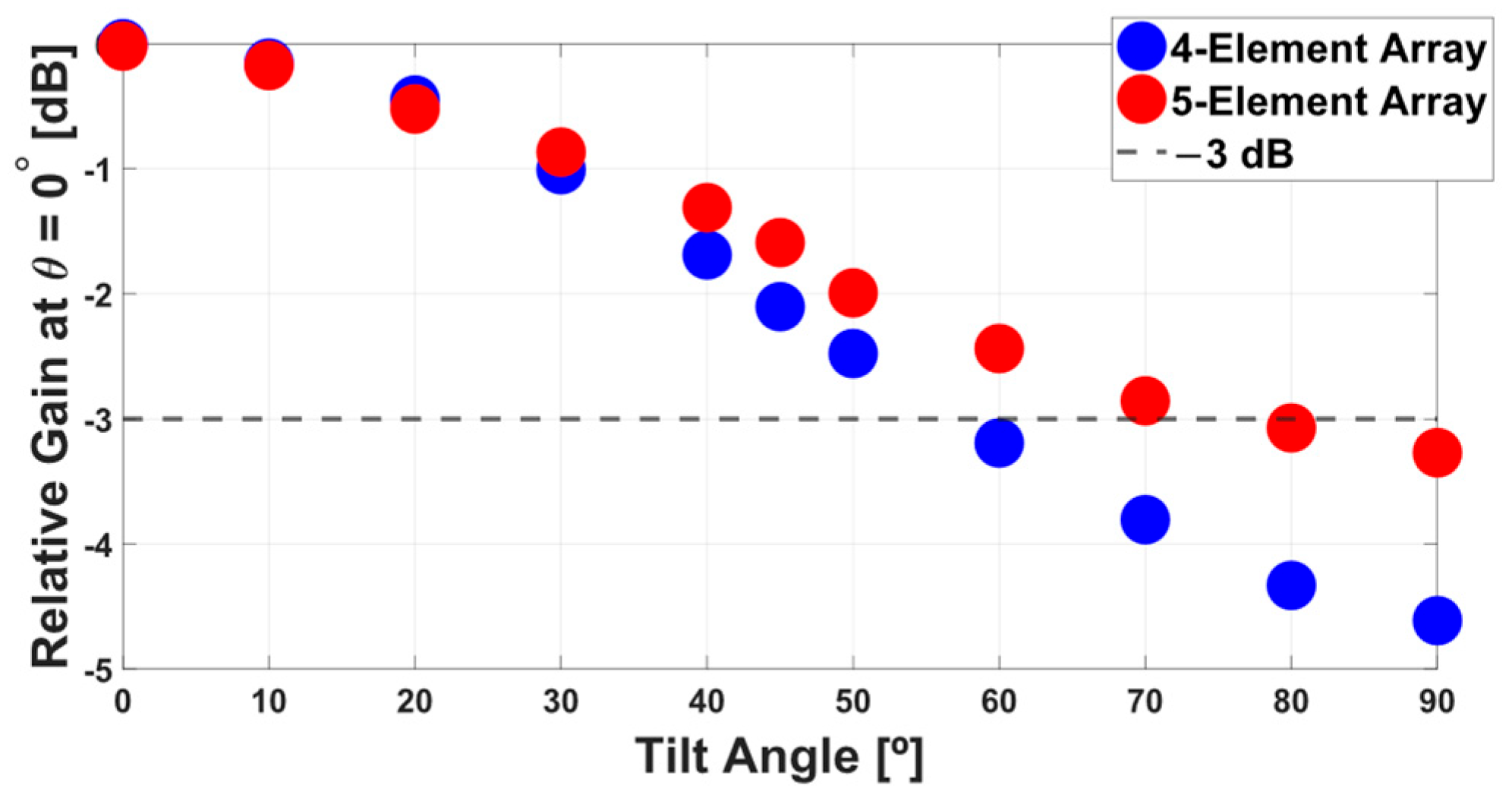
Figure 7 presents the gain at broadside for the four- (blue) and five-element (red) arrays, normalised to that of the linear reference array, also as a function of the tilt angle α.
As the tilt angle increases, the realised gain at broadside gradually decreases. This behaviour occurs for the same reason previously discussed, as the outer elements are increasingly tilted, their individual lobes diverge from the array normal, reducing the constructive interference in the broadside direction and thereby lowering the overall array gain.
This clearly demonstrates the trade-off between coverage and gain at broadside, where increasing the tilt angle enhances angular coverage but inevitably leads to a reduction in the overall gain.
When comparing the data from
Figure 6 with
Figure 7, it is evident that the five-element array exhibits a smaller maximum scan coverage compared to the four-element array but experiences less degradation in gain with increasing tilt. This is due to the presence of the central element in the five-element array, which remains aligned with the array normal and continues to contribute effectively to the boresight radiation.
Finally, the best trade-off between angular beam coverage and gain decay was obtained for a tilt angle of α = 60° for both configurations, where the four-element array achieved a maximum scan coverage of 150° and the five-element achieved 135°. At this point, the four-element exhibited a gain reduction of approximately 3.25 dB, slightly exceeding the −3 dB reference but remaining close to it, while the five-element array showed a gain reduction of about 2.5 dB relative to the linear reference.
3.4. Arc-Shaped Conformal Array
Following the analysis of the tilted configurations, the same evaluation procedure was applied to the arc-shaped conformal arrays. The inter-element angle, γ, ranged from 0° (linear configuration) up to 35°, allowing the evaluation of the influence of curvature on the arrays’ radiation characteristics.
Figure 8 and
Figure 9 present the corresponding simulation results, obtained under the same conditions in CST Studio Suite.
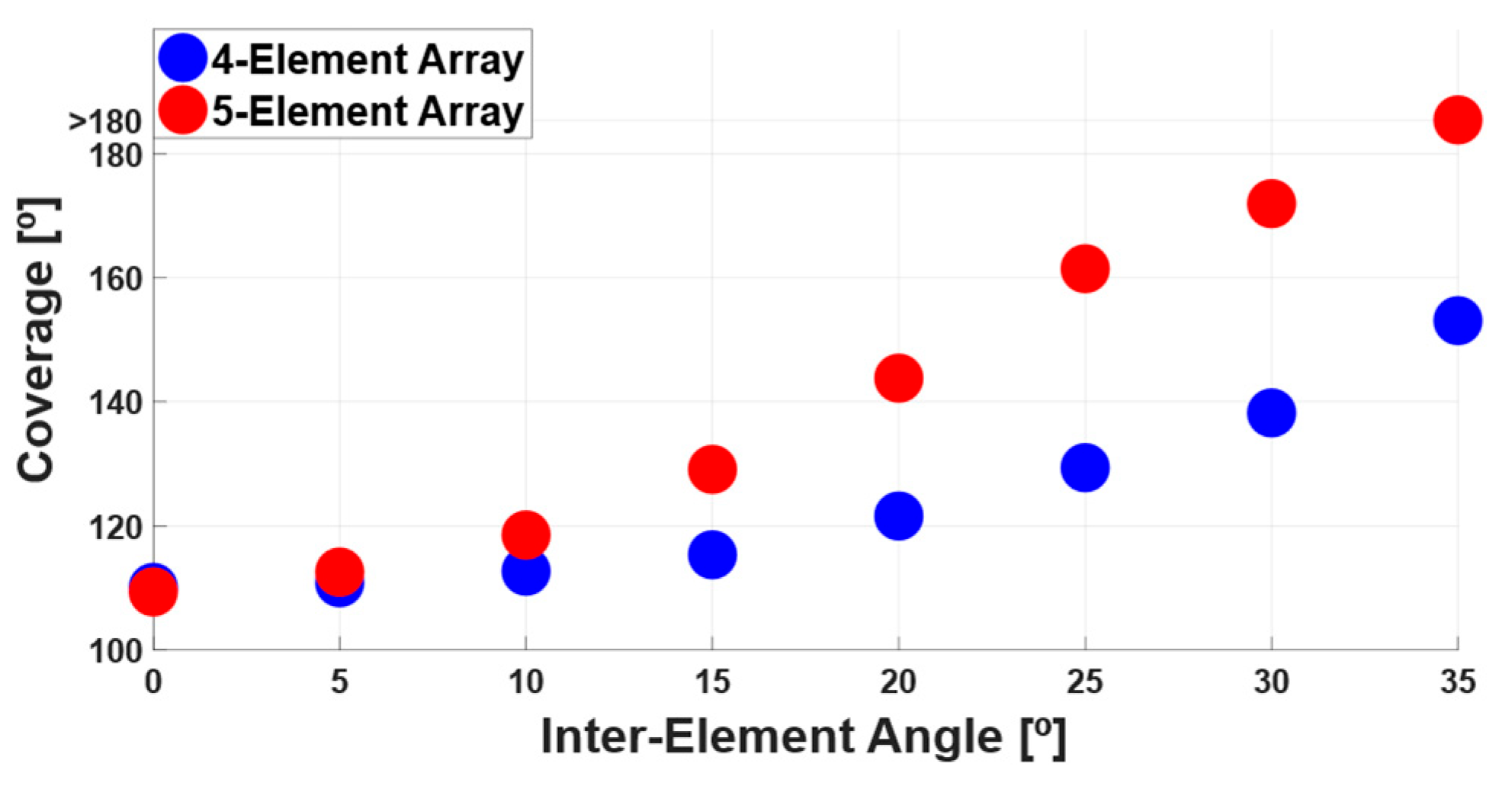
Figure 8 illustrates the scan coverage for the four-element (blue) and five-element (red) arc-shaped arrays as a function of the inter-element angle, γ. As previously, the coverage values were determined by identifying the intersection points between the scan coverage curves and the −3 dB reference level.
As the inter-element angle increases, the angular beam coverage also increases, reaching a maximum of approximately 153° for the four-element array and greater than 180° for the five-element array.
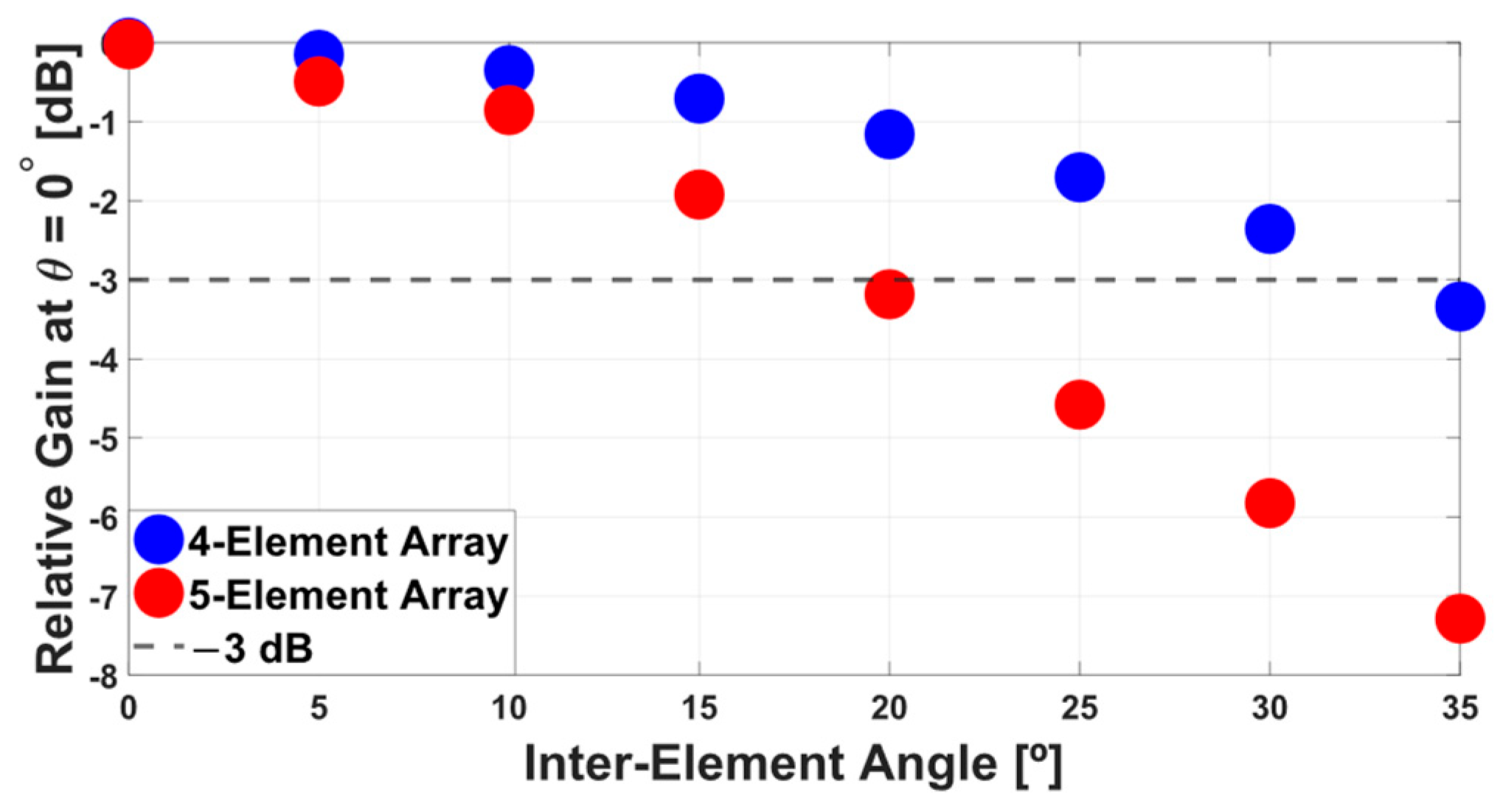
Figure 9 shows the gain at broadside for the four- (blue) and the five-element (red) arrays, normalised to the gain of the respective linear array, also as a function of the inter-element angle.
The relative gain at broadside decreases gradually as the inter-element angle grows, indicating the trade-off between coverage expansion and gain reduction in the θ = 0° direction.
A joint analysis of
Figure 8 and
Figure 9 reveals that the five-element array exhibits a more abrupt behaviour compared to the four-element array: for the same inter-element angles, the scan coverage increases more rapidly, while the broadside gain decreases at a faster rate. This effect is due to the presence of the additional element, which allows the array to achieve a greater overall curvature than the four-element array for the same inter-element angles.
The optimal performance for the four-element array is achieved at an inter-element angle of γ = 35°, yielding an angular beam coverage of approximately 153° and a broadside gain reduction of 3.34 dB. For the five-element array, the best results occur at an inter-element angle of γ = 20°, with an angular coverage of about 144° and a gain decay of 3.2 dB. This indicates that the five-element array allows a greater overall curvature. Despite the associated decrease in gain, this effect can be interpreted in terms of link budget: for instance, a gain reduction of approximately 3.2 dB (for γ = 20°) would require an equivalent increase in transmitted power (EIRP) to maintain the same link margin.
3.5. Comparison of Results
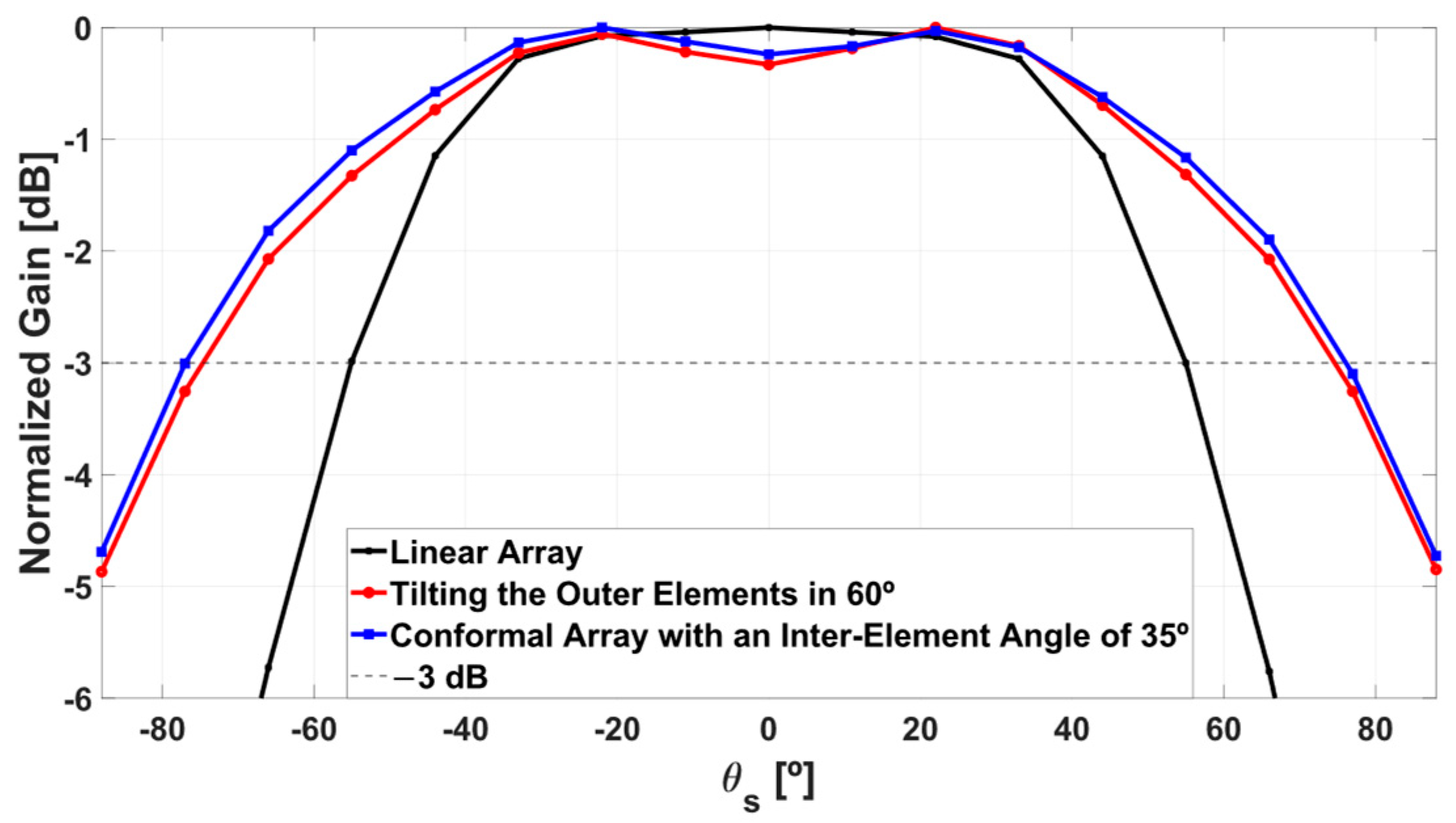
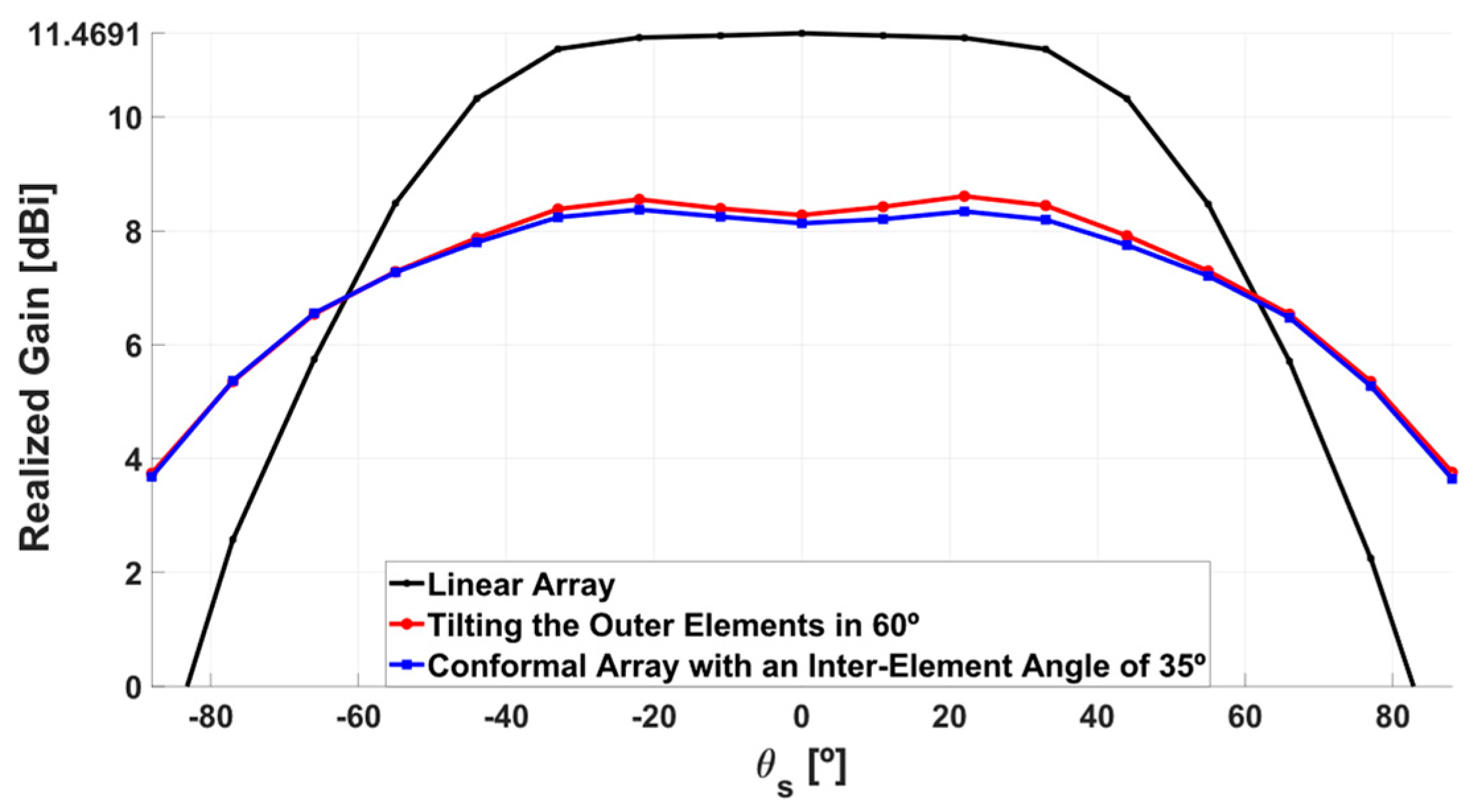
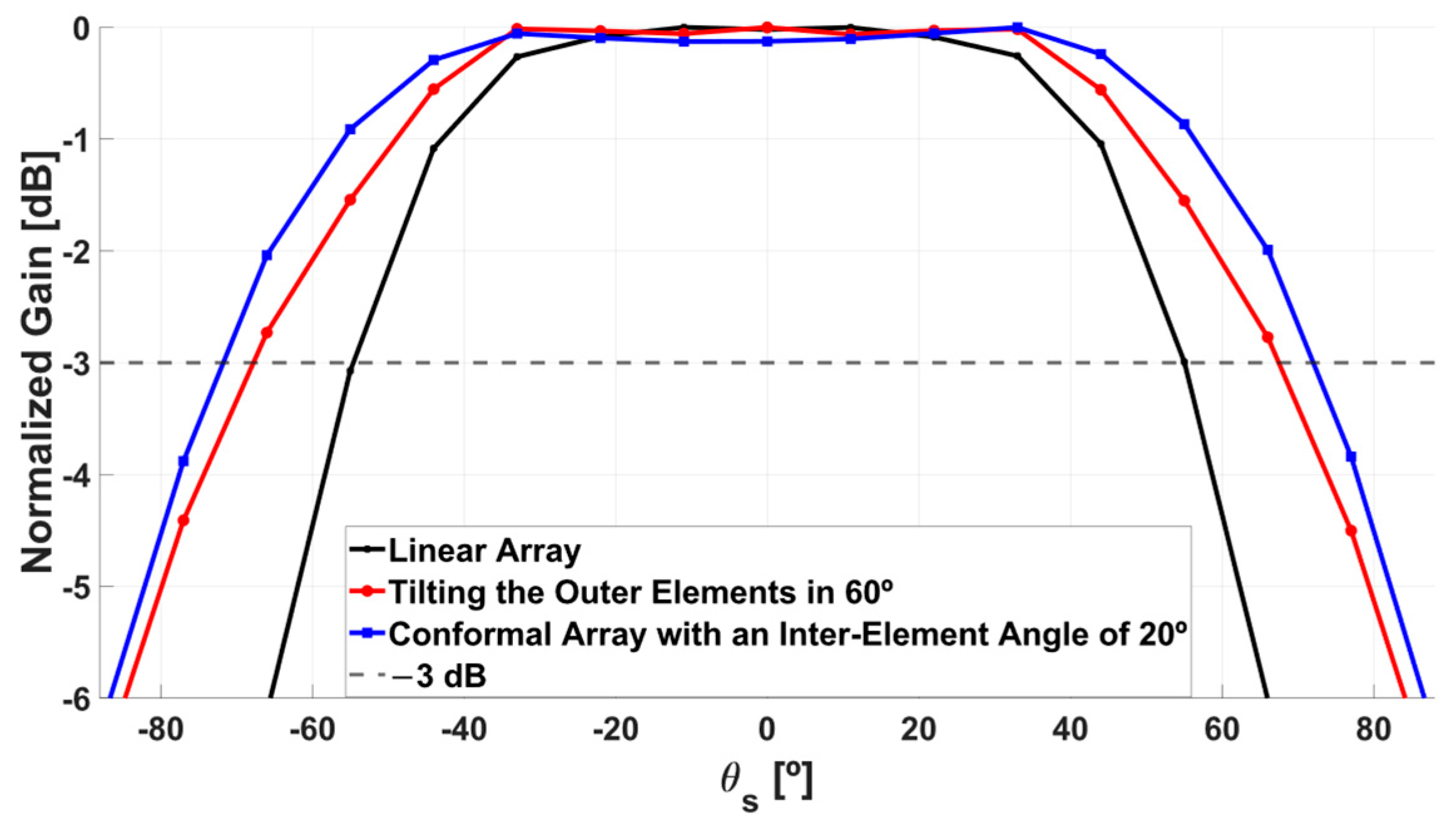
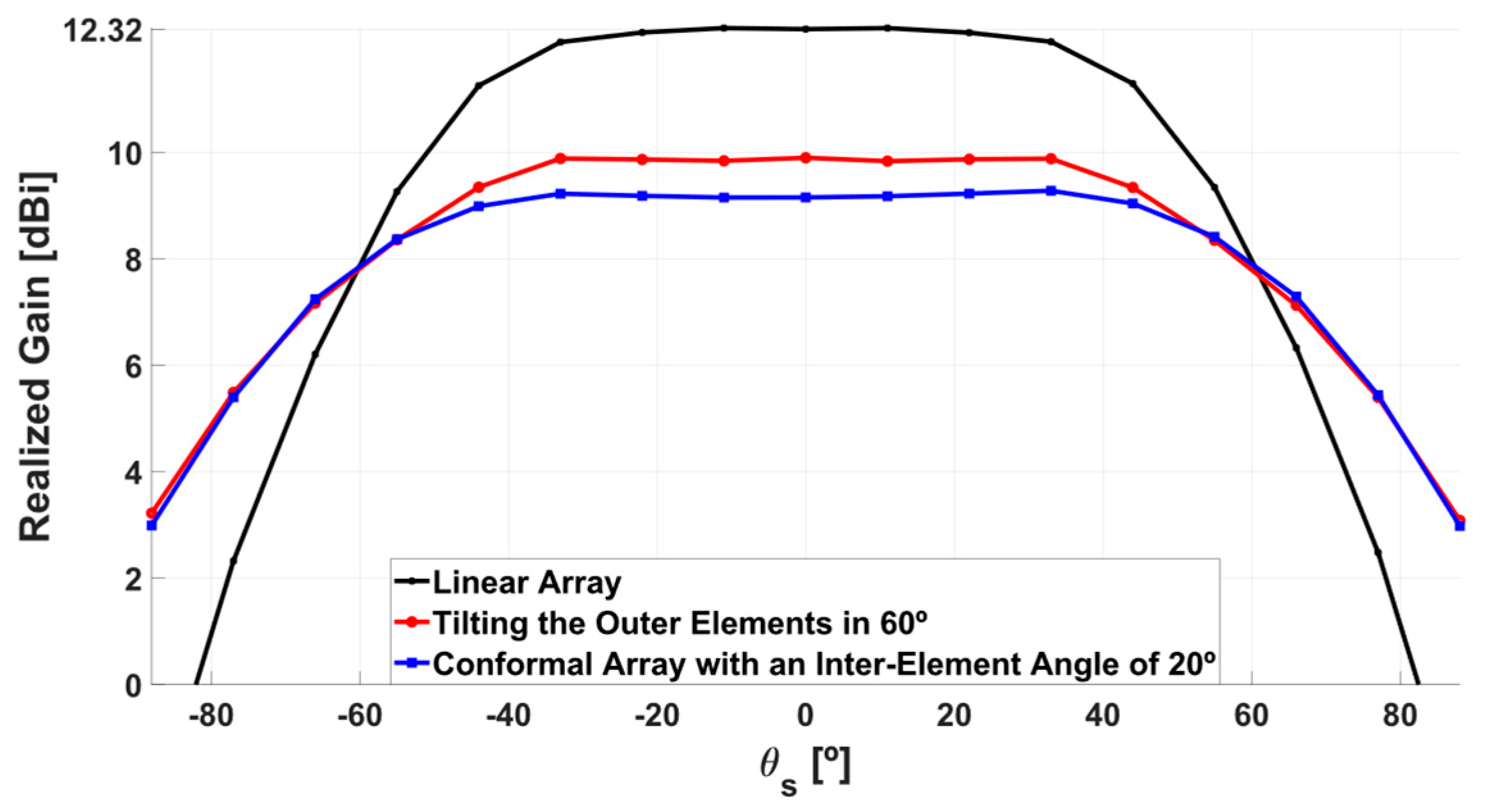
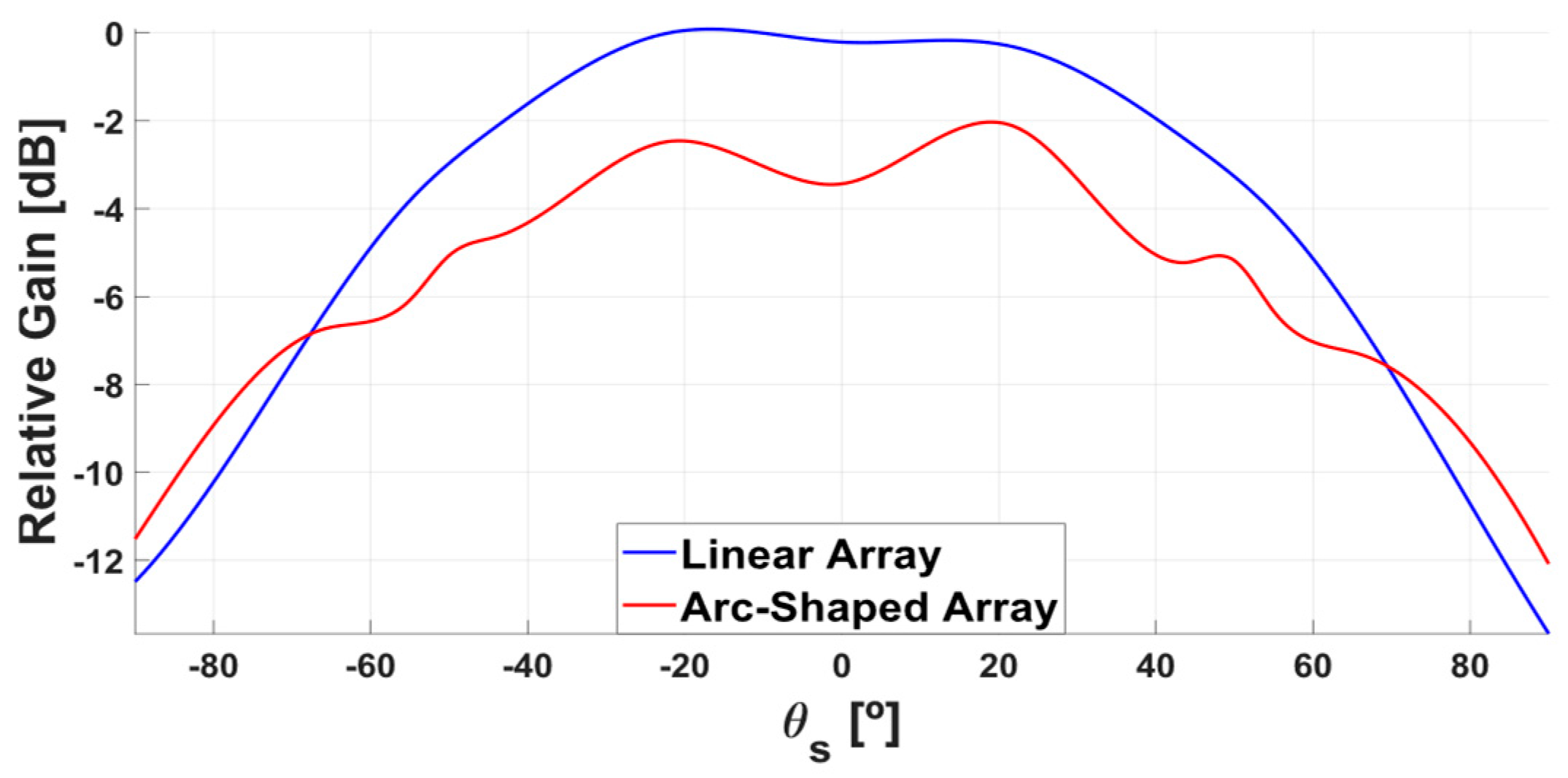
Considering the best results in terms of the coverage–gain trade-off,
Figure 10,
Figure 11,
Figure 12 and
Figure 13 summarise the corresponding scan coverage curves, presented both in their normalised form and in terms of absolute realised gain for the four- and five-element arrays.
Figure 10 presents the normalised scan coverage curves for the four-element array, comparing the reference linear case (black) with the best-performing tilted-outer-elements configuration (red) and the best arc-shaped configuration (blue) previously identified.
Figure 11 shows the absolute gain variation over the scanned angular range. It is possible to observe clearly the expected broadside gain reduction associated with the array curvature.
From
Figure 10 and
Figure 11, it can be seen that, for a reduction in broadside gain of approximately 50% (44% and 53%), these configurations provide a significant improvement in angular beam coverage: about 35.5% for the tilted-outer-elements array and 39.1% for the arc-shaped configuration, compared to the reference linear array.
Figure 12 compares the normalised scan coverage curves for the five-element array for the linear configuration (black), the best tilted-outer-elements configuration (red), and the best arc-shaped configuration (blue).
Figure 13 presents the corresponding absolute realised gain curves, providing a clearer view of the gain degradation at broadside resulting from the array curvature.
Examining
Figure 12 and
Figure 13, it is evident that a broadside gain reduction of approximately 45% to 50% leads to an increase in angular beam coverage of about 23.9% for the tilted configuration and 32.1% for the arc-shaped configuration.
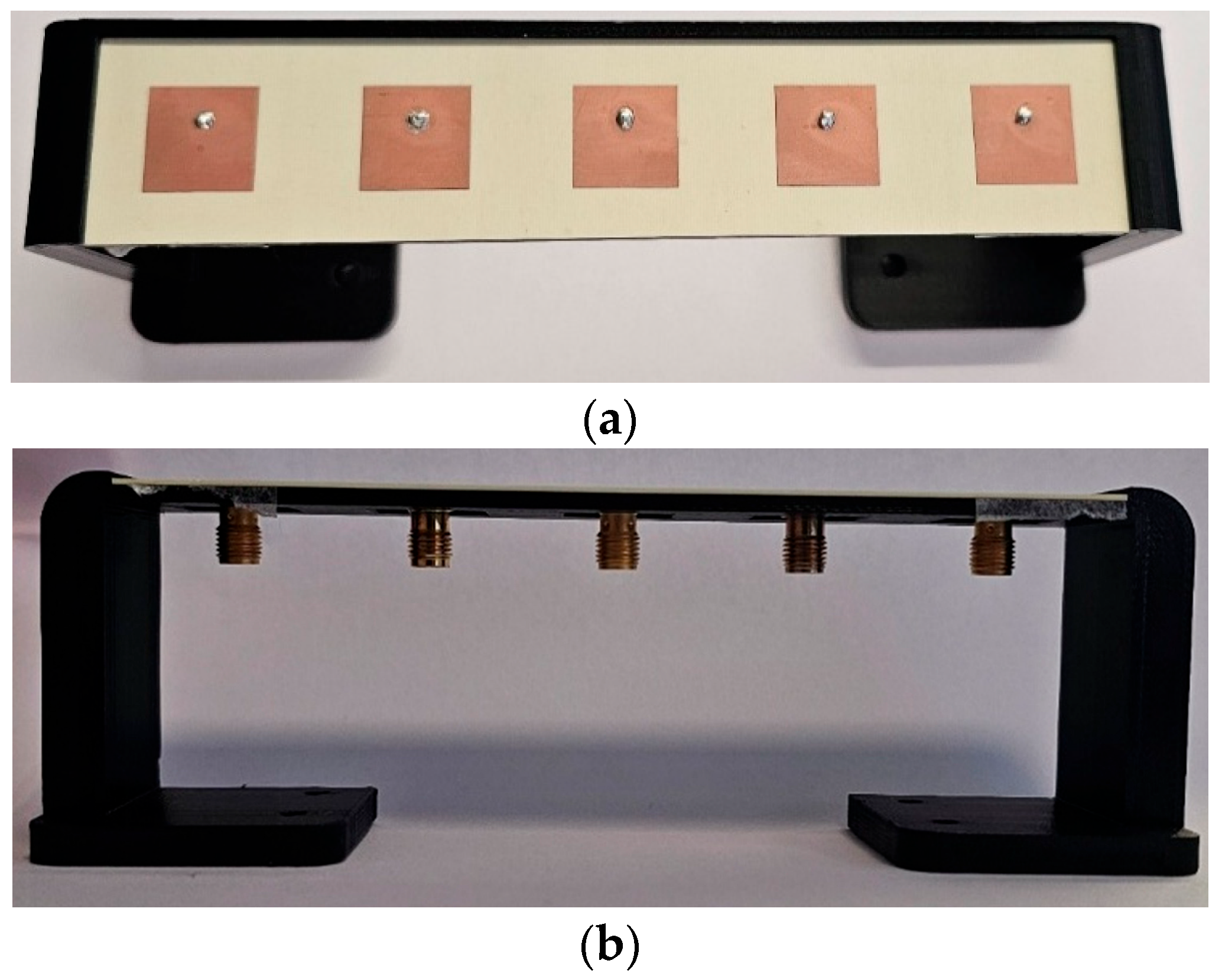
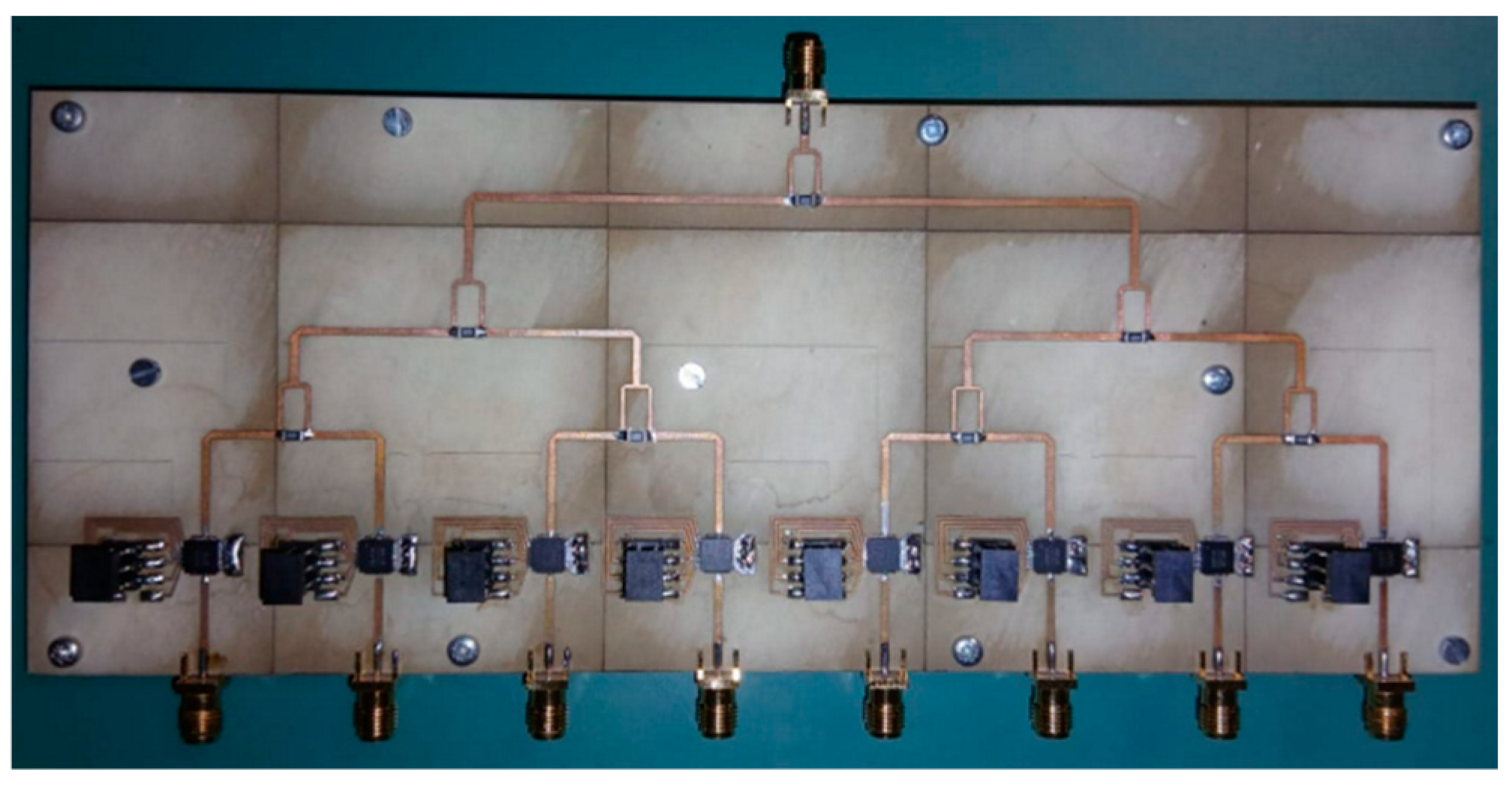
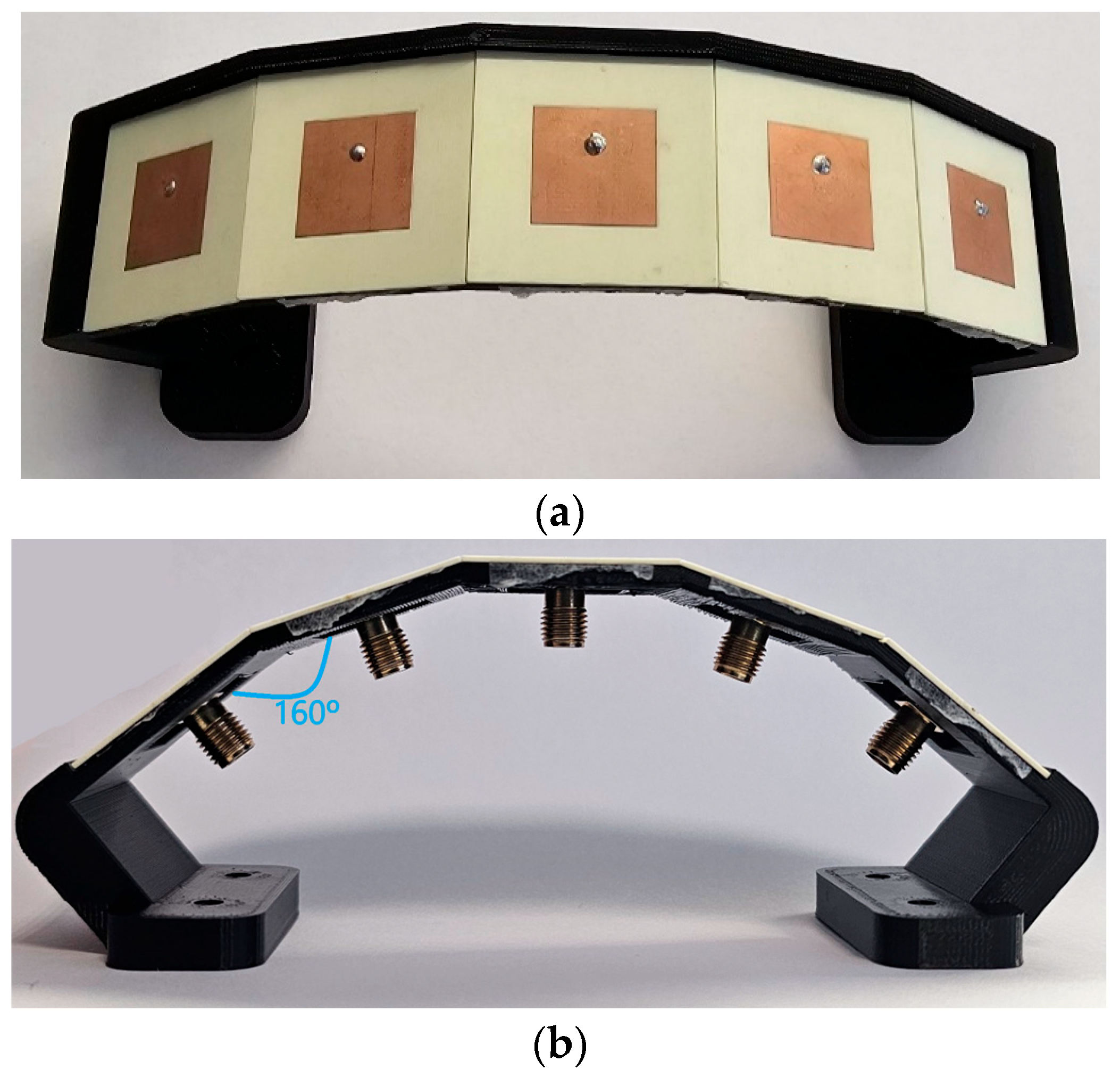
Based on the results presented, the arc-shaped configuration of the five-element array was selected for prototyping, as it provides the most favourable trade-off between coverage and gain.
5. Conclusions
This work analyzed the impact of array geometry on the scan coverage and gain performance of phased arrays through the study of linear, tilted, and arc-shaped conformal configurations with four and five elements. Simulation results demonstrated that introducing curvature significantly enhances angular coverage, with improvements ranging from 35.5% to 39.1% for the four-element array and from 23.9% to 32.1% for the five-element array, highlighting the effectiveness of conformal geometries in extending the field of view.
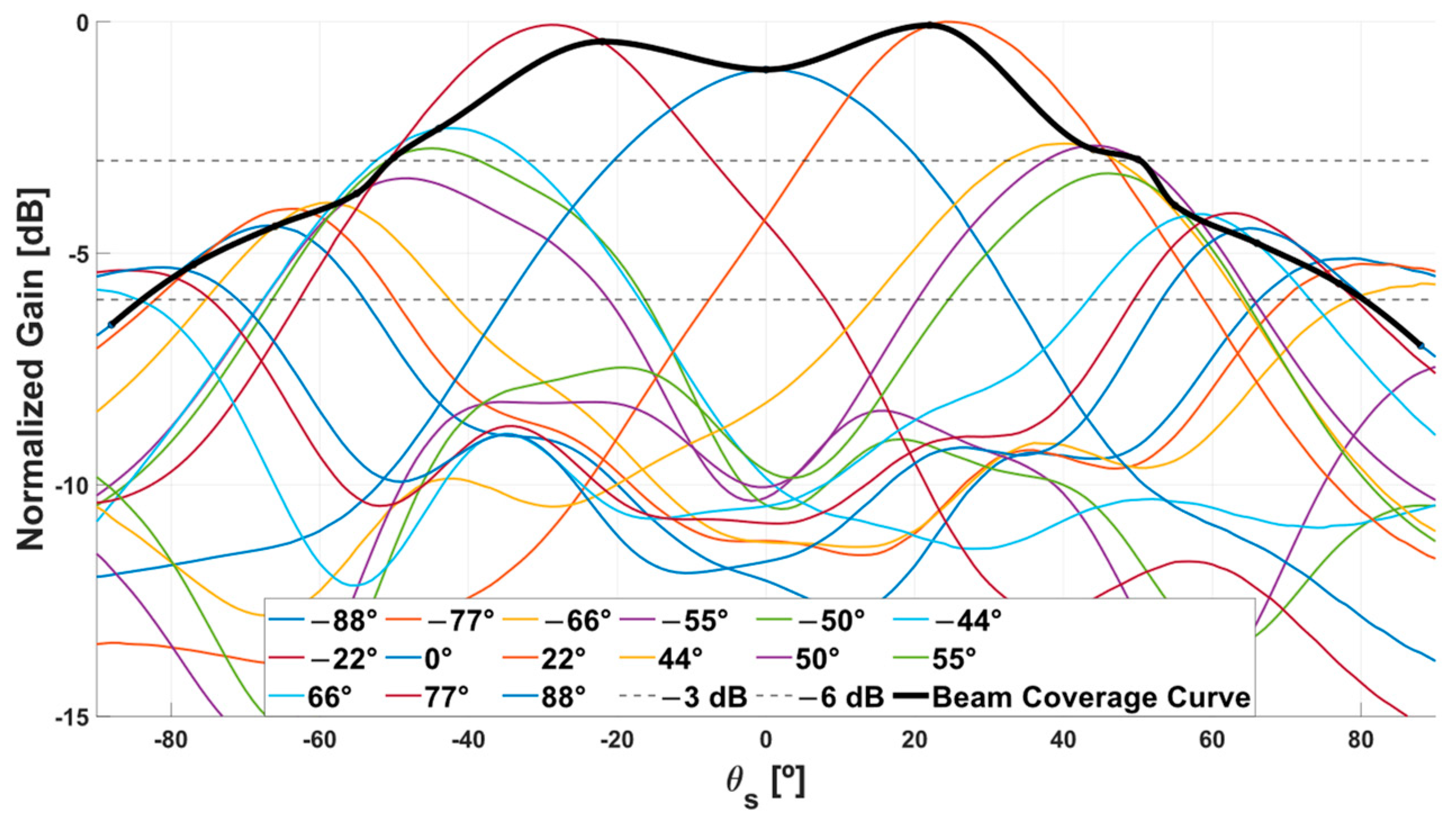
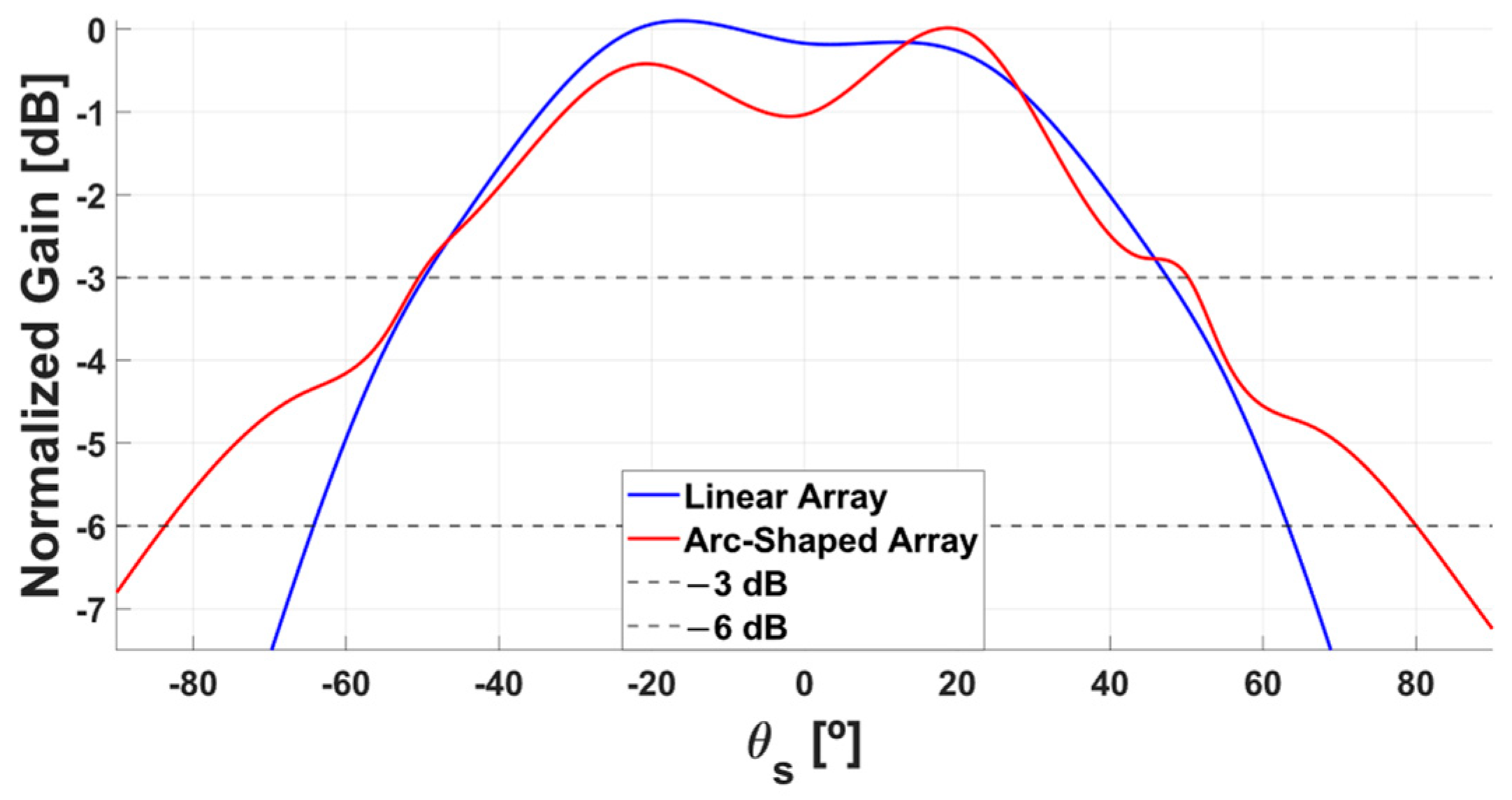
The five-element arc-shaped array was selected for prototyping to experimentally assess the practical feasibility of the conformal configuration, as it provides a suitable trade-off between coverage improvement and implementation complexity. Although the experimental results did not fully reproduce the simulated performance due to practical constraints, such as fabrication tolerances, phase quantization, and assembly inaccuracies, they qualitatively confirmed the expected behavior associated with curvature, demonstrating a consistent increase in angular coverage.
From an application perspective, these results are particularly relevant for LEO satellite ground terminals, where typical phased array implementations require a balance between the number of elements, system complexity, and wide angular coverage. While the configurations studied here are limited to a small number of elements for controlled analysis, the observed trade-off between angular coverage and gain is expected to extend to larger arrays. In such cases, increased directivity leads to narrower beams, further limiting the scan range in planar configurations, thereby reinforcing the relevance of non-planar geometries for wide-angle coverage applications. Additionally, the scalability of the proposed approach to higher frequency bands, such as Ku- and Ka-band systems commonly used in satellite communications, should be considered, as frequency scaling impacts both element spacing and fabrication tolerances.
Overall, this study demonstrates the potential of conformal geometries to enhance scan coverage in electronically steerable arrays while also highlighting the practical challenges associated with their implementation. Future work will focus on extending the proposed configurations to larger and fully three-dimensional arrays, improving phase control through combined amplitude and phase optimization, and exploring continuous conformal surfaces to further enhance coverage performance.