Next Article in Journal
TLDD-YOLO: An Improved YOLO for Transmission Line Component and Defect Detection
Next Article in Special Issue
A Hybrid Dual-Frequency IPT Topology for Stable CC/CV Charging with Enhanced Misalignment Tolerance
Previous Article in Journal
Artificial Intelligence for Infrastructure-as-Code—A Systematic Literature Review
 
 
Correction published on 22 April 2026, see Electronics 2026, 15(9), 1769.
Article

Dynamic Wireless Power Transfer System Without Receiving Coil Position Detection Sensors

Institute of Industrial Electronics, Electrical Engineering and Energy, Riga Technical University, LV-1048 Riga, Latvia
*
Author to whom correspondence should be addressed.
Electronics 2026, 15(4), 756; https://doi.org/10.3390/electronics15040756

Submission received: 31 December 2025 / Revised: 5 February 2026 / Accepted: 8 February 2026 / Published: 11 February 2026 / Corrected: 22 April 2026
(This article belongs to the Special Issue Advances in Wireless Power Transfer)

Abstract

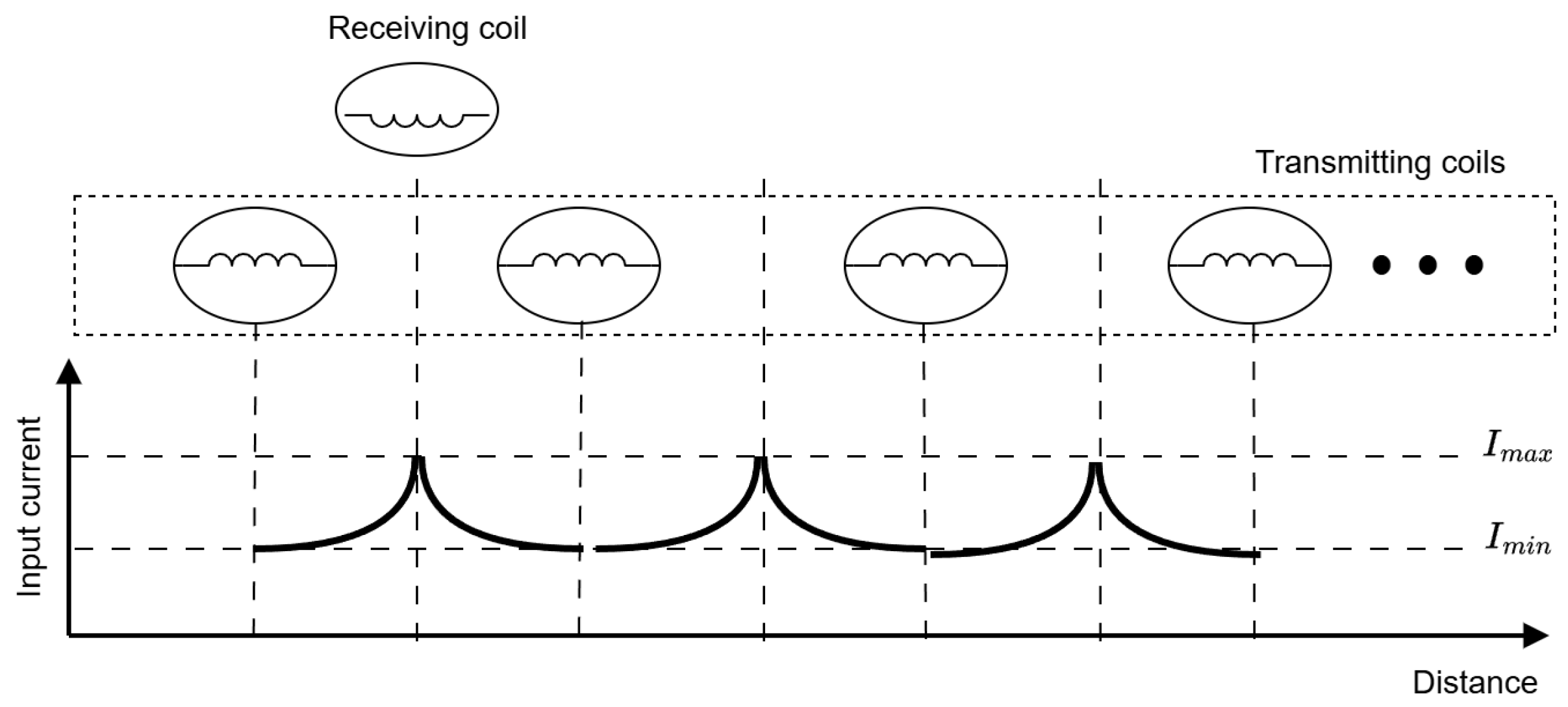
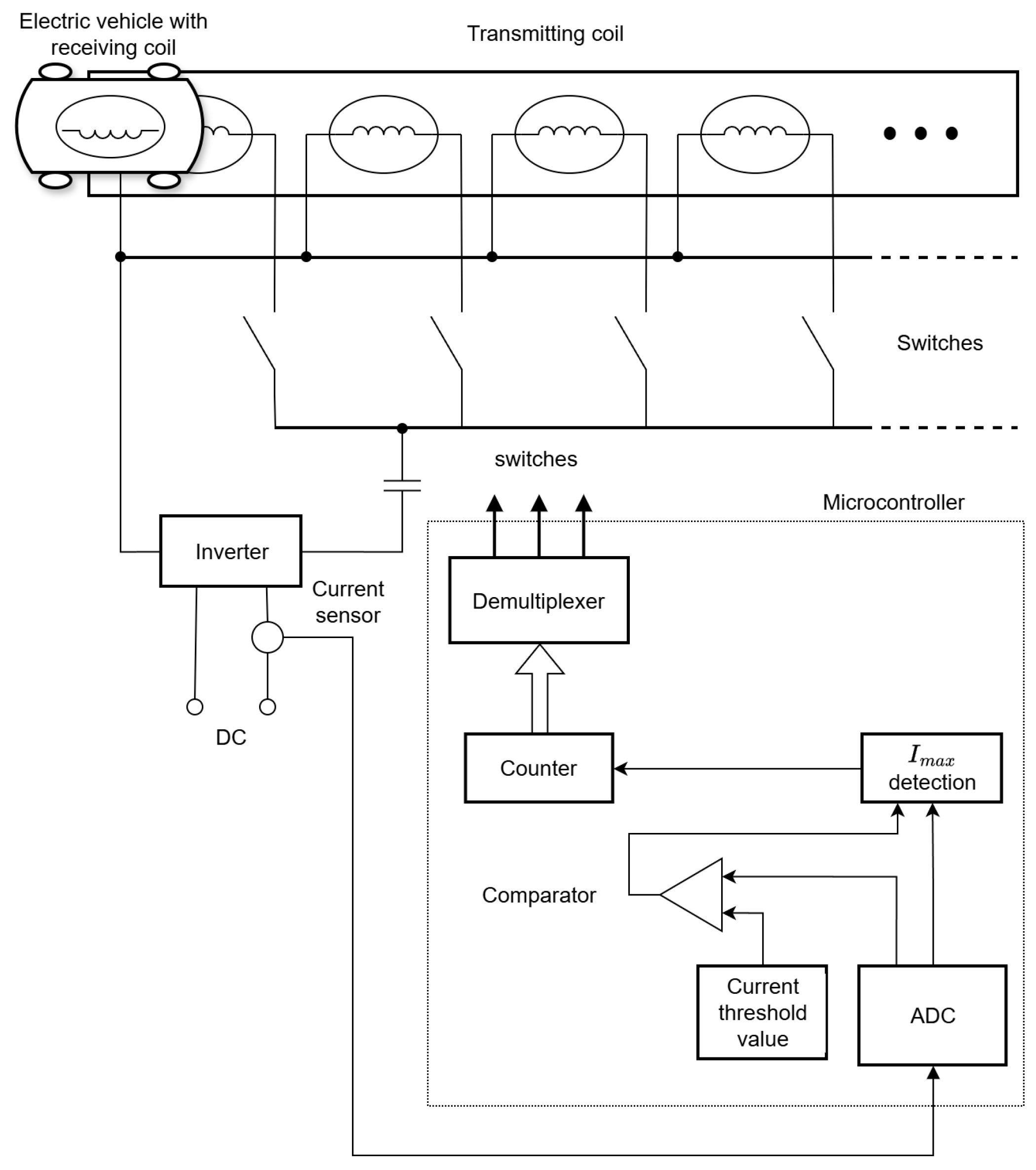
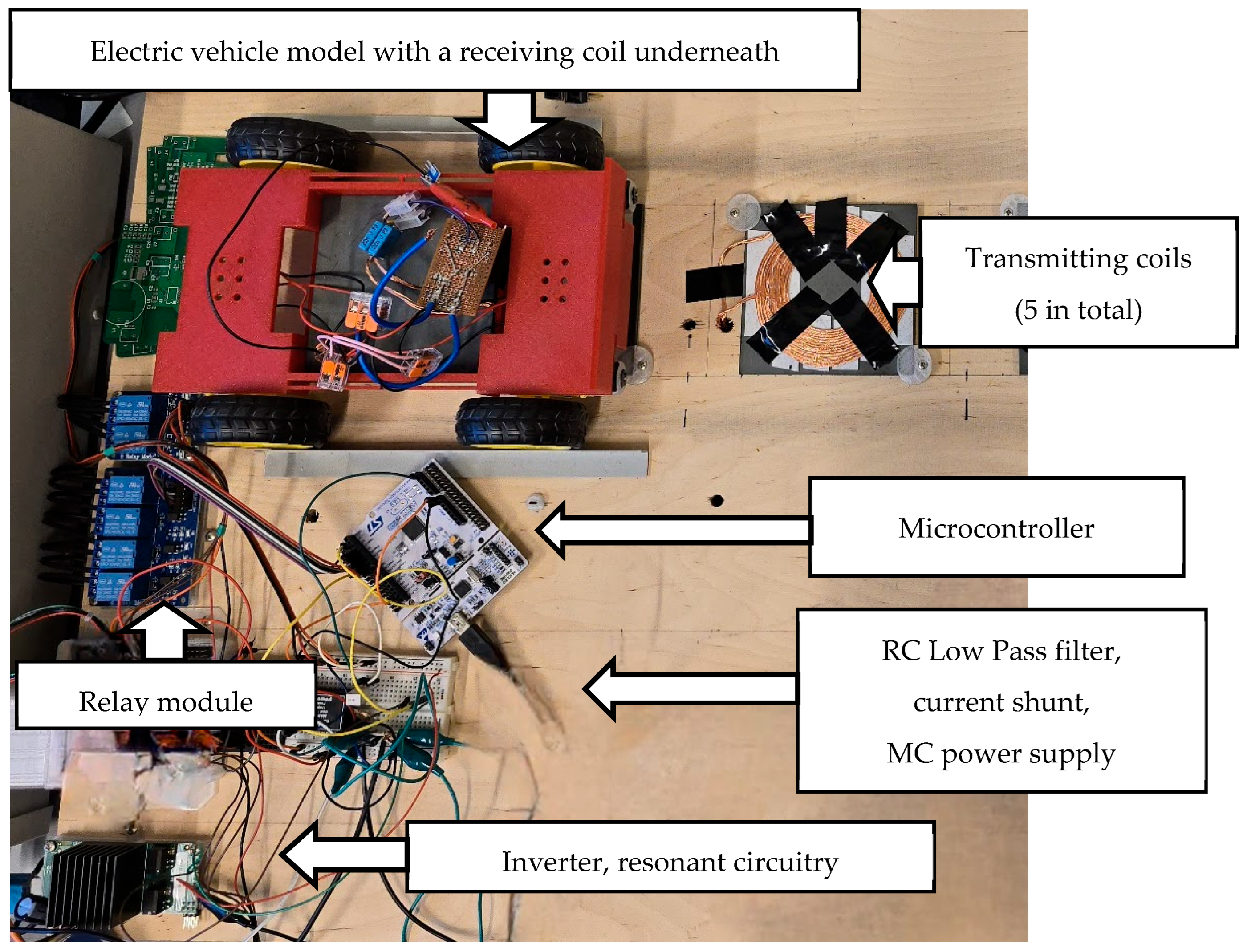
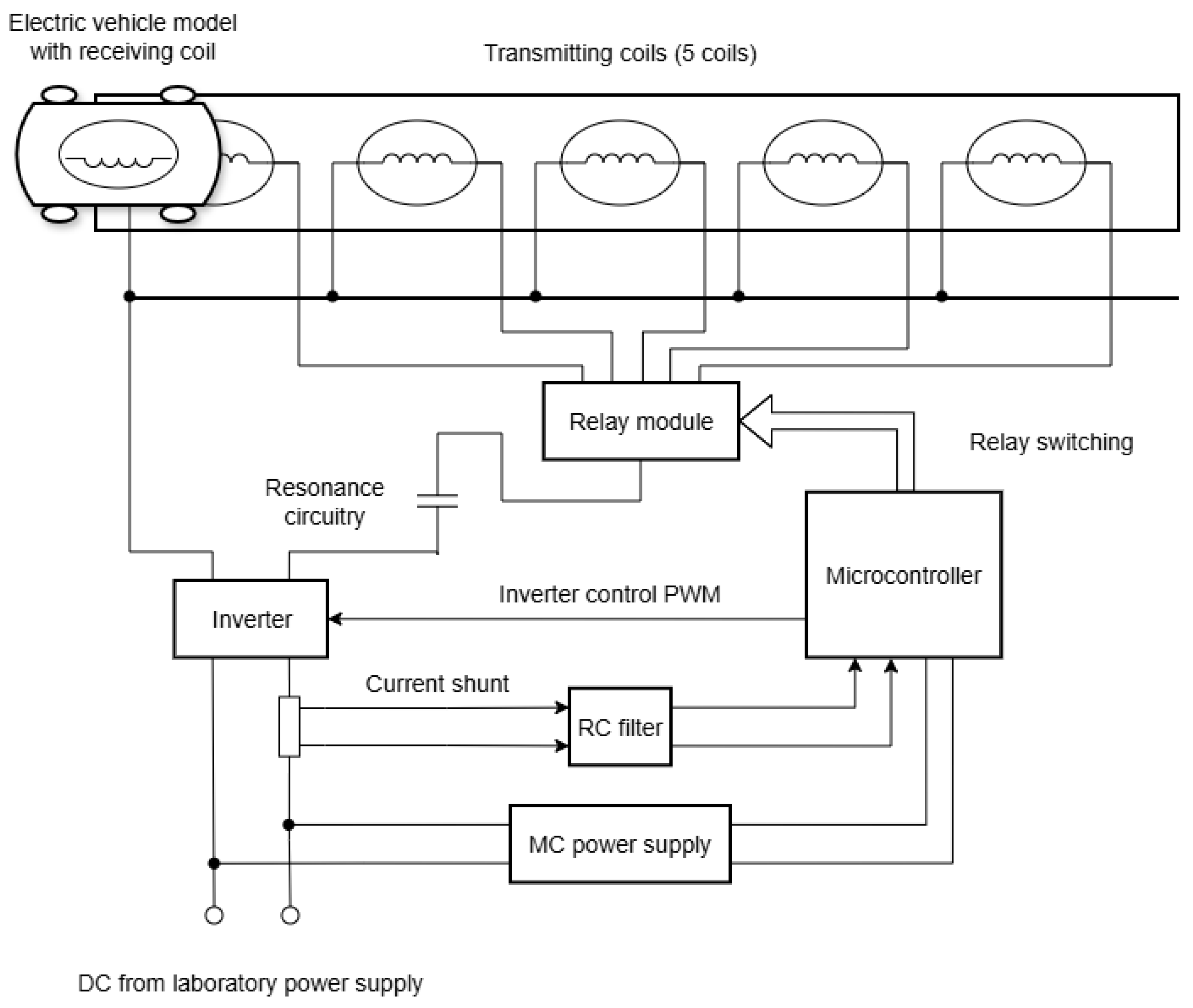
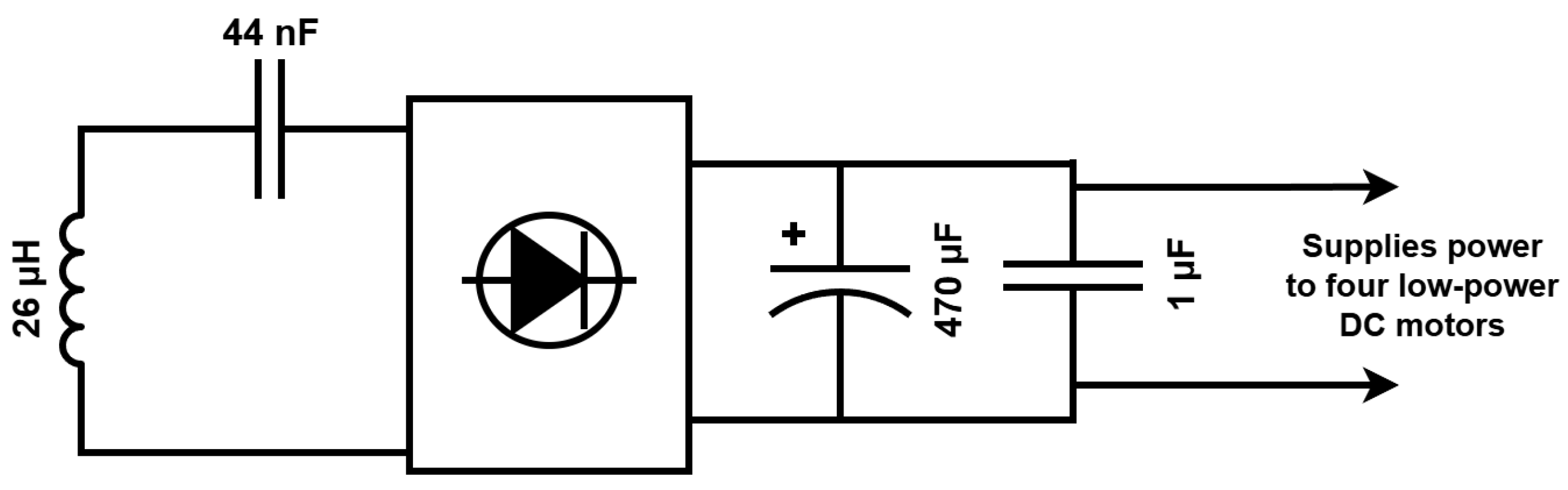
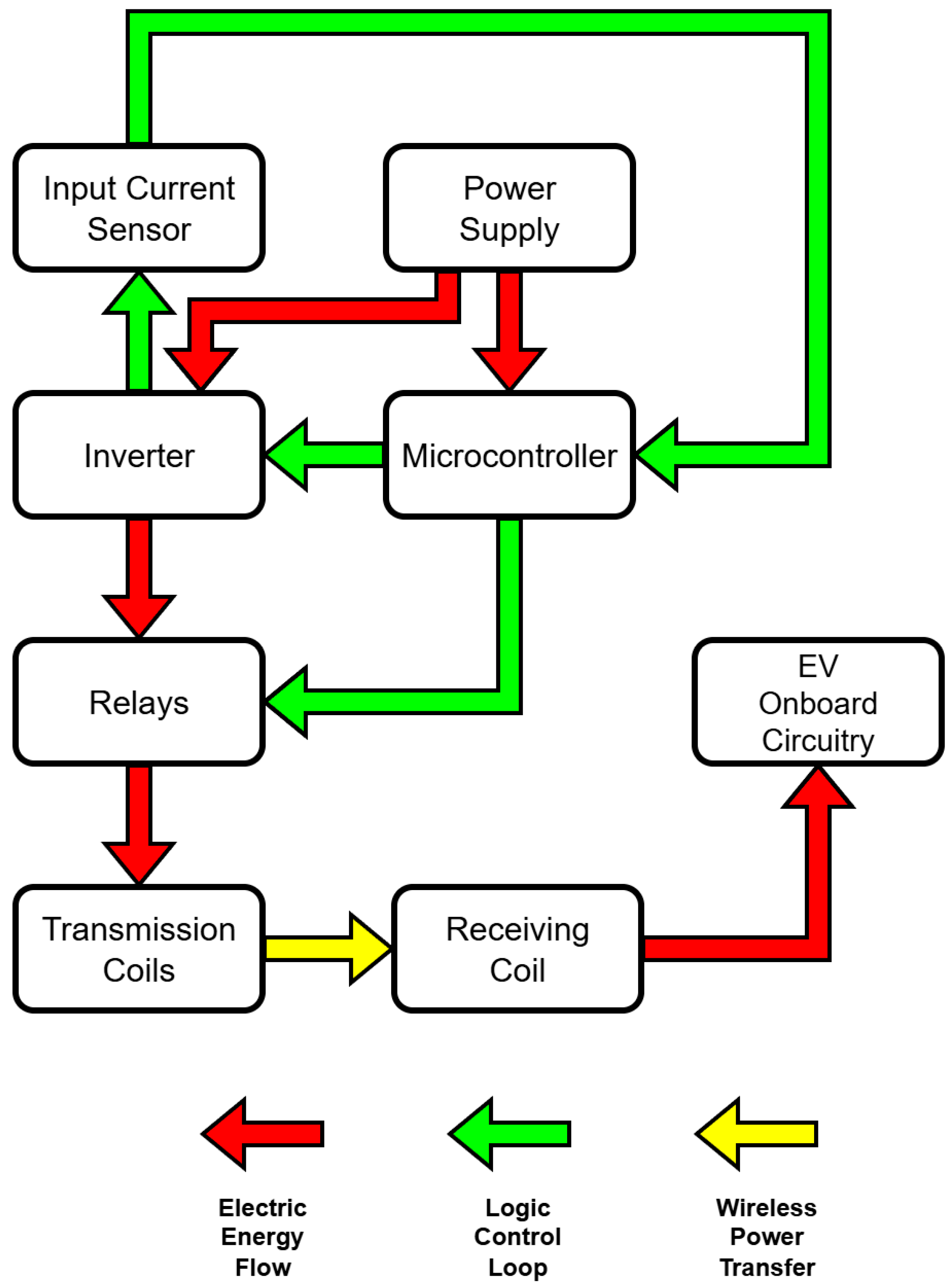
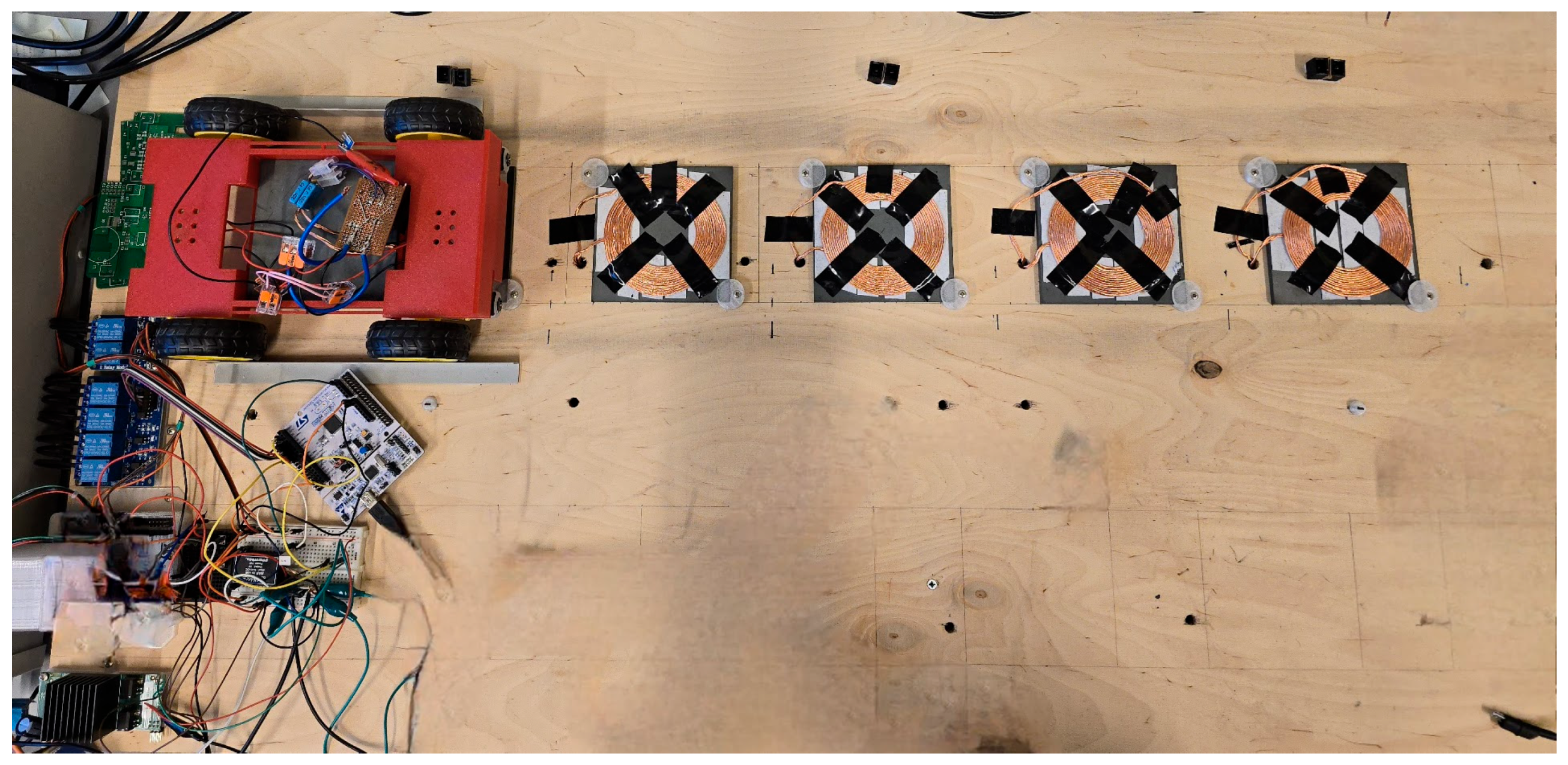
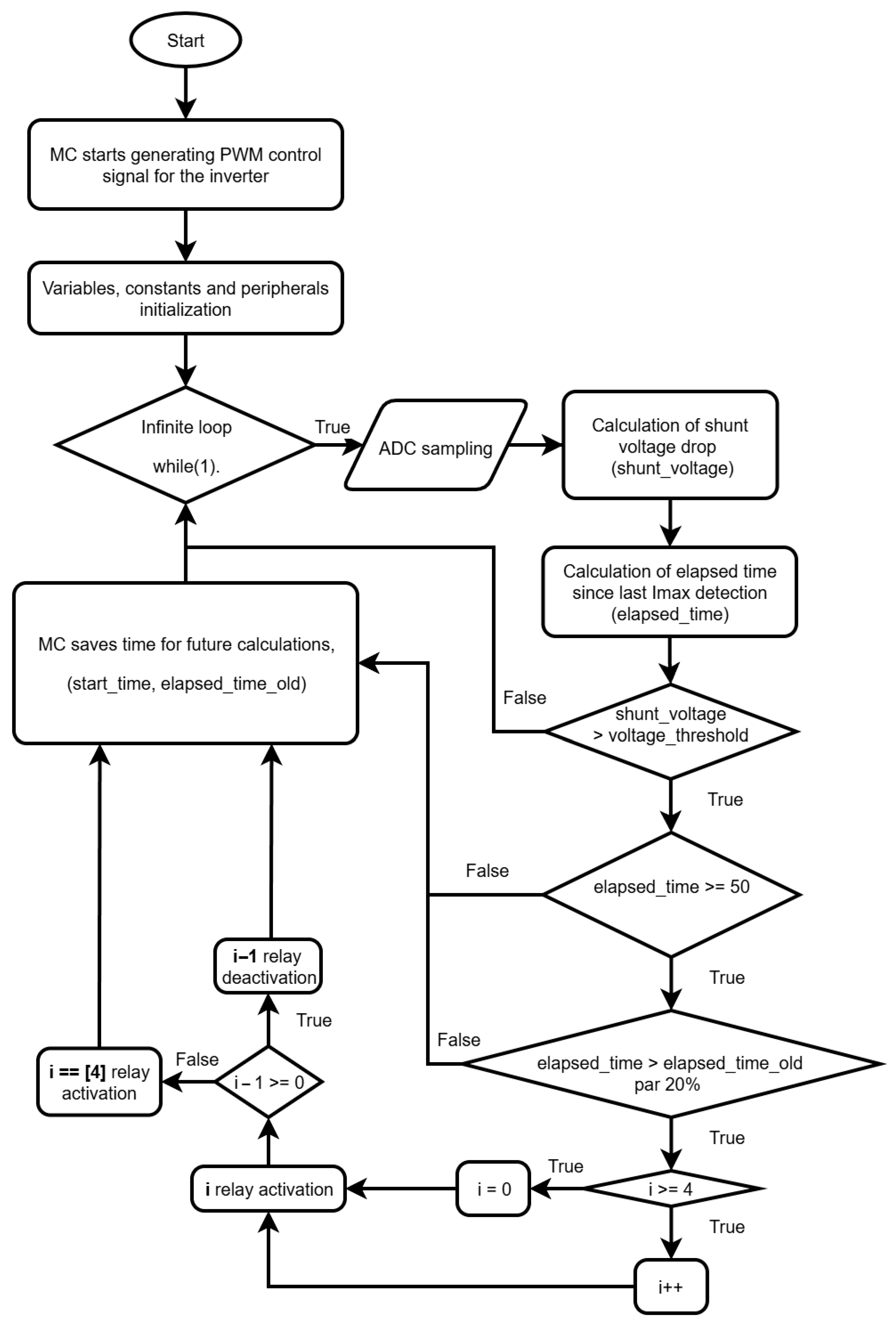
The development of autonomous mobile robots or automated guided vehicles is consistently challenged by energy-storage constraints, and while batteries are the standard solution for mobile robots, dynamic wireless power transfer is an alternative way to supply power without reliance on chemical energy storage. For efficient dynamic wireless power transfer, transmitting coils should be energized as required, necessitating real-time position tracking of the receiving coil. Current prevalent techniques require complex modifications to existing systems and additional position sensors, which increase total costs. This article proposes a novel receiving coil position detection method for wireless power transfer systems without using external receiving coil position detection sensors and describes the application of the sensorless coil position detection method and its advantages compared to other methods. The proposed method was implemented on an existing low-power, miniaturized test bench. The described method was successfully validated and correctly switched transmitting coils, ensuring continuous movement of an electric vehicle, therefore proving its viability as a potential new approach for sensorless receiving-coil detection. Experimental results demonstrate that the prototype achieved a maximum power transfer efficiency of 53.8% while maintaining continuous transmitting coil switching operation at vehicle speeds up to 77 cm/s.
Keywords: dynamic wireless power transfer; inductive-resonant; autonomous mobile robots; sensorless; electric vehicles dynamic wireless power transfer; inductive-resonant; autonomous mobile robots; sensorless; electric vehicles