
Article

AI-Based Indoor Localization Using Virtual Anchors in Combination with Wake-Up Receiver Nodes

by
Sirine Chiboub
1,2,3,
Aziza Chabchoub
1,2,3,
Rihab Souissi
1,2,3,
Salwa Sahnoun
2,3,
Ahmed Fakhfakh
2,3 and
Faouzi Derbel
1,*
1
Smart Diagnostic and Online Monitoring, Leipzig University of Applied Sciences, Wächterstraße 13, 04107 Leipzig, Germany
2
Laboratory of Signals, Systems, Artificial Intelligence and Networks (SM@RTS), Digital Research Center of Sfax (CRNS), Sfax University, Sfax 3021, Tunisia
3
National School of Electronics and Telecommunications of Sfax, Technopole of Sfax, Sfax 3018, Tunisia
*
Author to whom correspondence should be addressed.
Electronics 2026, 15(3), 584; https://doi.org/10.3390/electronics15030584

Submission received: 22 December 2025 / Revised: 22 January 2026 / Accepted: 26 January 2026 / Published: 29 January 2026
(This article belongs to the Special Issue Advanced Indoor Localization Technologies: From Theory to Application)

Abstract

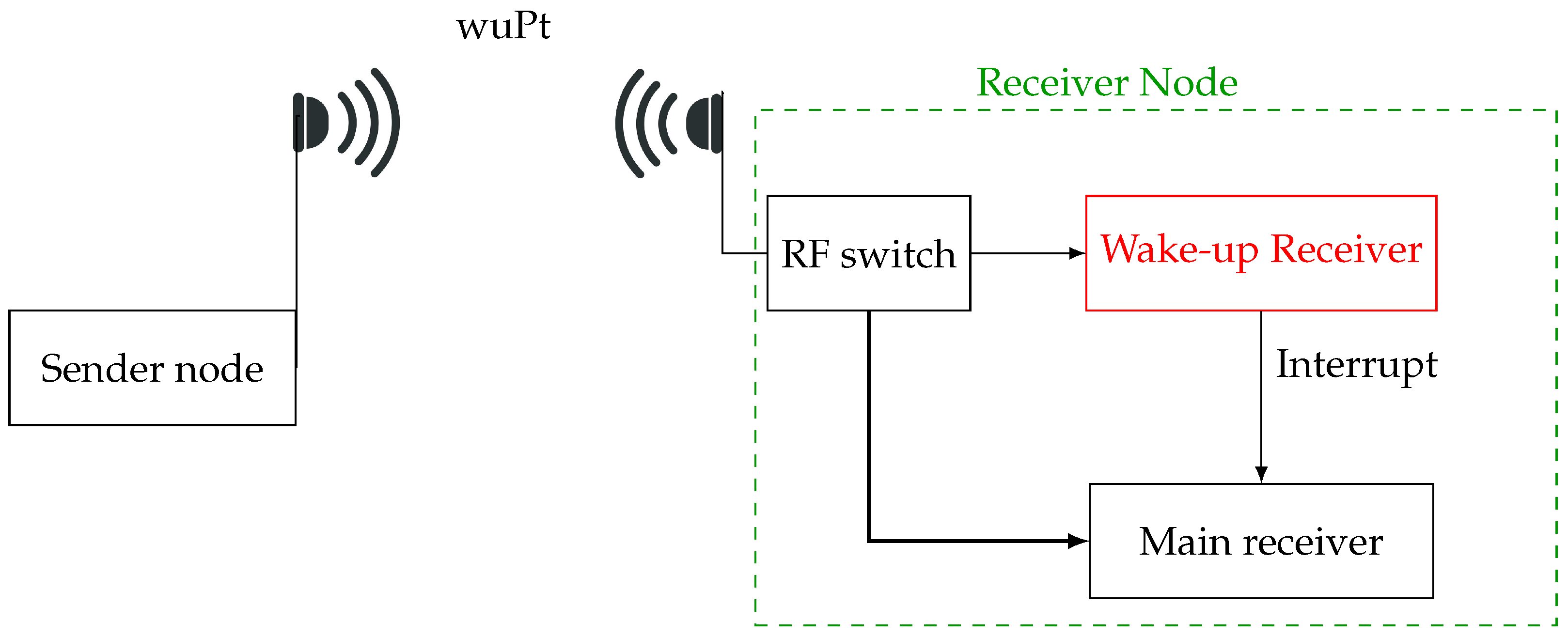
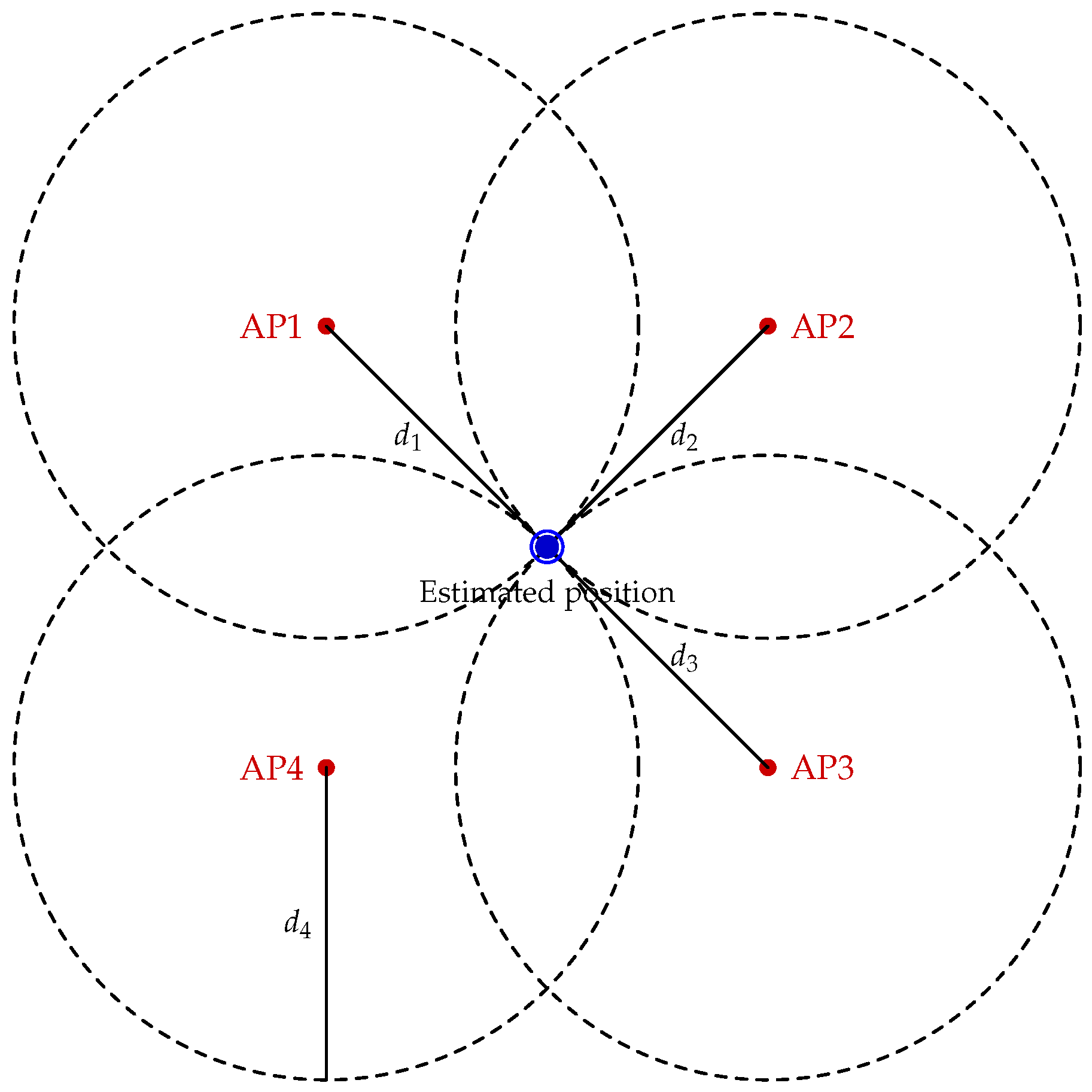
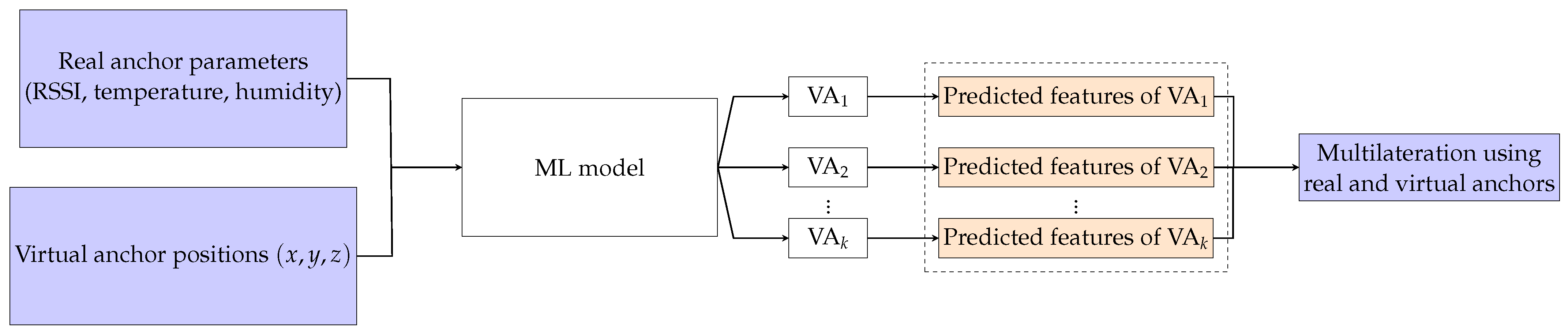
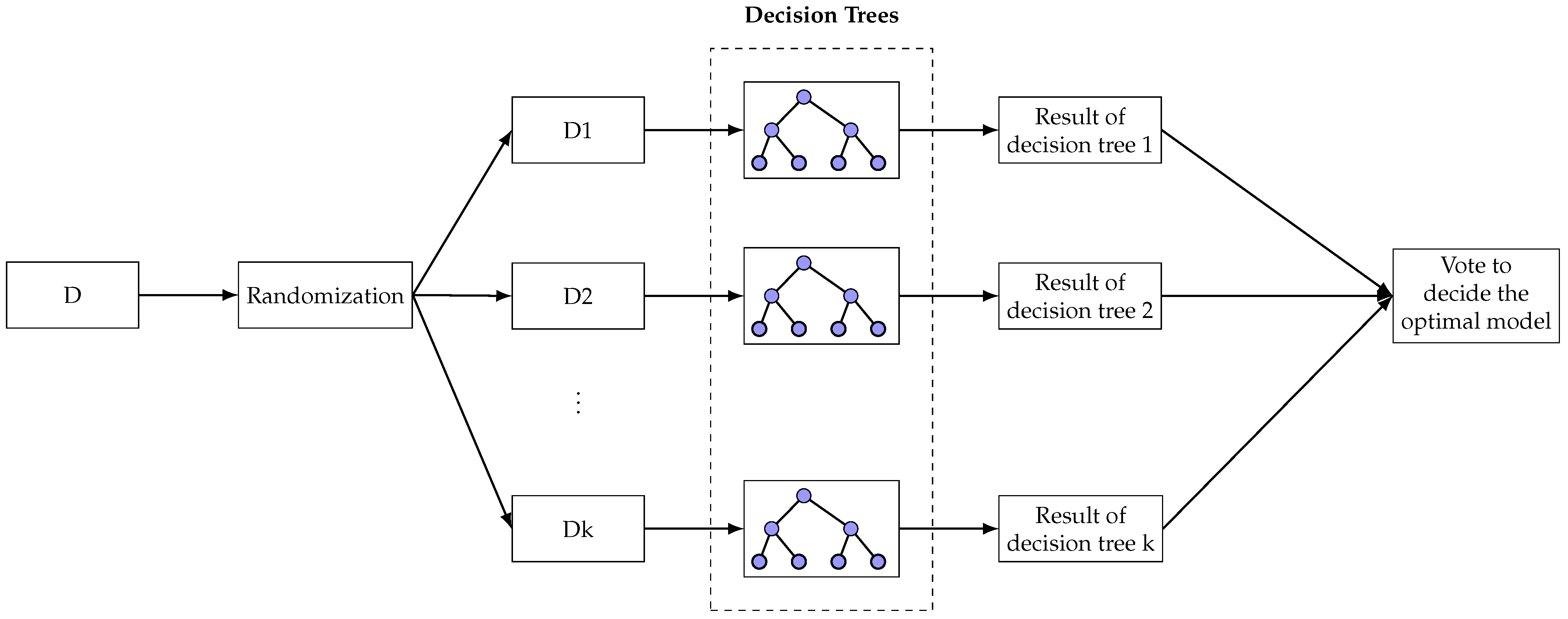
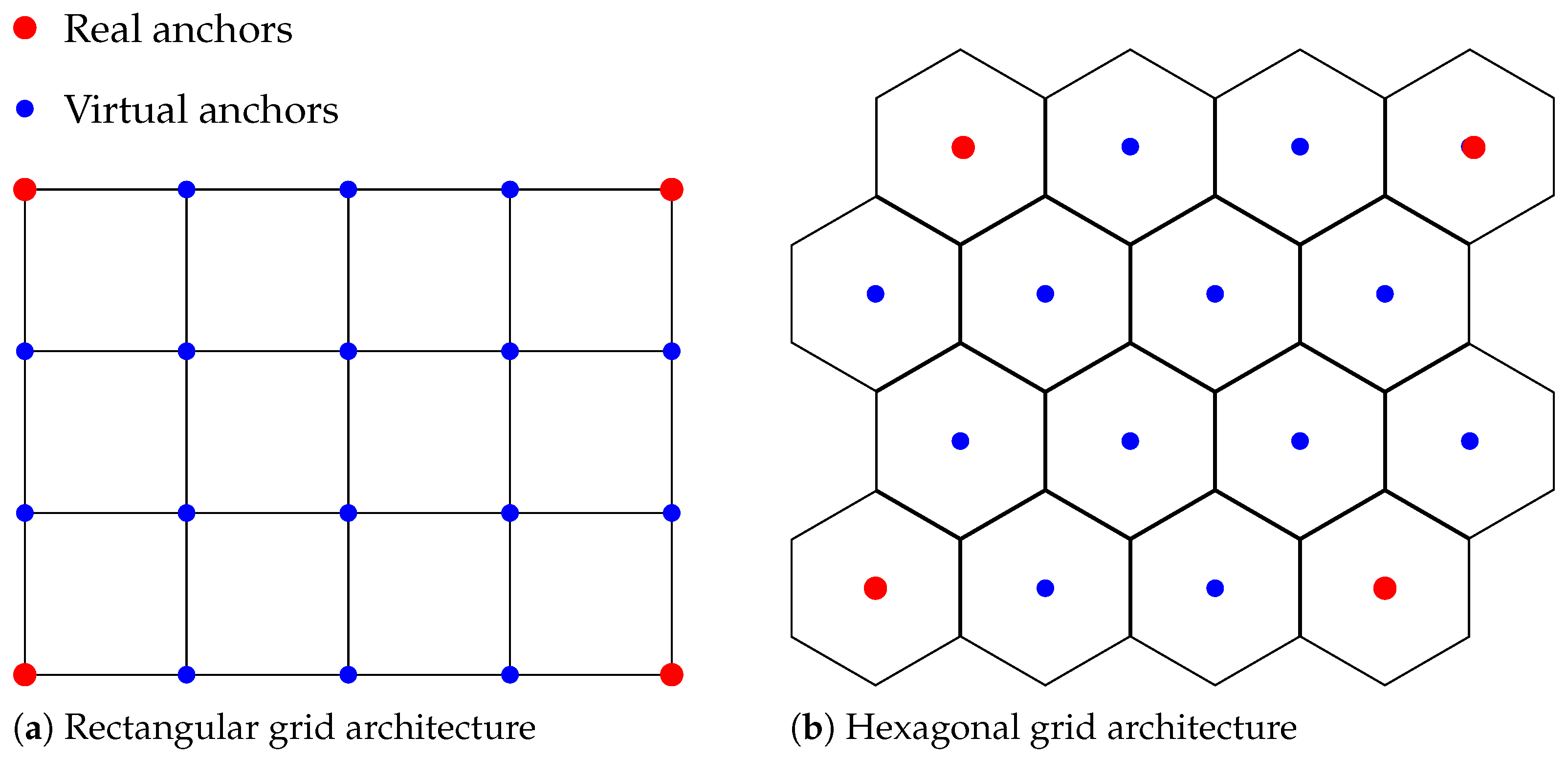
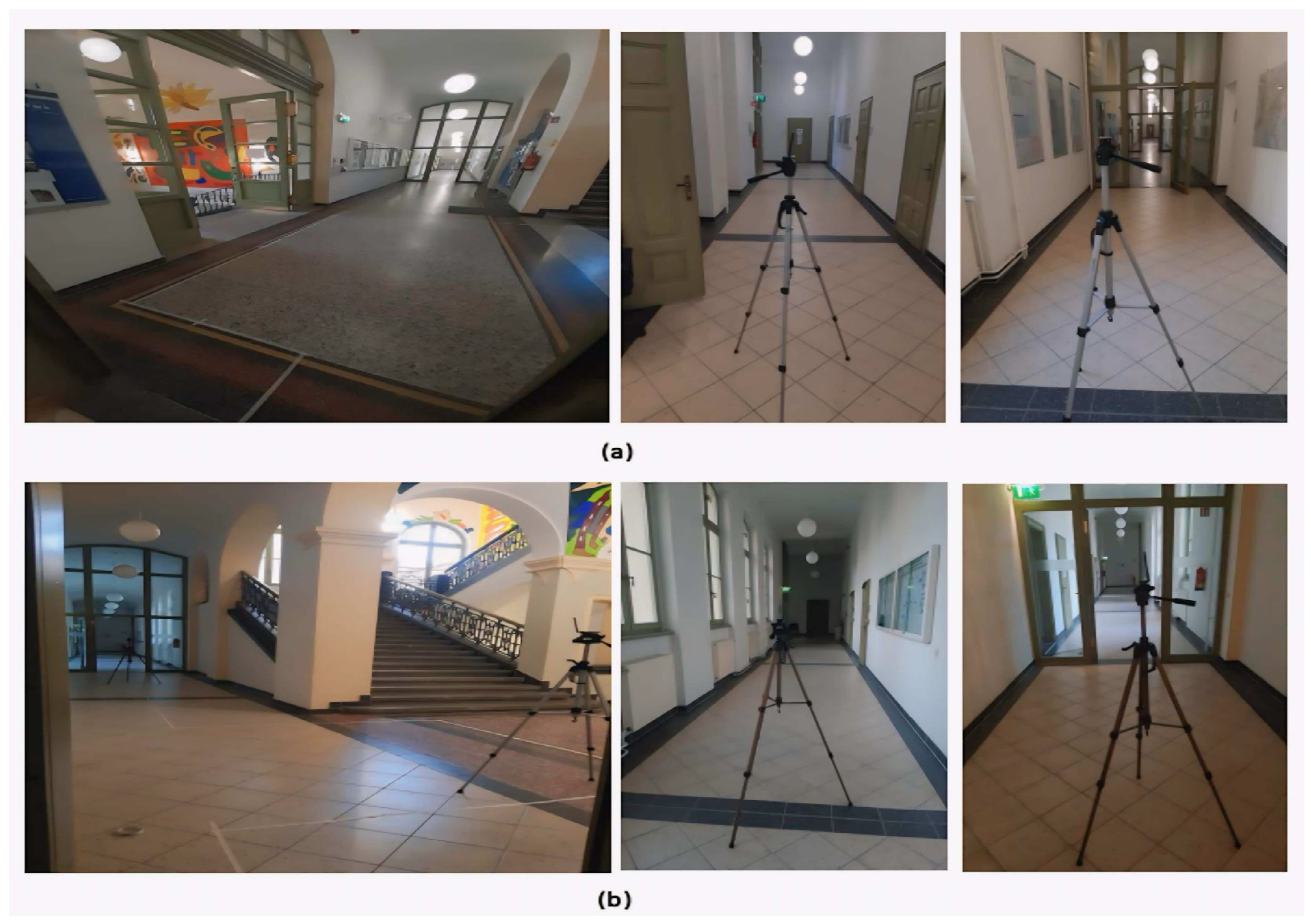
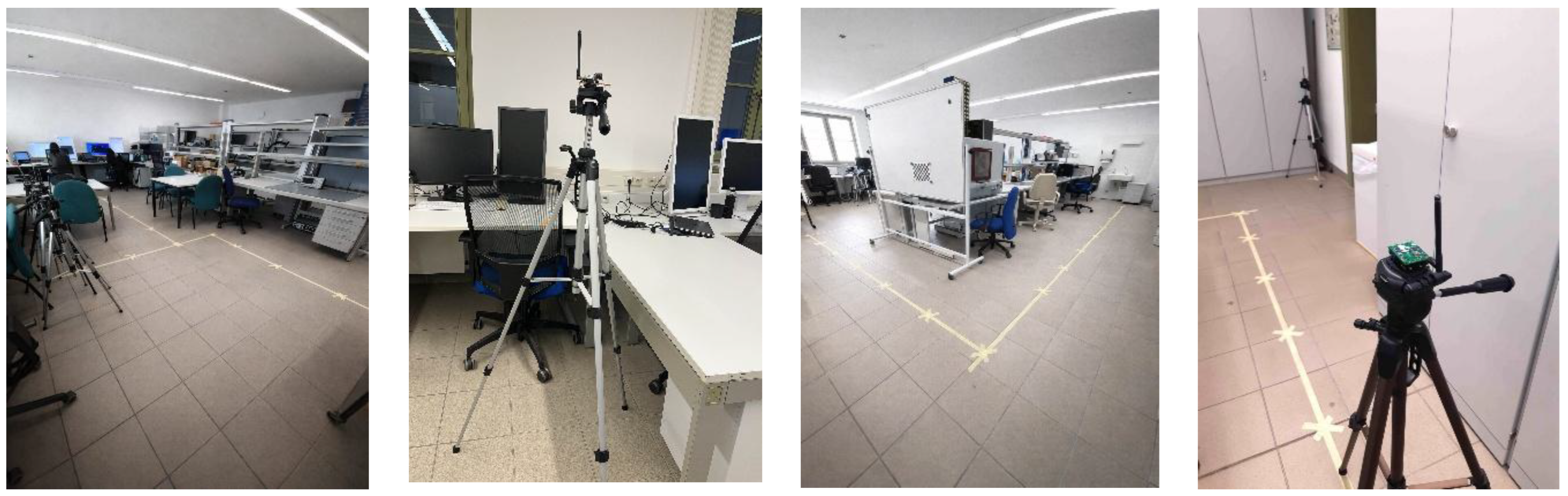
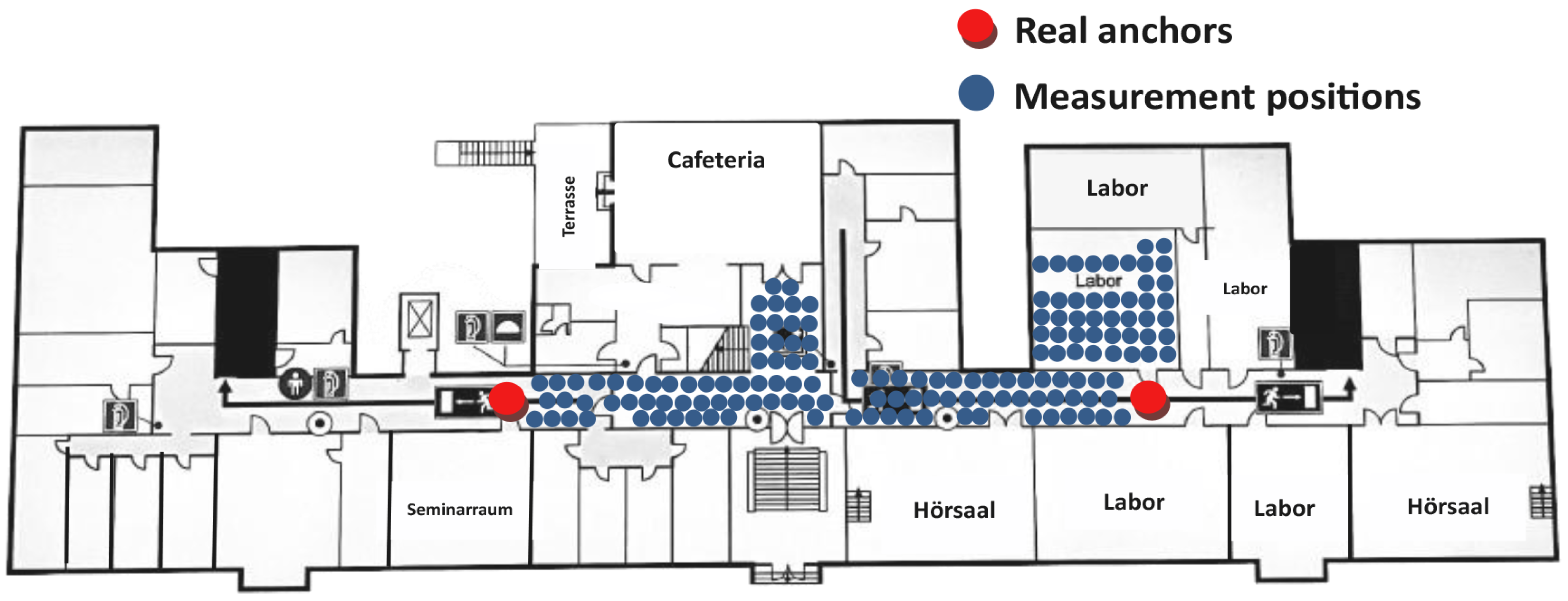
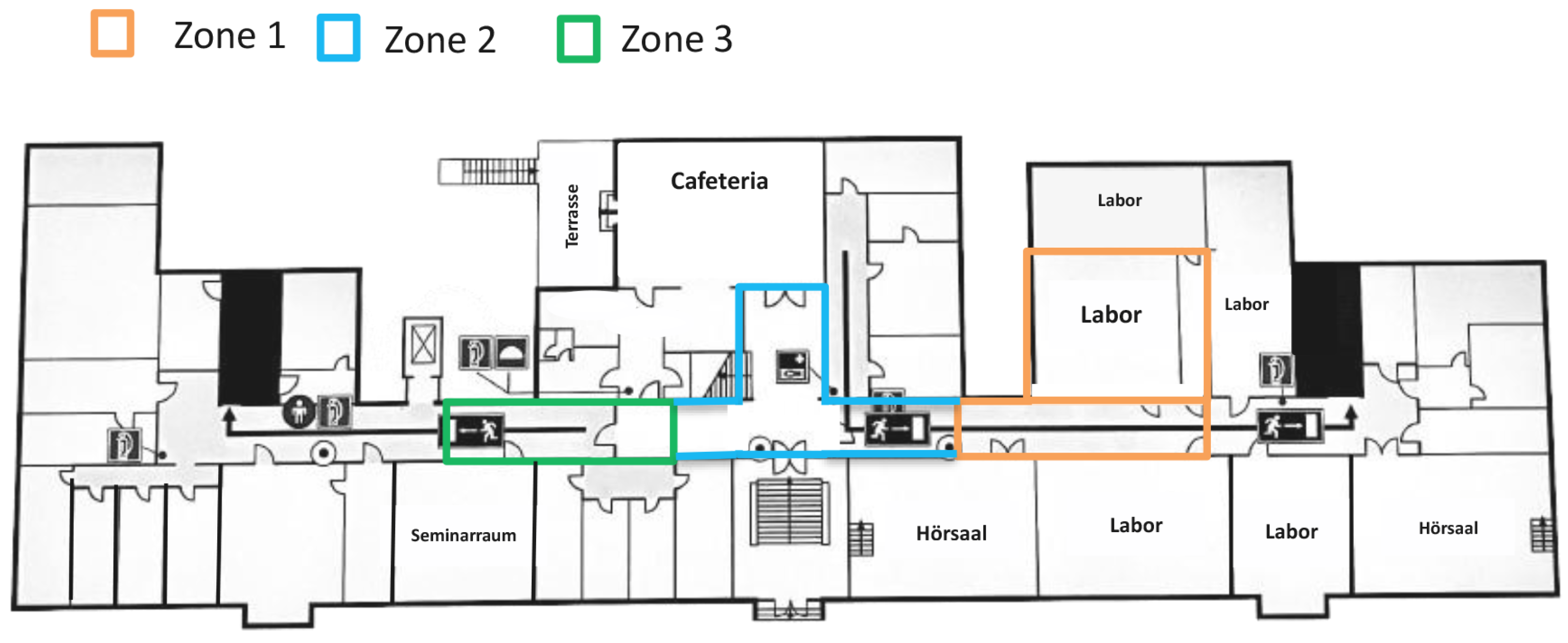
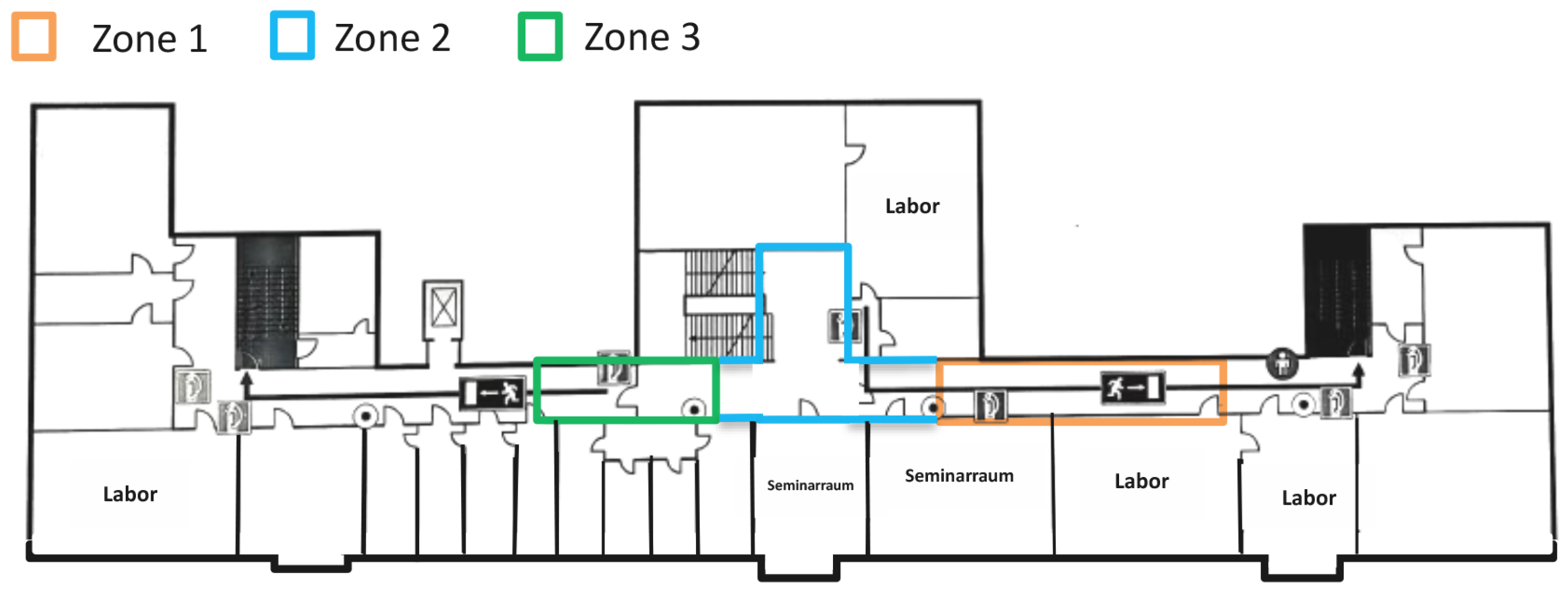
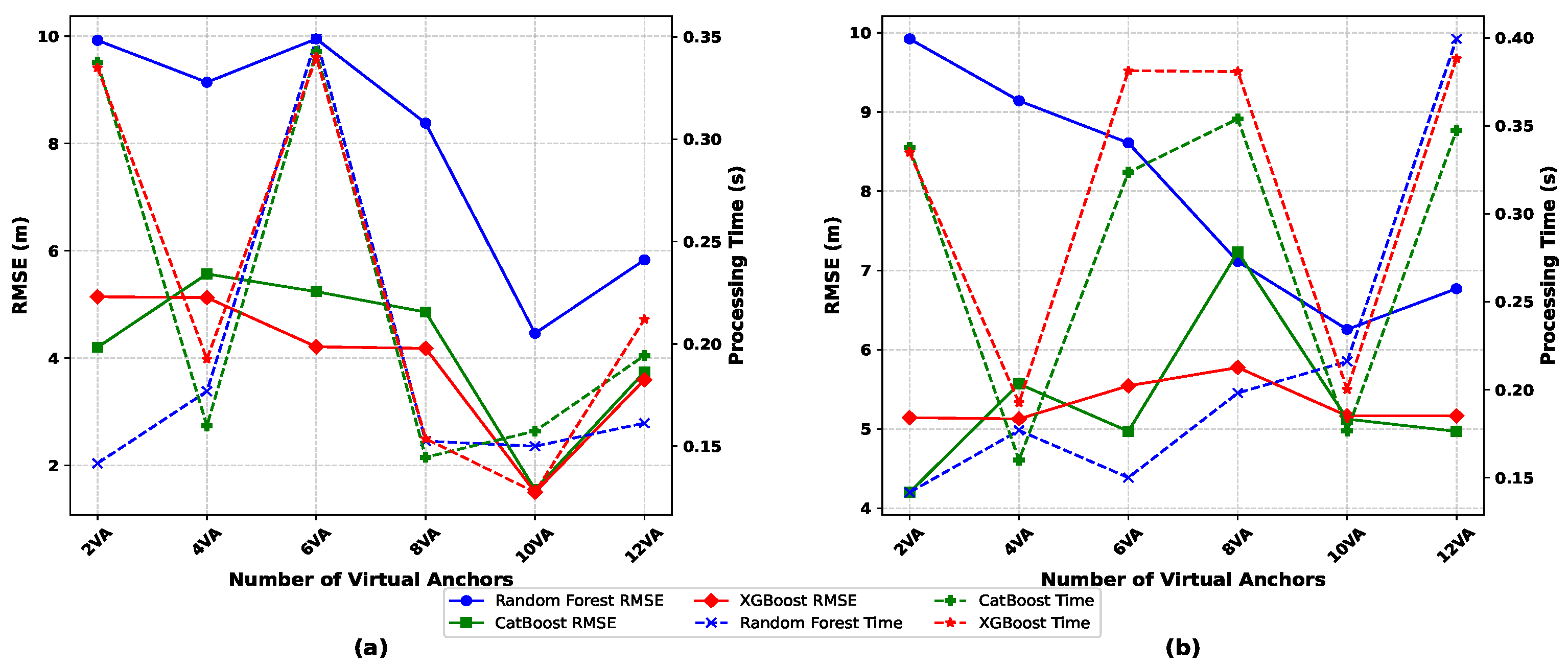
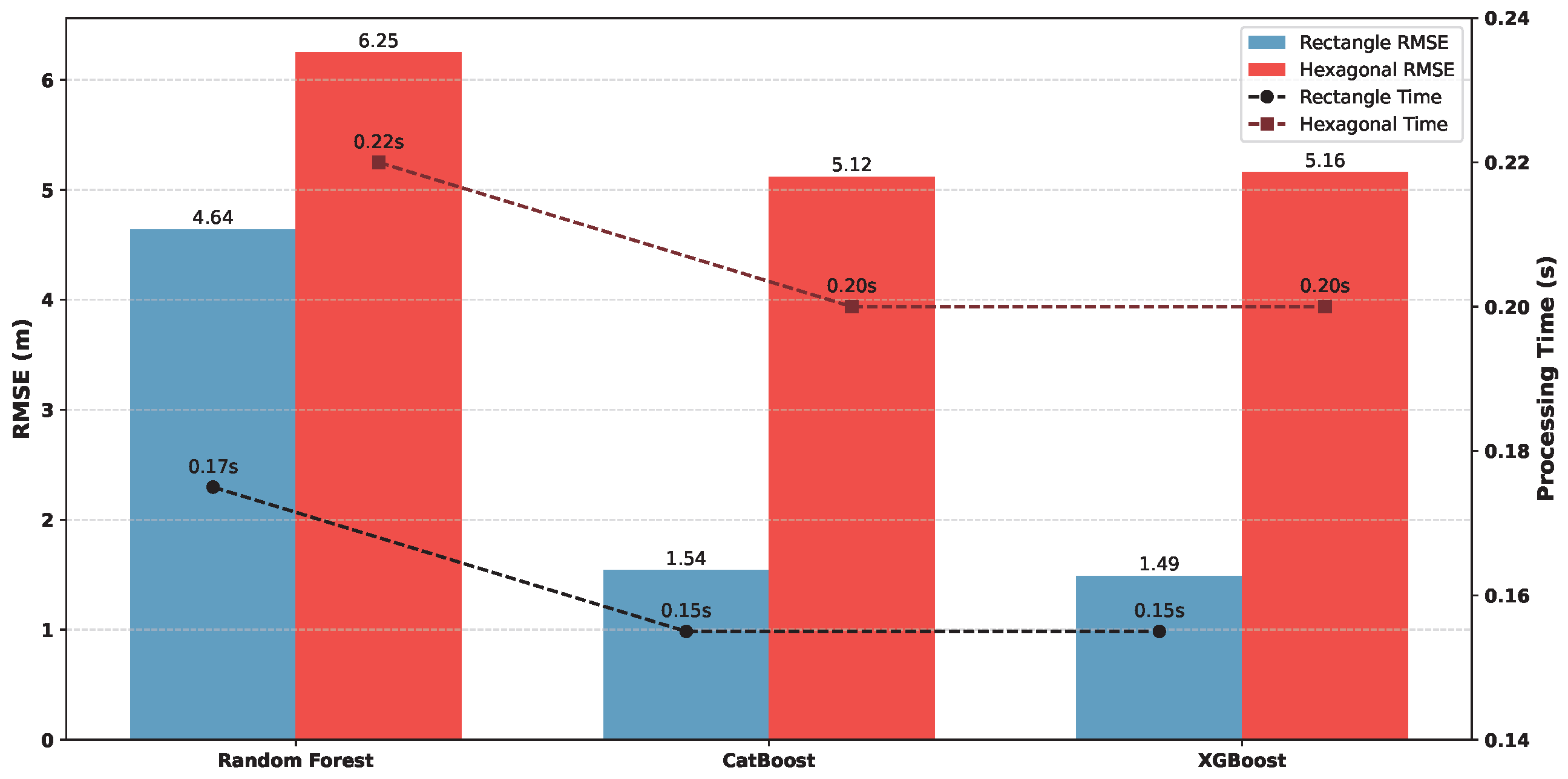
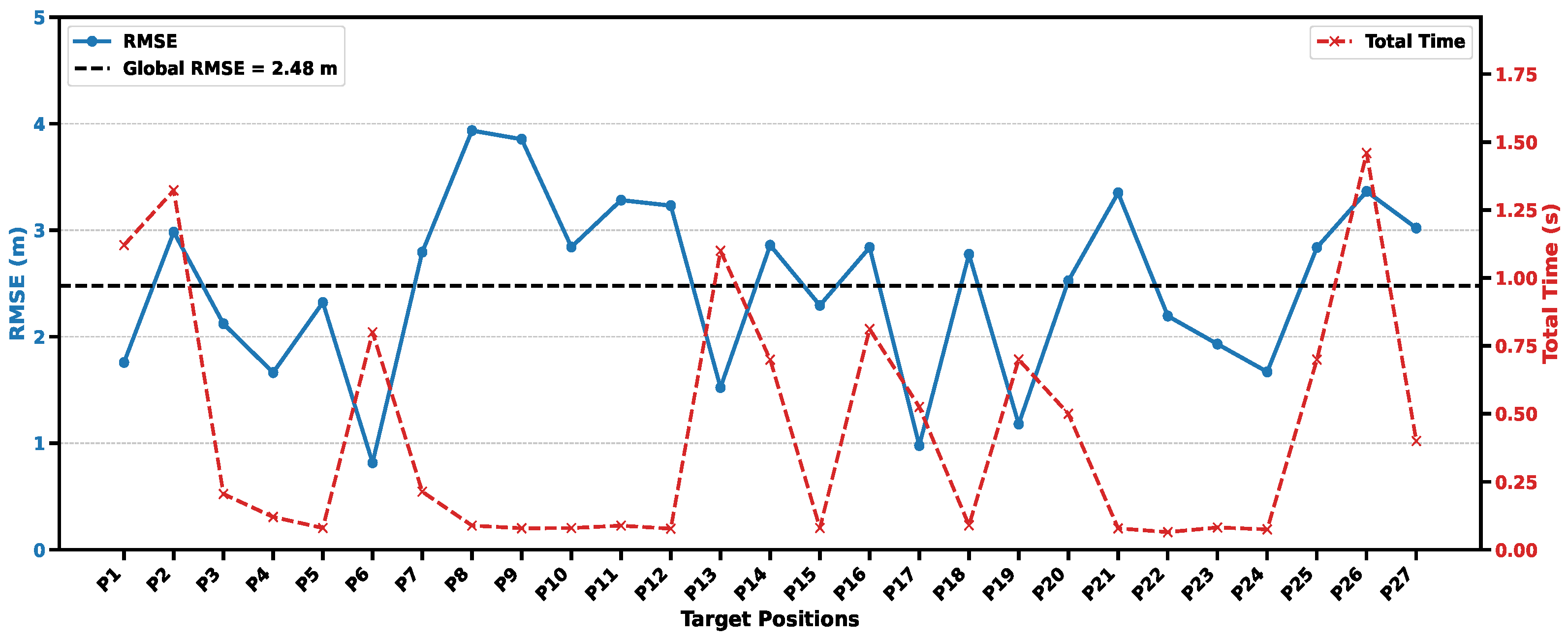
Accurate indoor localization is essential for navigation, monitoring, and industrial applications, especially in environments with Non-line of sight (NLOS) conditions. An indoor positioning system consists of fixed physical nodes, referred to as anchors, which serve as reference nodes with known locations, and entities that could be persons or objects that are also equipped with a node, referred to as targets, whose positions are estimated based on signal measurements exchanged with the surrounding anchors. Although RSSI is widely used due to hardware simplicity, its performance is often affected by signal degradation, multipath propagation, and environmental interference. To address this limitation, this work aims to develop an indoor positioning system, especially in wide areas with a minimal number of physical anchors, while maintaining high positioning accuracy and low latency. The proposed approach integrates VA, RSSI-based multilateration, and ML as a tool to refine and improve positioning accuracy, where ML models are used to predict the VA features and subsequently predict the corresponding distances. In addition, the system relies on energy-efficient WuRx nodes, which ensure a low power consumption and support on-demand communication. The study area covers two distinct floors with a total area of 366.9 m2, covered using only four physical anchors. Two studies were performed, the offline and the online, in order to evaluate the proposed system under both the theoretical performance and real implementation conditions. In the offline phase, hexagonal and rectangular grid architectures were compared using multiple machine learning models under varying numbers of virtual anchors. By comparing different architectures and machine learning models, the rectangular grid with 10 virtual anchors combined with the XGBoost model achieved the best performance, resulting in an RMSE of 1.49m with a processing time of approximately 0.15s. The online evaluation confirmed the performance of the proposed system, achieving an RMSE of 2.48m.
Keywords: indoor positioning; virtual anchors; non line of sight (NLOS); RSSI; wake-up receiver (WuRx); machine learning (ML); multilateration indoor positioning; virtual anchors; non line of sight (NLOS); RSSI; wake-up receiver (WuRx); machine learning (ML); multilateration