Article

Power Pylon Type Identification and Characteristic Parameter Calculation from Airborne LiDAR Data


1
Engineering Research Center of Ministry of Education for Lightning Protection and Grounding Technology, School of Electrical Engineering and Automation, Wuhan University, Wuhan 430072, China
2
School of Electrical Engineering and Automation, Wuhan University, Wuhan 430072, China
*
Author to whom correspondence should be addressed.
Electronics 2024, 13(15), 3032; https://doi.org/10.3390/electronics13153032

Submission received: 17 June 2024 / Revised: 22 July 2024 / Accepted: 30 July 2024 / Published: 1 August 2024

Abstract

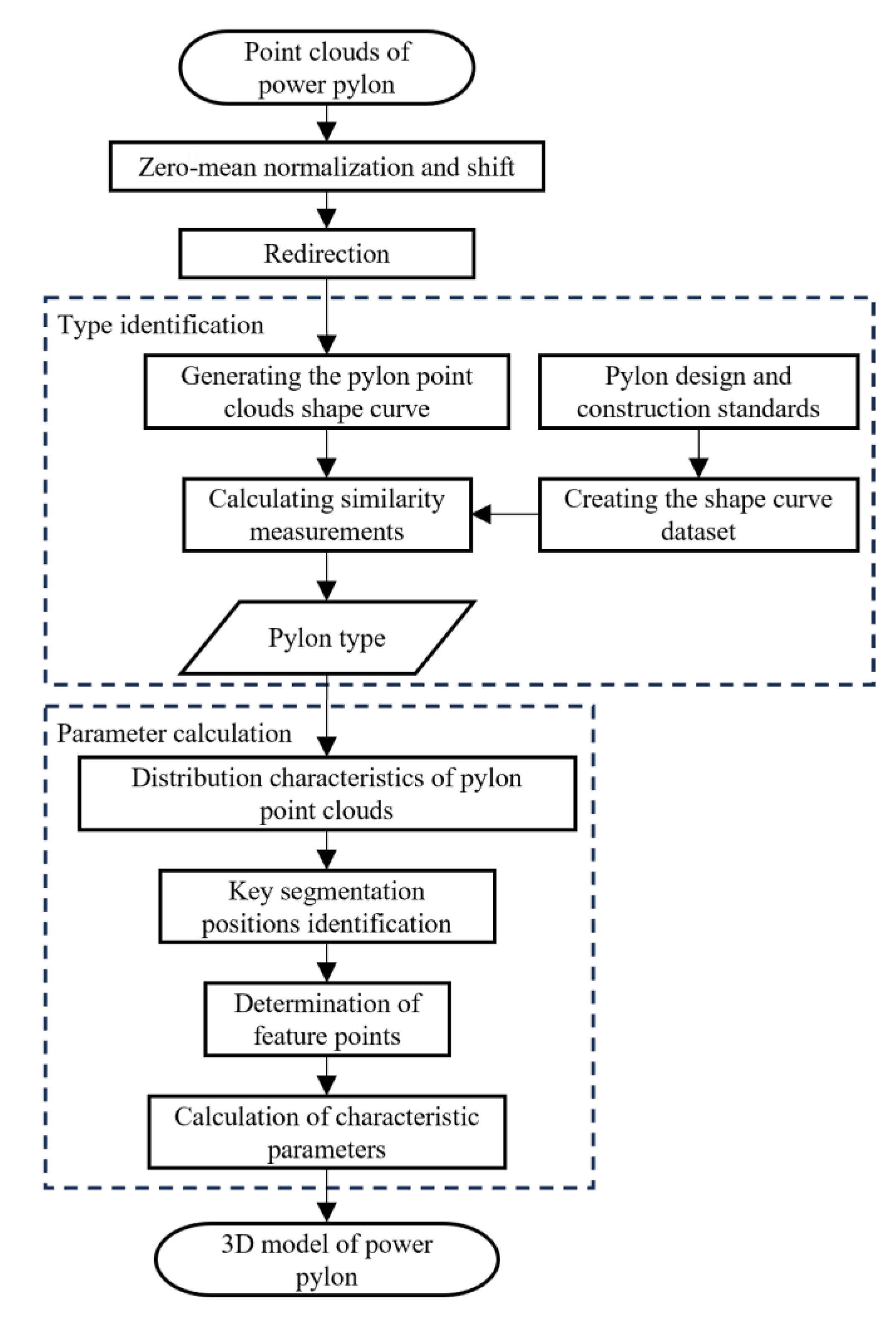
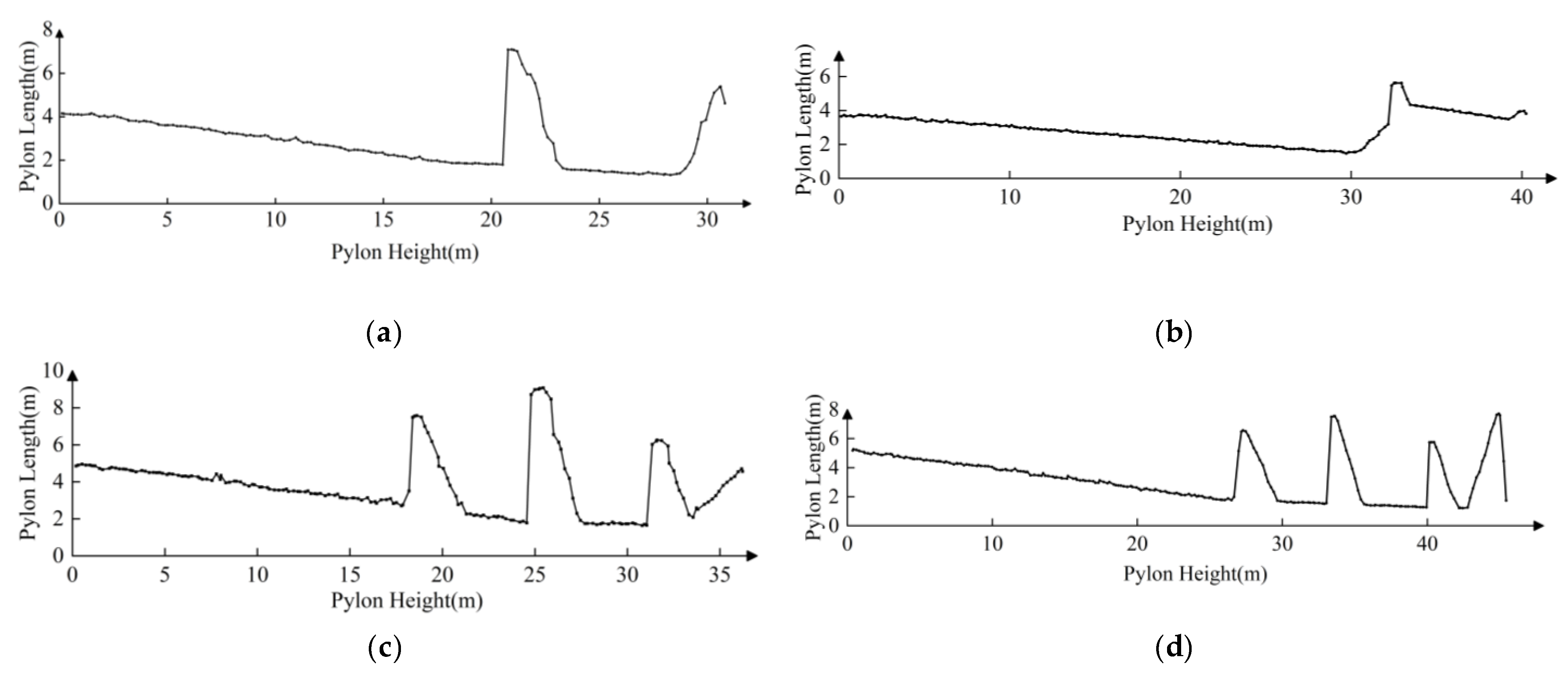
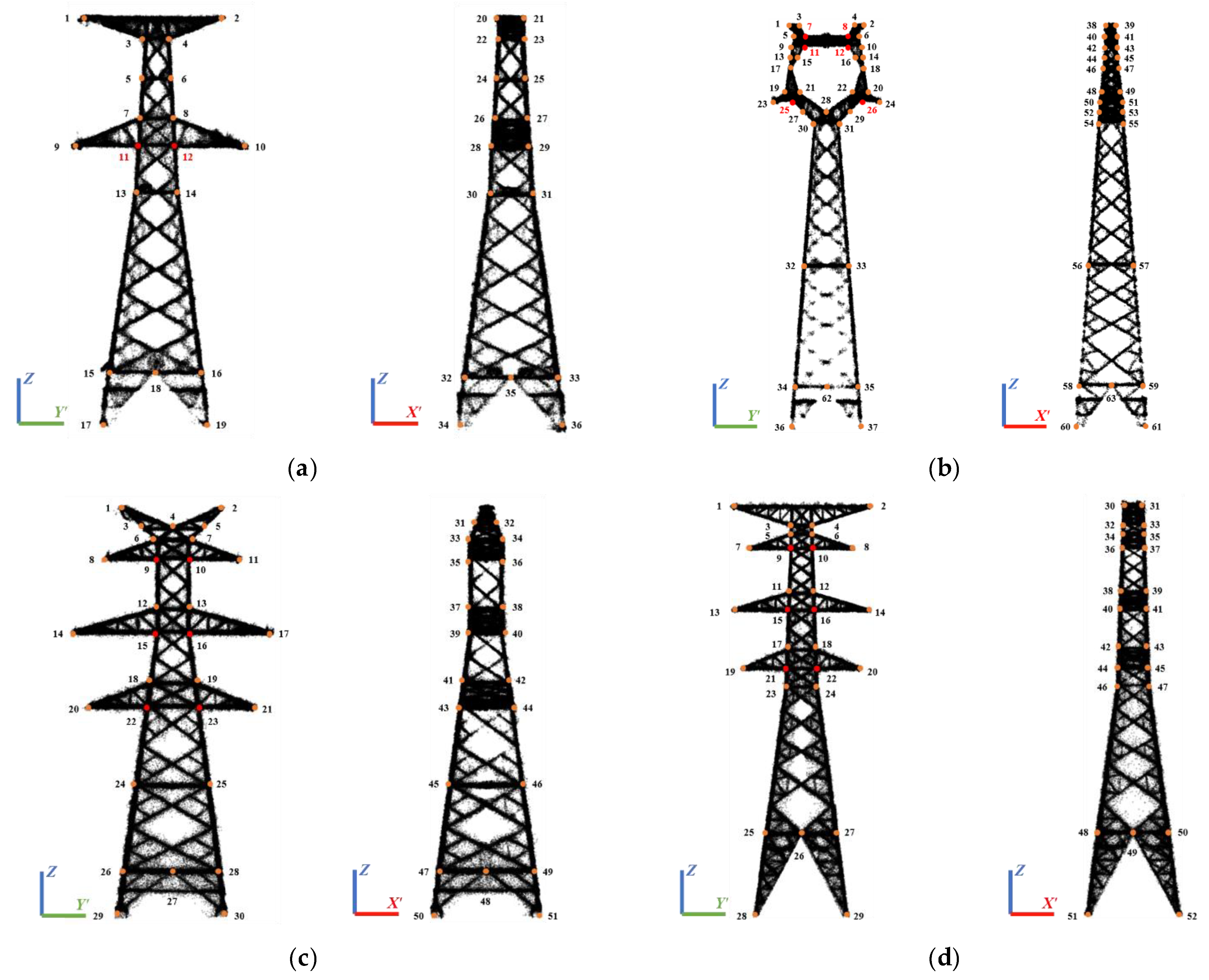
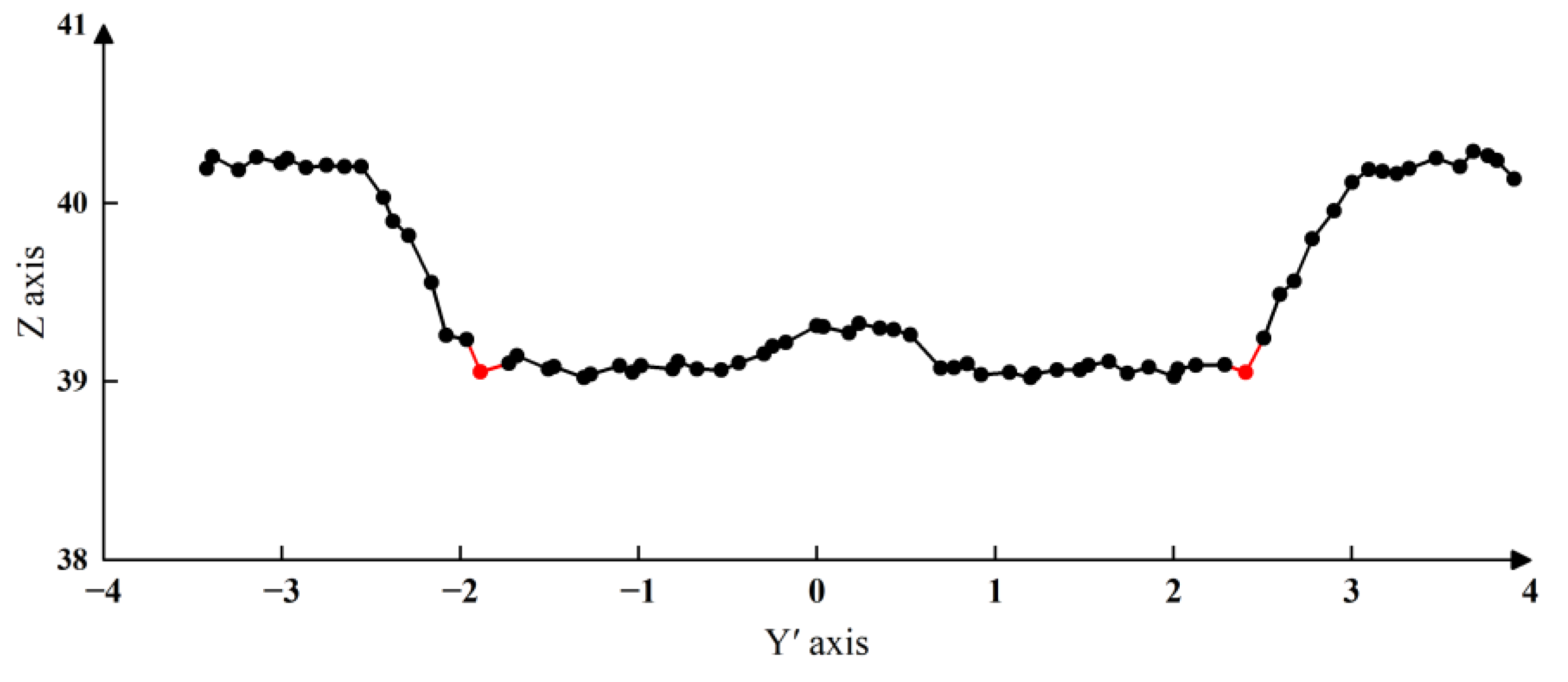
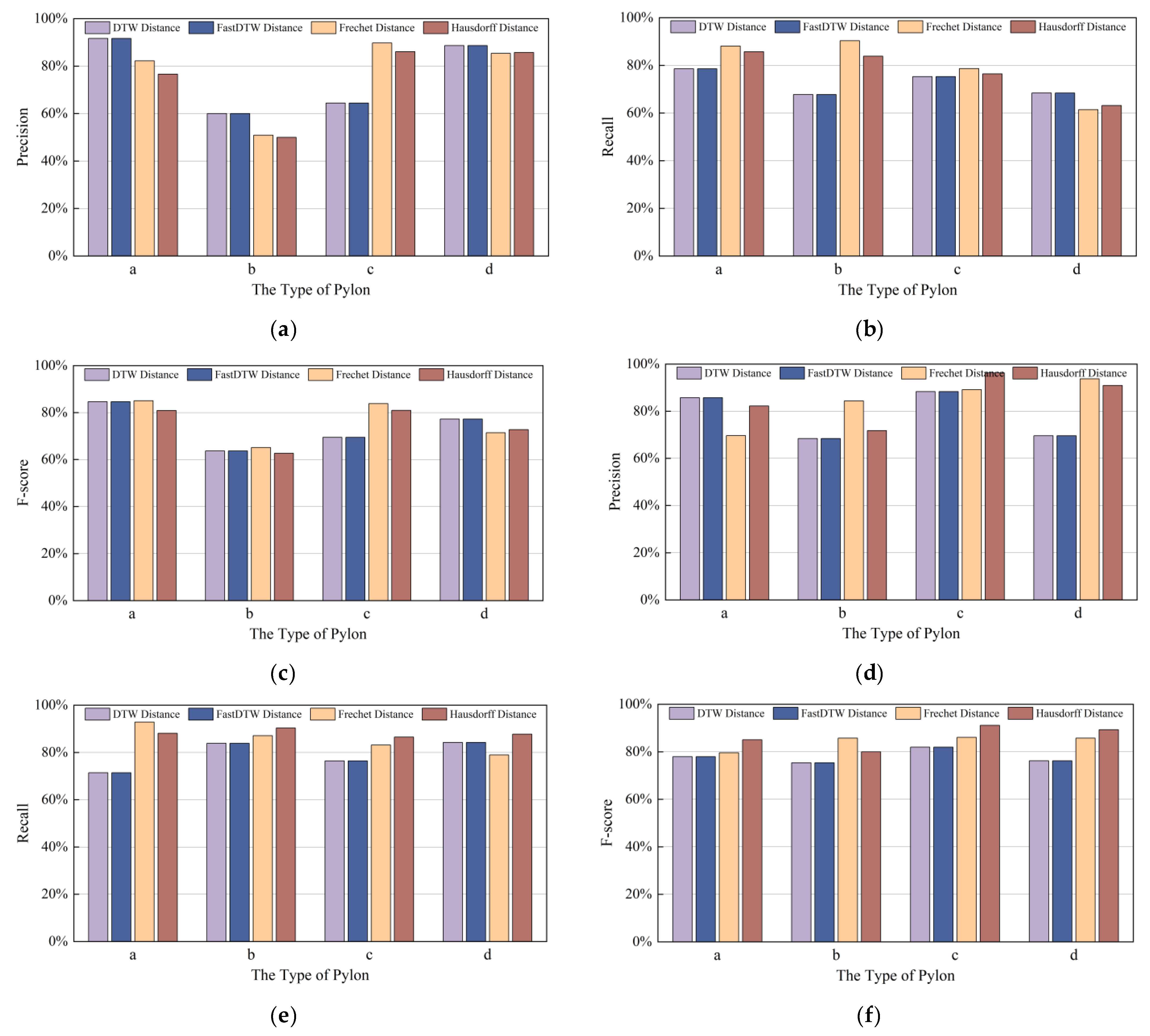
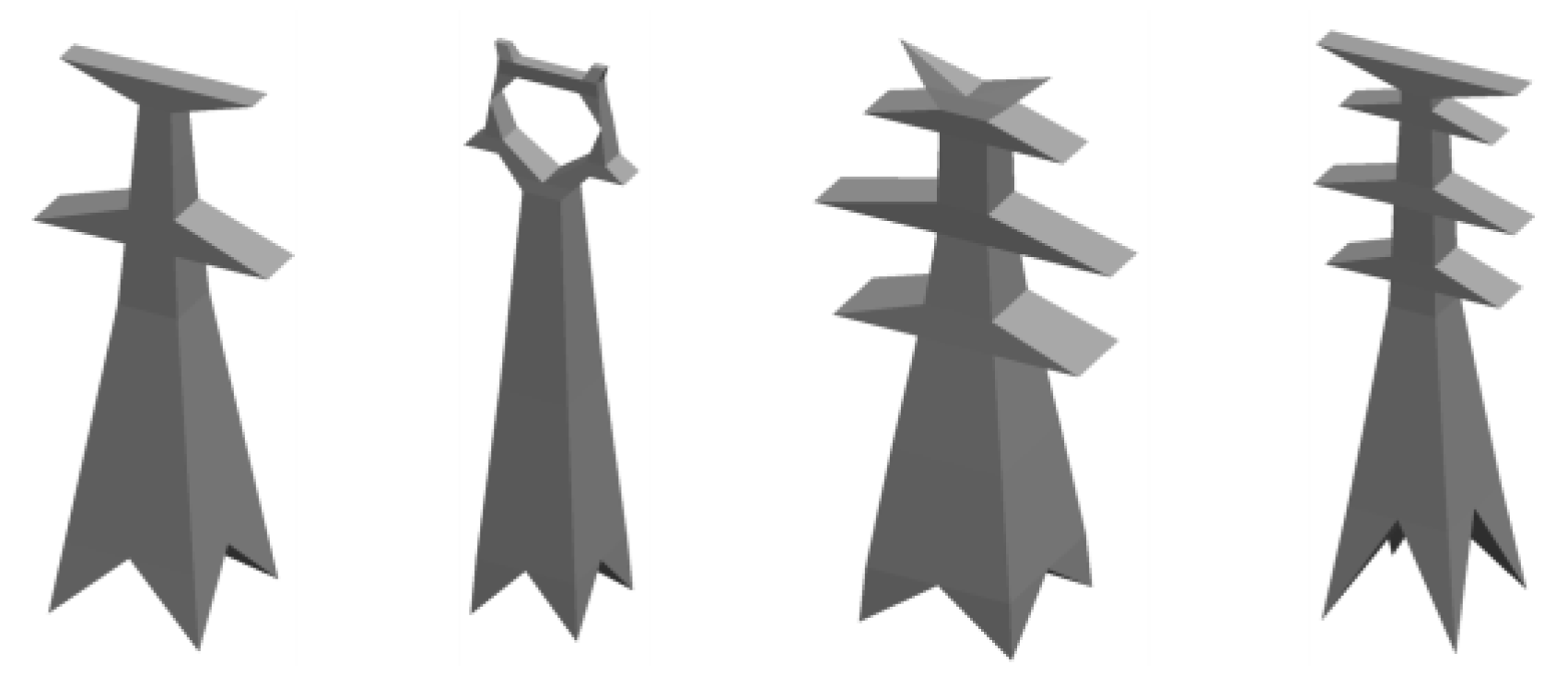
Reconstructing three-dimensional (3D) models of power equipment plays an increasingly important role in advancing digital twin power grids. To reconstruct a high-precision model, it is crucial to accurately obtain the pylon type and its necessary parameter information before modeling. This study proposes an improved method for identifying pylon types based on similarity measurement and a linearly transformed dataset. It begins by simplifying the identification of point clouds using the pylon shape curve. Subsequently, the resemblance between the curve and those curves within the dataset is evaluated using a similarity measurement to determine the pylon type. A novel method is proposed for calculating the characteristic parameters of the pylon point clouds. The horizontal and vertical distribution characteristics of the pylon point clouds are analyzed to identify key segmentation positions based on their types. Feature points are derived from key segmentation positions to calculate the characteristic parameters. Finally, the pylon 3D models are reconstructed on the basis of the calculated values. The experimental results showed that, compared with other similarity measurements, the Hausdorff distance had the best effect as a similarity measurement using the linearly transformed dataset, with an overall evaluation F-score of 86.4%. The maximum relative error of the calculated pylon parameters did not exceed 5%, affirming the feasibility of the algorithm.
Keywords: airborne LiDAR; power pylon; similarity measurement; 3D reconstruction airborne LiDAR; power pylon; similarity measurement; 3D reconstruction