Article

Anti-Jamming Low-Latency Channel Hopping Protocol for Cognitive Radio Networks

Department of Computer Science and Engineering, National Taiwan Ocean University, Keelung City 202301, Taiwan
*
Author to whom correspondence should be addressed.
Electronics 2023, 12(8), 1811; https://doi.org/10.3390/electronics12081811

Submission received: 22 February 2023 / Revised: 26 March 2023 / Accepted: 31 March 2023 / Published: 11 April 2023
(This article belongs to the Special Issue Application of Wireless Signal Processing & Network)

Abstract

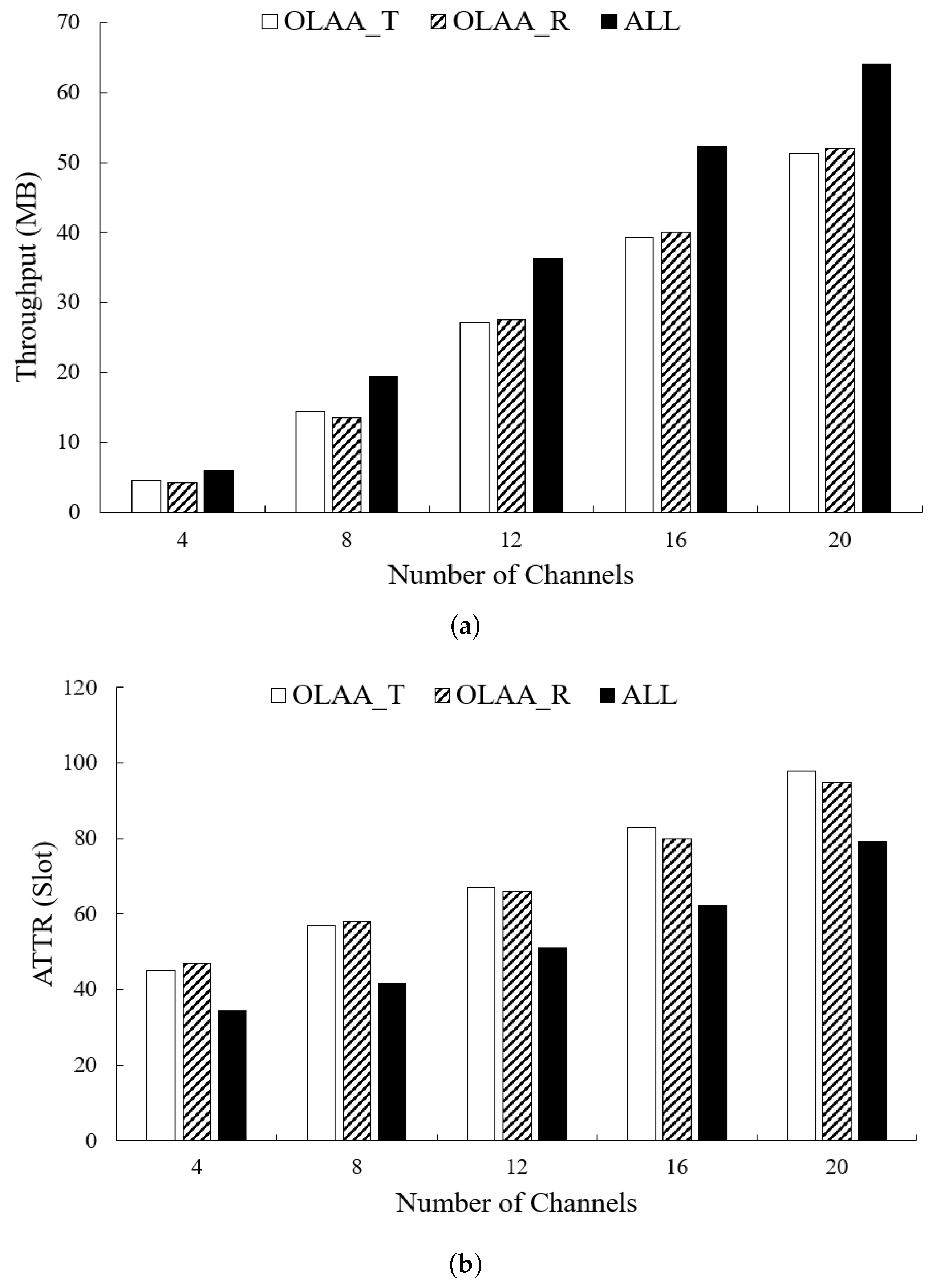
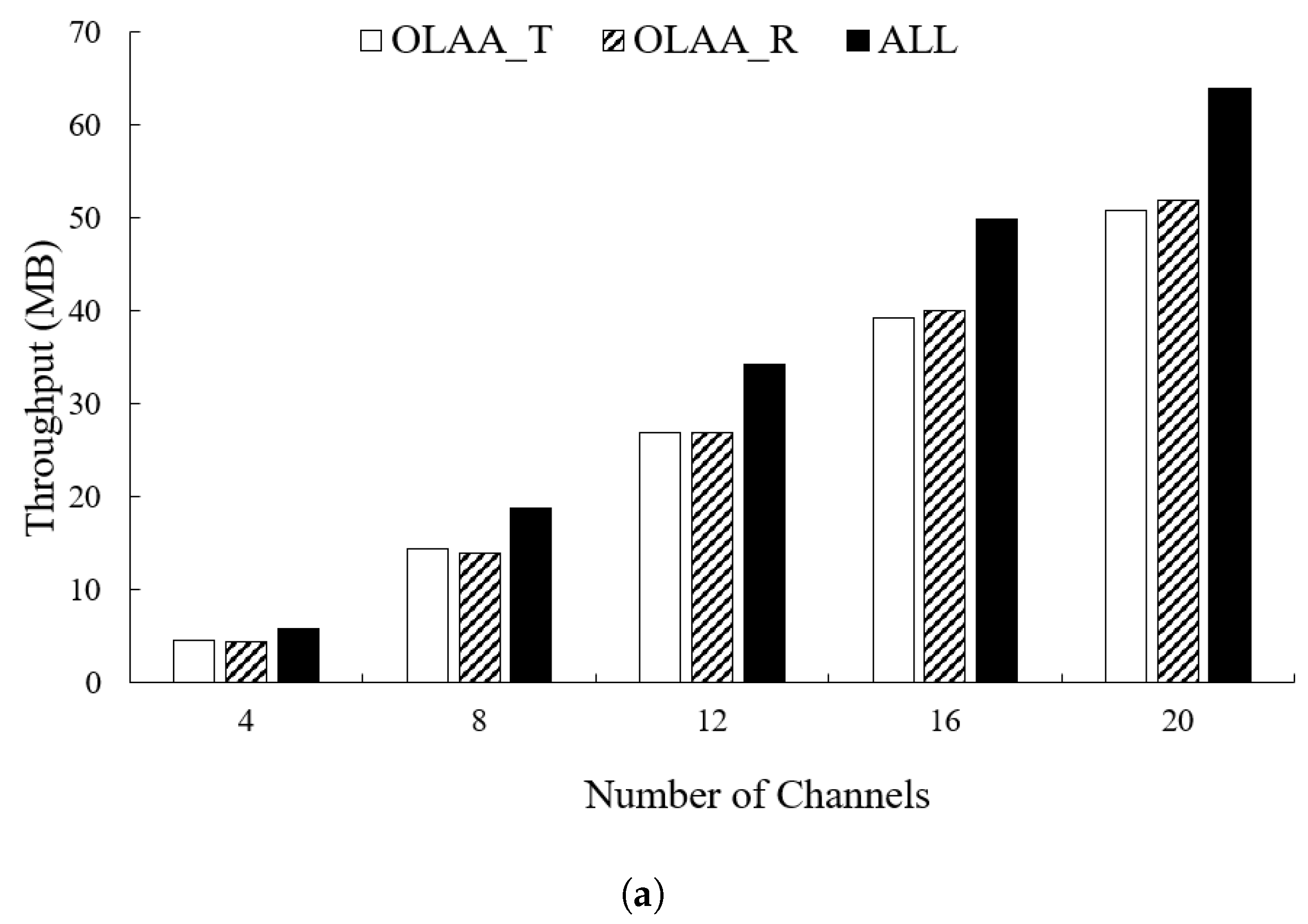
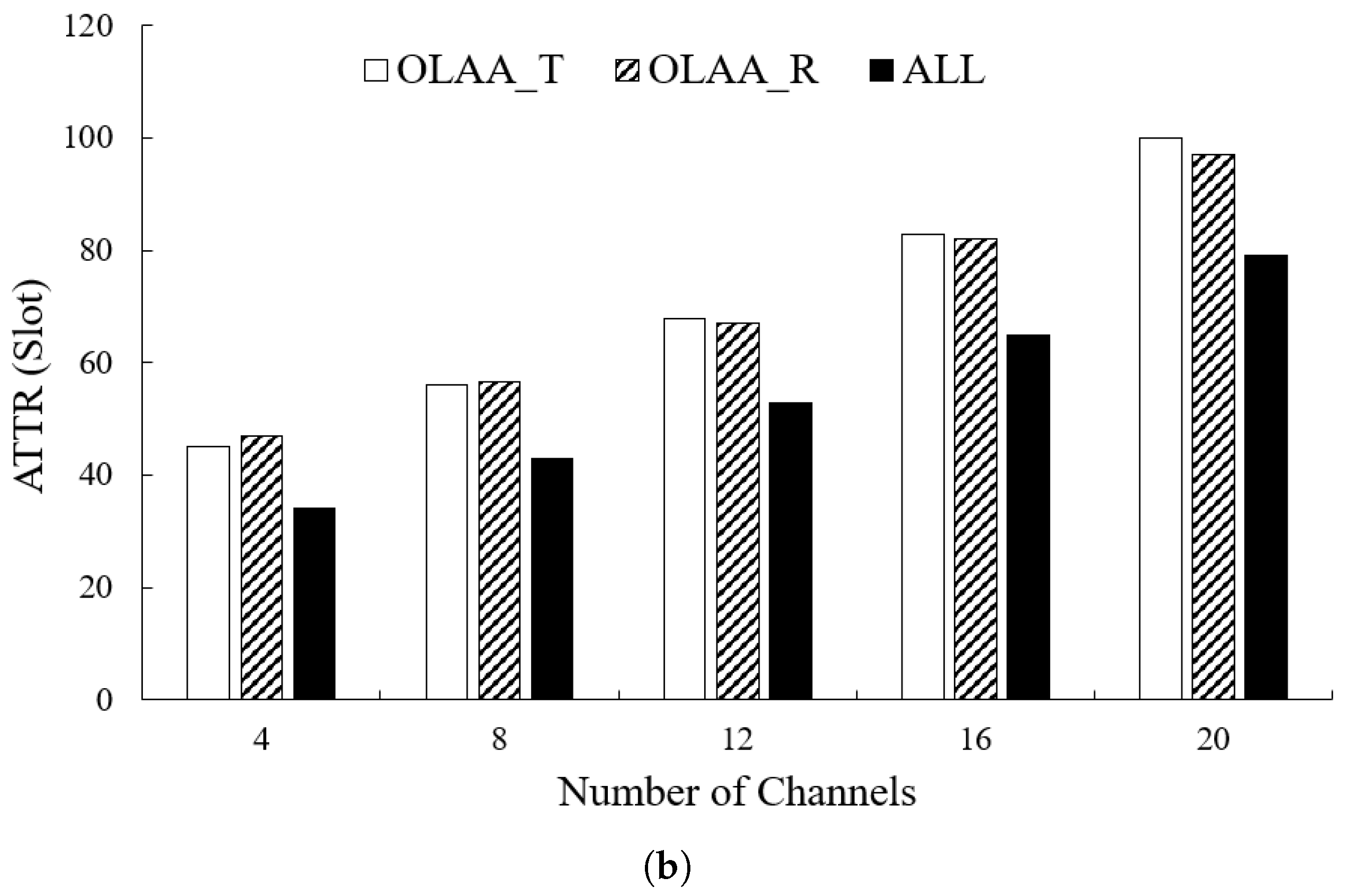
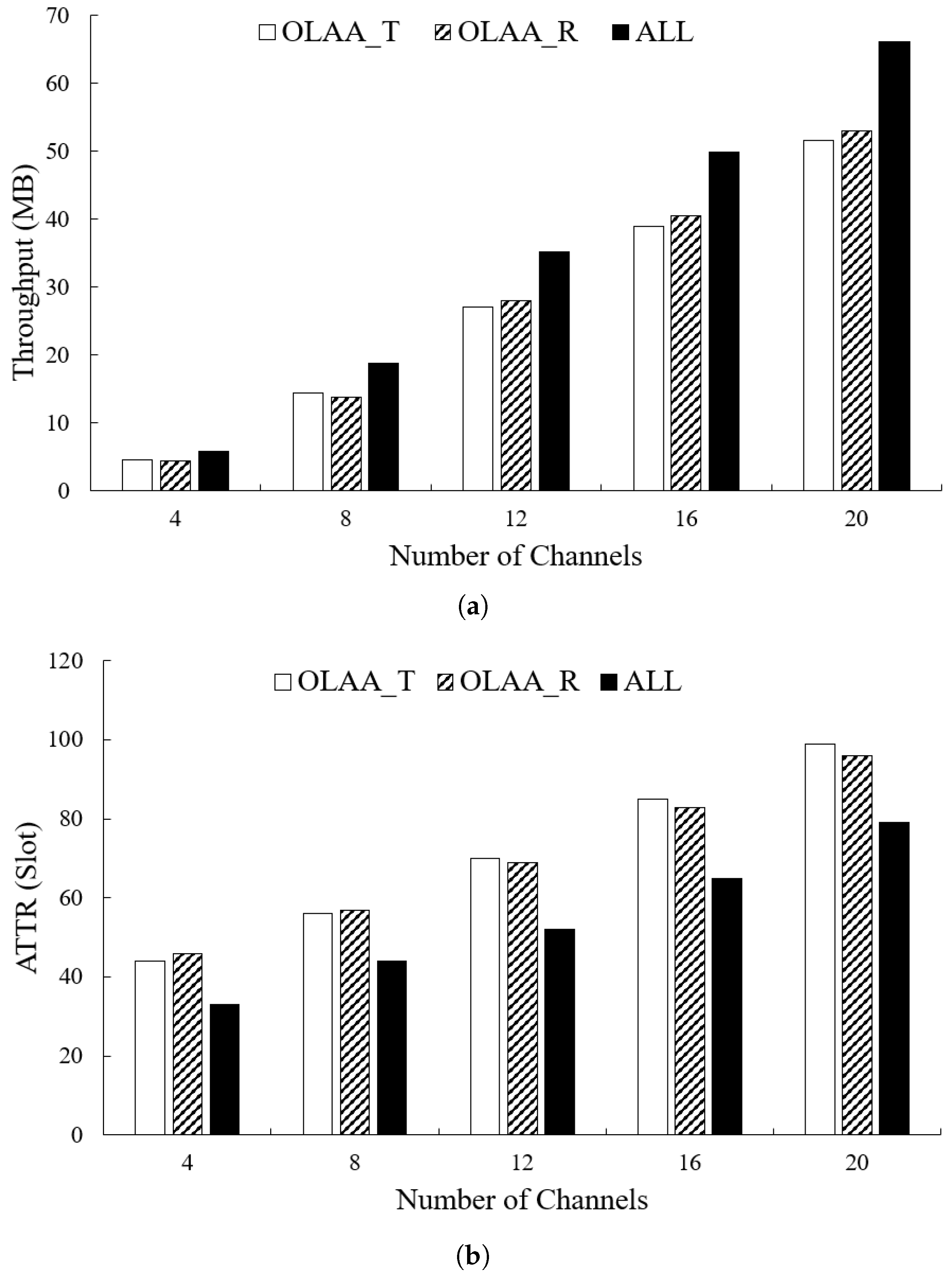
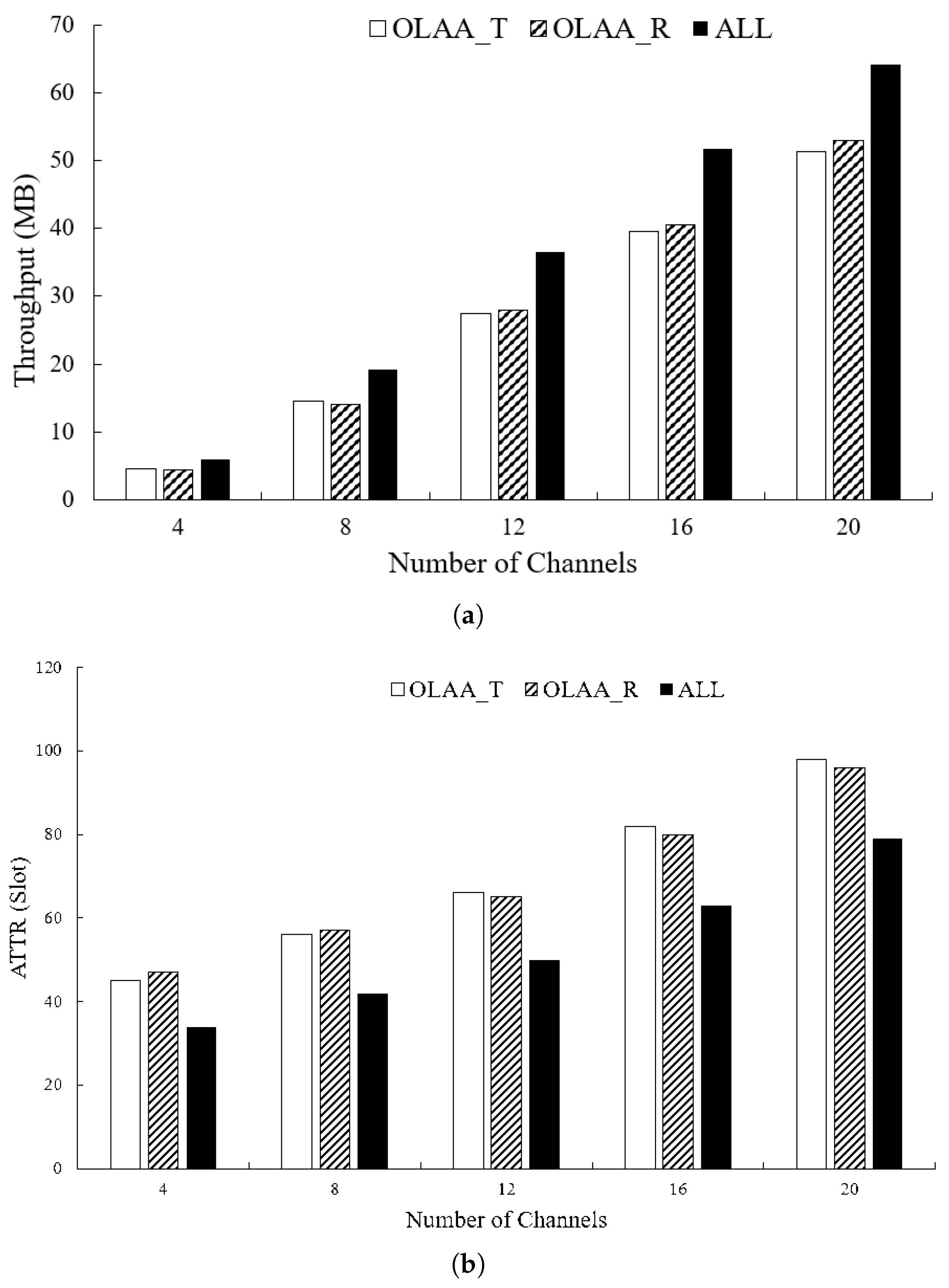
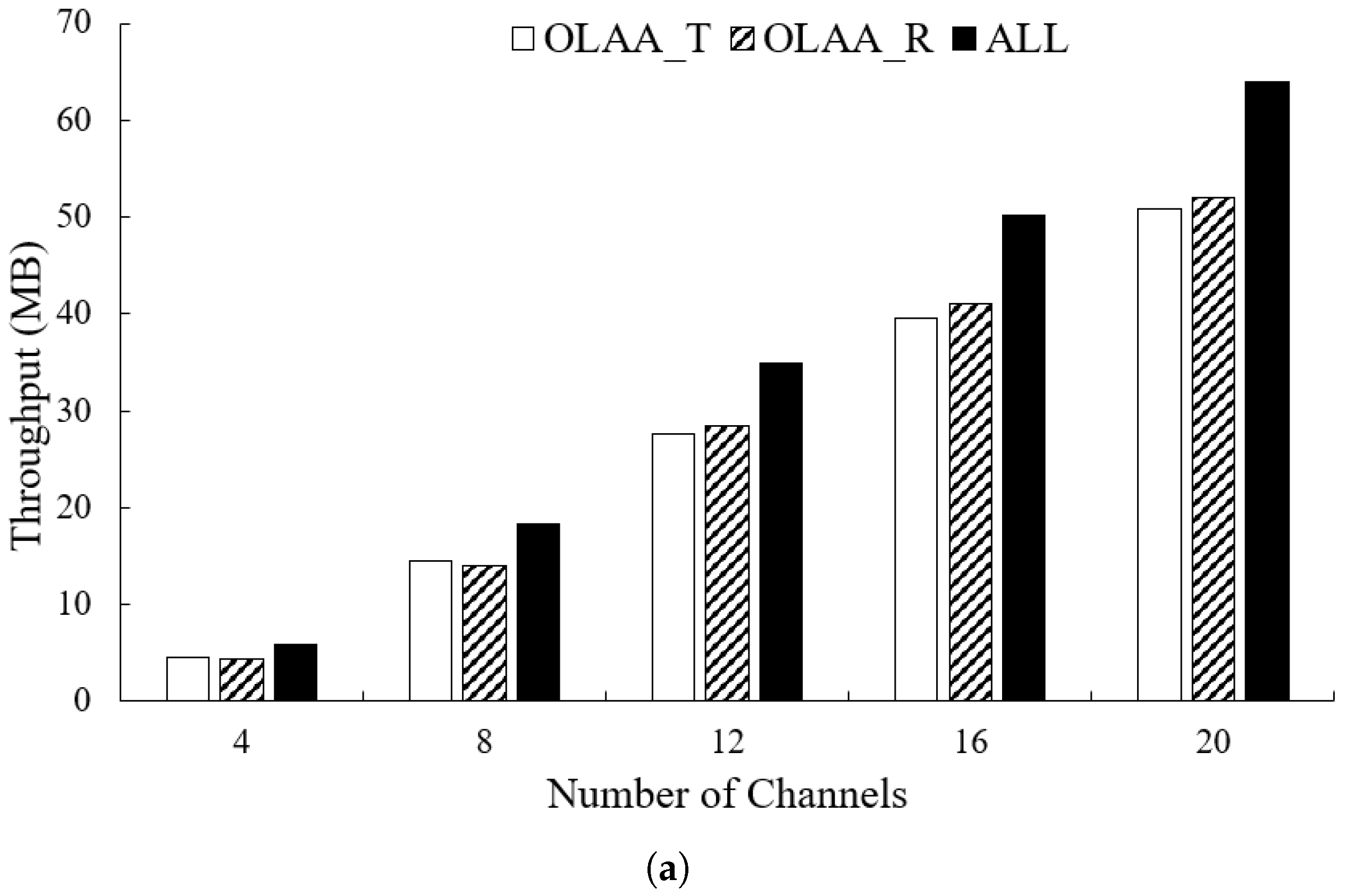
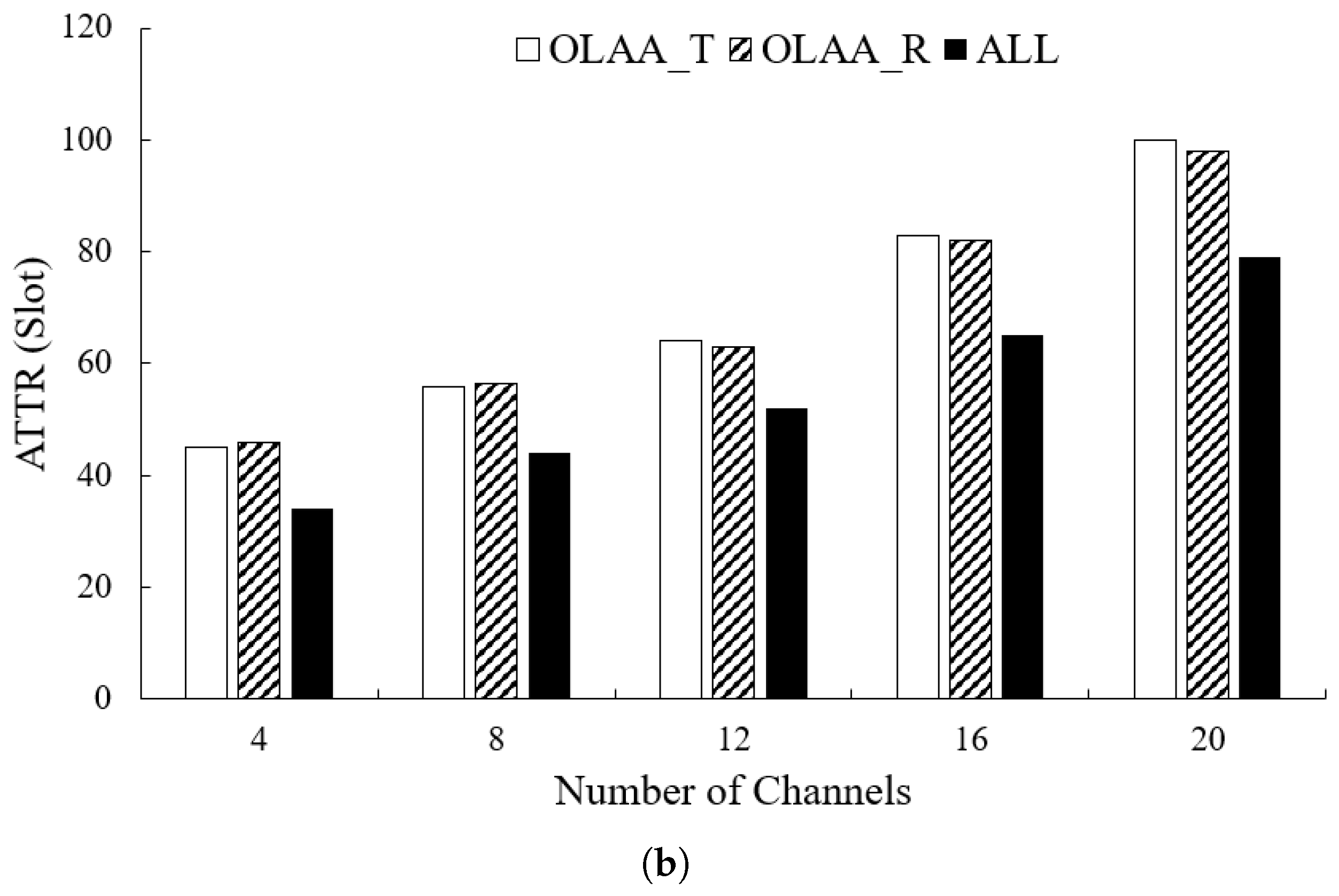
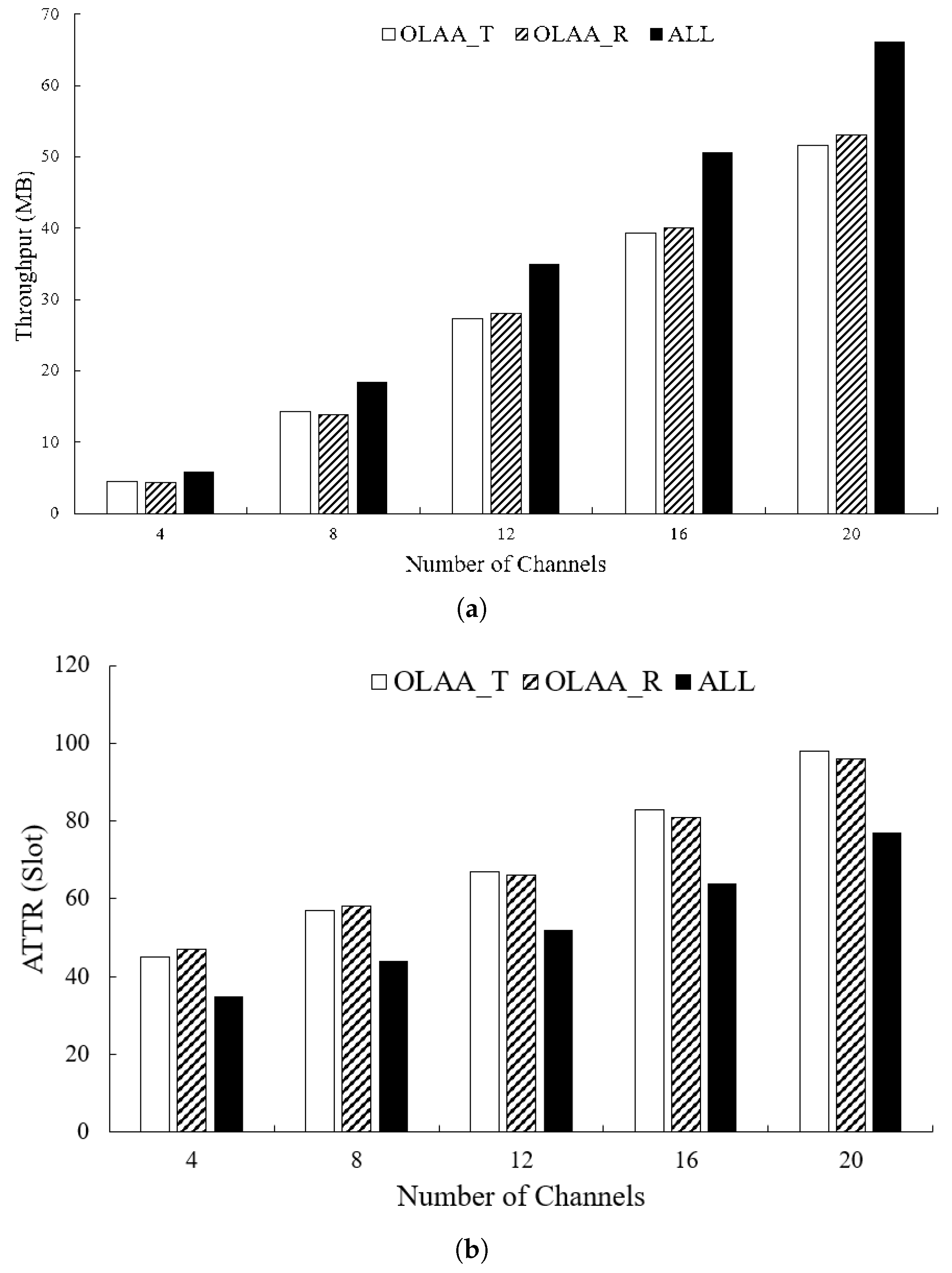
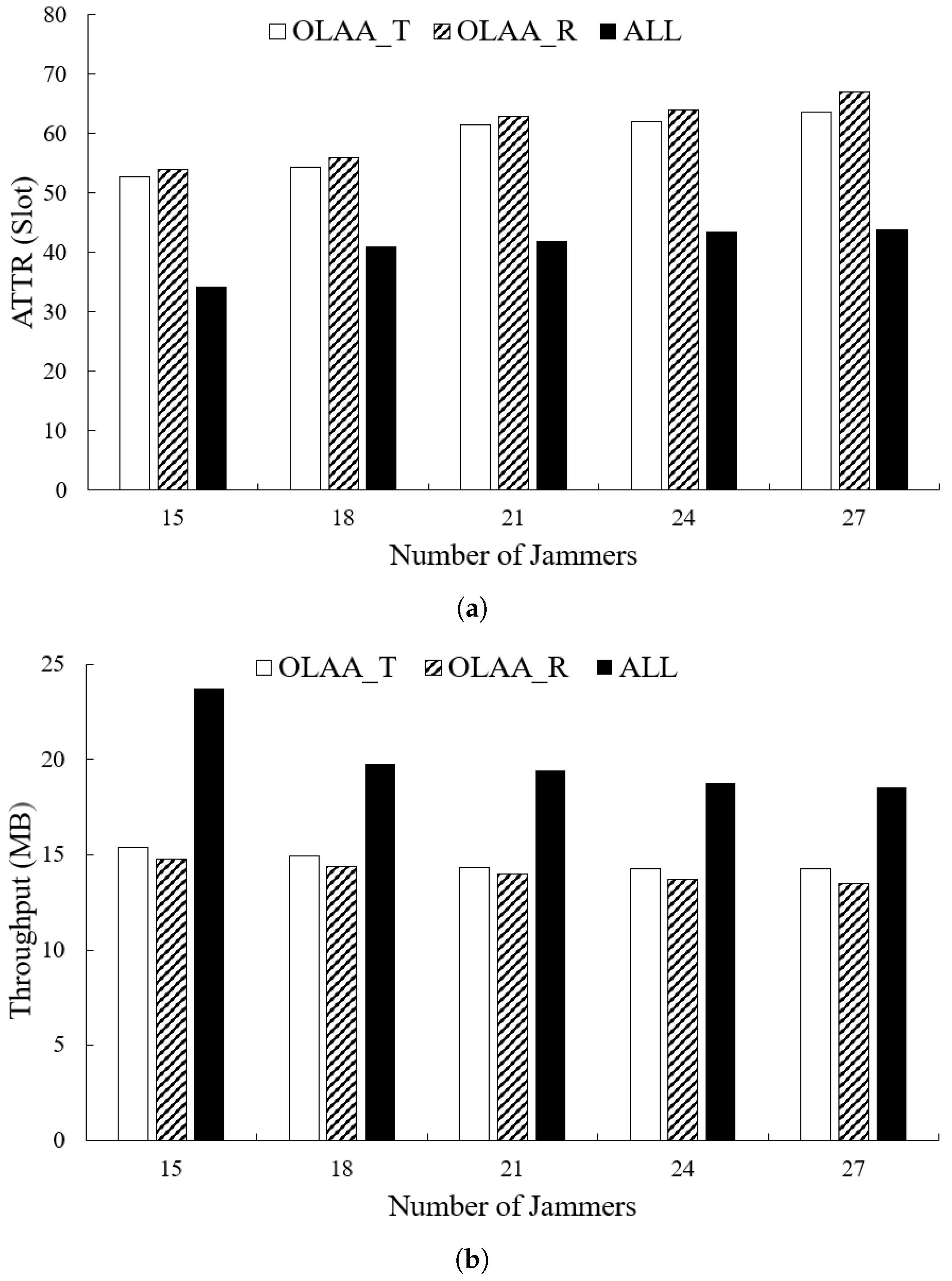
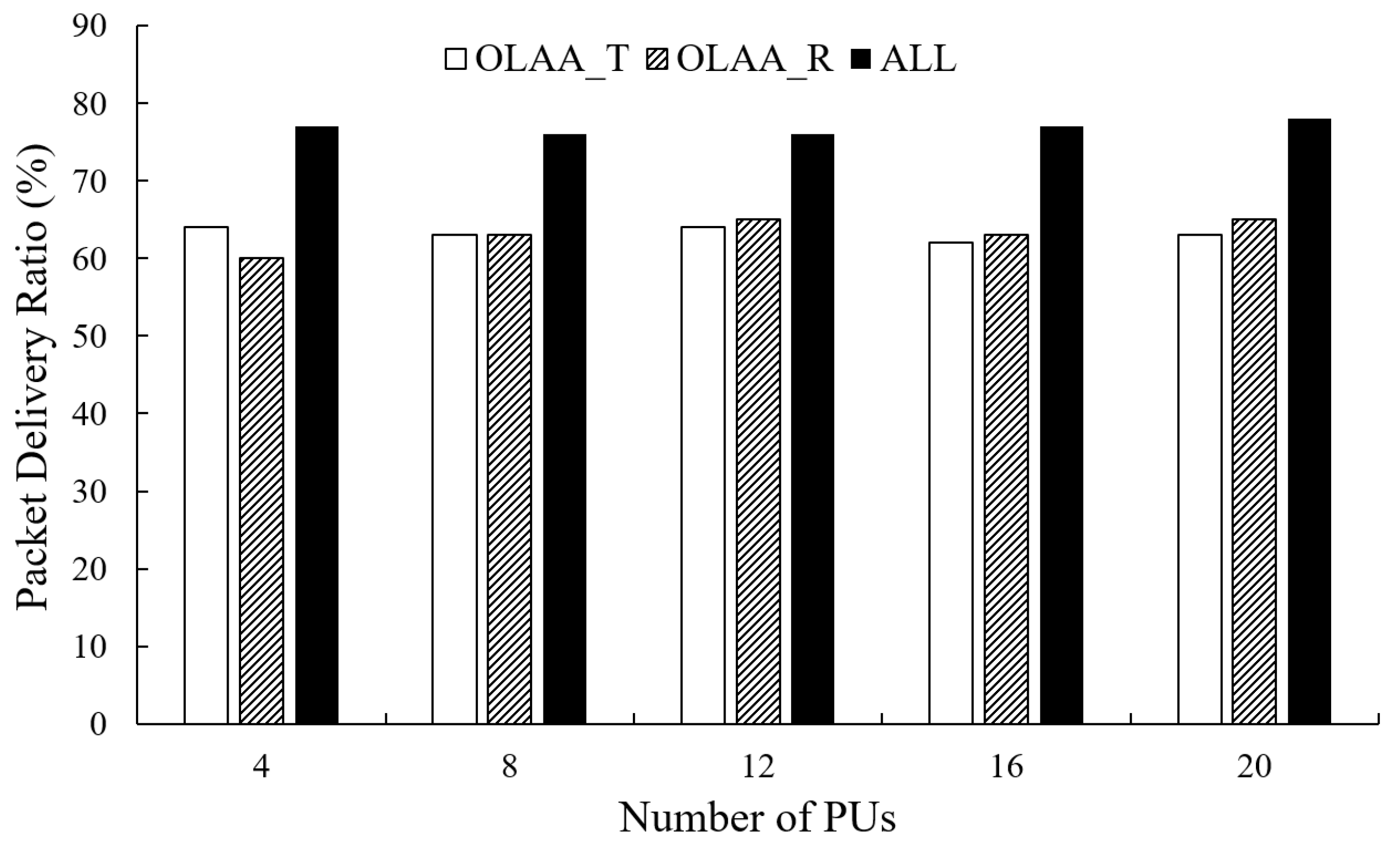
In order to increase channel usage efficiency, unlicensed users within a Cognitive Radio Network (CRN) are permitted to utilize channels that are not currently occupied by licensed users. However, ensuring communication between users in a CRN remains a challenge. To overcome this issue, a variety of channel hopping protocols have been developed. Time-invariant channel hopping protocols are vulnerable to attacks, so several channel hopping protocols that are resistant to jamming attacks have been proposed. In the majority of existing anti-jamming protocols, users create their channel hopping sequence using a channel hopping matrix, with the rendezvous probability between two users being determined by the structure of their respective channel hopping matrices. The channel hopping matrices designed by existing methods still have room for improvement. To overcome the difficulty of guaranteeing communication between any pair of users, while also providing protection against jamming attacks and minimizing the time to rendezvous (TTR) in a CRN, this paper presents the Anti-jamming Low-Latency channel hopping (ALL) protocol. This protocol allows a sender to adjust their channel hopping matrix structure to match that of the receiver, thereby improving the chances of successful rendezvous between users. Based on the simulation results, the ALL protocol performs better than the recently proposed practical solution, OLAA, by up to 33% in network throughput and 30% in TTR. On average, ALL outperforms OLAA by 25% in network throughput and 20% in TTR.
Keywords: cognitive radio networks; jamming resistant channel hopping; low latency channel hopping; extended Langford pairing; rendezvous guarantee cognitive radio networks; jamming resistant channel hopping; low latency channel hopping; extended Langford pairing; rendezvous guarantee