Article

Meteorological Variables Forecasting System Using Machine Learning and Open-Source Software

by
Jenny Aracely Segovia
*,
Jonathan Fernando Toaquiza
*,
Jacqueline Rosario Llanos
* and
David Raimundo Rivas
Department of Electrical and Electronic Engineering, Universidad de las Fuerzas Armadas (ESPE), Sangolquí 171103, Ecuador
*
Authors to whom correspondence should be addressed.
Electronics 2023, 12(4), 1007; https://doi.org/10.3390/electronics12041007

Submission received: 4 January 2023 / Revised: 4 February 2023 / Accepted: 6 February 2023 / Published: 17 February 2023

Abstract

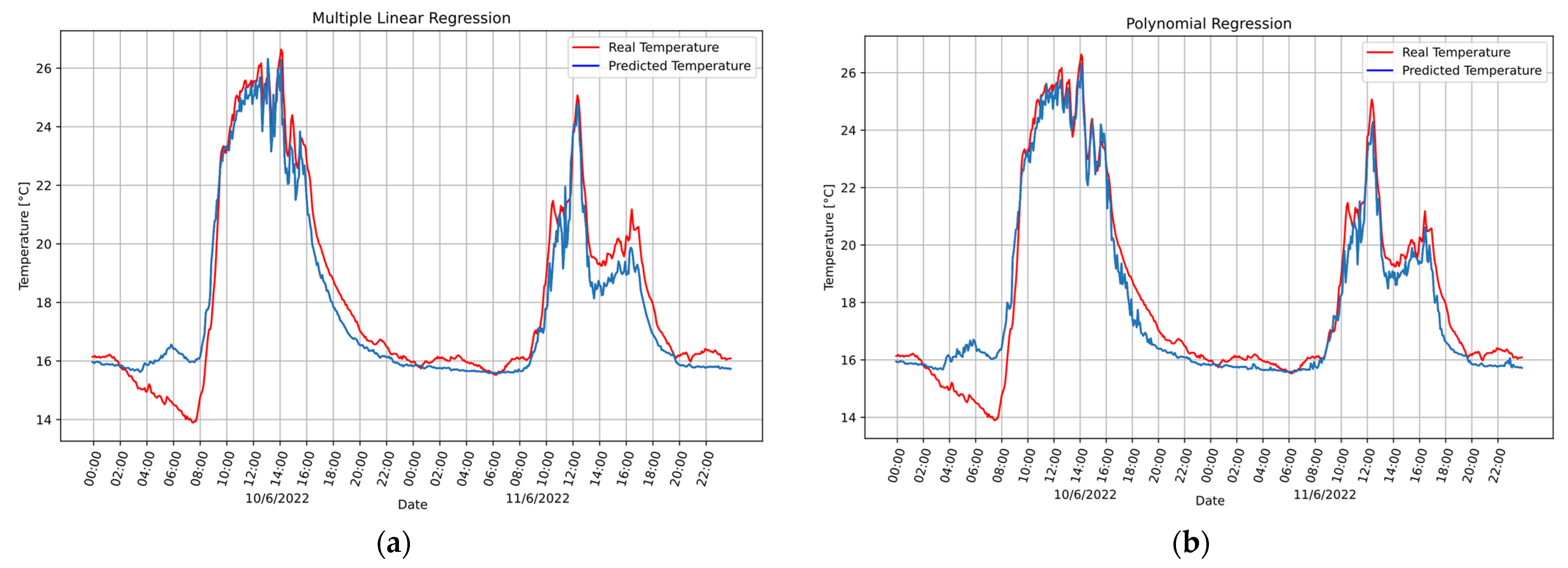
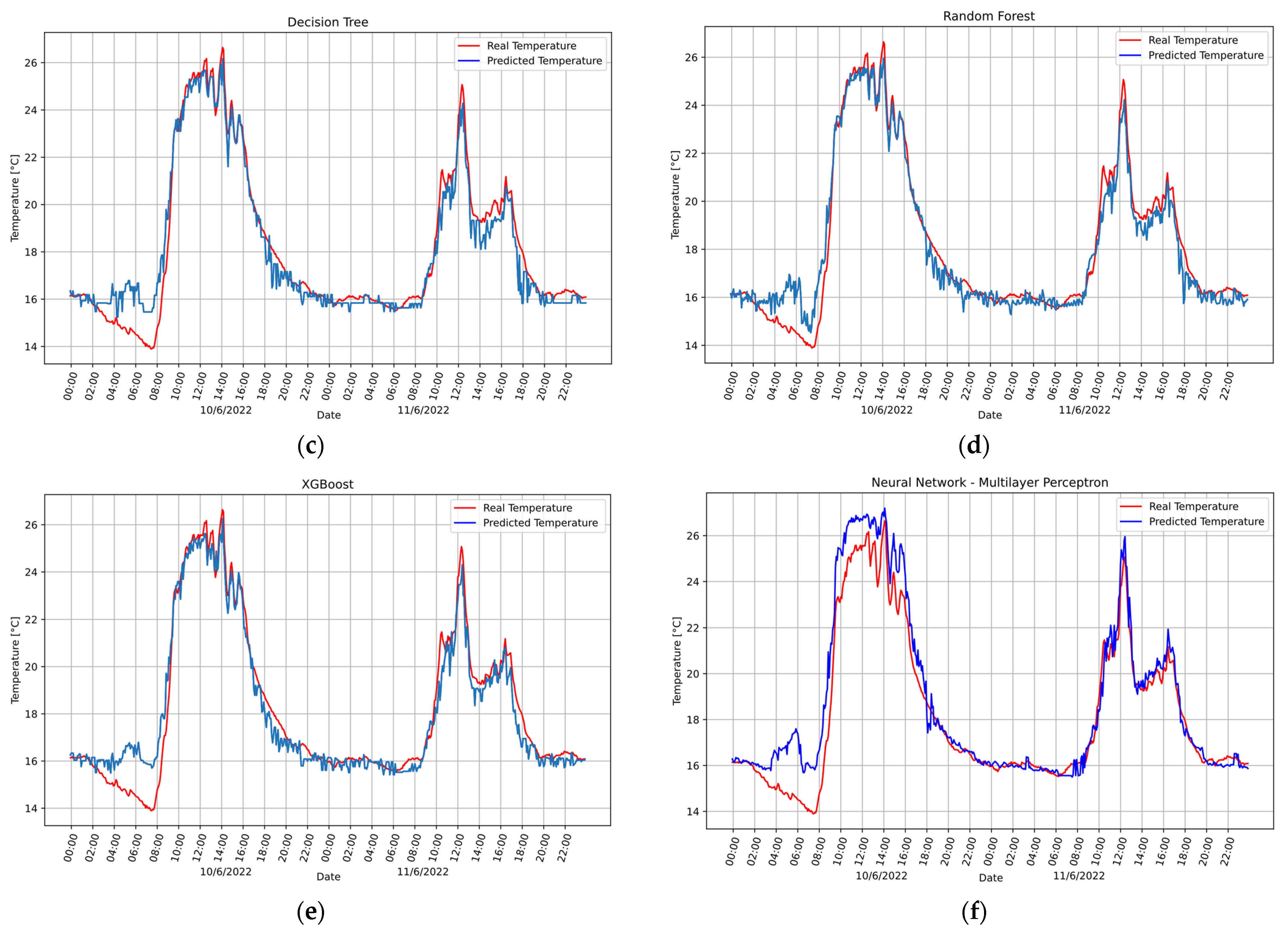
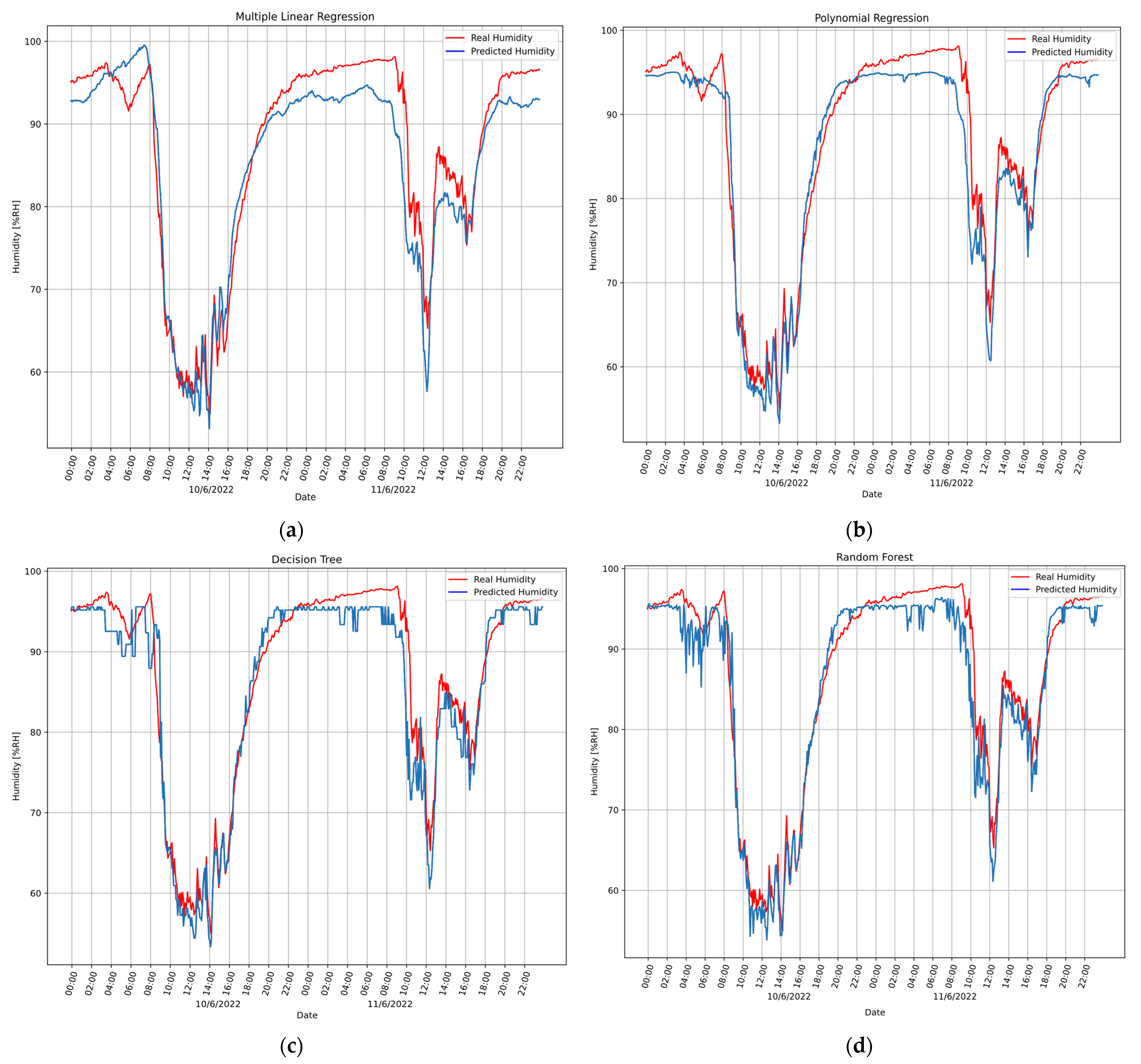
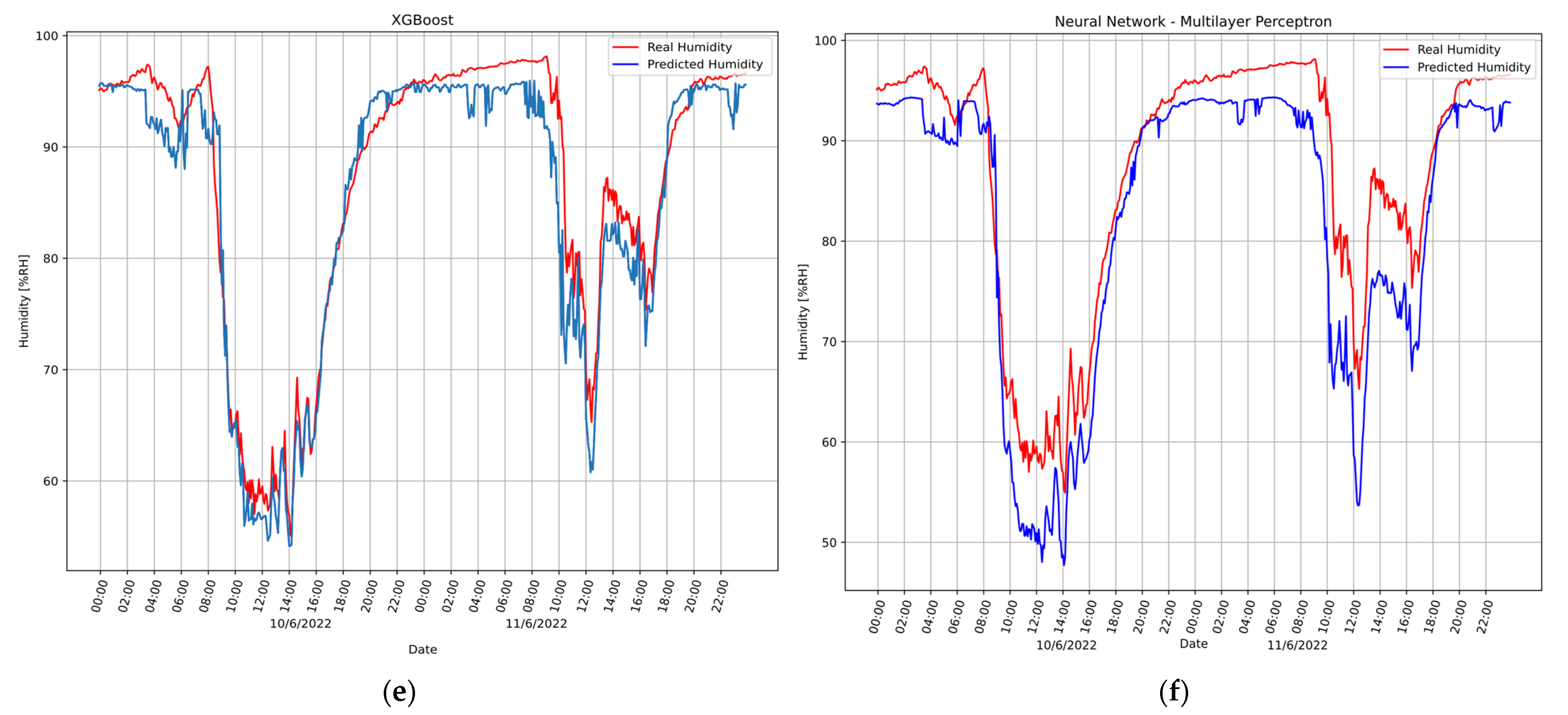
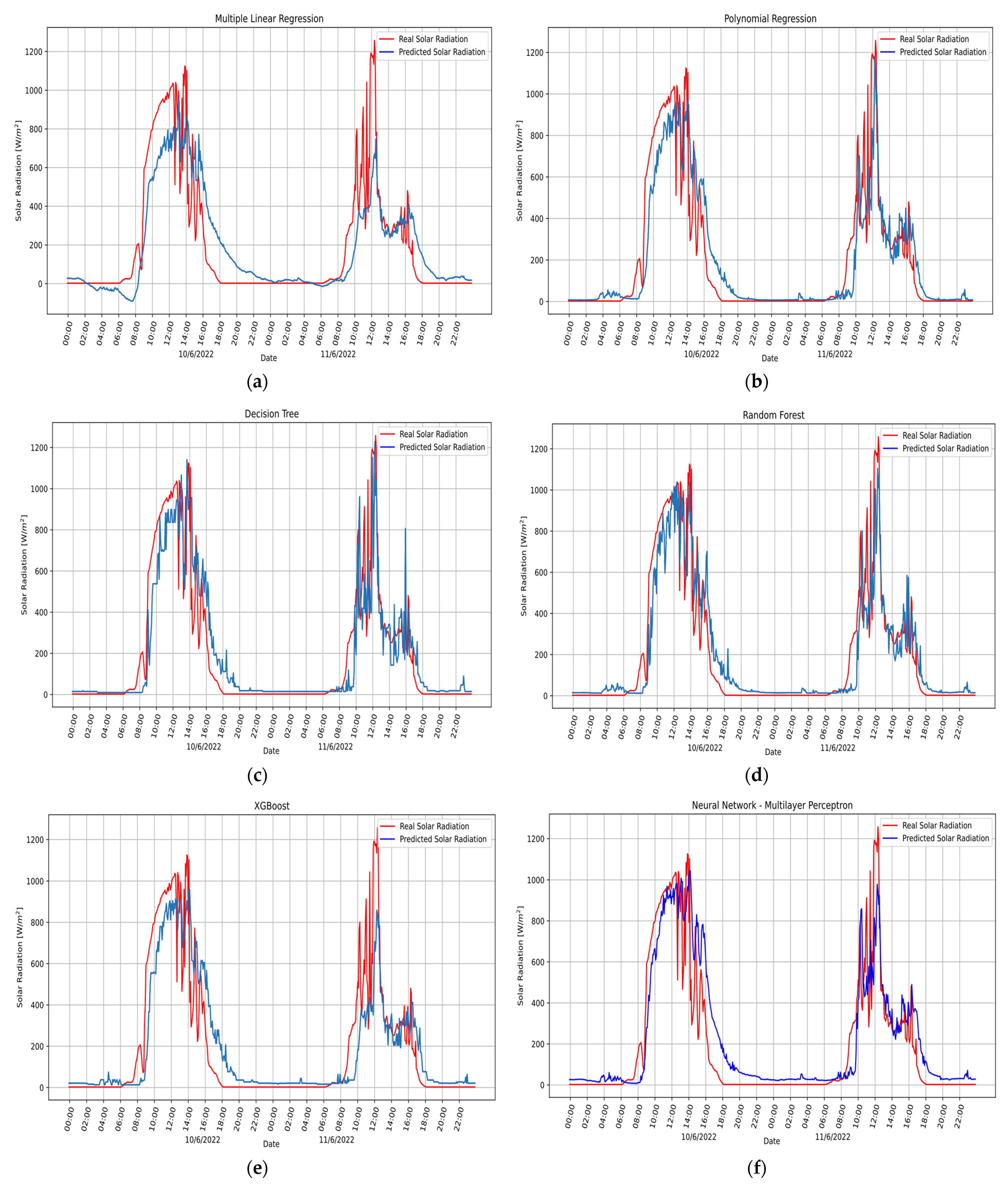
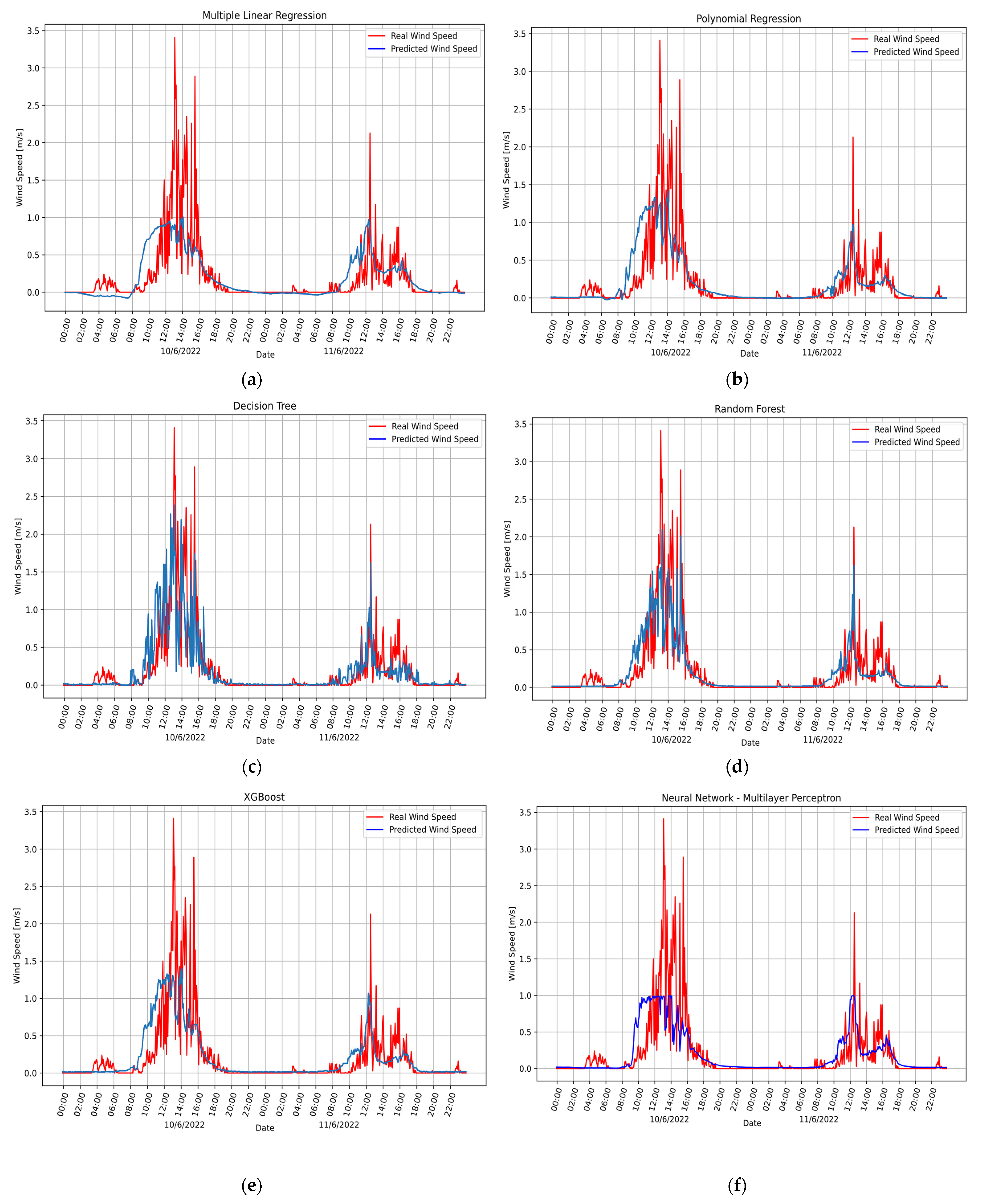
The techniques for forecasting meteorological variables are highly studied since prior knowledge of them allows for the efficient management of renewable energies, and also for other applications of science such as agriculture, health, engineering, energy, etc. In this research, the design, implementation, and comparison of forecasting models for meteorological variables have been performed using different Machine Learning techniques as part of Python open-source software. The techniques implemented include multiple linear regression, polynomial regression, random forest, decision tree, XGBoost, and multilayer perceptron neural network (MLP). To identify the best technique, the mean square error (RMSE), mean absolute percentage error (MAPE), mean absolute error (MAE), and coefficient of determination (R2) are used as evaluation metrics. The most efficient techniques depend on the variable to be forecasting, however, it is noted that for most of them, random forest and XGBoost techniques present better performance. For temperature, the best performing technique was Random Forest with an R2 of 0.8631, MAE of 0.4728 °C, MAPE of 2.73%, and RMSE of 0.6621 °C; for relative humidity, was Random Forest with an R2 of 0.8583, MAE of 2.1380RH, MAPE of 2.50% and RMSE of 2.9003 RH; for solar radiation, was Random Forest with an R2 of 0.7333, MAE of 65.8105 W/m2, and RMSE of 105.9141 W/m2; and for wind speed, was Random Forest with an R2 of 0.3660, MAE of 0.1097 m/s, and RMSE of 0.2136 m/s.
Keywords: machine learning; forecasting models; meteorological variables; Python machine learning; forecasting models; meteorological variables; Python