Article

Efficient Fingerprinting Attack on Web Applications: An Adaptive Symbolization Approach

1
Computer and Information Security Department, Zhejiang Police College, Hangzhou 310053, China
2
Computer Application Technology Department, School of Computer Science, Hangzhou Dianzi University, Hangzhou 310018, China
3
Basic Courses Department, Zhejiang Police College, Hangzhou 310053, China
*
Author to whom correspondence should be addressed.
Electronics 2023, 12(13), 2948; https://doi.org/10.3390/electronics12132948

Submission received: 21 April 2023 / Revised: 18 June 2023 / Accepted: 23 June 2023 / Published: 4 July 2023
(This article belongs to the Special Issue Advanced Web Applications)

Abstract

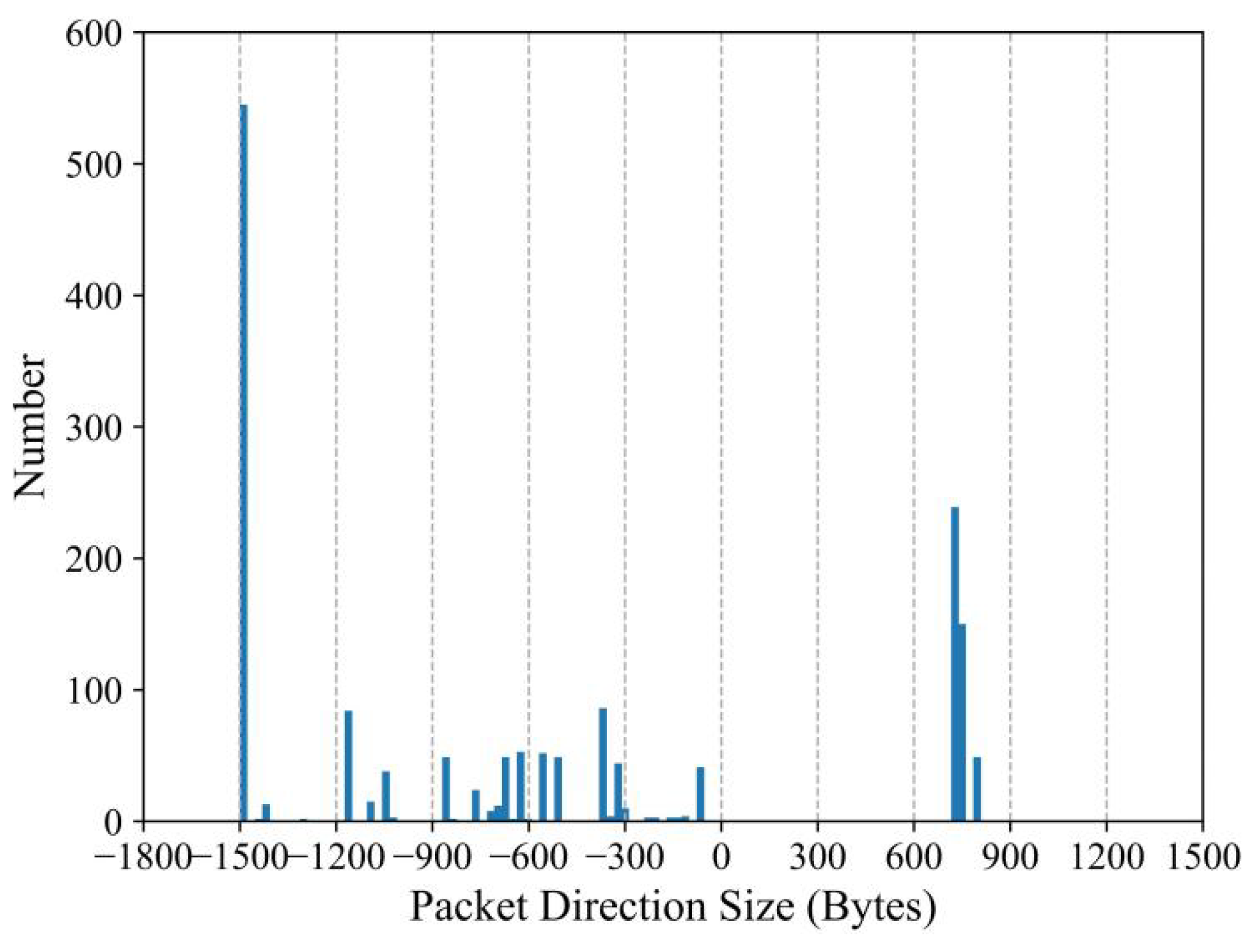
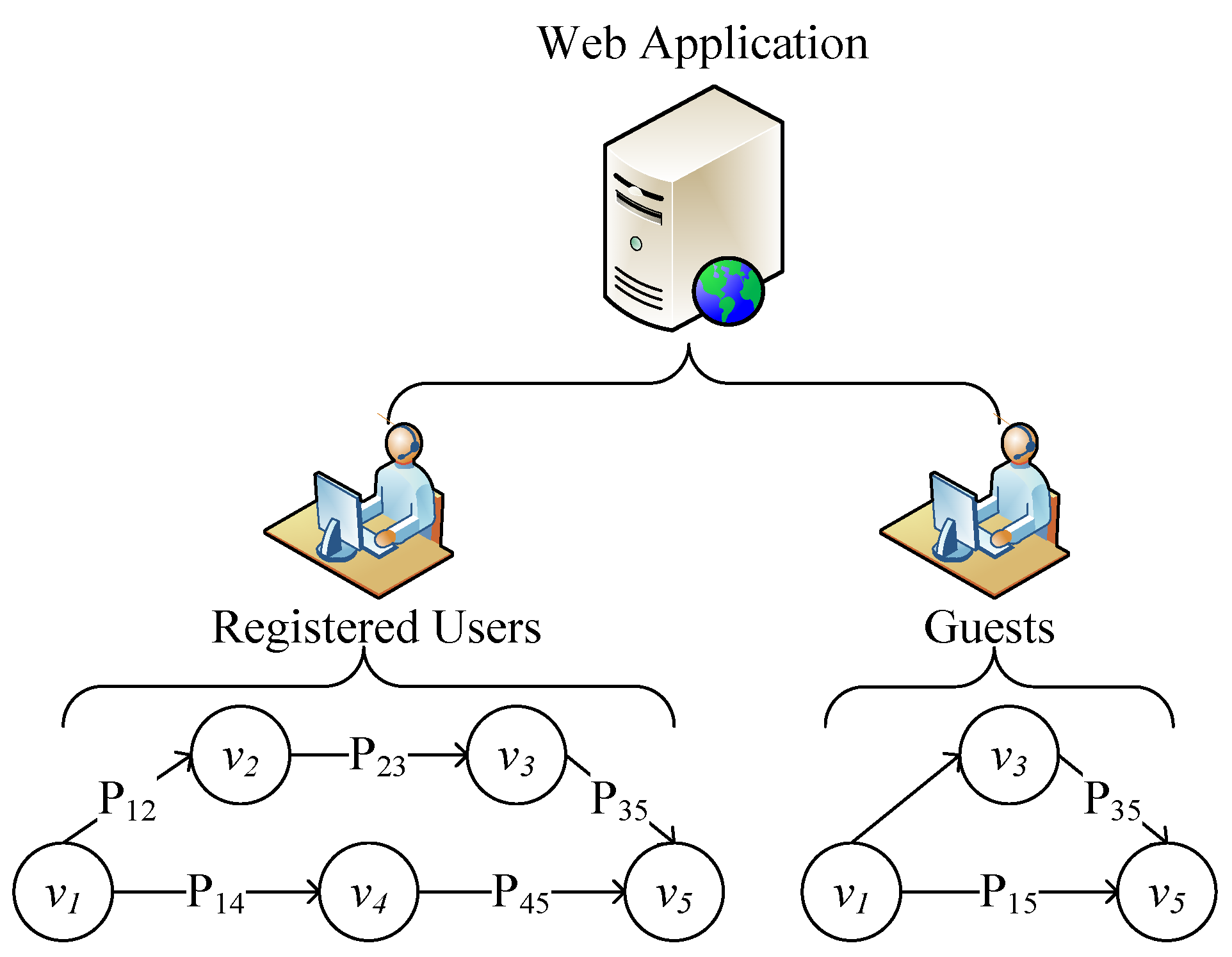
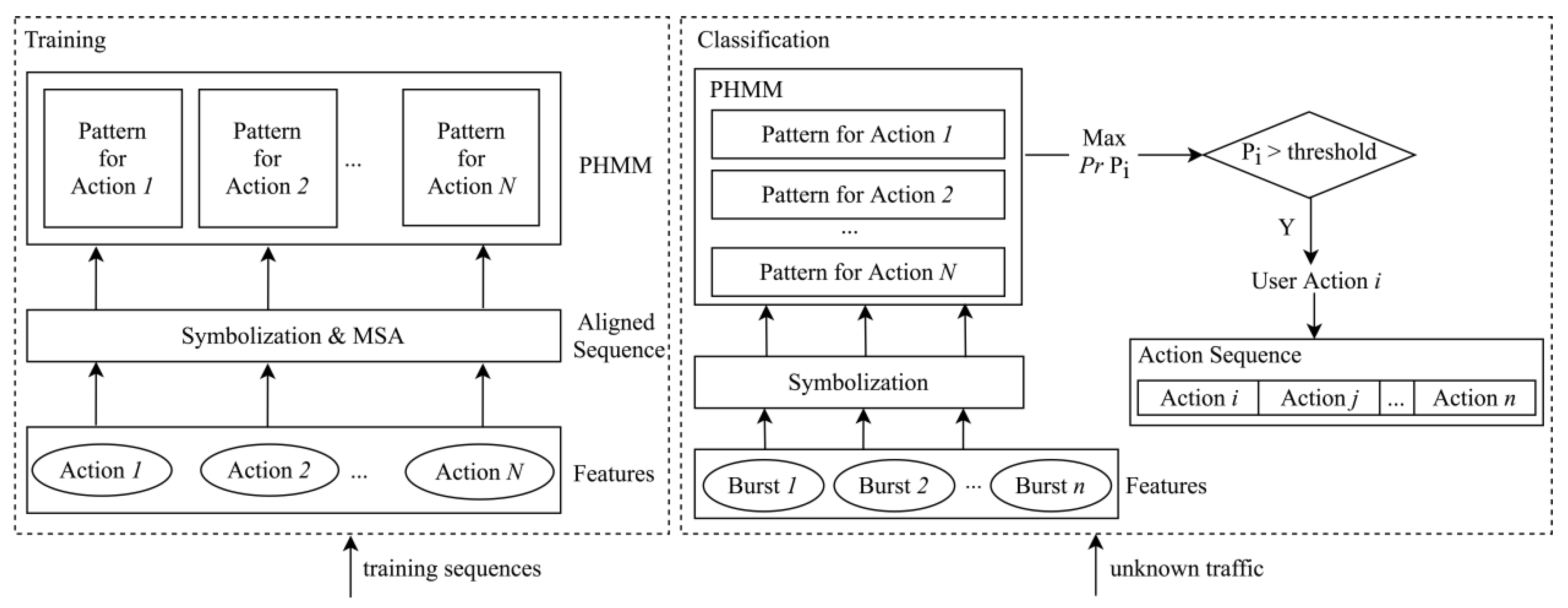
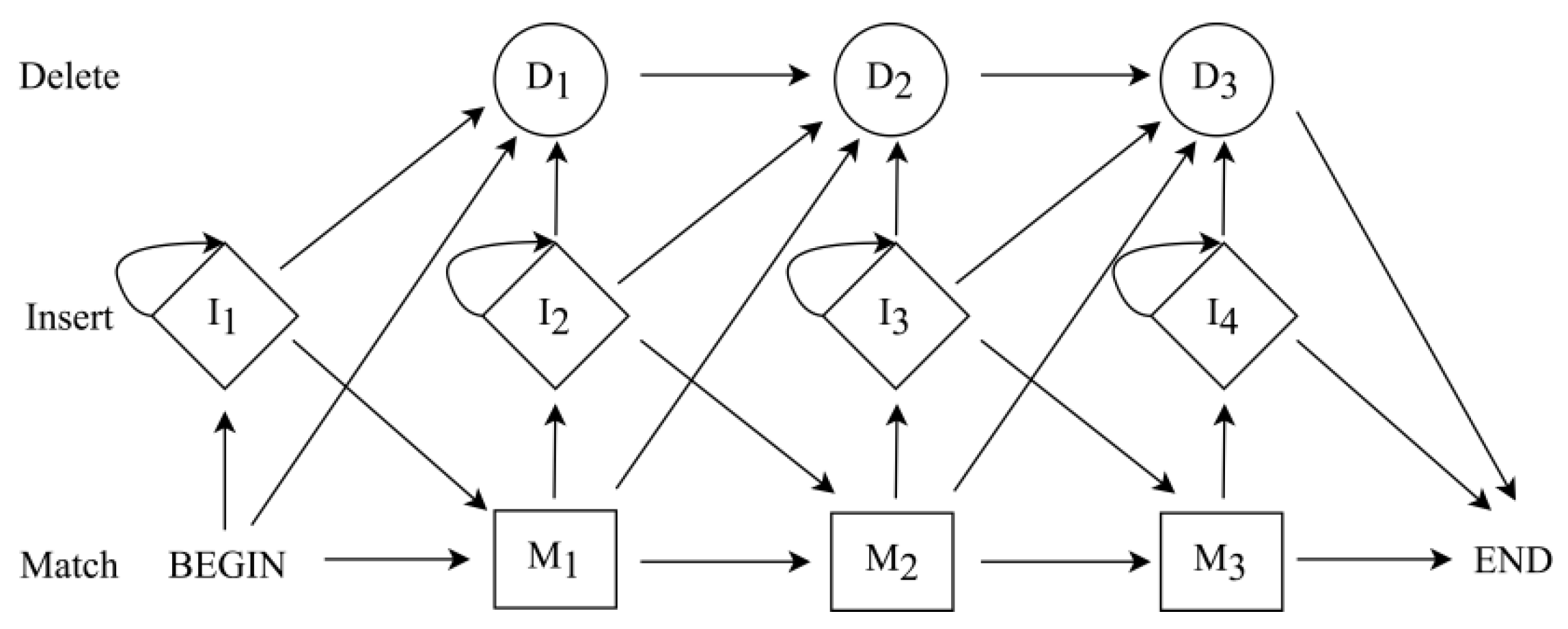
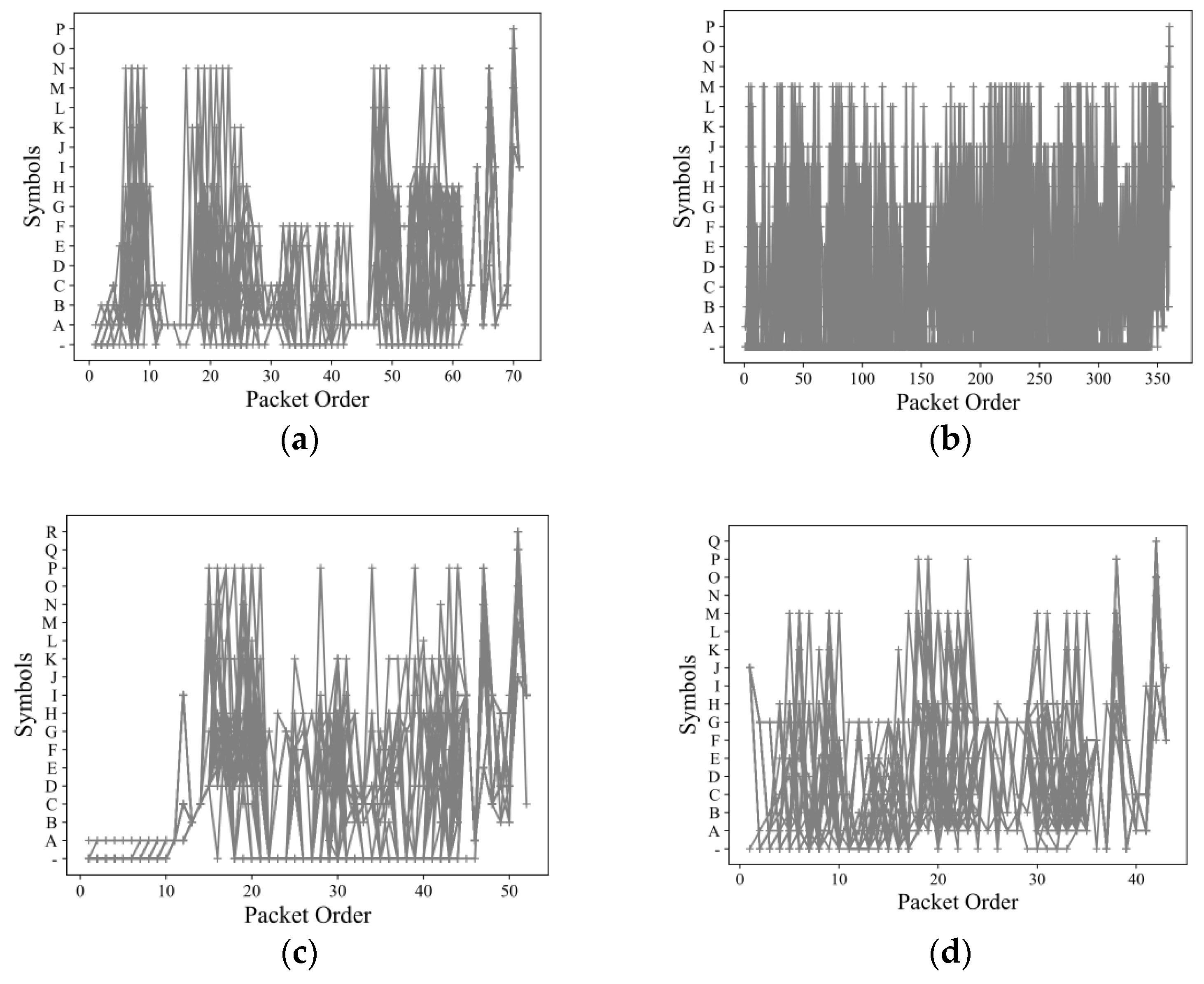
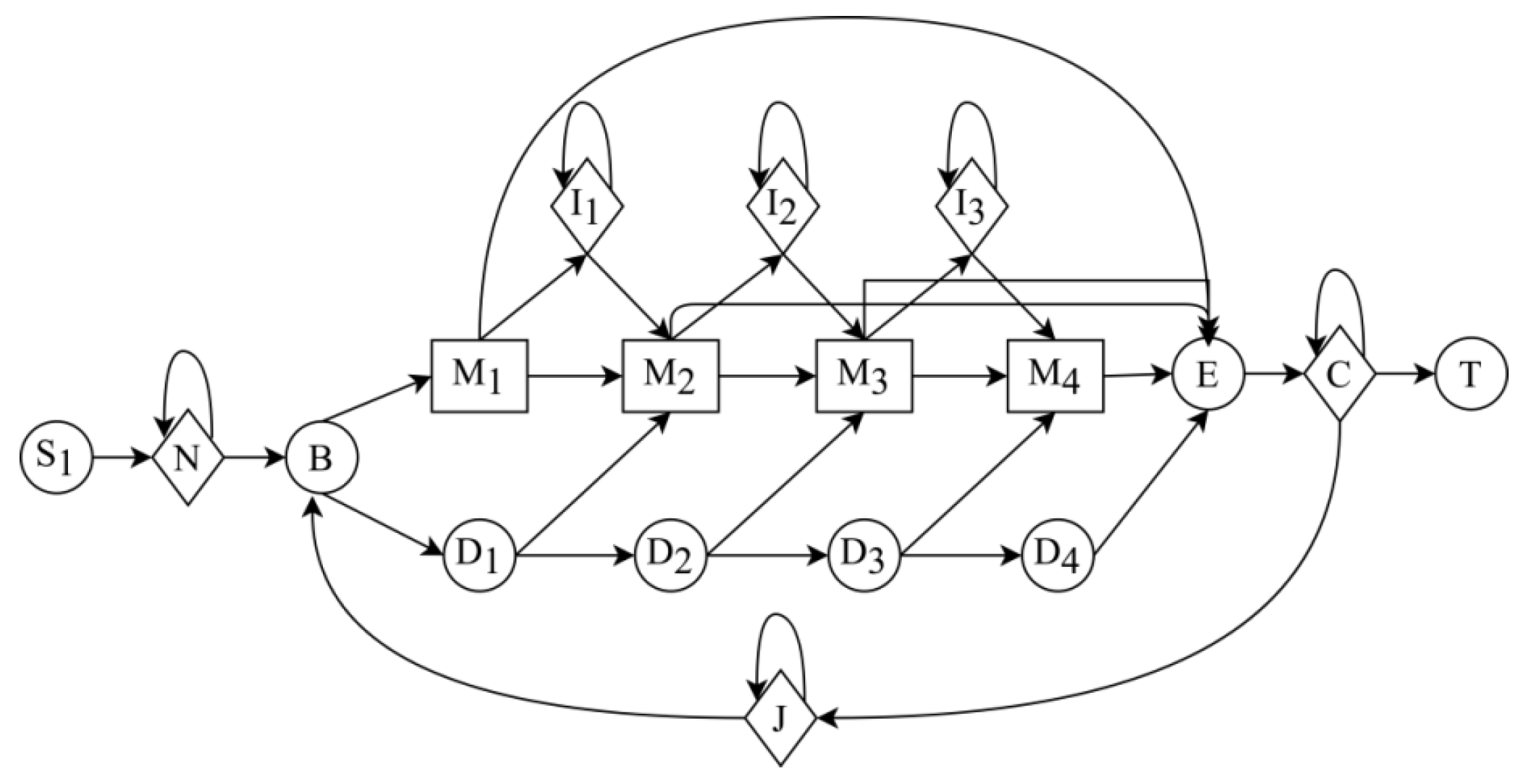
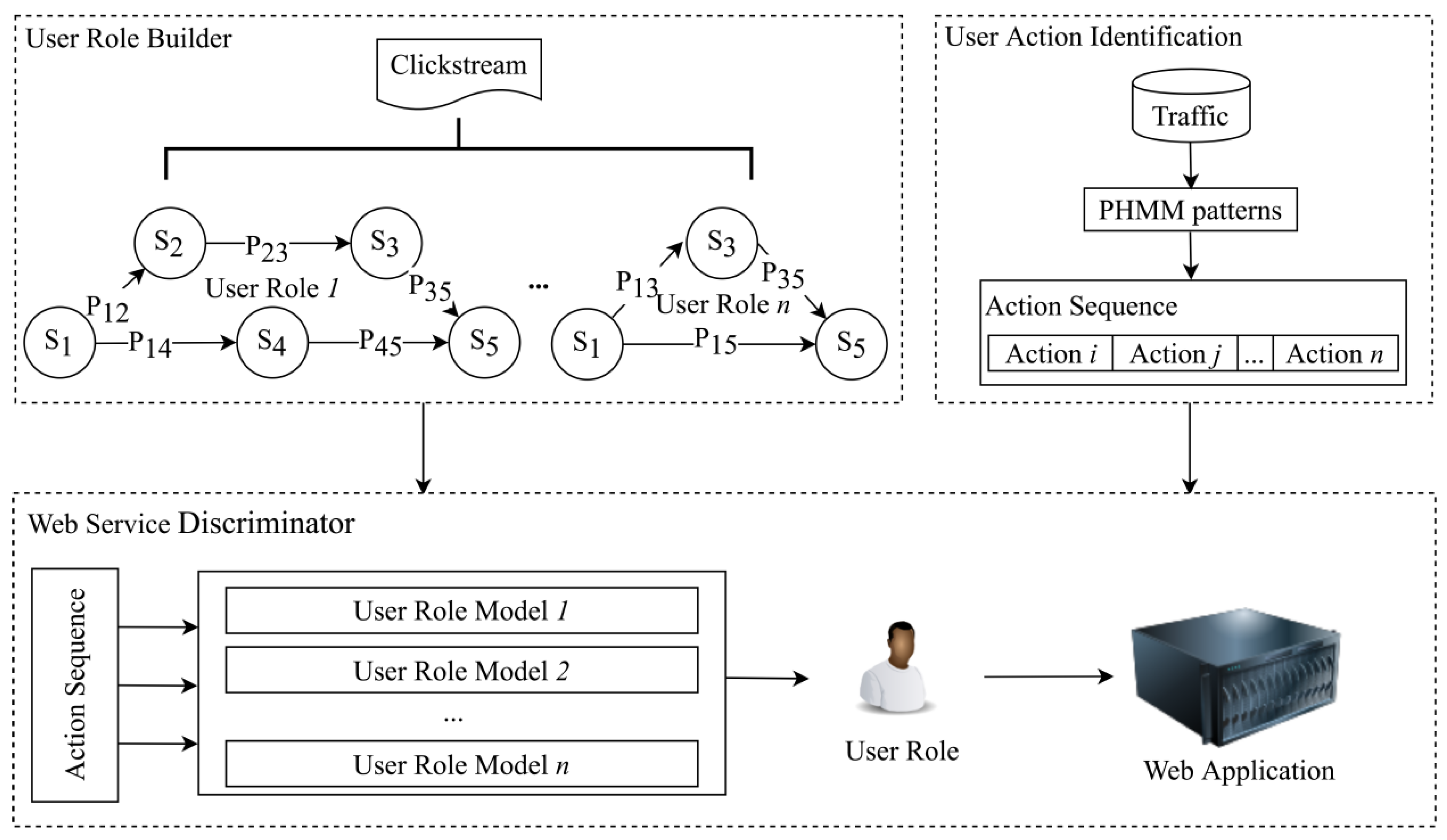
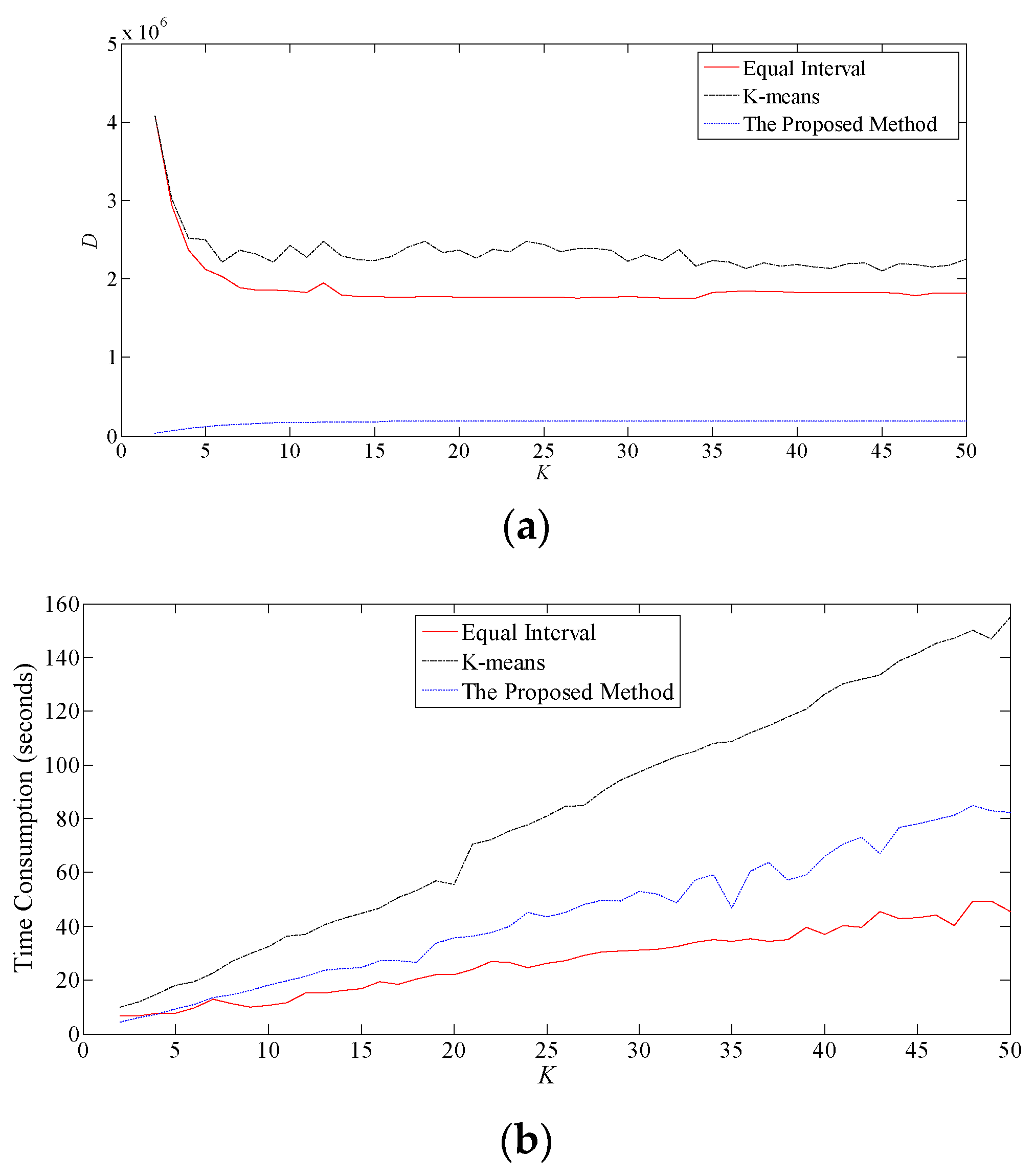
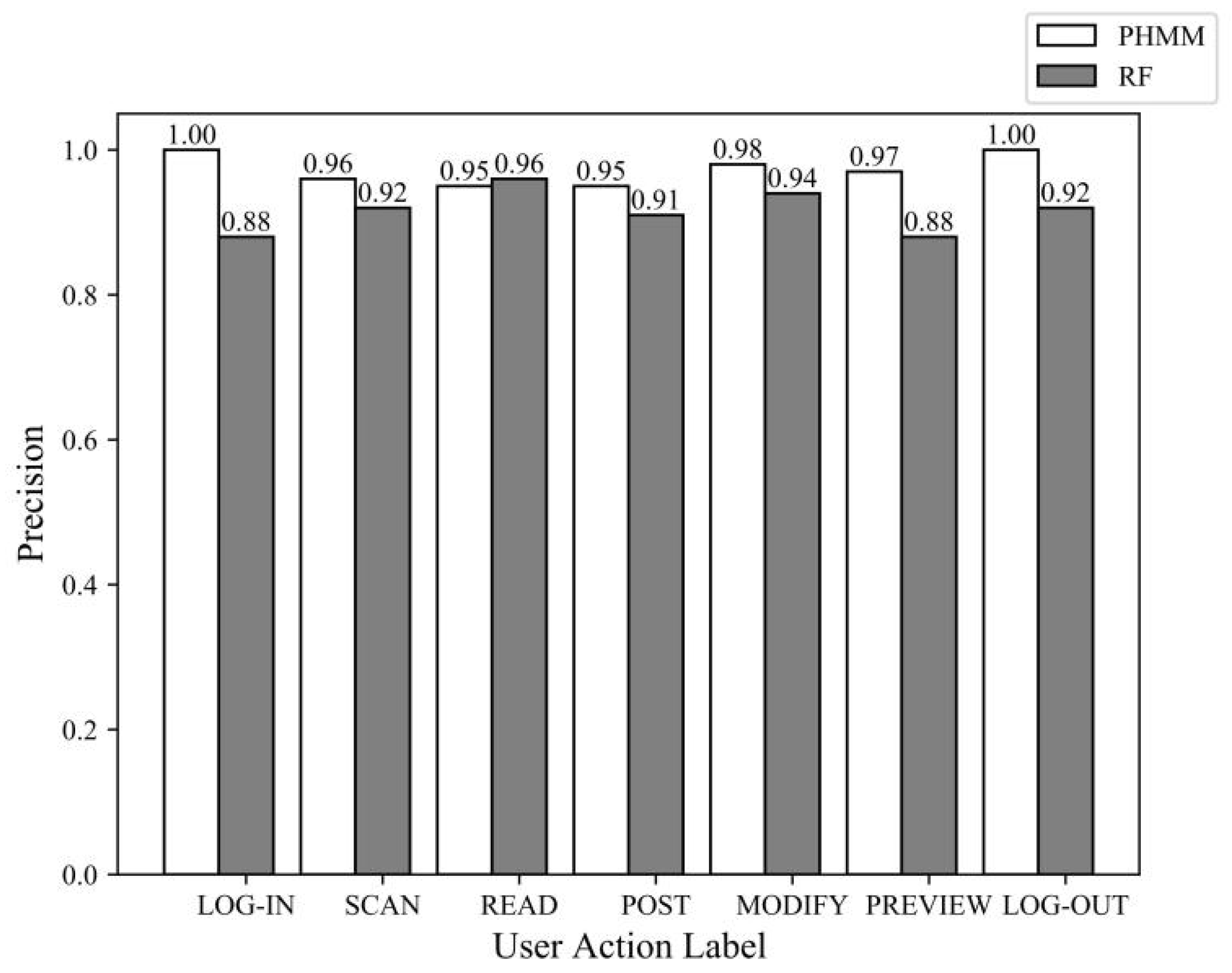
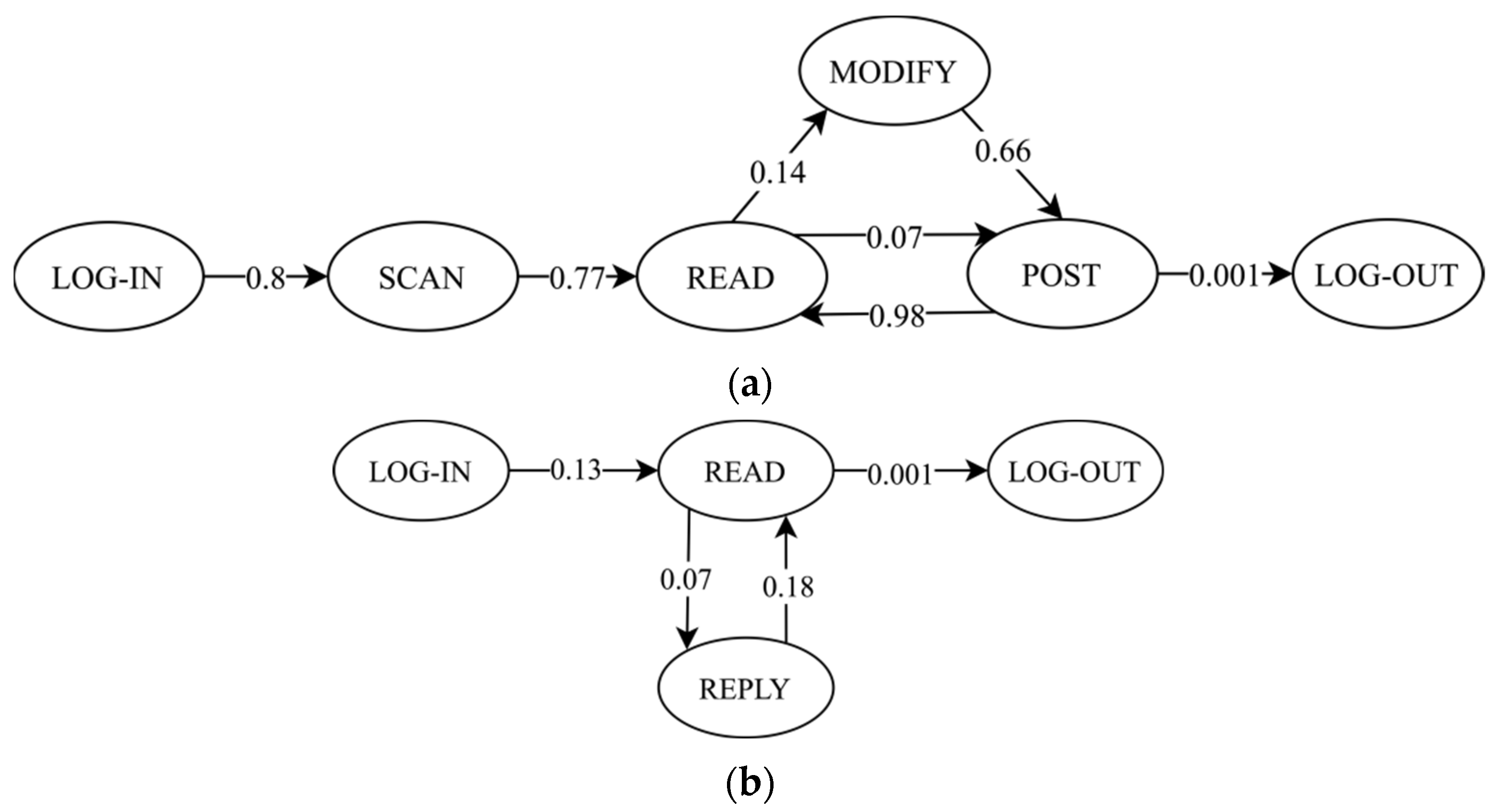
Website fingerprinting is valuable for many security solutions as it provides insights into applications that are active on the network. Unfortunately, the existing techniques primarily focus on fingerprinting individual webpages instead of webpage transitions. However, it is a common scenario for users to follow hyperlinks to carry out their actions. In this paper, an adaptive symbolization method based on packet distribution information is proposed to represent network traffic. The Profile Hidden Markov Model (PHMM exploits positional information contained in network traffic sequences and is sensitive to webpage transitional information) is used to construct users’ action patterns. We also construct user role models to represent different kinds of users and apply them to our web application identification framework to uncover more information. The experimental results demonstrate that compared to the equal interval and K-means symbolization algorithms, the adaptive symbolization method retains the maximum amount of information and is less time-consuming. The PHMM-based user action identification method has higher accuracy than the existing traditional classifiers do.
Keywords: network traffic; adaptive symbolization; PHMM; user action patterns; web application identification network traffic; adaptive symbolization; PHMM; user action patterns; web application identification