
Article

Simulation of Biochemical Reactions with ANN-Dependent Kinetic Parameter Extraction Method
School of Computer Science, Peking University, Beijing 100871, China
*
Authors to whom correspondence should be addressed.
Electronics 2022, 11(2), 216; https://doi.org/10.3390/electronics11020216

Submission received: 8 December 2021 / Revised: 1 January 2022 / Accepted: 7 January 2022 / Published: 11 January 2022
(This article belongs to the Special Issue Advances in Swarm Intelligence, Data Science and Their Applications)

Abstract

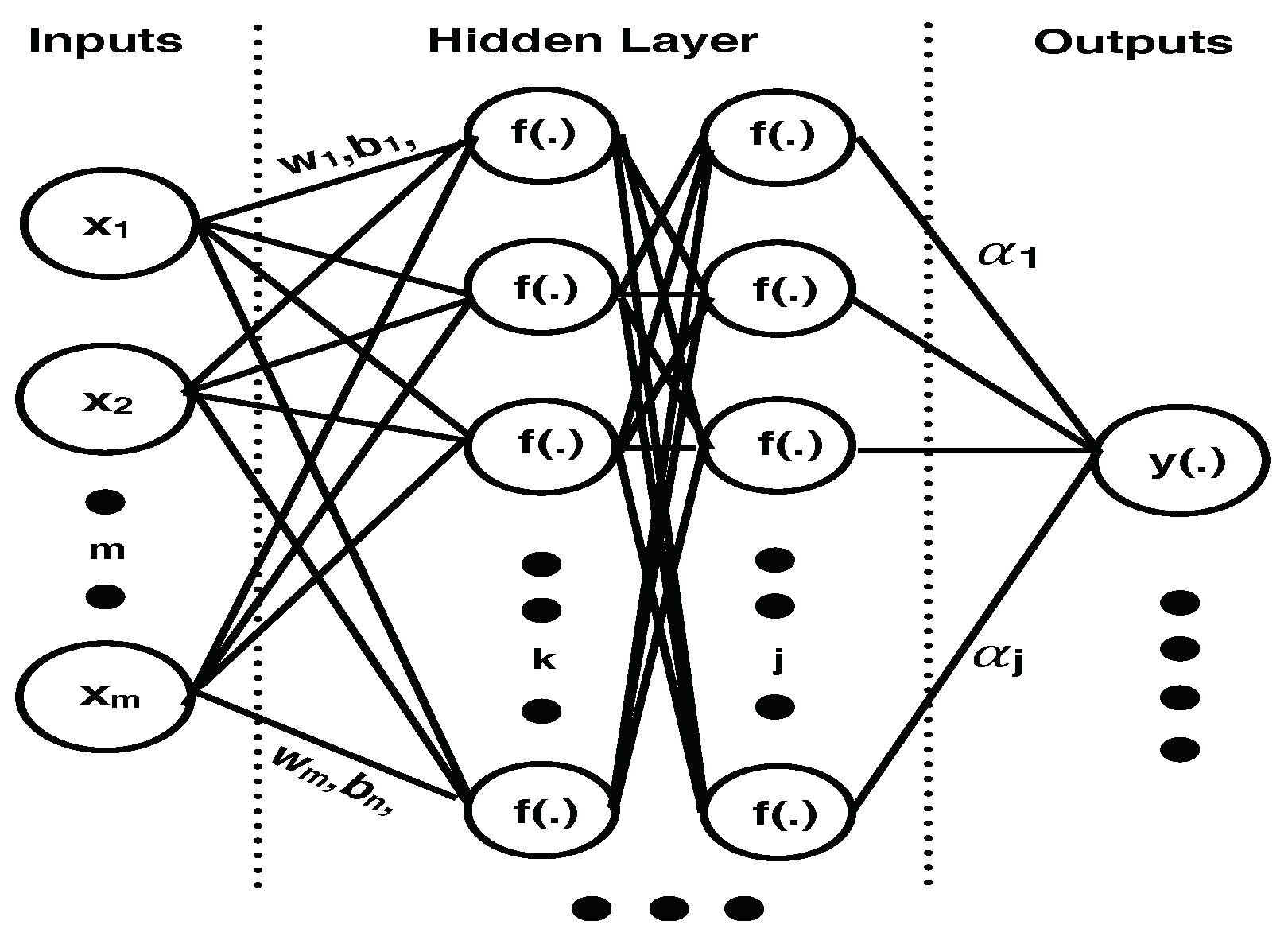
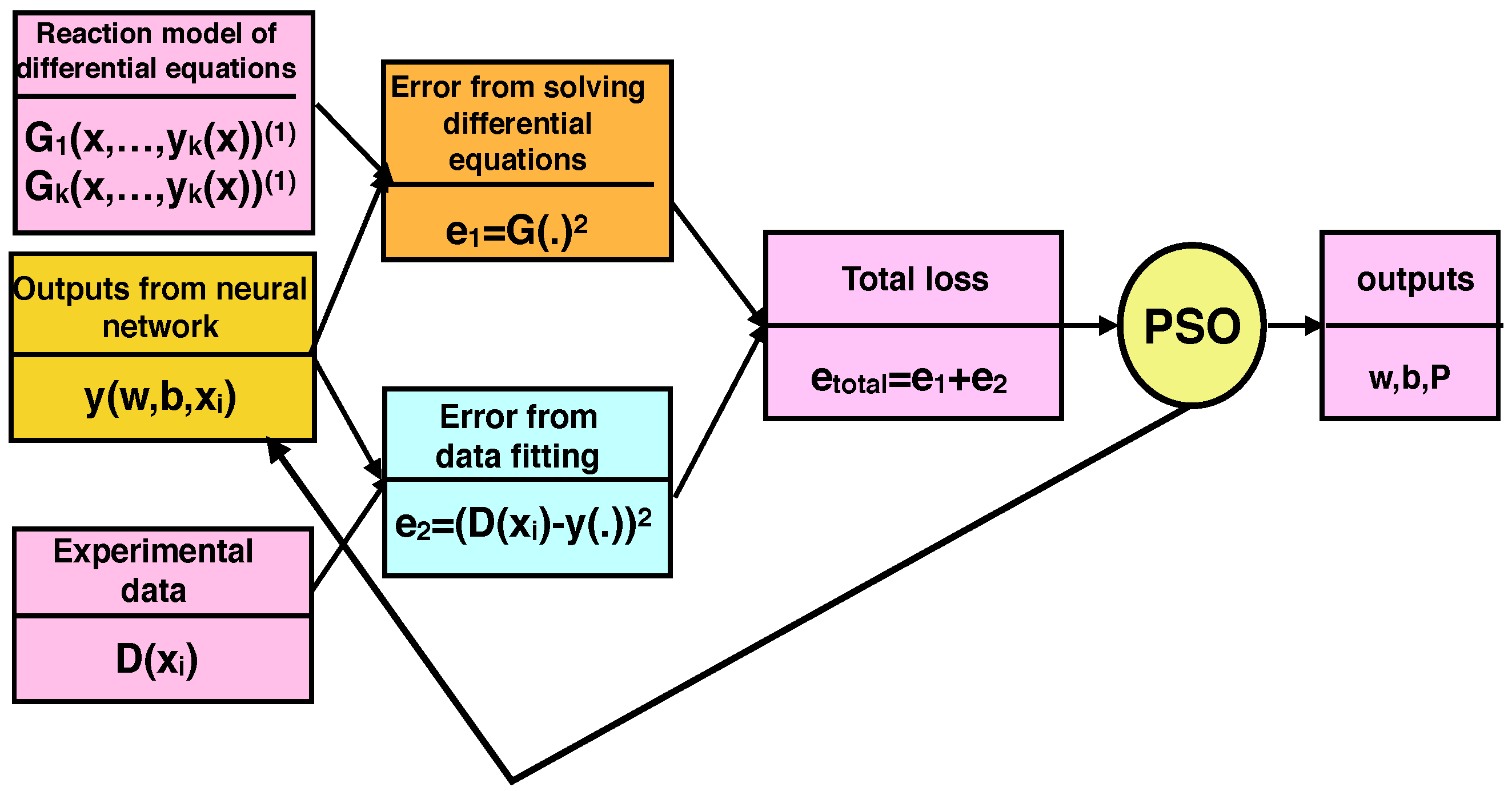
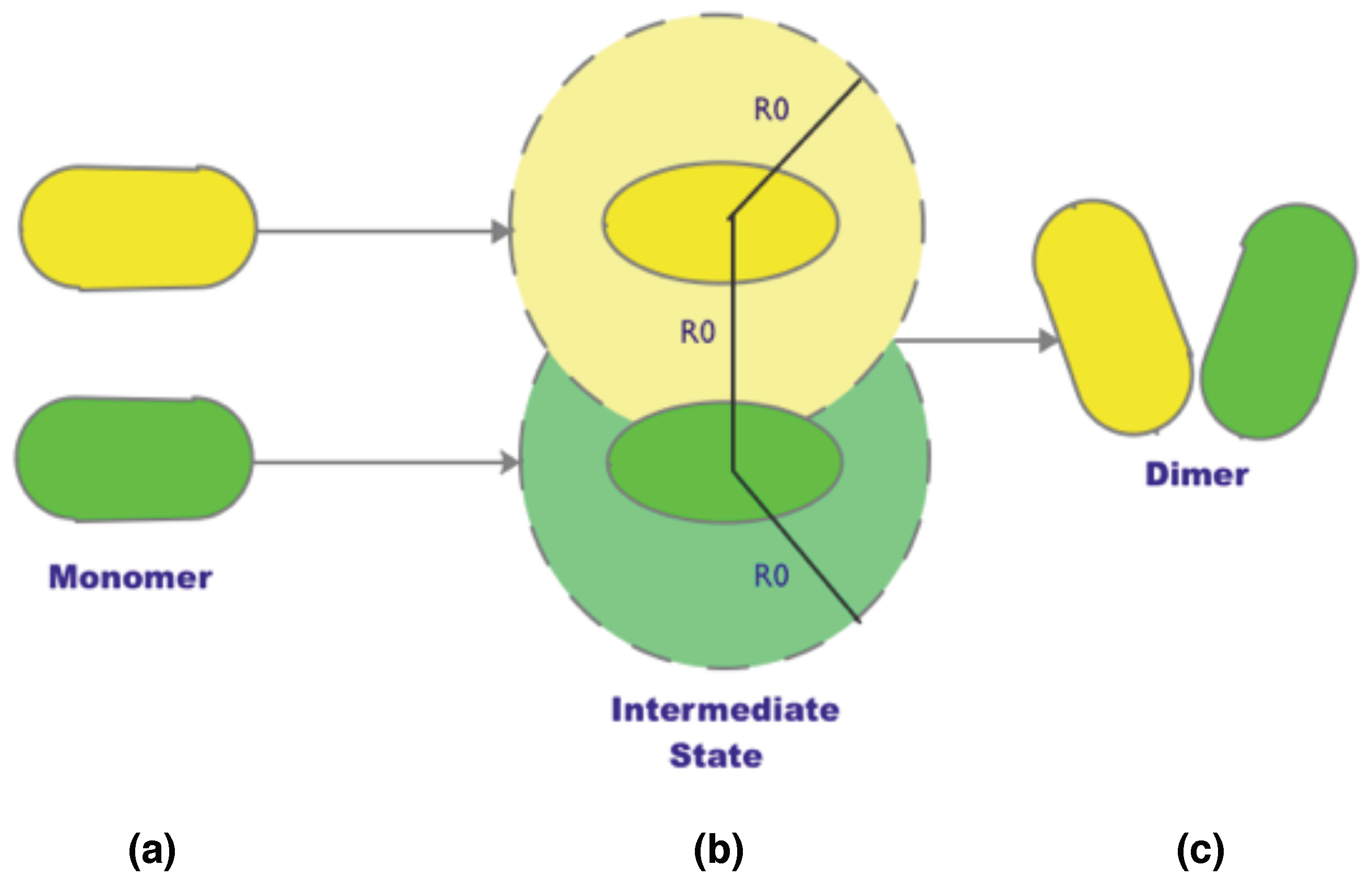
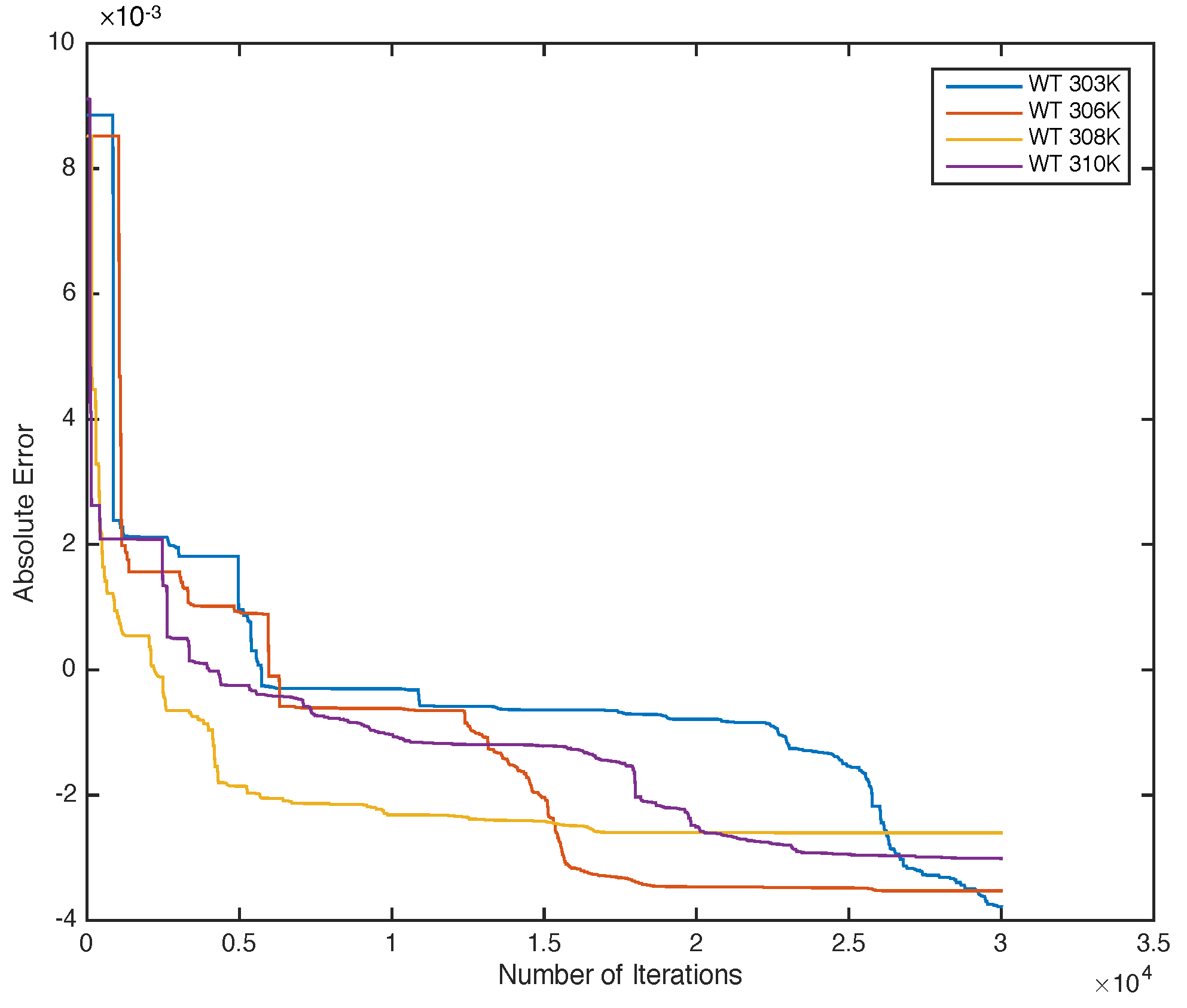
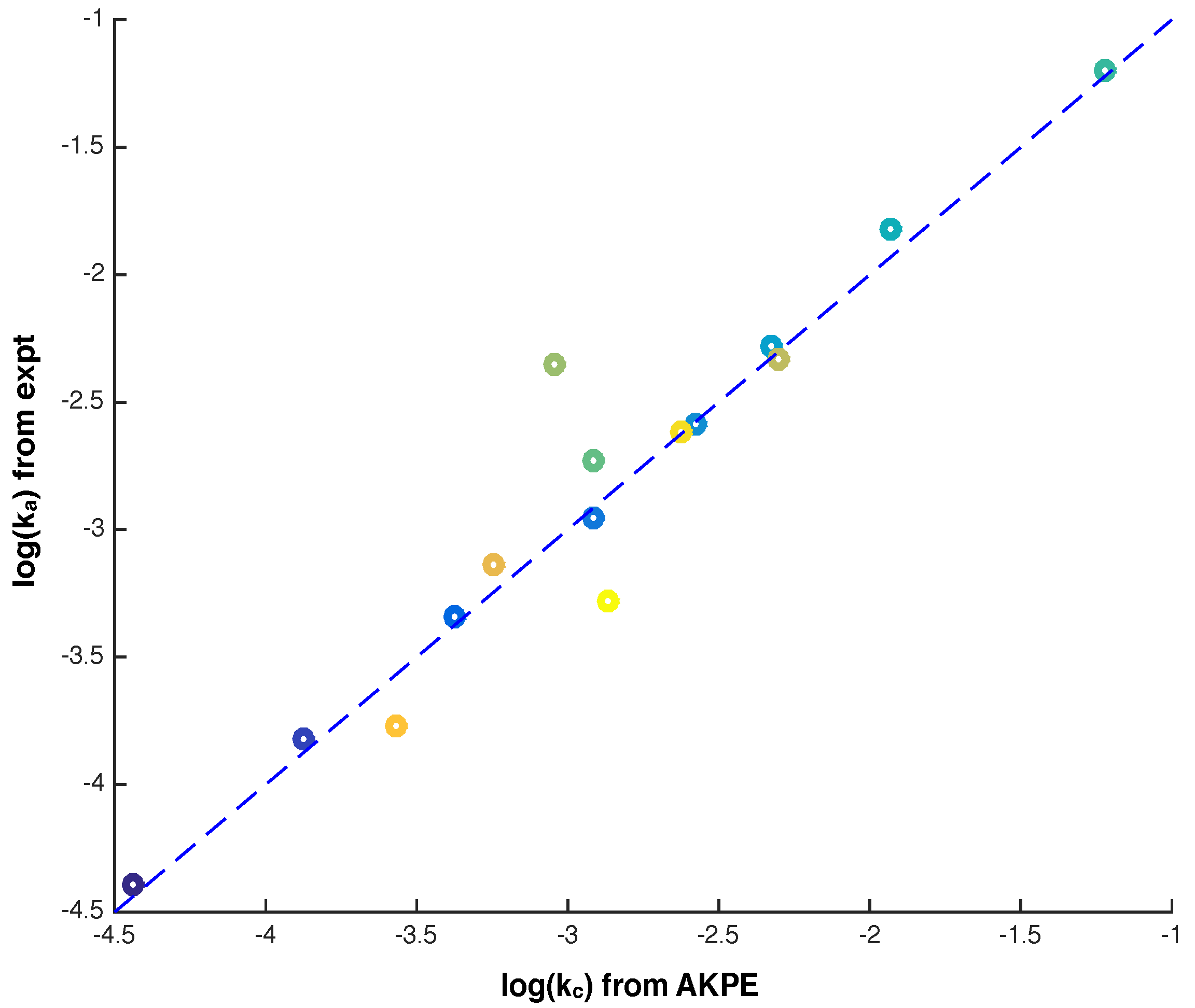
The measurement of thermodynamic properties of chemical or biological reactions were often confined to experimental means, which produced overall measurements of properties being investigated, but were usually susceptible to pitfalls of being too general. Among the thermodynamic properties that are of interest, reaction rates hold the greatest significance, as they play a critical role in reaction processes where speed is of essence, especially when fast association may enhance binding affinity of reaction molecules. Association reactions with high affinities often involve the formation of a intermediate state, which can be demonstrated by a hyperbolic reaction curve, but whose low abundance in reaction mixture often preclude the possibility of experimental measurement. Therefore, we resorted to computational methods using predefined reaction models that model the intermediate state as the reaction progresses. Here, we present a novel method called AKPE (ANN-Dependent Kinetic Parameter Extraction), our goal is to investigate the association/dissociation rate constants and the concentration dynamics of lowly-populated states (intermediate states) in the reaction landscape. To reach our goal, we simulated the chemical or biological reactions as system of differential equations, employed artificial neural networks (ANN) to model experimentally measured data, and utilized Particle Swarm Optimization (PSO) algorithm to obtain the globally optimum parameters in both the simulation and data fitting. In the Results section, we have successfully modeled a protein association reaction using AKPE, obtained the kinetic rate constants of the reaction, and constructed a full concentration versus reaction time curve of the intermediate state during the reaction. Furthermore, judging from the various validation methods that the method proposed in this paper has strong robustness and accuracy.
Keywords: reaction-diffusionsystem; artificial neural network (ANN); model-dependent reaction monitoring; hidden state prediction; particle swarm optimization reaction-diffusionsystem; artificial neural network (ANN); model-dependent reaction monitoring; hidden state prediction; particle swarm optimization