


Abstract
Servitization in the manufacturing industry implies a shift from an offer based mainly on standard goods, to a wider value proposition composed of solutions aimed at solving specific customers’ problems, obtained by integrating tangible and intangible elements. The purpose of this paper is to investigate the servitization strategies of manufacturing firms, more specifically about: (i) how manufacturing companies move toward servitization (servitization pattern); (ii) how they achieve the capabilities needed; and (iii) which factors enable this transition. We did so by comparing the state of the art of academic research with a qualified sample of case studies of global companies that famously improved their competitiveness by shifting from products to solutions. The results show some gaps between research and practice, concerning in particular: the impact (either transformational or integrative) of servitization on the manufacturing organization; the role of financial resources in shaping the capability achievement strategy, particularly for external acquisitions, and; the role of servitization enablers poorly considered by the extant literature, such as time, leadership and continuity, operational excellence and digital technologies. These findings lead to the definition of seven formalized research directions, thus outlining an agenda for future research.
1. Introduction
Services are increasingly taking the lead in the global economy, in terms of both wealth produced and value added [1]. The service component of GDP in most OECD countries has reached 70% of total gross value added and about 50%–70% of employment [2,3]. This phenomenon is not just about macroeconomics: it involves a radical shift in the way people and companies produce and use goods and thus it is transforming entire industries, companies and lifestyles alike.
In manufacturing, services have been traditionally deemed as a necessary evil [4]: nevertheless, for a few decades [5], an increasing number of manufacturing firms have been shifting from pure products towards integrated offerings encompassing services and products. This is related to structural changes occurring as products mature and markets globalize, such as an increased level of competition, changes in consumer expectations and reduced margins [6]. As a consequence of this shift, the traditional boundaries between products and services have become increasingly blurred, and services are progressively accounting for a greater share of revenues and profits of manufacturing firms, both in business-to-business and business-to-consumer sectors.
In parallel to this shift in business practice, the academic community has turned its attention to the “servitization” phenomenon [7] as highlighted by the growing amount of research published in scientific journals [8]. Several authors discussed the importance of services in manufacturing, their rationales and effects [9,10,11,12,13,14]: this has greatly improved the way servitization is understood and addressed at both the academic and industrial level. Yet, few studies reveal the realities of enacting such strategies through empirical investigation: rather, normative and prescriptive models on how to achieve success dominate the current literature, but they offer little insights into how attempts to integrate products and services actually occur and the real challenges encountered by servitizing organizations [15,16]. The risks of failure of the servitization process are high [13,17,18] also because companies may fail to innovate their business models coherently to the new offerings [19,20,21]. A need for empirical research to help determine the importance of contextual factors and differences across industries has been acknowledged [13,22].
For these reasons, we decided to further investigate the servitization process, by comparing research findings in the scientific literature with seven exemplary servitization case histories. For this purpose, the remainder of the paper is articulated as follows. The next section describes the methodology adopted; Section 3, Section 4 and Section 5 discuss in depth the research-practice gap analysis, focusing on this paper’s three specific topics. Section 6 provides some concluding remarks and directions for future research. The Appendix A presents instead a detailed description of each case.
2. Research Methodology
2.1. Research Framework
The term servitization was coined by [7] as “the shift of manufacturers to couple their products with services to generate revenues and broaden their position in the value chain”. More recently, the definition of servitization that has gained most support in the literature was developed by [14] (p. 512), stating that servitization is “the innovation of an organization’s capabilities and processes to better create mutual value through a shift from selling products to selling product-service systems”. However, the scientific community has long debated also what is a “product” and what is a “service” [23]. Differently to the traditional wisdom following which a product is tangible whereas a service is intangible, we adopt the view that considers as the distinctive element of services with respect to products the presence of customer inputs, i.e., customers are also suppliers for service processes [24,25]. Revising Baines definition in the light of this characterization of services, we can define servitization as the shift from selling mainly standard goods, to providing custom solutions crafted to solve specific customer problems. This definition clearly shows the convergence between the concept of servitization and the concept of solutions or integrated solutions, defined as “innovative combinations of products and services leading to high-value unified responses to customers’ business and operational needs” [26].
According to the scientific literature and the previously described objectives, we focus on three key aspects to describe how companies can shape their servitization process:
- the servitization pattern, that is how a servitization transition can be modelled and described both in terms of its trajectory and final impact;
- how capabilities to support a successful servitization transition are achieved (e.g., internal development or external acquisition);
- the enablers of servitization, i.e., the endogenous or exogenous factors that facilitate or support the achievement of a successful servitization process.
Figure 1 depicts the research framework followed in the paper.
Figure 1.
The research framework.
First, the discussion and development of our definition of servitization, provided above, informed both the literature review procedure (in particular the selection process) and the case study selection, as it will be described in Section 2.2 and Section 2.3. The detailed description of the cases is presented in the Appendix A, while Section 3, Section 4 and Section 5 provide a discussion and comparison of the findings from the literature review and the cross-case analysis. Each section focuses on one of the three key aspects of servitization mentioned above: pattern (Section 3), capabilities achievement (Section 4) and enablers (Section 5). As on outcome of each section, we develop propositions summarizing the elements of convergence and the gaps between theory and practice. In the conclusion, drawing from these propositions, and the gaps in particular, directions for future research are pointed out.
2.2. Literature Review
A systematic literature review was carried out in order to analyse the theoretical perspective on the servitization of manufacturing companies [27,28]. The literature search was performed on the SCOPUS database, to ensure coverage of diverse disciplinary areas, as done in recent works in the field [18]. The literature selection follows the five steps reported in Figure 2 and described hereafter.
Figure 2.
Literature selection process.
First, a keyword search was carried out in SCOPUS, to be found in title, keywords or abstract. In particular, we searched the terms “Servitization”, “Product-service system” and “Integrated solution(s)”, since these three terms emerged has central to the definitions of servitization discussed above, and were expected to provide a broad coverage of the topic. This initial search led to the identification of 1990 published (or in press) until the end of year 2014.
Second, a selection of the results based on the document source was made: only papers published on peer reviewed journals were retained, as this was considered a guarantee of the quality of the paper. In this step, also duplicate results were removed.
Third, the 811 papers in the sample after the second step were selected based on the attention received in the literature. As to ensure a minimum impact of these papers on the research community, we retained only papers that received at least one citation per year on average, according to the data extracted from SCOPUS, i.e., that have a number of citations equal or greater to their age computed as the difference between 2014 and the publication year. This criterion was not applied to papers appeared in 2014 that were all kept in the database, regardless of the number of citations.
The 389 papers resulting after this step, were scrutinized based on a title and abstract reading, to assess their relevance for the objectives of this paper: such a procedure is quite common and has been adopted in other literature reviews in the field [8,29].
The 117 papers in the sample after this step constitute the core of the literature sample. In step fives, the database search has been complemented by cross-referencing for further relevant publications in order to overcome possible limitations related to the database or keyword search [28]. Another 23 papers were added in this step, reaching a total sample of 140 papers that were object of the literature review.
A descriptive analysis of the literature sample has been carried out, and is summarized in Table 1, showing the temporal distribution of the papers and Table 2, showing the distribution among journals.
Table 1.
Temporal distribution of the selected literature.
Table 2.
Distribution across journals of the selected literature.
Table 1 shows that all the selected papers except two appeared after the year 2000. In particular, 74% of the sample articles have been published in 2010 or later, confirming the great increase of the research community attention on these topics occurred in recent years. Table 2 shows instead that the topics have gained the interest of a large and diversified research community, as already pointed out by [8]: the literature review covers 57 journal in total, only 18 of which appear with 3 entries or more. Industrial Marketing Management is by and large the most represented journal, with 19 papers.
2.3. Case Studies
We chose the cases among manufacturing companies that have achieved an uncontroversial success by applying an innovative and “servitized” business model, in the sense described by the previously mentioned definition. Rather than looking to small or medium-sized “next door companies”, we resorted to the exempla supplied by large and famous global companies. In facts, while by approaching SMEs it might have been easier to personally collect and check information, it proved practically difficult to find a sufficient number of firms fulfilling our requirements, and simultaneously available to supply the information and top management support needed, about the (ten years or more) timespan needed to analyse the transformation process longitudinally.
Thus, we started with around 20 famous servitization cases of (typically) large multinational companies. Not all of them were found to be equally successful: for instance Nokia, the Finnish cell-phone producer, was discarded on the account that the company failed to understand and address the smartphone revolution, and was eventually acquired by Microsoft. Moreover, not all of the remaining cases were supported by the same amount of information: thus we restricted our analysis to the cases for which we could find information sufficiently:
- time-pervasive, covering a time span long enough to thoroughly analyse the servitization transformation
- complete as to provide strategic, as well as tactical and operational points of view regarding the transformation process
- verifiable, thanks to the possibility to cross-check information and facts from different sources
Our sources encompassed not just the scientific literature, but also technical and business reports: despite the fact that these secondary sources can introduce a methodological bias as compared to academic literature, they were essential both to collect the main financial results achieved, and to cover a sufficiently long time horizon. Cross-checking evidence from the company literature with critical reviews in the scientific one, we were able at to overcome such bias. We finally selected 7 cases, namely: Apple, Caterpillar, Dell, General Electric, IBM, Rolls Royce and Xerox. We selected the aforementioned cases for the following main reasons:
- Apple was considered for the integrated design, marketing and sale of product-service systems, first with IPod + ITunes, and then with IPhone + Apple Store.
- Caterpillar was taken into consideration because it famously and successfully leveraged on an internal competence on spare parts logistics in order to start up a new service business on a “lateral” business compared to its main one.
- Dell was considered on the account that it pioneered in the personal computing market a new and customer-centric business model, based on disintermediation and direct customer contact.
- General Electric was considered as a leader in supporting the sale of capital goods with advanced financial services, and therefore because it proposed one of the first and most successful “solutions”.
- IBM was taken into consideration for its spectacular turnaround from being No. 1 global computers and peripherals manufacturer to achieving No. 1 position as global provider of information-related business services.
- Rolls Royce was especially credited for launching one of the first and most successful technology-enabled outcome-based contract schemes in the capital goods market.
- Finally, Xerox was also considered for pioneering the implementation of a “pay per use” business model in the printers and photocopying machine sector.
A detailed summary of each case study is reported in the Appendix A. A comparative summary of the findings according to the three main aspects object of this paper is reported in Table 3.
Table 3.
Summary of the main evidences from the business cases considered.
3. Servitization Pattern
Two different perspectives have been developed within the academic community, the incremental approach [11] and the radical one [30]. The incremental approach describes the servitization process as a linear sequence of steps, through which firms extend and enhance their service offerings, in the so-called “product-service continuum”, where the relative importance of services and tangible goods varies in a quasi-static manner from a product-focused offering to reach a service-focused one [11]. This incremental approach is evident in most transition models proposed in the literature [10,11,31,32,33,34,35] and generally focuses on the services’ role in the interaction between suppliers and customers. Opposite to the incremental approach, the radical perspective posits that the competitive advantage is achieved not by progressively moving towards solutions, but by changing business model and organizational structure quite disruptively [9,36,37,38,39]. Davies [40] argues that such a shift is difficult to accomplish without challenging the current power structure, rejecting traditional ways of thinking and parts of the old culture, creating new organizations, and establishing new capabilities. Other works [12,41,42] point out that this process might not be linear, because it can often encompass trials and errors.
A seemingly incremental approach was applied by 3 of the 7 scrutinized companies, namely IBM, Rolls Royce and Xerox. IBM’s servitization process occurred in three main steps: firstly, mainly under Lou Gerstner’s tenure (1993–2003), the company switched from the manufacture of computers and peripherals to the offer of corporate consulting services. This was firstly achieved by resorting to mainly internal competences and resources (step 1), but it culminated with Price Waterhouse Cooper’s buyout (step 2). In the following years, under Sam Palmisano’s chairmanship, IBM re-directed focus towards highly specialized and high-tech software, through a bold acquisition campaign (step 3).
Also Rolls Royce structured its servitization turnaround in two sequential steps: in the eighties it introduced a “power by the hour” scheme, under which any customer airline was given the opportunity to pay turboprop engines’ maintenance as a fixed cost per each accomplished hour of flight, over an extended time frame. During this phase customers still had to buy their engines, and could then choose as an option whether to activate the power-by-the-hour scheme or not. As a second step, the “total care” program was introduced, by equipping each new engine with the ability to collect and broadcast to a control center its main technical functioning data (such as temperatures, pressures, vibrations, etc.). In order to take full advantage of the abundance of data gathered from a contracted installed base that soon reached 54,000 engines in operation, Rolls Royce established Control and Data Services Ltd. as a subsidiary company specialized in data collection, storage and elaboration. This, in turn, enabled Rolls Royce to develop smart analytics to support and improve its ability to forecast engines’ behavior and anticipate the need for spares, or the occurrence of field breakdowns. As a result, Rolls Royce’s after sales efficiency and effectiveness was sharply improved, to the benefit of both the supplier and its customers.
Xerox underwent two main stages in its servitization process too: firstly, mainly during the first part of Paul Allaire’s tenure (1990–1994), it switched from the sale of copy machines, to the sale of copied pages: this move was seemingly triggered by the fact that Xerox’s copy machines, despite commanding a technological and quality leadership in the sector, were too expensive for large segments of perspective customers. Then, from 1994 on, Xerox went further, by proposing its customers to outsource their printing processes, in a successful attempt to become the first and largest global provider of document-related services. Consistently, it switched its corporate payoff to “the document company”. One noteworthy aspect in Xerox’s servitization turnaround trajectory was the temporary break it experienced after Rick Thoman took over from Paul Allaire (1999–2001): during Thoman’s tenure, the servitization process experienced a pause, and to certain extent it even backtracked, to be re-launched by Ann Mulcahy in 2001.
Four out of seven firms in our sample (Dell, Caterpillar, GE, Apple), instead, embraced a radical approach. For instance, Dell introduced from its establishment a fully new business model as compared to the personal computing industry standard, through which the distribution and sales tier was by-passed, in an effort to achieve direct relation with final customers. GE leveraged its leading position in the manufacture of capital goods in several industries, to offer its customers the financial services needed to fully benefit from their investments in GE’s products: yet very soon it could exploit its know-how (and financial resources) to give financial support for other investments as well. Roughly the same happened at CAT that internally developed world-class competences in spare parts logistics, and successfully built a business out of this competence. Apple, instead, built an integrated platform by exploiting the digital convergence of several technologies, such as: computing, telecoms, navigation and imaging.
Hence, case evidence supports the existence of both the incremental and the radical approach. In particular, the cases of Caterpillar, Dell, GE and Apple indicate that a full commitment to servitization cannot be achieved successfully by only progressively shifting from product to solutions. This radical approach has definitely not received as much attention from the research community as it has been devoted to the incremental one.
Besides that, we find differences emerging from the cases with respect to the literature review. First, theory has it that even by implementing an incremental approach, companies are transformed from a product-focused to a service-focused offer: however reality is more complex. For instance, Rolls-Royce continues still today to offer the traditional transactional purchase option aside of the “power by the hour” and “total care” ones, in order to allow the customer to choose what best fits its requirements. In addition, even at IBM and Xerox, where the immaterial part of the offer has widely offset its physical counterpart, (physical) products’ sales still account for a relevant part of the turnover.
A second difference between theory and practice is that unlike the assumptions of different authors, such as [10] or [11], the incremental transition does not occur always as a linear progression: it can be, conversely, more similar to a trial and error process, as it is particularly indicated by the Xerox case.
Third, independently from the fact that companies resort to an incremental or a radical approach in their path to servitization, we can distinguish two different types of impact of the servitization process: a transformative impact, in which the company completely changes its value proposition, branch of industry, business model and organizational structure, as compared to what it used to be before; and an integrative impact, in which the servitization process allows integrating and completing the company’s offer, by proposing fully innovative solutions side by side with more traditional products or services. For instance, Apple with the first IPod introduced in 2001, developed a completely new and disruptive business model as compared with both what Apple itself did before and the consumer electronics typical practice. It developed and marketed a sleek design and very compact MP3 reader together with a Web-based IT platform that users could use to purchase and share contents they could play on their hard set. This business model was taken further in 2007 with the IPhone smartphone, which not only defined another Web-based platform that users can access to download applications, but also stimulated the establishment of an eco-system of independent software developers that can market their applications through the Apple Store, directly to IPhone users, and be rewarded with a percentage of the sale. These innovations in turn developed the market of contents for portable digital handsets of sort, such as digital books, music, films, games, or applications. Dell as well has introduced from its establishment a completely new business model as compared to the sector’s traditions. Quite the contrary, both CAT’s and GE’s experiences point to an integration of their market offers rather than its transformation, exploiting their unique competences and competitive positions to develop new and very profitable businesses. In these two cases, previous and more traditional offers were not swept away by the servitization phenomenon, but rather completed by it.
Therefore, we understand from the cases that the incremental vs. radical approach is just one dimension of the problem, while another aspect of servitization patterns is whether the servitization process determines a business transformation or rather an integration within the old business. To this regard, the empirical evidence collected through the analysis of our 7 cases supports a bi-dimensional representation of servitization patterns, proposed in Table 4.
Table 4.
Servitization pattern dimensions.
In summary; while our comparison of theory and practice regarding the servitization pattern highlights some common ground; it also underlines that theoretical studies tend to perceive just one part of a more complex reality. The findings are summarized in the following propositions.
- Finding 1: Both the literature and the cases identify two possible approaches to servitization, an incremental and a radical one. The literature has paid particular attention to the former, while practice shows the latter to be equally, if not more, relevant.
- Finding 2: When dealing with the incremental approach, the literature depicts a linear path that goes from an initial product-focused offering to a final service-focused one. The cases, however, highlight that this process may not be linear but rather a trial and error one, and that it can end up with the coexistence of service-focused offerings together with more product-focused ones.
- Finding 3: The cases highlight that the servitization process, despite having an incremental or radical approach, can achieve either a transformative or an integrative impact on the servitizing organization. This perspective on the servitization pattern has been overlooked by the literature.
4. Servitization Capabilities Achievement
A successful shift to the provision of solutions integrating products and services requires new competences that typically lie outside the pure manufacturer profile, such as a service and customer-orientated attitude, pricing and service development and integration capabilities [43]. Therefore, one key choice concerns how to achieve these capabilities, the two basic options being to develop them internally (make) or to buy them from outside (buy).
In the early servitization literature this issue is approached in a seemingly black-and-white fashion, in that some works suggest that capabilities should be developed in house [11], while others that they should be acquired mainly by integrating with other companies [9]. [40] builds on the make vs. buy options, by defining the roles of the “system seller”, that focuses on the internal development of the required capabilities, and the “system integrator”, that combines capabilities developed externally with those available internally to provide its customers with unique solutions. In the first case, a make approach is adopted, with the main advantage of keeping in house the direct control on all the main components of the firm’s value proposition. This control is beneficial, because it limits inter-organizational coordination efforts: however, internal capability development extends the set of capabilities to master, making it more difficult for the firm to specialize, and therefore to excel, in all of them. Moreover, the internal development of world-class and entirely new competences might require a long time (and substantial investments), while the market could require a faster achievement of capabilities [43]: this is why other companies resort to a buy choice.
Mathieu [10] adds the partnering option, as an alternative to pure make and buy strategies. In this case, capabilities are developed jointly with suppliers or customers, thanks to collaborations in service development or operational activities, or through the exchange of knowledge [36,43]. Indeed, supplier relationships have been acknowledged to be critical in servitization [44], and some authors have even identified this ability as a “partnering competence” [22,45], but only recent works studied how buyer-supplier relationships in servitized contexts are configured and connected to the service portfolio offered [46,47,48].
In the case studies we found a mainly internal capability development at Dell and Rolls Royce. Rolls Royce, for instance, resorted to mainly internal resources and competencies in developing its servitization processes, starting from a consolidated model that had to be evolved (opposite to Dell that started a new business model). In particular, within Rolls Royce’s “total care” program the availability of a large amount of real-time data triggered the internal development of new competences regarding on the one side complex equipment availability and maintenance, and on the other side how to provide real-time analytics that can support more informed and timely fleet maintenance decision-making.
IBM adopted a mixed approach: first the company focused mainly on the internal development of the new competencies, needed to switch from the design and manufacture of industrial business machines, to the delivery of IT-based corporate consulting services. Since its servitization was mainly triggered by worsening financial results, this was accompanied by the spin-off of the stagnant Lexmark brand of laser printers, and by the lay-off of more than 100,000 employees worldwide. These actions had the effect of fixing IBM’s troublesome financial results, by injecting new cash, reducing costs and re-focusing the company on more profitable competences and markets. Once corporate financial results were re-established, in 2002 IBM purchased Price Watherhouse and Coopers, one of the largest management consulting firms worldwide. This acquisition approach continued when Sam Palmisano succeeded to Lou Gerstner as a CEO, albeit with a slightly different orientation. Palmisano’s vision in fact was leaning more towards advanced application software than consulting services: thus, IBM went on in its acquisition campaign by purchasing hundreds of software companies worldwide with an offer complementary to its own. This phase of IBM’s servitization process was also mainly financed by the spin-off of large corporate manufacturing assets, such as the PC business unit, sold to Lenovo in 2005 and the hard disk drives manufacture sold to Hitachi in 2010.
Apple, as well, adopted a mixed approach: while it mainly relied on internal resources to develop the technologies needed to make its new business model effective and devise its product’s sleek design, it nurtured an eco-system of software developers willing to market their products through the (internally developed) Apple Store platform. Therefore, Apple’s approach was more oriented to develop business relationships, differently from IBM that resorted to the purchase of external competencies complementary to its own ones. With this approach the number, range and quality of the solutions offered by Apple to its customers through the Apple Store rapidly soar, and it did not require the amount of fixed investments that IBM had to deploy: therefore Apple was not forced to sell any of its fixed assets in order to finance its conversion from a product to a solution company.
Xerox and General Electric resorted mainly to external acquisitions in order to accomplish their servitization process: for instance, Xerox purchased Affiliated Computer Services in the strive to establish its lead of printing processes outsourcing, while GE purchased 338 businesses between 1981 and 1988 alone. In particular, GE’s Jack Welch famously adopted a very straightforward strategy that leveraged on GE’s scale, declaring that he would only accept to invest into one business if GE had the opportunity of rapidly becoming No. 1 or, at worst, No. 2 player in that business worldwide. Following this strategy, he closed or spun-off several of GE’s less profitable or promising business units, and GE also laid off more than 80,000 people worldwide.
A summary of the (main) capabilities achievement strategies adopted by the case companies is reported in Table 5.
Table 5.
Capabilities achievement by the case companies.
Following Table 5, the analysis of business cases suggests that companies may achieve the needed competences and capabilities in a variety of modes, from uniquely inside to uniquely outside of the corporate perimeter; moreover, in particular the Apple case underlines that instead of purchasing the external competences needed to accomplish the servitization process, a company can resort to an eco-system of business partners that concur in developing and marketing the solutions. Thus, the scrutinized cases provided a picture that remarkably fits with theoretical models presented in the literature on how servitizing companies can achieve the required competences.
Nevertheless, the servitization literature seems to overlook the relevance of external acquisition of companies and business, and in particular the role of financial resources in shaping the capabilities achievement strategy. In fact, company acquisitions require large amounts of financial resources. Yet, an adequate amount of cash might also be required when an internal approach is adopted, because a servitization strategy usually implies a lapse of time before the transition becomes profitable. Thus, a company needs to have adequate resources to sustain the introduction of solutions in its portfolio. It can therefore be assumed that to succeed in a servitization strategy a strong cash flow is needed either from operating business or from divesting. IBM, Xerox and GE achieved the required financial resources through the sale or spin-off of large fixed corporate assets, and the layoff of large numbers of employees whose competences were considered unnecessary or inessential.
We can summarize the findings in this section with the following propositions.
- Finding 2a: Both the literature and case studies show that internal development, external acquisitions and partnering/ecosystems can all be effective ways to achieve the capabilities needed in the servitization process.
- Finding 2b: The literature neglects the fundamental role of financial resources, pointed out by the cases, in the definition of the capabilities’ achievement strategy and, in particular, for the external acquisition of capabilities.
5. Servitization Enablers
Matthyssens and Vandenbempt [49] identify the organizational structure, culture and human capital as key enablers to achieve a successful transition from pure manufacturing to the provision of integrated solutions. Galbraith [36] postulates that organizational dimensions (strategy, people, structure, rewards and process) need to move from being product- to customer-centric. Similar views are proposed by [10,50]. Therefore, one internal dimension of change concerns, broadly speaking, human resources, organization and corporate culture.
Gebauer et al. [17] observe that there is another recurring pattern to achieve a successful transition, that we could label customer-centricity, including: establishing a market-oriented and clearly defined service development process; focusing service offers on customer needs; initiating relationship marketing; defining a clear service strategy; establishing a separate service organization and creating a service culture. Indeed, most researchers agree on the need to make the service organization an independent profit centre [11,17,40,51] for several reasons. First, the consolidation of a dedicated organization allows to better control profits and losses related to service activities [52]; second, it enables the relevance and (potential) benefits of the service business to be recognized within the company: this is particularly important in a traditionally product focused business [53]; third, the profit-centre organization acts as a shelter for the development and support of a service culture [11]; and fourth, running the product-service business separately mitigates the risk of moving outside existing organizational capabilities [37].
In addition, it is argued that the challenges associated to the development of a servitization strategy are connected to the relationships and interactions between actors in the value network [54]. Solution suppliers become part of the customers’ operations and increasingly rely on a network of partners: consequently, the development of integrated solutions has an impact on the relationships in the value network and vice versa [22]. Consistently, an effective servitization process requires developing inter-organizational integration skills and a new approach to the management of supply chain relationships [44,48]. Yet, due to the increased complexity of the offering and the need for more intimate understanding of customers’ and suppliers’ businesses, establishing and maintaining supply relationships presents risks and challenges [55,56,57].
Finally, knowledge management, in particular about the installed base, has been acknowledged as an important servitization enabler [16,58], allowing entering the installed base service market [11].
Other enablers are the firm size and service business scale. A large size has been implicitly suggested as a favourable factor for servitization, as most papers in the literature discuss the cases of large multinational firms, and explicitly verified by empirical studies. Neely [17] found that is much more common for large manufacturers to servitize compared to small ones, although this does not imply that larger firms are more likely to be successful in the servitization process. Even more, achieving a relevant scale in the service business, e.g., measured by the % of service revenue on total, seems a condition for success [17,59].
In summary, the scientific literature on servitization has explored several factors that can affect the outcome of a servitization process [16], such as: the internal alignment of corporate’s organization and competences with the new strategic mandate; the organization’s customer-centricity; the ability to form and manage networks and partnerships; the ability to achieve data and manage knowledge; the size of the company and scale of the service business.
The enabling conditions pinpointed in literature are also confirmed by the studied cases. For example, all of the analysed companies set a detached unit to manage and deliver integrated services. Such units either contribute to the firm’s core business and therefore work side by side with product units, like at Rolls-Royce, or provide services independently like in GE Finance or CAT logistics.
Sometimes organizational changes are associated to corporate shakeouts and thus also the previous organizational structure is affected as it happened in GE’s and IBM’s cases, where thousands of employees were laid-off together with senior managers. This can be a way to achieve an effective change: as a matter of fact, one essential condition is to create a service culture and to adapt the corporate values and mission. The service culture is specific and different from the traditional manufacturing culture because it is based on a customer-centred approach, as opposed to a product-centred one and it involves dealing with intangible assets.
Size and scale were identified as important but not essential success factors in the case histories. In GE’s case, the size of the company and its competitive position played a central role: the strategy implemented by Jack Welch in GE’s turnaround, included the decision to spin-off any GEs activity that was not, nor had the opportunity to become soon, the leading or No. 2 competitor worldwide in its industry. In addition, IBM, CAT and Xerox were industry leaders at the time when they undertook the servitization transformation, and exploited their competitive position, corporate reputation and internal finances in order to support their turnarounds. Yet, other cases are different in this respect. Rolls Royce was a big player (albeit not the largest one) in the aircraft engine market at the time when it launched its power by the hour scheme (and it still is No. 3 worldwide), while Apple was a niche and troubled producer of computers when Jobs took over its chairmanship for the second time (1996) and Dell Computers’ innovative business model was invented from green field when Dell was still just little more than a small garage start-up.
Besides the abovementioned factors, the case studies highlight other fundamental enablers of servitization, namely: time, leadership and continuity, digital technologies and operational excellence.
Several of the transformations of the case companies took place in around 10 years or even less, despite that: they may have required to transform the corporate culture, mission, vision and values and share them with tens of thousands of employees; sell and/or purchase large companies or parts of the corporate assets in order to better focus the activities on the new goals and provide how to finance the turnaround; lay-off or/and hire tens of thousands of employees, in order to re-align the corporate’s know-how with the new strategy and/or improve the cash-flows; develop new technologies; establish new service networks; redesign the core processes and commercial offers and rolling them out, et cetera. Dell and Apple were both surprisingly fast in delivering unmatched operational as well as financial results: for instance, in 1999, just 3 years after the establishment of its e-commerce business model, Dell became worldwide No. 1 provider of personal computers, and in 2001 it also became No. 1 in industrial servers. Apple became the most valuable publicly traded company of all times in 2011, just 10 years after the launch of the iPod, 4 years after the launch of the iPhone, and 3 years after the establishment of the AppStore. Giant companies such as IBM and GE took just few more years to achieve dramatic turnarounds: at IBM, services soared from 20% of sales in 1992 to 60% in 2008, while its software products portfolio reached more than 10,000 different applications. In the same year 2008, almost 2/3 of GEs revenues came from services: in addition, its stock capitalization increased 40-times during Jack Welch’s tenure (1981–2001).
It is commonplace that a large part of the extraordinary success of Apple’s business model, together with the speed with which it was achieved is due to Steve Job’s genius. Yet, other cases illustrate the role of leadership equally well: IBM experienced Lou Gerstner’s and Sam Palmisano’s bold chairmanship (and continuity), and GE performed all its transformation during Jack Welch’s legendary tenure, while it took less than 10 years to Michael Dell to become world’s No. 1 provider of personal computers starting from a garage. These leaders not only gave a seminal contribution in developing innovative business models: they seized the right time to implement them in their organizations, and pushed ahead for years in order to get things done, set the managers’ agendas, empower first line and middle managers, and supervise achievements.
However, the case histories also show more gradual transformation, with a less evident role of chairmen’s leadership. In the Xerox case 4 different CEOs took charge in the servitization process time frame, and not all of them had a remarkable consistency with the predecessor’s strategic goals: as a consequence Xerox servitization process had a more a trial-and-error than rectilinear shape. Moreover, in both Xerox and CAT cases, the impact of servitization was more integrative than transformative (see Section 3), and therefore there was arguably less emphasis on the transformation process momentum.
Another factor that was found to influence the ability to succeed in its servitization process concerns digital technologies. The most appropriate case in point to illustrate how digital technologies supported servitization is Rolls Royce, where aviation engines were equipped with auto-diagnostic and interconnection capabilities, that are at the base of the famous “total care” business model [60]. By selling this service to an increasing number of customers, and therefore by collecting an ever increasing amount of field data regarding their aviation engines, eventually Rolls Royce achieved the unique opportunity to develop new and advanced analytics that could support a more accurate and timely decision-making regarding, for instance, the availability of spares at their service centres, or the anticipation of potential failures. By leveraging on these new data-supported methods Rolls Royce was also able to improve customer satisfaction, while at the same time it reduced stocks of engines and spares. Xerox leveraged on the same idea, in order to activate its pay-x-performance scheme, while it resorted to an Internet platform to outsource its customers’ printing processes. E-commerce was also Dell’s choice in order to dis-intermediate its supply chain and directly sell to final users, without supporting the investment required to set-up a traditional retail network [61]. Moreover, by directly managing its final customer relations, Dell achieved customer proximity, and a better understand of customers’ expectations, translating it into new products and services. Finally, Apple leveraged the convergence of several technologies within the digital domain in order to provide its customers with new and disrupting functionalities. For instance, the multi-touch technology Apple firstly implemented on its iPhone smartphone in 2007 allowed to get rid of both the mechanical pointer and the physical keyboard, allowing for a much wider display and a more natural user interaction. The role of ICT has not been neglected by the literature, but despite early references to its potential [58] were among the few to advocate the critical role of installed base data and processing and interpretation capabilities, while most studies simply focused on the role of ICT systems to enhance efficiency and the provision of information to customers [62,63]. The attention to digital technologies and interconnectedness of products seems to have thoroughly entered the research agenda only very recently [64,65,66,67].
Finally, the ability to master excellent operations turned out to be another enabler of the servitization, in particular for CAT and Dell. CAT built an internal world-class spare parts logistics service, which in turn allowed the company to offer this service to other corporations, thanks to a well-developed physical infrastructure, and to the ability to manage it in an effective and efficient way. This, in turn, led to the establishment of CAT Logistics as an independent company to exploit the newly developed competences in the market of logistic services outsourcing. Conversely, Dell’s legacy is more in the finished products’ distribution: in fact, an excellent distribution system coupled with an effective manufacturing network allowed to fulfill orders worldwide in just 1 to 2 weeks directly from the factory floor. Despite the fact that, resorting to air and express deliveries, its distribution was overall more costly than its competitors’, Dell was able to eliminate obsolescence costs.
Thus, despite confirming the role of the main servitization enablers indicated by literature, our empirical analysis highlights some more factors, of great relevance in determining the success of servitization programs, that are seemingly overlooked by researchers. This is summarized in the following propositions.
- Finding 3a: Several servitization enablers pointed out by the literature are confirmed by the case studies, such as the alignment of the organizational structure, the cultural change, the achievement of customer-centricity, the management of the value network, the installed base information management.
- Finding 3b: The cases studies point out other enablers that have received little or no attention in the scientific literature: time, leadership and continuity, digital technologies and operational excellence.
6. Conclusions and Future Research Directions
This paper investigates servitization in manufacturing firms, on three issues debated but yet unresolved in the academic discussion: the servitization pattern, the capability achievement strategy and the servitization enablers. This research draws from two different sources of information: a scientific literature review and a set of famous industrial cases. Literature and practice were found to coincide in several aspects, but also to diverge in some others, in all the three issues considered by our study, as it has been indicated by the seven propositions (Findings) provided at the end of Section 3, Section 4 and Section 5. Generally speaking, theory was found to cast an oversimplified image of servitization, as compared to reality: however this should be an expected result of almost any theory vs. practice comparison. More remarkably, empirical cases observation highlights some specific discrepancies as compared to theory.
Concerning the servitization pattern, they suggest considering two fundamental dimensions, instead of only one, in describing a servitization process, namely its approach and impact. While theory proposes that a servitization process should in the end yield a complete transformation of the firm, we found several cases illustrating an integrative, rather than transformative effect, in that instead of completely transforming the considered firm’s value proposition, they were found to integrate it with new and more servitized offers, but without affecting the more traditional products manufactured by these companies.
Another area in which theory and real-world case histories have some discrepancies is about how companies achieve the capabilities needed to accomplish a servitization process. Case studies pointed out the importance of financial resources to sustain the achievement of capabilities. We found evidence that the availability of important financial resources is especially key when a company resorts to the acquisition of outside companies. The scrutinized cases highlighted three main ways of financing an acquisition process: by selling corporate assets that have become less important in the new servitized scenario; by laying-off large amounts of employees whose competences and capabilities are less relevant in the new scenario; and by leveraging the high cash generation potential of new and more servitized commercial offers. However, case histories supported that finance is a key issue even when a more internal (and thus less capital intensive) trajectory is chosen in order to develop a more servitized offer, since the revenues generated by the new servitized offer could take a period of time in order to pay-back the investments needed in order to develop and spread the new internal capabilities and competences.
Finally, business practices suggested additional exogenous and endogenous enabling conditions to the ones studied in the literature, namely: time, leadership and continuity, digital technologies and operational excellence. In particular, several reasons emerge for the need for a quick and straightforward change and a strong and continuous leadership to promote and achieve it: first, it prevents the dispersion of activities and focuses the efforts of the whole firm, thus increasing the overall commitment; second, internal resistances to a radical change may hamper leadership in the long run; third, it avoids that changes in senior management may alter corporate goals.
This paper, therefore, has shed light on overlooked features, which may be the stepping stone for future research on servitization of manufacturers, given that previous empirical research [13] has found that still today a minority of manufacturing companies has embraced servitization, and that servitizing firms frequently fail to achieve the results that theory would suggest. For this purpose, based on the gaps highlighted with the propositions at the end of Section 3, Section 4 and Section 5, some directions for future research can be pointed out, labeled RD (Research Directions) in the following. We obtain seven directions for future research.
First, research has only superficially analysed the radical approach to servitization, compared to the linear one.
RD1: Further investigation is required to achieve a greater understanding of the rationale, benefits and risks of the radical approach to servitization.
Second, within the incremental approach, the literature generally posits a linear pattern made of sequential steps that will ultimately lead to a “service-focused” outcome of the company offer. However, reality suggests that it rarely happens this way but rather with trails and errors [68].
RD2: Research should focus on why and how trial and error processes often occur when an incremental approach to servitization is pursued, in order to define whether and how linear and more straightforward patterns can be undertaken in practice, instead of taking them as assumptions.
Further attention should also be given to the fact that development patterns may differ [69], and that the outcome is likely to be the coexistence of different types of offerings and business models [70].
RD3: How companies could effectively manage such complexity is a question of great interest for research and practice alike.
Third, the impact of the servitization process on the servitizing company, either transformational or integrative, described in Section 3, has been found as a relevant dimension to better understand and classify a servitization process.
RD4: Research should investigate the internal impact dimension, and its linkages with the approach (incremental or radical), as well as the role of different capability achievement strategies and servitization enablers in obtaining an integrative vs. transformational impact.
Fourth, we found that different capabilities achievement strategies proved to be effective in supporting the servitization process, consistently with the literature. However, we did not address their linkages with the servitization patterns.
RD5: The study of the linkages between capabilities achievement strategies and the servitization patterns is an area for further research.
In particular, research should focus on the role of the external acquisition of capabilities, as experienced by IBM or GE, and on the role of financial resources (and on the ways to attain them) in shaping the capabilities achievement strategies.
Fifth, our research points to enablers that have not been thoroughly addressed by the servitization research so far: from this finding, two directions for future research can be derived. One concerns a deeper investigation of such enablers’ roles and action mechanisms.
RD6: Research should address how enablers such as time, leadership and continuity, digital technologies and operational excellence act in supporting an effective servitization process.
For instance, as digital technologies are becoming more and more central to servitization processes, a greater effort aimed at understanding how they can be effectively deployed is required; at the same time, aspects such as the time frame of the change process and its implications have been rather neglected by the extant literature, and should be taken into consideration.
A further direction suggested by the abovementioned gap is to better frame these enablers, investigating how they are related among them. For instance, the time frame was central to the transformation processes in many of the case histories considered by this study, and was possibly the key driver in the choice of whether and to which an extent to resort to internal or external capabilities, while leadership and continuity were the conditions that allowed the transformation to occur in a rather short time. In addition, since the different enablers do not have the same importance in all the studied case, it would be important to understand under which conditions they become more beneficial or essential to the servitization process (e.g., size and scale). This suggests analysing the link with the servitization pattern, adopting a contingency approach [71].
RD7: The different servitization enablers should be addressed jointly in order to understand how they interact and are linked. Moreover, a contingency perspective should be adopted in order to understand under which (external and internal) conditions the different enablers are beneficial to the different servitization patterns.
Finally, it has to be noted that this paper brings its own limitations, in particular due to the analysis of a small set of case studies, all concerning famous global companies. One major limitation stands in the transferability of findings from global to other companies. As a matter of fact, the challenges facing SMEs in the transition from products to solutions have been rather overlooked by research [43]. An empirical research program should be carried out, in order to better investigate small and medium firms, and to find further empirical confirmation of this paper’s findings.
Acknowledgments
This paper has been inspired by the activity of the ASAP Service Management Forum (www.asapsmf.org), a community where scholars and practitioners from Italian universities and several leading manufacturing companies, consulting firms and service providers collaborate in developing research projects and share findings in the product services management field. The authors would like to thank Carlo Bravin, a former graduate student at the University of Brescia, who contributed substantially to this research during his Master thesis.
Author Contributions
All authors certify that they have participated sufficiently in the work to take public responsibility for the content, including participation in the concept, design, analysis, writing, and revision of the manuscript. In particular, Marco Perona wrote Section 1 and Section 2, Nicola Saccani wrote Section 3 and Section 6 and Andrea Bacchetti wrote Section 4 and Section 5.
Conflicts of Interest
The authors declare no conflict of interest.
Appendix A. Case Studies Summary
Table A1.
Apple.
Table A2.
Caterpillar.
Table A3.
Dell computers.
Table A4.
General Electric.
Table A5.
IBM.
Table A6.
Rolls Royce.
Table A7.
Xerox.
References
- Wölfl, A. The Service Economy in OECD Countries: OECD/Centre D’études Prospectives et D’informations Internationales (CEPII); OECD Publishing: Paris, France, 2005. [Google Scholar]
- Karmarkar, U. Will you survive the services revolution? Harv. Bus. Rev. 2004, 82, 100–107. [Google Scholar] [PubMed]
- Gao, J.; Yao, Y. Service-oriented manufacturing: A new product pattern. J. Intell. Manuf. 2011, 22, 435–446. [Google Scholar] [CrossRef]
- Lele, M.M. After-sales service—Necessary evil or strategic opportunity? Manag. Serv. Qual. 1997, 7, 141–145. [Google Scholar] [CrossRef]
- Levitt, T. Production-line approach to service. Harv. Bus. Rev. 1972, 50, 41–52. [Google Scholar]
- Gebauer, H.; Fleisch, E. An investigation of the relationship between behavioral processes, motivation, investments in the service business and service revenue. Ind. Mark. Manag. 2007, 36, 337–348. [Google Scholar] [CrossRef]
- Vandermerwe, S.; Rada, J. Servitization of business: Adding value by adding services. Eur. Manag. J. 1988, 6, 314–324. [Google Scholar] [CrossRef]
- Lightfoot, H.; Baines, T.; Smart, P. The servitization of manufacturing: A systematic literature review of interdependent trends. Int. J. Oper. Prod. Manag. 2013, 33, 1408–1434. [Google Scholar] [CrossRef]
- Wise, R.; Baumgartner, P. Go downstream. Harv. Bus. Rev. 1999, 77, 133–141. [Google Scholar]
- Mathieu, V. Service strategies within the manufacturing sector benefits costs and partnership. Int. J. Serv. Ind. Manag. 2001, 5, 451–475. [Google Scholar] [CrossRef]
- Oliva, R.; Kallenberg, R. Managing the transition from products to services. Int. J. Serv. Ind. Manag. 2003, 14, 160–172. [Google Scholar] [CrossRef]
- Brax, S. A manufacturer becoming service provider-challenges and a paradox. Manag. Serv. Qual. 2005, 15, 142–155. [Google Scholar] [CrossRef]
- Neely, A. Exploring the financial consequences of the servitization of manufacturing. Oper. Manag. Res. 2008, 1, 103–118. [Google Scholar] [CrossRef]
- Baines, T.; Lightfoot, H.; Peppard, J.; Johnson, M.; Tiwari, A.; Shehab, E.; Swink, M. Towards an operations strategy for product-centric servitization. Int. J. Oper. Prod. Manag. 2009, 29, 494–519. [Google Scholar] [CrossRef]
- Johnstone, S.; Dainty, A.; Wilkinson, A. Integrating products and services through life: An aerospace experience. Int. J. Oper. Prod. Manag. 2009, 29, 520–538. [Google Scholar] [CrossRef]
- Alghisi, A.; Saccani, N. Internal and external alignment in the servitization journey—Overcoming the challenges. Prod. Plan. Control 2015, 26, 1219–1232. [Google Scholar] [CrossRef]
- Gebauer, H.; Fleisch, E.; Friedl, T. Overcoming the service paradox in manufacturing companies. Eur. Manag. J. 2005, 23, 14–26. [Google Scholar] [CrossRef]
- Tukker, A. Product services for a resource-efficient and circular economy—A review. J. Clean. Prod. 2015, 97, 67–91. [Google Scholar] [CrossRef]
- Kindström, D. Towards a service-based business model—Key aspects for future competitive advantage. Eur. Manag. J. 2010, 28, 479–490. [Google Scholar] [CrossRef]
- Evanschitzky, H.; Wangenheim, F.V.; Woisetschlager, D.M. Service & solution innovation: Overview and research agenda. Ind. Mark. Manag. 2011, 40, 657–660. [Google Scholar]
- Copani, G. Machine Tool Industry: Beyond Tradition? In Servitization in Industry; Springer International Publishing: New York, NY, USA, 2014; pp. 109–130. [Google Scholar]
- Windahl, C.; Lakemond, N. Developing integrated solutions: The importance of relationships within the network. Ind. Mark. Manag. 2006, 35, 806–818. [Google Scholar] [CrossRef]
- Sampson, S.E.; Snow, D.C. An Empirical Review of Popular Service Definitions from the Literature. In Proceedings of the 4th International EurOMA Service Operations Management Forum (SOMF), Florence, Italy, 19–20 September 2011.
- Sampson, S.E. Customer-supplier duality and bidirectional supply chains in service organizations. Int. J. Serv. Ind. Manag. 2000, 11, 348–364. [Google Scholar] [CrossRef]
- Sampson, S.E.; Froehle, C.M. Foundations and implications of a proposed unified services theory. Prod. Oper. Manag. 2006, 15, 329–343. [Google Scholar] [CrossRef]
- Davies, A.; Brady, T.; Hobday, M. Charting a pathtoward integrated solutions. Sloan Manag. Rev. 2006, 47, 39–48. [Google Scholar]
- Tranfield, D.; Denyer, D.; Smart, P. Towards a methodology for developing evidence-informed management knowledge by means of systematic review. Br. J. Manag. 2003, 14, 207–222. [Google Scholar] [CrossRef]
- Seuring, S.; Gold, S. Conducting content-analysis based literature reviews in supply chain management. Supply Chain Manag. Int. J. 2012, 17, 544–555. [Google Scholar] [CrossRef]
- Reim, W.; Parida, V.; Örtqvist, D. Product–Service Systems (PSS) business models and tactics—A systematic literature review. J. Clean. Prod. 2015, 97, 61–75. [Google Scholar] [CrossRef]
- Gebauer, H.; Fischer, T.; Gregory, M.; Ren, G.; Fleisch, E. Exploitation or exploration in service business development? Insights from a dynamic capabilities perspective. J. Serv. Manag. 2010, 21, 591–624. [Google Scholar]
- Neu, W.A.; Brown, S.W. Forming successful business-to-business services in goods-dominant firms. J. Serv. Res. 2005, 8, 3–17. [Google Scholar] [CrossRef]
- Gebauer, H. Identifying service strategies in product manufacturing companies by exploring environment—Strategy configurations. Ind. Mark. Manag. 2008, 37, 278–291. [Google Scholar] [CrossRef]
- Matthyssens, P.; Vandenbempt, K. Moving from basic offerings to value-added solutions: Strategies, barriers and alignment. Ind. Mark. Manag. 2008, 37, 316–328. [Google Scholar] [CrossRef]
- Matthyssens, P.; Vandenbempt, K. Service addition as business market strategy: Identification of transition trajectories. J. Serv. Manag. 2010, 21, 693–714. [Google Scholar] [CrossRef]
- Kowalkowski, C.; Kindström, D.; Alejandro, T.B.; Brege, S.; Biggemann, S. Service infusion as agile incrementalism in action. J. Bus. Res. 2012, 65, 765–772. [Google Scholar] [CrossRef]
- Galbraith, J.R. Organizing to deliver solutions. Organ. Dyn. 2002, 31, 194–207. [Google Scholar] [CrossRef]
- Sawhney, M.; Sridhar, B.; Vish, V.K. Creating Growth with Services. Sloan Manag. Rev. 2004, 45, 34–43. [Google Scholar]
- Miller, D.; Hope, Q.; Eisenstat, R.; Foote, N.; Galbraith, J. The problem of solutions balancing clients and capabilities. Bus. Horiz. 2002, 45, 3–12. [Google Scholar] [CrossRef]
- Fischer, T.; Gebauer, H.; Fleisch, E. Service Business Development: Strategies for Value Creation in Manufacturing Firms; Cambridge University Press: Cambridge, UK, 2012. [Google Scholar]
- Davies, A. Moving base into high-value integrated solutions: A value stream approach. Ind. Corp. Chang. 2004, 13, 727–756. [Google Scholar] [CrossRef]
- Windahl, C.; Lakemond, N. Integrated solutions from a service-centered perspective: Applicability and limitations in the capital goods industry. Ind. Mark. Manag. 2010, 39, 1278–1290. [Google Scholar] [CrossRef]
- Gebauer, H.; Friedl, T. Behavioral implications of the transition process from products to services. J. Bus. Ind. Mark. 2005, 20, 70–78. [Google Scholar] [CrossRef]
- Paiola, M.; Saccani, N.; Gebauer, H.; Perona, M. Moving from products to solutions: strategic approaches for developing capabilities. Eur. Manag. J. 2013, 31, 390–409. [Google Scholar] [CrossRef]
- Johnson, M.; Mena, C. Supply chain management for servitised products. A multi-industry case study. Int. J. Prod. Econ. 2008, 114, 27–39. [Google Scholar]
- Shepherd, C.; Ahmed, P.K. From product innovation to solutions innovation: A new paradigm for competitive advantage. Eur. J. Innov. Manag. 2000, 3, 100–106. [Google Scholar] [CrossRef]
- Kowalkowski, C.; Kindström, D.; Witell, L. Internalisation or externalisation? Examining organisational arrangements for industrial services. Manag. Serv. Qual. 2011, 21, 373–391. [Google Scholar] [CrossRef]
- Bastl, M.; Johnson, M.; Lightfoot, H.; Evans, S. Buyer-supplier relationships in a servitized environment: An examination with Cannon and Perreault’s framework. Int. J. Oper. Prod. Manag. 2012, 32, 650–675. [Google Scholar] [CrossRef]
- Saccani, N.; Visintin, F.; Rapaccini, M. Investigating the linkages between service types and supplier relationships in servitized environments. Int. J. Prod. Econ. 2014, 149, 226–238. [Google Scholar] [CrossRef]
- Matthyssens, P.; Vandenbempt, K. Creating competitive advantage in industrial services. J. Bus. Ind. Mark. 1998, 13, 339–355. [Google Scholar] [CrossRef]
- Ahmed, P.K.; Shepherd, C. Innovation Management: Context, Strategies, Systems and Processes; Prentice Hall Publishing: Upper Saddle River, NJ, USA, 2010. [Google Scholar]
- Oliva, R.; Gebauer, H.; Brann, J.M. Separate or integrate? Assessing the impact of separation between product and service business on service performance in product manufacturing firms. J. Bus.-to-Bus. Mark. 2012, 19, 309–334. [Google Scholar]
- Anderson, J.C.; Narus, J.A. Capturing the value of supplementary services. Harv. Bus. Rev. 1995, 73, 75–83. [Google Scholar]
- Knecht, T.; Lezinski, R.; Weber, F.A. Making Profits after the Sale. The McKinsey Quarterly, 1993; No. 4. 79–87. [Google Scholar]
- Gebauer, H.; Paiola, M.; Saccani, N. Characterizing service networks for moving from products to solutions. Ind. Mark. Manag. 2013, 42, 31–46. [Google Scholar] [CrossRef]
- Åhlström, P.; Nordin, F. Problems of establishing service supply relationships: Evidence from a high-tech manufacturing company. J. Purch. Supply Manag. 2006, 12, 75–89. [Google Scholar] [CrossRef]
- Lindberg, N.; Nordin, F. From products to services and back again: Towards a new service procurement logic. Ind. Mark. Manag. 2008, 37, 292–300. [Google Scholar] [CrossRef]
- Bastl, M.; Johnson, M.; Evans, S. Managing Supply Chains under Extreme Conditions a Conceptual Framework for Servitized Environments; Cranfield University, Innovative Manufacturing Research Centre: Cranfield, UK, 2009. [Google Scholar]
- Ulaga, W.; Reinartz, W.J. Hybrid offerings: how manufacturing firms combine goods and services successfully. J. Mark. 2011, 75, 5–23. [Google Scholar] [CrossRef]
- Fang, E.; Palmatier, R.W.; Steenkamp, J.B.E. Effect of service transition strategies on firm value. J. Mark. 2008, 72, 1–14. [Google Scholar] [CrossRef]
- Ryals, L. Rolls-Royce Totalcare: Meeting the needs of key customers. In Cranfiled Executive Briefing; Cranfield School of Management: Cranfield, UK, 2010. [Google Scholar]
- Kraemer, K.L.; Dedrick, J.; Yamashiro, S. Refining and extending the business model with information technology: Dell Computer Corporation. Inf. Soc. 2000, 16, 5–21. [Google Scholar]
- Allmendinger, G.; Lombreglia, R. Four strategies for the age of smart services. Harv. Bus. Rev. 2005, 83, 131. [Google Scholar] [PubMed]
- Kowalkowski, C.; Kindström, D.; Gebauer, H. ICT as a catalyst for service business orientation. J. Bus. Ind. Mark. 2013, 28, 506–513. [Google Scholar] [CrossRef]
- Baines, T.; Lightfoot, H.W. Servitization of the manufacturing firm: Exploring the operations practices and technologies that deliver advanced services. Int. J. Oper. Prod. Manag. 2014, 34, 2–35. [Google Scholar] [CrossRef]
- Grubic, T. Servitization and remote monitoring technology: A literature review and research agenda. J. Manuf. Technol. Manag. 2014, 25, 100–124. [Google Scholar] [CrossRef]
- Porter, M.E.; Heppelmann, J.E. How Smart, Connected Products Are Transforming Competition. Harv. Bus. Rev. 2014, 92, 11–64. [Google Scholar]
- Opresnik, D.; Taisch, M. The value of big data in servitization. Int. J. Prod. Econ. 2015, 165, 174–184. [Google Scholar] [CrossRef]
- Finne, M.; Brax, S.; Holmström, J. Reversed servitization paths: A case analysis of two manufacturers. Serv. Bus. 2013, 7, 513–537. [Google Scholar] [CrossRef]
- Kowalkowski, C.; Windahl, C.; Kindström, D.; Gebauer, H. What service transition? Rethinking established assumptions about manufacturers’ service-led growth strategies. Ind. Mark. Manag. 2015, 45, 59–69. [Google Scholar] [CrossRef]
- Benson-Rea, M.; Brodie, R.J.; Sima, H. The plurality of co-existing business models: Investigating the complexity of value drivers. Ind. Mark. Manag. 2013, 42, 717–729. [Google Scholar] [CrossRef]
- Sousa, R.; Voss, C.A. Contingency research in operations management practices. J. Oper. Manag. 2008, 26, 697–713. [Google Scholar] [CrossRef]
- Flinn, L.J. Apple Offers Music Downloads with Unique Pricing. The New York Times. 29 April 2003. Available online: http://www.nytimes.com/2003/04/29/business/technology-apple-offers-music-downloads-with-unique-pricing.html (accessed on 20 February 2017).
- Yoffie, D.; Slind, M. Apple Inc.; Harvard Business School Publishing: Boston, MA, USA, 2008. [Google Scholar]
- Cusumano, M.A. Technology strategy and management platform and services: Understanding the resurgence of Apple. Comun. ACM. 2010, 53, 22–24. [Google Scholar] [CrossRef]
- Eaton, B.; Elaluf-Calderwood, S.; Sørensen, C.; Yoo, Y. Dynamic Structures of Control and Generativity in Digital Ecosystem Service Innovation: The Cases of the Apple and Google Mobile App Stores; London School of Economics and Political Science: London, UK, 2011. [Google Scholar]
- Apple Inc. Annual Report; Apple Inc.: Cupertino, CA, USA, 2014. [Google Scholar]
- Christensen, C.M. The past and future of competitive advantage. Sloan Manag. Rev. 2001, 42, 105–109. [Google Scholar]
- Hertz, S.; Alfredsson, M. Strategic development of third party logistics providers. Ind. Mark. Manag. 2003, 32, 139–149. [Google Scholar] [CrossRef]
- Dzilna, D.; Lucyshyn, W. Caterpillar Logistics Services: Providing No Excuses Logistics Support. In Transforming Government Supply Chain Management; Gansler, S., Luby, R.E., Eds.; Rowman & Littlefield: Lanham, MD, USA, 2004. [Google Scholar]
- Baines, T.; Lightfoot, H.W. Made to Serve: What It Takes for a Manufacturer to Compete through Servitization and Product-Service Systems; Wiley: Hoboken, NJ, USA, 2013. [Google Scholar]
- Caterpillar. Common Ground; 2013 Year in Review; Caterpillar: Peoria, IL, USA, 2013. [Google Scholar]
- Michael Dell: The Enfant Terrible of Personal Computers. Business Week, 13 June 1988; 61.
- Dell Computer Hits the Drawing Board. Business Week, 24 April 1989; 138.
- PC Slump? What PC Slump? Business Week, 1 July 1991; 66.
- Dell Computer: Selling PCs Like Bananas. Economist, 5 October 1996.
- For Compaq and Dell Accent Is on Personal in the Computer Wars. Wall Street Journal, 2 July 1993; A1.
- Magretta, J. The Power of Virtual Integration: An Interview with Dell Computer’s Michael Dell. Harv. Bus. Rev. 1998, 76, 72–84. [Google Scholar]
- Dell, M.; Fredman, C. Direct from Dell: Strategies That Revolutionized an Industry; Harper Business: New York, NY, USA, 1999. [Google Scholar]
- Personal Computers: Didn’t Delliver. Economist, 20 February 1999.
- You’ll Never Walk Alone. Economist, 26 June 1999.
- Jones, K. The Dell Way Michael Dell’s Famous Business Model Made His Company the World’s Premier Computer Maker. Now He’s Branching into New Fields and Taking on Virtually Every Other Hardware Manufacturer. Can “The Model” Stand the Strain? 1 February 2003. [Google Scholar]
- Selladurai, R.S. Mass customization in operations management: Oxymoron or reality? Omega 2004, 32, 295–300. [Google Scholar] [CrossRef]
- Teece, D.J. Business models, business strategy and innovation. Long Range Plan. 2010, 43, 172–194. [Google Scholar] [CrossRef]
- Hardy. Dell’s Life after Wall Street. The New York Times. November 2014. Available online: http://www.nytimes.com/2014/11/03/business/dells-life-after-wall-street.html?ref=topics&_r=1 (accessed on 20 February 2017).
- Slater, R. Jack Welch and the GE Way; McGraw-Hill: New York, NY, USA, 1999. [Google Scholar]
- Welch, J.; Byrne, J.A. Jack: Straight from the Gut; Hachette Digital, Inc.: New York, NY, USA, 2003. [Google Scholar]
- Austin, R.D.; Nolan, R.L. IBM Corporation Turnaround; Harvard Business School Publishing: Boston, MA, USA, 2000. [Google Scholar]
- Gerstner, L.V. Who Says Elephants Cannot Dance: Inside IBM’s Historic Turnaround; Harper Business: New York, NY, USA, 2002. [Google Scholar]
- Chesbrough, H. Business model innovation: It is not just about technology anymore. Strategy Leadersh. 2007, 35, 12–17. [Google Scholar] [CrossRef]
- Takeda, H.; Truex, D.; Carter, M. An Epistemology of Organizational Emergence: The Tripartite Domains of Organizational Discourse and the Servitization of IBM. In IFIP International Federation for Information Processing; Springer: Boston, MA, USA, 2010; Volume 267. [Google Scholar]
- Ahamed, Z.; Inohara, T.; Kamoshida, A. The servitization of manufacturing: An empirical case study of IBM corporation. Int. J. Bus. Adm. 2013, 4, 18. [Google Scholar] [CrossRef]
- Costa, R.M.; Ornellas, R.S.; Gandour, F.; Wright, J.; Yu, A.; Nascimento, P.T. Servitization strategy in the IT segment: The new competitive weapon. In Proceedings of the 23rd International Conference for Management of Technology (IAMOT 2014), Washington, DC, USA, 22–26 May 2014.
- Rolls-Royce flies high. The Economist, 26 July 1997.
- Howells, J. Innovation & Services: New Conceptual Frameworks; Centre for Research on Innovation and Competition, the University of Manchester: Manchester, UK, 2000. [Google Scholar]
- Lovelock, C.; Gummesson, E. Whither services marketing? In search of a new paradigm and fresh perspectives. J. Serv. Res. 2004, 7, 20–41. [Google Scholar] [CrossRef]
- Whirring, not purring. The Economist, 14 July 2005.
- Lazonick, W.; Prencipe, A. Dynamic capabilities and sustained innovation: Strategic control and financial commitment at Rolls-Royce plc. Ind. Corp. Chang. 2005, 14, 501–542. [Google Scholar] [CrossRef]
- Holt, J.E. The challenges of civil aircraft engine control system development at Rolls-Royce. In Proceedings of the IEEE United Kingdom Automatic Control Council (UKACC) International Control Conference, Glasgow, UK, 30 August–1 September 2006.
- Friedman, T.L. The World Is Flat: The Globalized World in the Twenty-First Century; Penguin: London, UK, 2006; pp. 3–543. [Google Scholar]
- Ward, Y.; Graves, A. Through-life management: The provision of total customer solutions in the aerospace industry. Int. J. Serv. Technol. Manag. 2007, 8, 455–477. [Google Scholar] [CrossRef]
- Britain’s lonely high-flier. The Economist, 8 January 2009.
- Waters, N. Engine health management. Ingenia 2009, 39, 37–42. [Google Scholar]
- Interview with David Gordon, Director of Services Strategy Rolls-Royce Defense. The Innovators, June 2012.
- Ng, I.; Parry, G.; Smith, L.; Maull, R.; Briscoe, G. Transitioning from a goods-dominant to a service-dominant logic. J. Serv. Manag. 2012, 23, 416–439. [Google Scholar] [CrossRef]
- Smith, D.J. “Power-by-the-hour”: The Role of Technology in Re-shaping Business Strategy at Rolls-Royce. Technol. Anal. Strateg. Manag. 2013, 25, 987–1007. [Google Scholar] [CrossRef]
- Rolls-Royce Holdings plc. Annual Report; Rolls-Royce Holdings plc: London, UK, 2014. [Google Scholar]
- Brown, S.J. Internet technology in support of the concept of “communities-of-practice”: The case of Xerox. Account. Manag. Inf. Technol. 1998, 8, 227–236. [Google Scholar]
- Lee, J. Teleservice engineering in manufacturing: Challenges and opportunities. Int. J. Mach. Tools Manuf. 1998, 38, 901–910. [Google Scholar] [CrossRef]
- Hiltzik, M.A. Dealers of Lightning: Xerox PARC and the Dawn of the Computer Age; HarperCollins Publishers: New York, NY, USA, 1999. [Google Scholar]
- Chesbrough, H.; Rosenbloom, R.S. The role of the business model in capturing value from innovation: Evidence from Xerox Corporation’s technology spin-off companies. Ind. Corp. Chang. 2002, 11, 529–555. [Google Scholar] [CrossRef]
- Wonglimpiyarat, J. The use of strategies in managing technological innovation. Eur. J. Innov. Manag. 2004, 7, 229–250. [Google Scholar] [CrossRef]
- Rothenberg, S. Sustainability through servicizing. MIT Sloan Manag. Rev. 2007. [Google Scholar]
- Baines, T.; Shi, V.G. Servitization transformation: Drivers, benefit and barriers. In Proceedings of the 21st International Annual EurOMA Conference, Palermo, Italy, 20–25 June 2014.
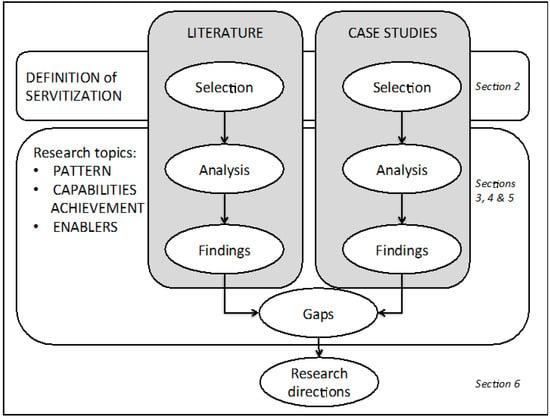
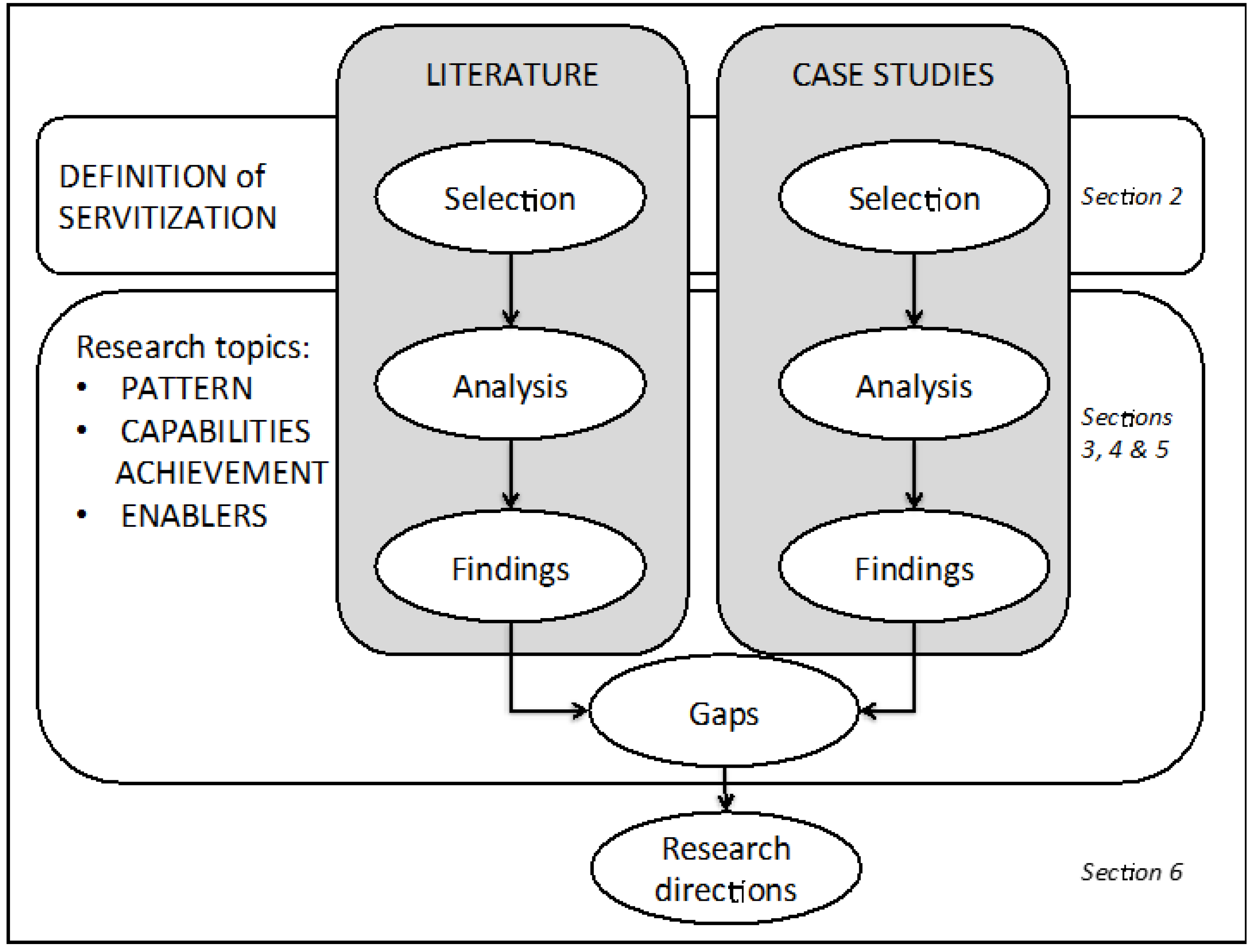
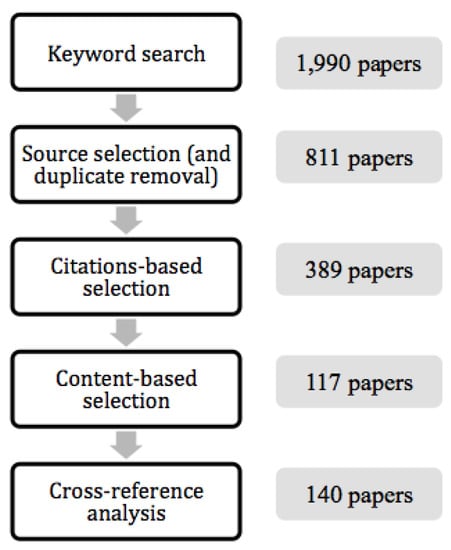
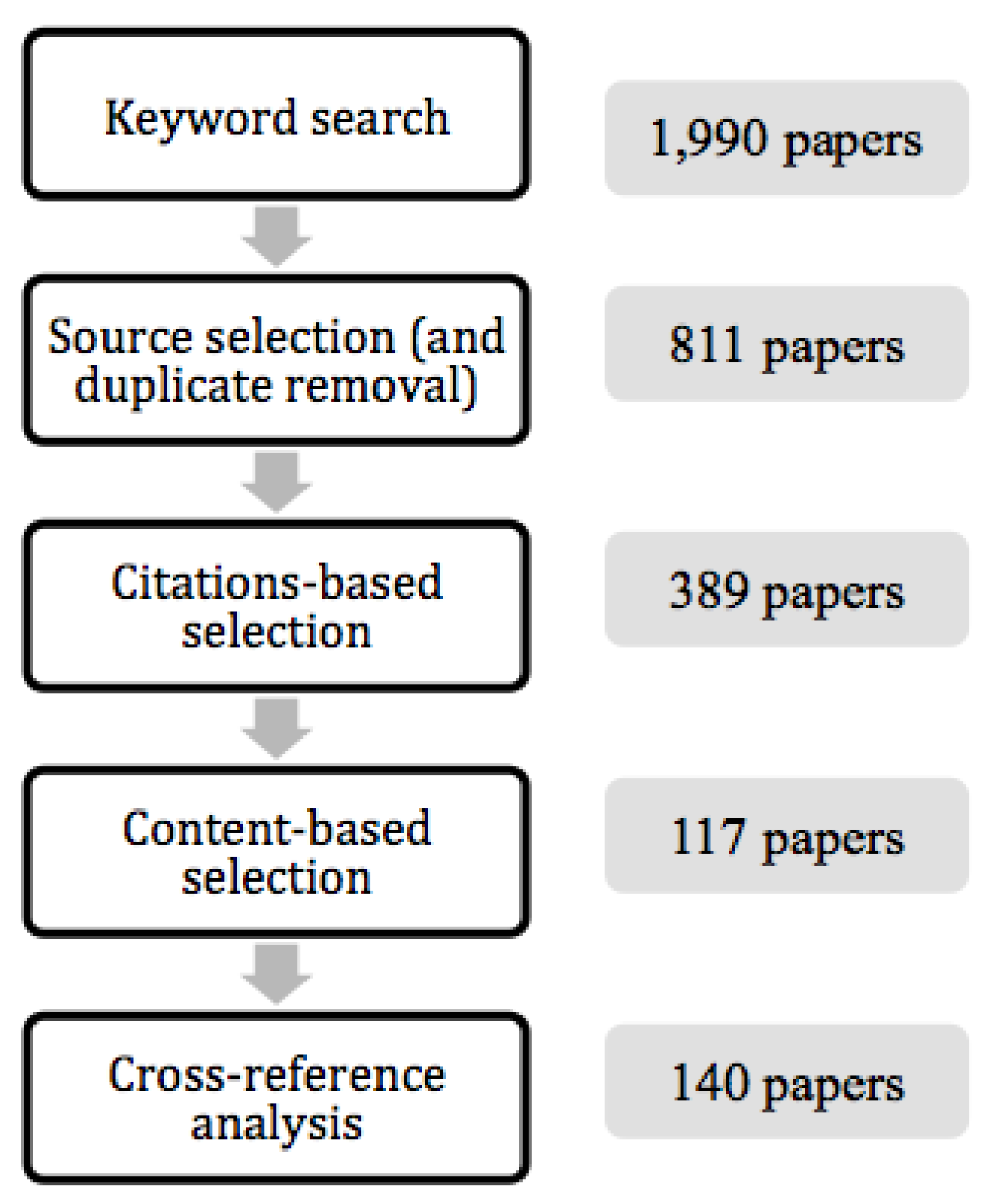

© 2017 by the authors. Licensee MDPI, Basel, Switzerland. This article is an open access article distributed under the terms and conditions of the Creative Commons Attribution (CC BY) license ( http://creativecommons.org/licenses/by/4.0/).