


Abstract
Digital transformation (DT) has become a core strategic priority for major economies, with global investments exceeding $2 trillion worldwide and $0.55 trillion in China alone in 2025. As DT reshapes the norms of international competitiveness and sustainable development, experts frequently emphasize the need for innovative cross-domain frameworks to decode the mechanisms of DT success. Even though public economists view government attention to digital talent (GADT) as a key driver of DT, there is an acute shortage of empirical models that explain how it affects firm-level DT directly or indirectly through intermediary mechanisms, e.g., talent agglomeration, absorptive capacity, and subsidies. Thus, exploring this relationship empirically holds significant theoretical and practical value. Based on the latest keyword frequency data from government policies and annual reports from 2008 to 2022 for 3952 A-share listed companies across 243 cities in 31 provinces, this study constructs an interactive two-way fixed-effects panel regression model with 35,058 valid observations. The empirical results show that GADT significantly promotes the digital transformation of enterprises (EDT), supported by enterprise talent agglomeration, absorptive capacity, and government digital talent subsidies. Notably, the effects of GADT on EDT were heterogeneous, with a significant positive impact observed in labor-intensive enterprises, peripheral cities, and enterprises in non-digital-economy pilot areas. Moreover, the effects of GADT on EDT were less pronounced among technology-intensive enterprises (e.g., automotive, pharmaceutical, and manufacturing), central cities (e.g., Chengdu, Fuzhou), and those in digital economy pilot areas (e.g., Xinjiang, Ningxia). This study aims to examine the impact mechanism of GADT on EDT, thereby providing theoretical support and practical implications for more targeted and effective digital talent policies.
1. Introduction
Since the emergence of a new phase of global technological revolution, digital transformation (DT) has been reshaping the world economy with unprecedented breadth and depth, becoming a key driver of future growth. In 2023, the global DT market was projected to reach USD 109.446 billion by 2032 [1], indicating strong growth momentum. At its core, DT drives this growth by reshaping production processes and business models, optimizing resource allocation, and enhancing productivity, thereby promoting sustainable economic development [2]. As this transformation unfolds, economies that lead in digital innovation are more likely to gain advantageous positions in the global value chain and strengthen their international competitiveness [3,4,5]. In this context, China has experienced rapid economic growth, becoming the world’s second-largest economy and a major manufacturing center with a complete industrial chain [6,7]. Still, its traditional development model, which relies heavily on factor inputs and cost advantages, is increasingly challenged by diminishing marginal returns [8,9]. To address these structural constraints and achieve sustainable development, DT has become an essential pathway for industrial upgrading and economic restructuring [10,11]. Given the multi-domain systematic capability enhancements (at both the enterprise and regional levels) of DT, its application is critical for addressing regional economic disparities linked to technological upgrading, industrial diversification, and efficient knowledge spillover effects [12].
Recognizing the strategic importance of DT, the Chinese government has explicitly proposed elevating the role of digital technology in the modern economic system [13]. Since 2023, the Ministry of Industry and Information Technology and the Ministry of Finance have successively launched three batches of DT pilot cities, with a cumulative investment of more than RMB 14 billion [14]. In 2024 alone, the Chinese enterprises invested more than RMB 2.5 trillion in digitalization projects. By 2026, such DT expenditure is expected to be the highest in the world [15,16]. Within this strategic framework, the government’s systematic attention to digital talents (GADT) has become increasingly prominent. The reports of the 19th and 20th National Congresses of the Communist Party of China both emphasized the fundamental and strategic supporting role of talent in economic and social development [13,17]. To implement this strategic orientation, the central and local governments have successively issued several special policies to strengthen the supply capacity of digital talents, e.g., Nine-sector printing programmer-Accelerate the cultivation of digital talents to support the development of digital economy [18], Beijing Digital Economy Whole Industry Chain Open Development Action Plan [19], Notice of the General Office of Guangzhou Municipal People’s Government on Printing and Issuing the High-quality Development Plan of Guangzhou Digital Economy [20]. These policy initiatives demonstrate the government’s increasing focus on building a strong digital talent base to support a DT-driven economy.
Existing studies have demonstrated that government attention, as a key institutional policy signal, can significantly influence enterprise strategic choices and behavior by shaping social expectations, resource allocation, and the institutional environment [21,22]. In the context of DT, the GADT may influence enterprises through multiple channels. For instance, policy support may provide direct financial incentives (e.g., subsidies for digital talent training and recruitment). Moreover, it can enhance enterprise absorptive capacity (EAC) and facilitate enterprise talent agglomeration (ETA), thereby strengthening innovation capabilities and accelerating enterprise digital transformation (EDT) [23,24,25,26,27,28]. As China is currently undergoing a critical stage of economic restructuring and social transformation, the accumulation and effective utilization of digital talents have become an essential driving force for DT [29,30]. As a significant policy signal, the GADT profoundly impacts EDT’s decision-making by shaping social expectations and resource allocation [31,32]. Despite the growing importance of digital talent, limited research has systematically examined the dynamics of GADT-EDT. Therefore, the study attempts to answer the following questions: Does the GADT significantly promote the EDT? What intermediary mechanisms, specifically mediators, support such a relationship? In addition, does this relationship exhibit heterogeneity across different regions of China?
This research article extends beyond the traditional boundaries of DT research to identify an unexplored external system-level mechanisms that endogenously translate macro-level policy signals into macro-level outcomes. Most previous studies treat policy support/attention as an exogenous institutional condition in public economics research, specifically in endogenous growth theory (EGT) [33,34]. The proposed novel data-rich analytical framework introduces government attention as a core institutional force directly driving EDT, with absorption capacity (EAC), talent aggregation (ETA), and government digital talent subsidies (GDTS) serving as supporting mechanisms. The paper initially attempts to capture the strategic coordination of two interdependent policy dimensions—i.e., government attention to the digital economy (GADE) and government attention to talent (GAT)—to offer a nuanced operationalization of macro-level institutional focus on digital human capital. Using attention theory (AT), the model explicates how strategic policy signals (GADT)—manifested in government communications—become credible external attention structures that shape managerial strategic cognition, linking institutional priority directly to enterprise strategic orientation. In this way, the model strengthens the empirical foundations for contemporary perspectives in dynamic capability theory (DCT) [35] and EGT [36] and their corresponding fields, strategic management [37] and public economics [38], respectively. In addition, the paper specifies and captures the unique structural conditions that determine the effectiveness of GDAT for the EDT nexus across regional and organizational contexts. Empirically, the paper supports the theoretical framework through a robust analytical design built on spatial econometrics, robustness checks, the latest data, and text-based operationalization of GADT. This novel technique identifies an institutional influence that is typically unobservable in conventional analyses, while strengthening the causal interpretation of policy-driven DT.
The structure of this paper is as follows. Section 2 presents the theoretical analysis and develops the research hypotheses. Section 3 describes the theoretical framework. Section 4 provides the empirical tests. Section 5 conducts the robustness analysis. Section 6 performs the heterogeneity analysis. Section 7 concludes with findings and policy implications.
2. Literature Review and Hypothesis Development
2.1. Literature Review
Drawing from the DCT [39,40] in the strategic management literature [41,42], several experts [41,43,44] argue that enterprises sense signals, seize opportunities, and reconfigure their capabilities to achieve DT [45]. Theoretically, the debates on DT are mainly derived from different schools of through and following conceptual premises: (i) production and operational perspective—DT involves deploying technologies such as IoT and intelligent manufacturing for equipment monitoring and data analysis, which in turn enables strategic design and informed decision-making [46,47,48]; (ii) organizational structure and management perspective—DT is not only a technological update but also a reconstruction of the internal roles, processes, and governance mechanisms within the organization [49,50,51]; (iii) business model transformation perspective—DT drives firms to shift from traditional value chains to platform ecosystems [52,53], while it also alleviates environmental pressure, playing a conducive role in improving environmental quality [54]. From an macro–meso–micro perspective, previous debates on EDT have primarily focused on three critical aspects of an enterprise: (i) the policy environment—policy support not only provides resources for enterprises (such as economic incentives, tax benefits, and infrastructure development) but also plays a crucial guiding role at the strategic level [55,56,57,58]; (ii) structural foundation—the technical foundation and human resource structure together constitute the core internal driving force for promoting its digital strategy [59,60,61]; (iii) external cooperation networks—the technical support, data interfaces, and ecological collaboration services provided by platform enterprises can significantly enhance the digital response capabilities of traditional enterprises [62,63,64]. Furthermore, in recent years, as the digital economy has rapidly developed, it has become an important new factor driving the EDT [65]. Unlike traditional policy or enterprise-level determinants, the digital economy transforms data into key production factors. It integrates digital technologies into various industries, thereby promoting digital upgrades at both the enterprise and industry levels [66]. These theoretical viewpoints indicate that the DCT provides a useful perspective for understanding EDT, i.e., enterprises need to perceive digital trends, seize technological opportunities, and complete the transformation and upgrading in this process [45]. Still, extant DT literature remains primarily focused on internal processes, such as technology adoption and structural changes, with frameworks addressing external institutional drivers relatively scarce. Specifically, the effect of government policy signals on enterprises’ dynamic capabilities related to DT has not been fully studied.
In practice, enterprises often respond to policy signals to obtain institutional resources and strategic advantages. For example, firms may leverage political connections to gain policy information, financial support, and market access, thereby strengthening their competitiveness during the DT process [67,68]. To better understand how policy signals influence organizational behavior, scholars have introduced the Attention Theory (AT). Simon pioneered the concept of attention in government attention research, emphasizing the selective nature of decision-makers’ attention in information processing [69]. Ref. [70] extended the AT to government decision-making and proposed an attention-driven policy-choice model, positing that the government’s attention to specific issues affects the policy priority sequence and resource allocation. Academic experts agree that the government’s attention is often reflected in official policy documents, e.g., the Royal Address of the United Kingdom [71] and the State of the Union Address [72]. In China, government work reports (GAR) serve as strategic documents that articulate the policy focus and priorities mandated by national and provincial authorities [73]. Even though a few studies have used such documents to examine government attention in areas such as ecological governance [74] and talent policy [75], the implications of GADT for DT and technological upgrading have attracted limited academic attention.
Digital talents represent a critical form of human capital in the digital economy. EGT advocates assert that human capital accumulation is a fundamental endogenous driver of long-term economic growth [36,76,77]. DT scholars extend this notion by arguing that digital talents play a dual role: technological creation and knowledge absorption. Although these roles directly influence firms’ ability to adopt new technologies and implement digital strategies [78], extant human capital research mainly focuses on the economic outcomes of talent accumulation. Since public economists (specifically EGT) have scarcely examined the impact of government policy priorities on the development and allocation of digital talent, less is known about why certain policy signals emerge or how they translate into enterprise-level actions. The paper introduces AT to offer a feasible explanation: governments selectively allocate attention to specific issues, which, in turn, shape policy priorities and resource allocation. Drawing on EGT and AT, we propose that GADT serves as an institutional mechanism: policy attention directs resources toward specific forms of human capital, thereby shaping the external environment in which enterprises accumulate knowledge and develop digital capabilities [79,80].
In summary, although the previous literature provides an essential basis for understanding the relationship between the policy environment and the EDT, it offers limited insight into how GADT affects the EDT. Given the strategic role of digital talent in the digital economy era, it is necessary to develop a systematic analytical framework to explore the internal mechanisms of GADT that affect the EDT and to fill this research gap. This study defines GADT as an external institutional factor and argues that it can influence the EDT process. It integrates the AT (policy signals), the EGT (talent endowment), and the DCT (enterprise adaptation) to provide a more systematic theoretical perspective for explaining how macro policy attention translates into micro-EDT.
2.2. Hypothesis Development
2.2.1. Government’s Attention to Digital Talent and the Enterprise Digital Transformation
The influence of GADT on EDT is rooted in the conceptual premise that governments frequently intervene in markets [81] for several reasons, including path correction and maintaining market stability. Governments influence the expectations and behaviors of enterprises through both explicit industrial policies and strategically oriented implicit policies. While proponents of AT argue that governments’ emphasis on cultivating digital talent and digital strategies in official documents constitutes a strong policy signal [82], experts in EGT consider digital talent the core driver of enterprises’ long-term development [76]. Thus, as per the DCT, enterprises need to swiftly integrate, build, and reconfigure internal and external resources to adapt to environmental changes. With the government paying more attention to digital talent, enterprises are more likely to translate such signals as key information to plan future resource allocation and invest in digital innovation and talent reserves, thereby adjusting their expected responses and specific actions towards DT [83,84]. In short, GADT serves as both a new institutional arrangement and an effective mechanism for enterprises to integrate strategic priorities with national goals. With an ever-increasing emphasis on governments’ digital talents, such a collaborative mechanism can facilitate the efficient alignment of corporate digital strategies with national priorities, thereby enabling sustainable urban development. If enterprises can accurately interpret market guidance from government reports and other documents, they can align their business ecosystems, particularly those related to transforming digital infrastructure, investing in data research and development, and enhancing resource integration capabilities and operational efficiency, to ensure sustainable resource support for DT [85]. In summary, this paper proposes the following assumptions:
Hypothesis 1 (H1).
The GADT has a positive impact on the EDT.
2.2.2. Role of Intermediary Mechanisms: Enterprise Talent Agglomeration (ETA), Absorptive Capability (EAC), and Government Digital Talent Subsidies
Experts in the field of EGT [36] argue that GADT drives enterprise development by emphasizing policies that support talent and optimize the institutional environment, as reflected in policy orientations and resource allocation initiatives, e.g., policies and subsidies for skilled talent, collaborative training mechanisms, and university–industry collaboration incentives. Talent facilitates the accumulation of knowledge and technological progress in an economy [86]. By focusing policy attention and public resource allocation on digital talent, the government can enhance the supply of and mobility efficiency in human capital, thereby creating favorable external conditions for enterprises to acquire and cultivate strategic talent reserves. This strategic focus not only improves the external conditions for enterprises to recruit digital talent directly but also sends a clear signal to invest time, money, and resources in expanding internal talent development for sustainable performance [87]. Governments often amplify the effects of such policies by creating conducive living and working conditions for talent, including housing subsidies, high-quality educational resources, and research subsidies. Such systemic optimization facilitates talent agglomeration within enterprises across different regions. While providing external support for talent retention over extended periods, this approach lays the foundation for a collaborative innovation ecosystem [88]. In short, extensive talent pools enable resource integration and team building, thereby accelerating the EDT in product development and process optimization [89,90]. Based on the above, this paper proposes the following hypothesis.
Hypothesis 2 (H2).
The GADT can promote the ETA and the EDT.
At the enterprise level, EAC is a key dynamic capability for an enterprise to integrate internal and external knowledge for application [91,92]. EDT requires the use of digital technologies to reconfigure resources, optimize processes, and create value. Therefore, an EAC will determine whether it can convert external digital opportunities into internal competitive advantages. According to the EGT and the AT, the government’s focus on specific fields (e.g., cultivating and introducing digital talent) is regarded as an institutional signal [74] that can guide the flow of innovation resources and alleviate the difficulties enterprises face in transforming due to knowledge barriers. Specifically, from an institutional perspective, GADT promotes EAC in some of the following ways: (i) promoting cooperation between enterprises, universities, and scientific research institutions; (ii) creating multi-collaborative knowledge-sharing networks; (iii) facilitating external inflow of critical resources. Enterprises significantly increase their EAC by adapting to technological change, integrating resources, and reconfiguring their knowledge base to achieve their desired DT goals [93]. EAC enables efficient technology adaptation and integration while encouraging enterprises to allocate government-provided resources. As a result, enterprises develop their own digital solutions [94,95,96], thereby reducing costs, improving efficiency, and accelerating DT. In line with the above, the following hypothesis is proposed:
Hypothesis 3 (H3).
The GADT can affect the EDT through the EAC.
Considering institutional support, government-issued subsidies (GDTS) for local digitization and digital talent agglomeration can directly affect organizational support for attracting and retaining digital talent [97]. Specifically, governments have increased investments in digital infrastructure and talent policies to boost EDT in recent years [98]. These initiatives, such as 5G networks and high-performance data centers, have lowered the baseline threshold for enterprises to innovate progressively [99]. GDTS has alleviated the financial burden on enterprises in the following ways: (i) sharing the cost associated with inducting high-skilled talent and staff training; (ii) helping them build talent teams for continuous innovation [100]; (iii) providing direct resources for purchasing advanced technology and equipment; (iv) reducing the cost and risk linked to DT; (v) enhancing the confidence and willingness of enterprises to extend beyond local digital technological frontiers to seek and develop global solutions [101]. In view of such arguments, this paper proposes the following hypothesis:
Hypothesis 4 (H4).
GADT can affect the EDT through GDTS.
Figure 1 illustrates the conceptual model.
Figure 1.
The conceptual model.
3. Theoretical Framework
Economists and digital experts agree that a government’s capacity to promote EDT depends on the extent to which it emphasizes digital economy development and allocates resources [102,103], particularly in attracting and cultivating digital talent. Thus, this study conceptualized GADT as a composite policy construct arising from the interaction between GADE and GAT. While GADE provides strategic direction for EDT, GAT supplies essential human capital support [32,104,105]. The interaction between these two dimensions reflects the synergistic policy environment conducive to EDT. GADT is defined as
Based on Equation (1), a set of baseline and extended regression models was constructed to examine the impact of GADT on EDT. Equation (2) estimates the baseline specification with GAT as the core explanatory variable. While GAT is replaced with GADE to examine the independent effect of GADE in Equation (3), Equation (4) incorporates both GADE and GAT simultaneously. As a final step, Equation (5) was formulated to include the interaction term GADT, capturing the impact of GADT on EDT.
To further explore the impact of GADT on EDT, this study analyzed the mediating mechanism. Given that the traditional three-stage mediating test may limit causal inference [106], this paper adopted a four-step mediating mechanism model [107,108,109]. That is, each mediating variable was regressed separately on the explained variable, and the results were further evaluated using Bootstrap testing to enhance the completeness and credibility of the mediating effect analysis. Thus, the following mediating mechanism model, i.e., Equations (6)–(8), was formulated:
Here, represents the mediating variables, including ETA, EAC, and GDTS, and the definitions of other variables are consistent with Equation (5).
All models included both firm and year fixed effects, where Firm and Year represent the fixed effects of the enterprise and the year, respectively. The firm fixed-effects controlled for time-invariant unobserved characteristics, while year fixed effects absorbed common macroeconomic shocks and policy changes affecting all firms. The was the random error term, and the standard errors were clustered at the firm level. The subscripts i and t represented the enterprise and the year, respectively.
3.1. Data Sources, Variables, and Methods
Table 1 provides a summary of the data details.
Table 1.
Key Variables and Data Sources.
This study used A-share listed companies from 31 mainland Chinese provinces over the period 2008–2022, excluding Hong Kong, Macau, and Taiwan. Following [113,114], we excluded financial sector firms, ST/*ST/PT-labeled firms, IPO-year observations, and enforced winsorization at the 1% and 99% levels for continuous variables to mitigate the influence of outliers. Finally, 35,058 annual observations were obtained.
Dependent variable: EDT was measured using a textual analysis approach based on corporate annual reports. Following the text-mining method widely adopted in prior studies [100,101], this study employed Python 3.10 to parse the annual reports of Chinese A-share-listed companies in depth from 2008 to 2022. A digital technology keyword dictionary was constructed, comprising 76 digital feature terms across five dimensions: artificial intelligence, blockchain, cloud computing, big data, and digital applications [115]. The frequency and intensity of these digital keywords in firms’ annual reports were used as the primary measure of EDT. To mitigate the potential influence of extreme values in the raw data, the total keyword frequency was transformed using the natural logarithm, with 1 added. The resulting index served as a standardized measure of EDT, with higher values indicating a greater degree of DT.
Independent variable: GADT was taken as the interaction term between GADE and GAT. Government attention is often measured through keyword frequencies in official policy documents [116,117,118]. GADE was measured by adding 1 to the total frequency of keywords related to the digital economy in the government work report [119]. At the same time, the GAT was computed by adding 1 to the frequency of talent-related keywords in the government work reports of the same period [120,121]. GADT is constructed as the interaction term between GADE and GAT, following the logic of strategic fit [122] and complementarity theory [123]. Proponents of these perspectives argue that multiplicative specifications are appropriate when the focal construct emerges from the alignment between two complementary dimensions rather than from their independent additive contributions. That is, effective GADT emerges only when governments simultaneously emphasize digital economic development and talent cultivation, making these dimensions inherently interdependent. Digital economy growth, including digital technology innovation, industrial applications, and digital governance, generates strong demand for specialized digital human capital [124,125]. GADT determines whether sufficient policy support is directed toward cultivating, attracting, and allocating such digital skills [78,126]. While prioritizing GADE without a corresponding GAT would constrain EDT due to talent shortages, a high level of GAT without a clear digital economic agenda would lack strategic direction and policy focus.
In this study, the interaction term GADE × GAT captures the degree of GADT as a joint institutional signal. It reflects the extent to which governments align demand-side (digital economy) and supply-side (talent) priorities, representing a unified rather than a decomposed policy emphasis. Many earlier studies have adopted this multiplicative specification when constructs reflected strategic fit or complementarity rather than independent main effects. For example, ref. [127] used an interaction term for internal integration and product modularity to demonstrate that two complementary organizational dimensions more effectively explain competitive capabilities than separate effects alone, an approach followed by others to examine digital contexts [128,129]. In short, these studies provide sufficient support for the use of multiplicative interaction terms as a reliable empirical tool for constructing GADT that depends on the coordinated emphasis of two mutually reinforcing policy dimensions.
Mediating variable: EAT was measured from both the enterprise and city levels. At the enterprise level, the proportion of employees with a bachelor’s degree or above (TA_firm1) [130] and the proportion of senior executives with backgrounds in informatization and digitalization (TA_firm2) [131] were used as proxy variables for the EAT in enterprises; At the urban level, the proportion of employees in the information transmission, computer service and software industries among the total number of employees in urban units at the end of the year (TA_city) [132] was used as representation. The EAC was measured as the proportion of Research and Development expenditure to operating income [133], and GDTS was expressed as the proportion of digital and talent-specific subsidies received by the enterprise to total government subsidies [134].
Control variables: This paper controlled for the characteristic variables at both the enterprise and city levels [135,136]. Control variables at the firm level include financial leverage (asset-liability ratio, DAR), firm size (logarithm of total assets, Size), duality (chairman and general manager, DUA), proportion of independent directors (PID), net profit margin of total assets (ROA), Tobin’s Q value (TBQ), ownership concentration (proportion of the top ten shareholders, Top10), and firm age (Firm Age). At the city level [137], the control variables included the level of regional economic development (the logarithm of GDP) and industrial structure, i.e., the proportion of the secondary industry’s added value in GDP, DECY.
3.2. Econometric Tools and Techniques
This study combined text mining with econometric analysis. The annual reports of A-share-listed firms and concurrent provincial/prefecture government work reports (2008–2022) were parsed in Python to extract keyword frequencies and construct measures of EDT, GAT, GADE, and their interaction, i.e., GADT. On this basis, all estimations were performed in Stata 17, including baseline regressions, mediation tests, robustness tests, and heterogeneity analyses. The baseline regressions followed Equations (2)–(5), in which the effects of GAT, GADE, their simultaneous inclusion, and GADT on EDT were examined. Next, based on Equations (6)–(8), we examined the mediating roles of ETA, EAC, and GDTS in the relationship between GADT and EDT.
To ensure the reliability of the baseline estimates, we conducted robustness tests to verify their accuracy. First, we augmented the baseline model with province-specific fixed effects to capture unobserved regional factors that could influence firm behaviors [138]. The stability of results suggests that they are unlikely to be driven by provincial heterogeneity [139]. Second, we re-estimated the dependent variable using an alternative proxy. For instance, replacing the outcome indicator is a standard robustness test that assesses whether the findings are sensitive to a specific variable definition, thereby mitigating potential bias arising from definitional differences or measurement error [140]. Finally, we recomputed the model using the trimmed samples to minimize concerns about exogenous shocks (e.g., COVID-2019, 2020, 2021) or sector-specific characteristics (e.g., high-tech industries, I43, I64, I65), i.e., firms in Industry type [141,142]. In this study, heterogeneity was examined across three dimensions: location in central cities, presence in national digital-economy pilot zones, and production type (labor-intensive versus technology-intensive) to assess how the effect of GADT on EDT varies.
4. Results and Discussion
As shown in Table 2, a descriptive statistical analysis of the core variables was conducted for the sample of selected enterprises. The results show that the min–max value of EDT indicated significant differences in the degree of DT promotion among different enterprises, providing sufficient grounds for further analysis. The GADT scores, which span multiple scenarios, showed significant variation in attention intensity across regions and enterprises. As shown in Table 3, the correlation analysis indicated a significant positive correlation between GADT and EDT, suggesting that GADT supported enterprise digital development across the selected sample. The correlation coefficients between all variables were generally significant, allowing for further analysis. As shown in Figure 2 below, the variance inflation factor (VIF) outputs for each variable were all below 5, indicating that the model did not exhibit serious multicollinearity. In short, the regression results demonstrate good stability and reliability.
Table 2.
Descriptive statistics.
Table 3.
Correlation analysis.
Figure 2.
VIF scores. Note: The analysis covers only the 31 provinces, excluding regions of China, i.e., Hong Kong, Macau, and Taiwan. Data sources: NBS [110], CSMAR [111], and WDS [112].
4.1. Benchmark Regression Results
As shown in Table 4, the benchmark analysis demonstrated a statistically insignificant effect of GAT and a significant adverse effect of GADE on EDT at the 1% level. This result suggests that attention to talent and the digital economy alone had made no direct contribution or played a disruptive role in shaping EDT outcomes. While the GADE and GAT summation term reflected disruptive EDT outcomes, the interaction coefficient (0.0337) for GADT was significantly positive at the 1% level, indicating that GADT promoted EDT in the sampled provinces, thereby supporting H1. The above finding supported earlier views, yet it differs in the following ways. While some experts state that government attention and guidance are central to the DT [143], others consider digital talents as a prerequisite for enabling the successful application and diffusion of technology during the DT [144]. Apart from establishing GADT as a measurable policy tool, this study empirically supports prior claims by testing it as an external policy signal/pressure that exerts macro-to-micro-level influence on corporate human capital development and by establishing the defining role of focusing on digital talent as a pathway to successful DT. From the perspective of the AT, GADT may function as an external policy signal that reshapes firms’ strategic priorities and resource allocation, thereby encouraging investment in digital human capital [145]. This mechanism is also consistent with EGT and DCT, which emphasize the role of human capital accumulation and capability reconfiguration in facilitating technological transformation [146,147]. It is worth noting that although the GADT coefficient was significantly positive, the individual effect of GADE was negative. This seemingly contradictory result implied potential path dependence in government intervention. That is, the structural misalignment between long-term digital economy initiatives and inefficient talent cultivation across some regions over the selected period may have led to short-term resource misallocation or digital anxiety among enterprises, thereby disrupting EDT. Although the results supported H1, they also suggested that the synergy of policy signals was more crucial than focusing on a single dimension.
Table 4.
Benchmark regression results.
4.2. Mediating Mechanisms: ETA, EAC, and GDTS
As a technologically skilled workforce is more likely to master and apply the latest digital technologies, enterprises seek such individuals from home and abroad to promote DT [148]. For ETA, the following proxies were created using the above premises: (i) TA_firm1—enterprise-level talent aggregation; (ii) TA_firm2—the talent characteristics of senior management or top management team (TMTs), given that their information cognition level and digital decision-making capacity play a key role in the EDT process [149]; (iii) TA_city—to capture city-level talent aggregation and used to test the mediating effects, considering the external spillover effects of talent accumulation on EDT. Table 5 presents the mediating mechanism through which GADT affects the concentration of enterprise talents. Columns (1)–(6) indicate that GADT was conducive to the concentration of internal talent within enterprises. Among them, the regression coefficients for GADT in columns (1) and (4) were significantly positive at the 1% and 5% levels, respectively, indicating that GADT promoted the concentration of internal talent within enterprises. More so, the coefficients of TA_firm1 and TA_firm2 in columns (2), (3), (5), and (6) were all significantly positive, indicating that the concentration of internal talents within enterprises enhanced the EDT.
Table 5.
Mechanism test 1.
Additionally, columns (7)–(9) show that GADT optimized enterprises’ external talent environments and enhanced their innovation capabilities, thereby promoting the EDT. Moreover, the Bootstrap test results show that the confidence intervals for the mediating effect did not include 0, supporting the validity of the mediating mechanism. This result implied that GADT contributed to ETA formation across the candidate sample, thereby promoting EDT. Supporting the above finding, refs. [150,151] agree that governments’ emphasis on talent, often through various tools (e.g., institutional guarantees and policies), promotes talent aggregation. From an enterprise perspective, some experts [88,89] argue that a continuous pursuit of digital talent-aggregation strategies can facilitate the adoption and diffusion of digital technologies across enterprises, thereby driving their digital development. By unifying the above independent ideas, the findings empirically demonstrate that ETA serves as a critical transmission channel through which government focus is transformed into desired DT goals at the enterprise, city, and regional levels. This mechanism is consistent with the tenets of AT, which suggests that government attention functions as an external policy signal that redirects firms’ strategic focus toward digital talent accumulation [143]. At the same time, the importance of talent aggregation also resonates with EGT, which emphasizes the role of human capital in enabling technological progress and organizational transformation [152]. That said, the result suggests that the transmission mechanism did not function uniformly across all candidate contexts. Possibly, limited organizational flexibility or managerial commitment constrained firms from efficiently leveraging their aggregated talent to achieve substantive digital restructuring outcomes. An alternative possibility is that regions with stronger pre-existing digital ecosystems attracted talent and received greater government attention, thereby amplifying the observed mediating effects. While our empirical design mitigates these concerns, these contextual factors should be acknowledged when interpreting the strength of the mediation pathway.
Secondly, the results in Table 6 support the significant role of EAC in the GADT-EDT relationship, as evidenced by the positive EAC coefficient. The results in column (1) showed that the influence of the GADT on the EAC is positive at the 5% significance level, indicating that the GADT helped enterprises place greater importance on talent cultivation and development, thereby enhancing the EAC in the candidate sample. As seen in columns (2) and (3), the regression coefficients of EAC were all significantly positive, suggesting that EAC complemented the effects of GADT on EDT. Next, the Bootstrap test indicated that the confidence interval for the mediating effect did not include 0, indicating a significant mediating effect and thus verifying Hypothesis 3. This finding aligns with earlier views. For instance, Ref. [153] argues that capacity-building measures at the enterprise and industry levels (EAC) rely on national and local government policies and support mechanisms. At the same time, some experts consider them central to enterprise transformation and innovative development [154,155]. In translating implicit policy guidelines into specific metrics (GADT), this finding provided data-driven evidence that organizations had sensed and decoded national priorities from official communications to build EAC for efficient DT. From a theoretical perspective, this process reinforced the DCT concept: enterprises strengthen their ability to sense external technological opportunities and integrate digital knowledge through enhanced EAC [156]. As per the results, EAC exhibited firm-specific and path-dependent characteristics. That is, insufficient technological experience or financial resources appeared to have hindered enterprises from efficiently leveraging insight from policy signals to strengthen EAC. Also, the clarity, stability, and consistency of policy communications are potential issues that may undermine their accurate interpretation and effectiveness. If policy objectives are ambiguous or subject to frequent adjustments, firms are more likely to adopt short-term compliance strategies rather than long-term capability building. Thus, it is safe to conclude that EAC serves as an important mediating mechanism, though its strength is likely influenced by organizational readiness and institutional stability.
Table 6.
Mechanism test 2.
Third, as predicted, the estimates supported the significant positive role of GDTS in the relationship between GADT and EDT in the candidate sample. In Table 6, columns (4)–(6) present the mediating mechanism through which GADT influences EDT via GDTS. Column (4) shows that the regression coefficient of GADT on GDTS was positive (0.009) at the 5% significance level, indicating that GADT had promoted fiscal investment in digitalization and talent development across the candidate sample. In columns (5) and (6), the regression coefficients on GDTS were all positive and significant at the 1% level, indicating that an increase in GDTS investment significantly enhanced DET by alleviating financial constraints. Further, the Bootstrap test results indicated that the confidence interval for the mediating effect did not include 0, indicating a significant mediating effect and thereby verifying Hypothesis 4. With this support, the significant positive coefficient for GDTS affirmed that the government’s emphasis on digital talent had a more profound effect on EDT when supported by targeted subsidies for the procurement of digital products and services and the construction of digital teams, a view consistent with earlier views [151]. Researchers, including [79], consider GDTS a supply-side policy tool that enables countries to incentivize corporate digitalization initiatives through financial support [97,157]. Although these studies have shown the direct effects of GDTS, the above finding highlights its potential as a conduit between GADT and EDT. In this sense, government subsidies reinforce the policy signal highlighted by the AT and provide tangible resources that enable firms to develop the capabilities required for DT [57]. Then again, subsidy-based interventions are subject to fiscal constraints and implementation inefficiencies. In regions with limited public resources, sustained financial support for DT is often difficult due to budgetary constraints. Additionally, excessive reliance on subsidies may induce opportunistic behavior or symbolic digitalization efforts aimed at securing financial benefits rather than achieving substantive transformation. Hence, the mediating role of GDTS should be interpreted with consideration of fiscal sustainability and governance quality.
5. Robustness Tests
The robustness test results are presented in Table 7. As seen below, after adding provincial fixed effects, the coefficient of GADT remained significantly positive, i.e., an increase in provincial fixed effects in Table 7. Second, by replacing the explained variable: one was measured by the proportion of digital assets to total assets of enterprises (TD_1) [158], while the other included the frequency of 139 digital keywords in the annual report, which were summed up and then 1 was added to form the logarithm (TD_2) [159]. Under both alternative indicators, the GADT coefficient remained significantly positive. As shown in Table 6, the explanatory variables with alternative proxies in the robustness check were consistent with the benchmark results. Finally, after excluding special years and industries highly related to digitalization, the core explanatory variable remained significantly positive (see the exclusion of special Year and special Industry in Table 7). Overall, the above tests jointly verified the robustness of the research outputs.
Table 7.
Robustness test.
6. Heterogeneity Analysis
6.1. Central Cities vs. Non-Central Cities
Due to differences in resource endowments and development stages, the levels and quality of digital economic development vary significantly across regions. Therefore, the impact of GADT on the EDT may be heterogeneous at the urban levels. In response to this problem, this paper draws on [160] and classified municipalities, sub-provincial cities, and provincial capitals as central cities. At the same time, other prefecture-level regions were divided into peripheral cities. Table 8 further reports the results of the regional heterogeneity analysis. Table 8, which compares central cities and non-central cities, shows that the GADT had a significant positive impact on the EDT in peripheral cities. To further examine whether the differences between the two groups were statistically significant, we conducted Fisher’s permutation test for the coefficient differences. The results showed that the difference between the two groups is significant at the 5% level (p = 0.019), indicating that the effect of GADT on EDT varied significantly across urban levels. Although central cities like Fuzhou and Guangzhou exhibited insignificant effects, the GADT had effectively promoted the EDT in peripheral cities, e.g., Sanming and Shantou.
Table 8.
Heterogeneity analysis.
To visually compare regional differences, maps of central and peripheral cities were constructed based on their digital economy development and digital talent distribution. As shown in Figure 3, the spatial pattern of digital economy development indicated that central cities exhibited significantly higher levels of digital economic activity than their peripheral towns. Figure 4 provides clear evidence that central cities have a pronounced advantage in talent concentration over other regions.
Figure 3.
Spatial Distribution Characteristics of Digital Economy Development Levels in Chinese Prefecture-Level Cities. Note: The map uses a graduated color scheme, with darker shades representing higher levels of digital economy development. To enhance spatial comparison, only key central cities are labeled due to the large number of cities nationwide. The analysis covers only the 31 provinces, excluding regions of China, i.e., Hong Kong, Macau, and Taiwan. Data sources: NBS [110], CSMAR [111], and WDS [112].
Figure 4.
Spatial Distribution Characteristics of Talent Agglomeration in Chinese Cities. Note: The map uses a graduated color scheme to represent city-level talent aggregation, with darker shades indicating higher concentrations. Given the large number of cities, only key central cities are labeled to facilitate comparison between core and peripheral regions. The analysis covers only the 31 provinces, excluding Hong Kong, Macau, and Taiwan, due to data unavailability. Data sources: NBS [110], CSMAR [111], and WDS [112].
Since central cities (usually provincial capitals) often receive preferential policies in regional economic development, they gain a clear advantage in digital infrastructure and talent reserves earlier than peripheral cities, enabling them to pursue steady digital development [161,162]. In contrast, the peripheral cities are relatively short of resources and talent and are generally at a stage of catching up in DT [78]. Therefore, when the governments of peripheral cities attach great importance to developing digital talent, they can effectively address infrastructure shortfalls and alleviate the talent shortage in the short term, thereby bringing greater resource benefits to enterprises and accelerating their EDT pace.
6.2. Digital Economy Pilot Zones vs. Non-Digital Economy Pilot Zones
Given the spatial dynamics observed earlier, this study examined the heterogeneous impact of the GADT on the EDT to gain an in-depth understanding of the foundational and institutional contexts that govern diverse digital economic development. Since the beginning of the 13th Five-Year Plan [163], China has launched the strategic layout of big data. By building cross-regional collaborative innovation networks, national big data reform pilot areas have been deployed in batches across strategic regions, e.g., Guizhou, Beijing–Tianjin–Hebei, the Pearl River Delta, Shanghai, Henan, Chongqing, Shenyang, and Inner Mongolia [164]. Since these special zones aim to explore the strategic guidance and coordinated promotion of the big data industry through differentiated experiments, the sample was divided into two groups for further analysis: (i) the digital economy region group; (ii) the non-digital economy region group. Based on whether the enterprise’s registered address was within a Big Data Experimental Zone, the analysis examined how GADT’s impact on EDT varies across different digital economy development environments. Figure 5 showed that digital economy pilot regions exhibited significantly higher levels of digital economy development than non-pilot areas. At the same time, the latter lagged overall, providing sufficient contextual foundation for the subsequent regional heterogeneity analysis.
Figure 5.
The Spatial Distribution Characteristics of Provincial Digital Economy Development. Note: Provinces are shaded according to their level of digital economy development, with darker shades representing higher development levels. The analysis covers only the 31 provinces, excluding regions of China, i.e., Hong Kong, Macau, and Taiwan. Data sources: NBS [110], CSMAR [111], and WDS [112].
In line with the results in Table 8, the GADT had a significant positive impact on the EDT in the non-digital economy region group; however, such effects were less pronounced in the digital economy region groups. Since comparing coefficient magnitudes alone cannot fully determine whether differences between the two groups are statistically significant, this study also employed Fisher’s permutation test to assess these differences. The results indicated a significant difference at the 5% level (p = 0.020), suggesting that the impact of GADT on EDT varied across different digital economy development environments. A possible explanation is that policy environments and market conditions significantly influence the EDT process [12]. Enterprises in preferential zones have strong access to robust technologies, talent, and other key resources [165]. Among other reasons, it appears that an over-reliance on government support has weakened the ability of enterprises in digital economy pilot zones, thereby affecting the EDT’s outcomes. In contrast, consistent with the present findings, experts agree that increased government attention and support can fill resource gaps, such as digital economy incentives and the provision of human resources in non-digital economy regions, to promote EDT [166].
6.3. Analysis of the Heterogeneity by Production Types of Firms
Based on the proportions of enterprise production factors, this paper classifies enterprises as labor-intensive and technology-intensive (see Table 8). The significant positive effect of GADT on EDT was more pronounced in labor-intensive enterprises but was insignificant in technology-intensive enterprises. Notably, Fisher’s Permutation Test supported that the differences were significant at the 5% level (p = 0.017), indicating that the impact of GADT on EDT varied across enterprise types. A feasible explanation lies in the differing digital maturity baselines and industry-specific characteristics across these sectors. For labor-intensive enterprises (e.g., the catering and hospitality industry), their DT often starts from a relatively low baseline. These sectors typically operate with thin margins, high employee turnover, and fragmented service processes, making them heavily reliant on external support to overcome technical and talent shortages. GADT can provide the initial capital and infrastructure needed to implement basic digital tools (e.g., supply chain management platforms), effectively helping them leapfrog the early-stage barriers of digital adoption. As a result, the marginal impact of GADT on their EDT is substantial.
In contrast, technology-intensive enterprises (e.g., the new energy sector) typically possess a higher level of digital maturity from the outset. These industries are inherently data-driven and innovation-oriented, often having already integrated advanced technologies, such as AI, into their operations [166]. Their motivation to pursue EDT stems more from endogenous drivers—such as market competition, technological leadership, and global supply chain demands—than from exogenous policy support [167].
7. Conclusions and Policy Recommendations
7.1. Conclusions of Key Findings
Over the past few decades, national and regional policy disclosures and reports have frequently prioritized the digital economy, digital talent, and the digital transformation of industries as core drivers of sustainable high-quality development [168]. Building on the above institutional setting, the study developed a tripartite framework by integrating EGT, AT, and DCT theories to investigate how GADT (a macro-level signal) is elevated to a cross-sector strategic priority [36] in China. Through the attention-to-allocation led by AT, these attention signals are transmitted to firms’ strategic cognition (via AT) [79], motivating them to mobilize external policy-driven support (GDTS), operationalize capacity (EAC), and seek digital talent and resources (EDT) to drive DT [45]. The integrated analytical framework, with benchmark regression and spatial econometrics, supported all hypotheses in the conceptual model, confirming both direct and indirect effects of GADT on EDT from 2008 to 2022. Robustness analyses, including substituting for the dependent variable, applying provincial fixed effects, and removing special industries and years, further corroborated the validity and stability of the main findings.
To explain the underlying mechanism, the study applied a three-step mediation model with Bootstrap inferences using data from A-listed enterprises in China. The findings consistently demonstrated ETA, EAC, and GDTS as significant intermediary transmission channels. Specifically, GADT increased both internal and external digital talent concentration, which facilitated EDT across the candidate sample. This finding extends earlier views cf. [36,77,169] in the EGT perspective by showing that policy-driven agglomeration of digital talent represents not merely a labor input redistribution but a dynamic accumulation mechanism through which government signals/reports/communication are institutionalized into enterprise-level digital transformation trajectories. The results of the EAC mediating effects in the GDAT-EDT nexus validated DCT research [91,93], offering empirical evidence that policy attention is less likely to translate into desired EDT outcomes unless enterprises possess the capacity to adapt and integrate externally induced opportunities and knowledge. In parallel, the significant positive effects of GDTS echoed prominent views [170,171] in EGT by underscoring the favorable impact of policy-supported innovation and financial resources in reducing enterprise-level constraints in digital upgrading and transformation.
Furthermore, the heterogeneity tests across digital-economy pilot zones, city hierarchies, and production factor intensity using Fisher’s test revealed that marginal GADT effects were more significant in non-digital pilot zones, peripheral cities, and labor-intensive companies. This finding supported the integrated conceptual framework by reflecting that enterprises operating in resource-constrained areas often exhibit high sensitivity to external government policy attention due to weak internal grants [78,166]. Unlike technologically advanced enterprises that possess a strong digital foundation and exhibit relatively lower reliance on GADT as an EDT driver, labor-intensive enterprises are more dependent on externally induced capacity development due to resource constraints [172].
7.2. Theoretical Implication
From a public economics perspective, although past studies grounded in EGT recognize DT as a critical factor in knowledge production underpinning long-term productivity and technological progress [173,174], there is limited empirical and conceptual evidence on how such policies actively shape the endogenous growth process in an economy. The paper addresses this gap by adopting the AT view to conceptualize policy attention (as captured in official communications) as a credible and reliable external driver that directs strategic prioritization of digital talent within enterprises in China, a view supporting earlier claims [37,175]. The empirical estimates confirm that GADT enhances EDT by repositioning the government policy signals from a passive external institutional factor to an active trigger process within the endogenous development process. Furthermore, the mediating effects of GDTS enrich the EGT perspective by demonstrating that government policy signals not only accelerate the pace of digital economy initiatives but also enhance the accumulation efficiency of endogenous factors, particularly by improving access of firms to strategic opportunities and financial resources [176,177]. In this context, the paper introduces AT as a micro-foundational bridge connecting macro-level policy instruments to enterprise-level resource allocations, elucidating how policy salience shapes the dynamics of endogenous growth processes.
Building on the above foundation, the paper advances DCT by integrating external institutional factors as an important antecedent to enterprise-level capacity development. Extant DCT works predominantly focus on internally driven mechanisms of sensing, seizing, and reconfiguring, emphasizing organizational restructuring, technology adaptation, and business model transformation [178,179], while providing limited insight into how such drivers are motivated externally. This paper addresses this limitation by conceptualizing GADT as an external attention structure that shapes the cognition of corporate decision-makers and steers them to reconfigure digital capabilities. Notably, the empirical evidence for the mediating effects of EAC colloquially confirms a central DCT proposition that attention to policy alone may not generate the desired EDT outcomes. Instead, enterprises must develop the capacity to internalize and integrate opportunities and knowledge signaled from external environments and sources [91,180]. Therefore, the core conceptual contribution to the existing literature resides in integrating DCT and EGT via AT into a single data-driven conceptual model, in which endogenous resource accumulation, macro-level institutional attention, and enterprise-level capacity building co-evolve to drive DT.
Methodologically, this investigation contributes by constructing a novel GADT variable, operationalized as an interaction term between GADE and GAT, initially derived from official communications spanning from 2008 to 2022. Unlike the independent treatment of these dimensions in earlier studies, the current technical approach captures their strategic alignment and complementarity. Importantly, the multiplicative development of GADT provides support for past studies in complementarity theory, demonstrating that the combined emphasis on interconnected policy aspects/dimensions yields non-additive, reinforcing, and non-linear effects [123]. The GADT modeling within a two-way fixed-effect analytical framework improves empirical identification by providing a more precise and accurate measurement of how coordinated macro-level government policy focus is transmitted into EDT within the institutional context of China.
7.3. Policy Recommendation
Drawing on the integrated conceptual framework (EGT-AT-DCT) and empirical insights, the study offers a coherent policy logic in which GDAT functions as a signal-centric process that shapes EDT across the Chinese A-listed enterprises through the formation of expectations, resource allocations, and capacity activation. Firstly, the promoting role of GDAT in improving EDT within the candidate enterprises suggests that policy attention functions principally through institutional instead of direct government interventions. In line with EGT, policies for digital talent become more effective when enterprises develop stable expectations concerning their access to skilled and productive human capital [76,126]. Through the policy attention-resource allocation mechanism driven by AT, credible and sustained signals increase corporate motivation to upgrade their digital infrastructure [97]. Accordingly, in line with earlier assertions [181], the Chinese government should prioritize the continuity, credibility, and observability of digital strategies, integrating them within institutional evaluation systems, strategic planning frameworks (e.g., Digital China, 5-Year Plans, education-science-technology-talent development), and cross-departmental coordination mechanisms. At the same time, the government should introduce feedback loops to ensure that articulated attention to policy is accurately interpreted and effectively perceived, and is converted into a strategic response at the enterprise level.
Secondly, the positive intermediary effect of ETA indicates that favorable economic outcomes of policy attention occur only when Chinese A-listed enterprises possess the capability to attract, retain, and utilize digital talent efficiently. This finding implies that the digital talent policies are more effective when there are low structural frictions in allocation and talent mobility. Thus, governments should prioritize the development of well-coordinated talent ecosystems that link industrial clusters, universities, and leading enterprises, alongside context-specific incentives, such as housing subsidies, targeted recruitment, and mobility mechanisms. While such targeted alignment strategies are consistent with the tenets of AT, they resonate with the findings that ETA constitutes a mandated transmission channel between government attention and corporate digital transformation success. Thirdly, the findings on the favorable mediating effect of EAC reinforce a DCT premise that external pressures (as policy signals) only yield effective transformation outcomes when enterprises possess sufficient capacity to absorb digital talent. Consistent with past assertions [179], this finding implies that enterprises should strive to develop internal capacity to utilize and internalize externally induced knowledge, signals, and information inflows for EDT in China. Simultaneously, this finding suggests that government policies should be extended beyond talent introduction to deepen enterprise learning infrastructures, including interdisciplinary knowledge integration practices, digital training systems, and experimentation capabilities at the firm and industry level.
Fourthly, the significant, positive mediating effects of GDTS provide credible evidence for the favorable implications of government-sponsored financial reinforcements for EDT. Consistent with EGT, fiscal tools should serve as capacity-building mechanisms that minimize digital upgrading costs for enterprises rather than as undifferentiated transfers [182]. Consistent with the above finding, tangible financial support enables effective conversion of policies into substantial outcomes [183]. Thus, governments should articulate integrated subsidy models linking digital investments, talent acquisition, and transformation goals. As emphasized earlier in the 10th 5-Year Plan [181], governments should encourage financial institutions and funding agencies to incorporate digital capacity indicators, such as training intensity and talent allocation, into credit assessment systems, to ensure continued financial backing for responsive enterprises.
Finally, as observed in the heterogeneity analysis, the relatively significant marginal influence of GADT was evident in non-digital-economy pilot areas, peripheral cities, and among labor-intensive enterprises in China. Therefore, the government should make efforts to reduce disparities and ensure uniformity in policy implementation to achieve optimal outcomes in digital economy initiatives. For instance, governments should focus on addressing talent shortages through local training infrastructure and inter- regional collaborations in less developed regions. In labor-intensive industries, focus should be placed on applied skill development and on improving access to low-cost digital technologies. For technologically advanced enterprises, the government policies should prioritize state-of-the-art innovation, collaborative R&D ecosystems, and high-end talent incentives, acknowledging their distinct capacity limitations.
7.4. Limitations and Future Recommendations
Although this study utilizes an extensive sample data system to explore the impact of GADT on the EDT, addressing some limitations could facilitate future research. First, China has a unique government governance model. Thus, the research sample, model, and, primarily, the outcomes of the current model may exhibit certain limitations, particularly in their applicability across diverse governance models. Future research could test the generalizability of these findings by applying the proposed mechanisms to cross-country or multi-regional samples. Secondly, although this study identifies heterogeneous effects of GADT across regions and industries within China, these patterns may be context-specific. Differences in institutional arrangements, industrial structures, and levels of digital economy development across countries may influence how GADT affects EDT. Therefore, whether the observed regional and industry heterogeneity holds in other national contexts remains an open question. Future research could conduct comparative analyses across different countries to examine the stability and universality of these heterogeneous effects. Thirdly, this study uses the proportion of word frequency related to the digital economy and talents in the government work report as a proxy variable to measure the government’s attention to other critical aspects, i.e., Blockchain and IoT. Although it can reflect the degree of policy attention to some extent, it may still be influenced by text expression norms and the language style of official documents. Therefore, future research can further enrich measurement methods by incorporating local leaders’ speeches and policy conference texts into the analysis framework and by utilizing natural language processing to construct more accurate and dynamic policy attention indicators. Finally, this study primarily employs Ordinary Least Squares (OLS) estimation in the empirical analysis. Although the introduction of multi-dimensional fixed effects and a series of control variables partially alleviated endogeneity, this linear regression framework remained insufficient to capture the potential endogeneity between GADT and EDT. For instance, GADT might be influenced by factors such as firms’ digital maturity and regional development conditions. Therefore, future research could employ instrumental-variables methods to address potential endogeneity or employ machine learning to explore potential nonlinear relationships.
Author Contributions
Conceptualization, Y.T., J.J. and S.I.K.; methodology, Y.T., J.J. and S.I.K.; software, Y.T., J.J. and S.I.K.; validation, Y.T., J.J. and S.I.K.; formal analysis, Y.T., J.J. and S.I.K.; investigation, Y.T., J.J. and S.I.K.; resources, Y.T. and J.J.; data curation, Y.T. and J.J.; writing—original draft preparation, Y.T., J.J. and S.I.K.; writing—review and editing, Y.T., J.J. and S.I.K.; visualization, J.J.; supervision, Y.T. and S.I.K.; project administration, Y.T., J.J. and S.I.K.; funding acquisition, Y.T. All authors have read and agreed to the published version of the manuscript.
Funding
This research was funded by the Fujian Social Science Foundation of China, Grant Number FJ2025A005.
Data Availability Statement
The data presented in this study are available on request from the corresponding author.
Conflicts of Interest
The authors declare that they have no conflicts of interest.
Abbreviations
The following abbreviations are used in this manuscript:
| AT | Attention Theory |
| DAR | Debt-to-Asset Ratio |
| DCT | Dynamic Capability Theory |
| DECY | The share of the secondary industry’s value-added in GDP |
| DT | Digital Transformation |
| DUA | CEO Duality |
| EAC | Enterprise Absorptive Capacity |
| EDT | Enterprise Digital Transformation |
| EGT | Endogenous growth theory |
| ETA | Enterprise talent agglomeration |
| Firm Age | Firm Age |
| GAT | Government Attention on Talent |
| GADE | Government Attention on the Digital Economy |
| GADT | Government Attention on Digital Talent |
| GAR | Government Work Reports |
| GDP | Regional Economic Development Level |
| GDTS | Government Digitalization Subsidy |
| NBS | National Bureau of Statistics |
| PID | Proportion of Independent Directors |
| ROA | Return on Assets |
| Size | Firm Size |
| TA_city | The agglomeration of talent in cities |
| TA_firm1 | The agglomeration of talent in firm 1 |
| TA_firm2 | The agglomeration of talent in firm 2 |
| TBQ | Tobin’s Q |
| TD_1 | Enterprise Digital Transformation 1 |
| TD_2 | Enterprise Digital Transformation 2 |
| Top10 | Ownership Concentration |
References
- Fortune Business Insights. Digital Transformation Market Size, Share and Industry Analysis, by Technology (Cloud Computing, Big Data and Analytics, Cybersecurity, Artificial Intelligence (AI), Internet of Things (IoT), Business Intelligence and Blockchain), by Deployment (Local and Cloud), by Enterprise Type (Large Enterprises and Small and Medium-Sized Enterprises), by Industry (BFSI, Manufacturing, IT and Telecommunications, Retail and Consumer Goods, Healthcare, Transportation and Logistics, Government, etc.) and Regional Forecast, 2024–2032. Available online: https://www.fortunebusinessinsights.com/zh/digital-transformation-market-104878 (accessed on 20 February 2026).
- Bouncken, R.B.; Kraus, S.; Roig-Tierno, N. Knowledge-and innovation-based business models for future growth: Digitalized business models and portfolio considerations. Rev. Manag. Sci. 2021, 15, 1–14. [Google Scholar] [CrossRef] [Scilit]
- Haryanti, T.; Kom, S.; Mm, M.; Nuraini, R.; Apol Pribadi, S. A comparative analysis review of digital transformation stage in developing countries. J. Ind. Eng. Manag. 2023, 16, 150–167. [Google Scholar] [CrossRef] [Scilit]
- Małkowska, A.; Urbaniec, M.; Kosała, M. The impact of digital transformation on European countries: Insights from a comparative analysis. Equilib. Q. J. Econ. Econ. Policy 2021, 16, 325–355. [Google Scholar] [CrossRef] [Scilit]
- Zimmermann, A.; Schmidt, R.; Sandkuhl, K.; Jugel, D.; Bogner, J.; Möhring, M. Evolution of enterprise architecture for digital transformation. In Proceedings of the 2018 IEEE 22nd International Enterprise Distributed Object Computing Workshop (EDOCW), Stockholm, Sweden, 16–19 October 2018; pp. 87–96. [Google Scholar] [CrossRef] [Scilit]
- Deng, J.; Chen, T.; Zhang, Y. Effect of collaborative innovation on high-quality economic development in beijing–tianjin–hebei urban agglomeration—An empirical analysis based on the spatial durbin model. Mathematics 2023, 11, 1909. [Google Scholar] [CrossRef] [Scilit]
- Yi-wen, Y.; Kai, T. How industrial intelligence affects high-quality economic development. J. Knowl. Econ. 2024, 15, 8495–8512. [Google Scholar] [CrossRef] [Scilit]
- Ren, B.; Jie, W. An empirical study on the returns to scale of supply structure in China’s economic growth: 1993–2015. China Political Econ. 2019, 2, 354–372. [Google Scholar] [CrossRef] [Scilit]
- Sun, H.; Zhao, Z.; Han, D. Growth models and influencing mechanisms of total factor productivity in China’s national high-tech zones. Sustainability 2024, 16, 3245. [Google Scholar] [CrossRef] [Scilit]
- Alojail, M.; Khan, S.B. Impact of digital transformation toward sustainable development. Sustainability 2023, 15, 14697. [Google Scholar] [CrossRef] [Scilit]
- Berger, S.; Bitzer, M.; Häckel, B.; Voit, C. Approaching digital transformation-development of a multi-dimensional maturity model. In Proceedings of the 28th European Conference on Information Systems (ECIS), an Online AIS Conference, Marrakech, Morocco, 15–17 June 2020. [Google Scholar]
- Dai, Y.; Hu, Y.; Ahmad, M.; Mou, Y. Innovation-driven growth: The power of technological capability in regional development. J. Innov. Knowl. 2025, 10, 100763. [Google Scholar] [CrossRef] [Scilit]
- Xi, J. Upholding the Great Banner of Socialism with Chinese Characteristics and Striving Together for the Comprehensive Construction of a Modern Socialist Country—Report at the 20th National Congress of the Communist Party of China. Available online: https://www.gov.cn/xinwen/2022-10/25/content_5721685.htm (accessed on 5 October 2025).
- Sichuan, V. Policy Practices and Experience Analysis of Local Governments in Promoting the Digital Transformation of SMEs. Available online: https://cbgc.scol.com.cn/news/5835576 (accessed on 21 May 2025).
- Press, C. By 2026, Expenditure in China’s Digital Transformation Market Is Projected to Surpass $600 Billion. Available online: https://www.cls.cn/detail/1382809 (accessed on 20 November 2024).
- Reports, X. Digital Transformation of Enterprises: The Balancing Act of Costs and Benefits and Strategic Choices. Available online: https://baijiahao.baidu.com/s?id=1849135801304196897&wfr=spider&for=pc (accessed on 21 November 2025).
- The State Council the People’s Republic of China. Decisive Victory in Building a Well-Off Society in an All-Round Way to Win the Great Victory of Socialism with Chinese Characteristics in the New Era-Report at the 19th National Congress of the Communist Party of China. Available online: https://www.gov.cn/zhuanti/2017-10/27/content_5234876.htm (accessed on 15 December 2025).
- Ministry of Education of the People’s Republic of China. Nine-Sector Printing Programme—Accelerate the Cultivation of Digital Talents to Support the Development of Digital Economy. Available online: http://www.moe.gov.cn/jyb_xwfb/s5147/202404/t20240418_1126210.html (accessed on 3 December 2025).
- The People’s Government of Beijing Municipality. Beijing Digital Economy Whole Industry Chain Open Development Action Plan. Available online: https://www.beijing.gov.cn/zhengce/zhengcefagui/202205/t20220531_2724836.html (accessed on 3 December 2025).
- The People’s Government of Guangzhou Municipality. Notice of the General Office of Guangzhou Municipal People’s Government on Printing and Issuing the High-Quality Development Plan of Guangzhou Digital Economy. Available online: https://www.gz.gov.cn/zt/js12218mmhjgzxdhcyxlt/tdgzlfzgzylc/content/post_10130519.html (accessed on 3 December 2025).
- Li, C.; Chen, Z.; Jiang, Q.; Yue, M.; Wu, L.; Bao, Y.; Huang, B.; Wang, A.B.; Tan, Y.; Xu, Z. Impacts of government attention on achieving sustainable development goals: Evidence from China. Geogr. Sustain. 2025, 6, 100233. [Google Scholar] [CrossRef] [Scilit]
- Tian, J.; Zhang, S.; Wei, X.; Zhuang, S.; Zhang, M. The impact of government environmental attention on public health: Implications for corporate sustainable development. Front. Environ. Sci. 2022, 10, 973477. [Google Scholar] [CrossRef] [Scilit]
- Alizamir, S.; Iravani, F.; Mamani, H. An analysis of price vs. revenue protection: Government subsidies in the agriculture industry. Manag. Sci. 2019, 65, 32–49. [Google Scholar] [CrossRef] [Scilit]
- Arya, A.; Mittendorf, B. Supply chain consequences of subsidies for corporate social responsibility. Prod. Oper. Manag. 2015, 24, 1346–1357. [Google Scholar] [CrossRef] [Scilit]
- Cadorin, E.; Klofsten, M.; Löfsten, H. Science Parks, talent attraction and stakeholder involvement: An international study. J. Technol. Transf. 2021, 46, 1–28. [Google Scholar] [CrossRef] [Scilit]
- Li, B.; Lei, Y.; Hu, M.; Li, W. The impact of policy orientation on green innovative performance: The role of green innovative capacity and absorptive capacity. Front. Environ. Sci. 2022, 10, 842133. [Google Scholar] [CrossRef] [Scilit]
- Paliokaitė, A. An innovation policy framework for upgrading firm absorptive capacities in the context of catching-up economies. J. Entrep. Manag. Innov. 2019, 15, 103–130. [Google Scholar] [CrossRef] [Scilit]
- Toma, S.; Villares-Varela, M. The role of migration policies in the attraction and retention of international talent: The case of Indian researchers. Sociology 2019, 53, 52–68. [Google Scholar] [CrossRef] [Scilit]
- Barinova, E.; Sheremetyeva, E.; Zotova, A. Digital talents: Realities and prospects. In Proceedings of the International Scientific Conference “Digital Transformation of the Economy: Challenges, Trends, New Opportunities”; Springer: Cham, Switzerland, 2019; pp. 327–334. [Google Scholar] [CrossRef] [Scilit]
- The State Council the People’s Republic of China. The Plan Has Arrived: China Set to Launch Digital Talent Development Drive. Available online: https://www.gov.cn/zhengce/202404/content_6945917.htm (accessed on 14 November 2025).
- Giang, N.T.P.; Duy, N.B.P. Increasing Intention to Continue Participating in Digital Transformation among SMEs: Partial Least Squares Structural Equation Modeling (PLS-SEM) Analysis Using R. Int. J. Anal. Appl. 2025, 23, 110. [Google Scholar] [CrossRef] [Scilit]
- Hua, Z.; Kong, S.; Yu, Y. Talent magnets in China: Can talent attraction policies catalyze digital transformation in enterprises? China Econ. Rev. 2025, 90, 102376. [Google Scholar] [CrossRef] [Scilit]
- Neely, A.; Filippini, R.; Forza, C.; Vinelli, A.; Hii, J. A framework for analysing business performance, firm innovation and related contextual factors: Perceptions of managers and policy makers in two European regions. Integr. Manuf. Syst. 2001, 12, 114–124. [Google Scholar] [CrossRef] [Scilit]
- Wan, C.; Shen, G.Q.; Choi, S. A review on political factors influencing public support for urban environmental policy. Environ. Sci. Policy 2017, 75, 70–80. [Google Scholar] [CrossRef] [Scilit]
- Ellström, D.; Holtström, J.; Berg, E.; Josefsson, C. Dynamic capabilities for digital transformation. J. Strategy Manag. 2022, 15, 272–286. [Google Scholar] [CrossRef] [Scilit]
- Romer, P.M. Endogenous technological change. J. Political Econ. 1990, 98, S71–S102. [Google Scholar] [CrossRef] [Scilit]
- Joseph, J.; Laureiro-Martinez, D.; Nigam, A.; Ocasio, W.; Rerup, C. Research frontiers on the attention-based view of the firm. Strateg. Organ. 2024, 22, 6–17. [Google Scholar] [CrossRef] [Scilit]
- Romer, P.M. Human Capital and Growth: Theory and Evidence; National Bureau of Economic Research: Cambridge, MA, USA, 1989. [Google Scholar] [CrossRef] [Scilit]
- de la Torre, A.; De la Vega, I. Dynamic capabilities and digital innovation: Pathways to competitive advantage through responsible innovation. J. Responsible Innov. 2025, 12, 2500154. [Google Scholar] [CrossRef] [Scilit]
- Teece, D.J.; Pisano, G.; Shuen, A. Dynamic capabilities and strategic management. Strateg. Manag. J. 1997, 18, 509–533. [Google Scholar] [CrossRef] [Scilit]
- Al-Moaid, N.A.A.; Almarhdi, S.G. Developing dynamic capabilities for successful digital transformation projects: The mediating role of change management. J. Innov. Entrep. 2024, 13, 85. [Google Scholar] [CrossRef] [Scilit]
- Warner, K.S.; Wäger, M. Building dynamic capabilities for digital transformation: An ongoing process of strategic renewal. Long Range Plan. 2019, 52, 326–349. [Google Scholar] [CrossRef] [Scilit]
- Bornay-Barrachina, M.; López-Cabrales, Á.; Salas-Vallina, A. Sensing, seizing, and reconfiguring dynamic capabilities in innovative firms: Why does strategic leadership make a difference? BRQ Bus. Res. Q. 2025, 28, 399–420. [Google Scholar] [CrossRef] [Scilit]
- Rahman, S.A.; Taghizadeh, N.S.; Tipu, S.A.A.; Far, S.M. Leveraging dynamic capabilities for digital transformation: Exploring the moderating role of cost in environmental performance of SMEs. J. Open Innov. Technol. Mark. Complex. 2025, 11, 100523. [Google Scholar] [CrossRef] [Scilit]
- Khan, A.; Sun, C.; Kakar, A. On the Influence of Industrial Innovations, Fossil Fuels, and Military Expenditures on CO2 Emissions: An Econometric Analysis. J. Knowl. Econ. 2025, 17, 2182–2208. [Google Scholar] [CrossRef] [Scilit]
- Potla, R.T. Integrating AI and IoT with Salesforce: A Framework for Digital Transformation in the Manufacturing Industry. J. Sci. Technol. 2023, 4, 125–135. [Google Scholar] [CrossRef] [Scilit]
- Verhoef, P.C.; Broekhuizen, T.; Bart, Y.; Bhattacharya, A.; Dong, J.Q.; Fabian, N.; Haenlein, M. Digital transformation: A multidisciplinary reflection and research agenda. J. Bus. Res. 2021, 122, 889–901. [Google Scholar] [CrossRef] [Scilit]
- Wang, X.; Hu, H.; Wang, Y.; Wang, Z. IoT real-time production monitoring and automated process transformation in smart manufacturing. J. Organ. End User Comput. 2024, 36, 1–25. [Google Scholar] [CrossRef] [Scilit]
- Gardner, N. Digital transformation and organizational learning: Situated perspectives on becoming digital in architectural design practice. Front. Built Environ. 2022, 8, 905455. [Google Scholar] [CrossRef] [Scilit]
- Pang, C.; Wang, Q. How digital transformation promotes disruptive innovation? Evidence from Chinese entrepreneurial firms. J. Knowl. Econ. 2024, 15, 7788–7818. [Google Scholar] [CrossRef] [Scilit]
- Wang, Z.; Jia, J. Digital transformation and organizational resilience. Financ. Res. Lett. 2025, 78, 107165. [Google Scholar] [CrossRef] [Scilit]
- Okano, M.T.; Antunes, S.N.; Fernandes, M.E. Digital transformation in the manufacturing industry under the optics of digital platforms and ecosystems. Indep. J. Manag. Prod. 2021, 12, 1139–1159. [Google Scholar] [CrossRef] [Scilit]
- Zhang, A. Research on enterprise digital transformation: A case study of Alibaba. In Proceedings of the SHS Web of Conferences, Sanya, China, 7–8 December 2024; p. 01014. [Google Scholar] [CrossRef] [Scilit]
- Kakar, A.; Khan, A.; Khan, A. Analyzing the role of governance, ICT, and urbanization on environment in South Asian countries. J. Knowl. Econ. 2024, 15, 2682–2703. [Google Scholar] [CrossRef] [Scilit]
- Das, D.K. Exploring the symbiotic relationship between digital transformation, infrastructure, service delivery, and governance for smart sustainable cities. Smart Cities 2024, 7, 806–835. [Google Scholar] [CrossRef] [Scilit]
- He, W.; Ding, Q.; Zhou, T. How fiscal policy drives corporate digital transformation: An analysis of the synergistic effects of tax incentives and special subsidies. Int. Rev. Econ. Financ. 2025, 103, 104496. [Google Scholar] [CrossRef] [Scilit]
- Li, M.; Cao, G.; Li, H.; Hao, Z.; Zhang, L. How government subsidies affect technology innovation in the context of Industry 4.0: Evidence from Chinese new-energy enterprises. Kybernetes 2024, 53, 4149–4171. [Google Scholar] [CrossRef] [Scilit]
- Zhu, J.; Baker, J.S.; Song, Z.; Yue, X.-G.; Li, W. Government regulatory policies for digital transformation in small and medium-sized manufacturing enterprises: An evolutionary game analysis. Humanit. Soc. Sci. Commun. 2023, 10, 751. [Google Scholar] [CrossRef] [Scilit]
- Jiang, H.; Wang, Z.; Chen, C.; Gai, J. How managers’ digital literacy promotes ambidexterity innovation: The serial mediating role of knowledge re-orchestration and digital capabilities. Bus. Process Manag. J. 2025, 31, 199–222. [Google Scholar] [CrossRef] [Scilit]
- Nicolás-Agustín, Á.; Jiménez-Jiménez, D.; Maeso-Fernandez, F. The role of human resource practices in the implementation of digital transformation. Int. J. Manpow. 2022, 43, 395–410. [Google Scholar] [CrossRef] [Scilit]
- Ocasio, W. Towards an attention-based view of the firm. Strateg. Manag. J. 1997, 18, 187–206. [Google Scholar] [CrossRef] [Scilit]
- Liu, Y.; Zhang, Y.; Xie, X.; Mei, S. Affording digital transformation: The role of industrial Internet platform in traditional manufacturing enterprises digital transformation. Heliyon 2024, 10, e28772. [Google Scholar] [CrossRef] [Scilit] [PubMed]
- Sjödin, D.; Parida, V.; Visnjic, I. How can large manufacturers digitalize their business models? A framework for orchestrating industrial ecosystems. Calif. Manag. Rev. 2022, 64, 49–77. [Google Scholar] [CrossRef] [Scilit]
- Srinivasan, A.; Venkatraman, N. Entrepreneurship in digital platforms: A network-centric view. Strateg. Entrep. J. 2018, 12, 54–71. [Google Scholar] [CrossRef] [Scilit]
- Yang, Y.; Tang, M. Analysis of the impact mechanisms of the digital economy and executive risk preference on the intelligent transformation of enterprises. Int. Rev. Econ. Financ. 2025, 102, 104389. [Google Scholar] [CrossRef] [Scilit]
- Gao, H. The impact of digital economy development on the performance of digital creative enterprises. Financ. Res. Lett. 2025, 84, 107761. [Google Scholar] [CrossRef] [Scilit]
- Jin, X.; Li, T.; Shi, Y.; Zhang, M. Do political connections facilitate or inhibit firms’ digital transformation? Evidence from China’s A-share private listed companies. PLoS ONE 2024, 19, e0302586. [Google Scholar] [CrossRef] [Scilit] [PubMed]
- Shen, N.; Zhang, L.; Huang, H.; Zhang, G.; Zhang, J.; Zhou, J. Can digitalization break the political resource curse? A study on political connections and corporate green innovation. J. Environ. Manag. 2025, 380, 124992. [Google Scholar] [CrossRef] [Scilit] [PubMed]
- Simon, H.; March, J. Administrative behavior and organizations. In Organizational Behavior 2; Routledge: Abingdon, UK, 2015; pp. 41–59. [Google Scholar]
- Jones, B.D.; Baumgartner, F.R.; Talbert, J.C. The destruction of issue monopolies in Congress. Am. Political Sci. Rev. 1993, 87, 657–671. [Google Scholar] [CrossRef] [Scilit]
- John, P.; Jennings, W. Punctuations and turning points in British politics: The policy agenda of the Queen’s speech, 1940–2005. Br. J. Political Sci. 2010, 40, 561–586. [Google Scholar] [CrossRef] [Scilit]
- Cohen, J.E. Presidential rhetoric and the public agenda. Am. J. Political Sci. 1995, 39, 87–107. [Google Scholar] [CrossRef] [Scilit]
- Yang, J.; Zheng, X. Government annual report: Decision usefulness, information accessibility and policy communication efficiency–Observations from 19 Chinese cities. In Governance and Public Administration in China; Routledge: Abingdon, UK, 2022; pp. 99–117. [Google Scholar]
- Liu, Z.; Tang, Y.; Wilson, J.; Tao, X.; Lv, B.; Wang, Z.; Xu, Y.; Zhang, Z.; Zhang, Y.; Zhao, W. Influence of government attention on environmental quality: An analysis of 30 provinces in China. Environ. Impact Assess. Rev. 2023, 100, 107084. [Google Scholar] [CrossRef] [Scilit]
- Xu, C.; Jin, M.; Chen, L. How Local Governments Attract Talent—A Mixed Research Study from the Perspective of Policy Marketing. Gov. Stud. 2024, 40, 92–106. [Google Scholar]
- Li, X.; Li, J.; Yuan, C.; Guo, S.; Wang, Z. Digital talents. In Development Practice of Digital Business Environment in China; Springer: Berlin/Heidelberg, Germany, 2022; pp. 107–124. [Google Scholar]
- Wei, J.; Liu, X. Do digitalization policies promote enterprise innovation? The logic of cost heterogeneity of enterprises. Humanit. Soc. Sci. Commun. 2025, 12, 980. [Google Scholar] [CrossRef] [Scilit]
- Li, X.; Chen, Z.; Chen, Y. The impact of digital talent inflow on the co-agglomeration of the digital economy industry and manufacturing. Systems 2024, 12, 317. [Google Scholar] [CrossRef] [Scilit]
- Chen, Q.; Sun, T.; Wang, T. Synergy effect of talent policies on corporate innovation—Evidence from China. Front. Psychol. 2023, 13, 1069776. [Google Scholar] [CrossRef] [Scilit] [PubMed]
- Shajek, A.; Hartmann, E.A. New Digital Work: Digital Sovereignty at the Workplace; Springer Nature: Berlin/Heidelberg, Germany, 2023. [Google Scholar]
- Xiang, J. Market disputes and government intervention: An explanatory framework of risk transformation. J. Chin. Sociol. 2020, 7, 3. [Google Scholar] [CrossRef] [Scilit]
- Xu, S.; Sun, K.; Yang, B.; Zhao, L.; Wang, B.; Zhao, W.; Wang, Z.; Su, M. Can public participation in haze governance be guided by government?--evidence from large-scale social media content data mining. J. Clean. Prod. 2021, 318, 128401. [Google Scholar] [CrossRef] [Scilit]
- Duan, X.; Wang, Y. A Study on the Impact of Local Policy Response on the Technological Innovation of the New Energy Vehicle Industry. Sustainability 2025, 17, 8873. [Google Scholar] [CrossRef] [Scilit]
- Wang, X.; Li, Y.; Tian, L.; Hou, Y. Government digital initiatives and firm digital innovation: Evidence from China. Technovation 2023, 119, 102545. [Google Scholar] [CrossRef] [Scilit]
- Feng, Y.; Liu, G.; Meng, X.; Jiang, K.; Huang, R.; Zhang, C.; Shi, J.; Pan, Y. How does digital government affect carbon intensity at the global level? New perspective of resource allocation optimization. Resour. Policy 2024, 94, 105108. [Google Scholar] [CrossRef] [Scilit]
- Li, D. Research on the Endogenous Growth Theory and Chinese Economic Growth. In Proceedings of the 4th International Conference on Management Science, Education Technology, Arts, Social Science and Economics 2016; Atlantis Press: Dordrecht, The Netherlands, 2016; pp. 395–397. [Google Scholar] [CrossRef] [Scilit]
- Wang, P.; Zhou, H.; Zhong, X. Research on the cultivation model of international talents based on staying in Qiong to build Free Trade Port. Int. J. Educ. Dev. 2025, 112, 103189. [Google Scholar] [CrossRef] [Scilit]
- Jian, X.; Du, D.; Liang, D. Scale or effectiveness? The nonlinear impact of talent agglomeration on high-quality economic development in China. Heliyon 2024, 10, e28772. [Google Scholar] [CrossRef] [Scilit]
- Liu, Y.; Zeng, N.; Papadonikolaki, E.; Maritshane, K.; Chan, P.W. The future of digitalized project practices through data-savvy talent: A digital competence formation perspective. Proj. Leadersh. Soc. 2024, 5, 100120. [Google Scholar] [CrossRef] [Scilit]
- Yan, L.; Fan, S.; Mengyu, L. Innovative talent agglomeration, spatial spillover effects and regional innovation performance—Analyzing the threshold effect of government support. PLoS ONE 2024, 19, e0311672. [Google Scholar] [CrossRef] [Scilit]
- Chang, C.-H.; Chen, Y.-S.; Tseng, C.-W. Digital transformation anxiety: Absorptive capacity, dynamic capability, and digital innovation performance. Manag. Decis. 2025, 63, 734–755. [Google Scholar] [CrossRef] [Scilit]
- Siachou, E.; Vrontis, D.; Trichina, E. Can traditional organizations be digitally transformed by themselves? The moderating role of absorptive capacity and strategic interdependence. J. Bus. Res. 2021, 124, 408–421. [Google Scholar] [CrossRef] [Scilit]
- Francalanci, C.; Morabito, V. IS integration and business performance: The mediation effect of organizational absorptive capacity in SMEs. J. Inf. Technol. 2008, 23, 297–312. [Google Scholar] [CrossRef] [Scilit]
- Liu, H.m.; Yang, H.f. Managing network resource and organizational capabilities to create competitive advantage for SMEs in a volatile environment. J. Small Bus. Manag. 2019, 57, 155–171. [Google Scholar] [CrossRef] [Scilit]
- Martinez-Sanchez, A.; Vicente-Oliva, S.; Pérez-Pérez, M. The strategy of human resource flexibility versus absorptive capacity of knowledge: An integrative framework in industrial firms. Eur. J. Innov. Manag. 2021, 24, 315–337. [Google Scholar] [CrossRef] [Scilit]
- Todorova, G.; Durisin, B. Absorptive capacity: Valuing a reconceptualization. Acad. Manag. Rev. 2007, 32, 774–786. [Google Scholar] [CrossRef] [Scilit]
- Wang, S.; Li, X.; Li, Z.; Ye, Y. The effects of government support on enterprises’ digital transformation: Evidence from China. Manag. Decis. Econ. 2023, 44, 2520–2539. [Google Scholar] [CrossRef] [Scilit]
- Liu, G.; Zhao, S.; Sumbal, M.S. Bibliometric analysis on digital talent cultivation in China. Int. J. Crowd Sci. 2025, 9, 190–198. [Google Scholar] [CrossRef] [Scilit]
- Cui, W.; Tang, J.; Yang, L. Government subsidies, digital transformation, and innovation dynamics. Econ. Innov. New Technol. 2025, 1–25. [Google Scholar] [CrossRef] [Scilit]
- Hu, S.; Lin, K.; Wang, H.; Wang, H. Illuminating the digital path: The signalling effects of talent subsidies on enterprise digital transformation. Appl. Econ. 2025, 1–16. [Google Scholar] [CrossRef] [Scilit]
- Yang, Y.; Zhang, C.; Liu, B.; Huang, Y.; Tai, Y. Mystery of special government subsidies: How does digital transformation promote enterprise innovation and development? Econ. Anal. Policy 2024, 83, 1–16. [Google Scholar] [CrossRef] [Scilit]
- Gong, M.; Zeng, Y.; Zhang, F. New infrastructure, optimization of resource allocation and upgrading of industrial structure. Financ. Res. Lett. 2023, 54, 103754. [Google Scholar] [CrossRef] [Scilit]
- Yu, F.; Gao, X.; Li, X.; Jiang, D. Digitalization policy and enterprise digital transformation: The role of big data capability. Econ. Anal. Policy 2025, 86, 2095–2113. [Google Scholar] [CrossRef] [Scilit]
- Bentley, D. Digital tax administration: Transforming the workforce to deliver. eJTR 2020, 18, 353. [Google Scholar]
- Yang, P.; Jiao, Y.; Feng, Y.; Mu, M. Digital economy policies and enterprise digital transformation: A quasi-natural experiment of digital economy pilot zones. Pac.-Basin Financ. J. 2025, 95, 102979. [Google Scholar] [CrossRef] [Scilit]
- Baron, R.M.; Kenny, D.A. The moderator–mediator variable distinction in social psychological research: Conceptual, strategic, and statistical considerations. J. Personal. Soc. Psychol. 1986, 51, 1173. [Google Scholar] [CrossRef]
- Gilch, P.M.; Sieweke, J. Recruiting digital talent: The strategic role of recruitment in organisations’ digital transformation. Ger. J. Hum. Resour. Manag. 2021, 35, 53–82. [Google Scholar] [CrossRef] [Scilit]
- Wu, G.; Zeng, Z.; Yang, D.; Wang, H.; Niu, X. Does Regional Integration Enhance Green Development Efficiency? Evidence from the Yangtze River Delta Region in China. Systems 2025, 13, 904. [Google Scholar] [CrossRef] [Scilit]
- Zhang, Q.; Yang, M.; Lv, S. Corporate digital transformation and green innovation: A quasi-natural experiment from integration of informatization and industrialization in China. Int. J. Environ. Res. Public Health 2022, 19, 13606. [Google Scholar] [CrossRef] [Scilit]
- National Bureau of Statistics. China Statistical Yearbook. Available online: https://www.stats.gov.cn/sj/ndsj/ (accessed on 11 July 2025).
- GTA Data Technology Co., Ltd. CSMAR Database (China Stock Market & Accounting Research). Available online: https://data.csmar.com/ (accessed on 15 June 2025).
- Wind Information Co., Ltd. Wind Database (China). Available online: https://www.wind.com.cn (accessed on 15 June 2025).
- Gao, F.; Lin, C.; Zhai, H. Digital transformation, corporate innovation, and international strategy: Empirical evidence from listed companies in China. Sustainability 2022, 14, 8137. [Google Scholar] [CrossRef] [Scilit]
- Tian, Y.; Cui, L. Supply chain resilience and digital transformation: Perspectives from a supply chain network. Humanit. Soc. Sci. Commun. 2025, 12, 1738. [Google Scholar] [CrossRef] [Scilit]
- Wu, F.; Hu, H.; Lin, H.; Ren, X. Enterprise digital transformation and capital market performance: Empirical evidence from stock liquidity. Manag. World 2021, 37, 130–144. [Google Scholar] [CrossRef]
- Bao, R.; Liu, T. How does government attention matter in air pollution control? Evidence from government annual reports. Resour. Conserv. Recycl. 2022, 185, 106435. [Google Scholar] [CrossRef] [Scilit]
- Dai, J. Is policy pilot a viable path to sustainable development? Attention allocation perspective. Int. Rev. Financ. Anal. 2025, 98, 103923. [Google Scholar] [CrossRef] [Scilit]
- Liu, X.; Cifuentes-Faura, J.; Zhao, S.; Wang, L. Government environmental attention and carbon emissions governance: Firm-level evidence from China. Econ. Anal. Policy 2023, 80, 121–142. [Google Scholar] [CrossRef] [Scilit]
- Jin, X.; Pan, X. Government attention, market competition and firm digital transformation. Sustainability 2023, 15, 9057. [Google Scholar] [CrossRef] [Scilit]
- Wang, C.; Xu, Z.; Chen, C. Government’s attention on basic research in the process of Chin’s S&T system reform—Discourse analysis of the report on the work of the government (1985–2018). Sci. Sci. Manag. Sci. Technol. 2018, 39, 54–66. [Google Scholar] [CrossRef]
- Xu, Z.; Zhang, J. A study on the government’s attention to scientific and technological talents since the founding of new China-based on the text analysis of the government work report (1954–2019). Sci. Sci. Manag. Sci. Technol. 2020, 41, 19–32. [Google Scholar] [CrossRef]
- Venkatraman, N. The concept of fit in strategy research: Toward verbal and statistical correspondence. Acad. Manag. Rev. 1989, 14, 423–444. [Google Scholar] [CrossRef] [Scilit]
- Milgrom, P.; Roberts, J. Complementarities and fit strategy, structure, and organizational change in manufacturing. J. Account. Econ. 1995, 19, 179–208. [Google Scholar] [CrossRef] [Scilit]
- Huang, X.; Zhang, S.; Zhang, J.; Yang, K. Research on the impact of digital economy on Regional Green Technology Innovation: Moderating effect of digital talent Aggregation. Environ. Sci. Pollut. Res. 2023, 30, 74409–74425. [Google Scholar] [CrossRef] [Scilit]
- Huaping, G.; Binhua, G. Digital economy and demand structure of skilled talents—Analysis based on the perspective of vertical technological innovation. Telemat. Inform. Rep. 2022, 7, 100010. [Google Scholar] [CrossRef] [Scilit]
- Zhang, C.; Li, W.; Yuan, C. Unlocking Urban Talent Dividends: Can Digital Economy Development Accelerate Growth Through Scale, Efficiency and Allocation? Popul. Space Place 2026, 32, e70189. [Google Scholar] [CrossRef] [Scilit]
- Antonio, K.L.; Richard, C.Y.; Tang, E. The complementarity of internal integration and product modularity: An empirical study of their interaction effect on competitive capabilities. J. Eng. Technol. Manag. 2009, 26, 305–326. [Google Scholar] [CrossRef] [Scilit]
- Zhu, Y.; Li, C. Research on the Impact of Digital and Green Transformation on Corporate Sustainability Performance from a Synergistic Perspective. Systems 2025, 13, 820. [Google Scholar] [CrossRef] [Scilit]
- Sun, Z.; Wang, X.; Liang, C.; Cao, F.; Wang, L. The impact of heterogeneous environmental regulation on innovation of high-tech enterprises in China: Mediating and interaction effect. Environ. Sci. Pollut. Res. 2021, 28, 8323–8336. [Google Scholar] [CrossRef] [Scilit]
- Li, J.; Wei, D.; Gu, N. Government Guidance, Policy Empowerment and Enterprise Digital Transformation. J. Quant. Technol. Econ. 2023, 44, 11–128. [Google Scholar] [CrossRef]
- Zhang, K.; Bu, C. Top managers with information technology backgrounds and digital transformation: Evidence from small and medium companies. Econ. Model. 2024, 132, 106629. [Google Scholar] [CrossRef] [Scilit]
- Zheng, P.; Li, Y.; Li, X. The impact of the digital economy on land transfer-out decisions among Chinese farmers: Evidence from CHFS micro-data. Sci. Rep. 2024, 14, 19684. [Google Scholar] [CrossRef] [Scilit]
- Yang, M.; Fu, M.; Zhang, Z. The adoption of digital technologies in supply chains: Drivers, process and impact. Technol. Forecast. Soc. Change 2021, 169, 120795. [Google Scholar] [CrossRef] [Scilit]
- Zhang, Z.; Ma, Y. Government Subsidy and Digital Transformation of Enterprise—A Signaling-based Perspective. Res. Econ. Manag. 2023, 44, 11–128. [Google Scholar] [CrossRef]
- Li, L.; Wang, X.; Bao, Q. The employment effect of robots: Mechanism and evidence from China. J. Manag. World 2021, 37, 104–119. [Google Scholar] [CrossRef]
- Li, X.; Yue, S. Does the government digital attention improve China’s digital economy output efficiency: Accelerator or inhibitor. Econ. Anal. Policy 2025, 85, 607–625. [Google Scholar] [CrossRef] [Scilit]
- Wang, H.; Mao, K.; Wu, W.; Luo, H. Fintech inputs, non-performing loans risk reduction and bank performance improvement. Int. Rev. Financ. Anal. 2023, 90, 102849. [Google Scholar] [CrossRef] [Scilit]
- Tan, H.; Jing, X. Effects of environmental regulation on adjustment of agricultural industrial structure—An empirical study based on panel data of 31 provinces in China. PLoS ONE 2024, 19, e0296189. [Google Scholar] [CrossRef] [Scilit] [PubMed]
- Zhou, D.; Yin, X.; Xie, D. Local governments’ environmental targets and green total factor productivity in Chinese cities. Econ. Model. 2023, 120, 106189. [Google Scholar] [CrossRef] [Scilit]
- Dou, H.; Khoo, E.S.; Tan, W.; Zhang, J.J. Superstition, risk aversion, and audit quality: Evidence from China. Audit. J. Pract. Theory 2024, 43, 51–85. [Google Scholar] [CrossRef] [Scilit]
- Tian, H.; Zhao, T.; Wu, X.; Wang, P. The impact of digital economy development on carbon emissions-based on the perspective of carbon trading market. J. Clean. Prod. 2024, 434, 140126. [Google Scholar] [CrossRef] [Scilit]
- Zhang, C. How Does Enterprise Digital Transformation Affect the Cost of Debt Financing? Based on the Perspective of Customer Concentration Risk. Int. Rev. Econ. Financ. 2025, 103, 104426. [Google Scholar] [CrossRef] [Scilit]
- Li, Z.; Yuan, S.; Zhang, L.; Zhang, Q. Government Attention, Online Public Opinion and Enterprise Digital Transformation: An Analysis Through the Signal of Narrative Text. IEEE Trans. Eng. Manag. 2025, 72, 2552–2568. [Google Scholar] [CrossRef] [Scilit]
- Karaboga, T.; Gurol, Y.D.; Binici, C.M.; Sarp, P. Sustainable digital talent ecosystem in the new era: Impacts on businesses, governments and universities. Istanb. Bus. Res. 2020, 49, 360–379. [Google Scholar] [CrossRef] [Scilit]
- Shao, Y.; Chen, Z. Can government subsidies promote the green technology innovation transformation? Evidence from Chinese listed companies. Econ. Anal. Policy 2022, 74, 716–727. [Google Scholar] [CrossRef] [Scilit]
- Dai, D.Y.; Li, X. Behind an accelerated scientific research career: Dynamic interplay of endogenous and exogenous forces in talent development. Educ. Sci. 2020, 10, 220. [Google Scholar] [CrossRef] [Scilit]
- Tallman, E.W.; Wang, P. Human capital and endogenous growth evidence from Taiwan. J. Monet. Econ. 1994, 34, 101–124. [Google Scholar] [CrossRef] [Scilit]
- Zhang, H.; Huang, Q.-H. Can Returnee Executives Promote the Digital Transformation of enterprises? Stud. Sci. Sci. 2024, 42, 778. [Google Scholar] [CrossRef]
- Leidner, D.E.; Elam, J.J. The impact of executive information systems on organizational design, intelligence, and decision making. Organ. Sci. 1995, 6, 645–664. [Google Scholar] [CrossRef] [Scilit]
- Asif, Z.; Lahiri, R. Dimensions of human capital and technological diffusion. Empir. Econ. 2021, 60, 941–967. [Google Scholar] [CrossRef] [Scilit]
- Liu, B.; Li, Y.; Liu, J.; Hou, Y. Does urban innovation policy accelerate the digital transformation of enterprises? Evidence based on the innovative City pilot policy. China Econ. Rev. 2024, 85, 102167. [Google Scholar] [CrossRef] [Scilit]
- Liening, A. Growth theory and endogenous human capital development: A contribution to the theory of complex systems. Theor. Econ. Lett. 2013, 3, 96–104. [Google Scholar] [CrossRef]
- Xingqi, W.; Kaixin, S.; Shiyao, L. Industry-University-Research Collaboration, Knowledge Absorption Capacity and Enterprise Innovation Performance: The Moderating Effect of Executives’ Academic Background and Government Innovation Subsidies. Sci. Technol. Prog. Policy 2024, 41, 55–64. [Google Scholar] [CrossRef]
- Tran, D.V.; Nguyen, P.V.; Nguyen, S.T.N.; Huynh, T.N.; Ma, K.V. Determining the antecedents of digital transformation and performance: The roles of social capital, open social innovation, absorptive capacity and government support. Eur. J. Innov. Manag. 2025, 28, 4202–4224. [Google Scholar] [CrossRef] [Scilit]
- Fan, M.; Huang, W.; Xiong, S. How enterprise interactions in innovation networks affect technological innovation performance: The role of technological innovation capacity and absorptive capacity. PLoS ONE 2023, 18, e0282540. [Google Scholar] [CrossRef] [Scilit] [PubMed]
- Jin, Y.; Xu, H.; Su, X. Digital Transformation, Dynamic Capabilities and Enterprise Innovation Performance Based on Dynamic Capability Theory and Upper Echelon Theory. In Proceedings of the DMI; SAGE Publications: Thousand Oaks, CA, USA, 2023; pp. 276–288. [Google Scholar]
- Akhtar, S.; Tian, H.; Iqbal, S.; Hussain, R.Y. Environmental regulations and government support drive green innovation performance: Role of competitive pressure and digital transformation. Clean Technol. Environ. Policy 2024, 26, 4433–4453. [Google Scholar] [CrossRef] [Scilit]
- Zhang, Y.; Li, X.; Xing, M. Enterprise digital transformation and audit pricing. Audit. Res. 2021, 3, 62–71. [Google Scholar]
- Zhen, H.; Wang, X.; Fang, H. Administrative protection of intellectual property rights and corporate digital transformation. Econ. Res. J. 2023, 11, 62–79. [Google Scholar]
- Sun, G.; Gao, B.; Zhang, L. High-Speed Rail Opening, Economic Agglomeration, and Urban Innovation. Sage Open 2024, 14, 21582440241303255. [Google Scholar] [CrossRef] [Scilit]
- Li, Z.; Wang, Q.; Cai, M.; Wong, W.-K. Impacts of high-speed rail on the industrial developments of non-central cities in China. Transp. Policy 2023, 134, 203–216. [Google Scholar] [CrossRef] [Scilit]
- Luo, K.; Lee, C.-C.; Zeng, M.; Hu, W. How does the development of digital economy in central cities promote the coordinated development of regions? Evidence from 19 urban agglomerations in China. Technol. Soc. 2024, 78, 102674. [Google Scholar] [CrossRef] [Scilit]
- The Central People’s Government of the People’s Republic of China. The 13th Five-Year Plan for Economic and Social Development of the People’s Republic of China. Available online: https://www.gov.cn/xinwen/2016-03/17/content_5054992.htm (accessed on 18 December 2025).
- Ministry of Industry and Information Technology of the People’s Republic of China. Seven Local and Regional National Big Data Comprehensive Experimental Zones Have Been Approved. Available online: https://www.miit.gov.cn/ztzl/lszt/tddsjcyfz/sdsf/art/2020/art_59cc06f2e0604858a60ab35c6b0319de.html (accessed on 15 December 2025).
- Liang, W.; Lu, M. Growth led by human capital in big cities: Exploring complementarities and spatial agglomeration of the workforce with various skills. China Econ. Rev. 2019, 57, 101113. [Google Scholar] [CrossRef] [Scilit]
- Zheng, R.; Huang, H. An Empirical Study on the Digital Economy, Fiscal Policy, and Regional Sustainable Development—Based on Data from Less Developed Regions in China. Sustainability 2024, 16, 10057. [Google Scholar] [CrossRef] [Scilit]
- Shi, Y. The Impact of Digital Transformation on Labor Productivity of Chinese Small and Medium-Sized Enterprises (SMEs). In The Future of Industry: Human-Centric Approaches in Digital Transformation; Springer: Berlin/Heidelberg, Germany, 2024; pp. 473–488. [Google Scholar]
- Central People’s Government of the People’s Republic of China. Communiqué of the Third Plenary Session of the 20th Central Committee of the Communist Party of China. Available online: https://www.gov.cn/yaowen/liebiao/202407/content_6963409.htm (accessed on 16 December 2025).
- Chen, Y.; Ng, K.-H. Spatial Network of Digital Talent Mobility and Its Impact on Economic Growth in Urban Agglomerations in China. Singap. Econ. Rev. 2026, 1–31. [Google Scholar] [CrossRef] [Scilit]
- Helpman, E. Endogenous macroeconomic growth theory. Eur. Econ. Rev. 1992, 36, 237–267. [Google Scholar] [CrossRef] [Scilit]
- Wang, G.; Li, F. Innovation Subsidy, Endogenous Growth, and Industrial Structural Transformations: Theory and Evidence. China J. Econ. 2023, 10, 30–64. [Google Scholar] [CrossRef] [Scilit]
- Li, C.; Huo, P.; Wang, Z.; Zhang, W.; Liang, F.; Mardani, A. Digitalization generates equality? Enterprises’ digital transformation, financing constraints, and labor share in China. J. Bus. Res. 2023, 163, 113924. [Google Scholar] [CrossRef] [Scilit]
- Gupta, M.R.; Chakraborty, B. Human capital accumulation and endogenous growth in a dual economy. Hitotsubashi J. Econ. 2006, 47, 169–195. [Google Scholar]
- Yuan, F.; Zhang, P. Are natural resources, sustainable growth and entrepreneurship matter endogenous growth theory? The strategic role of technical progress. Resour. Policy 2024, 96, 105189. [Google Scholar] [CrossRef] [Scilit]
- Brielmaier, C.; Friesl, M. The attention-based view: Review and conceptual extension towards situated attention. Int. J. Manag. Rev. 2023, 25, 99–129. [Google Scholar] [CrossRef] [Scilit]
- Devereux, M.B.; Love, D.R. The dynamic effects of government spending policies in a two-sector endogenous growth model. J. Money Credit Bank. 1995, 27, 232–256. [Google Scholar] [CrossRef] [Scilit]
- Du, J.; Zhong, Z.; Shi, Q.; Wang, L.; Liu, Y.; Ying, N. Does government environmental attention drive green total factor productivity? Evidence from China. J. Environ. Manag. 2024, 366, 121766. [Google Scholar] [CrossRef] [Scilit]
- Froehlich, C.; Reinhardt, L.B.; Schreiber, D.; Eberle, L. Dynamic capabilities for digital transformation in an enterprise business. Benchmarking Int. J. 2025, 32, 1541–1558. [Google Scholar] [CrossRef] [Scilit]
- Mele, G.; Capaldo, G.; Secundo, G.; Corvello, V. Revisiting the idea of knowledge-based dynamic capabilities for digital transformation. J. Knowl. Manag. 2024, 28, 532–563. [Google Scholar] [CrossRef] [Scilit]
- Kastelli, I.; Dimas, P.; Stamopoulos, D.; Tsakanikas, A. Linking digital capacity to innovation performance: The mediating role of absorptive capacity. J. Knowl. Econ. 2024, 15, 238–272. [Google Scholar] [CrossRef] [Scilit]
- Daily, B. Proposals of the Central Committee of the Communist Party of China on Formulating the Fifteenth Five-Year Plan for National Economic and Social Development. Available online: https://baijiahao.baidu.com/s?id=1847213841689032831&wfr=spider&for=pc (accessed on 20 November 2025).
- Alonso-Carrera, J. The subsidy to human capital accumulation in an endogenous growth model: A comparative dynamics analysis. J. Macroecon. 2000, 22, 409–431. [Google Scholar] [CrossRef] [Scilit]
- Xinle, T.; Zhen, W.; Xinting, L. The influence of government subsidy on enterprise innovation: Based on Chinese high-tech enterprises. Econ. Res.-Ekon. Istraživanja 2022, 35, 1481–1499. [Google Scholar] [CrossRef] [Scilit]
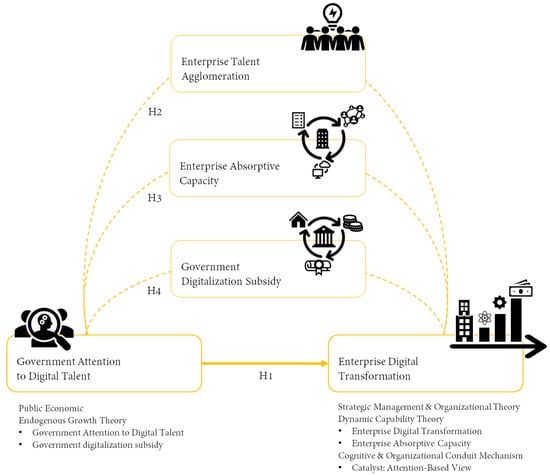
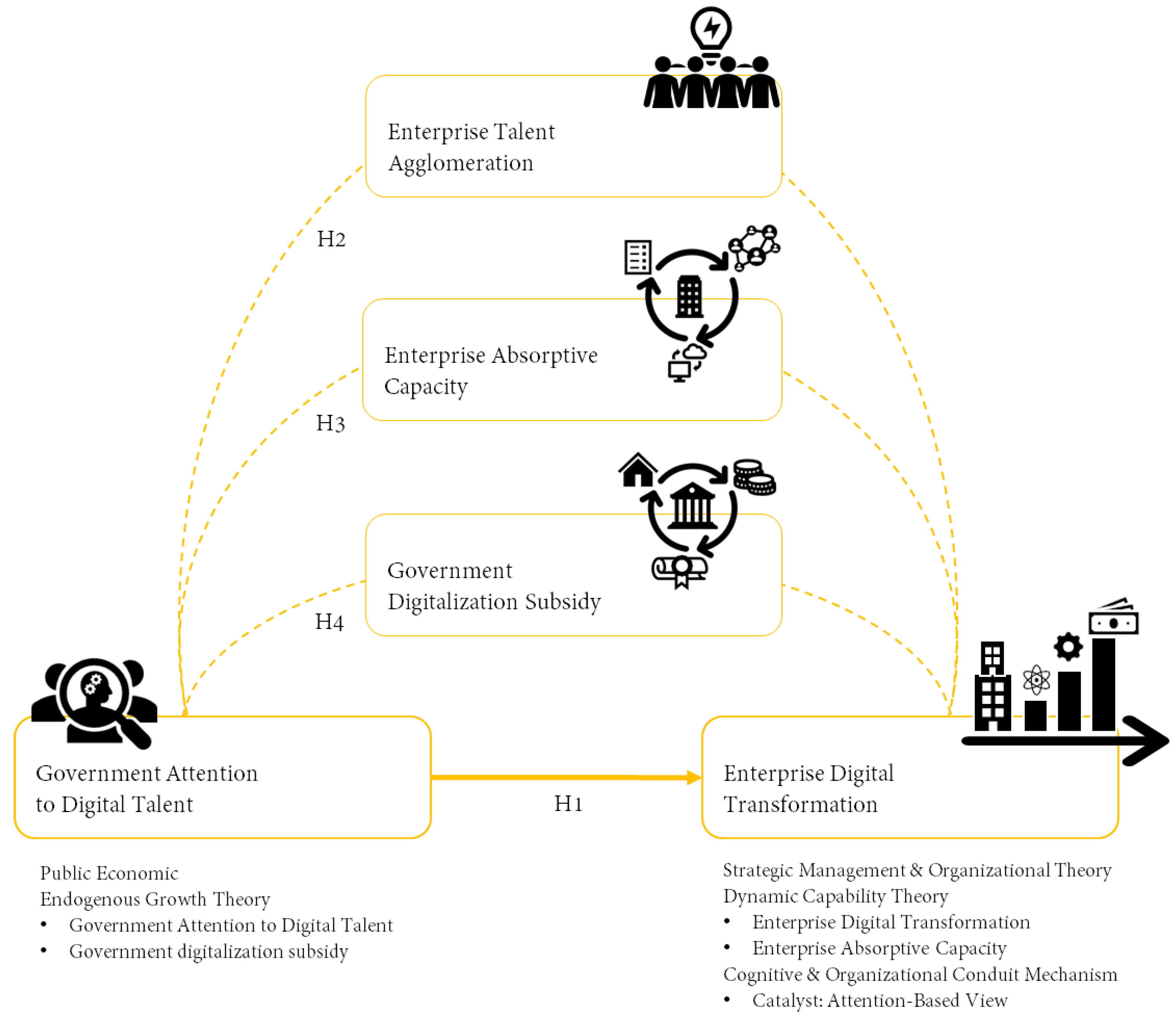
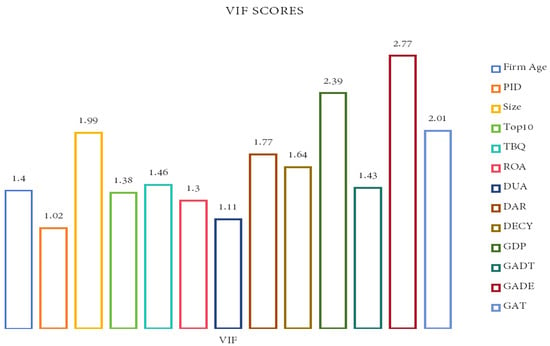
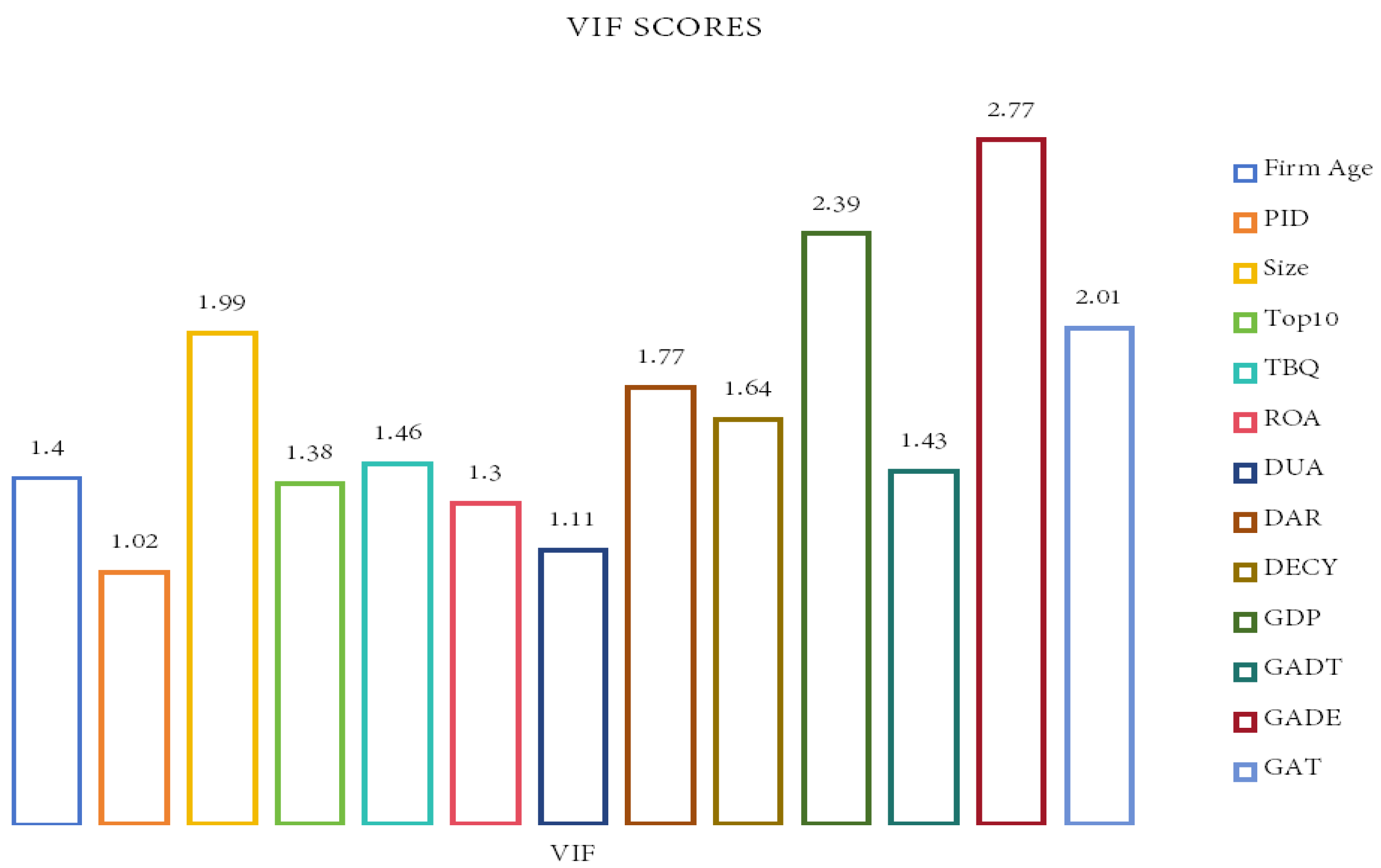
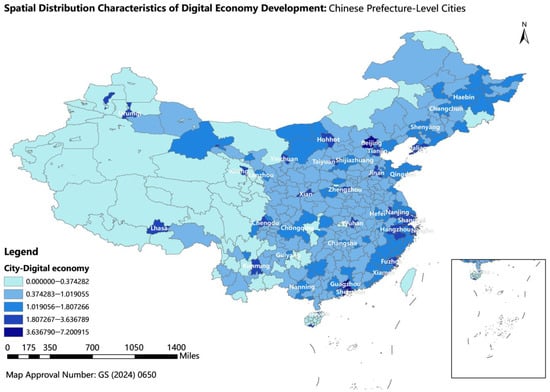
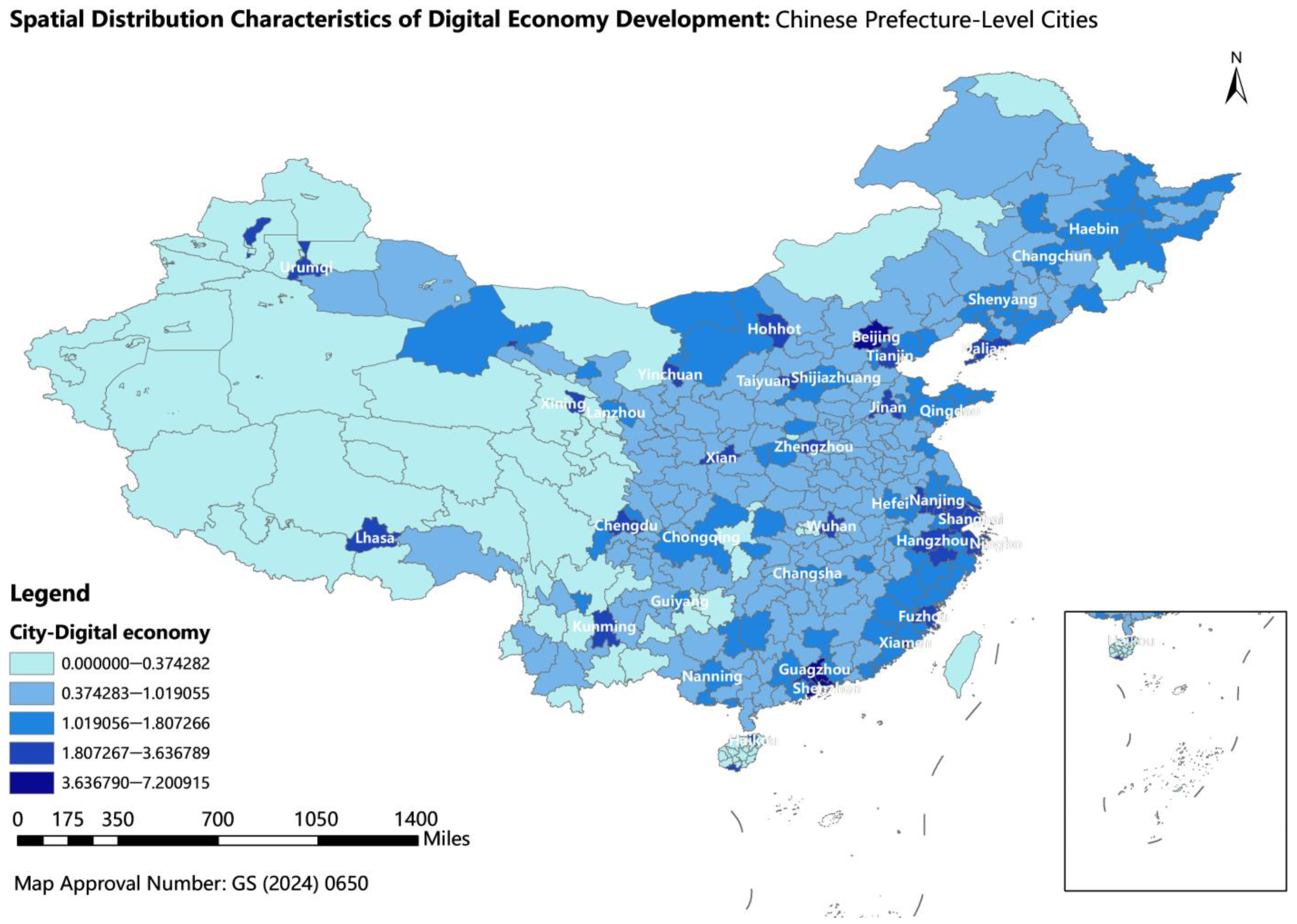
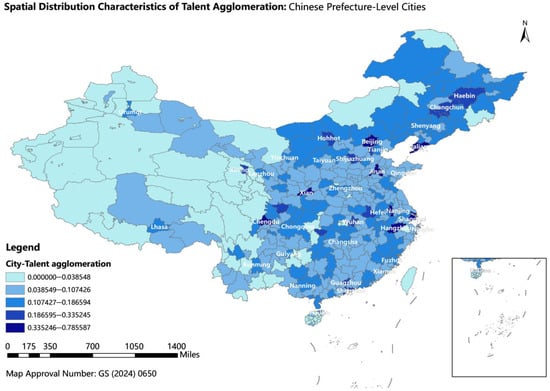
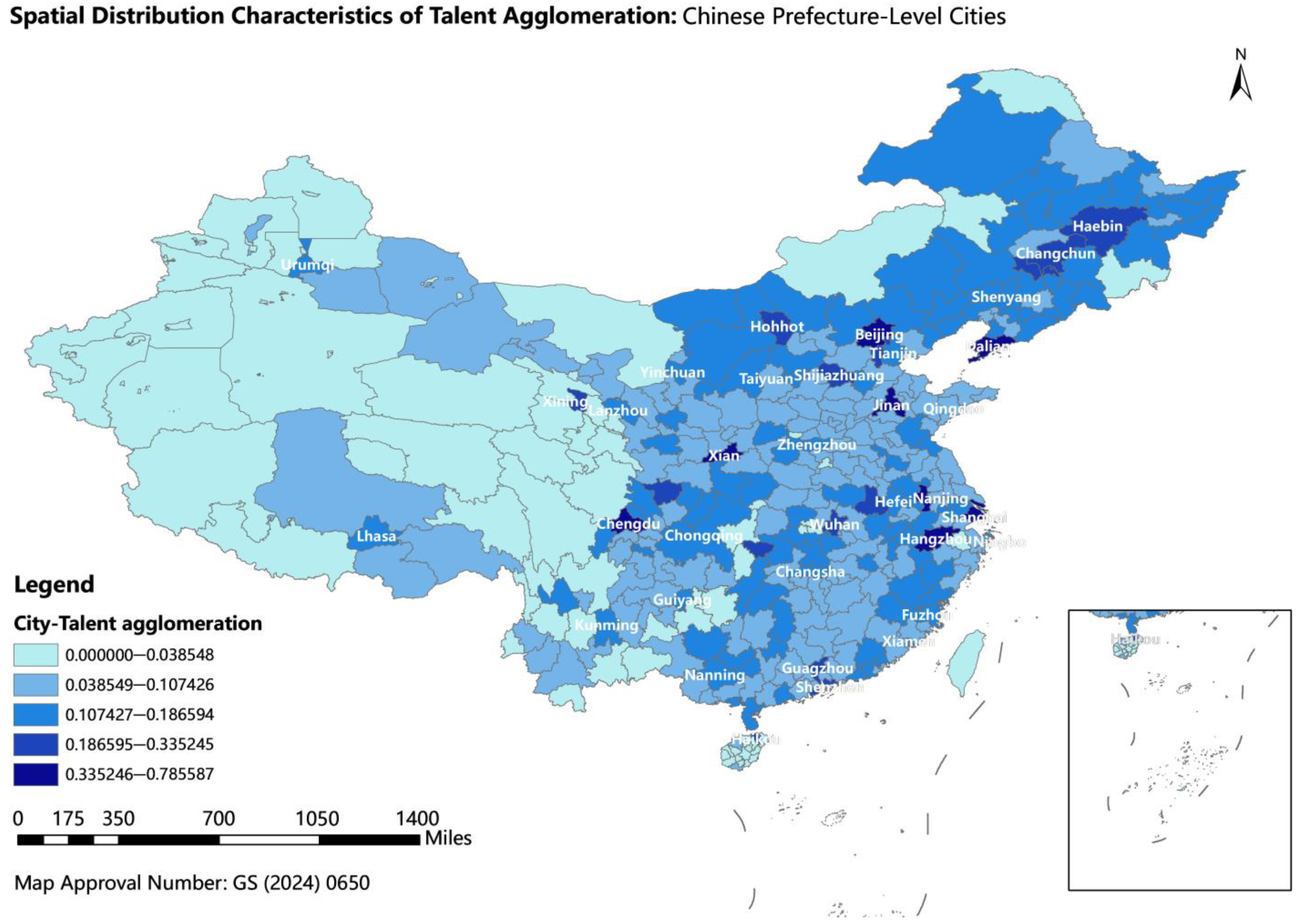
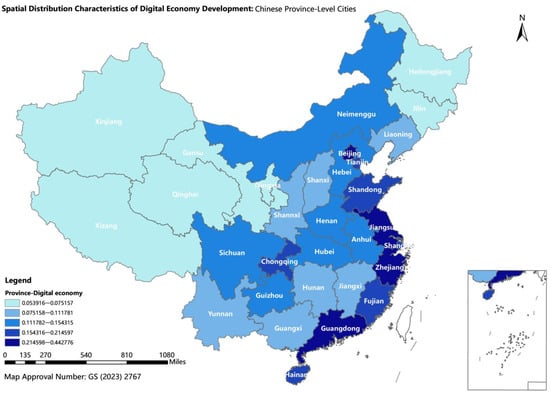
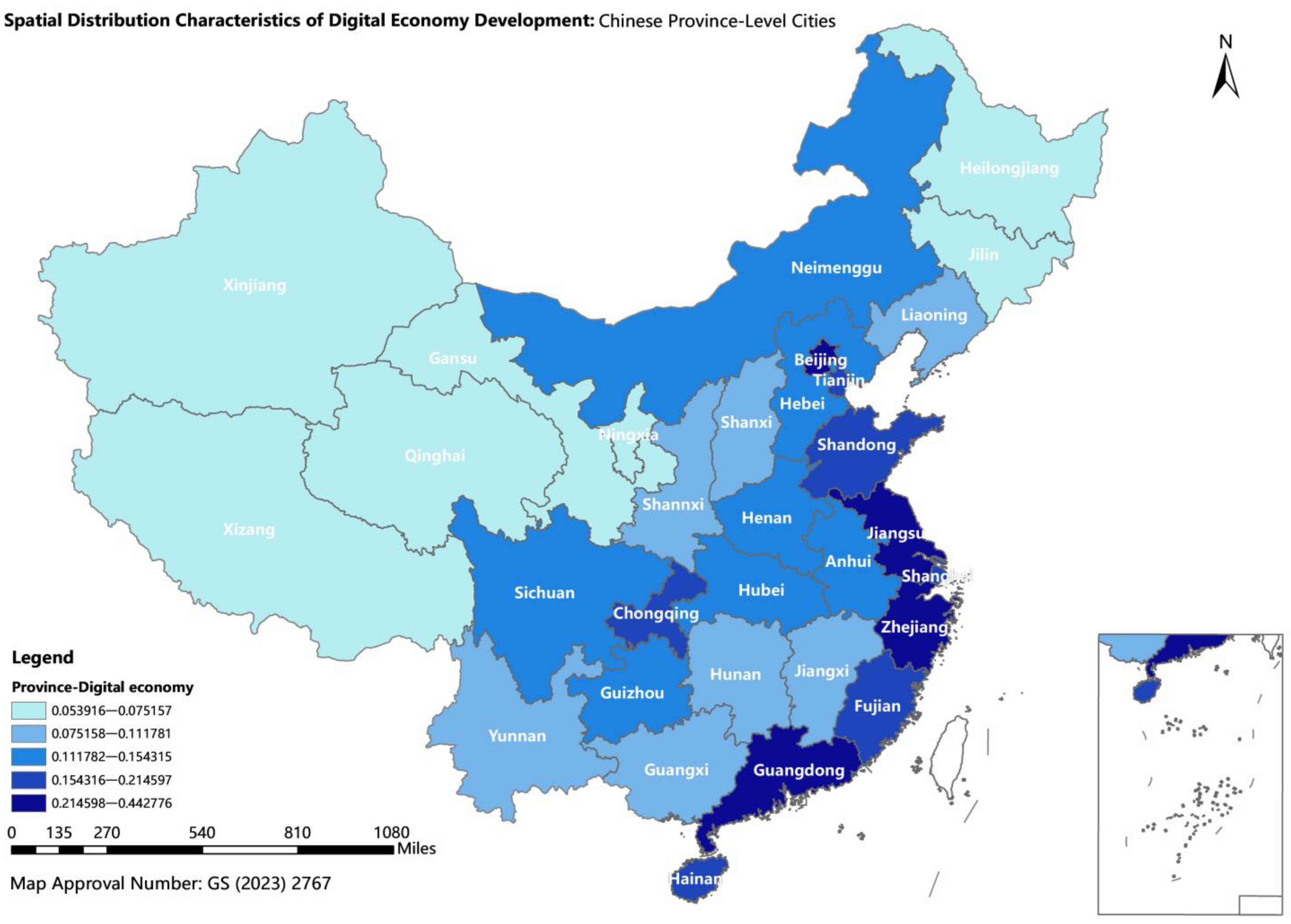

Disclaimer/Publisher’s Note: The statements, opinions and data contained in all publications are solely those of the individual author(s) and contributor(s) and not of MDPI and/or the editor(s). MDPI and/or the editor(s) disclaim responsibility for any injury to people or property resulting from any ideas, methods, instructions or products referred to in the content. |
© 2026 by the authors. Licensee MDPI, Basel, Switzerland. This article is an open access article distributed under the terms and conditions of the Creative Commons Attribution (CC BY) license.