


Abstract
Using panel data from 273 prefecture-level cities in China from 2008 to 2020, this study employs the Entropy Weight Method -Technique for Order Performance by Similarity to Ideal Solution (EWM-TOPSIS) model to measure people’s well-being and applies a staggered Difference-in-Differences (DID) model to evaluate the impact of the carbon emissions trading system on people’s well-being. The findings indicate that the carbon emissions trading system generally improves people’s well-being. The mechanism analysis reveals that the primary channel through which the carbon emissions trading system improves people’s well-being is the stimulation of green technology innovation. Additionally, fiscal expenditure decentralization negatively moderates the carbon emissions trading system’s impact on people’s well-being, whereas marketization degree does not exert a moderating effect. Further research reveals that fiscal expenditure decentralization exhibits a double threshold effect, while the degree of marketization displays a single threshold effect. The carbon emissions trading system exhibits heterogeneous impacts on people’s well-being. From a regional perspective, the carbon emissions trading system enhances people’s well-being in non-Yangtze River Economic Belt (YREB) regions, whereas it dampens people’s well-being in YREB cities. Regarding resource endowment, the carbon emissions trading system positively influences people’s well-being in non-resource-based cities, but its impact remains statistically insignificant in resource-based cities.
1. Introduction
Amid global efforts toward sustainable development, enhancing human well-being has emerged as a central objective in advancing high-quality economic growth and modernizing social governance. The 2030 Agenda for Sustainable Development outlines 17 Sustainable Development Goals (SDGs). Among them, SDG 3 aims to ensure healthy lives and promote well-being for all at all ages, and SDG 11 aims to make cities and human settlements inclusive, safe, resilient, and sustainable, explicitly highlighting the significance of well-being. The initiative seeks to enhance global well-being by fostering economic growth, environmental sustainability, and social inclusion in a synergistic manner. In addition, according to the World Happiness Report 2024, China is ranked 60th in the Happiness Index, highlighting the country’s significant progress in improving people’s well-being in recent years. However, the enhancement of people’s well-being is a gradual and continuous process rather than an immediate transformation. Although China’s economy has maintained steady growth, there are still large gaps in people’s well-being between different regions. Therefore, achieving high-quality economic development while ensuring a balanced improvement in people’s well-being remains a critical challenge for policy makers and scholars.
At the same time, the impact of ecological and environmental governance on people’s well-being has become increasingly evident. The World Bank Annual Report 2021 highlights environmental pollution, climate change, and ecological degradation as critical global challenges affecting human well-being. In particular, air pollution and water scarcity have significantly impacted the health and quality of life of low-income populations in developing countries. Against this backdrop, countries have taken measures to harmonize the co-development of environmental protection and people’s well-being. General Secretary and President Xi Jinping has emphasized that “a good ecological environment is the fairest public product and the most fundamental people’s well-being.” This study highlights the critical role of the ecological environment in enhancing people’s well-being, aligning with the core objective of the Paris Agreement, which is to promote people’s well-being through environmental governance while ensuring equitable and inclusive sustainable development.
In addressing environmental challenges, the role of market-based policy instruments is receiving increasing attention. While implementing strict environmental regulation, many countries have drawn on successful experiences, such as the European Union Emissions Trading System (EU ETS), to introduce market mechanisms such as carbon emissions trading in order to enhance the efficiency of environmental governance. Existing studies have shown that the carbon emissions trading system not only helps to reduce greenhouse gas emissions [1,2] but also promotes industrial structure upgrading [3]. In addition, the carbon emissions trading system can incentivize enterprises to increase their investment in innovation and promote the “quantity and quality” of green technology innovation. However, current research on the carbon emissions trading system has mainly focused on assessing its environmental and economic effects, while there is still a lack of systematic exploration of its impact in the area of people’s well-being. As an important market-based tool to achieve the goal of “carbon peaking and carbon neutrality goals,” can the carbon emissions trading system improve people’s well-being while improving the ecological environment? Is there heterogeneity in the impact of the carbon emissions trading system on people’s well-being? And through what mechanism does it work? These questions require urgent further study.
To answer the above questions, this study adopts the EWM-TOPSIS model to measure people’s well-being and analyze its dynamic evolution characteristics. Subsequently, a staggered DID model is constructed to assess the impact of the carbon emissions trading system on well-being and further reveal the mechanism of green technology innovation. In addition, this study examines the moderating and threshold effects of fiscal expenditure decentralization and marketization degree. The innovative contributions of this study are as follows. First, it broadens the research perspective. While previous studies have mainly examined the environmental and economic impacts of the carbon emissions trading system, this study shifts the analytical focus to people’s well-being. This approach provides a novel lens for understanding the system’s overall effects and establishes a theoretical foundation for further exploration of the welfare implications of other forms of environmental regulation. Second, this study develops a more explanatory theoretical analytical framework. By integrating insights from new institutional economics (NIE) and new structural environmental economics (NEE), it constructs a comprehensive analytical model that enhances explanatory power. Specifically, NIE highlights the importance of aligning institutional arrangements with environmental conditions. It provides a theoretical foundation for identifying the moderating and threshold effects of institutional factors, such as local fiscal expenditure decentralization and the degree of marketization within the policy implementation process. In contrast, NEE begins with the interactive logic of “factor endowment, production structure, environmental structure, and regulatory tools.” It provides a structured analytical perspective for explaining the heterogeneous welfare effects of the carbon emissions trading system across regions and city types. This study incorporates institutional constraints and structural conditions within a unified explanatory system, thereby addressing the limitations inherent in a single theoretical framework and improving the explanatory robustness of policy effects. Third, this study deepens the analysis of the impact mechanism. Focusing on mechanism identification, it takes green technology innovation as the primary entry point to examine the core transmission pathway through which the carbon emissions trading system influences people’s well-being. Meanwhile, because of the restricted accessibility of micro-level data, this study adopts PM2.5 concentration, social security, and employment expenditures as alternative measures representing health improvement and public expenditure redistribution. These measures serve as supplementary tests for the potential mechanisms of influence and offer guidance for future research extensions. Fourth, the study examines spatial relevance and external validity. A spatial econometric model is developed to analyze the spatial spillover effects of the policy. In addition, a preliminary comparison is conducted on the key institutional characteristics of China’s carbon emissions trading system, the EU ETS, and other carbon markets. The results suggest that green technology innovation is likely to serve as a relatively robust transmission mechanism across different institutional contexts, providing a foundation for future cross-country comparative research.
2. Literature Review
2.1. Measurement of People’s Well-Being and Its Determinants
People’s well-being, representing an ideal state of happiness and life fulfillment, serves as a key indicator of social development quality and living standards. Depending on the measurement method, people’s well-being can be categorized into subjective and objective well-being. Subjective well-being emphasizes individual perceptions, such as happiness and life satisfaction, typically assessed using data from the China General Social Survey. Meanwhile, objective well-being is evaluated through economic and social indicators, employing either single-indicator methods or multidimensional composite indices. Earlier studies predominantly relied on the Gross Domestic Product and the Gross National Product to measure people’s well-being, but this approach neglects factors such as social equity and environmental sustainability. Since the United Nations Development Program introduced the Human Development Index (HDI) in 1990, scholars have widely adopted it as an alternative metric for assessing people’s well-being across countries [4,5]. However, with economic globalization and the increasing complexity of social development, the definition of well-being has expanded to include education, social security, healthcare, and environmental quality [6], making the traditional HDI insufficient for comprehensive measurement. In response, various organizations and scholars have developed multidimensional evaluation frameworks to construct a more systematic and scientific measurement approach. For example, in 2012, the Boston Consulting Group introduced the Sustainable Economic Development Assessment (SEDA), which evaluates people’s well-being based on three dimensions: economy, investment, and sustainable development. Unlike conventional economic indicators, SEDA incorporates social equity, healthcare, environmental protection, infrastructure, and social mobility, offering a comprehensive assessment of sustainable development capacity at the national and regional levels. Similarly, to align with China’s socioeconomic context, domestic scholars have developed the China Livelihood Development Index to more accurately measure people’s well-being across different regions. However, frequent adjustments in indicator weights and inconsistencies in data standardization have limited its long-term comparability. As a result, recent research has increasingly shifted toward constructing composite indicator systems that integrate income and consumption, education and culture, healthcare, and the ecological environment, applying the entropy method to quantify people’s well-being [7,8] and explore regional disparities in well-being [9]. In addition to studies on the measurement of well-being, the factors influencing well-being have also been widely explored by academics. From an industrial economic perspective, the development of tourism is believed to improve the local economic structure, drive employment, and raise the income of residents, thus enhancing well-being [10,11]. Meanwhile, digital financial inclusion [12] and economic resilience [13] are also important factors affecting well-being. In addition, policies [14,15] have also been recognized as important influences on people’s well-being, but fewer in-depth studies have been conducted to explore the specific impact of policies on well-being and their mechanisms of action.
2.2. Assessment of the Effect of a Carbon Emission Trading System
In recent years, the carbon emissions trading system, as an important means of market-based environmental governance, has attracted extensive attention from the academic community. Existing studies focus on innovation effects and environmental and economic effects.
The first aim is to explore innovation effects. Although there has been extensive academic research on this issue, no consistent conclusions have been reached. Some studies have argued that the implementation of the carbon emissions trading system has increased the pressure on enterprises to reduce carbon emissions so that they can control the cost of carbon emissions while increasing green technology research and development and promoting green technology innovation [16,17], positively affecting the green technology innovation of the city as a whole [18]. However, some scholars hold a different view, arguing that the carbon emissions trading system may have a crowding-out effect on technology innovation. As policies raise the cost of environmental governance for firms, some firms may reduce their investment in research and development, especially in the short term, and firms may be more inclined to adopt responsive measures than to invest in long-term innovation [19,20,21]. Overall, there is a certain degree of uncertainty about the impact of the carbon emissions trading system on technology innovation, and the differences in policy adaptability among different enterprises, industries, and regions may lead to different manifestations of the policy effect.
Second, the environmental and economic effects of the carbon emissions trading system are examined. A large number of studies have examined the impact of the carbon emissions trading system on carbon emissions from regional and industry perspectives, and the results show that implementation of the policies can effectively reduce carbon emissions [22,23,24] and that their emission reduction effects gradually increase over time. In addition, the carbon emissions trading system exhibits spatial spillover effects at the regional level. That is, the implementation of the policy not only reduces the carbon emissions of the pilot region but also influences the total carbon emissions of neighboring regions through industrial transfer and technology diffusion. However, the economic effects of the carbon emissions trading system are somewhat controversial. Most studies have concluded that implementation of this policy can increase investment in environmentally friendly technologies and facilities, which may stimulate market demand in related areas and bring new growth points to the local economy, thereby contributing to regional economic growth [25,26]. In addition, the implementation of the carbon emissions trading system has reduced urban–rural economic inequality to a certain extent, which is conducive to promoting the equalization of regional economic development [27]. However, there are also studies that point out that the implementation of the carbon emissions trading system may dampen economic growth in the short term. And, some studies have comprehensively examined the environmental and economic effects of the carbon emissions trading system, and the results show that the implementation of the carbon emissions trading system not only helps to reduce the total carbon emissions of the pilot region but also plays a driving role in economic growth in general [28,29]. However, some studies have argued that while the policy has been effective in promoting carbon emission reduction, it has had some negative impacts on the economy in the short term [30]. Compared to the exploration of innovation, environmental, and economic effects, the well-being effects of carbon emissions trading systems are still in the exploratory stage. Some studies have shown that the carbon emissions trading system has a positive effect by improving the ecological environment’s quality, helping to reduce pollution emissions, improving air quality, and ultimately enhancing the ecological well-being performance of residents [31]. However, it has also been pointed out that although the establishment of the carbon trading market has effectively contributed to carbon emission reduction, the implementation of this policy may lead to a decline in the real income of the population, which may have some degree of negative impact on overall social well-being [32]. In addition, the carbon emissions trading system may have a greater impact on high-carbon industries, and less economically developed regions in the short term, and some enterprises, facing higher production cost pressure may be forced to reduce investment or downsize employment, thus aggravating the instability of the job market. These changes may not only affect the livelihoods of low-income groups but may also have far-reaching implications for regional economic development and social equity.
Overall, the existing literature focuses on the measurement of people’s well-being and its influencing factors, as well as the innovation effect, economic effect, and environmental effect of the carbon emissions trading system. However, research on the well-being effects of the policy remains relatively limited. Although some studies suggest that the carbon emissions trading system may improve ecological well-being, others have also pointed out that the policy may lead to a decline in the real income of the population and unstable employment, thereby affecting overall social well-being. As a result, there is currently no academic consensus on the well-being effects of carbon emissions trading systems. In addition, there is still insufficient research on how the carbon emissions trading system affects people’s well-being, including a lack of long-term empirical analysis based on large-scale panel data. Therefore, there is an urgent need for further systematic research to clarify the impact of the carbon emissions trading system on people’s well-being and explore in depth the policy transmission mechanism so as to provide a scientific basis for the formulation of a more equitable and sustainable environmental policy.
3. Theoretical Analysis and Research Hypothesis
3.1. Direct Impact of the Carbon Emission Trading System on People’s Well-Being
From the perspective of new institutional economics, the carbon trading system constitutes an institutional innovation based on the principle of “government creation and market operation.” Its theoretical foundations lie in the evolution of externality theory and property rights theory. The carbon emissions trading operates under the core mechanism of “cap-and-trade,” transforming greenhouse gas emission rights into scarce, tradable assets with explicit market prices. This mechanism incentivizes enterprises to optimize their carbon emission decisions within regulatory constraints and to internalize social costs [33]. This institutional arrangement not only contributes to reducing carbon emissions and reducing PM2.5 concentrations in pilot regions [34] but also mitigates health risks, such as respiratory and cardiovascular diseases, associated with prolonged exposure to air pollution, thereby generating significant public health benefits. Second, a reduction in health risks helps lower healthcare expenditures [35], thereby increasing household spending on education, culture, and related areas. At the same time, improved health enables individuals to engage more fully in cultural, recreational, and educational activities, which enhances life satisfaction and ultimately promotes people’s well-being.
Moreover, the carbon emissions trading system plays a deeper institutional role by defining emission rights as property rights and allocating them through market-based mechanisms. Specifically, the carbon emissions trading system facilitates differentiated allocation among various entities based on their respective emission reduction needs through market-based trading of allowances. As carbon quota auctions and trading markets continue to operate, local governments have also acquired new sources of fiscal revenue. On the one hand, carbon allowance revenues can be redistributed to the production sector through government subsidies or value-added tax exemptions. This mechanism not only reduces regulatory compliance costs for enterprises but also helps prevent layoffs and wage reductions driven by carbon emission constraints, thereby maintaining employment stability and protecting workers’ income levels. On the other hand, revenues generated by auctioning quotas can also be channeled through transfer payments to provide targeted support for low-income groups and other vulnerable populations [36]. Such redistribution contributes to reducing disparities in well-being and improving aggregate well-being. Additionally, carbon trading revenues can be allocated to public services, such as healthcare and elder care, through redistribution mechanisms [37]. This enhances the coverage and accessibility of such services, ensuring stronger support for residents in these areas and ultimately improving people’s well-being.
Based on the above analysis, research Hypothesis H1 is proposed:
H1:
The implementation of the carbon emissions trading system can significantly enhance people’s well-being.
3.2. Impact Mechanism of the Carbon Emissions Trading System on People’s Well-Being
The carbon emissions trading system appears to have a positive impact on people’s well-being. However, the underlying mechanisms through which this effect materializes require further clarification. From the perspective of property rights theory, the carbon emissions trading system has established a stable market-based trading mechanism by clearly defining carbon emission rights. Under this institutional arrangement, if urban enterprises choose to retain their existing production technologies and models, they can meet the total control requirements only by purchasing surplus emission quotas or by curtailing production. This not only raises their operating costs but also squeezes their profit margins. Under prolonged emission reduction pressure, enterprises are more likely to reduce compliance costs and lessen the uncertainty of market transactions by improving green technologies and upgrading production processes. At the urban scale, the accumulation and diffusion of these micro-level green technology improvements and innovation activities translate into an overall enhancement of the city’s green technology innovation capacity, which constitutes the key mechanism through which the carbon emission trading system influences people’s well-being.
This mechanism of influence can be further elaborated by drawing on relevant theories of environmental regulation. Porter and Vanderlinde [38] argue that well-designed environmental regulations do not weaken corporate competitiveness. Instead, through the “innovation compensation effect,” they can stimulate firms to engage more actively in green technology innovation, allowing innovation outcomes to offset regulatory costs while enhancing competitiveness. From an overall perspective, green technology innovation induced by environmental regulation pressure exhibits clear interactivity. At the urban level, it diffuses via cooperation among upstream and downstream enterprises and via intra-industry imitation and learning, which helps raise the city’s green technology innovation level and affects people’s well-being, mainly in three dimensions. First, the application of green technologies stimulates the growth of emerging industrial chains, such as green R&D, equipment manufacturing, and energy-saving services. This expansion creates more high-quality job opportunities and contributes to improving residents’ income levels. Second, green technology innovation generates knowledge spillover effects across enterprises and industries [39]. Improvements made by leading enterprises can serve as demonstration effects, accelerating the wider diffusion and application of green technologies. This, in turn, contributes to healthier and more sustainable living conditions for residents, thereby improving people’s well-being. Finally, green technology innovation helps improve energy [40]. This not only reduces household energy expenditures but also eases the energy cost burden on low-income groups, thereby promoting social equity and enhancing overall people’s well-being.
Based on the above analysis, research Hypothesis H2 is proposed:
H2:
The implementation of the carbon emissions trading system can enhance people’s well-being by promoting green technology innovation.
3.3. Moderating and Threshold Effects
Under the framework of NIE, policy outcomes are determined not only by institutional design but also by whether local institutions can establish a low-transaction-cost environment for key actors, such as firms and governments, thereby stimulating behavior conducive to green investment and innovation. Transaction cost theory highlights that institutional effectiveness depends on the ability to reduce transaction costs and incentivize key actors. At the local level, differences in fiscal expenditure decentralization and the degree of marketization significantly affect transaction costs and thus moderate the impact of the carbon emissions trading system on people’s well-being. Therefore, it is essential to further examine their moderating and potential threshold effects.
- Fiscal expenditure decentralization
Fiscal expenditure decentralization is a key proxy for assessing the level of fiscal autonomy among local governments and has a significant influence on transaction costs. In regions with lower levels of fiscal expenditures decentralization, local governments have limited autonomy in fund allocation, and carbon trading revenues, such as proceeds from emission allowance auctions, often require approval through multiple administrative tiers. This not only raises the institutional costs of converting revenues into people’s well-being expenditures but also restricts the policy’s responsiveness to local needs, thereby weakening the effectiveness of the carbon emissions trading system in improving people’s well-being. At the same time, under the framework of fiscal expenditure decentralization, the dual incentives of political promotion and fiscal interests may intensify intergovernmental competition and foster local protectionism. Local authorities have used administrative power to implement local blockades, sectoral barriers, and other restrictions, significantly impeding market competition. In such a distorted environment, firms often develop organizational inertia due to a lack of innovation incentives, resulting in the disorderly expansion of inefficient capacity [41]. Over the long term, this weakens the diffusion of green technology innovation and ultimately undermines the positive effect of the carbon emissions trading system on people’s well-being.
When fiscal expenditure decentralization remains within an optimal range, local governments gain greater autonomy over fund utilization and resource allocation. This enhanced flexibility enables them to integrate carbon trading revenues with local fiscal resources to support key areas, such as green technology research and development, as well as livelihood improvement initiatives. At the same time, an appropriate degree of fiscal autonomy helps reduce transaction costs associated with institutional operations. It also incentivizes local governments to optimize their fiscal expenditure structures in accordance with local conditions, thereby improving spending efficiency and promoting the provision of high-quality public services [42], which in turn enhances people’s well-being. This regulatory effect may exhibit nonlinear characteristics. Specifically, only when fiscal expenditures decentralization surpasses a certain threshold are local governments’ incentive structures and implementation capacities fully activated, allowing the carbon emissions trading system to produce a significant improvement in people’s well-being.
Based on the above discussion, Hypothesis H3 is proposed:
H3a:
Fiscal expenditure decentralization significantly moderates the impact of the carbon emissions trading system on people’s well-being.
H3b:
In the process of the carbon emissions trading system promoting people’s well-being, fiscal expenditure decentralization has a certain threshold characteristic.
- 2.
- Marketization degree
The degree of marketization reflects the sophistication of regional market mechanisms and the soundness of the institutional environment, making it another key variable that affects transaction costs. In regions with low levels of marketization, the boundaries between government and market remain blurred, preventing carbon prices from accurately reflecting the true cost of emission reduction. Quota trading is often constrained by administrative intervention or limited participant scope. Additionally, underdeveloped factor markets and an imperfect legal framework further elevate transaction costs, hindering the timely conversion of carbon trading revenues into investments in green technology innovation. As a result, the policy transmission chain is weakened.
When the marketization degree remains within a reasonable range, the property rights trading system becomes more mature, carbon market liquidity improves, trading activity increases, and carbon prices can more accurately reflect the marginal cost of emissions reduction. Simultaneously, the free flow of production factors and the sound development of legal and intermediary systems enable carbon price signals to be effectively transmitted to energy producers and corporate actors, thereby promoting the research, development, and diffusion of green technologies. As the dividends from green technology innovation continue to accumulate, they contribute to improving employment and income equity [43], thereby enhancing people’s well-being. However, when the marketization degree becomes excessively high, the government’s role in institutional provision and regulation regulatory oversight may be weakened. This may result in price volatility and speculative behavior within the carbon market, thereby increasing transaction costs and diminishing the effectiveness of the carbon emissions trading system in enhancing people’s well-being.
Based on this, Hypothesis H4 is proposed:
H4a:
Marketization degree significantly moderates the impact of the carbon emissions trading system on people’s well-being.
H4b:
In the process of the carbon emissions trading system promoting people’s well-being, marketization degree has a certain threshold characteristic.
3.4. The Heterogeneous Impact of the Carbon Emissions Trading System on People’s Well-Being
Although NIE explains how institutions enhance people’s well-being by reducing externalities and transaction costs, institutional analysis alone struggles to uncover the structural roots of interregional disparities. Therefore, this study introduces NSEE to explain why carbon emissions trading system generate heterogeneous welfare effects across regions. This explanation is grounded in the interactive logic of “factor endowments-production structure-environmental structure-regulatory instruments”. According to NSEE, the structure of factor endowments determines the optimal production structure, which in turn endogenously shapes the environmental structure and influences the choice and intensity of regulatory tools. This process is both staged and dynamic [44], implying that the same policy may yield structurally different outcomes across regions. Based on this premise, this study conducts a heterogeneity analysis from two dimensions: regional development characteristics and resource endowments.
First, the differences between the YREB and Non-YREB regions are primarily reflected in their respective stages of development and industrial structures. Following the logic of environmental transformation, the YREB as a whole remains in the mid-to-late stages of industrialization, with heavy and chemical industries continuing to represent a substantial proportion of its industrial structure. During the early stages of carbon emissions trading system implementation, the region encountered higher compliance costs and transformation pressures due to challenges such as industrial restructuring difficulties [45]. As a result, the short-term impact of the carbon emissions trading system on improving people’s well-being remained relatively limited. From an environmental perspective, the YREB comprises key sectors such as manufacturing and services. Its industrial chains are highly integrated, with strong interdependencies between upstream and downstream industries. Within this complex industrial landscape, the transmission of policy effects involves increasingly intricate processes, which elevate transaction frictions and institutional costs, thereby weakening the incentives for green technology innovation. In contrast, the industrial structure of the Non-YREB region is more diversified, with a lower dependence on high-carbon industries. This enables carbon trading price signals and market mechanisms to function more effectively, allowing policy incentives to reach enterprises more swiftly. As a result, the diffusion and application of green technologies are accelerated, giving rise to new clusters of innovation. These dynamics help reduce carbon emissions, and, more importantly, enhance people’s well-being.
Second, the divergence between resource-based and non-resource-based cities is primarily reflected in factor endowment constraints and path dependence. Resource-based cities have long relied on intensive resource extraction and processing, resulting in structural characteristics of high emissions and elevated governance costs. Such structural rigidity has negatively affected public health and urban vitality [46], thereby preventing the carbon emissions trading system from achieving significant outcomes in its early stages and constraining the effective diffusion of green technology innovation. However, from the perspective of the dynamic trajectory of environmental development, as economies advance and institutions improve, resource-based cities may gradually overcome path dependence. If local governments can direct carbon revenues toward emerging industries and promote green technology innovation, these cities may transform constraints into competitive advantages. In contrast, non-resource-based cities possess more diversified economic and industrial structures [47], which endow them with stronger innovation capacity and greater receptivity to new technologies. In adapting to carbon constraints, firms are more inclined to pursue green technology innovation as a means of reducing costs and enhancing competitiveness, thereby fostering the growth of green manufacturing and low-carbon services. This process not only reduces carbon emissions but also creates jobs and increases incomes while simultaneously releasing the long-term dividends of green technology innovation. As a result, the carbon emissions trading system generates a more significant positive effect on people’s well-being.
Based on the above analysis, research Hypotheses H5 and H6 are proposed.
H5:
There is heterogeneity in the enhancement effect of the carbon emissions trading system on people’s well-being depending on whether the city belongs to the YREB.
H6:
There is heterogeneity in the effect of the carbon emissions trading system on the enhancement of people’s well-being depending on whether the city is resource-based.
The theoretical analysis is shown in Figure 1.
Figure 1.
Theoretical Analysis Framework.
4. Research Design
4.1. Model Construction
4.1.1. Benchmark Regression Model Construction
The variation in carbon emissions trading system implementation timing across regions poses challenges for accurately assessing policy effects using traditional DID methods. In contrast, the staggered DID model effectively addresses the issue of inconsistent policy adoption timelines, allowing for more precise estimation of policy impacts. Therefore, this study employs a staggered DID model to examine the effect of carbon emissions trading system on people’s well-being.
In Equation (1), i represents the city, t represents the year; denotes the well-being of city i in year t; is a vector of control variables; represents urban fixed; year fixed effects. represents the randomized perturbation term; is a constant; represents the coefficients of the control variables. indicates the impact of the carbon emissions trading system on people’s well-being.
4.1.2. Mechanism Testing Model Construction
Drawing on the research of Chen et al. [48], we construct the following model to examine the impact mechanism of the carbon emissions trading system on people’s well-being.
In Equation (2), represents the mechanism variable, represents the impact of the carbon emissions trading system on the mechanism variable. When > 0 and is statistically significant, it indicates that the carbon emissions trading system can promote the mechanism variable. represents a constant, represents the coefficient of the control variable, while the meanings of the remaining variables are the same as in Equation (1).
In Equation (3), represents the impact of the carbon emissions trading system on people’s well-being and represents the impact of the mechanism variable on people’s well-being. represents the coefficient of the control variable, represents a constant, while the meanings of the remaining variables are the same as in Equation (1). When coefficients , are both significant and both > 0, it indicates that the carbon emissions trading system enhances people’s well-being by promoting the mechanism variable.
4.1.3. Moderating Effects Model Construction
To examine the moderating variables influencing the relationship between carbon emissions trading system and people’s well-being, the following moderating effect model is constructed.
In Equation (4), denotes the moderating variable, represents the interaction term between the explanatory variable and the moderating variable. is the key to analyzing the moderating effect. If is significant, it indicates that moderates the impact of carbon emissions trading system on people’s well-being. The definitions of the remaining variables remain consistent with Equation (1).
4.1.4. Threshold Effect Model Construction
To determine whether the impact of the carbon emissions trading system on people’s well-being exhibits non-linear characteristics, this study adopts the panel threshold regression model proposed by Hansen (1999) [49]. The model is used to examine how the carbon emissions trading system influences people’s well-being under varying levels of fiscal expenditure decentralization, marketization degree, and urban sprawl degree. First, a single-threshold regression model is constructed as follows:
Considering that there may be more than one threshold value for the threshold variable, in order to ensure the objectivity of the conclusion, the double threshold regression model and the triple threshold regression model are constructed separately for analysis as follows:
where, is the threshold variable; is threshold value. is an indicative function. If the condition in parentheses holds, I() is 1; if the condition in parentheses does not hold, I() is 0. represents the coefficient of CETS when .
4.2. Variable Selection
4.2.1. Explained Variable
The explained variable is people’s well-being (PW). This study defines people’s well-being as people’s objective enjoyment and subjective perception of the fruits of economic and social development. To enhance the rationality of the measurement index system, the relevant dimensions of the HDI are used as references, with health, education, and living standards regarded as the fundamental components of people’s well-being. Corresponding and accessible indicators matching these dimensions are then selected at the city level. Specifically, the indicators within the economic dimension are used to describe residents’ income and consumption capacities, aiming to capture the living standard foundation emphasized by the HDI. Medical provision and social security indicators are designed to reflect the level of health protection, aligning functionally with the health dimension emphasized in the HDI. Indicators related to culture and education are used to assess the accessibility of educational resources and the accumulation of human capital, corresponding to the education dimension of the HDI. Meanwhile, considering the structural characteristics of China’s urban governance system and policy objectives, government service capacity and ecological civilization development are further incorporated into the measurement index system to enhance its explanatory power in the Chinese context. Specifically, the government plays a crucial role in allocating public resources and providing basic public services. The relevant indicators capture both the government’s governance capacity and the supportive function of public investment in improving people’s well-being. In addition, the development of ecological civilization has become an important prerequisite for achieving high-quality development. Environmental governance and the enhancement of public green spaces directly affect residents’ health and quality of life, while also improving urban livability by strengthening the capacity of public services. Building on the above, and referring to study of Zhang et al. [13], Zheng et al. [50] and Ke et al. [51], the system of indicators for measuring people’s well-being is constructed by comprehensively considering data availability (see Table 1). Then, based on the panel data of 273 prefecture-level cities in China from 2008 to 2020, the EWM-TOPSIS method is used for measurement.
Table 1.
Indicator system for measuring people’s well-being.
4.2.2. Explanatory Variable
The explanatory variable is the implementation of a carbon emissions trading system (CETS). If a city implements the carbon emissions trading system in a given year, CETS takes the value of 1 for that year and thereafter, and 0 otherwise. As this policy was implemented in seven pilot regions including Beijing and Tianjin in the second half of 2013, and considering the lag in policy implementation, the CETS value was set to 1 starting from 2014. Fujian, as the last batch of pilot regions, launched its carbon emissions trading system in 2016, so its CETS takes the value of 1 since 2016.
4.2.3. Control Variables
People’s well-being is affected by a variety of factors, and in order to analyze the net effect of the carbon emissions trading system on people’s well-being, this study selects the following control variables: (1) Urbanization level (Urban), which measures the urbanization level using the share of urban population in the total population. (2) Financial development level (Fin), is measured using year-end loan balances of financial institutions as a share of GDP. (3) The opening up level (Open), Using the ratio of total exports and imports to regional GDP to measure the opening up level. (4) Fiscal pressure (FP), Fiscal pressure is a key factor influencing the behavior of local governments in the provision of public goods. It determines how the government weighs the choices between residents’ demand preferences and resource endowment constraints, and ultimately affects people’s well-being. This study uses the ratio of local finance general budget expenditures to local finance general budget revenues to measure the fiscal pressure. (5) Industrial structure upgrading (Industry), is measured using the ratio of value added in the tertiary sector to value added in the secondary sector.
4.2.4. Mechanism Variable
The mechanism variable employed in this study is urban green technology innovation (GTI). Following Chen et al. [52], it is measured by the total number of green invention patent applications and green utility model patent applications.
4.2.5. Moderating and Threshold Variables
- (1)
- Fiscal expenditures decentralization (FED): The traditional theory of fiscal expenditures decentralization holds that fiscal expenditures decentralization can promote local governments to increase financial inputs tilted toward livelihood areas, which in turn is conducive to the enhancement of people’s well-being. Following Cai et al. [53], this study measures fiscal expenditure decentralization by the share of per capita fiscal expenditure at the prefecture-level city in the total per capita fiscal expenditure across the prefecture-level city, provincial, and national levels.
- (2)
- Marketization degree (Market): Following Liu et al. [54] and the marketization indicator framework of Fan et al. [55], we calculate a marketization index from prefecture-level city data to indicate the degree of marketization across cities.
4.3. Data Description and Descriptive Statistics
Since the launch of China’s local carbon emissions trading system in 2011, the construction of carbon emissions trading in China has been divided into two main stages. In the first phase (2011–2020), the carbon emissions trading system were mainly carried out in eight provinces and municipalities, including Beijing, Shanghai, Tianjin, Chongqing, Hubei, Guangdong, Shenzhen, and Fujian. In the second phase (2021 to present), the establishment of a national carbon trading market has begun. Considering the consistency of the research object and the data coherence, this study focuses on the pilot phase of the carbon emissions trading system, and explores the impact of the carbon emissions trading system on people’s well-being. Meanwhile, in order to ensure the accuracy of the study, the cities with serious missing data are excluded, and finally the panel data of 273 prefecture-level cities from 2008 to 2020 are selected for empirical analysis. For missing values of some variables, linear interpolation is used to fill them. In this case, the descriptive statistics of variables are shown in Table 2.
Table 2.
Descriptive Statistics of Variables.
5. Result and Analysis
5.1. Measurement Results and Analysis of People’s Well-Being
5.1.1. Time Evolution Analysis of People’s Well-Being
Changes in the average people’s well-being level at the national level and in different regions from 2008 to 2020 are shown in Figure 2.
Figure 2.
Changes in the average people’s well-being.
As can be seen from Figure 2, the overall trend of China’s people’s well-being during the period 2008–2020 has shown a steady increase. The national average of people’s well-being has increased from 0.32 in 2008 to 0.40 in 2020, which indicates that the country has made significant progress in improving people’s well-being. Regionally, people’s well-being in the east of China has always been ahead of other regions, which may be related to the higher economic development level. Central China showed a solid growth trend during this period, but at a lower overall level than the east of China. Although people’s well-being in western China has improved year by year, the overall level is low and the growth rate is relatively slow. The growth of people’s well-being in the Northeast China is relatively flat, and the growth rate has weakened since 2014.
5.1.2. Dynamic Evolution Analysis of People’s Well-Being
In order to deeply analyze the dynamic evolution characteristics of people’s well-being across the country and regions, MATLAB R2024a software is used to draw the kernel density estimation curves of people’s well-being in China and different regions, as shown in Figure 3.
Figure 3.
Kernel density curve. (a) National, (b) East China, (c) Central China, (d) Western China, (e) Northeast China.
As can be seen from Figure 3, at the national level, China’s people’s well-being as a whole showed a steady improvement between 2008 and 2020. The distribution of the kernel density curve shifts gradually from leftward to rightward, indicating a general improvement in people’s well-being across the country. Especially in 2016 and 2019, the height of the main peak increased significantly and became more centrally distributed, reflecting a narrowing of the gap in people’s well-being across the country. However, the kernel density curve shifts slightly to the left and the right trailing phenomenon increases in 2020 due to the impact of the COVID-19 pandemic. It indicates that the downward pressure on the economy and the problem of unequal distribution of resources have hindered the improvement of people’s well-being in some areas to a certain extent.
From a regional perspective, there are significant differences in people’s well-being across regions. The distribution position of the kernel density curve in the eastern region has shifted significantly to the right, especially peaking in 2016 and 2019, indicating that its livelihood and well-being have significantly improved thanks to high-quality economic development, industrial upgrading and environmental governance. However, the right-hand trailing phenomenon intensifies in 2020, suggesting a widening of internal disparities in the eastern region. The overall distribution of people’s well-being in the central region is in the middle of the range, and although the upward trend is relatively flat, the height of the main peak increased in 2016 and 2019, indicating increased concentration within the region. In contrast, the distribution of kernel density curves in the western and northeastern regions is positioned to the left, and people’s well-being is relatively low and of limited improvement. In particular, in the northeast China, there is little change in the position of the main peak of the nuclear density curve from 2008 to 2020, reflecting the fact that it has long faced the constraints of economic transition difficulties and population loss, and the lack of improvement in people’s well-being.
5.2. Variable Correlation Analysis
Multiple variables were selected in this study, which may raise the problem of multicollinearity if the correlation between the variables is high. For this purpose, Pearson test and Variance Inflation Factor method were used for correlation test, and the variable correlation coefficients are shown in Table 3.
Table 3.
Variable correlation coefficients.
As can be seen in Table 3, the variables correlation coefficients are between −0.612 and 0.670, indicating that there is no serious problem of multicollinearity. Subsequently, the VIF method is used to further examine the variable relationships, and the results showed that the maximum value of VIF is 2.38 and the minimum value is 1.14, which were less than 5, further verifying that the problem of multicollinearity is not serious. In addition, the results in the table show that the carbon emissions trading system has a significant positive effect on people’s well-being, which preliminarily verifies Hypothesis H1.
5.3. Parallel Trend Test
A prerequisite for employing the DID model is that the parallel trend assumption holds; that is, before the implementation of the carbon emission trading system, the treatment and control groups must exhibit no significant differences in the trends of people’s well-being. To examine this assumption, the following model is constructed:
In Equation (8), denotes a constant, j denotes a specific year; denotes the coefficient of the control variable, is the coefficient of primary interest, representing the dynamic effect relative to the year of policy implementation. The meanings of the remaining variables are the same as in Equation (1).
To eliminate the carryover effect, this study selected 2013 as the base year. The results of the parallel trend test are shown in Figure 4. It can be observed that, before the implementation of the carbon emission trading system, the confidence interval of the regression coefficient includes 0, indicating that there is no significant difference in people’s well-being between the experimental and control groups, which is consistent with the parallel trend hypothesis. After the policy was implemented, the coefficient showed a gradual upward trend, and its confidence interval has excluded zero since 2018, suggesting that the model specified in this study satisfies the parallel trend test. In addition, the enhancement effect of the carbon emissions trading system on people’s well-being is not immediately apparent, but there is a certain time lag effect. This is similar to the findings of Liu et al. [56], whose study shows that the carbon emissions trading system significantly promotes green technology innovation, but with a lag effect. The carbon emission trading system can effectively reduce carbon emissions in the short term. However, as the carbon market developed, the allocation of allowances and the associated regulatory rules became increasingly refined. With the formal incorporation of the second batch of pilot regions in 2016, both the coverage of the pilot program and the volume of trading expanded further, while the associated institutional framework became more mature and robust. Over the course of this process, factor adjustments and reallocations are needed in domains such as firms’ production decisions and energy consumption structures. As a result, the beneficial impact of the carbon emissions trading system on people’s well-being emerges only gradually, following a period of adjustment and adaptation. Furthermore, the positive impact of the carbon emissions trading system on people’s well-being relies on the diffusion and deepening application of green technology innovations. The diffusion of green technologies typically evolves from localized trials to large-scale adoption. In the initial stage, enterprises are typically involved in the research, development, verification, and pilot application of green technologies. With the continuous improvement of technological maturity and the gradual reduction in application costs, green technologies have been increasingly adopted by enterprises and, once achieving a certain scale, have diffused across broader industries and regions. As green technology innovations diffuse, their positive effects on improving environmental quality and mitigating health risks become more pronounced, ultimately contributing to the enhancement of people’s well-being. Meanwhile, the diffusion of green technology innovation depends on the gradual clarification of market rules and the sustained stability of the institutional environment. Therefore, the welfare effects of the carbon emissions trading market are more likely to be released intensively once the system gradually matures and the diffusion of green technologies enters an accelerated stage.
Figure 4.
Parallel trend test result.
5.4. Benchmark Regression
Table 4 presents the benchmark regression results. In Column (1), the CETS coefficient is 0.0026 and is statistically significant at the 5% level. After incorporating control variables, the coefficient of CETS remains significant at the 5% level, increasing to 0.0029. These findings indicate that the carbon emissions trading system positively influences people’s well-being, thereby confirming Hypothesis H1.
Table 4.
Benchmark regression results.
5.5. Dimension-Specific Regression
Given that the well-being indicator system constructed in this study consists of five dimensions: economic affluence, government effectiveness, cultural prosperity, social order, and ecological civilization. If the composite index PW is used as the dependent variable, it becomes difficult to identify which specific dimensions contribute to the policy effects. In addition, the standardization, weighting, and aggregation steps involved in constructing the composite index may obscure the heterogeneity among dimensions. Based on this, within the identification framework consistent with the benchmark regression, the five dimensional indicators are respectively used as dependent variables for re-estimation to identify the dimensional composition of the policy effects. Among them, the economic affluence dimension is denoted by EA, the government effectiveness dimension by GE, the cultural prosperity dimension by CP, the social order dimension by SO, and the ecological civilization dimension by EC. The results are presented in Table 5. It can be seen that the carbon emissions trading system significantly promoted government effectiveness and social order. This finding suggests that these two dimensions represent major channels through which the carbon emissions trading system enhances people’s well-being. Furthermore, the carbon emissions trading system exerts a significant negative effect on economic affluence, with a coefficient of −0.0081. This finding suggests that, in its initial phase, the system may have temporarily constrained economic affluence due to resource reallocation and industrial restructuring. As the system advances and the market mechanism improves, this negative impact is expected to be mitigated. Finally, in the dimensions of cultural prosperity and ecological civilization, the coefficients of CETS are −0.0013 and 0.0014, respectively, but neither is statistically significant. This suggests that the cultural and ecological dimensions are more likely to display a lagged response. On the one hand, cultural prosperity depends on long-term accumulation processes such as education investment and public cultural service provision, whose effects require more time to emerge. On the other hand, improvements in ecological civilization rely on continuous investments in pollution control, the diffusion of green technologies, and other sustained efforts. Although the estimated coefficients are positive, the long transmission period of these effects may prevent them from reaching statistical significance within the sample period.
Table 5.
Regression results by dimension.
5.6. Robustness Test
5.6.1. Replace the Explained Variable
To ensure the robustness of the benchmark regression results, principal component analysis was employed to re-estimate people’s well-being, and the principal component scores (PW1) were incorporated into the regression model for validation. The results are reported in columns (1)–(2) of Table 6. Before adding control variables, the coefficient of CETS is 0.1011 and is significant at the 1% level. After adding control variables, the coefficient of CETS remains significant at the 1% level but decreases to 0.0821. This indicates that the carbon emissions trading system contributes to enhancing people’s well-being, confirming the robustness of the benchmark regression results.
Table 6.
Robustness test results.
5.6.2. Removal of Outliers
- Winsorized test
In order to remove the interference of outliers in the sample, a shrinking tail is applied at the 1% level and regression is performed, and the regression results are shown in column (3) of Table 6. The results showed that the CETS coefficient is 0.0027 and is statistically significant at the 5% level. This suggests that the positive impact of the carbon emissions trading system on people’s well-being still exists after excluding outliers, further suggesting that the benchmark regression results are robust.
- 2.
- Excluding the Interference of Linear Interpolation
To eliminate potential estimation bias from linear interpolation, the last observation carried forward method was applied to impute missing values, followed by a re-estimation. The regression results are presented in column (4) of Table 6. As shown in the regression results, the coefficient of CETS is 0.0029 and statistically significant at the 5% level, suggesting that the carbon emissions trading system exerts a significant positive effect on people’s well-being. This result demonstrates that the principal coefficients are not driven by linear interpolation effects, thereby providing further validation of the robustness and consistency of the regression results.
5.6.3. Excluding the Interference of Non-Random Selection of Pilot Cities
The selection of carbon emissions trading pilot cities is closely associated with factors such as geographic location, economic development, and industrial structure, suggesting that the choice of pilot cities is non-random. To alleviate potential estimation bias associated with the non-random selection of pilot cities, the benchmark regression incorporates interaction terms between city-specific characteristics and temporal trends (Z×Trend), which control for time-varying heterogeneity at the city level that may influence people’s well-being. As reported in column (5) of Table 6, the coefficient of CETS is estimated at 0.0024 and is statistically significant at the 10% level. This indicates that even after accounting for the interaction effects of city characteristics and time trends, the benchmark regression results remain robust, further confirming the positive impact of the carbon emissions trading system on people’s well-being.
5.6.4. Removing Interference from Other Policy
During the promotion of the carbon emissions trading system, the government also introduced policies such as the low-carbon city pilot policy (LCCP), healthy city pilot policy (HCPP), and broadband China pilot policy (BCPP), which may have affected people’s well-being. Specifically, the implementation of the LCPP helps improve the ecological environment, reduce air pollution, strengthen social capital, and enhance residents’ health [57], thereby contributing to improvements in people’s well-being. The HCPP aims to improve urban residents’ health by optimizing the urban environment and strengthening public health service provision, which may consequently enhance people’s well-being. The implementation of the BCPP has facilitated more balanced digital infrastructure development across urban and rural areas, contributing to narrowing the urban–rural consumption gap and mitigating health inequality [58]. These effects may ultimately enhance people’s well-being. To eliminate the interference of related policies in evaluating the carbon emissions trading pilot policy, the LCCP, HCPP, and BCPP are included in the model as dummy variables for re-estimation. The regression results are presented in columns (6)–(8) of Table 6. It can be seen that the coefficients of CETS are all significantly positive at the 1% level, indicating that even after controlling for the effects of related policies, carbon emissions trading continues to exert a significant positive impact on people’s well-being. This further confirms the robustness of the regression results.
5.6.5. Propensity Score Matching-Differences in Differences (PSM-DID)
Since the selection of the experimental group sample is non-random, potential selection bias may arise. To address this, the PSM-DID method is employed for robustness analysis. First, key matching variables were identified based on covariates, and logit regression analysis was conducted to determine their relationship with a city’s selection as a carbon emissions trading system pilot. The results indicate that all matching variables have statistically significant p-values, confirming their significant influence on the likelihood of a city being designated as a pilot city.
To ensure matching quality, caliper 1:2 nearest neighbor matching is employed to evaluate the overlap between propensity score distributions of the experimental and control groups. As illustrated in Figure 5, only a small fraction of the sample falls outside the common support region (off support), while the majority of propensity scores for both groups lie within the common support range (on support), thereby satisfying the common support hypothesis.
Figure 5.
The common range of propensity scores.
Additionally, Figure 6 illustrates the absolute deviation of variables before and after matching. Prior to matching, the variable bias is substantial, whereas post-matching, it is significantly reduced. This reduction indicates a decrease in differences between the experimental and control groups across all variables, thereby confirming the validity of the balance test.
Figure 6.
Absolute deviations of variables.
Figure 7 further illustrates the kernel density distribution of the sample propensity scores before and after matching. Prior to matching, there is a large difference in the distribution of propensity scores between the experimental and control groups. After matching, the propensity scores of the two groups are much closer. This confirms the effectiveness of the matching process in reducing systematic differences between groups, thereby ensuring the robustness and validity of the PSM matching results.
Figure 7.
Kernel density function before and after matching.
To further validate the findings, the staggered DID method is employed to re-estimate the impact of carbon emissions trading system on people’s well-being. Column (9) of Table 6 presents the PSM-DID results, where the CETS coefficient is 0.0030 and is statistically significant at the 5% level. This indicates that the carbon emissions trading system continues to exert a significant positive effect on people’s well-being, even after addressing sample selection bias, confirming the robustness of the benchmark regression results.
5.6.6. Goodman-Bacon Decomposition
Although the two-way fixed effects (TWFE) multi-period DID model can effectively control for individual and time fixed effects, it may generate significant bias when estimating the average treatment effect of the treated group. Specifically, multi-period DID estimation essentially represents a weighted average of treatment effects across different treatment–control group comparisons, but some of these weights may be negative, potentially causing the estimated results to exhibit the opposite sign of the true effect. Goodman-Bacon (2021) [59] proposed a conceptual framework for heterogeneous multi-period comparisons and thoroughly analyzed the composition of the TWFE DID estimator. He demonstrated that this estimator is, in fact, a weighted average of three types of comparisons: (1) treated groups versus never-treated groups; (2) early-treated groups versus not-yet-treated periods of later-treated groups; and (3) treated periods of later-treated groups versus post-treatment periods of early-treated groups. In contrast, Callaway and Sant’Anna introduced a new approach to identifying heterogeneous multi-period DID effects. The core idea is to estimate the average treatment effect at the group–time level, construct counterfactuals using never-treated or not-yet-treated groups, and then aggregate the group–time effects in a consistent manner. Compared with the traditional TWFE specification, this framework avoids the negative weight problem arising from implicit weighting when treatment timing is staggered and treatment effects are heterogeneous, thereby reducing identification risks associated with the weighting structure. Given that the empirical analysis in this study is based on the TWFE framework and focuses on robustness testing and diagnostic interpretation within this setting, we further employ the Goodman–Bacon decomposition to identify the sources and composition of the baseline estimation weights. The decomposition results presented in Table 7, indicate that the total effect of the CETS estimator is primarily driven by the Treated vs. Never Treated group, with an estimate of 0.0027 and a weight of 98.34%. This finding suggests that bias in the staggered DID estimation is minimal. Additionally, the weights for Treated Earlier vs. Later and Treated Later vs. Earlier are 0.9% and 0.75%, respectively, further confirming the robustness of the benchmark regression results.
Table 7.
Goodman-bacon decomposition results.
5.6.7. Placebo Test
Model (1), which estimates the impact of carbon emissions trading system on people’s well-being, may ignore unobservable factors at the city-year level, which may trigger estimation errors. Based on Equation (1), the estimated expression for people’s well-being coefficient is as follows:
In Equation (9), denotes all observable variables that affect people’s well-being. If a variable can be found to substitute for CETS and that variable does not theoretically affect the corresponding outcome (β = 0) and satisfies = 0 it can be shown that = 0, indicating that unobservable factors do not influence the regression results. To verify this, a randomized regression analysis of carbon emissions trading system effects on cities is conducted and repeated 1000 times to ensure people’s well-being remains unaffected. The results of this placebo test are presented in Figure 8.
Figure 8.
Placebo test results.
As shown in Figure 8, the mean distribution of the estimated coefficients is centered around zero and follows a normal distribution. This confirms that the study successfully passes the placebo test, reinforcing the robustness of the benchmark regression results.
6. Further Analysis
6.1. Impact Mechanisms Analysis
6.1.1. Green Technology Innovation
As reported in column (1) of Table 8, the regression coefficient for is 0.2068 and statistically significant at the 1% level, indicating that carbon emissions trading system significantly promotes green technology innovation. Further analysis of Column (2) reveals that the coefficient value for is 0.0025, remaining statistically significant at the 1% level. The coefficient for GTI is 0.0479, significant at the 10% level. These findings suggest that the carbon emissions trading system enhances people’s well-being by promoting green technology innovation. Next, following the methodology of Wang et al. [60], we applied the Sobel test to examine the robustness of the influencing mechanism. The results yielded a Z-value of 12.24, significant at the 1% level, indicating that the Sobel test was passed. This provides further evidence that green technology innovation constitutes a fundamental mechanism through which carbon emissions trading system impacts people’s well-being, thereby empirically validating Hypothesis H2. The results suggest that advancing green technology innovation not only enables firms to reduce compliance costs in the long run but also strengthens industrial chain linkages through the diffusion effects of innovation. This process generates more employment opportunities and higher incomes, ultimately leading to significant improvements in people’s well-being.
Table 8.
Impact mechanisms and moderating effects results.
6.1.2. Other Potential Mechanisms
Given the limitations in data availability, this study performs supplementary tests on two potential mechanisms, including health improvement and public expenditure redistribution, by employing PM2.5 concentration and social security and employment expenditure as proxies. It should be noted that although these two variables can partially reflect the effects of the relevant mechanisms, they cannot fully or accurately capture their specific impacts. Therefore, the analysis of the influencing mechanisms based on these alternative indicators is somewhat speculative and cannot fully exclude the interference of other potential factors. Nevertheless, the results provide preliminary evidence for future research.
- PM2.5 concentration
As shown in column (3) of Table 8, the coefficient of CETS is −0.9698 and is significant at the 10% level, indicating that the carbon emissions trading system significantly reduces PM2.5 concentrations. According to the results in column (4), the estimated coefficient for CETS is 0.0030, which is statistically significant at the 5% level, whereas the coefficient for PM2.5 is −0.0002 and statistically significant at the 1% level. This finding implies that the carbon emissions trading system facilitates reductions in PM2.5 levels, alleviates short-term exposure risks, and reduces health disparities [61], which in turn may lead to improvements in people’s well-being.
- 2.
- Social security and employment expenditure
As shown in column (5) of Table 8, the coefficient of CETS is 0.1213 and is significant at the 1% level, suggesting that the carbon emissions trading system significantly promotes social security and employment expenditures. As shown in column (6), the coefficient of CETS is 0.0025 and is significant at the 1% level, while the coefficient of social security and employment expenditure is 0.0031 and is significant at the 10% level. This indicates that the carbon emissions trading system has promoted the growth of social security and employment expenditures, which enhances the coverage of social protection and employment support, and may further contribute to the improvement of people’s well-being. This indicates that the carbon emissions trading system has promoted the growth of social security and employment expenditures, which is conducive to enhancing the coverage of social security and employment support, and may further contribute to the improvement of people’s well-being.
6.2. Moderating Effects Analysis
6.2.1. The Moderating Effect of Fiscal Expenditures Decentralization
As shown in Column (7) of Table 8, the moderating effect of fiscal expenditures decentralization is examined. The results showed that the CETS×FED coefficient is −0.0356 and is statistically significant at the 5% level. This suggests that fiscal expenditures decentralization negatively moderates the enhancement effect of the carbon emissions trading system on people’s well-being, and Hypothesis H3a is tested. This finding can be explained by the fact that, under restricted fiscal autonomy, local governments tend to allocate limited fiscal resources to projects that produce short-term performance. This result may be attributed to the fact that, when fiscal autonomy is limited, local governments tend to allocate scarce resources to projects that yield short-term performance. By contrast, they exhibit insufficient enthusiasm for investing in green technology innovation with longer payback periods and higher risks, which suppresses innovation vitality [62]. Consequently, the transmission mechanism through which the carbon emissions trading system improves people’s well-being is weakened. Viewed through the lens of transaction cost theory, fiscal expenditures decentralization should reduce institutional friction and enhance the efficiency of resource allocation by delegating authority and decentralizing information. However, when incentive structures are imbalanced, limited fiscal autonomy may intensify local governments’ hesitation and fragmented actions toward long-term green investments, raise policy implementation costs, and diminish the expected effectiveness of environmental policies. This demonstrates that fiscal expenditures decentralization creates a “short-termism” dilemma in the transmission of environmental policies, which constrains the capacity of carbon emissions trading system to enhance people’s well-being.
6.2.2. The Moderating Effect of Marketization Degree
Column (8) of Table 8 reports the moderating effect of the degree of marketization. The coefficient of CETS×Market is −0.0006 and is statistically insignificant. This suggests that, within the linear framework, the degree of marketization has not stably strengthened or weakened the positive impact of the carbon emissions trading system on people’s well-being. Therefore, Hypothesis H4a is not supported. However, this conclusion does not imply that the degree of marketization has no influence on policy effects. Instead, it suggests that its impact may exhibit inter-interval heterogeneity. If the moderating effects differ in direction or vary greatly in magnitude across intervals, the linear model’s estimated average marginal effect is likely to converge toward zero, which makes the estimation appear statistically insignificant. From the perspective of the mechanism of action, the degree of marketization affects the effectiveness of carbon price signals and their applicability in corporate decision-making by influencing factor mobility, price formation, and the enforcement of trading rules. In regions with a lower degree of marketization, trading regulations and factor allocation mechanisms remain underdeveloped. Consequently, carbon prices fail to accurately reflect emission reduction costs, weakening the positive impact of the carbon emissions trading system on people’s well-being. In regions with a higher degree of marketization, price mechanisms and trading activity are generally more robust. However, this requires the concurrent improvement of regulatory capacity, information disclosure, and market discipline. If the supporting systems fail to keep pace with marketization, the carbon market is more likely to experience price volatility and speculative trading [63]. This instability increases the uncertainty of firms’ long-term innovation investments, thereby constraining the vitality of green technology innovation and weakening the sustained improvement of people’s well-being through the carbon emissions trading system. Building on the above linear results and considering the potential for interval heterogeneity, a threshold model is introduced in the following section to examine differences in the effects of carbon emissions trading system within different marketization intervals.
6.3. Threshold Effect
6.3.1. The Threshold Effect of Fiscal Expenditures Decentralization
As shown in Table 9, the threshold test results indicate that the F-values for both the single threshold and double threshold tests are statistically significant at the 1% level, while the F-value for the triple threshold test fails to meet the significance threshold. Therefore, a double-threshold model is further used to analyze the threshold effect of fiscal expenditures decentralization, and Table 10 demonstrates the relevant results. Under the fiscal governance framework during the study period, when fiscal expenditure decentralization fell below the threshold value of 0.3852, the carbon emissions trading system suppressed improvements in people’s well-being. When 0.3852 < FED ≤ 0.4082, the carbon emissions trading system still exerts a negative impact on people’s well-being, though the magnitude of this negative effect diminishes. When fiscal expenditure decentralization exceeds 0.4082, the policy effect shifts from negative to positive, indicating that policy implementation contributes to enhancing people’s well-being. That is, in the process of carbon emissions trading system to promote people’s well-being, the fiscal expenditures decentralization has a certain threshold characteristic, and Hypothesis H3b is tested. When fiscal expenditures decentralization is low, local governments have limited autonomy over the use of carbon trading revenues. The disbursement of related funds must pass through multiple layers of approval, which undermines the resource allocation efficiency. Second, limited fiscal autonomy restricts the autonomy of local governments. As a result, they lack flexible instruments in the short term to mitigate the compliance costs and industrial restructuring pressures generated by the carbon emissions trading system. Certain energy-intensive industries and employment groups may experience adverse shocks, which could cause the carbon emissions trading system to exert a negative influence on people’s well-being in the short term. Furthermore, low levels of fiscal expenditures decentralization reduce local governments’ capacity to support green technology R&D and public service provision, thereby constraining the realization of the medium- to long-term benefits of the carbon emissions trading system. Overall, under low levels of fiscal expenditures decentralization, institutional frictions and inertia weaken the positive transmission mechanisms of the carbon emissions trading system and may also amplify its short-term negative effects, thereby constraining improvements in people’s well-being. This outcome is consistent with the core logic of NIE. When institutional arrangements are misaligned with the implementation environment, transaction costs increase, policy incentives are weakened, and policy effects cannot be fully realized. Take Huanggang City as an example. In 2020, its fiscal self-sufficiency rate was 17.48%, indicating that local expenditures largely depended on transfer payments from higher-level governments and other funding sources. Under the established fiscal revenue and expenditure structure, local governments must prioritize rigid spending obligations, leaving limited room for expenditure adjustment and making it difficult to provide financial support and complementary arrangements consistent with the advancement of the carbon emissions trading system in the short term. Therefore, the increase in compliance costs, industrial adjustment pressures, and governance investments during the early stage of the establishment of the carbon emissions trading system may more easily translate into temporary fiscal and developmental constraints, causing the system to exert a short-term negative impact on people’s well-being.
Table 9.
Threshold effect test.
Table 10.
Threshold effect regression results.
When fiscal expenditure decentralization falls within the medium range (0.3852 < FED ≤ 0.4082), local governments begin to acquire a certain degree of autonomy over their fiscal arrangements [64], which allows them to integrate carbon trading revenues with local fiscal resources within a specific scope. The expansion of this autonomous space helps mitigate the short-term impact of policies, thereby reducing the magnitude of negative effects. However, under this decentralized arrangement, fiscal powers and administrative responsibilities are still not well aligned. Local governments continue to confront challenging trade-offs between complying with higher-level performance assessments, financing rigid expenditure commitments, and promoting green transformation. This makes it difficult to systematically embed carbon trading incentives into local development strategies, thereby leading to an overall negative net policy effect. Using Wuhan City, Hubei Province, as an example, the fiscal self-sufficiency rate in 2020 reached 51.10%, reflecting the local government’s considerable capacity to coordinate fiscal management and allocate resources effectively. However, some expenditures still depend on transfer payments and other funding sources. Meanwhile, Wuhan City faces persistent expenditure pressure in areas such as public service provision, urban operation and maintenance, and social security. At this stage, fiscal resources must strike a delicate balance between safeguarding basic livelihoods and promoting economic transformation. The substantial constraints they face make it difficult for the positive effects of the carbon emissions trading system to be fully realized in the short term. This phenomenon further confirms that, within the medium range of fiscal expenditure decentralization, policy effects remain constrained by the mismatch between fiscal and administrative powers, as well as by other fiscal pressures.
When the degree of fiscal expenditure decentralization rises above the second threshold (FED > 0.4082) and enters the higher decentralization regime, local governments enjoy markedly greater discretion in budget design, expenditure composition, and resource allocation. Local governments are no longer fully constrained by cumbersome hierarchical restrictions. They can pool carbon trading revenues with general fiscal resources, taking local industrial structures and environmental pressures into account, to provide more targeted financial support for green technology R&D and pollution control. This approach ensures that the implementation of the carbon emissions trading system contributes to enhancing people’s well-being. The case of Shenzhen provides a typical verification of this functional logic. Since 2016, Shenzhen has implemented the fifth round of fiscal reform between the municipal and district governments. Following the principle of aligning powers with expenditure responsibilities, the reform has promoted the delegation of power to stronger districts, further transferring authority and financial resources to district-level governments, thereby enhancing grassroots governance and fiscal guarantee capacity. In 2020, Shenzhen’s general public budget expenditure reached 417.772 billion yuan, of which 283.85 billion yuan was allocated to nine major categories of people’s livelihood, accounting for nearly 70% of total fiscal expenditure. The relatively high share of expenditure on public well-being has strengthened local governments’ capacity to coordinate the promotion of the carbon emissions trading system with efforts to safeguard and improve people’s well-being. This enables local governments to better meet the basic living needs of citizens while advancing green transformation, thereby strengthening the positive impact of the carbon emissions trading system on people’s well-being.
6.3.2. The Threshold of Marketization Degree
The threshold test results in Table 9 indicate that the F-value for the single threshold is statistically significant at the 1% level, whereas the F-values for both the double and triple threshold tests failed the significance test. Therefore, the threshold effect of the marketization degree is further analyzed using a single threshold model, which is shown in Table 10. The results show that when the marketization degree is less than the threshold value of 10.1572, the carbon emissions trading system can significantly enhance people’s well-being. When the marketization degree is greater than the threshold value of 10.1572, the enhancement effect of the carbon emissions trading system on people’s well-being is significantly weakened. That is, in the process of carbon emissions trading system promoting people’s well-being, marketization degree has a certain threshold characteristic, and Hypothesis H4b is tested. This phenomenon indicates that, for the sample period and under the prevailing institutional framework, market mechanisms function effectively when the level of marketization is below the threshold value of 10.1572, enabling carbon prices to more accurately capture marginal abatement costs. Enterprises can base their decisions on stable price signals and regard green technology innovation as a key pathway to reducing long-term compliance costs. This approach enables innovation outcomes to generate comprehensive effects on environmental improvement and public service provision, thereby promoting an overall enhancement in people’s well-being. However, when the degree of marketization significantly exceeds the threshold, if regulatory capacity and information transparency are not strengthened accordingly, market logic may exert “reverse pressure” on existing institutional constraints. On the one hand, carbon markets tend to experience substantial price fluctuations and speculative trading, which makes it difficult for enterprises to access clear and stable carbon price signals. As a consequence, the irreversibility risk of green technology innovation investments is heightened, leading firms to prefer short-term compliance actions rather than sustained R&D investment. On the other hand, in a highly market-driven environment, capital tends to flow more readily into sectors that offer higher short-term returns. Green technology innovation, by contrast, typically requires substantial upfront investment, long development cycles, and delayed returns. Under a resource allocation logic oriented toward short-term gains, such investments are more likely to be scaled back. These factors jointly weaken the effectiveness of the carbon emission trading system in converting green technology innovation into improvements in people’s well-being, thereby significantly attenuating the policy’s positive effects during periods of high marketization degree.
6.4. Heterogeneity Analysis
6.4.1. Heterogeneity Analysis of the YREB
For the heterogeneity analysis, the sample is divided into YREB and Non-YREB cities according to their affiliation with the YREB, and the results are reported in columns (1) and (2) of Table 11. The findings indicate that the CETS coefficient is −0.0115 for YREB cities, whereas it is 0.0092 for Non-YREB cities, both significant at the 1% level. Fisher’s combination test was conducted to assess intergroup differences in post-regression coefficients. The test produced a p-value of 0.000, leading to a decisive rejection of the null hypothesis. This result indicates significant differences between YREB and Non-YREB cities and confirms Hypothesis H5. Specifically, the implementation of the carbon emissions trading system improves people’s well-being in Non-YREB cities, while it exerts a suppressing effect on people’s well-being in YREB cities. Further analysis indicates that these differences are closely linked to regional industrial structures and stages of development. In the Non-YREB, industrial structures are more diversified and less dependent on energy-intensive sectors. The carbon emissions trading system introduces both external pressure and developmental opportunities, promoting industrial transformation and green technology innovation. This process stimulates the expansion of emerging industries and job creation, thereby improving household incomes and living standards and ultimately enhancing people’s well-being. The YREB is dominated by heavy and chemical industries, where enterprises are highly sensitive to carbon constraints. The implementation of the carbon emissions trading system has markedly increased short-term compliance costs, compelling some enterprises to reduce production or even exit the market. This adjustment has resulted in job losses and declining household incomes. Moreover, due to the high degree of interconnection within the regional industrial chain, carbon costs are transmitted along successive upstream and downstream links [65], thereby amplifying the negative effects. Under the combined pressures of industrial restructuring and coupling effects, the carbon emissions trading system did not promptly generate its anticipated positive impact on people’s well-being in the YREB. Instead, it manifested as a phased suppressive effect.
Table 11.
Heterogeneity analysis results.
6.4.2. Heterogeneity Analysis of the Resource Endowment
According to the National Sustainable Development Plan for Resource-Based Cities (2013–2020), the sample is classified into resource-based and non-resource-based cities for heterogeneity analysis, with the results reported in columns (3) and (4) of Table 11. The results show that the CETS coefficient for resource-based cities is −0.0012 and statistically insignificant, whereas for non-resource-based cities it is 0.0036 and significant at the 1% level. The Fisher’s combination test produces a p-value of 0.083, indicating a statistically significant difference between resource-based and non-resource-based cities, thereby providing support for Hypothesis H6. The findings indicate that the carbon emissions trading system significantly enhances people’s well-being in non-resource-based cities, whereas no significant effect is detected in resource-based cities. Resource-based cities have depended on resource extraction and primary processing, resulting in production structures that are tightly bound to their factor endowments. As the benefits derived from natural resource endowments steadily decline, these cities become increasingly susceptible to the risk of a “resource curse” [66]. During the implementation of the carbon emissions trading system, high compliance costs lead enterprises to allocate limited resources primarily to sustaining production and employment, thereby reducing investment in green technology R&D. The absence of momentum for green technology innovation has impeded the carbon emissions trading system from being translated into tangible well-being improvements for residents in these cities. Meanwhile, the effectiveness of environmental governance shows a phased trajectory, since it often requires substantial upfront investment while short-term results remain difficult to achieve. This further exacerbates the short-term pressures on resource-based cities, preventing the well-being-enhancing effects of the carbon emissions trading system from becoming evident. By contrast, non-resource-based cities display a more diversified industrial structure, which provides greater adaptability and capacity for structural transformation. The price signals and revenue incentives generated by carbon trading are more effectively directed toward green technology innovation and the development of emerging industries. This process not only enhances environmental quality but also generates employment opportunities and fiscal revenues, thereby producing more pronounced improvements in people’s well-being.
6.5. Spatial Spillover Effect
6.5.1. Spatial Econometric Models Construction
When assessing the impact of carbon emissions trading systems on people’s well-being, neglecting spatial correlations among cities may lead to biased results. To further examine the spatial spillover effects of carbon emissions trading systems on people’s well-being, the following spatial panel econometric model is constructed:
Among them, represents the spatial lag term of urban people’s well-being, represents the spatial lag term of the carbon emission trading system; represents the spatial lag terms of each control variable; is the spatial autocorrelation coefficient. Since cannot fully represent the true elasticity, the study decomposes the total effect into direct and indirect components to examine spatial correlation relationships. The direct effect measures the impact of the carbon emission trading system on people’s well-being in the local region, while the indirect effect measures the impact of the carbon emission trading system on people’s well-being in neighboring cities. W represents the economic geography weight matrix.
6.5.2. Spatial Autocorrelation Test
Before applying the spatial econometric model to examine the spatial spillover effects, it is necessary to test whether people’s well-being exhibits spatial autocorrelation. Therefore, drawing upon the research of Li et al. [67], this study employs the global Moran’s I to test the spatial autocorrelation of people’s well-being. The formula for calculating Moran’s I is as follows:
In Equation (10), represents the sample variance, and represent the spatial observation values for the i-th and j-th cities. The Moran’s I index ranges from −1 to 1, with its magnitude reflecting the spatial clustering of people’s well-being among cities. Specifically, when Moran’s I index is greater than 0, it indicates a positive spatial correlation in people’s well-being. When Moran’s I index is less than 0, it indicates a negative spatial correlation in people’s well-being. When Moran’s I index equals zero, it indicates that the distribution of units related to people’s well-being is random, with no spatial correlation.
The results of the spatial autocorrelation test are shown in Table 12. All Moran’s I values are positive and statistically significant at the 1% level, indicating that people’s well-being exhibits a clear spatial clustering pattern rather than a random spatial distribution.
Table 12.
Spatial autocorrelation test results.
6.5.3. Selection of Spatial Econometric Models
After confirming the presence of spatial spillover effects in people’s well-being, it is necessary to select the most appropriate spatial econometric model. The results of model selection are shown in Table 13. This study conducted Lagrange Multiplier (LM) and Robust LM tests. The results show that the statistics for LM-error, LM-lag, Robust LM-lag, and Robust LM-error are all significant at the 1% level. These results indicate that the spatial model exhibits both spatial lag and spatial error effects. Therefore, the spatial Durbin model is the most appropriate choice. Second, the Likelihood Ratio (LR) test is employed to further determine the appropriate spatial model. The results show that both LR-lag and LR-error reject the null hypothesis at the 1% significance level, indicating that the spatial Durbin model does not degenerate into either the spatial lag model or the spatial error model. Therefore, the spatial Durbin model is identified as the optimal specification. Simultaneously, the Hausman test was conducted to determine whether to adopt a fixed-effects or random-effects model. The results strongly reject the null hypothesis, indicating that the fixed-effects model is more appropriate.
Table 13.
Spatial econometric models selection results.
6.5.4. Spatial Econometric Model Regression Analysis
The regression results of the spatial econometric model are reported in Table 14. Column (1) presents the overall estimation results. Columns (2) to (4) present the decomposition of the spatial Durbin effects based on the economic distance matrix, corresponding to the total, direct, and indirect effects, respectively. It can be observed that the coefficient of the direct effect is 0.0043 and is significant at the 1% level. The coefficient of the indirect effect is significant at the 5% level and has a higher value than the direct effect. This indicates that the carbon emissions trading system is not only beneficial for improving the well-being of the city itself but also for enhancing the well-being of neighboring cities.
Table 14.
Spatial econometric model regression results.
7. Conclusions and Policy Recommendations
7.1. Conclusions and Discussion
Using panel data from 273 prefecture-level cities in China from 2008 to 2020, this study employs the EWM-TOPSIS method to measure people’s well-being and analyze its temporal and dynamic evolution. A staggered DID model is then applied to assess the impact of the carbon emissions trading system on people’s well-being. This study presents the following main findings and discusses them in detail accordingly.
Firstly, the benchmark regression results indicate that the carbon emissions trading system contributes to improving people’s well-being. This outcome is consistent with the institutional supply logic emphasized by the NIE: when emission constraints are institutionalized and transformed into binding price signals through trading mechanisms, firms adjust their emission decisions and technological choices accordingly, thereby influencing people’s well-being. The results of the dimensional regression indicate that the carbon emissions trading system exerts a more significant positive effect on enhancing government effectiveness and maintaining social order. This suggests that these two dimensions serve as important channels through which the carbon emissions trading system improves people’s well-being.
Second, the carbon emissions trading system enhances people’s well-being primarily by promoting green technology innovation. Specifically, the definition of property rights and the market-based trading of carbon emission rights allow emission reduction constraints to transmit price signals through carbon pricing and quota scarcity. This process reshapes enterprises’ expectations regarding the marginal costs and benefits of emission reduction, thereby motivating them to reduce compliance costs through green R&D, process optimization, and energy-efficiency improvements. As green innovations at the micro level continue to accumulate and diffuse within cities, they help enhance people’s well-being. Meanwhile, this study uses PM2.5 concentrations and social security and employment expenditures as proxy indicators to conduct supplementary tests on the mechanisms of health improvement and public expenditure redistribution. Considering that these variables cannot directly capture the micro-level processes of policy transmission, they are regarded as supporting evidence to complement the interpretation of potential impact mechanisms.
Furthermore, in the process of enhancing people’s well-being through carbon emissions trading systems, fiscal expenditure decentralization exerts a negative moderating effect, whereas the degree of marketization has not yet shown a significant moderating role. In addition, fiscal expenditure decentralization exhibits a double-threshold effect, while marketization presents a single-threshold effect. These findings suggest that the welfare effects of carbon emissions trading systems on people’s well-being are not released in a linear manner but are instead likely constrained by specific conditions. When local institutional arrangements fail to reduce transaction costs and when funding coordination and incentive structures hinder the conversion of revenues, carbon emissions trading systems struggle to generate positive effects. Only when the institutional environment surpasses a certain threshold can these systems more effectively and sustainably enhance people’s well-being.
Finally, the impact of carbon emissions trading systems on people’s well-being exhibits significant heterogeneity. While these systems enhance people’s well-being in Non-YREB cities, they exert a suppressing effect in YREB cities. Moreover, carbon emissions trading systems improve people’s well-being in non–resource-based cities but have yet to produce positive effects in resource-based cities. This result corresponds to the structural logic of interactions among the development stage, industrial structure, and environmental regulatory instruments. When local industrial chains are highly coupled, heavy and chemical industries dominate, or resource path dependence occurs, compliance constraints and structural adjustments may initially manifest as cost pressures and frictions in factor reallocation. In the short term, this can suppress the release of welfare benefits for the general public under the carbon emissions trading system. Furthermore, the observed heterogeneity in outcomes may be associated with factors such as the intensity of quota constraints, variations in local implementation, or the overlapping effects of concurrent policies.
As a key climate policy instrument, the influence of carbon markets has continued to expand globally. By early 2025, there were 38 operational mandatory carbon markets worldwide, collectively covering about 19% of global greenhouse gas emissions. Against this backdrop, to more accurately delineate the external validity of this study’s conclusions, it is necessary to conduct a comparative analysis between China’s carbon emissions trading system and other carbon trading markets, thereby clarifying the boundaries of their applicability. Among existing carbon emissions trading markets, the EU ETS is one of the world’s longest-running and most mature regulatory frameworks. Established in 2005, it operates under a “cap-and-trade” model. The EU ETS currently covers about 45% of the European Union’s total carbon emissions and approximately 5% of global emissions [33]. Additionally, under the “Fit for 55” reform framework, the European Union has advanced the second phase of its EU ETS-2, which aims to extend carbon market coverage to sectors previously excluded from the existing EU ETS, such as buildings and road transport [68]. In contrast, China’s carbon emissions trading market began relatively late, with its trading mechanism gradually established since 2011. Its development process can be divided into two stages: the establishment of pilot carbon markets and the subsequent construction of a unified national carbon market. Unlike the EU ETS, China’s carbon market adopts a “baseline-and-credit” model. At present, it has not set a unified national emissions cap, and all allowances are allocated free of charge. Regulated entities are also permitted to use China Certified Voluntary Emission Reduction to offset part of their carbon emissions. Beyond the EU ETS and CETS, other mature and emerging carbon markets provide additional comparative perspectives for identifying institutional differences. The New Zealand Emissions Trading Scheme (NZ ETS) was launched in 2008, becoming the world’s second mandatory jurisdictional emissions trading system after the EU ETS. Its carbon allowance allocation methods include free allocation, auctioning, and the issuance of allowances to voluntary participants engaged in forestry and other removal activities. A distinctive feature of the NZ ETS is that, until 2023, it permitted the unrestricted use of emission credits generated under the Kyoto Protocol [69]. California launched its carbon market in 2012 and has stabilized carbon prices through mechanisms such as setting auction reserve prices and establishing an Allowance Price Containment Reserve. South Korea’s carbon market, launched in 2015, is the first national-level emissions trading system in East Asia. It allocates carbon allowances through a cap-and-trade mechanism and currently follows a strategy of gradually reducing free allocations while increasing the proportion of auctioned allowances each year. In recent years, emerging economies such as Indonesia and Brazil have also made significant progress in developing their carbon markets.
Based on evaluations of policy outcomes across various national carbon markets, green technology innovation is generally recognized as one of the core mechanisms through which carbon markets exert their influence. Existing studies provide relatively direct empirical evidence supporting this view. Calel and Dechezlepretre [70] found that the EU ETS significantly stimulated low-carbon patent applications among regulated firms across European Union member states, with filings increasing by up to 10% compared with unregulated firms. Jung et al. [71] also highlighted that South Korea’s emissions trading system effectively incentivizes corporate investment in green technologies and promotes green technology innovation. In contrast, mechanisms such as health improvement and the redistribution of public fiscal expenditure tend to exhibit stronger context dependency. Their direction and magnitude may vary with pollution patterns and institutional design, necessitating further identification and validation. On the one hand, improvements in public health depend not only on reductions in carbon dioxide emissions but also on the combined effects of other pollutant emissions and environmental regulations. For example, Basaglia et al. [72] point out that the EU ETS not only reduces pollution but may also generate considerable health co-benefits, even after accounting for the impact of standards targeting Large Combustion Plants. On the other hand, fiscal revenues and redistribution depend on the proportion of quota auctions and the mechanisms governing the use of dedicated funds. Taking California’s carbon market as an example, most auction proceeds are allocated to the Greenhouse Gas Reduction Fund, which finances projects that generate substantial environmental, economic, and public health benefits across the state. At least 35% of these funds are required to benefit disadvantaged and low-income communities. Overall, a comparison of institutional differences across various carbon emissions trading markets reveals that the incentives of carbon emissions trading systems for green technology innovation demonstrate greater consistency across different institutional contexts. In contrast, mechanisms such as health improvement and public expenditure redistribution are more likely to be shaped by the combined effects of pollution structures and overlapping policies. Whether these mechanisms exhibit universal applicability warrants further investigation in future research.
7.2. Policy Recommendations
Building upon the empirical analysis, the following recommendations are put forward to optimize the carbon emissions trading system system and strengthen its effectiveness in promoting people’s well-being.
- Policy design should be optimized based on local conditions to enhance regional adaptability. The carbon emissions trading system exerts heterogeneous effects on the well-being of different types of cities, reflecting significant regional disparities in economic development, industrial structure, and resource endowment. A uniform institutional arrangement is therefore difficult to fully align with local realities. Therefore, policy design should follow the principles of differentiation and precision, with implementation plans formulated according to the specific characteristics of each region. For cities in the YREB, policy design should fully account for the region’s industrial characteristics, such as the high proportion of heavy and chemical industries, the strong interconnection of industrial chains, and the ease of carbon cost transmission along upstream and downstream sectors. In quota allocation and sectoral constraint design, the benchmark-based approach to quota formation and dynamic calibration can be further strengthened, while simultaneously considering differences in marginal abatement costs across industries. At the same time, institutionalized information disclosure should be strengthened to mitigate firms’ overreactions under uncertainty. In addition, supporting resources should be more strategically allocated to job stabilization and skill enhancement to strengthen labor reallocation and industrial absorption capacities, thereby fostering favorable conditions for the transition of policy effects from short-term suppression to long-term improvement.
Unlike the transmission constraints along industrial chains encountered by cities in the Yangtze River Economic Belt, resource-based cities are mainly constrained by their single-industry structures and path dependence. These factors make carbon constraints more likely to evolve into fiscal and employment pressures, while weakening the sustainability of green technology investment. Therefore, policy arrangements should more closely integrate carbon market incentives. Specifically, revenues from the carbon market or related fiscal funds can be coordinated with projects such as clean production transformation and green infrastructure to establish a stable investment direction and strengthen local employment absorption capacity. At the same time, the linkage between employment services and social security should be strengthened to mitigate the impact of industrial adjustment on residents’ income and quality of life. To prevent fragmented and inefficient transition investments, fund utilization should be linked to targets such as emission reduction performance, employment stability, and public service improvements. This approach can strengthen the results-oriented nature of policy implementation and facilitate the gradual realization of positive people’s well-being effects from the carbon emissions trading system in resource-based cities.
In contrast, for Non-YREB and non-resource-based cities, policy efforts should focus on consolidating and enhancing the well-being effects of the carbon emissions trading system. On the one hand, improving the transmission of carbon price signals and the incentive–constraint mechanism can guide enterprises to transform emission reduction pressure into a sustained driving force for green technology innovation. On the other hand, revenues from the carbon market should be more extensively directed toward public service sectors such as education, healthcare, and elderly care. By forming synergistic effects with the continuous improvement of the ecological environment, this can facilitate the transition of people’s well-being from short-term enhancement to sustainable improvement.
- 2.
- Enhance the green technology innovation system to strengthen the effectiveness of policy outcomes. Research results demonstrate that green technology innovation constitutes the primary mechanism through which carbon emissions trading system influence people’s well-being. Accordingly, incentive mechanisms and institutional supply should be further improved. On the one hand, expanding fiscal subsidies, green finance, and R&D investments can reduce both the costs and risks faced by enterprises in pursuing green innovation. On the other hand, strengthening intellectual property protection and improving technology diffusion platforms can facilitate the broader application of advanced green technologies. At the same time, an innovation network characterized by “government guidance, enterprise leadership, and research collaboration” should be established to foster the deep integration of green innovation with industrial and value chains, thereby creating a long-term mechanism for enhancing people’s well-being.
- 3.
- Enhance the alignment between fiscal expenditure decentralization and corresponding responsibilities, and promote targeted policy measures and institutional optimization. Empirical results show that fiscal expenditure decentralization exerts a negative moderating effect on the impact of the carbon emissions trading system on people’s well-being. Therefore, it is crucial to clearly define fiscal authority and expenditure responsibilities, and to further delineate the boundaries of responsibility between the central and local governments within the carbon emissions trading system. Specifically, the central government should take responsibility for formulating a unified national carbon market framework, developing the top-level design for total emission control and quota systems, and establishing standardized regulations for accounting, verification, and information disclosure to maintain system coherence. Meanwhile, under controllable risk conditions, local governments should be endowed with an appropriate level of fiscal autonomy to improve their ability to manage and integrate fiscal funds and revenues from carbon trading. In addition, it is necessary to further explore differentiated models of fiscal expenditure decentralization. For regions with a lower level of fiscal decentralization, higher-level governments should appropriately delegate operational coordination authority, allowing local governments to make more targeted expenditure arrangements in areas such as employment and social security. For regions with a medium level of decentralization, emphasis should be placed on optimizing assessment mechanisms and budget constraints to mitigate the crowding-out effect of short-term incentives on green transition investments. This approach would promote closer coordination between carbon trading revenues and the general public budget. For regions with higher decentralization and stronger coordination capacity, greater budgetary discretion should be granted, provided that information transparency and accountability mechanisms are strengthened. This would increase investment in areas such as green technology research and development, and improving the quality and efficiency of public services, thereby better unleashing the positive welfare effects of the carbon emissions trading system. For regions with higher decentralization and stronger coordination capacity, greater budgetary discretion should be granted, provided that information transparency and accountability mechanisms are reinforced. This would facilitate increased investment in green technology research and development and the improvement of public service quality and efficiency, thereby better unleashing the positive effects of the carbon emissions trading system on people’s well-being.
- 4.
- Strengthen institutional frameworks and regulatory mechanisms to ensure alignment with the degree of marketization. Empirical results show that the degree of marketization does not exhibit a linear moderating effect. However, the threshold test results indicate that once the degree of marketization exceeds a certain level, the positive impact of the carbon emissions trading system on people’s well-being significantly weakens. This suggests that the transformation of market mechanisms into sustained policy effects does not depend solely on a unidirectional increase in the degree of marketization. Rather, it depends more on whether the supply of rules, regulatory constraints, and related mechanisms can be strengthened in step with the level of market activity. When institutional supply lags behind, the uncertainty of carbon price signals rises, making it difficult for firms to form stable expectations. Consequently, the positive impact of the carbon emissions trading system on people’s well-being tends to weaken in highly marketized regions. Therefore, in regions with a higher degree of marketization, it is essential to strengthen mechanisms for monitoring and addressing abnormal transactions, enhance the quality of information disclosure, and impose stricter penalties for trading violations. At the same time, the quality of market operations should be enhanced through rule refinement. This approach can maintain strong emission-reduction incentives while mitigating volatility risks, stabilize firms’ long-term expectations for green technology innovation, and thereby promote the sustained improvement of people’s well-being under the carbon emissions trading system. In regions with a lower degree of marketization, the monitoring, reporting, and verification system should be strengthened to improve the accuracy of emissions data, refine quota registration procedures, and tighten default and penalty rules. These measures can align carbon prices more closely with marginal abatement costs and provide effective decision-making signals. As a result, enterprises would be encouraged to lower their long-term compliance costs through green technology innovation, thereby creating the necessary conditions for improving people’s well-being under the carbon emissions trading system.
7.3. Limitations and Future Research
Although this study provides important theoretical support and practical guidance for promoting carbon emissions trading system and enhancing people’s well-being, there are still some areas that deserve further in-depth exploration and improvement. Future research can be expanded in the following areas to enhance the systematic, scientific and policy guidance value of the study.
First, in the mechanism analysis, this study focuses on the impact mechanism of green technology innovation. However, due to data limitations, the mechanisms related to health improvement and income distribution remain largely inferential, and future studies should strengthen empirical validation. Second, this study constructs an economic–geographic matrix to conduct a preliminary analysis of spatial spillover effects. Future research could incorporate adjacency matrices, economic–geographic nested matrices, and other specifications for robustness testing, and further explore the heterogeneity of spatial spillover effects. Third, although this study compares the carbon market in China with other carbon markets, its applicability and generalizability in a broader international context require further validation. The study can be expanded to a global scale by adopting a cross-country comparative approach to examine the similarities and differences between different countries in terms of the design of a carbon emissions trading system, the effectiveness of their implementation, and their impact on people’s well-being. Finally, although this paper identifies threshold values for fiscal expenditure decentralization and the degree of marketization using a panel threshold model, these thresholds should be interpreted as “empirical intervals” derived under the existing sample, time period, and fiscal and governance environment. Accordingly, future research may further test the robustness of these threshold effects by extending the time horizon, and employing more refined indicators of local governance.
Overall, future research can further expand and deepen the analysis in mechanism identification, spatial spillover heterogeneity, and international comparative studies. This will not only help promote the carbon emissions trading system, but also provide more comprehensive theoretical support and practical guidance for enhancing human well-being.
Author Contributions
Conceptualization, Y.Z. and J.W.; methodology, Y.Z.; software, Y.Z. and Z.Z.; validation, Y.Z., J.W. and Z.Z.; formal analysis, Y.Z.; investigation, J.W. and J.G.; resources, J.G. and Z.Z.; data curation, Y.Z.; writing—original draft preparation, Y.Z.; writing—review and editing, Y.Z. And J.W.; visualization, J.G.; supervision, J.G.; project administration, J.G.; funding acquisition, Y.Z., Z.Z. and J.G. All authors have read and agreed to the published version of the manuscript.
Funding
This research was funded by the Fundamental Research Funds for the Central Universities (NO. 2025 Self-developed—Public Administration 08); the Fundamental Research Funds for the Central Universities (Public Administration Self-Developed 11); the project funded by Chengdu Green Low Carbon Research Center of the Chengdu Philosophy and Social Sciences Research Center (NO. LD202515); the China (Dazhou) Cross-border E-commerce Research Institute 2025 Annual Project (NO. DZKJDS2025107); the Open Fund of Sichuan Oil and Gas Development Research Center (NO. 2025SY010) and the 2025 Annual Philosophy and Social Science Research Project of Fujian Province Education System (NO. JAS25272) and the Sichuan Province Philosophy and Social Sciences Research “14th Five-Year Plan” 2025 Annual Project (SC25E034).
Data Availability Statement
The datasets used and/or analyzed in the current study available from the corresponding author upon reasonable request.
Conflicts of Interest
The authors declare no conflicts of interest.
Abbreviations
The following abbreviations are used in this manuscript:
| EWM-TOPSIS | Entropy Weight Method-Technique for Order Performance by Similarity to Ideal Solution |
| DID | Difference-in-Differences |
| YREB | Yangtze River Economic Belt |
| SDGs | Sustainable Development Goals |
| EU ETS | European Union Emissions Trading System |
| NIE | New Institutional Economics |
| NSEE | New Structural Environmental Economics |
| HDI | Human Development Index |
| SEDA | Sustainable Economic Development Assessment |
| LCCP | Low carbon city pilot policy |
| HCPP | Health City Pilot Policy |
| BCPP | Broadband China Pilot Policy |
| PSM-DID | Propensity Score Matching-Differences in Differences |
| TWFE | Two-Way Fixed Effects |
| LM | Lagrange Multiplier |
| LR | Likelihood Ratio |
| NZ ETS | New Zealand Emissions Trading Scheme |
References
- Shi, B.B.; Li, N.; Gao, Q.; Li, G.Q. Market Incentives, Carbon Quota Allocation and Carbon Emission Reduction: Evidence from China’s Carbon Trading Pilot Policy. J. Environ. Manag. 2022, 319, 115650. [Google Scholar] [CrossRef] [Scilit]
- Lv, M.C.; Bai, M.Y. Evaluation of China’s Carbon Emission Trading Policy from Corporate Innovation. Financ. Res. Lett. 2021, 39, 101565. [Google Scholar] [CrossRef] [Scilit]
- Xiao, Y.; Huang, H.; Qian, X.M.; Chen, L. Can Carbon Emission Trading Pilot Facilitate Green Development Performance? Evidence From a Quasi-Natural Experiment in China. J. Clean. Prod. 2023, 400, 136755. [Google Scholar] [CrossRef] [Scilit]
- Assa, J. Less is More: The Implicit Sustainability Content of the Human Development Index. Ecol. Econ. 2021, 185, 107045. [Google Scholar] [CrossRef] [Scilit]
- Resce, G. Wealth-Adjusted Human Development Index. J. Clean. Prod. 2021, 318, 128587. [Google Scholar] [CrossRef] [Scilit]
- Woodhouse, E.; Homewood, K.M.; Beauchamp, E.; Celments, T.; McCabe, J.T.; Wilkie, D.; Milner-Gulland, E.J. Guiding Principles for Evaluating the Impacts of Conservation Interventions on Human Well-Being. Philos. Trans. R. Soc. B-Biol. Sci. 2015, 370, 20150103. [Google Scholar] [CrossRef] [Scilit]
- Cui, Y.Z.; Wang, W.X.; Yu, L.H.; Zhou, W.; Fu, Z.T. Influence of Livelihood Capital Level and Structure on Rural Households’ Payment Willingness for Rural Human Settlement Improvement: Evidence from Hubei Province, China. Agriculture 2022, 12, 1808. [Google Scholar] [CrossRef] [Scilit]
- Zhang, Y.M.; Zhong, C.Y.; Wang, Y. Measurement, Spatial Differences and Driving Effects of Well-Being Levels in China. PLoS ONE 2024, 19, e0311291. [Google Scholar]
- Counted, V.; Cowden, R.G.; Lomas, T. Global Diversity in Spatial (Rural-Urban) Well-Being in over 100 Countries. Cities 2024, 149, 104987. [Google Scholar] [CrossRef] [Scilit]
- Kimbu, A.N.; Adam, I.; Dayour, F.; De Jong, A. COVID-19-Induced Redundancy and Socio-Psychological Well-Being of Tourism Employees: Implications for Organizational Recovery in a Resource-Scarce Context. J. Travel Res. 2023, 62, 55–74. [Google Scholar] [CrossRef] [Scilit]
- Zhang, X.; Cheng, L.; Ma, G.S. Eliciting Eudaimonic Well-Being in the Tourism Experiential Space: Evidence from Online Reviews. Tour. Manag. 2024, 105, 104955. [Google Scholar] [CrossRef] [Scilit]
- Choung, Y.; Chatterjee, S.; Pak, T.Y. Digital Financial Literacy and Financial Well-Being. Financ. Res. Lett. 2023, 58, 104438. [Google Scholar] [CrossRef] [Scilit]
- Zhang, C.T.; Zhao, L.; Song, X.Y.; Zhang, Q.J.; Zhang, X.B. Spatial-Temporal Coupling Characteristics and Interaction Effects of Economic Resilience and People’s Livelihoods and Well-Being: An Analysis of 78 Cities in the Yellow River Basin. Sustain. Cities Soc. 2024, 112, 105638. [Google Scholar] [CrossRef] [Scilit]
- Ahmadiani, M.; Ferreira, S. Well-Being Effects of Extreme Weather Events in the United States. Resour. Energy Econ. 2021, 64, 101213. [Google Scholar] [CrossRef] [Scilit]
- Zhang, G.F.; Li, J.Y.; Ma, J.; Liu, Z.H. Pro-Growth or Limit on: How Environmental Regulations Affect Residents’ Well-Being. Econ. Anal. Policy 2024, 84, 1509–1520. [Google Scholar] [CrossRef] [Scilit]
- Paramati, S.R.; Di, M.; Huang, R.X. The Role of Financial Deepening and Green Technology on Carbon Emissions: Evidence from Major OECD Economies. Financ. Res. Lett. 2021, 41, 101794. [Google Scholar] [CrossRef] [Scilit]
- Jia, L.J.; Zhang, X.; Wang, X.N.; Chen, X.L.; Xu, X.F.; Song, M.L. Impact of Carbon Emission Trading System on Green Technology Innovation of Energy Enterprises in China. J. Environ. Manag. 2024, 360, 121229. [Google Scholar] [CrossRef] [Scilit] [PubMed]
- Xin, L.G.; Ahmad, M.; Khattak, S.I. Impact of Innovation in Marine Energy Generation, Distribution, or Transmission-Related Technologies on Carbon Dioxide Emissions in the United States. Renew. Sustain. Energy Rev. 2022, 159, 112225. [Google Scholar] [CrossRef] [Scilit]
- Lyu, X.H.; Shi, A.N.; Wang, X. Research on the Impact of Carbon Emission Trading System on Low-Carbon Technology Innovation. Carbon Manag. 2020, 11, 183–193. [Google Scholar] [CrossRef] [Scilit]
- Chen, Z.F.; Zhang, X.; Chen, F.L. Do Carbon Emission Trading Schemes Stimulate Green Innovation in Enterprises? Evidence from China. Technol. Forecast. Soc. Change 2021, 168, 120744. [Google Scholar] [CrossRef] [Scilit]
- Zhang, W.; Li, G.X.; Guo, F.Y. Does Carbon Emissions Trading Promote Green Technology Innovation in China? Appl. Energy 2022, 315, 119012. [Google Scholar] [CrossRef] [Scilit]
- Anderson, B.; Di Maria, C. Abatement and Allocation in the Pilot Phase of the EU ETS. Environ. Resour. Econ. 2011, 48, 83–103. [Google Scholar]
- Wang, Q.; Zhang, F.Y.; Li, R.R. Free Trade and Carbon Emissions Revisited: The Asymmetric Impacts of Trade Diversification and Trade Openness. Sustain. Dev. 2024, 32, 876–901. [Google Scholar] [CrossRef] [Scilit]
- Yang, J.; Liu, C.L.; Liu, X. Do Carbon Emissions Trading Pilots Effectively Reduce CO2 emissions? County-Level Evidence from Eastern China. Int. J. Technol. Manag. 2024, 95, 156–172. [Google Scholar] [CrossRef] [Scilit]
- Ehigiamusoe, K.U.; Dogan, E.; Ramakrishnan, S.; Binsaeed, R.H. How Does Technological Innovation Moderate the Environmental Impacts of Economic Growth, Natural Resource Rents and Trade Openness? J. Environ. Manag. 2024, 371, 123229. [Google Scholar] [CrossRef] [Scilit]
- Loschel, A.; Luta, B.Z.; Managi, S. The Impacts of the EU ETS on Efficiency and Economic Performance—An Empirical Analyses for German Manufacturing Firms. Resour. Energy Econ. 2019, 56, 71–95. [Google Scholar]
- Gao, M.; Song, M.L.; Liu, Y.; Chen, J.D. The Impact of Carbon Emission Trading Schemes on China’s Economic Inequalities Between and Within Urban and Rural Areas Based on the Satellite Data: A County-Level Analysis. Clim. Policy 2024, 24, 1096–1111. [Google Scholar] [CrossRef] [Scilit]
- Wang, Q.; Zhang, F.Y. The Effects of Trade Openness on Decoupling Carbon Emissions from Economic Growth—Evidence from 182 countries. J. Clean. Prod. 2021, 279, 123838. [Google Scholar] [PubMed]
- Salman, M.; Long, X.L.; Dauda, L.; Mensah, C.N. The Impact of Institutional Quality on Economic Growth and Carbon Emissions: Evidence from Indonesia, South Korea and Thailand. J. Clean. Prod. 2019, 241, 118331. [Google Scholar] [CrossRef] [Scilit]
- Tang, C.H.; Rosland, A.; Yasmeen, R.; Long, Y.F. The Threshold Analysis of Economic Growth, FDI and Trade on Environment Pollution in China Using Provincial Panel Data. Environ. Dev. Sustain. 2024, 26, 25071–25090. [Google Scholar]
- Thombs, R.P. The Asymmetric Effects of Fossil Fuel Dependency on The Carbon Intensity of Well-Being: A US State-Level Analysis, 1999–2017. Glob. Environ. Change-Hum. Policy Dimens. 2022, 77, 102605. [Google Scholar] [CrossRef] [Scilit]
- Yang, M.M.; Liang, X.Y.; Ma, Y.H.; Lu, W.J.; Zhao, R.J. Exploring The Carbon Inequality Embodied in China’s Interregional Trade Based on a Human Well-Being Equity Perspective. J. Clean. Prod. 2023, 420, 138367. [Google Scholar] [CrossRef] [Scilit]
- Colmer, J.; Martin, R.; Muûls, M.; Wagner, U.J. Does Pricing Carbon Mitigate Climate Change? Firm-Level Evidence from the European Union Emissions Trading System. Rev. Econ. Stud. 2025, 92, 1625–1660. [Google Scholar] [CrossRef] [Scilit]
- Liu, J.Y.; Woodward, R.T.; Zhang, Y.J. Has Carbon Emissions Trading Reduced PM2.5 in China? Environ. Sci. Technol. 2021, 55, 6631–6643. [Google Scholar] [CrossRef] [Scilit]
- Xie, Y.; Zhong, H.; Weng, Z.X.; Guo, X.B.; Kim, S.E.; Wu, S.W. PM2.5 Concentration Decline Saves Health Expenditure in China. Front. Environ. Sci. Eng. 2023, 17, 90. [Google Scholar] [CrossRef] [Scilit]
- Qi, L.L.; Zhao, L.; Zhang, Y.Q.; Jiang, S.Q.; Lin, X.Y.; Ren, Y.S. Computable General Equilibrium Analysis of Neutral Carbon Trading Scheme and Revenue Recycling Impacts on Income Distribution in China. Humanit. Soc. Sci. Commun. 2024, 11, 101794. [Google Scholar]
- Oates, W.E. An Essay on Fiscal Federalism. J. Econ. Lit. 1999, 37, 1120–1149. [Google Scholar] [CrossRef] [Scilit]
- Porter, M.E.; Vanderlinde, C. Toward a New Conception of the Environment-Competitiveness Relationship. J. Econ. Perspect. 1995, 9, 97–118. [Google Scholar] [CrossRef] [Scilit]
- Romer, P.M. Endogenous Technological Change. J. Political Econ. 1990, 98, S71–S102. [Google Scholar] [CrossRef] [Scilit]
- Lee, C.; Wang, C.; He, Z.; Xing, W.; Wang, K. How Does Green Finance Affect Energy Efficiency? The Role of Green Technology Innovation and Energy Structure. Renew. Energy 2023, 219, 119417. [Google Scholar] [CrossRef] [Scilit]
- Wang, H.; Ye, S.; Chen, H.; Yin, J.Y. The Impact of Carbon Emission Trading Policy on Overcapacity of Companies: Evidence from China. Energy Econ. 2023, 126, 106929. [Google Scholar] [CrossRef] [Scilit]
- Li, X.Y.; Ke, D.; Li, G.D.; Tsai, S.B. Financialization, Heterogeneous Environmental Regulation, and Corporate Green Innovation: Evidence from China. Pol. J. Environ. Stud. 2024, 33, 2739–2760. [Google Scholar] [CrossRef] [Scilit]
- Mengesha, I.; Roy, D. Carbon Pricing Drives Critical Transition to Green Growth. Nat. Commun. 2025, 16, 1321. [Google Scholar] [CrossRef] [Scilit]
- Lin, Y.F.; Fu, C.H.; Zheng, J. New Structural Environmental Economics: New Framework and New Insights. Econ. Theory Bus. Manag. 2023, 43, 4–17. [Google Scholar]
- Chen, L.; Zhao, J.Y.; Wang, J.B.; Ren, Q.; Liu, W.; Liu, Q.Y. Measuring and Optimizing Pathways for Regional Economic and Low-Carbon Coordination Effects: A Case Study of the Yangtze River Economic Belt. Energy Strategy Rev. 2025, 59, 101725. [Google Scholar] [CrossRef] [Scilit]
- Cui, Y.F.; Li, L.; Lei, Y.L.; Wu, S.M. The Performance and Influencing Factors of High-Quality Development of Resource-Based Cities in the Yellow River Basin Under Reducing Pollution and Carbon Emissions Constraints. Resour. Policy 2023, 88, 104488. [Google Scholar] [CrossRef] [Scilit]
- Chen, Y.; Jiang, C.L.; Peng, L.; Zhao, S.; Chen, C. Digital Infrastructure Construction and Urban Industrial Chain Resilience: Evidence from the “Broadband China” Strategy. Sustain. Cities Soc. 2025, 121, 106228. [Google Scholar] [CrossRef] [Scilit]
- Chen, Z.; Shi, Y.; Ding, R.J. Assessing the Utility of Low-Emission Pilot Policies for Facilitating Pollution Reduction and Carbon Mitigation: An Empirical Investigation Using Multi-Temporal Double Difference Analysis. J. Environ. Manag. 2024, 371, 123196. [Google Scholar] [CrossRef] [Scilit] [PubMed]
- Hansen, B.E. Threshold Effects in Non-Dynamic Panels: Estimation, Testing, and Inference. J. Econom. 1999, 93, 345–368. [Google Scholar] [CrossRef] [Scilit]
- Zheng, X.X.; Qiu, H.L.; Liao, W.M.; Sun, X. Does National Forest City Construction Promote the Synergistic Development of Environment and Welfare? J. Environ. Manag. 2025, 391, 126578. [Google Scholar] [CrossRef] [Scilit] [PubMed]
- Ke, L.A.; Jiang, Q.L.; Lu, Y.; Zhang, S.L.; Lei, N.; Yin, C.K.; Wang, Q.M.; Gai, M. Coupling Analysis of Resident Well-Being and Ecosystem Services Under Sustainable Development Goals: A Case Study of China’s Coastal Regions. Ecol. Indic. 2025, 179, 114234. [Google Scholar] [CrossRef] [Scilit]
- Chen, X.H.; Zhou, P.; Hu, D.B. Influences of the Ongoing Digital Transformation of the Chinese Economy on Innovation of Sustainable Green Technologies. Sci. Total Environ. 2023, 875, 162708. [Google Scholar] [CrossRef] [Scilit] [PubMed]
- Cai, Z.Y.; Ding, X.H.; Zhou, Z.Q.; Han, A.X.; Yu, S.Q.; Yang, X.Y.; Jiang, P. Fiscal Decentralization’s Impact on Carbon Emissions and its Interactions with Environmental Regulations, Economic Development, and Industrialization: Evidence from 288 cities in China. Environ. Impact Assess. Rev. 2024, 110, 107681. [Google Scholar] [CrossRef] [Scilit]
- Liu, L.; Jia, S.M.; Liu, P.Z. The Impact of Financial Centrality on Urban Financial Risks in China. Prog. Geogr. 2024, 43, 2413–2426. [Google Scholar]
- Fan, G.; Wang, X.L.; Zhang, L.W.; Zhu, H.P. Marketization Index for China’s Provinces. Econ. Res. J. 2003, 3, 9–18. [Google Scholar]
- Liu, W.M.; Qiu, Y.T.; Jia, L.J.; Zhou, H. Carbon Emissions Trading and Green Technology Innovation—A Quasi-Natural Experiment Based on a Carbon Trading Market Pilot. Int. J. Environ. Res. Public Health 2022, 19, 16700. [Google Scholar] [CrossRef] [Scilit]
- Wang, C.; Liao, L.G.; Zhang, X.M.; Lin, L.T.; Chen, B. The Health and Welfare Effects of Environmental Governance: Evidence from China. Environ. Int. 2024, 185, 108579. [Google Scholar] [CrossRef] [Scilit]
- Liu, Y.W.; Liu, K.; Zhang, X.; Guo, Q. Does Digital Infrastructure Improve Public Health? A Quasi-Natural Experiment Based on China’s Broadband Policy. Soc. Sci. Med. 2024, 344, 116624. [Google Scholar] [CrossRef] [Scilit]
- Goodman, B.A. Difference-in-differences with Variation in Treatment Timing. J. Econom. 2021, 225, 254–277. [Google Scholar] [CrossRef] [Scilit]
- Wang, H.J.; Yang, L.; Feng, Y.C. How Does Digital Economy Affect the Industry Chain Resilience in China? Humanit. Soc. Sci. Commun. 2024, 11, 1529. [Google Scholar] [CrossRef] [Scilit]
- Wang, H.; Deng, H.M.; Liu, L.J.; Jiang, H.D.; Purohit, P.; Liang, Q.M. Air Pollution and Climate Change Drive Health Inequities Across China’s Provinces (2000–2023). iScience 2025, 28, 113582. [Google Scholar] [CrossRef] [Scilit]
- Zhou, C.Y.; Zhu, J.X.; Chen, Z. Fiscal Decentralization, Environmental Regulation, and Green Technological Innovation: Evidence from China. Sustainability 2024, 16, 4385. [Google Scholar] [CrossRef] [Scilit]
- Yu, H.X.; Wang, H.; Liang, C.Y.; Liu, Z.H.; Wang, S.S. Carbon Market Volatility Analysis Based on Structural Breaks: Evidence from EU-ETS and China. Front. Environ. Sci. 2022, 10, 973855. [Google Scholar] [CrossRef] [Scilit]
- Li, S.; Samour, A.; Irfan, M.; Ali, M. Role of Renewable Energy and Fiscal Policy on Trade Adjusted Carbon Emissions: Evaluating the role of Environmental Policy Stringency. Renew. Energy 2023, 205, 156–165. [Google Scholar] [CrossRef] [Scilit]
- Tian, G.L.; Ban, Q.Q.; Jing, X.D.; Wang, M.; Jin, Y.T. Spatio-Temporal Changes and Root-Cause Identification for Embodied Carbon Emissions based on Production and Consumption in China’s Yangtze River Economic Belt. Environ. Sci. Pollut. Res. 2023, 30, 117503–117518. [Google Scholar] [CrossRef] [Scilit] [PubMed]
- Gong, Q.X. Green Transformation Paths of Resource-Based Cities in China from the Configuration Perspective. Reg. Sustain. 2024, 5, 100158. [Google Scholar] [CrossRef] [Scilit]
- Li, Z.; Sun, P.J.; Cao, N.G.; Li, Z.H. The Spatial Spillover Effect and Nonlinear Influence Mechanism of Digital Economy on Urban Shrinkage. Cities 2026, 171, 106762. [Google Scholar] [CrossRef] [Scilit]
- Perdana, S.; Vielle, M. Regional Inequality of European ETS-2. Energy Policy 2026, 208, 114891. [Google Scholar] [CrossRef] [Scilit]
- Diaz-Rainey, I.; Tulloch, D.J. Carbon Pricing and System Linking: Lessons from the New Zealand Emissions Trading Scheme. Energy Econ. 2018, 73, 66–79. [Google Scholar] [CrossRef] [Scilit]
- Calel, R.; Dechezleprêtre, A. Environmental Policy and Directed Technological Change: Evidence from the European Carbon Market. Rev. Econ. Stat. 2016, 98, 173–191. [Google Scholar] [CrossRef] [Scilit]
- Jung, H.; Song, S.; Ahn, Y.H.; Hwang, H.; Song, C.K. Effects of Emission Trading Schemes on Corporate Carbon Productivity and Implications for Firm-Level Responses. Sci. Rep. 2021, 11, 11679. [Google Scholar] [CrossRef] [Scilit] [PubMed]
- Basaglia, P.; Grunau, J.; Drupp, M.A. The European Union Emissions Trading System Might Yield Large Co-Benefits from Pollution Reduction. Proc. Natl. Acad. Sci. USA 2024, 121, e2319908121. [Google Scholar] [CrossRef] [Scilit] [PubMed]
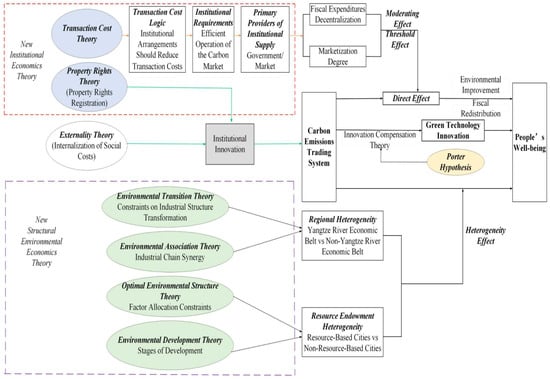
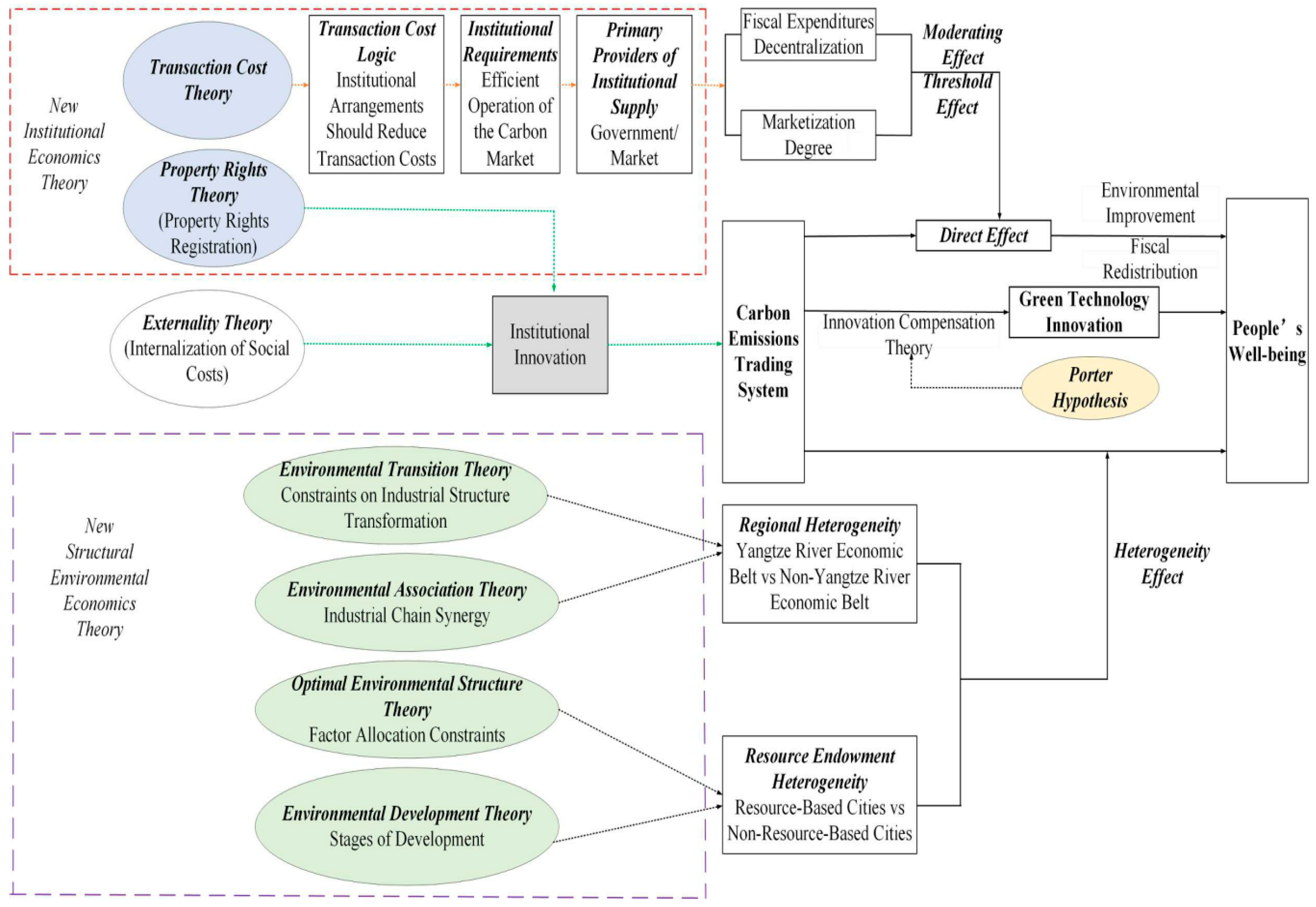
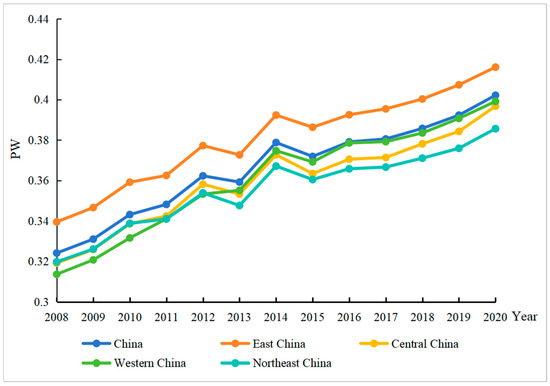
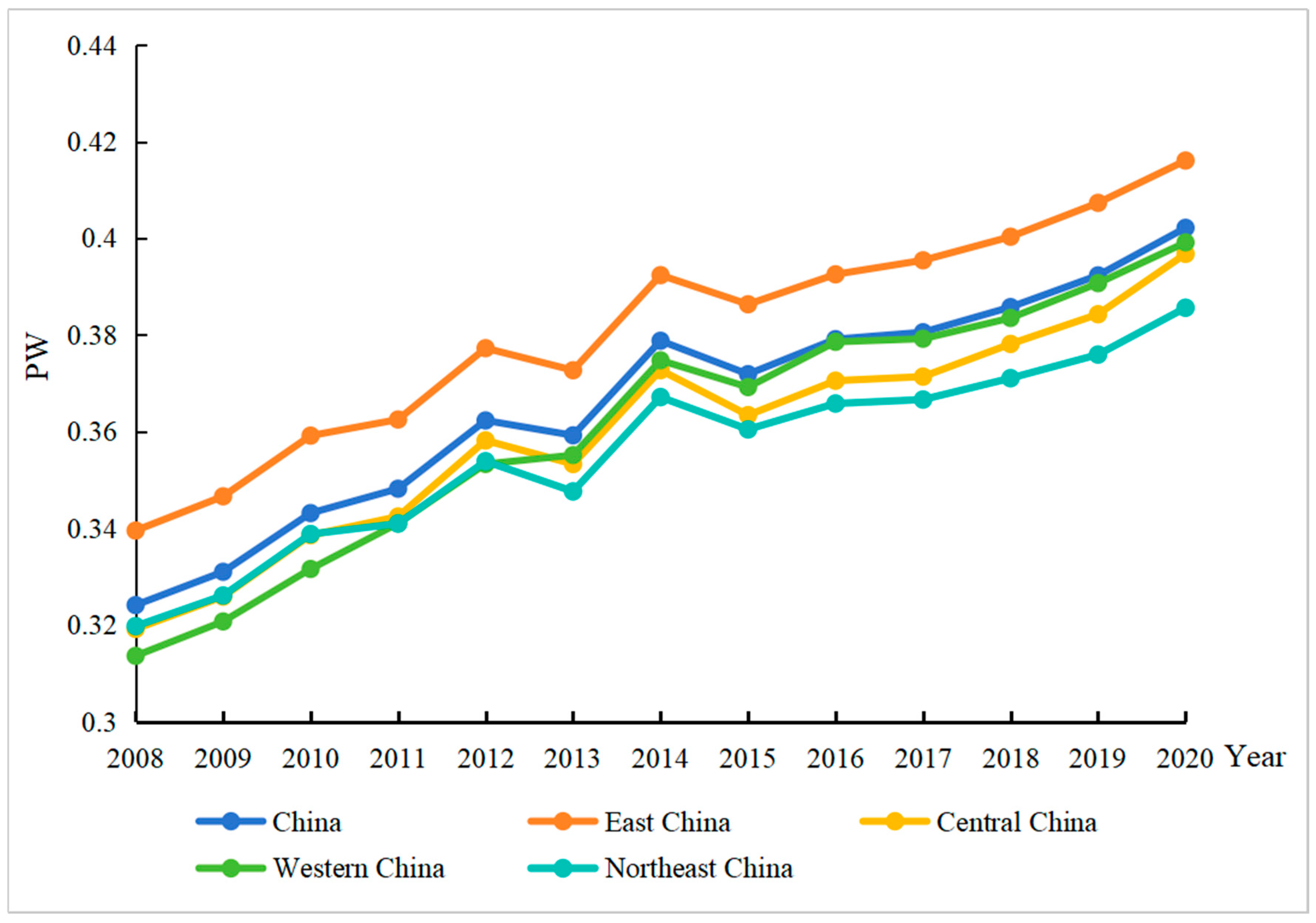
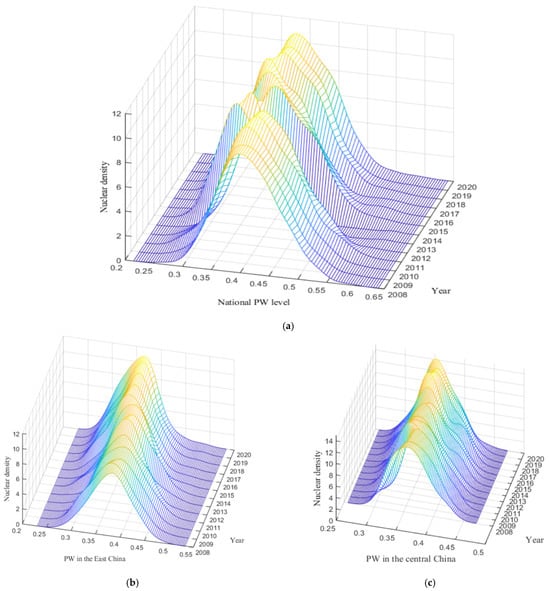
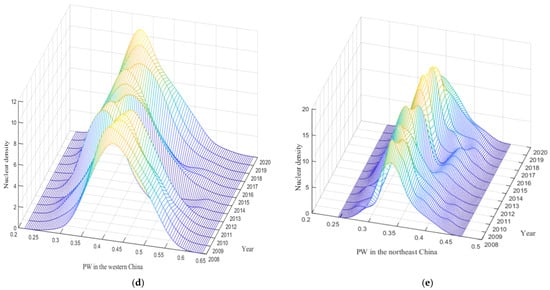
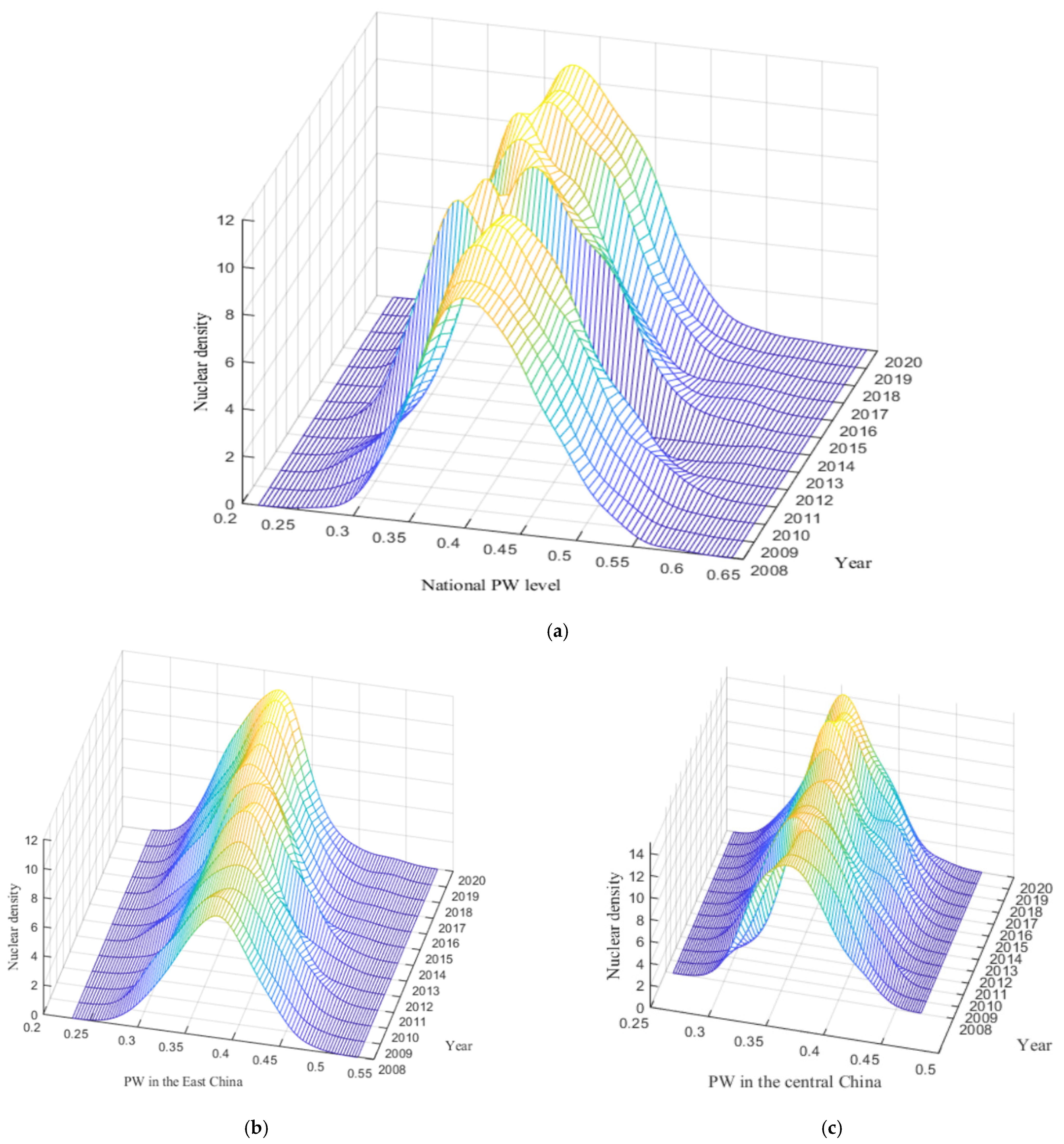
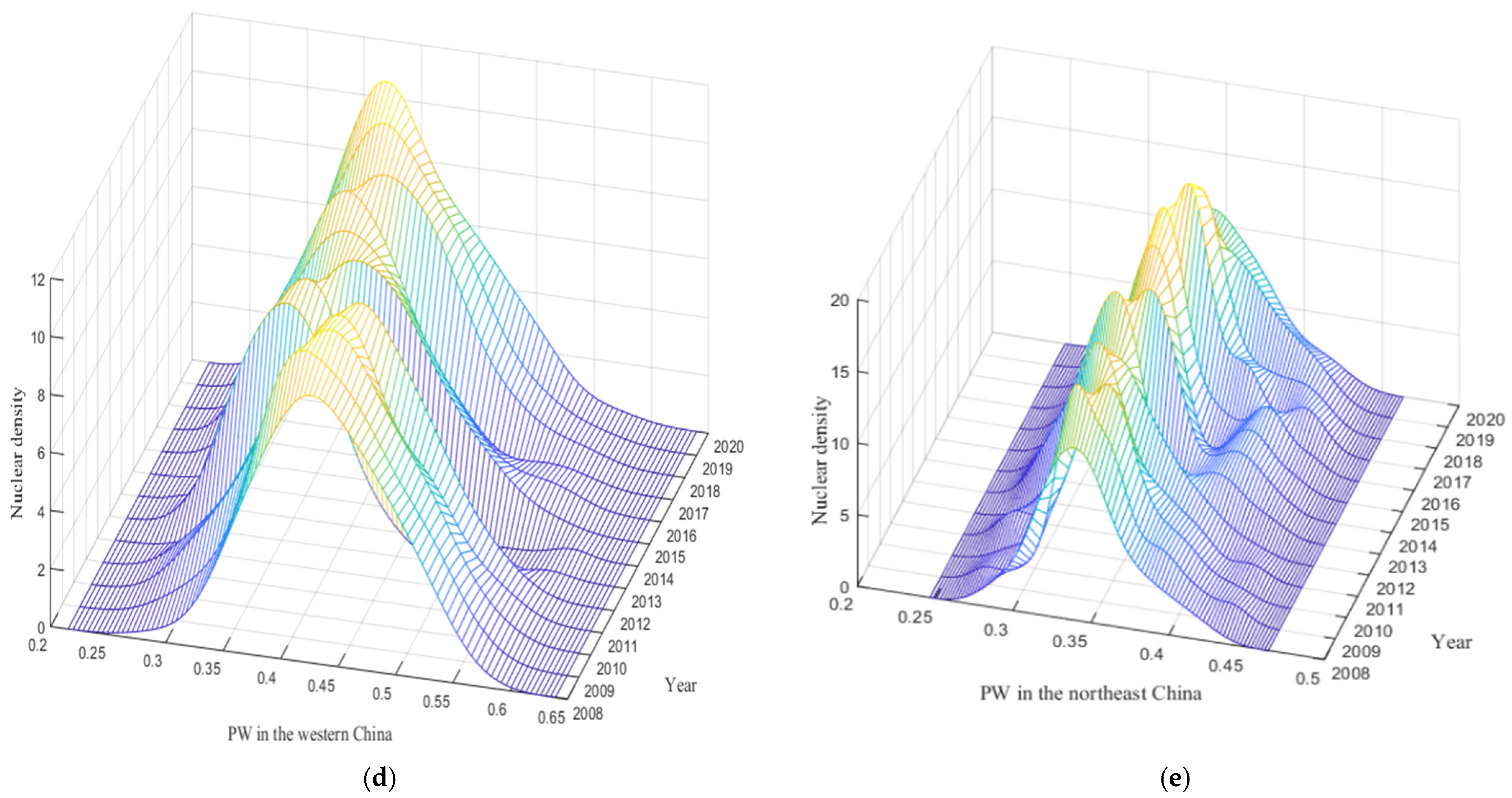
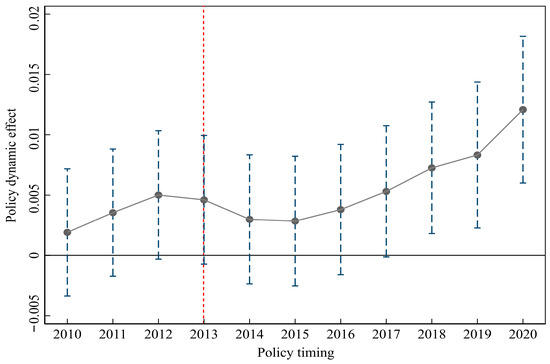
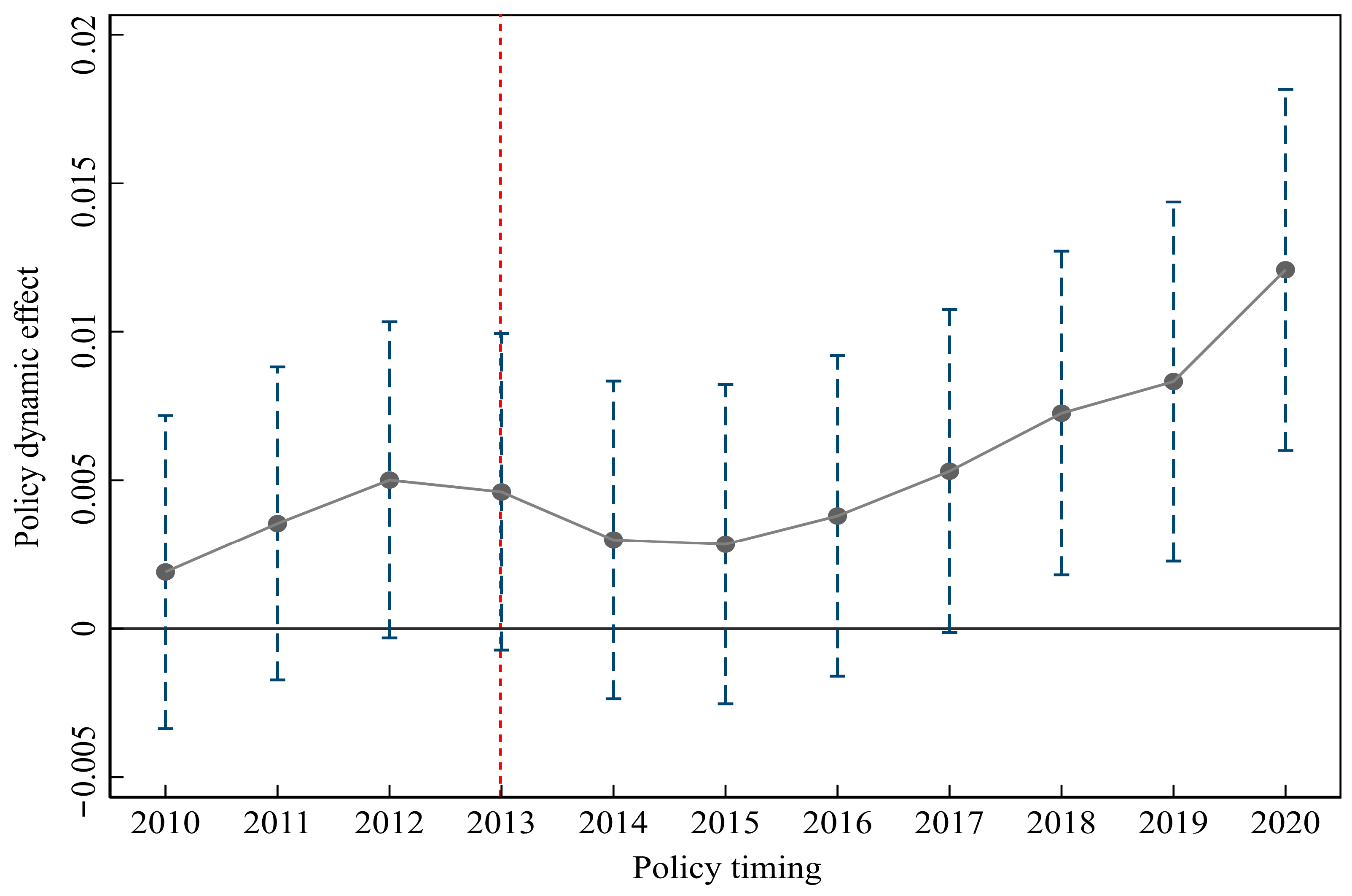
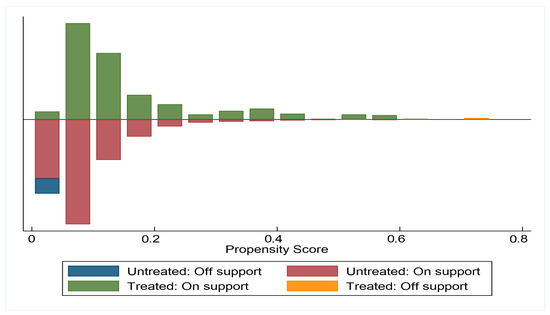
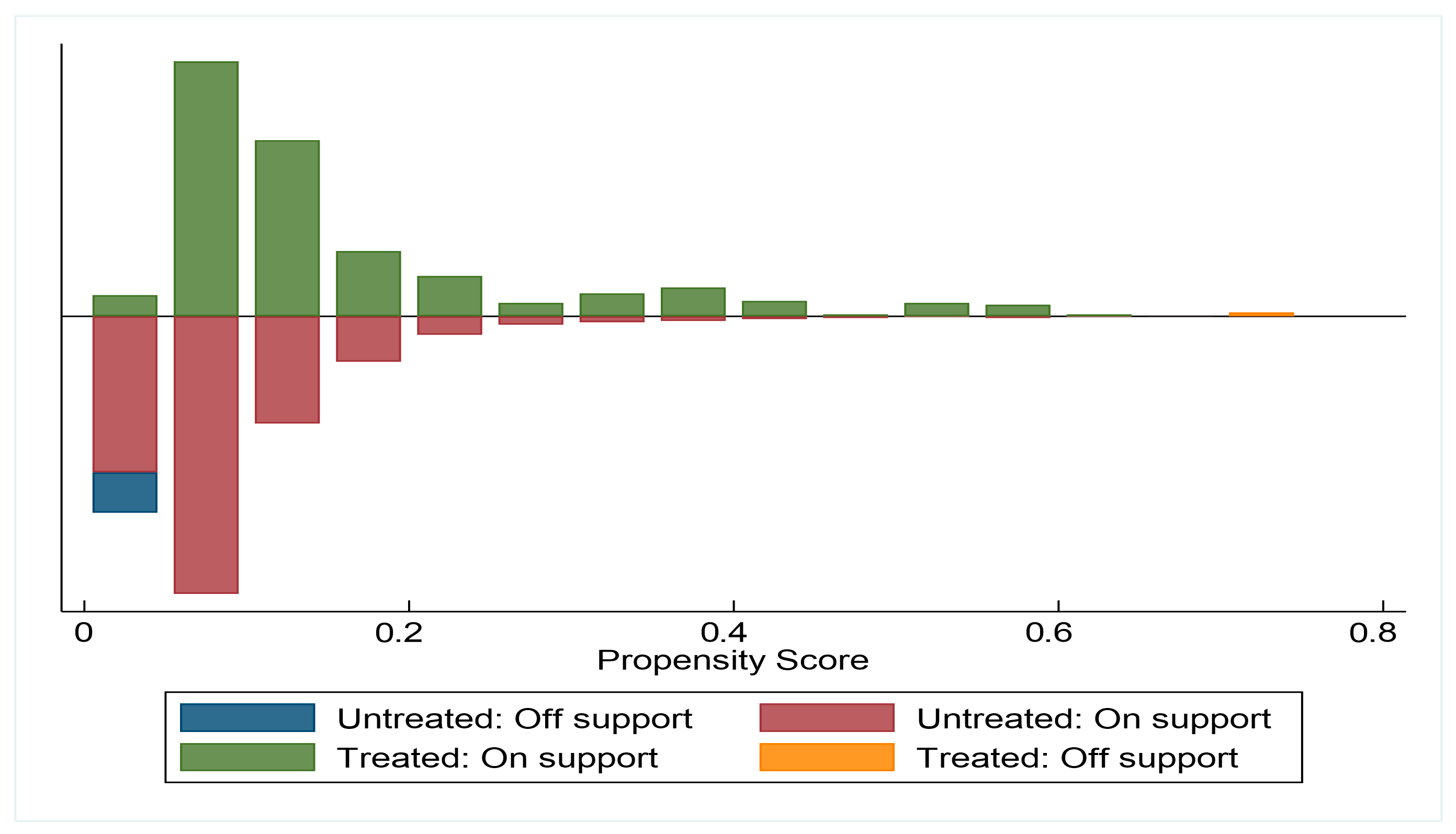
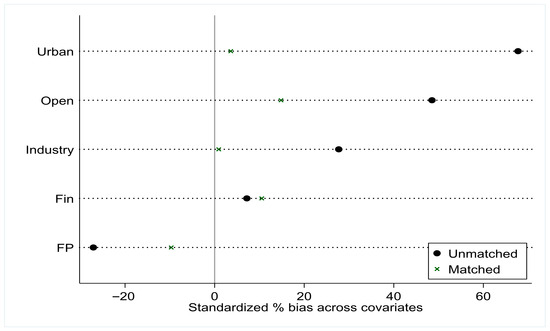
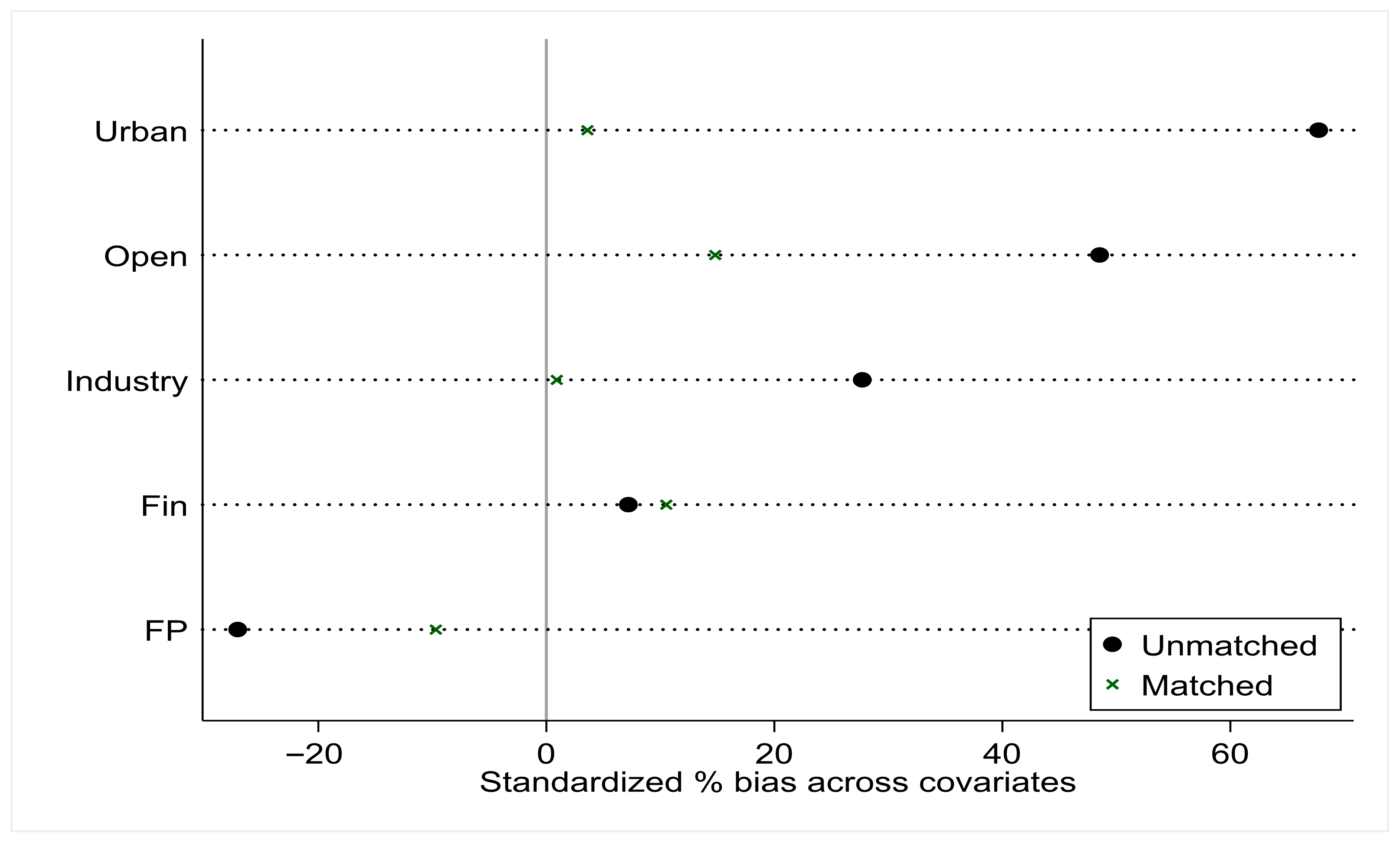
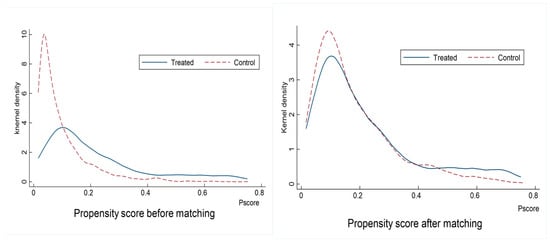
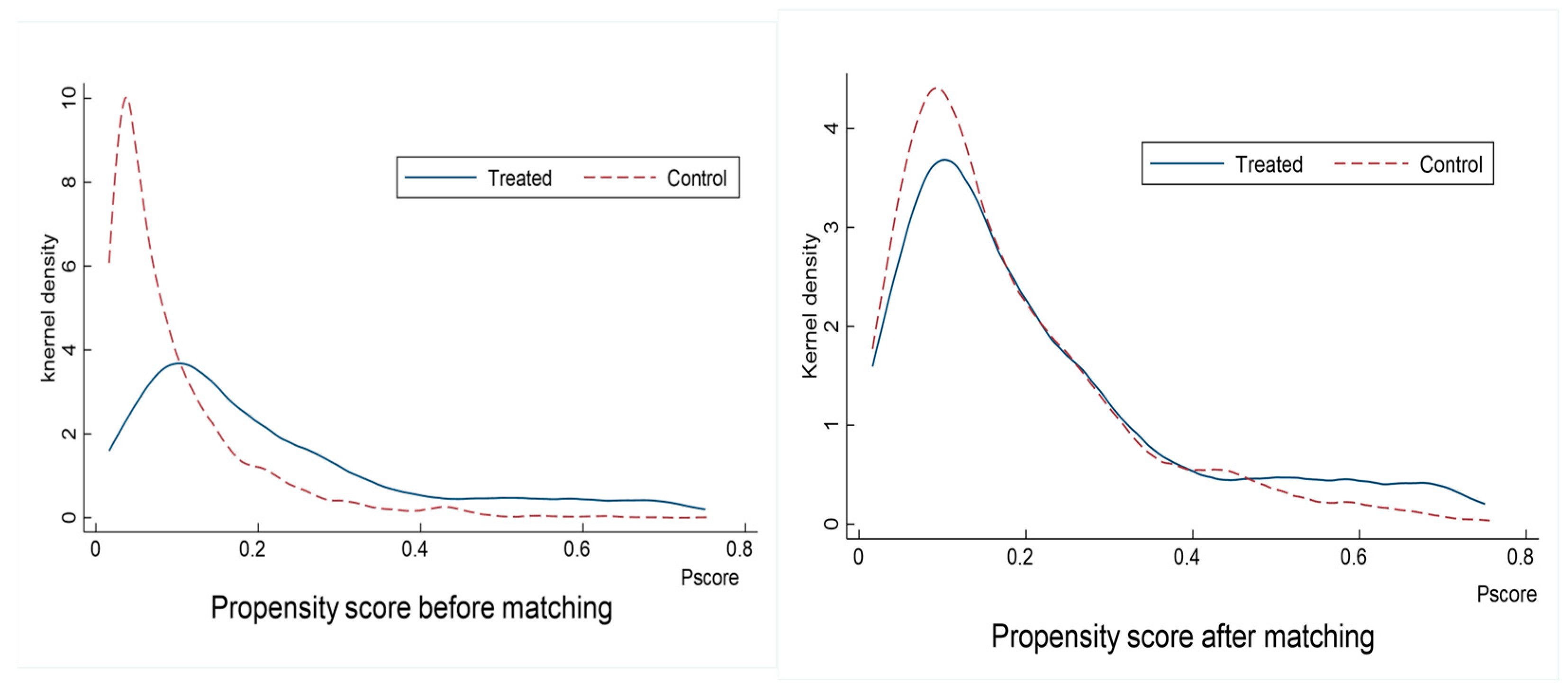
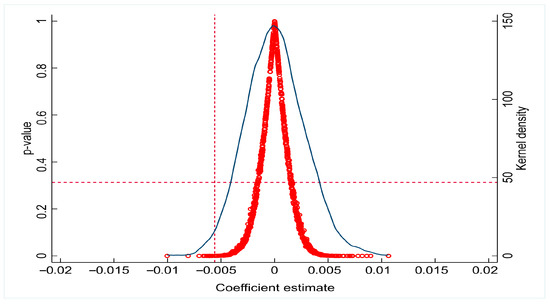
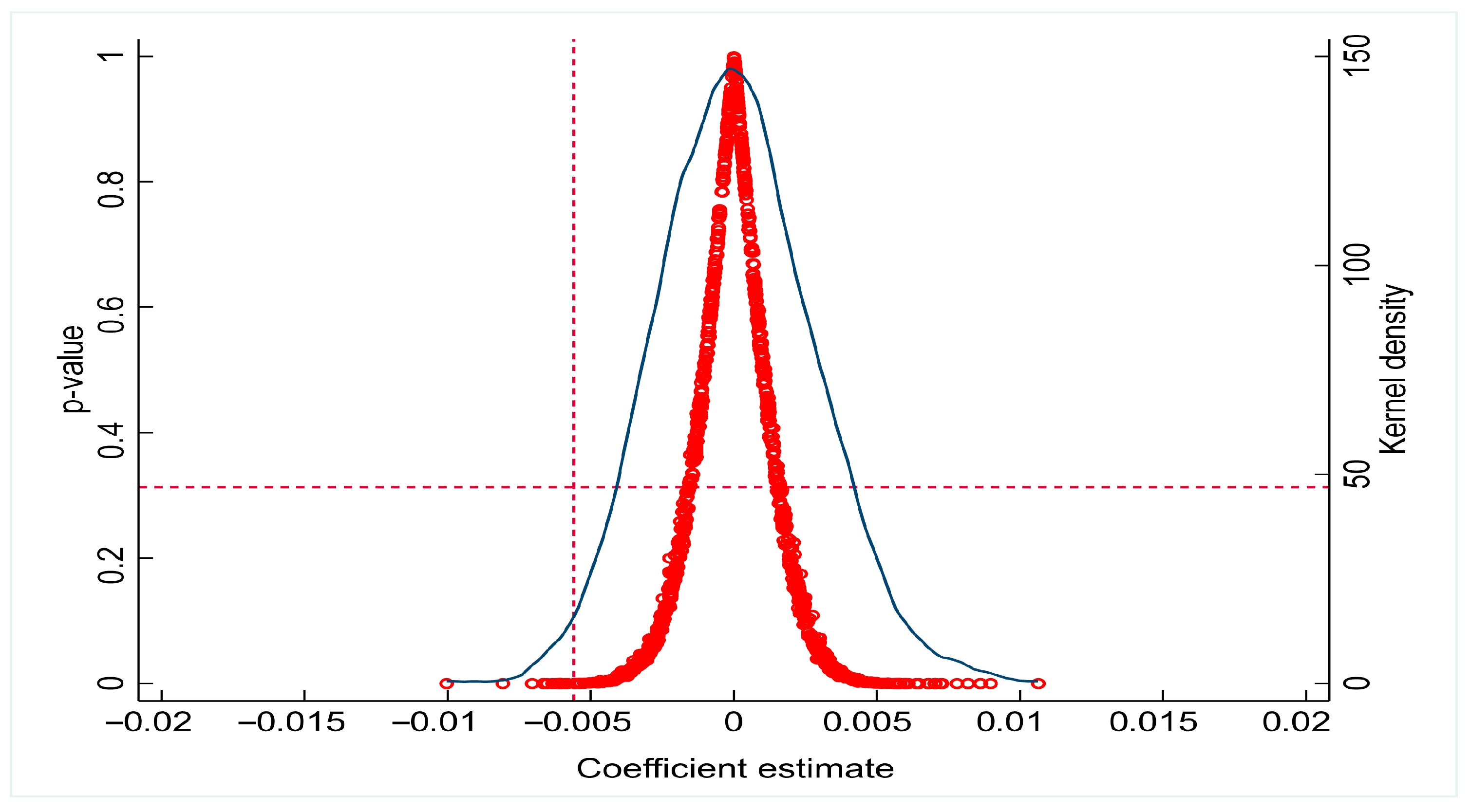

Disclaimer/Publisher’s Note: The statements, opinions and data contained in all publications are solely those of the individual author(s) and contributor(s) and not of MDPI and/or the editor(s). MDPI and/or the editor(s) disclaim responsibility for any injury to people or property resulting from any ideas, methods, instructions or products referred to in the content. |
© 2026 by the authors. Licensee MDPI, Basel, Switzerland. This article is an open access article distributed under the terms and conditions of the Creative Commons Attribution (CC BY) license.