Article

Implications of Second-Order Cybernetics and Autopoiesis on Systems-of-Systems Engineering

1
Department of Computer Science and Software Engineering, Mälardalen University, SE-721 23 Västerås, Sweden
2
RISE Research Institutes of Sweden, SE-164 29 Kista, Sweden
Systems 2025, 13(2), 119; https://doi.org/10.3390/systems13020119

Submission received: 5 December 2024 / Revised: 8 February 2025 / Accepted: 11 February 2025 / Published: 13 February 2025
(This article belongs to the Special Issue System of Systems Engineering)

Abstract

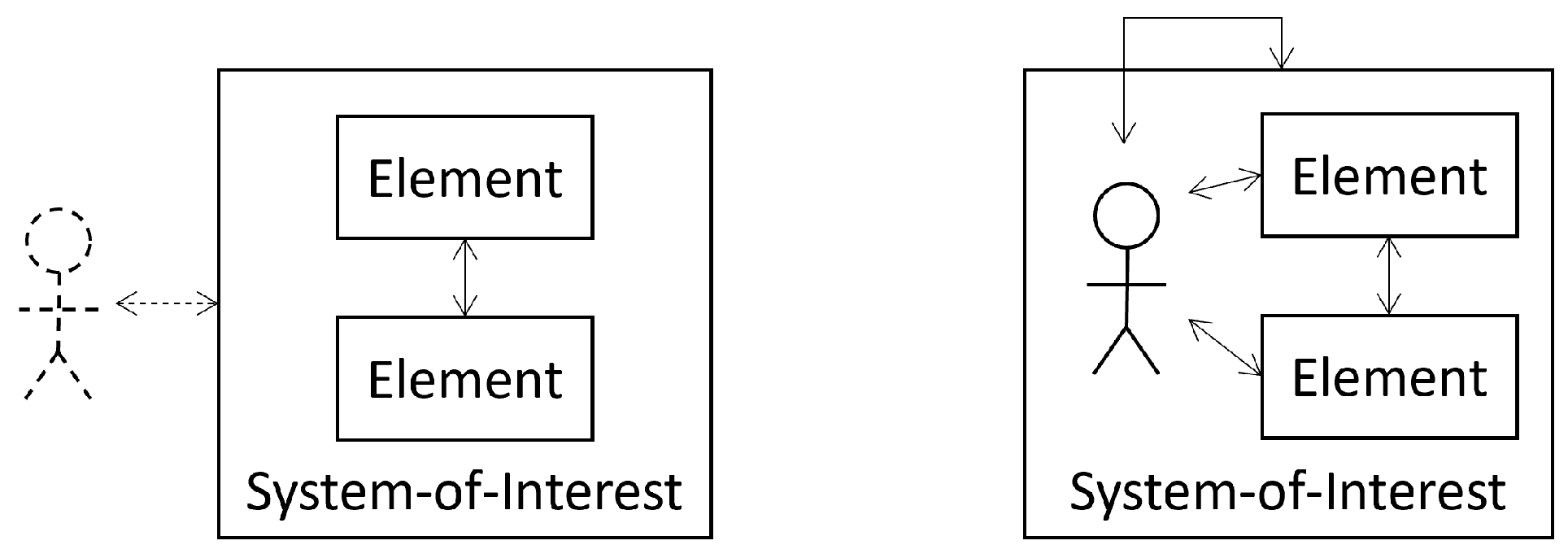
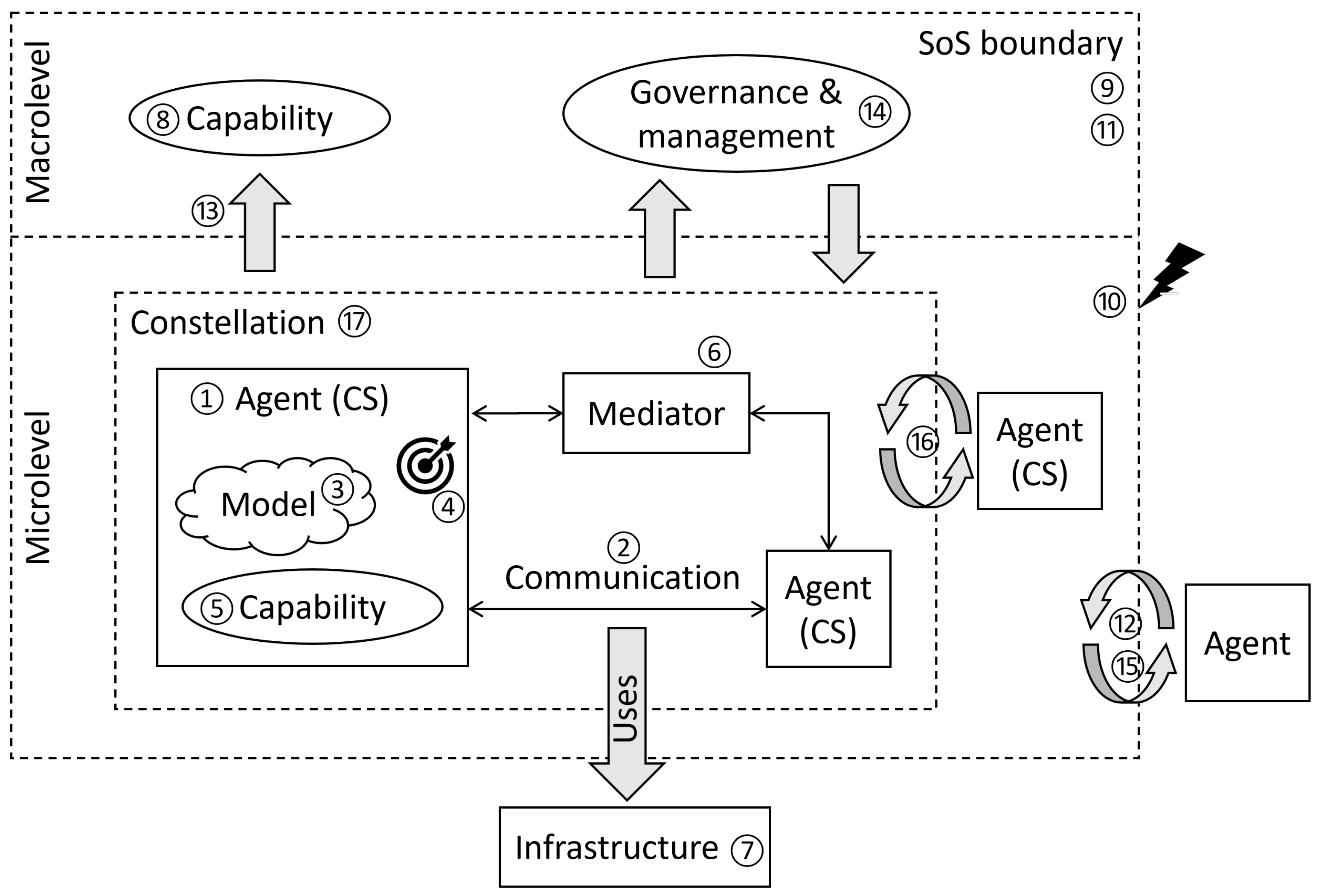
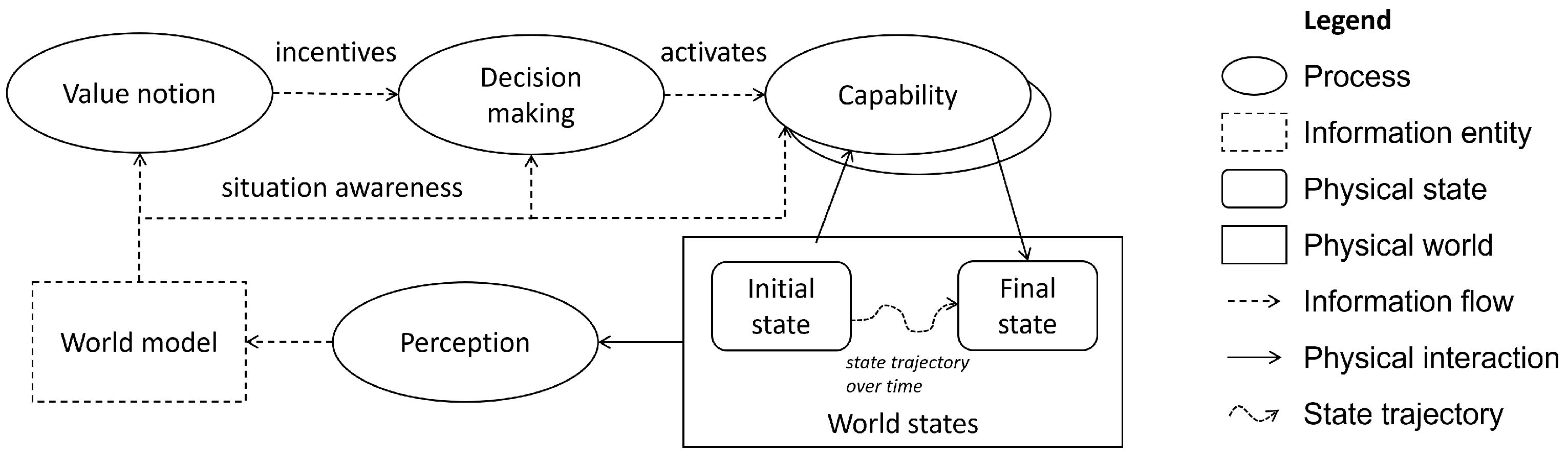
Systems-of-systems are often characterized as systems where the constituent parts have some independence from the whole. Recent research has aimed at clarifying in more detail what this independence means. It has shown that independence requires the constituent systems to be agents that observe the system-of-systems from within and construct internal models of it as a basis for decisions. This view on observers as parts of the system-of-systems parallels development in the field of second-order cybernetics several decades ago, yet the connection between that field and systems-of-systems has not been explored previously. This paper, therefore, summarizes key concepts from second-order cybernetics, including the subtopic autopoiesis. It then discusses what the implications are on systems-of-systems engineering through the identification of 17 concerns. These concerns relate to the physical topology, behavior, and control of the system-of-systems. This paper shows how these concerns directly relate to the theoretical concepts of second-order cybernetics and autopoiesis, and thereby, opens the door to further exploitation of this theoretical foundation.
Keywords: systems-of-systems; second-order cybernetics; autopoiesis systems-of-systems; second-order cybernetics; autopoiesis