Review

Data-Driven Modeling of Demand-Responsive Transit: Evaluating Sustainability Across Urban, Rural, and Intercity Scenarios


School of Ocean and Civil Engineering, Shanghai Jiao Tong University, Shanghai 200240, China
*
Author to whom correspondence should be addressed.
Systems 2025, 13(12), 1080; https://doi.org/10.3390/systems13121080
Submission received: 21 October 2025 / Revised: 28 November 2025 / Accepted: 29 November 2025 / Published: 1 December 2025

Abstract

Demand-responsive transit (DRT) is an innovative public transportation model that dynamically adjusts routes based on passengers’ specific demands. While existing studies offer insights into routing, scheduling, and network design, they remain fragmented, with limited integration of user behavior, policy relevance, and sustainability. To address these gaps, this paper develops a scenario-based evaluation framework that synthesizes bibliometric evidence, operational conditions, modeling approaches, and evaluated outcomes. Using CiteSpace, we conducted keyword co-occurrence and clustering analysis. Thematic clusters such as “routing and scheduling,” “network design,” “stated preference,” “public transport,” and “demand-responsive transit” were mapped to a three-tier analytical structure. Scenarios integrate economic, environmental, and social dimensions, enabling comparative insights across urban, rural, and intercity scenarios. The scenario-based approach offers two key advantages: (1) it captures heterogeneity across operational environments, ensuring that evaluation frameworks are not overly generalized. Research shows that urban scenarios emphasize scheduling precision, rural pilots face cost-efficiency but enhance resilience, and intercity services depend on multimodal synchronization. (2) It facilitates synthesis by linking technical models with real-world outcomes, enhancing policy relevance. This study contributes to sustainable transport research by providing a coherent, empirically validated, and conceptually integrated framework for evaluating DRT systems.

1. Introduction

Demand-responsive transit (DRT) has emerged as a promising solution to address the limitations of conventional fixed-route public transport [1]. Coupled with the rapid development of mobile internet information technology, online reservation for rides has become a significant choice for travellers. DRT adopts the form of buses with online booking platforms, utilizing an “online platform coordination + offline fleet dispatch” service model. By leveraging big data algorithms, DRT disrupts conventional transit operations, dynamically adjusting routes based on demand and providing near door-to-door service.
The earliest research on DRT dates back to 1976, when Flusberg [2] first proposed the concept of a flexible transit system—illustrated through a case study on an innovative public transportation system in Merrill, Wisconsin. In this model, vehicles followed a predetermined route but could deviate within a certain range to accommodate real-time passenger requests, adjusting scheduling and routing to pick up or drop off passengers. Later, in 1978, Daganzo [3] introduced an approximate analytic model of many-to-many DRT transportation systems, which provide non-transfer door-to-door transportation with a dynamically dispatched fleet of vehicles. Over nearly five decades, DRT has evolved and been adopted across various countries and regions [4].
Currently, targeted operational scenarios are extremely specific. Some applications cater to high-demand urban scenarios, such as transportation hub evacuation [5] and business district cruising [6]. Some serve low-density rural scenarios, including rural buses and urban–rural bus services with shared passenger–freight transport [7,8]. Additionally, some serve intercity scenarios, including intercity buses and long-distance transportation hub transfers [9,10]. In recent years, the integration of autonomous driving technology has gradually begun to be used in DRT services through autonomous vehicles [11]. Despite rapid expansion [12], Currie et al. [13] identified high failure rates among DRT systems, with 50% of DRT operations lasting less than seven years, 40% less than three years, and 25% failing within two years.
To address these challenges, Wang et al. [14] conducted an adaptability analysis across macro-level, meso-level, and micro-levels, which helps in comparing, selecting, and evaluating different operational strategies during the launch phase. However, their study overlooked the detailed operational mechanisms and long-term sustainability of DRT. Daganzo et al. [15] proposed a general model of DRT, which not only simulates DRT systems but also achieves multimodal services. However, their analysis was restricted to urban scenarios, limiting applicability across diverse operational scenarios. Hu et al. [16] explored factors influencing public acceptance, revealing that service quality and trust significantly impact DRT performance. Nevertheless, their findings focused solely on external acceptance factors, while sustainable DRT development requires a more comprehensive consideration of interrelated variables. There are also studies that classify DRT systems into dynamic online, dynamic offline, and static based on different response levels, aiming to adjust corresponding service plans according to different systems to improve service rates and passenger selection intentions. However, existing theoretical models often fall short of addressing practical scenario-based applications [17].
Despite this progress, the existing literature remains fragmented. Many studies emphasize technical models—such as routing algorithms and scheduling heuristics—while neglecting user behavior, equity, and policy integration. Others provide descriptive case studies without synthesizing their implications for broader evaluation frameworks. This fragmentation results in overlapping concepts, repeated explanations, and limited coherence across studies.
In response, this paper develops a scenario-based evaluation framework. Scenarios serve as integrative devices that connect operational conditions, modeling approaches, and evaluated outcomes. The advantages of scenario-based evaluation are twofold. First, scenarios allow researchers to account for contextual diversity—geographical, socio-economic, and technological—ensuring that evaluation frameworks remain adaptable. Second, scenarios facilitate synthesis by linking technical models with real-world outcomes, thereby enhancing policy relevance. For example, rural DRT pilots emphasize fleet coordination under resource constraints, while urban smart mobility projects focus on demand estimation and multimodal integration. By situating these cases within structured scenarios, the framework captures heterogeneity and avoids overgeneralization.
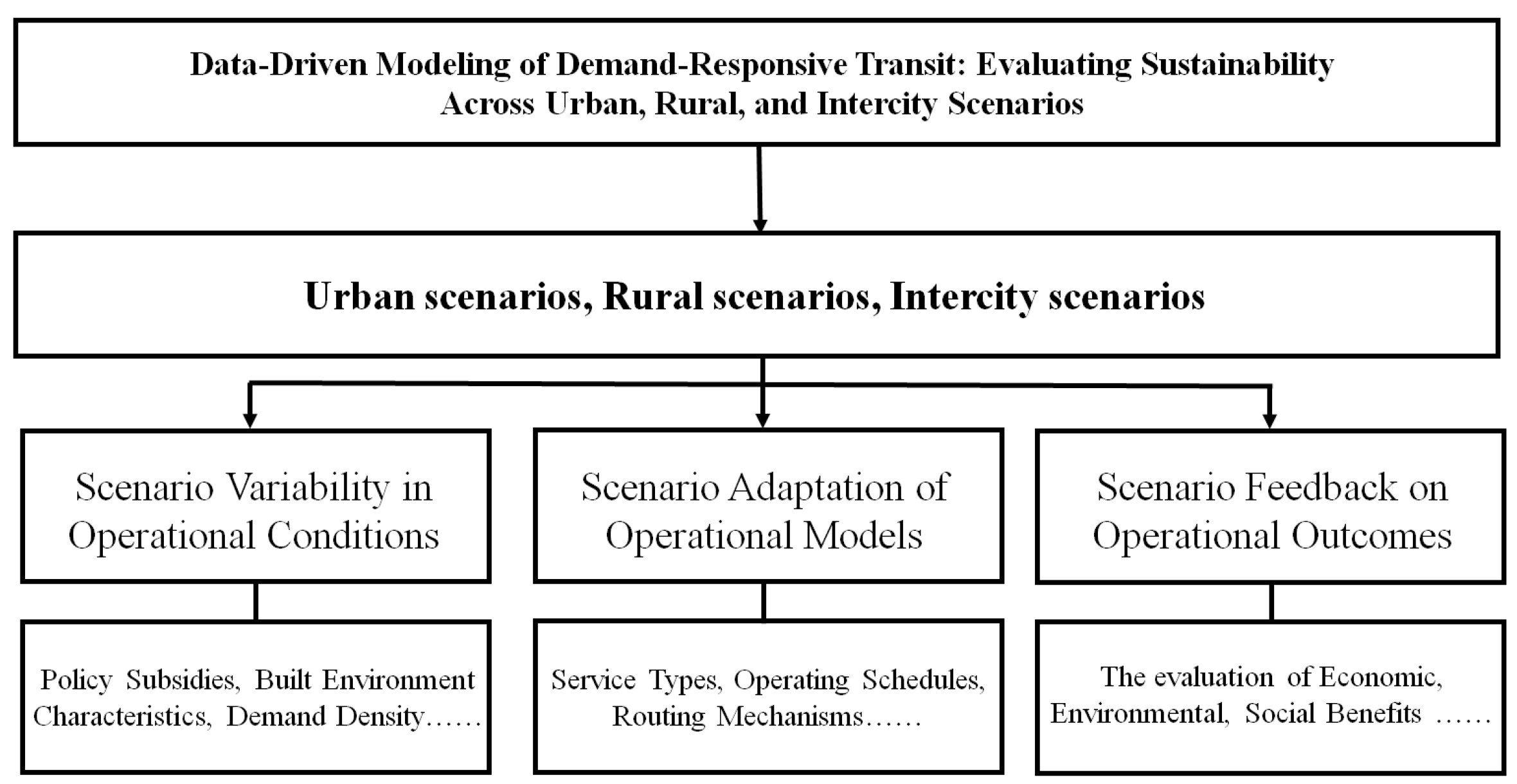
As shown in Figure 1, this study identifies three critical research questions regarding DRT’s sustainable development across different operational scenarios as follows:
1. Scenario specificity in operational conditions, including policy subsidies, built environment factors, and demand density;
2. Scenario adaptability in operational models, covering service types, operational timeframes, and dispatch mechanisms;
3. Scenario feedback in operational outcomes, evaluating economic, environmental, and social impacts along with their interactions.
The rest of this paper is organized as follows. Section 2 introduces the data and analysis methods used in this study. Section 3 presents a comprehensive overview of the scenario-based variations in operational conditions, operational models, and operational outcomes across urban, rural, and intercity environments. Section 4 summarizes the key characteristics of the three core research questions and proposes directions for future studies. Section 5 and Section 6 look to the future and forecast the development directions.

2. Data and Indicators

2.1. Data

This study conducts a systematic review of the DRT literature in the Web of Science Core Collection, covering the period 2000–2025. Inclusion criteria required explicit relevance to DRT operations, modeling, or outcomes. Studies focusing solely on unrelated transport modes or lacking methodological rigor were excluded. A keyword search using “Demand-Responsive Transit”, “DRT”, “dial a ride”, and so on identified 468 publications, including journal articles, conference papers, review studies, and online publications. Bibliometric analysis was conducted using CiteSpace-6.3.R1. The clustering yielded a modularity score of 0.7211 and a mean silhouette score of 0.8532, confirming structural clarity and internal consistency. These metrics validate the robustness of the dataset and provide confidence in subsequent thematic mapping.
As shown in Figure 2, research activities in the field of DRT have shown an upward trend over the past 25 years. The sharp increase after 2020 reflects the impact of COVID-19, which accelerated interest in flexible and resilient transit systems [18]. This trend implies that DRT research is increasingly recognized as a response to systemic shocks and public health crises. This implies that DRT research is increasingly recognized as a response to systemic shocks and public health crises. This trend suggests that future research should further explore DRT’s role in resilience planning and crisis management. Considering that DRT operations are scenario-dependent, it also categorizes annual publication trends by scenario type. It shows that urban scenarios dominate DRT research, while rural and intercity scenarios remain comparatively underexplored. This imbalance highlights a research gap: sustainability challenges in low-demand rural areas and multimodal intercity systems are insufficiently addressed. The implication is that future studies should rebalance attention toward these neglected scenarios.
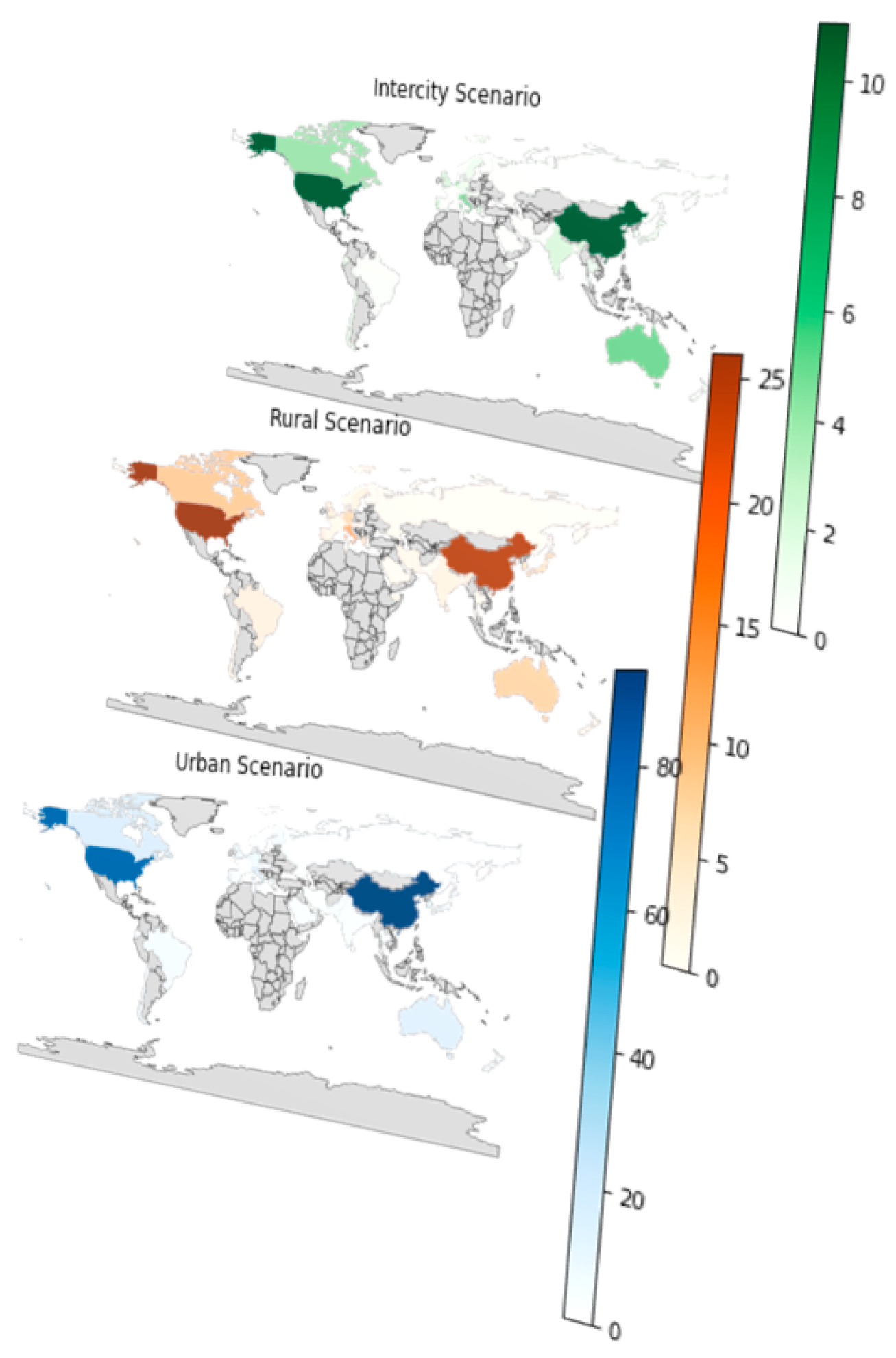
Additionally, this study conducts a statistical analysis of real-world case applications reported in selected publications, summarizing DRT adoption across different countries and regions under the three operational scenarios. As demonstrated in Figure 3, DRT applications are most prevalent in urban scenarios, while intercity applications remain relatively limited, likely due to the fixed nature of intercity transit operations. The case distribution figure shows concentration in European and East Asian contexts, reflecting strong institutional support in these regions. However, the absence of cases from low-income countries reveals a geographical gap, limiting the generalizability of the findings to diverse socio-economic settings.

2.2. Indicators

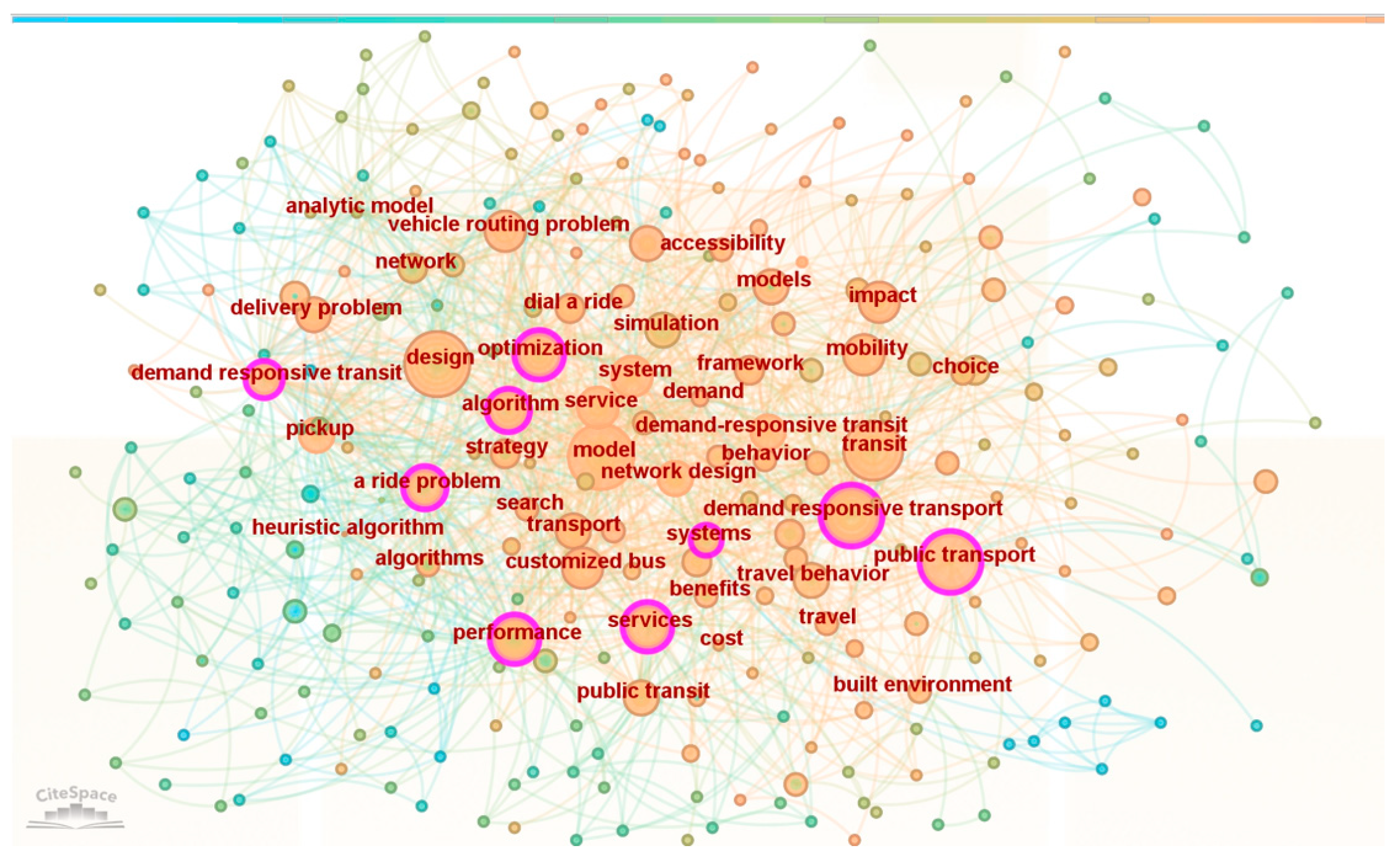
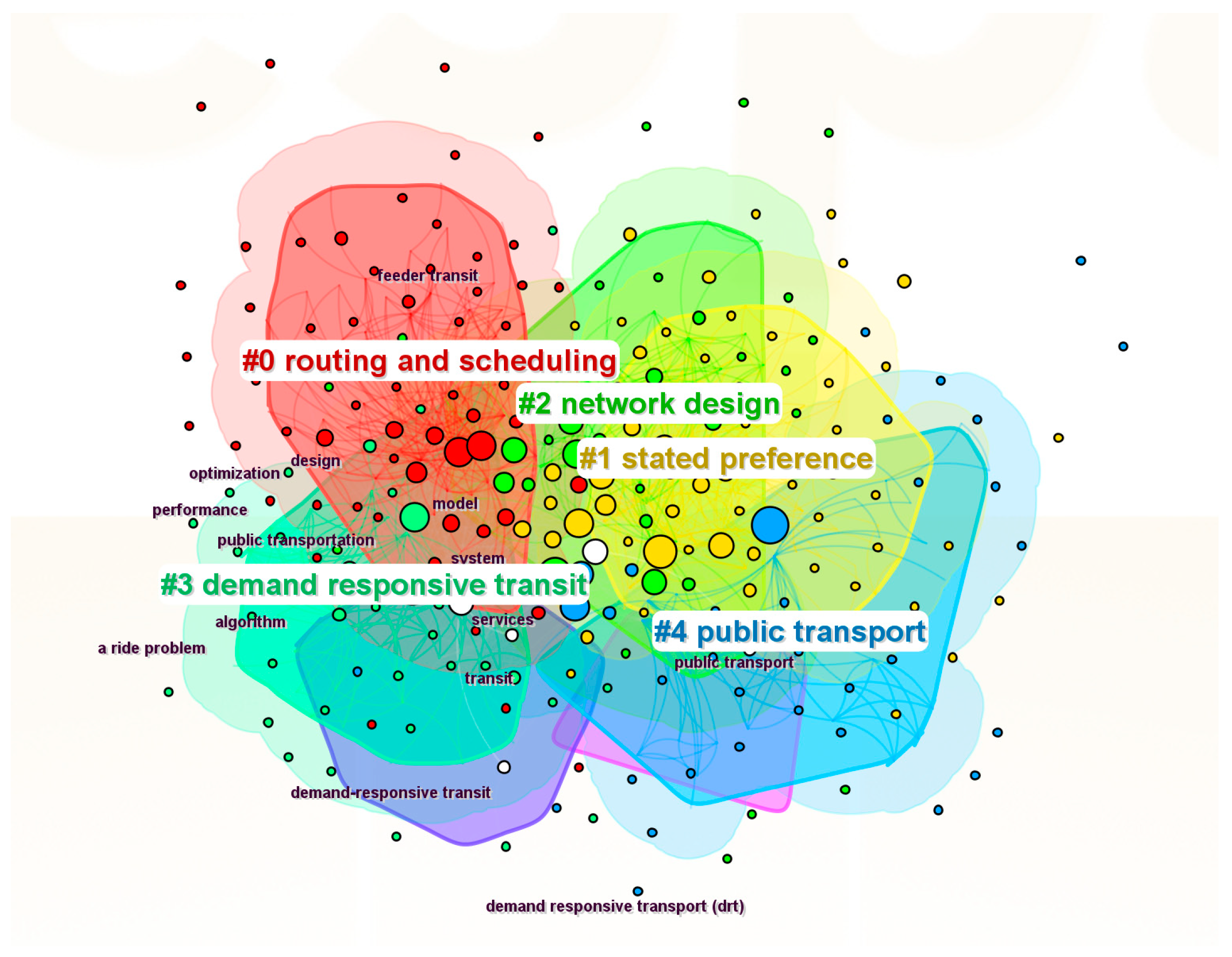
The operation of DRT involves numerous influencing factors related to operational conditions, such as passenger choice [19]; operational models, such as vehicle dispatching [20]; and operational outcomes, such as cost control [21]. Using CiteSpace, keyword co-occurrence (Figure 4) and clustering analysis (Figure 5) were conducted.
As shown in Figure 4, each node represents a keyword extracted from the literature. Prominent keywords such as “demand-responsive transit,” “algorithm,” “optimization,” “services,” and “performance” are centrally located and highlighted, signifying their foundational role in the field. High-strength edges, such as the orange link between “algorithm” and “service”, highlight the importance of intelligent dispatch mechanisms in improving user satisfaction, while the proximity of “optimization” and “public transit” reflects the ongoing effort to integrate DRT within broader multimodal systems.
In Figure 5, the node color represents thematic clusters. the dominance of clusters such as “routing and scheduling” highlights the methodological emphasis on optimization, whereas the relatively smaller “stated preference” cluster suggests limited empirical attention to user behavior. This imbalance indicates a methodological bias that may constrain policy relevance.
Indicators were organized into a three-tier analytical structure as follows:
  • Operational conditions, where clusters such as “stated preference” and keywords such as “mobility”, “public transit”, and “service” reflect demand estimation, fleet coordination, and infrastructure integration.
  • Operational models, where clusters such as “routing and scheduling”, “network design”, and keywords such as “algorithm”, “optimization”, and “design” capture algorithmic control and simulation techniques.
  • Operational outcomes, where clusters such as “demand-responsive transit” and “public transport” and keywords such as “systems”, “performance”, and “accessibility” emphasize accessibility, equity, and system resilience.
This mapping reinforces the conceptual coherence of the evaluation framework and supports its multi-dimensional structure across economic, environmental, and social dimensions.

2.2.1. Operational Conditions

Operational conditions related keywords, such as “Willingness”, “Built environment”, “Demand”, etc., reveal prerequisites for achieving sustainable DRT operations in any given scenario, mainly comprising sufficient ridership, well-matched built environments, and strong policy support.
DRT’s target ridership consists of two primary user groups: those who switch from individual travel modes, such as private cars and motorcycles, often valuing comfort, flexibility, and reasonable costs, and those transitioning from traditional public transport modes, like buses and subways, who may prioritize whether DRT can offer more efficient transfer services or solve the “last mile” problem compared to existing public transport options [22]. To increase user willingness [16] and attract and retain passengers [23], DRT needs to offer flexible, convenient services tailored to scenario-specific user needs, improving user experience and fostering long-term ridership loyalty.
The built environment directly affects DRT’s feasibility, encompassing road networks, dedicated transit lanes, transit hub facilities, and fleet dispatching centers. For instance, optimizing urban road layouts and introducing dedicated bus lanes enhance operational efficiency by minimizing conflicts between DRT vehicles and other transport modes. Additionally, designated pickup/drop-off zones at transit hubs improve passenger transfer experiences.
Policy support is another crucial dimension for ensuring the sustainable development of DRT operations. Governments can bolster DRT through financial subsidies, infrastructure investment, and technological backing, alleviating funding constraints for operators and fostering long-term scalability. Table 1 compares policy frameworks for DRT across selected countries, highlighting differences in subsidy mechanisms, governance structures, and implementation strategies. Germany and France exemplify subsidy-driven models, where strong government support ensures continuity in low-demand areas and promotes multimodal integration. In contrast, the United States and Canada rely on market-driven approaches, with private companies such as Via and Uber leading numerous pilots under flexible local regulations; while this fosters rapid innovation, long-term sustainability remains uncertain without stable subsidies. China demonstrates government-led investment through smart city pilots in Beijing and Shenzhen, paving the way for large-scale deployment, while South Korea and Malaysia illustrate hybrid models that combine public investment with technology-driven experimentation, balancing efficiency and inclusivity. This comparative analysis shows that subsidy-driven systems (Germany, France, China) achieve higher stability and scalability, market-driven systems (United States, Canada) encourage innovation but face sustainability challenges, and hybrid systems (South Korea, Malaysia) offer a balanced pathway by integrating public support with technological innovation.
For scenarios hoping to introduce DRT systems, evaluating and improving these three key aspects—stable ridership, suitable built environments, and proactive policy support—are prerequisites for ensuring successful long-term operations. These factors collectively maximize DRT’s flexibility and efficiency, enabling it to deliver reliable, high-quality mobility solutions, mitigate urban congestion, and advance sustainable transportation development.

2.2.2. Operational Models

Keywords such as “Model,” “Design,” and “Algorithm” frequently appear in DRT operational model discussions, emphasizing the need for scenario-based adaptability [14]. This involves multiple aspects, including the selection of service types, the design of timetabling, and the optimization of dispatching mechanisms.
Depending on the characteristics of the area and the differences in user demand, selecting an appropriate service type is crucial. In urban scenarios, DRT supplements existing public transit, solving “last-mile” connectivity challenges through real-time demand-responsive services. In contrast, in suburban or remote areas, DRT may serve as a primary transport option, and in some cases, it even adopts the unique form of urban–rural bus services with shared passenger–freight transport. Additionally, passenger–freight integration represents an emerging operational model that extends beyond rural applications [24]. By combining passenger mobility with freight delivery, DRT systems can achieve higher vehicle utilization, reduce empty mileage, and expand service coverage. This integrated approach aligns DRT operations with sustainable supply chain transportation systems and provides a foundation for scenario-specific applications discussed in Section 3.
Strategic operational scheduling enhances both efficiency and user satisfaction. Peak-hour service enhancements involve increasing frequency on high-demand routes or extending operating hours. Off-peak operations may adopt on-demand dispatch or reservation-based scheduling. For transportation hubs, such as airports and railway stations, timetables can be planned in advance based on schedule information.
Optimization of the dispatching mechanism is one of the core components for achieving efficient DRT operations. The application of modern algorithms and technologies makes it possible to monitor the fleet in real time, predict passenger demand, and dynamically adjust routes. Intelligent real-time dispatching can reduce travel time and fuel consumption. Integrating big data analytics enhances demand forecasting, ensuring better fleet preparedness.
In summary, by refining service types, operational timetabling, and dispatch mechanisms, DRT can adapt its strategies to diverse operational scenarios, delivering high-quality, efficient transit experiences.

2.2.3. Operational Outcomes

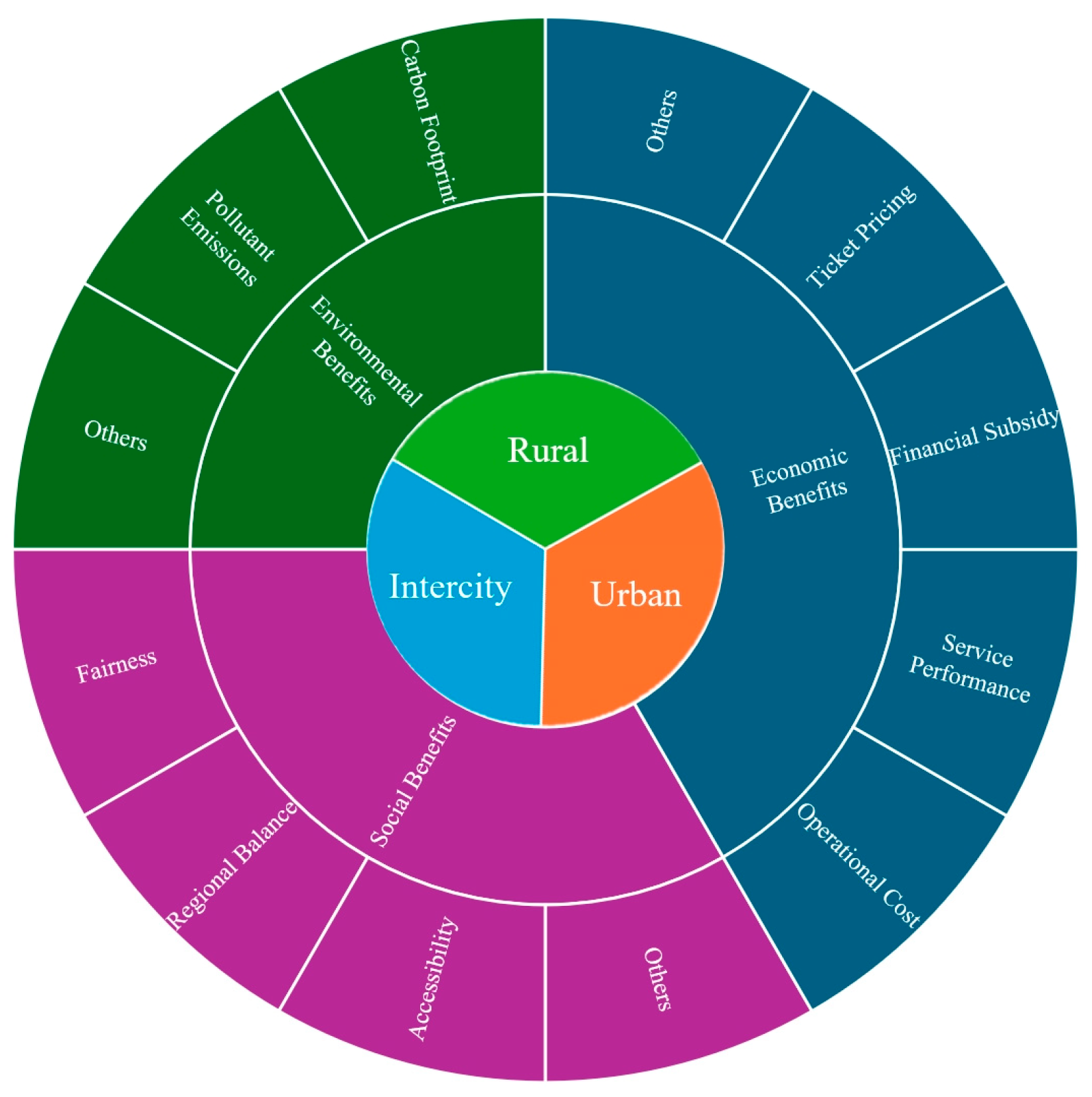
Assessing DRT operational outcomes is vital to sustainable implementation, as reflected in frequent keyword occurrences such as “Cost,” “Impact,” and “Benefit”. As illustrated in Figure 6, a comprehensive evaluation of DRT’s scenario-based performance includes, but is not limited to, financial viability, accessibility improvements, mobility enhancements, and energy efficiency. Operational benefits not only emphasize a comprehensive and integrated evaluation of operational effectiveness but also highlight how multi-dimensional benefits of DRT systems can be enhanced through optimizing operational conditions and service design.
From an economic perspective, cost control is one of the key considerations in DRT operations. Studies indicate policy subsidies play a central role in DRT feasibility, alongside vehicle procurement, system development, and workforce investment.
In terms of environmental impact, the application of DRT contributes to reducing carbon emissions and improving air quality. A case study in Markham, Canada [25] demonstrated a projected 30% reduction in greenhouse gas emissions due to DRT implementation. Beyond carbon emissions, noise pollution has emerged as a critical dimension of sustainable transport, directly affecting passenger comfort and community well-being [26]. Integrating noise considerations into DRT evaluation frameworks strengthens environmental sustainability metrics, ensuring that DRT contributes not only to efficiency but also to liveability.
Social benefits primarily involve equitable mobility access. Originally designed for passengers with disabilities, DRT has expanded to accommodate broader transportation needs, proving instrumental during emergencies and crises, such as the COVID-19 pandemic.
Achieving long-term sustainable DRT operations requires a holistic assessment of its economic, environmental, and social impacts. Developing a robust performance evaluation framework through accurate data collection and analysis supports operational decision-making, steering DRT toward greater efficiency, sustainability, and inclusivity.

3. Scenarios

Building on the indicator framework, this section integrates operational conditions, models, and outcomes into scenario-based evaluation. A distinctive contribution of this review is the contextualization of indicators within diverse operational environments.
  • Urban Scenarios. Indicators emphasize scheduling precision, passenger throughput, and multimodal integration, highlighting efficiency and coordination challenges in dense networks.
  • Rural Scenarios. Indicators focus on cost-efficiency, service coverage, and resilience through shared passenger–freight operations, reflecting economic and social trade-offs in low-demand contexts.
  • Intercity Scenarios. Indicators capture synchronization with multimodal nodes, travel time reliability, and systemic interdependencies, emphasizing connectivity and governance challenges across regions.
By embedding indicators into scenario-based evaluation, the framework highlights contextual diversity and strengthens policy relevance. In urban, rural, and intercity settings, indicators are interpreted within specific operational environments, ensuring sensitivity to geographical, socio-economic, and technological differences. At the same time, scenarios connect technical models with real-world outcomes, bridging the gap between algorithmic optimization and practical governance. These dual advantages—contextual adaptability and conceptual synthesis—form the foundation for the following analysis of DRT sustainability across diverse scenarios.

3.1. Urban Scenarios

Urban DRT systems are extensively researched due to their potential to address high-density mobility challenges. Commuters constitute a primary service group, demanding high punctuality and enhanced ride comfort, with some studies even exploring commuter-integrated value-added services, such as onboard dining. The success of urban DRT hinges on its ability to integrate seamlessly with existing public transit networks, providing complementary services that address the “last mile” problem [27]. Such models enhance cost-effectiveness while supporting the rapid growth of online retail. By offering door-to-door service, DRT reduces reliance on private vehicles, thereby alleviating traffic congestion and lowering emissions. During off-peak hours, passenger–freight integration can leverage DRT fleets for parcel delivery. For example, European cities [28] have piloted shared shuttles that transport both passengers and e-commerce parcels, reducing congestion and improving last-mile logistics efficiency [29]. Such integration also strengthens urban supply chains by aligning passenger flows with e-commerce logistics, ensuring more resilient and responsive distribution networks. This integration requires strategic planning and investment in infrastructure, including dedicated lanes and optimized pickup/drop-off zones, to ensure efficient operations and minimize conflicts with other transport modes.
The built environment’s impact on DRT is also significant. A case study in Shanghai [30] identified travel impedance and metro station layout as key determinants of DRT ridership. In urban scenarios, more residential land uses, fewer administrative land uses, poor connectivity to road networks and parking supply, better accessibility to different facilities, and long distances from urban business centers promote DRT adoption [31]. Policy frameworks play a crucial role in the deployment and sustainability of urban DRT systems. Governments must provide financial incentives, regulatory support, and technological investments to foster DRT adoption. These policies should aim to create a conducive environment for innovation, allowing for the incorporation of cutting-edge technologies, such as autonomous vehicles and real-time data analytics.
In urban scenarios, DRT must possess high flexibility and responsiveness to meet peak period passenger surges. In high-demand areas, such as airports and train stations, where arrival/departure patterns are unevenly distributed, DRT adjusts fleet size and service frequency in real time to accommodate dynamic travel flows [32]. Additionally, in business districts, DRT implements fixed-route public transit by offering door-to-door services, reducing waiting time and walking distances. Grahn et al. [33] evaluate the performance and cost implications of public/private coordination between transit shuttles and transportation network companies in the First Mile Last Mile (FMLM) context, developing a real-time operation model that highlights DRT’s flexibility advantage. Rich [34] further demonstrated that without DRT, FMLM solutions relying solely on walking are almost 100% unviable. Table 2 summarizes key research dimensions related to high-demand urban DRT applications, covering study objectives, real-time adaptability, route flexibility, and scenario-specific case examples.
Apart from the aforementioned studies, the emergence of autonomous vehicle technologies has introduced new advancements in DRT, with applications such as autonomous shuttle buses and self-driving ride-hailing vehicles gaining traction. Liang et al. [46] explored these developments, while Oh et al. [47] validated the effectiveness of autonomous minibuses in DRT applications. Yoo et al. [48] developed an algorithm integrating genetic algorithms and reinforcement learning, enabling DRT vehicles to dynamically adjust routes based on real-time service requests, significantly improving response capabilities. In FMLM applications, autonomous vehicle technology has shown immense potential in enhancing rail station connectivity, particularly during off-peak hours. An agent-based model demonstrated superior matching performance, highlighting the high-frequency passenger throughput efficiency of autonomous DRT integration with transit hubs [49].
Urban areas serve as a benchmark scenario for DRT applications, characterized by high ridership, complex-built environments, and diverse travel needs. These require the DRT system to not only flexibly adapt to varying service demands across different time periods but also integrate policy subsidies to enhance operational efficiency and service quality [50]. At the same time, modern mobility trends introduce new challenges that shape the urban transport ecosystem. Micro-mobility modes, such as e-scooters, despite their convenience, generate operational and safety concerns, including vibration levels, infrastructure conflicts, and shared-space congestion [51]. These emerging issues highlight the importance of positioning DRT not only as a complementary service to traditional public transit but also as a coordinating mechanism within broader multimodal systems. By addressing both passenger demand and the externalities of micro-mobility, DRT can contribute to safer, more efficient, and resilient urban supply chains. Ferreira et al. [52] summarize this dimension as encompassing financial performance and passenger attraction potential, including trip costs, subsidies, and ridership volume. Environmental concerns are becoming increasingly significant. The environmental benefits of DRT are also indispensable in urban scenarios, such as reducing energy consumption and pollutant emissions [53]. Moreover, urban DRT systems must prioritize inclusivity and accessibility, ensuring equitable service distribution across diverse communities [54]. The social benefits of DRT were initially framed as door-to-door accessibility for individuals with disabilities, a service that has continued to operate successfully. However, emergency mobility solutions have recently emerged as a key urban application, particularly substitute bus services deployed during metro system failures [55].
The operation of DRT in urban scenarios boasts advantages over other scenarios, focusing on continuous optimization of operational models. By flexibly adapting to varying service demands across different time periods, integrating policy subsidies, and prioritizing economic, environmental, and social benefits, DRT showcases unique value and developmental potential within modern urban transportation systems.

3.2. Rural Scenarios

In rural scenarios, where traditional fixed-route public transit often fails to provide adequate coverage, DRT serves as a critical mobility solution, offering more direct and efficient travel options for residents [56]. In rural scenarios, DRT systems must overcome several obstacles, including sparse demand, long travel distances, and constrained financial resources. Unlike urban environments, where high ridership can justify frequent service, rural DRT must optimize operations to ensure sustainability despite lower passenger volumes. This requires innovative service models that balance cost efficiency with accessibility, such as integrating passenger and freight transport to maximize resource utilization [57]. This section analyses real-world DRT applications in rural scenarios, highlighting distinctive influencing factors compared to urban environments.
The built environment affects DRT operations differently in rural scenarios compared to urban scenarios. A case study in Brownsville, Texas demonstrated that rural residents living near fixed-route transit infrastructure are more inclined to use DRT [58]. Conversely, in urban areas, residents lacking access to traditional transit are more likely to rely on DRT for mobility needs [31]. The intensity of financial subsidies in remote areas lags far behind that in urban scenarios, but rural policy incentives play a more decisive role in supporting DRT viability [59]. Policies, systems, and regulatory frameworks are of great significance for providing DRT and other emerging forms of shared mobile services in rural areas. These policy measures work together to create a favorable development environment for DRT. However, policy missteps can impede growth—Daniels et al. analyzed through semi-structured interviews that policy obstacles in the implementation of DRT in New South Wales, Australia led to difficulties in cross-modal collaboration. Economically, the shortage of funds and the subsidy mechanism based on operating kilometers also restrict the sustainable development of DRT.
Given the low population density in many rural scenarios, limited access to conventional transit drives strong demand for DRT services, reinforcing rural–urban connectivity and improving resource accessibility [60]. DRT offers an alternative to substandard fixed-route services, balancing cost efficiency with convenience—residents in low-density areas demonstrate high willingness to adopt DRT as a partial substitute for conventional fixed-route transit [61]. Various rural DRT applications highlight scenario-specific adaptations. For example, Goslar and Gottingen in Germany [62] focus on the flexible stop placement, and Bronsvoort et al. [63] conducted an in-depth analysis of flexibility and reliability through research in the Netherlands. Bruzzone et al. [64] examined integration with other transport modes. Moree, a rural town in northern New South Wales, Australia, implemented a three-vehicle fleet, operating 6 a.m.–7 p.m., with pre-booking required one day in advance. The service demonstrated cost and time savings, improving independence and access to essential services [65]. Unlike urban DRT prioritizing real-time responsiveness [62], rural implementations emphasize stop coverage and operational timing, reflecting their strong links to social and economic sustainability. This highlights the significant impact of operational scenarios on DRT operational optimization.
For long-term viability, DRT remains sustainable only when it proves to be a cost-effective mobility solution for local needs [66]. Rural DRT programs emerge due to insufficient funding for conventional transit, making economic efficiency a key evaluation metric. However, the initial purpose of DRT services in rural scenarios was not profit-driven—recent research highlights social benefits, including public transport dependency, mobility equity, accessibility, and stakeholder engagement [67]. A study in Northumberland, England [68] confirmed that DRT in low-density rural areas outperformed fixed-route transit economically while delivering strong social advantages, such as enhanced social inclusion and improved accessibility.
Rural DRT systems have the potential to transform transportation in underserved areas, offering a lifeline to communities that have traditionally been isolated from economic and social opportunities. Given the substantial gap between transport costs and benefits in rural scenarios, passenger–freight integration has emerged as a viable strategy. This dual-use model supports rural supply chains by maintaining reliable flows of both passengers and goods, thereby reducing vulnerability to demand fluctuations and subsidy constraints. Cavallaro et al. [69] proposed a methodological framework combining the integrated passenger–freight scheme with the adoption of DRT, which was successfully piloted in Misano Adriatico, Italy. Similarly, a case study in Velenje, Slovenia, a typical sparsely populated area [70], demonstrated that low-density mobility demand and dispersed postal routes could be efficiently integrated, enabling DRT operations to achieve financial stability while expanding service coverage. Recent studies also confirm this potential. Jia et al. [71] developed operation strategies for passenger–freight shared transportation systems, demonstrating how algorithmic optimization can improve efficiency under low-demand conditions; Wang et al. [72] applied multi-agent reinforcement learning to dynamic scheduling, showing that AI-based dispatch can reduce passenger waiting times while lowering operational costs. Table 3 shows real case studies of DRT in rural scenarios.
Since rural DRT primarily aims to enhance social benefits, facing disadvantages such as low population density, dispersed residences, limited demand, and restricted fiscal subsidies means that its operational optimization differs significantly from urban scenarios. The key strategy is to prioritize accessibility and inclusivity, while passenger–freight models provide additional financial support, ensuring long-term rural DRT sustainability.

3.3. Intercity Scenarios

Unlike urban or rural DRT, Intercity Demand-Responsive Transit (IDRT) often involves longer distances and requires coordination across multiple jurisdictions, necessitating robust planning and collaboration among stakeholders. IDRT follows a more structured service model, primarily consisting of intercity buses and shuttle services. Its ridership base originates from transport hubs, with airport shuttle services being a typical application. For instance, Chengdu Shuangliu International Airport (CTU) provides intercity/provincial shuttle connections to other cities in Sichuan Province and Chongqing Municipality [73]. These services experience fluctuating passenger volumes linked to flight arrivals, making fixed-schedule bus services inadequate—IDRT, in contrast, pre-schedules fleet dispatch based on flight schedules and depart once full, enabling real-time responsiveness. The built environment for IDRT applications largely aligns with transport hub infrastructure. Examples include Suzhou, China, which lacks an airport but can reach nearby airports via DRT services offered by airport companies. Road connectivity, as Dobruszkes et al. [74] pointed out, can expand an airport’s catchment area, and integrating DRT services can attract more passengers. Additionally, meticulous planning of designated DRT parking spots and large-scale dispatch stations ensures seamless integration with other public transport modes, improving regional transportation system connectivity and convenience.
Unlike urban DRT, which supports public transit–business district connectivity, IDRT primarily serves multimodal passenger journeys, particularly between satellite towns and central cities. Minimizing transfers through direct single-vehicle trips is a core advantage [9]. For instance, Beijing Central Business District–Langfang Beisanxian (a distant residential area across provincial boundaries) commuter service facilitates intercity commutes, offering reserved seating, direct express service, fast-track security clearance, and door-to-door connectivity. Since its launch during the Beijing–Tianjin–Hebei integration, the service has undergone over 80 route optimizations, now covering 35 branch lines and transporting 7000 daily passengers. Since its launch in North America in 2006, the Megabus route from New York to Philadelphia has offered up to 46 daily departures, with the fastest service interval being approximately one departure every 1 h and 50 min. Regarding the optimization of operational model indicators, IDRT not only takes geographical segmentation [75] into account but also conducts in-depth analysis on speed restrictions by time slot [76], parking demand [77], vehicle capacity [78], dynamic route adjustments [79], and service frequency. These considerations ensure that user demand changes can be responded to within the shortest possible time. By precisely tailoring service types, operational timetabling, and dispatch mechanisms, IDRT enhances intercity travel efficiency, mitigating urban expansion-driven transport challenges.
A central challenge for intercity DRT is balancing operational efficiency across extensive geographic areas while meeting diverse mobility demands. Beyond cross-regional policy coordination and subsidy mechanisms, IDRT must adapt strategies based on built environment variations. In terms of economic benefits, IDRT focuses on cross-regional and full-regional economic benefits. IDRT can coordinate with logistics hubs to transport both passengers and freight. Case studies in China and South Korea show that integrated DRT fleets can connect regional transport nodes with supply chains, enhancing multimodal connectivity and resilience. For instance, pilot projects in Beijing and Seoul have tested AI-driven scheduling to balance passenger demand with parcel flows, improving resource allocation and punctuality. As for social benefits, emphasis is placed on population mobility and access to employment opportunities. There are a few descriptions of environmental benefits. The environmental benefits brought by reducing private travel in the other two scenarios can be referred to [80].
Overall, IDRT differs significantly from that of urban and rural scenarios as its operations are predefined, relying on transport hub departure/arrival schedules. While similar to rural bus services, IDRT maintains a more centralized passenger flow, allowing better stop allocation solutions. Likewise, while sharing scheduling elements with urban shuttle DRT, IDRT primarily streamlines multimodal transfers, reducing transfer complexity rather than facilitating it. By embracing strategic partnerships to streamline operational structures, IDRT eschews other DRT models to demonstrate greater predictability.

4. Discussion

A scenario-based evaluation of DRT sustainability requires integrating operational conditions, operational models, and operational outcomes across diverse scenarios. In this study, sustainability is defined in operational terms. The three-step logic—launching, operating efficiently, and sustaining over time—provides a structured lens for evaluating DRT sustainability. Building on the bibliometric review and case evidence, this section synthesizes similarities and differences among urban, rural, and intercity scenarios and highlights the sustainability dimensions most critical under each setting. Table 4 summarizes the similarities and differences across scenarios, highlighting both shared foundations.
The operational conditions in each scenario establish the foundational criteria for assessing the viability of DRT services. In urban areas, DRT primarily functions as a complementary mode to conventional public transportation, enhancing flexibility and first-/last-mile connectivity. In rural scenarios, where low population density and dispersed travel demand challenge economic feasibility, financial sustainability often depends on government subsidies or targeted policy support. Intercity DRT, by contrast, operates at the interface of regional transport networks, requiring coordination with major transit hubs to ensure seamless mobility. These contrasts underscore that DRT sustainability cannot be achieved through uniform strategies; instead, scenario-specific adaptations are essential.
The operational model determines how DRT systems adapt to dynamic user demands, encompassing service design, scheduling mechanisms, and dispatching strategies. Urban DRT models typically prioritize operational efficiency and resource optimization, focusing on high-frequency, short-distance trips within dense built environments. Rural models emphasize service coverage and accessibility, aiming to serve geographically isolated populations. Intercity DRT systems, meanwhile, emphasize direct, transfer-free journeys, with scheduling tightly integrated into broader intermodal timetables.
Operational outcomes further reveal scenario-specific performance and long-term sustainability. In cities, optimized fleet dispatching and demand aggregation help reduce per-trip costs, improving economic efficiency. In rural areas, although initial infrastructure and operational investments may be high, DRT can gradually reduce reliance on private vehicles, lower overall societal transport costs, and achieve financial equilibrium through a combination of fare revenue and public funding. For intercity applications, success is measured by improved connectivity and travel time reliability across regions.
Taken together, urban DRT sustainability hinges on efficiency, environmental benefits, and equity; rural DRT sustainability depends on financial support, coverage, and resilience; and intercity DRT sustainability is defined by connectivity, capacity, and governance clarity. By explicitly linking operational conditions, models, and outcomes to the ability of DRT to start, operate efficiently, and endure, this framework moves beyond descriptive case studies and provides a structured foundation for policy-relevant and socially inclusive DRT research.

5. Challenges

First, regarding the scenario differences in operational conditions, the main challenges include the uncertainty in policy subsidies, built environment complexity, and demand fluctuations. The financial and policy support in different regions varies significantly [81], and the infrastructure and geographical conditions are different. The changes in demand density also require precise prediction and adaptation. Secondly, the scene adaptability of the operation mode involves balancing diverse service structures, dynamic scheduling, and optimal dispatch algorithms. Designing different types of services to meet specific needs, rationally arranging peak and off-peak operating hours, and achieving efficient real-time scheduling are all technical and management challenges. Finally, in terms of operational outcomes, the challenges focus on evaluating economic feasibility, environmental benefits, and social equity metrics. Balancing economic benefits and costs, overcoming technical and management obstacles in practical operations to reduce carbon emissions [82], and quantifying the social value of accessibility and fairness of public transportation are all problems that need to be solved.

6. Future Perspectives

This study underscores the potential of DRT as a data-driven enabler of a sustainable transportation system. Looking ahead, the sustainable development of DRT will depend on the integration of emerging technologies. Three major pathways—MaaS, AI, and autonomous driving—illustrate how future systems can be tailored to diverse operational scenarios.
DRT is poised to play a pivotal role in the Mobility as a Service (MaaS) framework, aligning with global transport trends [83,84]. MaaS enables unified trip planning, booking, and payment across multiple transport modes. In urban scenarios, MaaS can integrate DRT with metro and bus systems, reducing transfer friction and solving last-mile connectivity. For instance, Helsinki’s Whim platform allows passengers to book DRT shuttles alongside metro tickets in one interface, demonstrating seamless multimodal integration. In rural scenarios, MaaS can consolidate fragmented services, such as community buses and shared taxis, into a single digital platform, improving accessibility in low-density areas. In intercity scenarios, MaaS can synchronize DRT with long-distance rail or coach services, ensuring reliable feeder connections to regional hubs. Meanwhile, agent-based modeling will offer new analytical perspectives and technological support for DRT system optimization [85,86].
Advancements in big data analytics, artificial intelligence (AI), and the Internet of Things (IoT) will make DRT systems increasingly intelligent. Like in urban scenarios, AI-driven demand forecasting can anticipate peak-hour surges and pre-position vehicles near transit hubs, reducing waiting times [87]. AI can optimize mixed passenger–freight routes, balancing low ridership with resource utilization.
Autonomous driving technologies [88] offer transformative potential by lowering labor costs and enabling flexible service deployment. Autonomous minibuses can provide high-frequency feeder services during off-peak hours, as validated by Singapore’s autonomous shuttle trials. Autonomous DRT fleets can act as adaptive connectors between regional hubs. Pilot projects in Germany and China have demonstrated improvements in safety, punctuality, and cost-efficiency.
Taken together, these pathways highlight concrete directions for future research: interoperability standards for MaaS, multi-objective optimization for AI dispatch, and governance frameworks for autonomous fleets. By grounding technological innovation in scenario-specific needs, DRT can evolve into a resilient, sustainable, and inclusive component of broader transportation ecosystems.

Author Contributions

Conceptualization, Y.Z. and L.G.; methodology, Y.Z. and L.G.; software, Y.Z.; formal analysis, Y.Z. and X.Z.; resources, L.G.; writing—original draft preparation, Y.Z.; writing—review and editing, Y.Z., L.G. and A.N.; visualization, Y.Z.; supervision, L.G. and A.N.; funding acquisition, L.G. All authors have read and agreed to the published version of the manuscript.

Funding

This research was funded by National Natural Science Foundation of China grant number 72274178 and The APC was funded by Linjie Gao.

Data Availability Statement

The original contributions presented in this study are included in the article. Further inquiries can be directed to the corresponding author.

Conflicts of Interest

The authors declare no conflict of interest.

References

  1. Fu, X.; Zhang, J.; Chan, F.T.S. Determinants of Loyalty to Public Transit: A Model Integrating Satisfaction-Loyalty Theory and Expectation-Confirmation Theory. Transp. Res. Part A Policy Pract. 2018, 113, 476–490. [Google Scholar] [CrossRef]
  2. Flusberg, M. An Innovative Public Transportation System for a Small City: The Merrill, Wisconsin, Case Study; Transportation Research Record; Transportation Research Board: Washington, DC, USA, 1976. [Google Scholar]
  3. Daganzo, C.F. Approximate analytic model of many-to-many demand responsive transportation systems. Transp. Res. 1978, 12, 325–333. [Google Scholar] [CrossRef]
  4. Molenbruch, Y.; Braekers, K.; Caris, A. Typology and Literature Review for Dial-a-Ride Problems. Ann. Oper. Res. 2017, 259, 295–325. [Google Scholar] [CrossRef]
  5. Perera, S.; Ho, C.; Hensher, D. Resurgence of Demand Responsive Transit Services—Insights from BRIDJ Trials in Inner West of Sydney, Australia. Res. Transp. Econ. 2020, 83, 100904. [Google Scholar] [CrossRef]
  6. Carrel, A.L.; Mavrouli, S.M.; Natarajan, P.R.; Tarabay, R.; Broaddus, A. Greening the Commute: A Case Study of Demand for Employer-Sponsored Microtransit. Transp. Res. Part A Policy Pract. 2024, 190, 104258. [Google Scholar] [CrossRef]
  7. Bing, X.; Li, Z.-C.; Fu, X. Optimization of Urban–Rural Bus Services with Shared Passenger-Freight Transport: Formulation and a Case Study. Transp. Res. Part A Policy Pract. 2025, 192, 104355. [Google Scholar] [CrossRef]
  8. Imhof, S.; Frölicher, J.; Von Arx, W. Shared Autonomous Vehicles in Rural Public Transportation Systems. Res. Transp. Econ. 2020, 83, 100925. [Google Scholar] [CrossRef]
  9. Zheng, R.; Yang, H.; Fan, W.; Wang, D. Optimizing Service Design for the Intercity Demand Responsive Transit System: Model, Algorithm, and Comparative Analysis. Expert Syst. Appl. 2024, 254, 124180. [Google Scholar] [CrossRef]
  10. Alonso-Gonzalez, M.J.; Liu, T.; Cats, O.; Van Oort, N.; Hoogendoorn, S. The Potential of Demand-Responsive Transport as a Complement to Public Transport: An Assessment Framework and an Empirical Evaluation. Transp. Res. Rec. 2018, 2672, 879–889. [Google Scholar] [CrossRef]
  11. Oh, S.; Seshadri, R.; Azevedo, C.L.; Kumar, N.; Basak, K.; Ben-Akiva, M. Assessing the Impacts of Automated Mobility-on-Demand through Agent-Based Simulation: A Study of Singapore. Transp. Res. Part A Policy Pract. 2020, 138, 367–388. [Google Scholar] [CrossRef]
  12. Mageean, J.; Nelson, J.D. The Evaluation of Demand Responsive Transport Services in Europe. J. Transp. Geogr. 2003, 11, 255–270. [Google Scholar] [CrossRef]
  13. Currie, G.; Fournier, N. Why Most DRT/Micro-Transits Fail—What the Survivors Tell Us about Progress. Res. Transp. Econ. 2020, 83, 100895. [Google Scholar] [CrossRef]
  14. Wang, H.; Li, J.; Wang, P.; Teng, J.; Loo, B.P.Y. Adaptability Analysis Methods of Demand Responsive Transit: A Review and Future Directions. Transp. Rev. 2023, 43, 676–697. [Google Scholar] [CrossRef]
  15. Daganzo, C.E.; Ouyang, Y. A General Model of Demand-Responsive Transportation Services: From Taxi to Ridesharing to Dial-a-Ride. Transp. Res. Part B Methodol. 2019, 126, 213–224. [Google Scholar] [CrossRef]
  16. Hu, S.; Li, C.; Wu, W.; Yang, Y. Exploring the Determinants of Demand-Responsive Transit Acceptance in China. Transp. Policy 2025, 165, 150–163. [Google Scholar] [CrossRef]
  17. Vansteenwegen, P.; Melis, L.; Aktas, D.; Sorensen, K.; Vieira, F.S.; Montenegro, B.D.G. A Survey on Demand-Responsive Public Bus Systems. Transp. Res. Part C Emerg. Technol. 2022, 137, 103573. [Google Scholar] [CrossRef]
  18. Soria, J.; Etzioni, S.; Shiftan, Y.; Ben-Elia, E.; Stathopoulos, A. Microtransit Adoption in the Wake of the COVID-19 Pandemic: Evidence from a Choice Experiment with Transit and Car Commuters. Transp. Res. Part C Emerg. Technol. 2023, 157, 104395. [Google Scholar] [CrossRef]
  19. Khattak, A.; Yim, Y. Traveler Response to Innovative Personalized Demand-Responsive Transit in the San Francisco Bay Area. J. Urban Plan. Dev. ASCE 2004, 130, 42–55. [Google Scholar] [CrossRef]
  20. Huang, A.; Dou, Z.; Qi, L.; Wang, L. Flexible Route Optimization for Demand-Responsive Public Transit Service. J. Transp. Eng. Part A Syst. 2020, 146, 04020132. [Google Scholar] [CrossRef]
  21. Palmer, K.; Dessoulcy, M.; Zhou, Z. Factors Influencing Productivity and Operating Cost of Demand Responsive Transit. Transp. Res. Part A Policy Pract. 2008, 42, 503–523. [Google Scholar] [CrossRef]
  22. Lao, X.; Shen, Y.; Cao, J.; Ji, Y.; Du, Y. Does Implicit Attitude Affect Travel Mode Choice Behaviors? A Study of Customized Bus Attraction to Urban Railway Riders. Transp. Lett. Int. J. Transp. Res. 2025, 17, 1399–1413. [Google Scholar] [CrossRef]
  23. Wang, J.; Yamamoto, T.; Liu, K. Key Determinants and Heterogeneous Frailties in Passenger Loyalty toward Customized Buses: An Empirical Investigation of the Subscription Termination Hazard of Users. Transp. Res. Part C Emerg. Technol. 2020, 115, 102636. [Google Scholar] [CrossRef]
  24. Cavallaro, F.; Nocera, S. Integration of Passenger and Freight Transport: A Concept-Centric Literature Review. Res. Transp. Bus. Manag. 2022, 43, 100718. [Google Scholar] [CrossRef]
  25. Buerstlein, J.; Lopez, D.; Farooq, B. Exploring First-Mile on-Demand Transit Solutions for North American Suburbia: A Case Study of Markham, Canada. Transp. Res. Part A Policy Pract. 2021, 153, 261–283. [Google Scholar] [CrossRef]
  26. Danilevičius, A.; Karpenko, M.; Křivánek, V. Research on the Noise Pollution from Different Vehicle Categories in the Urban Area. Transport 2023, 38, 1–11. [Google Scholar] [CrossRef]
  27. Yang, J.; Jin, J.G.; Wu, J.; Jiang, X. Optimizing Passenger Flow Control and Bus-Bridging Service for Commuting Metro Lines. Comput. Aided Civil. Eng. 2017, 32, 458–473. [Google Scholar] [CrossRef]
  28. Kostovasili, M.; Kanellopoulos, J.; Amditis, A. Integrated Passenger and Freight Transport: Seamless Door-to-Door Mobility and Optimal Use of Resources. In Transport Transitions: Advancing Sustainable and Inclusive Mobility; McNally, C., Carroll, P., Martinez-Pastor, B., Ghosh, B., Efthymiou, M., Valantasis-Kanellos, N., Eds.; Springer Nature: Cham, Switzerland, 2025; pp. 569–575. [Google Scholar]
  29. Pimentel, C.; Alvelos, F. Integrated Urban Freight Logistics Combining Passenger and Freight Flows—Mathematical Model Proposal. Transp. Res. Procedia 2018, 30, 80–89. [Google Scholar] [CrossRef]
  30. Liu, X.; Chen, X.; Potoglou, D.; Tian, M.; Fu, Y. Travel Impedance, the Built Environment, and Customized-Bus Ridership: A Stop-to-Stop Level Analysis. Transp. Res. Part D Transp. Environ. 2023, 122, 103889. [Google Scholar] [CrossRef]
  31. Wang, J.; Liu, K.; Yamamoto, T.; Wang, D.; Lu, G. Built Environment as a Precondition for Demand-Responsive Transit (DRT) System Survival: Evidence from an Empirical Study. Travel Behav. Soc. 2023, 30, 271–280. [Google Scholar] [CrossRef]
  32. Hou, Y.; Yang, M.; Wang, L.; Zhang, M.; Lei, D. Static and Dynamic Scheduling Method of Demand-Responsive Feeder Transit for High-Speed Railway Hub Area. J. Transp. Eng. Part A Syst. 2023, 149, 4023113. [Google Scholar] [CrossRef]
  33. Grahn, R.; Qian, S.; Hendrickson, C. Optimizing First- and Last-Mile Public Transit Services Leveraging Transportation Network Companies (TNC). Transportation 2023, 50, 2049–2076. [Google Scholar] [CrossRef]
  34. Rich, J. Let’s Walk! The Fallacy of Urban First- and Last-Mile Public Transport. Transportation 2024, 1–23. [Google Scholar] [CrossRef]
  35. Wu, W.; Zhu, Y.; Liu, R. Dynamic Scheduling of Flexible Bus Services with Hybrid Requests and Fairness: Heuristics-Guided Multi-Agent Reinforcement Learning with Imitation Learning. Transp. Res. Part B Methodol. 2024, 190, 103069. [Google Scholar] [CrossRef]
  36. Kaufman, B.; Leung, A.; Willcox, J. The Tale of Two Networks: Leveraging Digital Twin Inspired Simulations to Enhance on-Demand Transit Services. Transp. Plan. Technol. 2025, 48, 1530–1556. [Google Scholar] [CrossRef]
  37. Wang, Y.; Hu, Z.; Huang, H.; Lu, Z.; Wen, X. Optimization for Customized Bus Stop Planning, Order Schedule, and Routing Design in On-Demand Urban Mobility. IEEE Internet Things J. 2024, 11, 10239–10251. [Google Scholar] [CrossRef]
  38. Wang, Y.; Chen, J.; Liu, Z. Terminal-Based Zonal Bus: A Novel Flexible Transit System Design and Implementation. Expert Syst. Appl. 2024, 238, 121793. [Google Scholar] [CrossRef]
  39. Lee, E.; Cen, X.; Lo, H.K. Zonal-Based Flexible Bus Service under Elastic Stochastic Demand. Transp. Res. Part E Logist. Transp. Rev. 2021, 152, 102367. [Google Scholar] [CrossRef]
  40. Zhou, X.; Wei, G.; Zhang, Y.; Wang, Q.; Guo, H. Optimizing Multi-Vehicle Demand-Responsive Bus Dispatching: A Real-Time Reservation-Based Approach. Sustainability 2023, 15, 5909. [Google Scholar] [CrossRef]
  41. Zhang, Y.; Luo, S.; Zu, A.; Ji, H.; Kang, L.; Shao, C. Optimal Design of Fixed-Route and Demand-Responsive Transit with a Dynamic Stop Strategy. Transp. Res. Part A Policy Pract. 2025, 199, 104581. [Google Scholar] [CrossRef]
  42. Wang, L.; Chien, S.; Wirasinghe, S.C.; Kattan, L. Joint Optimization of Zone Area and Headway for Demand Responsive Transit Service under Heterogeneous Environment. KSCE J. Civ. Eng. 2022, 26, 3031–3042. [Google Scholar] [CrossRef]
  43. Li, Y.; Han, B.; Yang, R.; Zhao, P. Integrated Optimization of Stop Planning and Timetabling for Demand-Responsive Transport in High-Speed Railways. Appl. Sci. 2023, 13, 551. [Google Scholar] [CrossRef]
  44. Corazza, M.V.; D’Eramo, S. Designing Transportation for Women: Night Paratransit Service for the Female Community of Sapienza University of Rome. Transp. Res. Interdiscip. Perspect. 2025, 29, 101328. [Google Scholar] [CrossRef]
  45. Kim, M.; Levy, J.; Schonfeld, P. Optimal Zone Sizes and Headways for Flexible-Route Bus Services. Transp. Res. Part B Methodol. 2019, 130, 67–81. [Google Scholar] [CrossRef]
  46. Liang, X.; Correia, G.H.D.A.; Van Arem, B. Optimizing the Service Area and Trip Selection of an Electric Automated Taxi System Used for the Last Mile of Train Trips. Transp. Res. Part E Logist. Transp. Rev. 2016, 93, 115–129. [Google Scholar] [CrossRef]
  47. Oh, S.; Seshadri, R.; Le, D.-T.; Zegras, P.C.; Ben-Akiva, M.E. Evaluating Automated Demand Responsive Transit Using Microsimulation. IEEE Access 2020, 8, 82551–82561. [Google Scholar] [CrossRef]
  48. Yoo, S.; Kim, H.; Lee, J. Combining Reinforcement Learning With Genetic Algorithm for Many-To-Many Route Optimization of Autonomous Vehicles. IEEE Access 2024, 12, 26931–26942. [Google Scholar] [CrossRef]
  49. Rich, J.; Seshadri, R.; Jomeh, A.J.; Clausen, S.R. Fixed Routing or Demand-Responsive? Agent-Based Modelling of Autonomous First and Last Mile Services in Light-Rail Systems. Transp. Res. Part A Policy Pract. 2023, 173, 103676. [Google Scholar] [CrossRef]
  50. Baghestani, A.; Najafabadi, S.; Salem, A.; Jiang, Z.; Tayarani, M.; Gao, O. An Application of the Node–Place Model to Explore the Land Use–Transport Development Dynamics of the I-287 Corridor. Urban Sci. 2023, 7, 21. [Google Scholar] [CrossRef]
  51. Karpenko, M.; Prentkovskis, O.; Skačkauskas, P. Analysing the Impact of Electric Kick-Scooters on Drivers: Vibration and Frequency Transmission during the Ride on Different Types of Urban Pavements. Eksploat. I Niezawodn.–Maint. Reliab. 2025, 27, 1–14. [Google Scholar] [CrossRef]
  52. Ferreira, L.; Charles, P.; Tether, C. Evaluating Flexible Transport Solutions. Transp. Plan. Technol. 2007, 30, 249–269. [Google Scholar] [CrossRef]
  53. Caulfield, B. Estimating the Environmental Benefits of Ride-Sharing: A Case Study of Dublin. Transp. Res. Part D Transp. Environ. 2009, 14, 527–531. [Google Scholar] [CrossRef]
  54. Wang, D.; Araldo, A.; El Yacoubi, M. Planning Demand-Responsive Transit to Reduce Inequality of Accessibility. Transp. Res. Part A Policy Pract. 2025, 199, 104544. [Google Scholar] [CrossRef]
  55. Wang, Y.; Zhou, Y.; Yang, H.; Yu, B.; Liu, X. Optimizing Bus Bridging Services with Mode Choice in Response to Urban Rail Transit Emergencies. Eur. J. Oper. Res. 2025, 323, 108–124. [Google Scholar] [CrossRef]
  56. Kotval-K, Z.; Wilkinson, A.; Brush, A.; Kassens-Noor, E. Impacts of Local Transit Systems on Vulnerable Populations in Michigan. Urban Sci. 2023, 7, 16. [Google Scholar] [CrossRef]
  57. Vaičiūtė, K.; Katinienė, A.; Bureika, G. The Synergy between Technological Development and Logistic Cooperation of Road Transport Companies. Sustainability 2022, 14, 14561. [Google Scholar] [CrossRef]
  58. LaMondia, J.; Bhat, C. Development of a Microsimulation Analysis Tool for Paratransit Patron Accessibility in Small and Medium Communities. Transp. Res. Rec. J. Transp. Res. Board 2010, 2174, 29–38. [Google Scholar] [CrossRef]
  59. Daniels, R.; Mulley, C. Flexible Transport Services: Overcoming Barriers to Implementation in Low-Density Urban Areas. Urban Policy Res. 2012, 30, 59–76. [Google Scholar] [CrossRef]
  60. Gomes, R.; de Sousa, J.P.; Dias, T.G. Sustainable Demand Responsive Transportation Systems in a Context of Austerity: The Case of a Portuguese City. Res. Transp. Econ. 2015, 51, 94–103. [Google Scholar] [CrossRef]
  61. Capodici, A.E.; D’Angelo, R.; D’Orso, G.; Migliore, M. Demand Responsive Transport Services for Improving the Public Transport in Suburban Areas. In Proceedings of the 2022 IEEE International Conference on Environment and Electrical Engineering and 2022 IEEE Industrial and Commercial Power Systems Europe (Eeeic/I&Cps Europe), IEEE, Prague, Czech Republic, 28 June–1 July 2022. [Google Scholar]
  62. Sörensen, L.; Bossert, A.; Jokinen, J.-P.; Schlüter, J. How Much Flexibility Does Rural Public Transport Need?—Implications from a Fully Flexible DRT System. Transp. Policy 2021, 100, 5–20. [Google Scholar] [CrossRef]
  63. Bronsvoort, K.; Alonso-Gonzalez, M.; Van Oort, N.; Molin, E.; Hoogendoorn, S. Preferences toward Bus Alternatives in Rural Areas of the Netherlands: A Stated Choice Experiment. Transp. Res. Rec. 2021, 2675, 524–533. [Google Scholar] [CrossRef]
  64. Bruzzone, F.; Scorrano, M.; Nocera, S. The Combination of E-Bike-Sharing and Demand-Responsive Transport Systems in Rural Areas: A Case Study of Velenje. Res. Transp. Bus. Manag. 2021, 40, 100570. [Google Scholar] [CrossRef] [PubMed]
  65. Loyola, M.; Nelson, J.D. Flexible and Local: Understanding How on-Demand Transport Serves Rural Communities. Transp. Plan. Technol. 2024, 48, 1506–1529. [Google Scholar] [CrossRef]
  66. Davison, L.; Enoch, M.; Ryley, T.; Quddus, M.; Wang, C. A Survey of Demand Responsive Transport in Great Britain. Transp. Policy 2014, 31, 47–54. [Google Scholar] [CrossRef]
  67. Berrada, J.; Poulhes, A. Economic and Socioeconomic Assessment of Replacing Conventional Public Transit with Demand Responsive Transit Services in Low-to-Medium Density Areas. Transp. Res. Part A Policy Pract. 2021, 150, 317–334. [Google Scholar] [CrossRef]
  68. Brake, J.; Nelson, J.D. A Case Study of Flexible Solutions to Transport Demand in a Deregulated Environment. J. Transp. Geogr. 2007, 15, 262–273. [Google Scholar] [CrossRef]
  69. Cavallaro, F.; Nocera, S. Flexible-Route Integrated Passenger–Freight Transport in Rural Areas. Transp. Res. Part A Policy Pract. 2023, 169, 103604. [Google Scholar] [CrossRef]
  70. Bruzzone, F.; Cavallaro, F.; Nocera, S. The Integration of Passenger and Freight Transport for First-Last Mile Operations. Transp. Policy 2021, 100, 31–48. [Google Scholar] [CrossRef]
  71. Jia, Z.; Yang, S.; An, K.; Ma, W. Operation Strategy Analysis for the Passenger and Freight Shared Transportation System. npj. Sustain. Mobil. Transp. 2025, 2, 24. [Google Scholar] [CrossRef]
  72. Wang, J.; Li, Y.; Sun, Q.; Tang, Y. Demand-Responsive Transport Dynamic Scheduling Optimization Based on Multi-Agent Reinforcement Learning Under Mixed Demand. In Proceedings of the Artificial Neural Networks and Machine Learning—ICANN 2024, Lugano, Switzerland, 17–20 September 2024; Wand, M., Malinovská, K., Schmidhuber, J., Tetko, I.V., Eds.; Springer Nature: Cham, Switzerland, 2024; pp. 356–368. [Google Scholar]
  73. Jiang, Y.; Zheng, Y.; Zhang, A. “Crown Shyness” in Intercity Airport Shuttle Services: A Spatial Econometric Analysis of the Yangtze River Delta Airport Cluster. J. Transp. Geogr. 2025, 124, 104180. [Google Scholar] [CrossRef]
  74. Dobruszkes, F.; Lennert, M.; Van Hamme, G. An Analysis of the Determinants of Air Traffic Volume for European Metropolitan Areas. J. Transp. Geogr. 2011, 19, 755–762. [Google Scholar] [CrossRef]
  75. Li, M.; Lee, E.; Lo, H.K. Offline Planning and Online Operation of Zonal-Based Flexible Transit Service under Demand Uncertainties and Dynamic Cancellations. Transp. Res. Part C Emerg. Technol. 2024, 168, 104715. [Google Scholar] [CrossRef]
  76. Quadrifoglio, L.; Hall, R.W.; Dessouky, M.M. Performance and Design of Mobility Allowance Shuttle Transit Services: Bounds on the Maximum Longitudinal Velocity. Transp. Sci. 2006, 40, 351–363. [Google Scholar] [CrossRef]
  77. Ceder, A. (Avi) Integrated Smart Feeder/Shuttle Transit Service: Simulation of New Routing Strategies. J. Adv. Transp. 2013, 47, 595–618. [Google Scholar] [CrossRef]
  78. Cats, O.; Haverkamp, J. Strategic Planning and Prospects of Rail-Bound Demand Responsive Transit. Transp. Res. Rec. 2018, 2672, 404–410. [Google Scholar] [CrossRef]
  79. Peng, S.; Fan, H.S.L. A New Computational Model for the Design of an Urban Inter-Modal Public Transit Network. Comput.-Aided Civ. Infrastruct. Eng. 2007, 22, 499–510. [Google Scholar] [CrossRef]
  80. Wang, C.; Quddus, M.; Enoch, M.; Ryley, T.; Davison, L. Multilevel Modelling of Demand Responsive Transport (DRT) Trips in Greater Manchester Based on Area-Wide Socio-Economic Data. Transportation 2014, 41, 589–610. [Google Scholar] [CrossRef]
  81. Ferro, P.S.; Behrens, R. From Direct to Trunk-and-Feeder Public Transport Services in the Urban South: Territorial Implications. J. Transp. Land Use 2015, 8, 123–136. [Google Scholar] [CrossRef]
  82. Peyravi, B.; Peleckienė, V.; Vaičiūtė, K. Research on the Impact of Motorization Rate and Technological Development on Climate Change in Lithuania in the Context of the European Green Deal. Sustainability 2022, 14, 11610. [Google Scholar] [CrossRef]
  83. Djavadian, S.; Chow, J.Y.J. An Agent-Based Day-to-Day Adjustment Process for Modeling ‘Mobility as a Service’ with a Two-Sided Flexible Transport Market. Transp. Res. Part B Methodol. 2017, 104, 36–57. [Google Scholar] [CrossRef]
  84. Campisi, T.; Garau, C.; Acampa, G.; Maltinti, F.; Canale, A.; Coni, M. Developing Flexible Mobility On-Demand in the Era of Mobility as a Service: An Overview of the Italian Context Before and After Pandemic. In Proceedings of the Computational Science and Its Applications, ICCSA 2021, PT VI, Cagliari, Italy, 13–16 September 2021; Gervasi, O., Murgante, B., Misra, S., Garau, C., Blecic, I., Taniar, D., Apduhan, B., Rocha, A., Tarantino, E., Torre, C., Eds.; Springer: Cham, Switzerland, 2021; Volume 12954, pp. 323–338. [Google Scholar]
  85. Calabro, G.; Le Pira, M.; Giuffrida, N.; Inturri, G.; Ignaccolo, M.; Correia, G.H. de A. Fixed-Route vs. Demand-Responsive Transport Feeder Services: An Exploratory Study Using an Agent-Based Model. J. Adv. Transp. 2022, 2022, 1–20. [Google Scholar] [CrossRef]
  86. Inturri, G.; Giuffrida, N.; Ignaccolo, M.; Le Pira, M.; Pluchino, A.; Rapisarda, A.; D’Angelo, R. Taxi vs. Demand Responsive Shared Transport Systems: An Agent-Based Simulation Approach. Transp. Policy 2021, 103, 116–126. [Google Scholar] [CrossRef]
  87. Zhang, X.; Zhao, X. Machine Learning Approach for Spatial Modeling of Ride sourcing Demand. J. Transp. Geogr. 2022, 100, 103310. [Google Scholar] [CrossRef]
  88. Jaeger, B.; Brickwedde, C.; Lienkamp, M. Multi-Agent Simulation of a Demand-Responsive Transit System Operated by Autonomous Vehicles. Transp. Res. Rec. 2018, 2672, 764–774. [Google Scholar] [CrossRef]
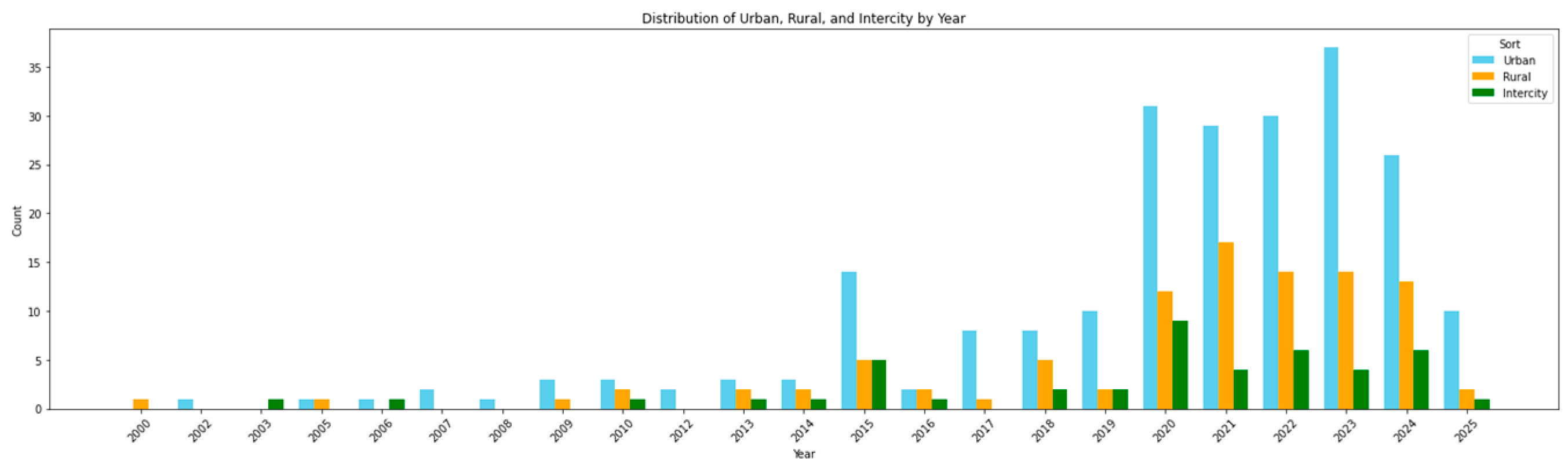
Figure 1. Sustainable operational conditions for DRT in different scenarios.
Systems 13 01080 g001
Figure 2. The annual number of publications classified by scenarios.
Systems 13 01080 g002
Figure 3. Heatmaps of real-world case applications in the three scenarios of DRT in different countries and regions.
Systems 13 01080 g003
Figure 4. The keyword association network of the relevant literature on DRT.
Systems 13 01080 g004
Figure 5. Document clustering analysis based on CiteSpace.
Systems 13 01080 g005
Figure 6. A comprehensive evaluation of DRT’s scenario-based performance.
Systems 13 01080 g006
Table 1. Comparative analysis of DRT policy frameworks across countries.
CountryPolicy CharacteristicsExamplesImplications for DRT Sustainability
GermanyStrong Government Subsidies;
Rural Service Support
Federal and State Subsidies for Rural DRT
(e.g., “Bürgerbus” programs)
Continuity in Low-demand Areas;
Stable Long-term Viability
FranceNational and Regional Subsidies;
Integration with Public Transport
Regional Councils Subsidize;
DRT Services Linked to Rail/Bus Networks
Promotes Multimodal Integration;
Accessibility in Peripheral Regions
United StatesMarket-driven;
Private Sector Innovation;
Flexible Local Regulation
Via, Uber Pilots in >300 Cities;
Local Governments Provide Regulatory Flexibility
Rapid Innovation and Expansion;
Depends on Private Investment;
Unstable Long-term Viability
CanadaMunicipal-level Support;
Emphasis on Rural Accessibility
Ontario and Quebec Rural DRT Pilots with Municipal FundingContinuity in Low-demand Areas; Limited Scalability without Subsidies
ChinaGovernment-led Pilots;
Integration with Smart City Initiatives
Beijing, Shenzhen DRT Pilots;
Subsidies for Technology-Driven Services
Strong Public Investment;
Potential for Large-scale Deployment
South KoreaHybrid Model;
Smart City and AI-driven Pilots
Seoul “Smart DRT” Projects;
Integration with MaaS Platforms
Balances Efficiency and Inclusivity;
Strong Technology Orientation
MalaysiaPublic–private Collaboration;
Technology-driven Pilots
Asia Mobility Project Integrating DRT with MaaSExpands Coverage in Multi-area;
Rapid Innovation and Expansion
Table 2. The operational models of DRT in urban scenarios.
SourceFactorObjectiveReal-Time
Performance
RouteScenes
Wu et al. [35] Fleet
Size
Realize the dynamic scheduling of fault risk perceptionReservation Request
+ Immediate Request
Semi-flexibleGuangzhou Higher Education Mega Center, Guangdong province, China
Kaufman et al. [36]Routing
Design
Improve efficiency and fairnessImmediate RequestSemi-flexibleExperimental Simulation
Wang et al. [37] Stop
Planning
Improve service coverage and reduce detoursImmediate RequestFlexibleSan Francisco
Wang et al. [38] Routing
Design
Make a trade-off between realizing route flexibility and curtailing excessive costsImmediate RequestSemi-flexibleXiong An, Hebei province, China
Lee et al. [39]Routing
Design
Divide the service area into zones to maximize the profit and minimize the detour time costReservation Request
+ Immediate Request
FlexibleChengdu, China
Zhou et al. [40]Fleet
Size
Optimizes the vehicle scheduling problem at a single time pointImmediate requestFlexibleExperimental
Simulation
Zhang et al. [41]Feeder Modes
Combination
Pedestrian-friendlyReservation Request
+ Immediate Request
Flexible
+fixed
Experimental
Simulation
Wang et al. [42] Service Zone
Identification
Minimize the average cost through optimizing service zone areas and associated headwaysImmediate RequestFlexibleCity of Calgary, Canada
Li et al. [43] Integrated
Optimization
Combine DRT’s strategy with high-speed railway timetablingReservation Request
+ Immediate Request
FlexibleExperimental
Simulation
Corazza et al. [44] Operating
Period
Analyzes the Sapienza Women’s stated preferences to design a women-reserved night serviceReservation RequestFlexibleSapienza’s Main Campus, Rome,
Italy
Kim et al. [45]Service Zone
Size
Optimize headway and service zone sizeImmediate RequestSemi-flexibleExperimental Simulation
Note: Reservations are defined as requests made more than 40 min in advance.
Table 3. Case studies of DRT in rural scenarios.
Key FactorDescriptionChallengesStrategiesCase Study
Built EnvironmentImpact of proximity to fixed-route infrastructureDispersed
population patterns
Flexible stop placementBrownsville, Texas
Policy SupportRole of policy incentives in DRT viabilityLimited
financial subsidies
Policy frameworks and institutional supportNew South Wales, Australia
Demand DensityInfluence of low population density on DRT demandLimited access to
conventional transit
Passenger–freight
integration
Velenje,
Slovenia
Operational FocusEmphasis on stop coverage and timingEconomic
constraints
Cost efficiency and
convenience
Moree,
Australia
Economic and Social BenefitsPrioritization of social benefits over profitInsufficient funding for
conventional transit
Enhancing social inclusion and accessibilityNorthumberland,
England
Table 4. The summary of DRT operating in multiple scenarios.
Scenario UrbanRuralIntercity
Operation ConditionsSimilaritiesBuilt Environment, Passenger Arrival Distribution, Demand Density
DifferencesFinancial Subsidy,
Information Technologies,
Shape of Service Areas
Legislative,
Financial Subsidy,
Shape of Service Areas
Information
Technologies
Operation ModelsSimilaritiesFleet Size, Time Schedule, Routing Design
DifferencesService Area,
Stop Planning,
Vehicle Capacity,
Travelling Speed
Stop PlanningVehicle
Capacity
Operation OutcomesSimilaritiesOperational Cost, Environmental Cost
DifferencesService Performance,
Funding Sources,
Fare,
Transport Equity,
Personalized Mobility
Funding Sources,
Transport Equity
Personalized
Mobility
Note: Key dimensions within the operational outcome framework include operational cost: Vehicle fleet size, operational mileage, and associated expenditures (economic benefit). Service performance: Costs incurred due to passenger delays, missed transfers, or ticket cancellations (economic benefit). Funding sources: Government subsidies (economic benefit). Fare structure: Ticket pricing and compensation policies (economic benefit). Environmental cost: Pollution reduction and resource efficiency (environmental benefit). Transport equity: Accessibility and fairness in service distribution (social benefit). Personalized mobility: Enhanced accessibility and individual user adaptability (social benefit).
Disclaimer/Publisher’s Note: The statements, opinions and data contained in all publications are solely those of the individual author(s) and contributor(s) and not of MDPI and/or the editor(s). MDPI and/or the editor(s) disclaim responsibility for any injury to people or property resulting from any ideas, methods, instructions or products referred to in the content.