


Abstract
At present, the construction of China’s shared manufacturing platform is developing rapidly. However, it is still in the stage of practical exploration, facing numerous challenges, such as difficulties in resource integration, immature business models, and a weak digital foundation. This paper takes Changzhou Zhiyun Tiangong’s “Super Virtual Factory” as an example, utilizing the grounded theory to conduct a case study on this shared manufacturing platform. Using a ‘condition-action-result’ framework, this paper explores the value co-creation (VCC) mechanism in a shared manufacturing ecosystem. We analyze how digital intelligence convergence (DIC) and supply chain collaboration (SCC) facilitate the digital intelligence transformation of consumption, production capacity, and products. The study finds that consumer insight, technological drive, government support, enterprise challenges, and the Changzhou home appliance industry cluster are the internal driving forces for the shared manufacturing ecosystem to carry out industrial ecological VCC; DIC and SCC are the two key elements for digital intelligence technology empowerment. Digital intelligence technology is empowered from three aspects—technology, resources, and structure—enabling organizational members with capability and authority while achieving “decentralization” of industrial chains. Finally, digital intelligence empowerment enables the shared manufacturing ecosystem to achieve VCC of the industrial ecosystem, thereby establishing a VCC model for the digital intelligence empowerment shared manufacturing ecosystem. The results of the study not only help enrich the theory of VCC in shared manufacturing platforms but also provide practical insights for the digital intelligence transformation of traditional manufacturing enterprises.
1. Introduction
Due to technological transformations and shifting market demands, traditional manufacturing enterprises have faced unprecedented challenges, leading to a growing recognition of the importance of sharing. Shared manufacturing is a new socialized manufacturing model that has emerged under the influence of the sharing economy. It can enhance the extent and scope of resource sharing through peer-to-peer collaboration, thereby enhancing the competitiveness of the manufacturing industry [1]. As a new type of manufacturing model, it relies on the industrial Internet platform to gather and allocate idle production capacity and resources, and completes product design and manufacturing through multistakeholder collaboration to improve resource utilization, reduce costs, and promote the sustainable development of manufacturing enterprises. The Third Plenary Session of the 20th CPC Central Committee proposed to support enterprises to transform and upgrade traditional industries with digital and green technologies and called for the promotion of high-end, intelligent, and green development in the manufacturing industry. Through the use of digital intelligence technology, Zhiyun Tiangong actively builds a “Super Virtual Factory” shared manufacturing platform, helping enterprises within the platform to carry out digital intelligence transformation in design, production, manufacturing, marketing, and other aspects, and realizing value co-creation (VCC) of multistakeholder in the shared manufacturing ecosystem.
In the context of breakthroughs in big data technology and artificial intelligence algorithms, more and more manufacturing enterprises are applying digital intelligence technology to different production scenarios, and as a result, a number of studies dedicated to digital intelligence empowerment in manufacturing have emerged. Existing results show that digital intelligence empowerment has a significant impact on the innovation and green transformation of manufacturing enterprises. Analyzing from the innovation dimension, Luo and Hu [2] pointed out that the application of digital intelligence technology in the manufacturing sector has transformed how enterprises approach service innovation, enabling greater value creation. Hou et al. [3] argue that product intelligence changes the traditional product service model by introducing intelligent technologies that enable products to have self-perception, control, and decision-making capabilities. This change promotes a shift from “product-oriented” to “service-oriented” and enables enterprises to achieve more efficient value creation through a data-driven approach. From the green transformation perspective, the enhanced role of digitalization in promoting corporate green transformation will gradually become more pronounced [4]. Currently, there is no lack of typical case studies of manufacturing digital intelligence empowerment. For example, BMW is able to identify manufacturing defects using an AI vision inspection system, which significantly improves the accuracy of product quality control [5]. However, existing research mainly focuses on the impact of digital intelligence technology on a single manufacturing enterprise, while the shared manufacturing ecosystem involves multiple participants, including manufacturers, suppliers, customers and platform operators, etc., and its complexity and dynamics impose higher demands on research into digital intelligence empowerment, so the current empirical research related to digital intelligence empowerment of shared manufacturing ecosystems is limited, and lacks thorough research on the case of a specific enterprise [6].
The sharing economy refers to the collaborative consumption of goods or services across society [7], which helps people obtain or provide access to goods and services through a collaborative peer-to-peer model [8] and has attracted considerable attention in various fields through online services [9]. In recent years, with the rise in the sharing economy and the development of digital technology, shared manufacturing ecosystems have gradually become a hotspot for manufacturing transformation. Traditional manufacturing faces various challenges, while business ecosystems, as a multilateral cooperation mechanism, provide a niche space for diverse commercial participants. This enables them to collaborate and connect within complex relationships and compete in a dynamic business environment [10]. Gao et al. [11] explored the collaborative governance of shared manufacturing ecosystems through a case study, emphasizing the design of the governance model based on a problem-solving perspective. Helo et al. [12] explored through multiple case studies how manufacturers collaborate within business ecosystems by utilizing different cloud-based portals. Li et al. [13] took Shenyang Machine Tool Group as an example. They built a shared manufacturing ecosystem through open innovation to promote the evolution of value network from “supply chain → cooperation → platform”, integrate idle resources and enrich embedded resources. In addition, research on the digital transformation of Taiwan’s traditional manufacturing industry has also shown that the innovation strategy model based on the ecosystem perspective can help traditional manufacturing enterprises meet the challenges of globalization and liberalization, and achieve value creation through cross-industry and cross-domain cooperation [14]. Overall, more and more scholars realize the importance of shared manufacturing ecosystems, and the research on shared manufacturing ecosystems has been gradually deepened. However, it still faces the dual challenges of theory and practice, especially in the VCC mechanism.
The rise in the platform economy has brought about a systemic shift in VCC models. Unlike value creation by individual enterprises, platforms integrate customers, partners, and stakeholders into a unified value creation process [15]. Current research on the processes and mechanisms of VCC within platform ecosystems primarily focuses on industrial internet, e-commerce platforms, and social media platforms [16,17,18]. Some scholars have analyzed the multi-objective behavior of VCC within platform ecosystems. For instance, Hao et al. [19] employed game theory to conduct an evolutionary game analysis of resource-sharing behavior among multi-objects in shared manufacturing ecosystems. Reviewing existing research reveals a scarcity of studies on VCC mechanisms in shared manufacturing ecosystems, particularly within the context of digital intelligence. Therefore, it is imperative to conduct in-depth theoretical and practical research on VCC in emerging platform ecosystems, specifically within the digital landscape.
Based on this finding, research on value co-creation mechanisms within digital intelligence empowerment shared manufacturing ecosystems requires further investigation. The environment and subject behavior of VCC of shared manufacturing ecosystems in the context of digital intelligence technology have changed, so it is necessary to deeply explore the deep mechanism of VCC of shared manufacturing ecosystems empowered by digital intelligence technology to unravel the internal logic of its VCC. This paper poses the following questions: What are the internal drivers motivating various stakeholders to join the shared manufacturing ecosystem in the context of digital intelligence? How do stakeholders leverage digital intelligence technology to interact and collaborate within the shared manufacturing ecosystem to achieve co-value creation? Digital intelligence technology has deeply penetrated every aspect of the shared manufacturing ecosystem, necessitating comprehensive research into the system as a whole. Furthermore, the advancement of digital intelligence technology has expanded the scope of resources accessible to enterprises. Therefore, this paper adopts a vertical single case study method. Based on complex systems theory and resource orchestration theory, it takes Jiangsu Zhiyun Tiangong’s “Super Virtual Factory” shared manufacturing platform as an example to explore how digital intelligence technology empowers shared manufacturing ecosystems to achieve value co-creation and constructs a theoretical model. Through this study, the black box of how the shared manufacturing ecosystem can realize VCC by using digital intelligence technology is opened, and the internal logic of matching VCC is clarified. This not only provides theoretical guidance for the digital intelligence transformation of small and medium enterprises, but also provides practical insights for China’s shared manufacturing to achieve high-quality development.
2. Literature Review
2.1. Research on Shared Manufacturing Platforms
A shared manufacturing platform is a new type of manufacturing platform, which is a new mode of new industry around the various aspects of production and manufacturing, according to the concept of open sharing of scattered, idle production resources gathered, flexible matching, dynamic sharing to the demand side. The theoretical foundation of shared manufacturing originates from the concept of the sharing economy. Benkler [20] first proposed the concept of “Shareable Goods” in 2004, emphasizing that idle resources can be efficiently reused through technology platforms. With the rise in industrial Internet technology, manufacturing enterprises have ushered in new development opportunities, using new technologies to connect equipment, systems, and people to realize the automation and intelligence of the production process. In recent years, the innovation of the shared manufacturing platform model has received widespread attention and national policy support, such as Tao Factory, which reduces the cost of small batch customization by connecting small and miniature manufacturing enterprises with e-commerce orders and aggregating fragmented production capacity [21], while the emergence of these platforms not only optimizes the allocation of resources, but also promotes the digital transformation of the manufacturing industry and the development of high quality.
Currently, research on shared manufacturing platforms focuses on two key areas: operation management and resource optimization, and allocation. Among them, operation management focuses on the daily operation and governance of shared manufacturing platforms, for example, Zhang et al. [22] investigated the behavior of productive service providers in disclosing quality information on the platform and its impact on manufacturers’ trust, as well as how platforms can design incentives to improve the level of information disclosure. Wang et al. [23] considered the dependency between the supply side and the demand side as well as multiple attributes of the enterprise to construct a model to maximize the global satisfaction of shared manufacturing platforms. In terms of resource allocation and optimization, Zhang et al. [24] analyzed how to deal with demand delays and optimize resource matching in different time periods in response to the inter-period matching problem. Cao et al. [25] explored how to optimize capacity utilization through order splitting and matching strategies in case of capacity supply and demand imbalance, and Cheng et al. [26] studied how to promote the high-quality development of the manufacturing industry by optimizing the allocation and use efficiency of resources in the supply chain. With the advancement of digital intelligence technology, various types of shared manufacturing ecosystems have emerged, with notable examples including Alibaba’s “Taofactory”, “Haier” and “i5 Machine Tools” [13,27]. However, the current research on shared manufacturing ecosystems is still relatively few, and how all stakeholders in the system can realize VCC through synergistic cooperation is yet to be studied in depth.
2.2. Research on the Impact of Digital Intelligence Technology on Shared Manufacturing
Digital intelligence technology integrates digitalization and intelligence. It transforms processes such as production, distribution, and consumption into data formats through digital means, achieving transparency and quantifiability. Intelligence, on the other hand, reconstructs data using emerging technologies like artificial intelligence, optimizes the allocation of resources, and enhances decision-making efficiency. With the rapid development of technology, data and intelligence have gradually become core factors of production, driving economic and social development [28], so that the manufacturing industry is also moving towards a higher level of intelligence and automation.
Digital intelligence technology innovation is an important driver of the high-quality development of manufacturing enterprises [29]. With the use of digital intelligence technology, it has three important effects on shared manufacturing. First, digital intelligence technology can optimize the allocation of manufacturing resources, improve resource utilization, and reduce waste, such as Guo et al. [30] proposed an intelligent manufacturing management system based on data mining, directly demonstrating the application of artificial intelligence in energy conservation and resource management, which contributes to refined management in the manufacturing sector. Secondly, digital intelligence technology enables end-to-end visibility across the entire supply chain, making the entire process from raw materials to finished products traceable and monitorable. For instance, digital twins—a resource technology that seamlessly bridges physical and cyberspace—are widely applied across numerous sectors [31]. Korean manufacturers leverage digital twin technology by dynamically integrating real-time sensor data with automatically generated 3D virtual factory models, enabling managers to intuitively monitor production line status and equipment operation [32]. Meanwhile, Saberi et al. [33] argue that blockchain technology ensures transparency, traceability, and security, effectively mitigating certain global supply chain management challenges. Finally, digital intelligence technology provides strong technical support for the innovation of product production and design, which promotes the development of new products and services, and also makes personalization and on-demand production possible, which meets the diversified needs of the market and enhances the customer experience. For example, Chen et al. [34] believe that digital intelligence technology can help enterprises accurately understand the potential needs of consumers and transform them into real needs. However, there is a lack of in-depth research on the underlying logic of how digital intelligence technology empowers the shared manufacturing ecosystem.
2.3. Research on VCC in Platform-Based Enterprises
Since entering the era of platform economy, VCC has been transformed from service-dominant logic and customer participation theory to ecological partnership-dominant value creation logic [35]. Under this new logic, VCC is no longer just an interaction between enterprises and customers, but involves the synergistic cooperation of multiple stakeholders, such as platforms, enterprises, users, suppliers. The process mechanism of VCC is a mechanism for creating value through communication, cooperation, and interaction with the participation of these multiple stakeholders. Prahalad and Ramaswamy [36] suggested that dialog, transparency, access, and risk-benefit are the four pillars of the mechanism of the VCC process, while subsequent studies by Donato et al. [37] in industrial innovation and Tchorek et al. [38] in the sharing economy have confirmed the key role of DART elements for co-creation sustainability. On this basis, Zhang et al. [39], using Xiaomi as an example, pointed out that the platform ecosystem revolves around a core enterprise for VCC, and also discussed the importance of the platform in value creation.
Platforms can create value by generating and leveraging economies of scope in supply and/or demand [40]. Therefore, more and more enterprises are building digital platforms, attracting more multistakeholder collaboration to join the platform, and realizing the VCC of all parties through collaboration. This not only helps to establish a good cooperative relationship and form a win-win ecosystem, but also enables enterprises to better meet the personalized needs of consumers, attract more consumers, and improve the competitiveness of the enterprise market. At present, the VCC of platform-based enterprises has received extensive attention from research scholars, and in addition to the concept and characteristics, its realization mechanism has also been studied. For example, Xiao et al. [41] took Meituan’s “Qingshan Plan” as the research object and explored the process mechanism of digital platform enterprises realizing social VCC through boundary crossing and collaborative innovation. Zhang et al. [42] emphasized the critical role of digital platforms in dual-value co-creation within a Stackelberg game framework, analyzing the mechanisms of value creation and value appropriation within platform alliances. Leone et al. [43] explored how artificial intelligence facilitates and enhances value co-creation in industrial markets through an exploratory case study of a healthcare ecosystem. And in the B2B platform ecosystem, Hein et al. [15] argued that platform-based enterprises achieve VCC with partners and customers by integrating complementary assets, ensuring platform readiness, and application-enabled servitization. According to existing research, VCC in platform-based enterprises mainly focuses on e-commerce and Internet platforms, while research on VCC in shared manufacturing platforms is still relatively scarce.
2.4. Research Review
There is no lack of research on shared manufacturing platforms, the impact of digital intelligence technology on shared manufacturing, and VCC of platform-based enterprises [22,31,43], but the research on how digital intelligence technology empowers VCC in shared manufacturing ecosystems requires further investigation, and there is a lack of case studies with a systematic and holistic perspective. Currently, the digital intelligence technology has run through all aspects of the shared manufacturing ecosystem, so it needs to be studied from a holistic perspective. For this reason, this paper applies the complex system theory and the resource orchestration theory to reveal the mechanism of VCC in the shared manufacturing ecosystem empowered by digital intelligence and constructs a theoretical model, which provides management insights for the sustainable development of shared manufacturing.
3. Research Design
3.1. Research Methods
The single-case study method can dissect intricate evolutionary processes and multi-agent interaction relationships, explaining the reasons and logic driving this value-sharing mechanism [44]. The specific reasons are as follows: ① The key question of this paper is to investigate “how” the shared manufacturing ecosystem realizes VCC by using digital intelligence technology, and to explore its underlying mechanisms. For research on such issues, a single case study can better ensure the detailed information and depth of the research [45]. Because a single case study can track and record the development process of a phenomenon, which aids in understanding its evolutionary mechanisms and clarifying its cause-effect relationships and internal logic. ② Compared with multiple case studies, the single case study helps to go deeper into the specific problem, and can better explore the intrinsic mechanism of VCC in the digital intelligence empowerment shared manufacturing ecosystem from a micro perspective. ③ The case selected for this study is typical, although Zhiyun Tiangong was established not long ago in 2021, as a platform enterprise in the growth stage, in recent years, its robust development provides valuable management insights for more enterprises to realize VCC.
3.2. Case Selection
Zhiyun Tiangong is a high-tech enterprise located in Changzhou City, Jiangsu Province, China, specializing in the field of intelligent manufacturing and industrial Internet, and is committed to providing customers with advanced solutions and technical support. Using digital intelligence technology, Zhiyun Tiangong, Jingdong Cloud, and Changzhou Mobile have joined hands to build a “Super Virtual Factory” for Changzhou City, which is a 5G + AI industrial manufacturing cloud platform. The “Super Virtual Factory” collaborates with multiple stakeholders to organize and scale up production activities in an orderly manner by means of consumer digital intelligence, production capacity digital intelligence and product digital intelligence, truly realizing the fusion of the industrial Internet and the consumer Internet, and thus realizing VCC among enterprises and between enterprises and consumers. As of December 2024, the platform has accessed 1873 production and manufacturing enterprises, 102,530 pieces of equipment, and transformed output value of 3.371 billion, forming a complex shared manufacturing ecosystem.
The main reasons for this paper to choose Zhiyun Tiangong as a single case study sample are: ① The case is very representative, the strength of Zhiyun Tiangong on the list of China’s top 100 industrial Internet in 2022, the enterprise’s “Super Virtual Factory” was selected as one of the fifth batch of the Ministry of Industry and Information Technology of the State Service-oriented manufacturing demonstration platforms (shared manufacturing category). ② “Super Virtual Factory” provides a whole chain of products and services, the integration of marketing, design, manufacturing, and the main customized small household appliances for consumers, and gradually realizes the original brand of industrial ecology. ③ Information on Zhiyun Tiangong is available, and the enterprise is developing rapidly due to the support it receives from the Changzhou government. So some of the enterprise’s press releases are easily accessible online, while the research team has been to the enterprise to conduct a careful study, yielding a large amount of interview data that can be used to conduct a study of VCC in the shared manufacturing ecosystem of the enterprise.
3.3. Data Sources
To ensure the credibility of the case study, this paper follows the “triangulation” requirements of qualitative research to collect data [46], using both primary and secondary data for research and analysis. The data sources and statistics are shown in Table 1. The source of primary data is mainly the interviews in the field, and the research team entered Jiangsu Zhiyun Tiangong Enterprise Limited in November 2024 to visit and conduct field research. We conducted a semi-structured interview with the platform manager lasting over 40 min. This semi-structured interview guide can be found in Appendix A. For this research, a total of 35 photos were taken, more than 40 min of audio were recorded, and more than 13,000 Chinese characters of interview data were organized. The secondary data were obtained from news reports, the official website of Zhiyun Tiangong [47], as well as the enterprise’s public website, and some public literature. The authenticity and timeliness of the collected data laid the foundation for ensuring the reliability of the results of this study.
Table 1.
The data sources and statistics.
4. Data Analysis
4.1. Open Coding
The first step is to label the original statements of the collected raw data, endow them with conceptualization, and then categorize the concepts of the same category to form initial categories. After initial coding, this paper combines the collected raw data with NVivo14 Release 14.23.3(61) to define and conceptualize its classification, and extracts a total of 218 initial concepts, 29 initial categories, which are excerpted for some typical open coding contents, see Table 2. You can find the complete form in the Supplementary Materials.
Table 2.
Open coding (excerpt).
4.2. Axial Coding
Based on open coding, the concepts summarized are categorized and integrated to form the initial category, and then the main category is further refined. Closely focusing on the “cause and effect” of the research problem, we adopt the “condition-action-result” model commonly used in causality research to analyze the main category in depth, to grasp the whole process of the development of the event. The “condition-action-result” model is commonly used in causality research. Through the above coding method, the 29 initial categories formed in the previous stage were summarized into 11 main categories, and the results are shown in Table 3.
Table 3.
Axial coding and examples of evidence.
4.3. Selective Coding
On the basis of the completion of the axial coding, the main category is further discussed to obtain four core categories, and the relationship between the categories is sorted out to link up the storyline between them. The “Super Virtual Factory” of Zhiyun Tiangong is explained as a mechanism to promote the digital intelligence transformation of consumption, production capacity, and products through digital intelligence convergence (DIC) and supply chain collaboration (SCC) to realize industrial ecological VCC, as shown in Figure 1.
Figure 1.
Selective coding structure.
4.4. Theoretical Saturation Test
Theoretical saturation is reached when no new codes or categories are found in the data that will add to the emerging theory [48]. To ensure the reliability of this study, the original 20% of the reserved source material was coded following the same steps, and no new concepts and categories were found. Therefore, the conclusion of this paper that adopts the grounded theory to study the shared manufacturing ecosystem to realize industrial ecological VCC through DIC and SCC reaches theoretical saturation.
5. Case Study
5.1. Internal Driving Forces for Multiple Stakeholders to Join the Platform
In today’s rapidly evolving and increasingly competitive business environment, the deep integration of consumer and industrial internet is inevitable. Zhiyun Tiangong has keenly identified the new trends in the future development of manufacturing enterprises and has partnered with JD Cloud and Changzhou Mobile to create the “Super Virtual Factory”, a 5G + AI industrial manufacturing cloud platform. To ensure the platform operates in a coordinated and orderly manner, achieving the integration of consumer and production data to form a comprehensive database, collaboration among multiple stakeholders is indispensable. Whether between the platform and its partner enterprises, or with suppliers, consumers, and others, all must participate in this shared manufacturing ecosystem. As a newly created platform, how did Zhiyun Tiangong attract so many participants to join the “Super Virtual Factory” and collaborate on production? The internal drivers for participants to join this shared manufacturing ecosystem mainly include consumer insight, technological drive, government support, enterprise challenges, and the Changzhou home appliance industry cluster. These internal drivers not only promote resource sharing and collaboration among multiple stakeholders but also bring opportunities for innovation and digital intelligence transformation to the entire manufacturing.
Consumer insight is the use of “big data analysis + artificial intelligence” to collect, analyze, and utilize consumer data to better meet their needs and preferences. As a well-known domestic e-commerce platform, JD.com has a huge amount of consumer data, including purchase records and user reviews, which it provides to Zhiyun Tiangong. As a platform-based enterprise, Zhiyun Tiangong first uses an intelligent new product innovation engine to analyze consumer behavior characteristics and form visual analysis reports to help understand consumers’ personalized and customized needs, thereby designing new products. Then, using an intelligent product selection evaluation engine, based on consumer data, an algorithm model automatically evaluates and scores products from multiple dimensions, including market power, productivity, and product strength. The higher the score, the more popular the product is with consumers, allowing enterprises to scientifically select products based on consumer demand. Zhiyun Tiangong uses consumer insights to help enterprises select and create products, adapt to the ever-changing market environment, and maintain sustainable competitiveness.
“Through deep collaboration with major internet enterprises, we gain consumer insight and leverage AI and big data capabilities to understand consumers’ preferred products. This information is then translated into product definitions, effectively supporting early-stage design and decision-making”.(quotation from a5)
Technological drive is the core driver of digital intelligence transformation for enterprises. Any enterprise seeking to stand out in a highly competitive market environment requires technological support. In recent years, the Chinese government has strongly supported the application of big data and artificial intelligence. Through the deep integration of digital intelligence technologies, the manufacturing industry can achieve the practical application of core technologies, enhance production efficiency and product quality, and accelerate the transformation and upgrading of manufacturing enterprises toward digitalization, networking, and intelligence. As a promoter of high-quality development in the home appliance industry, Zhiyun Tiangong relies on its “Super Virtual Factory” platform to make full use of cutting-edge technologies such as industrial artificial intelligence and big data analysis. With the help of a series of core intelligent engine tools, it can help small and medium-sized enterprises achieve digital intelligence transformation.
“This division of labor and collaboration leverages 5G + AI technology to assist specific enterprises in achieving digital intelligence transformation across design, production, manufacturing, and marketing processes”.(quotation from a16)
The government supports the creation of a shared manufacturing platform to make small and medium-sized enterprises aware of future development opportunities. In order to solve the difficulties of small and medium-sized enterprises in digital intelligence transformation, the Changzhou government has conducted extensive research and, based on the advantages of the local information industry, has helped Zhiyun Tiangong build a “Super Virtual Factory”. In order to get the platform up and running, the government has taken a series of measures, not only introducing a professional operation team through the purchase of services, but also providing enterprises with innovative methods, means, and ideas. At the same time, the Changzhou government also provides financial support for the development of Zhiyun Tiangong and guides small and medium-sized enterprises to join the platform and participate in cooperation through policies.
“Government departments in Changzhou, Jiangsu Province, conducted extensive research on this matter and decided to leverage the local information industry’s strengths to build an open industrial big data platform, thereby driving the intelligent and digital transformation of manufacturing”.(quotation from a21)
Enterprise challenges have prompted them to adopt innovative response strategies, such as upgrading technology, optimizing supply chain management, and increasing investment in research and development to enhance competitiveness. However, for small and medium-sized enterprises, this undoubtedly requires significant investment in talent and capital. Therefore, these enterprises can leverage the assistance of shared manufacturing platforms to achieve digital intelligence transformation and enhance their market competitiveness. The pandemic and US-China trade tensions have created various challenges for businesses, including rising raw material and shipping costs and supply chain disruptions. This has put immense cost pressure on small and medium-sized enterprises, which lack the funds to undertake digital intelligence transformation. At the same time, the idle capacity rate of traditional manufacturing industries is high. As of the third quarter of 2024, the idle capacity rate of the manufacturing industry was approximately 24.9%. It is precisely because small and medium-sized enterprises face such difficulties that, in order to enhance their core competitiveness and promote sustainable development, they must achieve supply chain resource optimization and cost reduction through digital intelligence transformation.
“In stark contrast to the booming consumer market, traditional manufacturing industries grapple with the dilemma of ‘surplus capacity’. Many factories are still fighting tooth and nail for orders, even resorting to price wars”.(quotation from a43)
There are many enterprises in the Changzhou home appliance industry cluster, covering the entire industrial chain from raw material supply to parts manufacturing to complete machine production, with strong supporting capabilities. This provides rich cooperation opportunities and resource support for multiple stakeholders to join the platform, laying a solid industrial environment foundation that enables manufacturing enterprises to significantly shorten procurement cycles and reduce various product costs. Different manufacturing enterprises often focus on single production processes and product components, as different enterprises have different leading skills. The platform can match orders and share production capacity based on each enterprise’s strengths. This specialized division of labor not only improves production efficiency and product quality but also helps to establish uniform standards for the product production process. Once these standards are established, they will be widely adopted by enterprises within the cluster, thereby improving the degree of industrial standardization. At the same time, it is precisely because of the concentrated distribution of the home appliance industry in Changzhou that there is severe overcapacity. The emergence of “Super Virtual Factories” can solve this problem of mismatch between supply and demand, achieving precise and intelligent matching of orders and production capacity.
“Changzhou Wujin National Hi-Tech Industrial Development Zone, designated as a pilot cluster for robotics and intelligent equipment innovation by the Ministry of Science and Technology, encompasses a complete industrial chain ranging from key components to finished equipment manufacturing and system integration”.(quotation from a43)
5.2. Technology Empowerment Breaks Down the Boundaries of Traditional Manufacturing Enterprises
The advent of the digital intelligence era has led to the application of digital intelligence technology in various fields. For the manufacturing industry, in order to achieve digital intelligence transformation and break the boundaries of traditional manufacturing enterprises, it is necessary to empower the entire process of product manufacturing with digital intelligence technology. It is clear that the vast majority of small and medium-sized manufacturing enterprises are facing unprecedented opportunities and challenges. However, as a leader in “Super Virtual Factory”, Zhiyun Tiangong can help enterprises optimize their entire processes, break down information barriers between enterprises, and improve the accuracy and efficiency of decision-making through cross-enterprise and cross-regional data analysis and sharing, leveraging its powerful data integration capabilities. At the same time, Zhiyun Tiangong uses smart manufacturing technology to help enterprises automate, intelligentize, and flexibilize their production processes, transforming production methods from large-scale manufacturing to small-batch personalized customization. Technology empowerment drives traditional manufacturing enterprises to reshape their production boundaries, giving new vitality to sustainable development and transforming from closed production to open ecosystems.
Technology empowerment focuses on leveraging the platform’s advanced digital intelligence technology to provide manufacturing enterprises with advanced digital services and production equipment. Zhiyun Tian Gong possesses robust data integration capabilities, enabling it to collect data from diverse sources through various channels. This primarily includes manufacturing enterprises’ production capacity data and consumer market demand data. This data is then uploaded to the BI platform for integration, enabling visual analysis of the data and optimization of production processes. However, due to the wide range of data sources and large volume of data, the cost of computing power is high, which is impossible to achieve with traditional networks. To tackle this major challenge, Zhiyun Tiangong partnered with Changzhou Mobile to establish a base station within the factory premises. Leveraging 5G technology, they achieved seamless data transmission throughout the facility, enabling efficient data transfer while significantly reducing computational costs.
“Currently, the ‘Super Virtual Factory’ has integrated production capacity data from over 1000 enterprises across 18 regions, connecting more than 70,000 pieces of equipment”.(quotation from a89)
The rapid advancement of artificial intelligence has brought disruptive changes to manufacturing processes. For instance, deep learning models can now analyze real-time sensor data to predict product defects before they occur [49], while reinforcement learning algorithms autonomously optimize process parameters to maximize yield rates [50]. At the same time, Zhiyun Tiangong also provides low-embedded solutions, intelligently renovates factories, vigorously invests in the use of robots, and monitors the entire product production process in real time, thereby achieving automated and intelligent production. To help small and medium-sized enterprises reduce the cost of digital intelligence transformation, Zhiyun Tiangong has developed and designed a set of step-by-step products and solutions, Factory Management Master, which allows factories to start projects at a very low cost. After confirming the return on investment, they can gradually carry out digital intelligence transformation and upgrading according to their own further needs.
“Through a camera, I captured footage of him—his movements during the process, his work rhythms—to observe his daily workflow at each workstation, such as the process of assembling this equipment”.(quotation from a124)
The integration of digital and intelligent technology enables traditional enterprises to achieve interoperability of data and smart devices, breaking down the boundaries of conventional manufacturing enterprises. Zhiyun Tiangong leverages robust data integration capability to assist enterprises in analyzing and processing data, thereby enhancing organizational members’ decision-making and analytical abilities. When vast amounts of unstructured data are processed and transformed into visual reports, organizational members gain visibility where none existed before. This naturally enables them to make more precise decisions based on these data insights. Advanced smart manufacturing technology provides enterprises with intelligent equipment. When organizational members proficiently utilize these intelligent devices, collaboration capability is enhanced. Even if this technology does not replace human workers, it liberates employees from complex and arduous physical labor, thereby improving production efficiency and product quality. Technology empowerment serves as the foundation, granting organizational members unprecedented capability—capability that forms the basis and prerequisite for authority.
5.3. Resource Empowerment Builds a Collaborative, Networked Supply Chain Ecosystem
Resource orchestration theory emphasizes the coordination between various resource management processes, which is particularly evident in SCC mechanisms. The realization of SCC mechanisms relies on enterprises’ flexible orchestration and efficient utilization of resources throughout the entire process of design, product production, manufacturing, and marketing. At this point, the supply chain is no longer a single linear structure, but a multi-node, multi-directional networked ecosystem. Information and resource sharing mechanisms are another key factor in building a SCC networked ecosystem. Such sharing mechanisms not only enable the digitization of resources and transparency of information but also enhance the resilience of the supply chain to address external shocks collectively.
On the one hand, in order to achieve resource sharing, coordination mechanisms between enterprises are a prerequisite. Only when all enterprises in the supply chain cooperate and trust each other can different resources be used more effectively. First, through consumption coordination, enterprises can analyze consumer behavior and preferences based on historical purchase data, behavioral data, and evaluation data provided by e-commerce platforms such as JD.com. Based on this, Zhiyun Tiangong can intelligently select and create products, offering consumers personalized product customization services. Next, Zhiyun Tiangong attracted a large number of manufacturing plants by offering incentives for orders, convincing them to install sensors and data collection modules on their production equipment. These devices upload large amounts of data generated during the production process to the data platform, which integrates and labels the surplus production capacity to form visualizable production capacity data. This allows factories to publish information about their idle equipment and production lines on the platform, and other enterprises can rent or purchase these production capacity resources according to their own needs. Finally, the small household appliances designed to meet consumer needs are disassembled into independently producible sub-components. Combining this with production capacity data, production requirements are intelligently matched to the most suitable manufacturing enterprises in the form of orders. These manufacturers then collaborate to execute the entire production process, as shown in Figure 2.
Figure 2.
New Flexible Production Model.
“The ‘Super Virtual Factory’ aggregates consumer purchasing demands in the cloud by directly linking various online and offline channels, consolidates orders on the platform, and centrally dispatches them to factories”.(quotation from a69)
On the other hand, the information and resource sharing mechanism also promotes better collaboration among enterprises. Enterprises can share real-time production data from their workshops and access management quality reports. When an anomaly occurs in a particular process, alerts can be promptly sent to relevant enterprises, prompting them to take corresponding risk mitigation measures. Additionally, when an enterprise faces a surge in orders leading to insufficient production capacity, it can borrow expensive production equipment from other enterprises.
“Brands can also access real-time production data and quality management reports from the workshop online, enabling efficient and transparent end-to-end management of the factory”.(quotation from a180)
Zhiyun Tiangong aggregates dispersed and idle manufacturing resources through resource empowerment, enabling their flexible matching and dynamic sharing with demand parties. This enhances the utilization efficiency of production resources, reduces idle capacity, and expands effective supply. Through technology empowerment, organizational members acquire foundational capability to participate in the entire product lifecycle—from production and design to manufacturing and marketing—via collaborative mechanisms. This enables the sharing of information and resources. It disrupts traditional authority structures, systematically and selectively distributing power—previously concentrated among middle and senior management—to every member. If technology empowerment forms the foundation for the shared manufacturing ecosystem’s development, resource empowerment facilitates mutual exchange and collaboration among stakeholders. This helps the ”super virtual factory” establish a networked ecosystem for SCC, achieving a transformation from rigid production models to flexible new production models.
5.4. Structural Empowerment Accelerates the Transformation and Upgrading of the Home Appliance Industry
Traditional manufacturing supply chains are often centered around a few large enterprises, relying on hierarchical management and centralized resource allocation. This model typically involves significant information asymmetry. However, with the intervention of digital intelligence technology, the ”Super Virtual Factory” has disrupted the traditional centralized organizational logic through distributed collaboration models, driving the restructuring of industrial chains toward decentralization. This has enabled the full digital intelligence transformation process—from consumption and production capacity to products—as illustrated in Figure 3.
Figure 3.
The entire process of digitalization and intelligence in the industrial chain.
Throughout the network ecosystem, DIC and SCC work together and promote each other. Through a distributed collaboration model, they affect the entire home appliance industry chain. DIC enhances the synergistic effects of the supply chain and promotes the sharing of information and knowledge throughout the ecosystem, providing strong technical support for SCC. SCC can serve as a catalyst for DIC by promoting cooperation and information exchange between enterprises, accelerating the innovation and application of digital intelligence technologies. Since shared manufacturing platforms involve multiple stakeholders and dynamic changes in supply and demand, it is difficult to find a fixed and static profit distribution mechanism. Based on this, Zhiyun Tiangong adopts an order-driven dynamic distribution model, which is dynamically adjusted according to the specific requirements of the order and the actual contribution of the factory. For example, factories obtain corresponding profits based on the completion of orders, while the platform obtains service fees through matchmaking transactions and providing technical support.
“This depends on the specific model we’re working with. Take Weibo, for instance—if I’m only providing design services, and they already have their own production capabilities, then I’m essentially just a designer for them. My compensation would consist of a platform fee plus my service fee”.(quotation from a75)
Structural empowerment has accelerated the transformation and upgrading of Changzhou’s home appliance industry. It has truly adopted a consumer-centric approach, progressively empowering businesses through personalized demand-driven solutions. This enables precise alignment between consumer demand and production capacity, achieving deep integration between the “consumer internet” and “industrial internet”. It drives the digital intelligence transformation of consumption, production capacity, and products. When resource empowerment has brought about a revolutionary shift in the authority structure of traditional manufacturing enterprises, it has granted more small- and medium-sized enterprises greater voice and decision-making authority. Structural empowerment fosters a virtuous cycle within the network ecosystem, reshaping organizations and dismantling the centralized governance models of traditional enterprises. This enables various stakeholders to achieve a degree of autonomous governance, spontaneously driving the development of decentralized industrial chains.
Zhiyun Tiangong empowers the “Super Virtual Factory” through three dimensions: technology, resources, and structure, as shown in Figure 4. From a technological perspective, Zhiyun Tiangong actively explores and implements new technologies, continuously enhancing data integration capability and smart manufacturing level, and applying these innovations across diverse scenarios. This enhances the comprehensive capability of organizational members across all aspects, enabling them to adapt to an ever-changing environment. From a resource perspective, Zhiyun Tiangong facilitates the establishment of robust collaborative relationships among stakeholders through coordination mechanisms and the sharing of information and resources, thereby building a networked ecosystem. At this point, organizational members are granted corresponding authority to ensure the rational allocation of resources. Structurally, the ecosystem’s development relies on the mutual reinforcement of DIC and SCC, alongside dynamic benefit-sharing mechanisms. This propels the entire home appliance industry toward a “shared intelligent manufacturing” transformation characterized by the digital intelligence of consumption, production capacity, and products.
Figure 4.
Empowerment path of “Shared Intelligent Manufacturing”.
From the perspective of dual empowerment of digital intelligence technology, capability enhancement focuses on the development of the capabilities of organizational members to adapt to a constantly changing environment, while authority distribution focuses on the distribution of authority within the organization to ensure the rational allocation of resources. Digital intelligence empowerment has enhanced these capabilities, changing traditional business models, and traditional hierarchical structures are being replaced by more flexible and open structures. “Super Virtual Factory” break through geographical and physical limitations on production, organize and scale up the entire production process in a planned manner, and integrate and apply new-generation digital intelligence technologies and methods such as artificial intelligence, machine vision, big data analysis, and consumer data insights to empower both capabilities and authority. The two mutually reinforce each other: as organizational members enhance their capabilities, they may be granted greater authority; conversely, increased authority can also stimulate continuous improvement in their own abilities. Digital intelligence technology not only elevates the capabilities of organizational members but also expands their authority, fostering an open, free, collaborative, and win-win ecosystem, as shown in Figure 5. It can digitize existing manufacturing capacity and consumer demand, release them simultaneously, coordinate and balance capacity utilization, and produce high-quality products for the consumer market.
Figure 5.
VCC model for a digital intelligence empowerment shared manufacturing ecosystem.
5.5. Realizing VCC in the Industrial Ecosystem
As a hub for the home appliance industry, Changzhou has a superior geographical location, a complete set of industrial clusters, abundant technical talent resources, and strong government support, all of which have laid a solid foundation for the success of Zhiyun Tiangong. To actively respond to the digital intelligence transformation and upgrade of the home appliance industry, Zhiyun Tiangong has gathered a large number of home appliance manufacturing enterprises to meet consumer demand. Relying on the “Super Virtual Factory”, it has established a shared manufacturing ecosystem for the home appliance industry cluster. It utilizes DIC technology and supply chain collaborative management to empower enterprises in terms of technology, resources, and structure, thereby realizing VCC between enterprises and consumers in the industrial ecosystem.
5.5.1. VCC Among Enterprises
The “Super Virtual Factory” empowers the entire industrial chain through digital intelligence technology, helping traditional manufacturing industries transform and upgrade to digital intelligence and achieve VCC among enterprises. Enterprises no longer exist in isolation or competition as before, but are able to give full play to their respective advantages, collaborate to complete the entire product production process, and create products that meet market demand, thereby maximizing value. Next, we will analyze how Zhiyun Tiangong uses digital intelligence technology to help these enterprises achieve value, mainly from the perspectives of capacity sharing, supply chain optimization, and synergistic symbiosis.
Zhiyun Tiangong relies on the industrial Internet platform to build a closed chain for production capacity trading, realizing the sharing of regional production capacity among enterprises. By using digital intelligence technology to aggregate and “tag” the surplus production capacity of factories within a region in the cloud, and then “decomposing” the production processes of products based on industry demand, production requirements are precisely dispatched to the corresponding factories in the form of “orders”. This achieves a match between supply and demand, enabling manufacturing enterprises nationwide with the intention to participate to engage in cross-regional production capacity sharing through this platform. This effectively improves the utilization rate of idle production capacity and significantly reduces resource waste.
“Zhiyun Tiangong will further accelerate the construction of a new intelligent manufacturing platform characterized by cross-regional integration, coordinated production capacity, and digital intelligence. This initiative will rapidly expand its business footprint, enabling global consumer markets to benefit from China’s high-quality production capabilities. It will enhance the competitiveness of the industrial chain and fundamentally promote industrial upgrading and transformation”.(quotation from a191)
From product design, production, and manufacturing to marketing, through digital intelligence empowerment, multiple stakeholders can cooperate and coordinate their work to quickly and effectively aggregate regional production capacity, optimize and upgrade the production capacity structure, and achieve industrial structure transformation and upgrading. Through the sharing of production capacity, resource allocation is maximized, helping enterprises to fully utilize their surplus production capacity. In addition, the “Super Virtual Factory” connects various online and offline channels directly, aggregating consumer purchasing demands in the cloud, consolidating orders on the platform, and uniformly dispatching them to factories, thereby streamlining the industrial chain and supply chain. From the consumer end to the production end, it achieves precise matching between consumer demand and product design, monitors real-time consumer data, and enables swift response to unforeseen circumstances, thereby reducing costs, enhancing efficiency and resilience throughout the process, and optimizing the manufacturing supply chain.
“It has enabled the entire industrial cluster to achieve comprehensive coordination of all factors, synergy across the entire industrial chain, and optimization throughout the entire value chain”.(quotation from a193)
Digitalization has strengthened coordination and comprehensive utilization of production capacity among enterprises, enabling cross-regional, cross-enterprise, and cross-production line collaboration to ensure efficient allocation of production resources, reasonable planning of production capacity, and close coordination of production schedules. Enterprises engage in coopetition to meet consumer needs, share resources, and jointly bear risks, thereby forming a symbiotic relationship within the ecosystem. This coopetition fosters resilience, enhancing the ecosystem’s ability to adapt and recover from market disruptions. Therefore, unlike traditional manufacturing enterprises in the past, which were merely competitors, they now function as cooperative and mutually beneficial partners. Through cooperation between enterprises, they create value that was previously unimaginable.
“Through integration and being integrated, we advance the ecological division of labor, achieve complementary value with partners, serve customers, and realize synergistic win-win outcomes.”(quotation from a220)
5.5.2. VCC Between Enterprises and Consumers
Of course, in addition to helping enterprises create enormous economic value, “Super Virtual Factory” also enable enterprises and consumers to achieve a win-win situation. In the era of digital intelligence, competition is becoming increasingly fierce, and more and more enterprises are realizing that they cannot just stop at providing a specific product or service, but must also meet the personalized needs of consumers. Therefore, most enterprises have begun to focus on consumer demand and incorporate it throughout the entire product production process, truly involving consumers and putting them first. For platforms and enterprises, this allows them to better understand the current market situation, make more accurate management decisions, and further improve efficiency and reduce costs.
“In recent years, products have returned to delivering value and connecting with genuine consumer needs”.(quotation from a184)
The “Super Virtual Factory” breaks through geographical and physical constraints in production. It integrates next-generation digital and intelligent technologies and methods—such as artificial intelligence, machine vision, big data analytics, and consumer data insights—to systematically organize and scale up the entire production process. Through the above research on Zhiyun Tiangong’s “Super Virtual Factory” digital intelligence empowerment to achieve the entire process of VCC, this paper finds that in the shared manufacturing ecosystem, the increasingly developing environmental conditions have made digital intelligence transformation the key to the sustainable development of today’s enterprises. When multiple stakeholders perceive this shift, they autonomously flock to shared manufacturing platforms, seeking to leverage them for digital intelligence transformation and upgrading. Zhiyun Tiangong leverages its “Super Virtual Factory” to implement advanced digital intelligence technology in real-world scenarios, providing enterprises with one-stop solutions that transcend traditional corporate boundaries. Through coordination and sharing mechanisms, it fosters collaboration across the supply chain, bridges information gaps, optimizes resource allocation, and builds a networked ecosystem. Structural empowerment emphasizes the synergy between DIC and SCC, alongside rational profit-sharing mechanisms that accelerate industrial transformation and upgrading. This helps build a “shared intelligent manufacturing” ecosystem where consumption, production capacity, and products undergo digital intelligence transformation. Within this ecosystem, all stakeholders compete and cooperate, collectively creating value across the entire industrial ecosystem. In response to the above, this paper constructs a digital intelligence empowerment shared manufacturing ecosystem VCC model, as shown in Figure 5.
6. Discussion
Regarding shared manufacturing ecosystems, existing research has predominantly focused on the platforms themselves, progressively expanding from macro-level shared manufacturing models and characteristics to micro-level capacity optimization and production scheduling [51]. Although some scholars have applied game theory to analyze multi-object resource sharing behaviors within shared manufacturing ecosystems [19], they often overlook the underlying mechanisms of how stakeholders interact and collaborate to achieve VCC. Therefore, this study uses the “Super Virtual Factory” as a case study to specifically analyze the VCC behaviors of various stakeholders. Numerous studies have demonstrated the positive impact of digital intelligence technology on shared manufacturing. This research also emphasizes the pivotal role of digital intelligence technology in platform development, analyzing its enabling mechanisms from an empowerment perspective to supplement and refine existing research. Current literature on VCC mechanisms primarily centers on a single core platform enterprise [39], necessitating a systematic deconstruction of the complex VCC process. Consequently, most studies adopt exploratory theoretical frameworks through case studies. This study conducts an in-depth single-case analysis of VCC within shared manufacturing ecosystems under the context of digital intelligence, thereby advancing research on value co-creation within platform-based enterprises.
Undeniably, the advancement of digital intelligence technology has propelled continuous innovation in shared manufacturing models, driving their evolution toward the ecosystem model. While this trend presents unprecedented opportunities for traditional manufacturing enterprises, the development of shared manufacturing ecosystems currently faces numerous difficulties and challenges [52]. These include balancing the interests among platform participants, ensuring data privacy and security, and enhancing the willingness to co-create value. Therefore, future efforts must involve case-by-case analysis of specific issues within the shared manufacturing ecosystem, providing theoretical support and practical guidance for the sustainable development and optimization of this model.
7. Research Conclusions and Outlook
This paper uses a single case study method to conduct a qualitative analysis of Zhiyun Tiangong, explore how the shared manufacturing ecosystem achieves VCC through digital intelligence technology, and construct a VCC model for the digital intelligence empowerment shared manufacturing ecosystem. The following conclusions were reached: ① Consumer insight, technological drive, government support, enterprise challenges, and the Changzhou home appliance industry cluster are the internal driving forces for the shared manufacturing ecosystem to carry out industrial ecological VCC. Currently, Changzhou is home to a large number of home appliance manufacturers, resulting in intense competition. Enterprises face numerous challenges, and digital intelligence transformation has become a necessary condition for the sustainable development of manufacturing enterprises. In recent years, with the development of big data and artificial intelligence technologies, an increasing number of manufacturing enterprises have begun to focus on meeting consumers’ personalized needs, gaining insights into consumer demands, and creating high-quality products that better align with consumer preferences, thereby achieving precise alignment between the consumer end and the production end. At the same time, the government has recognized the importance of digital intelligence transformation for manufacturing enterprises and has actively supported small and medium-sized enterprises to help them address the challenges of traditional manufacturing. It is precisely this external environment that has driven various stakeholders to collaborate in building a shared manufacturing ecosystem, achieving mutual benefit and win-win outcomes across the entire supply chain. ② DIC and SCC are two key elements of digital intelligence technology empowerment. Zhiyun Tiangong uses intelligent manufacturing and data integration to transform manufacturing enterprises into digital and intelligent ones, empowering the entire industrial chain process. Through collaborative mechanisms, it shares resources and information and shares risks to achieve collaborative supply chain management. This not only brings more economic benefits to enterprises but also connects more ecosystem partners, bringing true production and sales collaboration and intelligent supply chains to enterprises and achieving a more efficient digital transformation. ③ Digital intelligence technology is empowered from three aspects—technology, resources, and structure—enabling organizational members with capability and authority while achieving “decentralization” of industrial chains. This drives the digital intelligence transformation of consumption, production capacity, and products.
This paper uses a single case study method to study Zhiyun Tiangong, applying complex system theory and resource orchestration theory to view the shared manufacturing ecosystem as a complex system, and comprehensively studying the VCC mechanism of the digital intelligence empowerment shared manufacturing ecosystem. The main theoretical contributions are as follows: ① We expanded the theoretical connotation of the shared manufacturing ecosystem. Through the introduction of digital intelligence technology, the interactive relationships and VCC paths between various stakeholders in the shared manufacturing ecosystem have been further clarified, enriching the connotation of the shared manufacturing ecosystem theory. From the perspective of complex system theory, the complexity, self-organization, and dynamic evolution characteristics of the shared manufacturing ecosystem under digital intelligence empowerment have been revealed, providing a new theoretical basis for understanding its overall behavior. ② We propose a new conceptual model. Against the backdrop of digital intelligence technologies, a novel model for value co-creation within shared manufacturing ecosystems has been introduced, clarifying the role of digital intelligence elements such as data, algorithms, and platforms in VCC. We focused not only on VCC between core enterprises, but also emphasized the collaborative co-creation of multiple stakeholders, expanding the scope of VCC. ③ Providing theoretical support for high-quality development in the manufacturing industry. Researching the VCC mechanism of the digital intelligence empowerment shared manufacturing ecosystem provides a theoretical basis for the transformation of the manufacturing industry from traditional manufacturing to intelligent manufacturing and service-oriented manufacturing, which helps promote high-quality development in the manufacturing industry. Through digital intelligence technology empowerment, the shared manufacturing ecosystem can achieve efficient use of resources and collaborative innovation, thereby enhancing the competitiveness of the entire industry.
In terms of research methods, this paper relies on a single case study; therefore, the findings may be limited in their generalizability. Future research may consider using multiple case study methods to further explore and verify the process relationship mechanism, with a view to obtaining more universal and in-depth research results. Furthermore, this study is a single case study conducted within the context of a specific industrial cluster and strong government support. It may not be applicable under different conditions, thus presenting limitations for other cases. Future research could explore shared manufacturing platforms in other contexts. Finally, this paper mainly focuses on the digital intelligence empowerment of the shared manufacturing ecosystem. In the future, we can also study the VCC mechanism of digital intelligence empowerment in other ecosystems to improve the theory of VCC.
Supplementary Materials
The following supporting information can be downloaded at: https://www.mdpi.com/article/10.3390/systems13110969/s1.
Author Contributions
Conceptualization, Y.P.; Methodology, H.Z.; Software, Y.P.; Validation, Y.P.; Formal analysis, Y.P. and H.Z.; Investigation, Y.P. and H.Z.; Resources, H.Z.; Data curation, Y.P.; Writing—original draft, Y.P.; Writing—review & editing, Y.P. and H.Z.; Supervision, H.Z.; Funding acquisition, H.Z. All authors have read and agreed to the published version of the manuscript.
Funding
This project was funded by the National Social Science Fund, Project No. 24BGL307.
Data Availability Statement
The original contributions presented in this study are included in the article and Supplementary Materials. Further inquiries can be directed to the corresponding author.
Conflicts of Interest
The authors declare no conflicts of interest.
Appendix A. Guide to Semistructured Interviews
Duration: On average 40 min.
Type of Interview: Semistructured.
Process:
Step 1: The management team at Zhiyun Tiangong guided us through the company’s facilities and provided a brief overview of the company’s basic operations via a large screen.
Step 2: Based on the manager’s introduction, we posed several specific questions. The manager then responded to our related inquiries accordingly.
Step 3: The company’s management provided us with a detailed introduction to several intelligent products and solutions.
Here are some questions we have raised:
- (1)
- Can the surveillance layout of a factory be applied to a university campus?
- (2)
- Is the product displayed on the big screen the one you designed?
- (3)
- What does your company primarily do?
- (4)
- Your company’s quality inspection technology is quite advanced. Could you coordinate with manufacturing enterprises for inspection?
- (5)
- What about these defective products that are being wasted? Can they be reworked?
- (6)
- You are referring to capacity sharing, right?
- (7)
- Who is responsible for the design aspect?
- (8)
- Is it only suitable for making small household appliances?
- (9)
- If there is a quality issue with this product, which company should be held accountable? Can the source be traced back?
References
- Yu, C.; Xu, X.; Yu, S.; Sang, Z.; Yang, C.; Jiang, X. Shared manufacturing in the sharing economy: Concept, definition and service operations. Comput. Ind. Eng. 2020, 146, 106602. [Google Scholar] [CrossRef] [Scilit]
- Luo, J.; Hu, Y. Value creation of service innovation in manufacturing enterprises empowered by digital intelligence. Comput. Integr. Manuf. Syst. 2025, 31, 1396–1407. [Google Scholar] [CrossRef]
- Hou, L.; Su, J.; Ye, Y. Exploring the Influence of Smart Product Service Systems on Enterprise Competitive Advantage from the Perspective of Value Creation. Sustainability 2023, 15, 13828. [Google Scholar] [CrossRef] [Scilit]
- Peng, C.; Jia, X.; Zou, Y. Does digitalization drive corporate green transformation?—Based on evidence from Chinese listed companies. Front. Environ. Sci. 2022, 10, 963878. [Google Scholar] [CrossRef] [Scilit]
- Mahi, R. Optimizing supply chain efficiency in the manufacturing sector through ai-powered analytics. Int. J. Manag. Inf. Syst. Data Sci. 2024, 1, 41–50. [Google Scholar] [CrossRef] [Scilit]
- Xie, J.; Ma, L.; Yang, Y.; Zhang, X. Research on the Enabling Effect of Digital Intelligence Technology on Sustainable Manufacturing and Circular Economy. Manag. Rev. 2024, 36, 82–95. [Google Scholar] [CrossRef]
- Böckmann, M. The Shared Economy: It is time to start caring about sharing; value creating factors in the shared economy. Univ. Twente Fac. Manag. Gov. 2013, 350. [Google Scholar]
- Hamari, J.; Sjöklint, M.; Ukkonen, A. The sharing economy: Why people participate in collaborative consumption. J. Assoc. Inf. Sci. Technol. 2016, 67, 2047–2059. [Google Scholar] [CrossRef] [Scilit]
- Fang, B.; Ye, Q.; Law, R. Effect of sharing economy on tourism industry employment. Ann. Tour. Res. 2016, 57, 264–267. [Google Scholar] [CrossRef] [Scilit]
- Gawer, A.; Cusumano, M.A. Industry platforms and ecosystem innovation. J. Prod. Innov. Manag. 2014, 31, 417–433. [Google Scholar] [CrossRef] [Scilit]
- Gao, J.; Wang, Y.; Xie, P.; Wei, Z. Collaborative Governance in Sharing Manufacturing Ecosystems: Based on the Problem-Solving Perspective. J. Manag. World 2024, 40, 177–211. [Google Scholar] [CrossRef]
- Helo, P.; Hao, Y.; Toshev, R.; Boldosova, V. Cloud manufacturing ecosystem analysis and design. Robot. Comput.-Integr. Manuf. 2021, 67, 102050. [Google Scholar] [CrossRef] [Scilit]
- Li, X.; Yu, X.; Meng, D.; Xiang, S. Evolving from traditional to sharing manufacturing business ecosystem through open innovation Case study of Shenyang machine tool group. J. Bus. Econ. Manag. 2020, 8, 125–139. [Google Scholar] [CrossRef]
- Jih, C.-Y.; Hung, W.-H. Digital Transformation Research of Taiwan’s Traditional Manufacturing Industry based on the Ecosystem Perspectives. In Proceedings of the International Conference on Electronic Business, Hong Kong, China, 5–8 December 2020; pp. 63–70. [Google Scholar]
- Hein, A.; Weking, J.; Schreieck, M.; Wiesche, M.; Böhm, M.; Krcmar, H. Value co-creation practices in business-to-business platform ecosystems. Electron. Mark. 2019, 29, 503–518. [Google Scholar] [CrossRef] [Scilit]
- Jovanovic, M.; Sjödin, D.; Parida, V. Co-evolution of platform architecture, platform services, and platform governance: Expanding the platform value of industrial digital platforms. Technovation 2022, 118, 102218. [Google Scholar] [CrossRef] [Scilit]
- Wulfert, T.; Strobel, G.; Hoang, H. Let’s join forces: Boundary resources as enablers of value co-creation in e-commerce ecosystems. Electron. Commer. Res. 2024, 24, 1–38. [Google Scholar] [CrossRef] [Scilit]
- Tajvidi, M.; Richard, M.-O.; Wang, Y.; Hajli, N. Brand co-creation through social commerce information sharing: The role of social media. J. Bus. Res. 2020, 121, 476–486. [Google Scholar] [CrossRef] [Scilit]
- Hao, M.; Wang, H.; Gao, K. The multiagent evolutionary game research of enterprise resource sharing on a shared manufacturing platform. Discret. Dyn. Nat. Soc. 2022, 2022, 2322887. [Google Scholar] [CrossRef] [Scilit]
- Benkler, Y. Sharing nicely: On shareable goods and the emergence of sharing as a modality of economic production. JSTOR 2004, 114, 273–358. [Google Scholar] [CrossRef] [Scilit]
- Chen, D.; Yi, S. Research on the Generation and Development of Sharing Manufacturing based on the Long Tail Theory. In Proceedings of the International Conference on Management Science and Engineering Management, Toronto, ON, Canada, 5–8 August 2019; pp. 149–161. [Google Scholar]
- Zhang, X.; Wang, B.; Liu, Y.; Dan, B. Quality Information Disclosure Strategies and Incentive Mechanism in the Supply Chain Based on the Third-party Shared Manufacturing Platform. Chin. J. Manag. Sci. 2024, 32, 278–287. [Google Scholar] [CrossRef]
- Wang, L.; Ma, Z.; Xu, M. Supply-demand bilateral matching model of shared manufacturing platform considering global satisfaction. Comput. Integr. Manuf. Syst. 2024, 30, 32991-18. [Google Scholar] [CrossRef]
- Zhang, X.; Li, J.; Dan, B. Match of the cross-period capacity on the third-party shared manufacturing platform with demand delay. Expert Syst. Appl. 2024, 240, 122479. [Google Scholar] [CrossRef] [Scilit]
- Cao, D.; Zhang, X.; Dan, B. Research on capacity matching strategy of third-party shared manufacturing platform considering order splitting. Chin. J. Manag. Sci. 2025, 33, 225–235. [Google Scholar] [CrossRef]
- Cheng, Y.; Yu, C.; Xu, S.; Zhao, S. A novel supply-demand matching model for shared manufacturing resources. Int. J. Comput. Integr. Manuf. 2024, 38, 1399–1423. [Google Scholar] [CrossRef] [Scilit]
- Jiang, P.; Li, P. Shared factory: A new production node for social manufacturing in the context of sharing economy. Proc. Inst. Mech. Eng. Part. B J. Eng. Manuf. 2020, 234, 285–294. [Google Scholar] [CrossRef] [Scilit]
- Yang, X.; Wu, Y.; Zhang, X.; Zheng, X. Building new paradigm of digital intelligence security for new development pattern. Bull. Chin. Acad. Sci. 2024, 39, 131–142. (In Chinese) [Google Scholar] [CrossRef]
- Yang, B.; Huang, J.; Chen, Y. The relationship between ESG ratings and digital technological innovation in manufacturing: Insights via dual machine learning models. Financ. Res. Lett. 2025, 71, 106362. [Google Scholar] [CrossRef] [Scilit]
- Guo, Y.; Zhang, W.; Qin, Q.; Chen, K.; Wei, Y. Intelligent manufacturing management system based on data mining in artificial intelligence energy-saving resources. Soft Comput. 2023, 27, 4061–4076. [Google Scholar] [CrossRef] [Scilit]
- Wang, G.; Zhang, G.; Guo, X.; Zhang, Y. Digital twin-driven service model and optimal allocation of manufacturing resources in shared manufacturing. J. Manuf. Syst. 2021, 59, 165–179. [Google Scholar] [CrossRef] [Scilit]
- Choi, S.; Woo, J.; Kim, J.; Lee, J.Y. Digital twin-based integrated monitoring system: Korean application cases. Sensors 2022, 22, 5450. [Google Scholar] [CrossRef] [Scilit]
- Saberi, S.; Kouhizadeh, M.; Sarkis, J.; Shen, L. Blockchain technology and its relationships to sustainable supply chain management. Int. J. Prod. Res. 2019, 57, 2117–2135. [Google Scholar] [CrossRef] [Scilit]
- Chen, J.; Huang, S.; Liu, Y. Operations Management in the Digitization Era: From Empowering to Enabling. J. Manag. World 2020, 36, 117–128. [Google Scholar] [CrossRef]
- Van Doorn, J.; Lemon, K.N.; Mittal, V.; Nass, S.; Pick, D.; Pirner, P.; Verhoef, P.C. Customer engagement behavior: Theoretical foundations and research directions. J. Serv. Res. 2010, 13, 253–266. [Google Scholar] [CrossRef] [Scilit]
- Prahalad, C.K.; Ramaswamy, V. Co-creation experiences: The next practice in value creation. J. Interact. Mark. 2004, 18, 5–14. [Google Scholar] [CrossRef] [Scilit]
- Donato, H.C.; Farina, M.C.; Donaire, D.; Santos, I.C.D. Value co-creation and social network analysis on a network engagement platform. RAM. Rev. Adm. Mackenzie 2017, 18, 63–91. [Google Scholar] [CrossRef] [Scilit]
- Tchorek, G.; Brzozowski, M.; Dziewanowska, K.; Allen, A.; Kozioł, W.; Kurtyka, M.; Targowski, F. Social capital and value co-creation: The case of a polish car sharing company. Sustainability 2020, 12, 4713. [Google Scholar] [CrossRef] [Scilit]
- Zhang, H.; Xue, K.; Xu, M.; Zheng, X.; Fang, X. The value co-creation mechanisms of incubation-oriented platform ecosystem: A case study of Xiaomi. Sci. Res. Manag. 2021, 42, 71–79. [Google Scholar] [CrossRef]
- Gawer, A. Bridging differing perspectives on technological platforms: Toward an integrative framework. Res. Policy 2014, 43, 1239–1249. [Google Scholar] [CrossRef] [Scilit]
- Xiao, H.; Zhang, Z.; Wang, X. Mechanisms for Co-Creating Social Value in Digital Platform Enterprises: A Longitudinal Case Study of the Meituan "Green Mountain" Project. J. Manag. World 2024, 40, 146–171. [Google Scholar] [CrossRef]
- Zhang, L.; Chen, F.-W.; Xia, S.-M.; Cao, D.-M.; Ye, Z.; Shen, C.-R.; Maas, G.; Li, Y.-M. Value co-creation and appropriation of platform-based alliances in cooperative advertising. Ind. Mark. Manag. 2021, 96, 213–225. [Google Scholar] [CrossRef] [Scilit]
- Leone, D.; Schiavone, F.; Appio, F.P.; Chiao, B. How does artificial intelligence enable and enhance value co-creation in industrial markets? An exploratory case study in the healthcare ecosystem. J. Bus. Res. 2021, 129, 849–859. [Google Scholar] [CrossRef] [Scilit]
- Eisenhardt, K.M. Building theories from case study research. Acad. Manag. Rev. 1989, 14, 532–550. [Google Scholar] [CrossRef] [Scilit]
- Mao, J. Conducting rigorous qualitative research by using a structured data analysis method: Review of the forum on case-based and qualitative research in business administration in China (2019). J. Manag. World 2020, 36, 221–227. [Google Scholar]
- Denzin, N.K. The Research Act: A Theoretical Introduction to Sociological Methods; Routledge: Abingdon, UK, 2017. [Google Scholar]
- Jiangsu Zhiyun Tiangong Enterprise Limited. Available online: http://www.svfactory.com.cn/ (accessed on 24 November 2024).
- Glaser, B.G.; Strauss, A.L.; Strutzel, E. The discovery of grounded theory; strategies for qualitative research. Nurs. Res. 1968, 17, 364. [Google Scholar] [CrossRef] [Scilit]
- Cumbajin, E.; Rodrigues, N.; Costa, P.; Miragaia, R.; Frazão, L.; Costa, N.; Fernández-Caballero, A.; Carneiro, J.; Buruberri, L.H.; Pereira, A. A real-time automated defect detection system for ceramic pieces manufacturing process based on computer vision with deep learning. Sensors 2023, 24, 232. [Google Scholar] [CrossRef] [Scilit] [PubMed]
- He, Z.; Tran, K.-p.; Thomassey, S.; Zeng, X.; Yi, C. A reinforcement learning based decision support system in textile manufacturing process. In Developments of Artificial Intelligence Technologies in Computation and Robotics: Proceedings of the 14th International FLINS Conference (FLINS 2020); World Scientific Publishing: Singapore, 2020; pp. 550–557. [Google Scholar]
- Yan, P.; Yang, L.; Che, A. Review of supply-demand matching and scheduling in shared manufacturing. Syst. Eng.-Theory Pract. 2022, 42, 811–832. Available online: https://link.cnki.net/urlid/11.2267.n.20220215.1137.002 (accessed on 30 September 2025).
- Tolio, T.A.M.; Monostori, L.; Váncza, J.; Sauer, O. Platform-based manufacturing. CIRP Ann. 2023, 72, 697–723. [Google Scholar] [CrossRef] [Scilit]
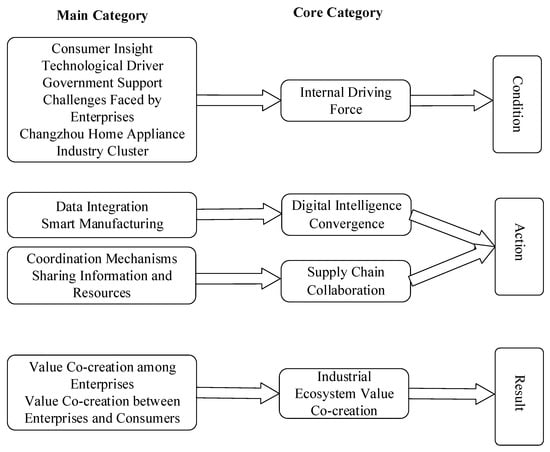
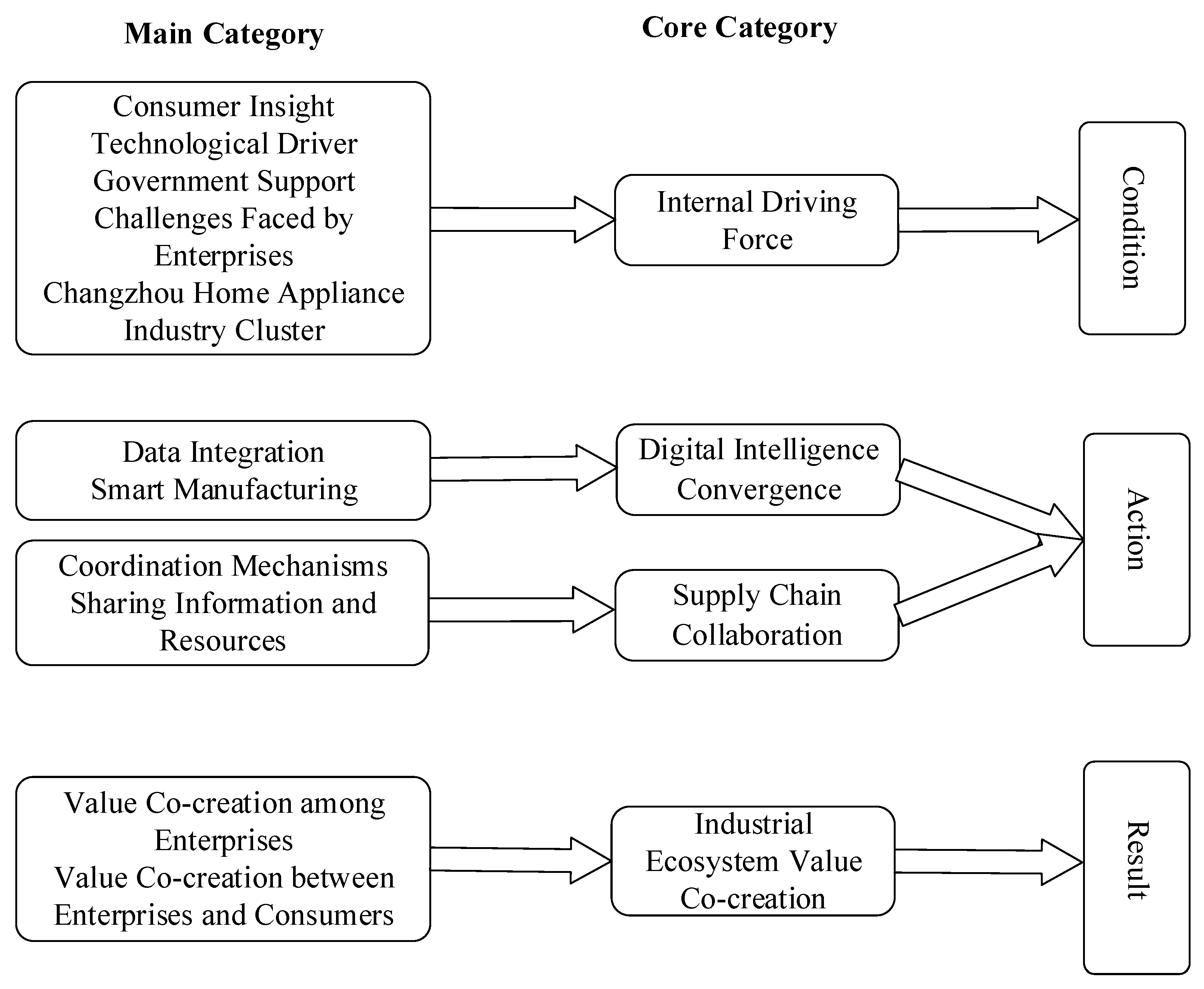
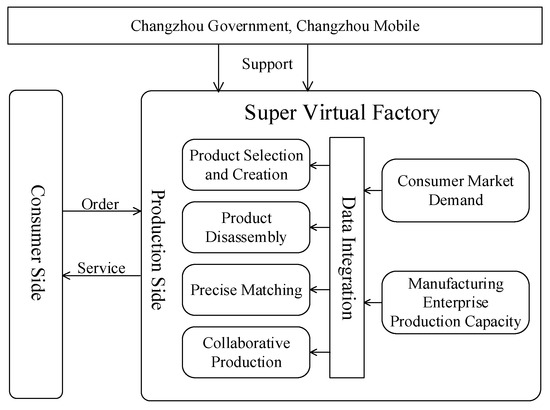
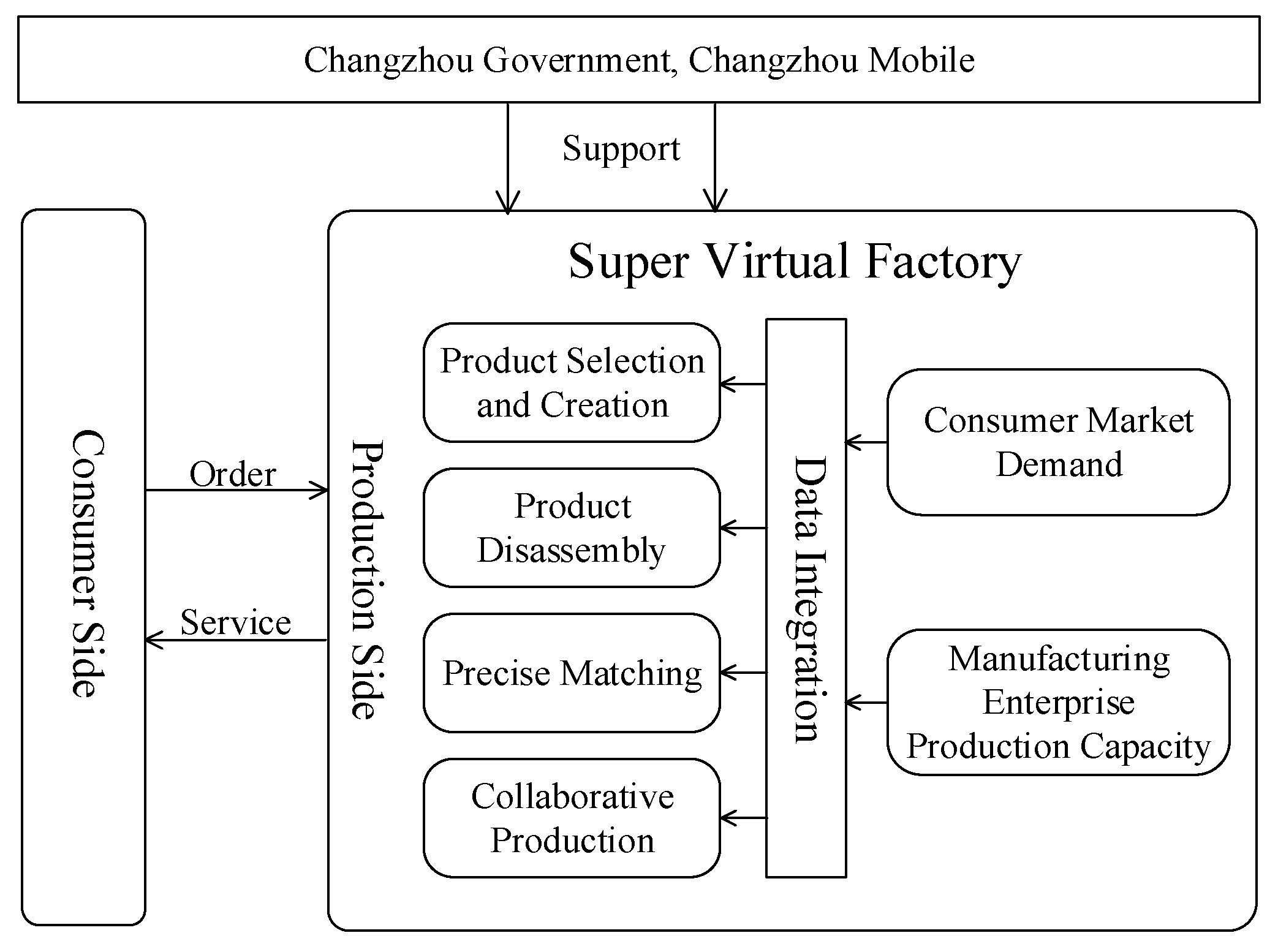
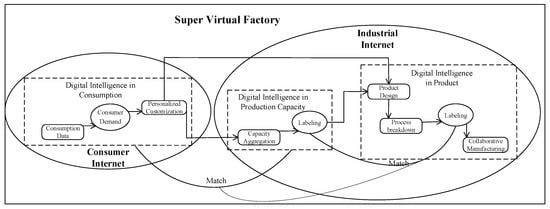
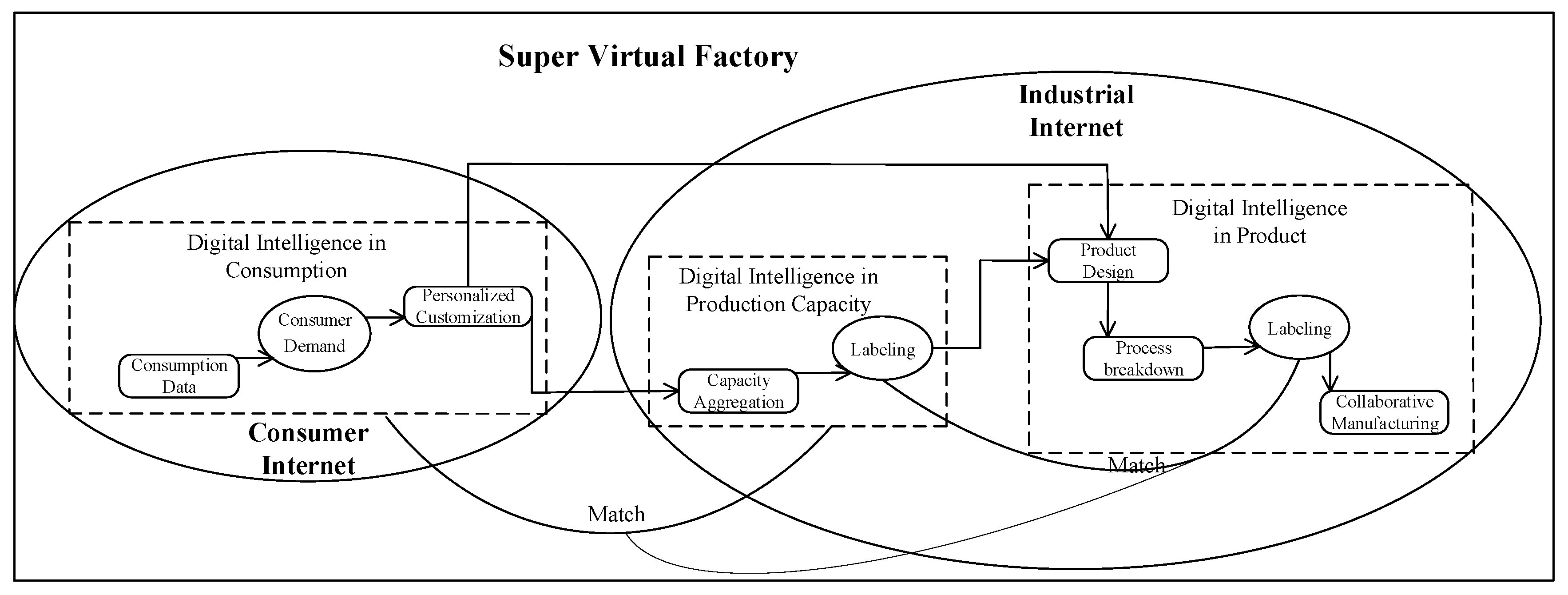
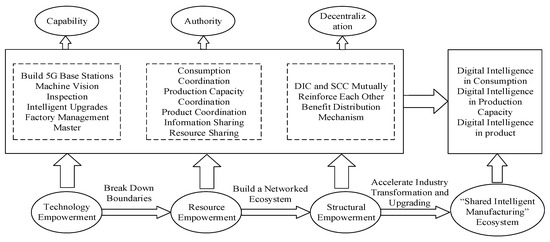
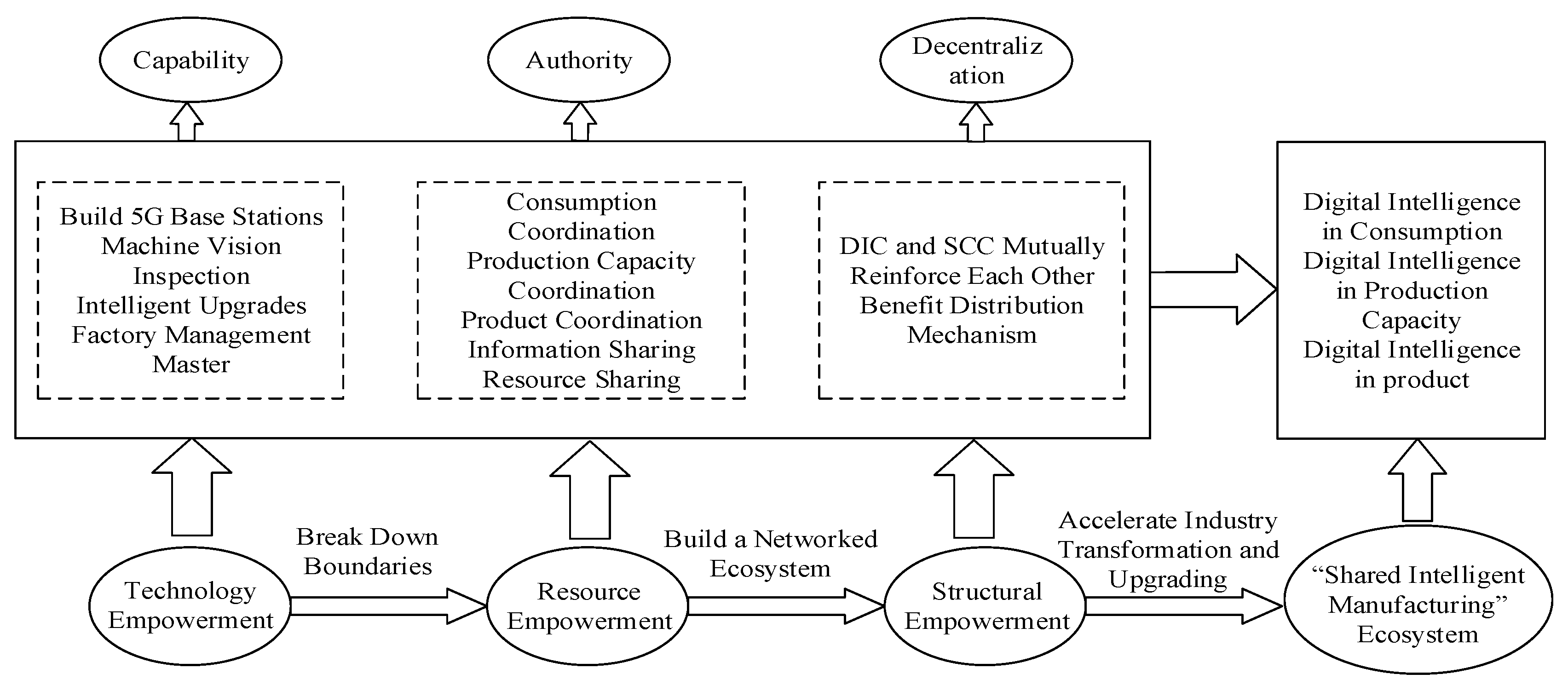
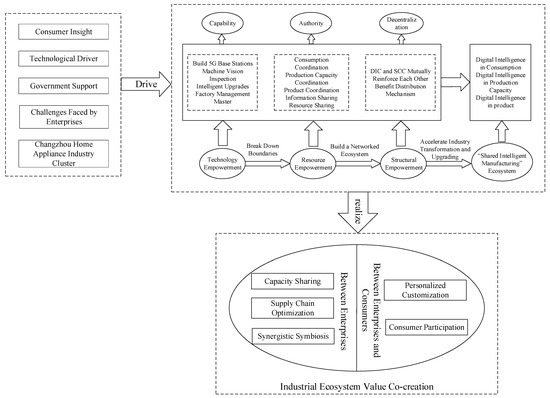
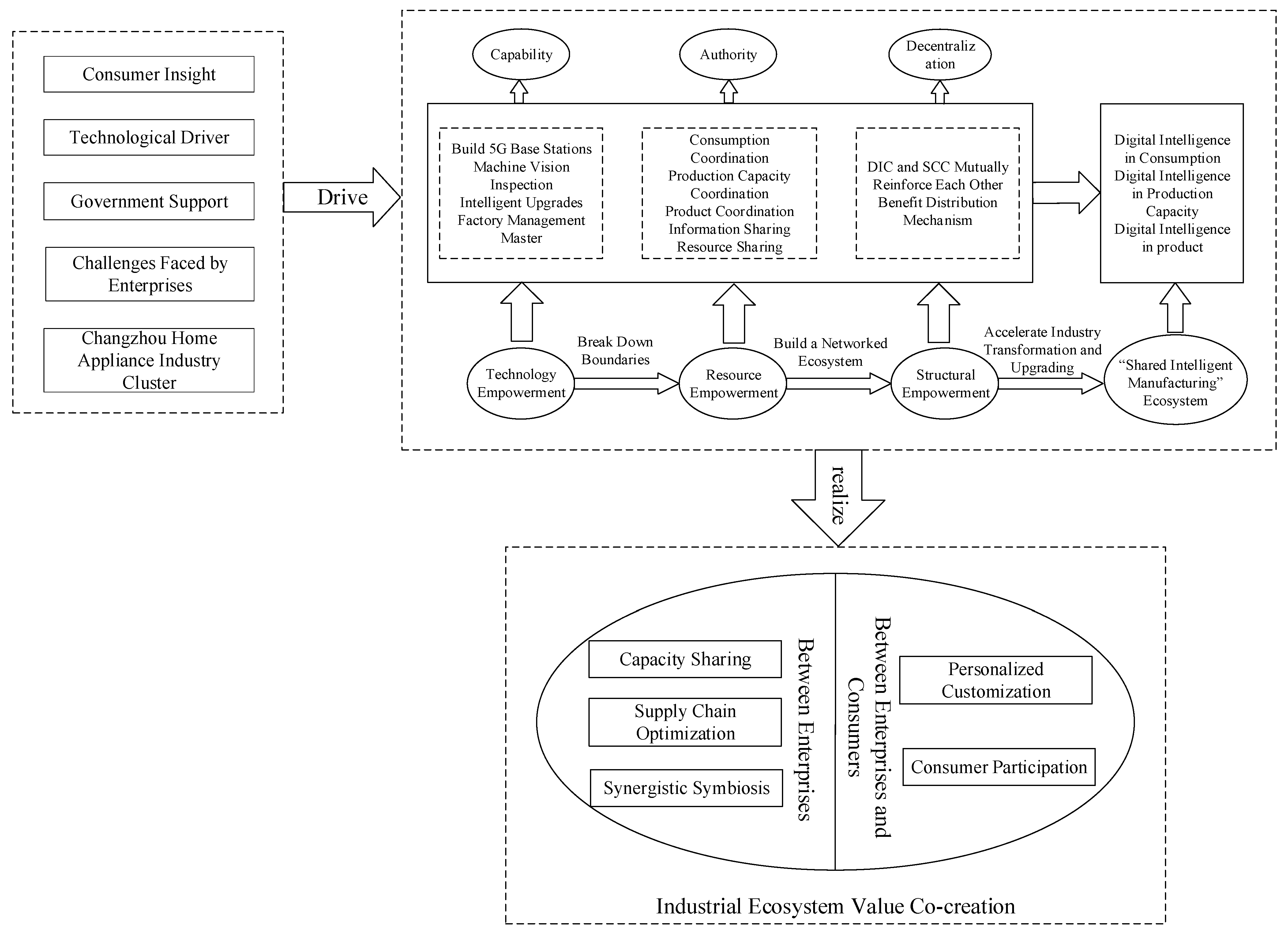

Disclaimer/Publisher’s Note: The statements, opinions and data contained in all publications are solely those of the individual author(s) and contributor(s) and not of MDPI and/or the editor(s). MDPI and/or the editor(s) disclaim responsibility for any injury to people or property resulting from any ideas, methods, instructions or products referred to in the content. |
© 2025 by the authors. Licensee MDPI, Basel, Switzerland. This article is an open access article distributed under the terms and conditions of the Creative Commons Attribution (CC BY) license (https://creativecommons.org/licenses/by/4.0/).