Article

Application of Mind Map and TRIZ to an Advanced Air Mobility System for Post-Disaster Response

by
Olabode A. Olanipekun
1,*,
Carlos J. Montalvo
2,
Kari J. Lippert
1 and
John T. Wade
1,3
1
Systems Engineering, University of South Alabama, Mobile, AL 36688, USA
2
William B. Burnsed Jr., Department of Mechanical, Aerospace, and Biomedical Engineering, University of South Alabama, Mobile, AL 36688, USA
3
Gulf States Engineering, Inc., Gulfport, MS 39501, USA
*
Author to whom correspondence should be addressed.
Systems 2024, 12(11), 508; https://doi.org/10.3390/systems12110508

Submission received: 17 August 2024 / Revised: 29 October 2024 / Accepted: 15 November 2024 / Published: 20 November 2024
(This article belongs to the Section Systems Engineering)

Abstract

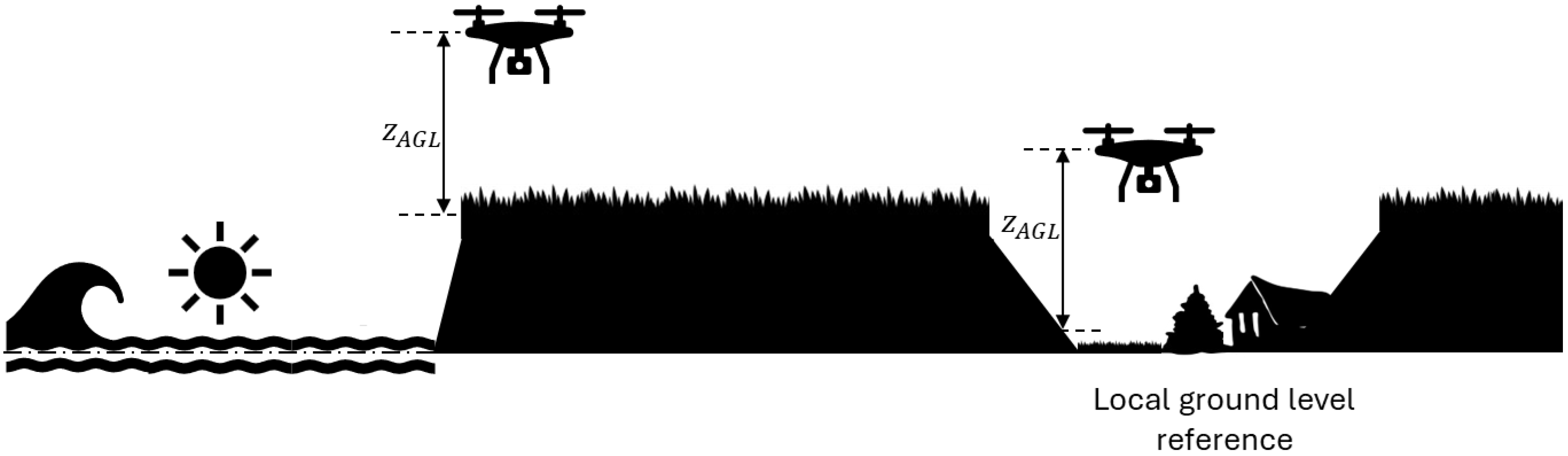
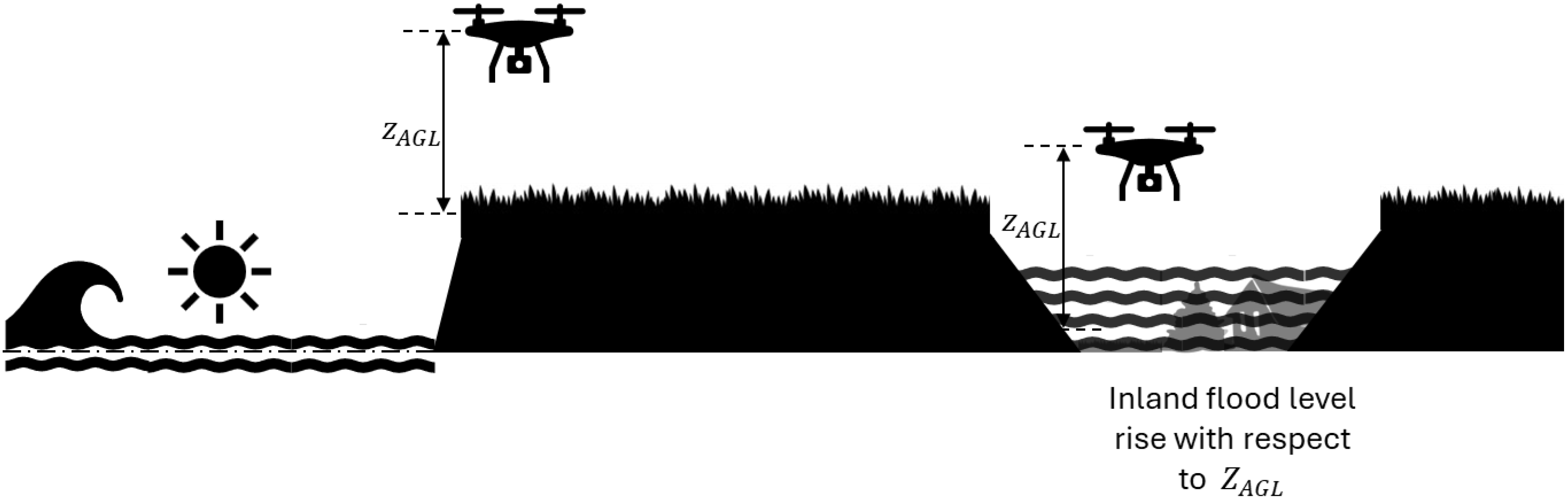
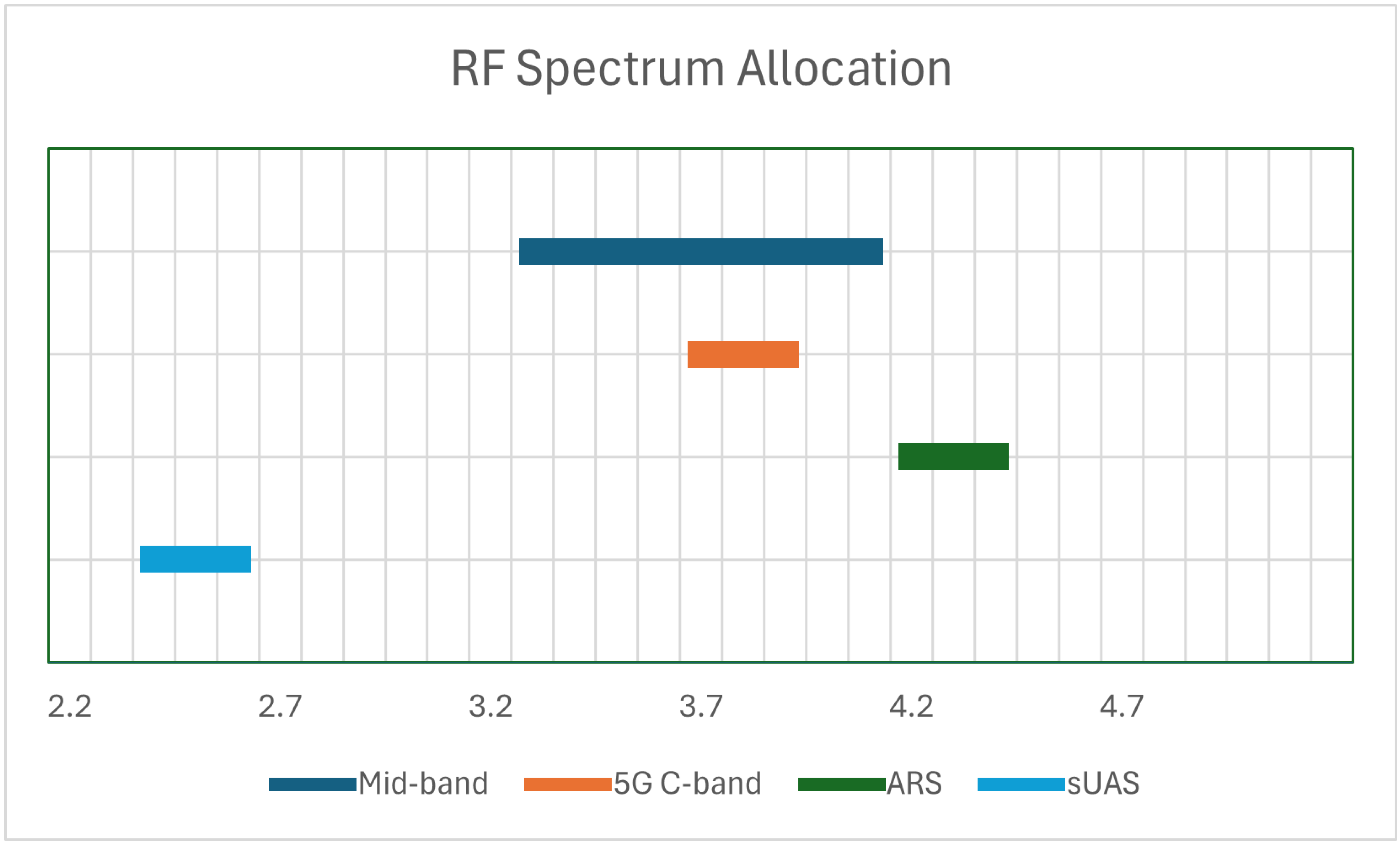
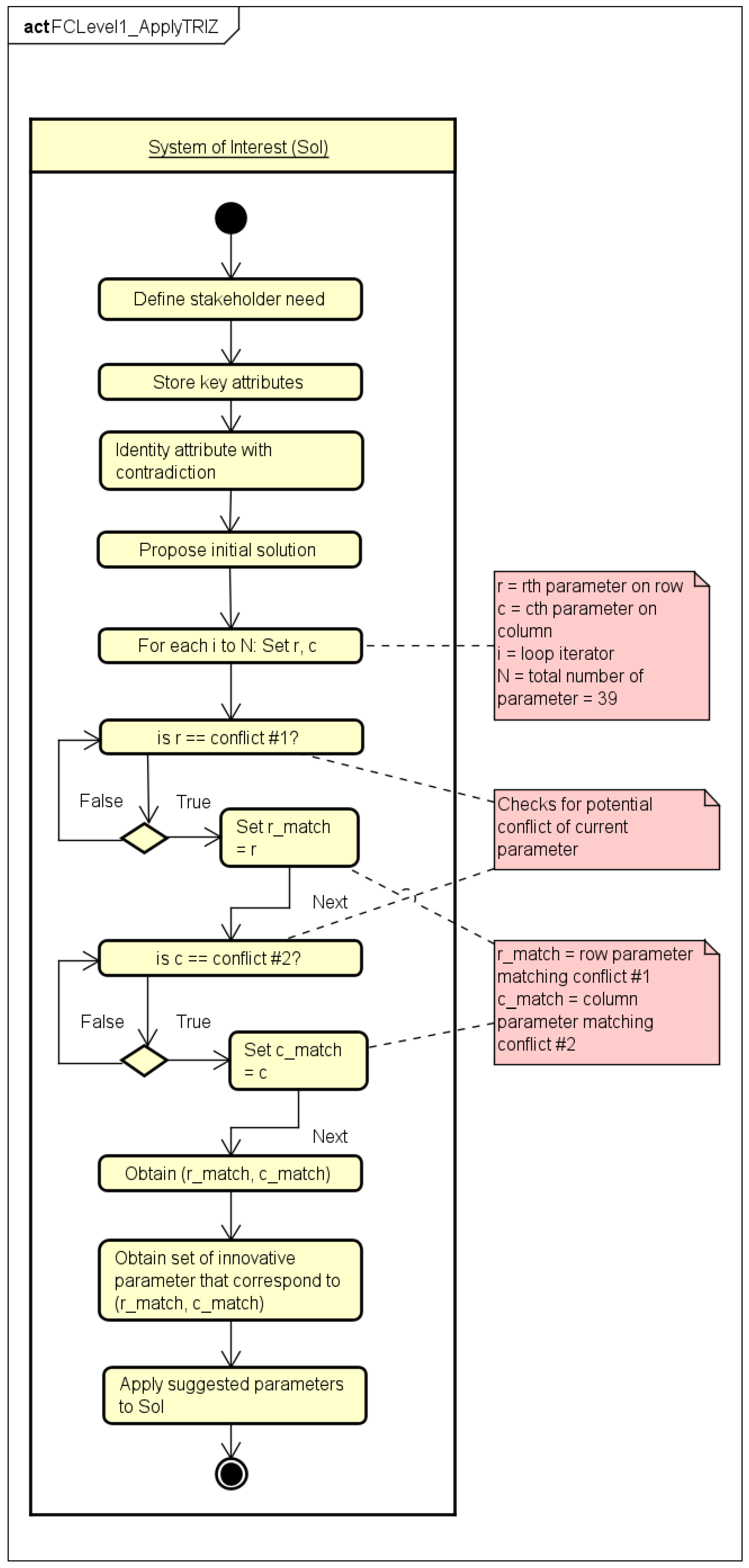
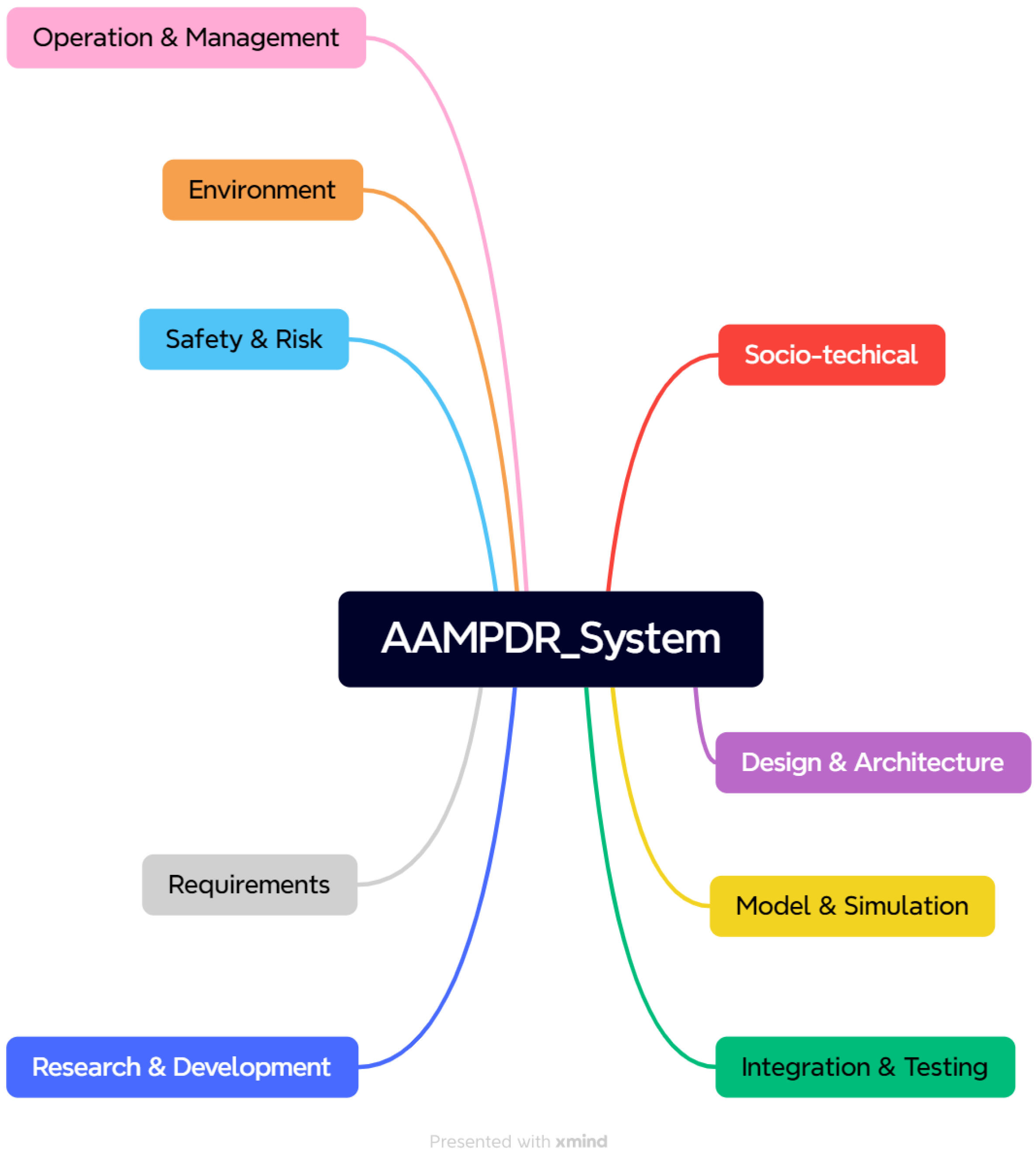
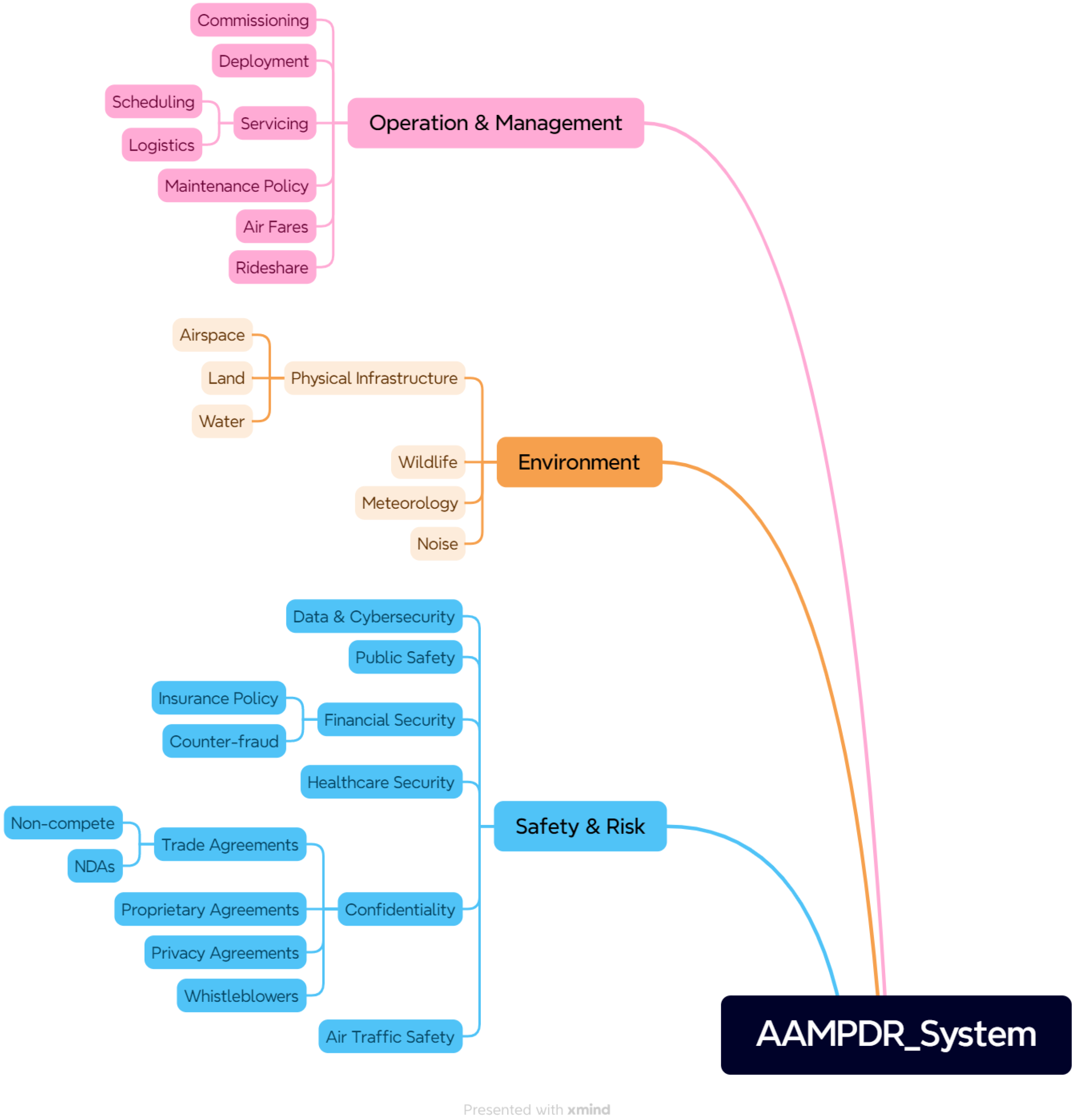
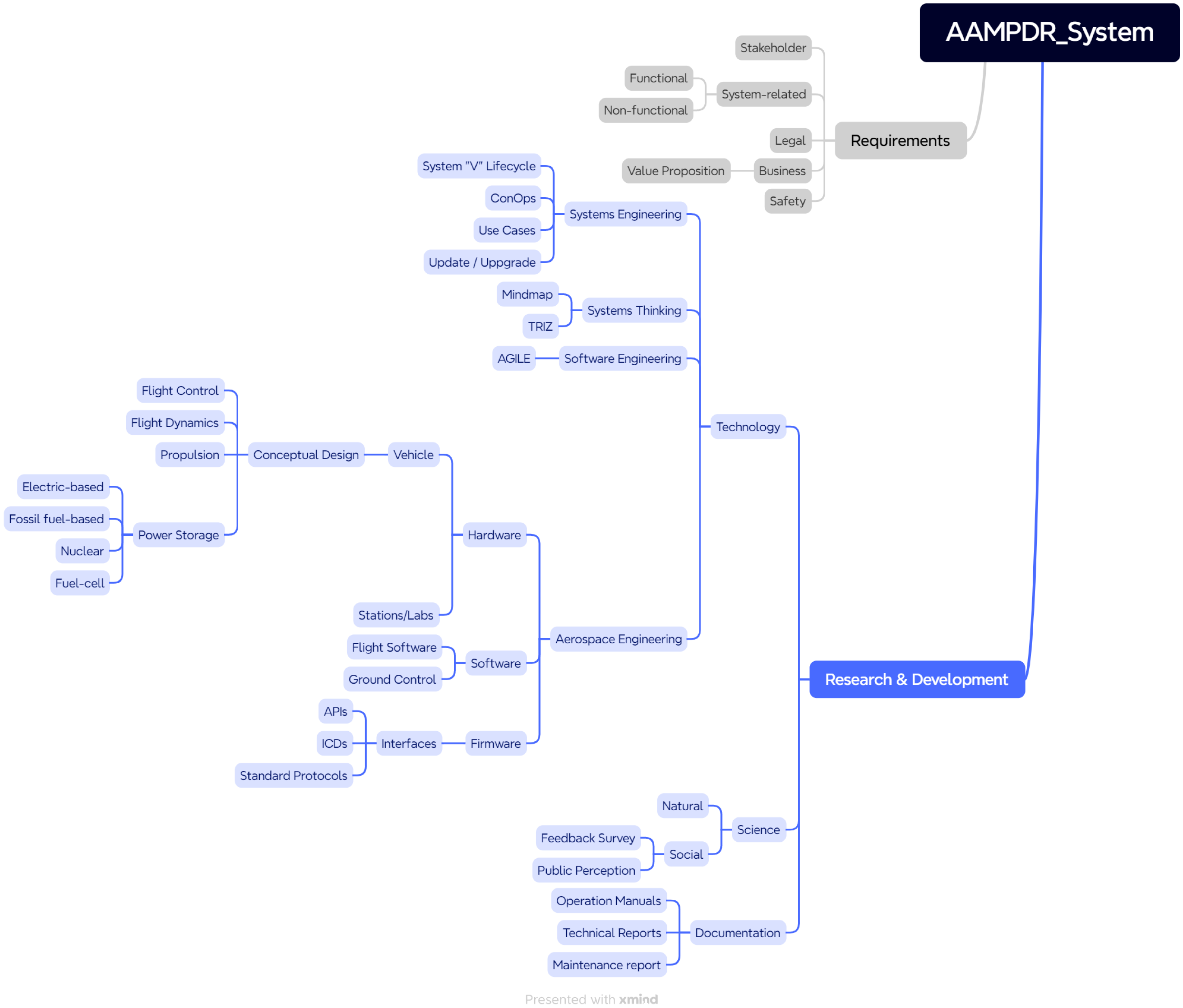
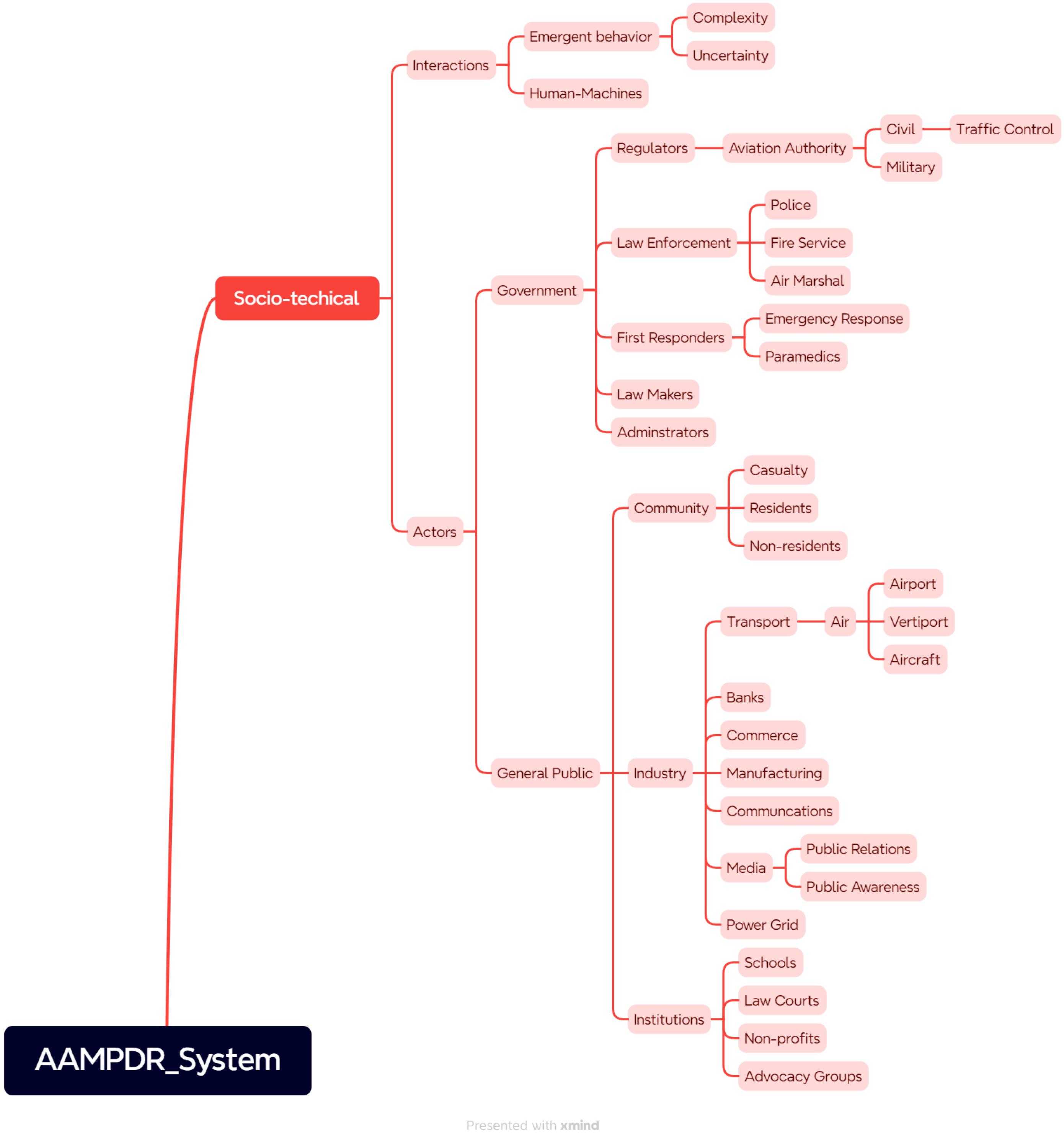
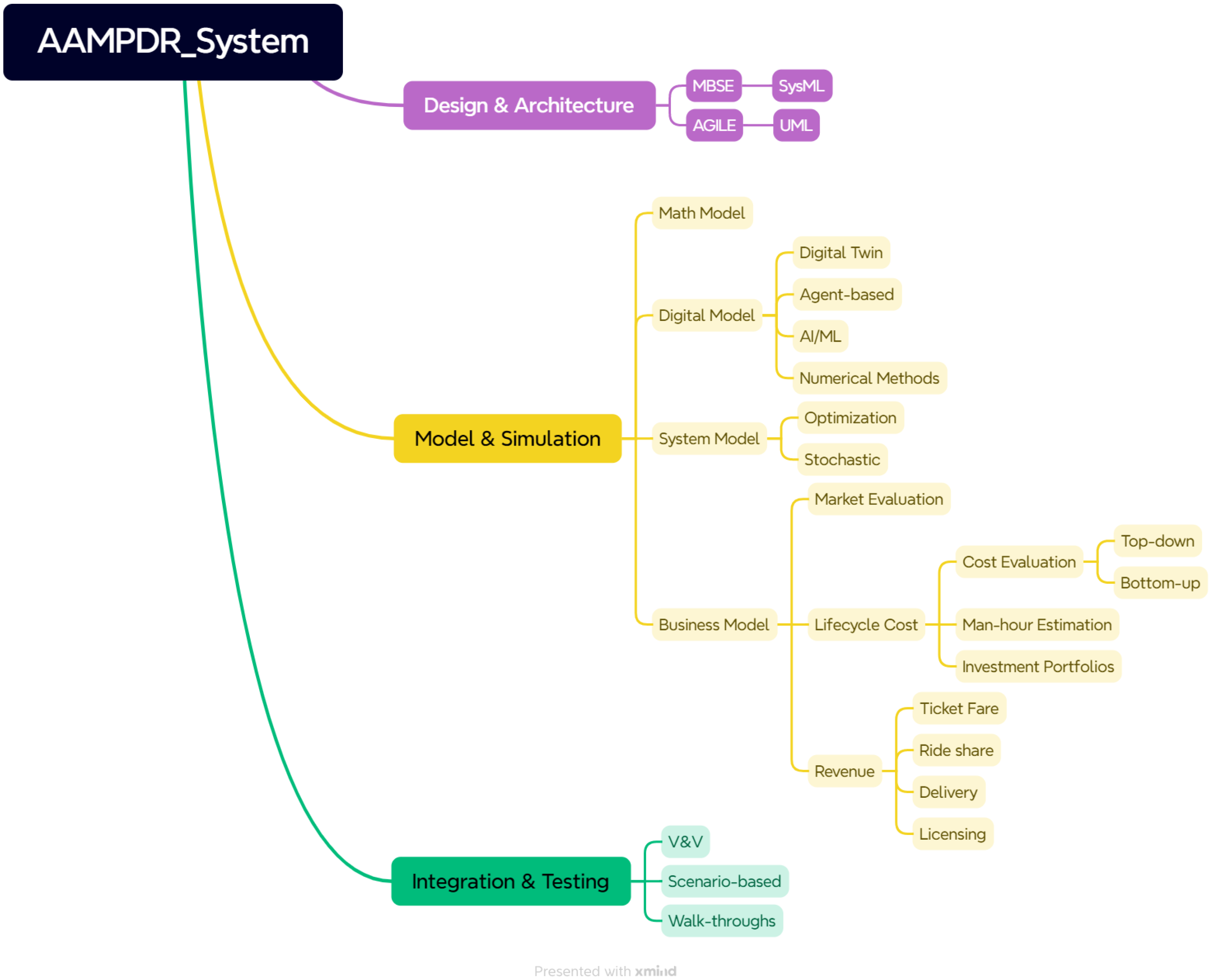
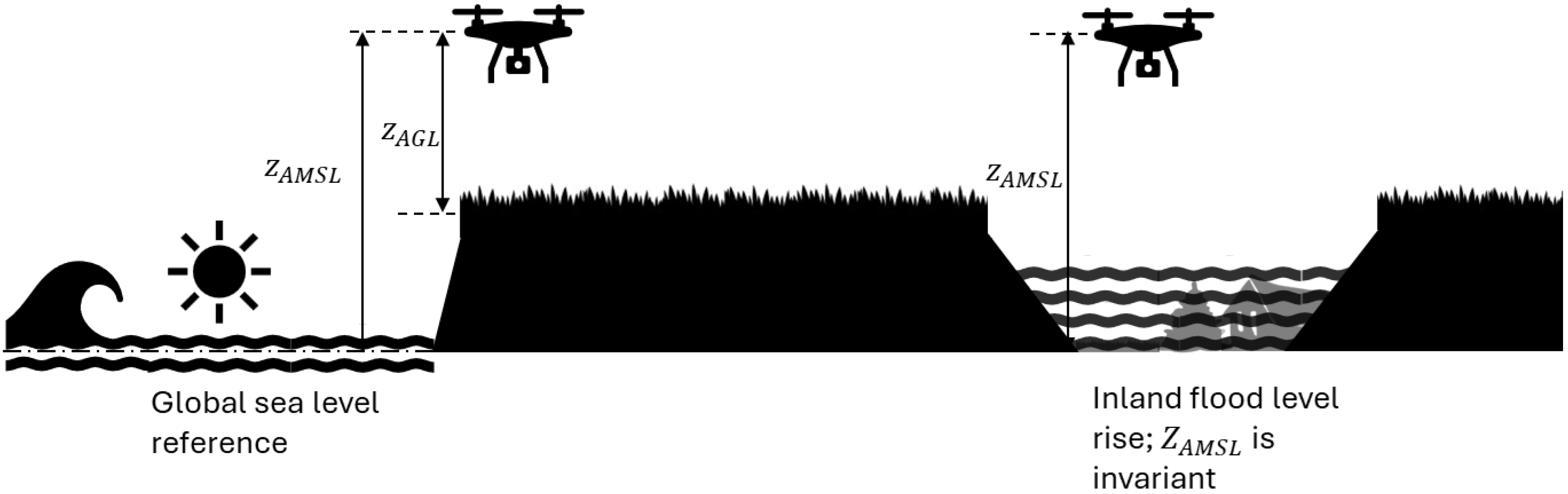
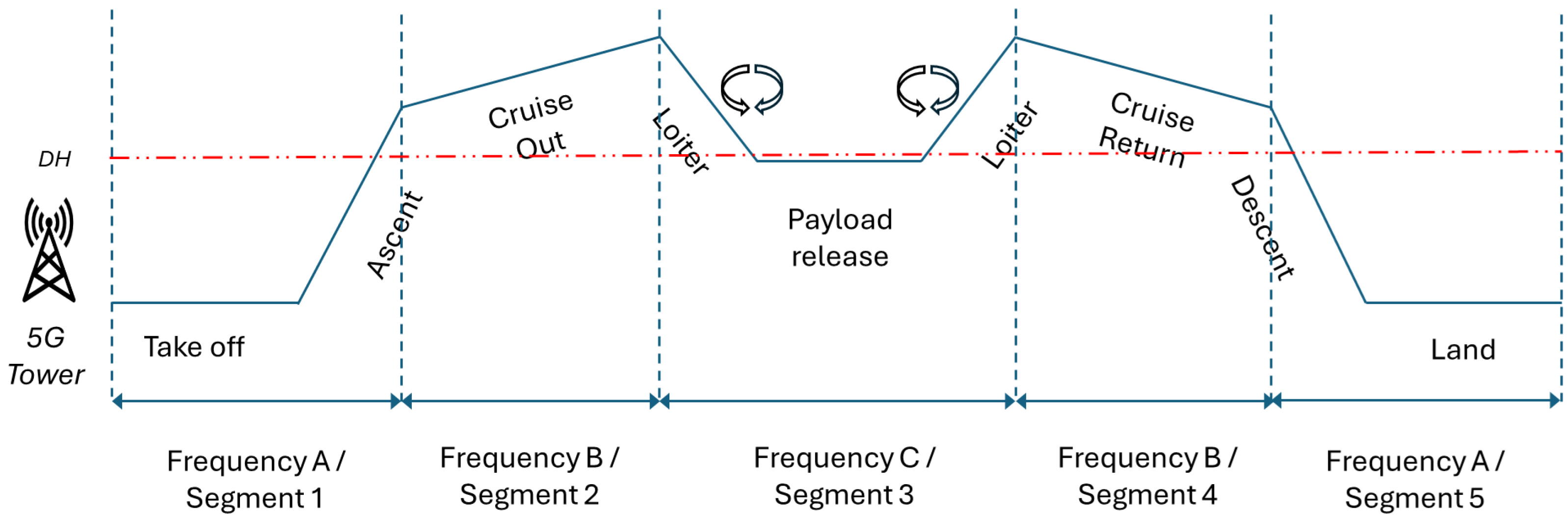
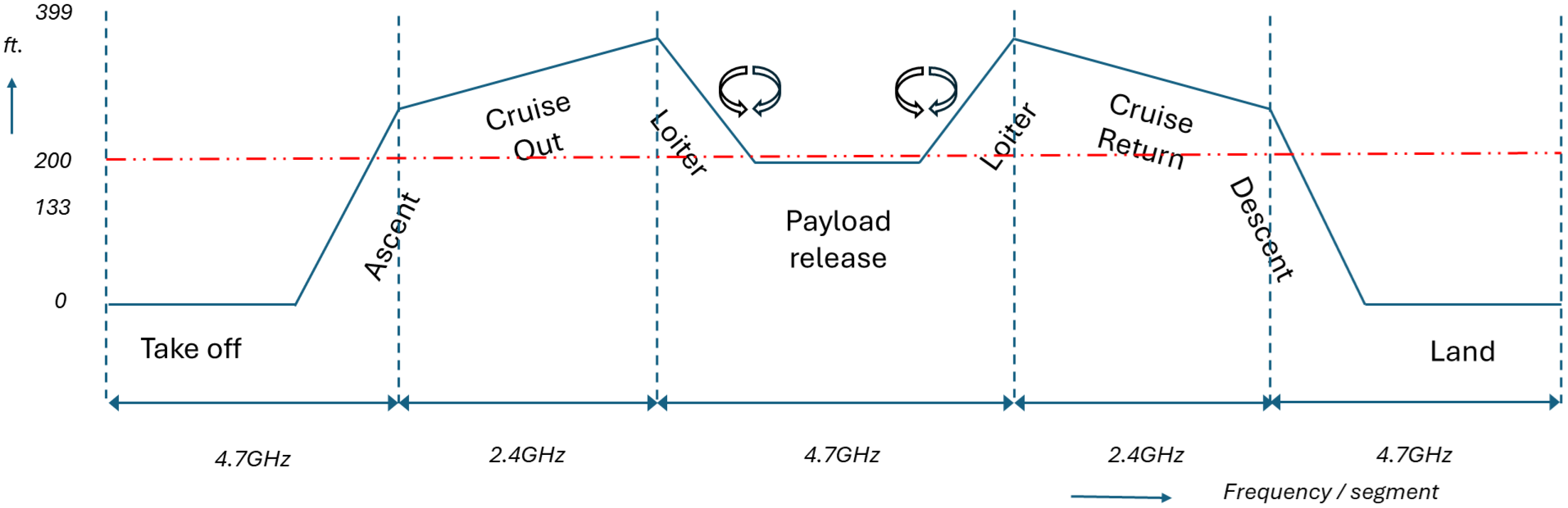
In this article, an Advanced Air Mobility (AAM) platform focused on search and rescue applications is discussed and analyzed from a systems thinking perspective. By applying two systems thinking tools, namely Mind Map and TRIZ, the strong interactions within the constituent parts that make up the system’s whole are examined with the aim of providing a comprehensive roadmap for a proposed Advanced Air Mobility Post-Disaster Response (AAMPDR) system. Furthermore, two problems are discussed to demonstrate the application of the TRIZ technique. The first is in regards to a clause in the AGL rule that could present operational risks to the AAM’s airframe, while the second relates to a potential conflict ensuing from the advent of the 5G C-band and its effect on the AAM altimetry. The resulting solutions to resolve these conflicts using this same technique are also discussed, firstly by taking into account the mean sea/water level as a reference for vertical height within the provisions of the Federal Aviation Regulation requirements, and secondly by applying segmentation of the mission profile as well as a multi-stage frequency designation for each segment depending on a threshold vertical distance. Finally, this study demonstrated that Mind Map and TRIZ can be effective techniques in the early stages of conceptual model development for an AAM system applied to post–disaster response. Furthermore, that the contradictions tool of TRIZ can also be utilized in resolving those potential conflicts identified in relation to the system of interest. To this end, this paper proposes the amendment of the current Part 107 rule to include the term Above Mean Sea (or Water) Level (AMS/WL), a critical yet missing piece of the system requirements that engineers should take into account in future AAM system designs.
Keywords: AAM; SAR; post–disaster response; systems thinking; Mind Map; TRIZ AAM; SAR; post–disaster response; systems thinking; Mind Map; TRIZ