Proteomic Insights into the Mechanism by Which Ferulic Acid Promotes Skeletal Muscle Fiber Type Conversion in Mongolian Horses
by
 ,
,
Wendian Gong
, 
Wenqi Ding
,
Tugeqin Bou
,
Lin Shi
,
Yanan Lin
,
Xiaoyuan Shi
,
Zheng Li
,
Huize Wu
,
Manglai Dugarjaviin
and
Dongyi Bai
* Key Laboratory of Equus Germplasm Innovation (Co-Construction by Ministry and Province), Ministry of Agriculture and Rural Affairs, Inner Mongolia Key Laboratory of Equine Science Research and Technology Innovation, Equus Research Center, College of Animal Science, Inner Mongolia Agricultural University, Hohhot 010018, China
*
Author to whom correspondence should be addressed.
Biology 2026, 15(6), 481; https://doi.org/10.3390/biology15060481
Submission received: 13 February 2026
/
Revised: 15 March 2026
/
Accepted: 17 March 2026
/
Published: 18 March 2026
Simple Summary
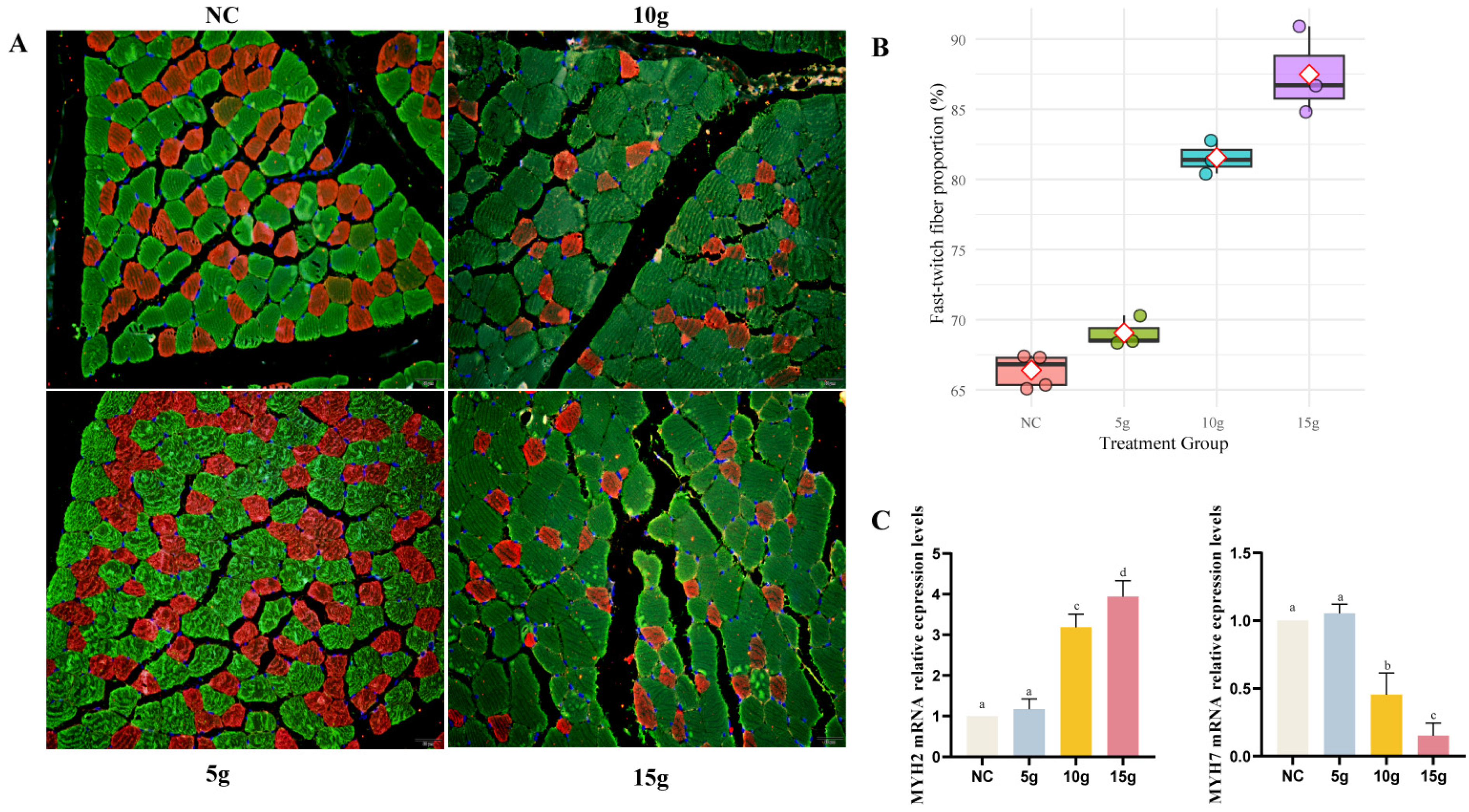
Ferulic acid (FA), a natural compound from traditional Chinese medicine, supports muscle health. Oral administration of ferulic acid in Mongolian horses can increase the proportion of fast-twitch muscle fibers, thereby enhancing speed and strength. Proteomic analysis showed FA promotes these fibers by regulating energy metabolism, muscle structure, and calcium signaling without inducing harmful cell damage.
Abstract
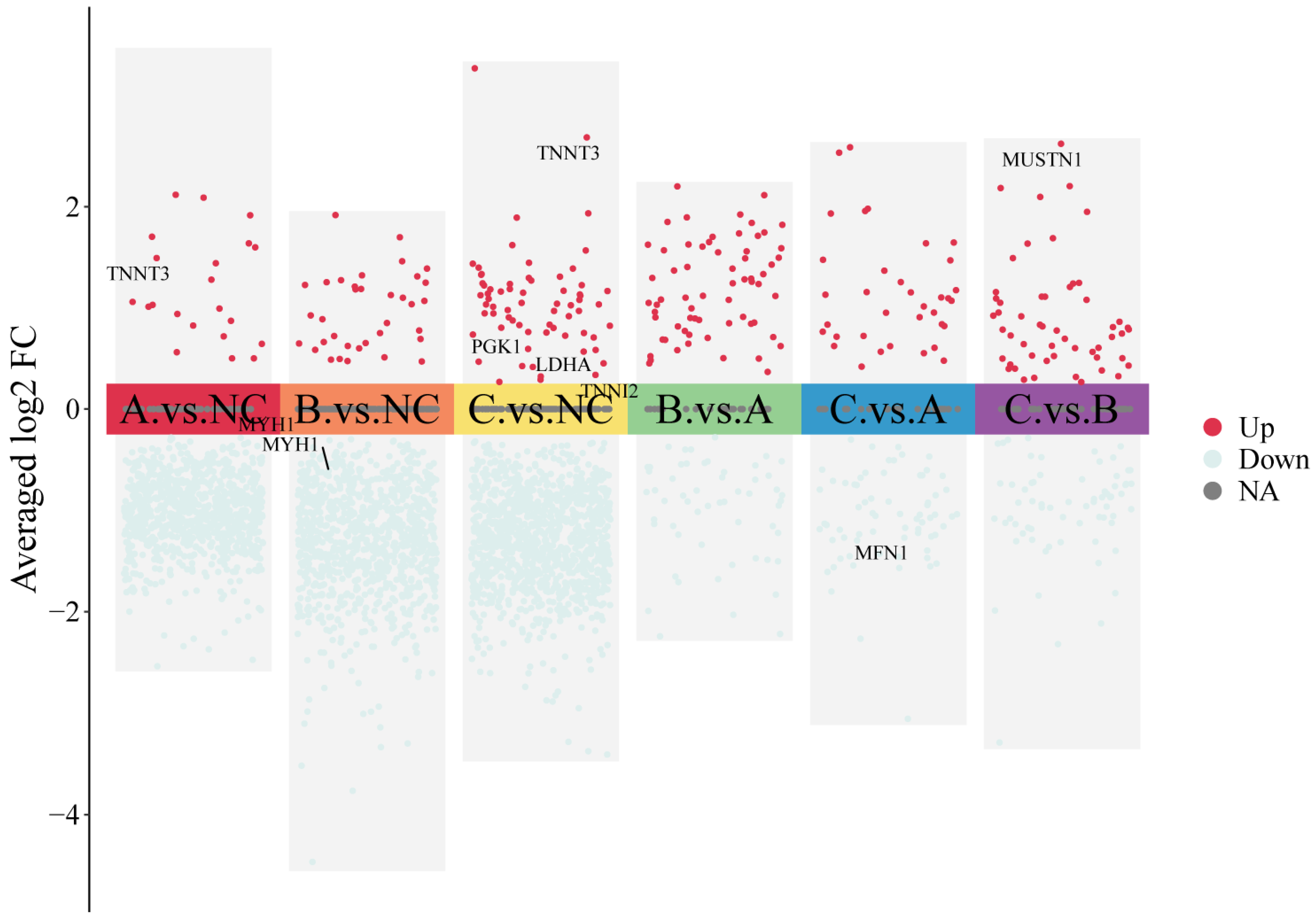
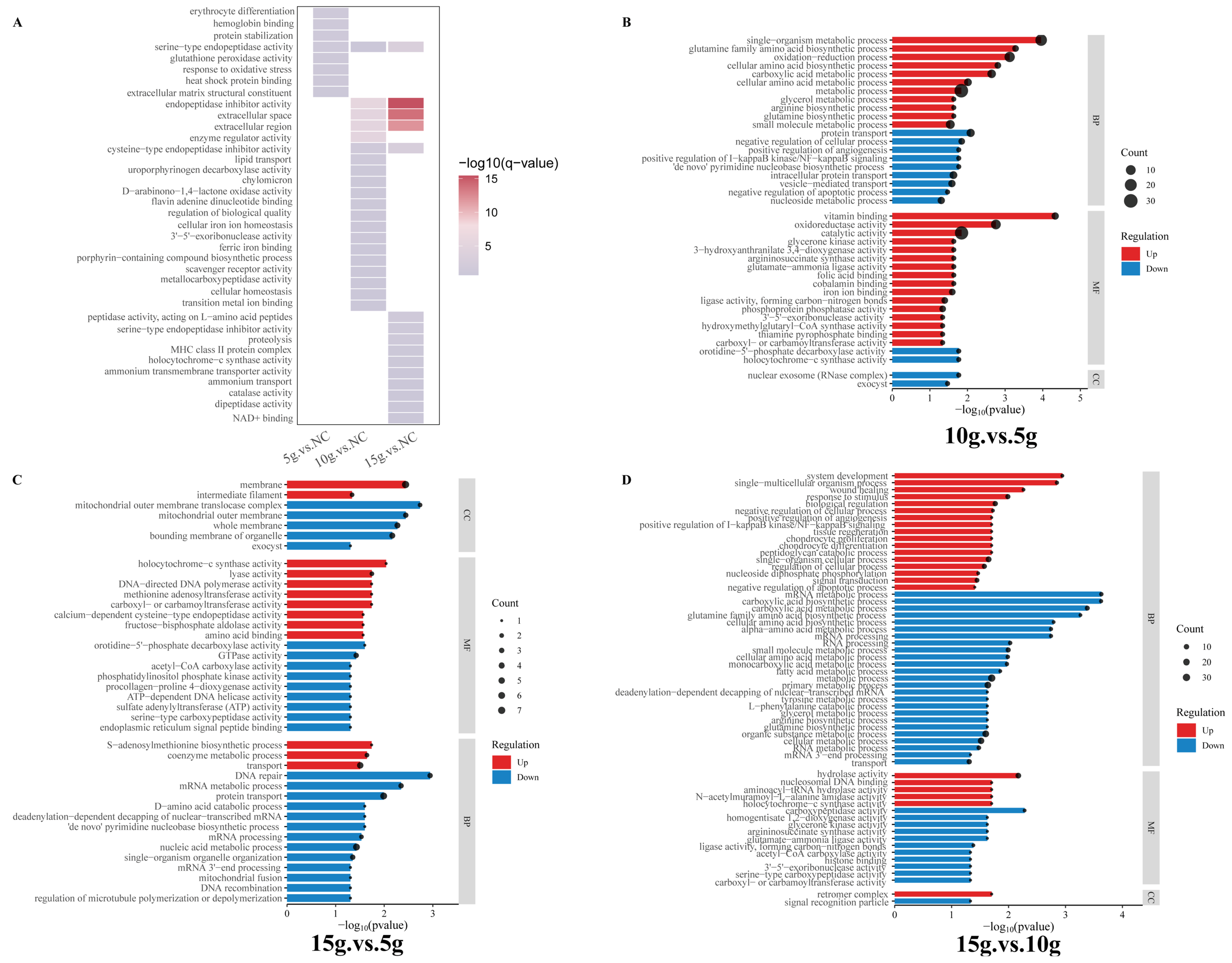
Ferulic acid is a bioactive phenolic compound with potential benefits for skeletal muscle health. In this study, Mongolian horses were used as experimental subjects and were orally administered ferulic acid at doses of 5, 10, or 15 g per horse per day for 40 consecutive days. Muscle biopsy samples were analyzed using proteomics to assess fiber type composition and regulatory protein expression. Ferulic acid supplementation increased the proportion of fast-twitch fibers and upregulated key differentiation factors such as MUSTN1, while modulating glycolysis, ECM remodeling, and calcium signaling pathways. Although ferulic acid induced moderate oxidative stress, it did not trigger classical ferroptosis. Collectively, these findings demonstrate that ferulic acid promotes fast-twitch fiber transformation in horses through coordinated metabolic and signaling mechanisms, highlighting its potential as a nutritional strategy to enhance skeletal muscle adaptability and athletic performance in horses.
Keywords:
ferulic acid; skeletal muscle; proteomics; ferroptosis