Isolation of Chicken Intestinal Glial Cells and Their Transcriptomic Response to LPS


Simple Summary
Abstract
1. Introduction
2. Materials and Methods
2.1. Cell Isolation and Purification
2.2. Immunofluorescence Staining for EGCs
2.3. CCK8 and Quantitative Real-Time PCR Validation (qRT-PCR) of the Inflammation Model
2.4. Extract Total RNA for Transcriptomic Analysis
2.5. Library Construction and Data Processing
2.6. Differential Gene Expression and Functional Enrichment Analysis
2.7. Protein–Protein Interaction Analysis
2.8. qRT-PCR Validation
2.9. Statistical Analysis
3. Results
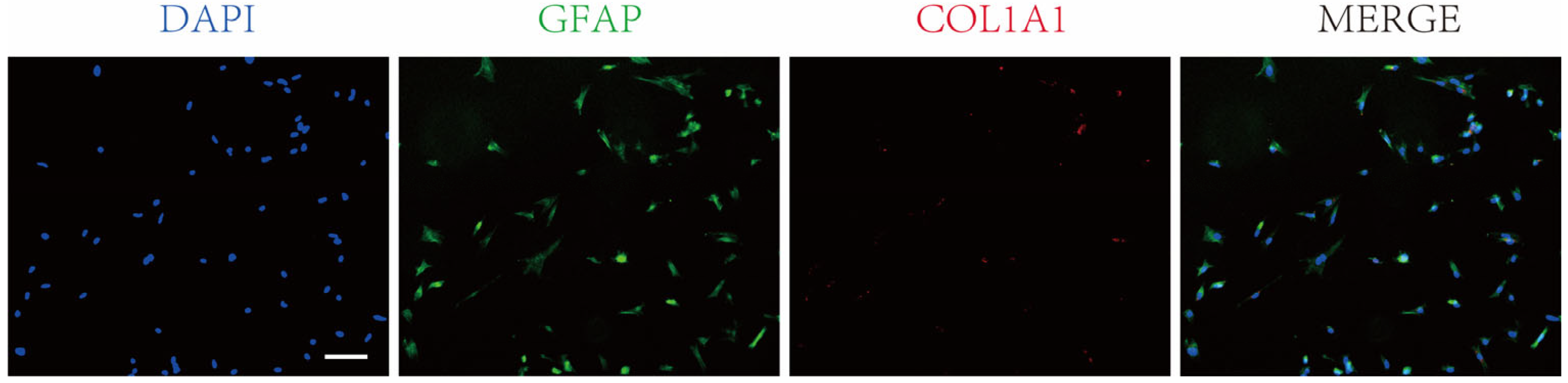
3.1. Isolation and Purification of EGCs
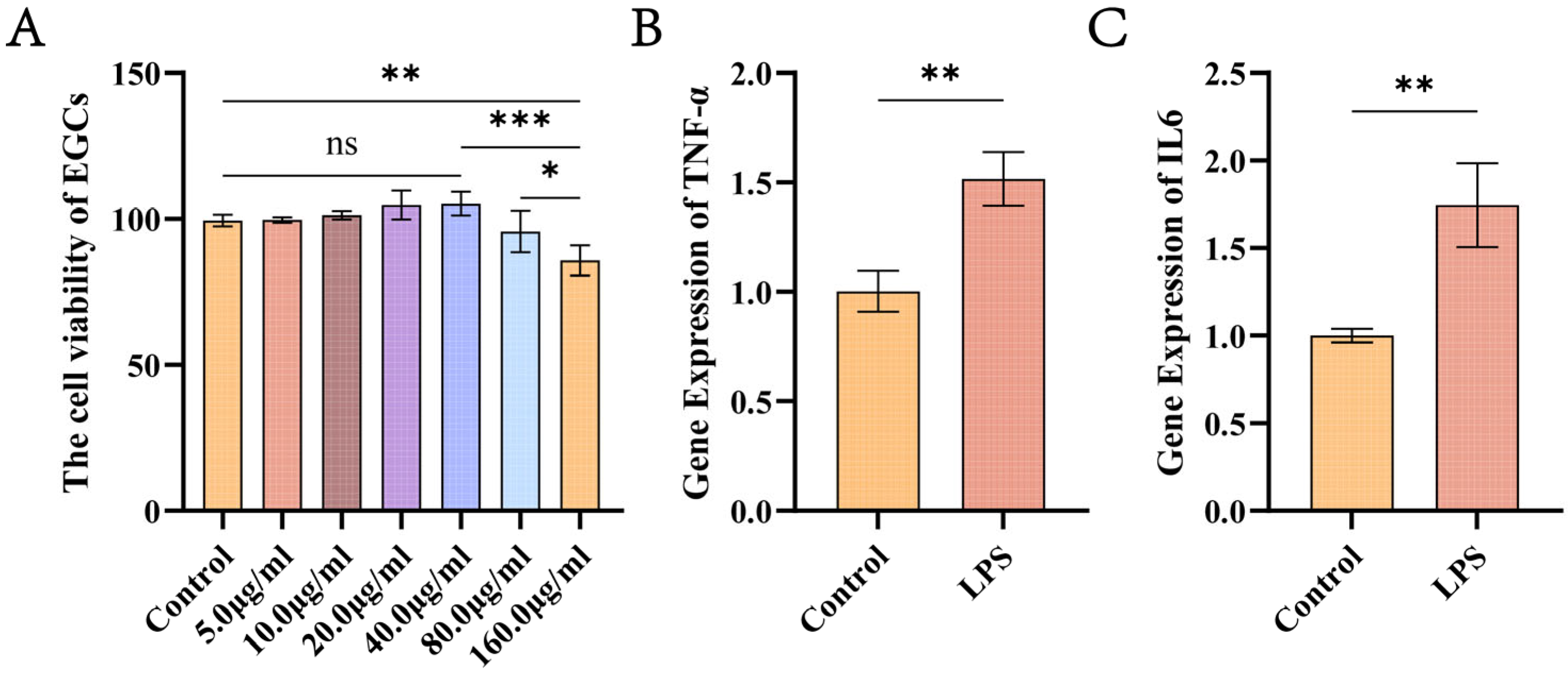
3.2. Establishment of Inflammatory Models
3.3. Summary of Raw RNA-Seq Read Data
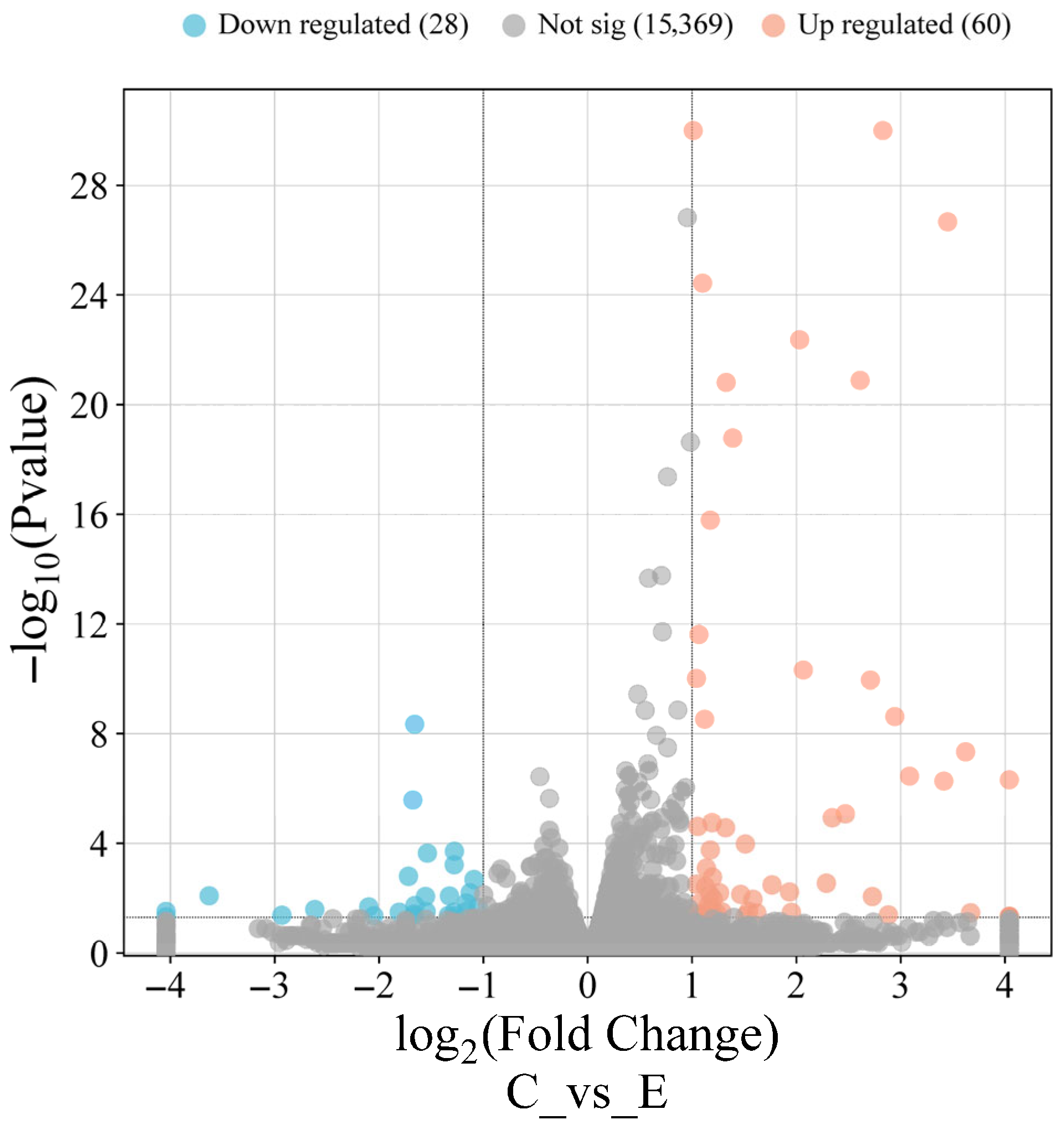
3.4. Differentially Expressed Genes Analysis
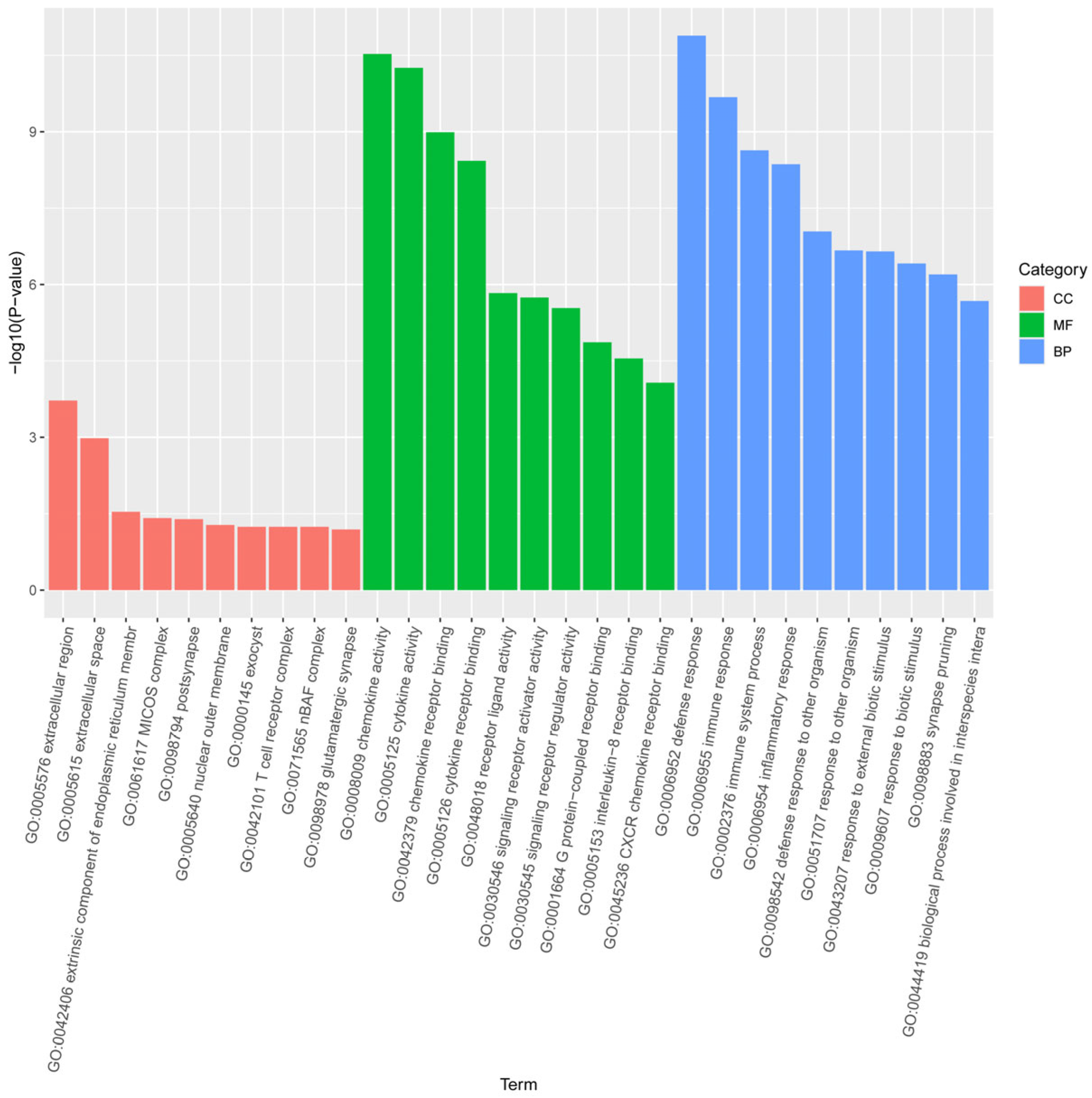
3.5. GO and KEGG Pathway Analysis of DEGs
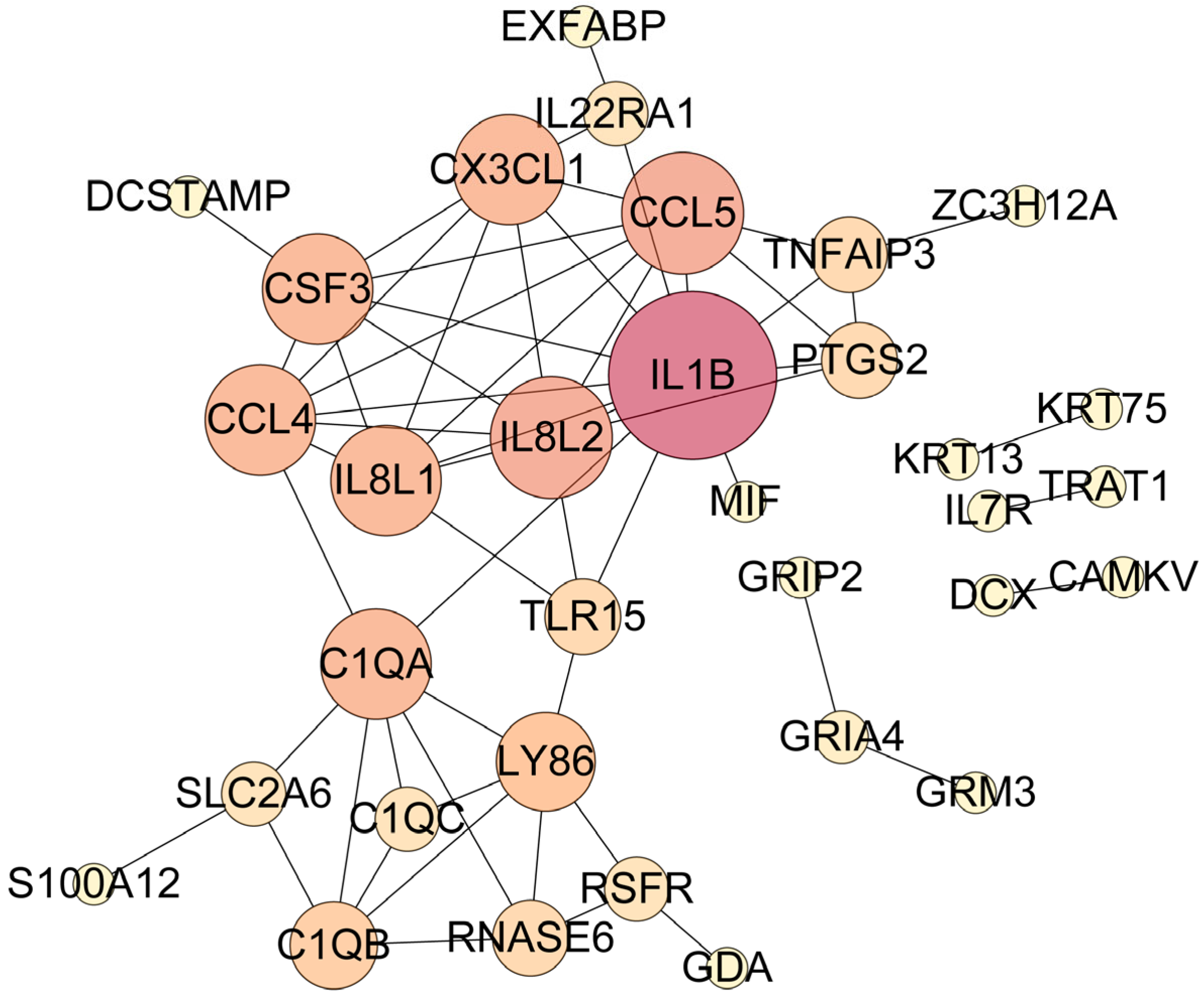
3.6. PPI Analysis
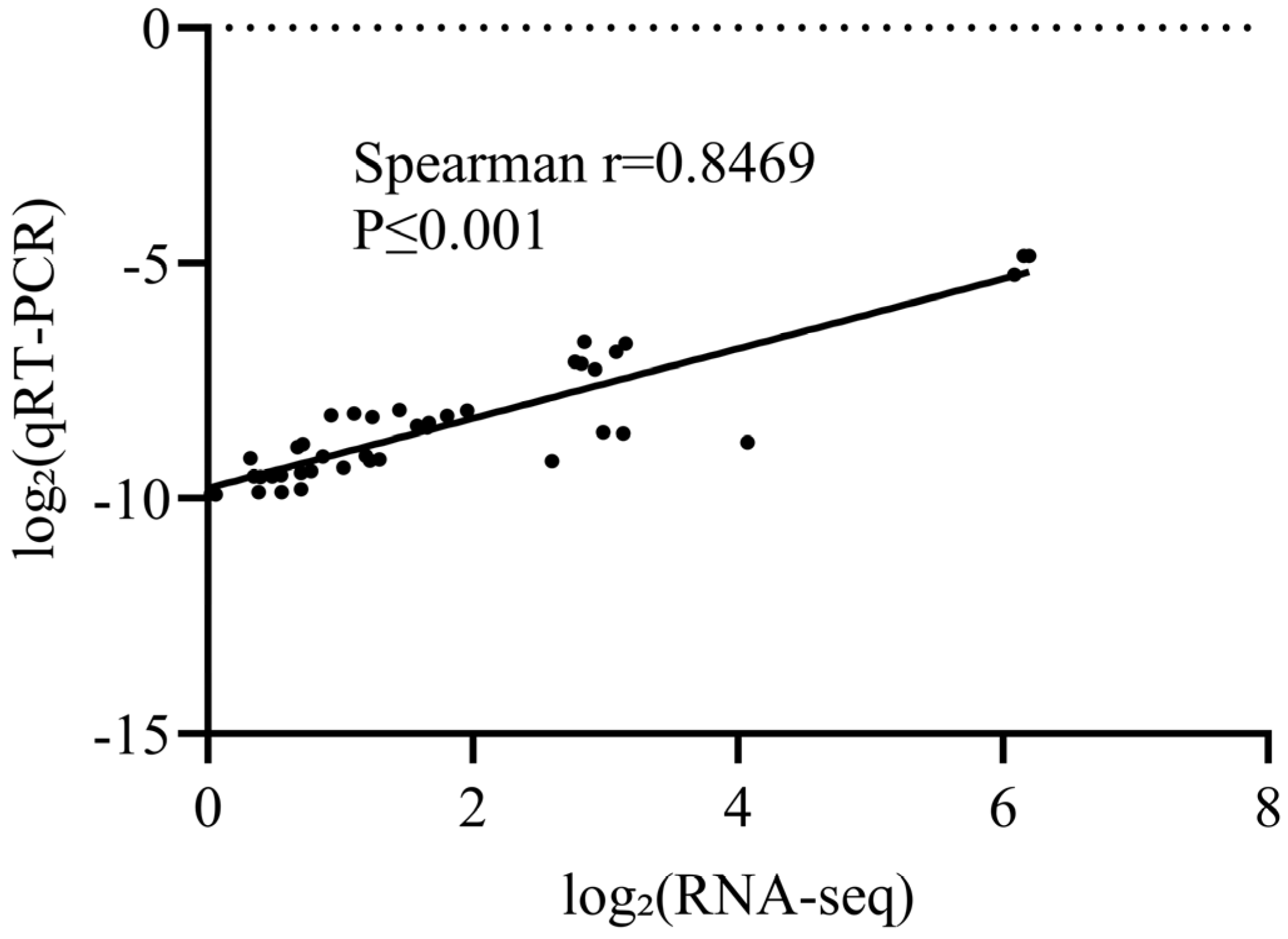
3.7. Verify RNA Sequencing Results via qRT-PCR
4. Discussion
4.1. Chemokine Storm and Immune Cell Recruitment
4.2. Amplification of Inflammatory Responses and Negative Feedback Regulation
4.3. Metabolic and Transport Function Remodeling
4.4. Suppression of Cellular Homeostasis-Maintaining Functions
4.5. Systemic Immune Responses Revealed by GO and KEGG Enrichment Analyses
4.6. Core Regulatory Hubs Identified by PPI Network Analysis
5. Conclusions
Supplementary Materials
Author Contributions
Funding
Institutional Review Board Statement
Informed Consent Statement
Data Availability Statement
Conflicts of Interest
Abbreviations
| C1QA | Complement C1q subcomponent A |
| C1QB | Complement C1q subcomponent B |
| C1QC | Complement C1q subcomponent C |
| CAMKV | CaM kinase like vesicle associated |
| CCL4 | C-C motif chemokine ligand 4 |
| CCL5 | C-C motif chemokine ligand 5 |
| CSF3 | Colony stimulating factor 3 |
| CX3CL1 | C-X-3-C motif chemokine ligand 1 |
| DCSTAMP | Dendrocyte expressed seven transmembrane protein |
| DCX | Doublecortin |
| EXFABP | Extracellular fatty-acid-binding protein |
| GDA | Guanine deaminase |
| GRIA4 | Glutamate ionotropic receptor AMPA type subunit 4 |
| GRIP2 | Glutamate receptor interacting protein 2 |
| GRM3 | Glutamate metabotropic receptor 3 |
| H2A | Histone H2A |
| IL1B | Interleukin-1 beta |
| IL22RA1 | Interleukin 22 receptor subunit alpha 1 |
| IL7R | Interleukin-7 receptor |
| IL8L1 | interleukin 8-like 1 |
| IL8L2 | interleukin 8-like 2 |
| KRT13 | Keratin 13 |
| KRT75 | Keratin 75 |
| LY86 | Lymphocyte antigen 86 |
| MIF | Macrophage migration inhibitory factor |
| NTM | Protein CEPU-1 |
| PTGS2 | Prostaglandin-endoperoxide synthase 2 |
| RNASE6 | Ribonuclease A family member 6 |
| RSFR | Leukocyte ribonuclease A-2 |
| S100A12 | S100 calcium-binding protein A12 |
| SCYA4 | C-C motif chemokine 4 homolog |
| SLC13A5 | Solute carrier family 13 member 5 |
| SLC2A6 | Solute carrier family 2 member 6 |
| SLCO4C1 | Solute carrier organic anion transporter family member 4C1 |
| TNFAIP3 | Tumor necrosis factor alpha-induced protein 3 |
| TRAT1 | T-cell receptor associated transmembrane adaptor 1 |
| VNN1 | vanin 1 |
| ZC3H12A | Zinc finger CCCH-type containing 12A |
References
- Yap, Y.A.; Mariño, E. An Insight into the Intestinal Web of Mucosal Immunity, Microbiota, and Diet in Inflammation. Front. Immunol. 2018, 9, 2617. [Google Scholar] [CrossRef] [PubMed]
- Hoff, S.; Zeller, F.; von Weyhern, C.W.H.; Wegner, M.; Schemann, M.; Michel, K.; Rühl, A. Quantitative Assessment of Glial Cells in the Human and Guinea Pig Enteric Nervous System with an Anti-Sox8/9/10 Antibody. J. Comp. Neurol. 2008, 509, 356–371. [Google Scholar] [CrossRef] [PubMed]
- Jessen, K.R.; Mirsky, R. Glial Cells in the Enteric Nervous System Contain Glial Fibrillary Acidic Protein. Nature 1980, 286, 736–737. [Google Scholar] [CrossRef] [PubMed]
- Grubišić, V.; Gulbransen, B.D. Enteric Glia: The Most Alimentary of All Glia. J Physiol 2017, 595, 557–570. [Google Scholar] [CrossRef]
- Yu, Y.-B.; Li, Y.-Q. Enteric Glial Cells and Their Role in the Intestinal Epithelial Barrier. World J. Gastroenterol. 2014, 20, 11273–11280. [Google Scholar] [CrossRef]
- Cheadle, G.A.; Costantini, T.W.; Lopez, N.; Bansal, V.; Eliceiri, B.P.; Coimbra, R. Enteric Glia Cells Attenuate Cytomix-Induced Intestinal Epithelial Barrier Breakdown. PLoS ONE 2013, 8, e69042. [Google Scholar] [CrossRef]
- Cabarrocas, J.; Savidge, T.C.; Liblau, R.S. Role of Enteric Glial Cells in Inflammatory Bowel Disease. Glia 2003, 41, 81–93. [Google Scholar] [CrossRef]
- Obata, Y.; Pachnis, V. The Effect of Microbiota and the Immune System on the Development and Organization of the Enteric Nervous System. Gastroenterology 2016, 151, 836–844. [Google Scholar] [CrossRef]
- Laddach, A.; Chng, S.H.; Lasrado, R.; Progatzky, F.; Shapiro, M.; Erickson, A.; Sampedro Castaneda, M.; Artemov, A.V.; Bon-Frauches, A.C.; Amaniti, E.-M.; et al. A Branching Model of Lineage Differentiation Underpinning the Neurogenic Potential of Enteric Glia. Nat. Commun. 2023, 14, 5904. [Google Scholar] [CrossRef]
- Faggin, S.; Cerantola, S.; Caputi, V.; Tietto, A.; Stocco, E.; Bosi, A.; Ponti, A.; Bertazzo, A.; Macchi, V.; Porzionato, A.; et al. Toll-like Receptor 4 Deficiency Ameliorates Experimental Ileitis and Enteric Neuropathy: Involvement of Nitrergic and 5-Hydroxytryptaminergic Neurotransmission. Br. J. Pharmacol. 2025, 182, 1803–1822. [Google Scholar] [CrossRef]
- He, M.; Shi, B. Gut Microbiota as a Potential Target of Metabolic Syndrome: The Role of Probiotics and Prebiotics. Cell Biosci. 2017, 7, 54. [Google Scholar] [CrossRef]
- Rhee, S.H. Lipopolysaccharide: Basic Biochemistry, Intracellular Signaling, and Physiological Impacts in the Gut. Intest. Res. 2014, 12, 90–95. [Google Scholar] [CrossRef] [PubMed]
- Steimle, A.; Michaelis, L.; Di Lorenzo, F.; Kliem, T.; Münzner, T.; Maerz, J.K.; Schäfer, A.; Lange, A.; Parusel, R.; Gronbach, K.; et al. Weak Agonistic LPS Restores Intestinal Immune Homeostasis. Mol. Ther. J. Am. Soc. Gene Ther. 2019, 27, 1974–1991. [Google Scholar] [CrossRef] [PubMed]
- Matsiras, D.; Bezati, S.; Ventoulis, I.; Verras, C.; Parissis, J.; Polyzogopoulou, E. Gut Failure: A Review of the Pathophysiology and Therapeutic Potentials in the Gut-Heart Axis. J. Clin. Med. 2023, 12, 2567. [Google Scholar] [CrossRef] [PubMed]
- Teramoto, H.; Hirashima, N.; Tanaka, M. A Simple Method for Purified Primary Culture of Enteric Glial Cells from Mouse Small Intestine. Biol. Pharm. Bull. 2022, 45, 547–551. [Google Scholar] [CrossRef]
- Hay, A.J.D.; Popichak, K.A.; Mumford, G.; Bian, J.; Shirley, P.; Wolfrath, L.; Eggers, M.; Nicholson, E.M.; Tjalkens, R.B.; Zabel, M.D.; et al. Microglia-Specific NF-κB Signaling Is a Critical Regulator of Prion-Induced Glial Inflammation and Neuronal Loss. PLoS Pathog. 2025, 21, e1012582. [Google Scholar] [CrossRef]
- Caldwell, M.L.; Cook, C.A.; Mariant, C.L.; Touvron, M.; Odle, J.; Blikslager, A.T.; Ziegler, A.L.; Van Landeghem, L. Protocol to Culture Enteric Glial Cells from the Submucosal and Myenteric Plexi of Neonatal and Juvenile Pig Colons. Star Protoc. 2024, 5, 103057. [Google Scholar] [CrossRef]
- Yuan, M.; Pai, P.-J.; Liu, X.; Lam, H.; Chan, B.P. Proteomic Analysis of Nucleus Pulposus Cell-Derived Extracellular Matrix Niche and Its Effect on Phenotypic Alteration of Dermal Fibroblasts. Sci. Rep. 2018, 8, 1512. [Google Scholar] [CrossRef]
- Zhu, T.; Zhao, Y.; Hu, H.; Zheng, Q.; Luo, X.; Ling, Y.; Ying, Y.; Shen, Z.; Jiang, P.; Shu, Q. TRPM2 Channel Regulates Cytokines Production in Astrocytes and Aggravates Brain Disorder during Lipopolysaccharide-Induced Endotoxin Sepsis. Int. Immunopharmacol. 2019, 75, 105836. [Google Scholar] [CrossRef]
- Szklarczyk, D.; Gable, A.L.; Nastou, K.C.; Lyon, D.; Kirsch, R.; Pyysalo, S.; Doncheva, N.T.; Legeay, M.; Fang, T.; Bork, P.; et al. The STRING Database in 2021: Customizable Protein-Protein Networks, and Functional Characterization of User-Uploaded Gene/Measurement Sets. Nucleic Acids Res. 2021, 49, D605–D612. [Google Scholar] [CrossRef]
- McClain, J.L.; Grubišić, V.; Fried, D.; Gomez-Suarez, R.A.; Leinninger, G.M.; Sévigny, J.; Parpura, V.; Gulbransen, B.D. Ca2+ Responses in Enteric Glia Are Mediated by Connexin-43 Hemichannels and Modulate Colonic Transit in Mice. Gastroenterology 2014, 146, 497–507.e1. [Google Scholar] [CrossRef]
- Sun, S.; Wang, Y.; Wu, Y.; Gao, Y.; Li, Q.; Abdulrahman, A.; Liu, X.; Ji, G.; Gao, J.; Li, L.; et al. Identification of COL1A1 as an Invasion-related Gene in Malignant Astrocytoma. Int. J. Oncol. 2018, 53, 2542–2554. [Google Scholar] [CrossRef] [PubMed]
- Russo, R.C.; Garcia, C.C.; Teixeira, M.M.; Amaral, F.A. The CXCL8/IL-8 Chemokine Family and Its Receptors in Inflammatory Diseases. Expert Rev. Clin. Immunol. 2014, 10, 593–619. [Google Scholar] [CrossRef] [PubMed]
- Campbell, L.M.; Maxwell, P.J.; Waugh, D.J.J. Rationale and Means to Target Pro-Inflammatory Interleukin-8 (CXCL8) Signaling in Cancer. Pharmaceuticals 2013, 6, 929–959. [Google Scholar] [CrossRef] [PubMed]
- Wang, P.; Li, Q.; Wangjing, N.; Deng, Q.; Li, M.; Wei, P. Transcription Analysis of Chicken Embryo Fibroblast Cells Infected with the Recombinant Avian Leukosis Virus Isolate GX14FF03. Arch. Virol. 2022, 167, 2613–2621. [Google Scholar] [CrossRef]
- Festa, B.P.; Siddiqi, F.H.; Jimenez-Sanchez, M.; Won, H.; Rob, M.; Djajadikerta, A.; Stamatakou, E.; Rubinsztein, D.C. Microglial-to-Neuronal CCR5 Signaling Regulates Autophagy in Neurodegeneration. Neuron 2023, 111, 2021–2037.e12. [Google Scholar] [CrossRef]
- Bolós, M.; Llorens-Martín, M.; Perea, J.R.; Jurado-Arjona, J.; Rábano, A.; Hernández, F.; Avila, J. Absence of CX3CR1 Impairs the Internalization of Tau by Microglia. Mol. Neurodegener. 2017, 12, 59. [Google Scholar] [CrossRef]
- O’Sullivan, S.A.; Gasparini, F.; Mir, A.K.; Dev, K.K. Fractalkine Shedding Is Mediated by P38 and the ADAM10 Protease under Pro-Inflammatory Conditions in Human Astrocytes. J. Neuroinflammation 2016, 13, 189. [Google Scholar] [CrossRef]
- Martín-Vázquez, E.; Cobo-Vuilleumier, N.; López-Noriega, L.; Lorenzo, P.I.; Gauthier, B.R. The PTGS2/COX2-PGE2 Signaling Cascade in Inflammation: Pro or Anti? A Case Study with Type 1 Diabetes Mellitus. Int. J. Biol. Sci. 2023, 19, 4157–4165. [Google Scholar] [CrossRef]
- Zhou, Y.; Zha, Y.; Yang, Y.; Ma, T.; Li, H.; Liang, J. S100 Proteins in Cardiovascular Diseases. Mol. Med. 2023, 29, 68. [Google Scholar] [CrossRef]
- Wertz, I.E.; O’Rourke, K.M.; Zhou, H.; Eby, M.; Aravind, L.; Seshagiri, S.; Wu, P.; Wiesmann, C.; Baker, R.; Boone, D.L.; et al. De-Ubiquitination and Ubiquitin Ligase Domains of A20 Downregulate NF-κB Signalling. Nature 2004, 430, 694–699. [Google Scholar] [CrossRef] [PubMed]
- Montarolo, F.; Perga, S.; Tessarolo, C.; Spadaro, M.; Martire, S.; Bertolotto, A. TNFAIP3 Deficiency Affects Monocytes, Monocytes-Derived Cells and Microglia in Mice. Int. J. Mol. Sci. 2020, 21, 2830. [Google Scholar] [CrossRef] [PubMed]
- Prescott, J.A.; Mitchell, J.P.; Cook, S.J. Inhibitory Feedback Control of NF-κB Signalling in Health and Disease. Biochem. J. 2021, 478, 2619–2664. [Google Scholar] [CrossRef] [PubMed]
- Tan, W.; Su, P.-Y.P.; Leff, J.; Gao, X.; Chen, J.; Guan, A.K.; Kalyanasundaram, G.; Ma, A.; Guan, Z. Distinct Phases of Adult Microglia Proliferation: A Myc-Mediated Early Phase and a Tnfaip3-Mediated Late Phase. Cell Discov. 2022, 8, 34. [Google Scholar] [CrossRef]
- Matsushita, K.; Takeuchi, O.; Standley, D.M.; Kumagai, Y.; Kawagoe, T.; Miyake, T.; Satoh, T.; Kato, H.; Tsujimura, T.; Nakamura, H.; et al. Zc3h12a Is an RNase Essential for Controlling Immune Responses by Regulating mRNA Decay. Nature 2009, 458, 1185–1190. [Google Scholar] [CrossRef]
- Liang, J.; Saad, Y.; Lei, T.; Wang, J.; Qi, D.; Yang, Q.; Kolattukudy, P.E.; Fu, M. MCP-Induced Protein 1 Deubiquitinates TRAF Proteins and Negatively Regulates JNK and NF-kappaB Signaling. J. Exp. Med. 2010, 207, 2959–2973. [Google Scholar] [CrossRef]
- Musson, R.; Szukała, W.; Jura, J. MCPIP1 RNase and Its Multifaceted Role. Int. J. Mol. Sci. 2020, 21, 7183. [Google Scholar] [CrossRef]
- Carbó, R.; Rodríguez, E. Relevance of Sugar Transport across the Cell Membrane. Int. J. Mol. Sci. 2023, 24, 6085. [Google Scholar] [CrossRef]
- Chen, S.; Zhang, W.; Tang, C.; Tang, X.; Liu, L.; Liu, C. Vanin-1 Is a Key Activator for Hepatic Gluconeogenesis. Diabetes 2014, 63, 2073–2085. [Google Scholar] [CrossRef]
- Fonseca, M.I.; Chu, S.-H.; Hernandez, M.X.; Fang, M.J.; Modarresi, L.; Selvan, P.; MacGregor, G.R.; Tenner, A.J. Cell-Specific Deletion of C1qa Identifies Microglia as the Dominant Source of C1q in Mouse Brain. J. Neuroinflammation 2017, 14, 48. [Google Scholar] [CrossRef]
- Stevens, B.; Allen, N.J.; Vazquez, L.E.; Howell, G.R.; Christopherson, K.S.; Nouri, N.; Micheva, K.D.; Mehalow, A.K.; Huberman, A.D.; Stafford, B.; et al. The Classical Complement Cascade Mediates CNS Synapse Elimination. Cell 2007, 131, 1164–1178. [Google Scholar] [CrossRef] [PubMed]
- Divanovic, S.; Trompette, A.; Atabani, S.F.; Madan, R.; Golenbock, D.T.; Visintin, A.; Finberg, R.W.; Tarakhovsky, A.; Vogel, S.N.; Belkaid, Y.; et al. Negative Regulation of Toll-like Receptor 4 Signaling by the Toll-like Receptor Homolog RP105. Nat. Immunol. 2005, 6, 571–578. [Google Scholar] [CrossRef] [PubMed]
- Xu, C.; Gu, L.; Hu, L.; Jiang, C.; Li, Q.; Sun, L.; Zhou, H.; Liu, Y.; Xue, H.; Li, J.; et al. FADS1-Arachidonic Acid Axis Enhances Arachidonic Acid Metabolism by Altering Intestinal Microecology in Colorectal Cancer. Nat. Commun. 2023, 14, 2042. [Google Scholar] [CrossRef] [PubMed]
- Jiang, S.; Cai, M.; Li, D.; Chen, X.; Chen, X.; Huang, Q.; Zhong, C.; Zheng, X.; Zhou, D.; Chen, Z.; et al. Association of Breast Milk-Derived Arachidonic Acid-Induced Infant Gut Dysbiosis with the Onset of Atopic Dermatitis. Gut 2024, 74, 45–57. [Google Scholar] [CrossRef]
- Zhuang, P.; Shou, Q.; Lu, Y.; Wang, G.; Qiu, J.; Wang, J.; He, L.; Chen, J.; Jiao, J.; Zhang, Y. Arachidonic Acid Sex-Dependently Affects Obesity through Linking Gut Microbiota-Driven Inflammation to Hypothalamus-Adipose-Liver Axis. Biochim. Biophys. Acta Mol. Basis Dis. 2017, 1863, 2715–2726. [Google Scholar] [CrossRef]
- Burke, S.J.; Stadler, K.; Lu, D.; Gleason, E.; Han, A.; Donohoe, D.R.; Rogers, R.C.; Hermann, G.E.; Karlstad, M.D.; Collier, J.J. IL-1β Reciprocally Regulates Chemokine and Insulin Secretion in Pancreatic β-Cells via NF-κB. Am. J. Physiol. Endocrinol. Metab. 2015, 309, E715–E726. [Google Scholar] [CrossRef]
- Amati, A.-L.; Zakrzewicz, A.; Siebers, R.; Wilker, S.; Heldmann, S.; Zakrzewicz, D.; Hecker, A.; McIntosh, J.M.; Padberg, W.; Grau, V. Chemokines (CCL3, CCL4, and CCL5) Inhibit ATP-Induced Release of IL-1β by Monocytic Cells. Mediat. Inflamm. 2017, 2017, 1434872. [Google Scholar] [CrossRef]
- Kang, Y.; Zhang, H.; Zhao, Y.; Wang, Y.; Wang, W.; He, Y.; Zhang, W.; Zhang, W.; Zhu, X.; Zhou, Y.; et al. Telomere Dysfunction Disturbs Macrophage Mitochondrial Metabolism and the NLRP3 Inflammasome through the PGC-1α/TNFAIP3 Axis. Cell Rep. 2018, 22, 3493–3506. [Google Scholar] [CrossRef]
- Mizgalska, D.; Wegrzyn, P.; Murzyn, K.; Kasza, A.; Koj, A.; Jura, J.; Jarzab, B.; Jura, J. Interleukin-1-Inducible MCPIP Protein Has Structural and Functional Properties of RNase and Participates in Degradation of IL-1beta mRNA. FEBS J. 2009, 276, 7386–7399. [Google Scholar] [CrossRef]



| Gene | Accession No. | Primer Sequence (5′→3′) | Amplicon Size (bp) |
|---|---|---|---|
| IL-6 | NM_204628.2 | F:CGCCTTTCAGACCTACCTGG | 181 |
| R:CTTCAGATTGGCGAGGAGGG | |||
| TNF-α | NM_204267.2 | F:CCCATCTGCACCACCTTCAT | 115 |
| R:CGGAGGGTTCATTCCCTTCC | |||
| C1QA | XM_046903298.1 | F:ACAACAACAGCCGCAACATC | 92 |
| R:CGGGATGGTGTTCACAGACA | |||
| CSF3 | NM_205279.2 | F:GGAGGTGTGCTTCACTCAGAT | 96 |
| R:ACCAACGTCGTGTGATTGGG | |||
| CX3CL1 | NM_001077232.2 | F:GACTTCGACCTCAACCTCCG | 94 |
| R:TGCACTGATTGTGTCCAGGG | |||
| IL8L2 | NM_205498.2 | F:TGCTCTGTCGCAAGGTAGGA | 183 |
| R:AAGCACACCTCTCTTCCATCC | |||
| GRIA4 | NM_001113186.2 | F:AGCGTGCAAATAGGTGGTCT | 184 |
| R:ACTGGGAGCAGAAGGCATTT | |||
| LY86 | NM_001004399.2 | F:GAGGGACCAATCACACTGGG | 84 |
| R:GGCGCGATCTTCGTTAGTCA | |||
| IL-1β | NM_204524.2 | F:GCCTGCAGAAGAAGCCTCG | 210 |
| R:GGAAGGTGACGGGCTCAAAA |
| Sample 1 | Raw Reads | Clean Reads No. | Clean Reads Q20 2 (%) | GC (%) | Total Mapping (%) |
|---|---|---|---|---|---|
| C1 | 41,807,344 | 41,147,602 | 98.42 | 46.03 | 95.25 |
| C2 | 48,904,882 | 48,135,090 | 98.43 | 46.09 | 95.04 |
| C3 | 40,949,830 | 40,308,530 | 98.43 | 45.89 | 94.99 |
| E1 | 46,080,530 | 45,418,484 | 98.56 | 45.75 | 95.01 |
| E2 | 46,756,418 | 46,109,596 | 98.62 | 45.91 | 95.00 |
| E3 | 42,450,388 | 41,754,072 | 98.36 | 45.89 | 94.84 |
| Transcript | Gene | log2 Fold Change | Padj | Regulated |
|---|---|---|---|---|
| ENSGALG00000048781 | - | 4.041423199 | 0.000212522 | up |
| ENSGALG00000005995 | SLC13A5 | 3.62225265 | 2.55054 × 10⁻⁵ | up |
| ENSGALG00000013993 | VNN1 | 3.45021803 | 8.33094× 10⁻²⁴ | up |
| ENSGALG00000038995 | GRIA4 | 3.413799508 | 0.000230763 | up |
| ENSGALG00000043064 | EXFABP | 3.08453186 | 0.000166111 | up |
| ENSGALG00000046160 | - | 2.943511802 | 1.59979× 10⁻⁶ | up |
| ENSGALG00000026098 | IL8 | 2.82922875 | 1.188 × 10−118 | up |
| ENSGALG00000024272 | S100A12 | 2.709680757 | 9.06647 × 10⁻⁸ | up |
| ENSGALG00000001437 | NTM | 2.611209484 | 2.84729× 10⁻¹⁸ | up |
| ENSGALG00000043603 | CCL5 | 2.469783889 | 0.002588915 | up |
| ENSGALG00000026768 | SLCO4C1 | 2.344003557 | 0.003404077 | up |
| ENSGALG00000011668 | IL8L1 | 2.066816628 | 4.36738 × 10⁻⁸ | up |
| ENSGALG00000040832 | CFD | 2.031691279 | 1.10911 × 10⁻¹⁹ | up |
| ENSGALG00000030907 | CSF3 | 1.511251987 | 0.021506119 | up |
| ENSGALG00000034478 | CCL4 | 1.390629303 | 2.84772 × 10⁻¹⁶ | up |
| ENSGALG00000026663 | CX3CL1 | 1.32715325 | 2.96985 × 10⁻¹⁸ | up |
| ENSGALG00000004771 | C1QB | −1.675751996 | 0.000910912 | down |
| ENSGALG00000012801 | LY86 | −1.658468273 | 2.81508 × 10⁻⁶ | down |
| ENSGALG00000027165 | RSFR | −1.536722539 | 0.038655549 | down |
| ENSGALG00000021395 | - | −1.277397192 | 0.033578951 | down |
| Pathway Term | Count | p Value | Gene Symbols 1 |
|---|---|---|---|
| gga04060: Cytokine-cytokine receptor interaction | 9 | 9.67 × 10⁻⁸ | SCYA4 ↑, CCL4 ↑, CCL5 ↑, IL1B ↑, IL8L1 ↑, CSF3 ↑, CX3CL1 ↑, IL7R ↑, IL8L2 ↑ |
| gga04620: Toll-like receptor signaling pathway | 6 | 2.6549 × 10⁻⁶ | SCYA4 ↑, CCL4 ↑, CCL5 ↑, IL1B ↑, IL8L1 ↑, IL8L2 ↑ |
| gga04623: Cytosolic DNA-sensing pathway | 4 | 3.1929 × 10⁻⁵ | SCYA4 ↑, CCL4 ↑, CCL5 ↑, IL1B ↑ |
| gga04621: NOD-like receptor signaling pathway | 5 | 0.0004 | CCL5 ↑, IL1B ↑, IL8L1 ↑, IL8L2 ↑, TNFAIP3 ↑ |
| gga05164: Influenza A | 4 | 0.0035 | IL8L1 ↑, CCL5 ↑, IL1B ↑, IL8 ↑ |
| gga00590: Arachidonic acid metabolism | 2 | 0.0161 | GGT2 ↑, PTGS2 ↑ |
| gga04217: Necroptosis | 3 | 0.0197 | TNFAIP3 ↑, IL1B ↑, H2A ↓ |
| gga04622: RIG-I-like receptor signaling pathway | 2 | 0.0266 | IL8L1 ↑, IL8L2 ↑ |
Disclaimer/Publisher’s Note: The statements, opinions and data contained in all publications are solely those of the individual author(s) and contributor(s) and not of MDPI and/or the editor(s). MDPI and/or the editor(s) disclaim responsibility for any injury to people or property resulting from any ideas, methods, instructions or products referred to in the content. |
© 2026 by the authors. Licensee MDPI, Basel, Switzerland. This article is an open access article distributed under the terms and conditions of the Creative Commons Attribution (CC BY) license.
Share and Cite
Chen, J.; Zhang, W.; Tian, X.; Zhang, F.; Xu, C. Isolation of Chicken Intestinal Glial Cells and Their Transcriptomic Response to LPS. Biology 2026, 15, 225. https://doi.org/10.3390/biology15030225
Chen J, Zhang W, Tian X, Zhang F, Xu C. Isolation of Chicken Intestinal Glial Cells and Their Transcriptomic Response to LPS. Biology. 2026; 15(3):225. https://doi.org/10.3390/biology15030225
Chicago/Turabian StyleChen, Jie, Wenxiang Zhang, Xingxing Tian, Feng Zhang, and Chunsheng Xu. 2026. "Isolation of Chicken Intestinal Glial Cells and Their Transcriptomic Response to LPS" Biology 15, no. 3: 225. https://doi.org/10.3390/biology15030225
APA StyleChen, J., Zhang, W., Tian, X., Zhang, F., & Xu, C. (2026). Isolation of Chicken Intestinal Glial Cells and Their Transcriptomic Response to LPS. Biology, 15(3), 225. https://doi.org/10.3390/biology15030225