Microbial Degradation of Chromium-Tanned Leather During Thermophilic Composting: A Multi-Scale Analysis of Microbial Communities and Structural Disruption

 ,
,  , , , and
Simple Summary
Abstract
1. Introduction
2. Materials and Methods
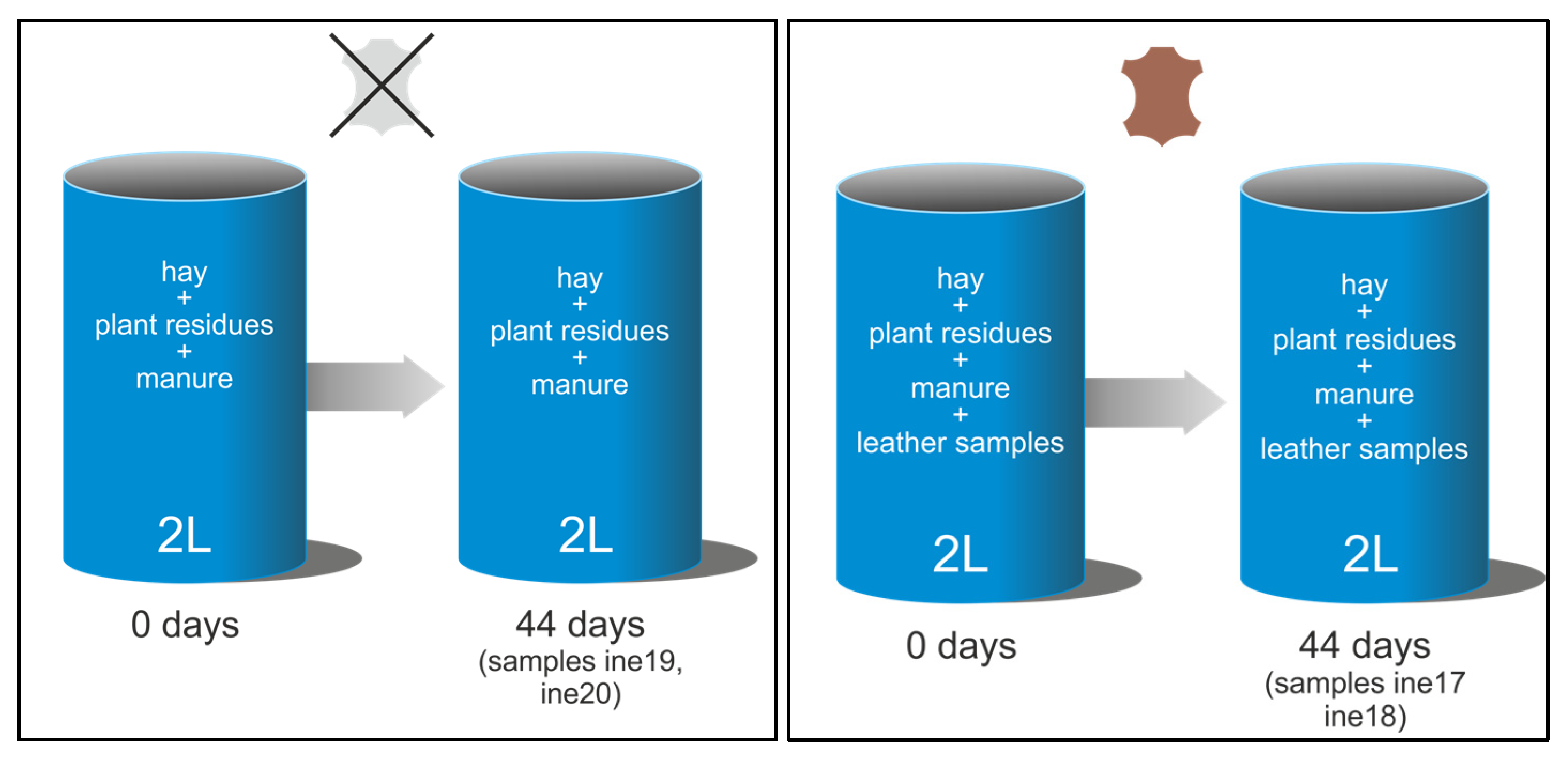
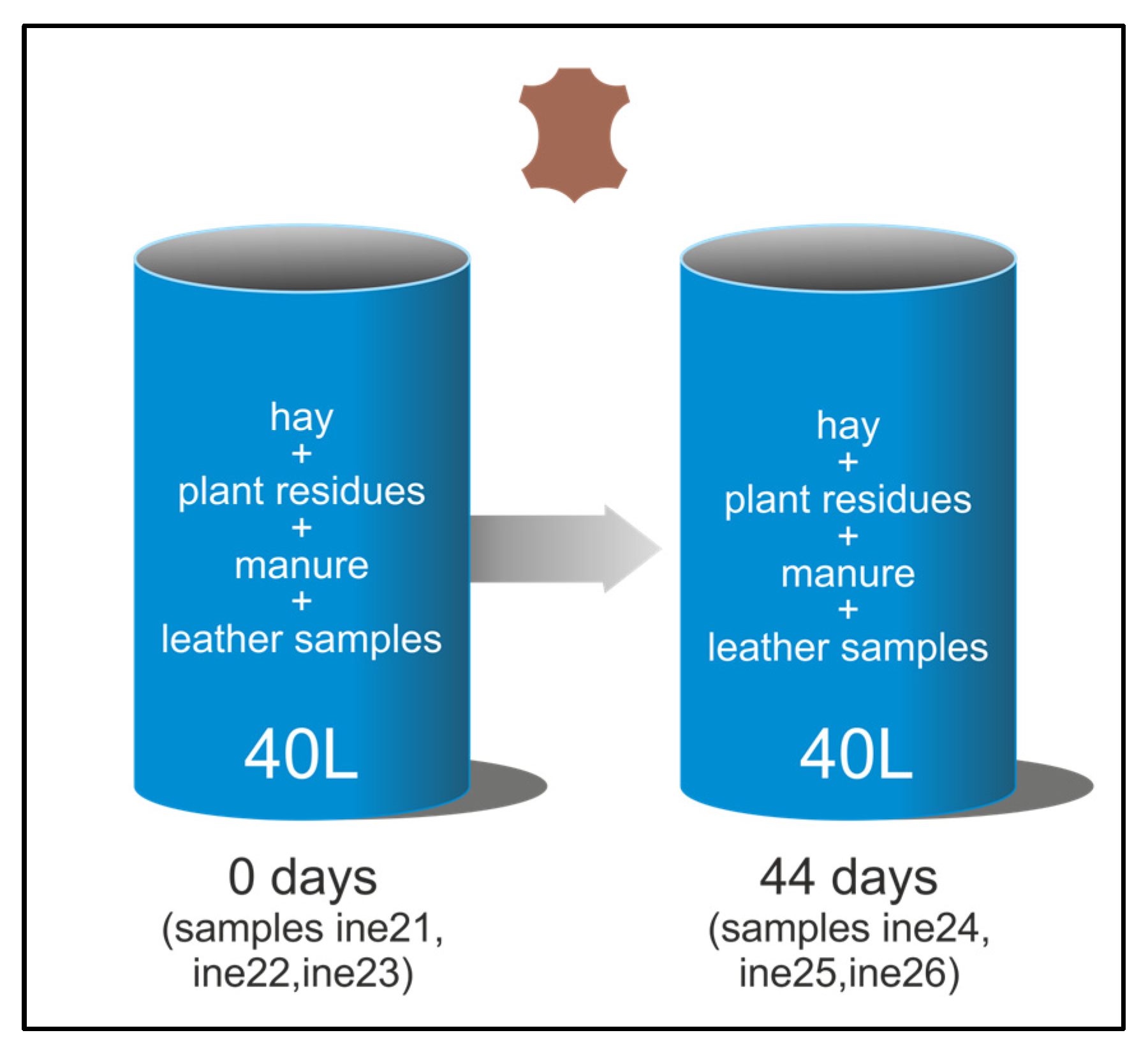
2.1. Thermophilic Composting Setups and Operation
2.2. Metagenomic DNA Extraction and Sequencing
2.3. Bioinformatics and Statistical Analysis
2.4. Cultivable Bacterial and Fungal Species Identification
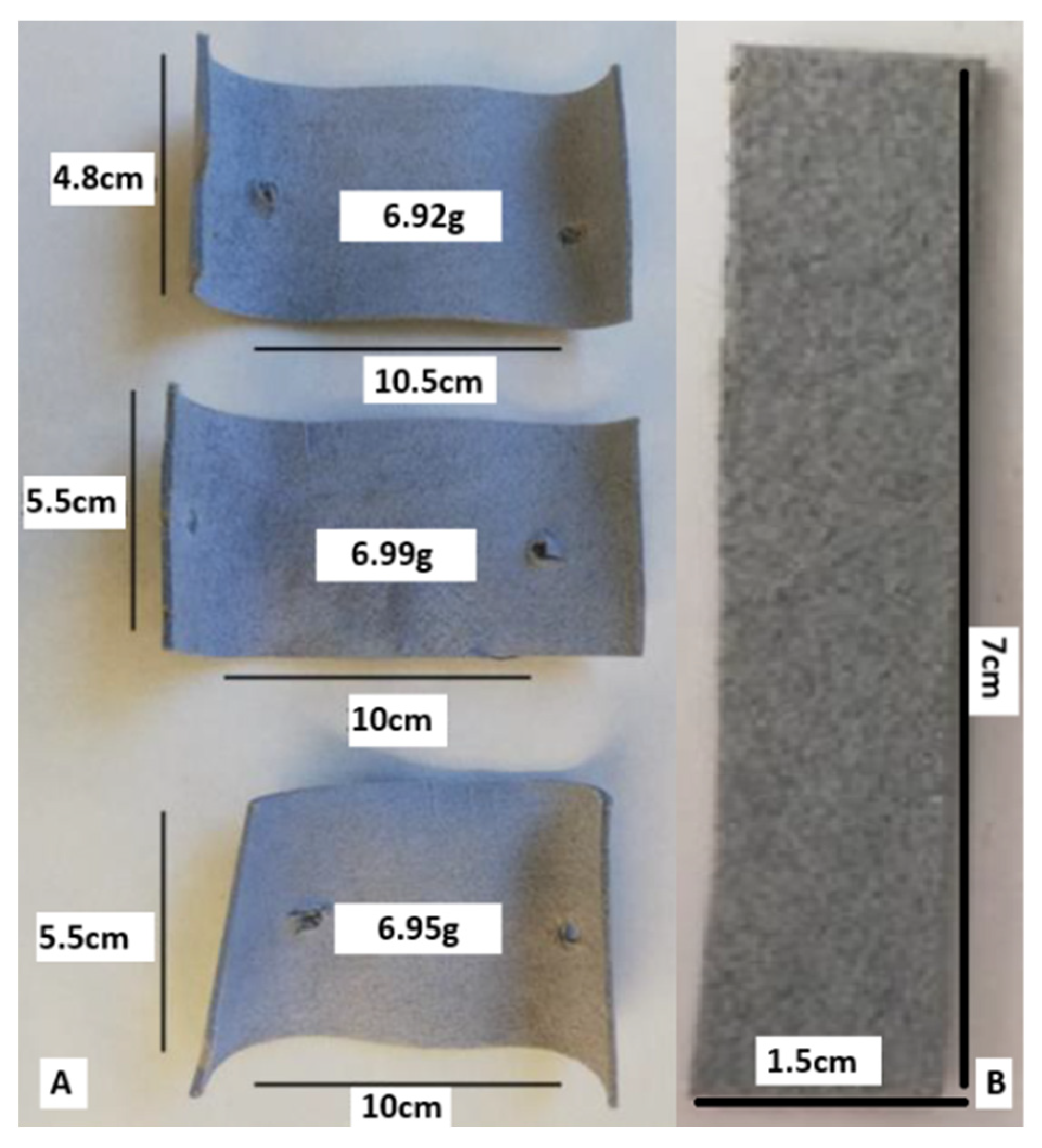
2.5. Scanning Electron Microscopy (SEM) and Gravimetric Analysis: Leather Analysis
3. Results
3.1. Temperature Monitoring During Thermophilic Composting
3.2. Microbial Characterisation: Bacterial Community Composition
3.2.1. Rarefaction, Alpha and Beta Diversity
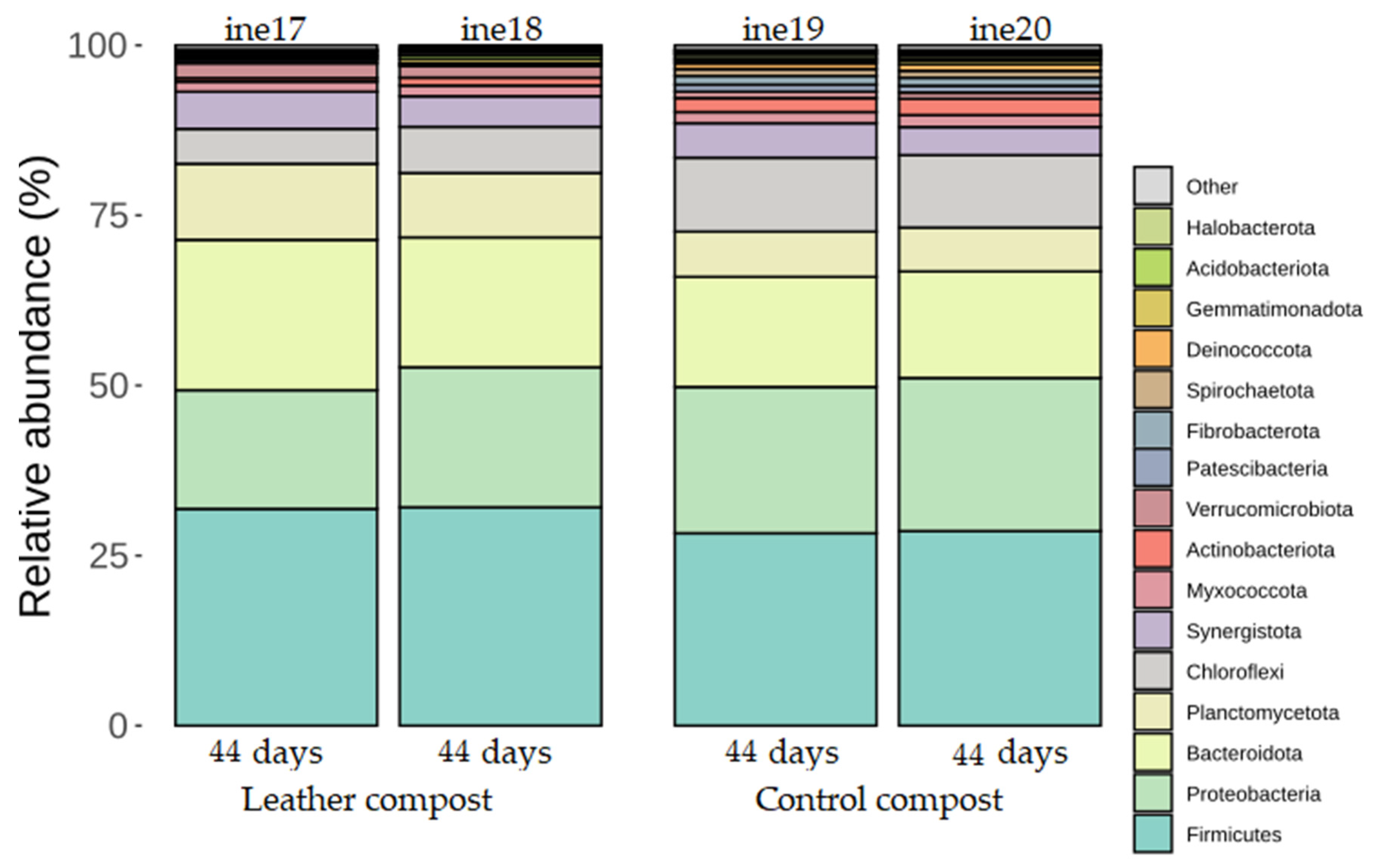
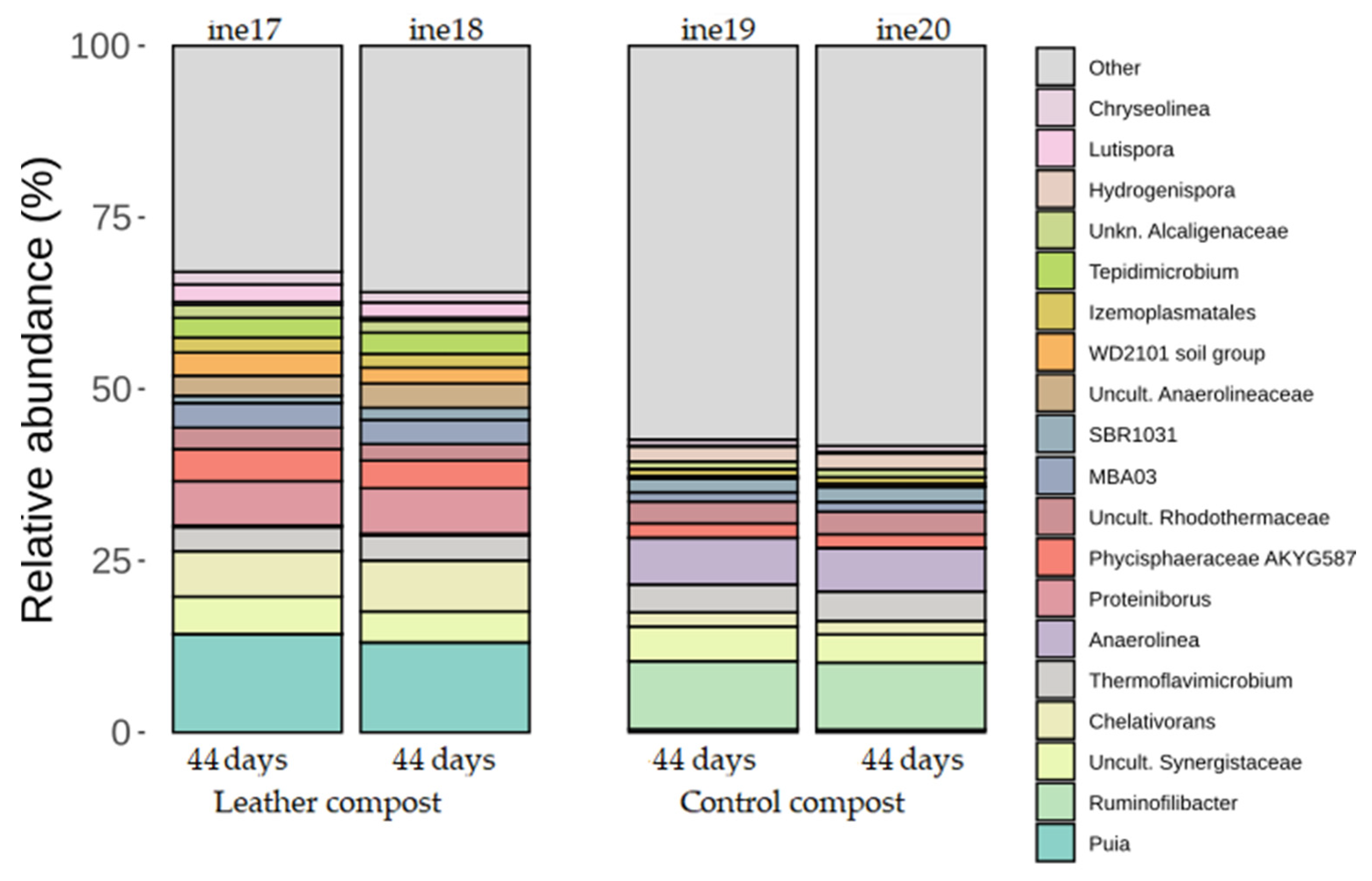
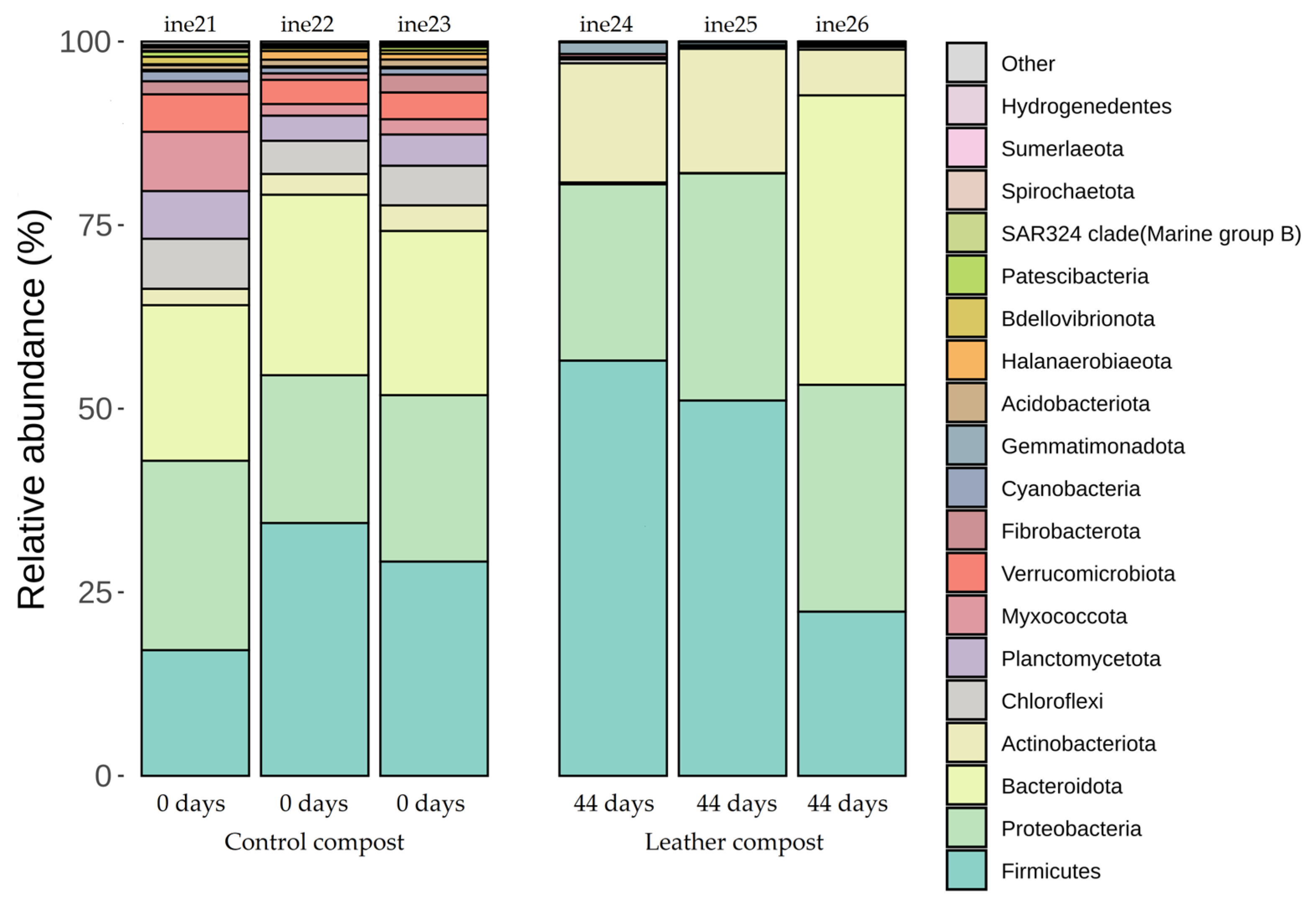
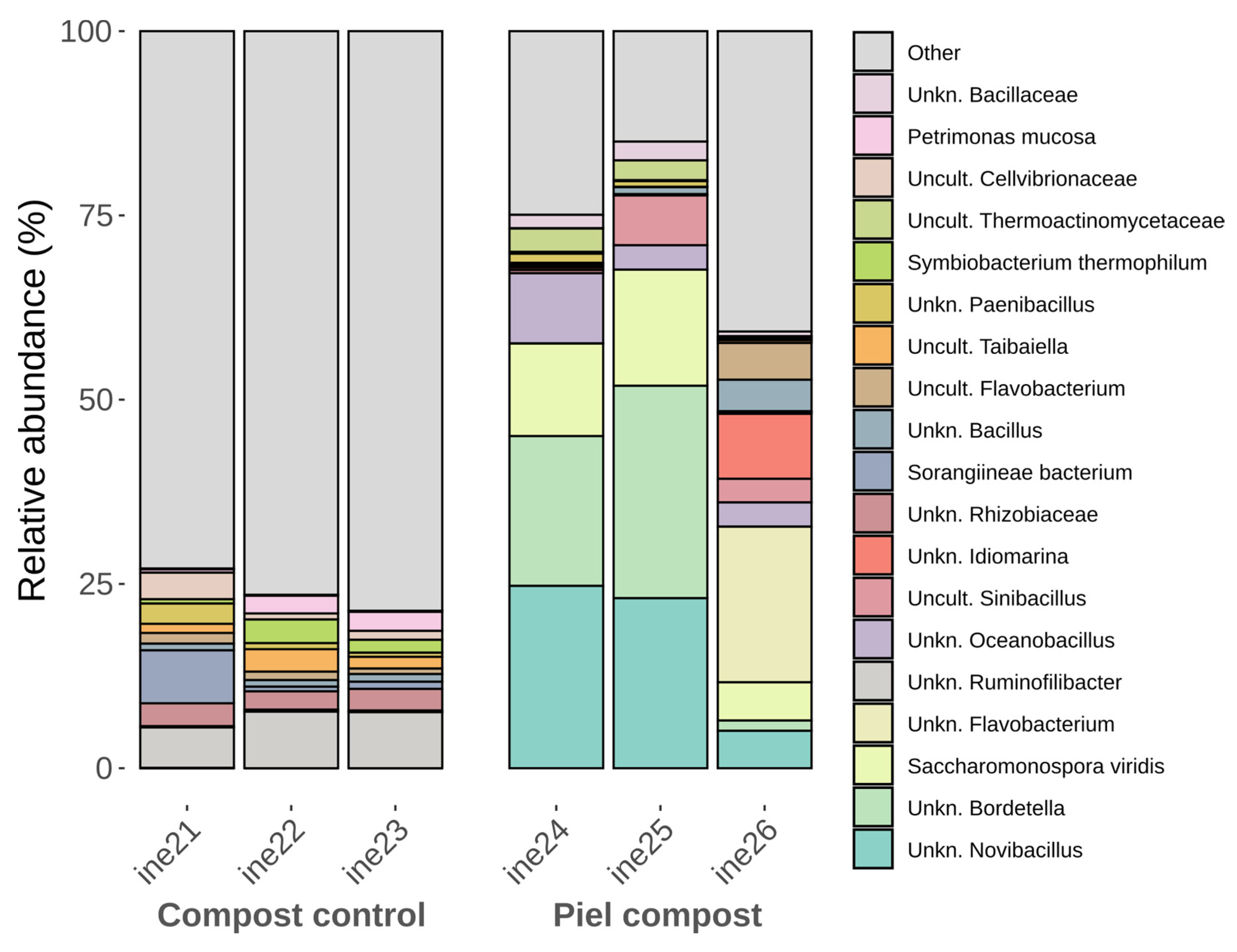
3.2.2. Taxonomic Distribution at Phylum and Genus Levels
3.3. Microbiota Characterisation: Fungal Community Dynamics
3.3.1. Rarefaction, Alpha and Beta Diversity
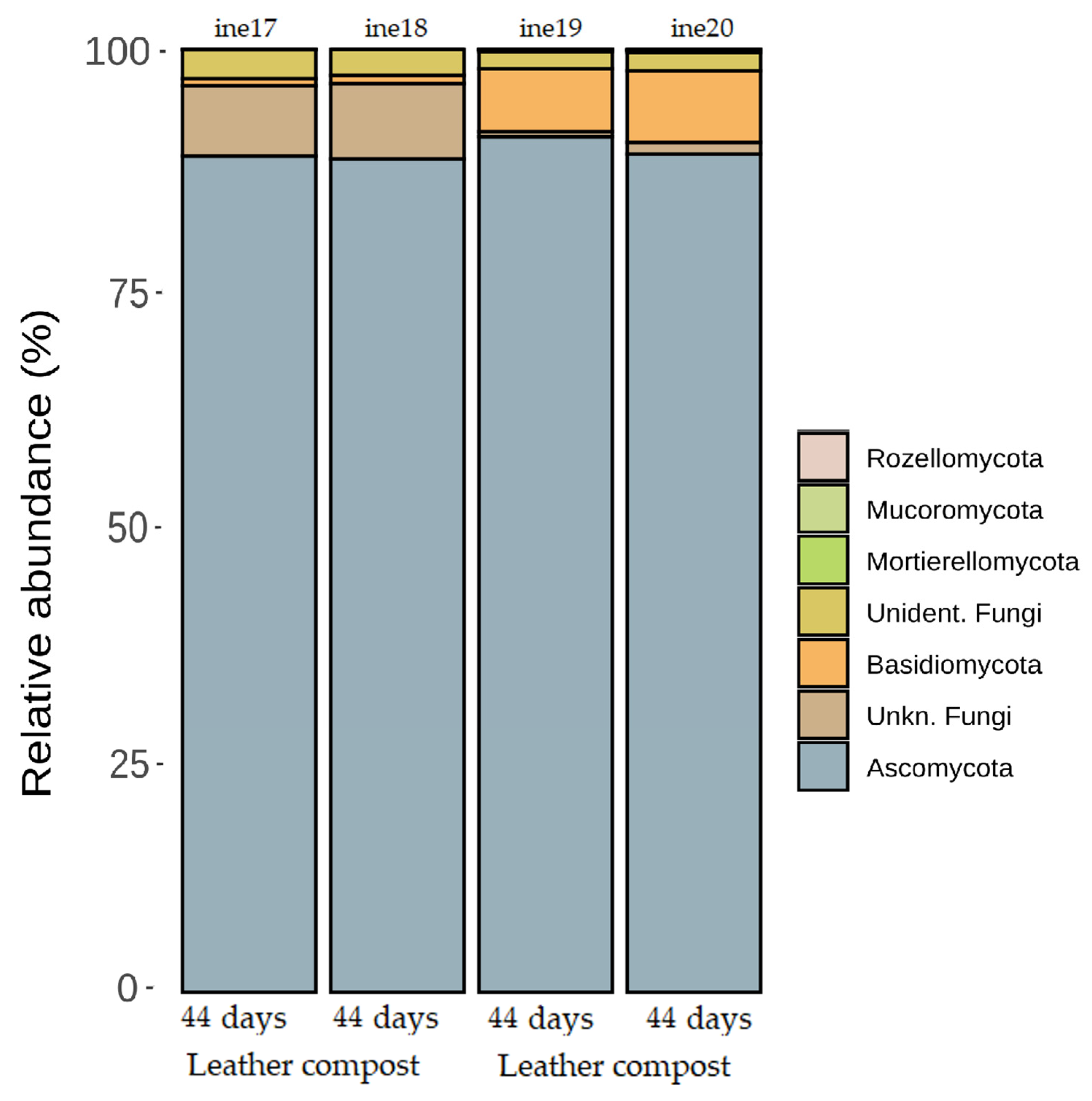
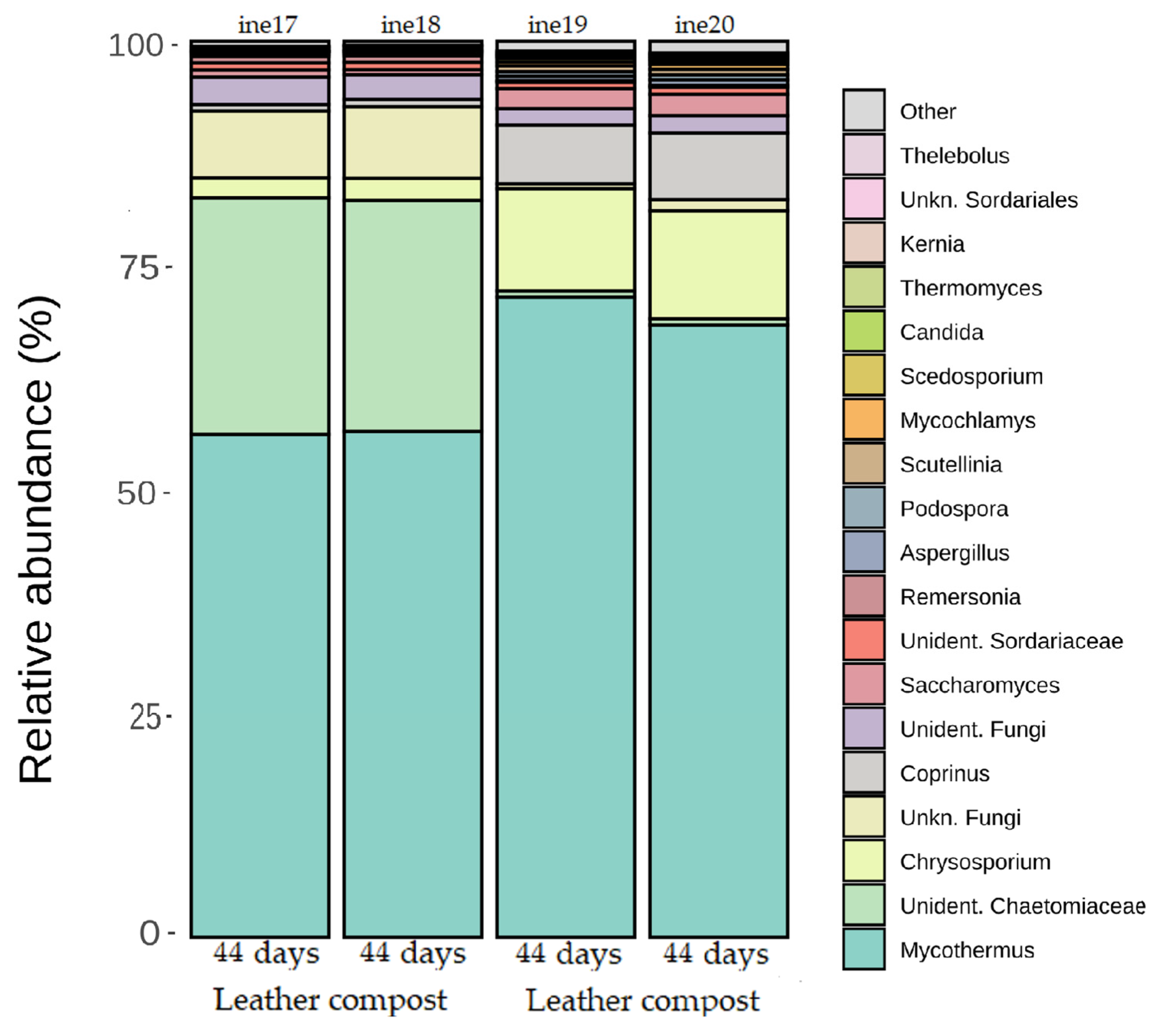
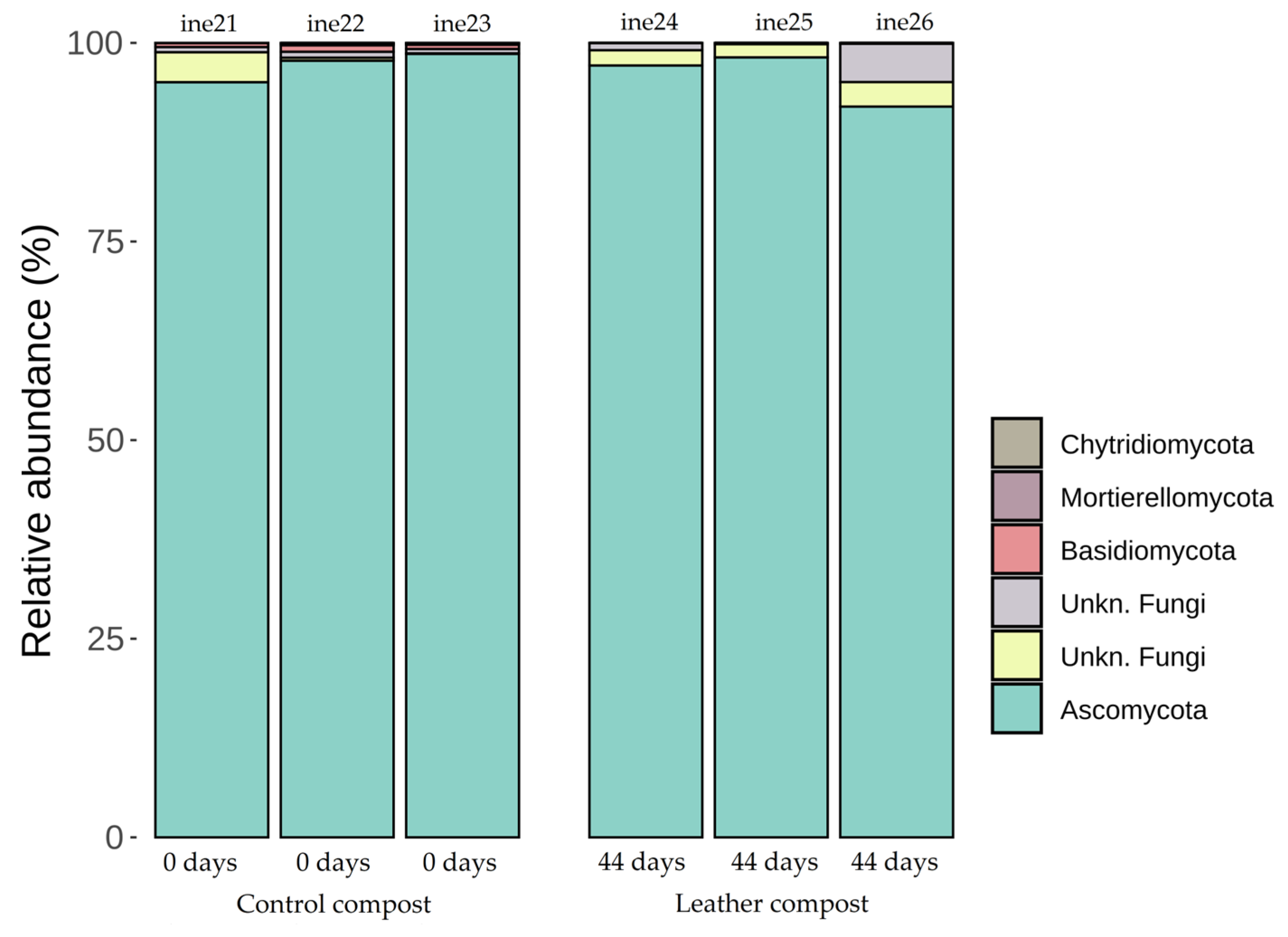
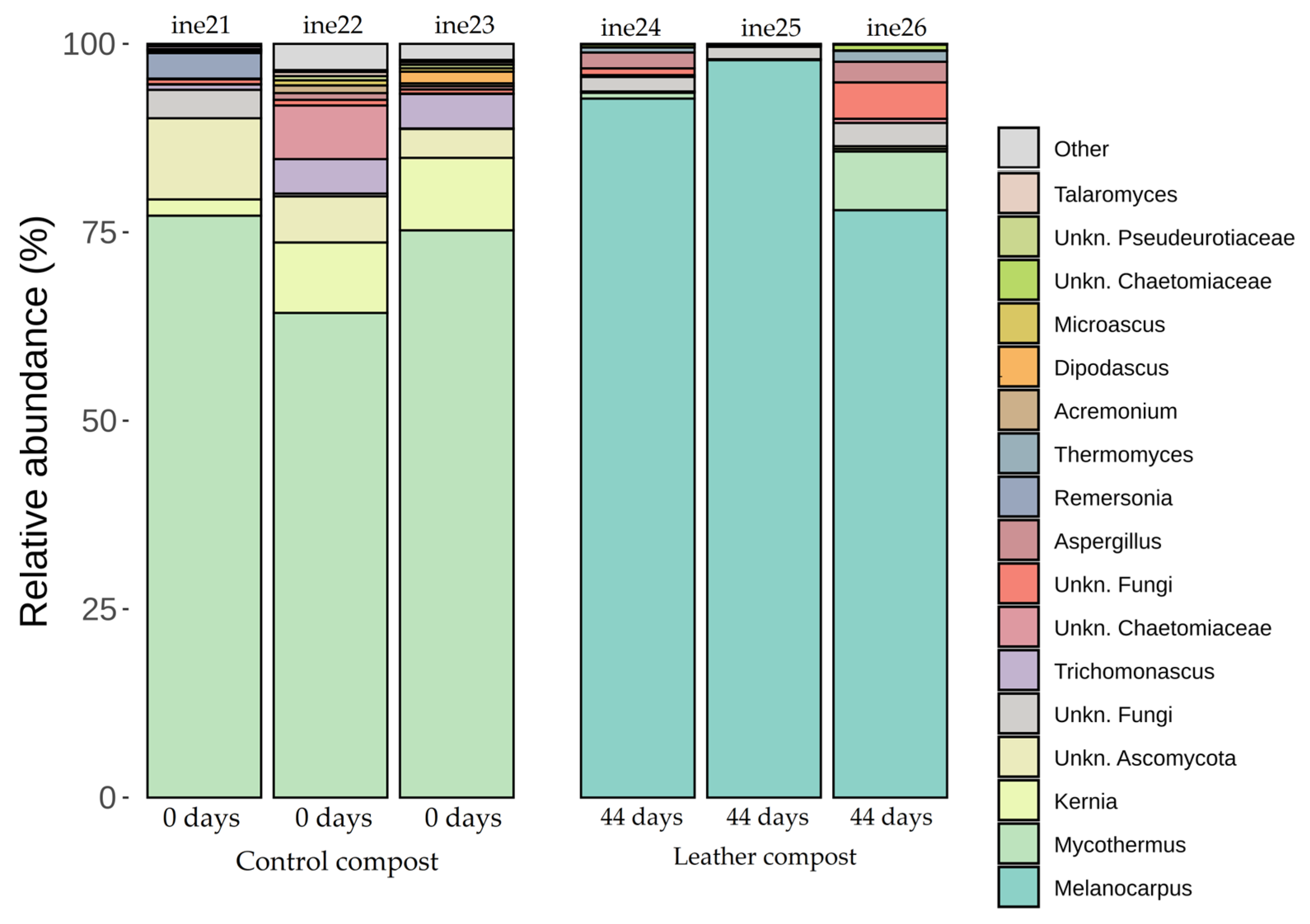
3.3.2. Taxonomic Distribution at Phylum and Genus Levels
3.4. Cultivable Bacterial and Fungal Species Identification
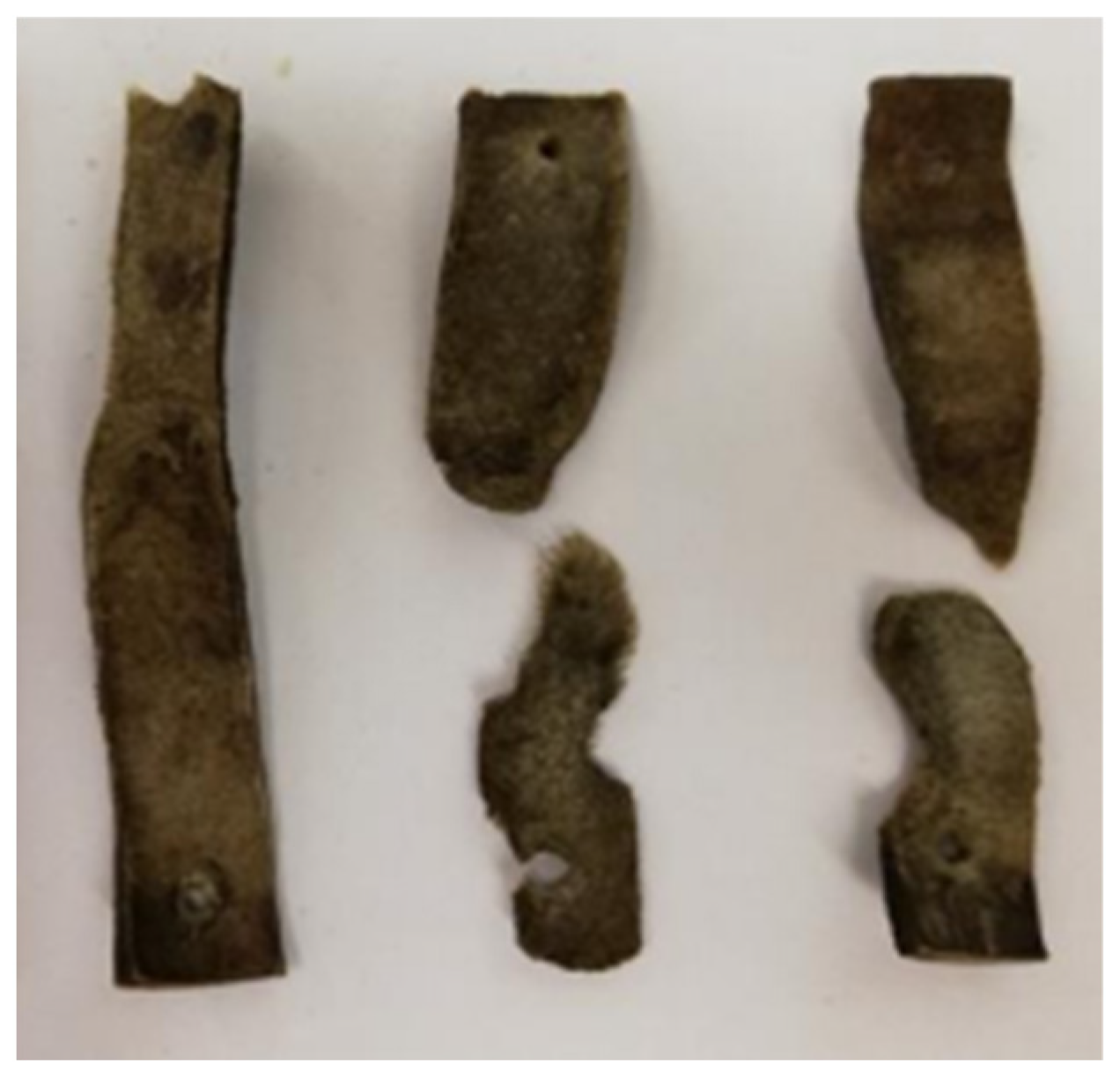
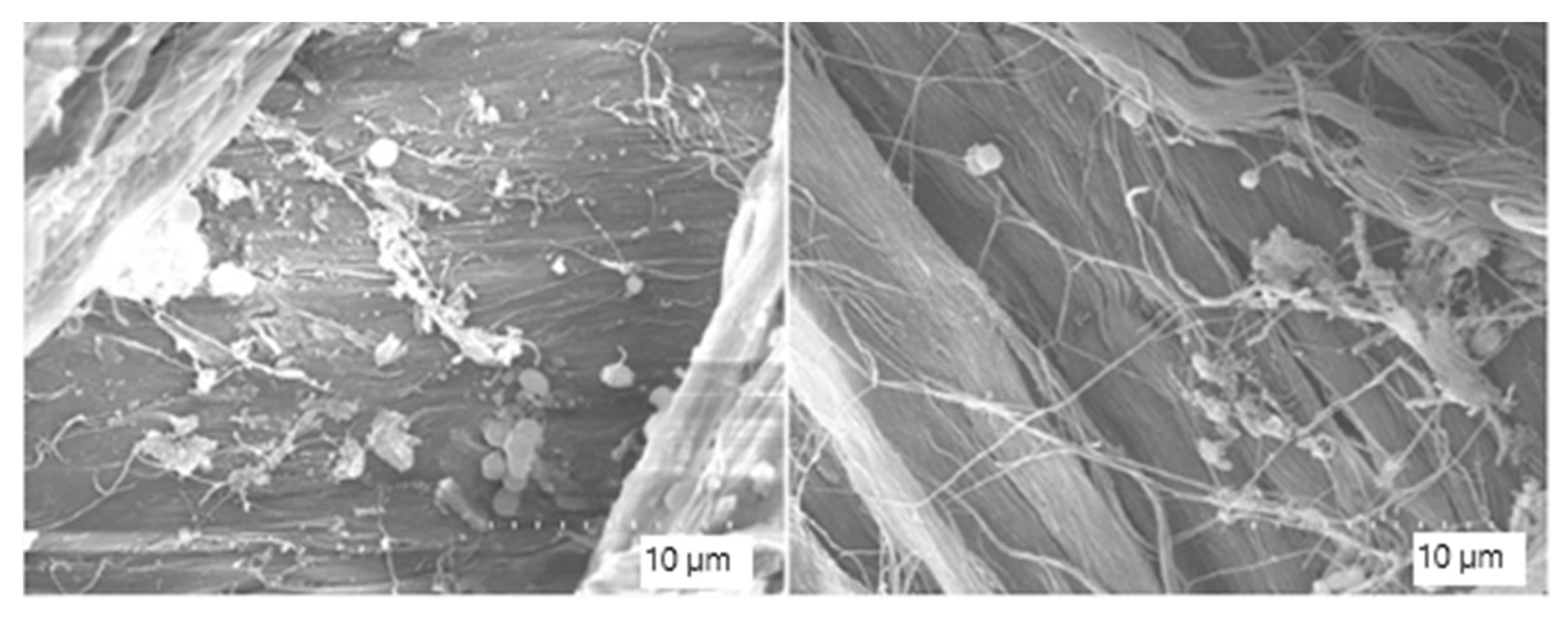
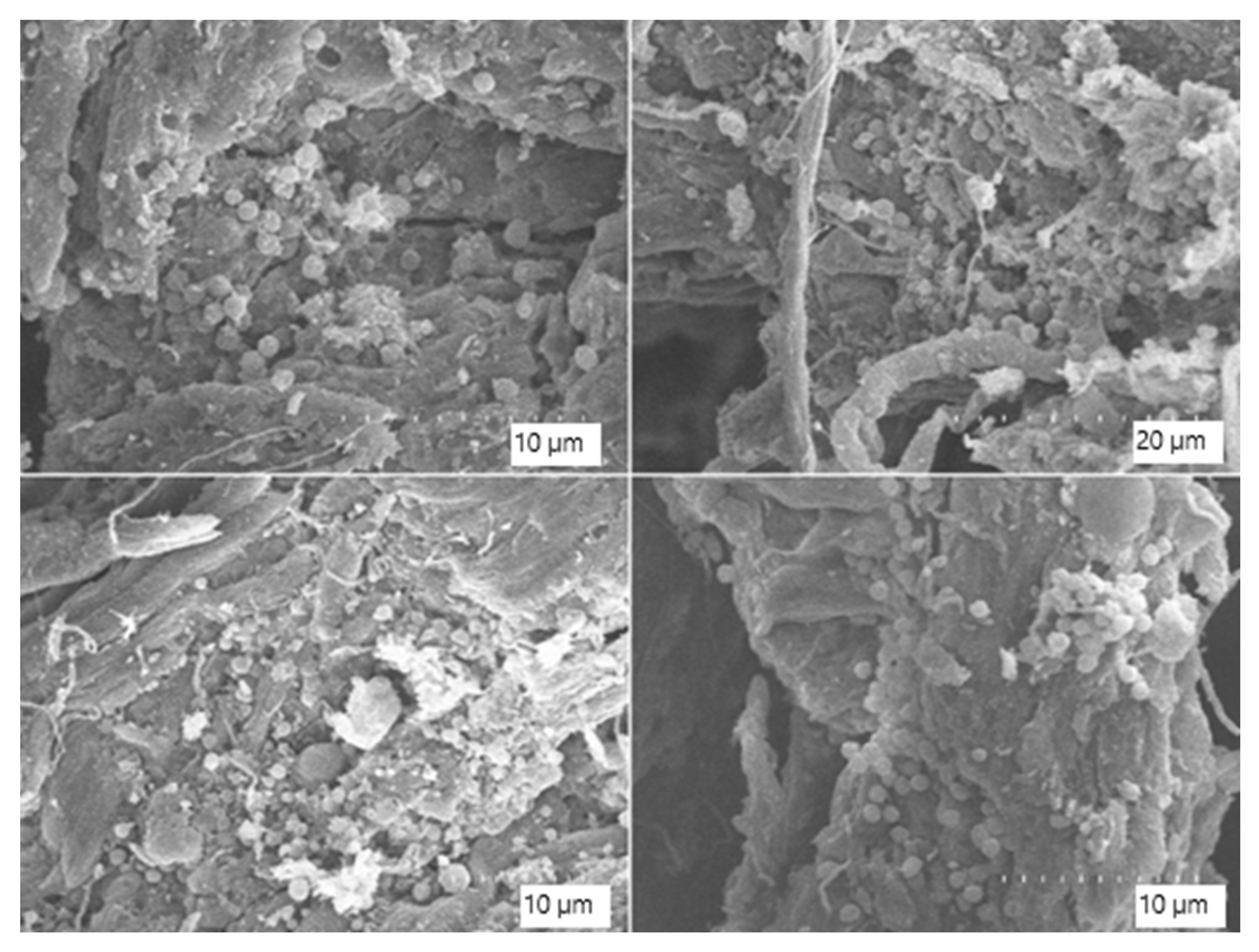
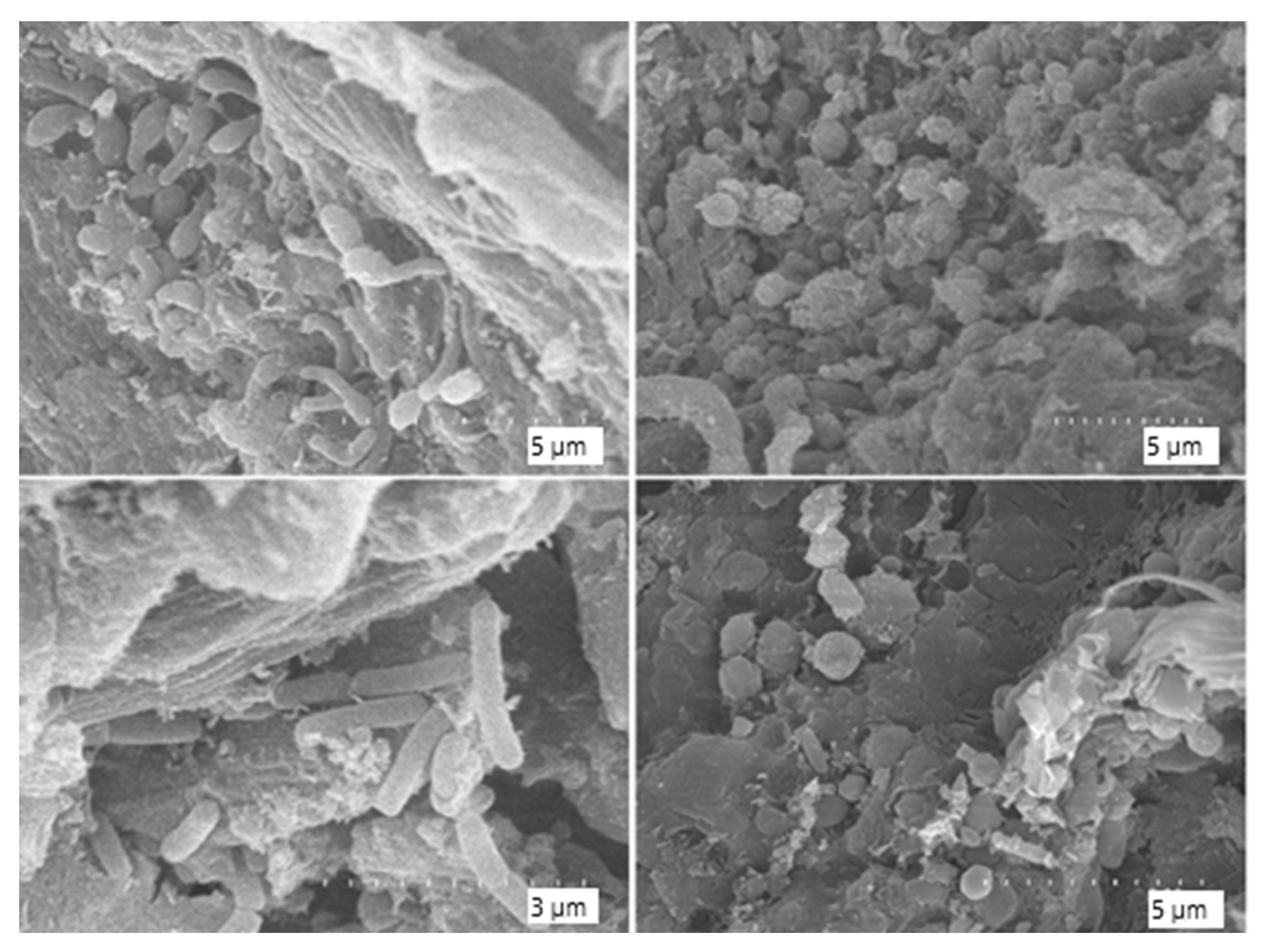
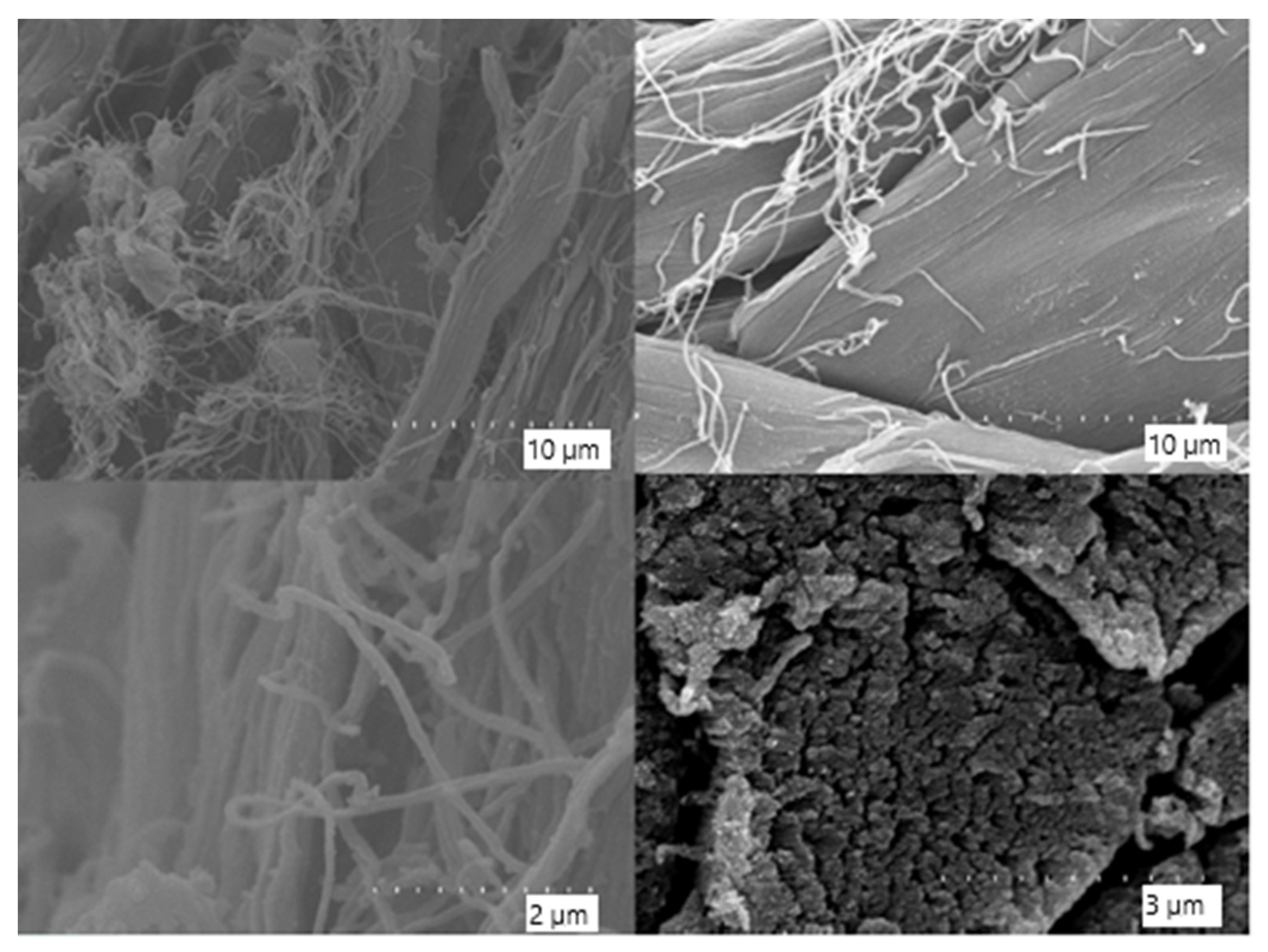
3.5. Scanning Electron Microscopy (SEM) & Gravimetric Analysis: Leather Analysis
4. Discussion
5. Conclusions
Supplementary Materials
Author Contributions
Funding
Institutional Review Board Statement
Informed Consent Statement
Data Availability Statement
Conflicts of Interest
References
- Verma, S.K.; Sharma, P.C. Current Trends in Solid Tannery Waste Management. Crit. Rev. Biotechnol. 2023, 43, 805–822. [Google Scholar] [CrossRef]
- Wrzesińska-Jędrusiak, E.; Czarnecki, M.; Kazimierski, P.; Bandrów, P.; Szufa, S. The Circular Economy in the Management of Waste from Leather Processing. Energies 2023, 16, 564. [Google Scholar] [CrossRef]
- Chojnacka, K.; Skrzypczak, D.; Mikula, K.; Witek-Krowiak, A.; Izydorczyk, G.; Kuligowski, K.; Bandrów, P.; Kułażyński, M. Progress in Sustainable Technologies of Leather Wastes Valorization as Solutions for the Circular Economy. J. Clean. Prod. 2021, 313, 127902. [Google Scholar] [CrossRef]
- Thomasset, A.; Benayoun, S. Review: Leather Sustainability, an Industrial Ecology in Process. J. Ind. Ecol. 2024, 28, 1842–1856. [Google Scholar] [CrossRef]
- Biškauskaitė, R.; Valeika, V. Wet Blue Enzymatic Treatment and Its Effect on Leather Properties and Post-Tanning Processes. Materials 2023, 16, 2301. [Google Scholar] [CrossRef]
- Abo Elazm, A.; Zaki, S.; Abd El-Rahim, W.M.; Rostom, M.; Sabbor, A.T.; Moawad, H.; Sedik, M.Z. Bioremediation of Hexavalent Chromium Widely Discharged in Leather Tanning Effluents. Egypt. J. Chem. 2020, 63, 2201–2212. [Google Scholar] [CrossRef]
- Bakshi, A.; Panigrahi, A.K. Chromium Contamination in Soil and Its Bioremediation: An Overview. In Advances in Bioremediation and Phytoremediation for Sustainable Soil Management: Principles, Monitoring and Remediation; Malik, J.A., Ed.; Springer International Publishing: Cham, Switzerland, 2022; pp. 229–248. ISBN 978-3-030-89984-4. [Google Scholar]
- Ambone, T.; Joseph, S.; Deenadayalan, E.; Mishra, S.; Jaisankar, S.; Saravanan, P. Polylactic Acid (PLA) Biocomposites Filled with Waste Leather Buff (WLB). J. Polym. Environ. 2017, 25, 1099–1109. [Google Scholar] [CrossRef]
- Santos, R.J.; Agostini, D.L.S.; Cabrera, F.C.; Budemberg, E.R.; Job, A.E. Recycling Leather Waste: Preparing and Studying on the Microstructure, Mechanical, and Rheological Properties of Leather Waste/Rubber Composite. Polym. Compos. 2015, 36, 2275–2281. [Google Scholar] [CrossRef]
- Codreanu (Manea), A.-M.N.; Stefan, D.S.; Kim, L.; Stefan, M. Depollution of Polymeric Leather Waste by Applying the Most Current Methods of Chromium Extraction. Polymers 2024, 16, 1546. [Google Scholar] [CrossRef]
- Ayele, M.; Limeneh, D.Y.; Tesfaye, T.; Mengie, W.; Abuhay, A.; Haile, A.; Gebino, G. A Review on Utilization Routes of the Leather Industry Biomass. Adv. Mater. Sci. Eng. 2021, 2021, 1503524. [Google Scholar] [CrossRef]
- Rigueto, C.V.T.; Rosseto, M.; Krein, D.D.C.; Ostwald, B.E.P.; Massuda, L.A.; Zanella, B.B.; Dettmer, A. Alternative Uses for Tannery Wastes: A Review of Environmental, Sustainability, and Science. J. Leather Sci. Eng. 2020, 2, 21. [Google Scholar] [CrossRef]
- Moktadir, M.A.; Ahmadi, H.B.; Sultana, R.; Zohra, F.-T.; Liou, J.J.H.; Rezaei, J. Circular Economy Practices in the Leather Industry: A Practical Step towards Sustainable Development. J. Clean. Prod. 2020, 251, 119737. [Google Scholar] [CrossRef]
- Hansen, É.; de Aquim, P.M.; Gutterres, M. Environmental Assessment of Water, Chemicals and Effluents in Leather Post-Tanning Process: A Review. Environ. Impact Assess. Rev. 2021, 89, 106597. [Google Scholar] [CrossRef]
- Sokač, T.; Valinger, D.; Benković, M.; Jurina, T.; Gajdoš Kljusurić, J.; Radojčić Redovniković, I.; Jurinjak Tušek, A. Application of Optimization and Modeling for the Composting Process Enhancement. Processes 2022, 10, 229. [Google Scholar] [CrossRef]
- Goswami, L.; Mukhopadhyay, R.; Bhattacharya, S.S.; Das, P.; Goswami, R. Detoxification of Chromium-Rich Tannery Industry Sludge by Eudrillus Eugeniae: Insight on Compost Quality Fortification and Microbial Enrichment. Bioresour. Technol. 2018, 266, 472–481. [Google Scholar] [CrossRef] [PubMed]
- Vico, A.; Maestre-Lopez, M.I.; Arán-Ais, F.; Orgilés-Calpena, E.; Bertazzo, M.; Marhuenda-Egea, F.C. Assessment of the Biodegradability and Compostability of Finished Leathers: Analysis Using Spectroscopy and Thermal Methods. Polymers 2024, 16, 1908. [Google Scholar] [CrossRef]
- Alugoju, P.; Rao, C.S.V.; Babu, R.; Thankappan, R. Assessment of Biodegradability of Synthetic Tanning Agents Used in Leather Tanning Process. Int. J. Eng. Technol. 2011, 3, 302–308. [Google Scholar]
- Chen, X.; Zhao, Y.; Zhang, C.; Zhang, D.; Yao, C.; Meng, Q.; Zhao, R.; Wei, Z. Speciation, Toxicity Mechanism and Remediation Ways of Heavy Metals during Composting: A Novel Theoretical Microbial Remediation Method Is Proposed. J. Environ. Manag. 2020, 272, 111109. [Google Scholar] [CrossRef]
- Wang, X.; Wang, W.; Liu, X.; Wang, Y. Amphoteric Functional Polymers for Leather Wet Finishing Auxiliaries: A Review. Polym. Adv. Technol. 2021, 32, 1951–1964. [Google Scholar] [CrossRef]
- Wieczorek, D.; Gendaszewska, D.; Miśkiewicz, K.; Słubik, A.; Ławińska, K. Biotransformation of Protein-Rich Waste by Yarrowia Lipolytica IPS21 to High-Value Products—Amino Acid Supernatants. Microbiol. Spectr. 2023, 11, e02749-23. [Google Scholar] [CrossRef]
- Sardroudi, N.P.; Sorolla, S.; Casas, C.; Bacardit, A. A Study of the Composting Capacity of Different Kinds of Leathers, Leatherette and Alternative Materials. Sustainability 2024, 16, 2324. [Google Scholar] [CrossRef]
- Rosu, L.; Varganici, C.; Crudu, A.; Rosu, D. Influence of Different Tanning Agents on Bovine Leather Thermal Degradation. J. Therm. Anal. Calorim. 2018, 134, 583–594. [Google Scholar] [CrossRef]
- Piccin, J.S.; Feris, L.A.; Cooper, M.; Gutterres, M. Dye Adsorption by Leather Waste: Mechanism Diffusion, Nature Studies, and Thermodynamic Data. J. Chem. Eng. Data 2013, 58, 873–882. [Google Scholar] [CrossRef]
- Halldórsdóttir, H.H.; Williams, R.; Greene, E.M.; Taylor, G. Rapid Deterioration in Buried Leather: Archaeological Implications. RSC Adv. 2024, 14, 3762–3770. [Google Scholar] [CrossRef]
- Akhtar, M.A.; Butt, M.Q.S.; Afroz, A.; Rasul, F.; Irfan, M.; Sajjad, M.; Zeeshan, N. Approach towards Sustainable Leather: Characterization and Effective Industrial Application of Proteases from Bacillus Sps. for Ecofriendly Dehairing of Leather Hide. Int. J. Biol. Macromol. 2024, 266, 131154. [Google Scholar] [CrossRef]
- Alibardi, L.; Cossu, R. Pre-Treatment of Tannery Sludge for Sustainable Landfilling. Waste Manag. 2016, 52, 202–211. [Google Scholar] [CrossRef] [PubMed]
- Kanagaraj, J.; Panda, R.C.; Kumar, V. Trends and Advancements in Sustainable Leather Processing: Future Directions and Challenges—A Review. J. Environ. Chem. Eng. 2020, 8, 104379. [Google Scholar] [CrossRef]
- Blair, E.M.; Dickson, K.L.; O’Malley, M.A. Microbial Communities and Their Enzymes Facilitate Degradation of Recalcitrant Polymers in Anaerobic Digestion. Curr. Opin. Microbiol. 2021, 64, 100–108. [Google Scholar] [CrossRef]
- Biyada, S.; Merzouki, M.; Dėmčėnko, T.; Vasiliauskienė, D.; Ivanec-Goranina, R.; Urbonavičius, J.; Marčiulaitienė, E.; Vasarevičius, S.; Benlemlih, M. Microbial Community Dynamics in the Mesophilic and Thermophilic Phases of Textile Waste Composting Identified through Next-Generation Sequencing. Sci. Rep. 2021, 11, 23624. [Google Scholar] [CrossRef]
- Finore, I.; Feola, A.; Russo, L.; Cattaneo, A.; Di Donato, P.; Nicolaus, B.; Poli, A.; Romano, I. Thermophilic Bacteria and Their Thermozymes in Composting Processes: A Review. Chem. Biol. Technol. Agric. 2023, 10, 7. [Google Scholar] [CrossRef]
- Steiniger, B.; Hupfauf, S.; Insam, H.; Schaum, C. Exploring Anaerobic Digestion from Mesophilic to Thermophilic Temperatures—Operational and Microbial Aspects. Fermentation 2023, 9, 798. [Google Scholar] [CrossRef]
- Nnaji, N.D.; Anyanwu, C.U.; Miri, T.; Onyeaka, H. Mechanisms of Heavy Metal Tolerance in Bacteria: A Review. Sustainability 2024, 16, 11124. [Google Scholar] [CrossRef]
- Azarbad, H.; Van Gestel, C.A.M.; Niklińska, M.; Laskowski, R.; Röling, W.F.M.; Van Straalen, N.M. Resilience of Soil Microbial Communities to Metals and Additional Stressors: DNA-Based Approaches for Assessing “Stress-on-Stress” Responses. Int. J. Mol. Sci. 2016, 17, 933. [Google Scholar] [CrossRef]
- Pal, A.; Paul, A.K. Microbial Extracellular Polymeric Substances: Central Elements in Heavy Metal Bioremediation. Indian J. Microbiol. 2008, 48, 49–64. [Google Scholar] [CrossRef]
- Kang, D.; Jacquiod, S.; Herschend, J.; Wei, S.; Nesme, J.; Sørensen, S.J. Construction of Simplified Microbial Consortia to Degrade Recalcitrant Materials Based on Enrichment and Dilution-to-Extinction Cultures. Front. Microbiol. 2020, 10, 03010. [Google Scholar] [CrossRef] [PubMed]
- Chen, S.-Y.; Cheng, Y.-C.; Yang, W.-L.; Wang, M.-Y. Surface Defect Detection of Wet-Blue Leather Using Hyperspectral Imaging. IEEE Access 2021, 9, 127685–127702. [Google Scholar] [CrossRef]
- Mehta, M.; Naffa, R.; Maidment, C.; Holmes, G.; Waterland, M. Raman and Atr-Ftir Spectroscopy towards Classification of Wet Blue Bovine Leather Using Ratiometric and Chemometric Analysis. J. Leather Sci. Eng. 2020, 2, 3. [Google Scholar] [CrossRef]
- ISO 16929:2021; Plastics—Determination of the Degree of Disintegration of Plastic Materials under Defined Composting Conditions in a Pilot-Scale Test. ISO: Geneva, Switzerland, 2021. Available online: https://www.iso.org/standard/80302.html (accessed on 17 June 2025).
- Ji, Z.; Zhang, L.; Liu, Y.; Li, X.; Li, Z. Evaluation of Composting Parameters, Technologies and Maturity Indexes for Aerobic Manure Composting: A Meta-Analysis. Sci. Total Environ. 2023, 886, 163929. [Google Scholar] [CrossRef] [PubMed]
- Bonilla-Espadas, M.; Zafrilla, B.; Lifante-Martínez, I.; Camacho, M.; Orgilés-Calpena, E.; Arán-Aís, F.; Bertazzo, M.; Bonete, M.-J. Selective Isolation and Identification of Microorganisms with Dual Capabilities: Leather Biodegradation and Heavy Metal Resistance for Industrial Applications. Microorganisms 2024, 12, 1029. [Google Scholar] [CrossRef] [PubMed]
- NZYSoil gDNA Isolation Kit. Available online: https://www.nzytech.com/en/mb21802-nzy-soil-gdna-isolation-kit/ (accessed on 13 June 2024).
- Church, D.L.; Cerutti, L.; Gürtler, A.; Griener, T.; Zelazny, A.; Emler, S. Performance and Application of 16S rRNA Gene Cycle Sequencing for Routine Identification of Bacteria in the Clinical Microbiology Laboratory. Clin. Microbiol. Rev. 2020, 33, 10-1128. [Google Scholar] [CrossRef]
- Sykes, J.E.; Rankin, S.C. Chapter 4—Isolation and Identification of Fungi. In Canine and Feline Infectious Diseases; Sykes, J.E., Ed.; W.B. Saunders: Saint Louis, MO, USA, 2014; pp. 29–36. ISBN 978-1-4377-0795-3. [Google Scholar]
- Satari, L.; Guillén, A.; Vidal-Verdú, À.; Porcar, M. The Wasted Chewing Gum Bacteriome. Sci. Rep. 2020, 10, 16846. [Google Scholar] [CrossRef] [PubMed]
- Quast, C.; Pruesse, E.; Yilmaz, P.; Gerken, J.; Schweer, T.; Yarza, P.; Peplies, J.; Glöckner, F.O. The SILVA Ribosomal RNA Gene Database Project: Improved Data Processing and Web-Based Tools. Nucleic Acids Res. 2013, 41, D590–D596. [Google Scholar] [CrossRef] [PubMed]
- McMurdie, P.J.; Holmes, S. Phyloseq: An R Package for Reproducible Interactive Analysis and Graphics of Microbiome Census Data. PLoS ONE 2013, 8, e61217. [Google Scholar] [CrossRef]
- Oksanen, J.; Blanchet, F.G.; Kindt, R.; Legendre, P.; Minchin, P.; O’Hara, B.; Simpson, G.; Solymos, P.; Stevens, H.; Wagner, H. Vegan: Community Ecology Package. R Package Version 22-1 2015. Available online: https://www.worldagroforestry.org/publication/vegan-community-ecology-package-r-package-vegan-vers-22-1 (accessed on 16 December 2025).
- Love, M.I.; Huber, W.; Anders, S. Moderated Estimation of Fold Change and Dispersion for RNA-Seq Data with DESeq2. Genome Biol. 2014, 15, 550. [Google Scholar] [CrossRef]
- Hardersen, S.; La Porta, G. Never Underestimate Biodiversity: How Undersampling Affects Bray–Curtis Similarity Estimates and a Possible Countermeasure. Eur. Zool. J. 2023, 90, 660–672. [Google Scholar] [CrossRef]
- Garrido-Martín, D.; Calvo, M.; Reverter, F.; Guigó, R. A Fast Non-Parametric Test of Association for Multiple Traits. Genome Biol. 2023, 24, 230. [Google Scholar] [CrossRef]
- Nucleotide BLAST: Search Nucleotide Databases Using a Nucleotide Query. Available online: https://blast.ncbi.nlm.nih.gov/Blast.cgi?PROGRAM=blastn&BLAST_SPEC=GeoBlast&PAGE_TYPE=BlastSearch (accessed on 10 February 2025).
- Vyskočilová, G.; Carşote, C.; Ševčík, R.; Badea, E. Burial-Induced Deterioration in Leather: A FTIR-ATR, DSC, TG/DTG, MHT and SEM Study. Herit. Sci. 2022, 10, 7. [Google Scholar] [CrossRef]
- Li, Y.; Zhao, J.; Achinas, S.; Zhang, Z.; Krooneman, J.; Euverink, G.J.W. The Biomethanation of Cow Manure in a Continuous Anaerobic Digester Can Be Boosted via a Bioaugmentation Culture Containing Bathyarchaeota. Sci. Total Environ. 2020, 745, 141042. [Google Scholar] [CrossRef]
- Yang, G.; Chen, J.; Zhou, S. Novibacillus Thermophilus Gen. Nov., Sp. Nov., a Gram-Staining-Negative and Moderately Thermophilic Member of the Family Thermoactinomycetaceae. Int. J. Syst. Evol. Microbiol. 2015, 65, 2591–2597. [Google Scholar] [CrossRef]
- Tao, W.; Lin, J.; Wang, W.; Huang, H.; Li, S. Biodegradation of Aliphatic and Polycyclic Aromatic Hydrocarbons by the Thermophilic Bioemulsifier-Producing Aeribacillus Pallidus Strain SL-1. Ecotoxicol. Environ. Saf. 2020, 189, 109994. [Google Scholar] [CrossRef]
- Gomez del Pulgar, E.M.; Saadeddin, A. The Cellulolytic System of Thermobifida Fusca. Crit. Rev. Microbiol. 2014, 40, 236–247. [Google Scholar] [CrossRef]
- McFall, A.; Coughlin, S.A.; Hardiman, G.; Megaw, J. Strategies for Biofilm Optimization of Plastic-Degrading Microorganisms and Isolating Biofilm Formers from Plastic-Contaminated Environments. Sustain. Microbiol. 2024, 1, qvae012. [Google Scholar] [CrossRef]
- Kong, Z.; Wang, X.; Wang, M.; Chai, L.; Wang, X.; Liu, D.; Shen, Q. Bacterial Ecosystem Functioning in Organic Matter Biodegradation of Different Composting at the Thermophilic Phase. Bioresour. Technol. 2020, 317, 123990. [Google Scholar] [CrossRef]
- Radhika, V.; Subramanian, S.; Natarajan, K.A. Bioremediation of Zinc Using Desulfotomaculum Nigrificans: Bioprecipitation and Characterization Studies. Water Res. 2006, 40, 3628–3636. [Google Scholar] [CrossRef]
- Patel, A.B.; Singh, S.; Patel, A.; Jain, K.; Amin, S.; Madamwar, D. Synergistic Biodegradation of Phenanthrene and Fluoranthene by Mixed Bacterial Cultures. Bioresour. Technol. 2019, 284, 115–120. [Google Scholar] [CrossRef]
- Xu, Z.; Wang, D.; Tang, W.; Wang, L.; Li, Q.; Lu, Z.; Liu, H.; Zhong, Y.; He, T.; Guo, S. Phytoremediation of Cadmium-Polluted Soil Assisted by D-Gluconate-Enhanced Enterobacter Cloacae Colonization in the Solanum Nigrum L. Rhizosphere. Sci. Total Environ. 2020, 732, 139265. [Google Scholar] [CrossRef] [PubMed]
- Toledano, M.; Asady, S.; Toledano-Osorio, M.; García-Godoy, F.; Serrera-Figallo, M.-A.; Benítez-García, J.A.; Osorio, R. Differential Biodegradation Kinetics of Collagen Membranes for Bone Regeneration. Polymers 2020, 12, 1290. [Google Scholar] [CrossRef] [PubMed]
- Butbunchu, N.; Pathom-Aree, W. Actinobacteria as Promising Candidate for Polylactic Acid Type Bioplastic Degradation. Front. Microbiol. 2019, 10, 2834. [Google Scholar] [CrossRef]
- Basik, A.A.; Sanglier, J.-J.; Yeo, C.T.; Sudesh, K. Microbial Degradation of Rubber: Actinobacteria. Polymers 2021, 13, 1989. [Google Scholar] [CrossRef] [PubMed]
- Mawang, C.-I.; Azman, A.-S.; Fuad, A.-S.M.; Ahamad, M. Actinobacteria: An Eco-Friendly and Promising Technology for the Bioaugmentation of Contaminants. Biotechnol. Rep. 2021, 32, e00679. [Google Scholar] [CrossRef]
- Kiiskinen, L.-L.; Palonen, H.; Linder, M.; Viikari, L.; Kruus, K. Laccase from Melanocarpus Albomyces Binds Effectively to Cellulose. FEBS Lett. 2004, 576, 251–255. [Google Scholar] [CrossRef]
- Hassan, M.A.; Haroun, B.M.; Amara, A.A.; Serour, E.A. Production and Characterization of Keratinolytic Protease from New Wool-Degrading Bacillus Species Isolated from Egyptian Ecosystem. BioMed Res. Int. 2013, 2013, 175012. [Google Scholar] [CrossRef]
- Akram, F.; Haq, I.u.; Hayat, A.K.; Ahmed, Z.; Jabbar, Z.; Baig, I.M.; Akram, R. Keratinolytic Enzyme from a Thermotolerant Isolate Bacillus Sp. NDS-10: An Efficient Green Biocatalyst for Poultry Waste Management, Laundry and Hide-Dehairing Applications. Waste Biomass Valorization 2021, 12, 5001–5018. [Google Scholar] [CrossRef]
- Dobrowolski, R.; Szcześ, A.; Czemierska, M.; Jarosz-Wikołazka, A. Studies of Cadmium(II), Lead(II), Nickel(II), Cobalt(II) and Chromium(VI) Sorption on Extracellular Polymeric Substances Produced by Rhodococcus Opacus and Rhodococcus Rhodochrous. Bioresour. Technol. 2017, 225, 113–120. [Google Scholar] [CrossRef] [PubMed]
- Efe, D. Potential Plant Growth-Promoting Bacteria with Heavy Metal Resistance. Curr. Microbiol. 2020, 77, 3861–3868. [Google Scholar] [CrossRef]
- Sun, L.; Zheng, Y.; Yu, X. Flocculation-Bio-Treatment of Heavy Metals-Vacuum Preloading of the River Sediments. Ecotoxicol. Environ. Saf. 2020, 201, 110810. [Google Scholar] [CrossRef]
- Pang, B.; Lv, L.; Pang, C.; Ye, F.; Shang, C. Optimization of Growth Conditions of Acinetobacter Sp. Cr1 for Removal of Heavy Metal Cr Using Central Composite Design. Curr. Microbiol. 2021, 78, 316–322. [Google Scholar] [CrossRef] [PubMed]
- Wu, P.; Wang, Z.; Bhatnagar, A.; Jeyakumar, P.; Wang, H.; Wang, Y.; Li, X. Microorganisms-Carbonaceous Materials Immobilized Complexes: Synthesis, Adaptability and Environmental Applications. J. Hazard. Mater. 2021, 416, 125915. [Google Scholar] [CrossRef]
- Bhattacharya, A.; Gupta, A. Evaluation of Acinetobacter Sp. B9 for Cr (VI) Resistance and Detoxification with Potential Application in Bioremediation of Heavy-Metals-Rich Industrial Wastewater. Environ. Sci. Pollut. Res. 2013, 20, 6628–6637. [Google Scholar] [CrossRef]
- He, Z.; Gao, F.; Sha, T.; Hu, Y.; He, C. Isolation and Characterization of a Cr(VI)-Reduction Ochrobactrum Sp. Strain CSCr-3 from Chromium Landfill. J. Hazard. Mater. 2009, 163, 869–873. [Google Scholar] [CrossRef]
- Kumar, M.; Revathi, K.; Khanna, S. Biodegradation of Cellulosic and Lignocellulosic Waste by Pseudoxanthomonas Sp R-28. Carbohydr. Polym. 2015, 134, 761–766. [Google Scholar] [CrossRef] [PubMed]
- Sharma, B.; Shukla, P. A Comparative Analysis of Heavy Metal Bioaccumulation and Functional Gene Annotation towards Multiple Metal Resistant Potential by Ochrobactrum Intermedium BPS-20 and Ochrobactrum Ciceri BPS-26. Bioresour. Technol. 2021, 320, 124330. [Google Scholar] [CrossRef]
- van den Brink, J.; Facun, K.; de Vries, M.; Stielow, J.B. Thermophilic Growth and Enzymatic Thermostability Are Polyphyletic Traits within Chaetomiaceae. Fungal Biol. 2015, 119, 1255–1266. [Google Scholar] [CrossRef] [PubMed]
- Che Hussian, C.H.A.; Leong, W.Y. Thermostable Enzyme Research Advances: A Bibliometric Analysis. J. Genet. Eng. Biotechnol. 2023, 21, 37. [Google Scholar] [CrossRef] [PubMed]



| Sample Name | Vessel | Type | Time (Days) |
|---|---|---|---|
| ine17 | 2 L | Composted leather | 44 |
| ine18 | 2 L | Composted leather | 44 |
| ine19 | 2 L | Control compost | 44 |
| ine20 | 2 L | Control compost | 44 |
| ine21 | 40 L | Control compost | 0 |
| ine22 | 40 L | Control compost | 0 |
| ine23 | 40 L | Control compost | 0 |
| ine24 | 40 L | Composted leather | 44 |
| ine25 | 40 L | Composted leather | 44 |
| ine26 | 40 L | Composted leather | 44 |
| Strain Code | Closest Species | Similarity | Temp. | Media | GeneBank |
|---|---|---|---|---|---|
| C4 | Rhodococcus rhodochrous | 98.39% | 30 °C | R2A | PX490265 |
| C5 | Brevundimonas naejangsanensis | 99.43% | 30 °C | R2A | PX490266 |
| C6 | Bacillus zhangzhouensis | 99.15% | 30 °C | R2A | PX490267 |
| C7 | Bacillus pumilus | 99.17% | 30 °C | R2A | PX490268 |
| C8 | Pseudomonas aeruginosa | 99.84% | 30 °C | R2A | PX490269 |
| C9 | Burkholderia arboris | 98.81% | 30 °C | R2A | PX490270 |
| C10 | Empedobacter brevis | 99.24% | 30 °C | TSA | PX490271 |
| C11 | Bacillus subtilis | 100% | 30 °C | TSA | PX490272 |
| C12 | Acinetobacter beijerinckii | 98.96% | 30 °C | TSA | PX490273 |
| C13 | Glutamicibacter mishrai | 99.52% | 30 °C | TSA | PX490274 |
| C14 | Bacillus velezensis | 99.17% | 30 °C | TSA | PX490275 |
| C15 | Bacillus smithii | 99.34% | 55 °C | YM | PX490276 |
| C16 | Klebsiella variicola | 98.74% | 55 °C | YM | PX490277 |
| C17 | Aneurinibacillus thermoaerophilus | 98.43% | 55 °C | YM | PX490278 |
| C18 | Burkholderia arboris | 99.44% | 55 °C | TSA | PX490279 |
| C19 | Chelatococcus composti | 99.45% | 55 °C | TSA | PX490280 |
| C20 | Bacillus paramycoides | 99.78% | 55 °C | GYM | PX490281 |
| C21 | Ralstonia pickettii | 98.96% | 55 °C | GYM | PX490282 |
| C22 | Pantoea cypripedii | 97.04% | 55 °C | GYM | PX490283 |
| Comp414.1 | Brucella ciceri | 98.28% | 30 °C | R2A | PX490284 |
| Comp414.2 | Chryseobacterium jejuense | 99.17% | 30 °C | R2A | PX490285 |
| Comp414.3 | Brevibacillus parabrevis | 95.65% | 30 °C | R2A | PX490286 |
| Comp419 | Bacillus haynesii | 98.80% | 55 °C | TSA | PX490287 |
| Comp424 | Aeribacillus composti | 99.23% | 55 °C | NAI | PX490288 |
| Comp438 | Bacillus licheniformis | 95.25% | 55 °C | YM | PX490289 |
| Comp440 | Heyndrickxia coagulans | 98.25% | 55 °C | YM | PX490290 |
| Comp442 | Ureibacillus thermosphaericus | 99.63% | 55 °C | TSA | PX490291 |
| Comp443 | Aeribacillus composti | 99.41% | 55 °C | TSA | PX490292 |
| Comp445 | Bacillus haynesii | 97.99% | 55 °C | NAI | PX490293 |
| Strain Code | Closest Species | Similarity | Temp. | Media | GeneBank |
|---|---|---|---|---|---|
| Comp401 | Thermomyces lanuginosus | 99.64% | 100 °C | YM | PX490265 |
Disclaimer/Publisher’s Note: The statements, opinions and data contained in all publications are solely those of the individual author(s) and contributor(s) and not of MDPI and/or the editor(s). MDPI and/or the editor(s) disclaim responsibility for any injury to people or property resulting from any ideas, methods, instructions or products referred to in the content. |
© 2025 by the authors. Licensee MDPI, Basel, Switzerland. This article is an open access article distributed under the terms and conditions of the Creative Commons Attribution (CC BY) license (https://creativecommons.org/licenses/by/4.0/).
Share and Cite
Bonilla-Espadas, M.; Lifante-Martinez, I.; Camacho, M.; Orgilés-Calpena, E.; Arán-Aís, F.; Bertazzo, M.; Bonete, M.-J. Microbial Degradation of Chromium-Tanned Leather During Thermophilic Composting: A Multi-Scale Analysis of Microbial Communities and Structural Disruption. Biology 2025, 14, 1799. https://doi.org/10.3390/biology14121799
Bonilla-Espadas M, Lifante-Martinez I, Camacho M, Orgilés-Calpena E, Arán-Aís F, Bertazzo M, Bonete M-J. Microbial Degradation of Chromium-Tanned Leather During Thermophilic Composting: A Multi-Scale Analysis of Microbial Communities and Structural Disruption. Biology. 2025; 14(12):1799. https://doi.org/10.3390/biology14121799
Chicago/Turabian StyleBonilla-Espadas, Manuela, Irene Lifante-Martinez, Mónica Camacho, Elena Orgilés-Calpena, Francisca Arán-Aís, Marcelo Bertazzo, and María-José Bonete. 2025. "Microbial Degradation of Chromium-Tanned Leather During Thermophilic Composting: A Multi-Scale Analysis of Microbial Communities and Structural Disruption" Biology 14, no. 12: 1799. https://doi.org/10.3390/biology14121799
APA StyleBonilla-Espadas, M., Lifante-Martinez, I., Camacho, M., Orgilés-Calpena, E., Arán-Aís, F., Bertazzo, M., & Bonete, M.-J. (2025). Microbial Degradation of Chromium-Tanned Leather During Thermophilic Composting: A Multi-Scale Analysis of Microbial Communities and Structural Disruption. Biology, 14(12), 1799. https://doi.org/10.3390/biology14121799