New Insights into the Diversity of Branchiomeric Muscle Development: Genetic Programs and Differentiation


1
Department of Anatomy and Molecular Embryology, Ruhr University Bochum, 44801 Bochum, Germany
2
Department of Anatomy, Faculty of Veterinary Medicine, University of Khartoum, Khartoum 11115, Sudan
3
Division of Cell Biology, Department of Human Biology, Neuroscience Institute, Faculty of Health Sciences, University of Cape Town, Cape Town 7700, South Africa
*
Authors to whom correspondence should be addressed.
Biology 2022, 11(8), 1245; https://doi.org/10.3390/biology11081245
Submission received: 8 July 2022
/
Revised: 30 July 2022
/
Accepted: 16 August 2022
/
Published: 22 August 2022
(This article belongs to the Section Developmental and Reproductive Biology)
Simple Summary
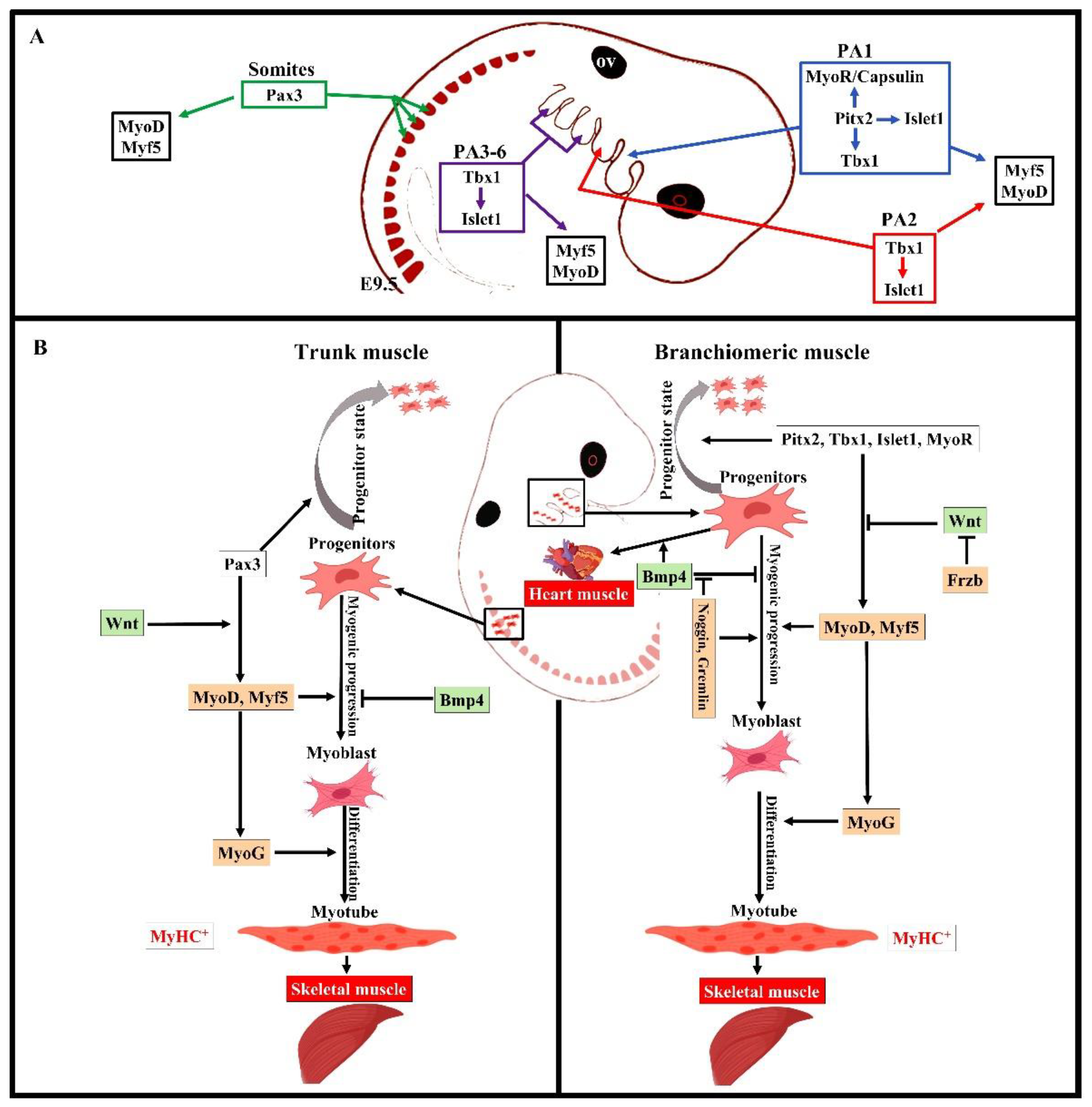
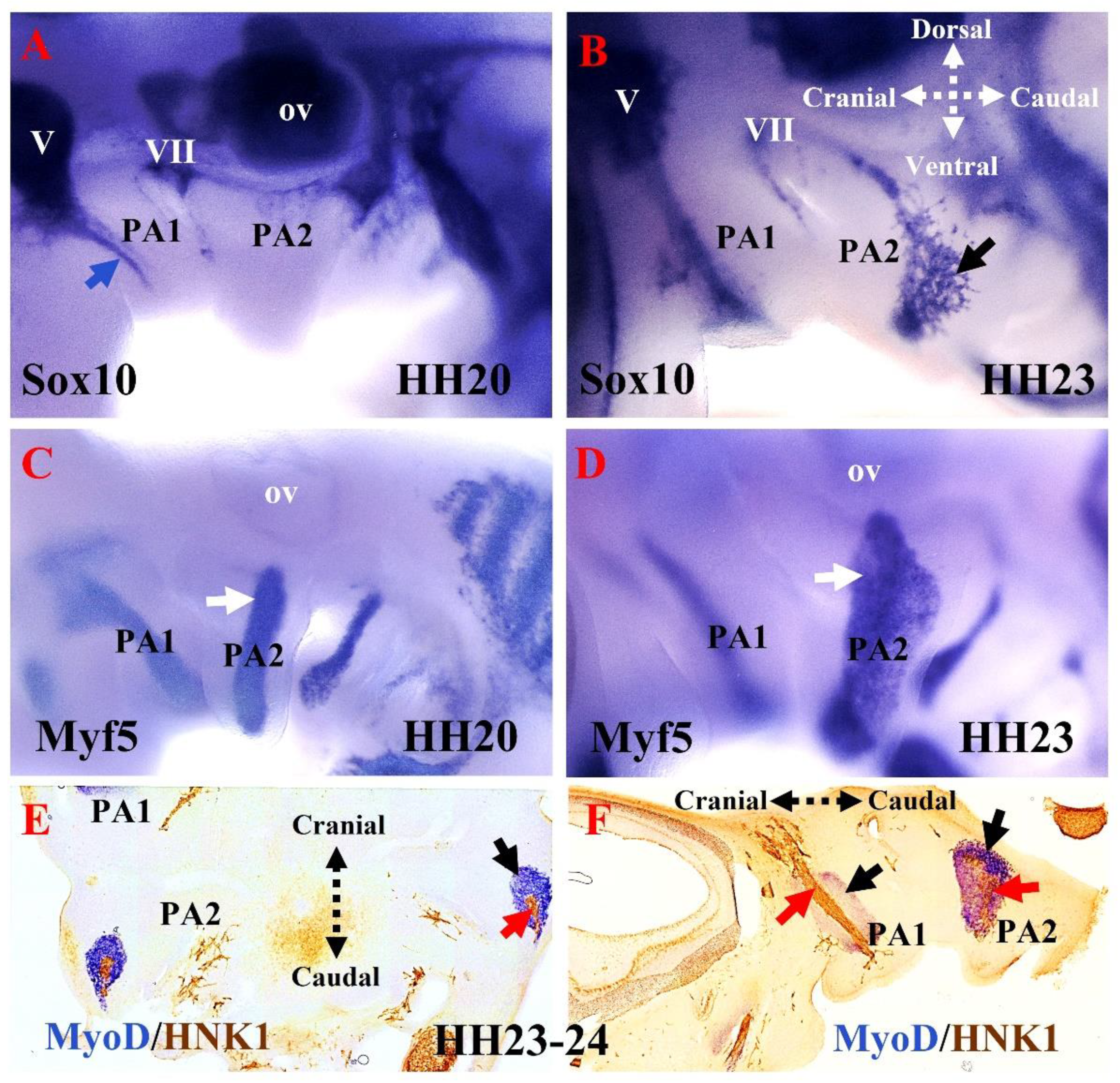
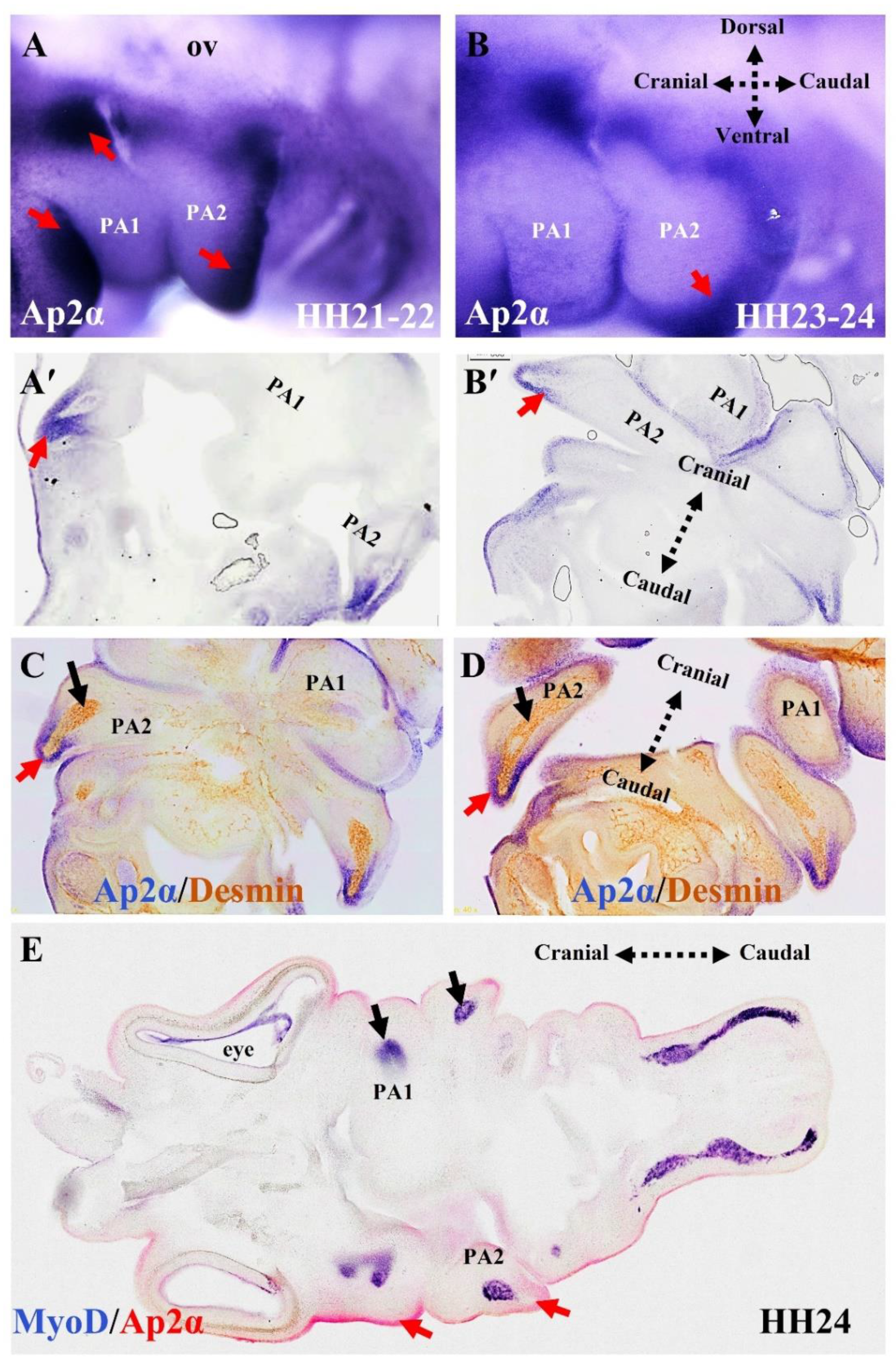
We review the transcription factors and signaling molecules driving differentiation of a subset of head muscles known as the branchiomeric muscles due to their origin in the pharyngeal arches. We provide novel data on the distinct myogenic programs within these muscles and explore how the cranial neural crest cell regulates branchiomeric muscle patterning and differentiation.
Abstract
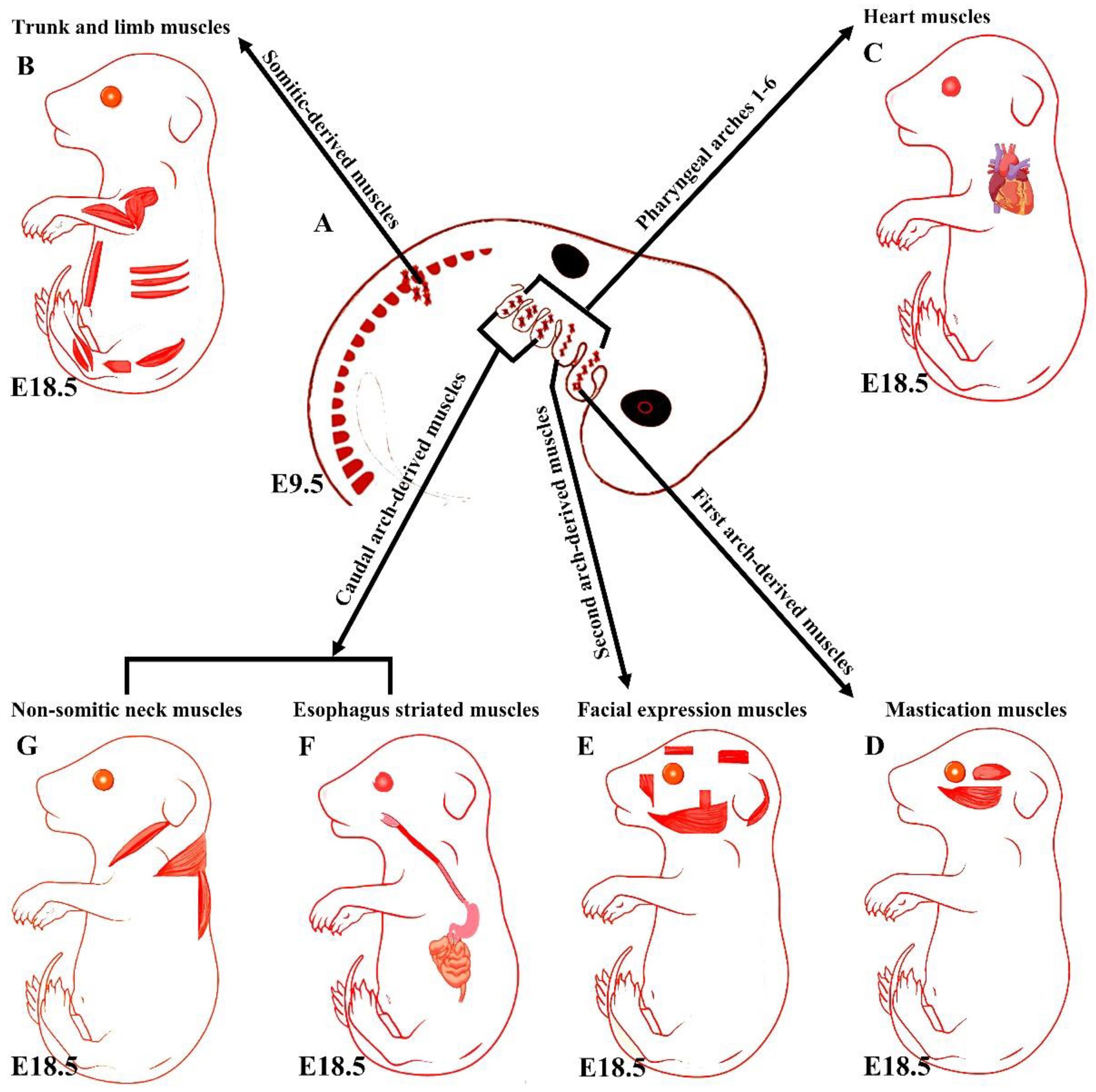
Branchiomeric skeletal muscles are a subset of head muscles originating from skeletal muscle progenitor cells in the mesodermal core of pharyngeal arches. These muscles are involved in facial expression, mastication, and function of the larynx and pharynx. Branchiomeric muscles have been the focus of many studies over the years due to their distinct developmental programs and common origin with the heart muscle. A prerequisite for investigating these muscles’ properties and therapeutic potential is understanding their genetic program and differentiation. In contrast to our understanding of how branchiomeric muscles are formed, less is known about their differentiation. This review focuses on the differentiation of branchiomeric muscles in mouse embryos. Furthermore, the relationship between branchiomeric muscle progenitor and neural crest cells in the pharyngeal arches of chicken embryos is also discussed. Additionally, we summarize recent studies into the genetic networks that distinguish between first arch-derived muscles and other pharyngeal arch muscles.