
Article

Structural and Mechanical Characterisation of Five Agave Fibres for Sustainable Textile Applications


1
Laboratoire de Physique et Mécanique Textiles (LPMT, UR 4365), Université de Haute Alsace, 11 Rue Alfred Werner, 68093 Mulhouse, France
2
Université de Strasbourg, 67081 Strasbourg, France
3
Link 2 Business World, 45–47 Bld de la Pétrusse, L-2320 Luxembourg, Luxembourg
*
Author to whom correspondence should be addressed.
Fibers 2026, 14(2), 24; https://doi.org/10.3390/fib14020024
Submission received: 11 December 2025 / Revised: 16 January 2026 / Accepted: 29 January 2026 / Published: 13 February 2026

Highlights

What are the main findings?
  • Five Agave varieties produced spinnable fibres exhibiting pronounced variability in microstructure and single-fibre mechanical behaviour as a function of both species and leaf section.
  • Fibres extracted from the middle leaf section generally showed higher tensile performances compared to the basal and upper sections, highlighting a pronounced longitudinal heterogeneity along the agave leaf.
What are the implications of the main findings?
  • The results demonstrate that both species selection and leaf-position management are key parameters for optimising agave fibre performance in textile applications.
  • Appropriate fibre selection and blending strategies are required to control intra-leaf variability and to produce homogeneous yarns from agave fibres, supporting their potential use as sustainable bio-based textile resources.

Abstract

This study evaluates the textile potential of five underexplored Agave varieties (Agave salmiana crassispina, A. salmiana salmiana, A. ingens marginata, A. tecta, and A. mapisaga) through combined analyses of extraction behaviour, microstructure, and single-fibre mechanical performance. Fibres extracted from basal, middle, and upper leaf sections were characterised using scanning electron microscopy (SEM) and single-fibre tensile testing under controlled conditions. All varieties produced spinnable fibres and exhibited significant longitudinal variability in mechanical behaviour along the leaf axis (p < 0.05). Mechanical performance depended strongly on both species and leaf position, with fibres from the middle leaf section generally showing higher tenacity. Variations in Young’s modulus reflected differences in fibre maturity and internal microstructural organisation. Fractographic observations revealed predominantly brittle fracture with microfibrillar rupture and longitudinal fibrillation. Overall, the results demonstrate that agave species and leaf position are key parameters governing fibre performance. These agave varieties therefore represent promising candidates for sustainable textile applications, provided that appropriate fibre selection and blending strategies are implemented to ensure homogeneous yarn properties.

1. Introduction

The growing demand for sustainable materials across global industries has intensified the search for innovative bio-based textile fibres with tailored physical, mechanical, and chemical properties. As technical and conventional textile sectors evolve, natural fibres have received renewed attention, reflected in the rapid increase in scientific publications and research activity in the past decade [1,2,3]. This interest has led to the identification of several new fibre sources, including both engineered biofibres and underutilised plant species. Among these, so-called exotic fibres, such as those derived from Asclepias syriaca (milkweed), coconut, palm, and agave, have shown promising characteristics that warrant deeper investigation [4,5,6].
Agave fibres have a long history of use in traditional cordage and textile-related applications, notably through sisal (Agave sisalana) and henequen (Agave fourcroydes), which have been widely employed for ropes, twines, sacks, mats, and other durable products. Beyond these two industrialised sources, many agave species have been locally used for fibre extraction yet remain poorly documented from a materials and textile-engineering perspective.
The Agave genus (Order Liliaceae, Family Agavaceae) includes more than 300 documented varieties worldwide, but industrial exploitation has historically been concentrated on a limited number of species [7]. Agave cultivation and fibre production are mainly associated with arid and semi-arid regions, and agave-based value chains are economically relevant in producing areas where fibres are utilised for technical textiles and reinforcement applications. However, despite this importance, most agave varieties remain underexplored, and their property potential is not systematically mapped for textile and composite uses.
In Europe, several agave species are widely cultivated, particularly in Mediterranean regions such as southern France, Spain, Italy, and Portugal, where they are mainly used for ornamental, landscaping, and erosion control purposes. Although large-scale industrial fibre production from agave is not yet established in Europe, these plants are locally abundant and well adapted to arid and semi-arid climates, suggesting a significant but currently underexploited potential for fibre valorisation within European bio-based material strategies.
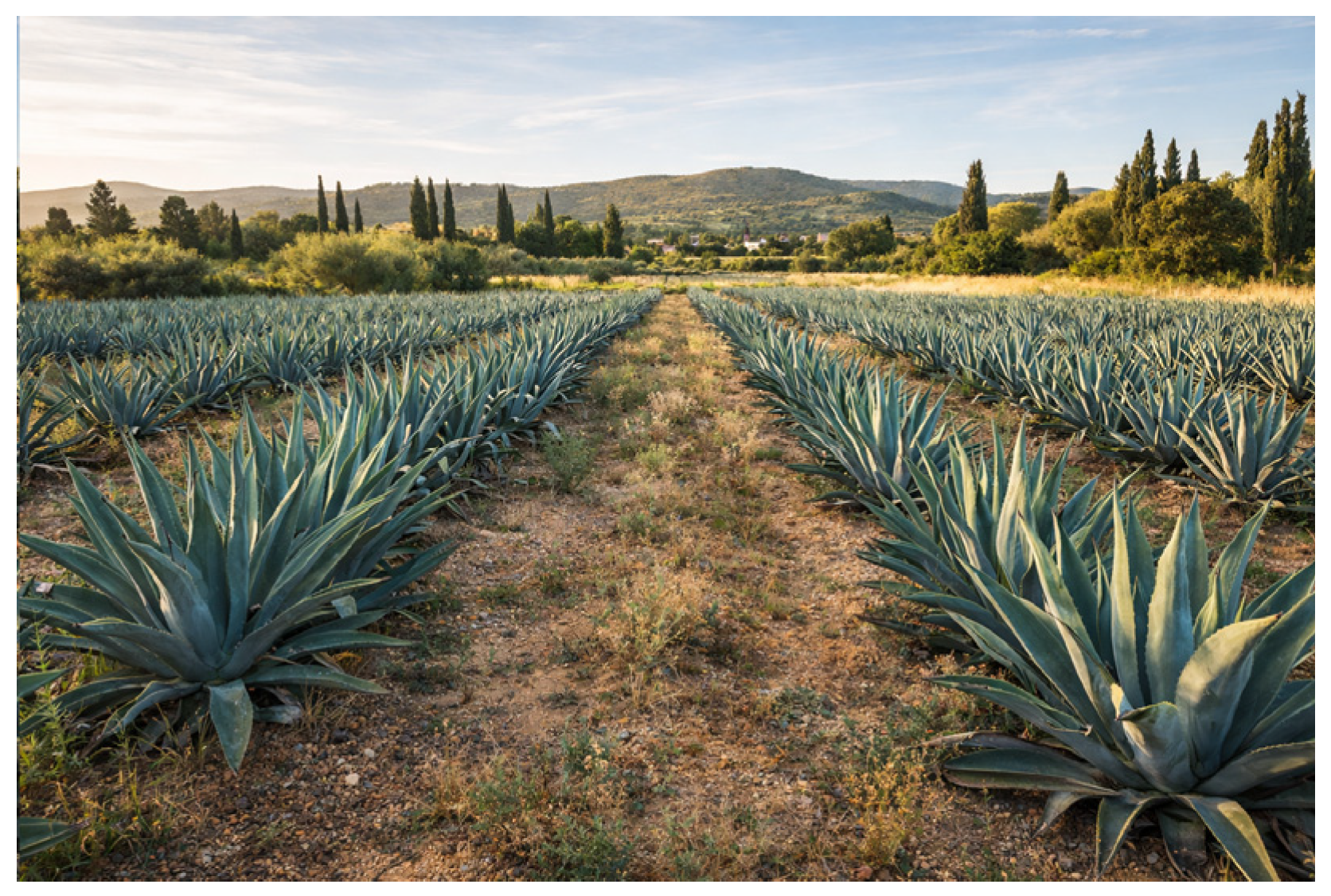
An example of agave cultivation in a Mediterranean European context is illustrated in Figure 1.
From an economic and environmental perspective, agave fibres present several advantages compared to conventional plant fibres such as cotton. Agave plants are well adapted to arid and semi-arid environments, requiring limited water input, minimal fertilisation, and low agrochemical usage. In contrast, cotton cultivation is associated with high water consumption and intensive agricultural inputs, leading to higher production costs and environmental burdens. Although agave fibres are generally coarser than cotton and therefore less suited for fine apparel textiles, their relatively low cultivation requirements and high mechanical strength make them attractive for technical textiles, geotextiles, and composite reinforcement applications. Compared to other lignocellulosic fibres such as flax, hemp, or jute, agave fibres offer competitive specific mechanical properties while benefiting from lower cultivation constraints [8,9,10].
Agave is a perennial monocot native to Central America but now widespread in arid regions of Europe, Africa, and South Asia. A single plant may generate approximately 100–250 usable leaves during its lifetime, with harvesting typically beginning around the fourth year. Large quantities of agave leaves are generated annually, although the corresponding mass varies depending on plant size and cultivation conditions [11,12,13]. An agave leaf contains approximately 700–1400 fibres [12], with a peak fibre yield representing around 5.8% of leaf mass.
Fibre extraction is typically performed mechanically using raspador decortication machines [11] or chemically via alkaline hydrolysis [14]. Mechanical decortication is water-intensive and costly, whereas alkaline extraction with sodium hydroxide preserves cellulose but can damage agave fibre surfaces if not properly controlled [15]. Fibre dimensions and mechanical performance depend strongly on plant age, leaf position, and harvest frequency [16], making systematic characterisation essential to optimise processing routes and to support the adoption of agave fibres in sustainable textile industries [17]. To control this source of variability, all agave leaves were harvested at a comparable maturity stage following similar harvesting practices. Leaves were collected during the same harvesting period, and no repeated harvesting cycles were considered for the same plants.
Previous studies report a wide dispersion of physico-mechanical properties for agave fibres, reflecting strong variability between species, fibre diameter, extraction routes, and testing protocols. A summary of representative values reported in the literature is provided in Table 1.
To broaden the understanding of agave fibre diversity, this study investigates five lesser-studied varieties: Agave salmiana crassispina, A. salmiana salmiana, A. ingens marginata, A. tecta, and A. mapisaga. The objective of this work is to provide a systematic evaluation of extraction behaviour, microstructural characteristics, and single-fibre mechanical properties, with particular attention to the influence of leaf position. By comparing microstructural and mechanical properties across five selected varieties and three leaf sections, this study aims to clarify the structural origins of performance differences and to identify agave fibres suitable for sustainable textile applications.
Although the selected agave species are less documented in the scientific literature, they are locally abundant in their regions of cultivation and commonly used for ornamental, agricultural, or traditional purposes. Reproduction of the plant is easy, either by planting seeds or by planting shoots (baby agave) separated from the parent plant. Their availability in sufficient quantities motivated their selection, as they represent underexplored but potentially valuable resources for fibre-based applications.

2. Materials and Methods

2.1. Plant Material and Sampling

Five Agave varieties were selected for this study: A. salmiana crassispina, A. salmiana salmiana, A. ingens marginata, A. tecta, and A. mapisaga. The selection of the five Agave varieties was based on their availability in the studied region, botanical representativeness, and limited prior characterisation in the literature. To minimise age-related variability, plants of comparable maturity were selected. For each variety, healthy and fully developed leaves free from visible defects were harvested from the same plant. Leaves were selected to be representative of the basal, middle, and apical regions in order to capture intra-leaf variability while ensuring consistency across samples [23].
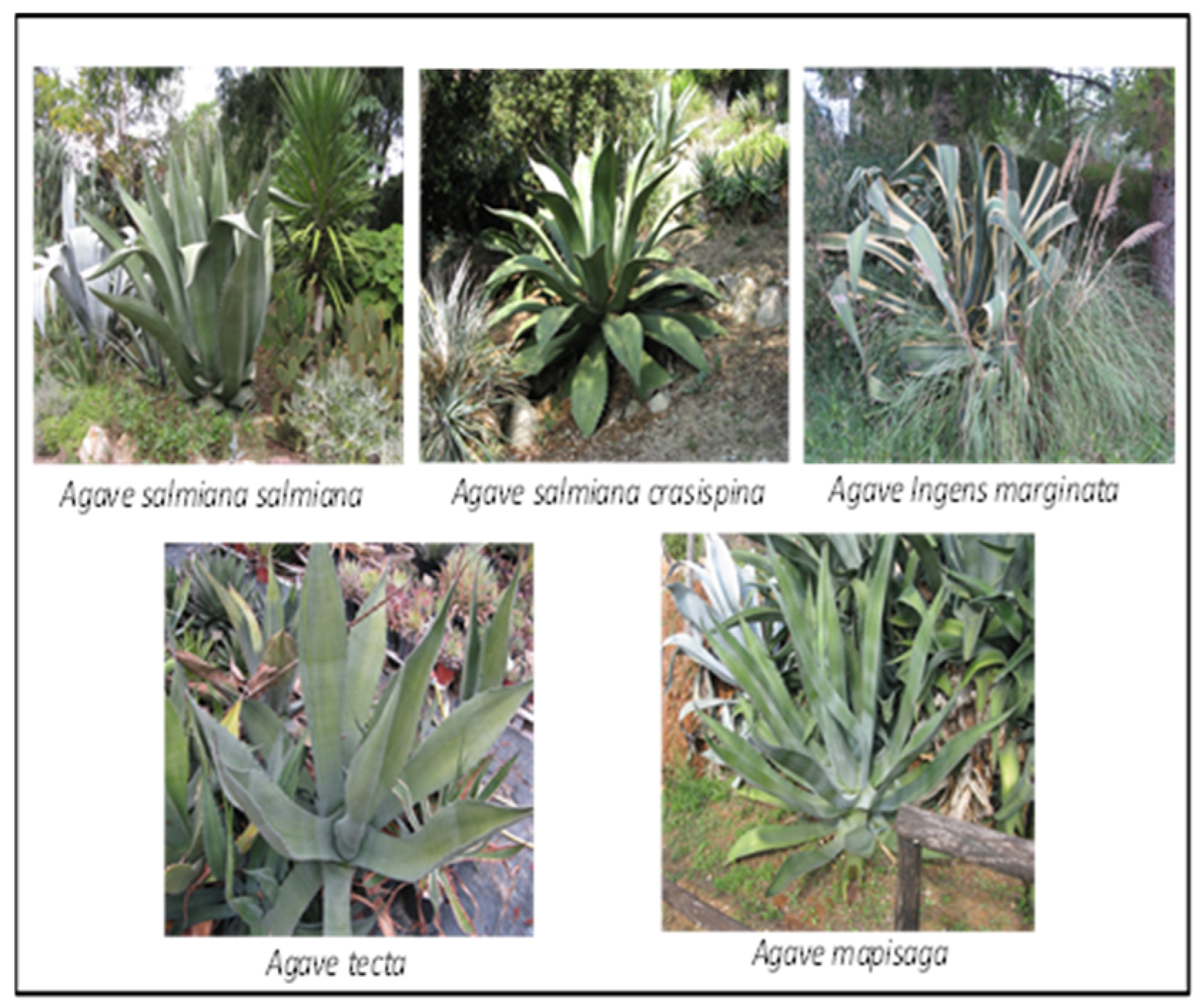
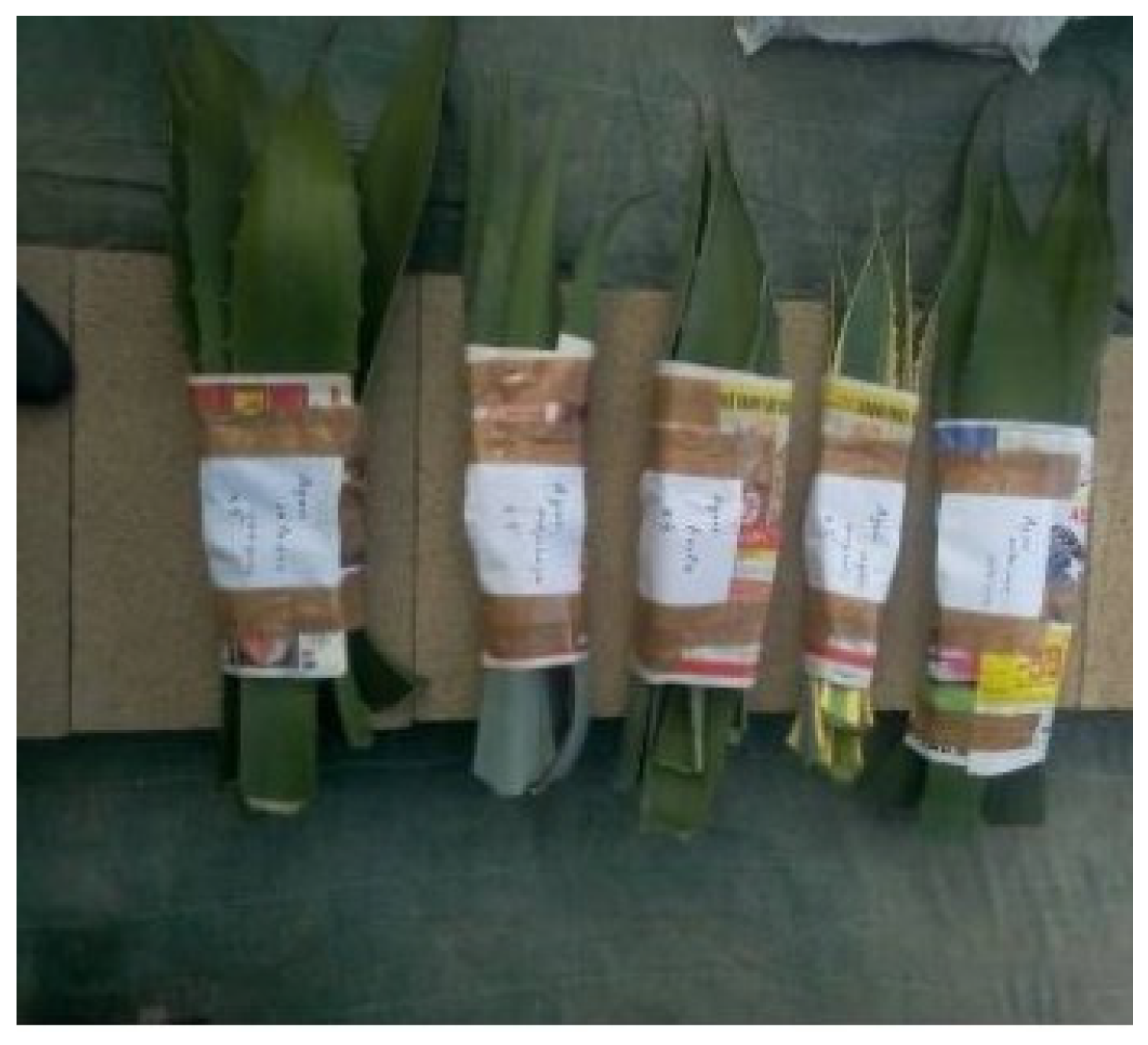
The five agave varieties were grown and collected from the same geographical region under comparable climatic conditions. All varieties were sourced from the same nursery (Planterres) and cultivated under identical soil conditions in southern France. Although local growing conditions may influence fibre characteristics, the use of a common cultivation region enables meaningful comparative analysis between the selected agave varieties (Figure 2 and Figure 3).

2.2. Fibre Extraction

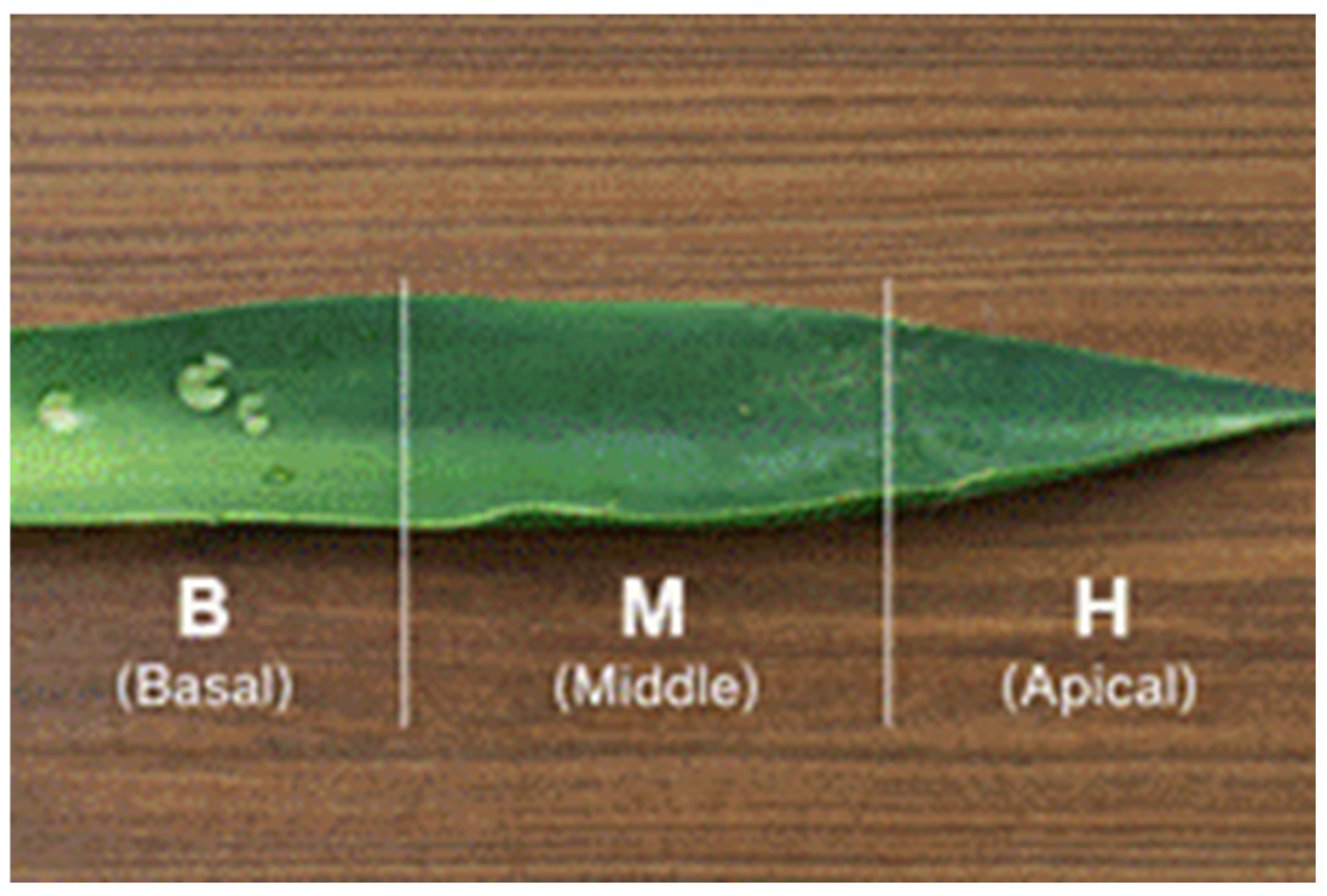
Each leaf was divided into three equal sections: B (basal, near the stem), M (middle), and H (apical, upper part). Fibres from each section were manually extracted (Figure 4).
Fibre extraction was performed manually without the use of any mechanical decortication machine. The leaves were processed using hand tools, and fibres were carefully separated by manual scraping and pulling. No industrial or laboratory extraction device was employed, and therefore no machine-specific parameters were involved in this process. The extraction conditions were kept consistent for all samples to ensure comparability between agave varieties. For each Agave variety, fibres were obtained from one representative leaf, with approximately 30 individual fibre specimens extracted from each section, resulting in about 90 fibres per leaf and per species for subsequent physical and mechanical characterisation. The ease of extraction was qualitatively assessed for each variety, noting whether fibres could be separated individually or remained grouped in bundles.
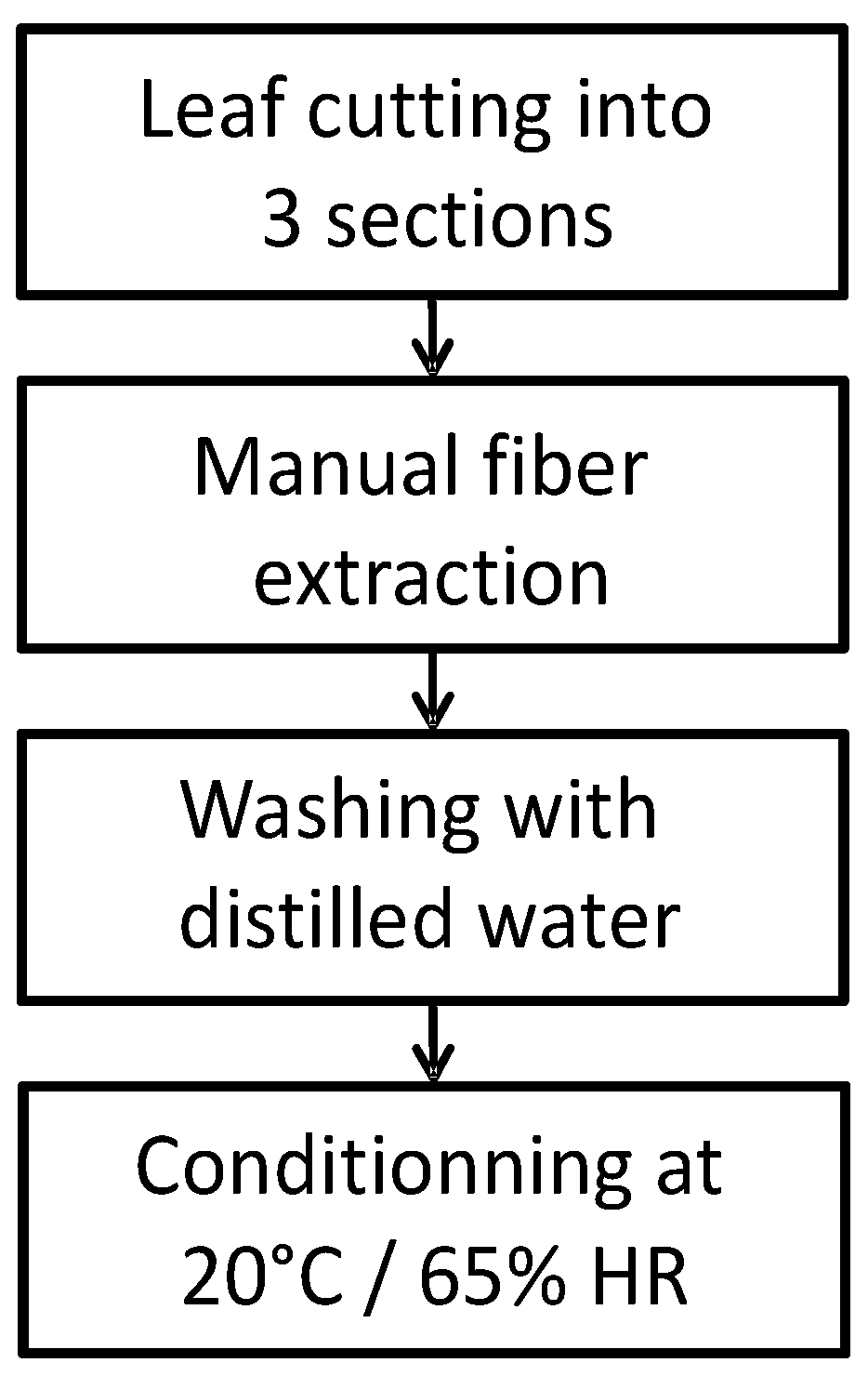
After extraction, the fibres were washed in distilled water for one hour using a large amount of water to ensure effective removal of residual impurities (100 g of fibres per 2 L of water). The same fibre-to-water conditions were applied for all samples. The fibres were then separated individually and air-dried under controlled environmental conditions (65 ± 2% relative humidity and 20 ± 2 °C). The overall extraction protocol is summarised in Figure 5.

2.3. Scanning Electron Microscopy (SEM) Observations

An environmental scanning electron microscope (SEM, Jeol JSM-IT100, JEOL Ltd., Tokyo, Japan) was used to examine the fibre samples. Fibres were randomly selected from the basal (B), middle (M), and apical (H) leaf sections, dried, mounted on SEM stubs, and gold-coated prior to imaging. Observations were performed at two magnifications (×300 and ×1000). The external morphology of each fibre was analysed, with particular attention paid to surface deposits or irregularities. A preliminary assessment of the transverse morphology was also carried out. Comparative analysis of the micrographs was used to evaluate the apparent degree of individual fibre separation within the technical fibre structure [24].

2.4. Physical Characterisation

The physical properties of the agave fibres were quantified by measuring fibre diameter and fibre length. Apparent diameter was evaluated using an optical microscope (PROJECTINA CH-9435, Projectina AG, Heiden, Switzerland) calibrated to a projection scale of 1 mm corresponding to 32 µm.
For each fibre type and sampling position, 200 individual diameter measurements were recorded, resulting in a total of 600 observations. Measurement precision and repeatability were evaluated using the Coefficient of Variation (CV%), which served as an indicator of intra-sample variability.
Fibre linear density was subsequently calculated from the apparent diameter, assuming a representative material density of 1.39 g/cm3 based on literature values for lignocellulosic plant fibres and previous studies [8,11,12]. This approach allows estimation of the linear mass density under the assumption of a cylindrical fibre geometry and facilitates comparison with previously reported data.

2.5. Mechanical Characterisation

Tensile tests were performed at a constant crosshead displacement rate of 10 mm·min−1 and a gauge length of 15 mm. These parameters were selected in accordance with commonly adopted single-fibre tensile testing practices for natural lignocellulosic fibres, ensuring stable loading conditions and reliable strain measurement while minimising premature slippage or stress concentration at the grips. The chosen testing conditions are consistent with those reported in previous studies on agave and other plant fibres [8,25,26].
For each agave variety and leaf section, 30 individual fibres were selected for tensile testing. Fibre diameters were measured individually prior to testing, and only specimens successfully tested to failure were included in the mechanical analysis.
Single-fibre tensile tests were conducted following commonly adopted experimental practices for natural lignocellulosic fibres, as no dedicated international standard is currently available for individual agave fibres. The testing protocol was based on established procedures reported in the literature, ensuring reliable and reproducible measurements.
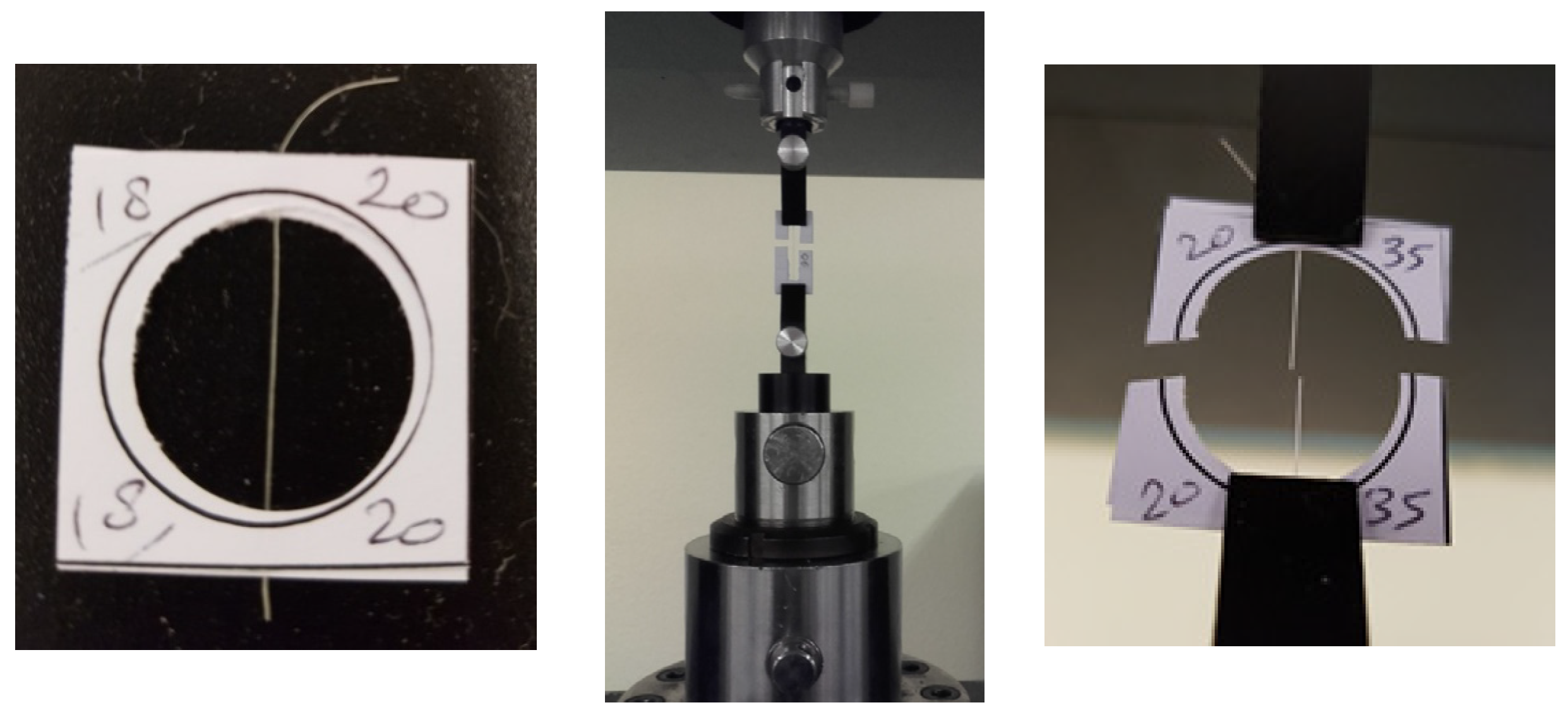
The diameter of the fibre specimens mounted on their paper frames was measured using a Projectina optical microscope, as this parameter was required for the subsequent calculation of individual linear density and breaking tenacity [23]. After diameter determination, the framed specimens were placed in the clamps of the tensile testing machine, and the lateral edges of the frame were carefully cut to release the fibre and establish the effective gauge length (Figure 6).
Once mounted, each fibre was subjected to a very low pre-tension (≈0.01 N) to ensure proper alignment within the grips, and then loaded under uniaxial tension until failure. Throughout the test, the load–elongation response and corresponding time data were continuously recorded, enabling the construction of complete load–elongation curves [8,24].
The mechanical parameters quantified included tensile strength, elongation at break, tenacity, and modulus. Particular attention was given to the modulus, as it constitutes a key indicator of fibre behaviour during spinning and an even more critical determinant of performance during weaving operations [24].

2.6. Statistical Analysis

  • Intra-plant analysis
To assess differences between plant parts (upper, middle, basal), a hypothesis test on the homogeneity of means was performed. The null hypothesis stated that no significant differences existed among the three sections. Significance was evaluated using a z-test, with the calculated z-value compared against the Student–Fisher critical value at a 5% risk level (t = 1.65). The parameters analysed included breaking force, elongation at break, and tenacity.
  • Inter-plant analysis
A two-factor ANOVA was conducted to evaluate the effects of plant part and Agave variety on the measured fibre properties. Mean squares and F-ratios were calculated following standard ANOVA procedures, and statistical significance was assessed at α = 0.05. The statistically significant differences identified by these analyses are reported in the Results Section [25,26,27,28,29,30].

3. Results and Discussions

3.1. Fibre Extraction Behaviour

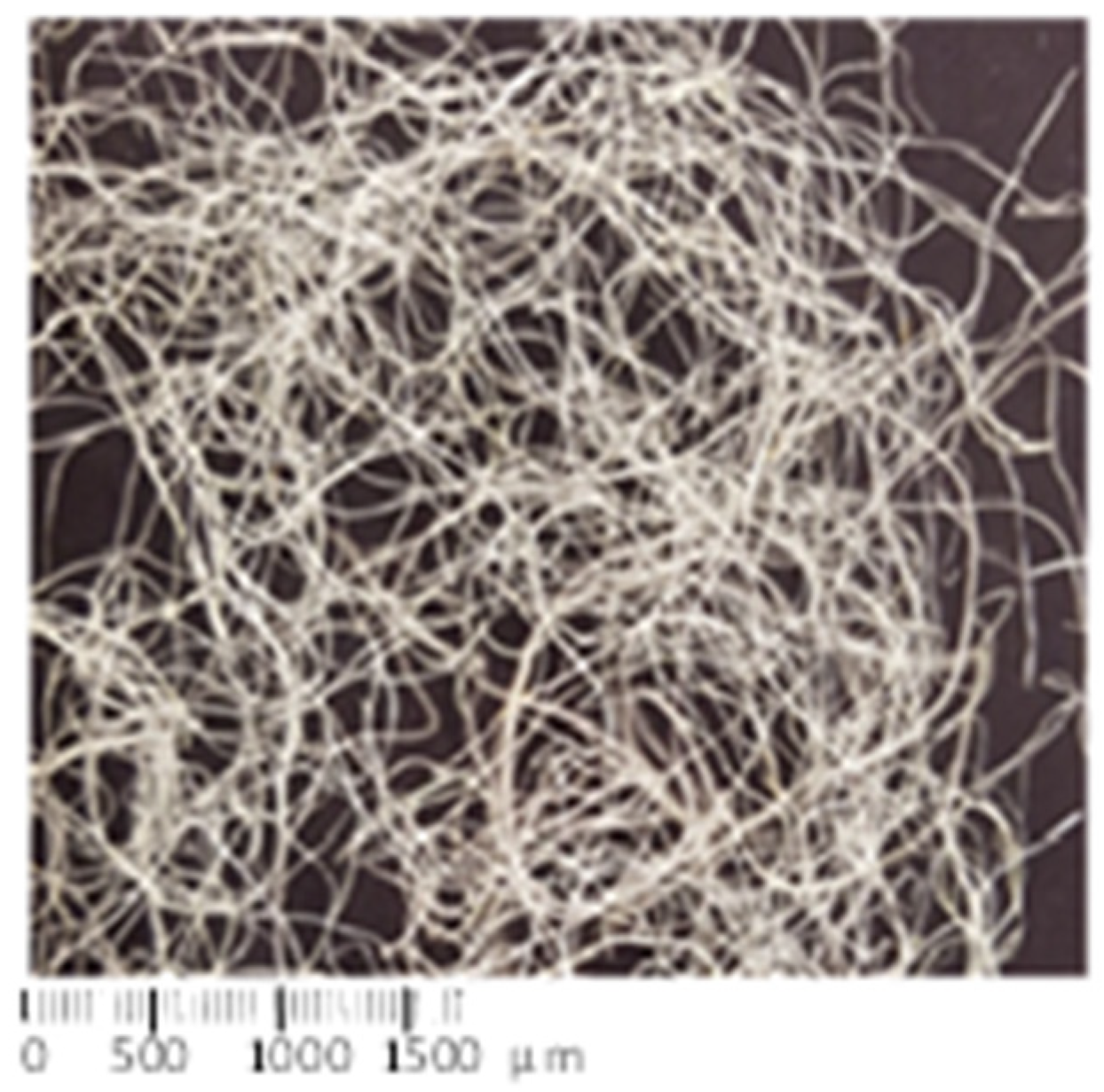
Fibres were readily separated manually, with only minimal aqueous pulp residues remaining on their surfaces. Fibre density was high, and the surrounding parenchymatous pulp was noticeably more compact at the basal section of the leaf, gradually decreasing in cohesion toward the tip. Manual extraction predominantly yielded technical fibre bundles rather than fully dissociated individual fibres. However, a pronounced tendency toward fibrillation was observed: fibres split longitudinally with little effort and frequently separated into two or three finer filaments. The extracted fibres appeared visually fine and exhibited a relatively uniform apparent diameter along their length (Figure 7).
Fibres from the basal (B), middle (M), and upper (H) sections of the representative sample were collected, mounted on SEM stubs, and examined at magnifications of ×300 and ×1000, as described in Section 2.3.
Fibre extraction quality was assessed using several indicators, including the ease of manual extraction (resistance to separation, cohesiveness of bundles), residual pulp content, fibre organisation (bundled vs. individualised), moisture perception during handling, and potential skin irritation effects. Additionally, SEM observations were performed to quantify the extent of fibre dissociation.
Overall, the general fibre extraction behaviour was comparable across the five agave species, with manual extraction being feasible in all cases (Table 2). However, noticeable interspecific differences were observed. Agave ingens marginata and Agave mapisaga exhibited easier fibre separation and a higher degree of individualisation, whereas Agave salmiana crassispina, Agave salmiana salmiana, and Agave tecta predominantly yielded technical fibre bundles with stronger inter-fibre cohesion. In addition, irritation potential varied markedly between species, being particularly pronounced for Agave tecta, while remaining weak to very weak for the other varieties. These observations indicate that, although the extraction process is broadly consistent, species-specific anatomical features significantly influence fibre dissociation and handling behaviour.

3.2. SEM Morphology of Agave Fibres

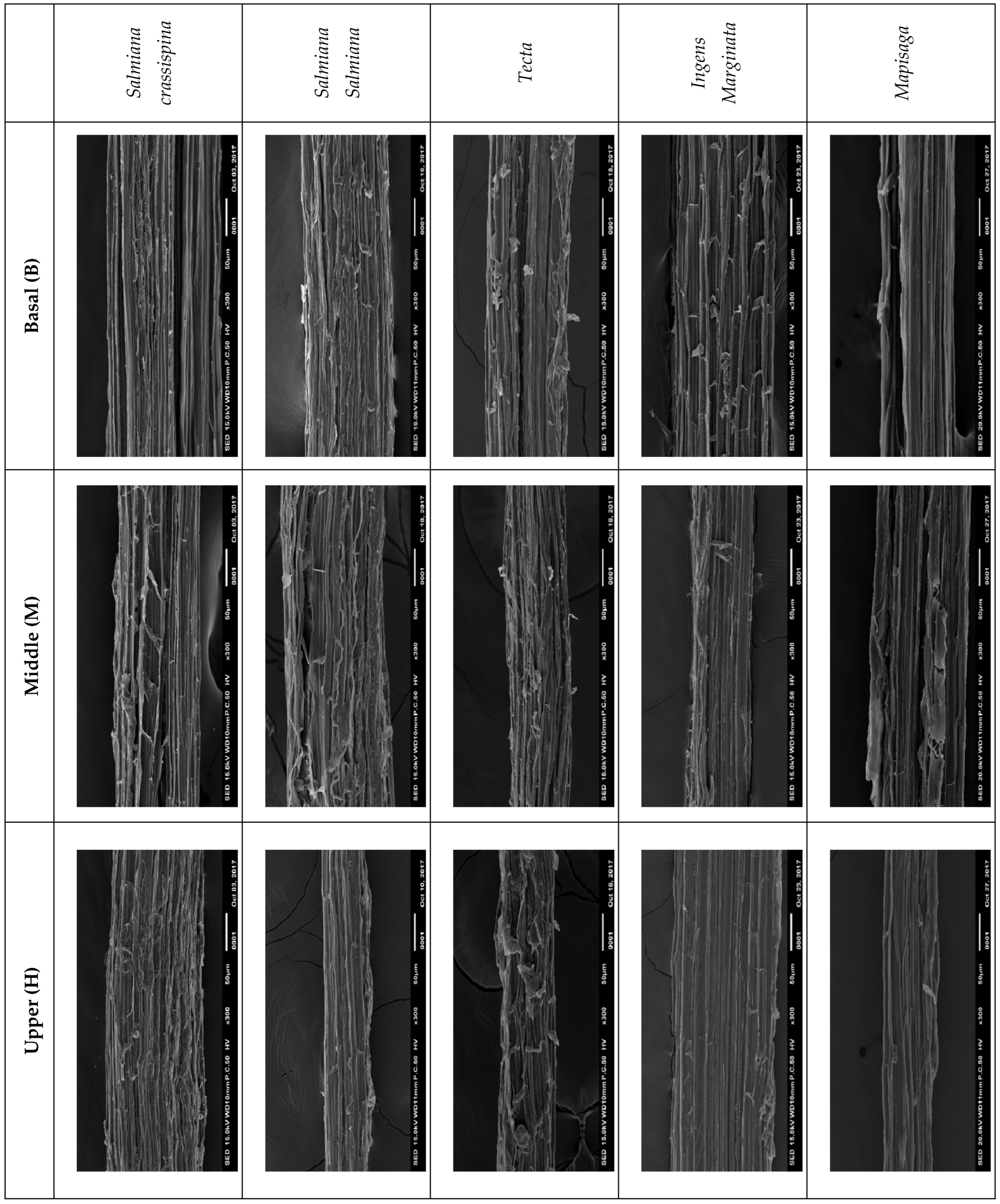
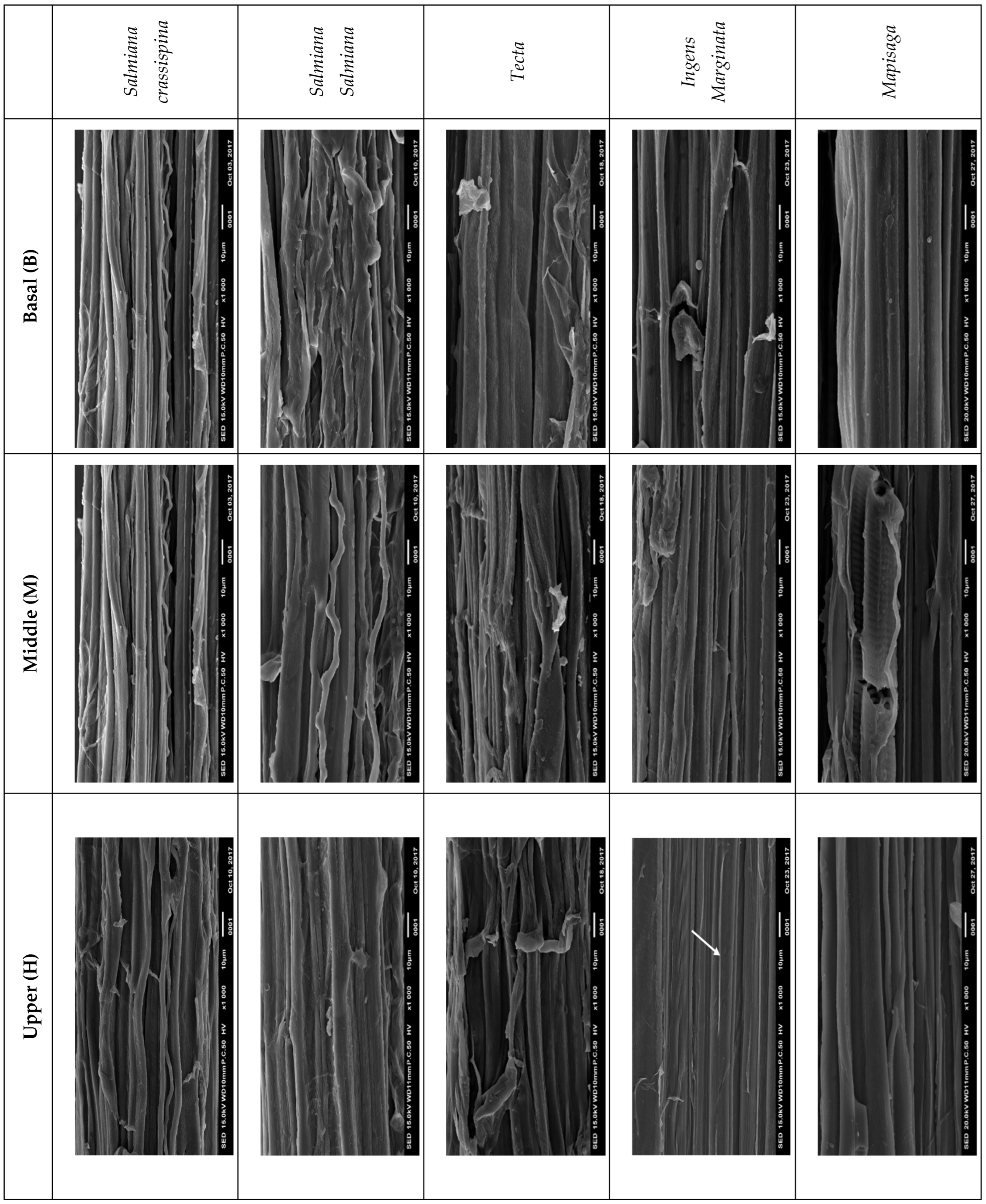
The SEM observations presented in Figure 8 and Figure 9 reveal pronounced longitudinal surface grooves, fibre fibrillation, and varying degrees of bundle dissociation depending on both agave species and leaf section. These microstructural features are known to influence fibre mechanical behaviour, individualisation, and processability in textile applications.
  • Agave salmiana crassispina
Analysis of the SEM micrographs from the basal (B), middle (M), and upper (H) sections revealed no major morphological differences among the three leaf regions. The fibres appeared generally well individualised, with only minor traces of residual pulp on their surfaces. Several key observations were made:
  • The basal section tended to exhibit a locally more compact morphology compared to the upper section; however, this difference remains subtle in the SEM observations and should be interpreted qualitatively (Figure 8);
  • In Figure 8 (B ×300), two technical fibres are visible in partial adhesion, with a distinct separation line apparent at the centre of the image.
Observations at higher magnification (×1000) further confirmed these features (Figure 9).
  • Agave salmiana salmiana
Analysis of the SEM micrographs revealed no significant morphological differences among the basal, middle, and upper leaf sections (Figure 8). The fibres appeared relatively fine and well individualised, with only limited residual pulp adhering to their surfaces, primarily in the lower section. Should this variety be selected for further development, particular attention will be required to optimise the post-extraction washing procedure. SEM observations at ×1000 magnifications corroborated these findings (Figure 9).
  • Agave tecta
SEM observations suggest that the basal section may present a relatively more compact fibre organisation compared to the middle region; however, these differences are subtle and should be interpreted in conjunction with the overall microstructural context (Figure 8).
The fibres were fine, well individualised, and showed only minimal traces of residual pulp on their surfaces. SEM observations at ×1000 magnifications confirmed these features (Figure 9)
  • Agave ingens marginata
SEM analysis (Figure 8) revealed a population of fibres that were relatively uniform, well individualised, and densely arranged. A noticeable proportion of fibres exhibited flattened or fissured surfaces (Figure 9, H ×1000). This fissuring is consistent with the results of tensile testing, which demonstrated a marked tendency toward fibrillation, characterised by longitudinal fibre splitting. Overall, the fibres appeared fine and well separated, with only minimal residual pulp adhering to their surfaces. High-magnification observations (×1000) further confirmed these features (Figure 9).
  • Agave mapisaga
SEM analysis revealed a population of fibres that were relatively uniform, well individualised, and densely packed. Several fibres in the basal section appeared flattened (Figure 9, B ×1000) and exhibited only minimal fissuring (Figure 9, H ×1000). This limited fissuring is consistent with tensile test results, which indicate a tendency toward fibrillation characterised by longitudinal fibre separation. Overall, the fibres were fine, well separated, and showed minimal residual pulp on their surfaces. Fibres from the upper section were particularly well individualised and more regularly organised. High-magnification observations (×1000) further confirmed these features (Figure 9).

3.3. Apparent Agave Fibres Diameter Analysis

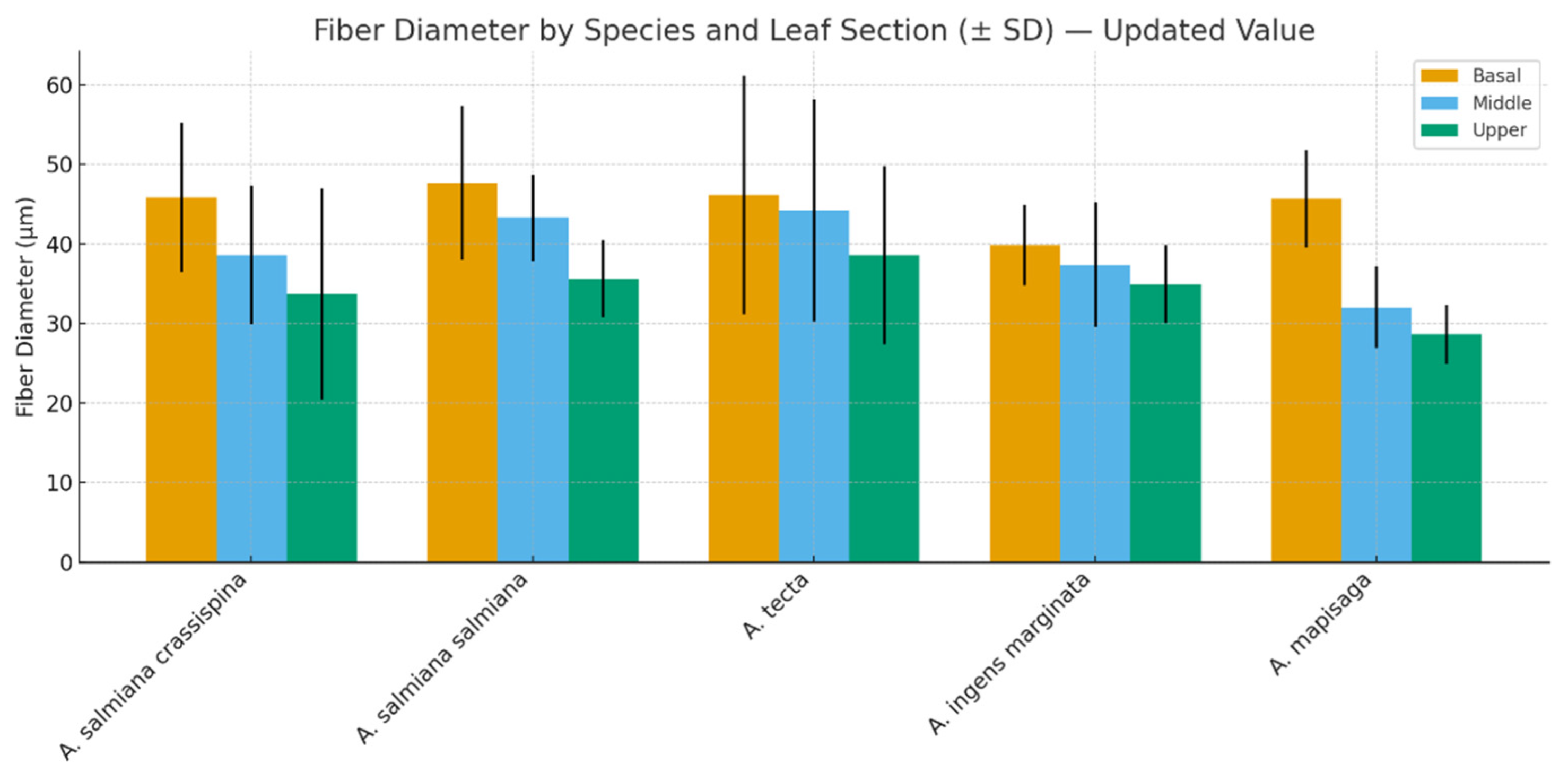
Fibre diameter results are presented as mean ± standard deviation, based on 200 individual measurements per leaf section.
To evaluate whether the three leaf sections differed significantly, a hypothesis test for mean homogeneity was applied. The null hypothesis (H0) posited equality of means across sections. The test statistic was computed as follows:
z = x 1 ¯ x 2 ¯   σ X 1 ¯ X 2 ¯
A significant difference was concluded when the calculated z-value exceeded the Student–Fisher critical threshold at a 5% significance level (t = 1.65). The z-value for the basal section denotes the comparison between basal and middle; that for the middle section corresponds to middle versus upper; and that for the upper section corresponds to basal versus upper.
Results are summarised, and the detailed numerical values corresponding to Figure 10 are provided in Appendix A (Table A1).
Inter-species comparisons performed at identical leaf positions (B–B, M–M, and H–H) highlighted marked differences in fibre diameter between species. Agave tecta and Agave salmiana salmiana generally exhibited larger mean diameters, whereas Agave ingens marginata and Agave mapisaga showed finer and more homogeneous fibres, particularly in the upper leaf sections.
Comparative analysis within each species revealed a systematic decrease in fibre diameter from the basal (B) to the upper (H) leaf sections, although the magnitude of this gradient varied between species. Intra-species comparisons confirmed statistically significant differences between B, M, and H for most agave varieties.
The updated chart highlights clear intra leaf and interspecific variation in fibre diameter across the five Agave species examined. In all species, basal fibres exhibited the largest diameters, whereas fibres from the upper sections were consistently finer, indicating a systematic anatomical gradient along the leaf axis. The magnitude of this variability differed substantially among species: A. tecta and A. salmiana salmiana showed the greatest dispersion in fibre diameter, while A. ingens marginata and A. mapisaga displayed comparatively uniform profiles. These findings demonstrate that fibre morphology is influenced by both leaf position and species-specific structural characteristics. Consequently, blending fibres from different leaf sections is essential to obtain homogeneous fibre mixes suitable for spinning and subsequent material applications.
Table 3 presents the statistical analysis of fibre diameter across the five Agave species (A. salmiana crassispina, A. salmiana salmiana, A. tecta, A. ingens marginata, and A. mapisaga), revealing clear intra-leaf and interspecific variability. Significant differences in mean diameter (X), variance (δ2), and statistical deviation (z) were observed between the basal, middle, and upper sections in most species. A. salmiana crassispina and A. mapisaga exhibited pronounced anatomical gradients along the leaf axis, reflected by strong statistical contrasts (high z-values) between sections. A. tecta showed substantial variability, particularly between the basal and middle regions, whereas A. ingens marginata displayed moderate differences overall, with the exception of a marked contrast between the upper and basal sections.
Overall, these results demonstrate that fibre morphology, and by extension, potential mechanical behaviour varied significantly with both leaf position and species. This structural heterogeneity indicates that, for all species examined, blending fibres from different leaf sections is essential to ensure uniform fibre quality during spinning and subsequent material processing.

3.4. Mechanical Properties

The mechanical properties of the Agave fibres extracted from the basal, middle, and upper sections of the leaf are summarised in Table 4. Statistical analysis revealed significant differences (p < 0.05) between agave varieties and leaf sections for tenacity and Young’s modulus.
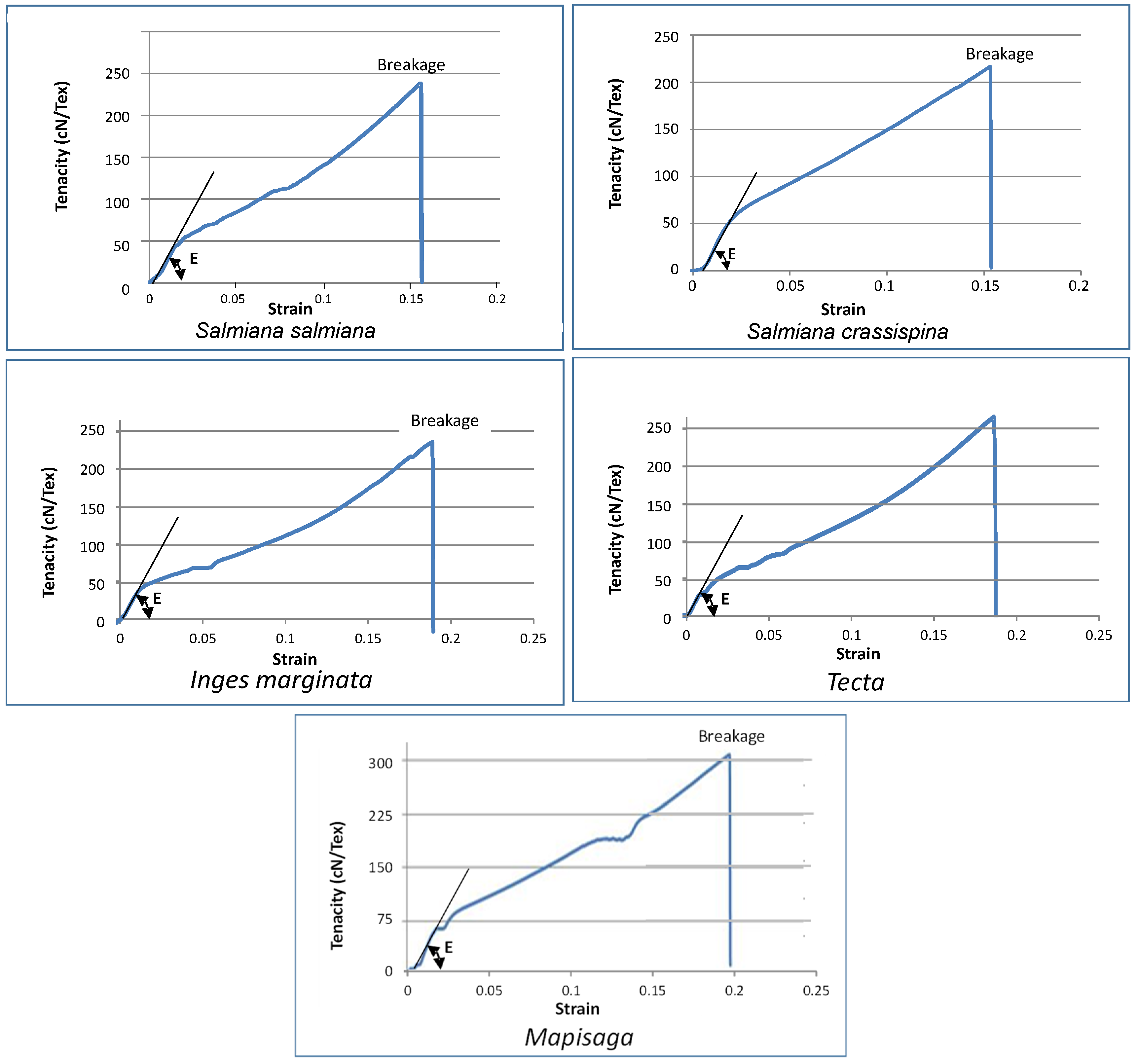
Figure 11 presents a representative example of the mechanical behaviour exhibited by the different Agave fibre varieties.
The tensile behaviour of agave fibres exhibited a similar overall shape across all investigated varieties, characterised by an initial elastic region, followed by progressive non-linear deformation and abrupt brittle failure. Although the curves are presented separately to preserve readability, identical axis scales were used to facilitate comparison between agave varieties.
The parameters considered include geometric characteristics (diameter and linear density) and tensile properties (breaking force, elongation at break, tenacity, and apparent Young’s modulus). Presenting these values within a single comparative table enables a clearer evaluation of the mechanical gradient that develops along the leaf axis and highlights the structural heterogeneity of the fibres as a function of their position within the plant.
Values are expressed as mean values. Statistical significance was assessed using ANOVA (p < 0.05) and is discussed in the text.
Significant intra- and interspecific variation was observed in the mechanical properties of the Agave fibres. In A. salmiana crassispina, fibre tenacity and Young’s modulus decreased progressively from the basal to the apical section of the leaf. In contrast, A. salmiana salmiana exhibited the opposite trend, with both parameters increasing markedly toward the apex. A. tecta and A. ingens marginata showed comparable mechanical behaviour, characterised by maximum tenacity in the middle leaf section and maximum stiffness in the upper section. A. mapisaga displayed the highest overall mechanical performance among the species analysed, with the middle section reaching the greatest tenacity (502.40 cN/Tex) and the upper section exhibiting the highest stiffness (25.74 GPa).
The markedly higher tenacity observed for the middle (M) section of Agave mapisaga fibres can be attributed to longitudinal heterogeneity within the leaf. The middle region generally corresponds to a zone of optimal fibre maturity, where cellulose microfibril alignment, cell wall thickening, and structural integrity are maximised. In contrast, basal fibres may be less mechanically optimised due to higher moisture content and incomplete cell wall development, while apical fibres are often thinner and more prone to structural defects. Similar longitudinal variations in mechanical performance have been reported for other lignocellulosic fibres.
These results demonstrate that fibre quality is strongly influenced by both botanical species and leaf position, and they highlight the potential of A. mapisaga and upper leaf fibres of A. salmiana salmiana for high-performance textile and technical applications.
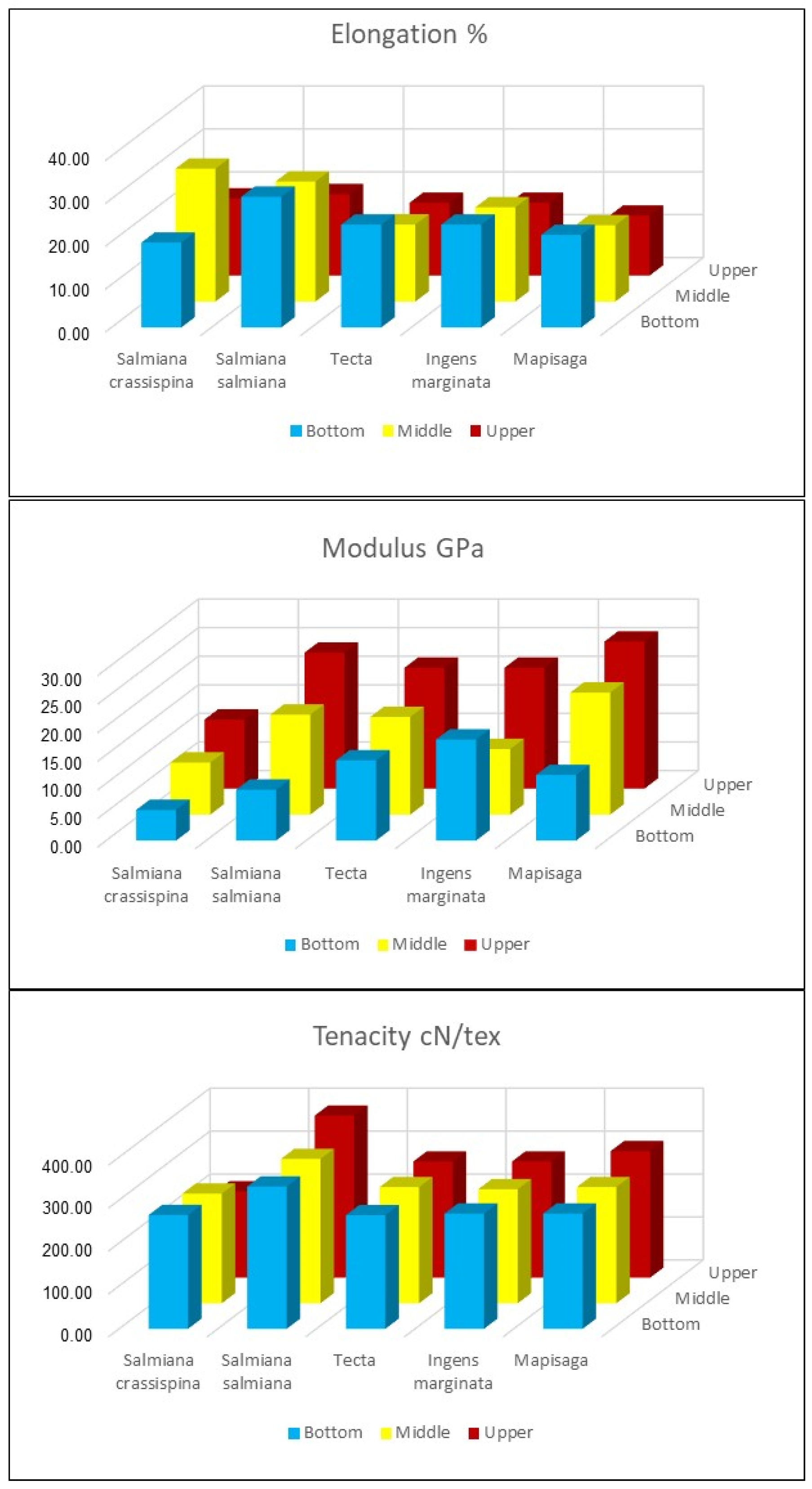
The mechanical assessment of the five Agave species demonstrates clear interspecific differentiation in fibre structural integrity and performance (Figure 12). Agave tecta and A. ingens marginata exhibited the highest breaking forces and tenacity values, combined with minimal intra-leaf variability, indicating a well-organised fibre architecture with limited structural heterogeneity. These attributes position them as strong candidates for high-performance fibre applications.
In contrast, A. salmiana crassispina and A. salmiana salmiana showed intermediate mechanical strength but significantly higher elongation at break, reflecting more ductile behaviour. This increased deformability suggests their suitability for applications requiring flexibility, such as braided structures or woven textiles subjected to repeated deformation.
Agave mapisaga presents the lowest mechanical resistance and the greatest variability across leaf sections, accompanied by inconsistent elongation and tenacity values. These features point to irregular fibre distribution and weaker tissue cohesion, limiting its industrial potential unless selective extraction or grading strategies are applied.
Collectively, the results highlight the mechanical robustness and structural consistency of A. tecta and A. ingens marginata, the intermediate yet more elastic performance of the salmiana varieties, and the pronounced heterogeneity and reduced reliability of A. mapisaga. This differentiation provides a clear basis for targeted fibre selection depending on the intended textile or technical application.
Agave fibres exhibit a distinct balance of strengths and limitations when compared with classical bast and seed fibres. Their tensile strength and tenacity are generally comparable to those of jute and lower than those of high-performance bast fibres, such as flax and ramie, yet they clearly exceed those of wool and approach those of cotton in certain leaf sections, particularly in A. salmiana and A. mapisaga. Their elongation at break is higher than that of stiff bast fibres (flax, hemp, jute), providing a more compliant mechanical response that is advantageous for processing and for applications requiring improved impact tolerance in technical textiles (Table 5).
Relative to sisal and henequen, the agave fibres studied tend to exhibit finer apparent diameters and lower linear density, characteristics favourable for producing finer yarn counts, albeit at the cost of somewhat reduced stiffness. Their fracture surfaces display predominantly brittle behaviour with marked microfibrillar splitting; however, the observed longitudinal fibrillation can reduce the apparent fineness and enhance fibre cohesion in spun yarns, in a manner reminiscent of flax.
Overall, the five Agave varieties analysed occupy an intermediate mechanical domain between hard leaf fibres and bast fibres. They represent credible and sustainable candidates for semi-technical yarns, rope production, geotextiles, and potentially coarse apparel blends, provided that variability among leaf sections is mitigated through appropriate fibre blending and process optimisation.

3.5. Fracture Surface Analysis

After tensile testing, the individual fibres were recovered for fracture surface examination. This analysis provides insight into the underlying fracture mechanisms, whether brittle or ductile, which are key indicators of fibre spinnability and, more importantly, weaving performance.
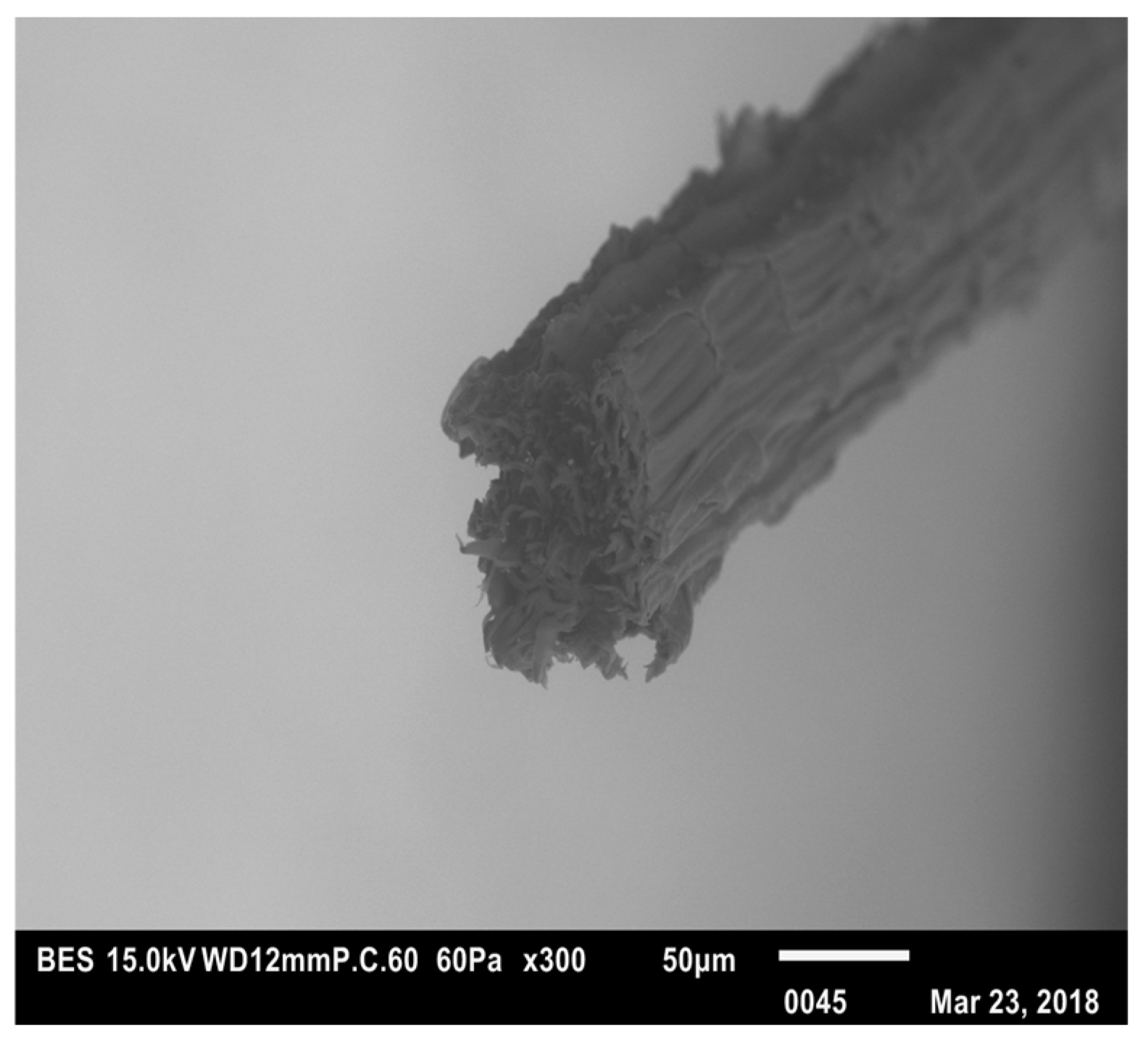
Figure 13 shows the fracture surfaces of mid-section fibres from Agave mapisaga. The observed surfaces exhibit typical brittle behaviour, with crack propagation occurring perpendicular to the fibre axis, as clearly illustrated in the figures. Such fracture patterns are widely reported in plant fibres, whether seed-derived or bast-derived, as noted in [6]. Accordingly, the spinning and weaving behaviour of A. mapisaga fibres is expected to be comparable to that of flax.
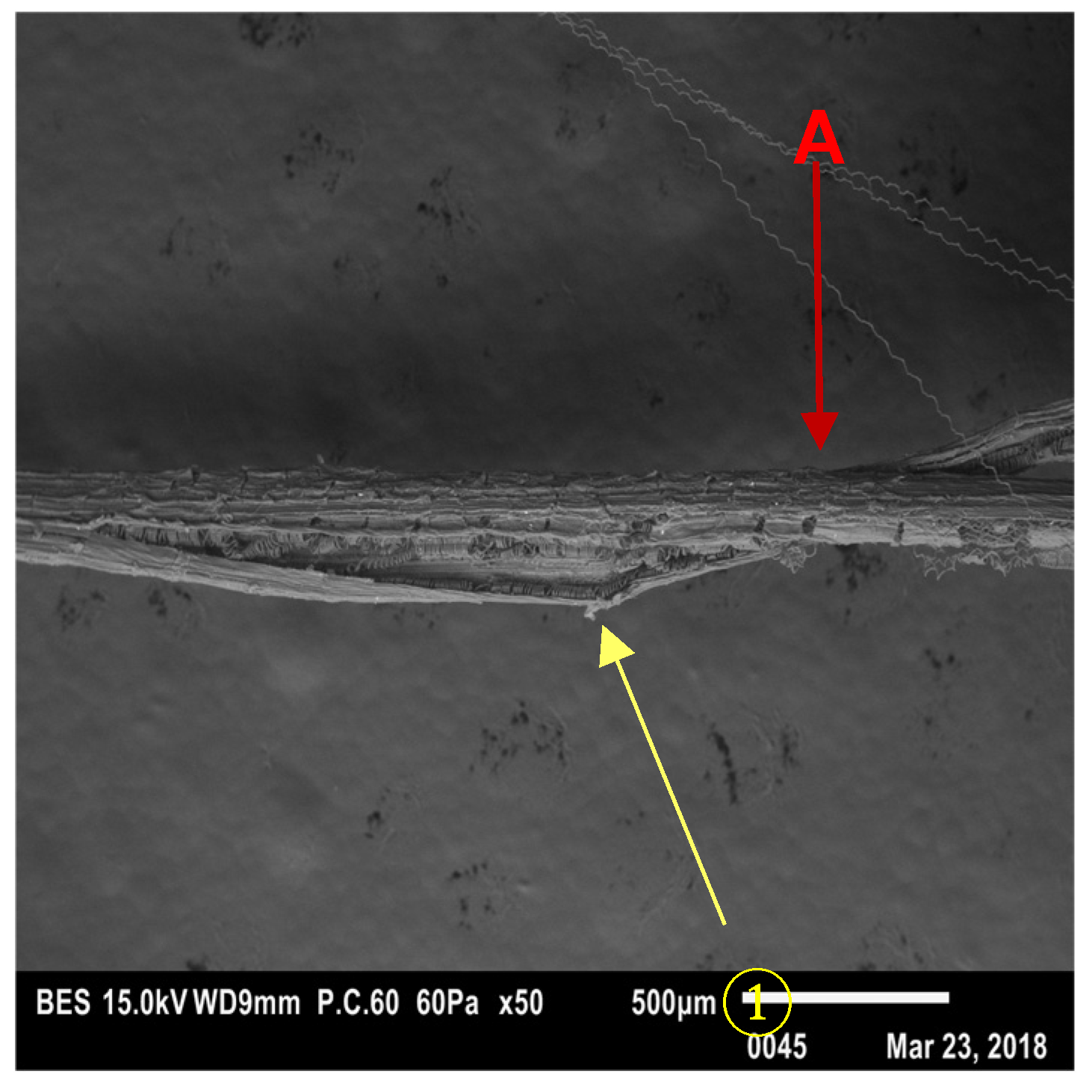
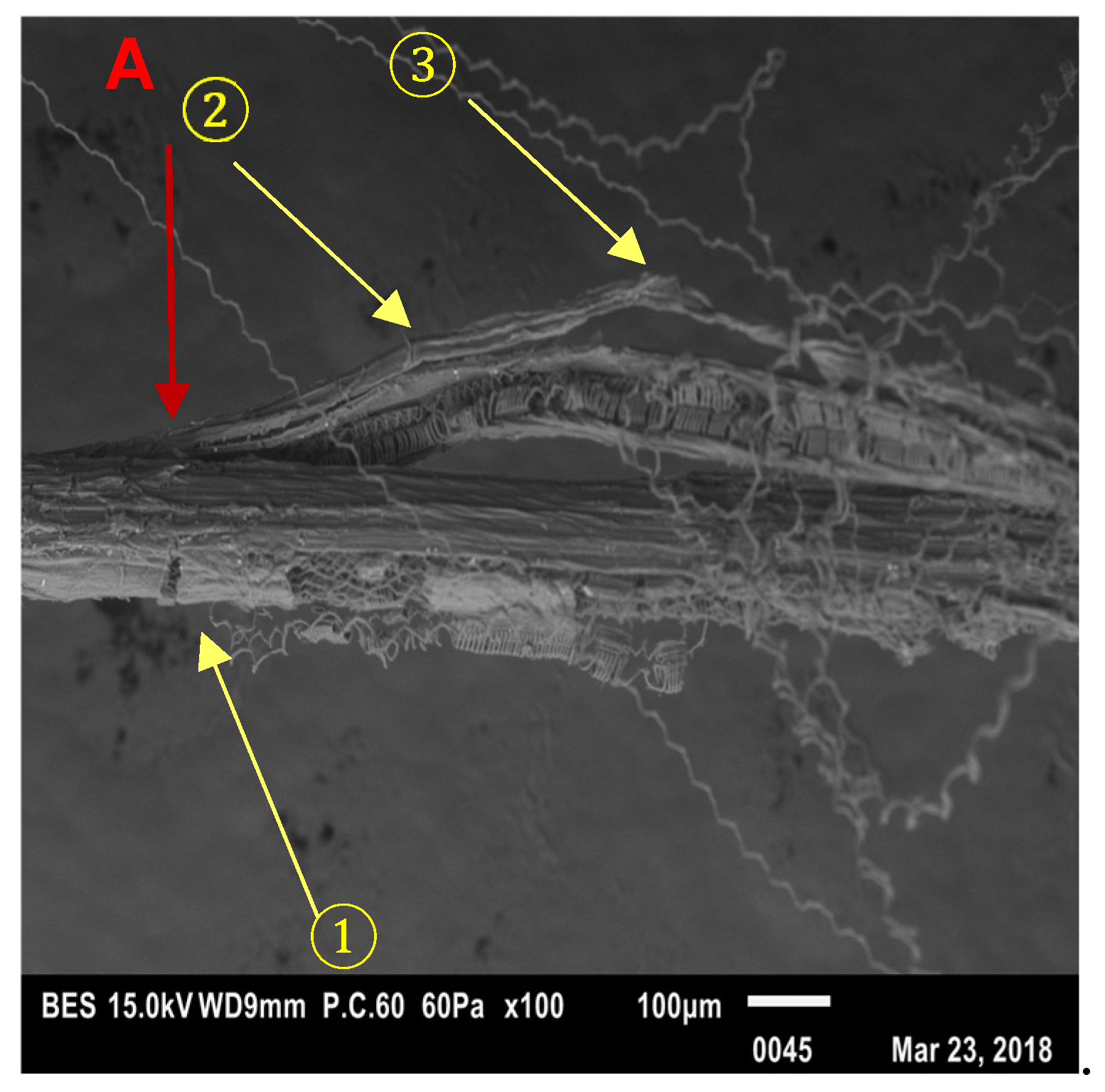
Figure 14 corresponds to a higher-magnification view of area A indicated in Figure 15, highlighting longitudinal cracking and internal fibrillation after tensile failure. The fracture surface shows that the fibre has split into two distinct parts, labelled ① and ②, indicating internal structural disintegration. Part ② corresponds to a fibre segment that has undergone degradation, in which the outer layer ③ has detached from the central core. This fibrillation phenomenon may be advantageous, as it effectively reduces the apparent fineness of the fibre and may therefore facilitate the production of yarns with a lower final yarn count.
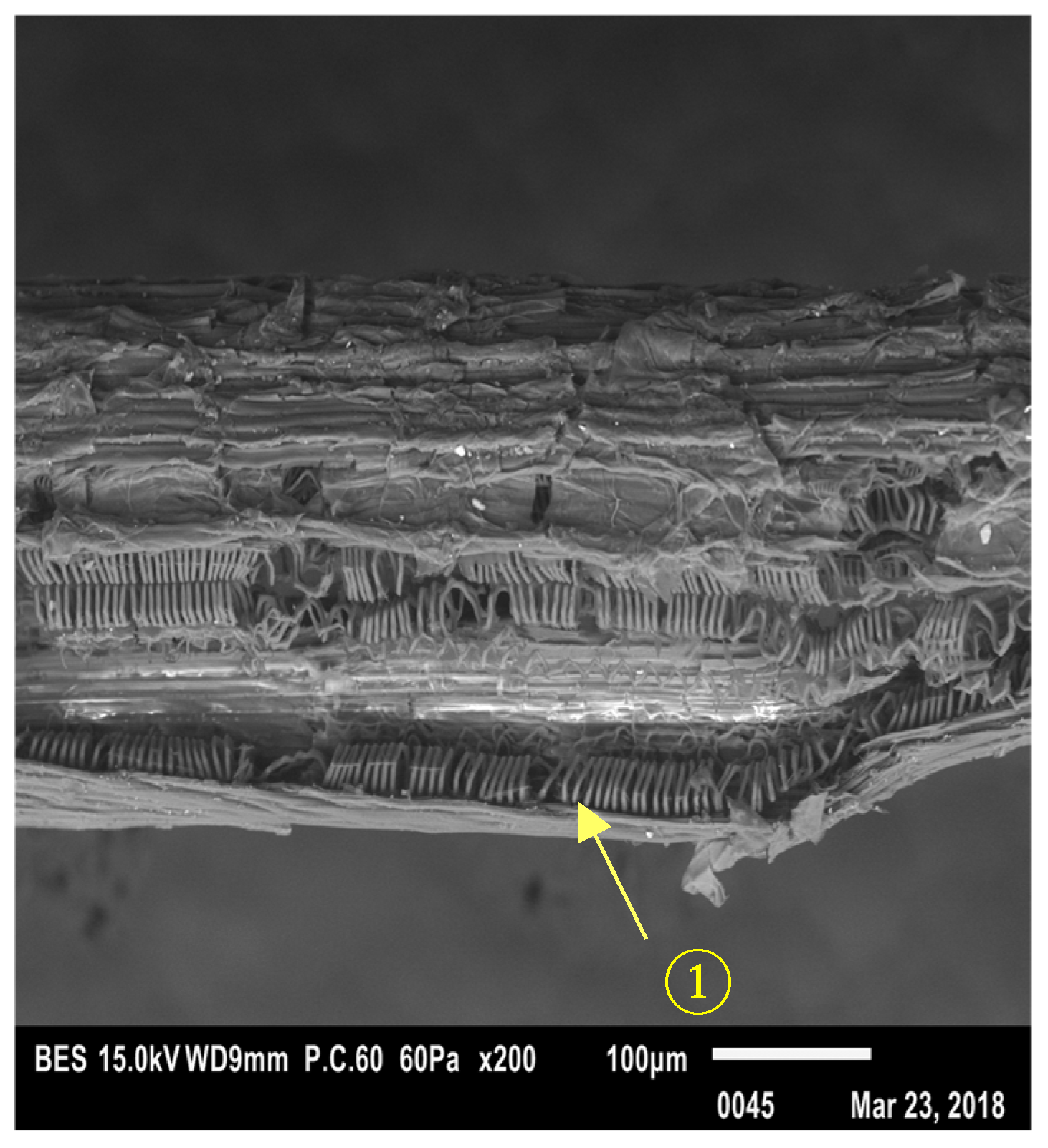
Furthermore, Figure 16 reveals an internal structure composed of square-section, spring-like elements (①), which impart a certain degree of elasticity to the fibre. This structural feature is consistent with the observations reported in [2].
Overall, fractographic analysis revealed predominantly brittle fracture behaviour, consistent with that commonly reported for lignocellulosic plant fibres.

4. Conclusions

The present study demonstrates that fibres extracted from the five investigated Agave varieties exhibit pronounced intra- and interspecific variability in both morphological and mechanical properties. This variability is primarily governed by leaf position, confirming that agave fibres cannot be considered homogeneous along the leaf length. Similar longitudinal heterogeneity has been previously reported for Agave americana and other lignocellulosic fibres, where fibre maturity, cell wall thickening, and microfibril organisation evolve from the basal to the apical regions [8,16,21].
The higher mechanical performance generally observed in fibres extracted from the middle leaf section can be attributed to an optimal balance between fibre maturity and structural integrity. Middle-section fibres typically exhibit more developed secondary cell walls and improved cellulose microfibril alignment, leading to enhanced tensile properties. In contrast, basal fibres may retain higher moisture content and incomplete wall development, while apical fibres are often thinner and more defect-prone, which explains their lower and more scattered mechanical performance. These trends are consistent with previous observations on Agave americana and sisal fibres, where mechanical properties were shown to depend strongly on fibre diameter and position within the plant [13,16,18].
Manual extraction proved feasible for all agave varieties investigated, although marked differences were observed in bundle dissociation and fibrillation behaviour. Fibres exhibiting higher degrees of fibrillation displayed reduced apparent fineness, which is known to favour fibre flexibility and spinnability. Similar effects have been reported for enzymatically or mechanically fibrillated agave and flax fibres, where fibrillation promotes fibre separation and improves yarn formation potential [11,18,33]. From a textile processing perspective, controlled fibrillation may therefore represent a beneficial mechanism rather than a defect.
Fractographic analysis revealed predominantly brittle fracture mechanisms characterised by microfibrillar rupture, which is typical of cellulose-based plant fibres. The presence of internal structural features, including square cross-sections and spring-like formations, suggests complex load transfer mechanisms within the fibre cell wall. Comparable microstructural features have been reported in agave and flax fibres and are often associated with elastic recovery and energy dissipation during tensile loading [16,22]. These observations support the measured elongation and modulus values and indicate that agave fibres are capable of withstanding the mechanical stresses associated with textile processing operations.
Statistical analysis confirmed significant differences in tenacity and stiffness between leaf sections and between agave varieties. This mechanical heterogeneity highlights the necessity of fibre blending or homogenisation prior to yarn formation to ensure consistent performance. Such strategies are commonly employed for natural fibres with high intrinsic variability, including flax, hemp, and raffia, where blending mitigates property dispersion and enhances process reliability [22,30].
Overall, the combined morphological, mechanical, and microstructural evidence positions the investigated agave fibres as promising candidates for sustainable textile applications, particularly in technical and semi-technical sectors. Their relatively high tenacity, combined with low cultivation inputs and local availability, makes them attractive alternatives to conventional plant fibres. The exploitation of varietal diversity and controlled fibre selection along the leaf length may enable tailored property optimisation, thereby expanding the role of agave fibres within sustainable textile and bio-based material value chains.

Author Contributions

Conceptualisation, R.A., J.-Y.D. and O.H.; Methodology, R.A., J.-Y.D. and O.H.; Validation, R.A., J.-Y.D. and O.H.; Formal analysis, R.A., J.-Y.D. and O.H.; Investigation, R.A., J.-Y.D. and O.H.; Resources, R.A., J.-Y.D. and O.H.; Data curation, R.A., J.-Y.D. and O.H.; Writing—original draft, R.A., J.-Y.D. and O.H.; Writing—review and editing, R.A., J.-Y.D. and O.H.; Visualisation, R.A., J.-Y.D. and O.H.; Supervision, J.-Y.D. and O.H.; Project administration, J.-Y.D., L.P. and O.H.; Funding acquisition, J.-Y.D. and O.H. All authors have read and agreed to the published version of the manuscript.

Funding

This research received no external funding.

Data Availability Statement

The original contributions presented in this study are included in the article. Further inquiries can be directed to the corresponding author.

Conflicts of Interest

Author Laurence Peschel was employed by the company Link 2 Business World. The remaining authors declare that the research was conducted in the absence of any commercial or financial relationships that could be construed as a potential conflict of interest.

Appendix A

Table A1. Fibre diameters of the five agave varieties measured at different leaf sections (mean ± SD).
Agave SpeciesLeaf SectionDiameter (µm) (Mean ± SD)CV (%)
Agave salmiana crassispinaBasal45.80 ± 9.4019.90
Middle38.60 ± 8.7022.50
Upper33.70 ± 13.3028.18
Agave salmiana salmianaBasal47.65 ± 9.6820.32
Middle43.25 ± 5.3812.45
Upper35.65 ± 4.8613.65
Agave tectaBasal46.14 ± 15.0132.54
Middle44.16 ± 14.0031.71
Upper38.56 ± 11.2129.07
Agave ingens marginataBasal39.85 ± 5.0812.75
Middle37.35 ± 7.8320.97
Upper34.90 ± 4.8813.98
Agave mapisagaBasal45.65 ± 6.1313.42
Middle32.00 ± 5.1416.07
Upper28.65 ± 3.7012.90

References

  1. Thyavihalli Girijappa, Y.G.; Mavinkere Rangappa, S.; Parameswaranpillai, J.; Siengchinm, S. Natural Fibers as Sustainable and Renewable Resource for Development of Eco-Friendly Composites: A Comprehensive Review. Front. Mater. 2019, 6, 226. [Google Scholar] [CrossRef]
  2. Balakrishnan, S.; Wickramasinghe, G.L.D.; Samudrika Wijayapala, U.G. Investigation on improving banana fiber fineness for textile application. Text. Res. J. 2019, 89, 4398–4409. [Google Scholar] [CrossRef]
  3. Md, N.T.; Haleem, M.Y.M.A. Investigation for the Effect of Agave Fiber on the properties of concrete. J. Adv. Sci. Technol. 2016, 11, 22, E-ISSN: 2230-9659. [Google Scholar]
  4. Lewin, M. Book Handbook of Fibre Chemistry, 3rd ed.; CRC Press: Boca Raton, FL, USA, 2006. [Google Scholar] [CrossRef]
  5. Nobel, S. Desert Wisdom/Agaves and Cacti: CO2, Water, Climate Change; Madrono: Berkeley, CA, USA, 2010; Volume 57. [Google Scholar] [CrossRef]
  6. El Oudiani, A.; Msahli, S.; Jaouadi, M.; Sakly, F.; Chaabouni, Y.; Drean, J.-Y. Les Fibers D’agave Americana L.; Edilivre: Paris, France, 2016. [Google Scholar]
  7. Reyes-Samilpa, A.; Antonio Reyes-Aguero, J.; Alvarez-Fuentes, G.; Rogelio Aguirre Rivera, J.; Van t Hooft, A. Physical Characterization of the Fibers of Agave salmiana and A. mapisaga (Asparagaceae) from the Mezquital Valley, Mexico. J. Nat. Fibres 2022, 19, 3710–3717. [Google Scholar] [CrossRef]
  8. Chaabouni, Y.; Drean, J.-Y.; Msahli, S.; Sakli, F. Morpholigical Characterization of Individual Fibre of Agave americana L. Text. Res. J. 2006, 76, 367–374. [Google Scholar] [CrossRef]
  9. Whewell, C. Matthews’ Textile Fibers: Their physical microscopical and chemical properties. Nature 1948, 161, 581–582. [Google Scholar] [CrossRef]
  10. Martínez-Palacios, A.; Gómez–Sierra, J.M.; Sáenz–Romero, C.; Pérez–Nasser, N. Genetic diversity of Agave cupreata trel. et berger. Considerations for its conservation. Rev. Fitotec. Mex. 2011, 34, 159, ISSN 0187-7380. [Google Scholar]
  11. Msahli, S. Etude Du Potentiel Textile Des Fibres D’agave Americana. Ph.D. Thesis, Université of Haute Alsace, Mulhouse, France, 2002. [Google Scholar]
  12. Chaabouni, Y. Caractérisation de la Microstructure de la fibre D’agave Americana L., Contribution à l’étude de Composites Renforces par des Fibres D’agave. Ph.D. Thesis, Université of Haute Alsace, Mulhouse, France, 2005. [Google Scholar]
  13. Hulle, A.; Kadole, P.; Kathar, P. Agave Americana Leaf Fibers. Fibers 2015, 3, 64–75. [Google Scholar] [CrossRef]
  14. Ramakrishnan, T.; Aravinth, K. Study on Properties of New Biodegradable Plant Fiber (Agave decipiens) for Polymer Reinforcement. Glob. NEST J. 2023, 25, 31–40. [Google Scholar] [CrossRef]
  15. Kablan, R. Etude d’Agave de Guadeloupe: Leurs métabolites (Structure et Activité) et Leurs Structures Fibreuses (Cristallinité de la Cellulose et Propriétés Des Fibres). Ph.D. Thesis, Université des Antilles, Pointe-à-Pitre, Français, 2023. [Google Scholar]
  16. Msahli, S.; Chaabouni, Y.; Faouzi, S.; Drean, J.Y. Mechanical Behavior of Agave Americana L. Fibers: Correlation between Fine Structure and Mechanical Properties. J. Appl. Sci. 2007, 7, 3951–3957. [Google Scholar] [CrossRef]
  17. Manonyane Albertina, M.M. Extraction, Variability, Enzymatic Biosoftening and Evaluation of Physico-Mechanical Properties of Agave americana L. fibre. Ph.D. Thesis, University of the Free State, Bloemfontein, South Africa, 2020. Available online: https://hdl.handle.net/11660/11278 (accessed on 28 January 2026).
  18. Belaadi, A.; Bezazi, A.; Bourchak, M.; Scarpa, F. Thermochemical and statistical mechanical properties of natural sisal fibres. Compos. Part B Eng. 2014, 67, 481–489. [Google Scholar] [CrossRef]
  19. Harzallah, O.; Benzina, H.; Drean, J.Y. Physical and Mechanical Properties of Cotton Fibres: Single Fibre Failure. Text. Res. J. 2010, 80, 1093–1102. [Google Scholar] [CrossRef]
  20. Sikame Tagne, N.R.; Njeugna, E.; Ndapeu, D.; Fokwa, D.; Médard, F.; Drean, J.-Y.; Harzallah, O. Investigation of the Physical and Mechanical Properties of Raffia Vinifera Fibers along the Stem. J. Nat. Fibers 2017, 14, 621–633. [Google Scholar] [CrossRef]
  21. Ahmad, F.; Choi, H.S.; Park, M.K. A review: Natural fiber composites selection in view of mechanical, light weight, and economic properties. Macromol. Mater. Eng. 2015, 300, 10–24. [Google Scholar] [CrossRef]
  22. Msahli, S.; Jaouadi, M.; Sakly, F.; Drean, J.-Y. Study of the Mechanical Properties of Fibers Extracted from Tunisian Agaveamericana L. J. Nat. Fibers 2015, 12, 552–560. [Google Scholar] [CrossRef]
  23. Morton, W.; Hearle, J. Physical Properties of Textile Fibres, 4th ed.; Woodhead Publishing: Cambridge, UK, 2008. [Google Scholar] [CrossRef]
  24. Msahli, S.; Drean, J.-Y.; Sakli, F. Evaluating the Fineness of Agave Americana L. Fibres. Text. Res. J. 2005, 75, 540–543. [Google Scholar] [CrossRef]
  25. Ott, L.; Longnecker, M. An Introduction to Statistical Methods and Data Analysis, 7th ed.; Texas A&M University: College Station, TX, USA, 2021. [Google Scholar]
  26. Montgomery, D.; Runger, C.R. Applied Statistics and Probability for Engineers, 5th ed.; Wiley: Hoboken, NJ, USA, 2014; ISBN 9781118744123. [Google Scholar]
  27. Student. The Probable Error of a Mean; Biometrika, Oxford University: Oxford, UK, 1908; Volume 6, pp. 1–25. Available online: https://www.jstor.org/stable/2331554 (accessed on 28 January 2026).
  28. Sahu, P.K. Analysis of Variance and Experimental Designs. In Research Methodology: A Guide for Researchers in Agricultural Science, Social Science and Other Related Fields; Springer: Karnataka, India, 2013. [Google Scholar] [CrossRef]
  29. Reddy, T.A.; Henze, G.P. Making Statistical Inferences from Samples. In Applied Data Analysis and Modeling for Energy Engineers and Scientists; Springer: Cham, Switzerland, 2023; pp. 123–168. [Google Scholar] [CrossRef]
  30. Montgomery, C. Design and Analysis of Experiments, 10th ed.; Wiley: Hoboken, NJ, USA, 2019. [Google Scholar]
  31. Sathishkumar, T.P.; Navaneethakrishnan, P.; Shankar, S.; Rajasekar, R.; Rajini, N. Characterization of natural fiber and composites. J. Reinf. Plast. Compos. 2013, 32, 1457–1476. [Google Scholar] [CrossRef]
  32. Béakou, A.; Ntenga, R.; Lepetit, J.; Ateba, J.A.; Ayina, L.O. Physico-chemical and microstructural characterization of “Rhectophyllum camerunense” plant fiber. Compos. Part A Appl. Sci. Manuf. 2008, 39, 67–74. [Google Scholar] [CrossRef]
  33. Belouadah, Z.; Ati, A.; Rokbi, M. Characterization of new natural cellulosic fiber from Lygeum spartum L. Carbohydr. Polym. 2015, 134, 429–437. [Google Scholar] [CrossRef] [PubMed]
Figure 1. View of agave plants cultivated in a Mediterranean region of France, illustrating their adaptation to European climatic conditions and their potential availability as a local bio-based resource.
Fibers 14 00024 g001
Figure 2. The five Agave varieties.
Fibers 14 00024 g002
Figure 3. Leaves samples selected for evaluation.
Fibers 14 00024 g003
Figure 4. Schematic representation of an agave leaf showing the basal (B), middle (M), and apical (H) sections used for fibre extraction and analysis.
Fibers 14 00024 g004
Figure 5. Fibre extraction protocol.
Fibers 14 00024 g005
Figure 6. Preparation of single-fibre specimens for tensile testing. The left image shows the fibre mounted on the paper frame prior to testing, the middle image shows the specimen positioned in the grips of the MTS testing machine, and the right image shows the frame after cutting its lateral sides to release the fibre and define the effective gauge length.
Fibers 14 00024 g006
Figure 7. Photograph showing the general appearance and entanglement of extracted agave fibres after manual extraction and drying.
Fibers 14 00024 g007
Figure 8. SEM micrographs (×300) of agave fibres extracted from the basal (B), middle (M), and upper (H) leaf sections of the five agave species. The images highlight longitudinal fibre alignment, surface grooves, and partial bundle dissociation, illustrating the influence of leaf position and species on fibre morphology.
Fibers 14 00024 g008
Figure 9. SEM micrographs (×1000) showing detailed surface morphology and fibre individualisation for fibres extracted from the basal (B), middle (M), and upper (H) leaf sections of the five agave species. Surface fibrillation, local delamination, and microstructural heterogeneity are visible and reflect extraction-induced damage.
Fibers 14 00024 g009
Figure 10. Fibre diameter by Species and leaf section (±SD).
Fibers 14 00024 g010
Figure 11. Representative tenacity–strain curves of single fibres extracted from five agave varieties (A. salmiana salmiana, A. salmiana crassispina, A. ingens marginata, A. tecta, and A. mapisaga). The initial linear region corresponds to the elastic response (E), followed by a non-linear deformation regime associated with microstructural rearrangement and fibrillation, and a final abrupt drop indicating brittle fracture.
Fibers 14 00024 g011
Figure 12. Comparison of average breaking force, elongation at break, and tenacity values among the five Agave species.
Fibers 14 00024 g012
Figure 13. Representative fracture surface of an agave fibre after tensile testing (SEM).
Fibers 14 00024 g013
Figure 14. Fracture surface of a mid-section Agave salmiana salmiana fibre observed after tensile testing. Area A indicates the region selected for higher-magnification observation.
Fibers 14 00024 g014
Figure 15. Higher-magnification view of area A shown in Figure 14, illustrating longitudinal cracking and fibre splitting.
Fibers 14 00024 g015
Figure 16. Internal microstructural features observed in an agave fibre after tensile testing.
Fibers 14 00024 g016
Table 1. Physico-mechanical properties of agave fibres reported in the literature.
Agave SpeciesDensity (g/cm3)Diameter (µm)Tensile Strength (MPa)Young’s Modulus (GPa)Elongation at Break (%)References
Agave sisalana1.38–1.4576–403347–5779–222–7[4,18,19,20,21]
Agave fourcroydes~1.40100–350300–6008–202–6[4,22]
Agave americana~1.40120–400300–7006–181–5[6,8,11,13,16,20,21]
Agave cantala~1.40120–350350–6508–202–6[21,21]
Agave tequilana1.38–1.4290–300400–80010–252–5[20,21]
Agave spp. (various species)30–12075–5105–25up to 18[7,13,14,16,17]
Note: Reported values vary widely depending on agave species, fibre type (elementary or technical), extraction method, testing protocol, gauge length, and the method used to determine fibre cross-sectional area. The reported ranges are therefore intended for comparative purposes rather than as absolute values.
Table 2. Summary of extraction characteristics.
Agave VarietyExtraction QualityFibre OrganisationGel ContentIrritation Potential
Salmiana crassispinaFairly easyBundledHighWeak
Salmiana salmianaFairly easyBundledHighVery weak
tectaFairly easyBundledLowVery strong
Ingens marginataEasyIndividualisedLowWeak
mapisagaVery easyIndividualisedNoneVery weak
Table 3. Statistical analysis of fibre diameter variations between basal, middle, and upper leaf sections for the five agave species.
SectionMean Diameter (µm)Standard Deviation (µm)Variance (µm2)Normalised
Variance
Difference Between Meansz-Value
Agave salmiana crassispinaB45.809.488.360.881.286.79
M38.608.775.690.761.603.15
H33.7013.3176.891.771.602.27
Agave salmiana salmianaB47.409.488.360.881.286.79
M38.708.775.690.761.603.15
H43.7013.3176.891.771.602.27
Agave tectaB46.1015.0225.002.251.985.35
M44.2014.0196.001.962.003.82
H38.6011.2125.441.251.733.38
Agave ingens marginataB39.905.125.800.260.932.70
M37.407.861.300.610.902.70
H34.904.823.000.230.707.10
Agave mapisagaB45.705.137.500.400.8016.90
M32.005.227.500.270.605.20
H28.703.713.600.140.7023.80
Table 4. Comparative mechanical properties of agave fibres from different species and leaf sections (mean ± standard deviation).
Agave SpeciesLeaf SectionBreaking Force (cN)Elongation at Break (%)Tenacity (cN·tex−1)Young’s Modulus (GPa)
Agave salmiana crassispinaB404.78 ± 92.6045.82 ± 19.80224.22 ± 54.605.36 ± 1.28
M278.40 ± 120.9026.12 ± 7.81215.64 ± 115.339.11 ± 2.09
H401.48 ± 153.3016.91 ± 5.03174.21 ± 80.6912.09 ± 2.76
Agave salmiana salmianaB338.71 ± 108.9026.44 ± 19.80211.72 ± 54.608.90 ± 2.58
M344.16 ± 79.9018.50 ± 7.81276.48 ± 115.3317.49 ± 5.25
H330.72 ± 74.8017.50 ± 16.91347.80 ± 80.6923.79 ± 7.14
Agave tectaB400.70 ± 158.9019.70 ± 3.00232.90 ± 79.2014.65 ± 8.79
M519.90 ± 184.9019.60 ± 3.10307.40 ± 94.0017.69 ± 10.64
H561.40 ± 176.4015.70 ± 3.70250.80 ± 136.3021.15 ± 13.74
Agave ingens marginataB234.90 ± 117.8023.50 ± 5.30271.20 ± 169.5021.16 ± 5.63
M239.30 ± 71.7024.30 ± 5.70288.70 ± 204.0026.20 ± 6.95
H282.20 ± 144.1017.90 ± 3.10297.30 ± 152.7027.20 ± 8.08
Agave mapisagaB322.80 ± 176.6021.50 ± 5.90228.70 ± 117.4011.48 ± 3.10
M262.70 ± 69.7020.10 ± 6.50502.40 ± 512.9021.85 ± 7.79
H198.90 ± 99.8012.20 ± 2.60275.00 ± 45.5025.74 ± 6.95
Table 5. Comparison of physical and mechanical properties of agave fibres with other vegetable fibres [31].
FibersDiameter (µm)Density (g/cm3)Tensile Strength (MPa)Young’s Modulus (GPa)Specific Strength (MPa·cm3/g)Specific Modulus (GPa·cm3/g)Elongation at Break (%)References
Hemp1.48550–90070372–60847.31.6[31]
Flax1.5800–150027.6–80535–100018.4–531.2–3.2
Ramie501.50220–93844–128147–62529.3–852–3.8
Kenaf70–2501.459305364136.51.6
Jute40–3501.46393–80010–30269–5486.85–20.61.5–2.5
Abaca400128
Bamboo240–3300.60–1.1050035.9454.5–833.332.6–59.93–7[31,32]
Sisal50–3001.45530–6409.4–226.5–15.23.7–142–7
Rhectophyllum C.0.947219.1–895.12.763231.36–847.662.42–9.831–9[33]
Empty fruit bunch330–340492.763[33]
Lygeum spartum L.180–43364.63–403.874.17–37.271.49–7.34[33]
Agave (general)178–4031.2063–2111.08–352.5–175.840.9–2.516.9–70.98[32,33]
Agave salmiana crassispina34–46≈1.3–1.5≈300–600231–400231–4005–20Current work
Agave salmiana salmiana36–48≈1.3–1.5≈300–600231–400231–4005–20Current work
Agave ingens marginata35–40≈1.3–1.5≈250–550192–367192–3675–20Current work
Agave tecta39–46≈1.3–1.5≈250–550192–367192–3675–20Current work
Agave mapisaga29–47≈1.3–1.5≈250–600192–367192–3675–20Current work
Disclaimer/Publisher’s Note: The statements, opinions and data contained in all publications are solely those of the individual author(s) and contributor(s) and not of MDPI and/or the editor(s). MDPI and/or the editor(s) disclaim responsibility for any injury to people or property resulting from any ideas, methods, instructions or products referred to in the content.