1. Introduction
Large quantities of water-based drill cuttings are generated during natural gas exploration and development. These cuttings are typically complex in composition and may contain heavy metals and residual chemical additives. If improperly managed, they can contaminate soil and groundwater, posing risks to surrounding ecosystems and public health [
1]. Therefore, the resource utilization of water-based drill cuttings after harmless treatment, particularly in pavement base engineering, represents a promising approach to mitigating environmental pressure while alleviating shortages of conventional construction materials, such as sand and gravel [
2].
Driven by infrastructure demands (roads, foundations) and material shortages, soil solidification technology has rapidly developed and been widely adopted. Qin et al. [
3] used three components, namely, cement clinker, sodium bisulfate, and Na
2SiF
6, as the main materials of the stabilizer to chemically reinforce the coastal silt. The 28-day strength of the consolidated soil was verified by the unconfined compressive strength test. The test results show that the activity of the slag in the stabilizer is fully stimulated, and the consolidation effect on the silt is very significant. In the study, Babatunde et al. [
4] used gum Arabic as a sustainable soil stabilizer and employed three different contents of biopolymers to investigate the effects of gum Arabic on the rheological behavior, strength, and stiffness characteristics of treated sand. The compressive strength of the treated specimens was significantly enhanced after 28 days of curing. Li et al. [
5] used the method of ionic soil stabilizer (ISS)—cement synergistic solidification in the study to solidify coastal pickled dispersed soil. The results showed that the solidification effect was the best when the ISS content was 5%. Zhong et al. [
6] use high-content slag soil to prepare controllable low-strength filling materials to treat and effectively utilize the engineering sludge generated by urban development projects, achieving engineering performance reconstruction and resource utilization.
Scholars have conducted extensive research on the harmless disposal and resource utilization of water-based drill cuttings, providing crucial insights for their high-value applications in the fields of building materials and cementitious materials, such as Hu et al. [
7]. In this paper, the feasibility of water-based drilling cuttings as building materials additives after treatment is discussed, and the reuse path of water-based drilling cuttings in specific industrial processes is studied, which provides a solid scientific theoretical support for the sustainable management of drilling cuttings. Xie et al. and Liuyang et al. [
8,
9] successfully achieved the secondary pyrolysis resource utilization of oil-based drilling waste ash by mixing drilling cuttings containing Cr(VI) pollutants with bauxite in different ratios to prepare proppants, providing an effective solution for the disposal of heavy metal-contaminated drilling cuttings. The study by Liu et al. [
1] demonstrated that processed water-based drilling cuttings exhibit high calcium content properties, enabling partial substitution for conventional Portland cement. They proposed the preparation of highly reactive supplementary cementitious materials through mechanical activation methods, effectively achieving high-value resource recovery from water-based drilling cuttings. Liu et al. [
10] demonstrated that combining calcined drilling cuttings with waste glass not only compensates for the low silicon content in water-based drilling cuttings but also significantly accelerates cement hydration, thereby expanding the application prospects of drilling cuttings in the cementitious materials field.
The application of solid waste materials as stabilizing agents in road engineering has also been extensively explored. Tanyıldızı et al. [
11] evaluated the stabilizing effect of waste hazelnut shell ash (WHSA) on expansive soil. The experiments showed that a WHSA content of 2% to 10% could significantly reduce the plasticity, expansion, and contraction of soil. The environmentally friendly and low-cost characteristics could effectively improve the engineering properties of expansive soil and are suitable for road subgrade reinforcement. Qiu et al. [
12] replaced cement with calcium carbide residue, blast furnace slag, and fly ash, and combined polypropylene fiber to reinforce the silt powder soil in Dongying City, significantly improving the mechanical properties of the stabilized soil. Sun et al. [
13] mixed fly ash (FA) and granulated blast furnace slag (GBFS) in a certain proportion as the basic building material for low-carbon pavement, which can effectively replace traditional materials and promote the utilization of waste materials in pavement applications.
Despite these advances, road base materials remain predominantly reliant on conventional cementitious systems such as Portland cement, quicklime, industrial slags, and natural aggregates. Developing new soil stabilizer systems with improved soil compatibility and environmental performance has become critical for addressing resource constraints and ecological pressures in road engineering. Jia et al. [
14] prepared subgrade materials from iron tailings containing fly ash and lime and improved their mechanical strength and frost resistance and reduced the dry shrinkage rate through ionic soil stabilizers (ISS). The results show that when the ISS is 0.67%, the 7-day unconfined compressive strength increases by 195.5%. Pushpakumara and Mendis [
15] treated highly plastic clayey soil with different ratios of rice husk ash (RHA) and lime. The results show that when the ratio is 10% rice husk ash + 20% lime, the unconfined compressive strength of the stabilized soil increases by 54.05%, and the friction angle value in the shear strength parameter increases by 60.48%. Lei et al. [
16] and Hou et al. [
17] successfully synthesized a multifunctional polymer soil stabilizer (MPSS) by copolymerizing modified nano-zinc oxide with acrylic acid and used it as an effective additive to prevent soil erosion. The results showed that the stabilizer exhibited excellent water retention and plant compatibility.
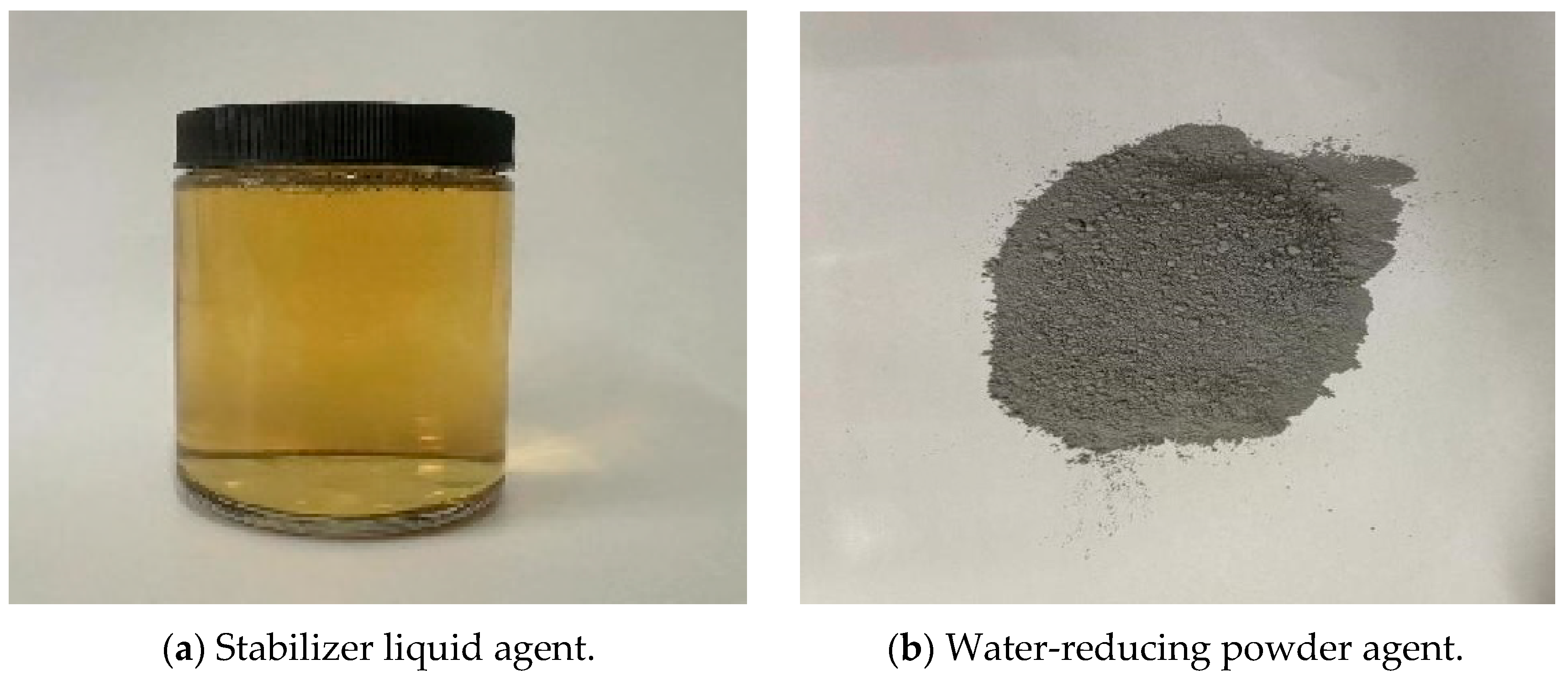
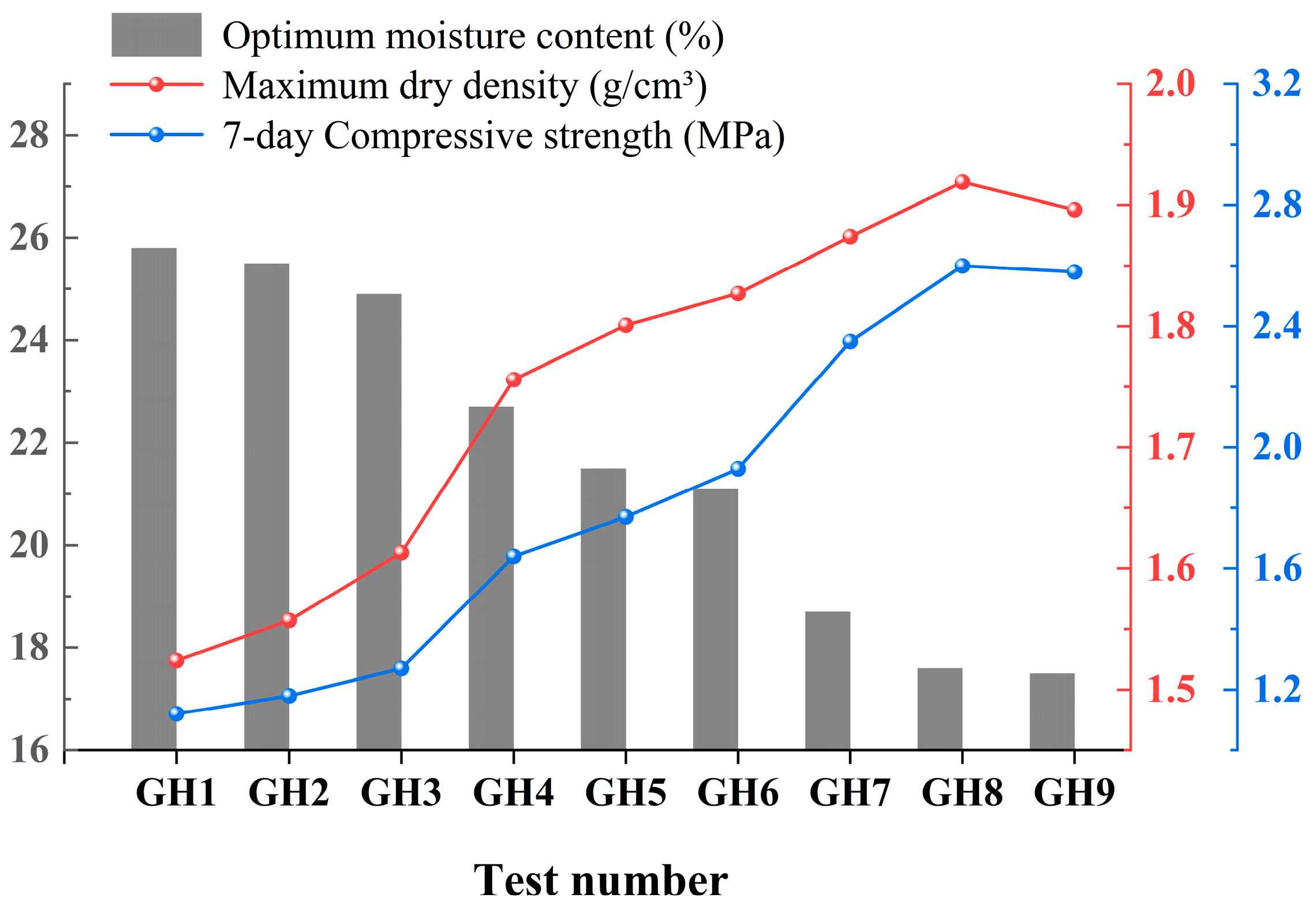
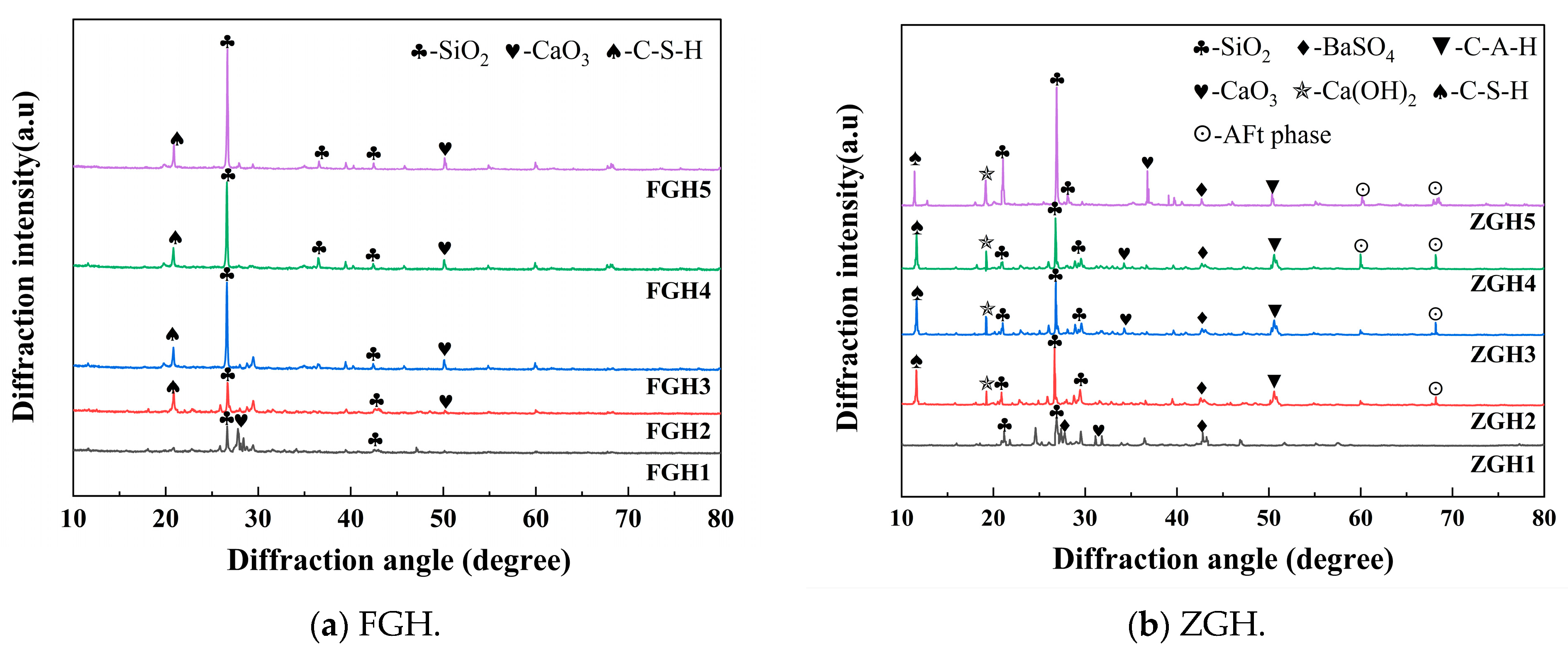
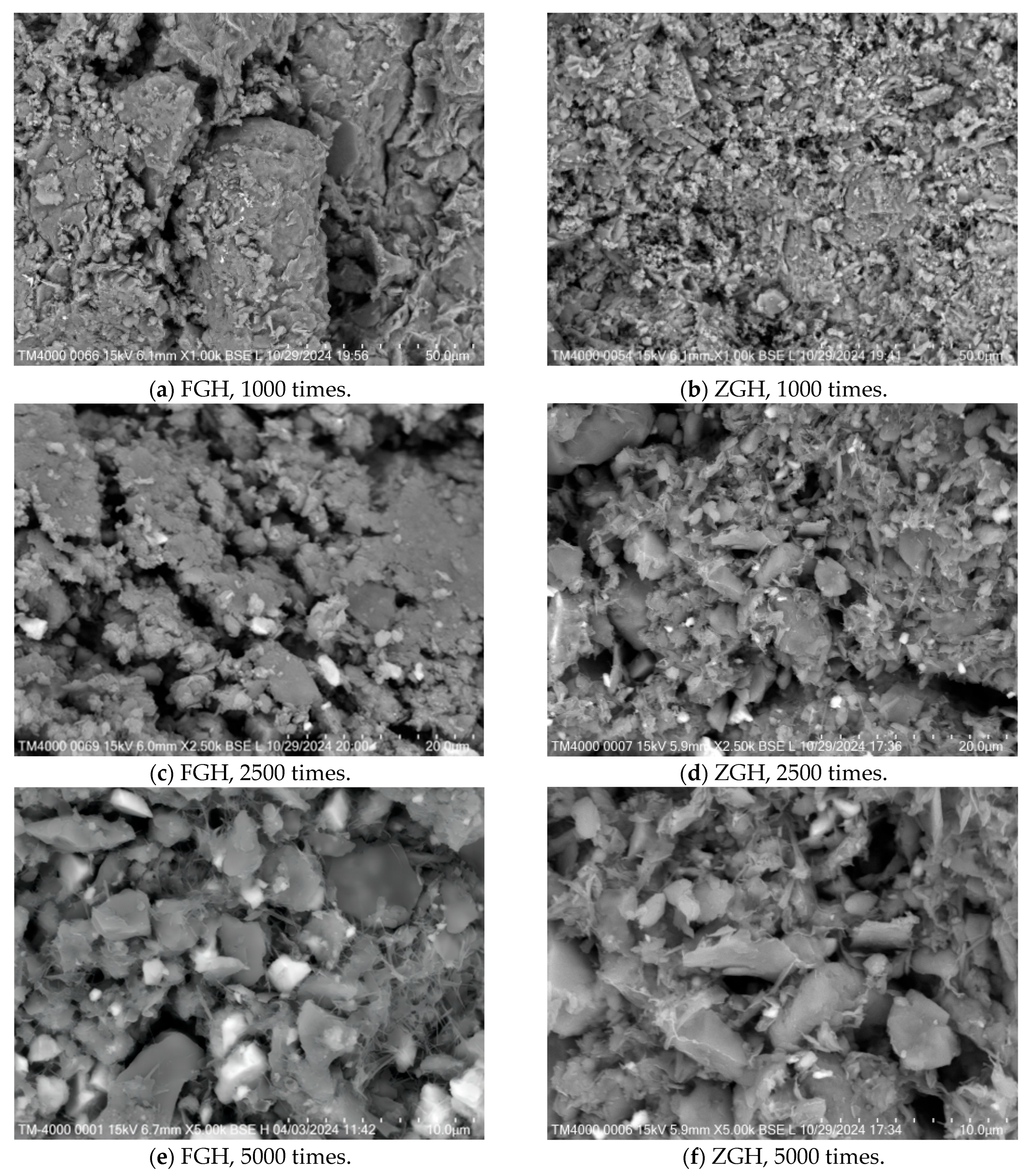
Although substantial progress has been made in soil stabilization and solid waste utilization, significant technical challenges remain in treating high-water-content water-based drilling cuttings associated with oil and gas extraction. Conventional stabilizers often fail to achieve efficient and economical solidification due to the high moisture content, complex chemical composition, and potential heavy metal contamination of these materials. To address these limitations, this study evaluates the feasibility of reutilizing water-based drill cuttings as pavement base materials through stabilization with a novel composite system composed of cement, stabilizer liquid agent, and water-reducing powder (CLP stabilizer). At first, water-based drill cuttings collected from an engineering site were first characterized in terms of their fundamental physical properties. The optimal stabilizer proportion was determined through mix design, compaction tests, and 7-day unconfined compressive strength tests, followed by stabilization treatment of the drill cuttings. Subsequently, the road performance of the stabilized materials under different curing ages and stabilizer dosages was evaluated through unconfined compressive strength tests, splitting tensile strength tests, compressive resilient modulus tests, temperature shrinkage tests, and water stability tests, thereby identifying the optimal solidifying agent content. Finally, microstructural evolution, pore morphology, and mineral composition of both stabilized drill cuttings and powder-stabilized soil were analyzed. Heavy metal concentrations in leachate and surrounding soil were examined to assess the environmental compatibility and practical applicability of the stabilized material.
3. Experimental Study on the Performance of Water-Based Drill Cuttings Stabilized Soil Roads
Using the powdery soil from the rear hill of Southwest University of Science and Technology as the control group, this study compared the road performance differences between powdery stabilized soil and water-based drill cuttings stabilized soil, with 10 test groups designed as shown in
Table 6. The CLP stabilizer dosage ratio is 5% cement + 2% stabilizer + 8% water-reducing powder, where the percentages represent the proportion of each component relative to the total soil sample volume.
3.1. Unconfined Compressive Strength Test
To study the variation law of the unconfined compressive strength of water-based drill cuttings stabilized soil under different factors, the soil sample ratio was determined based on the optimal mix ratio in the previous text. According to the specification requirements [
26], four standard curing ages of 7 days, 14 days, 28 days, and 90 days are set. On the last day of each curing age, the specimens are immersed in water for 24 h, and then the unconfined compressive strength test is carried out.
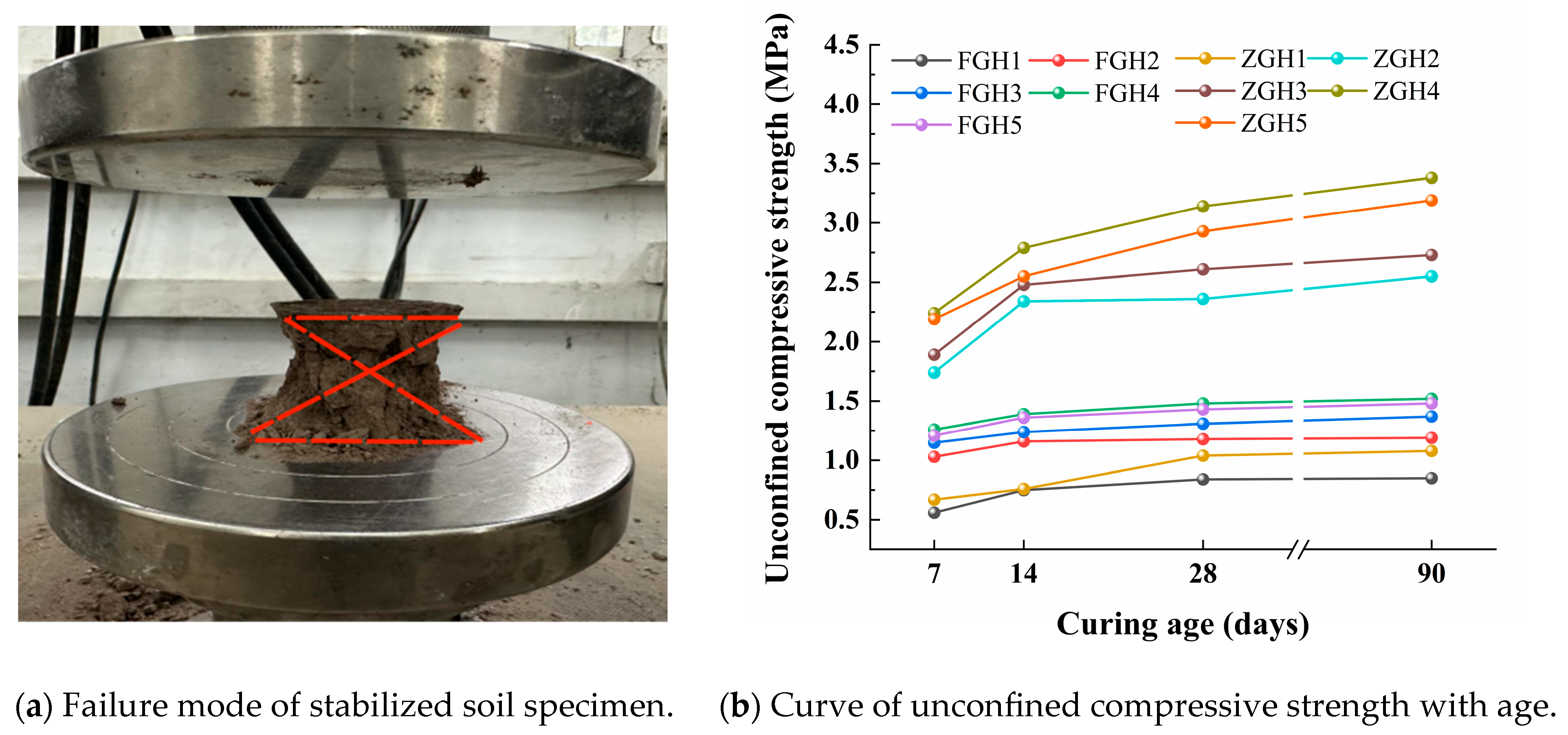
The final failure mode of stabilized soil is shown in
Figure 5a. During the test, the failure process of water-based drill cuttings stabilized soil presented typical brittle failure characteristics, which are specifically divided into the integrity stage, the crack propagation stage, and the fracture failure stage. The test results are shown in
Figure 5b. Under the same curing age and dosage of stabilizer, the strength of water-based drill cuttings stabilized soil is much higher than that of powdery stabilized soil. When the dosage of stabilizer is 9%, the strength reaches the maximum value. After that, with the increase in the dosage of stabilizer, the strength of the stabilized soil decreases. With the extension of the curing period, the strength of the stabilized soil continues to increase. This occurs because when water-based drilling cuttings fully interact with CLP stabilizer, the hydration reaction of the mixture produces increasing amounts of substances such as alunite, hydrated calcium aluminate, and hydrated calcium silicate as the stabilizer dosage increases. Consequently, the unconfined compressive strength of water-based drill cuttings stabilized soil improves, while its cementation effect, filling capacity, and soil particle compaction capability become more pronounced.
Among them, the growth rate is the fastest from 7 days to 14 days. At 90 days, the strength of water-based drill cuttings stabilized soil reaches 3.38 MPa, with an increase rate of 51%. In addition, the strength increase in water-based drill cuttings during the curing period is significantly higher than that of powdery stabilized soil. It can be seen from this that a high dosage of stabilizer can more effectively enhance the compressive performance of stabilized soil, and its enhancing effect is more prominent compared to that of a low dosage of stabilizer. Therefore, effectively controlling the dosage of stabilizer and optimizing the curing process to promote the full progress of hydration reaction are of great significance for further enhancing the compressive strength of the stabilized soil.
3.2. Splitting Tensile Strength Test
This test prepared samples in accordance with relevant regulations and conducted splitting tensile strength tests at different ages [
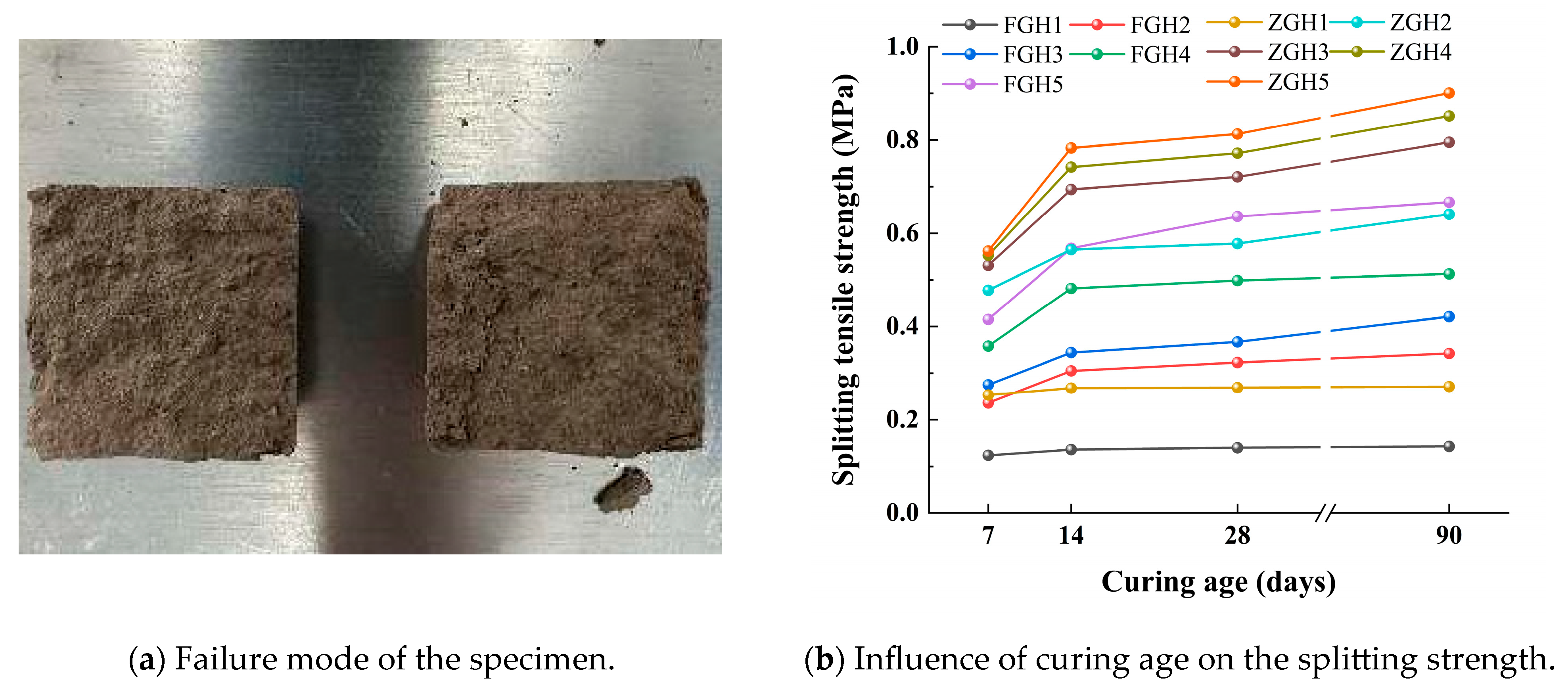
27]. A 6.35 mm pressure strip was used to load at a rate of 1 mm/min until the specimen reached the ultimate stress and failed. The maximum pressure value at the time of specimen failure was recorded, and then the splitting strength was calculated. The failure mode of the specimen is shown in
Figure 6a.
The variation laws of splitting tensile strength of water-based drill cuttings stabilized soil and powdery stabilized soil at different curing ages are shown in
Figure 6b. Based on the variation law of the unconfined compressive strength of different specimens with age in the previous text, it can be known that the development trend of the splitting tensile strength is similar to that of the unconfined compressive strength. Whether it is water-based drill cuttings stabilized soil or powdery stabilized soil, with the increase in age, within the period of 7 days to 28 days, the strength growth curve is relatively steep, and the splitting strength increases significantly. During the period of 28 days to 90 days, the growth trend of the curve gradually slows down, but it still maintains growth. For the powdering stabilized soil without stabilizer, the splitting strengths at the ages of 7 days, 14 days, 28 days, and 90 days were 0.124 MPa, 0.146 MPa, 0.149 MPa, and 0.153 MPa, respectively. The splitting strengths of water-based drill cuttings stabilized soil without stabilizer reached 0.253 MPa, 0.268 MPa, 0.269 MPa, and 0.271 MPa, respectively, during the corresponding curing time. This indicates that when the CLP stabilizer is not added, the overall splitting tensile strength of the stabilized soil is relatively low with the increase in age. However, after the addition of stabilizers, although the splitting strength of powdery stabilized soil has increased, it is still far lower than that of water-based drill cuttings stabilized soil. It can be seen that the curing age has a very significant effect on the improvement of splitting strength.
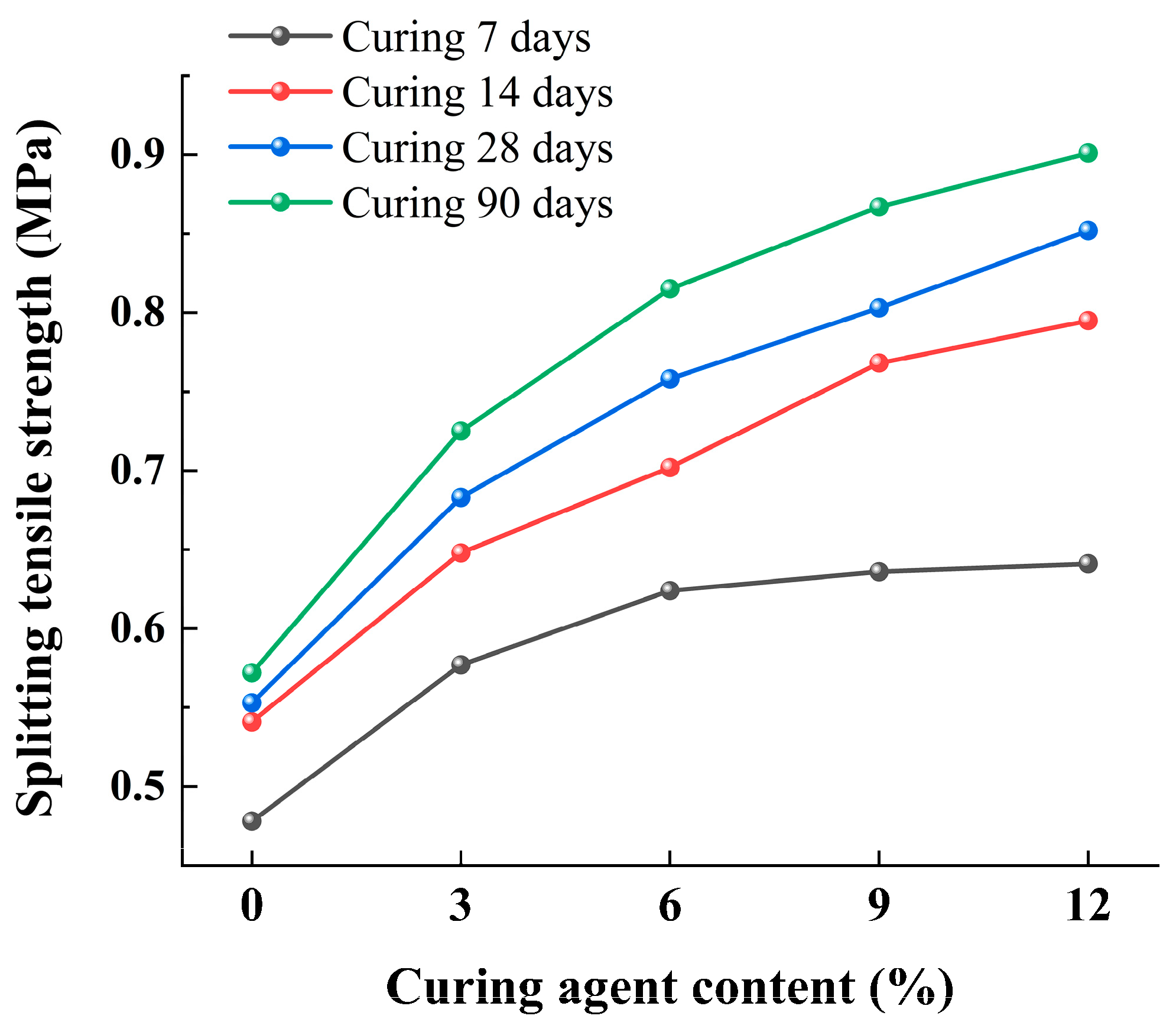
As can be seen from
Figure 7, the splitting tensile strength gradually increases with the increase in stabilizer dosage and then tends to stabilize. Under the condition that the filler is water-based drill cuttings, when the curing age was extended from 7 days to 90 days, and the dosage of CLP stabilizer was 3%, the splitting strength increased from 0.478 MPa to 0.641 MPa, with an increase of 34.1%. When the dosage was 6%, the splitting strength increased from 0.541 MPa to 0.795 MPa, with an increase of 47.0%. When the dosage was 9%, the splitting strength increased from 0.553 MPa to 0.852 MPa, with an increase of 54.1%. When the dosage was 12%, the splitting strength increased from 0.572 MPa to 0.901 MPa, with an increase of 60.3%. This indicates that the dosage of the stabilizer has a significant impact on the improvement of the splitting strength.
Based on the above data analysis, it can be known that after the water-based drill cuttings filler is added with a stabilizer, a series of physical and chemical reactions will occur inside the stabilized soil during the mixing and compaction process, promoting the formation of cementing substances between the mixtures. These cementing substances enhance the agglomeration of stabilized soil, making the soil structure more compact. Meanwhile, the ettringite crystals produced by the cement in the CLP stabilizer exert a mechanical interlocking effect [
28]. However, excessive stabilizers will generate a considerable amount of heat, causing local expansion or cracking of the soil and reducing the toughness of the soil particles. Therefore, the selection of an appropriate amount of stabilizer plays a significant role in enhancing the splitting strength of water-based drill cuttings stabilized soil, and it plays a dominant role in the later strength improvement.
3.3. Compressive Rebound Modulus Test
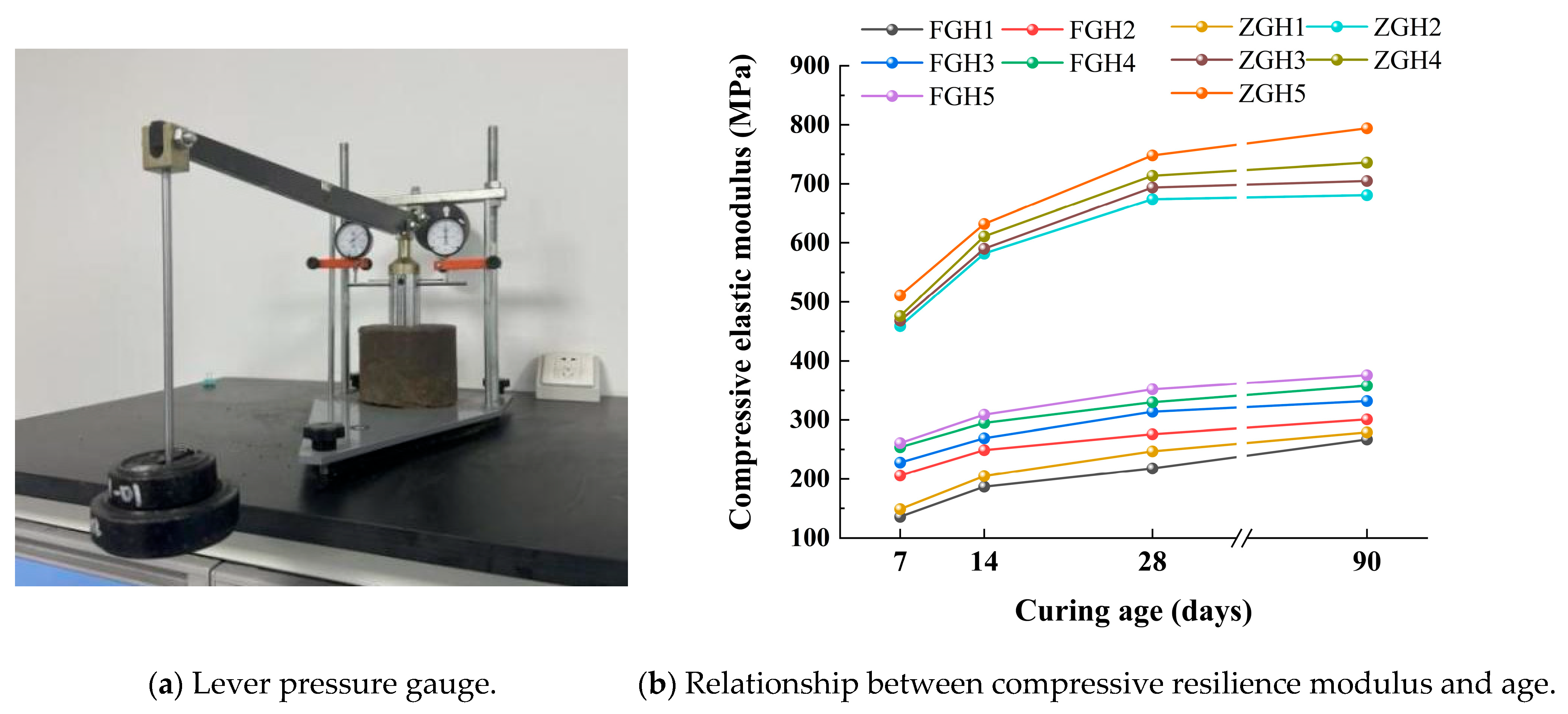
The test results obtained by the method shown in
Figure 8a are presented in
Figure 8b. When subjected to external forces, the anti-deformation ability of water-based drill cuttings stabilized soil is significantly better than that of powdery stabilized soil [
29]. During the curing process, the internal restraint effect of water-based drill cuttings stabilized soil is enhanced, specifically manifested as a reduction in elastic deformation and an increase in the rebound modulus. At the 7-day curing age, there is no significant difference in the rebound modulus between the stabilized soil without the addition of stabilizer and that with the addition of stabilizer. This might be due to the fact that the early hydration reaction had not been fully carried out, the internal framework structure of the material had not been fully formed, and the strengthening effect of the stabilizer had not been fully manifested. However, as the curing period extends, especially after 28 days or longer, the role of the stabilizer gradually becomes prominent, making the internal structure of the stabilized soil denser and the cementing firmer, and the gap in the rebound modulus between the two gradually widens. This result fully demonstrates that the addition of stabilizers can effectively increase the compressive rebound modulus of stabilized soil and enhance its ability to resist deformation.
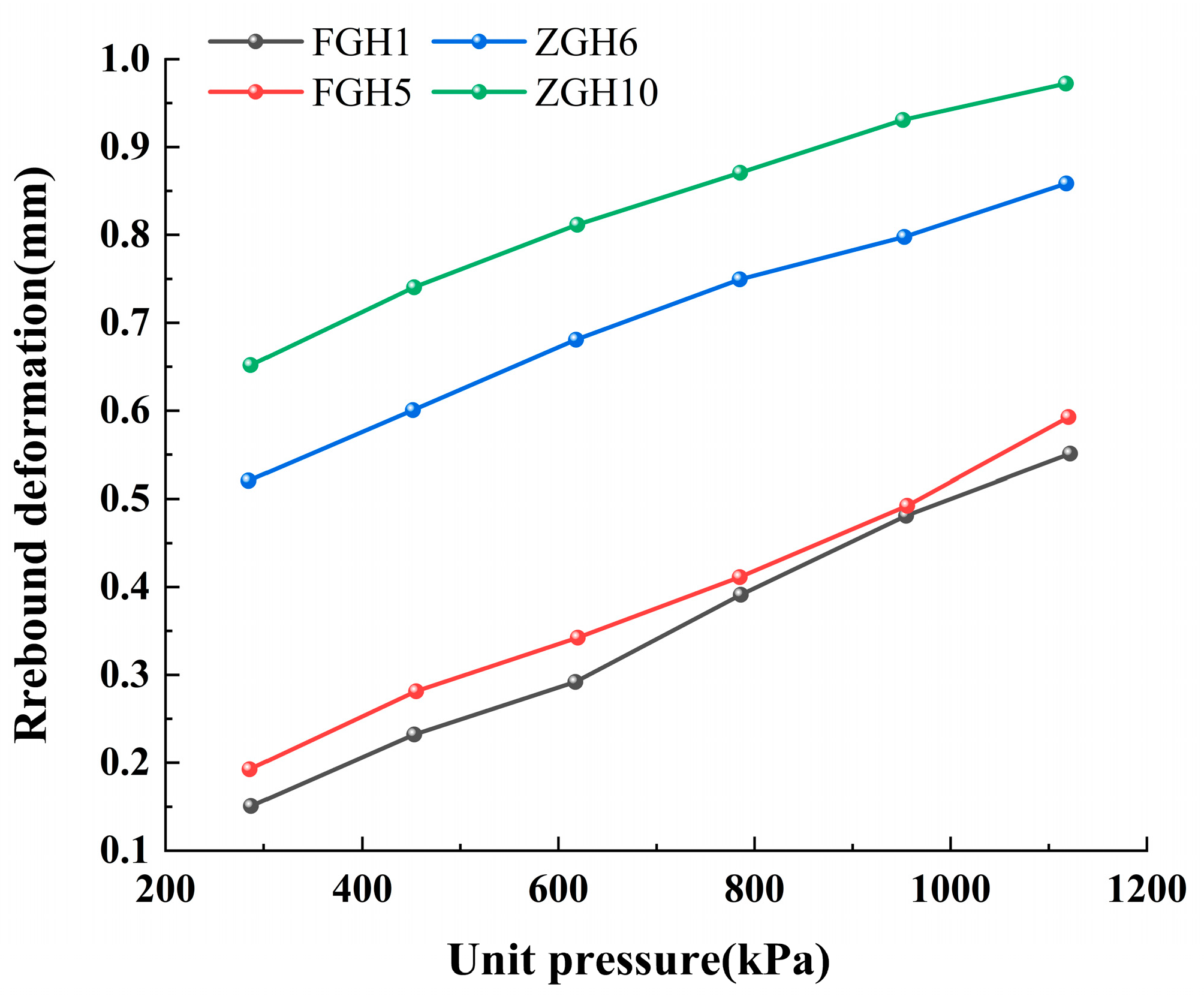
Figure 9 presents the relationship curves between unit pressure and rebound deformation of four groups of stabilized soil when no stabilizer is added and when the stabilizer content is 12%, as well as the relationship graph of the rebound modulus of stabilized soil with age. Under the action of vertical loads, as the curing time increases, the rebound deformation of the specimens gradually decreases. This indicates that the water-based drill cuttings cured subgrade structure with the addition of stabilizer has a stronger elastic deformation capacity and a higher compressive strength of the subgrade.
3.4. Water Stability Test
To study the water stability of water-based drill cuttings stabilized soil and powdery stabilized soil under different ratios [
30], and to verify the curing effect of the stabilizer at the same time, two groups of specimens were prepared according to the test scheme shown in
Table 7. A group of specimens was cured under standard curing conditions (temperature 20 °C ± 2 °C, humidity ≥ 95%), and then unconfined compressive strength tests were carried out. Another group of specimens was cured under the same standard curing conditions until the last day and then taken out and immersed in water for 24 h before undergoing an unconfined compressive strength test.
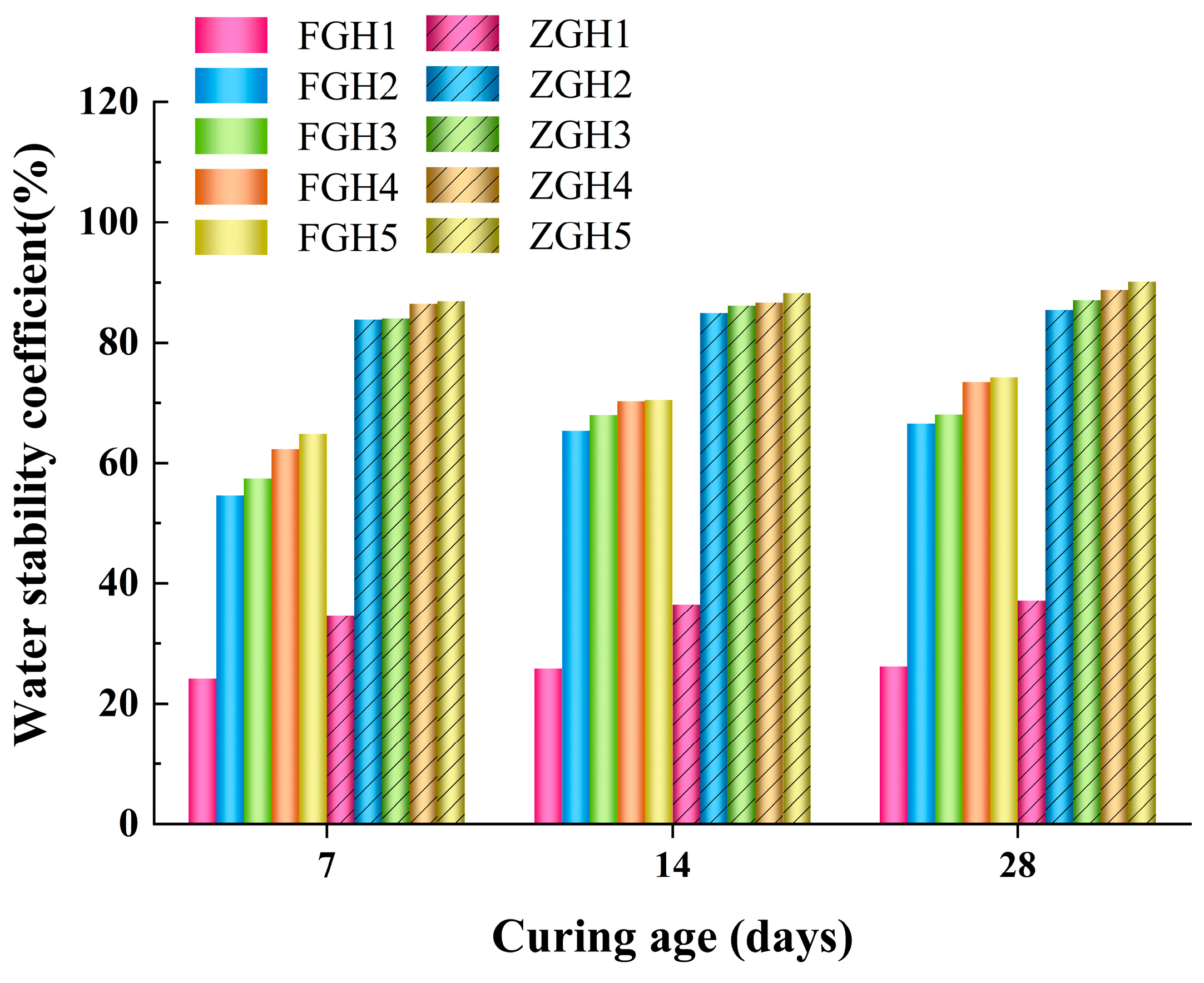
The test results are calculated as shown in
Figure 10. Under different curing ages, the CLP stabilizer reacts with water-based drill cuttings, generating insoluble hydration products such as calcium silicate hydrate with “hydrophobicity”. These reaction products keep increasing, filling the pores of the stabilized soil, reducing the influence of water on the stabilized soil, enhancing the compactness of the stabilized soil, and preventing it from collapsing when exposed to water. The water stability of water-based drill cuttings stabilized soil continuously improves with the increase in stabilizer dosage and age. The water stability coefficient shows an upward trend and gradually stabilizes, ultimately meeting the relevant specification requirements in the “Application standard of soil stabilizer” (CJJ/T 286-2018) [
24]. However, the test results of powdery stabilized soil are exactly the opposite. The electrostatic effect carried by water molecules replaces the adsorption force on the surface layer of powder-stabilized soil particles, resulting in a decrease in the compactness between particles, making the soil loose and weak, with poor water stability, and failing to meet the performance requirements for road use.
3.5. Temperature Shrinkage Performance Test
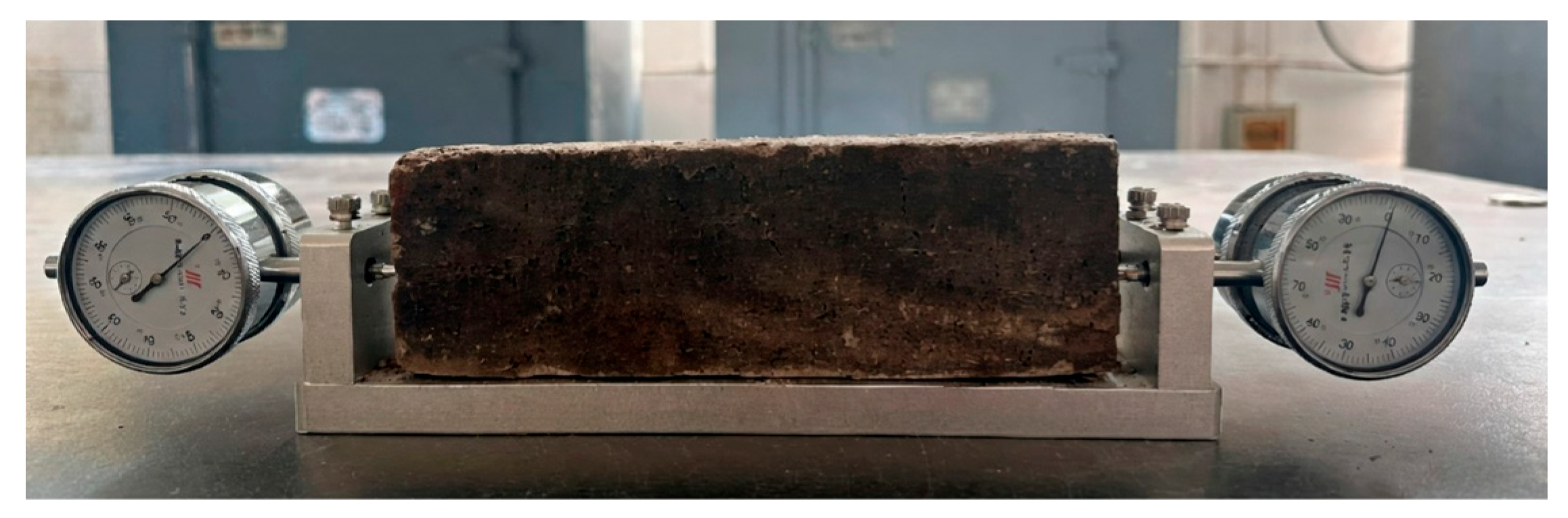
In order to evaluate the crack resistance capacity of subgrade fill materials, small beam specimens with a density of 96% and dimensions of 50 mm × 50 mm × 200 mm are prepared in accordance with relevant test procedures. After drying the specimens to a constant weight, they were standard-cured for 7 days. The temperature shrinkage performance test was carried out in a high- and low-temperature alternating test chamber with a gradient of 10 °C within the temperature range of 40 °C to −30 °C [
31], as shown in
Figure 11.
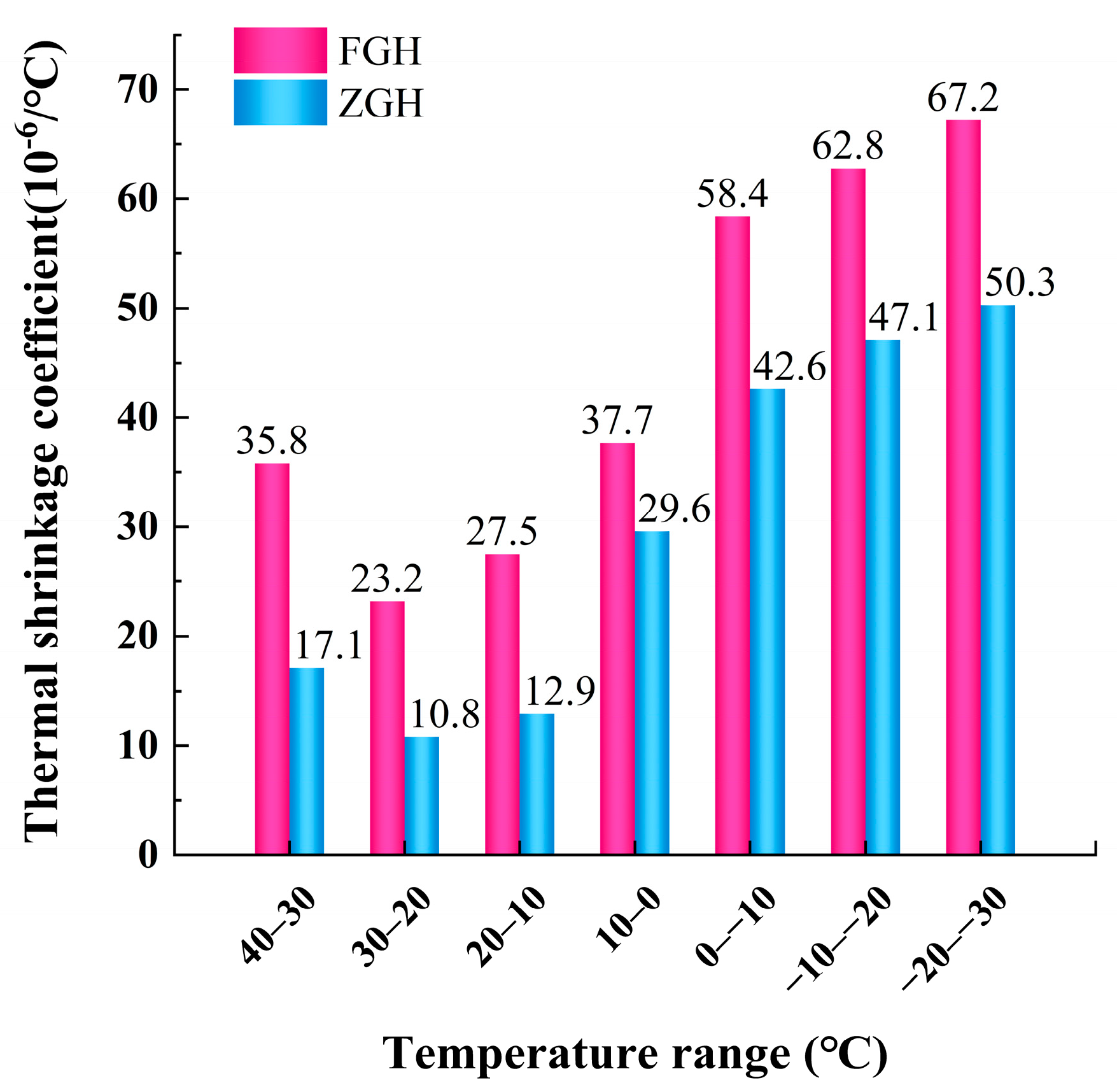
The curve of the temperature shrinkage coefficient varying with the temperature range drawn from the test results of the temperature shrinkage test is shown in
Figure 12.
During the process, when the temperature drops from 40 °C to −20 °C, the temperature shrinkage performance of water-based drill cuttings stabilized soil is superior to that of powdery stabilized soil. Specifically, it is characterized by a lower temperature shrinkage coefficient, smaller shrinkage deformation, stronger resistance to temperature shrinkage, and the ability to effectively reduce volume shrinkage caused by temperature changes.
The temperature shrinkage coefficients of water-based drill cuttings stabilized soil and powdery stabilized soil show a similar pattern with temperature variation: when the temperature drops from 40 °C to 0 °C, the temperature shrinkage coefficients fluctuate within a certain range, and the overall variation amplitude is relatively small. When the temperature further drops to −30 °C, the coefficient of temperature shrinkage rises rapidly. This is mainly because when the temperature drops below freezing point, water freezes into ice and expands in volume, and the coefficient of temperature contraction of ice is relatively large. In addition, the effect of the stabilizer weakens the influence of temperature changes on water-based drill cuttings stabilized soil. Its active groups form a randomly distributed grid structure through chemical reactions, effectively inhibiting the severe shrinkage caused by the drop in temperature.
Under the same temperature conditions, the temperature shrinkage coefficient of water-based drill cuttings stabilized soil is significantly lower than that of powdery stabilized soil, indicating that it has a stronger resistance to temperature shrinkage deformation and can more effectively resist the shrinkage effect caused by temperature changes. This is mainly because the smaller the coefficient of temperature shrinkage, the smaller the shrinkage deformation of the material when the temperature changes, thereby reducing the structural stress concentration caused by temperature differences and lowering the risk of cracks and damage.