

Numerical Simulation and Experimental Study on Liquid-Filling Forming of 2A12 Aluminum Alloy Fairing

Abstract
1. Introduction
2. Fairing Liquid-Forming Process
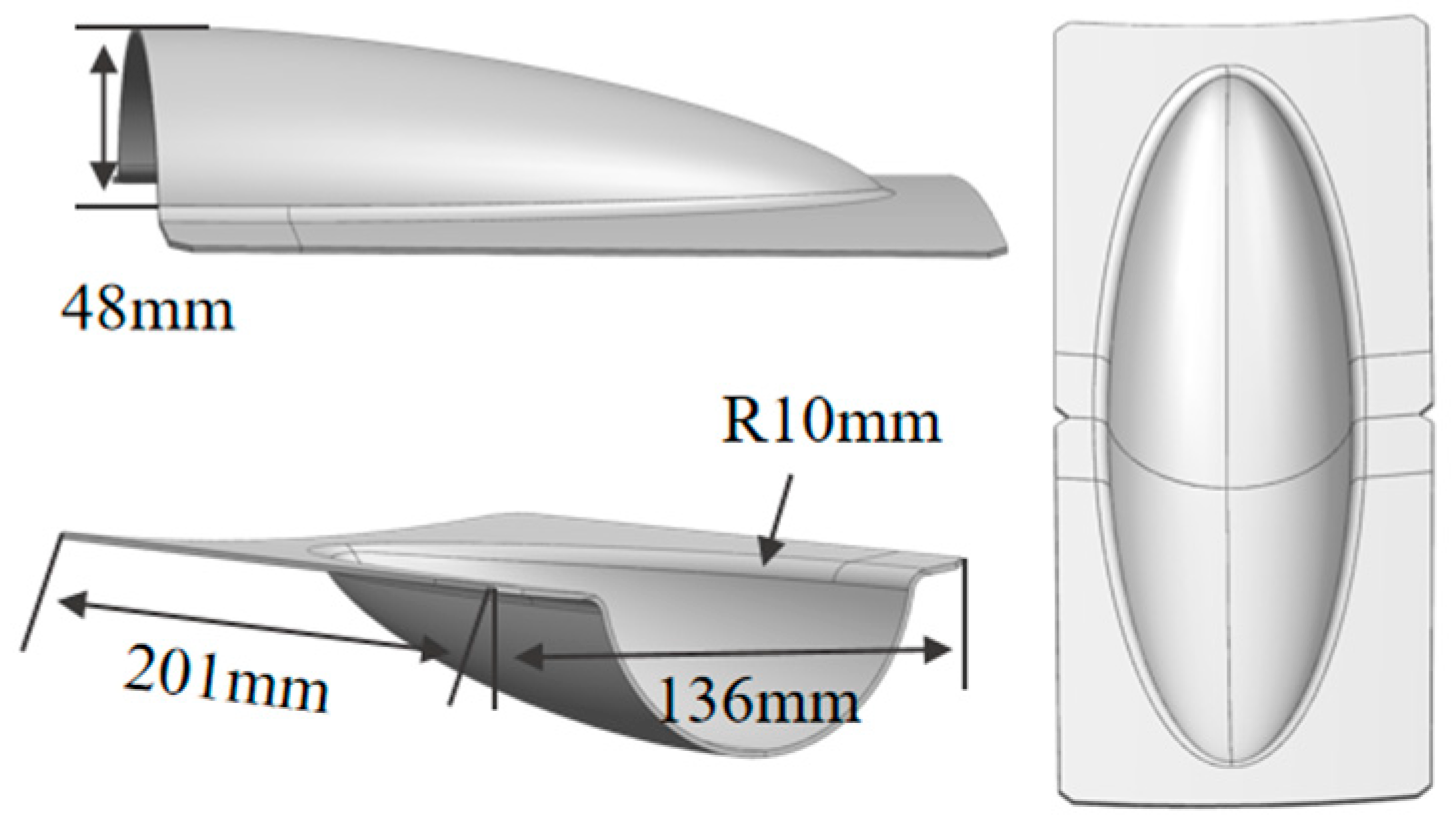
2.1. Geometric Features of Formed Parts
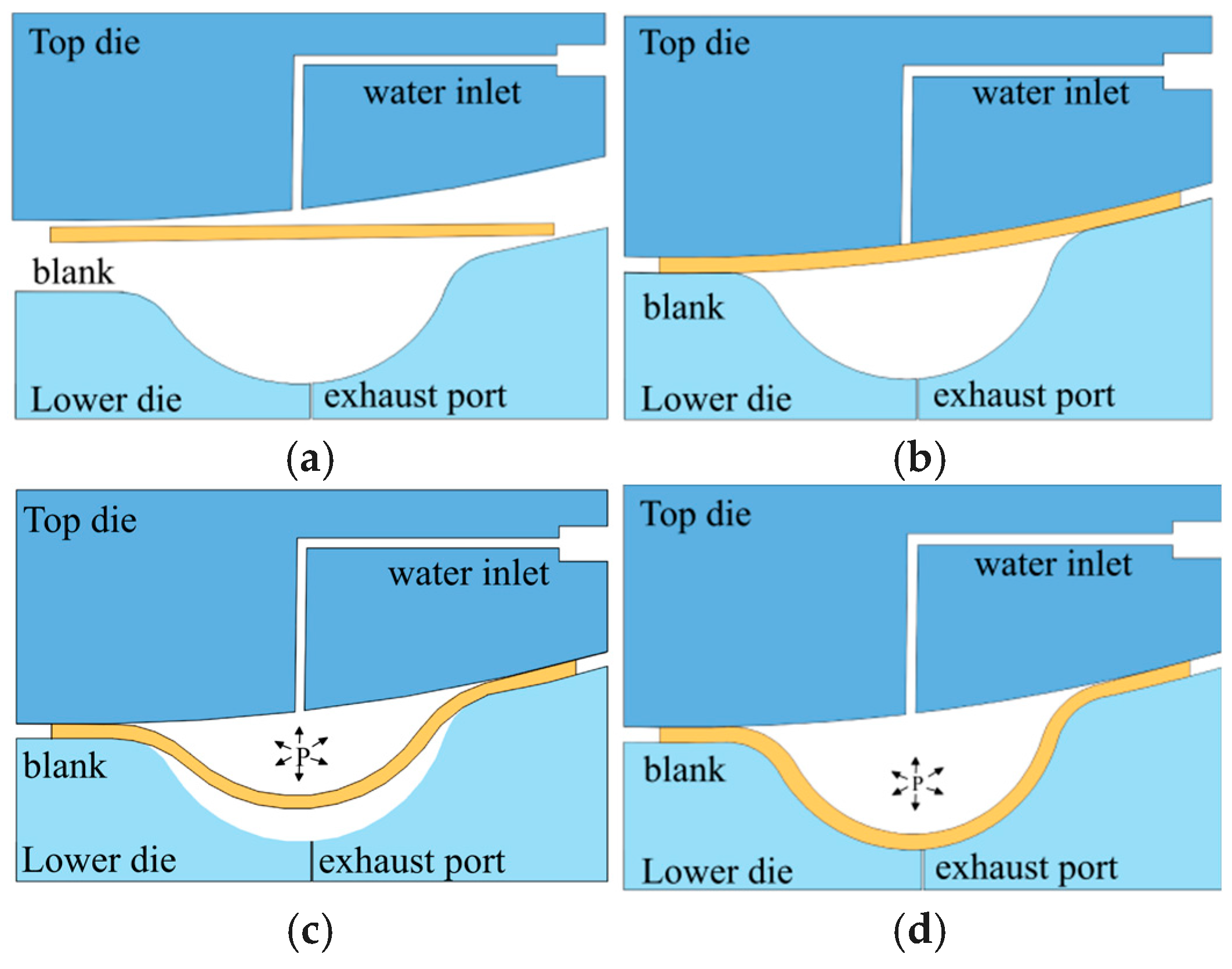
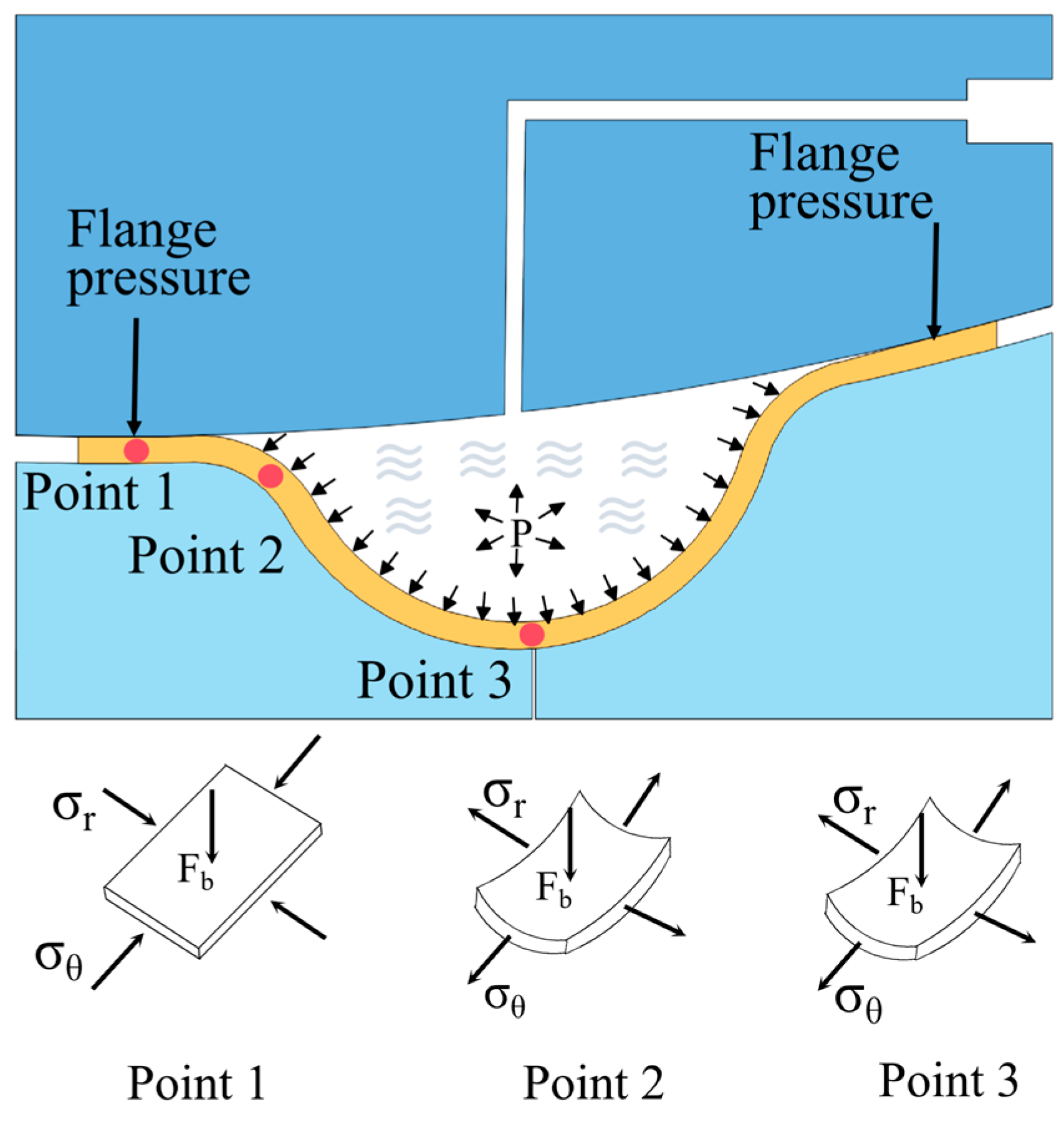
2.2. Liquid-Filling Forming Principle
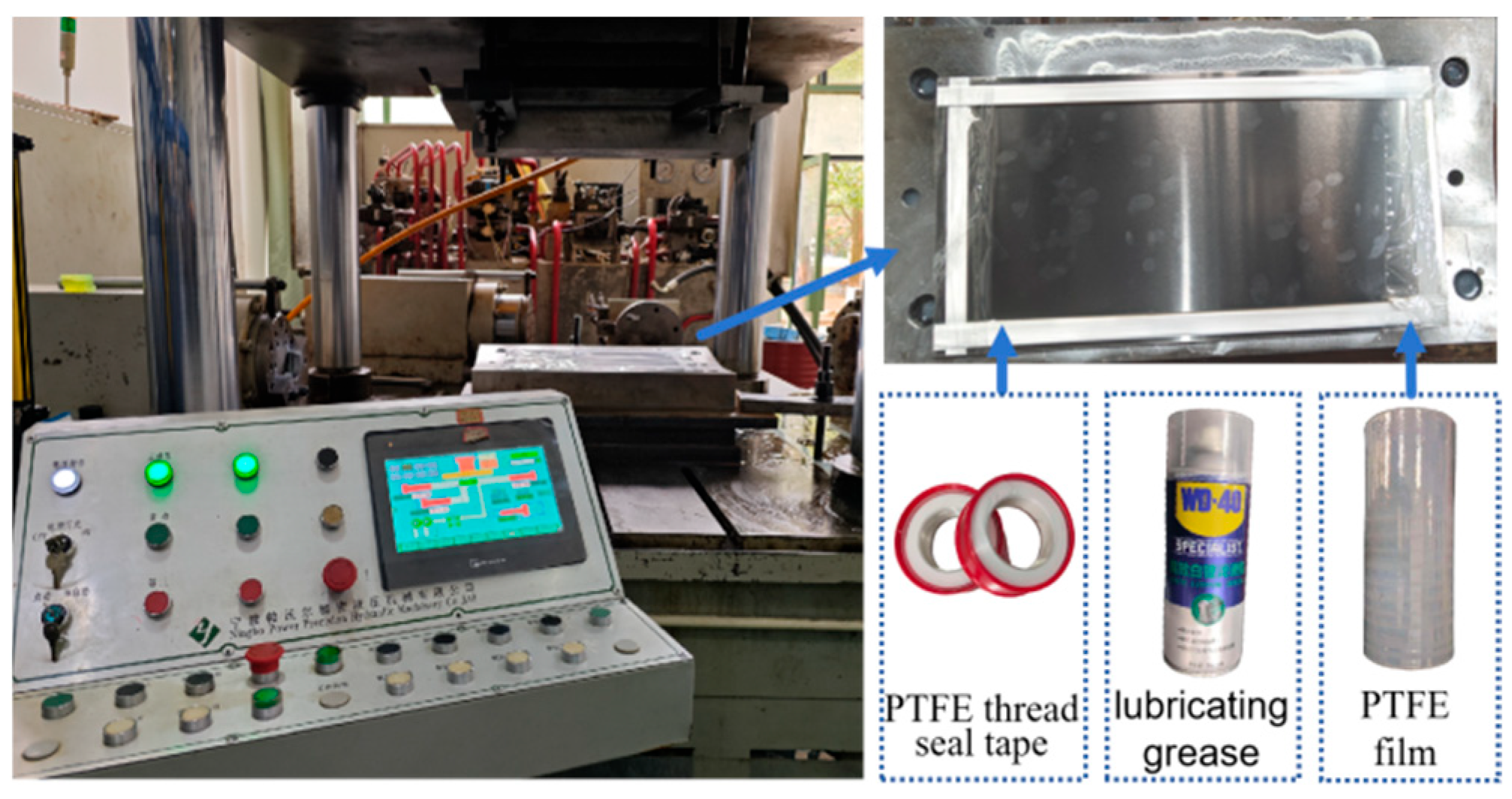
2.3. Forming Equipment and Molds
3. Materials and Methods
3.1. Experimental Materials
3.2. Calculation of Forming Process Parameters
3.2.1. Calculation of Fluid-Filling Expansion Pressure
3.2.2. Backing Force Calculation
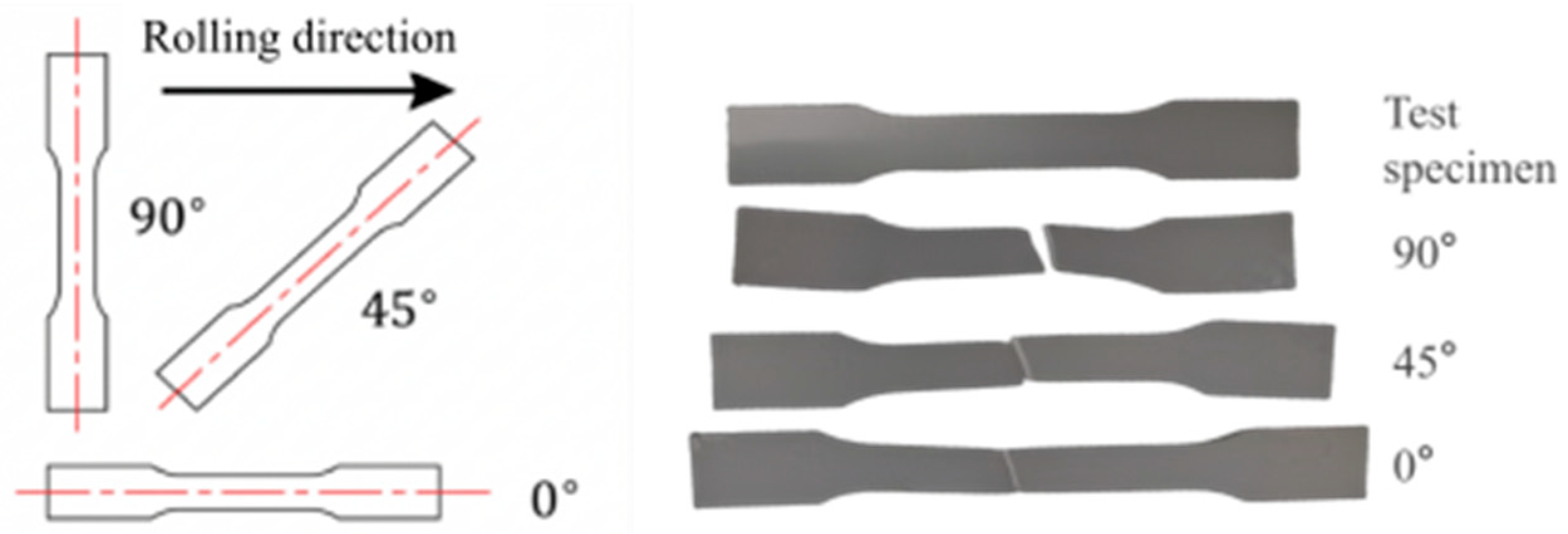
3.3. The Effect of Sheet Anisotropy on Liquid-Filling Forming
4. Finite Element Models and Reliability Verification
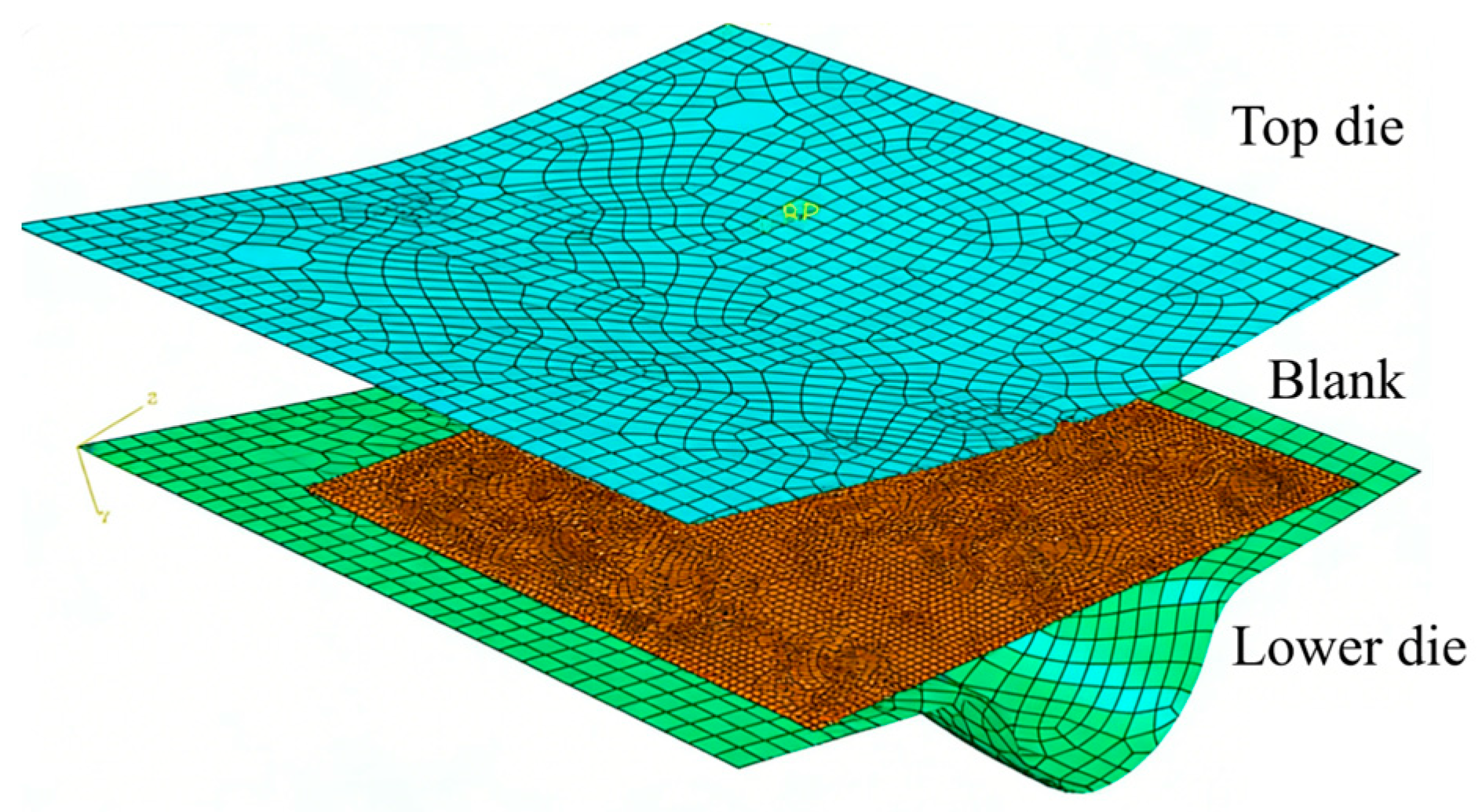
4.1. Finite Element Model Development
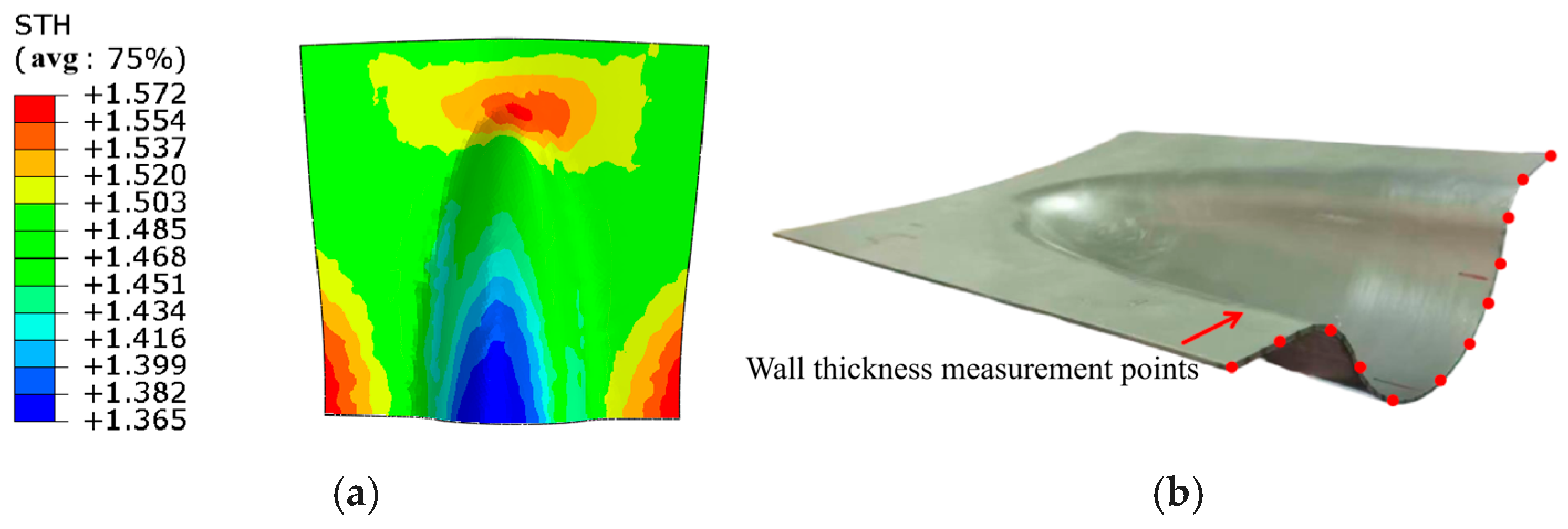
4.2. Model Reliability Validation
5. Analysis of Finite Element Simulation Results
5.1. Effect of Liquid Chamber Pressure on Part Forming Quality
5.2. Effect of Bending Force on Part Forming Quality
5.3. Effect of Lubrication Conditions on Part Forming Quality
6. Forming Experiment
7. Conclusions
- (1)
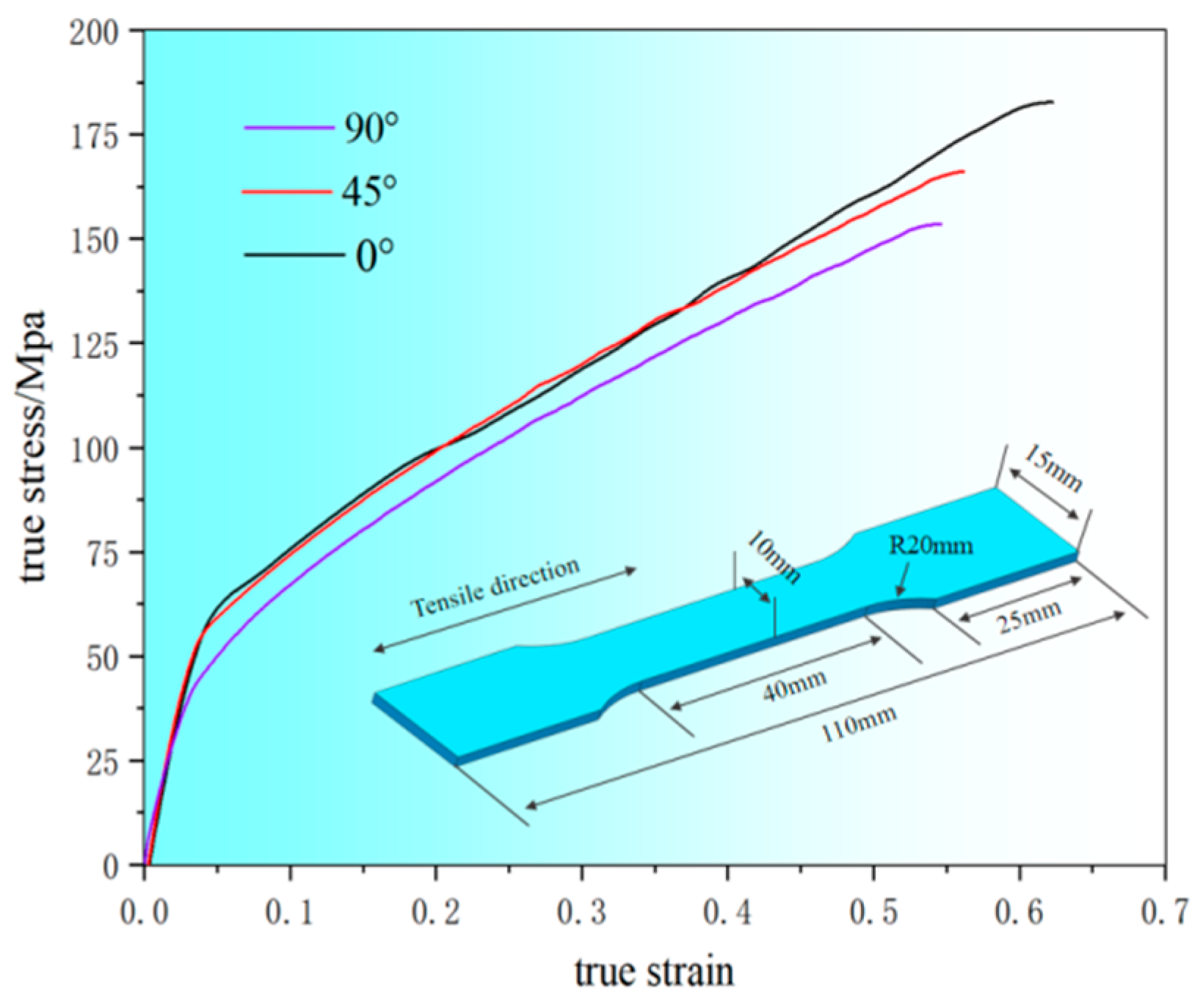
- Cold-rolled 2A12 aluminum alloy sheets exhibit significant in-plane anisotropy. This arises from rolling texture formed during processing, resulting in maximum plastic deformation capability at 90° (r = 0.631) and deformation hardening at 45° (r = 0.480), with an average plastic strain ratio . The sheet exhibits poor thinning resistance, and since , ear formation is prone to occur in the 0° and 90° directions during liquid-filled forming. This anisotropy causes variations in material flow direction during forming, leading to uneven wall thickness distribution, which requires resolution through process parameter optimization.
- (2)
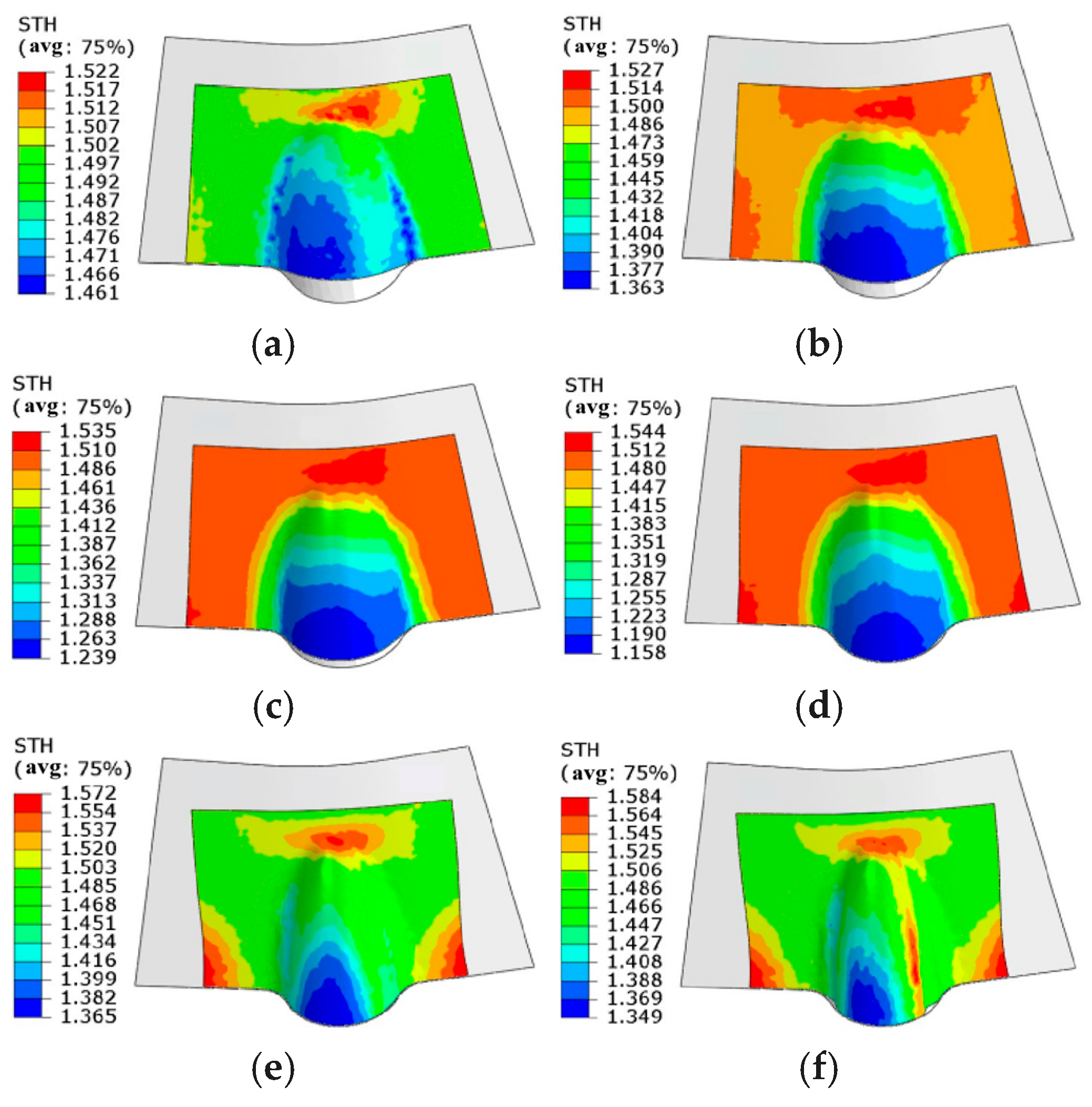
- Liquid chamber pressure and holding force are critical parameters for fairing liquid-assisted forming, determining sheet conforming and wall thickness distribution: Insufficient liquid chamber pressure prevents full sheet conforming to the die. Excessive pressure causes localized over-thinning; the optimal forming pressure is 10 MPa. Inadequate holding force leads to circumferential instability and wrinkling in the flange zone, resulting in seal failure. Excessive holding force prevents material replenishment in the flange zone and causes excessive thinning in the deformation zone. The optimal forming holding force is 1100 kN. At this parameter, the plastic deformation of the sheet matches the material replenishment rate, effectively suppressing part wrinkling and fracture defects.
- (3)
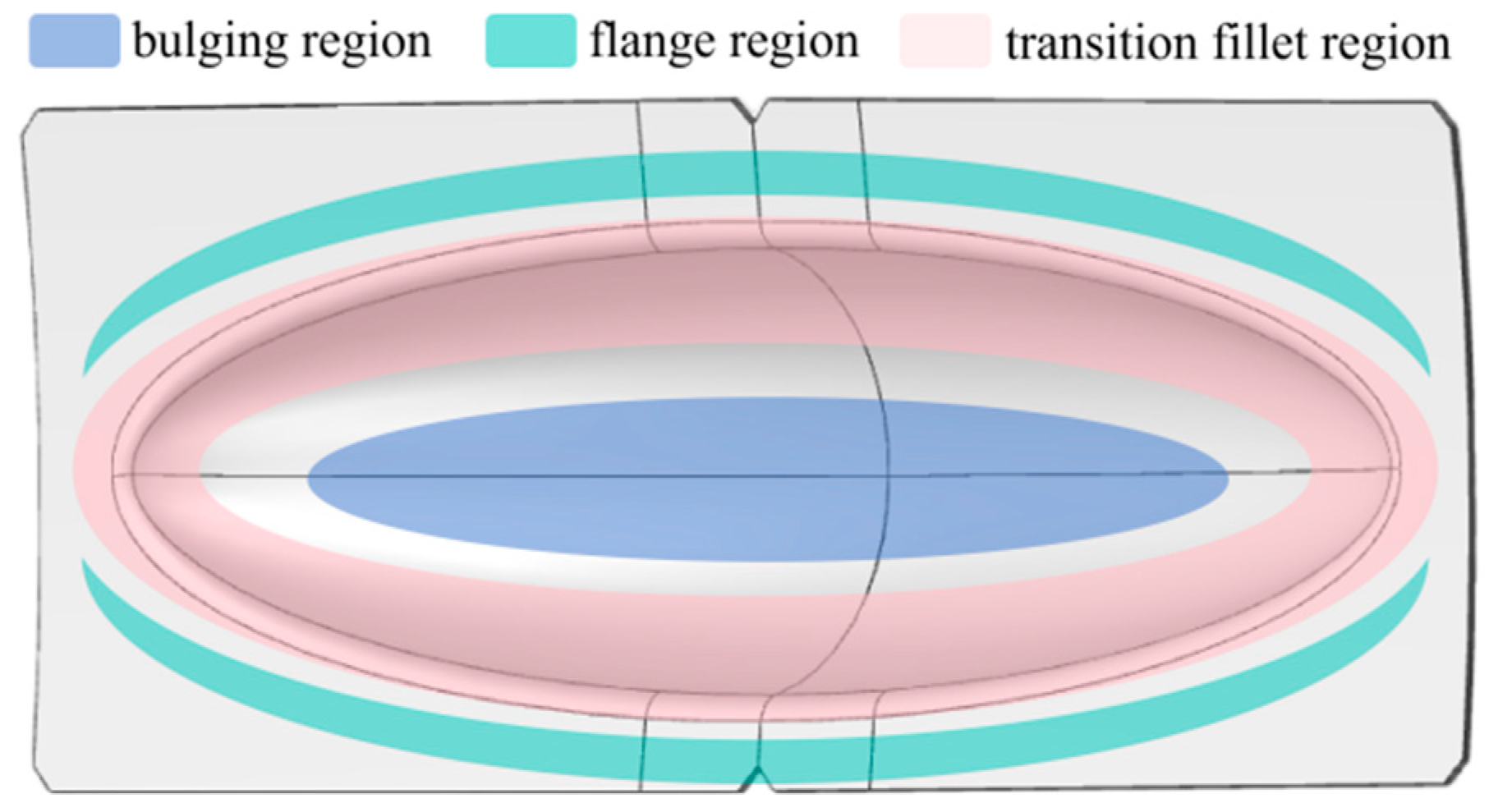
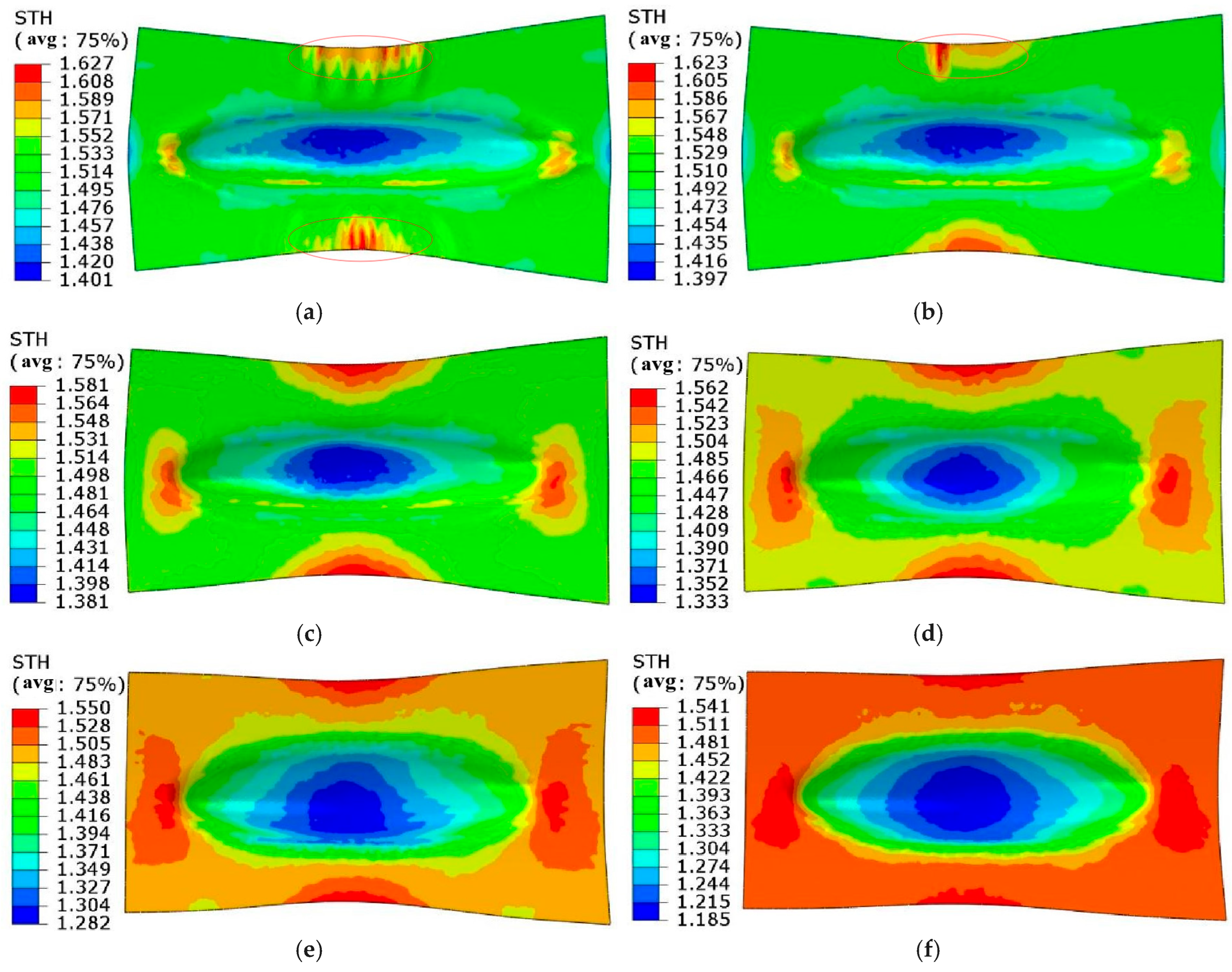
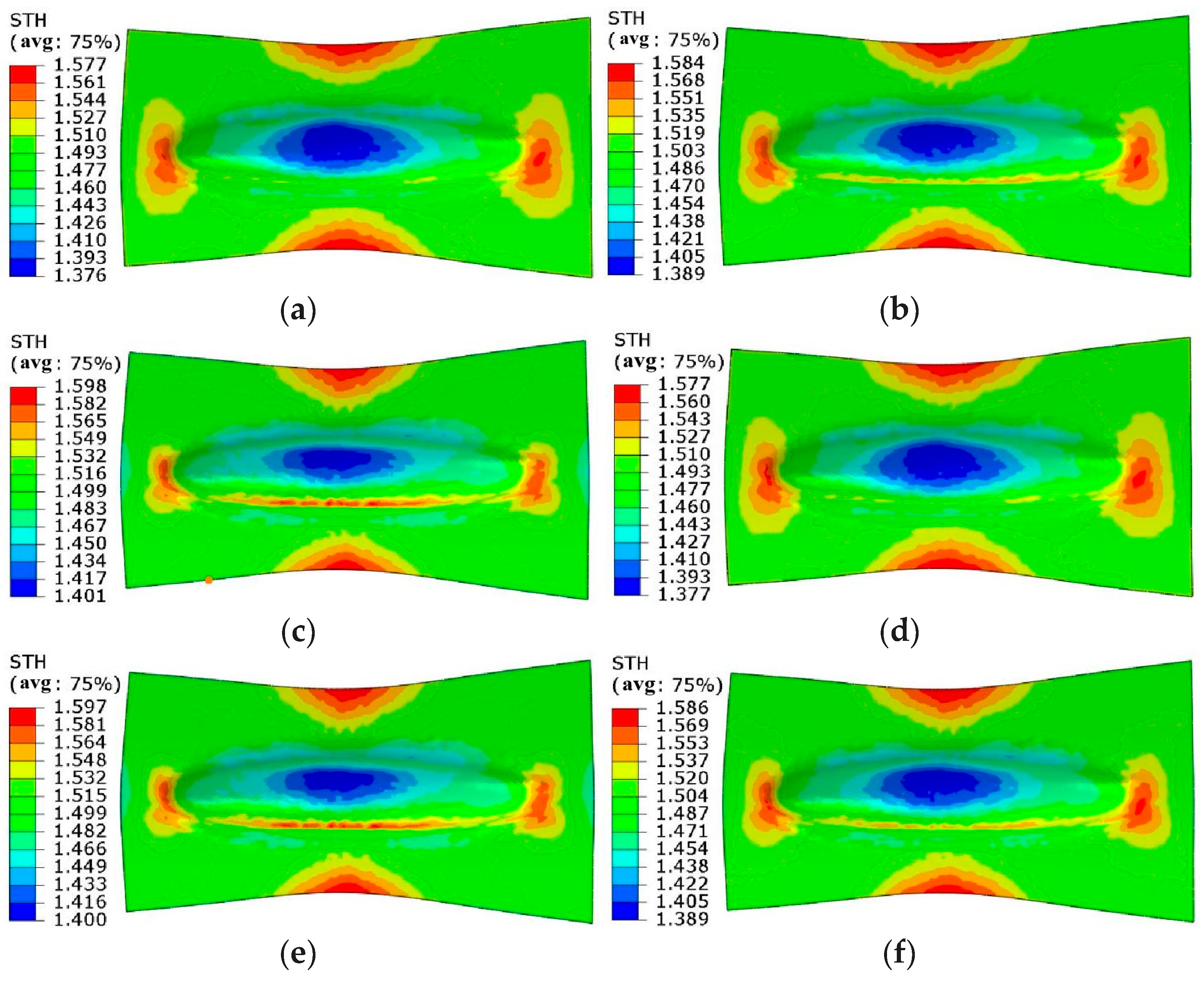
- The proposed differentiated lubrication scheme (friction coefficient of 0.01 for the flange and bulging zones, 0.06 for the transition radius zone) enables controlled material flow rates across forming regions compared to traditional uniform lubrication: Increasing the friction coefficient in the transition radius zone suppresses material buildup, effectively resolving the conflict between material feeding and wrinkle prevention inherent in uniform lubrication. The formed part exhibits no wrinkling or buildup defects, with uniform wall thickness distribution.
- (4)
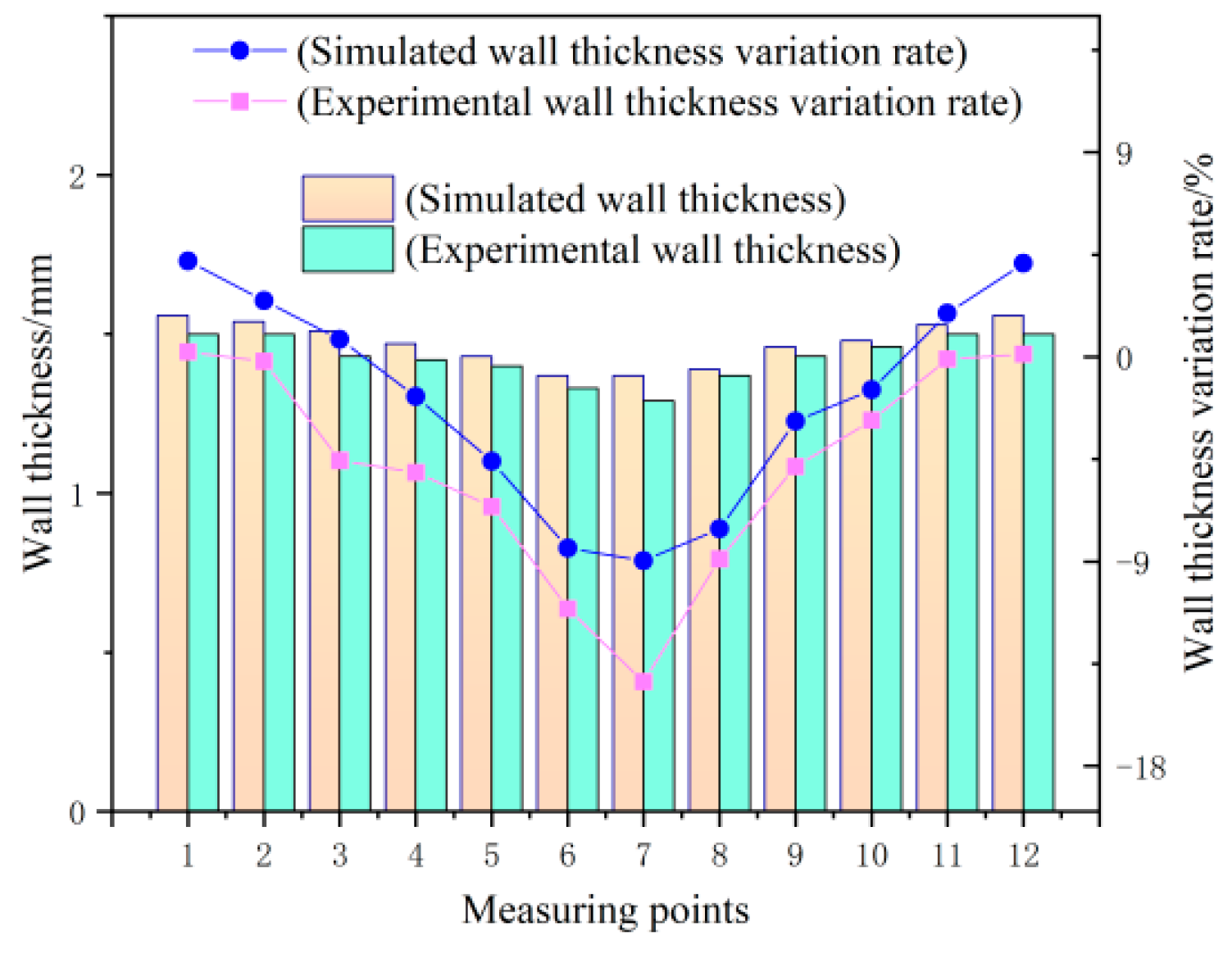
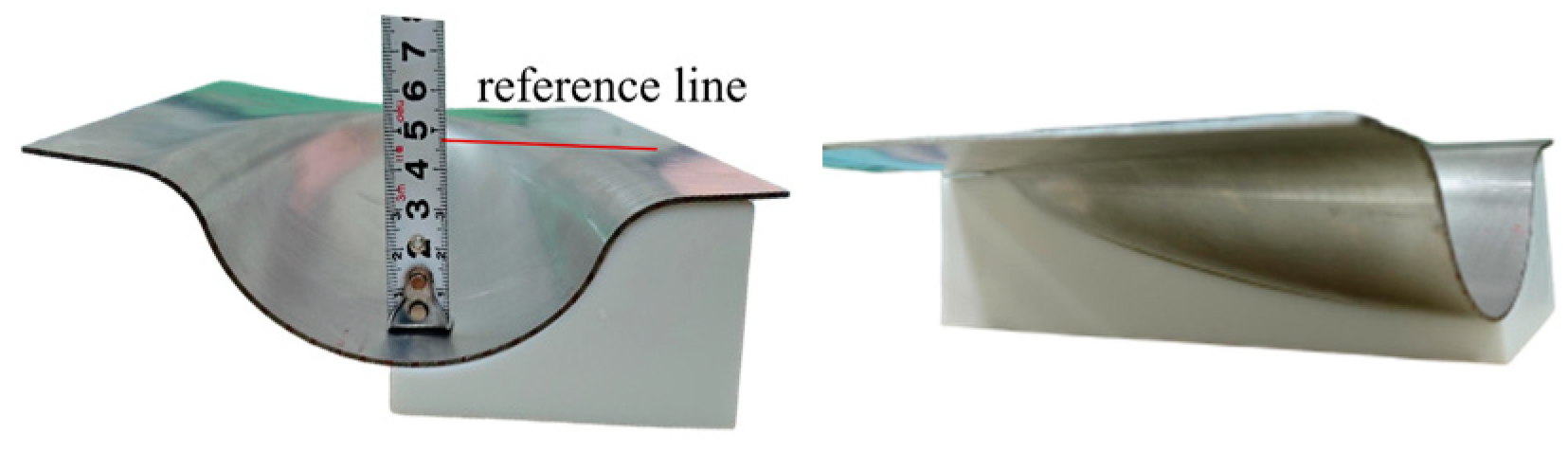
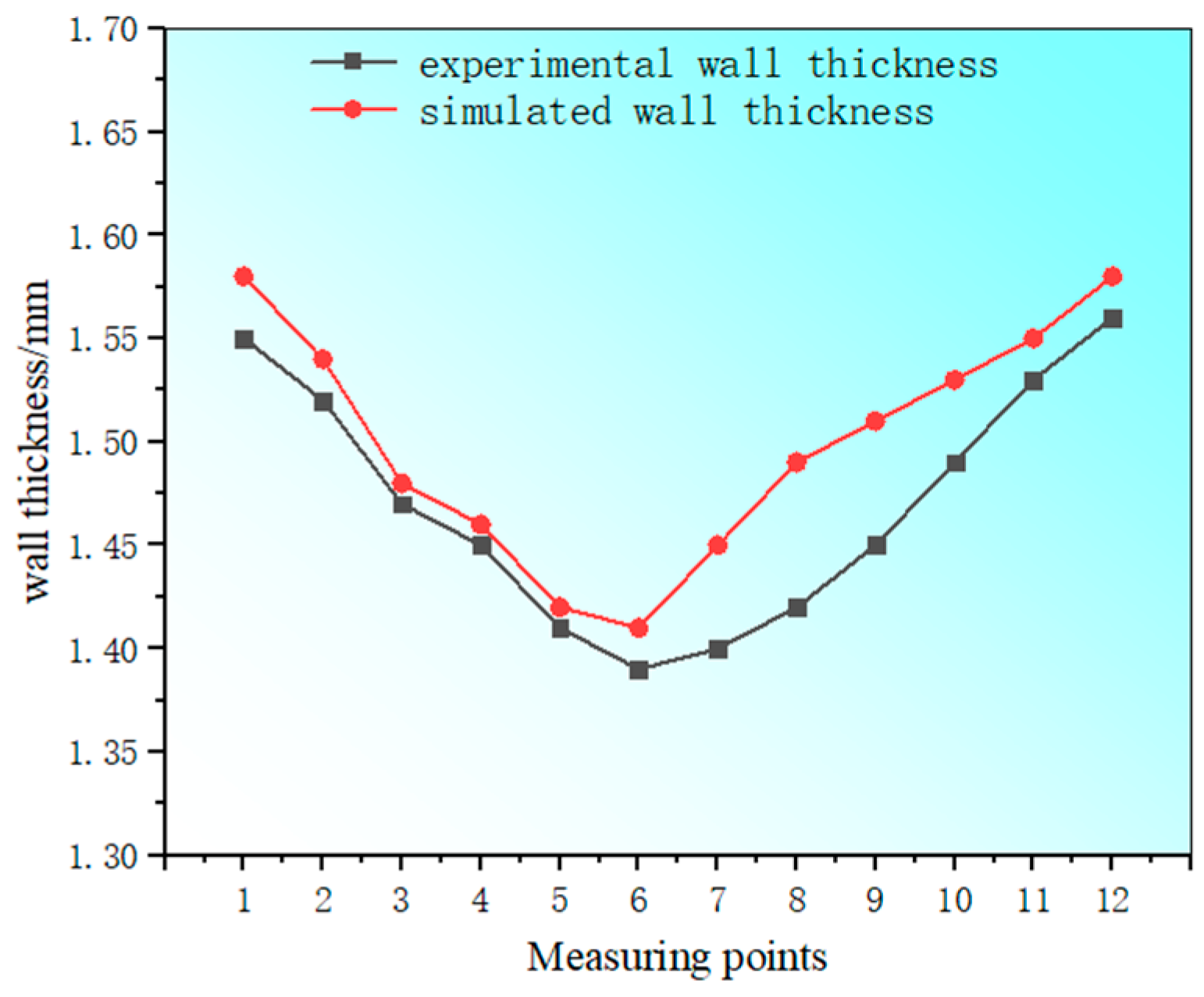
- The 2A12 aluminum alloy fairing formed under optimal process parameters (chamber pressure 10 MPa, holding force 1100 kN, differentiated lubrication scheme) exhibits perfect mold conformity and excellent surface quality. The maximum thinning rate is only 6.6%, with a mold gap < 0.15 mm and surface roughness Ra = 0.8 μm. Compared to traditional multi-stage deep drawing processes, forming efficiency increased by over three times, with significantly improved wall thickness uniformity and forming accuracy.
Author Contributions
Funding
Institutional Review Board Statement
Informed Consent Statement
Data Availability Statement
Conflicts of Interest
References
- Liao, W.; Dai, N. Current Status and Challenges in Lightweight Design and Manufacturing Technologies for Aerospace Structures. J. Nanjing Univ. Aeronaut. Astronaut./Nanjing Hangkong Hangtian Daxue Xuebao 2023, 55, 347–360. [Google Scholar] [CrossRef]
- Zhao, J.; Ma, R. New Technologies and Development Trends in Sheet Metal Forming (I). Met. Form. Technol. 2002, 6, 5. [Google Scholar] [CrossRef]
- Tian, D.; Shi, J.; Ren, W.; Wang, M.; He, Z. Analysis of Heat Treatment Process for 2A12 Aluminum Alloy. Eng. Constr. Des. 2024, 7, 128–130. [Google Scholar] [CrossRef]
- Song, L.; Cai, Y.; Yuan, B.; Guo, Z. Influence of Process Parameters on the Liquid-Filled Deep Drawing Forming Performance of 2A12 Aluminum Alloy Fairings. Forg. Technol. 2026, 51, 170–178. [Google Scholar] [CrossRef]
- Yuan, S.; Liu, W.; Xu, Y. New Advances in Hydraulic Forming Technology and Equipment for Sheet Metal. Trans. Chin. Soc. Mech. Eng. 2015, 51, 20–28. [Google Scholar]
- Yuan, S. Fundamentals and Processes of Fluid Pressure Forming Technology for Complex Thin-Walled Components. Engineering 2020, 7, 358–366. [Google Scholar] [CrossRef]
- Amini, A.; Naeini, H.M.; Azodi, H.D.; Talebi-Ghadikolaee, H.; Badparva, H.; Zeinolabedin-Beygi, A. Hydro-mechanical deep drawing of conical components: Wrinkling behavior and process enhancement. J. Eng. Res. 2025, 13, 975–984. [Google Scholar] [CrossRef]
- Yuan, J. Research on the Reverse Deep Drawing Process of Conical Surface Components Made of 20 Carbon Steel. Master’s Thesis, Harbin Institute of Technology, Harbin, China, 2023. [Google Scholar] [CrossRef]
- Yang, S.; Yu, H.; Zhang, C.; Li, J.; Tian, N.; Lang, L.; Ning, J. Application of Liquid-Filling Forming Technology in Aerospace Rocket Fairing Fabrication. Aviat. Manuf. Technol. 2020, 63, 81–86. [Google Scholar]
- Zhao, Q. Research on Stamping-Expansion Forming for Ultra-Thin S-Shaped Diaphragms of GH4169 Superalloy. Master’s Thesis, Dalian University of Technology, Dalian, China, 2024. [Google Scholar] [CrossRef]
- Xu, M. Study on Wall Thickness Distribution Patterns of GH536 Deep Cylindrical Components Formed by Liquid-Assisted Deep Drawing. Master’s Thesis, Harbin Institute of Technology, Harbin, China, 2023. [Google Scholar] [CrossRef]
- Piccininni, A.; Cusanno, A.; Palumbo, G.; Zaheer, O.; Ingarao, G.; Fratini, L. Reshaping End-of-Life components by sheet hydroforming: An experimental and numerical analysis. J. Mater. Process. Technol. 2022, 306, 117650. [Google Scholar] [CrossRef]
- Akay, S.B.; Halkacı, H.S.; Öztürk, E.; Li, C. Numerical and experimental investigation of the effect of double-sided hydroforming process on wrinkling damage by optimizing loading curves with adaptive control. Int. J. Adv. Manuf. Technol. 2022, 121, 2149–2168. [Google Scholar] [CrossRef]
- Liu, X.J.; Zou, Z.L.; Zhou, Y.Y.; Li, C. Study on hydroforming of aluminum alloy thin-wall curved parts based on upper layer sheet and numerical simulation. Int. J. Adv. Manuf. Technol. 2024, 132, 5733–5752. [Google Scholar] [CrossRef]
- GB/T 3190-2020; Chemical Composition of Wrought Aluminium and Aluminium Alloys. China Standards Press: Beijing, China, 2020.
- Zhou, J.; Zhang, J.; Teng, M. Microstructure and Properties of 2A12 Aluminum Alloy Sheets. Alum. Process. 2020, 3, 15–18. [Google Scholar] [CrossRef]
- GB/T 228.1-2021; Metallic Materials—Tensile Testing—Part 1: Test Methods at Room Temperature. China Standards Press: Beijing, China, 2021.
- Liu, Z.; Meng, D.; Zhang, S.; Gao, Y. Anisotropic Constitutive Model and Bending Forming Analysis of 6082-T4 Aluminum Alloy for Crash Beams. J. Plast. Eng. 2026, 33, 112–120. [Google Scholar]
- Hao, Y.; Wei, Y.; Gao, Y.; Song, Y.; Liu, Y. Study on progressive forming performance of TA1 sheet metal based on ultrasonic assistance. Manuf. Technol. Mach. Tools 2022, 2, 46–51. [Google Scholar] [CrossRef]
- Ren, P.; Hu, H. Study on Anisotropy of 7050 Aluminum Alloy Plates. Forg. Technol. 2021, 46, 163–168. [Google Scholar] [CrossRef]
- Yang, Z.; Zhang, J.; Guo, X.; Ji, P. Progress in Texture and Testing Analysis of Aluminum Alloys. Precis. Form. Eng. 2013, 5, 7. [Google Scholar] [CrossRef]
- Zheng, C. Study on the Influence of Metal Sheet Non-uniformity on Plastic Forming. J. Heze Univ. 2016, 38, 78–82. [Google Scholar] [CrossRef]
- Hu, H.; Hong, X.; Tian, Y.; Zhang, D. AZ31 Magnesium Alloy Tube Manufactured by Composite Forming Technology Including Extruded-Shear and Bending Based on Finite Element Numerical Simulation and Experiments. Int. J. Adv. Manuf. Technol. 2021, 115, 2395–2402. [Google Scholar] [CrossRef]
- Han, Y. Process Parameter Planning for Multi-Pass Deep Drawing of Cylindrical Parts. Master’s Thesis, Yanshan University, Qinhuangdao, China, 2025. [Google Scholar] [CrossRef]
- Zhang, Z. Multi-Pass Design and Multi-point Forming Simulation of Large-Deformation Surface Parts in Aluminum Alloy. Master’s Thesis, Jilin University, Changchun, China, 2023. [Google Scholar]



| Element | Si | Cu | Mg | Zn | Mn | Ti | Ni | Fe | Cr | Others | Al |
|---|---|---|---|---|---|---|---|---|---|---|---|
| Value | 0.5 | 3.8~4.9 | 1.2~1.8 | 0.3 | 0.3~0.9 | 0.15 | 0.1 | 0~0.5 | 0.1 | 0.5 | allowance |
| Direction | R0° | R45° | R90° | ||
|---|---|---|---|---|---|
| Width | 9.28 | 9.37 | 9.4 | 0.544 | 0.276 |
| Wall thickness | 1.32 | 1.31 | 1.36 | ||
| RT | 0.584 | 0.480 | 0.631 |
| Parameter | Yield Strength/MPa | Tensile Strength/MPa | Young’s Modulus/GPa | Density g/cm3 | Poisson’s Ratio |
|---|---|---|---|---|---|
| Value | 63 | 168 | 71 | 2.78 | 0.33 |
| Group | Scheme | Flange Region | Transition Filet Region | Bulging Region |
|---|---|---|---|---|
| Group 1 | #1 | 0.1 | 0.1 | 0.1 |
| #2 | 0.06 | 0.06 | 0.06 | |
| #3 | 0.01 | 0.01 | 0.01 | |
| Group 2 | #4 | 0.1 | 0.06 | 0.06 |
| #5 | 0.01 | 0.06 | 0.01 | |
| #6 | 0.06 | 0.01 | 0.01 |
Disclaimer/Publisher’s Note: The statements, opinions and data contained in all publications are solely those of the individual author(s) and contributor(s) and not of MDPI and/or the editor(s). MDPI and/or the editor(s) disclaim responsibility for any injury to people or property resulting from any ideas, methods, instructions or products referred to in the content. |
© 2026 by the authors. Licensee MDPI, Basel, Switzerland. This article is an open access article distributed under the terms and conditions of the Creative Commons Attribution (CC BY) license.
Share and Cite
Dong, Y.; Xu, X.; Chen, Y.; Fan, Y. Numerical Simulation and Experimental Study on Liquid-Filling Forming of 2A12 Aluminum Alloy Fairing. Coatings 2026, 16, 371. https://doi.org/10.3390/coatings16030371
Dong Y, Xu X, Chen Y, Fan Y. Numerical Simulation and Experimental Study on Liquid-Filling Forming of 2A12 Aluminum Alloy Fairing. Coatings. 2026; 16(3):371. https://doi.org/10.3390/coatings16030371
Chicago/Turabian StyleDong, Yougen, Xuefeng Xu, Yuehui Chen, and Yubin Fan. 2026. "Numerical Simulation and Experimental Study on Liquid-Filling Forming of 2A12 Aluminum Alloy Fairing" Coatings 16, no. 3: 371. https://doi.org/10.3390/coatings16030371
APA StyleDong, Y., Xu, X., Chen, Y., & Fan, Y. (2026). Numerical Simulation and Experimental Study on Liquid-Filling Forming of 2A12 Aluminum Alloy Fairing. Coatings, 16(3), 371. https://doi.org/10.3390/coatings16030371