Next Article in Journal
Grazing-Incidence SEM Characterization of MoS2 Nanosheet Coatings Prepared by Liquid-Phase Exfoliation
Previous Article in Journal
Plasma Regeneration of Microparticle-Structured Surface Acoustic Wave Resonators for Use as Biosensors
 
 
Due to scheduled maintenance work on our servers, there may be short service disruptions on this website between 11:00 and 12:00 CEST on March 28th.
Article

Comparison of Magnetic Properties of Surface-Treated and Untreated Fe and FeNiMo Powders

by
Lívia Provázková
1,*,
Denisa Olekšáková
1 and
Marián Reiffers
2
1
Institute of Process Engineering, Faculty of Manufacturing Technologies, Technical University of Košice, Bayerova 1, 08001 Prešov, Slovakia
2
Department of Science, Art, Sport and Accreditation, Faculty of Humanities and Natural Sciences, University of Prešov, 17. Novembra 15, 08001 Prešov, Slovakia
*
Author to whom correspondence should be addressed.
Coatings 2026, 16(3), 284; https://doi.org/10.3390/coatings16030284
Submission received: 29 January 2026 / Revised: 22 February 2026 / Accepted: 23 February 2026 / Published: 27 February 2026
(This article belongs to the Section Surface Characterization, Deposition and Modification)

Highlights

  • Mechanical surface treatment smooths powder particles and reduces surface defects.
  • Surface-treated powders show a more uniform and continuous SiO2 insulating layer.
  • The morphology of the powder surface significantly influences insulation quality and magnetic behavior.
  • Treated Fe and FeNiMo powders show lower coercivity, higher magnetic induction at low fields, and narrower hysteresis loops compared to untreated Fe and FeNiMo powders.
  • Treated Fe powders reach higher magnetic induction at lower applied magnetic fields.
  • FeNiMo powders show consistently lower coercivity than high-purity Fe powders.
  • Compacted samples from treated powders retain reduced coercivity after pressing.

Abstract

An innovative preparation route for iron-based soft magnetic materials is presented, focusing on the influence of the mechanical surface treatment of powder particles on their structural and magnetic properties. High-purity Fe (99.98% purity) and FeNiMo (supermalloy) powders were mechanically milled (ball-to-powder ratio of 6:1; 120 min), surface-treated by controlled milling, coated with an inorganic SiO2 insulating layer, and subsequently compacted into ring-shaped specimens. Structural characterization was carried out using optical microscopy and scanning electron microscopy. Magnetic properties were evaluated by hysteresis loop measurements, initial magnetization curves, and coercivity analysis at 200 K. The results demonstrate that mechanical surface treatment improves the homogeneity and continuity of the SiO2 insulating layer. This improvement leads to reduced coercivity from 2100 to 1980 A·m−1 for Fe powders, while FeNiMo powders showed a decrease from 1990 to 1910 A·m−1, along with lower energy losses. The proposed method provides a laboratory-scale approach for studying the influence of powder surface treatment on the magnetic behavior of Fe-based soft magnetic composites.

1. Introduction

Soft magnetic materials play a crucial role in modern electrical and electronic devices, including transformers, electric motors, generators, and inductive components [1,2,3]. Conventional soft magnetic materials, such as laminated electrical steels, exhibit excellent magnetic properties at low frequencies but suffer from geometrical limitations and increased eddy-current losses when complex three-dimensional shapes or higher operating frequencies are required [3,4,5,6]. These limitations have motivated ongoing research into soft magnetic composites (SMCs) as laboratory-scale model systems for investigating the relationship between powder processing, insulation quality, and magnetic behavior [5,6,7].
SMCs offer several advantages over laminated steels, including isotropic magnetic behavior, reduced eddy-current losses, and the possibility of manufacturing complex 3D geometries using powder metallurgy routes. However, the magnetic performance of SMCs is strongly influenced by powder characteristics, coating quality, compaction conditions and processing treatments [8,9,10,11,12,13].
Recent research has primarily focused on the selection of insulating materials and coating techniques [14,15,16], while relatively limited attention has been paid to the surface condition of the ferromagnetic powder prior to coating [17,18,19]. Mechanical milling, commonly used for powder size reduction, introduces surface defects and irregularities that may negatively affect coating homogeneity. On the other hand, controlled mechanical surface treatment has the potential to modify surface morphology in a beneficial manner, promoting improved adhesion and continuity of the insulating layer [20,21].
The aim of this work is to investigate an innovative preparation method for iron-based SMCs that incorporates mechanical surface treatment of powder particles prior to SiO2 coating. The study focuses on SMCs based on high-purity iron and FeNiMo alloy powders. The influence of surface treatment on microstructure, magnetic hysteresis behavior, coercivity, and frequency-dependent losses is systematically analyzed. The proposed method is intended as a controlled laboratory-scale processing route to systematically investigate the role of mechanical surface treatment on microstructural and magnetic properties of Fe- and FeNiMo-based soft magnetic composites.

2. Materials and Methods

2.1. Material

Two ferromagnetic materials were used in this study: high-purity iron powder (Fe) with 99.98% purity (Alfa Aesar, Karlsruhe, Germany), and Fe15Ni80Mo5 powder (wt.%) (Stanford Advanced Materials, Santa Ana, CA, USA). The starting materials were supplied in the form of granules and subsequently processed into powders suitable for soft magnetic composites preparation.

2.2. Mechanical Milling

Mechanical milling was employed to obtain powders (50 g for 1 process) with controlled particle size distributions. Milling was carried out using a planetary ball mill (Retsch PM100, Haan, Germany) (using stainless steel balls and a vial) with a ball-to-powder ratio of (BPR) 6:1 and a 120 min milling time. A 10 s break was used to stabilize the material and mill temperature. At the same time, each cycle involved reverse rotation for 70 s to ensure sufficient mixing and a consistent milling process. The granules were milled at 500 rpm in a steel jar with steel balls. Potential cross-contamination was minimized by using compatible materials and controlled milling parameters, and no evidence of significant contamination was observed. After milling, the particle size distribution showed that most particles were smaller than 400 μm. After milling, the powders were sieved through a 400 μm mesh to ensure a uniform particle size distribution, with all particles smaller than 400 μm.
Possible contamination from the milling media was minimized by using stainless steel balls and a vial compatible with the processed materials and controlled milling parameters. In addition, the elemental composition of similarly prepared samples was verified in our previous work using EDS analysis under identical milling conditions, where no measurable contamination was detected within the resolution limits of the method [22].

2.3. Mechanical Surface Treatment

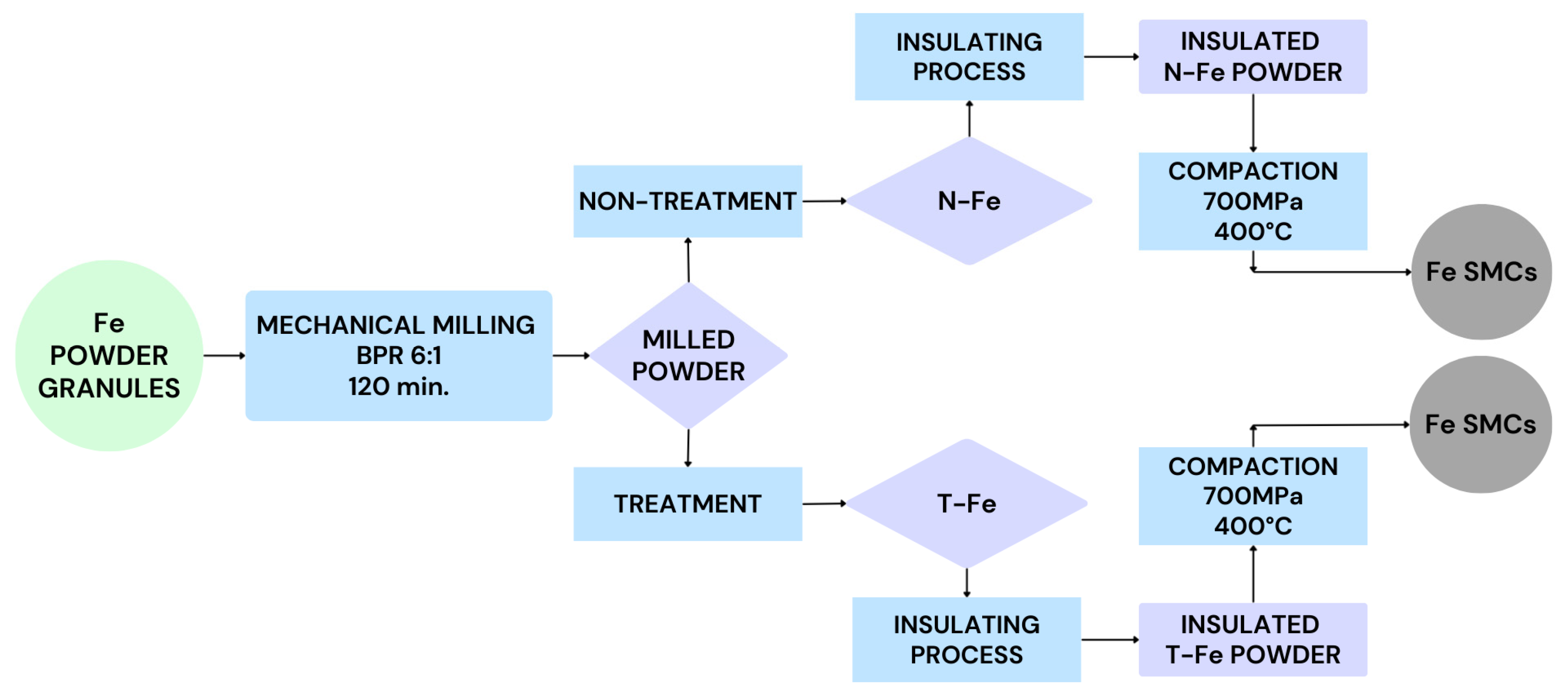
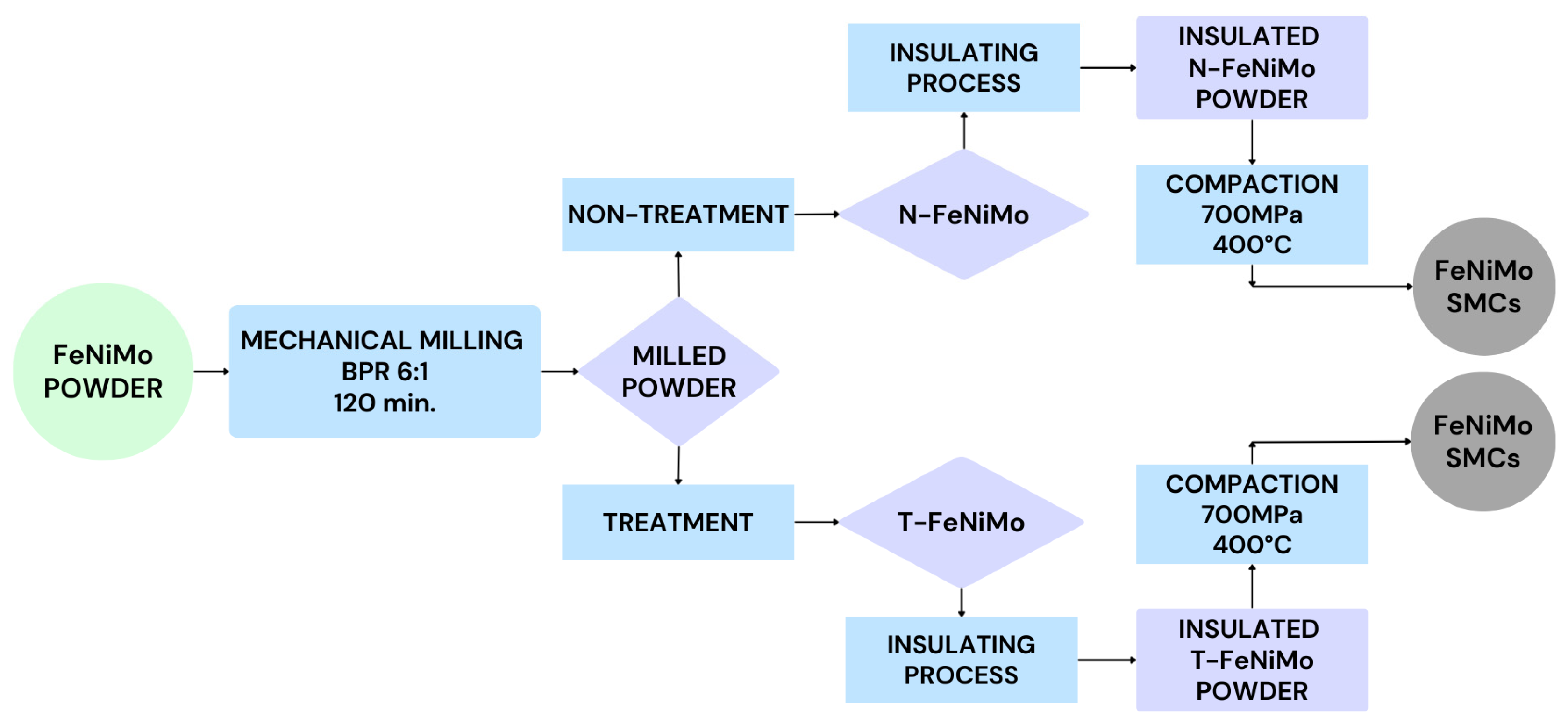
After mechanical milling, selected powder samples were subjected to an additional mechanical surface treatment process, and the entire process is illustrated in Figure 1 and Figure 2. This step was designed to smooth particle surfaces and modify surface roughness without significant further size reduction. The mechanical treatment was carried out in the same planetary ball mill used for milling but without any milling balls. To enable surface abrasion, an abrasive paper (Carborundum Electrite a.s, Benátky nad Jizerou, Czech Republic) was adhered onto the inner walls of the grinding jar using adhesive. The powder samples were then placed into the prepared jar and underwent mechanical processing under controlled conditions. The process lasted 70 min and was conducted using the same operational parameters as the milling step, including a rotation speed of 500 rpm, 10 s breaks every minute, and reverse rotation intervals. This procedure ensured consistent surface modification while preventing further significant reduction in particle size. Two types of powder samples were prepared for subsequent testing: surface-treated and non-treated. The treatment was performed under controlled conditions to ensure reproducibility [21,23,24].

2.4. Powder Coating

The mechanically treated and non-treated powders were coated with an inorganic SiO2 insulating layer using a wet chemical coating method based on tetraethyl orthosilicate (TEOS). After the milling process, the powders were subjected to a specific insulation process based on the Stöber method for powder particle coating, with the aim of preventing electrical contact between particles. This technique is based on a “wet” coating approach, involving the deposition of monodisperse silica spheres in the micrometer size range onto the powder particle surfaces.
A mixture of isopropyl alcohol (320 mL), distilled water (64 mL), tetraethyl orthosilicate (TEOS, 98%, 32 mL), and ammonia (8 mL) was used to insulate 10 g of ferromagnetic material. The entire insulation process was carried out using an IKA Microstar 7.5 mixer at a mixing speed of 400 rpm. The coating was performed in two 8 h sessions, resulting in a total processing time of 16 h.
SiO2 was selected as the insulating coating material due to its high electrical resistivity, thermal stability during compaction, chemical inertness, and good adhesion to iron-based powder surfaces, enabling the formation of thin and continuous insulating layers.
EDS analysis was performed on similar samples prepared with the same type of coating using an identical procedure, and the results were published in our previous work [22].
The coating process aimed to achieve a thin, uniform, and electrically insulating layer on each powder particle and to prepare suitable powder particles for future SMCs.

2.5. Compaction

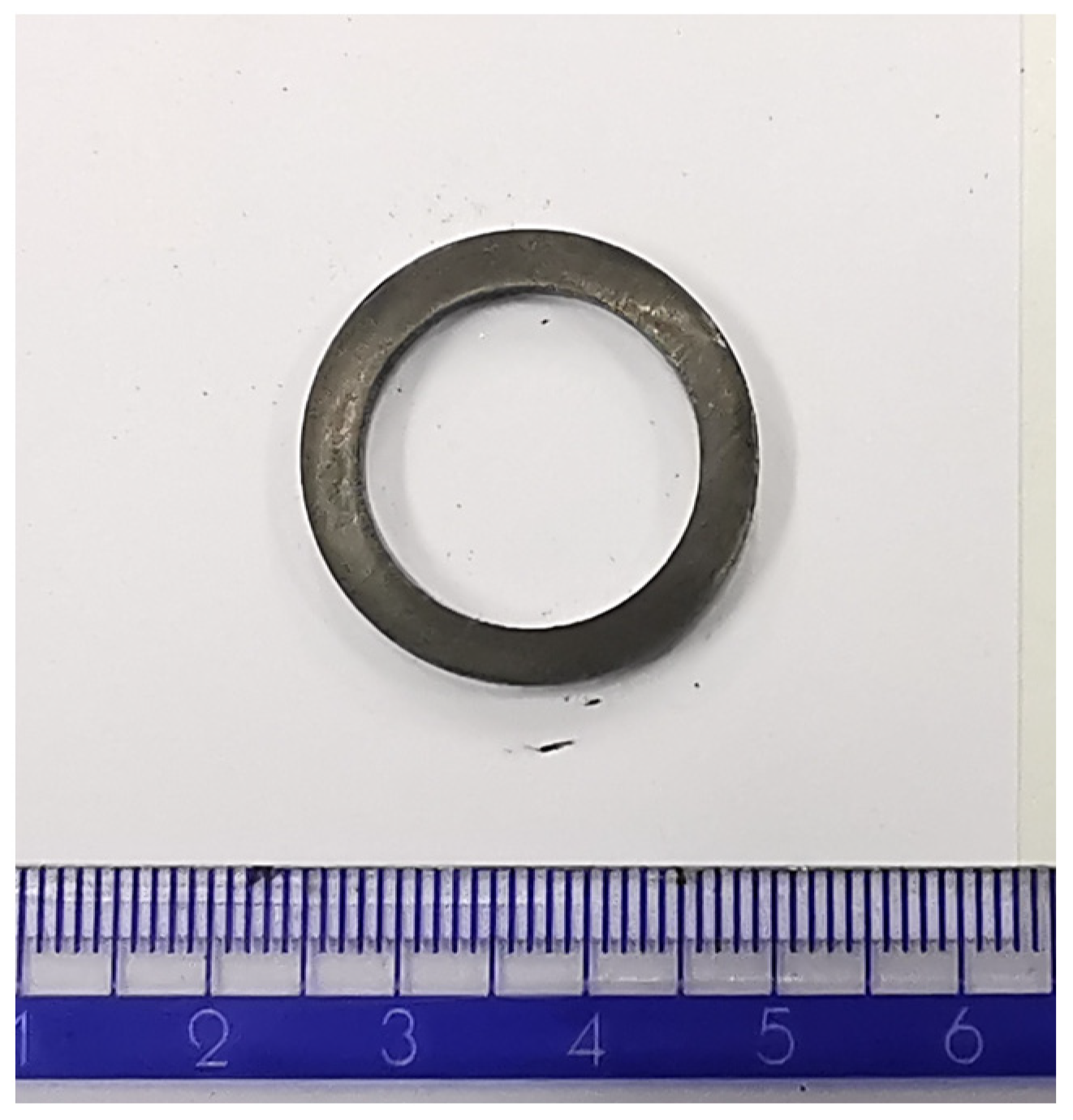
Coated powders (treated and non-treated) were compacted into ring shaped specimens (Figure 3) using uniaxial pressing.
A total of 3.7 g of SMCs powder was poured into the matrix. The final samples were compacted into ring-shaped composites with an inner diameter of 18 mm and an outer diameter of 24 mm. Pressing was carried out at 700 MPa for 3 min at 400 °C in vacuum. Heating the samples to 400 °C took about one hour, and cooling lasted up to six hours. Compaction pressure and tooling geometry were optimized to obtain mechanically stable compacts suitable for magnetic characterization.

2.6. Methods of Measurement

Structural analysis was performed using SEM (JSM-6610, JEOL Ltd., Tokyo, Japan). Elemental distribution and coating verification were carried out by EDS analysis. Magnetic properties were evaluated using hysteresis loop measurements and coercivity determination.
The magnetic properties of Fe and FeNiMo powders were investigated using a Vibrating Sample Magnetometer (VSM) on a DYNACOOL system from Quantum Design (San Diego, CA, USA) at 200 K under a DC magnetic field ranging from −2.4 to 2.4 MA/m (within ±1% according to manufacturer specifications) [25].

3. Results and Discussion

3.1. Morphology and Microstructure

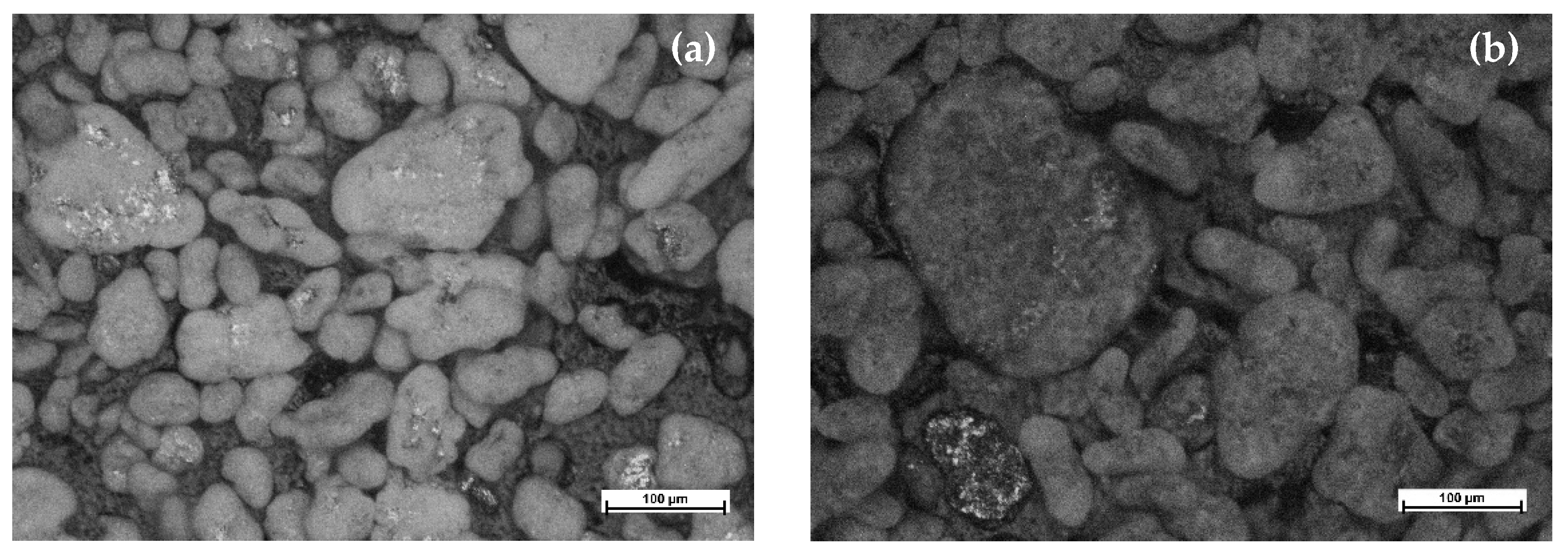
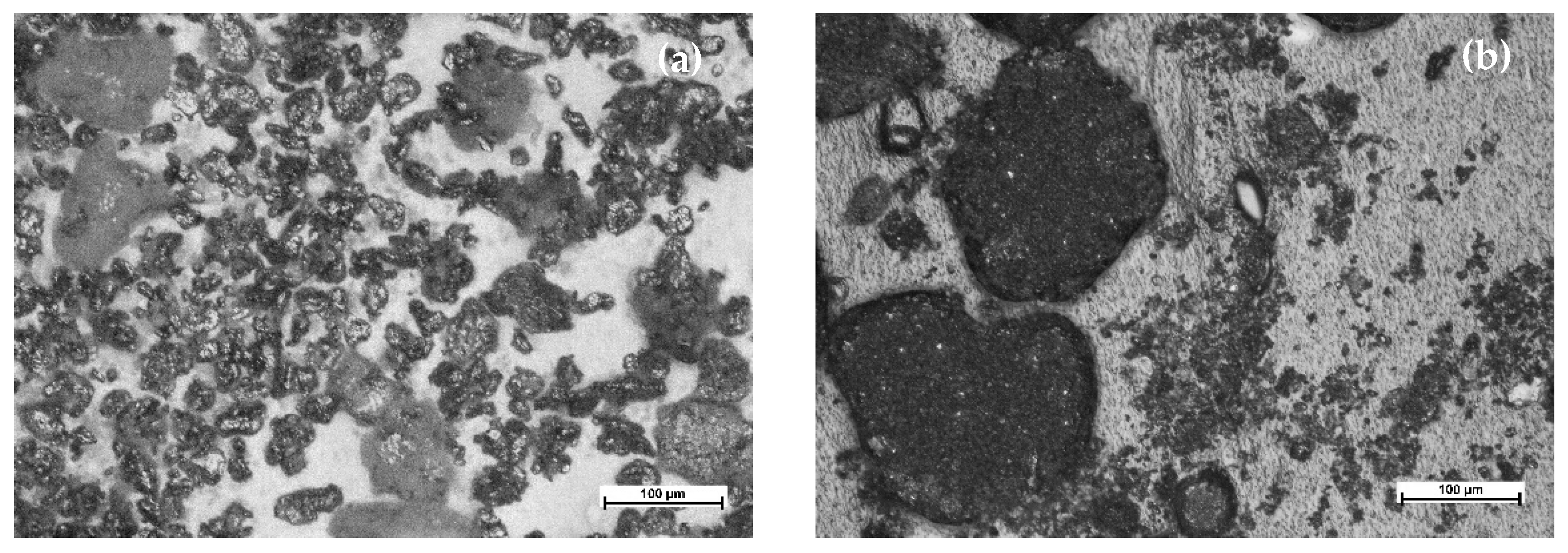
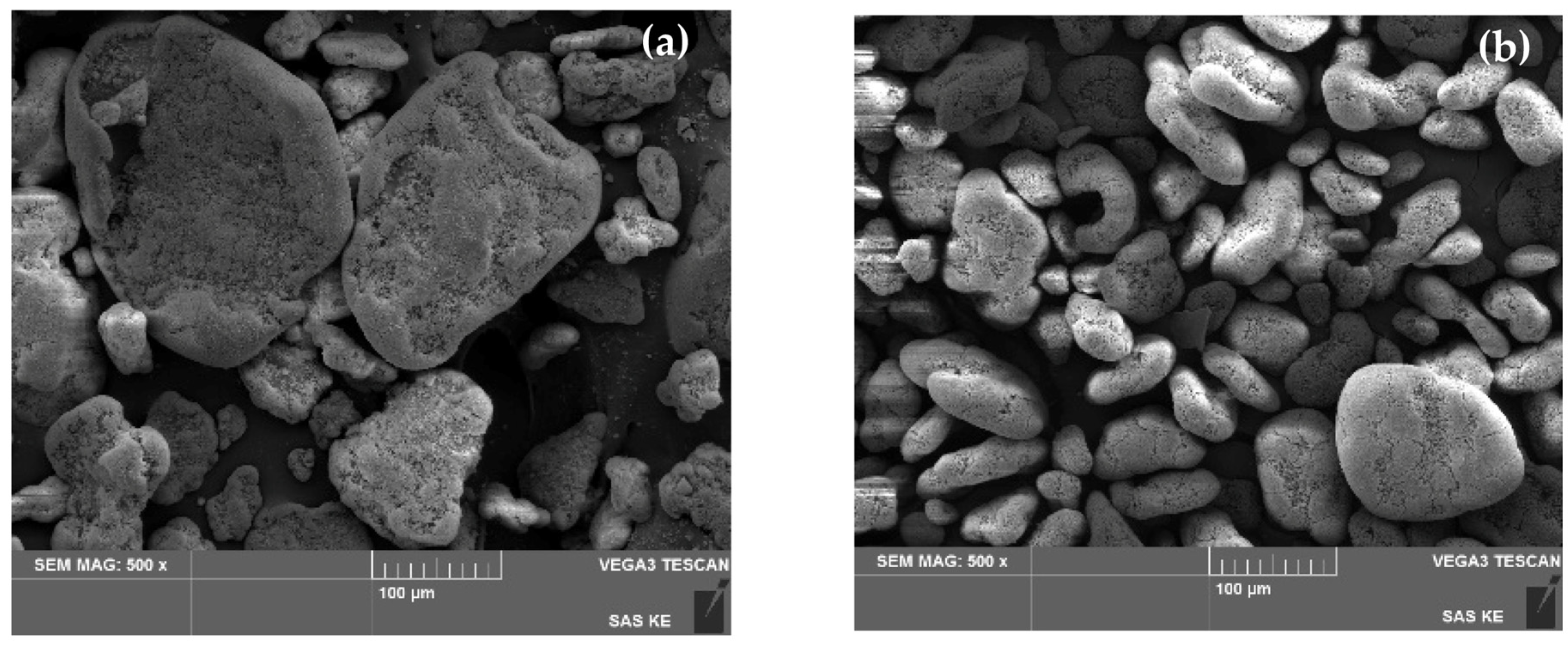
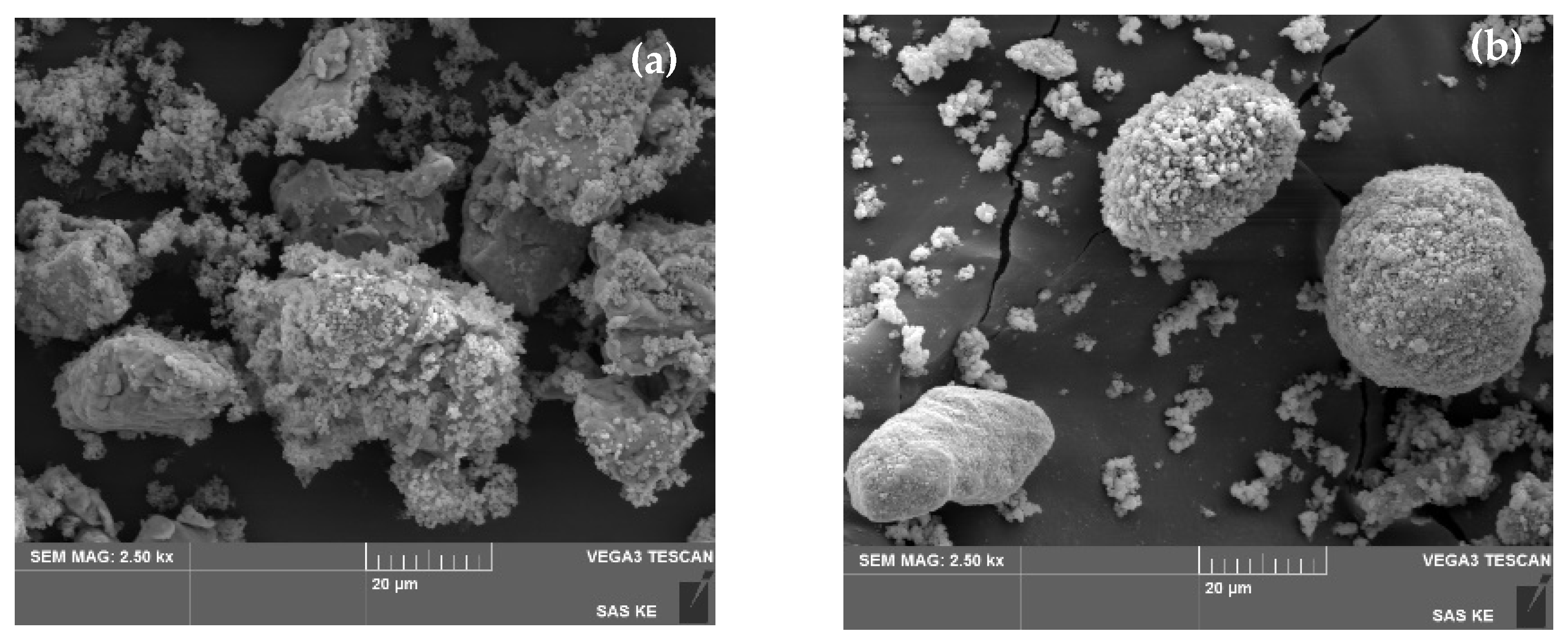
Detailed microstructural analysis revealed pronounced differences between powders prepared with and without mechanical surface treatment (Figure 4 and Figure 5). In the case of untreated powders obtained solely by mechanical milling, SEM images showed highly irregular particle morphologies with sharp edges, angular features, and locally increased surface roughness. Such surface characteristics are typical for high-energy milling processes and are associated with a high density of surface defects, including microcracks and plastically deformed regions.
After applying mechanical surface treatment, the powder particles exhibited noticeably smoother surfaces with reduced sharp asperities. Although the overall particle size distribution remained comparable, the surface grinding process effectively modified the outermost particle layer, which is crucial for subsequent coating processes. This effect was observed consistently for both high-purity Fe (Figure 4 and Figure 6) and FeNiMo (Figure 5 and Figure 7) powders, although FeNiMo particles tended to preserve a slightly more rounded morphology due to their alloy composition and mechanical response.
Following SiO2 coating, significant differences in coating quality were observed between treated and untreated powders. SEM observations indicated that surface-treated powders were covered by a more continuous and uniform insulating layer, while untreated powders frequently exhibited local coating discontinuities and regions of non-uniform thickness. EDS elemental mapping confirmed these observations, showing a more homogeneous distribution of silicon and oxygen on surface-treated particles. In contrast, untreated powders displayed localized Si- and O-rich regions, suggesting incomplete coverage [22].
In the present study, we focused on surface morphology and coating homogeneity. In our previous works, XRD analysis was systematically performed for Fe and FeNiMo powders prepared under similar milling conditions, and no phase transformation or formation of secondary phases was observed [23,26,27].

3.2. Magnetic Properties

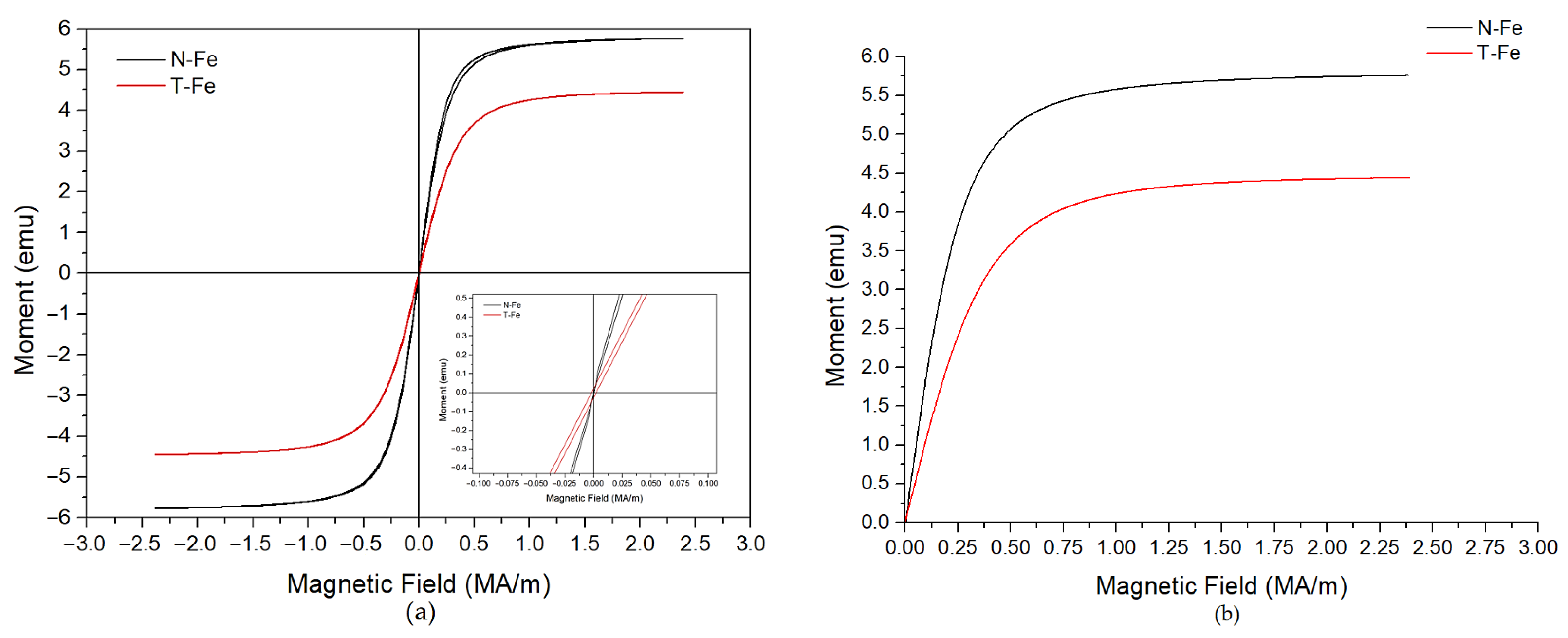
The magnetic properties of powder samples based on high-purity Fe were analyzed by means of hysteresis loop measurements, initial magnetization curves, and coercivity evaluation. The hysteresis loops of all powder composites exhibit typical soft magnetic materials behavior, characterized by a narrow loop shape and low coercive field values. Measurements performed at a temperature of 200 K revealed that samples with mechanically treated powder particle surfaces (T-Fe) exhibit slightly narrower hysteresis loops compared to samples without surface treatment (N-Fe) (Figure 8a). This effect indicates a reduction in the energy barriers for domain wall motion, which can be attributed to a more homogeneous and continuous insulating layer on the surface of the ferromagnetic particles.
The Initial magnetization curves (Figure 8b) confirm that the magnetization process in the low-field region is dominated by domain wall motion, while at higher magnetic field intensities, a gradual rotation of magnetic moments occurs until magnetic saturation is reached. Samples with optimized surface treatment (T-Fe) achieve higher magnetic induction values at lower magnetic field intensities, indicating a more favorable magnetization process and higher effective magnetic permeability of the material.
A comparison of coercivity values (Table 1) shows that samples with mechanically treated powder surfaces exhibit lower coercive field values compared to the reference samples. This reduction in coercivity can be explained by the suppression of surface defects and the reduction in internal mechanical stresses introduced during the intensive mechanical milling of the powders.
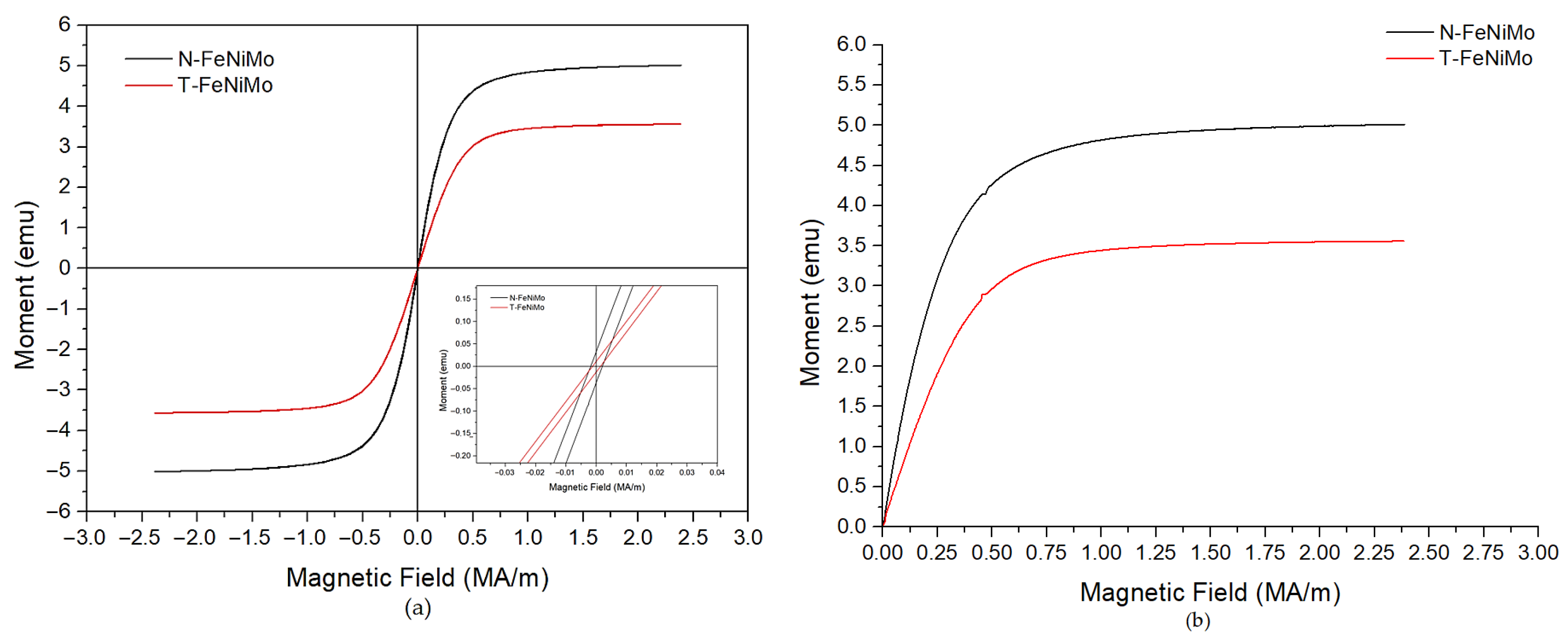
The magnetic properties of FeNiMo-based powder samples were analyzed by means of hysteresis loop (Figure 9a) measurements and initial magnetization curves. The measurements were performed at a temperature of 200 K. Investigated samples exhibit typical soft magnetic materials behavior, characterized by symmetric and narrow hysteresis loops with low coercive field values.
Compared to the powder based on high-purity iron with identical insulating coatings, the FeNiMo-based samples exhibit noticeably narrower hysteresis loops and lower coercivity, indicating easier magnetization and demagnetization processes as well as reduced energy losses during cyclic magnetization. This behavior confirms the superior soft magnetic character of FeNiMo alloys and highlights their suitability for applications requiring high magnetic efficiency.
The initial magnetization curves (Figure 9b) confirm that the magnetization process in FeNiMo powders is dominated by domain wall motion in the low-field region, followed by the gradual rotation of magnetic moments at higher magnetic field intensities until magnetic saturation is achieved. Differences observed among individual samples can be associated with variations in particle size distribution, surface roughness, and the homogeneity of the insulating layer, which are strongly influenced by the milling conditions and the ball-to-powder ratio.
Overall, the results demonstrate that FeNiMo powders exhibit improved soft magnetic properties compared to high-purity Fe-based powders. The findings also indicate that further enhancement of magnetic performance could be achieved by implementing mechanical surface treatment of powder particles prior to coating, which would promote a more uniform insulating layer and reduce microstructural defects.
A comparison of the magnetic properties of powders based on high-purity Fe and FeNiMo alloys reveals clear differences in their soft magnetic behavior. While both material systems exhibit characteristics typical of soft magnetic materials, the FeNiMo-based powder composites show narrower hysteresis loops and lower coercive field values compared to their high-purity iron counterparts. This indicates easier magnetization and demagnetization processes as well as reduced hysteresis losses inferred from the DC hysteresis loops.
Furthermore, FeNiMo powder composites reach magnetic saturation at lower magnetic field intensities and exhibit steeper hysteresis loops, reflecting a faster magnetic response. In contrast, the magnetic behavior of high-purity Fe-based powders is more strongly influenced by surface defects and internal stresses introduced during mechanical milling, which results in slightly higher coercivity values.
Overall, the superior soft magnetic performance of FeNiMo powders can be attributed to the intrinsic properties of the FeNiMo alloy, particularly the presence of molybdenum, which contributes to reduced internal stresses and enhanced magnetic permeability [28,29,30]. These results demonstrate that FeNiMo-based materials are more suitable for applications requiring high magnetic efficiency and low losses, while high-purity Fe-based materials offer a cost-effective alternative with still-favorable soft magnetic properties.

3.3. Compacted Soft Magnetic Composites

Powder samples based on high-purity Fe and FeNiMo alloys were prepared by mechanical milling. Part of the powders were subjected to additional mechanical surface treatment (T-Fe, T-FeNiMo), while the remaining powders were processed without this modification (N-Fe, N-FeNiMo). Subsequently, all powder samples were coated with an insulating SiO2 layer to suppress inter-particle electrical contacts and reduce eddy current losses. The coated powders were then used for the preparation of compacted samples by uniaxial pressing, so soft magnetic composites based on Fe and FeNiMo.
For the compacted samples, the coercive field was evaluated (Table 2) and the results consistently demonstrated that mechanical surface treatment of powder particles leads to improved soft magnetic properties in terms of reduced coercivity and modified DC magnetization behavior. In particular, lower coercivity values were observed for compacts prepared from powders with mechanically modified surfaces, indicating reduced internal stresses, fewer surface defects, and more homogeneous insulating layers after compaction.
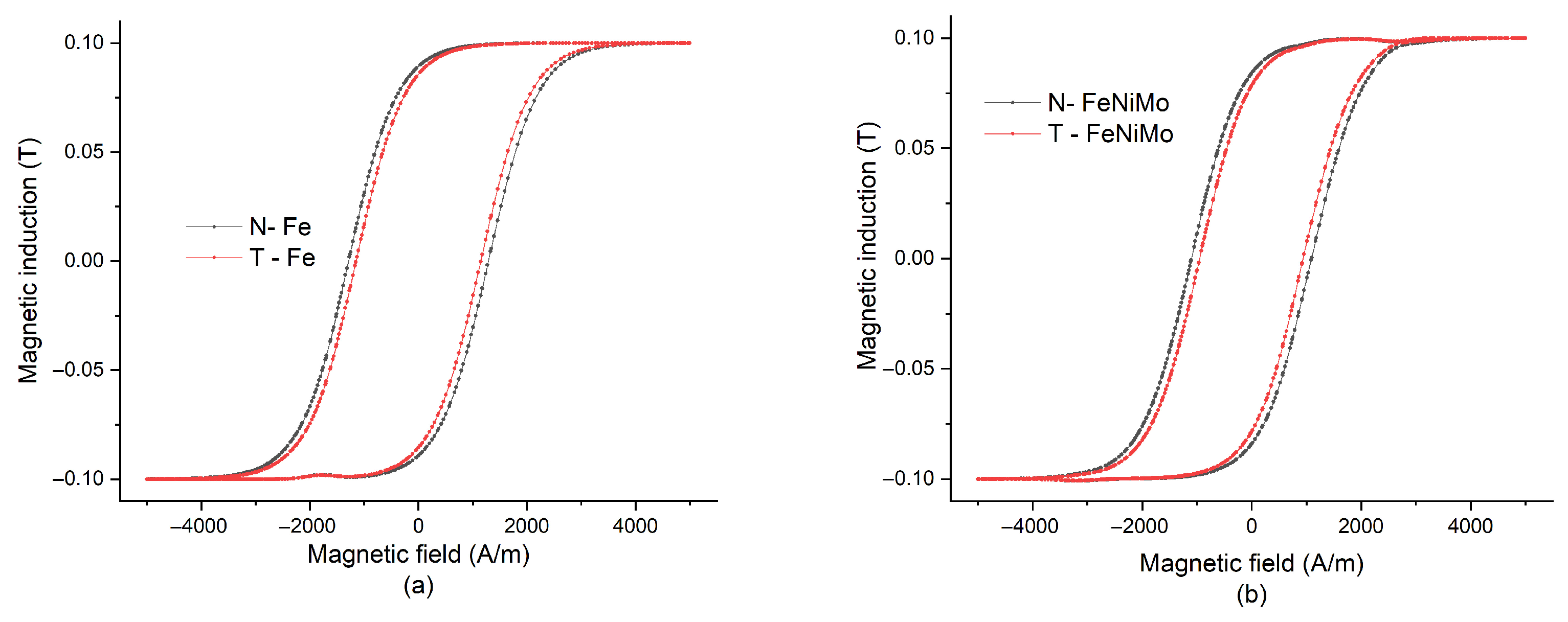
These findings confirm that powder surface treatment is a crucial step in the preparation of soft magnetic composites, as it directly influences the quality of particle insulation and the magnetic behavior of the final compact. The compaction process itself represents an additional critical stage, during which particle contacts, stress distribution, and structural integrity of the composite are further modified. The present study focuses on powder surface modification and its influence on magnetic behavior, serving as a necessary precursor for subsequent research on compacted soft magnetic composites. A detailed structural characterization and comprehensive analysis of compacted materials will be addressed in future work. Representative hysteresis loops of the compacted samples (Figure 10) are included for illustration purposes. A detailed analysis of compacted materials is beyond the primary scope of the present study, which focuses mainly on powders and their surface treatment.
A comparison with the literature further supports these observations [21,23,24]. Previous studies on FeNiMo powders coated with amorphous SiO2 layers demonstrate that the presence of the non-magnetic insulating layer affects the coercivity of soft magnetic composites by creating demagnetizing effects and domain wall pinning. For example, FeNiMo/SiO2 composites studied by Lai et al. (2023) showed that coercivity increases with SiO2 coating thickness due to these effects [31].
While the absolute values in this work (coercivity 1980–2100 A·m−1 for powders and 1030–1290 A·m−1 for compacted samples) are higher than in the referenced studies, the trend is consistent—the SiO2 layer modifies magnetic interactions, and surface treatment reduces coercivity relative to untreated powders. The literature reports that mechanical surface modification of soft magnetic powders can significantly influence coercivity compared to untreated powders. In FeNiMo alloy systems, compacts made from mechanically smoothed powders exhibit lower coercivity and higher permeability than compacts from untreated powders due to the reduction in surface defects that hinder domain wall motion [21]. Similarly, in Fe/SiO2 composites, smoothing the particle surface before applying the insulating coating decreases coercivity and magnetic losses compared to untreated samples by facilitating domain wall movement and reducing internal demagnetizing fields [32]. These findings support our observations that surface treatment combined with SiO2 insulation effectively modifies domain wall mobility and improves the soft magnetic performance relative to untreated powders.
This demonstrates that SiO2-coated Fe and FeNiMo powders exhibit soft magnetic behavior in line with literature trends.
Representative hysteresis loops of the compacted samples are shown in Figure 10. The results confirm that the trends observed in coercivity values remain consistent after compaction, demonstrating the beneficial effect of the surface treatment on the magnetic behavior of the prepared materials.
The combination of optimized powder preparation, surface modification, the insulation of powder particles, and controlled compaction is therefore essential for achieving soft magnetic composites with improved DC magnetic behavior. While high-purity Fe offers a cost-effective base material with favorable magnetic properties, FeNiMo alloys provide superior permeability and reduced losses, making them particularly attractive for applications requiring high efficiency and low energy dissipation.

4. Conclusions

Overall, the experimental results confirm a strong correlation between powder surface morphology, coating homogeneity, and magnetic performance. Smoother particle surfaces promote uniform insulation, which reduces domain wall pinning and lowers coercivity. The combined analysis of microstructural and magnetic measurements demonstrates that mechanical surface treatment is an effective and scalable tool for tailoring the properties of soft magnetic composites.
An innovative preparation method for iron-based soft magnetic material incorporating the mechanical surface treatment of powder particles was investigated. The main conclusions can be summarized as follows:
  • Mechanical surface treatment improves powder surface morphology and promotes the formation of a more homogeneous SiO2 insulating layer.
  • Surface-treated SMCs exhibit reduced coercivity and narrower hysteresis loops compared to untreated samples.
  • Improved insulation continuity is expected to have a beneficial effect on frequency-dependent energy losses; however, this assumption is based on indirect magnetic indicators and will be verified by dedicated AC core loss measurements in future work. Improved insulation continuity is expected to have a beneficial effect on frequency-dependent energy losses; however, this assumption is based on indirect magnetic indicators, and a direct evaluation of AC core losses is beyond the scope of the present study. A detailed analysis of AC core losses and their correlation with powder surface treatment and compaction conditions will be the subject of a forthcoming publication.
  • Both high-purity Fe and FeNiMo samples benefit from the proposed method, demonstrating its broad applicability.
A detailed analysis of AC core losses and their correlation with powder surface treatment and compaction conditions will be the subject of a forthcoming publication.
The presented approach offers a promising route for the development of high-performance soft magnetic composite materials for advanced electromagnetic applications.

Author Contributions

Conceptualization, L.P. and D.O.; methodology, D.O.; validation, L.P., D.O. and M.R.; formal analysis, L.P. and D.O.; investigation, L.P.; resources, M.R.; data curation, L.P. and D.O.; writing—original draft preparation, L.P. and D.O.; writing—review and editing, D.O.; visualization, L.P.; supervision, D.O.; project administration, D.O.; funding acquisition, D.O. All authors have read and agreed to the published version of the manuscript.

Funding

This research was funded by the Scientific Grant Agency of the Ministry of Education of the Slovak Republic and the Slovak Academy of Science (grant numbers VEGA 1/0403/23, VEGA 1/0407/24 and KEGA 006TUKE-4/2025). This work was also realized by the Slovak Research and Development Agency under contract no. APVV-21-0228. This work was funded by the Next Generation EU project through the Recovery and Resilience Plan for Slovakia under project no. 09103-03-V02-00010.

Institutional Review Board Statement

Not applicable.

Informed Consent Statement

Not applicable.

Data Availability Statement

Data is available on request from the corresponding author.

Conflicts of Interest

The authors declare no conflicts of interest.

References

  1. Silveyra, J.M.; Ferrara, E.; Huber, D.L.; Monson, T.C. Soft magnetic materials for a sustainable and electrified world. Science 2018, 362, eaao0195. [Google Scholar] [CrossRef]
  2. Kim, Y.; Zhao, X. Magnetic Soft Materials and Robots. Chem. Rev. 2022, 122, 5317–5364. [Google Scholar] [CrossRef]
  3. Sai Ram, B.; Paul, A.K.; Kulkarni, S.V. Soft magnetic materials and their applications in transformers. J. Magn. Magn. Mater. 2021, 537, 168210. [Google Scholar] [CrossRef]
  4. Zafiropoulou, I.; Tzitzios, V.; Boukos, N.; Niarchos, D. Ordering kinetics of chemically synthesized FePt nanoparticles. J. Magn. Magn. Mater. 2007, 316, 169–172. [Google Scholar] [CrossRef]
  5. Anhalt, M. Systematic investigation of particle size dependence of magnetic properties in soft magnetic composites. J. Magn. Magn. Mater. 2008, 320, 366–369. [Google Scholar] [CrossRef]
  6. Zhou, Z.; Li, Q.; Wen, M.; Zhou, R.; Wang, X. Correlating the Coating Cycles, Integrity and Magnetic Properties of Fe-Ni-Mo Soft Magnetic Composites by a Powder Atomic Layer Deposition Method. Ceram. Int. 2024, 50, 29377–29387. [Google Scholar] [CrossRef]
  7. Bureš, R.; Strečková, M.; Fáberová, M.; Kollár, P.; Füzér, J. Advances in powder metallurgy soft magnetic composite materials. Arch. Metall. Mater. 2017, 62, 1149–1154. [Google Scholar] [CrossRef]
  8. Périgo, E.A.; Weidenfeller, B.; Kollár, P.; Füzer, J. Past, present, and future of soft magnetic composites. Appl. Phys. Rev. 2018, 5, 031301. [Google Scholar] [CrossRef]
  9. Shokrollahi, H.; Janghorban, K. Soft magnetic composite materials (SMCs). J. Mater. Process. Technol. 2007, 189, 1–12. [Google Scholar] [CrossRef]
  10. Pošković, E.; Franchini, F.; Fracchia, E.; Vaschetto, S.; Ferraris, L.; Tenconi, A. The Effect of Magnetization on the Production Process of Soft Magnetic Composite Stators of Axial Flux Motors. IEEE Access 2025, 13, 18983–18993. [Google Scholar] [CrossRef]
  11. Zhou, X.; Wang, Y.; Li, J.; Zhang, H.; Chen, L.; Xu, Q. Magnetic properties and power losses of inorganic, organic and hybrid based soft magnetic composites. Ceram. Int. 2024, 50, 55099–55112. [Google Scholar] [CrossRef]
  12. Pan, Y.; Peng, J.; Qian, L.; Xiang, Z.; Lu, W. Effects of compaction and heat treatment on the soft magnetic properties of iron based soft magnetic composites. Mater. Res. Express 2020, 7, 016115. [Google Scholar] [CrossRef]
  13. Birčáková, Z.; Onderko, F.; Dobák, S.; Kollár, P.; Füzer, J.; Bureš, R.; Fáberová, M.; Weidenfeller, B.; Bednarčík, J.; Jakubčin, M.; et al. Eco friendly soft magnetic composites of iron coated by sintered ferrite via mechanofusion. J. Magn. Magn. Mater. 2022, 543, 168627. [Google Scholar] [CrossRef]
  14. Pošković, E.; Franchini, F.; Ferraris, L.; Fracchia, E.; Bidulska, J.; Carosio, F.; Bidulsky, R.; Actis Grande, M. Recent advances in multi-functional coatings for soft magnetic composites. Materials 2021, 14, 6844. [Google Scholar] [CrossRef] [PubMed]
  15. Pošković, E.; Franchini, F.; Grande, M.A.; Ferraris, L.; Carosio, F.; Tenconi, A. A new approach in the implementation of insulating layers in soft magnetic composite materials. J. Magn. Magn. Mater. 2024, 597, 171984. [Google Scholar] [CrossRef]
  16. Zhang, F.; Alizadeh Sani, M.; Khezerlou, A.; Rezvani-Ghalhari, M.; Lin, X. Microstructure Evolution and Soft Magnetic Properties of Fe-Based Nanocrystalline Soft Magnetic Composites Coated with Lubricant. Adv. Powder Technol. 2023, 34, 104024. [Google Scholar] [CrossRef]
  17. Arbain, R.; Othman, M.; Palaniandy, S. Preparation of iron oxide nanoparticles by mechanical milling. Miner. Eng. 2011, 24, 1–9. [Google Scholar] [CrossRef]
  18. Xiong, Z.-W.; Yang, J.; Wang, Y.; Yang, L.; Guan, X.; Cao, L.-H.; Wang, J.; Gao, Z.-P. Preparation of FeNiMo/SiO2 Composite Core and Regulation of Soft Magnetic Properties. Acta Phys. Sin. 2022, 71, 157502. [Google Scholar] [CrossRef]
  19. Bor, A.; Jargalsaikhan, B.; Lee, J.; Choi, H. Effect of different milling media for surface coating on the copper powder using two kinds of ball mills with discrete element method simulation. Coatings 2020, 10, 898. [Google Scholar] [CrossRef]
  20. Maleki, E.; Bagherifard, S.; Sabouri, F.; Bandini, M.; Unal, O.; Guagliano, M. Effects of different mechanical and chemical surface post-treatments on mechanical and surface properties of as-built laser powder bed fusion AlSi10Mg. Surf. Coat. Technol. 2022, 439, 128391. [Google Scholar] [CrossRef]
  21. Olekšáková, D.; Kollár, P.; Neslušan, M.; Jakubčin, M.; Füzer, J.; Bureš, R.; Fáberová, M. Impact of the surface irregularities of NiFeMo compacted powder particles on irreversible magnetization processes. Materials 2022, 15, 8937. [Google Scholar] [CrossRef]
  22. Rudeichuk, T.; Olekšáková, D.; Maciaszek, R.; Matysiak, W.; Kollár, P. Exploring the Impact of Different Milling Parameters of Fe/SiO2 Composites on Their Structural and Magnetic Properties. Materials 2024, 17, 862. [Google Scholar] [CrossRef]
  23. Kollár, P.; Slovenský, P.; Olekšáková, D.; Jakubčin, M.; Birčáková, Z.; Füzer, J.; Bureš, R.; Fáberová, M. Preparation and magnetic properties of NiFeMo powdered compacts of powder elements with smoothed surfaces. J. Magn. Magn. Mater. 2020, 494, 165770. [Google Scholar] [CrossRef]
  24. Slovenský, P.; Kollár, P.; Mei, N.; Jakubčin, M.; Zeleňáková, A.; Halama, M.; Odnevall Wallinder, I.; Hedberg, Y.S. Mechanical surface smoothing of micron-sized iron powder for improved silica coating performance as soft magnetic composites. Appl. Surf. Sci. 2020, 531, 147340. [Google Scholar] [CrossRef]
  25. Reiffers, M.; Vilček, J.; Michaeli, E.; Čurlík, I.; Klamár, R.; Čech, V.; Ivanová, M.; Koco, Š.; Pasternák, T.; Il’kovič, S.; et al. Research of Magnetic Properties of Spolic Technosols (Alcalic/Hyperartefactic) on the Landfill of Industrial Waste from Nickel Production. J. Electr. Eng. 2018, 69, 489–492. [Google Scholar] [CrossRef]
  26. Olekšáková, D.; Kollár, P.; Füzer, J.; Kusý, M.; Roth, S.; Polanski, K. The influence of mechanical milling on structure and soft magnetic properties of NiFe and NiFeMo alloys. J. Magn. Magn. Mater. 2007, 316, E838–E841. [Google Scholar] [CrossRef]
  27. Olekšáková, D.; Kollár, P.; Füzer, J. Low Frequency Core Losses Components of FeNiMo Powder Compacted Materials. Acta Phys. Pol. A 2018, 133, 639–641. [Google Scholar] [CrossRef]
  28. Xiao, Y.; Wang, X.; Li, J.; Li, Q.; Chen, L. Microstructure and magnetic properties of Fe–79%Ni–4%Mo alloy fabricated by metal injection molding. Powder Technol. 2014, 253, 158–162. [Google Scholar]
  29. Xiong, F.; Yang, J.; Du, Z.; Liu, W.; Zhu, Q.; Wang, Z.; Wang, M. Effect of Mo in-situ alloying on microstructure and magnetic properties of (NiFeMo)\100−xMo\x alloy. J. Alloys Compd. 2024, 976, 173012. [Google Scholar] [CrossRef]
  30. Xiong, Z.; Wang, J.; Chen, L.; Li, Y.; Zhou, H.; Zhang, Q.; Hu, J. Effect of Mo addition on AC soft magnetic property, hardness and microstructure of FeCoNiMox (0 ≤ x ≤ 0.25) medium entropy alloys. Mater. Charact. 2023, 206, 113435. [Google Scholar]
  31. Lai, J.; Xiao, L.; Xiong, Z.; Fang, L.; Zhu, W.; Kuang, F.; Gao, Z. Enhanced soft magnetic properties and high-frequency stability of FeNiMo powder cores by coating SiO2 insulation layer. RSC Adv. 2023, 13, 15892–15900. [Google Scholar] [CrossRef] [PubMed]
  32. Maciaszek, R.; Kollár, P.; Birčáková, Z.; Tkáč, M.; Füzer, J.; Olekšáková, D.; Volavka, D.; Samuely, T.; Kováč, J.; Bureš, R.; et al. Effects of particle surface modification on magnetic behavior of soft magnetic Fe@SiO2 composites and Fe compacts. J. Mater. Sci. 2024, 59, 11781–11798. [Google Scholar] [CrossRef]
Figure 1. The process of the preparation of Fe samples.
Coatings 16 00284 g001
Figure 2. The process of the preparation of FeNiMo samples.
Coatings 16 00284 g002
Figure 3. Compacted specimen.
Coatings 16 00284 g003
Figure 4. Milled powder of Fe samples with non-treated (N-Fe) (a) and treated (T-Fe) (b) surfaces. Images taken using an ECLIPSE MA200 optical microscope via NIKON (Tokyo, Japan).
Coatings 16 00284 g004
Figure 5. Milled powder of FeNiMo samples with non-treated (N-FeNiMo) (a) and treated (T-FeNiMo) (b) surfaces. Images taken using an ECLIPSE MA200 optical microscope via NIKON (Tokyo, Japan).
Coatings 16 00284 g005
Figure 6. Milled powder of Fe samples with non-treated (N-Fe) (a) and treated (T-Fe) (b) surfaces. Samples of soft magnetic Fe powders were also examined using SEM images.
Coatings 16 00284 g006
Figure 7. Milled powder of FeNiMo samples with non-treated (N-FeNiMo) (a) and treated (T-FeNiMo) (b) surfaces. Samples of soft magnetic FeNiMo powders were also examined using SEM images.
Coatings 16 00284 g007
Figure 8. Hysteresis loops (a) and initial magnetization curves (b) for mechanically non-treated surfaces of Fe-Powder (N-Fe) and treated Fe-powder (T-Fe), supplemented with zoomed view.
Coatings 16 00284 g008
Figure 9. Hysteresis loops (a) and initial magnetization curves (b) for mechanically non-treated surfaces of FeNiMo powder (N-FeNiMo) and treated FeNiMo powder (T-FeNiMo), supplemented with zoomed view.
Coatings 16 00284 g009
Figure 10. Hysteresis loops of the compacted samples: Fe (a); FeNiMo (b).
Coatings 16 00284 g010
Table 1. Values of coercivity of soft magnetic powders.
FeFeNiMo
N-FeT-FeN-FeNiMoT-FeNiMo
Coercivity [A·m−1]2100198019901910
Table 2. The values of coercivity of compacted soft magnetic composites.
FeFeNiMo
N-FeT-FeN-FeNiMoT-FeNiMo
Coercivity [A·m−1]1290122011001030
Disclaimer/Publisher’s Note: The statements, opinions and data contained in all publications are solely those of the individual author(s) and contributor(s) and not of MDPI and/or the editor(s). MDPI and/or the editor(s) disclaim responsibility for any injury to people or property resulting from any ideas, methods, instructions or products referred to in the content.