1. Introduction
Enamel is a vitreous coating produced by melting inorganic raw materials into a glassy matrix through the fritting process and subsequently applying this material to metal, ceramic, or glass substrates in one or more layers. The fritting process renders water-soluble components insoluble via high-temperature treatment (approximately 1500 °C), ensuring full fusion of the raw materials and producing flake or granular glass suitable for milling and application [
1]. Derived from the French term meaning “flowing glass,” enamel has historically served both functional and esthetic purposes. The earliest enameled artifacts date back to approximately 1300–1400 BCE in ancient Egypt, where colored glass coatings were applied to jewelry and ceremonial objects [
2]. Throughout antiquity and the Middle Ages, enameling was adopted across various cultures—Greek, Byzantine, Islamic and European—due to its decorative potential, durability, and protective qualities [
2,
3]. With industrial advancements in the 19th century, enamel transitioned from an artisanal technique to a large-scale manufacturing material. By the 1850s, commercial enamel production had been established in Austria and Germany and subsequently expanded to North America and across Europe [
3]. In Türkiye, the industrial enamel sector developed substantially after the 1950s, particularly in household appliances, cookware, medical devices and architectural applications [
4].
Today, enamel coatings continue to be widely utilized owing to their excellent high-temperature durability, oxidation resistance, and ability to form a dense, glassy barrier on steel surfaces. These performance attributes originate from the frit chemistry, comprising silica, fluxing agents, and intermediate oxides that promote melting, vitrification, and strong interfacial bonding. Consequently, enamel coatings serve as essential functional and protective layers in demanding thermal environments, fitting squarely within the scope of surface and coatings science. Enamel coatings based on SiO
2–B
2O
3–alkali oxide systems provide effective protection for low-alloy steels under high-temperature oxidative environments. These systems are typically produced from raw materials such as quartz or feldspar (SiO
2 sources), borax or boric acid (B
2O
3 sources), and alkali carbonates including Na
2CO
3 and K
2CO
3, along with intermediate oxides like TiO
2. Their resulting glassy network structure forms a stable barrier that limits oxygen diffusion and promotes strong adhesion to the metallic substrate. Consequently, these coatings serve as reliable protective layers in demanding thermal applications [
5]. From a material science perspective, enamel frits are inherently vitreous materials; however, their behavior and reuse potential as industrial waste streams generated during application processes remain insufficiently explored.
In glass-based industries, increasing concerns related to energy consumption and environmental impact have highlighted the limitations of conventional high-temperature recycling routes based on remelting. In practice, compositional variability, contamination, and the high thermal energy required for complete melting restrict the effective implementation of closed-loop glass recycling, particularly for heterogeneous or process-derived waste streams. As a result, growing attention has been directed toward low-temperature processing strategies that prioritize shaping and consolidation rather than full remelting [
6]. Such process-oriented approaches are especially suitable for flux-rich, already vitrified materials and provide a clear framework for evaluating industrial enamel application frit waste as a candidate material for low-temperature, mold-based glass forming.
Enameling can be performed using either dry or wet techniques; however, wet application methods—such as spraying, dipping, shaking and brushing—are more widely used in industrial production [
4]. These wet application processes generate significant quantities of enamel frit waste, particularly in the form of slurry residues accumulating in glazing booths, overspray deposits from spray-gun application, and frit remnants remaining in mill systems after grinding.
However, the enamel production process generates significant quantities of waste, particularly in the form of slurry-type frit residues, overspray deposits from spray-gun application, and imperfect surfaces formed after thermal treatment. These waste materials accumulate in large volumes across production environments and are generally classified as industrial waste. It should be emphasized that the present study does not focus on enamel frits as manufactured products supplied by producers, but specifically on enamel frit production waste generated during industrial enamel application processes. Addressing these materials within the framework of circular-economy principles requires innovative approaches to recycling, reuse and material valorization, particularly for waste streams that are difficult to reintegrate into conventional recycling routes due to their heterogeneous and slurry-based nature.
Since its development in Türkiye in the 1950s, the industrial enamel coating sector has produced not only enamel-coated goods but also substantial quantities of frit waste, which is classified as industrial waste in the scientific literature. Studies addressing waste generated in the enamel industry began to emerge after 2009, identifying liquid (slurry-based) and solid frit waste as the two dominant physical forms encountered in recycling contexts [
4].
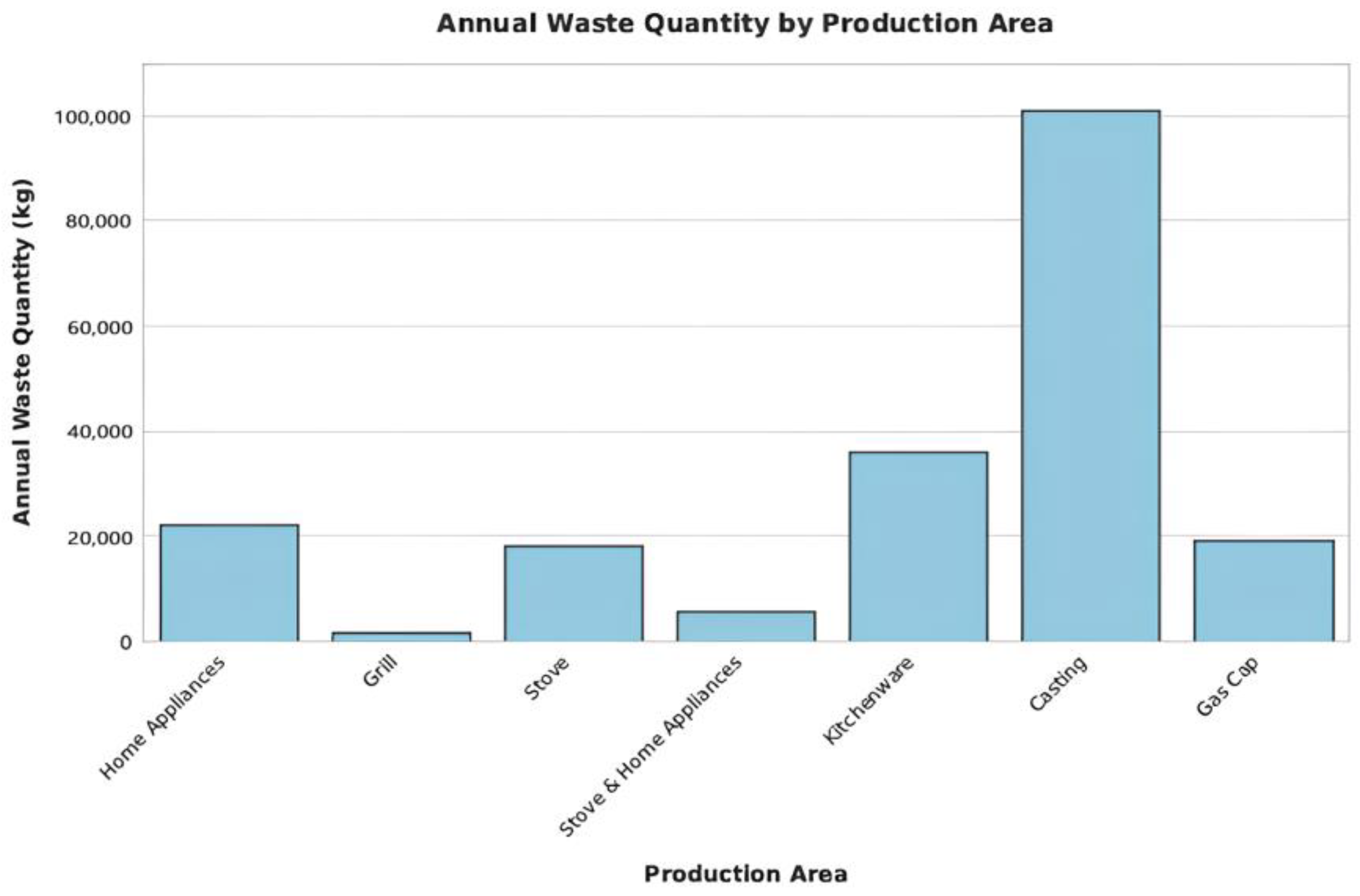
As shown in
Figure 1, the annual amount of production waste generated by enamel factories demonstrates substantial variability among sectors. This compiled information reinforces that enamel frit waste possesses characteristics suitable for use in sustainable recycling projects. Industrial enamel frit production waste collected in slurry form from different enameling processes, illustrating the heterogeneous physical appearance of the waste prior to drying and calcination also representing chemically heterogeneous waste streams rather than a single batch.
In addition to the investigations carried out in the present study, international research has explored the potential of industrial waste streams as alternative raw materials for glass and glass-ceramic production. Almendro-Candel and Jordán Vidal conducted a comprehensive evaluation of hazardous, toxic and silicate-based residues, demonstrating their feasibility for vitrification, immobilization and transformation into value-added glass products. These findings underscore the relevance of waste-derived materials within sustainable materials science and zero-waste strategies [
1]. Vitrification refers to a thermal processing route in which waste materials are transformed into a chemically stable and structurally homogeneous silicate glass by controlled melting, with or without compositional adjustment through glass-forming additives. The main typologies of wastes subjected to vitrification include fly ashes, metallurgical slags, industrial sludges and contaminated sediments, lead- and heavy-metal-rich residues, asbestos-containing wastes, and low-quality glass cullet, demonstrating the broad applicability of vitrification for both industrial and civil waste streams [
7].
Nevertheless, existing studies predominantly focus on waste vitrification through remelting or on chemical and thermophysical characterization, and do not sufficiently address the compatibility of such waste materials with shaping and forming processes. Their potential utilization in mold-based glass forming applications remains limited.
Studies on hazardous waste management have consistently shown that, beyond conventional remelting approaches, vitrification represents an effective strategy for converting chemically unstable or potentially harmful waste streams into durable and environmentally safe glass forms. Numerous investigations have demonstrated that glass matrices can immobilize a wide range of hazardous components, including heavy metals and complex inorganic residues, by chemically binding them within a stable and homogeneous structure. As a result, the leaching behavior of toxic species is significantly reduced, enabling long-term storage with minimal environmental risk. Beyond secure disposal, vitrification-based approaches have also been explored as a means of valorizing hazardous wastes by transforming them into usable glass materials, thereby addressing both environmental protection and resource efficiency. These studies collectively highlight vitrification as a reliable strategy for the safe management and potential reuse of hazardous wastes through their conversion into glassy products [
8].
National studies further indicate that recycling strategies for enamel production waste in Türkiye predominantly focus on correcting surface defects in enameled products or improving metal substrates, rather than on the transformation of waste frits into glass forms suitable for shaping applications [
4].
The present research advances this field by experimentally addressing the transformation of enamel frit production waste into glass forms through controlled fritting, calcination, mold-shaping and kiln-firing processes. The novelty of this approach does not lie in demonstrating that enamel frits can form glass, which is already well established, but in evaluating whether production-line enamel frit waste—after appropriate pretreatment—can be reshaped into glass forms under reduced processing temperatures. This methodological approach not only contributes new data on the thermal, mineralogical, and compositional behavior of enamel frit production waste but also introduces an applied, practice-oriented perspective that integrates material science with artistic glass-forming technique.
In this context, the study aims to evaluate enamel frit production waste as a viable alternative raw material for glass formation in glass art education by examining its physicochemical properties, melting behavior and forming potential. The primary objective is to determine the compatibility of this waste material with mold-based glass forming processes and to identify suitable firing temperatures and processing parameters, rather than to assess end-use performance or mechanical properties. Through this investigation, the research seeks to fill an existing gap in the literature and support the development of innovative recycling strategies within both industrial and artistic domains.
In the literature, studies such as the use of glass waste in thermal insulation in buildings, the evaluation of circular economy in cement and building elements, and the conversion of fly ash and glass fiber waste treated with thermal processes into ceramic forms are becoming the building blocks of a new trend in waste management by providing energy savings [
9,
10]. Therefore, in addition to conversion, the acquisition of high value-added materials makes every step related to these studies valuable [
11,
12].
Commercially used glass can only be processed at temperatures between 1400–1500 °C, and working at lower temperatures is becoming increasingly important in terms of energy and carbon emissions [
13,
14]. The literature indicates that processing 1 kg of clear glass generates approximately 16.9 MJ of waste heat and 0.57 kg of CO
2, and studies in this field yield significant gains, especially when evaluated industrially [
15,
16]. Furthermore, frit is a pre-treated material, making it more stable and enabling operation at lower temperatures [
17,
18,
19].
Accordingly, the scope of this study is limited to evaluating the suitability of industrial enamel frit production waste for glass forming from a shaping and process-compatibility perspective.at lower temperature The findings of this study demonstrate that waste-derived enamel frits possess the physicochemical characteristics required for successful glass formation under controlled low-temperature conditions, thereby highlighting their potential as sustainable alternative materials. Beyond material feasibility, the results also indicate the potential of such wastes for use in glass art education as materials in universities.
2. Materials and Methods
Within the scope of this study, enamel frit waste supplied by KESKIN Inc., Kocaeli, Türkiye one of Türkiye’s leading enamel frit manufacturers, was used as the primary material. The waste originated from several enamel production sectors, including enamel kitchenware, the stove industry and the white goods industry. The frit waste was obtained in slurry form and collected in specific proportions to ensure representativeness. In the first stage, a literature review was carried out to examine the development of industrial enamel production and the types of flaws and waste generated during the manufacturing process. No directly related studies addressing the reuse of enamel frit waste for three-dimensional glass production were identified. The company provided detailed information on production volumes and waste generation, confirming that the annual amount of enamel frit waste produced in Türkiye is considerably high.
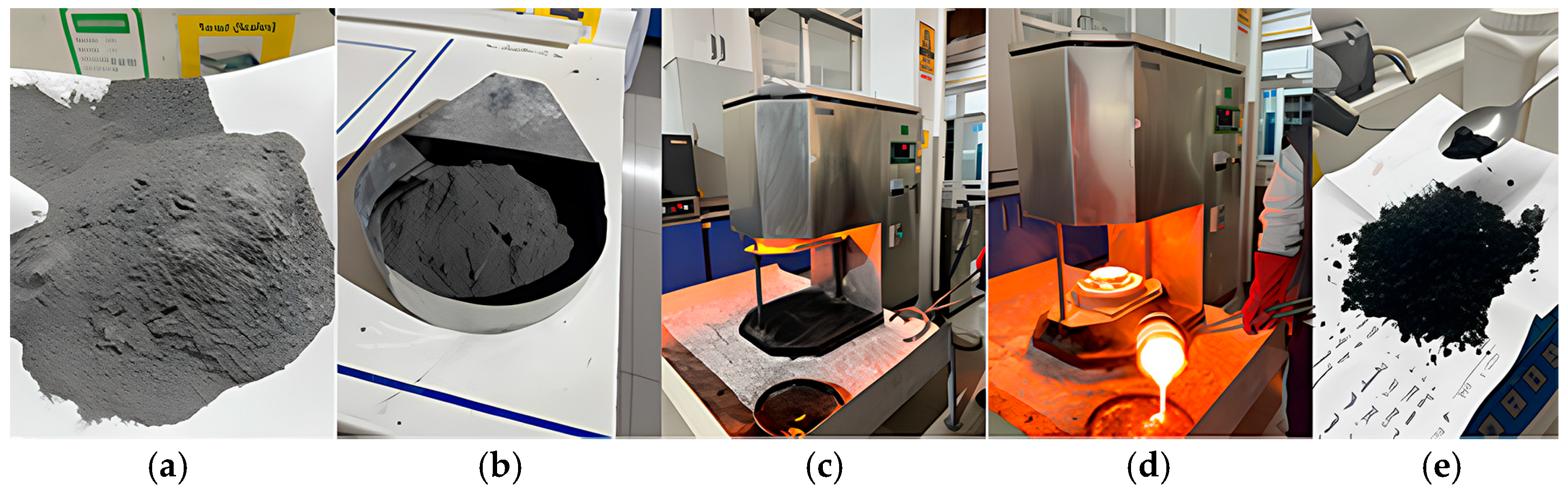
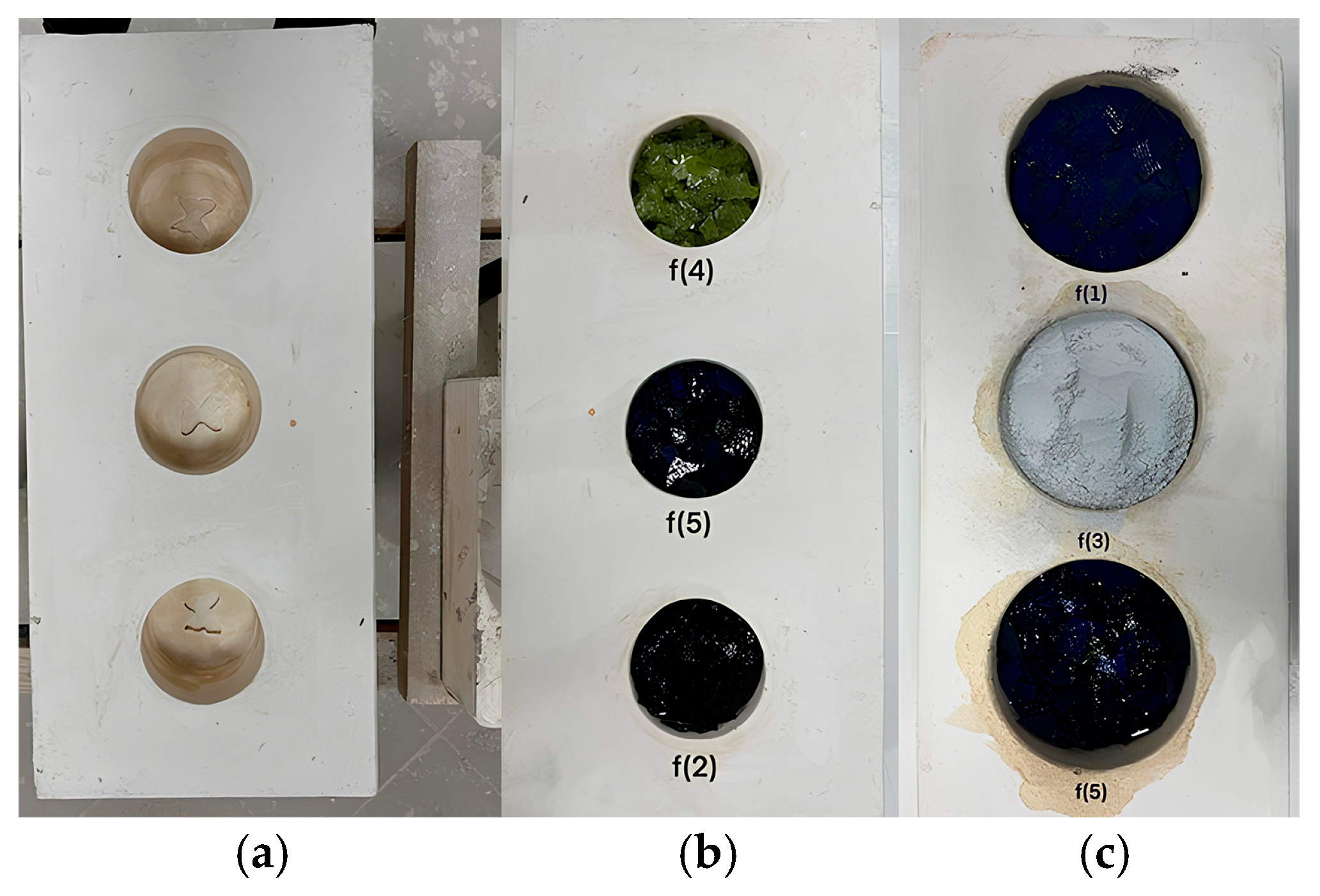
The slurry-form enamel frit waste underwent drying at controlled conditions prior to thermal pretreatment. The dried material was calcined at high temperatures to remove organic components and to achieve structural stability, as shown in
Figure 2b. Sequential processing steps applied to the enamel frit production waste: (a) slurry waste as collected from the production line, (b) dried and calcined frit powder, (c) fritting process during melting, (d) molten frit pouring, and (e) re-fritted waste enamel frit obtained after thermal treatment.
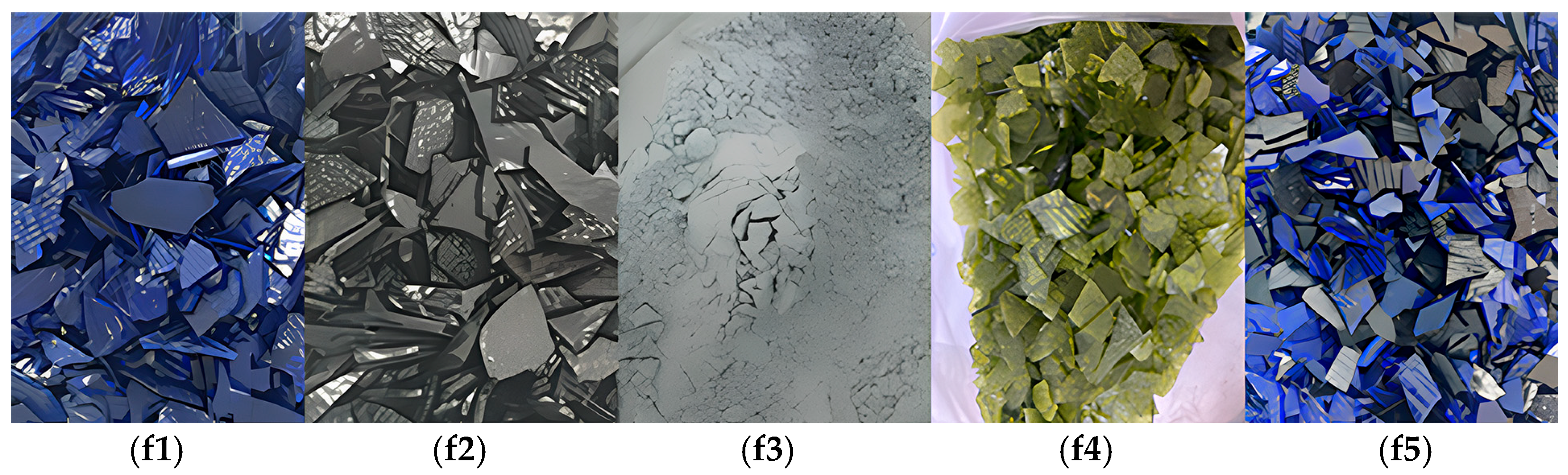
Following calcination, the material was transformed into glass fragments through fritting processes performed according to industrial parameters. Two fritting procedures were applied: in the first method, calcined material was melted and subsequently passed over rotating cylinders cooled by flowing water, producing thin flake frit. In the second method, molten frit was directly poured into cold water, generating glassy granules of varying particle sizes and shapes (
Figure 3). The resulting waste-derived frits were evaluated for their suitability as glass-forming materials.
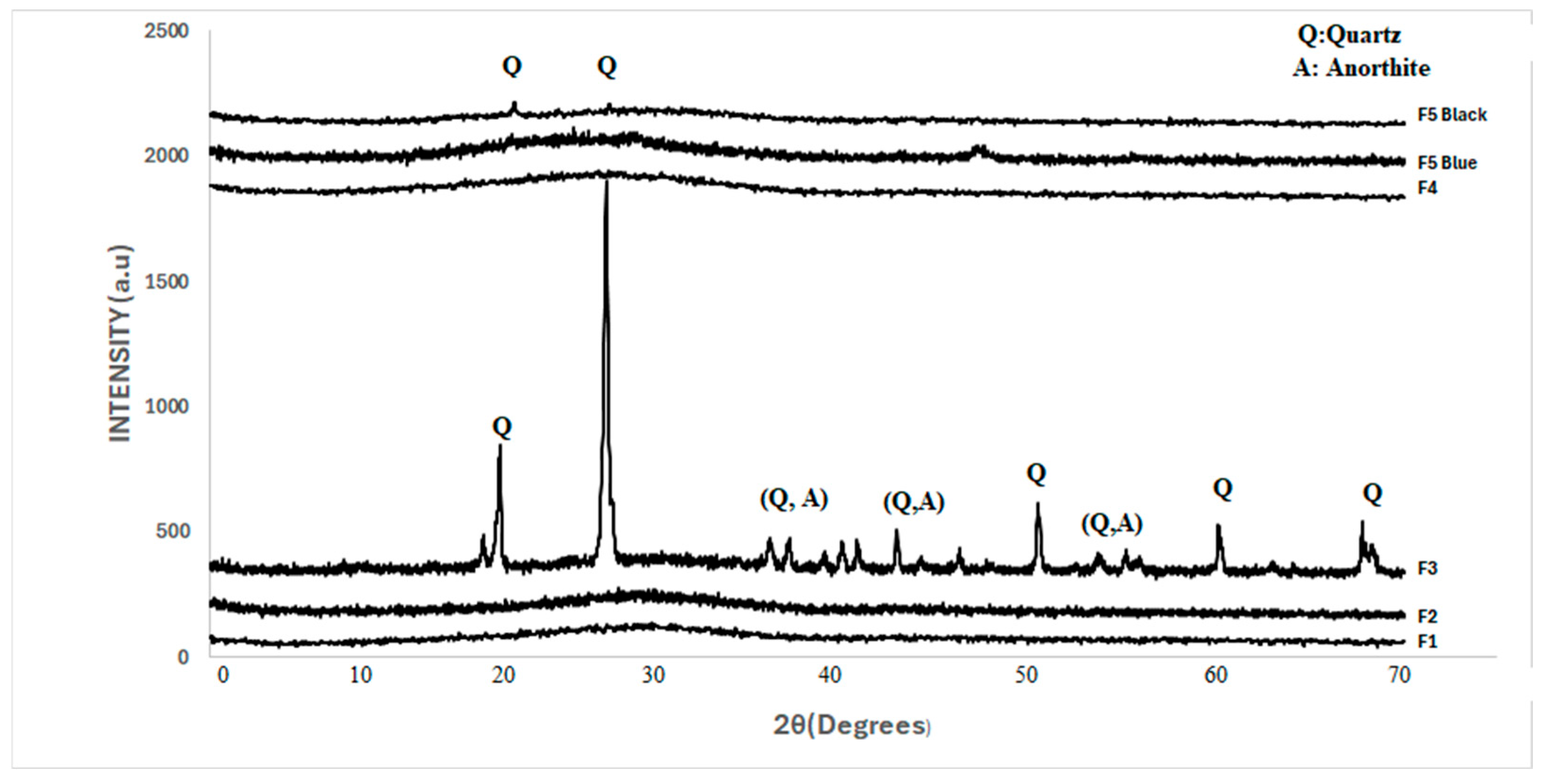
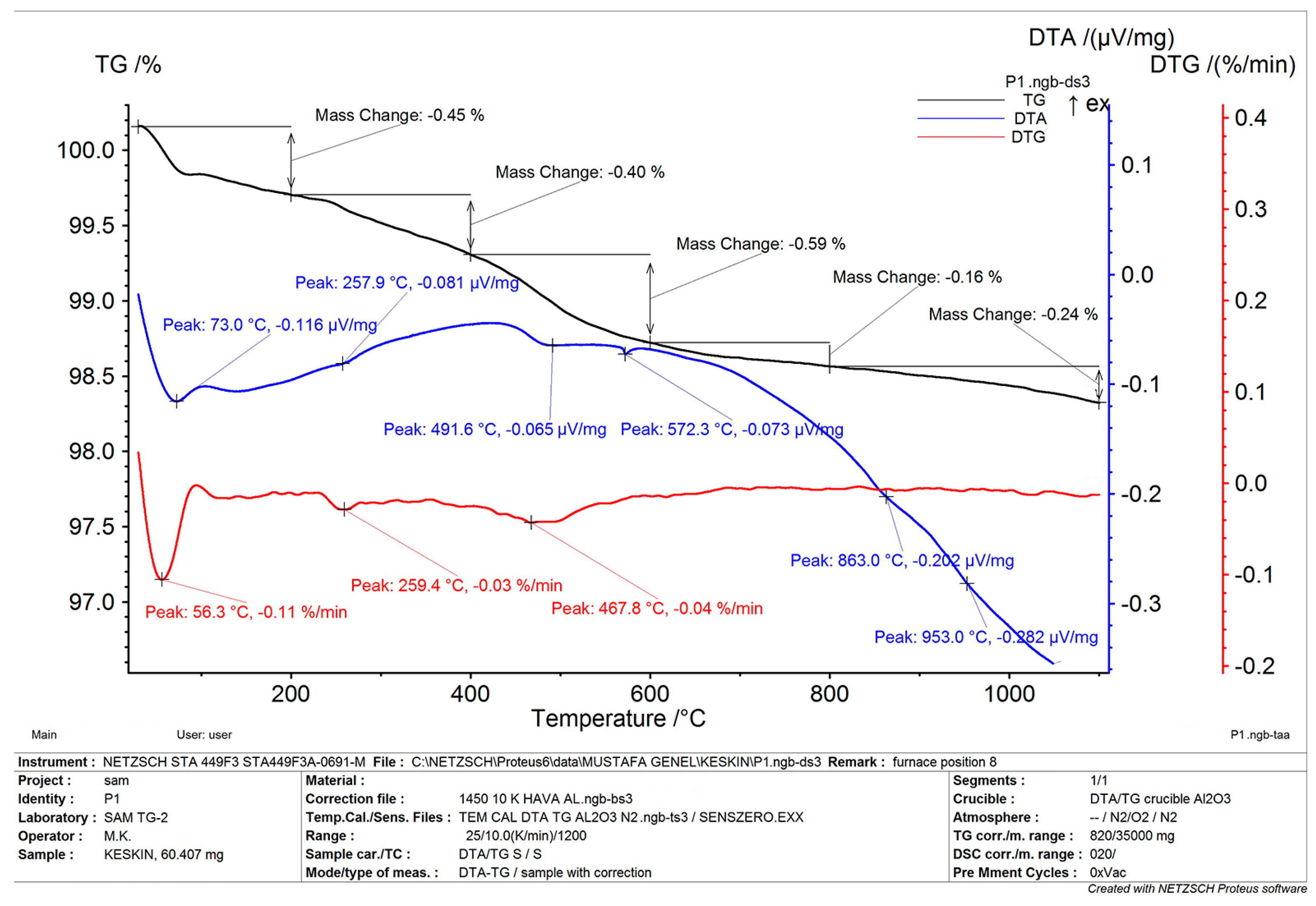
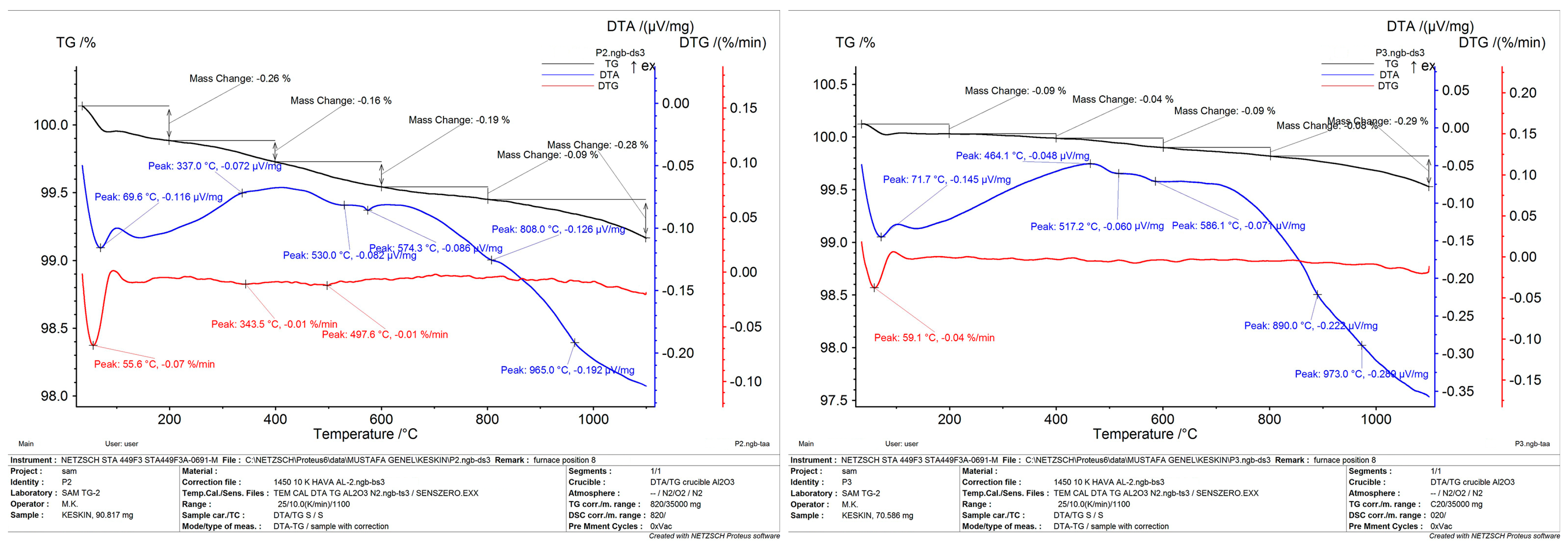
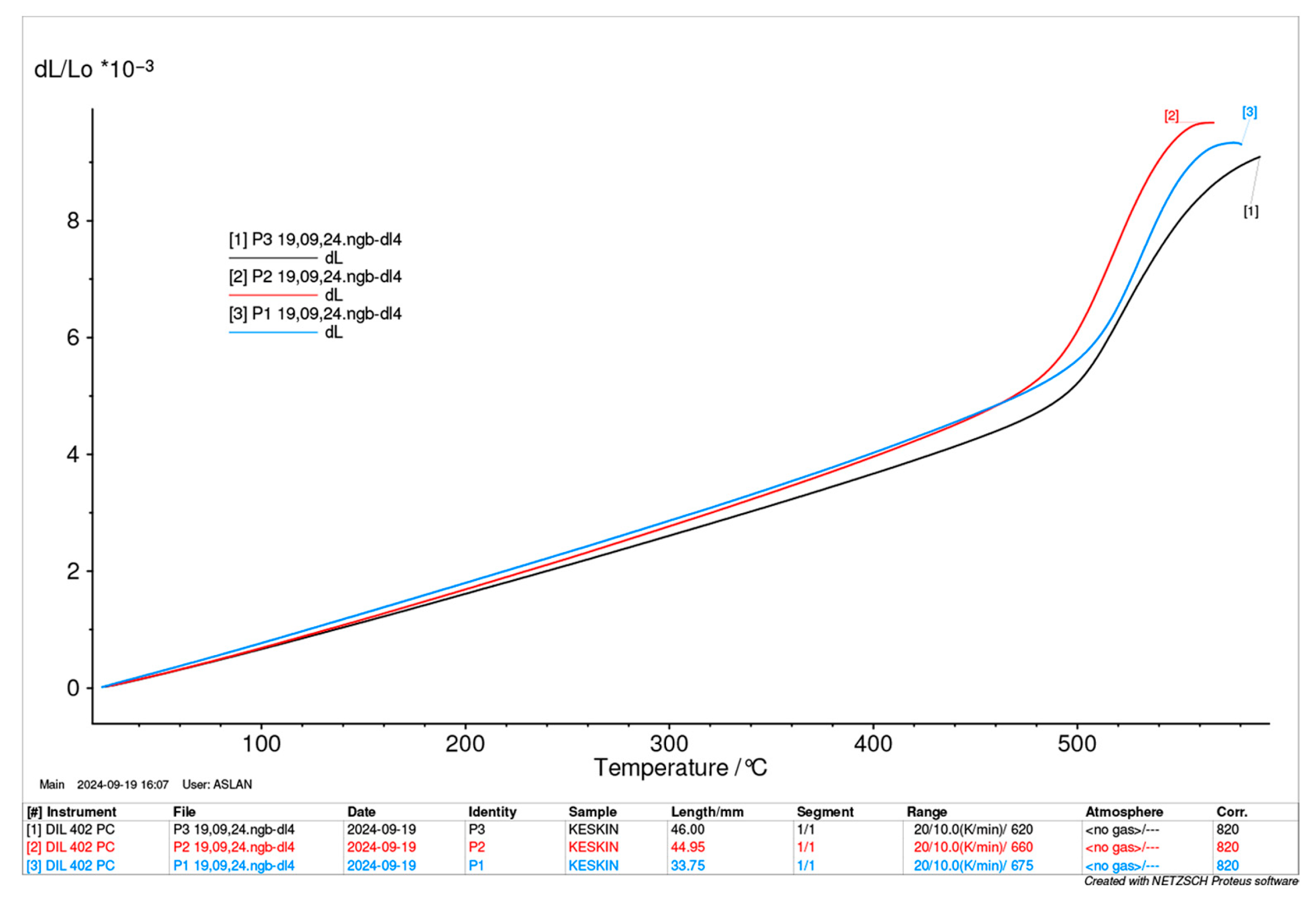
Chemical analyses were conducted using a RIGAKU ZSX Primus X-ray Fluorescence (XRF) spectrometer to determine the elemental composition of the samples. Phase analyses were performed using X-ray Diffraction (XRD) with a Rigaku Miniflex 600 diffractometer (Rigaku Corporation, Tokyo, Japan) within the standard scanning range of 2θ = 5–70°. Thermal behavior was examined through Thermal Gravimetric and Differential Thermal Analysis (TG/DTA) using the STA 409PG LUXX device, while thermal expansion characteristics were measured using a Netzsch 402PC dilatometer (NETZSCH Gerätebau GmbH, Selb, Germany). In addition, colorimetric properties were assessed through L a* b* color measurements using a Konica Minolta color measurement device (Konica Minolta Inc., Tokyo, Japan). These analyses enabled a comprehensive evaluation of the crystalline structure, chemical composition, thermal response and expansion characteristics of the waste enamel frits.
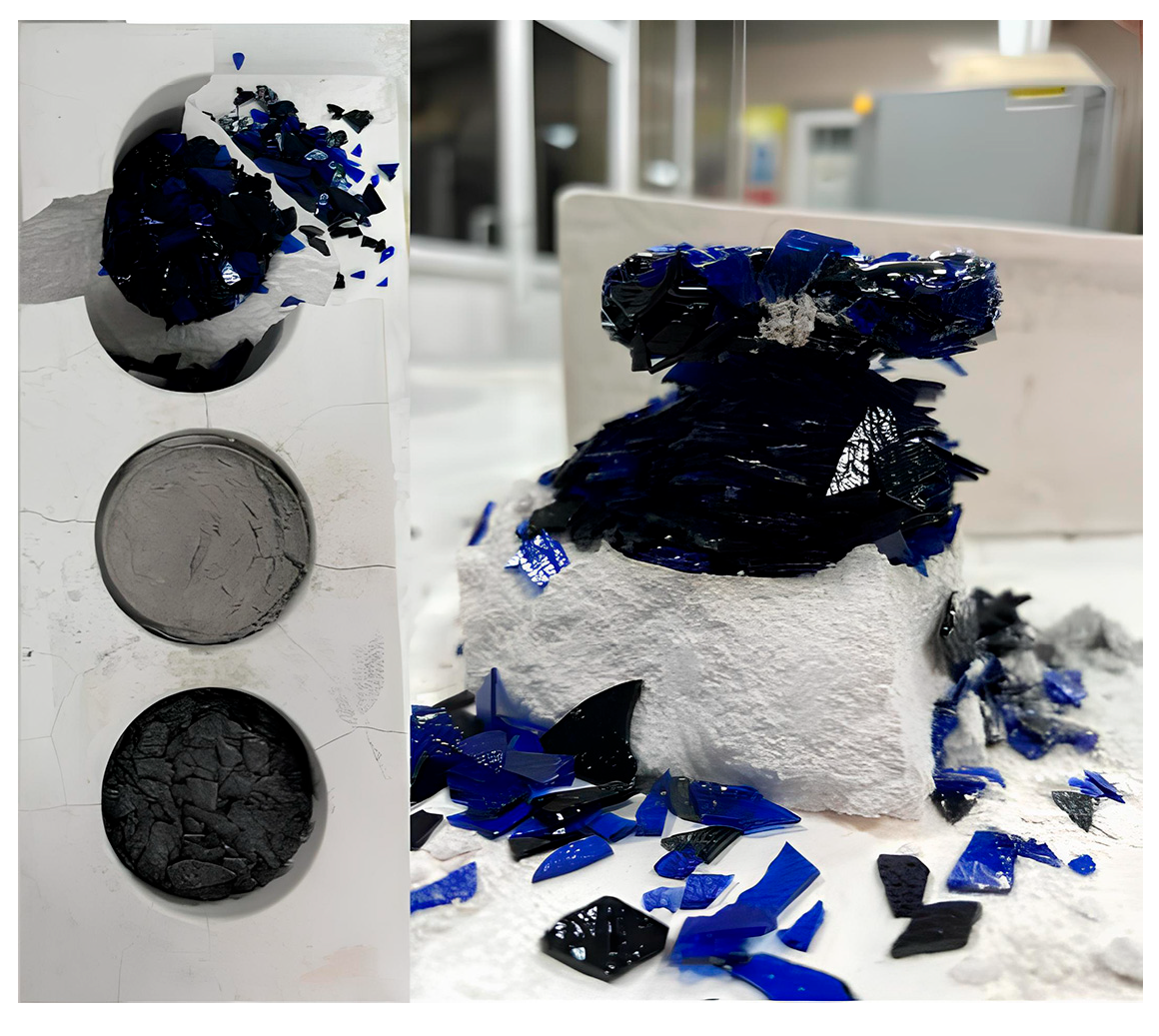
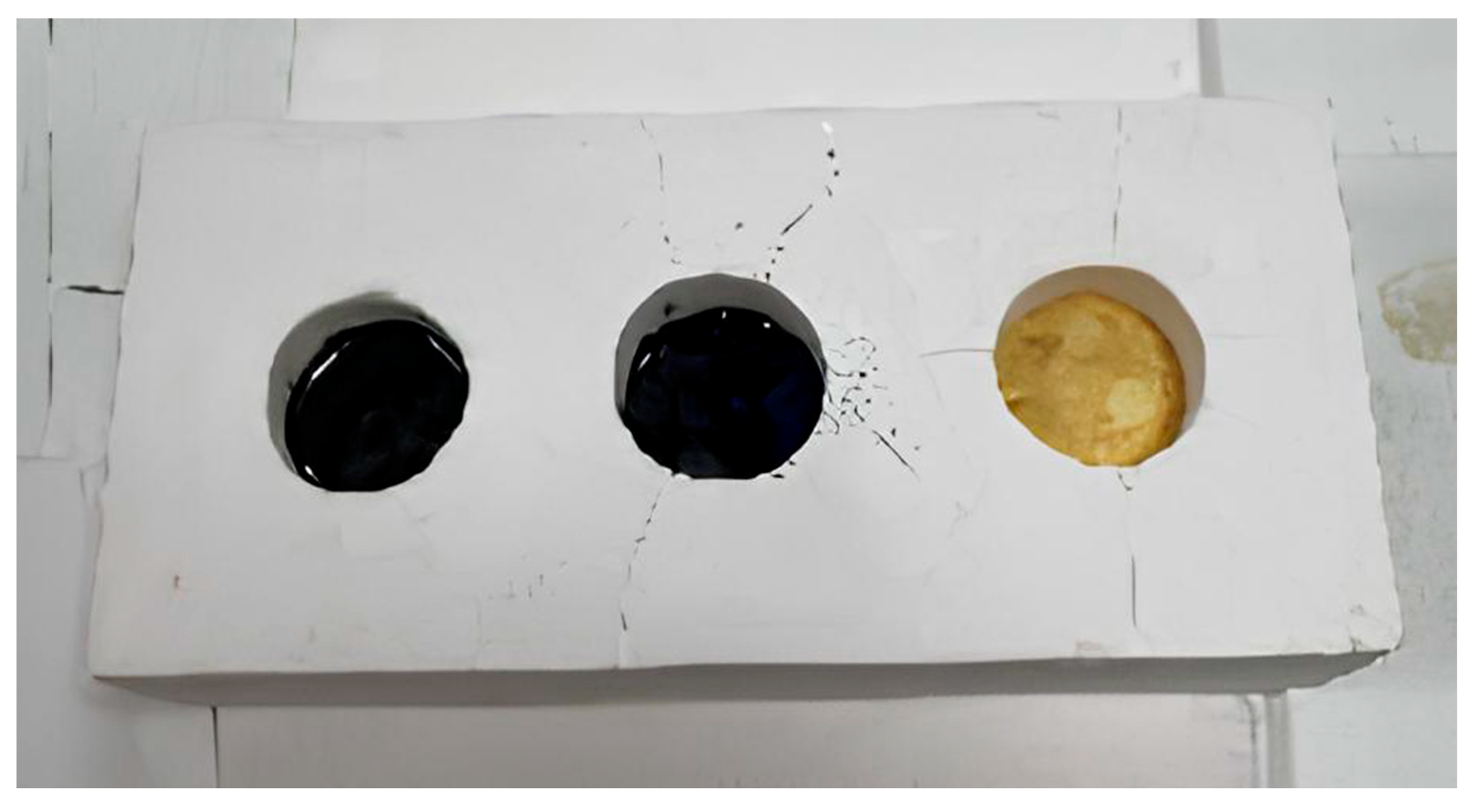
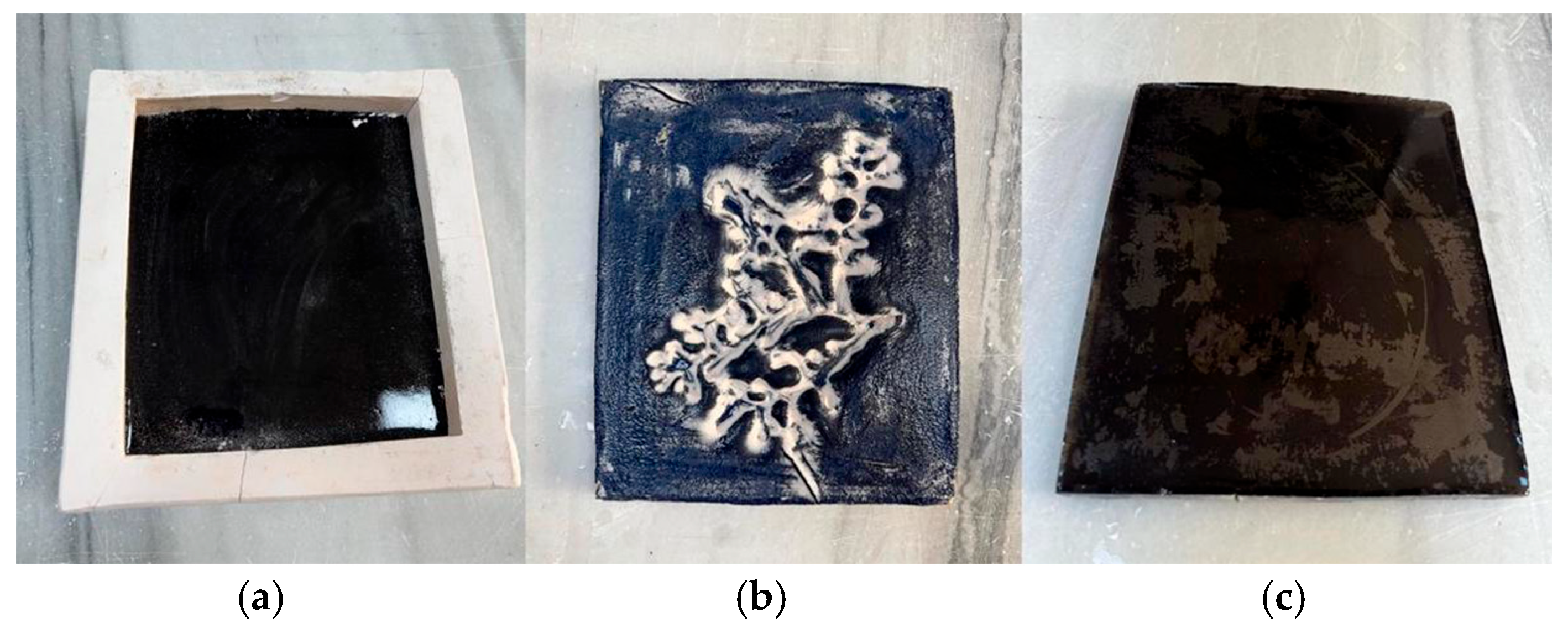
A basic three-dimensional glass mold produced for the study was used to test the forming behavior of the recycled frits (Figure 8a). Based on the thermal analysis results, a suitable glass kiln firing schedule was established to evaluate the melting performance of the enamel frit waste and its potential to function as a substitute for conventional glass materials. Throughout the process, the physical and chemical properties of the recycled frits were systematically examined to assess their applicability in producing new glass materials.
4. Conclusions
This study investigated the experimental recycling of enamel production waste and evaluated its potential for reuse as a glass-forming material. The findings demonstrate that frit wastes originating from different stages of enamel manufacturing exhibit distinct thermal behaviors due to their heterogeneous chemical compositions. Waste accumulated during spraying and grinding processes responds differently under identical kiln conditions, highlighting the necessity of material-specific preliminary testing rather than a single standard firing protocol.
The results indicate that a firing temperature of 850 °C can be considered suitable for selected types of waste enamel frits. However, due to compositional variability, the determination of an appropriate kiln schedule requires preliminary firing trials supported by comprehensive material characterization for each waste type. The calcination step, followed by detailed chemical and mineralogical analyses of mixed frit waste, was found to be essential for establishing accurate firing parameters. The characterization results confirm that the elements identified in the chemical analyses become embedded within the quartz matrix, a finding further supported by mineralogical examination.
Thermogravimetric analysis revealed very low mass losses for the waste-derived enamel frits, with total weight losses of 1.74% for P1, approximately 1.3% for P2, and approximately 1.7% for P3, indicating high thermal stability during heating. XRD analysis confirmed predominantly glassy structures with minor embedded crystalline phases, which is consistent with the flux-rich compositions identified by XRF analysis. Based on these quantitative results, selected industrial enamel frit production wastes can be successfully shaped into glass forms at a reduced firing temperature of 850 °C, demonstrating their suitability for low-temperature glass-forming applications. Color measurements conducted using the CIE Lab system revealed a wide visual range, from dark blue to yellow–green tones, depending on the elemental composition of the samples.
In this study, the enamel production waste used as the primary material was obtained from a single industrial enameling facility and was employed in its original form, without any compositional modification or addition of supplementary raw materials. The research specifically examined the compatibility of this industrial waste with mold-based forming processes using molds derived from a prototype three-dimensional model. This approach allowed the direct evaluation of formability as the first and most critical stage of material reuse.
The findings demonstrate that industrial enamel frit production waste can be successfully adapted to mold-based shaping without prior compositional modification. This outcome confirms the successful completion of the first stage of the proposed multi-stage research framework, focused on assessing the intrinsic formability of untreated enamel frit waste. Future research stages will address material development through compositional stabilization, the incorporation of additional raw materials, and the enhancement of physical and mechanical properties.
It is inherent to waste-based material studies that a certain degree of variability may occur due to compositional heterogeneity. Accordingly, direct comparison with compositionally stable materials such as conventional glass cullet or borosilicate glass was intentionally excluded from the scope of this study and is identified as a distinct topic for future investigation. The primary focus of the present research is not material standardization, but rather the exploration of the practical and conceptual usability of an industrial waste material in artistic production and educational environments.
In a contemporary context where resource conservation, energy efficiency, and the valorization of wastes requiring disposal have become critical global concerns, the integration of industrial waste materials into art and education represents a meaningful contribution. The inclusion of waste-based glass materials in educational curricula may not only raise environmental awareness but also encourage students to engage with sustainability-driven material thinking. Moreover, the inherent variability of waste-derived materials results in glass forms with unique and non-repeatable characteristics. This material singularity conceptually aligns with the notion of uniqueness in artistic practice, allowing variability to be interpreted as an esthetic and conceptual value rather than a limitation. Through this perspective, the relationship between material, process, and artistic expression is redefined, and industrial waste gains new esthetic, conceptual, and educational significance.