


Abstract
Cracking occurred in the surface coating of a screw rotor during shale gas well operations. To determine whether the coating cracks could contribute to the failure of the 42CrMo substrate, the microstructure and morphology of surface cracks and local corrosion pits were examined and analyzed using a metallographic microscope, an SEM, and an EDS. To investigate the cross-sectional morphology and elemental distribution of corrosion pits, EDS mapping was performed. The composition of the corrosion products was characterized using Raman spectroscopy and XPS. In addition, four-point bend stress corrosion tests were conducted on screw rotor specimens under simulated service conditions. The results indicate that the P and S contents in the screw rotor substrate exceeded the specified limits, whereas its tensile and impact strengths satisfied the standard requirements. The microstructure consisted of tempered sorbite and ferrite, along with a small amount of sulfide inclusions. The corrosion products on the fracture surface were primarily identified as FeOOH, Fe3O4, and Cr(OH)3. All specimens failed during the four-point bend tests. The chlorine (Cl) content in the corroded regions reached up to 8.05%. These findings demonstrate that the crack resistance of the 42CrMo screw rotor was markedly reduced under the simulated service conditions of 130 °C in a saturated, oxygenated 25% CaCl2 solution. The study concludes that stress concentration induced by sulfide inclusions in the screw rotor, together with the combined effects of chloride ions, dissolved oxygen, and applied load, promotes the initiation and propagation of stress corrosion cracking. Therefore, it is recommended to strictly control the chemical composition and inclusion content of the screw rotor material and to reduce the oxygen content of the drilling fluid, thereby mitigating the risk of corrosion-induced cracking of the rotor.
1. Introduction
In the drilling operations for oil and gas resource development, the mud motor, as a core component for power transmission in directional drilling, plays a crucial role in ensuring efficient drilling and downhole safety due to its performance stability [1,2]. The mud motor primarily uses drilling fluid to drive the rotor within the stator, thereby converting the fluid’s hydraulic pressure into mechanical energy to rotate the drill bit [3,4]. The unique helical geometry of the rotor not only governs the motor’s output torque and rotational speed characteristics but also directly affects drilling efficiency [5,6,7].
The screw rotor is typically manufactured from high-strength steel and is coated to reduce the detrimental effects of corrosion and wear on component performance. However, the screw rotor continues to encounter significant challenges under complex downhole conditions. When the stress sustained by the coated screw rotor exceeds the strength of the coating, it may trigger the initiation of micro-cracks [8]. Cobo reported that saline solution penetrating through surface cracks promotes substrate corrosion, and that the chromium coating detaches as its adhesion deteriorates under frictional forces [9,10]. Under elevated temperatures and high-salinity conditions, the coating becomes susceptible to blistering and spalling, thereby causing damage to the rotor’s substrate material [11]. Current research on drilling tool cracking primarily concentrates on drill pipes, with existing studies focusing on stress distribution in threaded connections, fatigue crack propagation, and interactions with corrosive environments, among other factors [12,13,14,15,16,17]. Unfortunately, it remains unclear whether coating failure, which serves as an “initial damage,” on high-strength steels such as 42CrMo in chloride-containing drilling fluids increases the risk of stress corrosion cracking in the substrate, and the micro-mechanisms governing this process are still poorly understood.
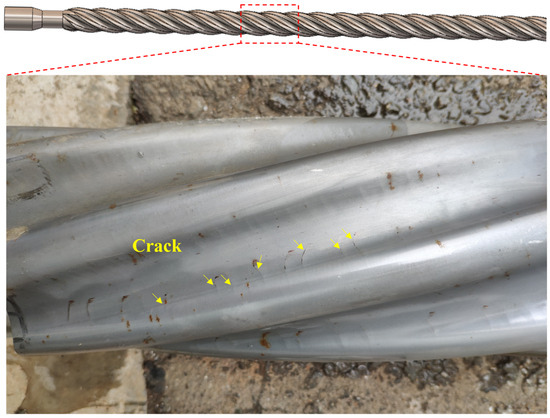
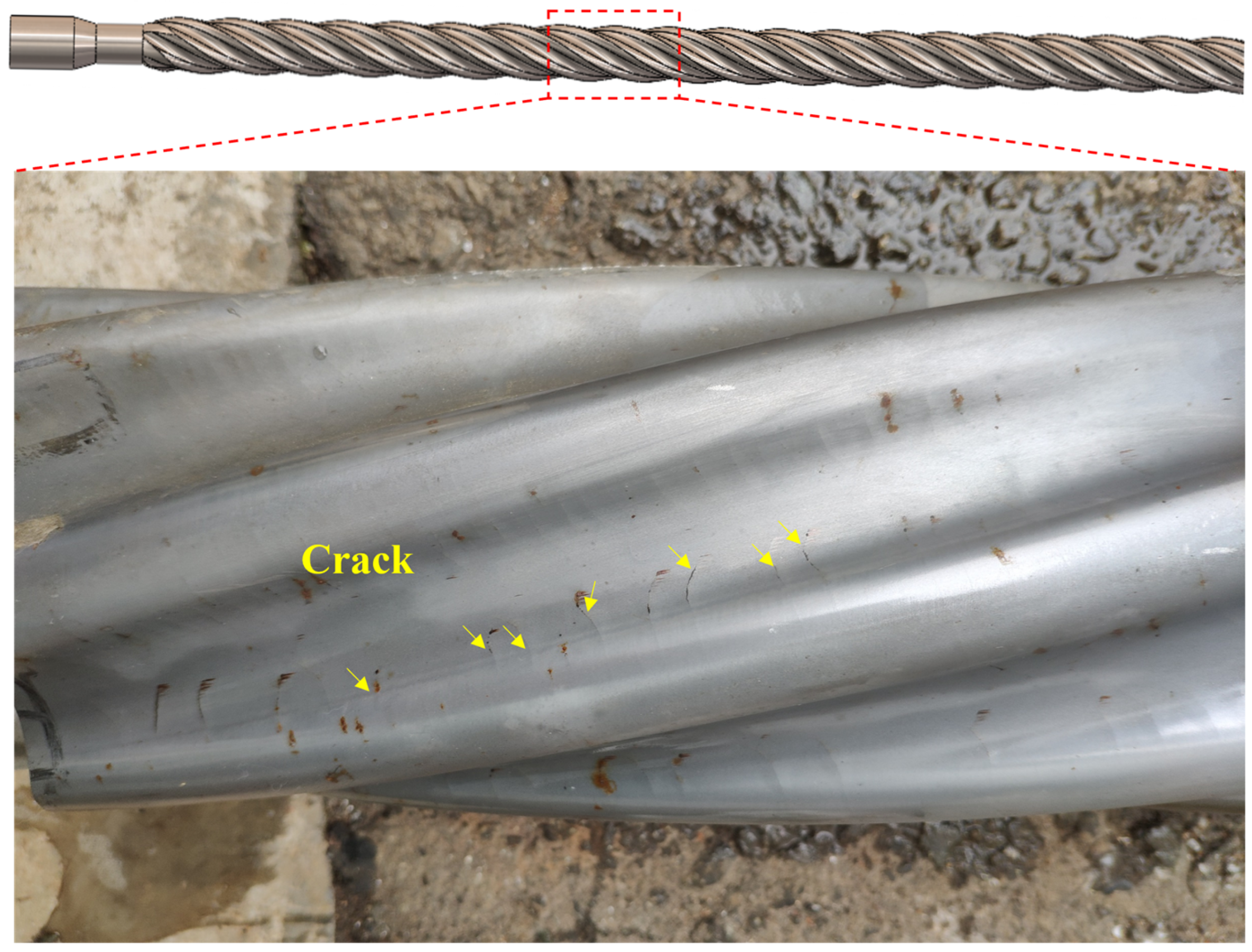
During operations at a shale gas well in Sichuan Province, multiple small transverse cracks were observed on the surface of the screw rotor of a downhole mud motor. The rotor, manufactured from 42CrMo alloy steel and coated with tungsten, also exhibited multiple small transverse cracks on its shaft body. The downhole formation temperature was approximately 130 °C, and the operation employed an oil-based drilling fluid whose water phase contained 25% CaCl2 and was not deoxygenated. The macroscopic morphology of the failed screw rotor is shown in Figure 1. Numerous microcracks were detected on the surface of the rotor’s middle section. Blistering of the coating occurred around these cracks and was accompanied by brick-red corrosion products (Figure 1).
Figure 1.
The middle part of the screw rotor.
To evaluate the crack resistance of the downhole screw rotor after exposure to the corrosive medium, the micromorphology and elemental composition of surface cracks and localized corrosion pits were examined using SEM and EDS. The composition of the corrosion products was characterized using Raman spectroscopy and XPS. Based on these analyses, four-point bend stress corrosion cracking tests were performed under simulated service conditions to assess the crack resistance of the 42CrMo substrate. Based on the analytical findings, corresponding protective measures are proposed to mitigate the risk of rotor cracking during service.
2. Experimental Methods
2.1. Analysis of On-Site Sample
In this study, the experimental specimens were obtained from a screw rotor that had failed in service. The chemical composition of the specimens was determined using an HCS-140 high-frequency infrared carbon-sulfur analyzer (Shanghai Dekai Instruments Co., Ltd., Shanghai, China), with the specimens prepared in powdered form. The longitudinal and transverse sections of the specimens were examined using a research-grade upright metallurgical microscope (Axio Scope A1, Carl Zeiss AG, Oberkochen, Germany) to analyze nonmetallic inclusions, grain size, and microstructure. The tensile properties of the specimens were evaluated using a universal testing machine operated at a constant crosshead speed of 5 mm/min under an ambient temperature of 23 °C. Charpy V-notch impact specimens with dimensions of 55 mm × 10 mm × 5 mm were machined from the screw rotor along the longitudinal direction and tested at room temperature using an instrumented impact tester. The microstructure of the screw rotor’s pipe body was analyzed using a cold-field emission scanning electron microscope (SEM, JSM-7500F, Japan Electron Optics Laboratory Ltd., Tokyo, Japan). The elemental distribution was further characterized using an attached energy-dispersive spectroscopy (EDS) system (Oxford X-Max, Oxford Instruments, High Wycombe, UK).
2.2. Four-Point Bending Stress Corrosion Test
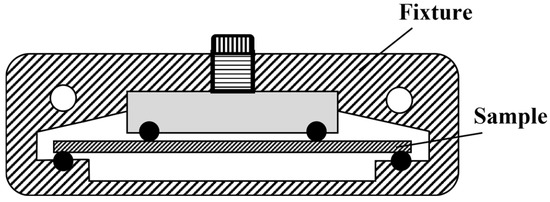
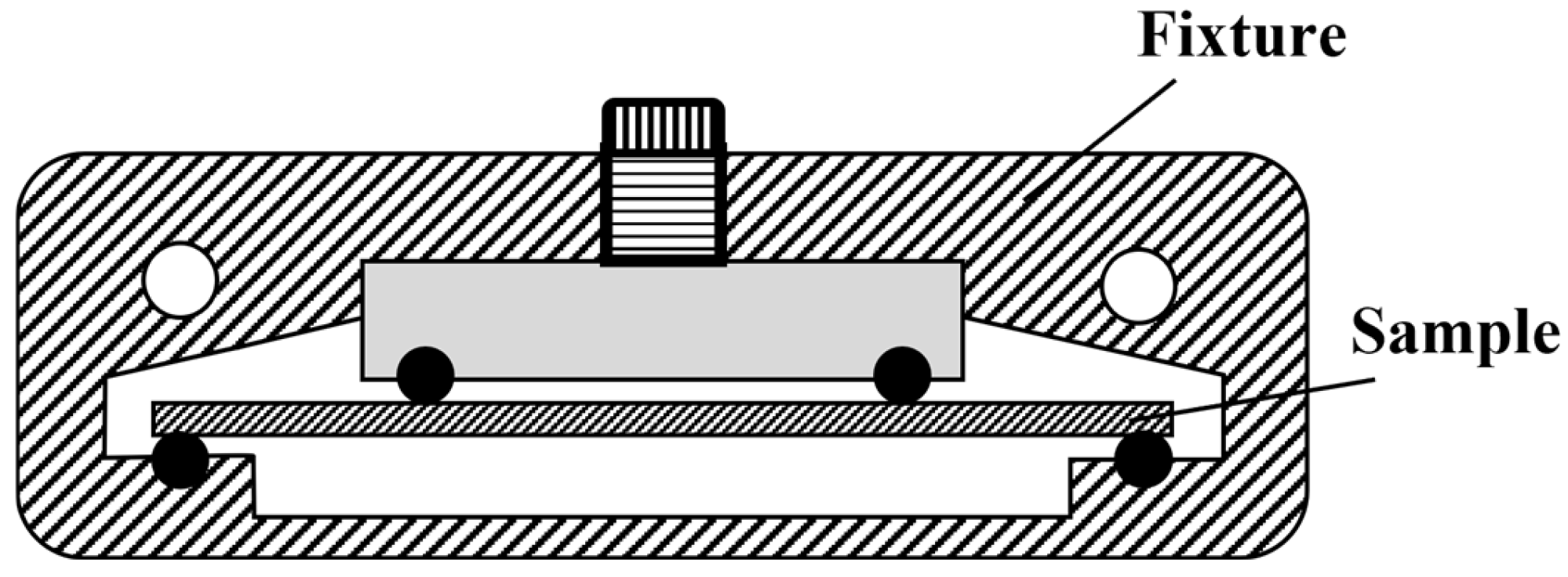
To evaluate the susceptibility of the screw rotor to stress corrosion cracking (SCC) in the actual service environment, laboratory simulations were conducted using the four-point bending method in an autoclave, in accordance with the NACE TM0316-2023 standard. Specimens measuring approximately 110 mm × 11 mm × 3 mm were machined from the screw rotor substrate. Stress was applied using a custom-designed laboratory loading device, as shown in Figure 2. The high-temperature and high-pressure autoclave was integrally forged from Hastelloy C-276 and contains no welding joints. The autoclave body has a capacity of 5 L, with a maximum gas-sealed pressure of 70 MPa and a maximum operating temperature of 200 °C. To ensure reliability, three parallel tests were conducted for each data point. The detailed experimental procedure was as follows: A 25 wt% aqueous CaCl2 solution was charged into a high-temperature autoclave. After sealing the reactor, both the inlet and outlet gas valves were opened, and oxygen was continuously purged into the autoclave for 2 h to ensure saturation of the solution with oxygen. Subsequently, the autoclave was tightly sealed, and the gas supply was switched to high-purity nitrogen. Nitrogen was then injected until the total system pressure reached 20 MPa. The composition of the corrosive medium and the testing conditions are summarized in Table 1.
Figure 2.
Schematic diagram of stress loading for four-point bending specimens.
Table 1.
Corrosive medium and testing conditions.
3. Results and Discussion
3.1. Metal Matrix Examination
3.1.1. Chemical Composition
The mass percentages of the trace elements in the screw rotor are shown in Table 2, with Fe constituting the balance. According to the steel composition requirements specified in GB/T 3077-2015, the P and S contents in the rotor significantly exceeded the standard limits.
Table 2.
Mass percentages of the trace elements in the screw rotor.
In the designation 42CrMo, the numeral “42” denotes an average carbon content of approximately 0.42 wt%, while “Cr” and “Mo” indicate the presence of chromium and molybdenum alloying elements, respectively.
3.1.2. Metallographic Structure
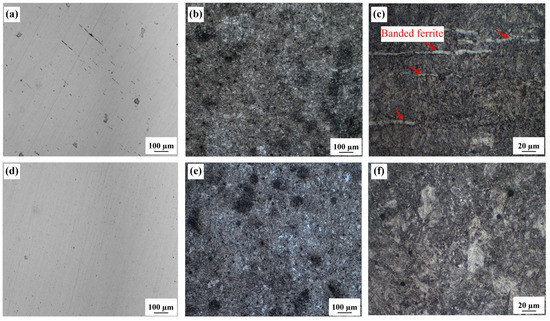
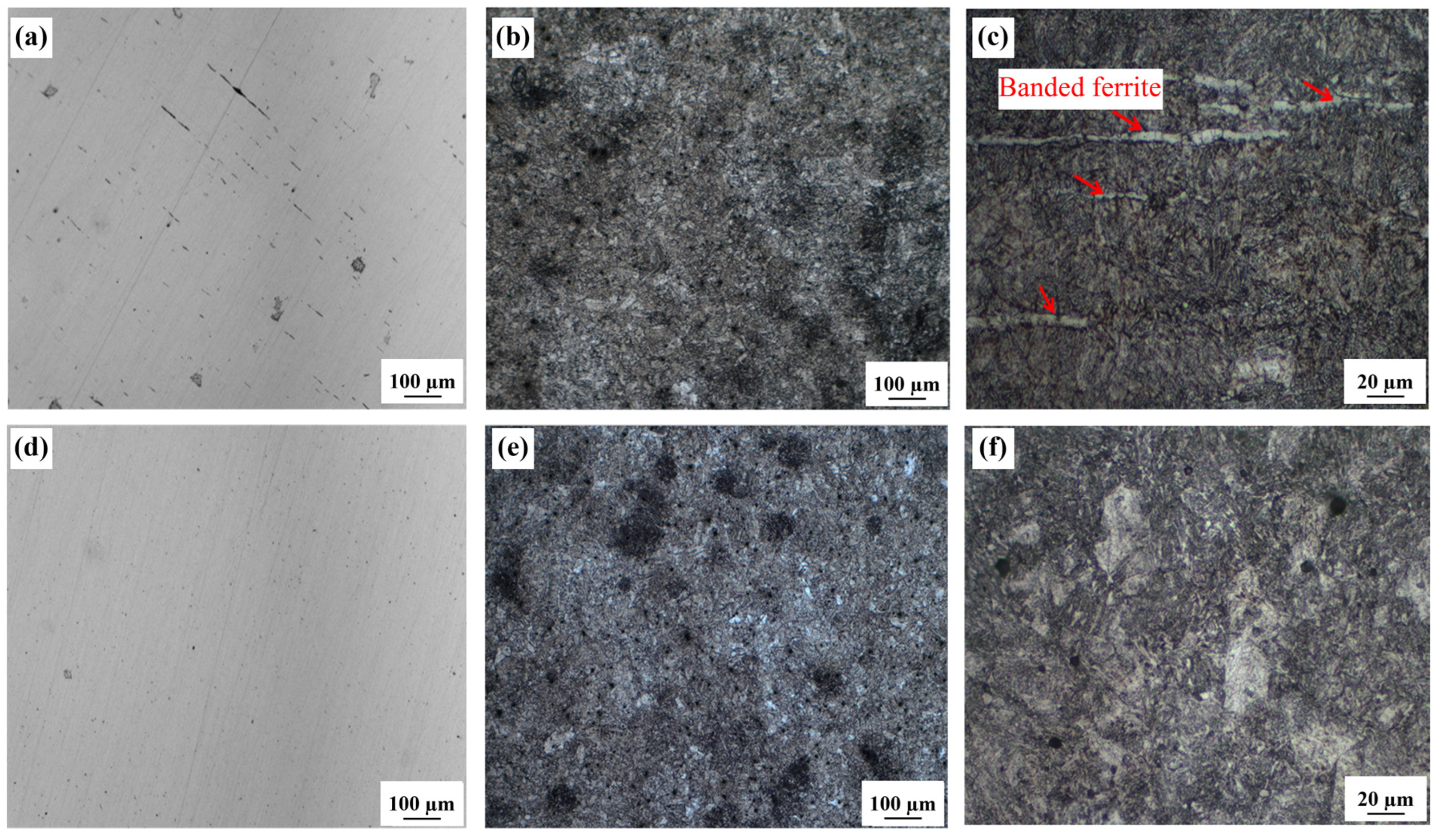
The metallographic analysis results are presented in Table 3 and Figure 3. The microstructure of the screw rotor primarily consisted of tempered sorbite and ferrite. The longitudinal section exhibited a banded distribution of ferrite (Figure 3c). The microstructure contained nonmetallic inclusions rated as A2.5 (fine sulfides) and D1.0 (fine oxides), with a grain size number of 8.
Table 3.
Test results of the metallurgical structure.
Figure 3.
Metallographic structure of the sample: (a–c) Longitudinal section; (d–f) Transverse section.
3.1.3. Mechanical Properties
For mechanical property evaluation, tensile and impact tests were conducted on specimens taken from the failed screw rotor. The experimental data are presented in Table 4. Based on the test results, the key mechanical properties of the specimens, including yield strength and tensile strength, satisfied all the requirements specified in GB/T 3077-2015.
Table 4.
Results of the mechanical property test.
3.2. Corrosion Characteristics
3.2.1. Corrosion Morphology
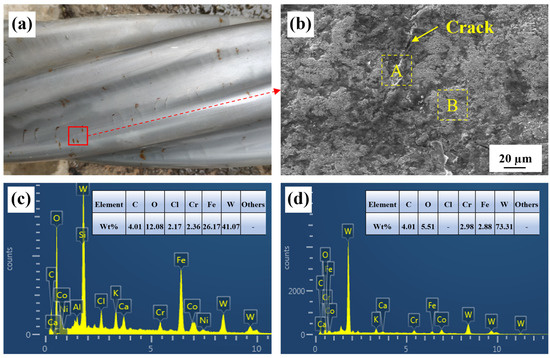
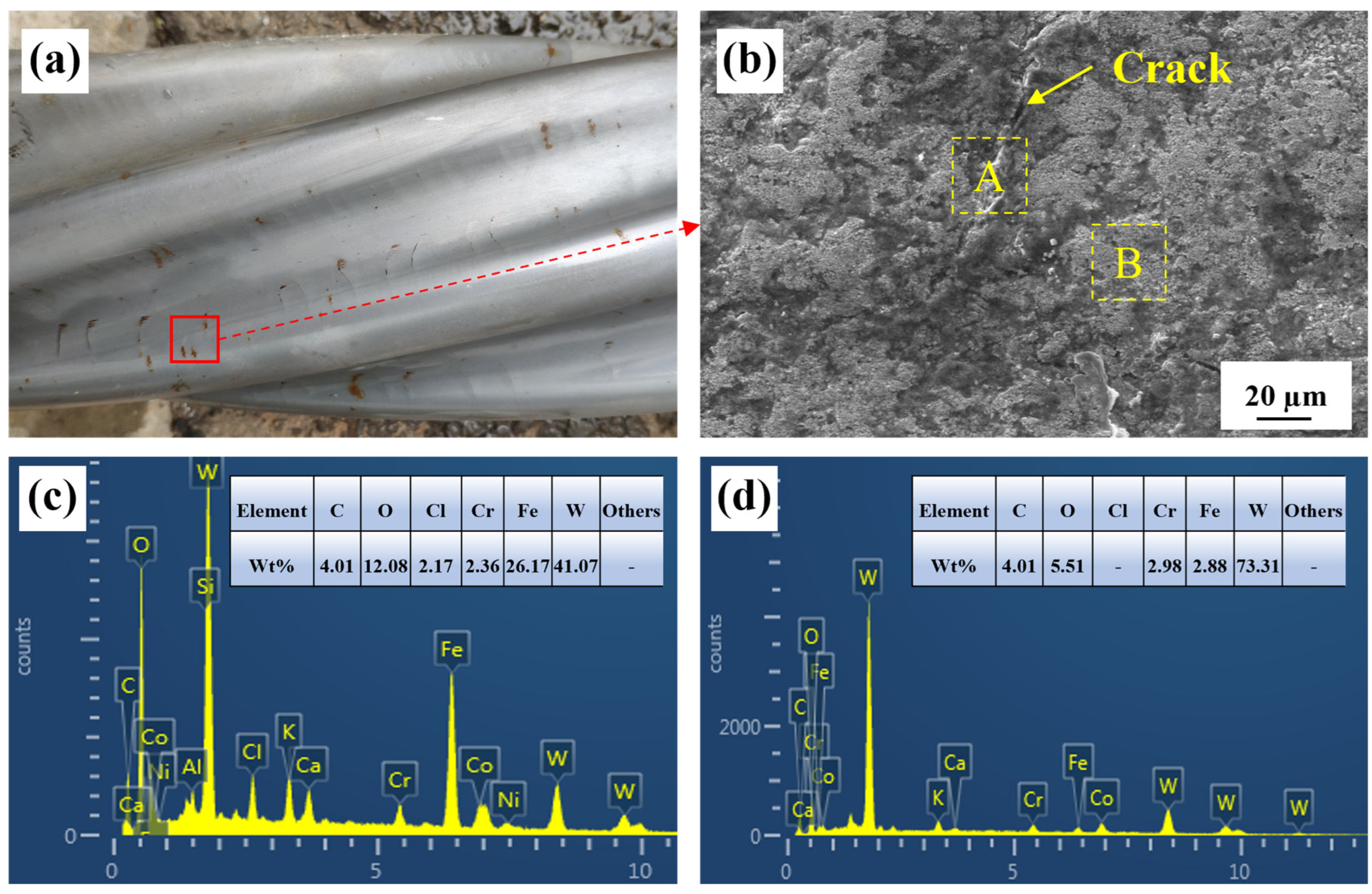
Numerous transverse microcracks were observed on the shank surface of the screw rotor, accompanied by slight swelling in the surrounding regions (Figure 4a). No significant corrosion was observed on the uncracked regions of the surface. To characterize the transverse micro-cracks on the shank surface of the screw rotor, SEM and EDS analyses were conducted. Analysis at location A revealed a Cl content of 2.17%, whereas the flat reference area (location B) exhibited no detectable Cl and a marked decrease in O and Fe concentrations (Figure 4b–d). This distribution indicates the preferential ingress of aggressive species, such as chloride ions, through the microcracks, thereby facilitating corrosion of the substrate material.
Figure 4.
SEM and EDS of the middle section of the screw rotor: (a) Macroscopic morphology of the middle section; (b) SEM of the middle section; (c) EDS at the crack location (Location A); (d) EDS at the flat area (Location B).
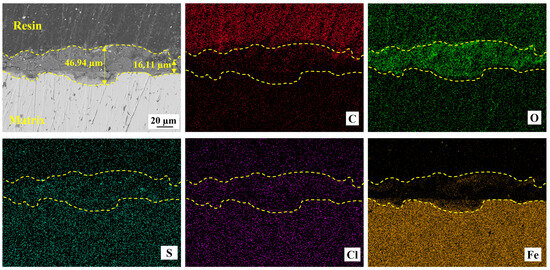
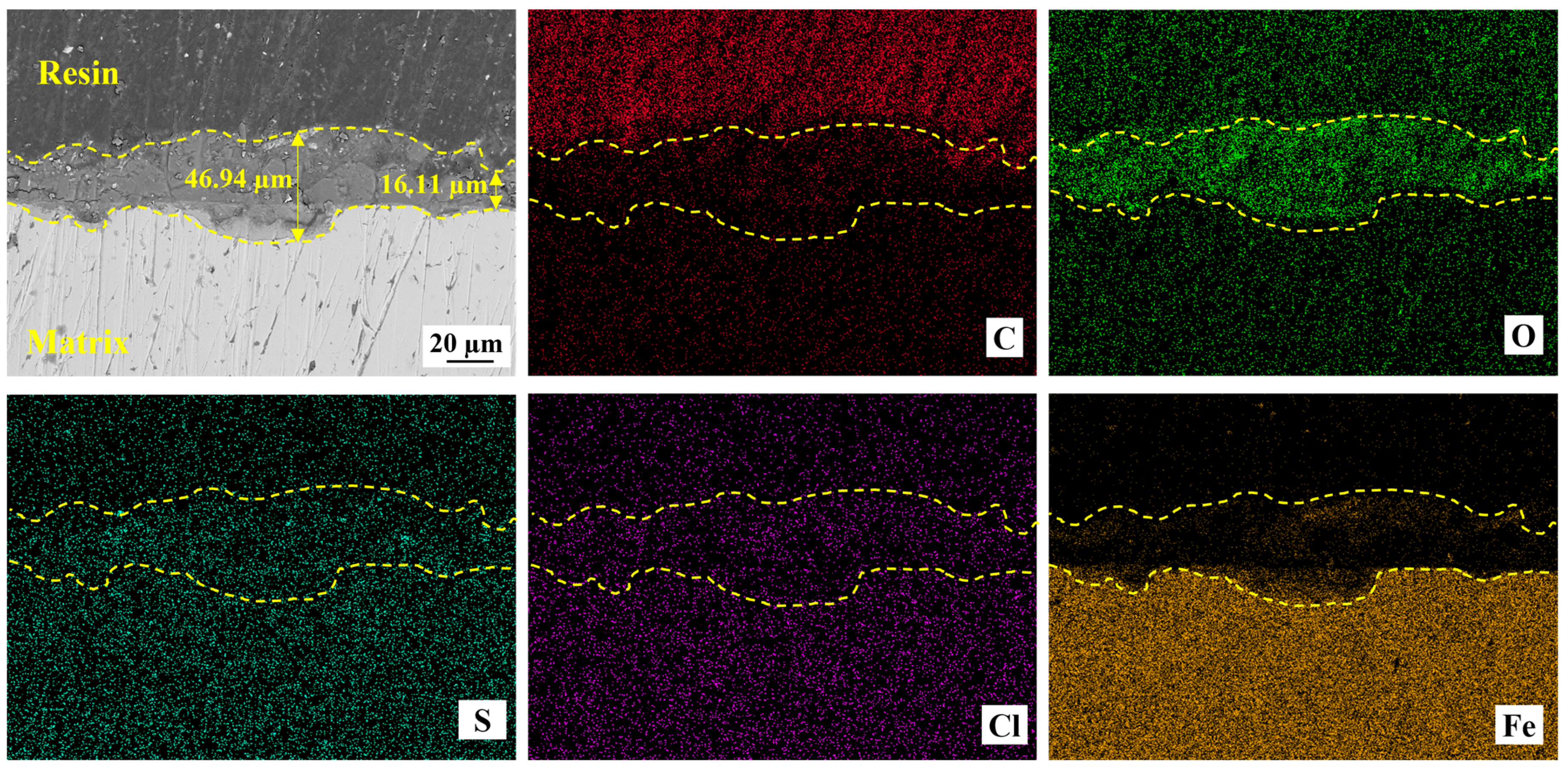
Figure 5 presents the cross-sectional elemental mapping results of the 42CrMo substrate. The thickness of the corrosion products varies unevenly, from approximately 16.11 to 46.94 µm. The distributions of O and Fe enrichments exhibit good consistency. It is inferred that the corrosion products mainly consist of iron oxides or hydroxides. The C element is predominantly concentrated in the outer surface layer of the corrosion products, a phenomenon likely attributable to the incorporation of atmospheric CO2.
Figure 5.
Cross-sectional element scanning of 42CrMo substrate.
3.2.2. Corrosion Product
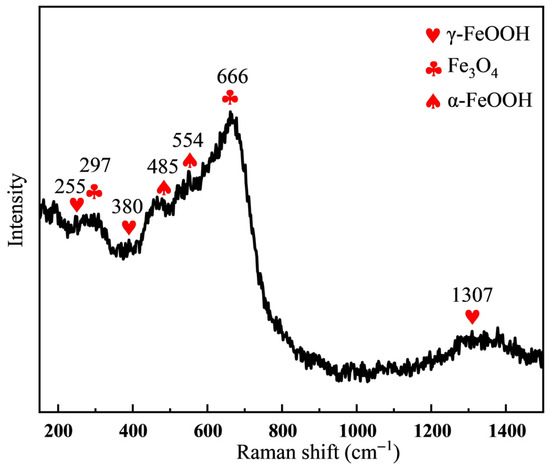
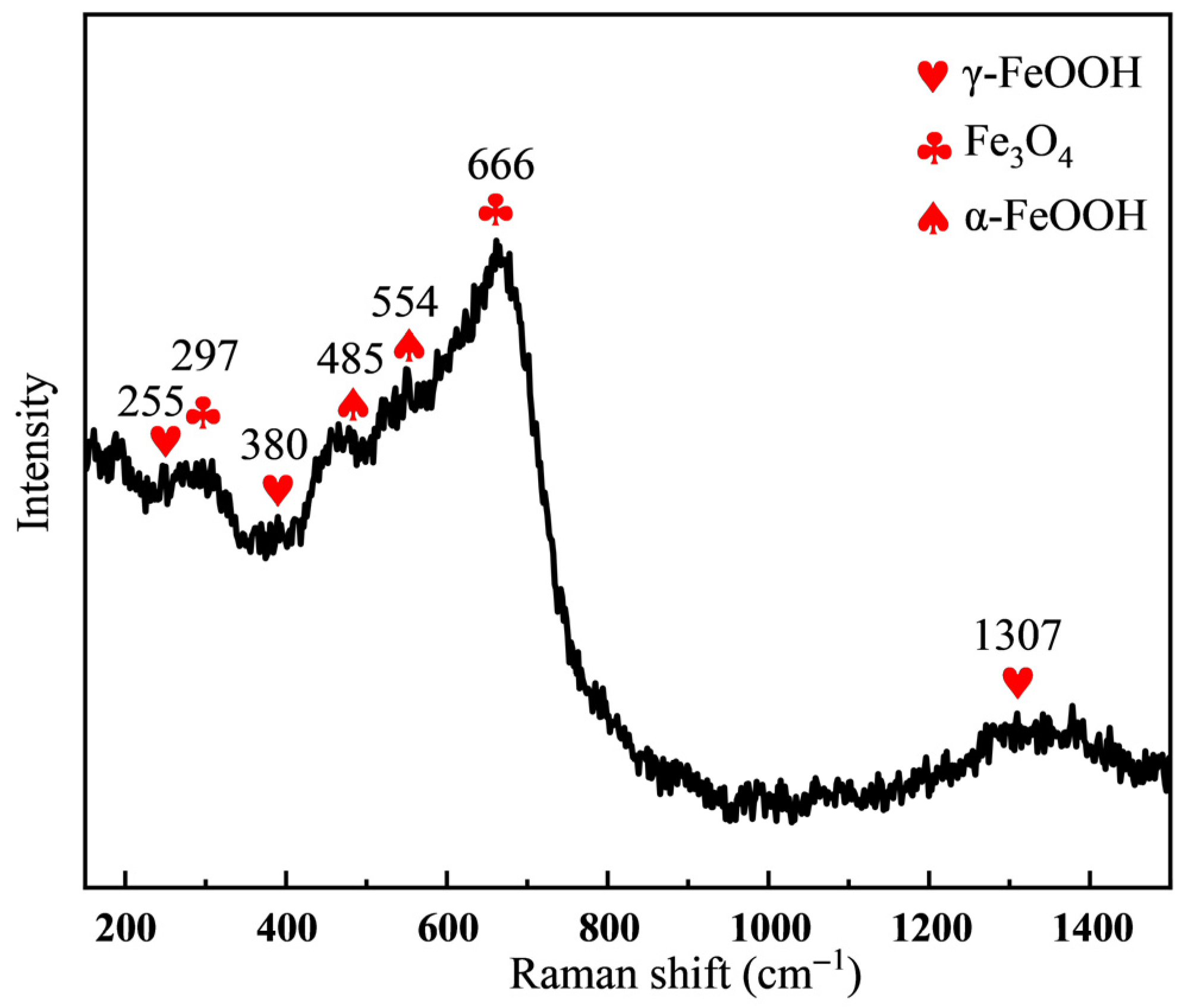
In order to elucidate the phase composition of the corrosion products, Raman spectroscopy was conducted, and the corresponding results are shown in Figure 6. As shown in Figure 6, distinct characteristic peaks at 255 cm−1, 380 cm−1, and 1307 cm−1 were observed, corresponding to γ-FeOOH present in the corrosion products [18,19]. Characteristic peaks at 485 cm−1 and 554 cm−1 in the Raman spectrum are assigned to α-FeOOH [20], while the peaks observed at 297 cm−1 and 666 cm−1 are attributed to Fe3O4 [21].
Figure 6.
Raman spectra of the corrosion product film on the 42CrMo screw rotor substrate.
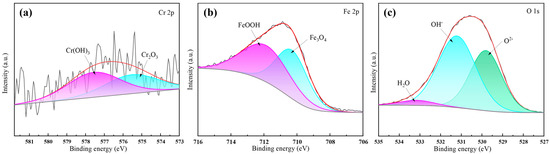
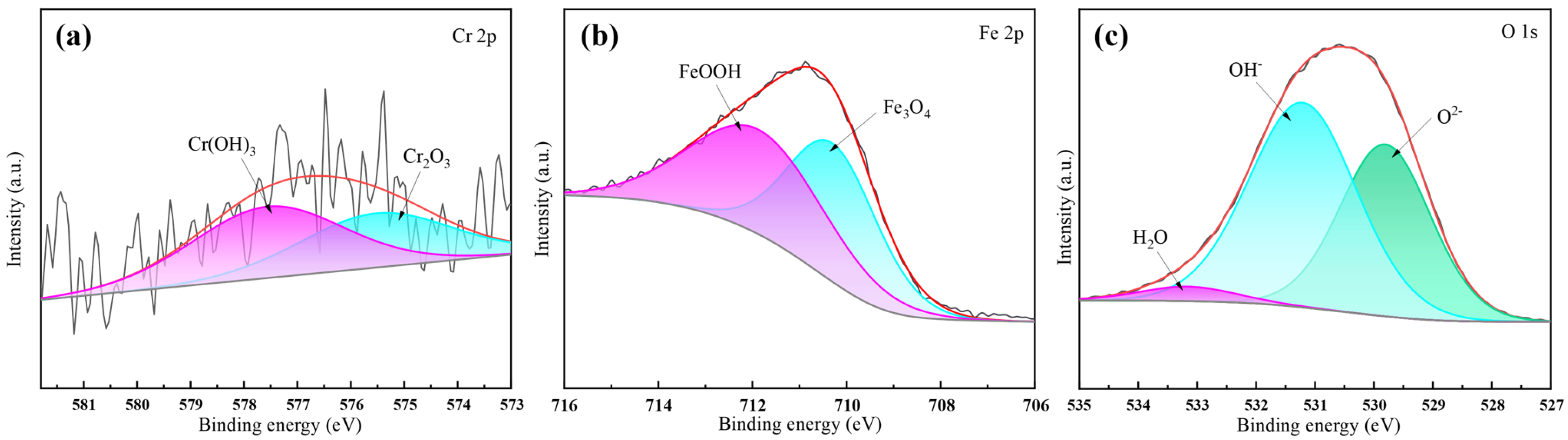
The low Cr content in 42CrMo steel precluded the observation of distinct chromium peaks in the Raman spectrum [22]. Consequently, XPS analysis was carried out to determine the chemical composition of the corrosion products, and the results are presented in Figure 7. The Cr 2p spectrum exhibited two characteristic peaks at binding energies of 577.48 eV and 575.48 eV, corresponding to Cr(OH)3 and Cr2O3, respectively (Figure 7a) [23]. Two characteristic peaks were identified in the Fe 2p spectrum at binding energies of 712.18 eV and 710.48 eV, corresponding to FeOOH and Fe3O4, respectively (Figure 7b). The Raman spectroscopy results are consistent with the analysis of the Fe 2p XPS spectrum. Three characteristic peaks are observed in the O 1s spectrum (Figure 7c): the peak at 533.18 eV is attributed to oxygen from adsorbed water molecules on the specimen surface, the peak at 531.28 eV corresponds to the O-H bond, and the peak at 529.88 eV originates from the O-metal bond [24,25,26].
Figure 7.
The XPS spectrum of the 42CrMo screw rotor substrate: (a) Fe 2p; (b) Cr 2p; (c) O 1s.
3.3. Four-Point Bending Stress Corrosion
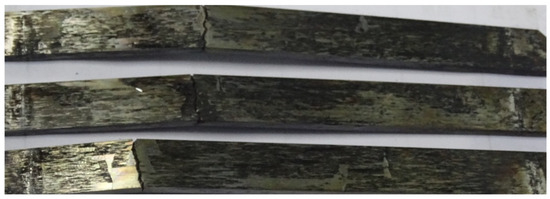
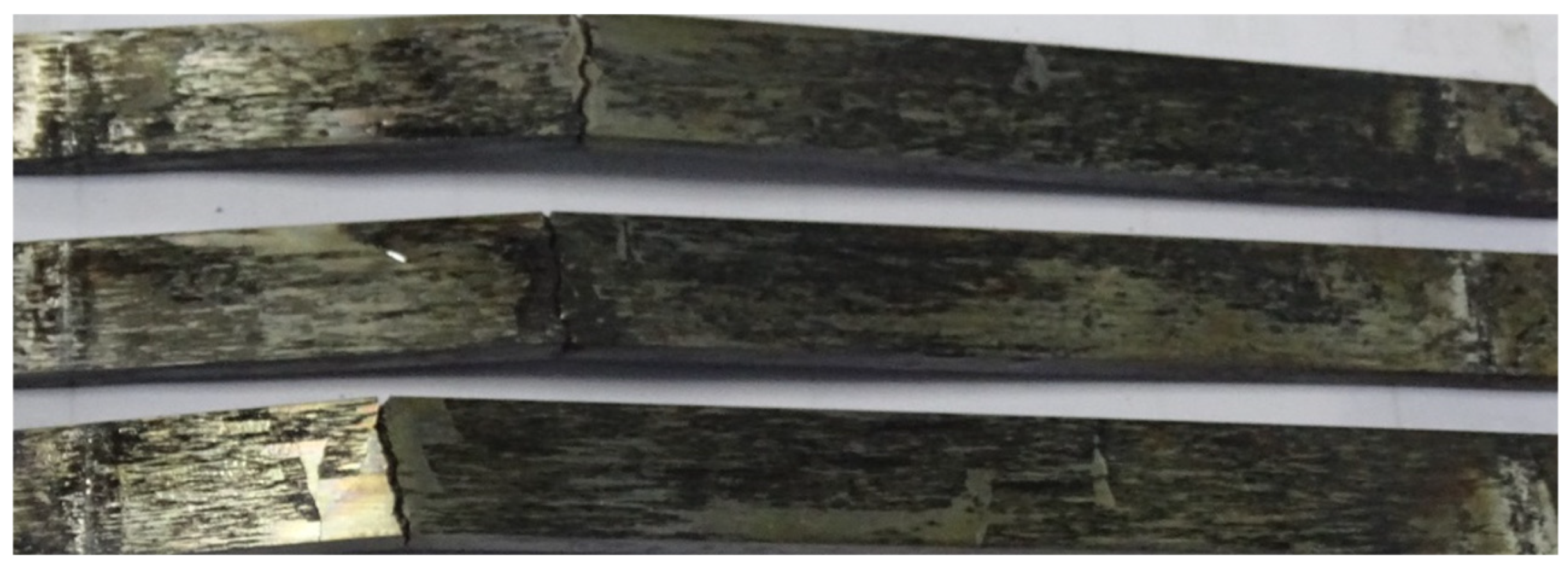
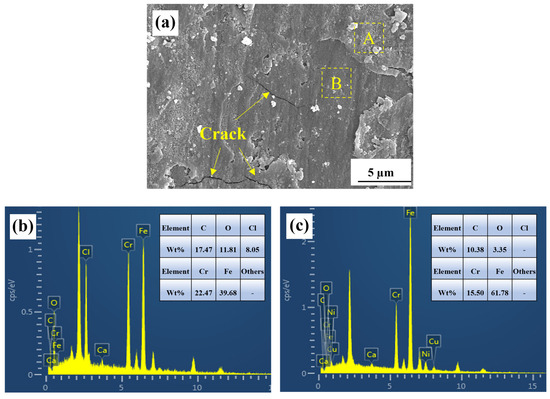
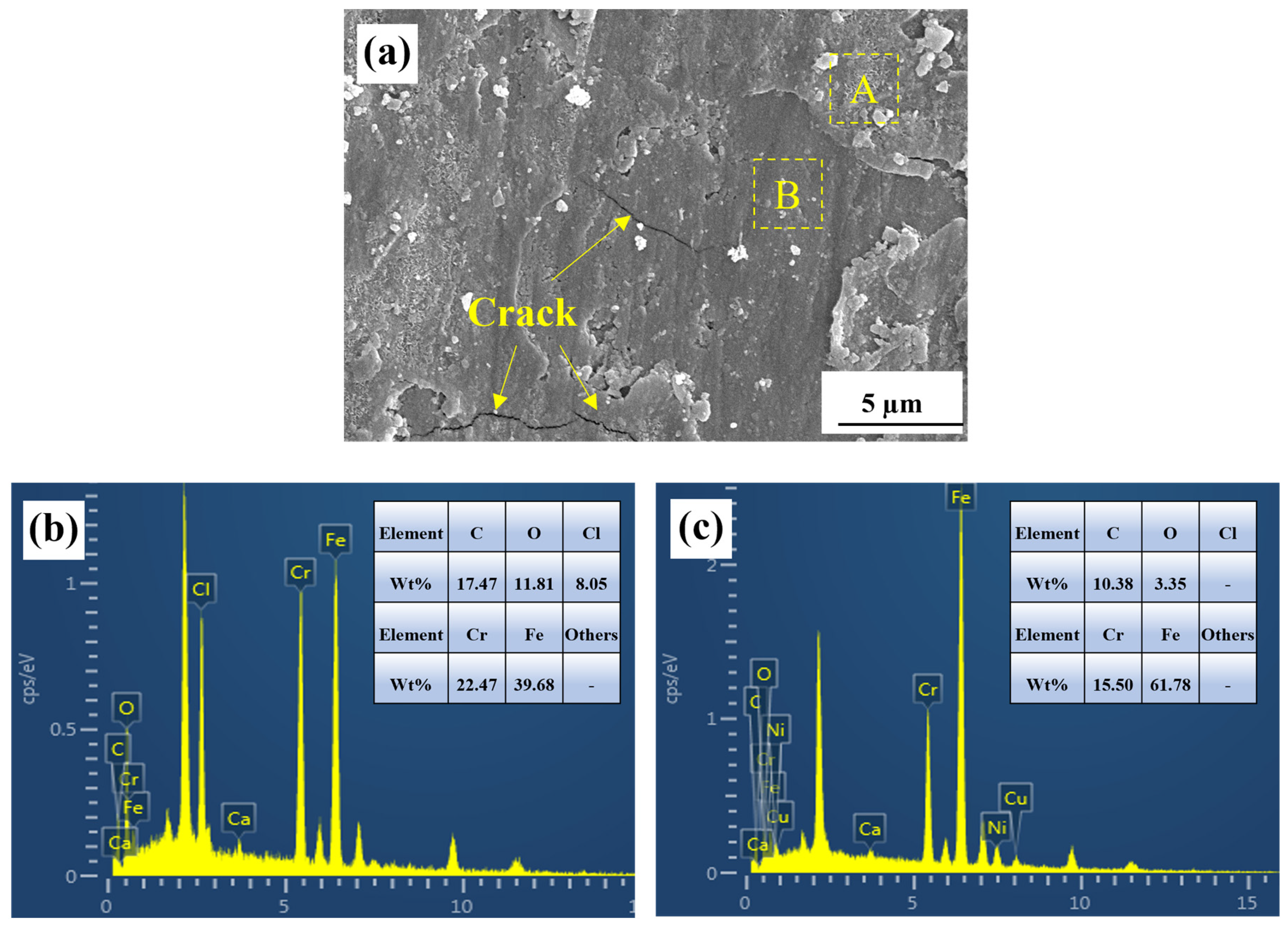
Figure 8 presents the results of the four-point bending tests. All specimens fractured, exhibiting distinct surface cracks. SEM analysis of the specimen revealed distinct corrosion products on the surface accompanied by cracking. Although the corrosion layer was relatively dense, localized detachment was observed in certain regions (Figure 9a). Figure 9b presents the EDS results from the spalled corrosion product region (Location A). The analysis indicates that the corrosion products at this location are primarily composed of Fe, Cr, C, O, and Cl elements. Notably, the Cl content at Location A reached 8.05%, whereas no Cl was detected in the intact corrosion product region (Location B) (Figure 9c). The presence of S and Cl can promote stress corrosion cracking in materials subjected to tensile stress [27,28,29]. Metallographic analysis revealed the presence of elongated, banded ferrite within the material, which increases its susceptibility to longitudinal cracking [30]. Furthermore, the abundant sulfide inclusions in the material further accelerated fracture failure [31].
Figure 8.
Four-point bending stress corrosion test results.
Figure 9.
Four-point bending stress corrosion test results: (a) SEM; (b) EDS at location A; (c) EDS at location B.
In summary, when the rotor coating fails to effectively block the corrosive medium, the underlying metal is directly exposed to it. Consequently, the synergistic effect of the corrosive medium and operational stress during the rotor’s service life can progressively exacerbate material degradation, making stress corrosion cracking highly likely. This poses a significant safety risk to the long-term stable operation of the equipment.
4. Failure Mechanism Analysis
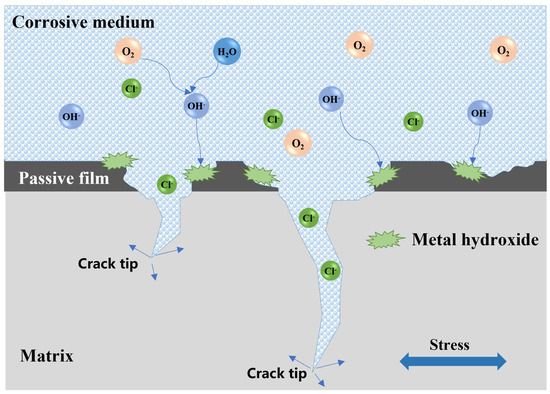
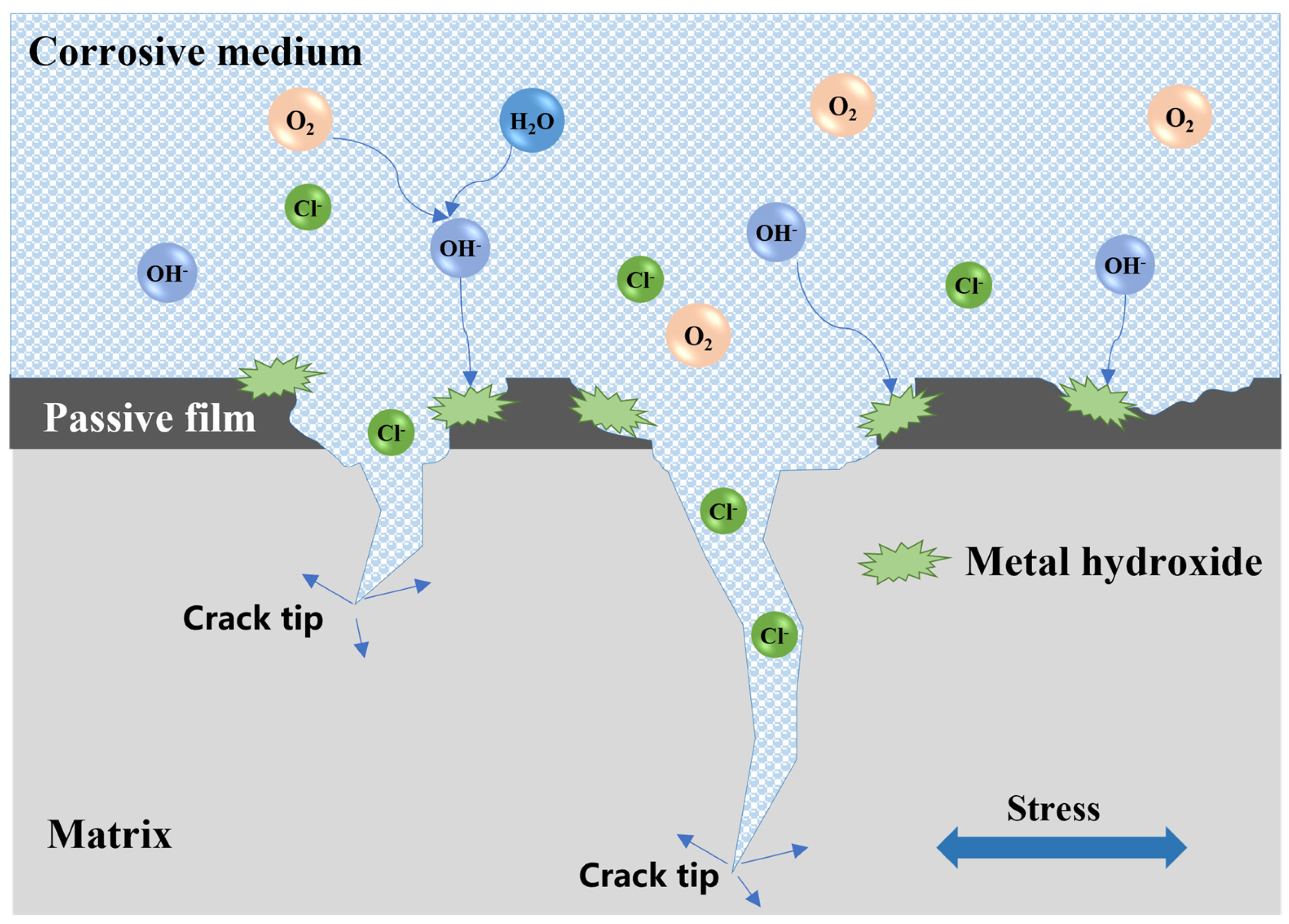
The rotor base material (42CrMo) inherently contains defects, where sulfide inclusions exhibit weak interfacial bonding with the matrix, readily inducing microstrains and forming localized stress concentration sites [32]. Cl− ions in drilling fluids exhibit strong penetrability and can adsorb on defects in the passive film (Cr2O3, Fe3O4) on the substrate surface, disrupting the film via an “adsorption-dissolution” mechanism [33,34,35]. In this process, Cl− ions replace O2− in the passive film, forming soluble species such as FeCl2 and CrCl3, which expose the underlying metal to the corrosive environment. Simultaneously, dissolved oxygen serves as a cathodic reactant and is reduced to OH− at corrosion sites. The resulting OH− ions subsequently react with Fe2+ and Cr3+ to form corrosion products such as FeOOH, Fe3O4, and Cr(OH)3, as described by Equations (1)–(7) [36,37,38]. Following the breakdown of the passive film, the combined action of cyclic torque and vibrational loading on the substrate led to the formation of microcracks in stress concentration zones, as shown in Figure 10.
Figure 10.
Diagram of the stress corrosion mechanism for 42CrMo screw rotor substrates.
Operational loads on the screw rotor maintain the crack tip in a persistently “open” state. This condition establishes a pathway for corrosion, enabling corrosive agents to continuously penetrate deep into the crack interior. Cl− preferentially attacks grain boundaries, where atoms are highly reactive and in a metastable energy state [39]. This weakens intergranular bonding and facilitates rapid crack propagation along these grain boundaries. Furthermore, in stress corrosion environments, the formation of an occluded cell at the crack tip, together with localized hydrolytic acidification leading to a decrease in pH and elevated concentrations of cations such as Fe2+, markedly increases the equilibrium solubility of chloride ions. When a crack encounters sulfide inclusions, its propagation path is deflected, shifting to a transgranular mode due to the obstruction presented by these inclusions [31,40]. In the four-point bending accelerated tests, all specimens fractured within the pre-existing crack region. The high chlorine content (up to 8.05 wt%) detected on the fracture surface quantitatively confirms the synergistic effect of Cl− and tensile stress in markedly accelerating crack growth under high-temperature and high-pressure conditions.
While this investigation, grounded in field failure analysis, elucidates the synergistic mechanism of stress corrosion cracking in 42CrMo screw rotors involving material defects (e.g., sulfide inclusions), corrosive species (Cl− and O2), and mechanical stress under conditions of coating degradation, it does not include control tests employing intact coatings. Therefore, future work should incorporate comparative experiments using specimens with intact coatings, coatings containing simulated defects, and uncoated substrates.
5. Protective Measures
The results indicate that the failure of the screw rotor coating allowed the corrosive medium direct access to the 42CrMo substrate. The synergistic effect of inherent material defects, the corrosive environment, and mechanical stress initiated stress corrosion cracking in the substrate. Based on the conclusions, we recommend the following preventive measures for engineering applications:
- (1)
- The P content in 42CrMo must be maintained within the limits specified by the GB/T 3077-2015 standard. Implementing an incoming material reinspection process is recommended. Subsequent processing should proceed only after the chemical composition and inclusion indices satisfy the technical specifications, thereby reducing the risk of failures caused by inherent material defects at the source.
- (2)
- High-temperature-resistant oxygen scavengers (e.g., sodium sulfite derivatives or organic amine-based scavengers) should be incorporated into the drilling fluid to eliminate dissolved oxygen, thereby preventing the acceleration of electrochemical corrosion caused by O2 acting as a cathodic reactant.
- (3)
- During the processing, manufacturing, and assembly of screw-rotor components, significant residual stresses should be minimized as much as possible. Residual stresses can be relieved through techniques such as heat treatment and surface shot peening.
6. Conclusions
This study investigated the cracking of the 42CrMo substrate induced by coating failure on the screw rotor of a downhole mud motor during operations in a shale-gas well in Sichuan Province. The combined results from material physicochemical analyses, corrosion characterization, and four-point bending stress-corrosion tests demonstrate that the synergistic interaction among material defects, the corrosive environment, and applied stress markedly increases the risk of stress corrosion cracking in the screw rotor of directional drilling tools. The main conclusions are summarized as follows:
- (1)
- The P and S contents in the screw-rotor substrate were found to exceed the specified limits. Although its tensile and impact strengths met the standard requirements, the microstructure exhibited Type A2.5 fine sulfide inclusions and Type D1.0 fine oxide inclusions.
- (2)
- Raman and XPS analyses reveal that the corrosion products on the fracture surface comprise FeOOH (including α-FeOOH and γ-FeOOH), Fe3O4, and Cr(OH)3, with a total corrosion-product layer thickness of 46.94 µm.
- (3)
- All specimens fractured during the four-point bending tests, and a chlorine content of up to 8.05% was detected on the fracture surfaces. Test results further demonstrated that the crack resistance of the 42CrMo screw rotor decreased markedly in a saturated, oxygenated 25% CaCl2 solution at 130 °C.
- (4)
- The 42CrMo screw rotor is prone to failure due to stress corrosion cracking, as sulfide inclusions induce localized stress concentration and the combined action of chloride ions, dissolved oxygen, and applied load significantly accelerates the cracking process.
Author Contributions
Conceptualization, Y.J. and D.Z.; Methodology, Y.J. and H.Z. (Hualin Zheng); Validation, H.Z. (Hualin Zheng), Z.Y. and H.Z. (Hanwen Zhang); Formal analysis, W.L. and Z.Y.; Investigation, Y.J. and C.Y.; Data curation, H.Z. (Hualin Zheng) and J.L.; Writing—original draft, Y.J., C.Y. and H.Z. (Hanwen Zhang); Writing—review & editing, Y.J., H.Z. (Hualin Zheng) and D.Z.; Supervision, D.Z.; Project administration, J.L., W.L. and D.Z. All authors have read and agreed to the published version of the manuscript.
Funding
This research received no external funding.
Institutional Review Board Statement
Not applicable.
Informed Consent Statement
Not applicable.
Data Availability Statement
Data are contained within the article.
Conflicts of Interest
Author Yuhong Jiang was employed by the CNPC Chuanqing Drilling Engineering Co., Ltd., Chuanxi Drilling Company. Authors Chengxiu Yu, Jiancheng Luo, Hanwen Zhang and Dezhi Zeng were employed by the Drilling and Production Engineering Technology Research Institute, CNPC Chuanqing Drilling Engineering Co., Ltd. Author Zhiming Yu was employed by the PetroChina Southwest Oil and Gas Field Company. The remaining authors declare that the research was conducted in the absence of any commercial or financial relationships that could be construed as a potential conflict of interest.
References
- Zhang, Z.; Shen, Y.; Chen, W.; Ba, S.; Scarioni, F.; Vasquez, D.; Belov, D.; Converset, J. Monitoring and Optimizing Mud Motor Efficiency and Degradation in Real Time. In Proceedings of the International Petroleum Technology Conference, Dhahran, Saudi Arabia, 12–14 February 2024. [Google Scholar]
- Cai, W.; Han, C.; Pang, D.; Li, Z.; Feng, Y.; Liu, T. Research on motor control method of high-speed continuous wave mud pulse generator. Geoenergy Sci. Eng. 2024, 239, 212986. [Google Scholar] [CrossRef] [Scilit]
- Liu, L.; Wang, Y.; Zhang, K.; Kong, L. Uneven wear behavior of downhole tool clearance material under slurry erosion. Alex. Eng. J. 2023, 73, 47–68. [Google Scholar] [CrossRef] [Scilit]
- Sugiura, J.; Jones, S. A Drill Bit and a Drilling Motor With Embedded High-Frequency (1600 Hz) Drilling Dynamics Sensors Provide New Insights Into Challenging Downhole Drilling Conditions. SPE Drill. Complet. 2019, 34, 223–247. [Google Scholar] [CrossRef] [Scilit]
- Shangxin, F.; Yujie, W.; Guolai, Z.; Yufei, Z.; Shanyong, W.; Ruilang, C.; Enshang, X. Estimation of optimal drilling efficiency and rock strength by using controllable drilling parameters in rotary non-percussive drilling. J. Pet. Sci. Eng. 2020, 193, 107376. [Google Scholar] [CrossRef] [Scilit]
- Yu, D.Y.; Ding, Z. Geometric characteristics analysis and parametric modeling for screw rotor precision machining. Int. J. Adv. Manuf. Technol. 2020, 107, 3615–3623. [Google Scholar] [CrossRef] [Scilit]
- Zhihui, D.; Zening, Y. Design of One-Trip PDMfortheUltra-Shallow HorizontalWellin Block Chepaiziand Its Application. Xinjiang Oil Gas 2022, 18, 33–37. [Google Scholar]
- Li, W.; Cao, R.; Zhu, F.; Yan, Y.; Ma, J.; Zhu, Y. Damage induced bending strength variation and crack initiation mechanism during thermal cycling shock of laser deposited Stellite alloy coating for engine valve. J. Mater. Res. Technol. 2025, 36, 6062–6074. [Google Scholar] [CrossRef] [Scilit]
- Cobo, E.O.; Suárez Baldo, R.A.; Bessone, J.B. Corrosion of chromium plated rotor in drilling fluid. Surf. Coat. Technol. 1999, 122, 39–43. [Google Scholar] [CrossRef] [Scilit]
- Ranjbar, K.; Sababi, M. Failure assessment of the hard chrome coated rotors in the downhole drilling motors. Eng. Fail. Anal. 2012, 20, 147–155. [Google Scholar] [CrossRef] [Scilit]
- Zhu, L.; Feng, C.; Cao, Y. Corrosion behavior of epoxy composite coatings reinforced with reduced graphene oxide nanosheets in the high salinity environments. Appl. Surf. Sci. 2019, 493, 889–896. [Google Scholar] [CrossRef] [Scilit]
- Liu, W.; Liu, Y.; Chen, W.; Shi, T.; Singh, A.; Lu, Q. Longitudinal crack failure analysis of box of S135 tool joint in ultra-deep well. Eng. Fail. Anal. 2015, 48, 283–296. [Google Scholar] [CrossRef] [Scilit]
- Wang, X.; Li, F.; Liu, Y.; Feng, Y.; Zhu, L. A comprehensive analysis on the longitudinal fracture in the tool joints of drill pipes. Eng. Fail. Anal. 2017, 79, 1–7. [Google Scholar] [CrossRef] [Scilit]
- Li, L.C.; Lian, Z.H.; Zhou, C.H. Failure Analysis of Drill Pipe during Working Process in a Deep Well: A Case Study. Processes 2022, 10, 1765. [Google Scholar] [CrossRef] [Scilit]
- Shahani, A.R.; Sharifi, S.M.H. Contact stress analysis and calculation of stress concentration factors at the tool joint of a drill pipe. Mater. Des. 2009, 30, 3615–3621. [Google Scholar] [CrossRef] [Scilit]
- Zamani, S.M.; Hassanzadeh-Tabrizi, S.A.; Sharifi, H. Failure analysis of drill pipe: A review. Eng. Fail. Anal. 2016, 59, 605–623. [Google Scholar] [CrossRef] [Scilit]
- Yu, Z.; Zeng, D.; Hu, S.; Zhou, X.; Lu, W.; Luo, J.; Fan, Y.; Meng, K. The failure patterns and analysis process of drill pipes in oil and gas well: A case study of fracture S135 drill pipe. Eng. Fail. Anal. 2022, 138, 106171. [Google Scholar] [CrossRef] [Scilit]
- Dünnwald, J.; Otto, A. An investigation of phase transitions in rust layers using raman spectroscopy. Corros. Sci. 1989, 29, 1167–1176. [Google Scholar] [CrossRef] [Scilit]
- Thibeau, R.J.; Brown, C.W.; Heidersbach, R.H. Raman spectra of possible corrosion products of iron. Appl. Spectrosc. 1978, 32, 532–535. [Google Scholar] [CrossRef] [Scilit]
- Wang, L.; Gao, Z.; Liu, Y.; Lu, X.; Wang, C.; Hu, W. Effect of Temperature on Corrosion Behavior of X65 Steel in Simulated Deep Sea Environment. Int. J. Electrochem. Sci. 2019, 14, 161–172. [Google Scholar] [CrossRef] [Scilit]
- Zhang, W.; Young, D.; Brown, B.; Shafer, C.; Lu, F.; Anyanwu, E.; Singer, M. An in-situ Raman study on the oxidation of mackinawite as a corrosion product layer formed on mild steel in marginally sour environments. Corros. Sci. 2021, 188, 109516. [Google Scholar] [CrossRef] [Scilit]
- Zhao, R.; Xu, L.; Xin, Y.; Xuan, J.; Bai, S.; Xue, L.; Hou, J.; Fan, L.; Zhang, Z.; Guo, M.; et al. Early corrosion behavior of 35CrMo steel for high-strength bolt in simulated shallow and deep sea environments. J. Mater. Res. Technol. 2024, 28, 1198–1214. [Google Scholar] [CrossRef] [Scilit]
- Fu, A.Q.; Wu, C.S.; Li, K.; Li, W.S.; Li, X.P.; Su, H.; Chen, Z.H.; Yin, C.X.; Xu, Z.Y. Metastable pitting corrosion behavior of the Incoloy 825 liner of metallurgically clad pipe in simulated oilfield produced water. J. Mater. Res. Technol. 2024, 33, 6831–6841. [Google Scholar] [CrossRef] [Scilit]
- Frankcombe, T.J.; Liu, Y. Interpretation of Oxygen 1s X-ray Photoelectron Spectroscopy of ZnO. Chem. Mat. 2023, 35, 5468–5474. [Google Scholar] [CrossRef] [Scilit]
- Zeng, D.Z.; Yu, C.X.; Luo, J.C.; Hu, H.; Shi, S.Y.; Zeng, W.G.; Zhang, J.J.; Ma, J.; Li, F. Corrosion failure analysis of T2 copper tubes of a heat exchanger in the oilfield nitrogen production system. Int. J. Press. Vessel. Pip. 2025, 216, 105521. [Google Scholar] [CrossRef] [Scilit]
- Knipe, S.W.; Mycroft, J.R.; Pratt, A.R.; Nesbitt, H.W.; Bancroff, G.M. X-ray photoelectron spectroscopic study of water adsorption on iron sulphide minerals. Geochim. Cosmochim. Acta 1995, 59, 1079–1090. [Google Scholar] [CrossRef] [Scilit]
- Roy, R.; Qu, H.J.; Mao, K.S.; Wharry, J.P. Chloride-induced stress corrosion crack propagation mechanisms in austenitic stainless steel are mechanically driven. Scr. Mater. 2025, 262, 116652. [Google Scholar] [CrossRef] [Scilit]
- Shoji, T.; Lu, Z.; Peng, Q. 6—Factors affecting stress corrosion cracking (SCC) and fundamental mechanistic understanding of stainless steels. In Stress Corrosion Cracking; Raja, V.S., Shoji, T., Eds.; Woodhead Publishing: Cambridge, UK, 2011; pp. 245–272. [Google Scholar]
- Zhou, G.Y.; Cao, G.H.; Dong, X.M.; Zhang, Z.H. Tailoring the mechanical property and sulfide stress corrosion cracking resistance of rare earth doped casing steel by tempering treatment. Corros. Sci. 2025, 245, 112699. [Google Scholar] [CrossRef] [Scilit]
- Zhang, X.; Wang, Y.; Guo, N.; Wang, Y.; Li, R.; Zhang, C.; Zhu, Y. Effect of ferrite/pearlite banded structure on the local deformation and crack initiation at notches in pipeline steel. Eng. Fract. Mech. 2020, 237, 107244. [Google Scholar] [CrossRef] [Scilit]
- Maciejewski, J. The Effects of Sulfide Inclusions on Mechanical Properties and Failures of Steel Components. J. Fail. Anal. Prev. 2015, 15, 169–178. [Google Scholar] [CrossRef] [Scilit]
- Tinoco, H.A.; Fintova, S.; Heikkila, I.; Herrero, D.; Vuoristo, T.; Dlouhy, I.; Hutar, P. Experimental and numerical study of micromechanical damage induced by MnS-based inclusions. Mater. Sci. Eng. A 2022, 856, 144009. [Google Scholar] [CrossRef] [Scilit]
- Lou, J.; Gao, Z.; Zhang, J.; He, H.; Wang, X. Comparative Investigation on Corrosion Resistance of Stainless Steels Coated with Titanium Nitride, Nitrogen Titanium Carbide and Titanium-Diamond-like Carbon Films. Coatings 2021, 11, 1543. [Google Scholar] [CrossRef] [Scilit]
- Gao, F.; Qiao, Y.; Chen, J.; Yang, L.; Zhou, H.; Zheng, Z.; Zhang, L. Effect of nitrogen content on corrosion behavior of high-nitrogen austenitic stainless steel. npj Mater. Degrad. 2023, 7, 75. [Google Scholar] [CrossRef] [Scilit]
- Peng, Y.; Lin, Y.; Xia, R.; Dai, Z.; Zhang, W.; Liu, W. Electrochemical Investigation of Chloride Ion-Induced Breakdown of Passive Film on P110 Casing Steel Surface in Simulated Pore Solution: Behavior and Critical Value Determination. Metals 2024, 14, 93. [Google Scholar] [CrossRef] [Scilit]
- Zeng, D.; Yu, C.; Luo, J.; Li, T.; Li, K.; Yu, Z.; Meng, F.; Dong, B. Experimental study on the corrosion and crack resistance of Incoloy 825 under long-term exposure to elemental sulfur, H2S, and CO2 environment. Int. J. Press. Vessel. Pip. 2025, 218, 105630. [Google Scholar] [CrossRef] [Scilit]
- Yang, W.J.; Song, H.; Zhao, Z.Y.; Shuai, C.J.; Pan, H. Construction of Fe/Ag galvanic couple by mechanochemical in-situ reduced Ag to accelerate the degradation of Fe-based implant. Sci. China-Technol. Sci. 2023, 66, 2824–2836. [Google Scholar] [CrossRef] [Scilit]
- Chen, X.; Liu, H.; Sun, X.; Zan, B.; Liang, M. Chloride corrosion behavior on heating pipeline made by AISI 304 and 316 in reclaimed water. RSC Adv. 2021, 11, 38765–38773. [Google Scholar] [CrossRef] [Scilit] [PubMed]
- Hou, T.; Zhang, Y.; Fan, Z.; Tian, B.; Liu, Z.; Zhang, Z. First-Principles Study of Sulfur Corrosion Mechanism at Carbon Steel Grain Boundaries. J. Mater. Eng. Perform. 2025, 34, 12335–12347. [Google Scholar] [CrossRef] [Scilit]
- Sun, Y.; Wang, Q.; Gu, S.; He, Z.; Wang, Q.; Zhang, F. Sulfide Stress Cracking Behavior of a Martensitic Steel Controlled by Tempering Temperature. Materials 2018, 11, 412. [Google Scholar] [CrossRef] [Scilit]

Disclaimer/Publisher’s Note: The statements, opinions and data contained in all publications are solely those of the individual author(s) and contributor(s) and not of MDPI and/or the editor(s). MDPI and/or the editor(s) disclaim responsibility for any injury to people or property resulting from any ideas, methods, instructions or products referred to in the content. |
© 2026 by the authors. Licensee MDPI, Basel, Switzerland. This article is an open access article distributed under the terms and conditions of the Creative Commons Attribution (CC BY) license.