


Abstract
Tin selenide (SnSe) is a sustainable, lead-free IV–VI semiconductor whose layered orthorhombic crystal structure induces pronounced electronic and phononic anisotropy, enabling diverse energy-related functionalities. This review systematically summarizes recent progress in understanding the structure–property–processing relationships that govern SnSe performance in thermoelectric and optoelectronic applications. Key crystallographic characteristics are first discussed, including the temperature-driven Pnma–Cmcm phase transition, anisotropic band and valley structures, and phonon transport mechanisms that lead to intrinsically low lattice thermal conductivity below 0.5 W m−1 K−1 and tunable carrier transport. Subsequently, major synthesis strategies are critically compared, spanning Bridgman and vertical-gradient single-crystal growth, spark plasma sintering and hot pressing of polycrystals, as well as vapor- and solution-based thin-film fabrication, with emphasis on process windows, stoichiometry control, defect chemistry, and microstructure engineering. For thermoelectric applications, directional and temperature-dependent transport behaviors are analyzed, highlighting record thermoelectric performance in single-crystal SnSe at hi. We analyze directional and temperature-dependent transport, highlighting record thermoelectric figure of merit values exceeding 2.6 along the b-axis in single-crystal SnSe at ~900 K, as well as recent progress in polycrystalline and thin-film systems through alkali/coinage-metal doping (Ag, Na, Cu), isovalent and heterovalent substitution (Zn, S), and hierarchical microstructural design. For optoelectronic applications, optical properties, carrier dynamics, and photoresponse characteristics are summarized, underscoring high absorption coefficients exceeding 104 cm−1 and bandgap tunability across the visible to near-infrared range, together with interface engineering strategies for thin-film photovoltaics and broadband photodetectors. Emerging applications beyond energy conversion, including phase-change memory and electrochemical energy storage, are also reviewed. Finally, key challenges related to selenium volatility, performance reproducibility, long-term stability, and scalable manufacturing are identified. Overall, this review provides a process-oriented and application-driven framework to guide the rational design, synthesis optimization, and device integration of SnSe-based materials.
1. Introduction
Against the backdrop of continuously intensifying environmental and resource pressures, humanity’s demand for clean and efficient energy is becoming increasingly urgent. Promoting the development of new energy has become a global strategic core [1,2]. With the rapid growth of the new energy industry, the importance of energy storage and energy conversion technology as a key link in achieving efficient energy utilization has become increasingly prominent [3,4]. Although significant research progress has been made in this field, the development of efficient functional materials remains a key direction that urgently needs to be broken through [5].
Chalcogenide materials, comprising compounds formed with group VI elements such as sulfur, selenium, and tellurium, have long attracted significant interest due to their rich electronic structures, strong light–matter interactions, and versatile phase-change and transport properties. Representative chalcogenide systems, including amorphous and crystalline As–Te and As–S thin films, have been extensively investigated for applications in photonics, memory devices, and infrared optics, demonstrating tunable optical bandgaps and composition-dependent transport behavior [6,7]. These studies highlight the broad functional potential of chalcogenide semiconductors across energy and optoelectronic technologies. Within this material family, tin selenide (SnSe) has emerged as a particularly attractive candidate owing to its simple binary composition, low material cost, Earth-abundant constituent elements, and absence of toxic heavy metals, in contrast to conventional Pb- or Cd-based chalcogenides. These attributes, combined with its anisotropic crystal structure and favorable transport characteristics, make SnSe a promising and sustainable platform for thermoelectric and optoelectronic applications.
SnSe, an important IV–VI compound semiconductor composed of earth-abundant and relatively non-toxic Sn and Se [8], has been documented in the literature for decades. Extensive efforts have since been devoted to understanding the physical and chemical properties of SnSe thin films, particularly the influence of growth techniques and processing parameters, leading to a substantial body of results. Abrikosov et al. first described the phase diagram of the Sn-Se system in 1969 [9], followed by the Sharma team [10] (1986), the Feutelais team [11] (1996), and the Bletskan team [12] (2006). In 2005, Bletskan et al. further revealed the thermodynamic properties of the condensed phase of the system, but their thermal analysis results indicated that Sn2Se3 would form through the crystallization reaction. X-ray diffraction (XRD) studies of the bulk Sn2Se3 alloy showed that the material would undergo phase separation to form SnSe and SnSe2, indicating that the single-phase compound was not thermodynamically stable in the bulk state. However, metastable phases can be achieved in the thin film form. Based on the above analysis, it can be known that in the bulk form, there are two phases of SnSe and SnSe2, while in the thin film form, there may be three phases of SnSe, SnSe2, and Sn2Se3, accompanied by the formation of polyselenide anions, depending on the bonding properties of tin and selenium [13,14]. Binary compound semiconductors, especially tin monochalcogenides SnX (X = Te, S, Se) in the IV–VI group, have brought about disruptive changes in the fields of optics, electronics, and optoelectronics with their unique properties. These materials have a wide range of applications in photonic systems, including key areas such as photovoltaic cells, photosensors, thermal energy conversion devices, and storage switching devices [15]. Among them, SnSe has attracted much attention due to its non-toxic nature and the abundant reserves of tin and selenium precursors in the earth’s crust [16]. As an orthorhombic semiconductor compound, the single crystal of SnSe presents a layered structure, with atoms within the layers tightly bonded by strong covalent bonds, while the layers are held together by relatively weak van der Waals forces. In terms of band structure, bulk SnSe has a direct bandgap of 1.3 eV and an indirect bandgap of 0.9 eV [17]; in contrast, the film form has a direct bandgap of 1.74 eV and an indirect bandgap of 1.2 eV [18]. When SnSe exists in nanoparticle form, the direct bandgap is 1.55 eV and the indirect bandgap is 1.12 eV, showing side-dependent band regulation characteristics [19].
SnSe is also an excellent thermoelectric material that can convert thermal energy to electrical energy and has been widely used in waste heat recovery, air conditioning, and refrigeration, and has broad application prospects in space exploration, medical physics, and earth resource investigation. Thanks to its ultra-low thermal conductivity and excellent thermoelectric power factor [20,21], single-crystal SnSe can break through the thermoelectric figure of merit (ZT) along the crystal b-axis to 2.62 at 923 K temperature conditions, demonstrating outstanding thermoelectric conversion performance [22]. Similarly, SnSe is a strong absorber for photovoltaic applications, exhibiting an absorption coefficient typically α > 104 cm−1 across the above-bandgap visible–near-IR region (commonly reported from ~400 nm to ~1100–1500 nm, depending on bandgap and film microstructure), and reaching ~105 cm−1 in the visible [23,24,25,26]. For comparison, GaAs shows α ~ 1 × 104 cm−1 near ~0.83 µm and increases to >105 cm−1 at shorter wavelengths. However, reported SnSe-based photovoltaic efficiencies remain modest (e.g., up to ~6.44% in SnSe/Si heterojunction devices under sub-1 sun illumination, while many all-thin-film SnSe heterojunction reports remain around the ~1%–3% level), still far below the Shockley–Queisser limit (~32%) [27,28]. This gap is mainly associated with difficulty in achieving phase-pure, stoichiometric SnSe with low deep-defect density (Se volatility/secondary phases), strong bulk/interface recombination (grain boundaries and interface states), suboptimal band alignment and non-ohmic/unstable contacts, and process–microstructure nonuniformity that limits carrier collection [29,30].
SnSe films can be prepared by a variety of physical and chemical methods, such as thermal evaporation [31,32], two-stage process [33], magnetron sputtering [34,35], pulsed excitation deposition [36,37], atomic layer deposition [38,39], electrochemical deposition [40,41,42,43], spray deposition [44], aqueous phase synthesis [45], solution method [46], molecular beam epitaxy [47,48], etc. SnSe attracts much attention due to the high anisotropy of its electronic structure. The material has a high hole and electron mobility, mainly due to its smaller effective mass in the first valence and conduction band valley.
SnSe exhibits unique physical properties due to the high anisotropy of its electronic structure. Its hole and electron mobility is significantly higher than that of other materials, mainly due to SnSe’s extremely small effective mass at the top of the valence band and the bottom of the conduction band, which significantly reduces the probability of carrier scattering and gives the material extremely high electrical conductivity. This intrinsic property, determined by the band structure, gives SnSe both excellent photoelectric response characteristics and ultra-low lattice thermal conductivity, thereby demonstrating outstanding thermoelectric conversion efficiency [49]. Thanks to this, SnSe shows great application potential in several frontier fields: its high ZT has driven its research in thermoelectric power generation and refrigeration devices [50,51,52]; high carrier mobility and broadband light absorption characteristics make it an ideal candidate material for solar cells [53,54] and photodetectors [55]; in addition, its unique band structure and surface properties have been applied to rechargeable battery electrode materials [56,57], gas sensing [58,59], flexible supercapacitors [60,61], photocatalysts [62], topological quantum state control [63], and resistive storage devices [64], among others. At present, research on its thermoelectric performance, photoelectric detection capability, photovoltaic conversion efficiency, and energy storage characteristics is deepening, further revealing the core value of SnSe in the next generation of energy conversion and information sensing technologies.
Although SnSe has received much attention in recent years, there is still a lack of comprehensive and detailed comments on it. Unlike previous reviews that often focused only on individual aspects of SnSe, this study provides a comprehensive perspective on structure–property–processing–application, with particular emphasis on scalable synthesis, device-level integration challenges, and interdisciplinary applications. We also included the latest developments up to 2025 (including doping, heterojunction design, and emerging applications), providing researchers and engineers with a timely and forward-looking reference material.
In this review, SnSe is described as a versatile material based on explicit experimental and technological evidence rather than qualitative appeal. We first explore the fundamental physical properties of SnSe, including its layered orthorhombic crystal structure, anisotropic band structure, and the temperature-driven Pnma–Cmcm phase transition, which collectively govern its electronic, phononic, and optical behaviors. Subsequently, a range of synthesis strategies are systematically discussed, encompassing single-crystal growth via the Bridgman and vertical-gradient methods, polycrystalline fabrication through spark plasma sintering and hot pressing, and thin-film preparation using physical and chemical vapor deposition. Each synthesis route is analyzed in terms of its process characteristics, defect formation, microstructure control, and applicable scenarios. Building on these foundations, we review recent progress in the thermoelectric and optoelectronic performance of SnSe, highlighting its intrinsically low lattice thermal conductivity, strong transport anisotropy, broadband light absorption, and bandgap tunability, which enable applications in thermoelectric power generation and cooling, thin-film photovoltaics, and photodetectors. Beyond these established fields, emerging applications such as phase-change memory and electrochemical energy storage are also surveyed, further underscoring the functional and application-level versatility of SnSe. Despite its promising research and application prospects, SnSe still faces challenges including high preparation cost, complex processing routes, stoichiometry sensitivity, and long-term performance stability. Looking forward, the integration of advanced nanostructuring strategies, data-driven optimization approaches such as artificial intelligence, and interdisciplinary research is expected to accelerate the rational design, scalable fabrication, and device-level implementation of SnSe, ultimately enabling its full potential across diverse scientific and technological domains.
2. Materials Foundations of SnSe and Methods for Single-Crystal, Polycrystal, and Thin-Film Growth
2.1. Crystal-Band-Phonon: The Key Physical Framework of SnSe
2.1.1. Orthogonal Phase and Layered Structure: Pnma/Cmcm and Anisotropy
SnSe, as an important IV–VI group compound semiconductor material, has a crystal structure mainly in the orthorhombic system, with a space group of Pnma. In this crystal structure, Sn atoms and Se atoms occupy different lattice positions, respectively, forming a structural feature of layered arrangement. This layered structure gives SnSe significant anisotropy, showing obvious directional dependence in its electrical and optical properties [65]. In addition, the unit cell parameters (a, b, c) of the SnSe determine the specific values of its lattice constants, which not only affect the mechanical stability of the material but are also closely related to its coefficient of thermal expansion. Studies have shown that the orthorhombic system structure of SnSe has a high degree of symmetry [66], which is composed of tightly bound bilayer and can be regarded as a twisted rock salt phase [67]. In addition, the different perspective views along the a, b, and c axes highlight its anisotropic characteristics. There are SnSe sheets with a thickness close to two atomic layers, and the Sn-Se bonds within them show strong binding force in the plane (i.e., the b-c plane), but are relatively weak along the A-axis. From the B-axis, the perspective view presents a serrated accordion-like projection, while from the C-axis, it takes the shape of an armchair [68]. Scientists found that high ZT values were detected along the B-axis at transition temperatures close to and above approximately 800 K. At this point, the SnSe’s structure shifts from Pnma space groups to Cmcm, the bandgap shrinks from 0.61 eV to 0.39 eV [69], and the lattice parameters change accordingly from a = 11.49 A, b = 4.44 A, c = 4.135 A to a = 4.31 A, b = 11.70 A, c = 4.31 A. It is notable that the SnSe7 crystal contains highly twisted SnSe coordination polyhedra with three short Sn-Se bonds and four long Sn-Se bonds, as shown in Figure 1.
Figure 1.
(a) Crystal structure along the a-axis: The gray ones are tin atoms; the red ones are selenium atoms. (b) Highly twisted SnSe7 coordination polyhedra with three short bonds and four long Sn-Se bonds. (c) Crystal structure along the b-axis. (d) Crystal structure along the c-axis [22].
Simple binary Sn-Se systems have multiple phases. α-SnSe, β-SnSe, and π-SnSe have been experimentally synthesized so far. Table 1 shows these crystal structure’s data [70]. Single-crystal SnSe bulk are difficult to prepare and have relatively poor mechanical properties due to numerous defects that limit their application. SnSe materials have the advantages of having many structures, morphologies, phases, rich properties, and excellent performance, and have broad application prospects. The bottom-up synthesis of polycrystalline bulk or films made from SnSe usually has good mechanical and functional properties.
Table 1.
Crystal structure data of SnSe system.
In addition, the crystal structure of SnSe has an important influence on its thermal conductivity. Due to its weak interlayer interactions, phonon transport between layers is restricted, resulting in a lower thermal conductivity. This property makes SnSe a potential high-efficiency thermoelectric material, as the low thermal conductivity helps to increase ZT [24]. Further analysis revealed that SnSe had strong covalent bonding in its crystal structure, accompanied by certain ionic bonding characteristics. This mixed bonding method gave it a high melting point and good chemical stability. Notably, the interlayer interactions of SnSe are relatively weak, which provides the possibility for the preparation of two-dimensional SnSe materials by methods such as mechanical exfoliation or chemical intercalation [71]. Such two-dimensional structures show broad application prospects in nanoelectronics and flexible devices. Therefore, a deep understanding of the crystal structure types and characteristics of SnSe is of great significance for optimizing its performance and expanding its application range.
2.1.2. Energy Valley and Bandgap Control: Electronic Structure from Bulk Phase to Low-Dimensional State
One of the notable features of IV–VI group compounds is their narrow bandgap. In the case of SnSe, the band structure of SnSe is one of the key determinants of its photoelectric and thermoelectric properties. Studies have shown that SnSe has an indirect bandgap semiconductor property with a bandgap width of approximately 0.9–1.3 eV, depending on the preparation method and crystal quality. This bandgap range enables SnSe to exhibit excellent light absorption properties in the visible and near-infrared regions, laying the groundwork for its applications in solar cells and photodetectors. Similarly, sulfur tinide (SnS) is also well-suited for thin-film solar cell applications due to its 1.3 eV optical bandgap and excellent light absorption coefficient [72]. Germanium selenide (GeSe) has a similar layered crystal structure to SnSe, but the basic bandgap in single-layer or double-layer GeSe is direct, while in a few layers of SnSe it is indirect [68]. Size variations in these materials can significantly affect their electronic structure and physical properties.
Experiments have demonstrated the photoelectric properties of p-type IV–VI group semiconductor SnSe with different morphologies and bandgaps. For bulk SnSe, the direct and indirect bandgaps are 0.9 eV and 1.3 eV, respectively. However, Table 2 shows that the direct bandgap of the thin film material is greater than that of the bulk material due to the quantum confinement effect [73]. For example, in cubic SnSe, the observed optical bandgap is approximately 1.4 eV, which is larger than the bandgap of bulk rhombic SnSe [74,75]. In monolayer materials, the energy difference between the direct and indirect bandgaps is very small, as shown in Figure 2. This finding indicates that the bandgap can switch between direct and indirect, and vice versa, highlighting the flexibility and diversity of these materials in various technical applications.
Figure 2.
Band structure: (a) monolayer SnSe. (b) Bilayer SnSe. (c) Bulk SnSe. Blue indicates direct conversion; red indicates indirect conversion [68].
In addition, SnSe’s conduction band bottom and valence band top are located at different high symmetry points, and this indirect bandgap characteristic significantly affects the transport efficiency of its photogenerated carriers. Experimental data show that the photogenerated carrier lifetime of SnSe is long, which is closely related to the low carrier recombination rate in its band structure [76]. Further analysis revealed that the band structure of SnSe had a strong spin–orbit coupling effect, which not only affected its electronic state distribution but also significantly enhanced its Seebeck coefficient. Especially at low temperatures, the spin–orbit coupling effect leads to a complex energy valley distribution in the SnSe’s band structure, thereby enhancing its thermoelectric performance [77]. Moreover, the band structure of SnSe shows high sensitivity to external conditions such as pressure and doping. For example, under high pressure conditions, the bandgap width of SnSe gradually decreases and may shift from indirect bandgap to direct bandgap [78]. This bandgap adjustability provides an important approach for designing new multifunctional materials.
Table 2.
Bandgaps of SnSe materials with different morphologies.
2.2. From Single Crystals to Thin Films: Controlled Preparation and Process Window
The single crystal, polycrystalline, and thin film structures of SnSe materials require differentiated preparation techniques. This chapter will introduce the main synthesis methods, process characteristics, and applicable fields of each structure, providing researchers with a reference for diverse preparation strategies.
2.2.1. Single Crystal Growth: Optimization of Bridgeman Method/Dose and Temperature Gradient
The preparation of single-crystal SnSe was mainly carried out using the Bridgman method [86] and the vertical temperature gradient solidification method [87]. The Bridgman method involves first sealing the molten SnSe raw material in high-temperature resistant quartz ampoules and then heating and melting it in a high-temperature furnace. By precisely controlling the temperature distribution within the furnace and the cooling system (such as water cooling or air cooling), a specific temperature gradient (usually from top to bottom) is established and maintained within the ampoule, allowing the melt to solidify slowly and directionally, resulting in large-sized, high-quality single crystals [88,89]. The significant advantage is the high crystal quality, but the disadvantage is the long growth cycle. The core of the vertical temperature gradient solidification method is to use the temperature gradient in the vertical direction to drive the molten alloy to solidify from bottom to top to form a single crystal. Unlike the traditional method of moving the ampoule, this technique achieves single crystal growth by controlling the temperature distribution in the furnace (using convection and the density of the heating element) to move the molten area along the crystal growth direction without moving the ampoule itself. The experimental setup is shown in Figure 3b. This method is good at controlling the rate of crystal growth and is particularly suitable for laboratory-scale research applications.
Figure 3.
Schematic diagram of the single-crystal SnSe preparation apparatus: (a) Bridgman method [89]; (b) vertical temperature gradient method [86].
The experimental setup of the Bridgman method mainly consists of a high-temperature furnace, a crucible, a cooling system, and a temperature gradient control system [90], as shown in Figure 3a. The high-temperature furnace provides the necessary high-temperature environment, and its precise temperature control system ensures uniform heating and melting of the material. Crucibles (typically made of high-temperature resistant, chemically stable materials such as quartz or platinum) are used to hold the material to be crystallized. Cooling systems (such as water-cooled or air-cooled) regulate the rate of cooling during the solidification stage [91]. Precise control of the temperature gradient (i.e., the temperature difference in the axial direction of the crucible) is key to the success or failure of this technology, which guides the melt from a liquid phase orientation to a high-quality single-crystal solid state [92].
The current challenge is that single-crystal growth methods typically involve long growth cycles and limited throughput, which result in slow production rates, high fabrication costs, and difficulties in scaling up large-sized SnSe single crystals with optimized thermoelectric performance. The Bridgman method is widely used in the synthesis of various single crystal materials because of its maturity and reliability. These include semiconductor materials (such as gallium arsenide GaAs, InP [93,94]), ceramics, optoelectronic device materials (for integrated circuits, laser diodes, solar cells, etc. [95,96,97]). The method also plays a crucial role in the research and development of advanced functional materials such as high-temperature superconducting materials and ferroelectric materials [98,99,100].
2.2.2. Polycrystalline Densification: Grain Boundary Engineering in SPS/HP Process
Although polycrystalline SnSe is usually inferior to monocrystalline in terms of thermoelectric performance, its preparation process is relatively simple and thus more common in practical applications. The common methods for preparing polycrystalline SnSe are mainly divided into two categories: (1) Solid-state methods, including spark plasma sintering (SPS), hot pressing (HP), etc. (2) Wet chemical methods, including hydrothermal, solvothermal, thermal injection, etc.
SPS is a technique that uses pressure for sintering [101]. As shown in Figure 4a, the process is as follows: A high pulse current acts on the electrodes, inducing spark discharge between the powder particles, and the resulting local high temperature melts the powder. Subsequently, the molten material sputters at high speed onto the surface of adjacent particles, forming bulk material; after the discharge stops, the local temperature drops rapidly. SPS can solidify powders into lumps at an extremely high heating rate (up to 1000 °C/min) within a very short sintering time (typically 0–10 min), resulting in products with high density and fine grains [102]. The high sintering efficiency results from a combination of factors such as spark plasma, high-temperature sputtering from spark impact, Joule heat effect, and plastic deformation [103]. The study found that the density differences at different sintering temperatures were small, but there were significant differences in tensile ductility: applying pressure above the peak temperature of bulk densification could effectively enhance tensile ductility [104]. Although SPS has become a common material synthesis technique, it still faces the following challenges at present:
Figure 4.
Schematic diagram of solid-phase apparatus: (a) SPS [102]; (b) HP [105].
- Transient mechanisms in high-speed heating and cooling processes need to be studied in depth;
- The effects of the electric field on mass transfer, microstructure evolution, formability, and final performance during synthesis are unclear;
- The techniques for analyzing the actual behavior of materials using finite element calculations and improving the flexibility of sample size and geometry are still not mature enough.
As shown in Figure 4b, HP is also a conventional technique for preparing dense polycrystalline materials [105]. The basic principle is similar to that of SPS, both using heat and mechanical pressure to densify the material. Both densification mechanisms involve grain boundary diffusion. The core difference lies in the way heat is transferred: in SPS, the sample itself and the pressing tool (such as a graphite mold) act as resistive heat sources, directly heating the powder, suitable for developing prototypes of high-performance thermoelectric conversion devices; in HP, the pressing tool is placed in the heating chamber, and the heat is transferred to the powder through radiation and convection, which is crucial for optimizing the carrier and phonon transport performance of SnSe materials.
Since SPS and HP have difficulty effectively controlling the morphology of SnSe, and wet chemistry has an advantage in this regard, the latter has become a typical bottom-up strategy for the preparation of nanomaterials. Wet chemical methods have the advantages of simple equipment, good repeatability, controllable product size, and easy operation. In a narrow sense, the wet chemical method specifically refers to the co-precipitation method, that is, in a homogeneous solution containing two or more cations, a reaction is carried out by adding a precipitating agent to obtain a homogeneous product. More broadly, wet chemistry shows great potential in large-scale industrial production of various forms of nanomaterials. Over the past few decades, liquid-phase chemical methods (such as solution methods), hydrothermal methods, and thermal injection methods have been widely used in various studies and have made significant progress in the field of synthesizing SnSe nanostructures.
Solution methods, as well as hydrothermal and thermal injection methods, all belong to liquid-phase synthesis systems and have significant differences in preparation conditions. Unlike hydrothermal methods that rely on high-pressure vessels such as autoclaves, the solution method can synthesize nanocrystals at normal pressure. The solution method omits the injection step and is more straightforward compared to the thermal injection method that requires introducing seeds. The method is based on a homogeneous mixed solution (containing two or more substances), which drives crystal precipitation through chemical reactions. Figure 5 shows the solution treatment method for preparing SnSe nanocrystals. Common solvents include water and organic solvents, and specific techniques cover aqueous solution synthesis, solution-mediated synthesis, co-solvent method, chemical reduction, thermal deposition [106], and biosynthesis, etc. Thanks to its ease of operation, the solution method has become a research hotspot for nanomaterials, and multi-morphology SnSe nanocrystals and their composite heterostructures have been successfully prepared. As an extension of the hydrothermal method, the core difference in the solution method lies in the use of a non-aqueous solvent (such as ethylenediamine) and the reaction at 180 °C. The differences in the physicochemical properties of the solution can precisely regulate SnSe characteristics, including lattice defects [107], vacancy concentrations [108], and crystallinity [109]. The stoichiometric ratio of Se to SnCl2 was placed in a polytetrafluoroethylene-lined autoclave, ethylenediamine solvent was added and reacted at 180 °C, followed by precipitation filtration and graded cleaning (ether → distilled water → anhydrous ethanol) to obtain two types of SnSe products:
Figure 5.
Solution treatment method for preparing SnSe nanocrystals [106].
- When the amount of reactants is 5 mmol → light gray rod-like crystals (length 0.8–1.5 cm, radius 60–100 µm) are formed;
- When the reactant dosage is 3.3 mmol → plate single crystals (size 1200 µm × 300 µm × 10 µm) are formed.
As shown in Table 3, further research indicates that by changing the solution type, temperature, selenium source quantity, and reaction time, all four factors can significantly regulate the morphology of the product [110]. By selecting different precursors, such as Se powder, SeO2, Na2SeO3, SnCl2·2H2O, SnCl4·5H2O, TOP-Se, and NaHSe; by selecting different ligands and additives, such as deionized water (DI water), bovine serum albumin (BSA), oleic acid (OA), oleylamine (OLA), tri-octylphosphine (TOP), tri-tert-butylphosphine (TBP), ethylene glycol (EG), di-isopropylbenzene (DIPB), hexamethylidene-dianisidine (HMDS), etc.; and by regulating the reaction conditions within the range of 0–240 °C, multi-scale morphologies from quantum dots (QDs) to nanosheets/nanoblocks, and then to nanorods and micropowders, can be obtained in the same material system. This indicates that the solution method achieves fine control of size and dimension through the “precursor-additive-solvent-temperature” four elements, providing a designable precursor and morphology tuning path at the particle level for subsequent film sintering and photothermal/electrical devices.
Table 3.
A list of solution processing methods to prepare SnSe nanocystals.
As shown in Figure 6, the hydrothermal method, as an important branch of wet chemical synthesis, uses water as the solvent to promote the dissolution, reaction, and crystallization of the precursor in a closed pressure vessel, and ultimately obtain the target product. This method has multiple advantages: it can grow the crystalline phase of materials with unstable melting points or high vapor pressure, it is easy to precisely control the composition of the material, and it has both high operability and controllability. Its main features include:
Figure 6.
Flowchart of SnSe nanocrystals prepared by hydrothermal method [125].
- Reaction environment: In a closed system of high temperature and high pressure above the boiling point of the solvent, high-quality crystals are obtained by enhancing the crystallization driving force;
- Product diversity: Quantum dots, nanowires and two-dimensional nanosheets with different stoichiometric ratios and crystal structures have been successfully synthesized;
- Preparation characteristics: The reaction is usually carried out in an alkaline aqueous solution (the source material and solvent properties are similar to those of the solution method/thermal injection method, see Table 4, preparation process as shown in Figure 6). Precursors are mixed at room temperature and pressure and then transferred to a stainless steel autoclave for heating reaction [125].
For example, Tang et al. dissolved 1.4 g of SnCl2·H2O in 50 mL of deionized water, ultrasonically oscillated it, and then added 90 mmol of NaOH for secondary ultrasonication. The mixture was transferred to a polytetrafluoroethylene-lined autoclave, and 0.24 g Se was added and reacted at 403 K for 36 h. The product was washed and dried multiple times with ethanol and deionized water to obtain polycrystalline SnSe powder. Subsequent SPS can produce bulk materials with a unique structure (nanoprecipitates combined with micrometer-sized matrix grains) that significantly reduces lattice thermal conductivity [126].
As shown in Table 4, the hydrothermal synthesis route of SnSe is presented in a chronological sequence, and the correlations between the precursors, additives, thickness, particle size, and reaction temperature are summarized. This leads to the same conclusion—under alkaline aqueous solution and sealed heating conditions, by selecting different sources of Sn and Se, using NaOH, ethylene glycol, ethanol, and other media, and adjusting the temperature and time, multi-scale products ranging from quantum dots to nanorods, nanosheets, nanoparticles, and powders can be obtained within the integrated process window. The sizes cover 2 nm to several hundred nanometers. For example, about 2 nm quantum dots are obtained at 180 °C, 7 to 14 nm ultrathin nanosheets at 130 °C, and 100–400 nm nanorods at 180 °C. At the same time, it indicates that the hydrothermal powders can be sintered by spark plasma sintering to form a hierarchical structure of nano precipitates and micrometer matrixes. This connects the morphology control of low-dimensional precursors with the material design path of reducing bulk thermal conductivity and improving performance through bulk body design.
Table 4.
A list of hydrothermal methods to prepare SnSe nanocystals.
The hot injection method is a technique that uses surfactants as the medium to rapidly inject a low-temperature precursor solution into a high-temperature solution to achieve the synthesis of nanocrystals. A typical device diagram is shown in Figure 7. This method has become an important means of preparing chalcogenide nanomaterials (such as SnSe) in recent years, with advantages such as short reaction cycle, low equipment cost, high product purity, and controllable morphology [141]. The core mechanism lies in the fact that the temperature of the system and the concentration of the precursor are reduced to below the critical nucleation point at the moment of cold solution injection, effectively suppressing secondary nucleation and ensuring the uniformity of nanocrystal size [142]. As shown in Table 5, the source materials and reagents used in the hot injection method are very similar to those in the solution treatment method. The difference is that the nucleation to growth process is usually completed within 10 min after the last source material or solvent is injected [143]. The specific synthesis cases and characteristics are as follows:
Figure 7.
Schematic diagram of the hot injection apparatus [143].
- Phased synthesis: Inject di-tert-butylselenide into a 95 °C mixed solution (containing anhydrous SnCl2, 2.50 mL dodecylamine, 0.50 mL dodecylthiol) to form a dark brown solid. The stoichiometric ratio formed SnSe phase, and double the dosage produced SnSe2 phase [73].
- Preparation of colloidal nanosheets: The TOP-Se precursor was injected into a mixed SnCl2 solution at 230 °C (solvent: oleamine/oleic acid/dodecylamine, nitrogen protected), and the reaction was maintained at 225 °C for 5 min [144].
- Toxicity improvement process: Using oleic acid instead of toxic TOP-Se yields SnSe nanocrystals with an average diameter of 7.5 nm;
- Structural innovation: This method has successfully prepared SnSe quantum dots, nanoparticles, and nanosheets [143]; Yu et al. first synthesized strain SnSe nanorods by regulating organic solvents [145] and also prepared π-phase SnSe crystals [146].
As shown in Table 5, the programmable window of the thermal injection method in the synthesis of SnSe colloids is summarized. It is demonstrated that by combining the precursors and ligands, as well as the coordinated regulation of the injection rhythm and reaction temperature, various morphologies such as quantum dots, nanosheets, nanowires, and nanorods can be rapidly nucleated and directionally obtained within the same system. The typical scheme employs TOP-Se or OA-Se with SnCl2, combined with ligands such as OLA, OA, ODE, DDT, HMDS, TAA, and TOP, and completes the nucleation and growth within a few minutes after injection at a temperature range of approximately 146–250 °C. The sizes and thicknesses cover quantum dots of several nanometer scale, nanosheets of several tens of nanometer scale, and larger-sized structures. This indicates that the thermal injection route can programmatically regulate the crystal dimensions, defects, and crystallinity through ligand chemistry and temperature-time programming, providing designable precursor particles at the particle level and high consistency batch processes for subsequent sinterable films and photothermal devices.
The wet chemical methods (solution method, hydrothermal method, thermal injection method) can effectively control the morphology of the materials and are suitable for laboratory-scale production. However, their scalability is often limited by issues such as batch production, solvent recovery, and yield. In contrast, solid-state methods such as SPS and HP are more suitable for large-scale production, but they require higher energy and equipment costs. For thin films, thermal evaporation and spray deposition have relatively lower costs and scalability, while MBE and ALD have high precision but are costly and have low output. Future research should focus on developing continuous-flow synthesis, roll-to-roll processing, and precursor recovery technologies to improve the economic feasibility of SnSe production.
Table 5.
A list of hot injection methods to prepare SnSe nanocystals.
2.2.3. Film Manufacturing: Comparison and Selection of PVD/CVD/Solution Methods
The synthesis of SnSe films mainly relies on two types of technical systems: physical vapor deposition (PVD) and chemical vapor deposition (CVD). CVD encompasses atmospheric pressure chemical vapor deposition (APCVD), atomic layer deposition (ALD), and other methods, while PVD includes typical processes such as thermal evaporation, pulsed laser deposition (PLD), and molecular beam epitaxy (MBE). PVD achieves material transfer based on physical energy conversion. The core process is to condense the material into a film on the substrate surface by heating and vaporizing a solid SnSe source or ion bombardment sputtering in a high vacuum environment (≤10−3 Pa). The technology has significant low-temperature compatibility (≤300 °C), especially for flexible polymer substrates, while high vacuum conditions guarantee the purity of the film. However, the high volatility of selenium can lead to stoichiometric imbalance (Sn/Se > 1.3), which is an inherent defect [153]. CVD synthesizes films through gas-phase chemical reactions, such as the reaction of SnCl4 with H2Se at 500–700 °C in an atmospheric pressure reaction chamber to produce SnSe. The technique offers multiple advantages: precisely controllable chemical composition (deviation ≤ ±0.5%), excellent coverage of three-dimensional complex morphologies, dense and intact film structure, and high interfacial bonding strength with the substrate. Furthermore, CVD is a well-established and industry-relevant technique, capable of scalable and high-throughput manufacturing, which is crucial for commercial applications. The quality of the film is regulated by parameters such as deposition temperature, chamber pressure, and the proportion of reaction gas. It is notable that SnSe films prepared by CVD have a definite crystal orientation pattern, where SnSe2 grains grow perpendicularly to the substrate, while SnSe grains are arranged parallel to the substrate [154]. This section will mainly introduce several common thin film preparation processes:
Thermal evaporation: Figure 8 shows a schematic diagram of a thermal evaporation apparatus. SnSe films are typically prepared using bulk SnSe powder as the evaporation source and deposited on glass, mica, or sapphire substrates through a thermal evaporation process. Substrate cleanliness and the distance from the evaporation source to the substrate have a critical impact on film performance: surface oxides and other impurities need to be thoroughly removed before the reaction; at the same time, too much distance from the substrate to the source will reduce the smoothness of the film surface and the deposition rate, while too little distance will interfere with the temperature stability of the substrate. The method is easy to operate and has low equipment costs, making it suitable for mass production. However, the thermal evaporation method has some drawbacks, such as the possibility of limiting the uniformity and density of the film, and the tendency for component segregation during deposition. The key factors affecting film quality include evaporation temperature, vacuum degree, substrate temperature, etc. Studies have shown that by optimizing these process parameters, the crystallization quality and photoelectric properties of the film can be effectively improved.
Figure 8.
Schematic diagram of the SnSe film preparation apparatus by thermal evaporation [26].
Indirajith et al. deposited SnSe films in a high vacuum coating apparatus after multiple cycles of sequential rinsing of glass substrates with hydrogen peroxide, acetone, trichloroethylene, and methanol vapor. The experiment placed the source material in a molybdenum boat and heated it for 1 min at a constant pressure of 733.2710 Pa to evaporate it. The optimal source-to-substrate distance was determined to be 14 cm, and the optimal substrate temperature was (523 ± 5) K (about 250 °C). X-ray diffraction (XRD) analysis indicated that the film was positively interwoven and oriented along the (100) crystal plane [155]. As shown in Figure 9, These structures evolve from fibrous to particulate features rather than forming an ideally continuous film, and an increase in substrate temperature led to a significant change in surface morphology: room-temperature deposition formed a uniform 100 nm fiber structure; fibers with increased diameters and varying lengths grew at nearly spherical nuclei at 150 °C; fiber characteristics disappear and surface nucleation occurs at 250 °C; and at higher temperatures, multi-sized irregular particles are formed.
Figure 9.
SEM images illustrating the nano-/micro-structures formed by thermal evaporation at different substrate temperatures: (a) RT; (b) 150 °C; (c) 250 °C; (d) 350 °C; (e) 450 °C [155].
PLD is a typical physical vapor deposition technique that uses a high-power pulsed laser sputtering target to deposit the excited material onto a heated substrate to form a thin film [156]. This method usually needs to be carried out in an ultra-high vacuum environment to reduce impurity contamination. SnSe films can be prepared on a variety of substrates using PLD in combination with selenium-enriched targets, and the choice of substrate has a significant impact on the film properties: for example, SnSe films grown on NaCl (100) substrates have good crystallinity, while films prepared on MgO (100) substrates show high hole mobility, reaching ~60 cm2·V−1·s−1 at room temperature [157]. This process has a high deposition rate and good control of stoichiometric ratio while maintaining high crystallization quality. However, the method also has certain limitations, such as the possible presence of granular impurities on the film surface and the high cost of equipment. Process parameters such as laser energy, pulse frequency, deposition temperature, and the distance between the substrate and the target have a significant impact on film performance. Studies have shown that under appropriate laser energy (100 mL) and deposition temperature (150 °C) conditions, highly oriented and single-phase SnSe films with significantly improved photoelectric performance can be obtained.
As shown in Figure 10, the core components of the PLD device include a high vacuum chamber, a pulsed laser source, and a heated substrate holder. The laser ablates the target material to produce a plasma plume, which is directed towards the substrate and condenses to form a dense film. In recent years, PLD has become the preferred technique for SnSe thin film synthesis due to its ability to produce high-quality ultrathin films [158]. For example, Hou et al. deposited SnSe films on MgO substrates [159]; Yao et al. and Chen et al. reported PLD processes for high-quality SnSe films [160,161]; Inoue et al. systematically investigated the effects of parameters such as deposition temperature and found lattice matching mechanisms on different substrates: cubic epitaxial growth on MgO(100) substrate, and 45° rotational growth on NaCl(100)/SrF2(100) substrate [157]. The method also prepared heterostructures such as BiTe/SnSe, SNSE-SNS, and SnSe/GeSb [162,163].
Figure 10.
Schematic diagram of the PLD device for preparing SnSe thin films [37].
MBE is an epitaxial technique for growing high-quality thin films in an ultra-high vacuum environment, which has been applied in the industrial production of devices such as light-emitting diodes (leds). The method heats the raw material in a beam source furnace to generate a gas flow, which is collected through a small hole to form a molecular beam or atomic beam and then directly sprayed onto the surface of the heated single crystal substrate. By controlling the molecular beam to scan the substrate, molecules or atoms can condense layer by layer on the substrate to form a thin film. Thanks to its ability to precisely control film thickness at the atomic level, MBE technology can be used to fabricate atomic thin layers, heterostructures, superlattices, and nanowires of extremely high purity at the wafer scale. It is a common method for growing V–VI compound semiconductors, topological insulators, and atomic layers, such as SnSe films.
By choosing the appropriate substrate and precisely regulating the growth kinetics, MBE can achieve the growth of thermodynamically unstable materials. For example, Wang et al. successfully fabricated unstable rock salt-structured SnSe(111) films on Bi2Se3 substrates using MBE technology in 2015 [164], with a monolayer thickness of approximately 0.34 nm, close to the interplanar spacing of the structure. Due to the small lattice mismatch between SnSe and Bi2Se3, no difference was shown in the strength distribution curves; However, when the SnSe thickness exceeds 20 nm, it transforms into the Pnma phase [165], a result also confirmed by Jin et al. Kai et al. prepared monolayer and bilayer SnSe on graphitized 6H-SiC(0001) substrates using MBE [166], revealing their corresponding properties, and dI/dV spectral mapping confirmed the ferroelectricity of monolayer SnSe. Although this method can reliably prepare high-quality monolayer SnSe, its transverse size is usually small. Figure 11 shows a schematic diagram of the MBE device. The advantage of MBE over CVD is that the ultra-high vacuum environment (typical background pressure at the order of 10−10 Torr) guarantees high purity of the film, and the precise control at the atomic scale ensures high crystallinity of the film, but the process is complex and costly. It is worth noting that the rock salt-structure SnSe grown on Bi2Se3 using MBE is a new type of topological crystal insulator [164].
Figure 11.
Schematic diagram of the MBE device for preparing SnSe thin films [47].
CVD is a technique that uses gaseous precursors to react on the surface of a high-temperature substrate to form solid films, and its origin can be traced back to the field of semiconductor thin film preparation in the late 19th century [167]. The core mechanism of this method is the chemical reaction of gaseous precursors (such as tin and selenium sources) under inert gas protection to form a film, which has the advantages of simple equipment, high deposition rate, and suitability for large-area uniform preparation. However, the process is highly sensitive to parameters such as the proportion of precursors, reaction temperature, and gas flow rate, and even slight fluctuations can cause significant fluctuations in the quality of the film. Studies have shown that precise regulation of reaction conditions can optimize the stoichiometric ratio and crystallization quality of SnSe films, thereby enhancing their thermoelectric and photoelectric properties.
With technological advancements, CVD has expanded from early semiconductor film production to nanomaterial synthesis and has made breakthroughs in the preparation of nanowires, nanostructure arrays, and two-dimensional crystals in the past decade. In terms of SnSe morphology control, CVD has successfully achieved controllable preparation of nanosheets [168], nanowires [169], and films [170]. Therefore, even today, most of the literature uses a variety of organic sources to prepare SnSe nanostructures, as shown in Table 6. The evolution of the precursor system is particularly crucial: since organotin complexes were introduced as a single source in 1996, low-temperature organic source CVD has become the mainstream approach for preparing SnSe nanostructures; inspired by monolayer MoS2 synthesis, recent research has turned to inorganic precursors (such as Sn/SnO2/SnCl4·5H2O and Se/SeO2). Figure 12 is a schematic diagram of a typical CVD setup for SnSe films, showing the regulatory mechanism of temperature-zoned deposition in a typical CVD process [171]. Shao et al. demonstrated that hydrogen can effectively regulate the morphology of SnSe nanosheets [172]. Some studies suggest that the CVD method with gold as the catalyst is more inclined to grow SnSe nanowires [173].
Table 6.
A list of SnSe Nanostructures Grown by CVD.
Figure 12.
Schematic diagram of the CVD device for preparing SnSe thin films [171].
As shown in Table 6, the “parameter-morphology-thickness” mapping of SnSe in the CVD system is summarized: the pressure ranges from 100 Torr to 10−3 mbar; the atmosphere covers Ar, Ar/H2, and N2; and the precursors include both organic single sources and inorganic components. Correspondingly, various morphologies from thin films to nanosheets and nanowires are obtained, with thicknesses ranging from 27 nm to 1.5 µm, and the diameters of nanowires are approximately 30–40 nm. The deposition temperature is distributed between 380 and 950 °C. The data indicate two points: first, the CVD can finely control the stoichiometry and crystallinity through the atmosphere ratio and pressure window; H2 helps to regulate the morphology of nanosheets, and Au catalysis is more likely to form nanowires. Second, although the CVD technology shows potential in constructing multilayer heterojunctions, the current CVD system still has difficulty in achieving the controllable preparation of two-dimensional SnSe crystals, which has become a bottleneck that needs to be urgently broken through for this technology.
ALD is a technique that achieves layer-by-layer deposition by alternately introducing gaseous precursors, with the core being precise control at the single-atom level, as shown in Figure 13. During the reaction, the precursor vapors such as Et4Sn and H2Se alternately enter the reaction chamber in pulsed form and undergo self-limiting chemical reactions with the substrate surface, depositing only a single atomic layer per cycle to ensure uniformity and compactness of the film. The technique, with nanoscale thickness control accuracy, can cover complex three-dimensional structured substrates and is particularly suitable for the preparation of SnSe films, which build films with controllable stoichiometric ratios layer by layer through periodic introduction of tin and selenium precursors. However, the low deposition rate of ALD and the high cost of equipment limit its large-scale application.
Figure 13.
Schematic diagram of the preparation of SnSe films by ALD [38].
Studies have shown that reaction temperature is a key parameter affecting the process (typically controlled at 200–450 °C), and SnSe films deposited at lower temperatures exhibit higher crystallization quality and lower defect density, thereby optimizing thermoelectric performance. The ALD method also shows broad application prospects in the preparation of composite films and multifunctional coatings. The current SnSe-ALD studies mainly employ two types of precursors: Drozd et al. found that the film is composed of spherical particles or peach-shaped crystal islands using Et4Sn/H2Se (vapor pressure 53.3 Pa/133.3 Pa) [183]; Jeon et al. fabricated wafer-scale ultrathin films using acetylacetone tin (II)/H2Se. Although ALD can achieve nanoscale growth [184], the resulting films are typically polycrystalline nanoparticle structures, and the number of cycles directly determines the thickness of the films. The technique still holds significant potential in the field of composite films and functional coatings.
From an industrial perspective, methods such as thermal evaporation and sputtering (physical vapor deposition, PVD) strike a balance between cost, uniformity, and production efficiency, making them well-suited for large-area photovoltaic and thermoelectric coatings. Chemical vapor deposition (CVD) performs well in terms of quality and consistency but requires optimizing the delivery of precursors and the utilization of gases to reduce costs. Atomic layer deposition (ALD) is currently mainly used in high-value applications due to its slow deposition rate and high cost of precursors.
In the above-mentioned process, thermal evaporation is cost-effective and suitable for mass production, but uniformity is constrained by substrate spacing [155]; PLD technology achieves high crystalline quality deposition through laser sputtering of selenium-rich targets, and the lattice matching mechanism can be directed to regulate carrier mobility [157,161]; and MBE precisely epitaxes atomic layers in ultra-high vacuum (10−10 Torr), making it possible to construct new materials such as topological insulators [164,166]. Although CVD systems have been extended to the controllable preparation of nanostructures, the synthesis of two-dimensional SnSe crystals remains a bottleneck that needs to be broken through [172]. PVD provides solutions for flexible devices such as thermoelectric fabrics with its low equipment investment and low-temperature properties, while CVD supports high-efficiency solar cells (>12%) and quantum structure epitaxial growth with its high crystallization quality, jointly covering performance requirements from consumer electronics to cutting-edge optoelectronic devices. Future research needs to focus on:
- Developing novel precursors and reaction pathways to suppress selenium volatilization;
- Optimizing the CVD/MBE process for large-area two-dimensional SnSe single crystal growth;
- Exploring the synergy of PVD-CVD Hybrid technology with low-temperature accuracy and three-dimensional coverage capability.
These breakthroughs will drive the practical application of SnSe films in thermoelectric conversion and optoelectronic devices.
Each synthesis route imposes distinct defect landscapes and microstructures that directly influence functional properties. For instance, Bridgman-grown single crystals exhibit low dislocation densities but may contain Se vacancies that act as p-type dopants. Spark plasma sintering (SPS) introduces high-density grain boundaries that scatter phonons effectively, lowering lattice thermal conductivity but also reducing carrier mobility. Solution-processed nanocrystals often contain surface ligands and stacking faults, which can passivate traps or introduce recombination centers depending on the chemistry. In thin films, the choice between PVD and CVD affects grain size, texture, and interface states, thereby modulating carrier lifetime and Seebeck coefficient. Understanding these correlations enables targeted optimization for either thermoelectric or optoelectronic applications.
3. Towards High ZT Values: Carrier-Sound Interaction Design in SnSe
With the rapid development of society, traditional fossil energy is increasingly depleted, and energy shortages and environmental pollution problems are becoming more and more serious. Our demand for clean and efficient energy is becoming more and more urgent, and the vigorous development of new energy has become a core issue of today’s society. Nowadays, various new and sustainable energy sources are emerging, such as wind energy, solar energy, biomass energy, etc. Thermal power generation is one of the popular new energy directions. In recent years, breakthroughs in SnSe as a new type of thermoelectric material often stem from a deep understanding and effective regulation of its unique physical properties, with the core manifestation being significantly enhanced ZT values. Doping technology has become a key direction for improving ZT values at present.
3.1. Intrinsic Performance and Temperature Zone Compatibility: Baseline of Anisotropic ZT
Thermoelectric performance is a core indicator of whether a material can achieve efficient thermoelectric conversion and directly determines the energy conversion efficiency and application potential of thermoelectric devices. The core parameters include Seebeck coefficient, electrical conductivity (σ), and thermal conductivity (κ), which together determine the ZT value of the material, which is defined as
where σ is the electrical conductivity; S represents the Seebeck coefficient; T is the absolute temperature; and κ stands for total thermal conductivity (κ = κe + κl, where κe and κl are the thermal conductivities of electrons and lattice components, respectively). There is a strong correlation between σ, S, and κ, which together determine the ZT value. By adjusting the band structure, the power factor PF (PF = S2σ) can be effectively increased, while enhancing phonon scattering can significantly reduce the lattice thermal conductivity κl. At present, Bi2Te3 and PbTe exhibit excellent TE performance at room temperature and in the medium-high temperature range, respectively; however, their high production costs and the toxicity of their constituent elements Bi and Pb have severely limited their large-scale application. In 2014, Zhao et al. successfully prepared SnSe single crystals using the Bridgman method for the first time [22], and the material exhibited a ZT value as high as 2.6 at 923 K. This value was significantly higher than that of other typical bulk thermoelectric material systems reported at the time, such as bulk Cu2Se (ZT ~ 1.6) [185], bulk silver telluride (ZT ~ 2.2) [186], bulk PbTe (ZT ~ 1.5) [187], bulk cobalt (ZT ~ 1.4) [188], In4Se3-δ crystal (ZT ~ 1.8) [189], and Bi–Sb–Te alloy (ZT ~ 1.4) [190].
SnSe’s excellent ZT value is mainly due to its high PF value and the lowest ultra-low thermal conductivity among all bulk materials. However, SnSe’s thermoelectric performance in the low-temperature region still lags significantly behind that of traditional thermoelectric materials, so improving its low-temperature performance has become a research hotspot. It is notable that the thermoelectric properties of SnSe single crystals show strong anisotropy. At 923 K, the ZT values along the B-axis were the highest (2.6), followed by along the C-axis (2.3), while along the A-axis, due to poor conductivity, the ZT values were only 0.8. σ and κ also show significant differences across different crystal axes, but their trends with T are similar. As shown in Figure 14, the σ-T, κ-T, and S-T curves can roughly be divided into three temperature intervals in the range of 300 K to 923 K [22]:
Figure 14.
Thermoelectric performance changes in SnSe along a, b, c axes: (a) σ; (b) Seekbeck coefficient; (c) PF; (d) κtot [22].
- 300–525 K: Shows metalloid transport behavior, that is, S increases with temperature and σ decreases. The thermal conductivity κ shows a decreasing trend. The parameter mutation at 525 K results from the thermal excitation of carriers;
- 525–800 K: Shows thermally activated semiconductor behavior, where S decreases with temperature and σ increases. κ continues to decline in this range;
- >800 K: All parameters tend to stabilize, which is likely related to the material changing from the Pnma space group phase to the Cmcm space group.
ZT values are positively correlated with absolute temperature until ZT peaks at 923 K. The ZT-T curve also shows three distinct regions: in the first and third regions, ZT values do not change much with temperature (due to the equilibrium between σ, S, and κ); in the second region (525–800 K), ZT values rose sharply with temperature due to the combined effect of increased PF and decreased κ [191]. The inherent brittleness of single-crystal SnSe and its harsh synthesis conditions have limited its practical application, so polycrystalline SnSe has received more attention. Theoretically, the abundant grain boundaries (surface interfaces) in polycrystalline materials would simultaneously reduce κ and σ through scattering effects; however, its unique structure may also lift κ and σ to some extent. Under the combined influence of these two effects, the theoretical ZT value of polycrystalline SnSe is expected to approach the level of monocrystalline [192]. However, the experimental results show that the maximum ZT value (along a specific direction, 823 K) of polycrystalline SnSe prepared by sintering process is only 0.5 [191], far below the theoretical expectation. This is mainly due to its high thermal conductivity and high resistivity. Therefore, there is an urgent need to further optimize its thermoelectric performance, particularly by increasing carrier mobility and reducing thermal conductivity.
The pronounced anisotropy of single-crystal SnSe is an intrinsic consequence of its layered Pnma lattice, yielding direction-dependent electrical conductivity and thermal transport and thus ZT. In polycrystalline SnSe, however, randomly oriented grains largely average out the anisotropic tensors, while grain boundaries and point defects introduce additional carrier scattering that reduces the effective mobility and power factor. In thin films, the same microstructural limitations are further amplified by stoichiometry fluctuations and secondary phases that act as deep-level recombination centers, thereby lowering carrier lifetime and device fill factor/current. Accordingly, the performance gap between single crystals and polycrystalline/film SnSe is not contradictory but reflects the dominant role of extrinsic microstructure and defect physics in practical forms.
3.2. Carrier and Phonon Dual Regulation: Strategies and Effects of Chemical Doping
Doping is one of the important means to optimize the thermoelectric performance of SnSe thin films. Although pure SnSe shows excellent intrinsic thermoelectric performance, its commercial application still faces key bottlenecks. First, the thermoelectric conversion efficiency actually depends on the average ZT within the operating temperature range [193]. However, the average ZT values of pure SnSe in both monocrystalline and polycrystalline forms did not reach the ideal level [194]. Secondly, although polycrystalline SnSe is more commercially competitive in terms of mechanical properties and cost, its thermoelectric performance is significantly lower than that of monocrystalline SnSe along specific crystal directions [195]. Therefore, advanced strategies such as metal doping are urgently needed to optimize it. However, the special crystal structure of SnSe makes effective doping extremely challenging. Studies have shown that an appropriate amount of MnCl2 doping can regulate the Sn phase content in SnSe and induce SnCl2 phase precipitation. This process significantly increases carrier mobility, conductivity, and Seebeck coefficient. Meanwhile, the point defects introduced by MnCl2 and the precipitated phase of SnCl2 effectively enhance phonon scattering, thereby reducing the thermal conductivity of the material. However, it is worth noting that excessive MnCl2 doping can lead to a slow increase in thermal conductivity, which may result from the anomalous phonon scattering effect caused by excessive lattice defects. As shown in Table 7, apart from MnCl2, a variety of dopants have been proven effective: Ag, Na, Zn, and Tl can be used to regulate the carrier concentration, thereby enhancing the electrical conductivity and power factor; S and Cu are helpful in reducing the thermal conductivity; and iodine and BiCl3 can convert the inherent p-type SnSe material into n-type, which is expected to have better thermal performance. However, precise control of the doping concentration is crucial, as excessive doping will intensify lattice distortion and negatively affect the thermoelectric performance. Therefore, the rational selection of dopant elements and optimization of their concentrations are the core strategies for improving the thermoelectric performance of SnSe, especially in thin-film form.
3.2.1. Ag/Na Co-Operative P-Type Regulation and Power Factor Improvement
Ag and sodium-Na as dopants for SnSe materials are mainly used to increase carrier concentration and lower Fermi levels. These two effects together lead to a decrease in S but an increase in σ at the same time. A lower S value is not conducive to an increase in the ZT value, while a higher σ is beneficial. Therefore, whether PF can be increased depends on whether the lower S can be compensated by the significantly increased σ. Experimental results show that in bulk materials, Na doping exhibits better performance than Ag doping, which is reflected in its higher PF and lower κ. Ag and Na dopants have different valence states and have different effects on electron scattering, thereby inducing different electron transport characteristics. In addition, significant differences in mass and size between Sn and Na atoms trigger intense phonon scattering, which helps to reduce κ and thereby improve heat transfer performance. However, na-doped polycrystalline SnSe shows instability under repeated thermal cycling (heating/cooling), so Na dopants are more suitable for single-crystal systems [196].
In polycrystalline SnSe, Ag doping slightly increases the maximum ZT value to 0.6 at 750 K. XRD analysis combined with scanning electron microscopy in the backscattered electron (BSE) mode indicated the presence of a cubic AgSnSe2 secondary phase. The secondary phase was distributed in isolation, resulting in a decrease in material density (an increase in volume fraction), which in turn impaired heat transfer performance (an increase in κ). Combined with the lower carrier mobility limit, this is the main reason for the continuous increase in silver content but the inability to further enhance ZT. Only 1 percent of silver doping samples achieved the maximum ZT value [195].
For single-crystal SnSe, the results of Na doping were more desirable. Along the B-axis of the lattice, the maximum ZT value measured at about 800 K was close to 2.0, which was much better than the undoped sample. More importantly, its thermoelectric performance improved significantly in the temperature range below 800 K. Peng et al. showed that the average ZT value of NA-doped single-crystal SnSe could reach 1.0 [194].
3.2.2. Zn Defect Tuning: Trade-Off Between Carrier Concentration and Lattice Thermal Conductivity
In the study of P-type polycrystalline SnSe, Li et al. achieved the best performance through Zn doping. The experimental results showed that the Zn-doped SnSe sample achieved a maximum ZT of 0.96 at 873 K. This significant improvement was mainly due to its excellent high conductivity and high Seebeck coefficient. Notably, at the same temperature (873 K), the ZT value (0.96) obtained by Li et al. was much better than the ZT value (0.63) reported by Sassi et al. for the original polycrystalline SnSe [183,191].
3.2.3. Cu-Induced Band Engineering and Mobility Optimization
Singh et Al. prepared polycrystalline samples of SnSe doped with 2% Al, Pb, In, and Cu, respectively [197]. Except for the in-doped sample, the rest of the samples (Al, Pb, Cu doped) showed better thermoelectric performance than the undoped polycrystalline SnSe. Specifically, the maximum ZT values of Al-doped, PB-doped, and In-doped SnSe were 0.6, 0.5 and 0.09, respectively. Among them, Cu-doped samples performed most prominently, with a ZT value of 0.7 at 773 K. The excellent performance is mainly due to the formation of the Cu2Se second phase and the induced SnSe intrinsic nanostructure, which together achieve ultra-low thermal conductivity. In addition, copper is less costly than other dopants such as Te and Ag, making it a more promising doping option for enhancing ZT.
3.2.4. Anion Site Regulation: S Substitution Amplifies Phonon Scattering
SnS and SnSe exhibit several similarities and demonstrate novel thermoelectric transport properties. Therefore, it is expected to improve the ZT value of SnSe by doping with S element. Research has found that the maximum ZT value of 0.82 was achieved in SnS1−xSex samples doped with S at 823 K (mainly due to the reduction in κ, and secondarily benefited from a slight increase in Seebeck). With increasing Se content, both the Hall carrier concentration and mobility of SnS1−xSex show a decreasing trend, resulting in decreased Seebeck and increased σ. It is worth noting that although κ increases with decreasing Se content (i.e., increasing S content) in SnS1−xSex (0.2 ≤ x ≤ 0.8) solid solutions, its κ value is still lower than that of unalloyed pure SnSe due to atomic disorder effects caused by random distribution of isoelectric atoms (S/Se) [198,199].
Table 7.
Thermoelectric properties of doped SnSe.
3.3. Comparative Dopant Effects on Carrier Transport and Stability
A key role of aliovalent acceptor dopants (notably Na and Ag) is to lift the intrinsically low hole density of SnSe (typically in the ~1017 cm−3 regime) into the ~1019 cm−3 range required for high power factor, but the net gain is governed by a carrier-density–mobility trade-off and by dopant solubility. For Ag alloying/doping, Hall carrier concentration can increase progressively and saturate on the order of ~1019 cm−3, whereas the effective mobility may be constrained when Ag exceeds its solubility and triggers AgSnSe2 precipitation; the secondary phase is widely reported to deplete carriers and scatter mobile carriers, leading to non-monotonic transport optimization windows. For Na doping, a similarly high carrier density (e.g., ~2.7 × 1019 cm−3 in representative polycrystalline systems) is achievable, often accompanied by improved electrical conductivity and power factor; however, Na-doped polycrystalline SnSe has been reported to exhibit instability under repeated thermal cycling (heating/cooling), making stability a key differentiator between Na- and Ag-based acceptor strategies.
Beyond acceptor doping, Cu-related strategies frequently rely on the formation of a Cu2Se second phase and dopant-induced nanostructuring; this pathway is particularly effective in reducing lattice thermal conductivity (κ) through enhanced phonon scattering, while the electrical response depends on whether increased carrier concentration compensates any mobility penalty caused by carrier scattering at heterogeneous interfaces. Zn substitution is often discussed in terms of defect tuning: moderate Zn incorporation can boost conductivity and Seebeck coefficient (hence ZT), but excessive defect/impurity scattering can reduce mobility, underscoring the need to optimize dopant level to balance carrier concentration and μ. In anion-site regulation, S substitution/alloying (e.g., SnS1−xSex solid solutions) provides a complementary lever: alloy disorder from random S/Se occupation suppresses κ, while Hall carrier concentration and mobility evolve concurrently with composition, offering an intrinsic “composition knob” to co-tune electronic transport and phonon scattering.
Collectively, these dopant classes can be rationalized by whether they primarily target carrier density control (Na/Ag), κ suppression via second-phase/nanostructuring (Cu-related), or coupled electronic–phononic tuning via defect/alloy engineering (Zn and S/Se), and the optimal choice is ultimately dictated by the required balance among carrier concentration, mobility retention, and long-term stability.
4. The Light-Matter Interaction in Tin Selenide: Absorption, Lifetime and Response
SnSe, as an emerging layered semiconductor material, exhibits significant bandgap tunability and strong in-plane optical anisotropy in its photoelectric performance. Studies have shown that the light absorption and light response properties of SnSe can be directionally optimized by adjusting the number of layers and the bandgap. The synergy of an indirect bandgap of approximately 0.9 eV and a direct bandgap of 1.3 eV enables wide-spectrum efficient absorption from visible light to near-infrared [211] and demonstrates ultra-wide-spectrum light response from ultraviolet to mid-infrared. This characteristic gives SNSE a unique advantage in thin-film photovoltaic devices and infrared detectors. It is notable that SnSe initially attracted much attention from the research community due to its anomalous carrier transport behavior during the photoelectric conversion process, such as strong anisotropic photoconductivity. From the perspective of material sustainability, SnSe is composed of Sn and Se, which are abundant on Earth, and combines non-toxicity with mild synthesis conditions (such as solution method, vapor deposition), making it more environmentally compatible than traditional cadmium- and lead-containing photovoltaic materials (such as CdTe, PbS). The current research can further improve the photoelectric performance of SnSe by preparing SnSe films or doping.
4.1. Optical Constants and Carrier Dynamics: Absorption, Lifetime and Responsivity
The light absorption coefficient is an important physical quantity that describes a material’s ability to absorb light of a specific wavelength. It is defined as the proportion of attenuation of light intensity over a unit distance propagated within the material. For SnSe films, the relationship between the light absorption coefficient and the wavelength shows significant nonlinearity, which is mainly related to their bandgap structure. The light absorption coefficient can be calculated using the following formula:
Here, α is the light absorption coefficient, I0 is the incident light intensity, I is the transmitted light intensity, and d is the thickness of the material.
Studies have shown that SnSe films have a bandgap of approximately 0.9 eV to 1.6 eV, a range that gives them high absorption rates for visible and near-infrared light. In addition, the thickness of the film has a significant effect on the light absorption characteristics. Thicker SnSe films usually show stronger light absorption capacity, but the steepness of the absorption boundary is affected by the preparation method. For example, SnSe films prepared by a two-step method showed higher stability in light absorption coefficients over a wavelength range of 500 nm to 1000 nm after 60 min of selenide annealing at 450 °C, which is closely related to their pure phase polycrystalline structure. In contrast, SnSe films prepared by other methods such as pulsed laser deposition also have good light absorption performance, but their absorption spectral lines tend to fluctuate depending on the quality of the film’s crystallization. Therefore, adjusting the preparation process to optimize the microstructure of the film is one of the key ways to improve the light absorption performance of SnSe films.
The photoelectric response characteristics of SnSe films under light conditions are an important basis for their application in fields such as photodetectors. The photoelectric response characteristics mainly consist of two key parameters: response time and recovery time. Response time is defined as the time required from the start of illumination to 90% of the steady-state value of the photocurrent, while recovery time is defined as the time required from the end of illumination to 10% of the steady-state value of the photocurrent. Studies have shown that the photoelectric response characteristics of SnSe films are closely related to their microstructure and test environment. For example, the response time and recovery time of SnSe films prepared by the two-step method were 62 ms and 80 ms, respectively, under the irradiation of a 980 nm laser with a power of 200 mW/cm2. This result indicates that they have the ability to respond quickly [26].
The photoelectric response characteristics of SnSe films were significantly regulated by test temperature and preparation conditions. The study shows that the response time and recovery time increase with temperature due to the shortened carrier lifetime caused by thermal excitation effect; the photocurrent shows non-monotonic changes and decreases as the temperature continues to rise after reaching a peak at 350 K, due to the clearing of traps filled with low-temperature excitons as the temperature rises. The photocurrent is linearly related to the light intensity, but the growth rate drops significantly when the light intensity is ≥20 mW·cm−2, indicating the attenuation of photosensitivity at high light intensity. Among the preparation parameters, the selenation temperature and annealing time directly affect the photoelectric performance by regulating the film grain size and grain boundary density. The change in photoconductivity is related to the shallow/deep traps of the material: it rises to the maximum value when illuminated and then rapidly decays due to carrier recombination when the illumination stops. This rule has been confirmed in SnSe films prepared by 373 K resistance evaporation and vacuum deposited [212], and in practical applications, the preparation and test conditions need to be co-optimized to improve performance.
4.2. Performance Optimization Path: Support for Alignment and Interface Engineering
4.2.1. Doping Tuning: Trap State Management and Dark Current Suppression
Doping is an effective strategy for improving the photoelectric properties of materials [211]. It is mainly achieved through surface functionalization and bulk doping. For example, surface functionalization is achieved by introducing ferroelectric polarizing materials (such as lithium niobate) on the surface of SnSe films through pulsed laser deposition, using the polarization field to inject electrons into the films and regulate the carrier concentration and spatial distribution. When the polarization direction is directed towards the film, the P-type SnSe carrier concentration increases significantly, and the photoconductive effect is enhanced. Sheini F.J. et al. prepared Pb/Zn-doped SnSe films by electrodeposition and observed that doping caused the shift in the absorption edge and changes in the optical bandgap [213]. Among them, the Zn-doped films, due to the increase in carrier concentration, achieved the optimal efficiency of solar cells. Larki B.J. et al. found that In doping reduced the size of SnSe microcrystals, increased lattice strain [214], and enhanced electrical conductivity. The efficiency of solar cells based on the doped film increased to 0.36% (efficiency of the undoped control sample ≤ 0.21%).
It is worth noting that the selection of doping materials should be designed in combination with the application scenarios. Due to the significant differences in the action mechanisms of different functional layers, the best modification scheme needs to be determined through experimental optimization.
4.2.2. Heterojunction Design: Band Alignment/Built-In Field and Selective Contact
Combining SnSe films with other semiconductor materials is an effective way to enhance photoelectric performance, among which van der Waals heterojunctions have attracted much attention due to their unique interlayer coupling effect [215]. In the case of SnSe/Bi2Se3 nanosheet heterojunctions, by depositating orthogonal-phase SnSe nanoparticles on the tripartite Bi2Se3 nanosheets, the carrier dynamics can be synergistically regulated to achieve enhanced photoelectric performance. Such structures have great potential in solar cell absorption layers, especially phosphorene analogs (SnS/SnSe/GeS/GeSe), which have been widely studied due to their tunable bandgap properties [158]. Density functional theory calculations show that GeSe/SnSe heterojunctions not only suppress photogenerated carrier recombination but also have broad-spectrum strong absorption properties (PCE = 21.47%), with a hole mobility of 6.42 × 103 cm2V−1s−1, significantly surpassing black phosphorus materials [216]. Despite the prominent advantages of heterostructures in terms of stability, cost, and ease of preparation (such as MoS2/SnSe systems), the complexity of the interface regulation mechanism remains a major challenge at present.
5. Application Fields: Photovoltaic Technology, Thermoelectric Technology, and Potential Areas
5.1. Thin-Film Solar Cells: Junction Structure, Defect Passivation, and Efficiency Progress
Compared with traditional materials for solar cells containing toxic and scarce elements such as Cd, In, and Ga [47], SnSe, with its significant advantages of high elemental abundance and low environmental toxicity, is showing great potential in the field of solar cells and is becoming a strong alternative to traditional absorption materials [217]. The deposition method of SnSe, SnSe2, and their composite films shows near-zero transmittance/reflectance in the 400–1100 nm band (at 100 nm thickness), indicating excellent light absorption capacity [154]. Theoretical studies have shown that π-SnSe can achieve a conversion efficiency of 32% (open-circuit voltage 744 mV, short-circuit current density 43 mA·cm−2) due to an ideal bandgap [74], while the theoretical limit of orthorn-phase α-SnSe is 27.7% [218], both significantly superior to existing systems such as CdTe (20.4% [219]).
There is a significant gap between the current experimental performance and the theoretical prediction. Thin-film solar cell (TFSCs) direction: Early SnSe devices with efficiency less than 1% [220] made a breakthrough through process optimization—Chinho team [54] obtained single-phase α-SnSe thin films (visible light-near-infrared strong absorption) through magnetron sputtering–selenation regulation, with efficiency increased to 1.42%; Nandi et al. fabricated dense α-SnSe films using gas-phase transport deposition [221], achieving an efficiency of 2.51% (short-circuit current density 28.07 mA·cm−2). Substrate integration direction: N-Si-based SnSe cells achieved an efficiency of 6.44% under 50 mW·cm−2 illumination (open-circuit voltage 425 mV, short-circuit current density 17.23 mA·cm−2) [222], still far below the theoretical value of 32% [22,74].
Solar cell performance is affected by a combination of factors such as growth conditions, crystal quality, and carrier concentration. To achieve efficiency improvement, films with high purity, high crystallinity, and large grain size need to be obtained to optimize light absorption [24]. SnSe still lags significantly behind traditional absorption materials such as CIGS in terms of efficiency. The efficiency of SnSe solar cells is constrained by multiple interrelated factors, which can be prioritized as follows:
- Bulk and interface defects: Deep-level defects and secondary phases (e.g., SnSe2) act as recombination centers, severely reducing carrier lifetime. This is the most critical issue, as confirmed by SCAPS-1D simulations showing that defect densities above 1016 cm−3 drastically reduce VOC and FF;
- Poor back contact and band alignment: Mismatched work functions and high interfacial recombination at the SnSe/back-contact and SnSe/buffer-layer interfaces limit VOC and JSC. Achieving ohmic contacts and proper band alignment is essential;
- Low carrier mobility and conductivity: Although SnSe exhibits high intrinsic mobility, grain boundaries and point defects in polycrystalline films reduce effective mobility, lowering FF and JSC;
- Optical and thermal losses: Parasitic absorption, reflection, and thermalization losses further cap efficiency, but these are secondary to electronic losses.
Addressing these factors in synergy—for example, through defect passivation combined with optimized buffer layers—is key to bridging the gap between current efficiencies and the theoretical limit.
As shown in Table 8, a summary of the structures, fabrication routes, and device metrics of SnSe thin-film photovoltaics in recent years is presented in the same coordinate system. The heterojunction designs under evaporation, chemical deposition, electrochemical, and vapor-phase methods are compared, and the short-circuit current, open-circuit voltage, fill factor, and efficiency are presented in parallel. This enables a direct observation of the systematic impact of different growth windows and stoichiometric control on performance, as well as the remaining gap from the theoretical path. Combined with the material physics discussed in the previous text regarding tunable bandgap and anisotropic absorption, Table 8 concretizes the material-level issues into key device-level handles, including suppressing secondary phases and deep-level defects, achieving band alignment with the buffer layer, improving back electrode contact and orientation texture, and comprehensive optimization around carrier lifetime and interface recombination. This establishes an operational process priority and route selection for subsequent improvement of SnSe thin-film battery efficiency.
Table 8.
SnSe and other selenides as solar cell absorption layers.
5.2. Device-Level Considerations: Average ZT, Cycle Stability, and Packaging Thermal Management
SnSe films have broad application prospects in thermoelectric power generation devices due to their excellent thermoelectric properties. Thermoelectric conversion technology is a technique that directly converts thermal energy into electrical energy through semiconductor materials, with the core being the ZT value of the materials. In thermoelectric devices, SnSe films can convert temperature gradients—originating from natural thermal differences or industrial process heat—directly into electrical energy, thereby improving energy-utilization efficiency. In practical waste-heat recovery scenarios, SnSe films harvest electricity from industrial waste heat and heat dissipated in building energy systems via the Seebeck effect. Owing to their layered orthorhombic structure, SnSe-based materials can combine favorable electronic transport with suppressed lattice thermal conductivity, which is essential for achieving a high thermoelectric figure of merit (). For building energy-conservation applications, SnSe thermoelectric devices can be integrated into distributed power solutions for electronics and sensor networks, enabling recovery of heat from lighting, household appliances, and other heat-emitting infrastructure and thereby reducing net electricity consumption [230]. In the aerospace field, they provide stable power for satellites and deep space probes, reducing reliance on traditional energy sources.
Based on the Peltier effect, SnSe films suppress heat conduction through non-harmonic phonon scattering under the influence of current, achieving efficient solid-state cooling. Its low thermal conductivity is applicable to
- Miniature devices: Biochip laboratory cooling, microelectronic heat dissipation (with significant advantages of small size and no mechanical parts);
- Industrial transportation: Car engine cooling, in-car air conditioning systems, and precise temperature control for lasers and chemical reactors;
- Aerospace temperature control: Cooling satellite infrared detectors to enhance detection accuracy. Balance current density with Joule heat loss and optimize film thickness to balance mechanical strength with thermal resistance control.
The current challenge lies in improving the thermoelectric conversion efficiency of the material and reducing manufacturing costs. It is also necessary to take into account factors such as the thickness of the film, the microstructure, and the preparation process. Beyond material ZT, practical thermoelectric modules require low and stable contact resistance, thermal cycling durability, and effective packaging to minimize parasitic heat losses. For SnSe-based devices, the anisotropic thermal expansion and Se volatility under long-term operation pose additional reliability concerns. Furthermore, scalable fabrication of segmented or graded legs to cover broad temperature ranges remains a challenge.
5.3. Cross-Border Expansion: Storage, Energy Storage, and Electrochemical Scenarios
5.3.1. Phase-Change Random Access Memory (PCRAM): Phase Change Dynamics and Durability
PCRAM, as a non-volatile resistive storage technology, has data storage based on the physical transition of the resistive state of the material [231]. In 2006, Campbell and Anderson constructed a stacked structure device of germanium–sulfur compounds/tin–sulfur compounds (Ge2Se3/SnSe, etc.) in their study, aiming to explore their resistive switching characteristics and phase change storage potential. Experimental tests on three stacked systems revealed that Ge2Se3/SnSe devices could not directly obtain a threshold voltage (a trigger marker for typical phase transition behavior) under negative bias scanning, and unstable resistance switching could only be observed when a positive bias was applied in advance and the current value was precisely controlled (to avoid Joule heat effect and maintain a high potential state). Especially in the I-V characteristic curve of the standard negative current scan, no phase transition was detected at all, indicating that the material system was difficult to achieve reliable storage operations under the technical conditions at that time. Nevertheless, given that SnSe has been proven to have unique electronic structures and physicochemical stability in thermoelectric, optical, and other fields, its exploration value in new storage devices is still worthy of continuous attention, and the initial limitations may be broken through in the future through strategies such as interface engineering and band regulation.
For PCRAM applications, the switching speed, endurance, and thermal stability of SnSe-based devices must be improved through interface engineering and alloying. Integration with CMOS-compatible electrodes and encapsulation to prevent oxidation are also critical for real-world deployment.
5.3.2. Supercapacitor: Pseudo Capacitance/EDL Control–Superior Capacitance and Rate Capability
A class of flexible all-solid-state supercapacitors can be constructed based on gold-coated polyethylene terephthalate (Au-PET) wafer electrodes coated with SnSe materials [204]. The device uses a polymer gel electrolyte [PVA/KOH] as both an ion transport medium and a separator. Electrochemical tests show that the cyclic voltammetry curve (CV) and the constant current charge–discharge curve (GCD), respectively, present highly reversible capacity characteristics (capacity decay after 2200 cycles is negligible) and excellent energy storage capacity; electrochemical impedance spectroscopy (EIS) further confirmed its high stability and excellent energy storage performance.
5.3.3. Rechargeable Batteries: Layering and Conversion Mechanisms and Cycle Life
In the face of the growing demand for large-scale energy storage devices, rechargeable battery technology has attracted much attention, with sodium-ion batteries (SIB) and lithium-ion batteries (LIB) emerging as core energy storage solutions due to their high energy density and cycle stability. SnSe shows great potential due to its suitability for the preparation of multi-form anodes: In 2014, Wang et al. pioneered the development of a binder-free electrode by spraying SnSe nanocrystalline ink onto 3D flexible carbon fabric [232], which achieved a reversible capacity of 676 mA·h·g−1 at a current density of 200 mA·g−1 (significantly increased capacity after 80 cycles) and set an initial coulombic efficiency record of 90%. Subsequent studies confirmed that the SnSe/C composites exhibited excellent electrochemical performance in both SIB and LIB [233,234]. In 2023, Yang et al. prepared binder-free tin selenide SnSe nanosheet array electrodes on carbon cloth via vacuum thermal evaporation [235]. This electrode exhibited a high initial charge capacity (713 mA·h·g−1) and excellent cycling stability (maintaining 410 mA·h·g−1 after 50 cycles) in sodium-ion batteries, while demonstrating faster sodium-ion diffusion kinetics and better phase reversibility. Apparently, pure SnSe anodes are being gradually replaced by SnSe/C or SnSe/X composites, which have become a new focus in the study of LIB/SIB anodes.
The integration of carbonaceous materials (from conductive graphene to functional carbon dots [236]) is a common strategy to enhance the performance of various electrode materials, as reviewed for graphene-based systems [237]. While SnSe anodes show high capacity, their volume expansion during cycling leads to mechanical degradation and capacity fade. Composite designs (e.g., SnSe/C) and electrolyte additives are needed to stabilize solid-electrolyte interphase (SEI) formation and enhance cycle life.
Currently, LiBs dominate the field of portable electronic devices and electric vehicles, while SiBs are an important supplement due to their suitability for large-scale grid energy storage [238]. The core advantages of Li-ion batteries include high specific energy (typically ~75–250 Wh·kg−1 at the cell level), high specific power (commonly ~150–315 W·kg−1), high round-trip efficiency (~85%–95%), and long cycle life (often ~103–103.5 cycles to ~80% capacity, depending on chemistry and operating window) [239]; SIB, with its abundant sodium resources, suitable REDOX potential, and similar “rocking chair” mechanism to LIB, has become a highly promising alternative [240]. However, the theoretical capacity of traditional graphite anodes is limited, and developing high-capacity anodes is crucial for increasing the energy density of LIB/SIB [241]. Tin-based alloy anodes have attracted much attention due to their high specific capacity and low discharge potential, where binary compounds formed by tin with chalcogenide elements (O, S, Se) such as SnO, SnS2, and SnSe can significantly increase capacity. SnSe has significant advantages over SnO and SnS2 due to its narrower bandgap, larger interlayer spacing, and weaker interlayer van der Waals forces: these properties not only facilitate ion migration and storage and buffer volume expansion, but also give the material higher electrical conductivity, providing a new path for high-performance battery design.
6. Conclusions and Outlook
This review has provided a comprehensive overview of SnSe by integrating its crystal structure, multiscale transport physics, and processing strategies to elucidate how these factors collectively govern thermoelectric and optoelectronic performance. The intrinsic lattice anisotropy, coupled with valley-structured electronic bands and strong phonon scattering, establishes SnSe as a unique platform in which charge and heat transport can be effectively decoupled through materials design. Across single-crystal, polycrystalline, and thin-film forms, performance optimization consistently relies on precise stoichiometry control to mitigate selenium volatility, rational defect and dopant engineering, and controlled microstructural uniformity within realistic processing windows.
For thermoelectric applications, high performance is achieved by the synergistic optimization of carrier concentration and phonon transport using elemental doping, alloying, and microstructural engineering, while practical deployment further requires attention to module-level efficiency, contact stability, and mechanical robustness under thermal cycling. For optoelectronic applications, SnSe exhibits strong optical absorption and favorable carrier transport, with device-level performance governed by interface engineering strategies such as band alignment, defect passivation, and contact selectivity. These approaches enable improved responsivity, carrier lifetime, and operational stability in thin-film photovoltaics and photodetectors.
Beyond energy conversion, SnSe-based materials are increasingly explored in phase-change memory and electrochemical energy storage, underscoring their multifunctional potential. Nevertheless, challenges associated with stoichiometry drift, deep defect states, reproducibility, environmental stability, and scalable manufacturing remain key barriers to large-scale implementation. Overall, SnSe has progressed from a laboratory model system to a versatile and sustainable materials platform. The structure–processing–property relationships summarized in this review provide a practical framework for guiding synthesis optimization, interface design, and reliability benchmarking, thereby facilitating the translation of laboratory-scale advances into robust and scalable technologies. Looking forward, the design principles established through SnSe research offer valuable guidance for emerging multicationic and multianionic entropy-stabilized chalcogenides, opening new opportunities for next-generation functional materials and devices [242].
Author Contributions
Conceptualization, C.Z. and Z.L.; methodology, Z.G. and J.Z.; writing—original draft preparation, C.Z., F.T. and X.C.; writing—review and editing, Y.Y., Y.X. and X.L. visualization, L.L. and Y.F.; supervision, C.H. and Y.Q.; funding acquisition, Y.Q. All authors have read and agreed to the published version of the manuscript.
Funding
This work was supported in part by specific research fund for Innovation Platform for Academicians of Hainan Province (No. YSPTZX202513); in part by the Key Research and Development Projects in Hainan Province (No. ZDYF2025GXJS007); in part by Hainan Normal University Graduate Students Innovative Scientific Research Project (No. S202511658042; S202511658046; CXCYXJ2025015; CXCYXJ2025025; CXCYXJ2025036); in part by Hainan Normal University College Students’ Innovation and Entrepreneurship Open Fund (Banyan Tree Fund) Project (No. RSXH20231165803X; RSXH20231165811X; RSYH20231165806X; RSYH20231165824X; RSYH20231165833X); in part by Hainan Province International Science and Technology Cooperation R&D Project (No. GHYF2025030); in part by the National Natural Science Foundation of China (No. 62464006).
Data Availability Statement
Data sharing is not applicable. No new data were created or analyzed in this study.
Conflicts of Interest
The authors declare no conflict of interest.
References
- Chu, S.; Majumdar, A. Opportunities and challenges for a sustainable energy future. Nature 2012, 488, 294–303. [Google Scholar] [CrossRef] [Scilit]
- Larcher, D.; Tarascon, J.M. Towards greener and more sustainable batteries for electrical energy storage. Nat. Chem. 2015, 7, 19–29. [Google Scholar] [CrossRef] [Scilit]
- Zhang, X.; Cheng, X.; Zhang, Q. Nanostructured energy materials for electrochemical energy conversion and storage: A review. J. Energy Chem. 2016, 25, 967–984. [Google Scholar] [CrossRef] [Scilit]
- Wang, H.; Zhu, Q.L.; Zou, R.; Xu, Q. Metal-organic frameworks for energy applications. Chem 2017, 2, 52–80. [Google Scholar] [CrossRef] [Scilit]
- Yuan, H.; Kong, L.; Li, T.; Zhang, Q. A review of transition metal chalcogenide/graphene nanocomposites for energy storage and conversion. Chin. Chem. Lett. 2017, 28, 2180–2194. [Google Scholar] [CrossRef] [Scilit]
- Mochalov, L.; Kudryashov, M.; Logunov, A.; Zelentsov, S.; Nezhdanov, A.; Mashin, A.; Gogova, D.; Chidichimo, G.; De Filpo, G. Structural and optical properties of arsenic sulfide films synthesized by a novel PECVD-based approach. Superlattices Microstruct. 2017, 111, 1104–1112. [Google Scholar] [CrossRef] [Scilit]
- Mochalov, L.; Nezhdanov, A.; Strikovskiy, A.; Gushin, M.; Chidichimo, G.; De Filpo, G.; Mashin, A. Synthesis and properties of AsxTe100−x films prepared by plasma deposition via elemental As and Te. Opt. Quantum Electron. 2017, 49, 274. [Google Scholar] [CrossRef] [Scilit]
- Antunez, P.D.; Buckley, J.J.; Brutchey, R.L. Tin and germanium monochalcogenide IV–VI semiconductor nanocrystals for use in solar cells. Nanoscale 2011, 3, 2399–2411. [Google Scholar] [CrossRef] [Scilit]
- Abrikosov, N.K.; Bankina, V.F.; Poretskaya, L.V.; Shelimova, L.E.; Skudnova, E.V. Semiconducting IV–VI, and V–VI Compounds; Springer: New York, NY, USA, 1969. [Google Scholar]
- Sharma, R.C.; Chang, Y.A. The Se−Sn (selenium-tin) system. Bull. Alloy Phase Diagr. 1986, 7, 68–72. [Google Scholar] [CrossRef] [Scilit]
- Feutelais, Y.; Majid, M.; Legendre, B.; Frics, S.G. Phase diagram investigation and proposition of a thermodynamic evaluation of the tin-selenium system. J. Phase Equilibria 1996, 17, 40–49. [Google Scholar] [CrossRef] [Scilit]
- Bletskan, D.I. Phase equilibrium in binary systems AIVBVI. J. Ovonic Res 2005, 1, 61–69. [Google Scholar] [CrossRef] [Scilit]
- Pałosz, B.; Gierlotka, S.; Levy, F. Polytypism of SnSe2 crystals grown by chemical transport: Structures of six large-period polytypes of SnSe2. Cryst. Struct. Commun. 1985, 41, 1404–1406. [Google Scholar] [CrossRef] [Scilit]
- Pałosz, B.; Salje, E. Lattice parameters and spontaneous strain in AX2 polytypes: CdI2, PbI2 SnS2 and SnSe2. Appl. Crystallogr. 1989, 22, 622–623. [Google Scholar] [CrossRef] [Scilit]
- Kumar, V.; Kumar, P.; Yadav, S.; Kumar, V.; Bansal, M.K.; Dwivedi, D.K. Growth and characterization of tin selenide films synthesized by low cost technique for photovoltaic device applications. J. Mater. Sci. Mater. Electron. 2016, 27, 4043–4049. [Google Scholar] [CrossRef] [Scilit]
- Shi, W.; Gao, M.; Wei, J.; Gao, J.; Fan, C.; Ashalley, E.; Li, H.; Wang, Z. Tin selenide (SnSe): Growth, properties, and applications. Adv. Sci. 2018, 5, 1700602. [Google Scholar] [CrossRef] [Scilit]
- Zhou, M.; Chen, X.; Li, M.; Du, A. Widely tunable and anisotropic charge carrier mobility in monolayer tin (II) selenide using biaxial strain: A first-principles study. J. Mater. Chem. C 2017, 5, 1247–1254. [Google Scholar] [CrossRef] [Scilit]
- Pejova, B.; Grozdanov, I. Chemical synthesis, structural and optical properties of quantum sized semiconducting tin (II) selenide in thin film form. Thin Solid Films 2007, 515, 5203–5211. [Google Scholar] [CrossRef] [Scilit]
- Liu, S.; Guo, X.; Li, M.; Zhang, W.H.; Liu, X.; Li, C. Solution-phase synthesis and characterization of single-crystalline SnSe nanowires. Angew. Chem.-Int. Ed. 2011, 50, 12050. [Google Scholar] [CrossRef] [Scilit]
- Burton, M.R.; Liu, T.; McGettrick, J.; Mehraban, S.; Baker, J.; Pockett, A.; Watson, T.; Fenwick, O.; Carnie, M.J. Thin film tin selenide (SnSe) thermoelectric generators exhibiting ultralow thermal conductivity. Adv. Mater. 2018, 30, 1801357. [Google Scholar] [CrossRef] [Scilit]
- Zhao, L.D.; Chang, C.; Tan, G.; Kanatzidis, M.G. SnSe: A remarkable new thermoelectric material. Energy Environ. Sci. 2016, 9, 3044–3060. [Google Scholar] [CrossRef] [Scilit]
- Zhao, L.D.; Lo, S.H.; Zhang, Y.; Sun, H.; Tan, G.; Uher, C.; Wolverton, C.; Dravid, V.P.; Kanatzidis, M.G. Ultralow thermal conductivity and high thermoelectric figure of merit in SnSe crystals. Nature 2014, 508, 373–377. [Google Scholar] [CrossRef] [Scilit]
- Makinistian, L.; Albanesi, E.A. On the band gap location and core spectra of orthorhombic IV–VI compounds SnS and SnSe. Phys. Status Solidi B 2009, 246, 183–191. [Google Scholar] [CrossRef] [Scilit]
- Minnam Reddy, V.R.; Gedi, S.; Pejjai, B.; Park, C. Perspectives on SnSe-based thin film solar cells: A comprehensive review. J. Mater. Sci. Mater. Electron. 2016, 27, 5491–5508. [Google Scholar] [CrossRef] [Scilit]
- Li, Z.; Guo, Y.; Zhao, F.; Nie, C.; Li, H.; Shi, J.; Liu, X.; Jiang, J.; Zuo, S. Effect of film thickness and evaporation rate on co-evaporated SnSe thin films for photovoltaic applications. RSC Adv. 2020, 10, 16749–16755. [Google Scholar] [CrossRef] [Scilit] [PubMed]
- Guillen, C.; Montero, J.; Herrero, J. Characteristics of SnSe and SnSe2 thin films grown onto polycrystalline SnO2-coated glass substrates. Phys. Status Solidi A 2011, 208, 679–683. [Google Scholar] [CrossRef] [Scilit]
- Loferski, J.J. Theoretical considerations governing the choice of the optimum semiconductor for photovoltaic solar energy conversion. J. Appl. Phys. 1956, 27, 777–784. [Google Scholar] [CrossRef] [Scilit]
- Shockley, W.; Queisser, H.J. Detailed Balance Limit of Efficiency of p-n Junction Solar Cells. J. Appl. Phys. 1961, 32, 510–519. [Google Scholar] [CrossRef] [Scilit]
- Sturge, M. Optical absorption of gallium arsenide between 0.6 and 2.75 eV. Phys. Rev. 1962, 127, 768. [Google Scholar] [CrossRef] [Scilit]
- Aspnes, D.E.; Studna, A.A. Dielectric functions and optical parameters of si, ge, gap, gaas, gasb, inp, inas, and insb from 1.5 to 6.0 ev. Phys. Rev. B 1983, 27, 985. [Google Scholar] [CrossRef] [Scilit]
- Low, F.W.; Lai, C.W. Recent developments of graphene-TiO2 composite nanomaterials as efficient photoelectrodes in dye-sensitized solar cells: A review. Renew. Sustain. Energy Rev. 2018, 82, 103–125. [Google Scholar] [CrossRef] [Scilit]
- Irshad Ahamed, M.; Ayyappa, R.; Edward Anand, E.; Krishnamoorthy, R. Investigation of thermally evaporated SnSe nano structure layer for photovoltaic use: A structural, morphological, and electrical analysis. J. Mater. Sci. Mater. Electron. 2025, 36, 224. [Google Scholar] [CrossRef] [Scilit]
- Pallavolu, M.R.; Vishwanath, S.K.; Joo, S.W. Development of indium (In) doped SnSe thin films for photovoltaic application. Mater. Lett. 2020, 281, 128714. [Google Scholar] [CrossRef] [Scilit]
- Insawang, M.; Ruamruk, S.; Vora-ud, A.; Singsoog, K.; Inthachai, S.; Chaarmart, K.; Boonkirdram, S.; Horprathum, M.; Muntini, M.S.; Park, S.; et al. Investigation on thermoelectric properties of SnSe thin films as prepared by RF magnetron sputtering. Radiat. Phys. Chem. 2024, 222, 111789. [Google Scholar] [CrossRef] [Scilit]
- Faridah, N.; Vora-Ud, A.; Insawang, M.; Muntini, M.S. Investigation on Flexible Thin Film Thermoelectrics of Tin Selenide prepared by RF Magnetron Sputtering. J. Phys. Conf. Ser. 2024, 3034, 012009. [Google Scholar] [CrossRef] [Scilit]
- Yin, H.; Xie, H.; Gao, D.; Bai, S.; Shi, J.; Fu, P.; Zhao, L.-D.; Li, C. Controlled doping and growth of SnSe thin films via pulsed laser deposition. J. Mater. 2025, 11, 101121. [Google Scholar] [CrossRef] [Scilit]
- Kotrla, M.; Segawa, H.; Ohsawa, T.; Matsushita, Y.; Janíček, P.; Gutwirth, J.; Nazabal, V.; Drašar, Č.; Němec, P. Phase-change Sn-Se thin films prepared via pulsed laser deposition. Ceram. Int. 2025, 51, 3109–3114. [Google Scholar] [CrossRef] [Scilit]
- Onn, T.M.; Kungas, R.; Fornasiero, P.; Huang, K.; Gorte, R.J. Atomic Layer Deposition on Porous Materials: Problems with Conventional Approaches to Catalyst and Fuel Cell Electrode Preparation. Inorganics 2018, 6, 34. [Google Scholar] [CrossRef] [Scilit]
- Howell, P.; Stickney, J.L. Photoelectrochemical Analysis of Tin Selenide (SnSex) Thin Films Formed Using Electrochemical Atomic Layer Deposition (E-ALD). Electrochem. Soc. Meet. Abstr. 2018, 233, 2099. [Google Scholar] [CrossRef] [Scilit]
- Howell, P.; Stickney, J.L. Electrochemical Deposition of Tin Selenide (SnSex) Thin Films. Electrochem. Soc. Meet. Abstr. 2017, 231, 1224. [Google Scholar] [CrossRef] [Scilit]
- Kahandal, S.S.; Sanap, P.S.; Patil, V.V.; Kim, H.; Piao, G.; Khalate, S.A.; Said, Z.; Patil, U.M.; Pawar, A.C.; Pagar, B.P.; et al. Electrochemically synthesized tin selenide thin films as efficient electrocatalyst for overall water splitting. Int. J. Hydrogen Energy 2024, 61, 710–720. [Google Scholar] [CrossRef] [Scilit]
- Jalalian-Larki, B.; Jamali-Sheini, F.; Yousefi, R. Electrodeposition of In-doped SnSe nanoparticles films: Correlation of physical characteristics with solar cell performance. Solid State Sci. 2020, 108, 106388. [Google Scholar] [CrossRef] [Scilit]
- Jamali-Sheini, F.; Cheraghizade, M.; Yousefi, R. Electrochemically synthesis and optoelectronic properties of Pb-and Zn-doped nanostructured SnSe films. Appl. Surf. Sci. 2018, 443, 345–353. [Google Scholar] [CrossRef] [Scilit]
- Karasi, A.A.E.M.; Seshadri, S.; Amalraj, L.; Sambasivam, R. Influence of Substrate Temperature on Physical Properties of Nebulized Spray Deposited SnSe Thin Films. ECS J. Solid State Sci. Technol. 2021, 10, 084008. [Google Scholar] [CrossRef] [Scilit]
- Shi, X.L.; Tao, X.; Zou, J.; Chen, Z.G. High-performance thermoelectric SnSe: Aqueous synthesis, innovations, and challenges. Adv. Sci. 2020, 7, 1902923. [Google Scholar] [CrossRef] [Scilit]
- Mandal, P.; Ghorui, U.K.; Mondal, A.; Banerjee, D. Photoelectrochemical Performance of Tin Selenide (SnSe) Thin Films Prepared by Two Different Techniques. Electron. Mater. Lett. 2022, 18, 381–390. [Google Scholar] [CrossRef] [Scilit]
- Wu, G.; Wang, Y.; Gong, Q.; Li, L.; Wu, X. An intelligent temperature control algorithm of molecular beam epitaxy system based on the back-propagation neural network. IEEE Access 2022, 10, 9848–9855. [Google Scholar] [CrossRef] [Scilit]
- Razykov, T.M.; Kuchkarov, K.M.; Tivanov, M.S.; Bayko, D.S.; Kaputskaya, I.A.; Poliak, N.I.; Korolik, O.V.; Ergashev, B.A.; Yuldoshov, R.T.; Khurramov, R.R.; et al. Surface Morphology and Phase Composition of (Zn,Sn) Se Thin Films, Obtained by Chemical-Molecular Beam Deposition. Appl. Sol. Energy 2021, 57, 113–119. [Google Scholar] [CrossRef] [Scilit]
- Han, H.; Yang, F.; Li, Q.; Ruan, S.; Xiang, B. A waveguide-integrated SnSe photodetector on a lithium niobate thin film with high responsivity, fast response, and self-powered capability. J. Mater. Chem. C 2025, 13, 21196–21204. [Google Scholar] [CrossRef] [Scilit]
- Horide, T.; Murakami, Y.; Hirayama, Y.; Ishimaru, M.; Matsumoto, K. Thermoelectric property in orthorhombic-domained SnSe film. ACS Appl. Mater. Interfaces 2019, 11, 27057–27063. [Google Scholar] [CrossRef] [Scilit]
- Chandra, S.; Dutta, P.; Biswas, K. High-performance thermoelectrics based on solution-grown SnSe nanostructures. ACS Nano 2021, 16, 7–14. [Google Scholar] [CrossRef] [Scilit]
- Liu, Y.; Calcabrini, M.; Yu, Y.; Genç, A.; Chang, C.; Costanzo, T.; Kleinhanns, T.; Lee, S.; Llorca, J.; Cojocaru-Mirédin, O.; et al. The importance of surface adsorbates in solution-processed thermoelectric materials: The case of SnSe. Adv. Mater. 2021, 33, 2106858. [Google Scholar] [CrossRef] [Scilit]
- Liu, F.; Zhu, J.; Xu, Y.; Zhou, L.; Li, Y.; Hu, L.; Yao, J.; Dai, S. SnX (X = S, Se) thin films as cost-effective and highly efficient counter electrodes for dye-sensitized solar cells. Chem. Commun. 2015, 51, 8108–8111. [Google Scholar] [CrossRef] [Scilit]
- Reddy, V.R.M.; Lindwall, G.; Pejjai, B.; Gedi, S.; Kotte, T.R.R.; Sugiyama, M.; Liu, Z.K.; Park, C. α-SnSe thin film solar cells produced by selenization of magnetron sputtered tin precursors. Sol. Energy Mater. Sol. Cells 2018, 176, 251–258. [Google Scholar] [CrossRef] [Scilit]
- Hao, L.; Du, Y.; Wang, Z.; Wu, Y.; Xu, H.; Dong, S.; Liu, H.; Liu, Y.; Xue, Q.; Han, Z.; et al. Wafer-size growth of 2D layered SnSe films for UV-visible-NIR photodetector arrays with high responsitivity. Nanoscale 2020, 12, 7358–7365. [Google Scholar] [CrossRef] [Scilit]
- An, N.; Yun, B.; Song, J.; Jung, S.; Maulana, A.Y.; Seo, H.A.; Ju, H.; Kim, J. SnSe encapsulated in N-doped graphitic carbon prepared by exchange methods for a high-performance anode in potassium-ion batteries. J. Mater. Chem. A 2025, 13, 32706–32715. [Google Scholar] [CrossRef] [Scilit]
- Yuan, S.; Zhu, Y.H.; Li, W.; Wang, S.; Xu, D.; Li, L.; Zhang, X.B. Surfactant-free aqueous synthesis of pure single-crystalline SnSe nanosheet clusters as anode for high energy-and power-density sodium-ion batteries. Adv. Mater 2017, 29, 1602469. [Google Scholar] [CrossRef] [Scilit]
- Wang, X.; Liu, Y.; Dai, J.; Chen, Q.; Huang, X.; Huang, W. Solution-processed p-SnSe/n-SnSe2 hetero-structure layers for ultrasensitive NO2 detection. Chem. A Eur. J. 2020, 26, 3870–3876. [Google Scholar] [CrossRef] [Scilit]
- Assili, K.; Gonzalez, O.; Alouani, K.; Vilanova, X. Structural, morphological, optical and sensing properties of SnSe and SnSe2 thin films as a gas sensing material. Arab. J. Chem. 2020, 13, 1229–1246. [Google Scholar] [CrossRef] [Scilit]
- Pandit, B.; Jadhav, C.D.; Chavan, P.G.; Tarkas, H.S.; Sali, J.V.; Gupta, R.B.; Sankapal, B.R. Two-dimensional hexagonal SnSe nanosheets as binder-free electrode material for high-performance supercapacitors. IEEE Trans. Power Electron. 2020, 35, 11344–11351. [Google Scholar] [CrossRef] [Scilit]
- Kaur, D.; Bagga, V.; Behera, N.; Thakral, B.; Asija, A.; Kaur, J.; Kaur, S. SnSe/SnO2 nanocomposites: Novel material for photocatalytic degradation of industrial waste dyes. Adv. Compos. Hybrid Mater. 2019, 2, 763–776. [Google Scholar] [CrossRef] [Scilit]
- Li, Z.; Sun, L.; Liu, Y.; Zhu, L.; Yu, D.; Wang, Y.; Yu, M. SnSe@SnO2 core–shell nanocomposite for synchronous photothermal–photocatalytic production of clean water. Environ. Sci. Nano 2019, 6, 1507–1515. [Google Scholar] [CrossRef] [Scilit]
- Sun, Y.; Zhong, Z.; Shirakawa, T.; Franchini, C.; Li, D.; Li, Y.; Chen, X.Q. Rocksalt SnS and SnSe: Native topological crystalline insulators. Phys. Rev. B 2013, 88, 235122. [Google Scholar] [CrossRef] [Scilit]
- Wang, C.; Li, F.; Xu, Y.; Duan, M.; Song, Y.; Yang, Y.; Zhang, H. Tin selenide: A promising black-phosphorus-analogue nonlinear optical material and its application as all-optical switcher and all-optical logic gate. Mater. Today Phys. 2021, 21, 100500. [Google Scholar] [CrossRef] [Scilit]
- Abutbul, R.E.; Segev, E.; Argaman, U.; Makov, G.; Golan, Y. π-Phase tin and germanium monochalcogenide semiconductors: An emerging materials system. Adv. Mater. 2018, 30, 1706285. [Google Scholar] [CrossRef] [Scilit]
- Yang, S.; Liu, Y.; Wu, M.; Zhao, L.D.; Lin, Z.; Cheng, H.C.; Duan, X. Highly-anisotropic optical and electrical properties in layered SnSe. Nano Res. 2018, 11, 554–564. [Google Scholar] [CrossRef] [Scilit]
- Walsh, A.; Watson, G.W. Influence of the anion on lone pair formation in Sn (II) monochalcogenides: A DFT study. J. Phys. Chem. B 2005, 109, 18868–18875. [Google Scholar] [CrossRef] [Scilit]
- Shi, G.; Kioupakis, E. Anisotropic spin transport and strong visible-light absorbance in few-layer SnSe and GeSe. Nano Lett. 2015, 15, 6926–6931. [Google Scholar] [CrossRef] [Scilit]
- Guan, X.; Lu, P.; Wu, L.; Han, L.; Liu, G.; Song, Y.; Wang, S. Thermoelectric properties of SnSe compound. J. Alloys Compd. 2015, 643, 116–120. [Google Scholar] [CrossRef] [Scilit]
- Lu, Z.; Neupane, G.P.; Jia, G.; Zhao, H.; Qi, D.; Du, Y.; Yin, Z. 2D materials based on main group element compounds: Phases, synthesis, characterization, and applications. Adv. Funct. Mater. 2020, 30, 2001127. [Google Scholar] [CrossRef] [Scilit]
- Tu, Z.; Wang, K.; Ji, L.; Wan, J.; Luo, Q.; Wu, H.; Liu, C. SnSe ambipolar thin film transistor arrays with copper-assisted exfoliation. Appl. Surf. Sci. 2023, 617, 156517. [Google Scholar] [CrossRef] [Scilit]
- Di Mare, S.; Menossi, D.; Salavei, A.; Artegiani, E.; Piccinelli, F.; Kumar, A.; Mariotto, G.; Romeo, A. SnS Thin Film Solar Cells: Perspectives and Limitations. Coatings 2017, 7, 34. [Google Scholar] [CrossRef] [Scilit]
- Franzman, M.A.; Schlenker, C.W.; Thompson, M.E.; Brutchey, R.L. Solution-phase synthesis of SnSe nanocrystals for use in solar cells. J. Am. Chem. Soc. 2010, 132, 4060–4061. [Google Scholar] [CrossRef] [Scilit]
- Nair, P.K.; Barrios-Salgado, E.; Nair, M.T.S. Cubic-structured tin selenide thin film as a novel solar cell absorber. Phys. Status Solidi A 2016, 213, 2229–2236. [Google Scholar] [CrossRef] [Scilit]
- Barrios-Salgado, E.; Rodríguez-Guadarrama, L.A.; Garcia-Angelmo, A.R.; Álvarez, J.C.; Nair, M.T.S.; Nair, P.K. Large cubic tin sulfide–tin selenide thin film stacks for energy conversion. Thin Solid Films 2016, 615, 415–422. [Google Scholar] [CrossRef] [Scilit]
- Chang, C.; Tan, G.; He, J.; Kanatzidis, M.G.; Zhao, L.D. The thermoelectric properties of SnSe continue to surprise: Extraordinary electron and phonon transport. Chem. Mater. 2018, 30, 7355–7367. [Google Scholar] [CrossRef] [Scilit]
- Guo, R.; Wang, X.; Kuang, Y.; Huang, B. First-principles study of anisotropic thermoelectric transport properties of IV–VI semiconductor compounds SnSe and SnS. Phys. Rev. B 2015, 92, 115202. [Google Scholar] [CrossRef] [Scilit]
- Peng, J.; Li, W.; Wang, Y.; Yu, X.; Liu, J.; He, Q. Pressure-induced improvement in symmetry and change in electronic properties of SnSe. J. Mol. Model. 2017, 23, 319. [Google Scholar] [CrossRef] [Scilit]
- Fernandes, P.A.; Sousa, M.G.; Salome, P.M.; Leitão, J.P.; Da, C.A.F. Thermodynamic pathway for the formation of SnSe and SnSe2 polycrystalline thin films by selenization of metal precursors. CrystEngComm 2013, 15, 10278–10286. [Google Scholar] [CrossRef] [Scilit]
- Li, L.; Chen, Z.; Hu, Y.; Wang, X.; Zhang, T.; Chen, W.; Wang, Q. Single-layer single-crystalline SnSe nanosheets. J. Am. Chem. Soc. 2013, 135, 1213–1216. [Google Scholar] [CrossRef] [Scilit]
- Butt, F.K.; Mirza, M.; Cao, C.; Idrees, F.; Tahir, M.; Safdar, M.; Ali, Z.; Tanveer, M.; Aslam, I. Synthesis of mid-infrared SnSe nanowires and their optoelectronic properties. CrystEngComm 2014, 16, 3470–3473. [Google Scholar] [CrossRef] [Scilit]
- Wang, H.; Zhang, S.; Zhang, T.; Liu, J.; Zhang, Z.; Yuan, G.; Liang, Y.; Tan, J.; Ren, Y.; Lei, W. SnSe nanoplates for photodetectors with a high signal/noise ratio. ACS Appl. Nano Mater. 2021, 4, 13071–13078. [Google Scholar] [CrossRef] [Scilit]
- 83; Mir, W.J.; Sharma, A.; Villalva, D.R.; Liu, J.; Haque, M.A.; Shikin, S.; Baran, D. The ultralow thermal conductivity and tunable thermoelectric properties of surfactant-free SnSe nanocrystals. RSC Adv. 2021, 11, 28072–28080. [Google Scholar] [CrossRef] [Scilit]
- Zakay, N.; Schlesinger, A.; Argaman, U.; Nguyen, L.; Maman, N.; Koren, B.; Ozeri, M.; Makov, G.; Golan, Y.; Azulay, D. Electrical and Optical Properties of γ-SnSe: A New Ultra-narrow Band Gap Material. ACS Appl. Mater. Interfaces 2023, 15, 15668–15675. [Google Scholar] [CrossRef] [Scilit]
- Tang, H.; Li, X.; Luo, S.; Luo, S.; He, Z.; Wu, X.; Qiao, H.; Fang, Y.; Liu, Y.; Qi, X.; et al. Enhancing photocatalytic performance by one-step vapor deposition of SnSe/SnSe2 composites. ACS Appl. Energy Mater. 2025, 8, 13831–13839. [Google Scholar] [CrossRef] [Scilit]
- Nguyen, V.Q.; Kim, J.; Cho, S. A review of SnSe: Growth and thermoelectric properties. J. Korean Phys. Soc. 2018, 72, 841–857. [Google Scholar] [CrossRef] [Scilit]
- Sato, H.; Onodera, K.; Ohba, H. Characterization of Cd1−xMnxTe crystals grown by the Bridgman method and the zone melt method. J. Cryst. Growth 2000, 214, 885–888. [Google Scholar] [CrossRef] [Scilit]
- Zhang, P.; Hua, Y.; Li, X.; Zhang, L.; Liu, L.; Li, R.; Tao, X. Filter-free color image sensor based on CsPbBr3−3nX3n (X = Cl, I) single crystals. J. Mater. Chem. C 2021, 9, 2840–2847. [Google Scholar] [CrossRef] [Scilit]
- Zhang, P.; Zhang, G.; Liu, L.; Ju, D.; Zhang, L.; Cheng, K.; Tao, X. Anisotropic optoelectronic properties of melt-grown bulk CsPbBr3 single crystal. J. Phys. Chem. Lett. 2018, 9, 5040–5046. [Google Scholar] [CrossRef] [Scilit]
- Zhu, H.; Wang, S.; Sheng, M.; Shao, B.; He, Y.; Liu, Z.; Zhou, G. Bridgman Method for Growing Metal Halide Single Crystals: A Review. Inorganics 2025, 13, 53. [Google Scholar] [CrossRef] [Scilit]
- Zayachuk, D.M.; Ilyina, O.S.; Pashuk, A.V.; Mikityuk, V.I.; Shlemkevych, V.V.; Csik, A.; Kaczorowski, D. Segregation of the Eu impurity as function of its concentration in the melt for growing of the lead telluride doped crystals by the Bridgman method. J. Cryst. Growth 2013, 376, 28–34. [Google Scholar] [CrossRef] [Scilit]
- Lai, J.; Zhang, J.; Wang, L.; Min, J.; Wu, W.; Shen, M.; Liang, W. Comparison of cadmium manganese telluride crystals grown by traveling heater method and vertical Bridgman method. Cryst. Res. Technol. 2015, 50, 817–822. [Google Scholar] [CrossRef] [Scilit]
- Lyubimova, T.P.; Croell, A.; Dold, P.; Khlybov, O.A.; Fayzrakhmanova, I.S. Time-dependent magnetic field influence on GaAs crystal growth by vertical Bridgman method. J. Cryst. Growth 2004, 266, 404–410. [Google Scholar] [CrossRef] [Scilit]
- Shimizu, A.; Nishizawa, J.I.; Oyama, Y.; Suto, K. InP single crystal growth by the horizontal Bridgman method under controlled phosphorus vapor pressure. J. Cryst. Growth 2001, 229, 119–123. [Google Scholar] [CrossRef] [Scilit]
- Li, L.; Zhang, P.; Li, Z.; Chen, Z. Thermal Field Simulation and Optimization of PbF2 Single Crystal Growth by the Bridgman Method. Crystals 2024, 14, 473. [Google Scholar] [CrossRef] [Scilit]
- Zhou, H.; Chen, X.; Zhao, T.; Chen, C.; Han, J.; Pan, S.; Pan, J. Growth and luminescence properties of γ-CuBr single crystals by the Bridgman method. CrystEngComm 2023, 25, 1669–1674. [Google Scholar] [CrossRef] [Scilit]
- Akasaka, M.; Iida, T.; Matsumoto, A.; Yamanaka, K.; Takanashi, Y.; Imai, T.; Hamada, N. The thermoelectric properties of bulk crystalline n-and p-type Mg2Si prepared by the vertical Bridgman method. J. Appl. Phys. 2008, 104, 013703. [Google Scholar] [CrossRef] [Scilit]
- Li, F.; Lin, D.; Chen, Z.; Cheng, Z.; Wang, J.; Li, C.; Xu, Z.; Huang, Q.; Liao, X.; Chen, L.-Q.; et al. Ultrahigh piezoelectricity in ferroelectric ceramics by design. Nat. Mater. 2018, 17, 349–354. [Google Scholar] [CrossRef] [Scilit]
- Qiu, C.; Wang, B.; Zhang, N.; Zhang, S.; Liu, J.; Walker, D.; Wang, Y.; Tian, H.; Shrout, T.R.; Xu, Z.; et al. Transparent ferroelectric crystals with ultrahigh piezoelectricity. Nature 2020, 577, 350–354. [Google Scholar] [CrossRef] [Scilit]
- Chen, H.; Liang, Z.; Luo, L.; Ke, Y.; Shen, Q.; Xia, Z.; Pan, J. Bridgman growth, crystallographic characterization and electrical properties of relaxor-based ferroelectric single crystal PIMNT. J. Alloys Compd. 2012, 518, 63–67. [Google Scholar] [CrossRef] [Scilit]
- Tokita, M. Progress of spark plasma sintering (SPS) method, systems, ceramics applications and industrialization. Ceramics 2021, 4, 160–198. [Google Scholar] [CrossRef] [Scilit]
- Zhang, Z.H.; Liu, Z.F.; Lu, J.F.; Shen, X.B.; Wang, F.C.; Wang, Y.D. The sintering mechanism in spark plasma sintering–proof of the occurrence of spark discharge. Scr. Mater. 2014, 81, 56–59. [Google Scholar] [CrossRef] [Scilit]
- Guillon, O.; Gonzalez-Julian, J.; Dargatz, B.; Kessel, T.; Schierning, G.; Räthel, J.; Herrmann, M. Field-assisted sintering technology/spark plasma sintering: Mechanisms, materials, and technology developments. Adv. Eng. Mater. 2014, 16, 830–849. [Google Scholar] [CrossRef] [Scilit]
- Diouf, S.; Molinari, A. Densification mechanisms in spark plasma sintering: Effect of particle size and pressure. Powder Technol. 2012, 221, 220–227. [Google Scholar] [CrossRef] [Scilit]
- Xie, Z.; Li, S.; An, L. A novel oscillatory pressure-assisted hot pressing for preparation of high-performance ceramics. J. Am. Ceram. Soc. 2014, 97, 1012–1015. [Google Scholar] [CrossRef] [Scilit]
- Rondiya, S.R.; Jadhav, C.D.; Chavan, P.G.; Dzade, N.Y. Enhanced field emission properties of Au/SnSe nano-heterostructure: A combined experimental and theoretical investigation. Sci. Rep. 2020, 10, 2358. [Google Scholar] [CrossRef] [Scilit]
- Shi, X.; Zheng, K.; Hong, M.; Liu, W.; Moshwan, R.; Wang, Y.; Qu, X.; Chen, Z.-G.; Zou, J. Boosting the thermoelectric performance of p-type heavily Cu-doped polycrystalline SnSe via inducing intensive crystal imperfections and defect phonon scattering. Chem. Sci. 2018, 9, 7376–7389. [Google Scholar] [CrossRef] [Scilit]
- Shi, X.; Wu, A.; Feng, T.; Zheng, K.; Liu, W.; Sun, Q.; Hong, M.; Pantelides, S.T.; Chen, Z.; Zou, J. High thermoelectric performance in p-type polycrystalline Cd-doped SnSe achieved by a combination of cation vacancies and localized lattice engineering. Adv. Energy Mater. 2019, 9, 1803242. [Google Scholar] [CrossRef] [Scilit]
- Shi, X.; Chen, Z.G.; Liu, W.; Yang, L.; Hong, M.; Moshwan, R.; Zou, J. Achieving high Figure of Merit in p-type polycrystalline Sn0.98Se via self-doping and anisotropy-strengthening. Energy Storage Mater. 2018, 10, 130–138. [Google Scholar] [CrossRef] [Scilit]
- Li, B.; Xie, Y.; Huang, J.; Qian, Y. Solvothermal route to tin monoselenide bulk single crystal with different morphologies. Inorg. Chem. 2000, 39, 2061–2064. [Google Scholar] [CrossRef] [Scilit]
- Baumgardner, W.J.; Choi, J.J.; Lim, Y.F.; Hanrath, T. SnSe nanocrystals: Synthesis, structure, optical properties, and surface chemistry. J. Am. Chem. Soc. 2010, 132, 9519–9521. [Google Scholar] [CrossRef] [Scilit]
- Vaughn, D.D.; In, S.I.; Schaak, R.E. A precursor-limited nanoparticle coalescence pathway for tuning the thickness of laterally-uniform colloidal nanosheets: The case of SnSe. ACS Nano 2011, 5, 8852–8860. [Google Scholar] [CrossRef] [Scilit]
- Li, Z.; Peng, L.; Fang, Y.; Chen, Z.; Pan, D.; Wu, M. Synthesis of colloidal SnSe quantum dots by electron beam irradiation. Radiat. Phys. Chem. 2011, 80, 1333–1336. [Google Scholar] [CrossRef] [Scilit]
- Ling, L.; Zhang, Q.; Zhu, L.; Wang, C.F.; Chen, S. Interfacial synthesis of SnSe quantum dots for sensitized solar cells. RSC Adv. 2015, 5, 2155–2158. [Google Scholar] [CrossRef] [Scilit]
- Das, L.; Guleria, A.; Adhikari, S. Aqueous phase one-pot green synthesis of SnSe nanosheets in a protein matrix: Negligible cytotoxicity and room temperature emission in the visible region. RSC Adv. 2015, 5, 61390–61397. [Google Scholar] [CrossRef] [Scilit]
- Lin, Z.; He, Q.; Yin, A.; Xu, Y.; Wang, C.; Ding, M.; Cheng, H.-C.; Papandrea, B.; Huang, Y.; Duan, X. Cosolvent approach for solution-processable electronic thin films. Acs Nano 2015, 9, 4398–4405. [Google Scholar] [CrossRef] [Scilit] [PubMed]
- Singh, S.; Bera, S.; Afzal, H.; Kaushik, V.; Patidar, M.M.; Venkatesh, R. Influence of sulphur doping in snse nanoflakes prepared by microwave assisted solvothermal synthesis. AIP Conf. Proc. 2019, 2100, 020108. [Google Scholar] [CrossRef] [Scilit]
- Heo, S.H.; Jo, S.; Kim, H.S.; Choi, G.; Song, J.Y.; Kang, J.Y.; Park, N.-J.; Ban, H.W.; Kim, F.; Jeong, H.; et al. Composition change-driven texturing and doping in solution-processed SnSe thermoelectric thin films. Nat. Commun. 2019, 10, 864. [Google Scholar] [CrossRef] [Scilit]
- Jia, Z.; Xiang, J.; Wen, F.; Yang, R.; Hao, C.; Liu, Z. Enhanced photoresponse of SnSe-nanocrystals-decorated WS2 monolayer phototransistor. ACS Appl. Mater. Interfaces 2016, 8, 4781–4788. [Google Scholar] [CrossRef] [Scilit]
- Zhang, Y.; Liu, Y.; Xing, C.; Zhang, T.; Li, M.; Pacios, M.; Yu, X.; Arbiol, J.; Llorca, J.; Cadavid, D.; et al. Tin selenide molecular precursor for the solution processing of thermoelectric materials and devices. ACS Appl. Mater. Interfaces 2020, 12, 27104–27111. [Google Scholar] [CrossRef] [Scilit]
- Sheng, J.; Liu, X.; Niu, C.; Sun, Y.; Chen, Y.; Wang, H.; Zhang, B.; Wang, G.; Zhou, X.; Han, G. Facile microwave-assisted hydrothermal synthesis of SnSe: Impurity removal and enhanced thermoelectric properties. J. Mater. Chem. C 2020, 8, 10333–10341. [Google Scholar] [CrossRef] [Scilit]
- Manzoor, S.; Alsaiari, N.S.; Katubi, K.M.; Nisa, M.U.; Abid, A.G.; Chughtai, A.H.; Abdullah, M.; Aman, S.; Al-Buriahi, M.S.; Ashiq, M.N. Facile fabrication of SnSe nanorods embedded in GO nanosheet for robust oxygen evolution reaction. J. Taibah Univ. Sci. 2023, 17, 2151298. [Google Scholar] [CrossRef] [Scilit]
- Gong, Y.; Zhang, S.; Hou, Y.; Li, S.; Wang, C.; Xiong, W.; Zhang, Q.; Miao, X.; Liu, J.; Cao, Y.; et al. Enhanced density of states facilitates high thermoelectric performance in solution-grown Ge-and In-codoped SnSe nanoplates. ACS Nano 2022, 17, 801–810. [Google Scholar] [CrossRef] [Scilit] [PubMed]
- Liu, Y.; Xu, H.Y.; Li, B.; Qi, S.Y.; Jin, L.G.; Shan, L.W.; Dong, L.M. Critical Influence of Morphology Regulation on the Piezocatalytic Mechanism in SnSe. Langmuir 2025, 41, 18314–18324. [Google Scholar] [CrossRef] [Scilit]
- Chen, W.H.; Chen, I.C.; Cheng, H.C.; Yu, C.F. Influence of structural defect on thermal–mechanical properties of phosphorene sheets. J. Mater. Sci. 2017, 52, 3225–3232. [Google Scholar] [CrossRef] [Scilit]
- Tang, G.; Wen, Q.; Yang, T.; Cao, Y.; Wei, W.; Wang, Z.; Li, Y. Rock-salt-type nanoprecipitates lead to high thermoelectric performance in undoped polycrystalline SnSe. RSC Adv. 2017, 7, 8258–8263. [Google Scholar] [CrossRef] [Scilit]
- Ge, Z.H.; Wei, K.; Lewis, H.; Martin, J.; Nolas, G.S. Bottom-up processing and low temperature transport properties of polycrystalline SnSe. J. Solid State Chem. 2015, 225, 354–358. [Google Scholar] [CrossRef] [Scilit]
- Pawbake, A.S.; Jadkar, S.R.; Late, D.J. High performance humidity sensor and photodetector based on SnSe nanorods. Mater. Res. Express 2016, 3, 105038. [Google Scholar] [CrossRef] [Scilit]
- Feng, D.; Ge, Z.H.; Wu, D.; Chen, Y.X.; Wu, T.; Li, J.; He, J. Enhanced thermoelectric properties of SnSe polycrystals via texture control. Phys. Chem. Chem. Phys. 2016, 18, 31821–31827. [Google Scholar] [CrossRef] [Scilit]
- Feng, D.; Ge, Z.H.; Chen, Y.X.; Li, J.; He, J. Hydrothermal synthesis of SnQ (Q= Te, Se, S) and their thermoelectric properties. Nanotechnology 2017, 28, 455707. [Google Scholar] [CrossRef] [Scilit]
- Ju, H.; Park, D.; Kim, J. Hydrothermal transformation of SnSe crystal to Se nanorods in oxalic acid solution and the outstanding thermoelectric power factor of Se/SnSe composite. Sci. Rep. 2017, 7, 18051. [Google Scholar] [CrossRef] [Scilit] [PubMed]
- Gong, Y.; Chang, C.; Wei, W.; Liu, J.; Xiong, W.; Chai, S.; Li, D.; Zhang, J.; Tang, G. Extremely low thermal conductivity and enhanced thermoelectric performance of polycrystalline SnSe by Cu doping. Scr. Mater. 2018, 147, 74–78. [Google Scholar] [CrossRef] [Scilit]
- Rongione, N.A.; Li, M.; Wu, H.; Nguyen, H.D.; Kang, J.S.; Ouyang, B.; Hu, Y. High-performance solution-processable flexible SnSe nanosheet films for lower grade waste heat recovery. Adv. Electron. Mater. 2019, 5, 1800774. [Google Scholar] [CrossRef] [Scilit]
- Chandra, S.; Biswas, K. Realization of high thermoelectric figure of merit in solution synthesized 2D SnSe nanoplates via Ge alloying. J. Am. Chem. Soc. 2019, 141, 6141–6145. [Google Scholar] [CrossRef] [Scilit]
- Shi, X.L.; Chen, W.Y.; Tao, X.; Zou, J.; Chen, Z.G. Rational structural design and manipulation advance SnSe thermoelectrics. Mater. Horiz. 2020, 7, 3065–3096. [Google Scholar] [CrossRef] [Scilit]
- Wang, M.; Peng, A.; Xu, H.; Yang, Z.; Zhang, L.; Zhang, J.; Yang, H.; Chen, J.; Huang, Y.; Li, X. Amorphous SnSe quantum dots anchoring on graphene as high performance anodes for battery/capacitor sodium ion storage. J. Power Sources 2020, 469, 228414. [Google Scholar] [CrossRef] [Scilit]
- Zheng, W.; Zhang, Z.; Liu, N.; Li, Q.; Sun, J. Heterolayered SnO2/SnSe nanosheets for detection of NO2 at room temperature. ACS Appl. Nano Mater. 2022, 5, 2436–2444. [Google Scholar] [CrossRef] [Scilit]
- Abdullah, M.; John, P.; Fawy, K.F.; Manzoor, S.; Butt, K.Y.; Abid, A.G.; Messali, M.; Najam-Ul-Haq, M.; Ashiq, M.N. Facile synthesis of the SnTe/SnSe binary nanocomposite via a hydrothermal route for flexible solid-state supercapacitors. RSC Adv. 2023, 13, 12009–12022. [Google Scholar] [CrossRef] [Scilit]
- Samui, R.; Saha, S.; Mandal, A.K.; Bhunia, A.K. Biocompatible 2D SnSe Nanoflake Employed Enhanced Photocatalytic Degradation of Rhodamine B. ChemistrySelect 2024, 9, e202402366. [Google Scholar] [CrossRef] [Scilit]
- Cai, P.; Yu, X.; Wang, Z.; Cao, M.; Yang, X.; Du, Y.; Zhao, J.; Xing, J.; Zhang, J.; Guo, K. Aliovalent Doping and Texture Engineering Facilitating High Thermoelectric Figure of Merit of SnSe Prepared by Low-Temperature Hydrothermal Synthesis. Small 2025, 21, 2502827. [Google Scholar] [CrossRef] [Scilit]
- Reiss, P.; Carriere, M.; Lincheneau, C.; Vaure, L.; Tamang, S. Synthesis of semiconductor nanocrystals, focusing on nontoxic and earth-abundant materials. Chem. Rev. 2016, 116, 10731–10819. [Google Scholar] [CrossRef] [Scilit] [PubMed]
- Kwon, S.G.; Hyeon, T. Formation mechanisms of uniform nanocrystals via hot-injection and heat-up methods. Small 2011, 7, 2685–2702. [Google Scholar] [CrossRef] [Scilit]
- Zhong, Y.; Zhang, L.; Sun, M.; Wang, M.; Chen, W.; Lin, S.; Zhu, H. Large scale self-assembly of SnSe nanosheets prepared by the hot-injection method for photodetector and capacitor applications. Mater. Today Energy 2019, 12, 418–425. [Google Scholar] [CrossRef] [Scilit]
- Liu, X.; Li, Y.; Zhou, B.; Wang, X.; Cartwright, A.N.; Swihart, M.T. Shape-controlled synthesis of SnE (E = S, Se) semiconductor nanocrystals for optoelectronics. Chem. Mater. 2014, 26, 3515–3521. [Google Scholar] [CrossRef] [Scilit]
- Yu, X.; Wu, Y.; Cui, J.; Ran, Y.; Lin, W.; Liu, L.M.; Ye, J.; Zhang, Y.; Cabot, A. Self-induced strain in 2D chalcogenide nanocrystals with enhanced photoelectrochemical responsivity. Chem. Mater. 2020, 32, 2774–2781. [Google Scholar] [CrossRef] [Scilit]
- Abutbul, R.E.; Segev, E.; Samuha, S.; Zeiri, L.; Ezersky, V.; Makov, G.; Golan, Y. A new nanocrystalline binary phase: Synthesis and properties of cubic tin monoselenide. CrystEngComm 2016, 18, 1918–1923. [Google Scholar] [CrossRef] [Scilit]
- de Kergommeaux, A.; Faure-Vincent, J.; Pron, A.; de Bettignies, R.; Malaman, B.; Reiss, P. Surface oxidation of tin chalcogenide nanocrystals revealed by 119Sn–Mössbauer spectroscopy. J. Am. Chem. Soc. 2012, 134, 11659–11666. [Google Scholar] [CrossRef] [Scilit] [PubMed]
- Wang, R.; Wei, M.; Jiang, G.; Liu, W.; Zhu, C. Study of the preperation of snse nanorods with selenium dioxide as source. Chem. Lett. 2014, 43, 693–695. [Google Scholar] [CrossRef] [Scilit]
- Schulz, J.; Schindelhauer, L.; Ruhmlieb, C.; Wehrmeister, M.; Tsangas, T.; Mews, A. Controlled Growth of Two-Dimensional SnSe/SnS Core/Crown Heterostructures. Nano Lett. 2024, 24, 13624–13630. [Google Scholar] [CrossRef] [Scilit]
- Mukai, K.; Wanibuchi, R.; Nunomura, Y. Improved performance of solar cells using chemically synthesized SnSe nanosheets as light absorption layers. J. Mater. Sci. Mater. Electron. 2024, 35, 680. [Google Scholar] [CrossRef] [Scilit]
- Barma, S.V.; Jathar, S.B.; Huang, Y.T.; Jadhav, Y.A.; Rahane, G.K.; Rokade, A.V.; Nasane, M.P.; Rahane, S.N.; Cross, R.W.; Suryawanshi, M.P.; et al. Synthesis and interface engineering in heterojunctions of tin-selenide-based nanostructures for photoelectrochemical water splitting. ACS Appl. Nano Mater. 2024, 7, 1986–1999. [Google Scholar] [CrossRef] [Scilit]
- Zhang, X.; Wan, Y.; Wen, Y.; Zhu, Y.; Liu, H.; Qiu, J.; Zhu, Z.; Sun, Z.; Gao, X.; Bai, S.; et al. SnSe nanosheets with Sn vacancies catalyse H2O2 production from water and oxygen at ambient conditions. Nat. Catal. 2025, 8, 465–475. [Google Scholar] [CrossRef] [Scilit]
- Chandra, G.H.; Kumar, J.N.; Rao, N.M.; Uthanna, S. Preparation and characterization of flash evaporated tin selenide thin films. J. Cryst. Growth 2007, 306, 68–74. [Google Scholar] [CrossRef] [Scilit]
- Boscher, N.D.; Carmalt, C.J.; Palgrave, R.G.; Parkin, I.P. Atmospheric pressure chemical vapour deposition of SnSe and SnSe2 thin films on glass. Thin Solid Films 2008, 516, 4750–4757. [Google Scholar] [CrossRef] [Scilit]
- Indirajith, R.; Srinivasan, T.P.; Ramamurthi, K.; Gopalakrishnan, R. Synthesis, deposition and characterization of tin selenide thin films by thermal evaporation technique. Curr. Appl. Phys. 2010, 10, 1402–1406. [Google Scholar] [CrossRef] [Scilit]
- Deng, Z.C.; Liu, J.D.; Wang, X.; Meng, X.D.; Wang, Y.L. Growth characteristics of Ag nanocrystalline thin films prepared by pulsed laser ablation in vacuum. Chin. J. Lasers 2019, 46, 0903003. [Google Scholar] [CrossRef] [Scilit]
- Inoue, T.; Hiramatsu, H.; Hosono, H.; Kamiya, T. Heteroepitaxial growth of SnSe films by pulsed laser deposition using Se-rich targets. J. Appl. Phys. 2015, 118, 205302. [Google Scholar] [CrossRef] [Scilit]
- Teghil, R.; Santagata, A.; Marotta, V.; Orlando, S.; Pizzella, G.; Giardini-Guidoni, A.; Mele, A. Characterization of the plasma plume and of thin film epitaxially produced during laser ablation of SnSe. Appl. Surf. Sci. 1995, 90, 505–514. [Google Scholar] [CrossRef] [Scilit]
- Hou, S.; Yuan, D.; Yan, G.; Wang, J.; Liang, B.; Fu, G.; Wang, S. The transverse thermoelectric effect in a-axis inclined oriented SnSe thin films. J. Mater. Chem. C 2018, 6, 12858–12863. [Google Scholar] [CrossRef] [Scilit]
- Yao, J.; Zheng, Z.; Yang, G. All-layered 2D optoelectronics: A high-performance UV–vis–NIR broadband SnSe photodetector with Bi2Te3 topological insulator electrodes. Adv. Funct. Mater. 2017, 27, 1701823. [Google Scholar] [CrossRef] [Scilit]
- Chen, X.; Suen, C.H.; Yau, H.M.; Zhou, F.; Chai, Y.; Tang, X.; Zhou, X.; Onofrio, N.; Dai, J.Y. A dual mode electronic synapse based on layered SnSe films fabricated by pulsed laser deposition. Nanoscale Adv. 2020, 2, 1152–1160. [Google Scholar] [CrossRef] [Scilit]
- Wei, K.; Zhao, Y.; Liu, J.; Liu, S.; Cui, Y.; Zhu, R.; Cui, Y. Pulsed laser deposited SnS-SnSe nanocomposite as a new anode material for lithium ion batteries. Int. J. Electrochem. Sci. 2017, 12, 7404–7410. [Google Scholar] [CrossRef] [Scilit]
- Sava, F.; Borca, C.N.; Galca, A.C.; Socol, G.; Grolimund, D.; Mihai, C.; Velea, A. Structural characterisation and thermal stability of SnSe\GaSb stacked films. Philos. Mag. 2019, 99, 55–72. [Google Scholar] [CrossRef] [Scilit]
- Wang, Z.; Wang, J.; Zang, Y.; Zhang, Q.; Shi, J.A.; Jiang, T.; Gong, Y.; Song, C.; Ji, S.; Wang, L.; et al. Molecular Beam Epitaxy-Grown SnSe in the Rock-Salt Structure: An Artificial Topological Crystalline Insulator Material. Adv. Mater. 2015, 27, 4150–4154. [Google Scholar] [CrossRef] [Scilit] [PubMed]
- Jin, W.; Vishwanath, S.; Liu, J.; Kong, L.; Lou, R.; Dai, Z.; Sadowski, J.T.; Liu, X.; Lien, H.-H.; Chaney, A.; et al. Electronic structure of the metastable epitaxial rock-salt SnSe {111} topological crystalline insulator. Phys. Rev. X 2017, 7, 041020. [Google Scholar] [CrossRef] [Scilit]
- Aniagor, C.O.; Igwegbe, C.A.; Ighalo, J.O.; Oba, S.N. Adsorption of doxycycline from aqueous media: A review. J. Mol. Liq. 2021, 334, 116124. [Google Scholar] [CrossRef] [Scilit]
- Tan, C.; Cao, X.; Wu, X.J.; He, Q.; Yang, J.; Zhang, X.; Chen, J.; Zhao, W.; Han, S.; Nam, G.-H.; et al. Recent advances in ultrathin two-dimensional nanomaterials. Chem. Rev. 2017, 117, 6225–6331. [Google Scholar] [CrossRef] [Scilit]
- Lu, C.; Li, Z.; Xia, Z.; Ci, H.; Cai, J.; Song, Y.; Yu, L.; Yin, W.; Dou, S.; Sun, J.; et al. Confining MOF-derived SnSe nanoplatelets in nitrogen-doped graphene cages via direct CVD for durable sodium ion storage. Nano Res. 2019, 12, 3051–3058. [Google Scholar] [CrossRef] [Scilit]
- Khan, M.D.; Aamir, M.; Sohail, M.; Sher, M.; Baig, N.; Akhtar, J.; Revaprasadu, N. Bis (selenobenzoato) dibutyltin (iv) as a single source precursor for the synthesis of SnSe nanosheets and their photo-electrochemical study for water splitting. Dalton Trans. 2018, 47, 5465–5473. [Google Scholar] [CrossRef] [Scilit]
- Salgado, E.B.; Llanderal, D.E.L.; Nair, M.T.S.; Nair, P.K. Thin film thermoelectric elements of p–n tin chalcogenides from chemically deposited SnS–SnSe stacks of cubic crystalline structure. Semicond. Sci. Technol. 2020, 35, 045006. [Google Scholar] [CrossRef] [Scilit]
- Zhang, Q.; Sando, D.; Nagarajan, V. Chemical route derived bismuth ferrite thin films and nanomaterials. J. Mater. Chem. C 2016, 4, 4092–4124. [Google Scholar] [CrossRef] [Scilit]
- Shao, G.; Xue, X.X.; Yang, M.; Yang, J.; Liu, X.; Lu, H.; Jiang, Y.; Jin, Y.; Yuan, Q.; Sun, J.; et al. Modulated anisotropic growth of 2D SnSe based on the difference in a/b/c-axis edge atomic structures. Chem. Mater. 2021, 33, 4231–4239. [Google Scholar] [CrossRef] [Scilit]
- Davitt, F.; Manning, H.G.; Robinson, F.; Hawken, S.L.; Biswas, S.; Petkov, N.; van Druenen, M.; Boland, J.J.; Reid, G.; Holmes, J.D. Crystallographically controlled synthesis of SnSe nanowires: Potential in resistive memory devices. Adv. Mater. Interfaces 2020, 7, 2000474. [Google Scholar] [CrossRef] [Scilit]
- Kevin, P.; Malik, S.N.; Malik, M.A.; O’Brien, P. The aerosol assisted chemical vapour deposition of SnSe and Cu2SnSe3 thin films from molecular precursors. Chem. Commun. 2014, 50, 14328–14330. [Google Scholar] [CrossRef] [Scilit]
- Ahmet, I.Y.; Hill, M.S.; Raithby, P.R.; Johnson, A.L. Tin guanidinato complexes: Oxidative control of Sn, SnS, SnSe and SnTe thin film deposition. Dalton Trans. 2018, 47, 5031–5048. [Google Scholar] [CrossRef] [Scilit] [PubMed]
- Wang, Z.; Pang, F. A facile way to control phase of tin selenide flakes by chemical vapor deposition. Chem. Phys. Lett. 2018, 702, 90–95. [Google Scholar] [CrossRef] [Scilit]
- Pallavolu, M.R.; Minnam Reddy, V.R.; Guddeti, P.R.; Park, C. Development of SnSe thin films through selenization of sputtered Sn-metal films. J. Mater. Sci. Mater. Electron. 2019, 30, 15980–15988. [Google Scholar] [CrossRef] [Scilit]
- Feng, Y.; Zhang, X.; Lei, L.; Nie, Y.; Xiang, G. Rapid synthesis of thermoelectric SnSe thin films by MPCVD. RSC Adv. 2020, 10, 11990–11993. [Google Scholar] [CrossRef] [Scilit]
- Tyagi, S.; Yadav, S.; Wani, V.; Singh, S.; Biswas, S.; Prajapati, K.N.; Kamble, V.B. CVD Growth of Tin Selenide Thin Films for Optoelectronic Applications. In Proceedings of the 2022 IEEE Region 10 Symposium (TENSYMP), Mumbai, India, 1–3 July 2022; pp. 1–6. [Google Scholar] [CrossRef] [Scilit]
- Yang, F.; Wong, M.C.; Mao, J.; Wu, Z.; Hao, J. Synthesis and enhanced piezoelectric response of CVD-grown SnSe layered nanosheets for flexible nanogenerators. Nano Res. 2023, 16, 11839–11845. [Google Scholar] [CrossRef] [Scilit]
- Goswami, P.; Prajapat, P.; Vashishtha, P.; Pandey, A.; Gupta, G. Phase-controlled tin selenide photodetectors for visible blind to near-infrared optical radiation. ACS Appl. Electron. Mater. 2023, 6, 611–620. [Google Scholar] [CrossRef] [Scilit]
- Mandal, M.; Barman, P.K.; Chowdhury, S.; Manikandan, D.; Basu, N.; Nayak, P.K.; Sethupathi, K. In Situ Simultaneous Growth of Layered SnSe2 and SnSe: A Linear Precursor Approach. Adv. Mater. Interfaces 2025, 12, e00239. [Google Scholar] [CrossRef] [Scilit]
- Drozd, V.E.; Nikiforova, I.O.; Bogevolnov, V.B.; Yafyasov, A.M.; Filatova, E.O.; Papazoglou, D. ALD synthesis of SnSe layers and nanostructures. J. Phys. D Appl. Phys. 2019, 42, 125306. [Google Scholar] [CrossRef] [Scilit]
- Jeon, J.W.; Yoo, C.; Kim, W.; Choi, W.; Park, B.; Lee, Y.K.; Hwang, C.S. Atomic layer deposition of SnSex thin films using Sn(N(CH3)2)4 and Se(Si(CH3)3)2 with NH3 co-injection. Dalton Trans. 2022, 51, 594–601. [Google Scholar] [CrossRef] [Scilit]
- Liu, H.; Shi, X.; Xu, F.; Zhang, L.; Zhang, W.; Chen, L.; Li, Q.; Uher, C.; Day, T.; Snyder, G.J. Copper ion liquid-like thermoelectrics. Nat. Mater. 2012, 11, 422–425. [Google Scholar] [CrossRef] [Scilit] [PubMed]
- Hsu, K.F.; Loo, S.; Guo, F.; Chen, W.; Dyck, J.S.; Uher, C.; Hogan, T.; Polychroniadis, E.K.; Kanatzidis, M.G. Cubic AgPbmSbTe2+m: Bulk thermoelectric materials with high figure of merit. Science 2004, 303, 818–821. [Google Scholar] [CrossRef] [Scilit] [PubMed]
- Heremans, J.P.; Jovovic, V.; Toberer, E.S.; Saramat, A.; Kurosaki, K.; Charoenphakdee, A.; Snyder, G.J. Enhancement of thermoelectric efficiency in PbTe by distortion of the electronic density of states. Science 2008, 321, 554–557. [Google Scholar] [CrossRef] [Scilit]
- Sales, B.C.; Mandrus, D.W.R.K.; Williams, R.K. Filled skutterudite antimonides: A new class of thermoelectric materials. Science 1996, 272, 1325–1328. [Google Scholar] [CrossRef] [Scilit]
- Rhyee, J.S.; Lee, K.H.; Lee, S.M.; Cho, E.; Kim, S.I.; Lee, E.; Kotliar, G. Peierls distortion as a route to high thermoelectric performance in In4Se3-δ crystals. Nature 2009, 459, 965–968. [Google Scholar] [CrossRef] [Scilit]
- Poudel, B.; Hao, Q.; Ma, Y.; Lan, Y.; Minnich, A.; Yu, B.; Yan, X.; Wang, D.; Muto, A.; Vashaee, D.; et al. High-thermoelectric performance of nanostructured bismuth antimony telluride bulk alloys. Science 2008, 320, 634–638. [Google Scholar] [CrossRef] [Scilit] [PubMed]
- Sassi, S.; Candolfi, C.; Vaney, J.B.; Ohorodniichuk, V.; Masschelein, P.; Dauscher, A.; Lenoir, B. Assessment of the thermoelectric performance of polycrystalline p-type SnSe. Appl. Phys. Lett. 2014, 104, 212105. [Google Scholar] [CrossRef] [Scilit]
- He, Y.; Lu, P.; Shi, X.; Xu, F.; Zhang, T.; Snyder, G.J.; Chen, L. Ultrahigh thermoelectric performance in mosaic crystals. Adv. Mater. 2015, 27, 3639–3644. [Google Scholar] [CrossRef] [Scilit]
- Zhang, X.; Zhao, L.D. Thermoelectric materials: Energy conversion between heat and electricity. J. Mater. 2015, 1, 92–105. [Google Scholar] [CrossRef] [Scilit]
- Peng, K.; Lu, X.; Zhan, H.; Hui, S.; Tang, X.; Wang, G.; Dai, J.; Uher, C.; Zhou, X. Broad temperature plateau for high ZT s in heavily doped p-type SnSe single crystals. Energy Environ. Sci. 2016, 9, 454–460. [Google Scholar] [CrossRef] [Scilit]
- Chen, C.L.; Wang, H.; Chen, Y.Y.; Day, T.; Snyder, G.J. Thermoelectric properties of p-type polycrystalline SnSe doped with Ag. Mater. Chem. A 2014, 2, 11171–11176. [Google Scholar] [CrossRef] [Scilit]
- Zhao, L.D.; Tan, G.; Hao, S.; He, J.; Pei, Y.; Chi, H.; Wang, H.; Gong, S.; Xu, H.; Dravid, V.P.; et al. Ultrahigh power factor and thermoelectric performance in hole-doped single-crystal SnSe. Science 2016, 351, 141–144. [Google Scholar] [CrossRef] [Scilit] [PubMed]
- Singh, N.K.; Bathula, S.; Gahtori, B.; Tyagi, K.; Haranath, D.; Dhar, A. The effect of doping on thermoelectric performance of p-type SnSe: Promising thermoelectric material. J. Alloys Compd. 2016, 668, 152–158. [Google Scholar] [CrossRef] [Scilit]
- Zhang, Q.; Chere, E.K.; Sun, J.; Cao, F.; Dahal, K.; Chen, S.; Ren, Z. Studies on thermoelectric properties of n-type polycrystalline SnSe1-xSx by iodine doping. Adv. Energy Mater. 2015, 5, 1500360. [Google Scholar] [CrossRef] [Scilit]
- Han, Y.M.; Zhao, J.; Zhou, M.; Jiang, X.X.; Leng, H.Q.; Li, L.F. Thermoelectric performance of SnS and SnS–SnSe solid solution. J. Mater. Chem. A 2015, 3, 4555–4559. [Google Scholar] [CrossRef] [Scilit]
- Ning, J.; Xiao, G.; Jiang, T.; Wang, L.; Dai, Q.; Zou, B.; Liu, B.; Wei, Y.; Chen, G.; Zou, G. Shape and size controlled synthesis and properties of colloidal IV–VI SnSe nanocrystals. CrystEngComm 2011, 13, 4161–4166. [Google Scholar] [CrossRef] [Scilit]
- Chere, E.K.; Zhang, Q.; Dahal, K.; Cao, F.; Mao, J.; Ren, Z. Studies on thermoelectric figure of merit of Na-doped p-type polycrystalline SnSe. J. Mater. Chem. A 2016, 4, 1848–1854. [Google Scholar] [CrossRef] [Scilit]
- Duong, A.T.; Nguyen, V.Q.; Duvjir, G.; Duong, V.T.; Kwon, S.; Song, J.Y.; Lee, J.K.; Lee, J.E.; Park, S.; Min, T.; et al. Achieving ZT= 2.2 with Bi-doped n-type SnSe single crystals. Nat. Commun. 2016, 7, 13713. [Google Scholar] [CrossRef] [Scilit] [PubMed]
- Kucek, V.; Plechacek, T.; Janicek, P.; Ruleova, P.; Benes, L.; Navratil, J.; Drasar, C. Thermoelectric properties of Tl-doped SnSe: A hint of phononic structure. J. Electron. Mater. 2016, 45, 2943–2949. [Google Scholar] [CrossRef] [Scilit]
- Jin, M.; Shao, H.; Hu, H.; Li, D.; Xu, J.; Liu, G.; Shen, H.; Xu, J.; Jiang, H.; Jiang, J. Single crystal growth of Sn0.97Ag0.03Se by a novel horizontal Bridgman method and its thermoelectric properties. J. Cryst. Growth 2017, 460, 112–116. [Google Scholar] [CrossRef] [Scilit]
- Zhang, L.; Wang, J.; Sun, Q.; Qin, P.; Cheng, Z.; Ge, Z.; Dou, S. Three-stage inter-orthorhombic evolution and high thermoelectric performance in Ag-doped nanolaminar SnSe polycrystals. Adv. Energy Mater. 2017, 7, 1700573. [Google Scholar] [CrossRef] [Scilit]
- Li, J.C.; Li, D.; Qin, X.Y.; Zhang, J. Enhanced thermoelectric performance of p-type SnSe doped with Zn. Scr. Mater. 2017, 126, 6–10. [Google Scholar] [CrossRef] [Scilit]
- Lo, C.W.T.; Song, S.; Tseng, Y.C.; Tritt, T.M.; Bogdan, J.; Mozharivskyj, Y. Microstructural instability and its effects on thermoelectric properties of SnSe and Na-doped SnSe. ACS Appl. Mater. Interfaces 2024, 16, 49442–49453. [Google Scholar] [CrossRef] [Scilit] [PubMed]
- Shankar, M.R.; Prabhu, A.N.; Ashok, A.M.; Davis, N.; Srinivasan, B.; Mishra, V. Role of Bi/Te co-dopants on the thermoelectric properties of SnSe polycrystals: An experimental and theoretical investigation. J. Mater. Sci. 2024, 59, 13055–13077. [Google Scholar] [CrossRef] [Scilit]
- Gong, Y.; Dou, W.; Li, Y.; Ying, P.; Tang, G. A Review of Polycrystalline SnSe Thermoelectric Materials: Progress and Prospects. Acta Metall. Sin. (Engl. Lett.) 2025, 38, 733–753. [Google Scholar] [CrossRef] [Scilit]
- Li, Z.; Yang, X.; Shi, T.E.; Bao, W.Q.; Feng, J.; Ge, Z.H. One-Step Carrier Modulation and Nano-Composition Enhancing Thermoelectric and Mechanical Properties of p-Type SnSe Polycrystals by Introducing Ag9GaSe6 Compound. Acta Metall. Sin. (Engl. Lett.) 2025, 38, 781–792. [Google Scholar] [CrossRef] [Scilit]
- Barrios-Salgado, E.; Nair, M.T.S.; Nair, P.K. Chemically deposited SnSe thin films: Thermal stability and solar cell application. ECS J. Solid State Sci. Technol. 2014, 3, Q169. [Google Scholar] [CrossRef] [Scilit]
- Bhatt, V.P.; Gireesan, K.; Desai, C.F. Photoconductivity of SnSe thin films. J Mater Sci Lett 1992, 11, 380–381. [Google Scholar] [CrossRef] [Scilit]
- Shinde, D.V.; Min, S.K.; Sung, M.M.; Shrestha, N.K.; Mane, R.S.; Han, S.H. Photovoltaic properties of nanocrystalline SnSe–CdS. Mater. Lett. 2014, 115, 244–247. [Google Scholar] [CrossRef] [Scilit]
- Pathinettam Padiyan, D.; Marikani, A.; Murali, K.R. Electrical and photoelectrical properties of vacuum deposited SnSe thin films. Cryst. Res. Technol. J. Exp. Ind. Crystallogr. 2000, 35, 949–957. [Google Scholar] [CrossRef] [Scilit]
- John, K.J.; Pradeep, B.; Mathai, E. Tin selenide (SnSe) thin films prepared by reactive evaporation. J. Mater. Sci. 1994, 29, 1581–1583. [Google Scholar] [CrossRef] [Scilit]
- Engelken, R.D.; Berry, A.K.; Van Doren, T.P.; Boone, J.L.; Shahnazary, A. Electrodeposition and analysis of tin selenide films. Electrochem. Soc. 1986, 133, 581. [Google Scholar] [CrossRef] [Scilit]
- Yadav, R.K.; Pawar, P.S.; Nandi, R.; Neerugatti, K.E.; Kim, Y.T.; Cho, J.Y.; Heo, J. A qualitative study of SnSe thin film solar cells using SCAPS 1D and comparison with experimental results: A pathway towards 22.69% efficiency. Sol. Energy Mater. Sol. Cells 2022, 244, 111835. [Google Scholar] [CrossRef] [Scilit]
- Kumar, M.; Rani, S.; Singh, Y.; Kumar, A.; Singh, V.N. Strategy to improve the efficiency of tin selenide based solar cell: A path from 1.02 to 27.72%. Sol. Energy 2022, 232, 146–153. [Google Scholar] [CrossRef] [Scilit]
- Zhou, Y.; Leng, M.; Xia, Z.; Zhong, J.; Song, H.; Liu, X.; Yang, B.; Zhang, J.; Chen, J.; Zhou, K.; et al. Solution-Processed Antimony Selenide Heterojunction Solar Cells. Adv. Energy Mater. 2014, 4, 1301846. [Google Scholar] [CrossRef] [Scilit]
- Han, G.; Zhang, S.; Boix, P.P.; Wong, L.H.; Sun, L.; Lien, S.Y. Towards high efficiency thin film solar cells. Prog. Mater. Sci. 2017, 87, 246–291. [Google Scholar] [CrossRef] [Scilit]
- Nandi, R.; Pawar, P.S.; Neerugatti, K.E.; Cho, J.Y.; Kim, S.; Cho, S.H.; Heo, J. Vapor-Transport-Deposited Orthorhombic-SnSe Thin Films: A Potential Cost-Effective Absorber Material for Solar-Cell Applications. Sol. RRL 2022, 6, 2100676. [Google Scholar] [CrossRef] [Scilit]
- Abd El-Rahman, K.F.; Darwish, A.A.A.; El-Shazly, E.A.A. Electrical and photovoltaic properties of SnSe/Si heterojunction. Mater. Sci. Semicond. Process. 2014, 25, 123–129. [Google Scholar] [CrossRef] [Scilit]
- Choi, H.M.; Ji, I.A.; Bang, J.H. Metal selenides as a new class of electrocatalysts for quantum dot-sensitized solar cells: A tale of Cu1.8Se and PbSe. ACS Appl. Mater. Interfaces 2014, 6, 2335–2343. [Google Scholar] [CrossRef] [Scilit] [PubMed]
- Dong, J.; Wu, J.; Jia, J.; Wu, S.; Zhou, P.; Tu, Y.; Lan, Z. Cobalt selenide nanorods used as a high efficient counter electrode for dye-sensitized solar cells. Electrochim. Acta 2015, 168, 69–75. [Google Scholar] [CrossRef] [Scilit]
- Guo, J.; Liang, S.; Shi, Y.; Hao, C.; Wang, X.; Ma, T. Transition Metal Selenides as Efficient Counter-Electrode Materials for Dye-Sensitized Solar Cells. Phys. Chem. Chem. Phys. 2015, 17, 28985–28992. [Google Scholar] [CrossRef] [Scilit] [PubMed]
- Devendra, K.C.; Shah, D.K.; Kumar, S.; Bhattarai, N.; Adhikari, D.R.; Khattri, K.B.; Akhtar, M.S.; Umar, A.; Ibrahim, A.A.; Alhamami, M.A.M.; et al. Enhanced solar cell efficiency: Copper zinc tin sulfide absorber thickness and defect density analysis. J. Mater. Sci. Mater. Electron. 2023, 34, 1699. [Google Scholar] [CrossRef] [Scilit]
- Shinde, A.; Hingane, D.; Supekar, A.; Hande, V.; Patil, R.S. Temperature effects on Cadmium Selenide semiconductor-sensitized solar cells with SnO2 deposition as electron transport layer. J. Mater. Sci. Mater. Electron. 2024, 35, 1322. [Google Scholar] [CrossRef] [Scilit]
- Zhang, Y.; Song, Q.; Wu, L.; Su, X.; Hu, X.; Wang, X.; Zhang, L.; Chai, J.; Wang, S. Effects of the Annealing Conditions on the Properties of Cu2ZnGeSe4 Thin Film Solar Cells. J. Inorg. Organomet. Polym. Mater. 2025, 35, 1426–1438. [Google Scholar] [CrossRef] [Scilit]
- Walake, S.; Rondiya, S.; Jadkar, S.; Jadhav, Y.A. Colloidal synthesis of high-quality Cu2MnSnS4 nanocrystals: Structural, morphological, and optoelectronic investigation for applications in thin-film solar cells. J. Mater. Sci. Mater. Electron. 2025, 36, 548. [Google Scholar] [CrossRef] [Scilit]
- Sun, Q.; Du, C.; Chen, G. Thermoelectric Materials and Applications in Buildings. Prog. Mater. Sci. 2025, 149, 101402. [Google Scholar] [CrossRef] [Scilit]
- Campbell, K.A.; Anderson, C.M. Phase-change memory devices with stacked Ge-chalcogenide/Sn-chalcogenide layers. Microelectron. J. 2017, 38, 52–59. [Google Scholar] [CrossRef] [Scilit]
- Wang, X.; Liu, B.; Xiang, Q.; Wang, Q.; Hou, X.; Chen, D.; Shen, G. Spray-painted binder-free SnSe electrodes for high-performance energy-storage devices. ChemSusChem 2014, 7, 308–313. [Google Scholar] [CrossRef] [Scilit]
- Kim, Y.; Kim, Y.; Park, Y.; Jo, Y.N.; Kim, Y.J.; Choi, N.S.; Lee, K.T. SnSe Alloy as a Promising Anode Material for Na-Ion Batteries. Chem. Commun. 2015, 51, 50–53. [Google Scholar] [CrossRef] [Scilit] [PubMed]
- Zhang, Z.; Zhao, X.; Li, J. SnSe/Carbon Nanocomposite Synthesized by High Energy Ball Milling as an Anode Material for Sodium-Ion and Lithium-Ion Batteries. Electrochim. Acta 2015, 176, 1296–1301. [Google Scholar] [CrossRef] [Scilit]
- Yang, W.; Chen, Y.; Yin, X.; Lai, X.; Wang, J.; Jian, J. SnSe nanosheet array on carbon cloth as a high-capacity anode for sodium-ion batteries. ACS Appl. Mater. Interfaces 2023, 15, 42811–42822. [Google Scholar] [CrossRef] [Scilit]
- Wang, W.; Li, P.; Zheng, H.; Liu, Q.; Lv, F.; Wu, J.; Wang, H.; Guo, S. Ultrathin Layered SnSe Nanoplates for Low Voltage, High-Rate, And Long-Life Alkali-Ion Batteries. Small 2017, 13, 1702228. [Google Scholar] [CrossRef] [Scilit]
- Tang, Y.; Zhang, Y.; Li, W.; Ma, B.; Chen, X. Rational Material Design for Ultrafast Rechargeable Lithium-Ion Batteries. Chem. Soc. Rev. 2015, 44, 5926–5940. [Google Scholar] [CrossRef] [Scilit]
- Cheng, D.; Yang, L.; Hu, R.; Liu, J.; Che, R.; Cui, J.; Wu, Y.; Chen, W.; Huang, J.; Zhu, M.; et al. Sn–C and Se–C Co-Bonding SnSe/Few-Layered Graphene Micro–Nano Structure: Route to a Densely Compacted and Durable Anode for Lithium/Sodium-Ion Batteries. ACS Appl. Mater. Interfaces 2019, 11, 36685–36696. [Google Scholar] [CrossRef] [Scilit]
- Hakim, C.; Sabi, N.; Saadoune, I. Mixed structures as a new strategy to develop outstanding oxides-based cathode materials for sodium ion batteries: A review. J. Energy Chem. 2021, 61, 47–60. [Google Scholar] [CrossRef] [Scilit]
- Yu, L.; Qin, L.; Xu, X.; Kim, K.; Liu, J.; Kang, J.; Kim, K.H. SnSex (x = 1, 2) nanoparticles encapsulated in carbon nanospheres with reversible electrochemical behaviors for lithium-ion half/full cells. Chem. Eng. J. 2022, 431, 133463. [Google Scholar] [CrossRef] [Scilit]
- Wei, Z.; Wang, L.; Zhuo, M.; Ni, W.; Wang, H.; Ma, J. Layered tin sulfide and selenide anode materials for Li- and Na-ion batteries. J. Mater. Chem. A 2018, 6, 12185–12214. [Google Scholar] [CrossRef] [Scilit]
- Deng, Z.; Olvera, A.; Casamento, J.; Lopez, J.S.; Williams, L.; Lu, R.; Shi, G.; Poudeu, P.F.P.; Kioupakis, E. Semiconducting High-Entropy Chalcogenide Alloys with Ambi-ionic Entropy Stabilization and Ambipolar Doping. Chem. Mater. 2020, 32, 6070–6077. [Google Scholar] [CrossRef] [Scilit]
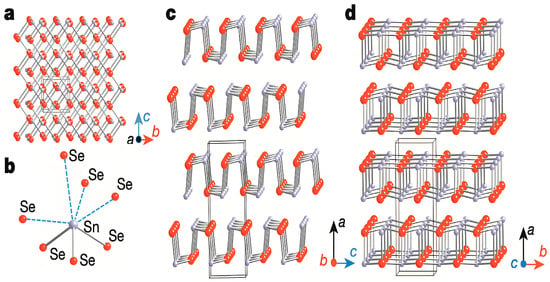
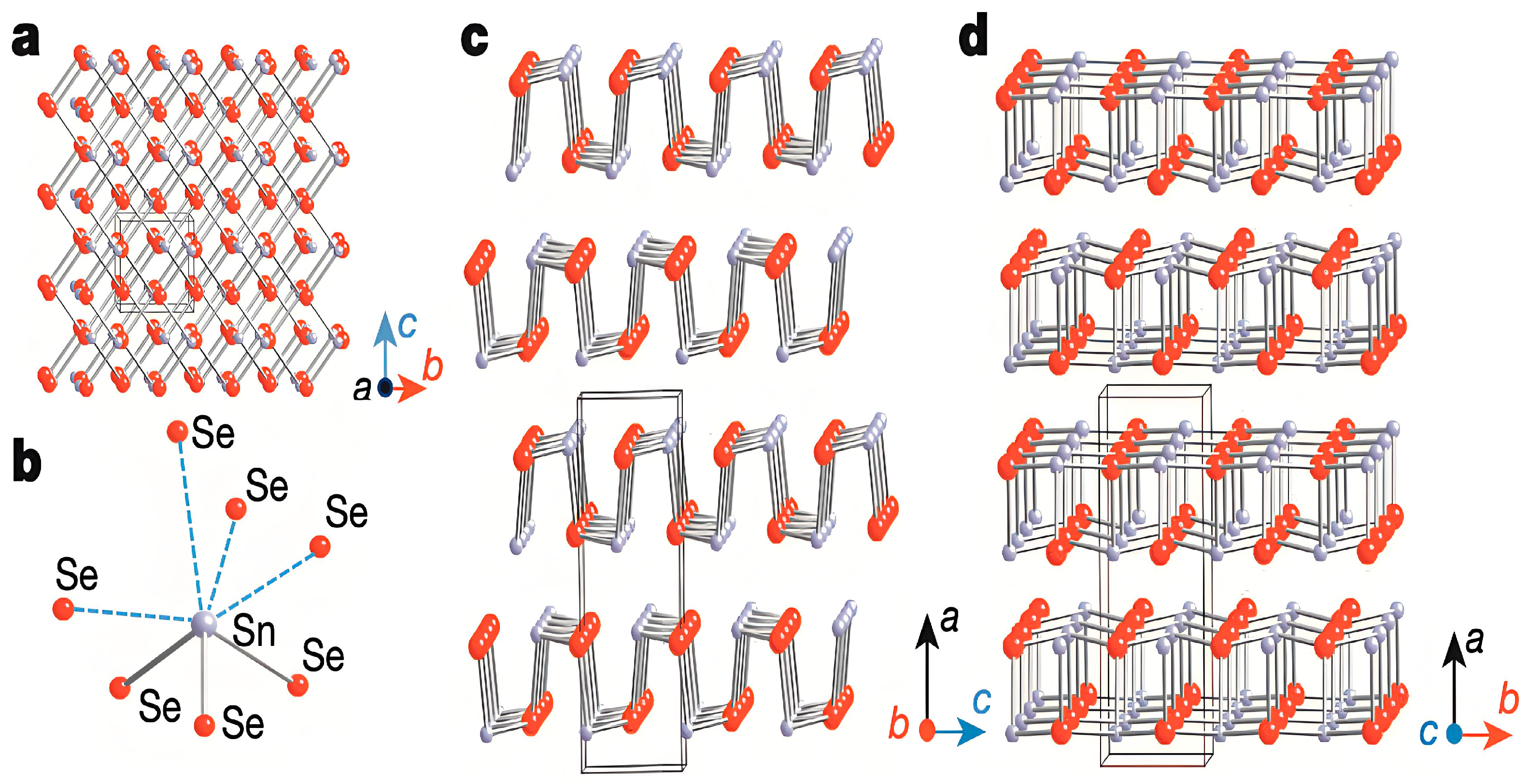
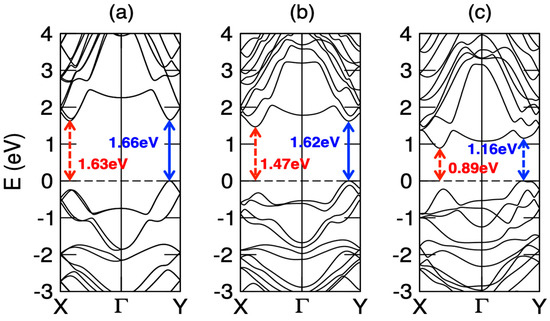
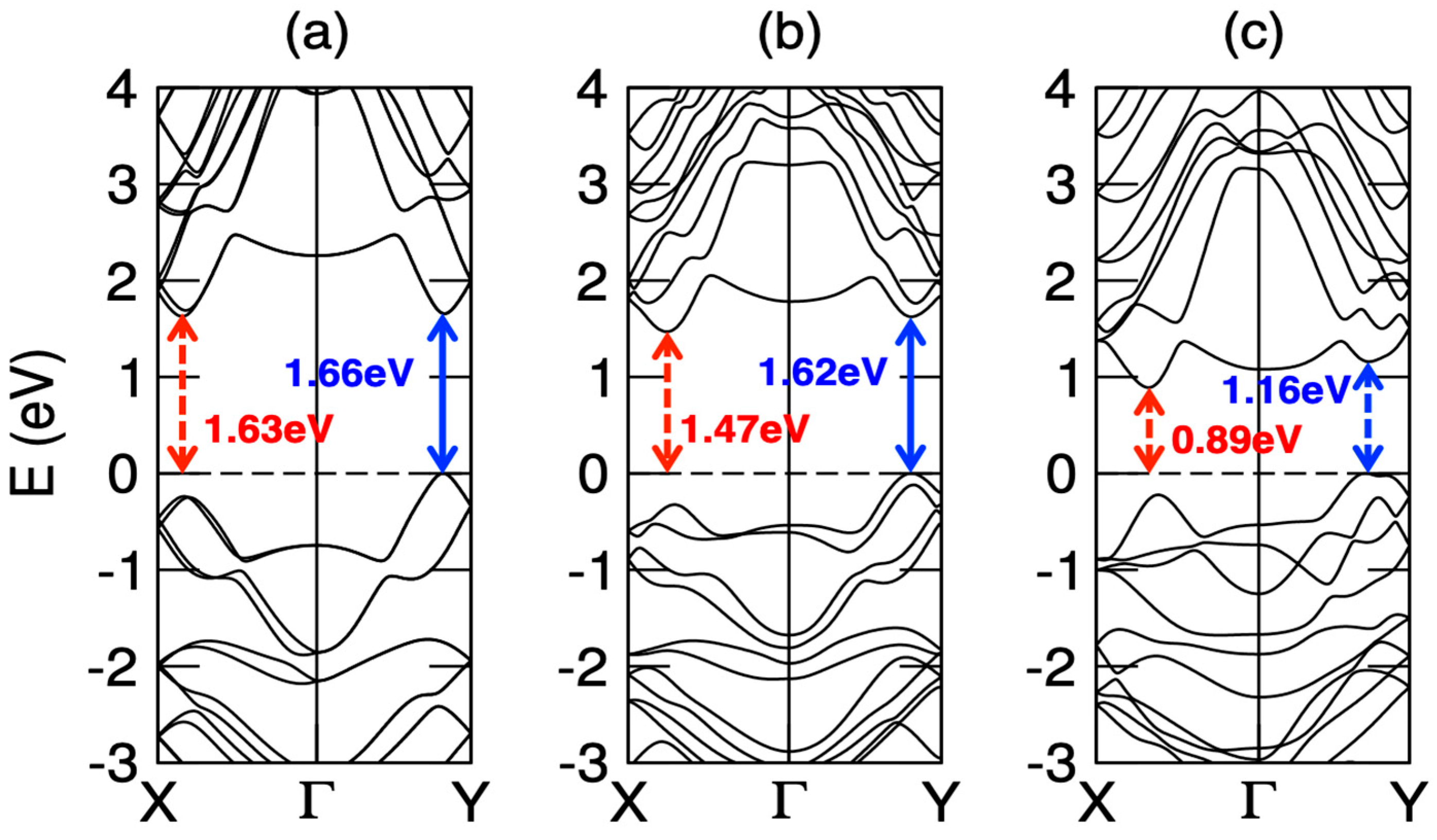
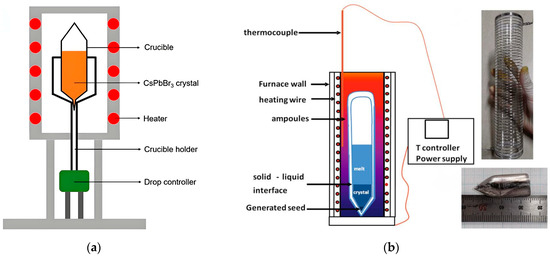
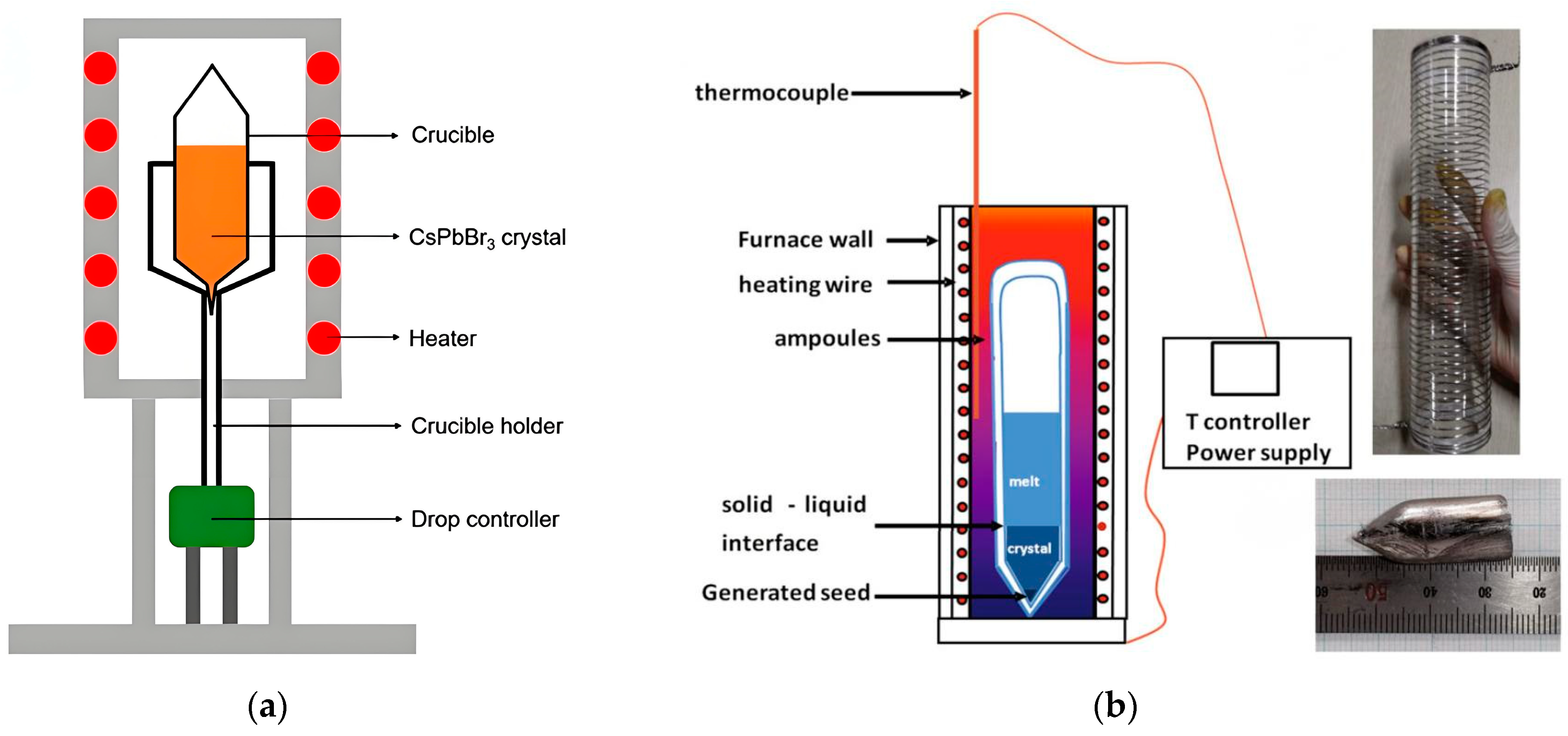
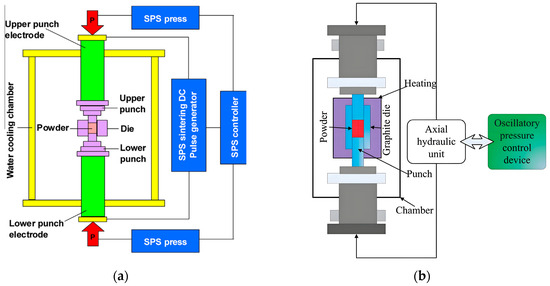
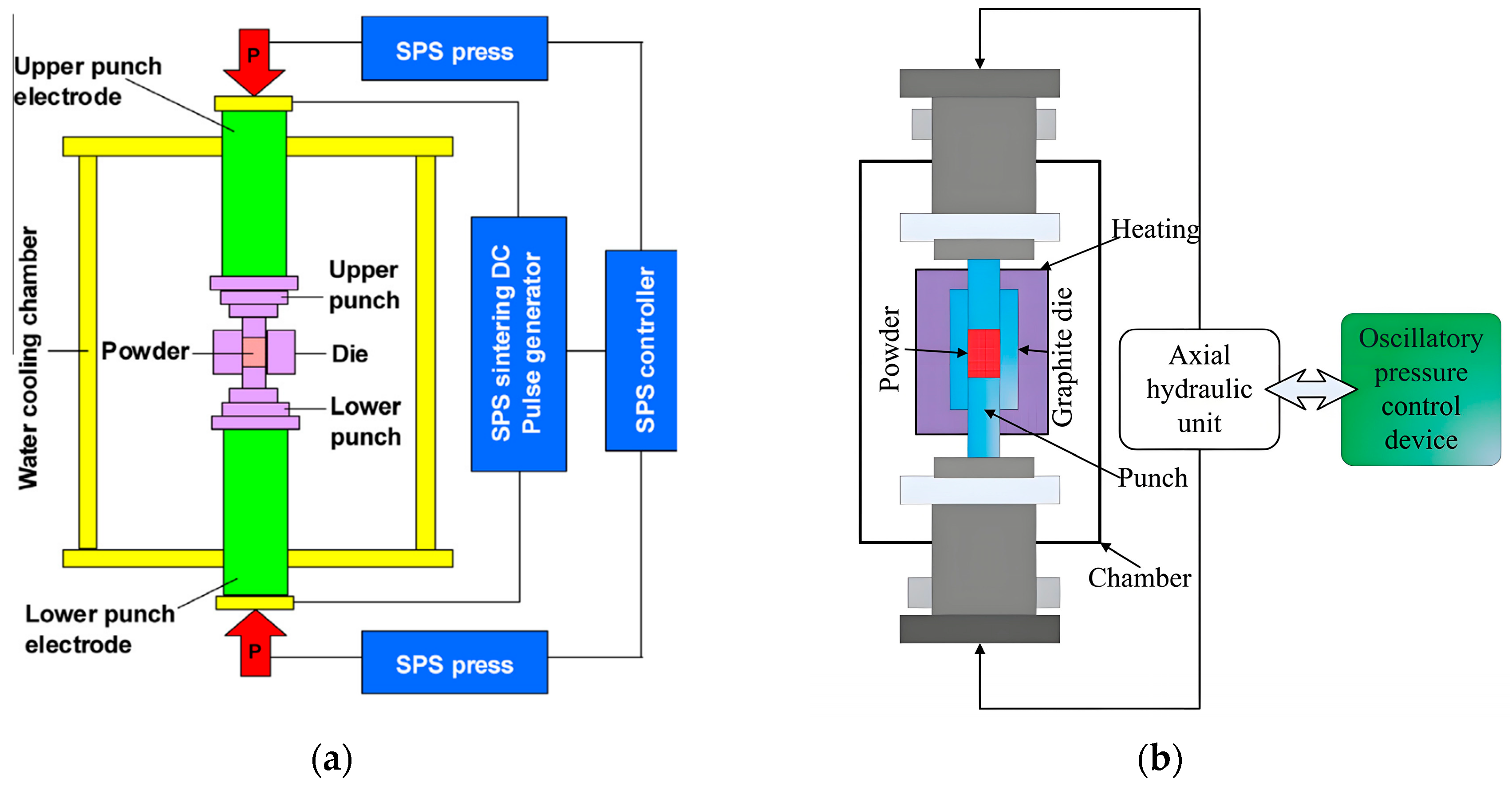
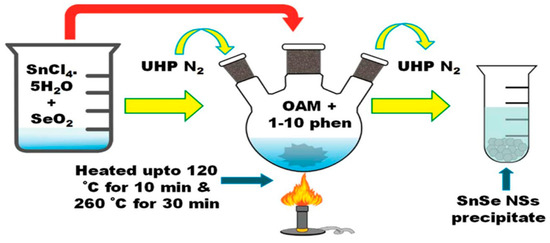
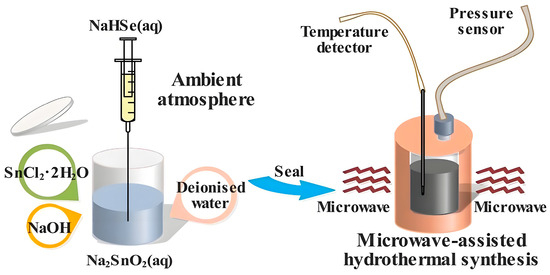
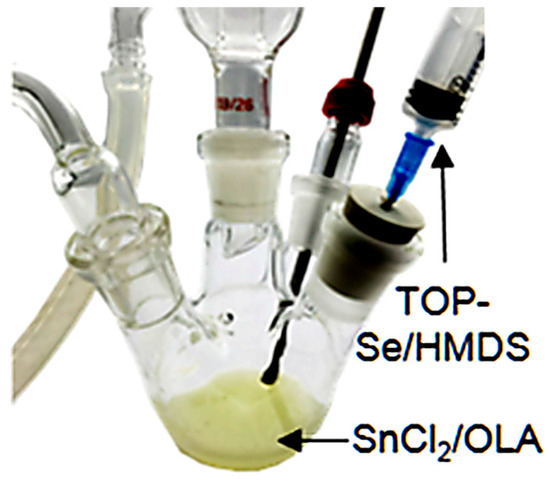
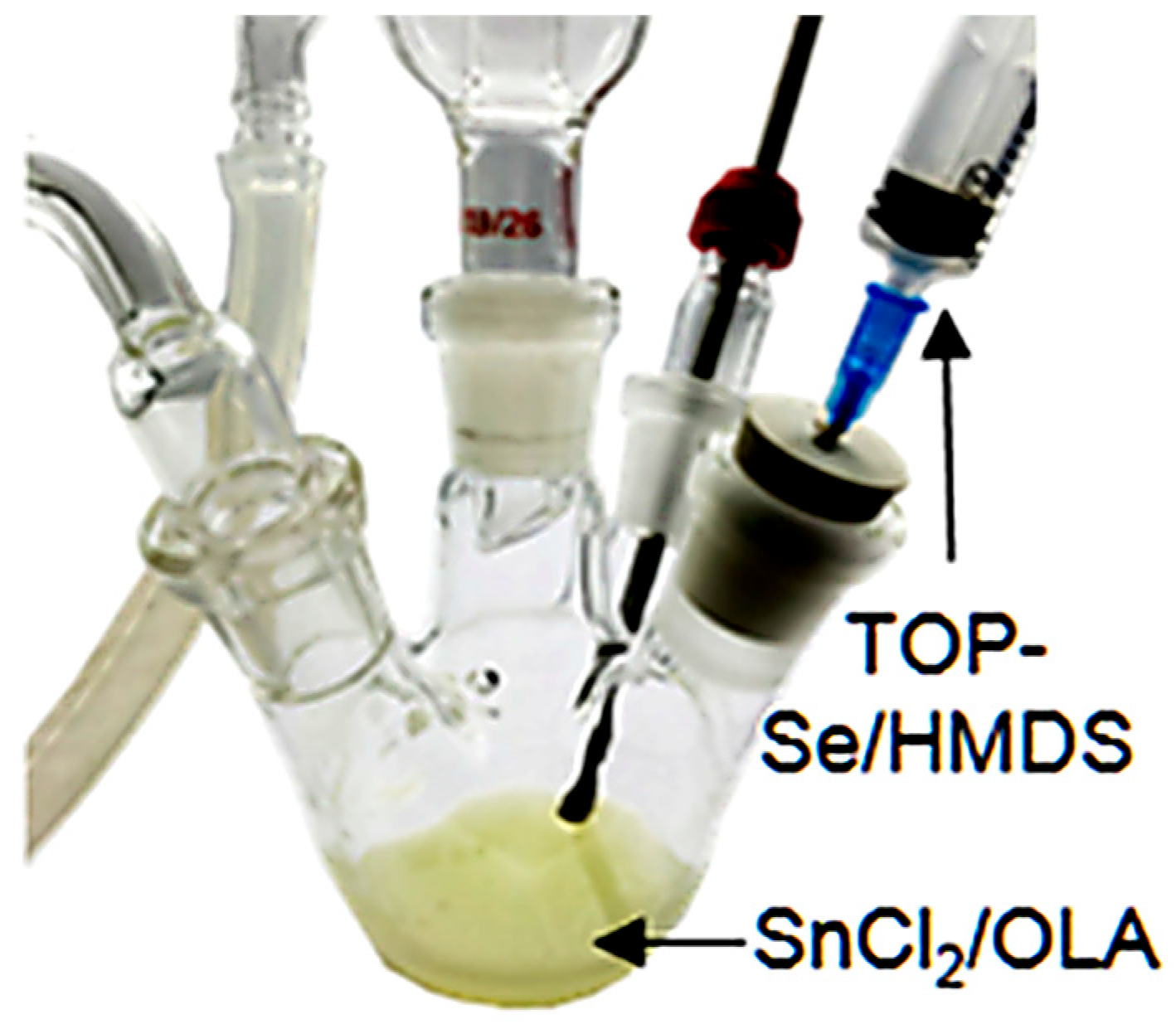
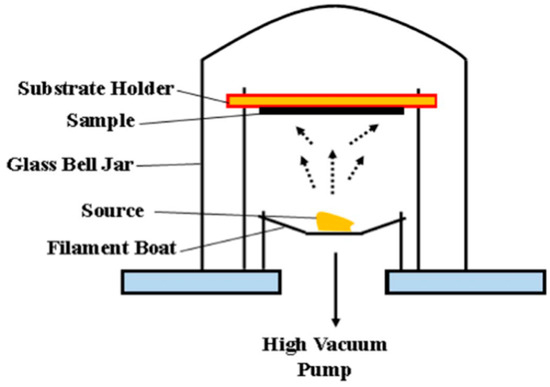
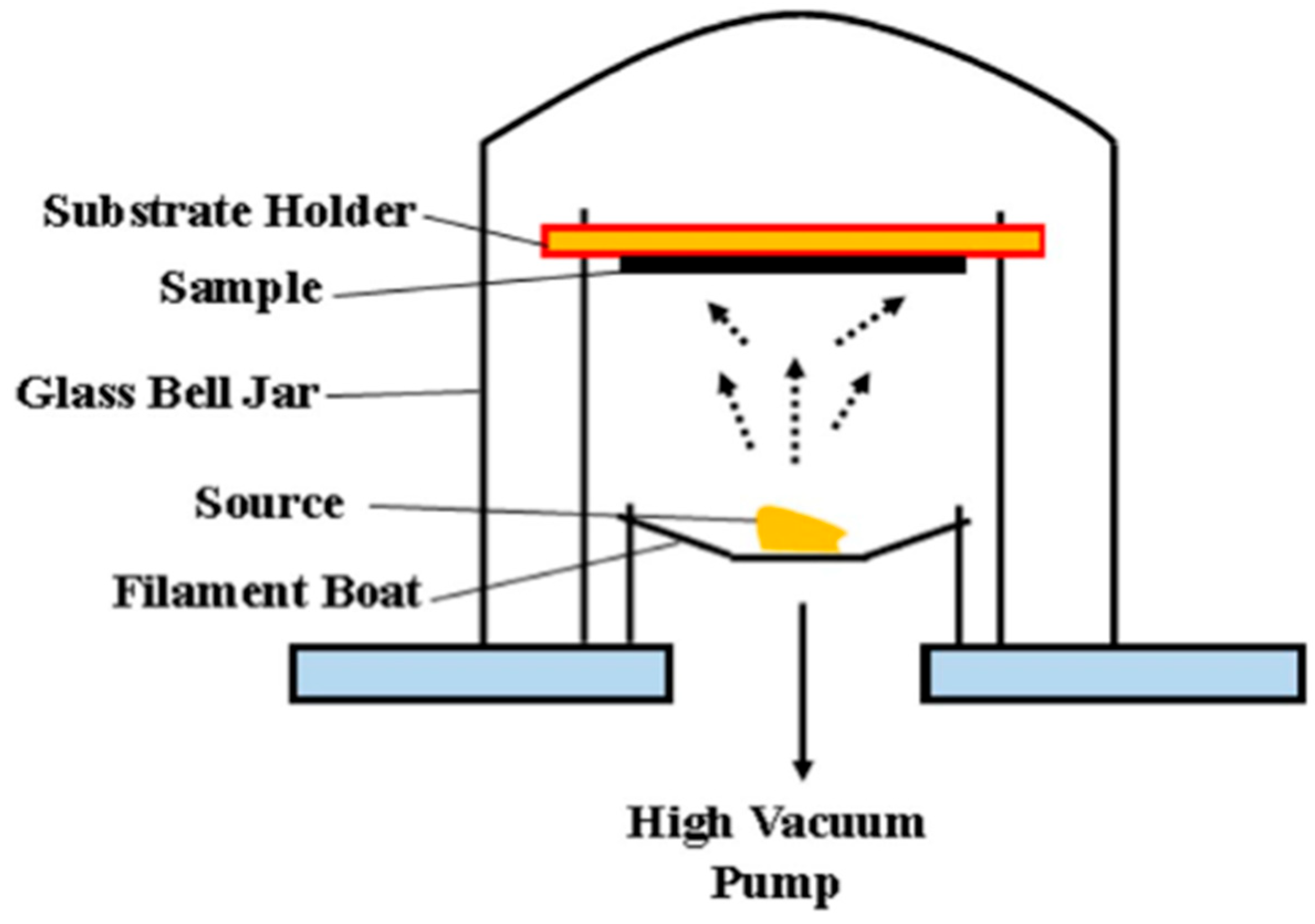
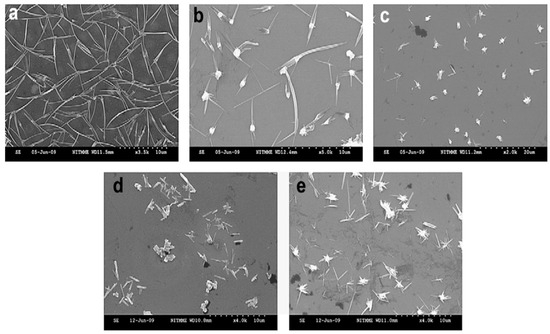
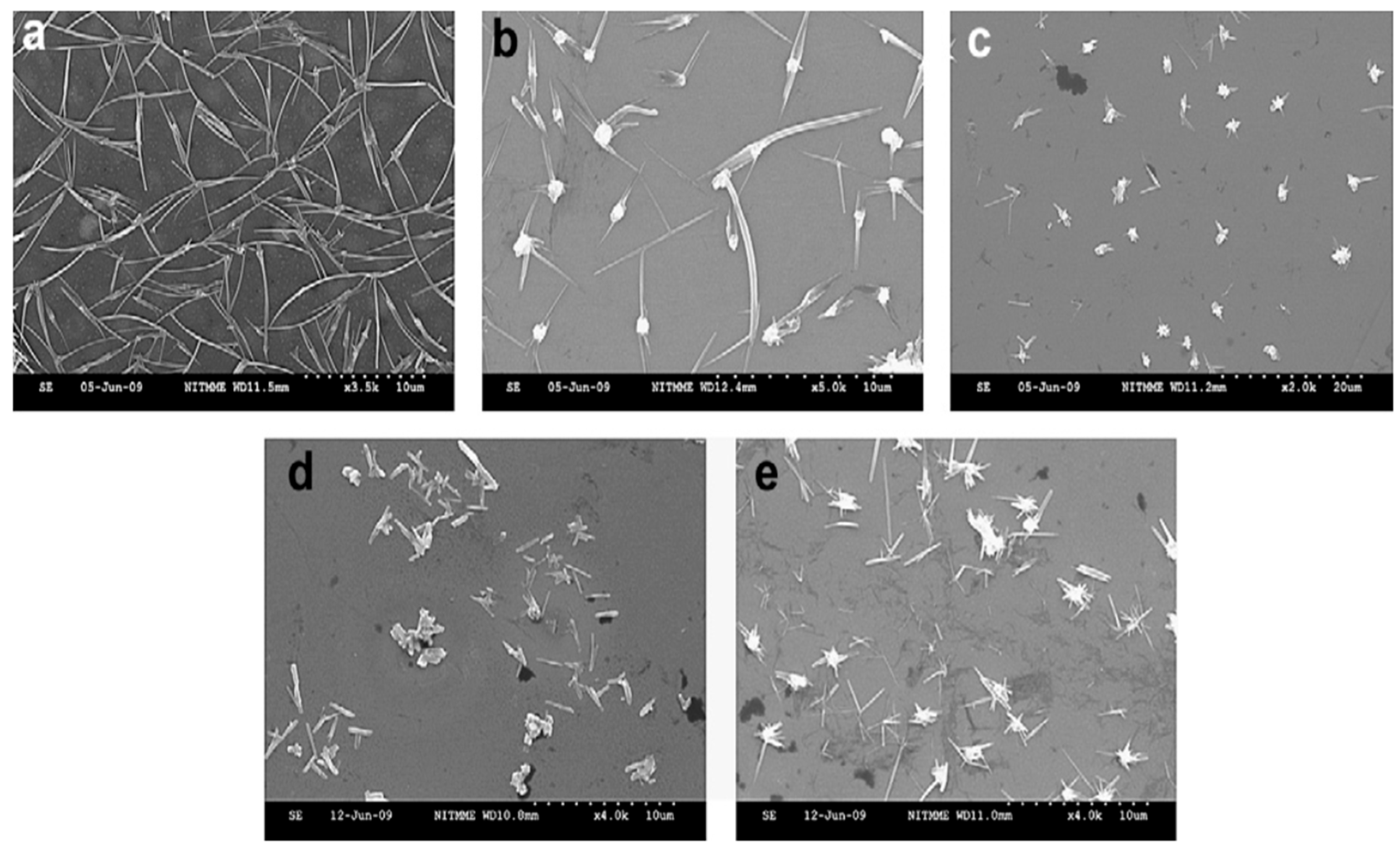
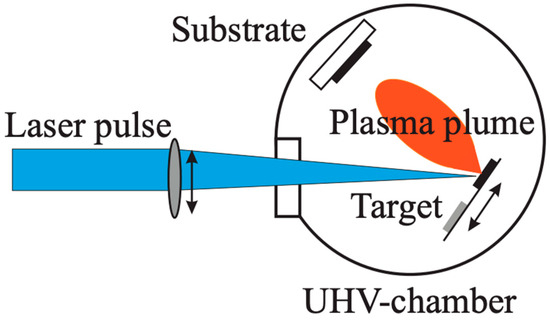
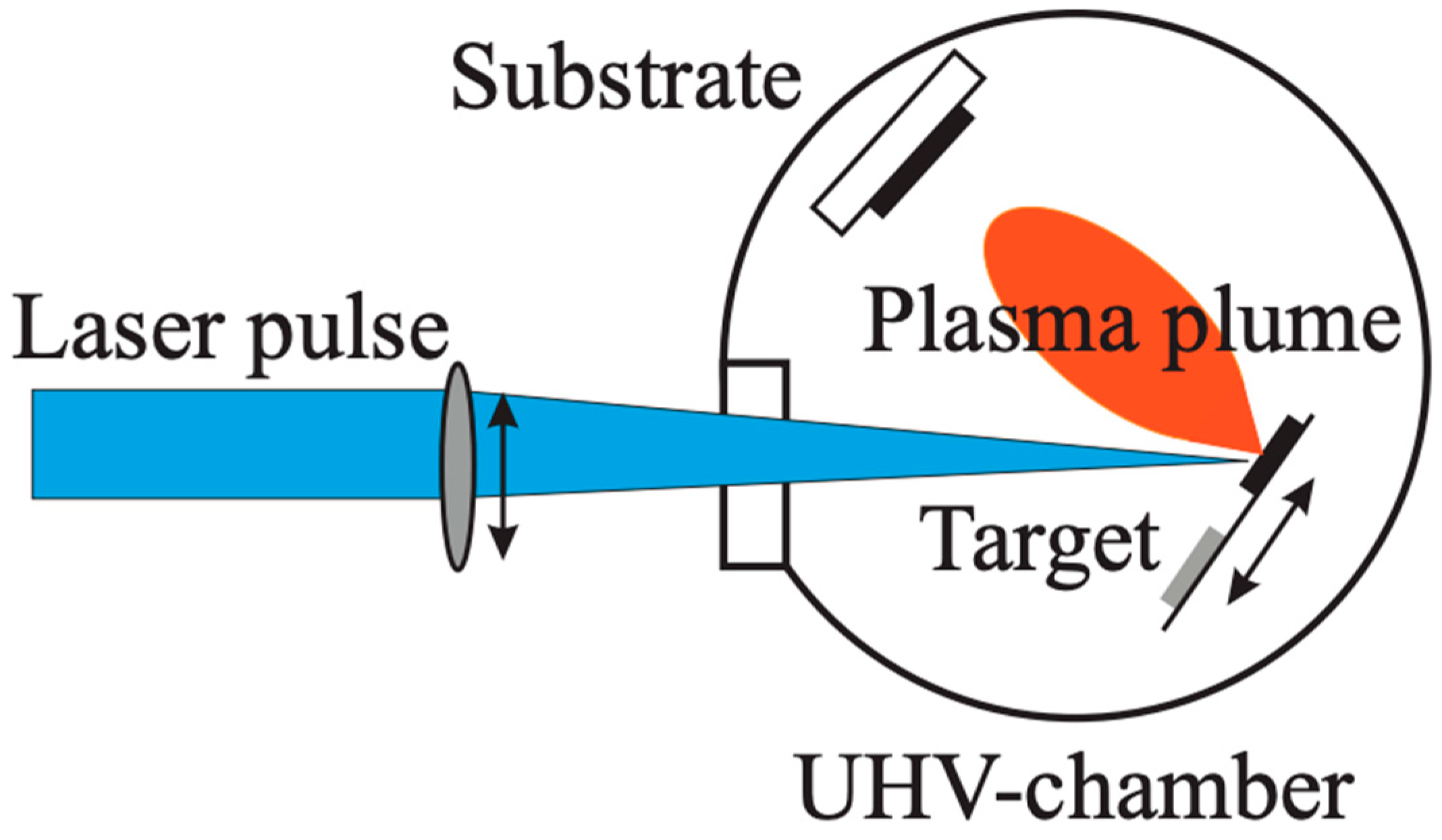
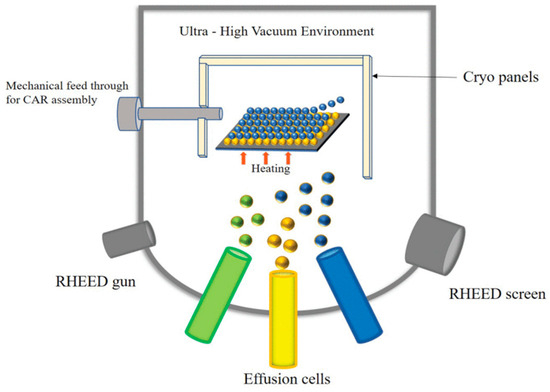
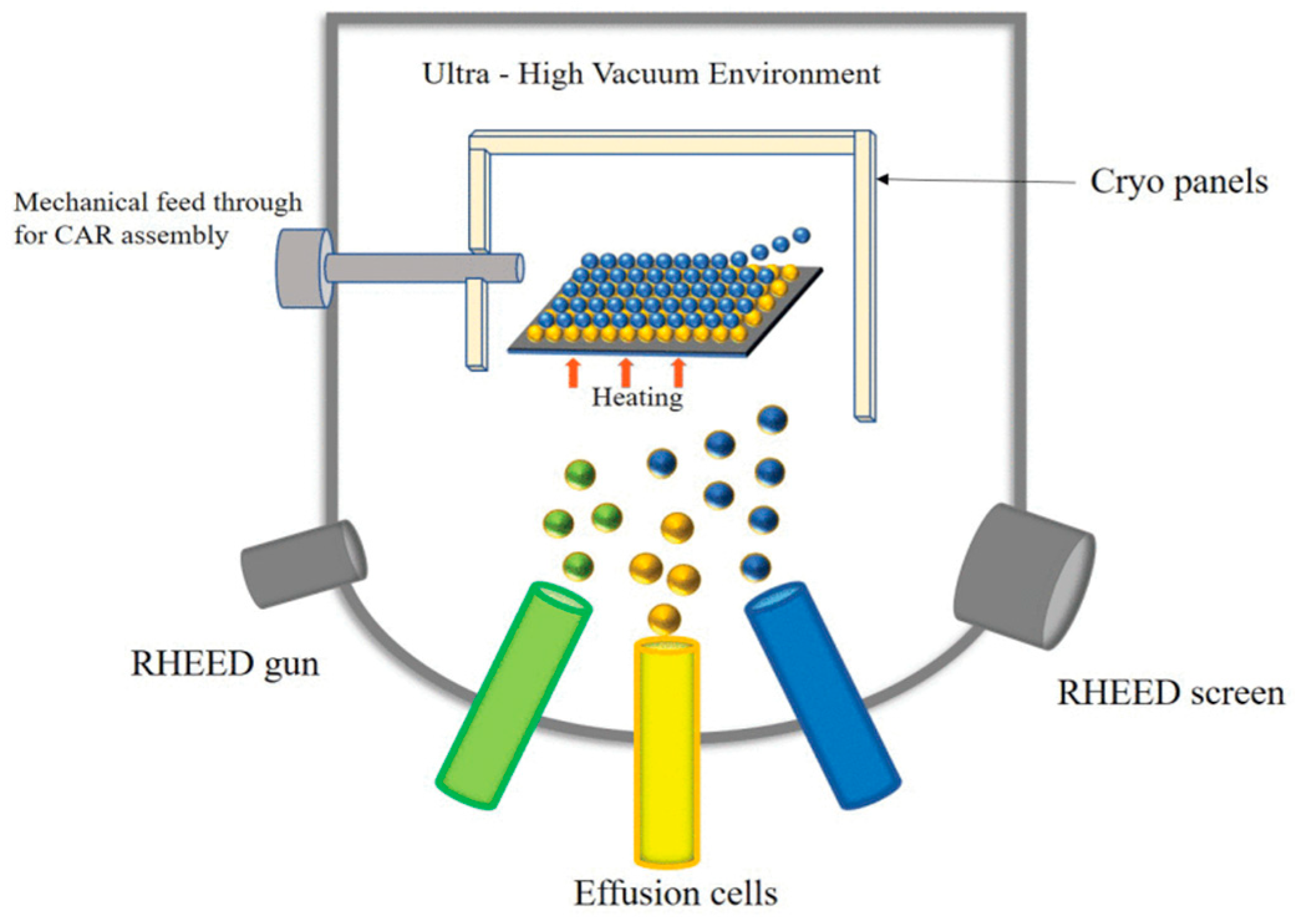
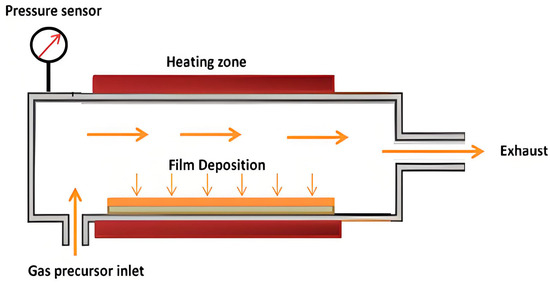
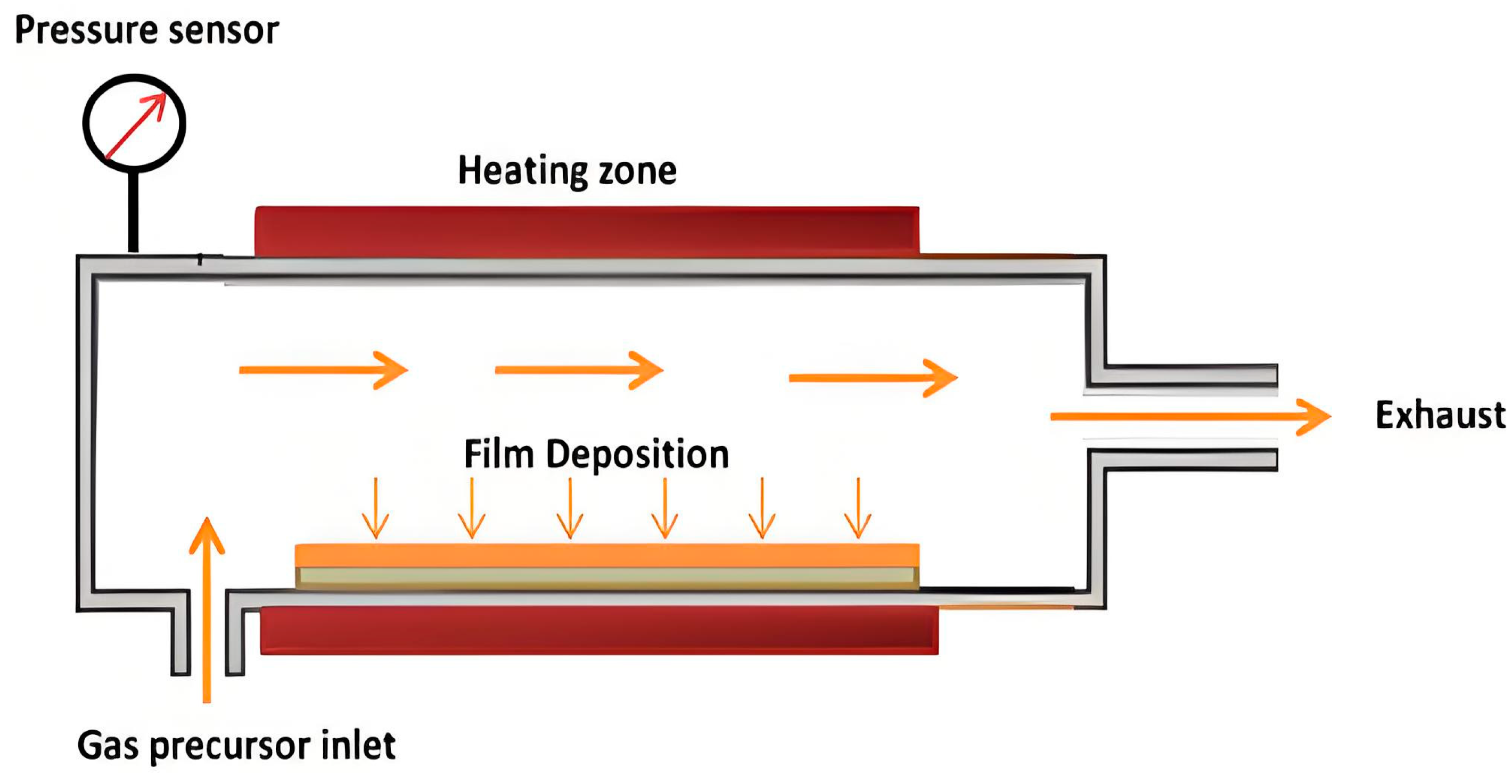
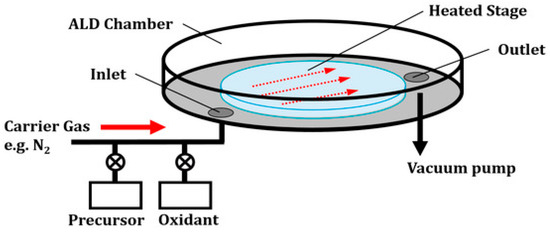
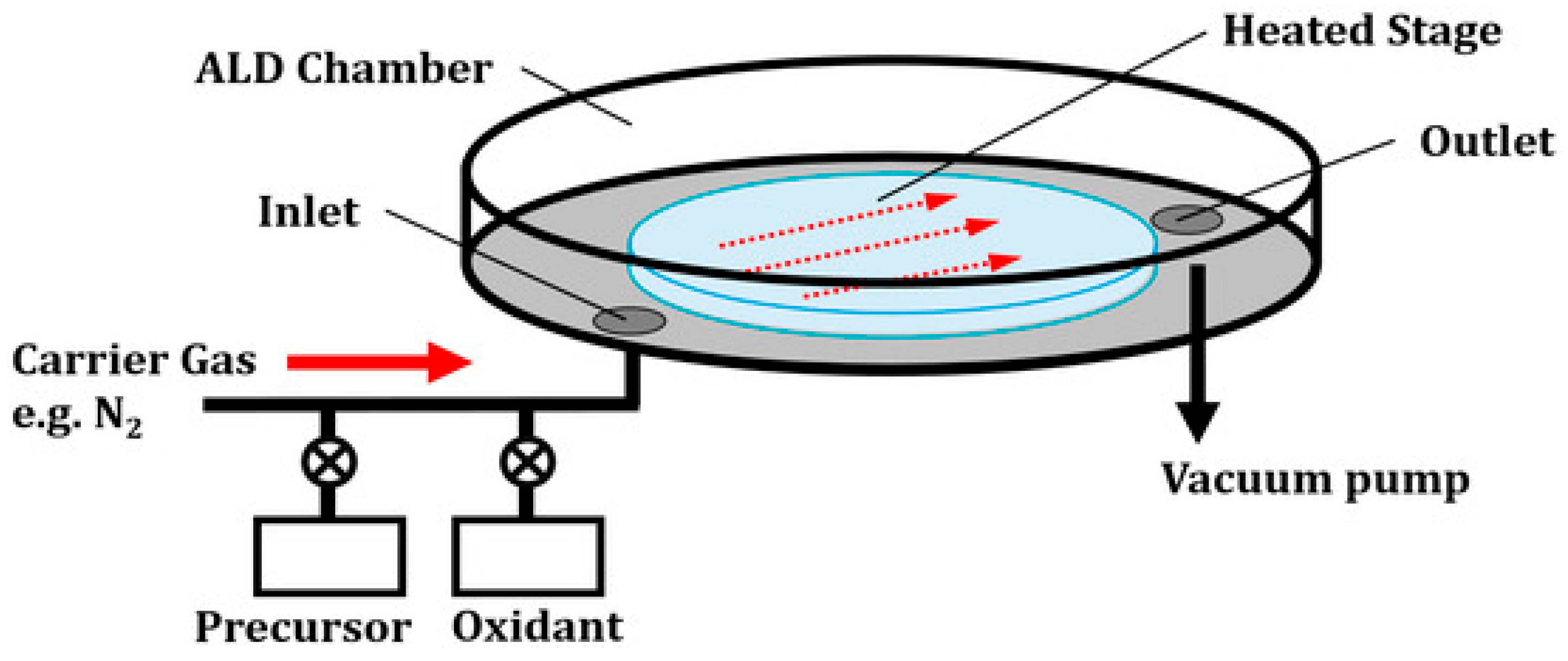
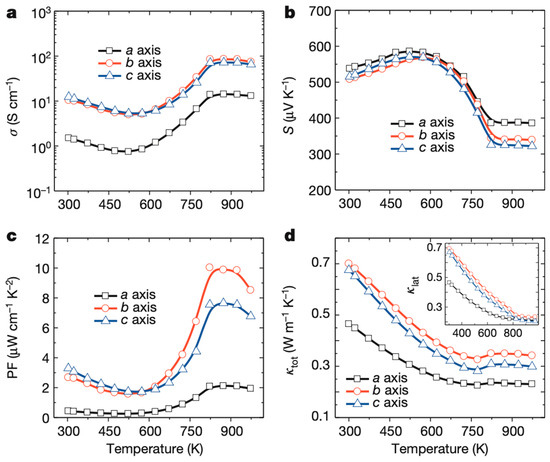
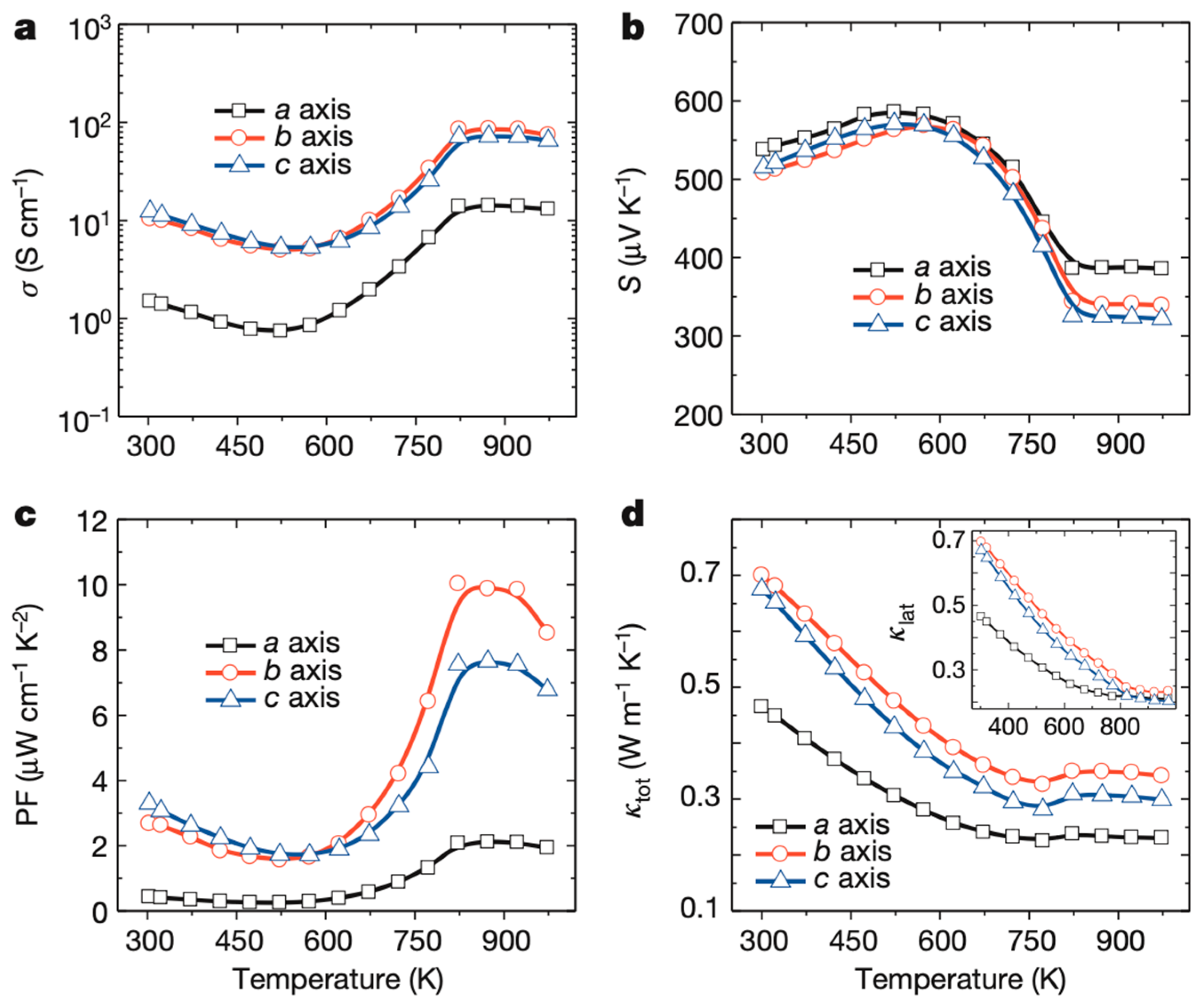

Disclaimer/Publisher’s Note: The statements, opinions and data contained in all publications are solely those of the individual author(s) and contributor(s) and not of MDPI and/or the editor(s). MDPI and/or the editor(s) disclaim responsibility for any injury to people or property resulting from any ideas, methods, instructions or products referred to in the content. |
© 2026 by the authors. Licensee MDPI, Basel, Switzerland. This article is an open access article distributed under the terms and conditions of the Creative Commons Attribution (CC BY) license.