Abstract
This study aims to characterise TiCN coatings deposited on Ti6Al4V by physical vapour deposition. Findings on surface morphology, geometric structure, adhesion, instrumental hardness, and tribology are presented. Microscopic examination revealed a uniform coating with a thickness of about 1.5 µm and roughness (Sq) equal to 0.13 µm. Mechanical tests showed that the coating deposition increased the hardness of the Ti6Al4V alloy by about 75%. The artificial saliva solution used in the tribological tests reduced the coefficient of friction and the volumetric wear of the tested friction pairs. Microscopic observations of wear tracks after tribological tests allowed for the identification of wear mechanisms: micro-cutting/ploughing wear dominated in both the Ti6Al4V alloy and TiCN coating samples, but wear was much less pronounced overall with the TiCN coating. The study results demonstrate that the deposition of a TiCN coating simultaneously imparts low-friction and anti-wear properties to the surface of titanium alloys.
1. Introduction
The development of implantology has led to a dynamic increase in the demand for biomaterials and medical devices. Implanted elements must have appropriate mechanical and tribological properties, high biocompatibility, and bacterial and fungistatic resistance. This demand poses a great challenge for modern materials science. In this context, one of the most frequently studied groups of materials is titanium and its alloys [1,2]. The great interest in these materials stems primarily from their biocompatibility, high strength, low density, and excellent resistance to local corrosion (pitting, inter-granular, stress) and chemical corrosion (comparable to platinum) [3,4,5,6,7]. In implantology, titanium alloys are used for orthopaedic, dental, and cardiovascular implants; they are also used as plates, screws, nails, pins, and reinforcing cores for bone fractures [8,9,10].
Despite the continuous development of biomaterials in both material and structural terms, mechanical wear and tribocorrosion are observed on implanted surfaces [11,12]. Wear shortens the lifespan of implants and may also threaten patients’ health and lives [13]. New methods have long been sought to improve the durability of biomedical materials. One of the techniques to extend their service life is by modifying the surface layer, e.g., by depositing coatings using vacuum techniques such as physical (PVD) [14,15] and chemical (CVD) vapour deposition [16], or ion implantation [17]. The advantages of CVD include the high deposition rate and coating homogeneity; the disadvantages are the deposition temperature and higher gas pressure than that in PVD. Physical vapour deposition (PVD) involves the crystallisation of vapours of a metal or its compounds on the surface of a component to be coated. In this process, the coating can be administered by several methods, e.g., by magnetron sputter deposition, by arc deposition, by vacuum evaporation, or by ion plating, in which the ion source of the deposited material is a circular target that is placed in a chamber. A vacuum is created in the chamber (10−6 Pa) to remove impurities (gases and water vapour); then, a working gas (usually argon) is added until a working pressure of 10−3 ÷ 10−2 Pa is reached. The gas atoms are ionised in an electric field and accelerated in a magnetic field towards the target. Hitting the target surface knocks the material atoms out and deposits them on the coated surface. In the case of ceramic coatings, e.g., TiN or CrN, a reactive gas such as nitrogen is introduced into the vacuum chamber in addition to argon. In the plasma, a chemical reaction occurs between the atomised metal and the gas, and the resulting compound is then deposited on the component to be coated. The thickness of coatings obtained by PVD is usually 0.25–5 μm (for decorative coatings) or 1–6 μm (for functional coatings) [18,19,20]. Of the many coatings obtained by these methods for biomedical applications, the most studied are carbides [21], oxides [22,23], and metal nitrides [24,25], among which titanium nitrides are particularly noteworthy.
Research results indicate that TiN-based coatings applied by PVD improve wear and corrosion resistance [26,27], and increase the surface hardness [28] of biomedical materials by approximately ten times. In addition, depositing coatings onto titanium surfaces has antibacterial functions [29]. On the other hand, according to [30,31], titanium nitride deposited using the PVD method improves the long-term stability of bolted joints and extends the fatigue life of biomedical materials.
Danışman et al. [32] studied the morphology, surface geometric structure, and tribological properties of TiC, TiAlN, and TiCN coatings deposited onto a Ti6Al4V titanium alloy. They performed tribological tests at room temperature under dry friction using different loads. The results of these tests indicated that the TiCN and AlTiN coatings had a lower coefficient of friction than the TiN coating and that the deposition of all the coatings under analysis contributed to an increase in the Ti6Al4V wear resistance. In addition, the authors analysed the wear tracks and observed adhesive, abrasive, and oxidative wear mechanisms on the surface of the coatings.
The high interest in titanium nitride-based coatings stems from their biocompatibility and corrosion resistance. Hollstein and Louda [33] investigated TiCN coatings deposited on stainless steel for surgical tool applications and found that the TiCN coatings they studied showed good biocompatibility. On coated elements, corrosion occurred significantly more slowly than on uncoated elements. Similar results were obtained by Feng et al. [34], who observed a three-fold decrease in corrosion current density in TiCN-coated elements. They reported that the lack of cytotoxicity, in combination with the mechanical and corrosion properties, makes TiCN coatings a very interesting material for biomedical applications. According to Balázsi et al. [35], titanium nitride coatings are among the most promising materials for long-term implants due to their high biocompatibility and high corrosion resistance.
A literature analysis indicates that the properties of the TiCN coating in unlubricated friction nodes have been evaluated previously. As this work is directed towards applying anti-wear coatings to components used in dental implantology, the present study was undertaken to investigate the effect of artificial saliva solution on the properties of TiCN coatings deposited on Ti6Al4V. A comprehensive characterisation of the morphology, surface geometric structure, and mechanical properties was carried out. The evaluation of the tribological properties of TiCN coatings lubricated with artificial saliva solution at neutral pH and 37 °C was the essential component of this study. This was complemented by determining the wear mechanisms between the mating parts. The results were compared with the Ti6Al4V alloy.
Tests carried out in this study indicate that covering friction pair elements with TiCN anti-wear coatings, additionally supported by a lubricant, reduced the friction coefficient and wear rate of Ti6Al4V.
2. Materials and Methods
2.1. Preparation of Titanium Samples
The tests used Ti6Al4V titanium alloys purchased in the form of a rod with a diameter of 18 mm. The chemical composition of the Ti6Al4V titanium alloys used is presented in Table 1. This titanium alloy has good mechanical properties and corrosion resistance [36,37,38,39].
Table 1.
Chemical composition of Ti6Al4V titanium alloy.
The material was supplied as a rod with an 18 mm diameter. Before the TiCN coating was deposited, the bar was cut into 6 mm high specimens, then ground and polished using a FEMTO 1100 grinder–polisher (Pace Technologies, Tucson, AZ, USA. The grinding process used SiC abrasive papers with grit sizes of 120, 240, 320, 600, 1200, and 2500. The samples were polished on cloth with a diamond polishing paste with a grain size of 3 µm. Finally, substrates were cleaned for 5 min each in both acetone and deionized water using an ultrasonic bath. The surface roughness (Sq) after mechanical processing was 0.08 µm.
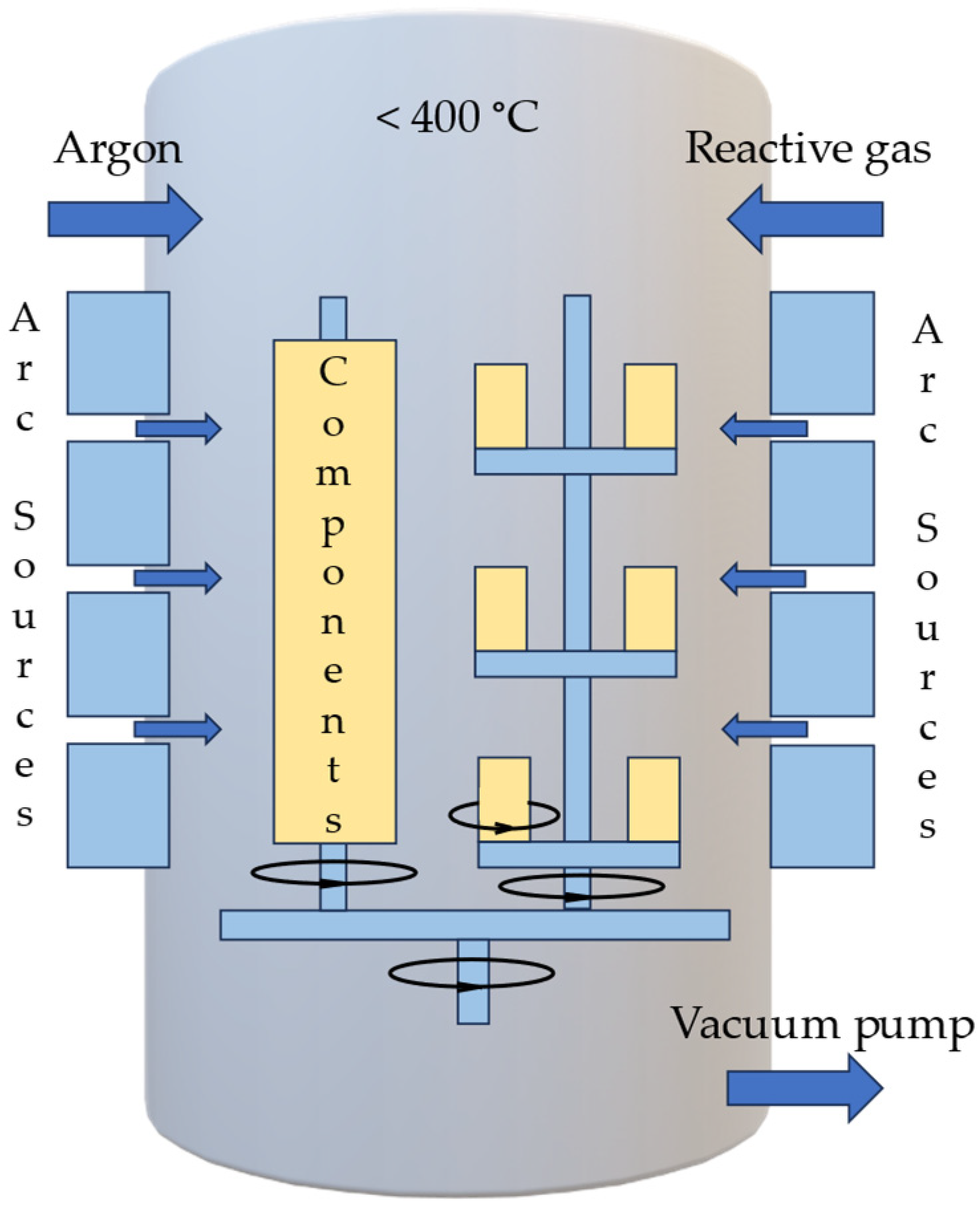
The titanium carbonitride coating (TiCN) was applied by physical vapor deposition (PVD) at <400 °C using S3p technology. The layers were made in Oerlikon Balzers using an INLENIA. This technique is a combination of arc evaporation and sputtering methods. Depositions were performed in vacuum at 10−6 Torr. A schematic of the process is shown in Figure 1.
Figure 1.
Schematic of the PVD system.
2.2. Research Methodology
The thickness of the deposited TiCN layers was examined by microscopic observations of the cross-sections using a JSM 7100F scanning electron microscope (JEOL, Tokyo, Japan) equipped with an EDS energy-dispersion spectrometer. A magnification of ×20,000 and an accelerating voltage of 15 kV were used. The study was expanded to linear elemental distributions. The results of the tests are presented in Section 3.1.
A confocal microscope DCM8 (Leica, Heerbrugg, Canton of St. Gallen, Switzerland) was used to measure the surface topography. A 1.2 × 2.0 μm area was analysed. The axonometric (3D) images, surface profiles, and essential amplitude parameters are given in Section 3.2.
A microhardness tester (Anton Paar, Baden, Switzerland) and the scratch method were used to determine the adhesion, and the hardness and Young’s modulus were measured using an ultra nano-hardness tester (Anton Paar, Baden, Switzerland). The tests parameters are presented in Table 2 and Table 3. The mechanical test results are shown in Section 3.3.
Table 2.
Parameters of mechanical test—hardness.
Table 3.
Parameters of mechanical test—adhesion.
Tribological tests were carried out using an Anton Paar tribometer (Anton Paar, Baden, Switzerland). Tests were carried out in rotary motion under dry friction and friction with lubrication with the artificial saliva solution (Table 4). During the tribological tests, a load force of 1 N, a linear velocity of 0.1 m/s, and a friction distance of 1000 m were used. The results are presented in Section 3.4.
Table 4.
Chemical composition of artificial saliva.
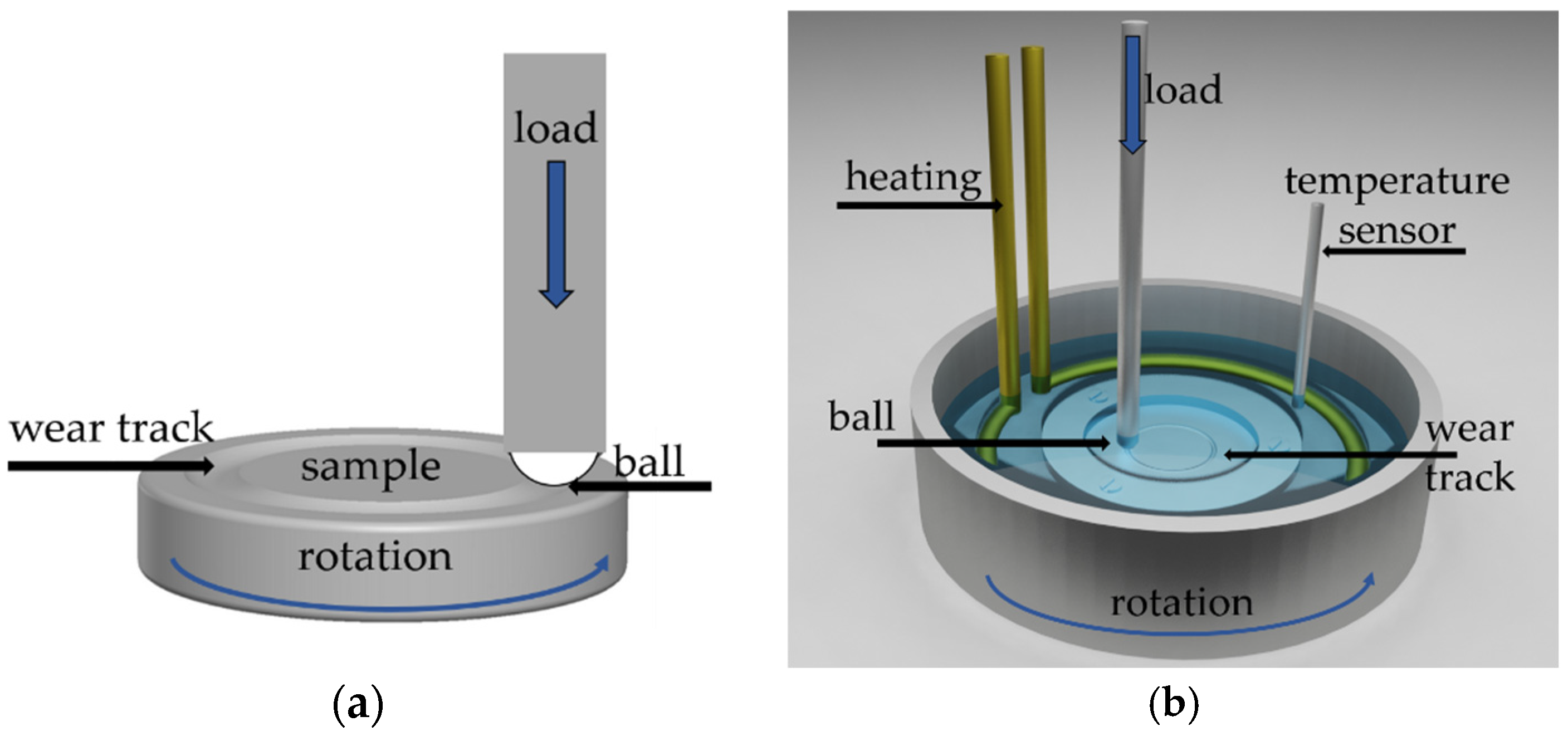
The artificial saliva solution with a neutral pH was heated to 37 °C to mimic the environment in which implants and medical devices work. The counter sample was an Al2O3 ball with a diameter of 6 mm and Sa equal to 0.32 µm. A photograph of the friction pair is shown in Figure 2.
Figure 2.
Friction pair—tribological test: (a) dry friction; (b) lubricated friction with artificial saliva.
The tests were repeated three times for each friction pair at the set parameters, and the average values of the friction coefficients and linear wear were determined.
After tribological testing, the samples were subjected to microscopic observations to determine the depth and volume of wear. Confocal microscopy DCM8 (Leica, Heerbrugg, Canton of St. Gallen, Switzerland) was used for the study. The parameters of the geometric structure of the surfaces of the wear traces were analysed in the 1.2 × 2.0 μm area. The results are shown in Section 3.5.
3. Results
3.1. Coating Thickness
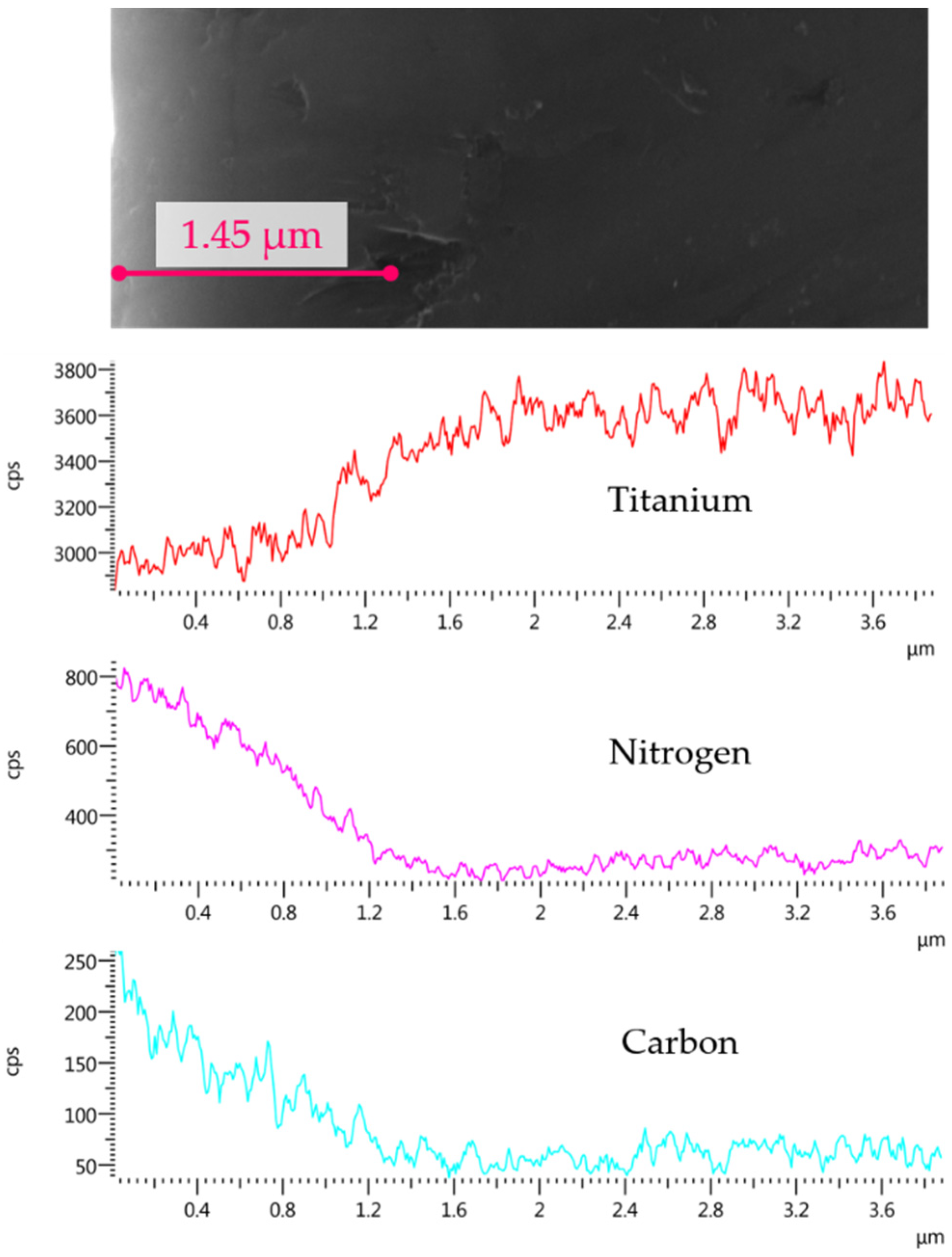
Figure 3 shows a cross-sectional image of the TiCN coating morphology along with the linear distribution of elements. The thickness of the coating was determined from observations in five areas.
Figure 3.
Linear distribution of elements and coating thickness on the cross-section.
A linear analysis of the elemental distribution of the TiCN coating indicated the presence of all elements assumed in the fabrication process. The deposited layer was approximately 1.5 µm thick and consisted of titanium, carbon, and nitrogen, with the highest concentration of C and N at the surface. At a depth of about 1.2 µm, a marked decrease in counts of these elements was observed. The titanium content increased with depth due to its presence in the Ti6Al4V substrate.
3.2. Confocal Microscopy Results
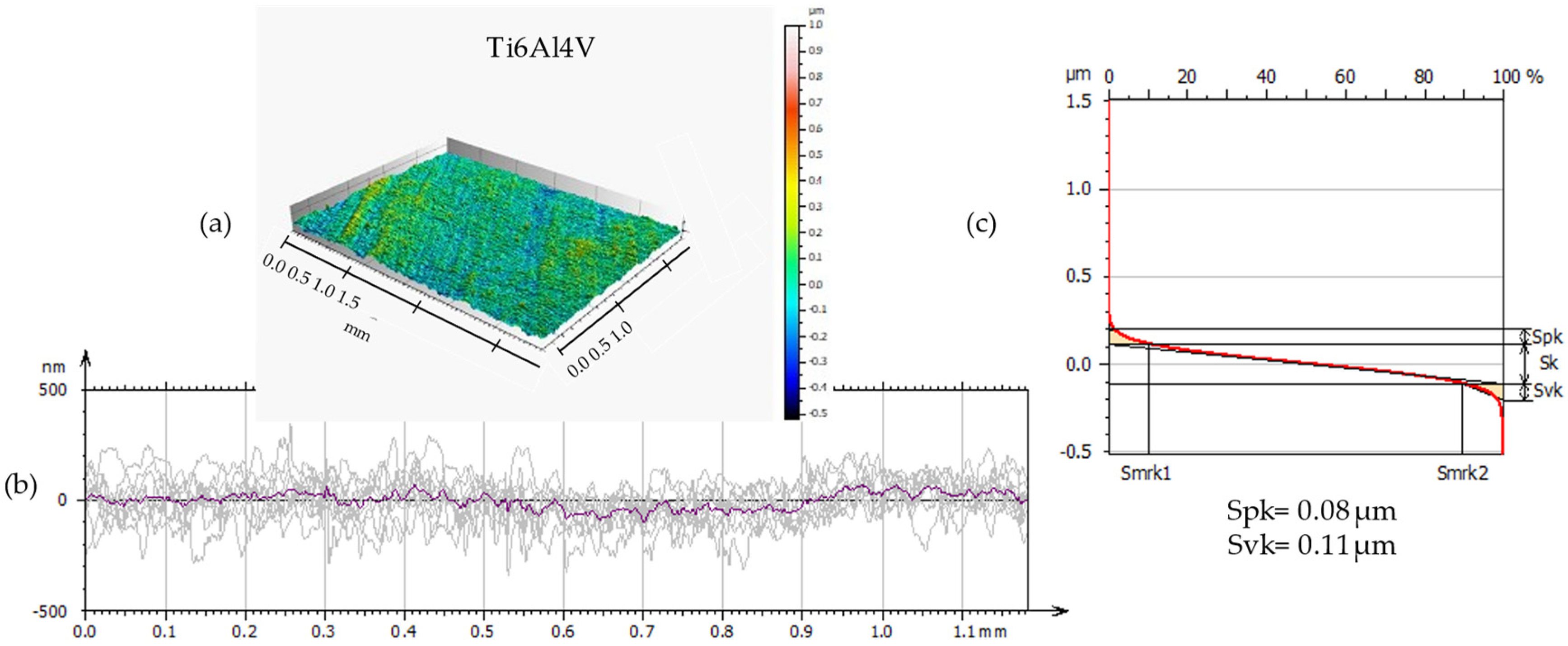
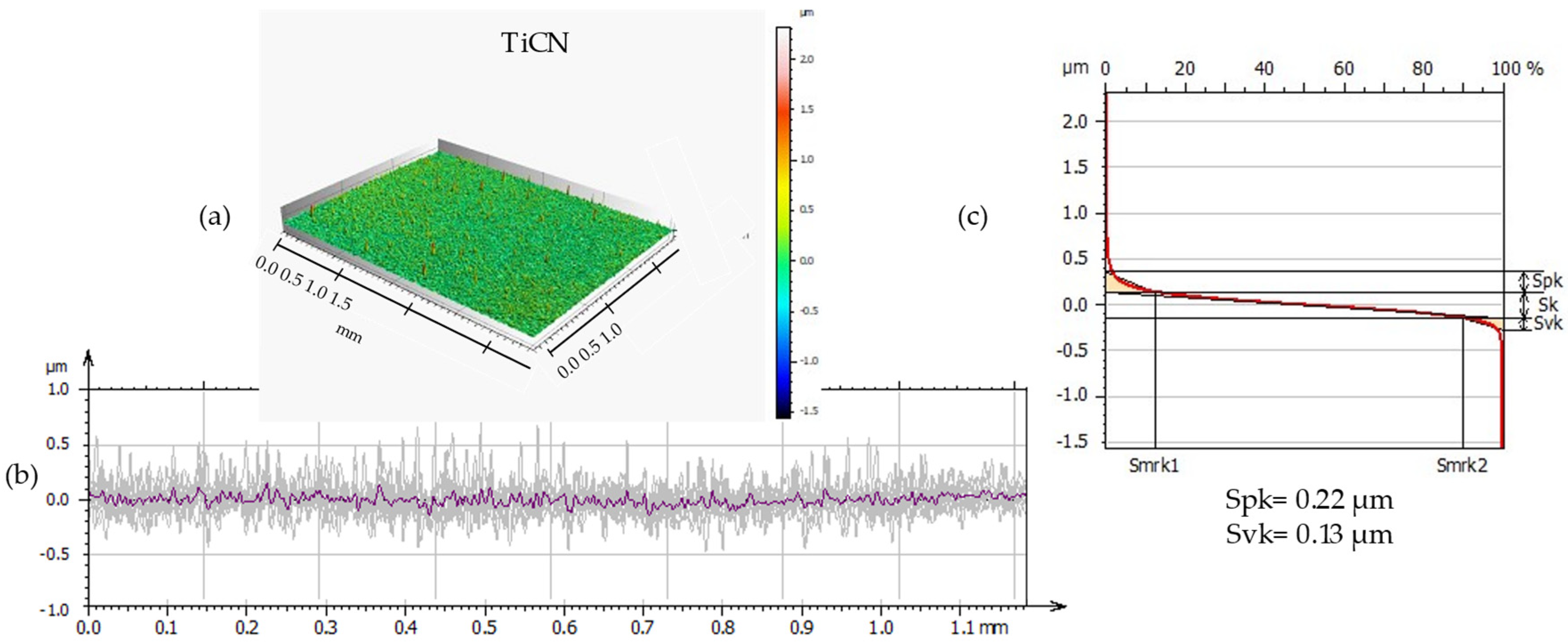
The analysis of the surface topography before (Figure 4) and after coating deposition (Figure 5) was based on 3D axonometric images (a), primary profiles (b), material contribution curves (c), and the parameters extracted from them: Spk (reduced peak height), Svk (reduced valley depth), and amplitude parameters (Table 5).
Figure 4.
Three-dimensional axonometric images (a), primary profiles (b), and material contribution curves (c) Ti6Al4V titanium alloy.
Figure 5.
Three-dimensional axonometric images (a), primary profiles (b), and material contribution curves (c) TiCN coatings.
Table 5.
Amplitude parameters before tribology testing.
The deposition of a TiCN coating significantly influenced changes in the Ti6Al4V surface topography. Compared to the titanium alloy, the values of the amplitude parameters Sq, Sv, and Sp for the coating were 40%, 70%, and 30% higher, respectively. The positive skewness value of 0.98 indicates the presence of peaks with steep slopes and apexes with small radii of curvature on the surface of the coating. The analysis of the material ratio curves and the results obtained from parameters Spk and Svk indicated that the running-in time for the coating would be longer than that for Ti6Al4V. Additionally, higher friction coefficients should be expected in the initial test period, i.e., during the running-in period. The value of the reduced depth of valleys (Svk) affects the ability to retain the lubricant. The higher Svk value for the TiCN coating indicates that it is characterised by better lubrication. This surface topography analysis allows for the preliminary prediction of tribological properties at the stage of surface layer formation.
3.3. Adhesion and Hardness
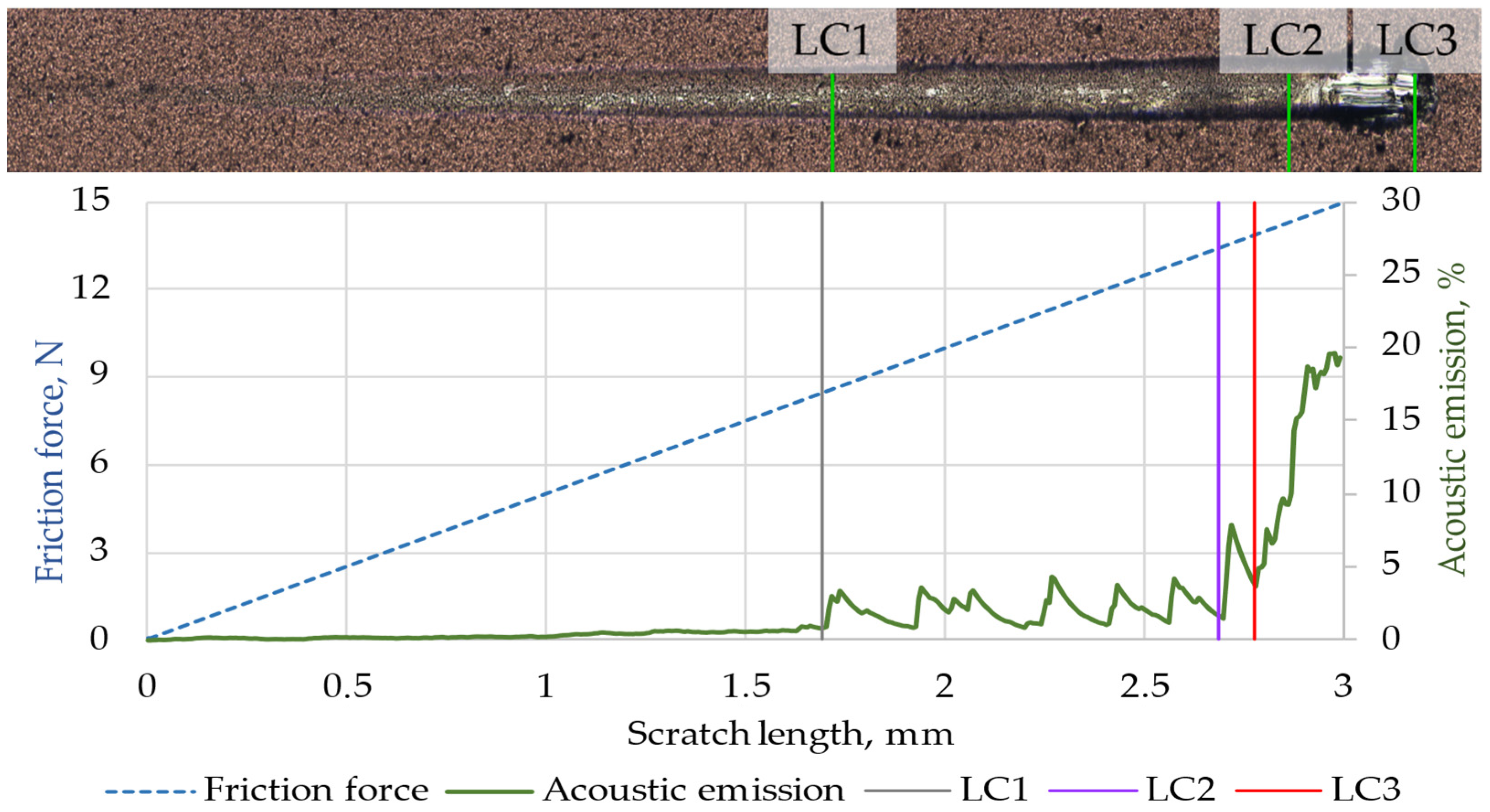
Figure 6 shows the results of the scratch test of TiCN coatings deposited on the Ti6Al4V titanium alloy. The diagrams show optical images of the scratches, as well as plots of loading force (Fn), acoustic emission (Ae), friction coefficients µ, and the values of critical forces (LC1–LC3).
Figure 6.
Results of the TiCN scratch tests.
The scratch test results of the TiCN coating deposited onto Ti6Al4V indicated that the deposited layer was characterised by good adhesion to the metallic substrate. A jump in acoustic emission was observed under a critical load of approximately 8.48 N (LC1). Since no chipping of the deposited layer was observed in the optical image, it is assumed that the jump is related to the surface roughness of the coating (presence of peaks and valleys). Increasing the load to 13.4 N (LC2) led to the appearance of the first cracks. These cracks were located inside the formed scratch and were cohesive in nature, i.e., opposite to the direction of movement of the indenter. Increasing the load intensified the formed cracks and their propagation outside the scratch. This resulted in a large amount of chipping along the entire edge of the formed scratch when the indenter was loaded with a force of 13.7 N. Complete coating removal was observed after scratching the TiCN coating with an indenter loaded with a force of 13.9 N (LC3).
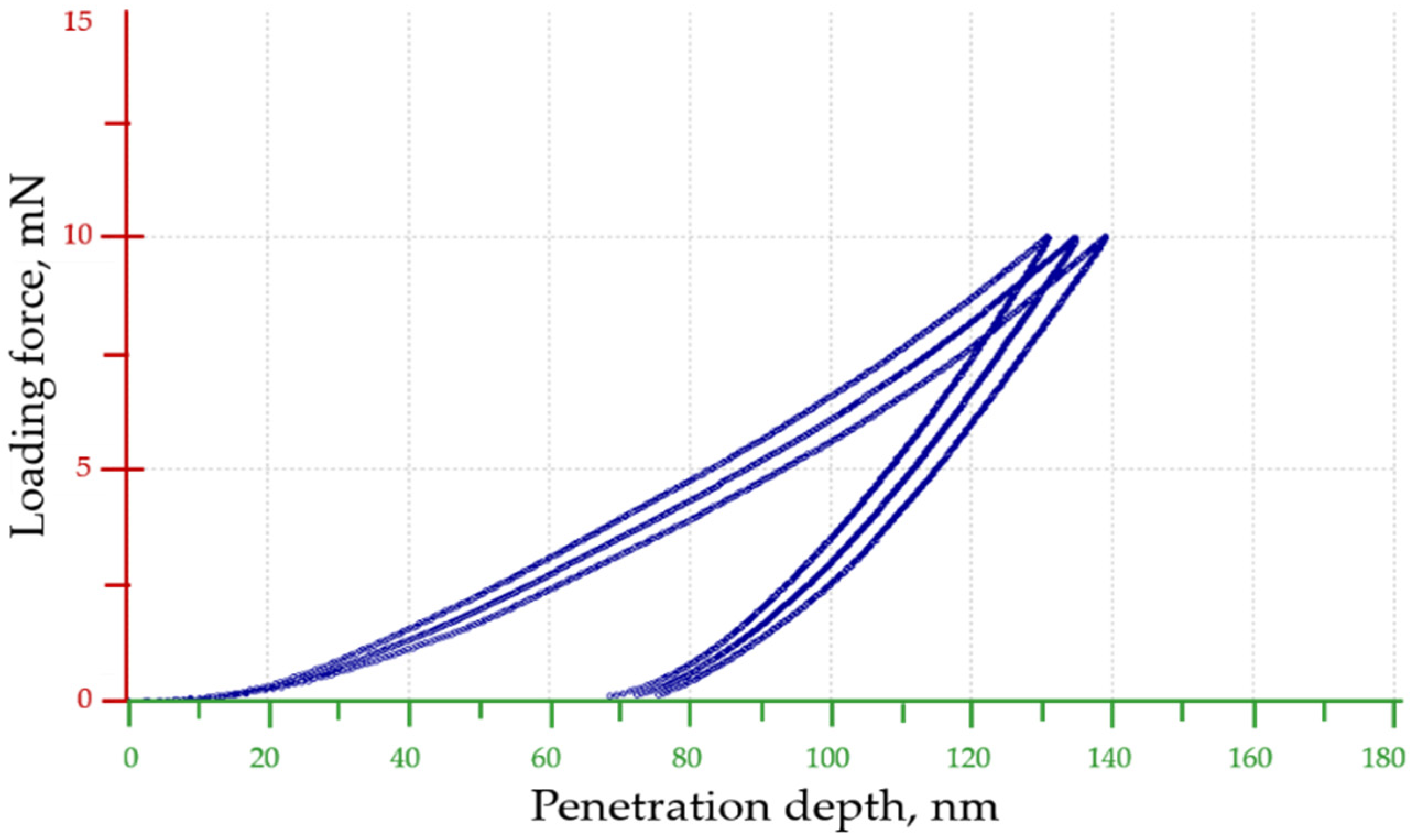
Figure 7 presents the load–unload curve as a function of indenter penetration recorded during the hardness test for the reference material and the coating. Table 6 shows the average values of instrumental hardness HIT, maximum indenter penetration depth hm, and Young’s modulus EIT, calculated from the three measurement series.
Figure 7.
Loading–unloading curves as a function of indenter penetration depth in the TiCN coating.
Table 6.
Hardness measurement results.
The results of the mechanical tests indicated that the Ti6Al4V titanium alloy had a lower instrumental hardness and Young’s modulus than the TiCN coating. Their values were 6521 MPa and 141 GPa, respectively, and were about 75% and 60% lower than for TiCN. Based on the results of the mechanical tests, it is assumed that the titanium alloy will have lower wear resistance than the titanium nitride coating.
3.4. Tribological Tests
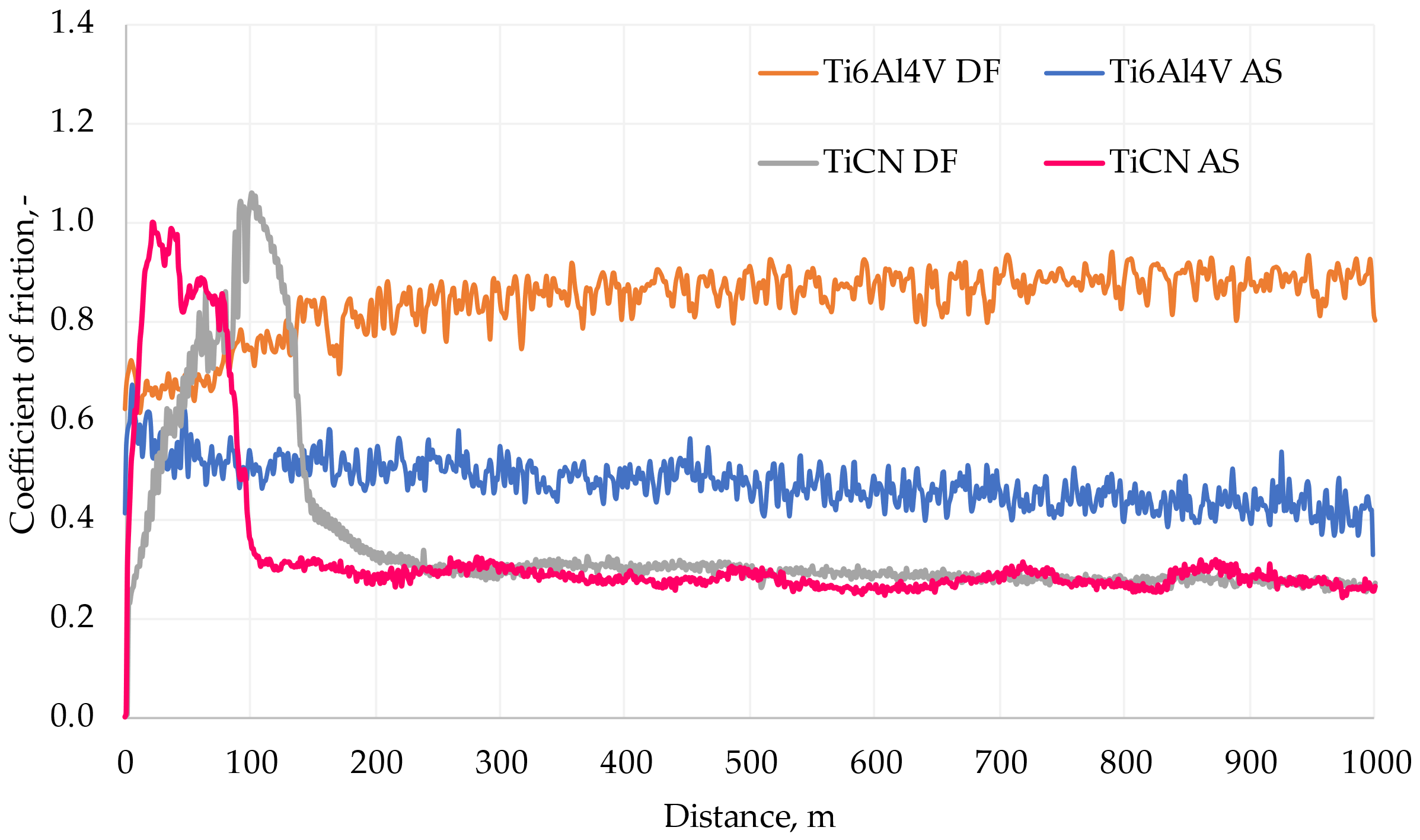
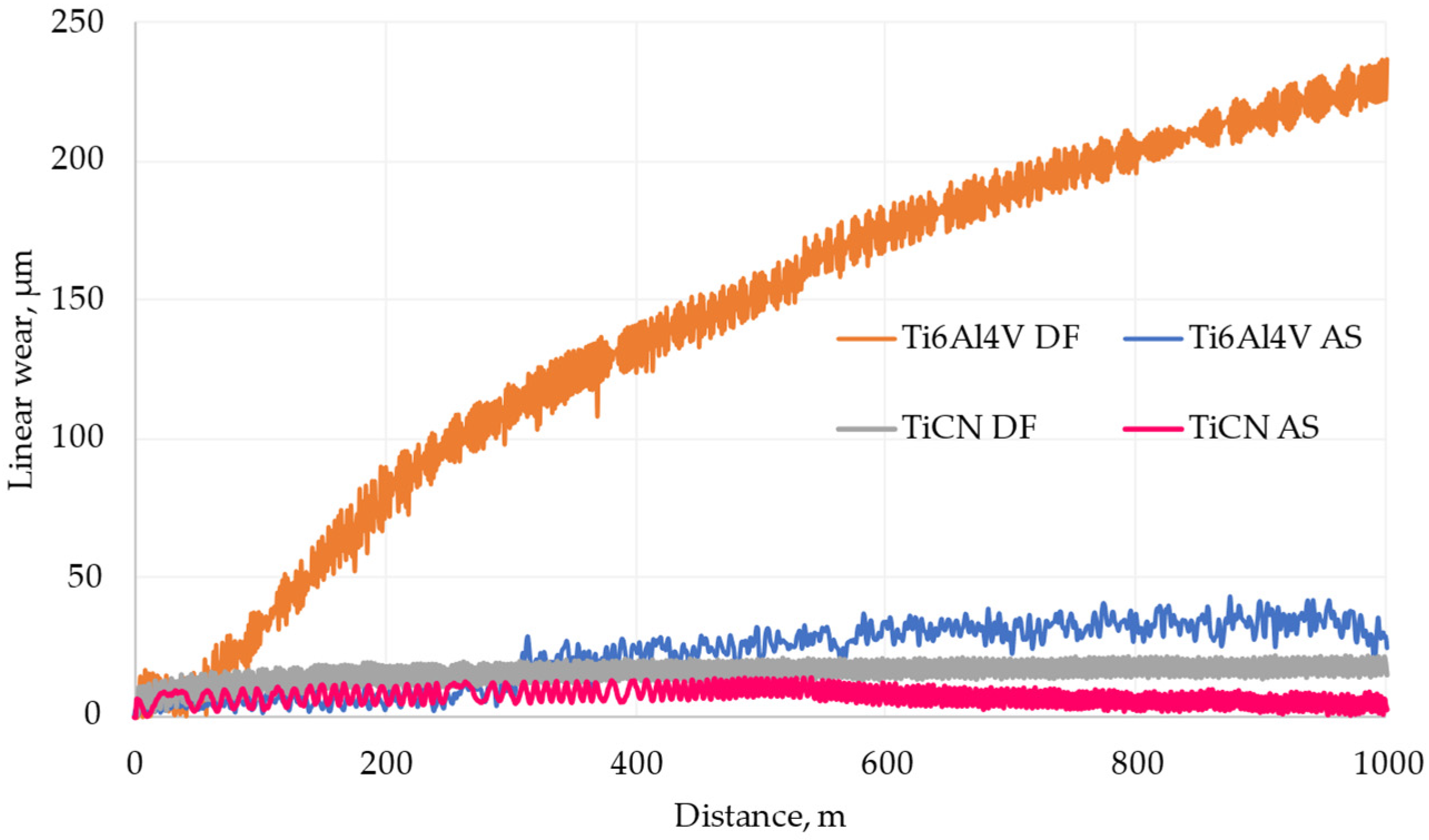
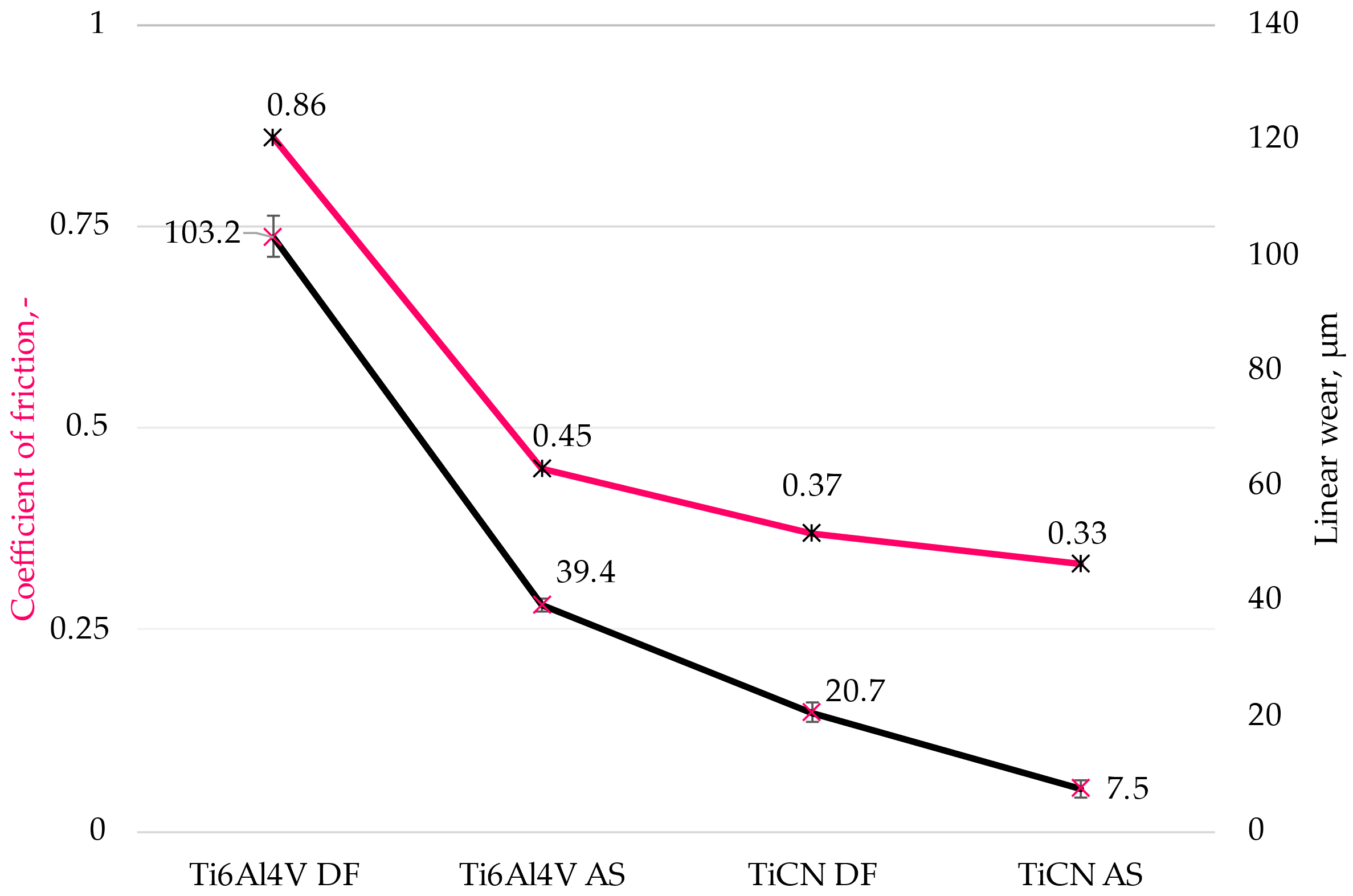
The purpose of the tribological test was to determine the coefficients of friction and the linear wear of the friction pairs studied. The results are presented in Figure 8, Figure 9 and Figure 10.
Figure 8.
Example waveforms of friction coefficients.
Figure 9.
Example waveforms of linear wear.
Figure 10.
Average values of friction coefficients and linear wear.
The results of the tribological tests on the Ti6Al4V titanium alloy indicate a fluctuating coefficient of friction under all test conditions. The average coefficient of friction was 0.86 during dry friction, but 0.45 under friction with lubrication with artificial saliva. In the case of the TiCN coating during dry friction and friction with artificial saliva lubrication, initially, the dynamic coefficient of friction increased sharply, reaching about 100 m of the sliding distance. Then, it decreased to a value of about 0.35 and remained at this level until the end of the test. This was most likely due to the high surface roughness of the coating and the running-in stage in the initial phase of the test. Finally, the average coefficient of friction of the coating was 0.37 during dry friction, and 0.33 under lubrication with artificial saliva solution.
3.5. Assessment of Surface Geometric Structure of Samples
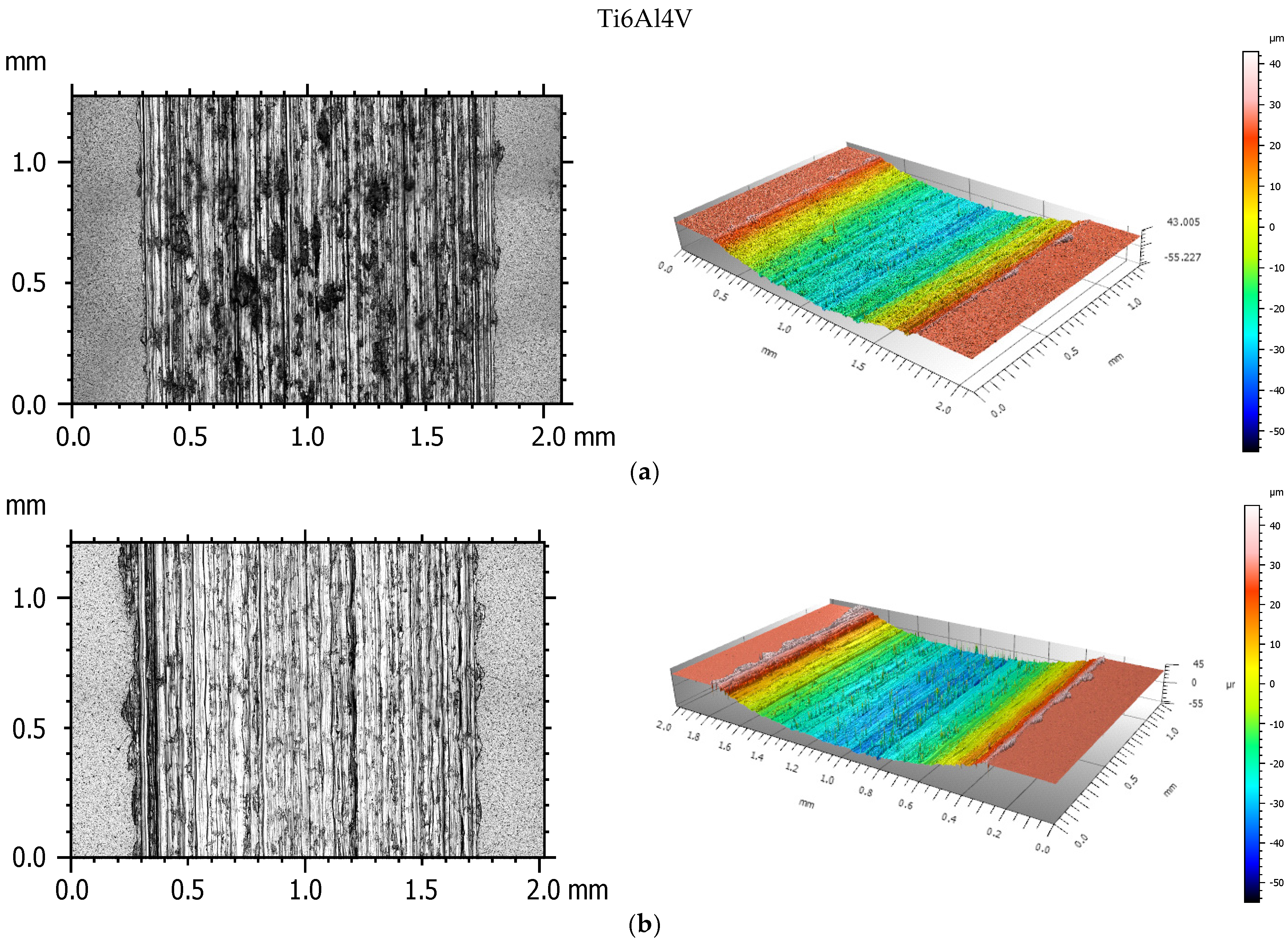
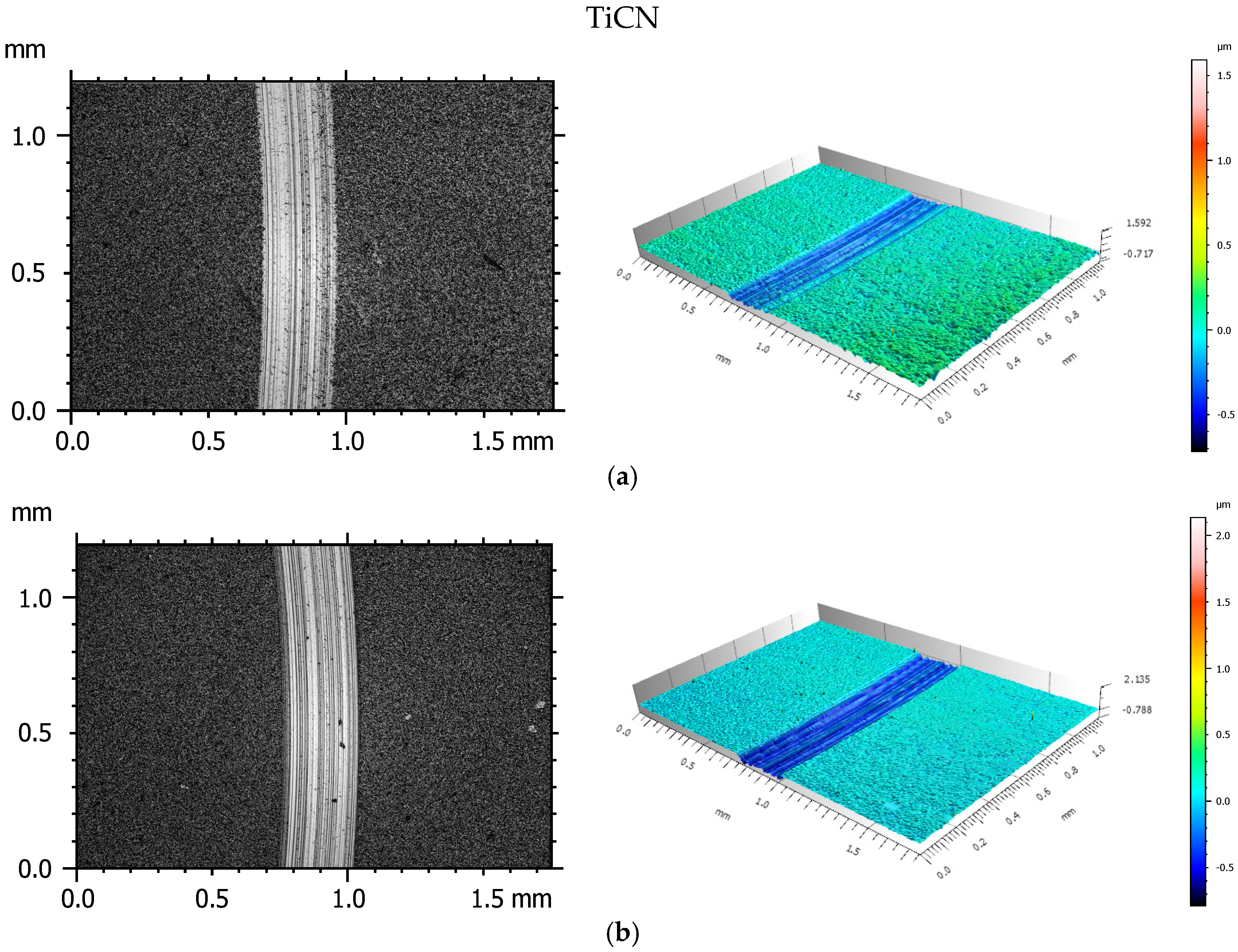
Following the tribological tests, the samples were subjected to microscopic observations. Optical and 3D axonometric images and wear profiles are presented in Figure 11 and Figure 12. Table 7 and Table 8 show the amplitude parameters, while Table 9 summarises the values of maximum wear depth and volume.
Figure 11.
Optical images, three-dimensional axonometric images, and average values of abrasion profiles of Ti6Al4V titanium alloy after (a) friction in dry conditions and (b) lubricated friction with artificial saliva.
Figure 12.
Optical images, three-dimensional axonometric images, and average values of abrasion profiles of TiCN coatings after (a) friction in dry conditions and (b) lubricated friction with artificial saliva.
Table 7.
Amplitude parameters after friction in dry conditions.
Table 8.
Amplitude parameters after lubricated friction with artificial saliva.
Table 9.
Average values of wear depth and volume.
The results of the microscopic observations after the tribological tests indicated that the height parameters were variable depending on the friction conditions and the nature of the surface layer. The highest peaks and valleys were observed on the Ti6Al4V titanium alloy for samples subjected to dry friction and friction with artificial saliva lubrication. The optical and 3D axonometric image analysis showed that micro-cutting/ploughing wear was the dominant wear mechanism. Still, in the case of the coating, wear was significantly lower.
The wear track depth results suggest the high wear resistance of the coatings on Ti6Al4V. The coating’s lowest wear volume and depth values were observed under dry friction and lubrication with artificial saliva. The lubricant increased the wear of Ti6Al4V by 5% and TiCN by 12% due to tribocorrosion between the artificial saliva and the tested surfaces. The wear track depth values revealed that TiCN was not entirely worn away and performed its anti-wear function well.

4. Conclusions
The following conclusions were formulated based on the test results:
- Applying the physical vapour deposition (PVD) technique resulted in coatings with a thickness of approximately 1.5 µm, characterised by a uniform structure. No defects, such as voids or stratifications, were observed in the coatings.
- Adhesion tests revealed that the TiCN coating deposited on the Ti6Al4V alloy surface exhibited good adhesion to the substrate.
- The deposition of carbon-based and titanium-based coatings increased the instrumental hardness and Young’s modulus of the Ti6Al4V titanium alloy by approximately 75% and 60%, respectively.
- Tribological tests showed that the Ti6Al4V alloy had higher coefficients of friction (by 56%) and wear (by 25%) compared to the TiCN coating. Additionally, the use of a lubricant in the form of artificial saliva was observed to reduce frictional resistance.
- Tribological studies indicated that coating mating surfaces with titanium nitride coatings, further aided by lubricants, significantly reduces wear intensity.
- The dominant wear mechanism for the investigated materials was abrasive wear with grooving and micro-cutting, which was further intensified by the presence of hard wear products such as Al2O3 in the friction zone.
- The microscopic analysis of the wear tracks after the tribological tests indicated that the TiCN coating fulfilled its anti-wear function.
Author Contributions
Conceptualization: M.M.; methodology: M.M. and K.P.; writing—original draft preparation: M.M. and K.P.; writing—review and editing: K.P.; supervision, M.M. All authors have read and agreed to the published version of the manuscript.
Funding
This research received no external funding.
Institutional Review Board Statement
Not applicable.
Informed Consent Statement
Not applicable.
Data Availability Statement
Data are contained within the article.
Conflicts of Interest
The authors declare no conflicts of interest.
References
- Gałuszka, G.; Madej, M.; Ozimina, D.; Kasińska, J.; Gałuszka, R. The characterisation of pure titanium for biomedical applications. Metalurgija 2017, 56, 191–1194. [Google Scholar]
- Piotrowska, K.; Madej, M.; Kowalczyk, J.; Radoń-Kobus, K. The influence of environmental conditions on the tribological properties of the Ti13Nb13Zr alloy. Metalurgija 2023, 63, 53–56. [Google Scholar]
- Watanabe, I.; Wataha, J.C.; Lockwood, P.E.; Shimizu, H.; Cai, Z.; Okabe, T. Cytotoxicity of commercial and novel binary titanium alloys with and without a surface-reaction Iayer. J. Oral Rehab. 2004, 31, 185–189. [Google Scholar] [CrossRef]
- Koike, M.; Cai, Z.; Fujii, H.; Brezner, M.; Okabe, T. Corrosion behavior of cast titanium with reduced surface reaction layer made by a face coating method. Biomaterials 2003, 24, 454–549. [Google Scholar] [CrossRef]
- Taira, M.; Moser, J.B.; Greener, E.H. Studies of Ti alloys for dental castings. Dent. Mater. 1989, 5, 45–50. [Google Scholar] [CrossRef]
- Marciniak, J. Biomateriały w Chirurgii Kostnej; Wyd. Politechniki Śląskiej: Gliwice, Polska, 1992. [Google Scholar]
- Hatamleh, M.M.; Wu, X.; Alnazzawi, A.; Watson, J.; Watts, D. Surface characteristics and biocompatibility of cranioplasty titanium implants following different surface treatments. Dent. Mater. 2018, 34, 676–683. [Google Scholar] [CrossRef]
- Calin, M.; Gebert, A.; Ghinea, A.C.; Gostin, P.F.; Abdi, S.; Mickel, C.; Eckert, J. Designing biocompatible Ti-based metallic glasses for implant applications. Mater. Sci. Eng. C Mater. Biol. Appl. 2013, 33, 875–883. [Google Scholar] [CrossRef]
- Hoque, M.E.; Showva, N.N.; Ahmed, M.; Rashid, A.B.; Sadique, S.E.; El-Bialy, T.; Xu, H. Titanium and titanium alloys in dentistry: Current trends, recent developments, and future prospects. Heliyon 2022, 8, e11300. [Google Scholar] [CrossRef]
- Takeuchi, Y.; Tanaka, M.; Tanaka, J.; Kamimoto, A.; Furuchi, M.; Imai, H. Fabrication systems for restorations and fixed dental prostheses made of titanium and titanium alloys. J. Prosthodont. Res. 2020, 64, 1–5. [Google Scholar] [CrossRef]
- Jastrzębski, K.; Jastrzębska, A.; Bociaga, D. A review of mechanical properties of Diamond-Like Carbon coatings with various dopants as candidates for biomedical applications. Acta Innov. 2017, 22, 40–57. [Google Scholar]
- Piotrowska, K.; Madej, M.; Granek, A. Assessment of Mechanical and Tribological Properties of Diamond-Like Carbon Coatings on the Ti13Nb13Zr Alloy. Open Eng. 2020, 10, 536–545. [Google Scholar] [CrossRef]
- Hussein, M.A.; Mohammed, A.S.; Al-Aqeeli, N. Wear Characteristics of Metallic Biomaterials: A Review. Materials 2015, 8, 2749–2768. [Google Scholar] [CrossRef]
- Zlamal, T.; Mrkvica, I.; Szotkowski, T.; Malotova, S. The Influence of Surface Treatment of PVD Coating on Its Quality and Wear Resistant. Coatings 2019, 9, 439. [Google Scholar] [CrossRef]
- Javier Osés, J.; Fuentes, G.G.; Palacio, J.F.; Esparza, J.; Garcia, J.A.; Rodríguez, R. Antibacterial functionalization of PVD coatings on ceramics. Coatings 2018, 8, 197. [Google Scholar] [CrossRef]
- Piotrowska, K.; Madej, M.; Ozimina, D. Assessment of the Functional Properties of 316L Steel Alloy Subjected to Ion Implantation Used in Biotribological Systems. Materials 2021, 14, 5525. [Google Scholar] [CrossRef]
- Madej, M. The properties of diamond-like carbon (DLC) coatings on titanium alloy for biomedical application. Metalurgija 2022, 61, 669–672. [Google Scholar]
- Mattox, D.M. Physical vapor deposition (PVD) processes. Met. Finish. 2001, 99, 409–423. [Google Scholar] [CrossRef]
- Dobrzański, L.A. Fundamentals of Materials Science and Metal Science; Wyd. WNT, Gliwice: Warszawa, Polska, 2002. [Google Scholar]
- Hussain, M.; Rizvi, S.H.A.; Abbas, N.; Sajjad, U.; Shad, M.R.; Badshah, M.A.; Malik, A.I. Recent Developments in Coatings for Orthopedic Metallic Implants. Coatings 2021, 11, 791. [Google Scholar] [CrossRef]
- Jelínek, M.; Smetanac, K.; Kocoureka, T.; Dvořánková, B.; Zemeka, J.; Remsaa, J.; Luxbachere, T. Biocompatibility and sp3/sp2 ratio of laser created DLC films. Mater. Sci. Eng. B 2010, 169, 89–93. [Google Scholar] [CrossRef]
- Pawlak, R.; Tomczyk, M.; Walczak, M. The favorable and unfavorable effects of oxide and intermetallic phases in conductive materials using laser micro technologies. Mater. Sci. Eng. B 2012, 177, 1273–1280. [Google Scholar] [CrossRef]
- Krzak-Roś, J.; Filipiak, J.; Pezowicz, C.; Baszczuk, A.; Miller, M.; Kowalski, M.; Będziński, R. The effect of substrate roughness on the surface structure of TiO2, SiO2, and doped thin films prepared by the sol-gel method. Acta Bioeng. Biomech. 2009, 11, 21–29. [Google Scholar]
- Wu, F.; Chen, T.; Wang, H.; Liu, D. Effect of Mo on Microstructures and Wear Properties of In Situ Synthesized Ti(C,N)/Ni-Based Composite Coatings by Laser Cladding. Materials 2017, 10, 1047. [Google Scholar] [CrossRef]
- Nematia, A.; Saghafia, M.; Khamseh, S.; Alibakhshic, E.; Zarrintajd, P.; Saebe, M.R. Magnetron-sputtered TixNy thin films applied on titanium-based alloys for biomedical applications: Composition-microstructure-property relationships. Surf. Coat. Technol. 2018, 349, 251–259. [Google Scholar] [CrossRef]
- Alsabeeha, N.H.; Swain, M.V.; Payne, A.G. Clinical performance and material properties of single-implant overdenture attachment systems. Int. J. Prosthodont. 2011, 24, 247–254. [Google Scholar]
- Endo, K.; Sachdeva, R.; Araki, Y.; Ohno, H. Effects of titanium nitride coatings on surface and corrosion characteristics of Ni-Ti alloy. Dent. Mater. J. 1994, 13, 228–239. [Google Scholar] [CrossRef]
- Tamura, Y.; Yokoyama, A.; Watari, F.; Kawasaki, T. Surface properties and biocompatibility of nitrided titanium for abrasion resistant implant materials. Dent. Mater. J. 2002, 21, 355–372. [Google Scholar] [CrossRef]
- Yoshinari, M.; Oda, Y.; Kato, T.; Okuda, K. Influence of surface modifications to titanium on antibacterial activity in vitro. Biomaterials 2001, 22, 2043–2048. [Google Scholar] [CrossRef]
- Sun, F.; Wang, L.; Li, X.C.; Wei, C.; Zeng, L.; Ba, D.C.; Song, G.Q.; Sun, C.S. Effect of surface modification on the long-term stability of dental implant abutment screws by plasma nitriding treatment. Surf. Coat. Technol. 2020, 399, 126089. [Google Scholar] [CrossRef]
- Jung, S.W.; Son, M.K.; Chung, C.H.; Kim, H.J. Abrasion of abutment screw coated with TiN. J. Adv. Prosthodont. 2009, 1, 102–106. [Google Scholar] [CrossRef]
- Danışman, S.; Odabaş, D.; Teber, M. The Effect of TiN, TiAlN, TiCN Thin Films Obtained by Reactive Magnetron Sputtering Method on the Wear Behavior of Ti6Al4V Alloy: A Comparative Study. Coatings 2022, 12, 1238. [Google Scholar] [CrossRef]
- Hollstein, F.; Louda, P. Bio-compatible low reflective coatings for surgical tools using reactive d.c.-magnetron sputtering and arc evaporation—A comparison regarding steam sterilization resistance and nickel diffusion. Surf. Coat. Technol. 1999, 120–121, 672–681. [Google Scholar] [CrossRef]
- Feng, H.P.; Hsu, C.H.; Lu, J.-K.; Shy, Y.H. Effects of PVD sputtered coatings on the corrosion resistance of AISI 304 stainless steel. Mater. Sci. Eng. A 2003, 347, 123–129. [Google Scholar] [CrossRef]
- Balázsi, K.; Lukács, I.E.; Gurbán, S.; Menyhárd, M.; Bacáková, L.; Vandrovcová, M.; Balázsi, C. Structural, mechanical and biological comparison of TiC and TiCN nanocomposites films. J. Eur. Ceram. Soc. 2013, 33, 2217–2221. [Google Scholar] [CrossRef]
- Murr, L.; Quinones, S.; Gaytan, S.; Lopez, M.; Rodela, A.; Martinez, E.; Hernandez, D.; Medina, F.; Wicker, R. Microstructure and mechanical behavior of Ti-6Al-4V produced by rapid-layer manufacturing for biomedical applications. J. Mech. Behav. Biomed. Mater. 2009, 2, 20–32. [Google Scholar] [CrossRef]
- Zhecheva, A.; Sha, W.; Malinov, S.; Long, A. Enhancing the Microstructure and Properties of Titanium Alloys Through Nitriding and Other Surface Engineering Methods. Surf. Coat. Technol. 2005, 200, 2192–2207. [Google Scholar] [CrossRef]
- Ganesh, B.K.C.; Ramanaiah, N.; Changdrasekhar Rao, P.V. Effect of Surface Treatment on Tribological Behavior of Ti-6Al-4V Implant Alloy. J. Miner. Mater. Charact. Eng. 2012, 11, 735–743. [Google Scholar] [CrossRef]
- Attar, H.; Kent, D. (Eds.) Titanium Alloys for Biomedical Implants and Devices; Metals; MDPI: Basel, Switzerland, 2021. [Google Scholar]
Disclaimer/Publisher’s Note: The statements, opinions and data contained in all publications are solely those of the individual author(s) and contributor(s) and not of MDPI and/or the editor(s). MDPI and/or the editor(s) disclaim responsibility for any injury to people or property resulting from any ideas, methods, instructions or products referred to in the content. |
© 2024 by the authors. Licensee MDPI, Basel, Switzerland. This article is an open access article distributed under the terms and conditions of the Creative Commons Attribution (CC BY) license (https://creativecommons.org/licenses/by/4.0/).