Antarctic Fish Antimicrobial Peptides Active Against Bacterial and Viral Pathogens of Aquacultural Importance

 , , , , and
Abstract
1. Introduction
2. Results
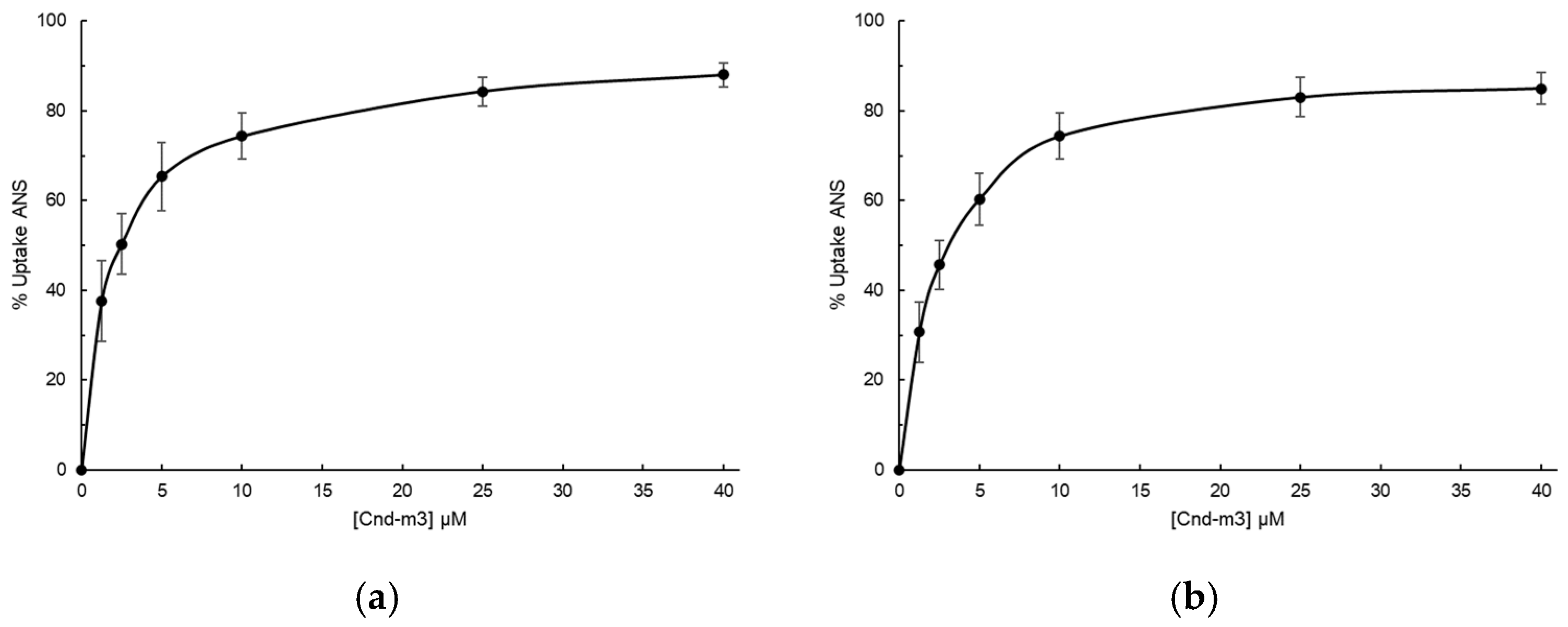
2.1. Membranolytic Activity of Peptides on Selected Bacteria
2.2. Antibacterial Activity of the Peptides
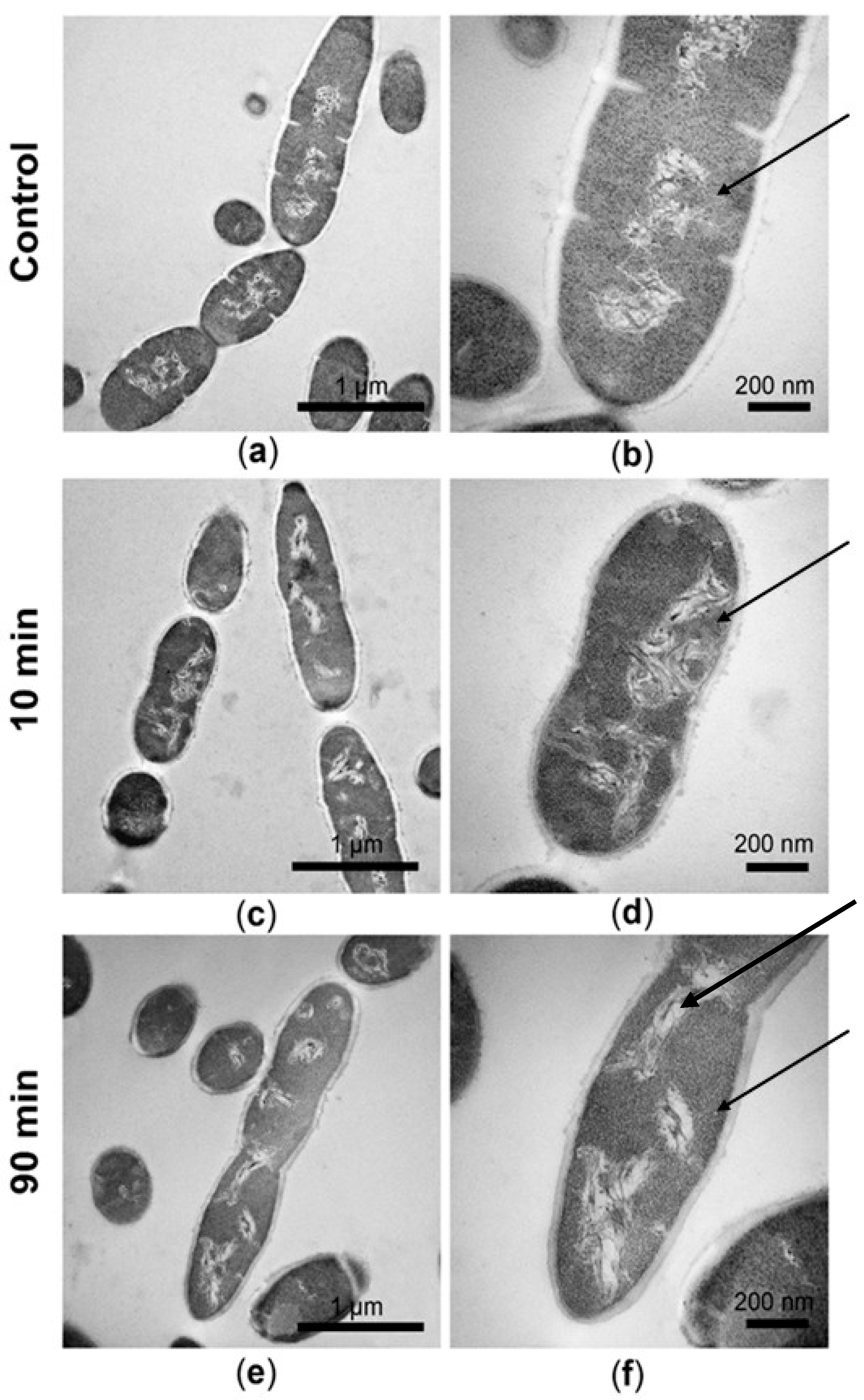
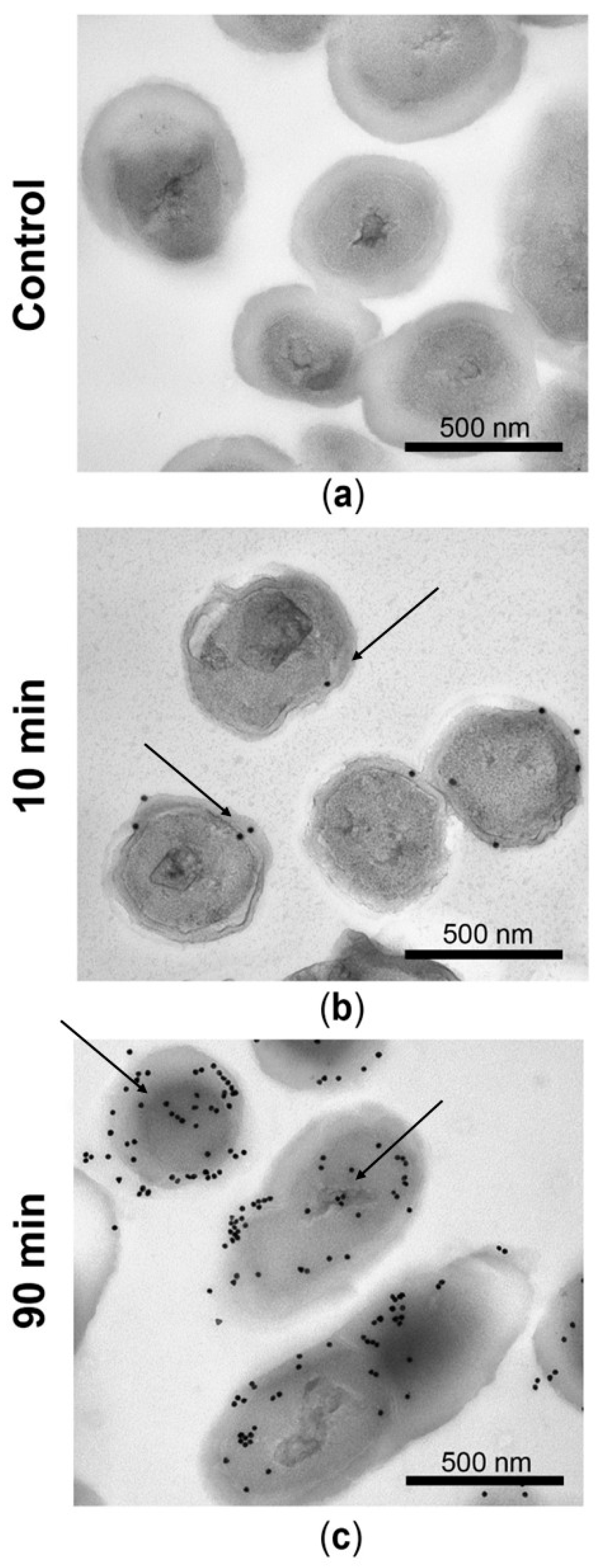
2.3. TEM Analysis and Immunoelectron Microscopy
2.4. Antiviral Activity of the Peptides
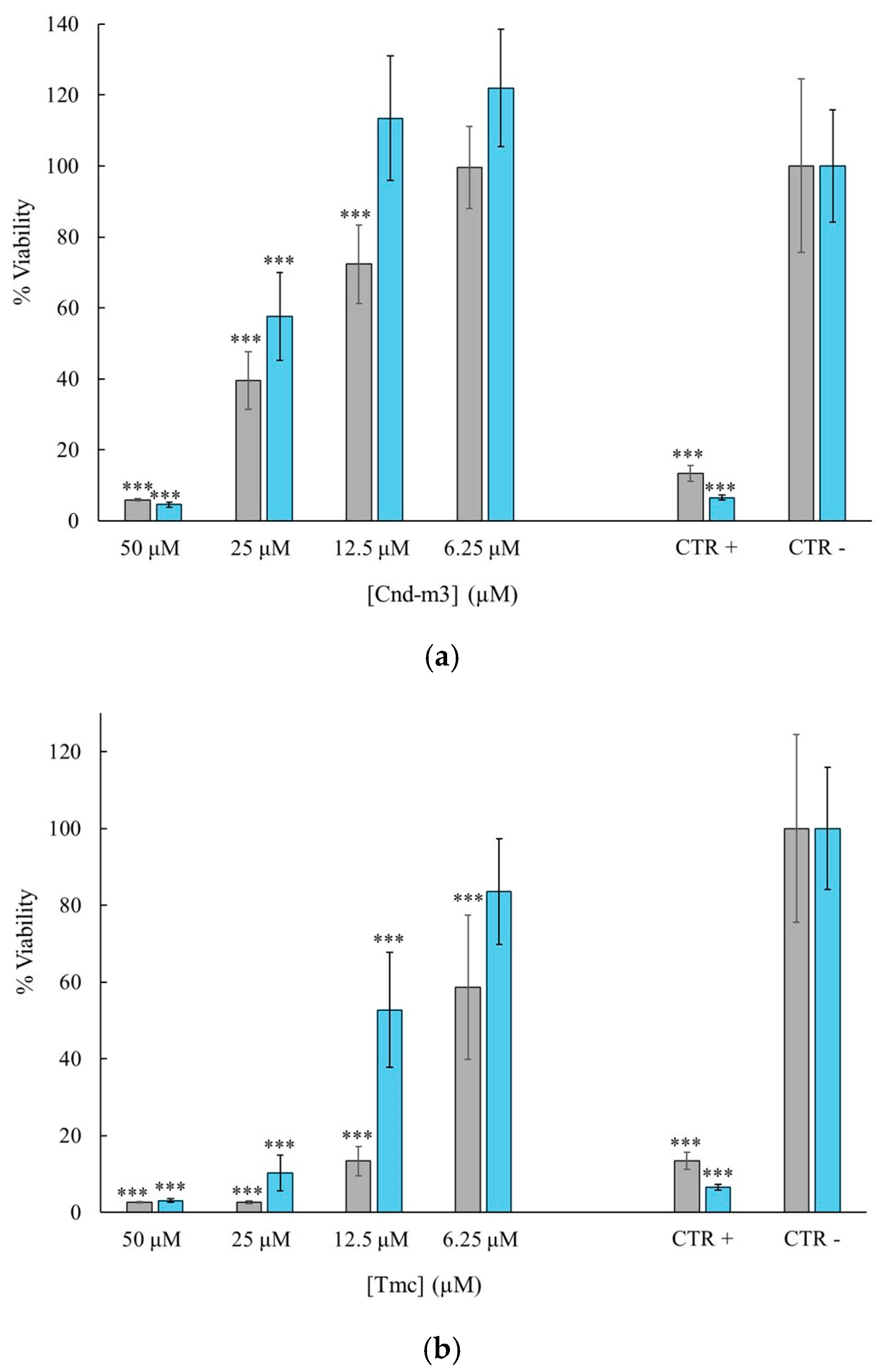
2.5. Cytotoxicity of Cnd-m3 and Tmc on DLEC Cell Line
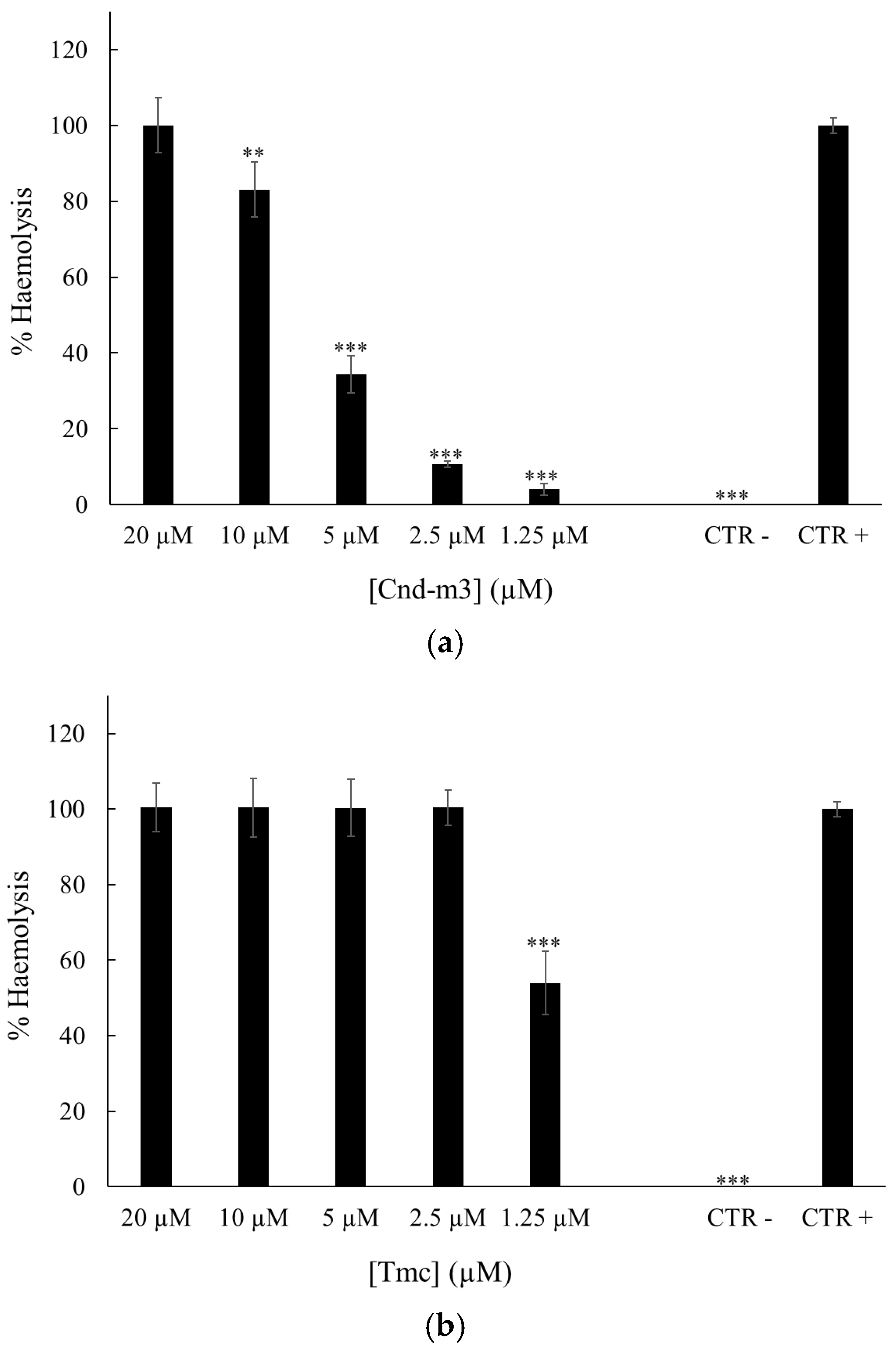
2.6. Haemolytic Activity of Cnd-m3 and Tmc on European Sea Bass Erythrocytes
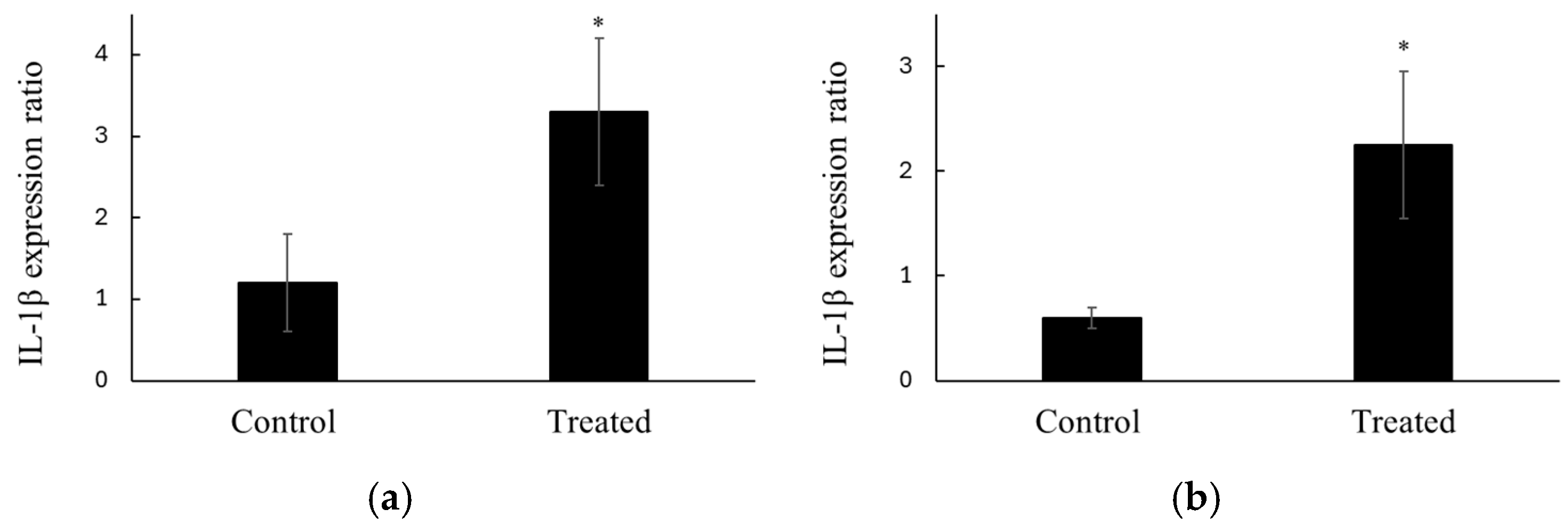
2.7. Immunomodulation of Cnd-m3 on DLEC Cell Line
3. Discussion
4. Materials and Methods
4.1. Peptides
4.2. Bacterial Strains
4.3. Outer Membrane Permeability Essay
4.4. Determination of Minimum Inhibitory Concentration (MIC) and Minimum Bactericidal Concentration (MBC) for the Selected Bacterial Strains
4.5. TEM Analysis and Immunoelectron Microscopy
4.6. Fish Cell Lines Viability Assay
4.7. Viral Inhibition Test
4.8. Cytotoxicity Assays on DLEC Cell Line
4.9. Hemolytic Activity of Tmc and Cnd-m3
- (i)
- Blood was diluted 1:5 in HBSS 1× (Corning, Biosigma, Venezia, Italy), and 5 mL of this diluted solution were gently layered onto 5 mL of Ficoll-Paque™ (GE Healthcare, Milano, Italy) and centrifuged at 2000 rpm for 30 min at 4 °C.
- (ii)
- The supernatant was eliminated, and the red blood cells collected from the pellet were washed twice in 50 mL of HBSS and centrifuged at 1800 rpm for 10 min at 10 °C. The final pellet of red blood cells was resuspended in 10 mL of PBS 0.01 M and counted in a Burker chamber.
- (iii)
- Red blood cells were plated at a concentration of 2.5 × 10⁶ per well in a 96-well plate, considering triplicates for each condition.
- (iv)
- Peptides were added to the wells at different selected concentrations (1.25, 2.5, 5, 10 and 20 μM), while 2% Triton-X (Merck, Saint Louis, MO, USA) diluted in PBS 0.01 M was used as a positive control for red blood cell lysis.
- (v)
- The plate was incubated for 2 h at 20 °C and spun for 3 min at 1200 rpm at 10 °C.
- (vi)
- The supernatant was then transferred to a new plate, and the absorbance was read at 492 nm with a Tecan Sunrise spectrophotometer. The haemolytic degree was determined using the following relation [57].
4.10. Immunomodulatory Activity of Cnd-m3
Author Contributions
Funding
Institutional Review Board Statement
Informed Consent Statement
Data Availability Statement
Acknowledgments
Conflicts of Interest
References
- Sapkota, A.; Sapkota, A.R.; Kucharski, M.; Burke, J.; McKenzie, S.; Walker, P.; Lawrence, R. Aquaculture practices and potential human health risks: Current knowledge and future priorities. Environ. Int. 2008, 34, 1215–1226. [Google Scholar] [CrossRef]
- O’Halloran, E.; Mooney, R.; Rodgers, K.; Henriquez, F.L. Microbial Interactions That Contribute to Gill Disease in Aquaculture. Parasitologia 2022, 2, 266–291. [Google Scholar] [CrossRef]
- García-Beltrán, J.M.; Arizcun, M.; Chaves-Pozo, E. Antimicrobial Peptides from Photosynthetic Marine Organisms with Potential Application in Aquaculture. Mar. Drugs 2023, 21, 290. [Google Scholar] [CrossRef]
- Ruben, M.O.; Akinsanola, A.B.; Okon, M.E.; Shitu, T.; Jagunna, I.I. Emerging challenges in aquaculture: Current perspectives and human health implications. Vet. World 2025, 18, 15–28. [Google Scholar] [CrossRef]
- Amillano-Cisneros, J.M.; Fuentes-Valencia, M.A.; Leyva-Morales, J.B.; Savín-Amador, M.; Márquez-Pacheco, H.; Bastidas-Bastidas, P.d.J.; Leyva-Camacho, L.; De la Torre-Espinosa, Z.Y.; Badilla-Medina, C.N. Effects of Microorganisms in Fish Aquaculture from a Sustainable Approach: A Review. Microorganisms 2025, 13, 485. [Google Scholar] [CrossRef]
- Hegde, A.; Kabra, S.; Basawa, R.M.; Khile, D.A.; Abbu, R.U.F.; Thomas, N.A.; Manickam, N.B.; Raval, R. Bacterial diseases in marine fish species: Current trends and future prospects in disease management. World J. Microbiol. Biotechnol. 2023, 39, 317. [Google Scholar] [CrossRef] [PubMed]
- Xia, J.; Ge, C.; Yao, H. Antimicrobial peptides: An alternative to antibiotic for mitigating the risks of Antibiotic resistance in aquaculture. Environ. Res. 2024, 251, 118619. [Google Scholar] [CrossRef] [PubMed]
- Esposito, G.; Bignami, G.; Colussi, S.; Pastorino, P.; Bondavalli, F.; Fioravanti, M.; Bozzetta, E.; Acutis, P.; Valentino, A.; Rizzi, R.; et al. Expanding Horizons: The First Reported Outbreak of Piscine Lactococcosis in Farmed Gilthead Seabream Sparus aurata in the Northern Tyrrhenian Sea. J. Fish Dis. 2025, 48, e14121. [Google Scholar] [CrossRef] [PubMed]
- Salogni, C.; Bertasio, C.; Accini, A.; Gibelli, L.R.; Pigoli, C.; Susini, F.; Podavini, E.; Scali, F.; Varisco, G.; Alborali, G.L. The Characterisation of Lactococcus garvieae Isolated in an Outbreak of Septicaemic Disease in Farmed Sea Bass (Dicentrarchus labrax, Linnaues 1758) in Italy. Pathogens 2024, 13, 49. [Google Scholar] [CrossRef]
- Ortega, C.; Gimeno, O.; Blanc, V.; Cortés, P.; Anía, S.; Llagostera, M. Antibiotic susceptibility of strains of Aeromonas salmonicida isolated from spanish salmonids. Rev. Médecine Vétérinaire 2006, 157, 410. [Google Scholar]
- Maezono, M.; Nielsen, R.; Buchmann, K.; Nielsen, M. The Current State of Knowledge of the Economic Impact of Diseases in Global Aquaculture. Rev. Aquac. 2025, 17, e70039. [Google Scholar] [CrossRef]
- Rojas-Peña, M.; Aceituno, P.; Ordóñez-Grande, B.; García-Ordoñez, M.; Liang, X.; Okeleye, O.; Ji, J.; Roher, N. Oral antiviral vaccines in aquaculture: Current status, challenges, and future prospects. Fish Shellfish Immunol. 2026, 168, 110962. [Google Scholar] [CrossRef]
- Luthman, O.; Robb, D.H.F.; Henriksson, P.J.G.; Troell, M. Global overview of national regulations for antibiotic use in aquaculture production. Aquac. Int. 2024, 32, 9253–9270. [Google Scholar] [CrossRef]
- Baquero, F.; Martínez, J.L.; Cantón, R. Antibiotics and antibiotic resistance in water environments. Curr. Opin. Biotechnol. 2008, 19, 260–265. [Google Scholar] [CrossRef] [PubMed]
- Katzenback, B.A. Antimicrobial Peptides as Mediators of Innate Immunity in Teleosts. Biology 2015, 4, 607–639. [Google Scholar] [CrossRef]
- Lei, J.; Sun, L.; Huang, S.; Zhu, C.; Li, P.; He, J.; Mackey, V.; Coy, D.H.; He, Q. The antimicrobial peptides and their potential clinical applications. Am. J. Transl. Res. 2019, 11, 3919–3931. [Google Scholar]
- De Angelis, A.A.; Grant, C.V.; Baxter, M.K.; McGavin, J.A.; Opella, S.J.; Cotten, M.L. Amphipathic antimicrobial piscidin in magnetically aligned lipid bilayers. Biophys. J. 2011, 101, 1086–1094. [Google Scholar] [CrossRef] [PubMed]
- Duarte-Mata, D.I.; Salinas-Carmona, M.C. Antimicrobial peptides’ immune modulation role in intracellular bacterial infection. Front. Immunol. 2023, 14, 1119574. [Google Scholar] [CrossRef]
- Li, H.; Niu, J.; Wang, X.; Niu, M.; Liao, C. The Contribution of Antimicrobial Peptides to Immune Cell Function: A Review of Recent Advances. Pharmaceutics 2023, 15, 2278. [Google Scholar] [CrossRef]
- Shriwastav, S.; Kaur, N.; Hassan, M.; Mohammed, S.A.; Chauhan, S.; Mittal, D.; Aman, S.; Bibi, A. Antimicrobial peptides: A promising frontier to combat antibiotic resistant pathogens. Ann. Med. Surg. 2025, 87, 2118–2132. [Google Scholar] [CrossRef]
- Rima, M.; Rima, M.; Fajloun, Z.; Sabatier, J.-M.; Bechinger, B.; Naas, T. Antimicrobial Peptides: A Potent Alternative to Antibiotics. Antibiotics 2021, 10, 1095. [Google Scholar] [CrossRef]
- Hajigha, M.N.; Hajikhani, B.; Vaezjalali, M.; Kafil, H.S.; Anari, R.K.; Goudarzi, M. Antiviral and antibacterial peptides: Mechanisms of action. Heliyon 2024, 10, e40121. [Google Scholar] [CrossRef] [PubMed]
- Silveira, R.F.; Roque-Borda, C.A.; Vicente, E.F. Antimicrobial peptides as a feed additive alternative to animal production, food safety and public health implications: An overview. Anim. Nutr. 2021, 7, 896–904. [Google Scholar] [CrossRef]
- Zheng, S.; Tu, Y.; Li, B.; Qu, G.; Li, A.; Peng, X.; Li, S.; Shao, C. Antimicrobial peptide biological activity, delivery systems and clinical translation status and challenges. J. Transl. Med. 2025, 23, 292. [Google Scholar] [CrossRef]
- Della Pelle, G.; Perà, G.; Belardinelli, M.C.; Gerdol, M.; Felli, M.; Crognale, S.; Scapigliati, G.; Ceccacci, F.; Buonocore, F.; Porcelli, F. Trematocine, a Novel Antimicrobial Peptide from the Antarctic Fish Trematomus bernacchii: Identification and Biological Activity. Antibiotics 2020, 9, 66. [Google Scholar] [CrossRef]
- Olivieri, C.; Buonocore, F.; Picchietti, S.; Taddei, A.R.; Bernini, C.; Scapigliati, G.; Dicke, A.A.; Vostrikov, V.V.; Veglia, G.; Porcelli, F. Structure and membrane interactions of chionodracine, a piscidin-like antimicrobial peptide from the icefish Chionodraco hamatus. Biochim. Biophys. Acta 2015, 1848, 1285–1293. [Google Scholar] [CrossRef]
- Olivieri, C.; Bugli, F.; Menchinelli, G.; Veglia, G.; Buonocore, F.; Scapigliati, G.; Stocchi, V.; Ceccacci, F.; Papi, M.; Sanguinetti, M.; et al. Design and characterization of chionodracine-derived antimicrobial peptides with enhanced activity against drug-resistant human pathogens. RSC Adv. 2018, 8, 41331–41346. [Google Scholar] [CrossRef]
- Schäfer, A.B.; Wenzel, M. A How-To Guide for Mode of Action Analysis of Antimicrobial Peptides. Front. Cell. Infect. Microbiol. 2020, 10, 540898. [Google Scholar] [CrossRef] [PubMed]
- Buonocore, F.; Libertini, A.; Prugnoli, D.; Mazzini, M.; Scapigliati, G. Production and characterization of a continuous embryonic cell line from sea bass (Dicentrarchus labrax L.). Mar. Biotechnol. 2006, 8, 80–85. [Google Scholar] [CrossRef] [PubMed]
- Cervera, L.; Arizcun, M.; Mercado, L.; Chaves-Pozo, E.; Cuesta, A. Synthetic antimicrobial Nkl and Dic peptides are immunomodulatory but only Dic peptide can be therapeutic against nodavirus infection. Fish Shellfish Immunol. 2024, 152, 109772. [Google Scholar] [CrossRef]
- Zhang, Z.; Liu, H.; Jin, J.; Zhu, X.; Han, D.; Xie, S. Towards a Low-Carbon Footprint: Current Status and Prospects for Aquaculture. Water Biol. Secur. 2024, 3, 100290. [Google Scholar] [CrossRef]
- Boyd, C.E.; McNevin, A.A.; Davis, R.P. The contribution of fisheries and aquaculture to the global protein supply. Food Secur. 2022, 14, 805–827. [Google Scholar] [CrossRef] [PubMed]
- Global Aquaculture Surging, with Production Surpassing Wild-Catch Fisheries, 2024 UN FAO SOFIA Report Finds. Available online: https://www.seafoodsource.com/news/supply-trade/global-aquaculture-surging-with-production-surpassing-wild-catch-fisheries-2024-un-fao-sofia-report-finds (accessed on 10 February 2026).
- Irshath, A.A.; Rajan, A.P.; Vimal, S.; Prabhakaran, V.-S.; Ganesan, R. Bacterial Pathogenesis in Various Fish Diseases: Recent Advances and Specific Challenges in Vaccine Development. Vaccines 2023, 11, 470. [Google Scholar] [CrossRef]
- McMurtrie, J.; Bell, A.G.; Cable, J.; Temperton, B.; Tyler, C.R. The ecology and plasticity of fish skin and gill microbiomes: Seeking what matters in health and disease. FEMS Microbiol. Rev. 2025, 49, fuaf027. [Google Scholar] [CrossRef]
- Reverter, M.; Sarter, S.; Caruso, D.; Avarre, J.C.; Combe, M.; Pepey, E.; Pouyaud, L.; Vega-Heredía, S.; de Verdal, H.; Gozlan, R.E. Aquaculture at the crossroads of global warming and antimicrobial resistance. Nat. Commun. 2020, 11, 1870. [Google Scholar] [CrossRef]
- Soltani, M.; Baldisserotto, B.; Shekarabi, S.P.H.; Shafiei, S.; Bashiri, M. Lactococcosis a Re-Emerging Disease in Aquaculture: Disease Significant and Phytotherapy. Vet. Sci. 2021, 8, 181. [Google Scholar] [CrossRef]
- Ananya, B.; Apurva, V.G.; Karunasagar, I.; Chakraborty, A.; Maiti, B. Recombinant shrimp antimicrobial peptides as alternative biotherapeutics in aquaculture: An exploration of future prospects. Comp. Immunol. Rep. 2026, 10, 200271. [Google Scholar] [CrossRef]
- Gagandeep, K.R.; Narasingappa, R.B.; Vyas, G.V. Unveiling mechanisms of antimicrobial peptide: Actions beyond the membranes disruption. Heliyon 2024, 10, e38079. [Google Scholar] [CrossRef]
- Salger, S.A.; Cassady, K.R.; Reading, B.J.; Noga, E.J. A Diverse Family of Host-Defense Peptides (Piscidins) Exhibit Specialized Anti-Bacterial and Anti-Protozoal Activities in Fishes. PLoS ONE 2016, 11, e0159423. [Google Scholar] [CrossRef] [PubMed]
- Barroso, C.; Carvalho, P.; Carvalho, C.; Santarém, N.; Gonçalves, J.F.M.; Rodrigues, P.N.S.; Neves, J.V. The Diverse Piscidin Repertoire of the European Sea Bass (Dicentrarchus labrax): Molecular Characterization and Antimicrobial Activities. Int. J. Mol. Sci. 2020, 21, 4613. [Google Scholar] [CrossRef] [PubMed]
- Ortega, C.; Irgang, R.; Valladares-Carranza, B.; Collarte, C.; Avendaño-Herrera, R. First Identification and Characterization of Lactococcus garvieae Isolated from Rainbow Trout (Oncorhynchus mykiss) Cultured in Mexico. Animals 2020, 10, 1609. [Google Scholar] [CrossRef]
- Urmi, U.L.; Vijay, A.K.; Kuppusamy, R.; Islam, S.; Willcox, M.D.P. A review of the antiviral activity of cationic antimicrobial peptides. Peptides 2023, 166, 171024. [Google Scholar] [CrossRef]
- Belete, B.B.; Ozkan, J.; Kalaiselvan, P.; Yasir, M.; Willcox, M. Clinical Potential of Essential Oils: Cytotoxicity, Selectivity Index and Antimicrobial Activity Against Gram-Negative ESKAPEE Pathogens. Antibiotics 2026, 15, 274. [Google Scholar] [CrossRef] [PubMed]
- Masso-Silva, J.A.; Diamond, G. Antimicrobial Peptides from Fish. Pharmaceuticals 2014, 7, 265–310. [Google Scholar] [CrossRef]
- Berenjkar, N.; Kalbassi, M.R.; Hosseinkhani, S.; Beemelmanns, C.; Moghaddam, J.A. Gb-piscidin: A novel antimicrobial and immunostimulant peptide from gilthead seabream (Sparus aurata)—Identification, tissue-specific expression, recombinant production, and biological evaluation. Fish Shellfish. Immunol. 2026, 169, 111049. [Google Scholar] [CrossRef]
- Chiou, P.P.; Khoo, J.; Bols, N.C.; Douglas, S.; Chen, T.T. Effects of linear cationic alpha-helical antimicrobial peptides on immune-relevant genes in trout macrophages. Dev. Comp. Immunol. 2006, 30, 797–806. [Google Scholar] [CrossRef]
- Frenette, A.P.; Rodríguez-Ramos, T.; Zanuzzo, F.; Ramsay, D.; Semple, S.L.; Soullière, C.; Rodríguez-Cornejo, T.; Heath, G.; McKenzie, E.; Iwanczyk, J.; et al. Expression of Interleukin-1β protein in vitro, ex vivo and in vivo salmonid models. Dev. Comp. Immunol. 2023, 147, 104767. [Google Scholar] [CrossRef]
- Zou, J.; Secombes, C.J. The Function of Fish Cytokines. Biology 2016, 5, 23. [Google Scholar] [CrossRef] [PubMed]
- Wang, J.; Wilson, A.E.; Su, B.; Dunham, R.A. Functionality of dietary antimicrobial peptides in aquatic animal health: Multiple meta-analyses. Anim. Nutr. 2022, 12, 200–214. [Google Scholar] [CrossRef] [PubMed]
- Sun, H.; Wang, L.; Chen, F.; Meng, X.; Zheng, W.; Peng, H.; Hao, H.; Chen, H.; Wang, K.J. The modulation of intestinal commensal bacteria possibly contributes to the growth and immunity promotion in Epinephelus akaara after feeding the antimicrobial peptide Scy-hepc. Anim. Microbiome 2024, 6, 54. [Google Scholar] [CrossRef]
- Zhu, T.F.; Guo, H.P.; Nie, L.; Chen, J. Oral administration of LEAP2 enhances immunity against Edwardsiella tarda through regulation of gut bacterial community and metabolite in mudskipper. Fish Shellfish Immunol. 2025, 158, 110128. [Google Scholar] [CrossRef]
- Buonocore, F.; Picchietti, S.; Porcelli, F.; Della Pelle, G.; Olivieri, C.; Poerio, E.; Bugli, F.; Menchinelli, G.; Sanguinetti, M.; Bresciani, A.; et al. Fish-derived antimicrobial peptides: Activity of a chionodracine mutant against bacterial models and human bacterial pathogens. Dev. Comp. Immunol. 2019, 96, 9–17. [Google Scholar] [CrossRef] [PubMed]
- Fijan, N.; Sulimanović, D.; Bearzotti, M.; Muzinić, D.; Zwillenberg, L.O.; Chilmonczyk, S.; Vautherot, J.F.; de Kinkelin, P. Some properties of the Epithelioma papulosum cyprini (EPC) cell line from carp cyprinus carpio. Ann. Inst. Pasteur Virol. 1983, 134, 207–220. [Google Scholar] [CrossRef]
- Iwamoto, T.; Nakai, T.; Mori, K.; Arimoto, M.; Furusawa, I. Cloning of the fish cell line SSN-1 for piscine nodaviruses. Dis. Aquat. Org. 2000, 43, 81–89. [Google Scholar] [CrossRef]
- Cree, I.A.; Andreotti, P.E. Measurement of cytotoxicity by ATP-based luminescence assay in primary cell cultures and cell lines. Toxicol. Vitr. 1997, 11, 553–556. [Google Scholar] [CrossRef] [PubMed]
- Belokoneva, O.S.; Villegas, E.; Corzo, G.; Dai, L.; Nakajima, T. The hemolytic activity of six arachnid cationic peptides is affected by the phosphatidylcholine-to-sphingomyelin ratio in lipid bilayers. Biochim. Biophys. Acta 2003, 1617, 22–30. [Google Scholar] [CrossRef]




| Peptide | Sequence | Net Charge | Molecular Weight | Hydrophobic Moment | Amphiphilicity Index | Secondary Structure |
|---|---|---|---|---|---|---|
| Chionodracine (Cnd) | FFGHLYRGITSVVKHVHGLLSG | +2 | 2424.83 | 1.37 | 0.71 | α-helix |
| Chionodracine mutant 3 (Cnd-m3) | WFGKLYRGITKVVKKVKGLLKG | +7 | 2519.16 | 1.61 | 1.66 | α-helix |
| Trematocine (Tmc) | FFGHLLRGIVSVGKHIHGLITG | +2 | 2358.82 | 1.29 | 0.48 | α-helix |
| Bacterial Strains | Cnd | Cnd-m3 | Tmc |
|---|---|---|---|
| L. garvieae R | >50/>50 | 6.25/25 | 12.5/50 |
| L. garvieae F | >50/>50 | 12.5/50 | 25/50 |
| V. harveyi R | 25/50 | 6.25/6.25 | 25/25 |
| V. harveyi F | >50/>50 | >50/>50 | >50/>50 |
| A. salmonicida R | >50/>50 | 25/25 | 25/50 |
| A. salmonicida F | >50/>50 | 12.5/12.5 | 25/25 |
| P. damselae sub. piscicida R | 25/25 | 6.25/6.25 | 12.5/25 |
| P. damselae sub. piscicida F | 25/25 | 3.125/6.25 | 6.25/12.5 |
| V. anguillarum R | 50/50 | 12.5/12.5 | 25/25 |
| V. anguillarum F | 50/>50 | 12.5/50 | 50/50 |
| GENE | PRIMERS (Forward and Reverse) | Accession Number |
|---|---|---|
| COX-2 | 5′-CATTCTTTGCCCAGCACTTCACC-3′ 5′-AGCTTGCCATCCTTGAAGAGTC-3′ | AJ630649 |
| TNF-α | 5′-CGCAGCACTTTGCTTCG-3′ 5′-TCGTCTTCATCATAGCTACC-3′ | DQ200910 |
| TGF-β | 5′-GACCTGGGATGGAAGTGG-3′ 5′-CAGCTGCTCACCTTGTG-3′ | AM421619 |
| Dicentracine | 5′-CTTTCTTGTGCTGTCGATGGT-3′ 5′-AAGCTGCGCGCTCGC-3′ | AY303949 |
| IL-1β | 5′-GGTGGACAAAGCCAGTC-3′ 5′-CGATGTTGAAGGCTCGG-3′ | AJ331925 |
| β-actin | 5′-ATGTACGTTGCCATCC-3′ 5′-GAGATGCCACGCTCTC-3′ | AJ493428 |
| rRNA 18S | 5′-CCAACGAGCTGCTGACC-3′ 5′-CCGTTACCCGTGGTCC-3′ | AY831388 |
Disclaimer/Publisher’s Note: The statements, opinions and data contained in all publications are solely those of the individual author(s) and contributor(s) and not of MDPI and/or the editor(s). MDPI and/or the editor(s) disclaim responsibility for any injury to people or property resulting from any ideas, methods, instructions or products referred to in the content. |
© 2026 by the authors. Licensee MDPI, Basel, Switzerland. This article is an open access article distributed under the terms and conditions of the Creative Commons Attribution (CC BY) license.
Share and Cite
Massaro, F.; Cortinovis, L.; Xiccato, R.L.; Fiocchi, E.; Manfrin, A.; Taddei, A.R.; Saraceni, P.R.; Porcelli, F.; Toffan, A.; Buonocore, F. Antarctic Fish Antimicrobial Peptides Active Against Bacterial and Viral Pathogens of Aquacultural Importance. Antibiotics 2026, 15, 527. https://doi.org/10.3390/antibiotics15060527
Massaro F, Cortinovis L, Xiccato RL, Fiocchi E, Manfrin A, Taddei AR, Saraceni PR, Porcelli F, Toffan A, Buonocore F. Antarctic Fish Antimicrobial Peptides Active Against Bacterial and Viral Pathogens of Aquacultural Importance. Antibiotics. 2026; 15(6):527. https://doi.org/10.3390/antibiotics15060527
Chicago/Turabian StyleMassaro, Federica, Luana Cortinovis, Romy Lucon Xiccato, Eleonora Fiocchi, Amedeo Manfrin, Anna Rita Taddei, Paolo Roberto Saraceni, Fernando Porcelli, Anna Toffan, and Francesco Buonocore. 2026. "Antarctic Fish Antimicrobial Peptides Active Against Bacterial and Viral Pathogens of Aquacultural Importance" Antibiotics 15, no. 6: 527. https://doi.org/10.3390/antibiotics15060527
APA StyleMassaro, F., Cortinovis, L., Xiccato, R. L., Fiocchi, E., Manfrin, A., Taddei, A. R., Saraceni, P. R., Porcelli, F., Toffan, A., & Buonocore, F. (2026). Antarctic Fish Antimicrobial Peptides Active Against Bacterial and Viral Pathogens of Aquacultural Importance. Antibiotics, 15(6), 527. https://doi.org/10.3390/antibiotics15060527