Occurrence and Antimicrobial Susceptibility Pattern of Clinical Escherichia coli Isolates from Dogs in Grenada, West Indies
 , ,
, ,
Abstract
1. Introduction
2. Results
2.1. Retrospective Analysis of Antimicrobial Susceptibility Pattern of E. coli
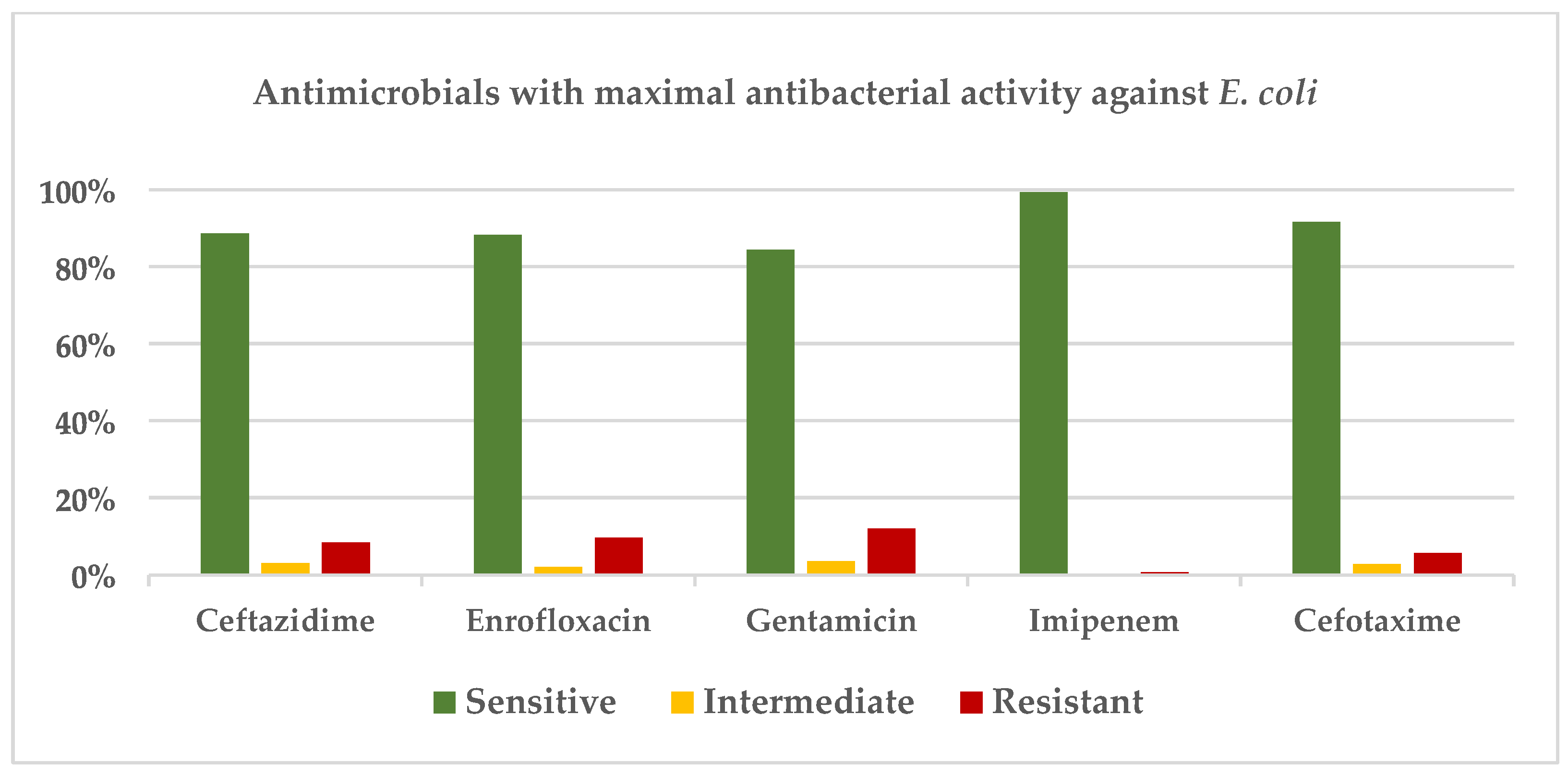
Antimicrobials with the Maximal Antibacterial Efficacy Against E. coli
2.2. Phenotypic Analysis Outcomes
2.3. Genotypic AnalysisOutcomes
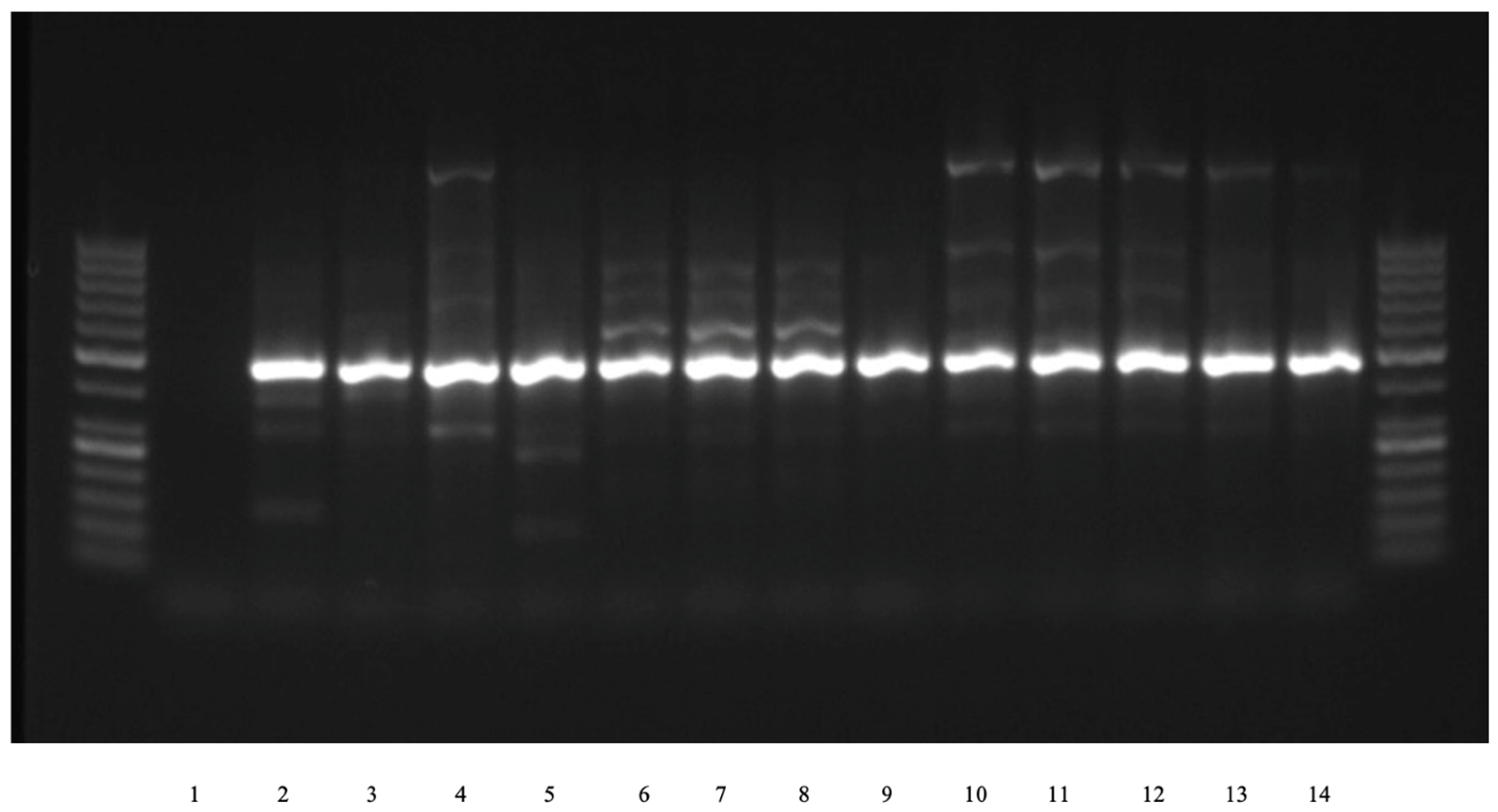
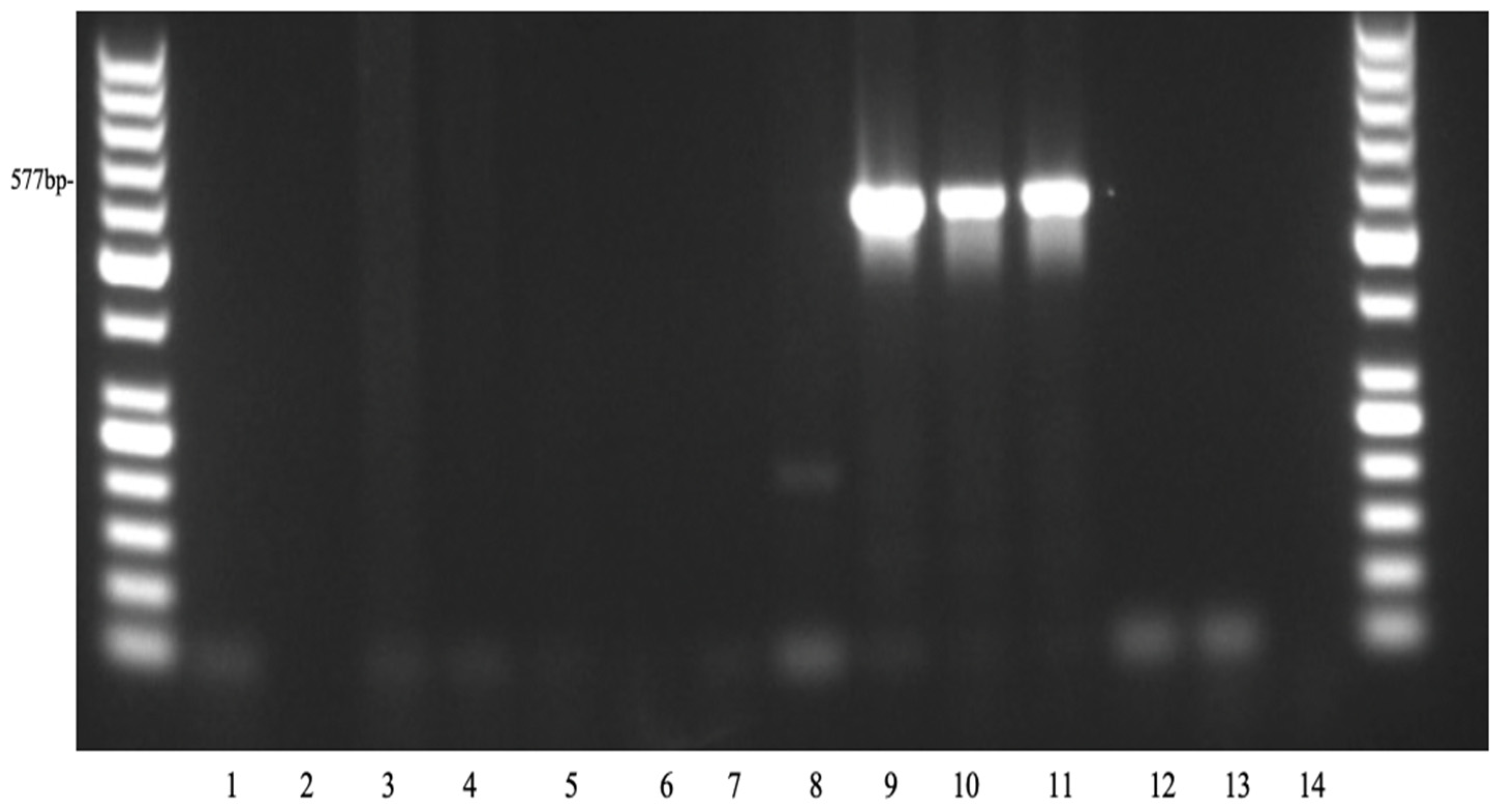
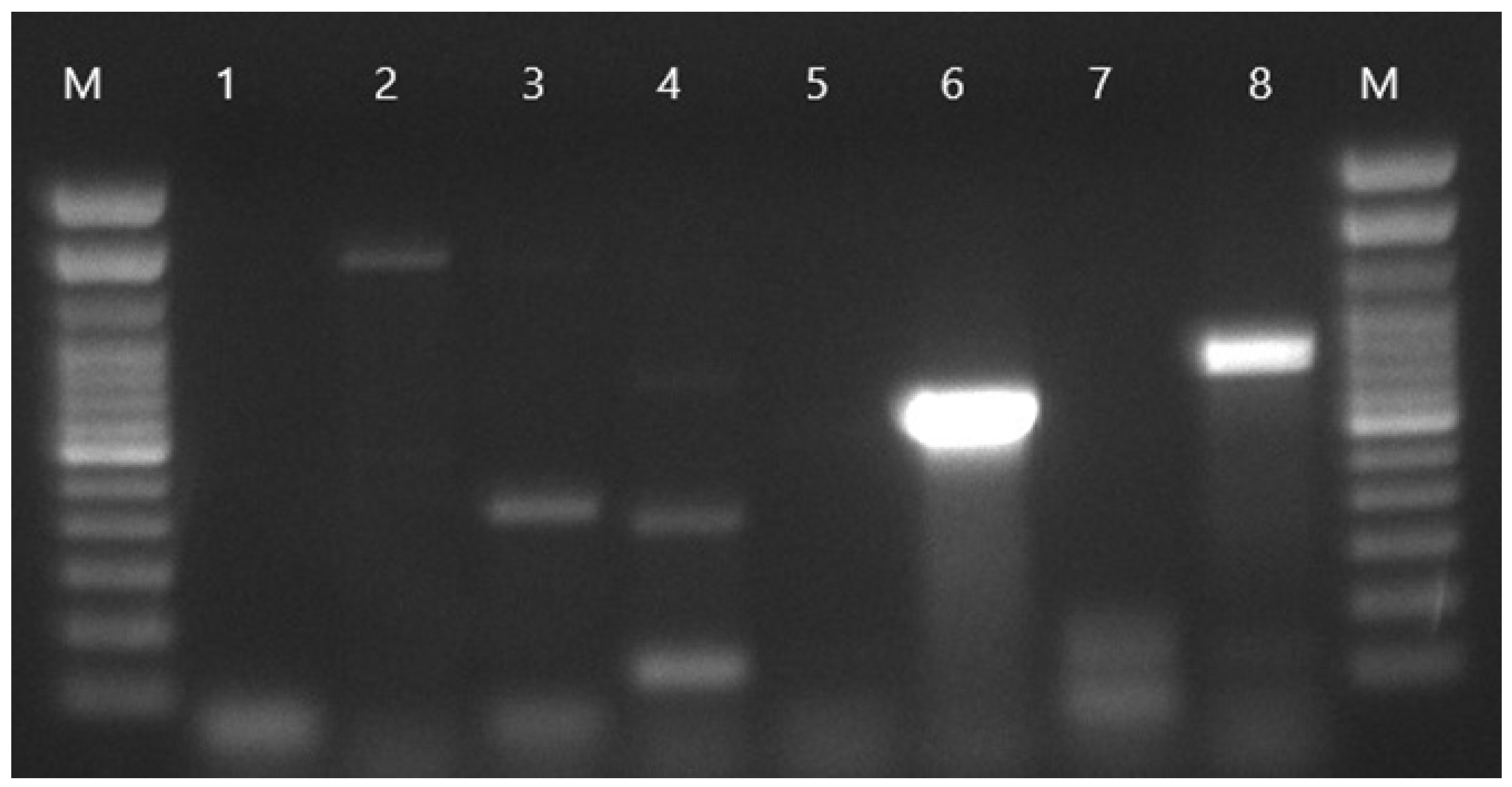
2.3.1. Polymerase Chain Reaction (PCR)
2.3.2. Next Generation Sequencing (NGS) Results
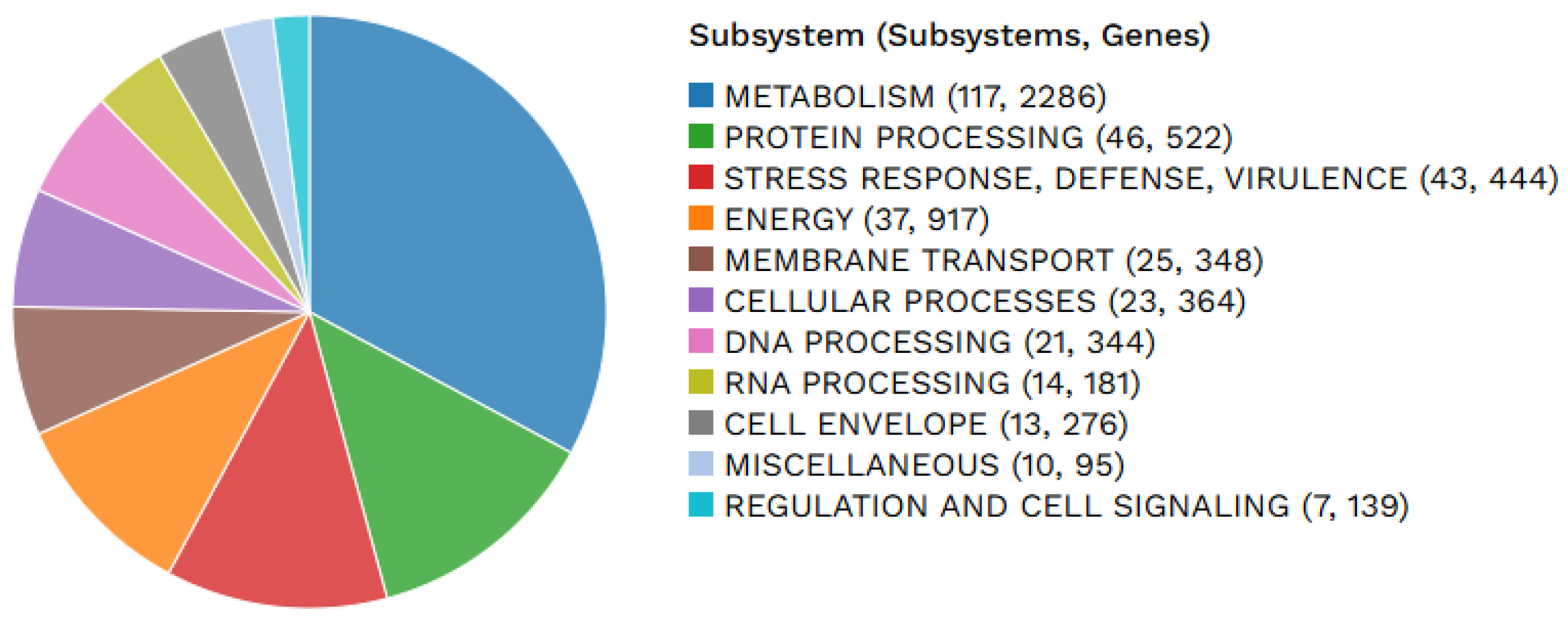
Genome Annotation
- cellular organisms > Bacteria > Pseudomonadota > Gammaproteobacteria > Enterobacterales > Enterobacteriaceae > Escherichia > Escherichia coli
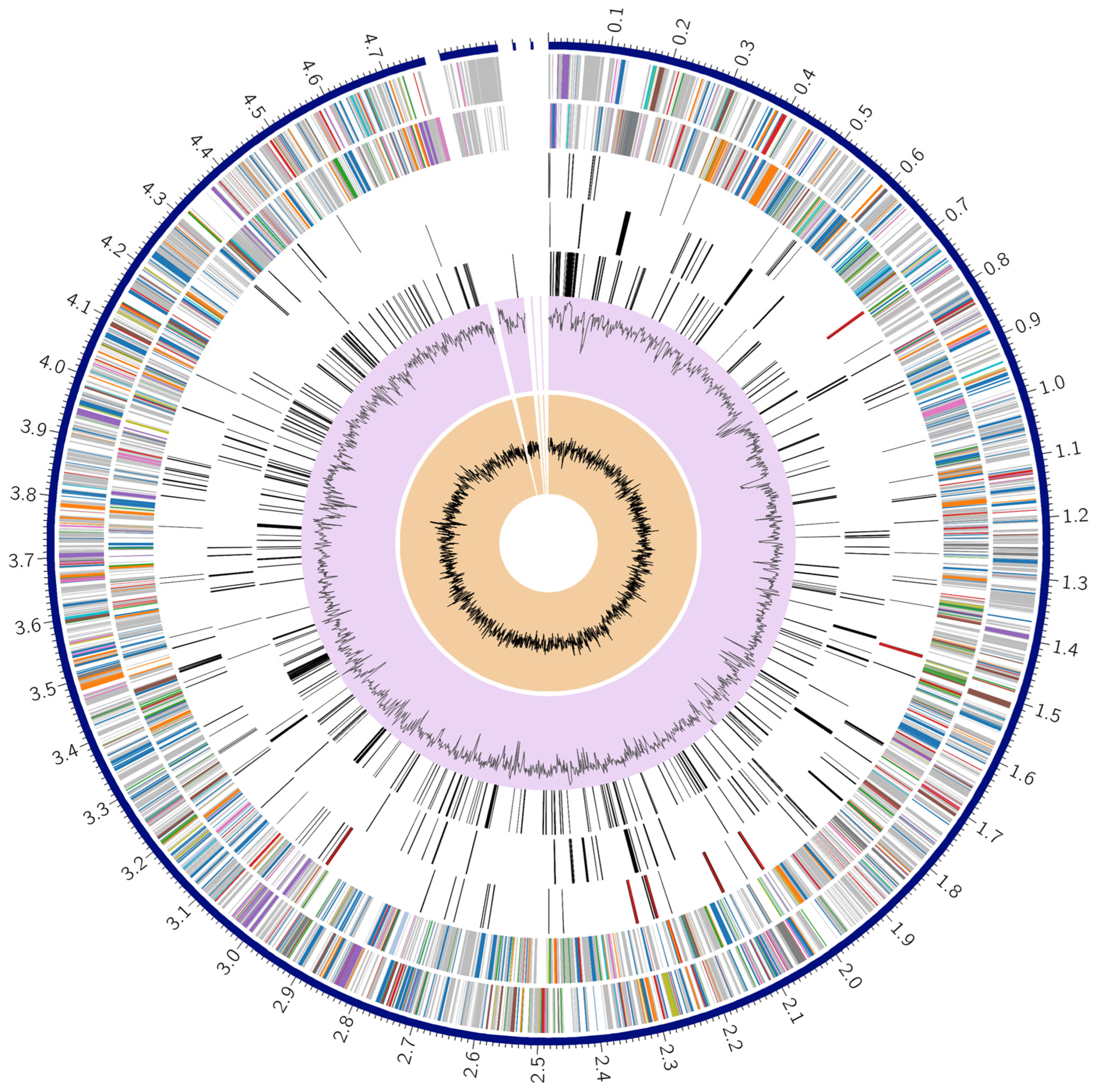

Genes Contributing to E. coli Antimicrobial Resistance
3. Discussion
4. Materials and Methods
4.1. Retrospective Study
4.2. Prospective Study
4.2.1. Phenotypic Analysis
Sample Collection
Antibacterial Sensitivity Test (ABST)
4.2.2. Genotypic Analysis
Conventional Polymerase Chain Reaction (PCR)
Next Generation Sequencing (NGS)
5. Conclusions
Author Contributions
Funding
Institutional Review Board Statement
Data Availability Statement
Acknowledgments
Conflicts of Interest
Abbreviations
| AMR | Antimicrobial Resistance |
| ATCC | American-Type Culture Collections |
| ABST | Antibacterial Sensitivity Test |
| E. coli | Escherichia coli |
| ESBL | Extended spectrum Beta Lactamases |
| MDR | Multi drug resistant |
| GLASS | Global Antimicrobial Resistance and Use Surveillance System |
| bp | base pairs |
| DNA | Deoxy ribonucleic acid |
| RNA | Ribonucleic caid |
| MH | Mueller Hinton Agar |
| NGS | Next generation sequencing |
| CDS | Coding sequence |
| PCR | Polymerase chain reaction |
| SGU | Saint George’s University |
| PATRIC | The PathoSystems Resource Integration Center |
| UTI | Urinary tract infections |
| WHO | World Health Organization |
| RAST | Rapid Annotation using subsystem Technology |
| GC | Guanine and cytosine |
| SNP | Single-Nucleotide Polymorphism |
| IACUC | Institutional Animal Care and Use Committee |
References
- Upadhyay, S.; Chakravarti, A.; Bharara, T.; Yadav, S. CSE (Ceftriaxone + Sulbactam + Disodium Edta): A Possible Solution to the Global Antimicrobial Resistance Pandemic. J. Pure Appl. Microbiol. 2020, 14, 2039–2045. [Google Scholar] [CrossRef]
- European Centre for Disease Prevention and Control (ECDC). Antimicrobial Resistance in the EU/EEA (EARS-Net)—Annual Epidemiological Report for 2022; European Centre for Disease Prevention and Control (ECDC): Solna, Sweden, 2023. Available online: https://www.ecdc.europa.eu/en/publications-data/surveillance-antimicrobial-resistance-europe-2022 (accessed on 17 November 2023).
- Tenover, F.C. Mechanisms of antimicrobial resistance in bacteria. Am. J. Med. 2006, 119, S3–S10. [Google Scholar] [CrossRef]
- World Health Organization. Global Antimicrobial Resistance and Use Surveillance System (GLASS) Report 2022; World Health Organization: Geneva, Switzerland, 2022. [Google Scholar]
- Raboisson, D.; Ferchiou, A.; Sans, P.; Lhermie, G.; Derville, M. The economics of antimicrobial resistance in veterinary medicine: Optimizing societal benefits through mesoeconomic approaches from public and private perspectives. One Health 2020, 10, 100145. [Google Scholar] [CrossRef] [PubMed]
- Thungrat, K.; Price, S.B.; Carpenter, D.M.; Boothe, D.M. Antimicrobial susceptibility patterns of clinical Escherichia coli isolates from dogs and cats in the United States: January 2008 through January 2013. Vet. Microbiol. 2015, 179, 287–295. [Google Scholar] [CrossRef]
- Braz, V.S.; Melchior, K.; Moreira, C.G. Escherichia coli as a Multifaceted Pathogenic and Versatile Bacterium. Front. Cell. Infect. Microbiol. 2020, 10, 548492. [Google Scholar] [CrossRef]
- Galindo-Méndez, M. Antimicrobial Resistance in Escherichia coli. In E. coli Infections—Importance of Early Diagnosis and Efficient Treatment; IntechOpen: London, UK, 2020. [Google Scholar] [CrossRef]
- Szmolka, A.; Nagy, B. Multidrug resistant commensal Escherichia coli in animals and its impact for public health. Front. Microbiol. 2013, 4, 258. [Google Scholar] [CrossRef]
- Poirel, L.; Madec, J.Y.; Lupo, A.; Schink, A.K.; Kieffer, N.; Nordmann, P.; Schwarz, S. Antimicrobial Resistance in Escherichia coli. Microbiol. Spectr. 2018, 6, 10-1128. [Google Scholar] [CrossRef]
- Irizarry, R.; Amadi, V.; Brathwaite-Syl-vester, E.; Nicholas-Thomas, R.; Shar-ma, R.; Hariharan, H. Update on urinary tract infections in dogs in a troical island and antimicrobial susceptibility of Escherichia coli isolates for the period 2010–2016. Vet. Med. Open J. 2016, 1, 56–61. [Google Scholar] [CrossRef]
- Weese, J.S.; Blondeau, J.; Boothe, D.; Guardabassi, L.G.; Gumley, N.; Papich, M.; Jessen, L.R.; Lappin, M.; Rankin, S.; Westropp, J.L.; et al. International Society for Companion Animal Infectious Diseases (ISCAID) guidelines for the diagnosis and management of bacterial urinary tract infections in dogs and cats. Vet. J. 2019, 247, 8–25. [Google Scholar] [CrossRef] [PubMed]
- Javadi, M.; Bouzari, S.; Oloomi, M. Horizontal Gene Transfer and the Diversity of Escherichia coli. In Escherichia coli—Recent Advances on Physiology, Pathogenesis and Biotechnological Applications; IntechOpen: London, UK, 2017. [Google Scholar]
- Aly, S.A.; Debavalya, N.; Suh, S.-J.; Oryazabal, O.A.; Boothe, D.M. Molecular mechanisms of antimicrobial resistance in fecal Escherichia coli of healthy dogs after enrofloxacin or amoxicillin administration. Can. J. Microbiol. 2012, 58, 1288–1294. [Google Scholar] [CrossRef] [PubMed]
- Shaheen, B.W.; Nayak, R.; Foley, S.L.; Kweon, O.; Deck, J.; Park, M.; Rafii, F.; Boothe, D.M. Molecular characterization of resistance to extended-spectrum cephalosporins in clinical Escherichia coli isolates from companion animals in the United States. Antimicrob. Agents Chemother. 2011, 55, 5666–5675. [Google Scholar] [CrossRef] [PubMed]
- Lee, A.; Mao, W.; Warren, M.S.; Mistry, A.; Hoshino, K.; Okumura, R.; Ishida, H.; Lomovskaya, O. Interplay between efflux pumps may provide either additive or multiplicative effects on drug resistance. J. Bacteriol. 2000, 182, 3142–3150. [Google Scholar] [CrossRef]
- Carvalho, A.C.; Barbosa, A.V.; Arais, L.R.; Ribeiro, P.F.; Carneiro, V.C.; Cerqueira, A.M.F. Resistance patterns, ESBL genes, and genetic relatedness of Escherichia coli from dogs and owners. Braz. J. Microbiol. 2016, 47, 150–158. [Google Scholar] [CrossRef]
- Murphy, C.P.; Reid-Smith, R.J.; Boerlin, P.; Weese, J.S.; Prescott, J.F.; Janecko, N.; Hassard, L.; McEwen, S.A. Escherichia coli and selected veterinary and zoonotic pathogens isolated from environmental sites in companion animal veterinary hospitals in southern Ontario. Can. Vet. J. 2010, 51, 963–972. [Google Scholar]
- Holvoet, K.; Sampers, I.; Callens, B.; Dewulf, J.; Uyttendaele, M. Moderate prevalence of antimicrobial resistance in Escherichia coli isolates from lettuce, irrigation water, and soil. Appl. Environ. Microbiol. 2013, 79, 6677–6683. [Google Scholar] [CrossRef]
- Boothe, D.M.; Debavalya, N. Impact of routine antimicrobial therapy on canine fecal Escherichia coli antimicrobial resistance: A pilot study. Intern. J. Appl. Res. Vet. Med. 2009, 9, 396. [Google Scholar]
- Cahill, R.; Tan, S.; Dougan, G.; O’gaora, P.; Pickard, D.; Kennea, N.; Sullivan, M.; Feldman, R.; Edwards, A. Universal DNA primers amplify bacterial DNA from human fetal membranes and link Fusobacterium nucleatum with prolonged preterm membrane rupture. Mol. Hum. Reprod. 2005, 11, 761–766. [Google Scholar] [CrossRef] [PubMed]
- Pitout, J.D.; Laupland, K.B. Extended-spectrum beta-lactamase-producing Enterobacteriaceae: An emerging public-health concern. Lancet Infect. Dis. 2008, 8, 159–166. [Google Scholar] [CrossRef]
- Gow, S.P.; Waldner, C.L.; Harel, J.; Boerlin, P. Associations between antimicrobial resistance genes in fecal generic Escherichia coli isolates from cow-calf herds in western Canada. Appl. Environ. Microbiol. 2008, 74, 3658–3666. [Google Scholar] [CrossRef] [PubMed]
- Speer, B.S.; Shoemaker, N.B.; Salyers, A.A. Bacterial resistance to tetracycline: Mechanisms, transfer, and clinical significance. Bacterial resistance to tetracycline: Mechanisms, transfer, and clinical significance. Clin. Microbiol. Rev. 1992, 5, 387–399. [Google Scholar] [CrossRef]
- Amadi, V.A.; Hariharan, H.; Amadi, O.A.; Matthew-Belmar, V.; Nicholas-Thomas, R.; Perea, M.L.; Carter, K.; Rennie, E.; Kalasi, K.; Alhassan, A.; et al. Antimicrobial resistance patterns of commensal Escherichia coli isolated from feces of non-diarrheic dogs in Grenada, West Indies. Vet. World 2019, 12, 2070–2075. [Google Scholar] [CrossRef] [PubMed]
- Jassim, E.K.; Badi, A.; Jawad, R.; Al-Salihi, K.A. Isolation and characterization of Oxytetracyclin resistance E. coli in Al Muthanna Veterinary hospital using Multiplex PCR. Mirror Res. Vet. Sci. Anim. 2019, 8, 1–14. [Google Scholar]
- Ramírez-Bayard, I.E.; Mejía, F.; Medina-Sánchez, J.R.; Cornejo-Reyes, H.; Castillo, M.; Querol-Audi, J.; Martínez-Torres, A.O. Prevalence of Plasmid-Associated Tetracycline Resistance Genes in Multidrug-Resistant Escherichia coli Strains Isolated from Environmental, Animal and Human Samples in Panama. Antibiotics 2023, 12, 280. [Google Scholar] [CrossRef] [PubMed]
- Hariharan, H.; Brathwaite-Sylvester, E.; Matthew Belmar, V.; Sharma, R. Bacterial Isolates from Urinary Tract Infection in Dogs in Grenada, and Their Antibiotic Susceptibility. Open J. Vet. Med. 2016, 6, 85–88. [Google Scholar] [CrossRef]
- Guillaume, G.; Verbrugge, D.; Chasseur-Libotte, M.-L.; Moens, W.; Collard, J.-M. PCR typing of tetracycline resistance determinants (Tet A-E) in Salmonella enterica serotype Hadar and in the microbial community of activated sludges from hospital and urban wastewater treatment facilities in Belgium. FEMS Microbiol. Ecol. 2000, 32, 77–85. [Google Scholar] [CrossRef]
- Skocková, A.; Cupáková, S.; Karpísková, R.; Janstová, B. Detection of tetracycline resistance genes in Escherichia coli from raw cow’s milk. J. Microbiol. Biotech. Food Sci. 2012, 1, 777–784. [Google Scholar]
- Schwaiger, K.; Hölzel, C.; Bauer, J. Resistance gene patterns of tetracycline resistant Escherichia coli of human and porcine origin. Vet. Microbiol. 2010, 142, 329–336. [Google Scholar] [CrossRef]
- Jahantigh, M.; Samadi, K.; Dizaji, R.E.; Salari, S. Antimicrobial resistance and prevalence of tetracycline resistance genes in Escherichia coli isolated from lesions of colibacillosis in broiler chickens in Sistan, Iran. BMC Vet. Res. 2020, 16, 267. [Google Scholar] [CrossRef]
- Ombarak, R.A.; Hinenoya, A.; Elbagory, A.-R.M.; Yamasaki, S. Prevalence and Molecular Characterization of Antimicrobial Resistance in Escherichia coli Isolated from Raw Milk and Raw Milk Cheese in Egypt. J. Food Prot. 2018, 81, 226–232. [Google Scholar] [CrossRef]
- Rodrigues, L.F.S.; Melo, R.A.; Borges, N.M.; Aragao, A.C.S.; Araujo, M.O.; Dos Santos, R.D.; Bilac, C.A.; Gomes, K.O.; do Prado, B.A.; Sa Barreto, L.C.L.; et al. Antimicrobial Resistance Phenotypes and Genotypes of Escherichia coli Isolates from Artisanal Minas Frescal Cheeses from the Federal District, Brazil. Antibiotics 2025, 14, 1101. [Google Scholar] [CrossRef]
- Tabaran, A.; Mihaiu, M.; Tăbăran, F.; Colobatiu, L.; Reget, O.; Borzan, M.M.; Dan, S.D. First study on characterization of virulence and antibiotic resistance genes in verotoxigenic and enterotoxigenic E. coli isolated from raw milk and unpasteurized traditional cheeses in Romania. Folia Microbiol. 2017, 62, 145–150. [Google Scholar] [CrossRef] [PubMed]
- Jena, J.; Sahoo, R.K.; Debata, N.K.; Subudhi, E. Prevalence of TEM, SHV, and CTX-M genes of extended-spectrum β-lactamase-producing Escherichia coli strains isolated from urinary tract infections in adults. 3 Biotech 2017, 7, 244. [Google Scholar] [CrossRef]
- Pandit, R.; Awal, B.; Shrestha, S.S.; Joshi, G.; Rijal, B.P.; Parajuli, N.P. Extended-Spectrum β-Lactamase (ESBL) Genotypes among Multidrug-Resistant Uropathogenic Escherichia coli Clinical Isolates from a Teaching Hospital of Nepal. Interdiscip. Perspect. Infect. Dis. 2020, 2020, 6525826. [Google Scholar] [CrossRef] [PubMed]
- Cruz, M.C.; Hedreyda, C.T. Detection of plasmid-borne β-lactamase genes in extended- spectrum β-lactamase (ESBL) and non-ESBL-producing Escherichia coli clinical isolates. Philipp. J. Sci. 2017, 146, 167–175. [Google Scholar]
- Sah, R.K.; Dahal, P.; Parajuli, R.; Giri, G.R.; Tuladhar, E. Prevalence of bla(CTX-M) and bla(TEM) Genes in Cefotaxime-Resistant Escherichia coli Recovered from Tertiary Care at Central Nepal: A Descriptive Cross-Sectional Study. Can. J. Infect. Dis. Med. Microbiol. 2024, 2024, 5517662. [Google Scholar] [CrossRef]
- Goleanu Vasiloiu, C.D.; Vrancianu, C.O.; Goleanu, D.A.; Tantu, M.M.; Csutak, O. Trends in Antibiotic Resistance of Escherichia coli Strains Isolated from Clinical Samples (2019–2023): A Hospital-Based Retrospective Analysis. Pathogens 2025, 14, 927. [Google Scholar] [CrossRef] [PubMed]
- Veenemans, J.; Overdevest, I.T.; Snelders, E.; Willemsen, I.; Hendriks, Y.; Adesokan, A.; Doran, G.; Bruso, S.; Rolfe, A.; Pettersson, A.; et al. Next-generation sequencing for typing and detection of resistance genes: Performance of a new commercial method during an outbreak of extended-spectrum-beta-lactamase-producing Escherichia coli. J. Clin. Microbiol. 2014, 52, 2454–2460. [Google Scholar] [CrossRef] [PubMed]
- Wang, H.; Ye, C.; Jiang, H.; Song, R. Application of next-generation sequencing in the detection of antimicrobial resistance. Clin. Chim. Acta 2025, 578, 120520. [Google Scholar] [CrossRef] [PubMed]
- Husz, L.H.; Tornyos, G.Á.; Kaszab, E.; Fehér, E.; Bittsánszky, A.; Tóth, A.J.; Süth, M.; Jerzsele, Á.; Kerek, Á. Phenotypic and Genomic Analysis of Antimicrobial Resistance in Escherichia coli Isolated from Food-Transport Containers Used in Institutional Catering. Antibiotics 2026, 15, 358. [Google Scholar] [CrossRef]
- Ali, M.; Reshad, R.; Aunkor, M.; Biswas, G.; Mahmud, A.; Miah, M. Antimicrobial Resistance: Understanding the Mechanism and Strategies for Prevention and Control. J. Adv. Biotechnol. Exp. Ther. 2023, 6, 468. [Google Scholar] [CrossRef]
- Nunez-Samudio, V.; Pimentel-Peralta, G.; De La Cruz, A.; Landires, I. Multidrug-resistant phenotypes of genetically diverse Escherichia coli isolates from healthy domestic cats. Sci. Rep. 2024, 14, 11260. [Google Scholar] [CrossRef]
- Hudzicki, J. Kirby-Bauer-Disk-Diffusion-Susceptibility-Test-Protocol; American Society for Microbiology: Washington, DC, USA, 2009. [Google Scholar]
- Cebeci, T. Prevalence, Characterization and PFGE profiles of multidrug resistance extended spectrum β-lactamase producing Escherichia coli strains in animal-derived food products from public markets in Eastern Turkey. J. Hell. Vet. Med. Soc. 2022, 73, 4633–4644. [Google Scholar] [CrossRef]
- Randall, L.P.; Cooles, S.W.; Osborn, M.K.; Piddock, L.J.; Woodward, M.J. Antibiotic resistance genes, integrons and multiple antibiotic resistance in thirty-five serotypes of Salmonella enterica isolated from humans and animals in the UK. J. Antimicrob. Chemother. 2004, 53, 208–216. [Google Scholar] [CrossRef] [PubMed]
- Pishtiwan, A.H.; Khadija, K.M. Prevalence of blaTEM, blaSHV, and blaCTX-M Genes among ESBL-Producing Klebsiella pneumoniae and Escherichia coli Isolated from Thalassemia Patients in Erbil, Iraq. Mediterr. J. Hematol. Infect. Dis. 2019, 11, e2019041. [Google Scholar] [CrossRef] [PubMed]
- Ojdana, D.; Sacha, P.; Wieczorek, P.; Czaban, S.; Michalska, A.; Jaworowska, J.; Jurczak, A.; Poniatowski, B.; Tryniszewska, E. The Occurrence of blaCTX-M, blaSHV, and blaTEM Genes in Extended-Spectrumβ-Lactamase-Positive Strains of Klebsiella pneumoniae, Escherichia coli, and Proteus mirabilisin Poland. Int. J. Antibiot. 2014, 2014, 935842. [Google Scholar] [CrossRef]



| Antibiotic | Resistance Gene | Identity (%) | Alignment Length/Gene Length | Coverage | Phenotype | |
|---|---|---|---|---|---|---|
| ResFinder on Reads | Staramr on Contigs | |||||
| Tetracycline | tetA | 100.00 | 99.68 | 1200/1200 | 100.00 | Doxycycline, Tetracycline |
| β-lactam | blaTEM-1B | 99.77 | 99.42 | 861/861 | 100.00 | Amoxicillin, Ampicillin, Cephalothin, Piperacillin, Ticarcillin |
| Aminoglycoside | aph(6)-Id | 100.00 | 99.28 | 837/837 | 100.00 | Streptomycin |
| aph(3″)-Ib | 99.88 | 99.5 | 804/804 | 100.00 | Streptomycin | |
| Sulphonamide | sul2 | 100.00 | 99.39 | 816/816 | 100.00 | Sulfamethoxazole |
| Trimethoprim | dfrA8 | 100.00 | 99.8 | 510/510 | 100.00 | Trimethoprim |
| AMR Mechanism | Genes |
|---|---|
| Antibiotic activation enzyme | KatG |
| Antibiotic inactivation enzyme | APH(3″)-I, APH(6)-Ic/APH(6)-Id, BlaEC family, TEM family |
| Antibiotic resistance gene cluster, cassette, or operon | MarA, MarB, MarR |
| Antibiotic target in susceptible species | Alr, Ddl, dxr, EF-G, EF-Tu, folA, Dfr, folP, gyrA, gyrB, inhA, fabI, Iso-tRNA, kasA, MurA, rho, rpoB, rpoC, S10p, S12p |
| Antibiotic target protection protein | BcrC |
| Efflux pump conferring antibiotic resistance | AcrAB-TolC, AcrAD-TolC, AcrEF-TolC, AcrZ, EmrAB-TolC, EmrD, EmrKY-TolC, MacA, MacB, MdfA/Cmr, MdtABC-TolC, MdtEF-TolC, MdtL, MdtM, SugE, Tet(A), TolC/OpmH |
| Gene conferring resistance via absence | gidB |
| Protein altering cell wall charge conferring antibiotic resistance | GdpD, PgsA |
| Regulator modulating expression of antibiotic resistance genes | AcrAB-TolC, EmrAB-TolC, GadE, H-NS, OxyR |
| Target Gene | Gene Sequence | Fragment Size (bp) | References |
|---|---|---|---|
| 16s rRNA (for testing E. coli) | 16s2F: CCTACGGRSGCAGCAG 16s4R:GGACTACCMGGGNTATCTAATCCKG | 500 | [21] |
| tetA [47] (tetracycline) | F: GGTTCACTCGAACGACGTCA R: CTGTCCGACAAGTTGCATGA | 577 | [48] |
| tetB [47] (tetracycline) | F: CCTCAGCTTCTCAACGCGTG R: GCACCTTGCTCATGACTCTT | 815 | [48] |
| blaTEM [49] (β-lactam) | F: GCTCACCCAGAAACGCTGGT R: CCATCTGGCCCCAGTGCTGC | 686 | [50] |
| blaSHV [49] (β-lactam) | F: CCCGCAGCCGCTTGAGCAAA R: CATGCTCGCCGGCGTATCCC | 733 | [50] |
| blaCTX-M [49] (β-lactam) | F: SCSATGTGCAGYACCAGTAA R: ACCAGAAYVAGCGGBGC | 585 | [50] |
Disclaimer/Publisher’s Note: The statements, opinions and data contained in all publications are solely those of the individual author(s) and contributor(s) and not of MDPI and/or the editor(s). MDPI and/or the editor(s) disclaim responsibility for any injury to people or property resulting from any ideas, methods, instructions or products referred to in the content. |
© 2026 by the authors. Licensee MDPI, Basel, Switzerland. This article is an open access article distributed under the terms and conditions of the Creative Commons Attribution (CC BY) license.
Share and Cite
Brewer, E.; Law, K.; Sharma, B.; Alhassan, A.; Brathwaite, E.H.-A.; Sylvester, W.; Kumar, K. Occurrence and Antimicrobial Susceptibility Pattern of Clinical Escherichia coli Isolates from Dogs in Grenada, West Indies. Antibiotics 2026, 15, 522. https://doi.org/10.3390/antibiotics15050522
Brewer E, Law K, Sharma B, Alhassan A, Brathwaite EH-A, Sylvester W, Kumar K. Occurrence and Antimicrobial Susceptibility Pattern of Clinical Escherichia coli Isolates from Dogs in Grenada, West Indies. Antibiotics. 2026; 15(5):522. https://doi.org/10.3390/antibiotics15050522
Chicago/Turabian StyleBrewer, Erika, Kaitlin Law, Bhumika Sharma, Andy Alhassan, Erica Hazel-Ann Brathwaite, Wayne Sylvester, and Kamashi Kumar. 2026. "Occurrence and Antimicrobial Susceptibility Pattern of Clinical Escherichia coli Isolates from Dogs in Grenada, West Indies" Antibiotics 15, no. 5: 522. https://doi.org/10.3390/antibiotics15050522
APA StyleBrewer, E., Law, K., Sharma, B., Alhassan, A., Brathwaite, E. H.-A., Sylvester, W., & Kumar, K. (2026). Occurrence and Antimicrobial Susceptibility Pattern of Clinical Escherichia coli Isolates from Dogs in Grenada, West Indies. Antibiotics, 15(5), 522. https://doi.org/10.3390/antibiotics15050522