Systematic Review

Prevalence and Global Distribution of Bacterial Species Associated with Acute Otitis Media in Children: Systematic Review and Meta-Analysis

1
Department of Medicine, College of Medicine, Kyung Hee University, Seoul 02447, Republic of Korea
2
Clinical Research Institute, Kyung Hee University Medical Center, Seoul 02447, Republic of Korea
3
Department of Pediatric Surgery, Asan Medical Center Children’s Hospital, Asan Medical Center, Seoul 05505, Republic of Korea
4
Department of Otorhinolaryngology—Head and Neck Surgery, College of Medicine, Kyung Hee University Medical Center, Kyung Hee University, Seoul 02447, Republic of Korea
5
College of Nursing Science, Kyung Hee University, Seoul 02447, Republic of Korea
6
Department of Biochemistry and Molecular Biology, College of Medicine, Kyung Hee University, Seoul 02447, Republic of Korea
7
Department of Pharmacology, College of Pharmacy, Kyung Hee University, Seoul 02447, Republic of Korea
*
Author to whom correspondence should be addressed.
Antibiotics 2026, 15(5), 463; https://doi.org/10.3390/antibiotics15050463
Submission received: 26 March 2026 / Revised: 26 April 2026 / Accepted: 30 April 2026 / Published: 3 May 2026

Abstract

Background/Objectives: Acute otitis media (AOM) remains a leading cause of pediatric morbidity and a primary indication for antibiotic prescription worldwide. Given the potential for serious complications and the evolving landscape of antimicrobial resistance, up-to-date epidemiological data on causative bacteria are essential. This study aimed to assess the global prevalence of major bacterial pathogens in pediatric AOM and evaluate variations across geographic regions and temporal periods (pre-2000 vs. post-2000). Methods: A systematic search of PubMed, Embase, and Web of Science (1980–2025) was conducted to identify studies reporting middle ear fluid culture results in children (0–18 years) with AOM. Following the Preferred Reporting Items for Systematic Reviews and Meta-Analyses (PRISMA) guidelines, 45 studies encompassing 16,305 AOM episodes were included. Data were synthesized from North America, Europe, the Middle East, Asia, Oceania, and Africa. Pooled prevalence estimates and 95% confidence intervals (CIs) were calculated using a random-effects model, and heterogeneity was assessed via the I2 statistic. Results: The overall pooled culture-positive rate was 66.6% (95% CI, 62.2–70.8%). Regional pooled estimates ranged from 56.1% in the Middle East (95% CI, 40.3–70.6%; underlying counts, 3776/10,652) to 77.5% in North America (95% CI, 68.2–84.7%; underlying counts, 1567/2125). Streptococcus pneumoniae was the most prevalent pathogen, with a pooled proportion of 29.0% (95% CI, 26.3–31.8%), followed by Haemophilus influenzae (22.3%; 95% CI, 19.3–25.6%) and Moraxella catarrhalis (4.6%; 95% CI, 3.4–6.1%). While S. pneumoniae remained the leading pathogen in most regions, H. influenzae showed marked geographic variability, peaking in the Middle East at 27.5% (95% CI, 17.0–41.2%; underlying counts, 2280/10,652) and reaching its lowest level in Asia at 13.5% (95% CI, 7.8–22.4%; underlying counts, 336/1854). The pooled culture-positive rate declined from 72.5% before 2000 (95% CI, 67.6–76.9%; underlying counts, 5769/8199) to 59.4% in 2000 and later (95% CI, 52.1–66.3%; underlying counts, 6661/15,707), although S. pneumoniae remained the predominant isolate in both periods. Conclusions: S. pneumoniae remains the primary bacterial driver of pediatric AOM globally. However, the observed geographic disparities and the temporal shift in pathogen prevalence following pneumococcal conjugate vaccine (PCV) introduction underscore the necessity for region-specific empirical antibiotic selection. These findings highlight the critical need for sustained microbiological surveillance to inform future vaccination and treatment strategies.

1. Introduction

Otitis media is an inflammatory condition of the middle ear that is especially common in young children and is classified as acute otitis media (AOM) or otitis media with effusion (OME) [1,2,3]. Two of three children who are under 3 years old experience at least one episode of AOM, and one of three children experiences three or more episodes [4,5]. The peak incidence of AOM is at age 6 to 12 months [6,7], but among different countries, the percentage of children with a first episode by age 1 year ranges from 19% to 62%, and the percentage with a first episode by age 3 years ranges from 50% to 84% [6,8,9].
AOM is characterized by a dysfunctional eustachian tube (ET), an organ that is relatively wider, shorter, and more horizontal in children, characteristics that facilitate the reflux of bacteria from the nasal cavity or nasopharynx into the middle ear. In addition, young children have immature cartilaginous support of the ET and of the muscles that control its opening [10,11]. These anatomical and physiological factors compromise ET function and are responsible for the higher incidence of AOM in infants and young children. The ET has a more mature structure and function in children aged 7 years, and AOM is less common in these older children. A functional ET normally prevents middle ear infections, but an immature or dysfunctional ET can allow pathogens to enter the middle ear. Most AOM-associated infections occur via the ET, although bacteria and viruses can also reach the middle ear through a perforated tympanic membrane or via hematogenous spread [10].
Most cases of AOM are attributed to Streptococcus pneumoniae followed by Haemophilus influenzae and Moraxella catarrhalis, and these three species together account for most culture-positive infections of middle ear fluid. Group A β-hemolytic streptococci, α-hemolytic streptococci, Staphylococcus aureus, and Pseudomonas aeruginosa are less common causes of AOM [12].
AOM is a major reason for antibiotic use in children, and this has led to the emergence of antimicrobial resistance in isolates from middle ear effusions. Depending on the region, approximately 8 to 34% of S. pneumoniae isolates, 25 to 30% of H. influenzae isolates, and about 80% of M. catarrhalis isolates have resistance to penicillin, and antibiotic resistance rates are steadily rising [13]. The percentage of β-lactamase-producing H. influenzae strains has also increased, and a recent study reported that 49.7% of H. influenzae strains isolated from upper respiratory tract infections, including AOM, acute tonsillitis, and acute sinusitis, were resistant to amoxicillin [14]. β-lactamase-nonproducing ampicillin-resistant H. influenzae (BLNAR) is also common, further complicating the treatment of these patients. In addition to antibiotic resistance, the widespread implementation of PCVs has altered the prevalence of AOM-associated pathogens. Importantly, nontypeable H. influenzae has become a more common cause of AOM in the post-PCV era. Thus, studies in many regions have reported that H. influenzae now rivals or even exceeds S. pneumoniae as the most common AOM pathogen in vaccinated populations [15]. These epidemiologic changes, coupled with differences in antibiotic resistance patterns among different pathogens, have complicated the management of AOM and underscore the critical importance of ongoing surveillance. Most previous studies of AOM pathogens have been confined to specific regions or time periods, highlighting the need for a broader perspective that integrates data from multiple countries and changes in these pathogens over time. A recent systematic review and meta-analysis of AOM reported that S. pneumoniae, H. influenzae, and M. catarrhalis were the three most common bacterial pathogens. However, this study did not specifically examine temporal changes or geographic variations in the prevalence of different species [16]. In the present study, we performed a meta-analysis of worldwide research on AOM pathogens to better understand global patterns and temporal changes in these pathogens.

2. Results

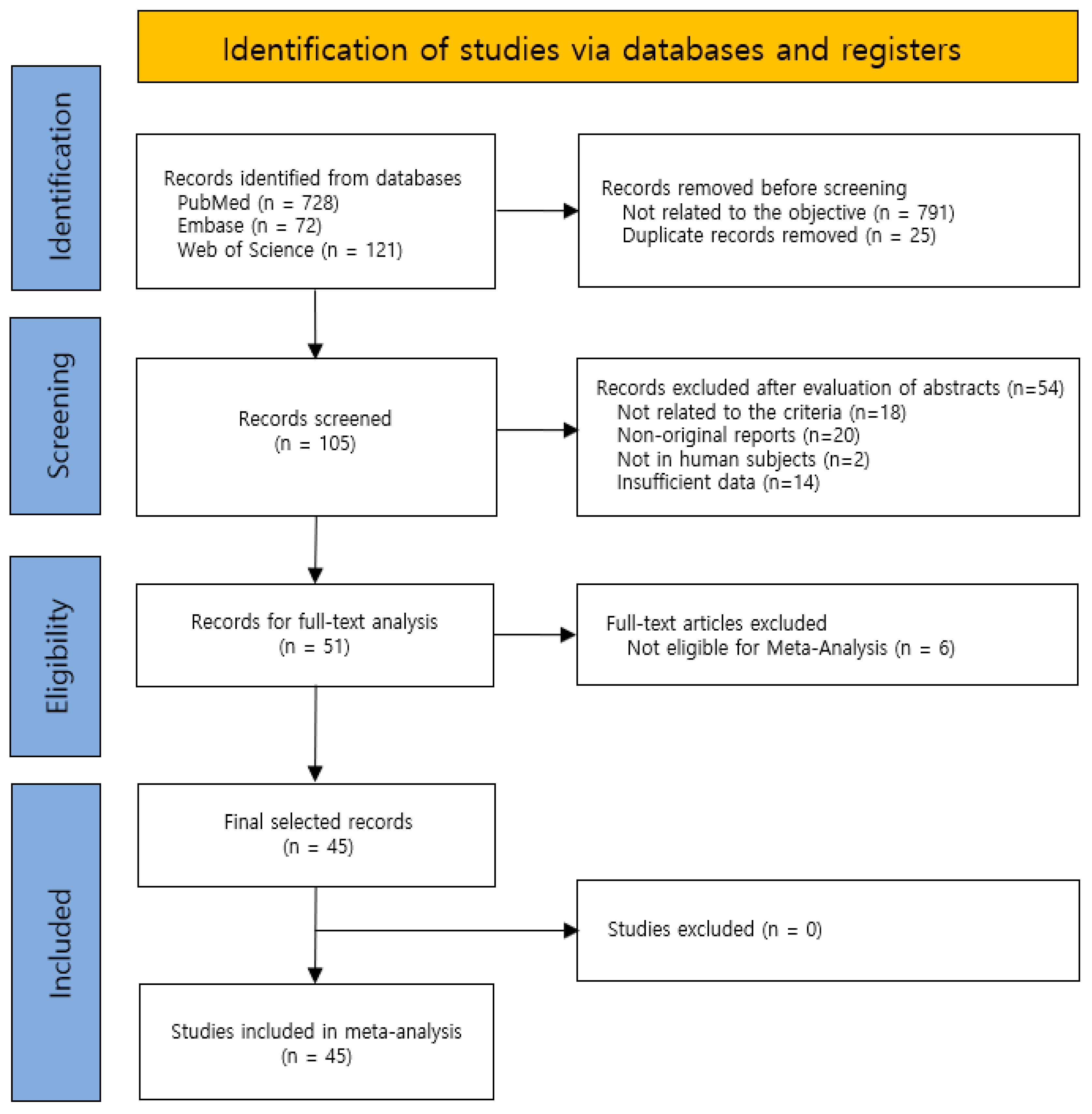
Our initial keyword search identified 921 articles and 51 of these studies [17,18,19,20,21,22,23,24,25,26,27,28,29,30,31,32,33,34,35,36,37,38,39,40,41,42,43,44,45,46,47,48,49,50,51,52,53,54,55,56,57,58,59,60,61,62,63,64,65,66,67] were eligible for full-text review (Figure 1, Supplementary Table S1). These 51 studies were from the Americas (21 from USA, Argentina, Brazil, Chile, Colombia, Costa Rica, Mexico, Venezuela), Europe (10 from Finland, France, Germany, Romania, Russia, Turkey), the Middle East (8 from Israel and Saudi Arabia), Asia (6 from China, Japan, Taiwan, Thailand), Oceania (1 from Australia), Africa (1 from Ethiopia), and multiple regions (4 from various countries, including USA, Costa Rica, Chile, Romania, Israel, Guatemala, Bulgaria, Peru, and Latvia). Six of these 51 articles did not meet the objectives of the meta-analysis. Thus, the final analysis included 45 articles: 21 from the Americas, 10 from Europe, 8 from the Middle East, and 6 from Asia. These articles contained data for 16,305 unique episodes of AOM (Supplementary Table S2).
The estimated percentage of positive cultures was 66.6% overall (95% CI: 0.622–0.708). The three most common species were S. pneumoniae (29.0%; 95% CI: 0.263–0.318), a Gram-positive diplococcus well-known to colonize upper respiratory tract mucosa; H. influenzae (22.3%; 95% CI: 0.193–0.256), a Gram-negative coccobacillus; and M. catarrhalis (4.6%; 95% CI: 0.034–0.061), a Gram-negative diplococcus (Table 1) [17,18,19,20,21,22,23,24,25,26,27,28,29,30,31,32,33,34,35,36,37,38,39,40,41,42,43,44,45,46,47,48,49,50,51,52,53,54,55,56,57,58,59,60,61,62,63,64,65,66,67].
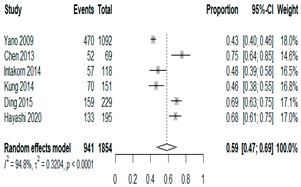
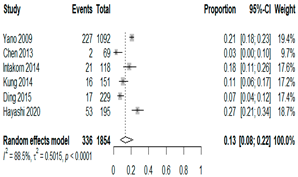
We then compared the geographic distribution of species in North America (9 articles), South America (12 articles), Europe (10 articles), the Middle East (8 articles), and Asia (6 articles) (Table 1). For ‘Any species’, North America had the highest proportion of positive cultures (77.5%; 95% CI: 0.682–0.847) and the Middle East had the lowest proportion (56.1%; 95% CI: 0.403–0.706). S. pneumoniae was the most prevalent species in four of five regions. The pooled estimates for this species ranged from 25.2% (95% CI: 0.186–0.311) for the Middle East to 32.3% (95% CI: 0.285–0.364) for North America and 32.2% (95% CI: 0.231–0.429) for Asia. H. influenzae was the second most common pathogen overall. North America, South America, and Europe all had similar pooled H. influenzae detection rates around 23%. The Middle East had a slightly higher estimate at 27.5% (95% CI 0.170–0.412), whereas Asia’s estimate was markedly lower at 13.5% (95% CI 0.078–0.224). M. catarrhalis was the least common species in every region. North America had the highest pooled prevalence of this species (11.3%; 95% CI: 0.082–0.153), and this species was very rare in the Middle East (1.2%; 95% CI: 0.001–0.014).
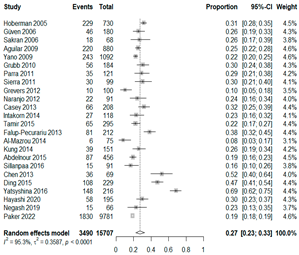
We then compared the prevalence of different bacteria before and after the introduction of the PCV by using a meta-analysis to compare years up to and including 1999 (19 articles) and the year 2000 and later (24 articles). The results show that the overall culture-positive rate was lower in the post-2000 era (Table 2) [17,18,19,20,21,22,23,24,25,26,27,28,29,30,31,32,33,34,35,36,37,38,39,40,41,42,43,44,45,46,47,48,49,50,51,52,53,54,55,56,57,58,59,60,61,62,63,64,65,66,67]. Thus, for studies up to 1999, 72.5% (95% CI 0.676–0.769) of AOM cases were culture-positive; however, studies from 2000 and later had a culture-positive rate of 59.4% (95% CI 0.521–0.663). In addition, the positivity for each bacterial species was lower after 2000. Specifically, S. pneumoniae positivity decreased from 29.0% (95% CI 0.262–0.320) to 27.3% (95% CI 0.226–0.326); H. influenzae positivity decreased from 25.1% (95% CI 0.198–0.313) to 19.4% (0.159–0.233); and M. catarrhalis positivity decreased from 5.8% (0.058, 0.036–0.091) to 3.7% (0.037, 95% CI 0.023–0.058). Even though the positivity rates declined for all three species, S. pneumoniae was the most common species before and after 2000.

3. Discussion

In this first comprehensive global meta-analysis of AOM microbiology, we synthesized data from 45 studies (25,913 children) across multiple continents. Overall, approximately two-thirds of AOM cases were culture-positive for bacteria (~66%), indicating that bacteria account for the majority of episodes. S. pneumoniae was the most frequently isolated pathogen, responsible for about 29% of AOM cases, followed by H. influenzae (~22%) and M. catarrhalis (~5%) [68,69]. Together, these three organisms caused the vast majority of culture-confirmed AOM in children, reaffirming their dominant role in AOM etiology [66,67]. These findings confirm that S. pneumoniae remains the leading cause of AOM worldwide, with H. influenzae as a key secondary pathogen and M. catarrhalis a distant third in prevalence.
When broken down by region, North America had the highest proportion of AOM cases with any bacterial growth at 78%, whereas the Middle East had the lowest at 56%. Europe and Asia showed intermediate culture-positive rates of ~69% and ~59%, respectively.
When broken down by region, North America had the highest proportion of AOM cases with any bacterial growth at 78%, whereas the Middle East had the lowest at 56%. Europe and Asia showed intermediate culture-positive rates of ~69% and ~59%, respectively. Despite this variability, S. pneumoniae was the predominant AOM pathogen in all regions, contributing roughly one-quarter to one-third of cases (lowest ~25% in the Middle East, highest ~32% in North America and Asia; Table 1). H. influenzae was consistently the second most common isolate, but its relative prevalence varied widely—from only ~14% of AOM cases in Asia to ~28% in the Middle East. M. catarrhalis was the least frequent of the three major bacteria across all regions, peaking at ~11% of cases in North America and being rare in most other regions. Bacterial detection rates in AOM may be influenced by various factors, including the mode of infection, the timing of viral respiratory outbreaks (e.g., seasonal epidemics of common cold or influenza), patterns of antibiotic prescription and misuse, economic conditions, national healthcare policies, and the presence or absence of clinical guidelines for AOM. Accordingly, in the present study, we observed considerable variation in predominant pathogens across different continents. Because the spectrum of pathogens and the prevalence of antibiotic-resistant strains differ among countries, clinical practice guidelines for AOM also vary slightly from one country to another [7,70,71]. Our results underscore the importance of developing region-specific empiric antibiotic strategies in pediatric otolaryngology guidelines, so that treatment of AOM is aligned with the prevailing local pathogens and antimicrobial susceptibilities.
Regional treatment guidelines for pediatric acute otitis media (AOM) appear to be more concordant than divergent in their core empiric antibiotic recommendations. Across North American guidance, UK guidance, and available East Asian guidelines, amoxicillin remains the preferred first-line agent when antibiotics are indicated, whereas amoxicillin/clavulanate is generally reserved for children with recent amoxicillin exposure, concurrent purulent conjunctivitis, treatment failure, recurrent disease unresponsive to amoxicillin, or greater clinical severity. Korean guidance explicitly links this broader coverage to the increased likelihood of β-lactamase-producing H. influenzae and M. catarrhalis, and the Japanese 2018 update similarly emphasizes severity-based management informed by local bacteriology and antimicrobial susceptibility. Accordingly, the available regional guidelines differ less in their core antibiotic class than in the use of observation/watchful waiting, high-dose versus standard-dose amoxicillin, treatment duration, and thresholds for escalation. In this context, the predominance of S. pneumoniae in our pooled analysis supports the continued role of amoxicillin as the anchor first-line therapy in most settings. At the same time, broader β-lactamase coverage with amoxicillin/clavulanate is microbiologically plausible in scenarios where H. influenzae contributes more substantially or when clinical features suggest a higher probability of β-lactamase-producing pathogens. Thus, the regional differences observed in pathogen prevalence do not necessarily imply the need for fundamentally different empiric antibiotic classes, but rather support nuanced differences in when to broaden therapy and when observation may still be appropriate.
In 2000, the PCV was first licensed and introduced in the United States. This vaccine reduces the incidence of AOM and of invasive pneumococcal diseases, such as pneumonia, bacteremia, and meningitis. Accordingly, the U.S. Centers for Disease Control and Prevention (CDC) initially recommended PCV only for high-risk children (i.e., those with a cochlear implant or congenital inner ear malformation and an elevated risk of meningitis as a complication of AOM). However, since 2010, the CDC has recommended this vaccine for all infants and young children [72,73]. Other studies demonstrated that influenza vaccination was 30 to 55% effective in preventing AOM, and the U.S. CDC and the Korean immunization guidelines recommend annual influenza vaccination for all children older than 6 months [5,70,74]. The analysis also revealed clear temporal shifts in AOM pathogens corresponding to the introduction of PCVs in the early 2000s. In studies conducted before 2000, approximately 72.5% of AOM cases were culture-positive, whereas in 2000 and later, this fell to about 59.4%, indicating a substantial decline in bacterial isolation in the post-PCV era. The pooled prevalence of all three major bacteria (S. pneumoniae, H. influenzae, and M. catarrhalis) decreased after widespread PCV implementation. Notably, S. pneumoniae remained the leading cause of AOM in both the pre- and post-vaccine periods; however, in the Middle East, H. influenzae has recently overtaken S. pneumoniae as the top pathogen, suggesting vaccine-driven serotype replacement in that region. These findings highlight how vaccination programs can alter the AOM microbiologic landscape and reinforce the need for continued surveillance in the post-vaccine era. Despite vaccine-related declines in pneumococcal AOM, this disease remains highly prevalent and clinically significant worldwide—particularly among children under 5 years and in resource-limited regions where the burden of AOM complications is greatest. Ongoing monitoring of AOM pathogens is essential to inform immunization policies and update treatment guidelines as the pathogen spectrum evolves. Given that AOM is among the most common reasons for antibiotic prescriptions in children, strengthening antibiotic stewardship and aligning empiric therapy with current epidemiology are critical to optimize outcomes and curb resistance. Ultimately, our global findings provide a novel reference point for international clinical practice and public health policy. This evidence base can guide targeted vaccine programs and empiric treatment recommendations—especially in low-resource settings where local microbiology data may be sparse—with the goal of reducing the worldwide morbidity and antibiotic overuse associated with AOM.
The present study has certain limitations that must be acknowledged. First, the included studies varied widely in clinical context (geography, patient age, disease severity), introducing substantial heterogeneity. Consequently, true pathogen prevalence likely differs across populations and the pooled estimates should be interpreted with caution. Second, the data were unevenly distributed in space and time. Most studies originated from the Americas and Europe, whereas regions like Africa and Oceania were minimally represented, limiting generalizability to those areas. Combining data over broad time intervals may obscure year-to-year or vaccine-related shifts in pathogen prevalence, underscoring the need for more temporally granular data. In addition, much of the eligible microbiologic literature was relatively old and predated more recent vaccine transitions and newer molecular or genomic diagnostic approaches; accordingly, the pooled estimates may not fully represent the contemporary pathogen distribution in AOM. Third, an additional limitation of this review is that vaccination status and serotype-level microbiologic data could not be meta-analyzed. Most eligible studies did not report patient-level pneumococcal vaccination status or vaccination coverage in a standardized, extractable format, and serotype-specific results were available only in a limited subset of studies, often for selected pathogens and with heterogeneous denominators. Future primary studies should report vaccination exposure and serotype distributions systematically to enable more refined meta-analyses of vaccine-associated shifts in AOM microbiology. Fourth, statistical heterogeneity was high (I2 often >80%), indicating very high inter-study variability. Finally, our meta-analysis may be subject to publication bias, because many of the included studies were conducted in specialized settings, such as tertiary-care centers where tympanocentesis or myringotomy was used for sample collection. These settings likely enrolled patients with more severe AOM who underwent invasive sampling, which tends to yield a higher rate of culture positivity. Visual inspection of funnel plots by region suggested potential asymmetry, particularly for studies reporting higher rates of culture positivity, consistent with the possibility of publication bias.

4. Materials and Methods

4.1. Literature Search, Eligibility Criteria, and Study Selection

This systematic review and meta-analysis were conducted in accordance with the Preferred Reporting Items for Systematic Reviews and Meta-Analyses (PRISMA) guidelines (Figure 1 and Supplementary Table S3), and the protocol was registered in the International Prospective Register of Systematic Reviews (PROSPERO; CRD420251239168). PubMed, Embase, and Web of Science were searched for eligible studies published from 1 January 1980 to 31 December 2025 using the following database-specific Boolean search strings: PubMed, ((“acute otitis media”[tiab]) AND (bacteria[tiab] OR “Bacteriology”[MeSH Terms]) AND 1980:2025[dp]); Embase, ((“acute otitis media”:ti,ab) AND (bacteriology:ti,ab) AND [1980–2025]); and Web of Science, (TS = (“acute otitis media”) AND TS = (bacteriology) AND DY = (1980–2025)) (Supplementary Table S4).
Studies were eligible if they met all of the following criteria: (1) original human studies; (2) enrolled children or adolescents aged 0–18 years with acute otitis media; (3) reported bacterial findings from middle ear specimens obtained by tympanocentesis, myringotomy, or acute otorrhea clearly attributable to acute otitis media; and (4) provided extractable microbiological data, including at minimum the sample size and culture or pathogen results. Studies were excluded if they were non-original reports (e.g., reviews), did not involve human subjects, did not evaluate pediatric acute otitis media, used nasopharyngeal specimens only, were restricted to otorrhea from tympanostomy tubes, focused exclusively on recurrent acute otitis media or treatment failure, contained overlapping data (in which case the most recent or most comprehensive report was retained), or lacked sufficient data for analysis.
A total of 921 records were identified through database searching, including 728 from PubMed, 72 from Embase, and 121 from Web of Science. Before screening, 791 records were removed because they were not related to the review objective and 25 duplicate records were removed. The remaining 105 records underwent title and abstract screening. Of these, 54 records were excluded after abstract evaluation because they were not related to the eligibility criteria (n = 18), were non-original reports (n = 20), did not involve human subjects (n = 2), or contained insufficient data (n = 14). Subsequently, 51 full-text articles were assessed for eligibility. Six full-text articles were excluded because they were not eligible for quantitative synthesis. Ultimately, 45 studies met the eligibility criteria and were included in the meta-analysis, including 21 from the Americas, 10 from Europe, 8 from the Middle East, and 6 from Asia.

4.2. Data Extraction

Two reviewers (H.O.K. and S.H.H.) independently extracted data from each included study, and any discrepancies were resolved through discussion with a third reviewer (S.G.Y.). For each study, we extracted bibliographic and methodological information, including first author, publication year, country/region, study period, age range of participants, and specimen collection method. We also extracted clinical and microbiological variables, including pathogen detection method, and bacterial species identified.
For the quantitative synthesis, study-level numerators and denominators were extracted for each meta-analytic outcome. Specifically, we recorded the following: (1) the total number of middle ear fluid specimens analyzed, (2) the number of overall culture-positive specimens, and (3) the number of specimens positive for each bacterial pathogen of interest, including S. pneumoniae, H. influenzae, and M. catarrhalis. When more than one pathogen was identified in the same specimen, each pathogen-specific event was extracted separately for pathogen-specific analyses, whereas the overall culture-positive outcome counted the specimen only once. If acute otitis media data were reported as part of a broader study population, only AOM-specific data were extracted. Missing or unclear items were recorded as “not reported.”

4.3. Study Quality Assessment

Inclusion criteria were applied to ensure the quality of all included studies. Thus, only studies that satisfied all prespecified methodological criteria (e.g., clear case and outcome definitions and appropriate study design) were included. We assessed full texts for methodological quality and risk of bias using the Joanna Briggs Institute (JBI) Prevalence Critical Appraisal Tool [75]. Scoring of nine criteria, for responses including “yes” (one point), “no or unclear” (zero points) and “not applicable” (denominator reduced by one), produced a total score for each study. These are presented as percentages and categorised into three arbitrary levels: high risk of bias as 0–3 “Yes”, moderate risk 4–6 “Yes” and low risk 7–9 “Yes” [76]. The two researchers (H.O.K. and H.S.H.) evaluated the studies independently, and discrepancies were resolved through consensus and third-party researcher judgment (S.G.Y.). The results are presented in the risk of bias table (Supplementary Table S5).

4.4. Statistical Analysis

All extracted data were used for quantitative analysis. For each pathogen, the effect measure was defined as the prevalence (simple proportion) of patients with a positive culture, and the results are presented as pooled proportions with 95% confidence intervals (CIs). The data were tabulated using Microsoft Excel and analyzed using R version 4.5.1. A meta-analysis of the proportions was performed using the metaprop function from the meta package in R, and forest plots were generated using the forest function. For each outcome, pooled proportions and 95% CIs were computed using fixed-effect and random-effects models. Statistical heterogeneity was quantified by the I2 statistic. Because heterogeneity was extremely high (median I2 > 80%), the results were primarily interpreted using a random-effects model. We also performed a leave-one-out influence analysis using the metainf function in the R meta package. To explore potential sources of between-study heterogeneity, we conducted prespecified subgroup analyses according to region and study period (pre-2000 vs. 2000 and later).

5. Conclusions

In this meta-analysis of 45 studies comprising 16,305 pediatric AOM episodes, the overall pooled culture-positive rate was 66.6%. S. pneumoniae was the most prevalent pathogen worldwide (29.0%), followed by H. influenzae (22.3%) and M. catarrhalis (4.6%). Pathogen distribution showed clear regional variation, with the highest overall culture-positive rate in North America and the lowest in the Middle East, and with marked regional differences in the prevalence of H. influenzae and M. catarrhalis. Compared with studies conducted before 2000, studies from 2000 onward showed lower overall culture positivity (72.5% vs 59.4%) and lower pooled prevalence of all three major pathogens, although S. pneumoniae remained the leading isolate in both periods. These findings show that pediatric AOM microbiology is globally dominated by S. pneumoniae but varies substantially by region and has changed over time.

Supplementary Materials

The following supporting information can be downloaded at: https://www.mdpi.com/article/10.3390/antibiotics15050463/s1, Table S1: Characteristics of Included Studies; Table S2: Microbiology culture results from 16,305 bacteria isolate with AOM; Table S3: PRISMA 2020 checklist; Table S4: Search strategy from databases; Table S5: Risk of bias for all included studies.

Author Contributions

Conceptualization, S.G.Y. and H.O.K.; data curation, H.O.K. and S.H.L.; formal analysis, S.H. and Y.J.O.; funding acquisition, S.S.K. and S.G.Y.; investigation, S.G.Y.; methodology, Y.-J.K., M.K.S., S.S.K. and J.M.L.; project administration, J.W.C. and S.G.Y.; supervision, S.G.Y.; validation, H.O.K. and S.H.; writing—original draft, H.O.K. and S.G.Y.; writing—review and editing, S.G.Y. All authors have read and agreed to the published version of the manuscript.

Funding

This work was supported by the Ministry of Education of the Republic of Korea and the National Research Foundation of Korea (NRF) grant funded by the Korean government (NRF-2018R1A6A1A03025124) (NRF-2022R1A2C1091779) (NRF-2025S1A5C3A03022311). This research was supported by a grant from the Korea Health Technology R&D Project through the Korea Health Industry Development Institute (KHIDI), funded by the Ministry of Health & Welfare, Republic of Korea (RS-2024-00509118). The funders had no role in study design, data collection, data analysis, data interpretation, or writing of the report.

Institutional Review Board Statement

An ethics statement is not applicable because this study is based exclusively on published literature.

Informed Consent Statement

The review protocol is available from the PROSPERO database (CRD420251239168). There are no deviations from the registered protocol.

Data Availability Statement

The data used to support the findings of this study are included within the article and Supplementary files.

Conflicts of Interest

The authors declare no conflicts of interest.

References

  1. Schilder, A.G.M.; Chonmaitree, T.; Cripps, A.W.; Rosenfeld, R.M.; Casselbrant, M.L.; Haggard, M.P.; Venekamp, R.P. Otitis media. Nat. Rev. Dis. Primers. 2016, 2, 16063. [Google Scholar] [CrossRef]
  2. Rosenfeld, R.M.; Shin, J.J.; Schwartz, S.R.; Coggins, R.; Gagnon, L.; Hackell, J.M.; Hoelting, D.; Hunter, L.L.; Kummer, A.W.; Payne, S.C.; et al. Clinical Practice Guideline: Otitis Media with Effusion (Update). Otolaryngol. Head. Neck Surg. 2016, 154, S1–S41. [Google Scholar] [CrossRef]
  3. Lieberthal, A.S.; Carroll, A.E.; Chonmaitree, T.; Ganiats, T.G.; Hoberman, A.; Jackson, M.A.; Joffe, M.D.; Miller, D.T.; Rosenfeld, R.M.; Sevilla, X.D.; et al. The diagnosis and management of acute otitis media. Pediatrics 2013, 131, e964–e999. [Google Scholar] [CrossRef]
  4. Bluestone, C.D.; Klein, J.O. Otitis media and eustachian tube dysfunction. In Pediatric Otolaryngology, 4th ed.; Bluestone, C.D., Stool, S.E., Alper, C.M., Arjmand, E.M., Casselbrant, M.L., Dohar, J.E., Yellon, R.F., Eds.; Saunders: Philadelphia, PA, USA, 2003; pp. 474–685. [Google Scholar]
  5. Korean Otologic Society. Korean Clinical Practice Guideline: Otitis Media in Children 2014; Korean Medical Guideline Information Center: Seoul, Republic of Korea, 2014; pp. 3–62. [Google Scholar]
  6. Teele, D.W.; Klein, J.O.; Rosner, B. Epidemiology of otitis media during the first seven years of life in children in greater Boston: A prospective, cohort study. J. Infect. Dis. 1989, 160, 83–94. [Google Scholar] [CrossRef] [PubMed]
  7. Clinical practice guidelines for the diagnosis and management of acute otitis media (AOM) in children in Japan. Auris Nasus Larynx. 2012, 39, 1–8. [CrossRef]
  8. Kaur, R.; Morris, M.; Pichichero, M.E. Epidemiology of acute otitis media in the postpneumococcal conjugate vaccine era. Pediatrics 2017, 140, e20170181. [Google Scholar] [CrossRef]
  9. Sigurdsson, S.; Eythorsson, E.; Hrafnkelsson, B.; Erlendsdóttir, H.; Kristinsson, K.G.; Haraldsson, Á. Reduction in all-cause acute otitis media in children < 3 years of age in primary care following vaccination with 10-valent pneumococcal Haemophilus influenzae protein-D conjugate vaccine: A whole-population study. Clin. Infect. Dis. 2018, 67, 1213–1219. [Google Scholar] [PubMed]
  10. Lee, H.J.; Kim, J.H.; Park, H.J.; Kim, H.J. The diagnosis and management of otitis media in children. J. Korean Med. Assoc. 2015, 58, 635–644. [Google Scholar] [CrossRef]
  11. Kwon, C.; Lee, H.Y.; Kim, M.G.; Boo, S.H.; Yeo, S.G. Allergic diseases in children with otitis media with effusion. Int. J. Pediatr. Otorhinolaryngol. 2013, 77, 158–161. [Google Scholar] [CrossRef]
  12. Ngo, C.C.; Massa, H.M.; Thornton, R.B.; Cripps, A.W. Predominant Bacteria Detected from the Middle Ear Fluid of Children Experiencing Otitis Media: A Systematic Review. PLoS ONE 2016, 11, e0150949. [Google Scholar] [CrossRef]
  13. Appelbaum, P.C. Epidemiology and in vitro susceptibility of drug-resistant Streptococcus pneumoniae. Pediatr. Infect. Dis. J. 1996, 15, 932–934. [Google Scholar] [CrossRef]
  14. Yeo, S.G. Acute otitis media. In Korean Society of Otorhinolaryngology−Head and Neck Surgery, 3rd ed.; KoonJa: Seoul, Republic of Korea, 2018; pp. 363–383. [Google Scholar]
  15. Casey, J.R.; Pichichero, M.E. Changes in frequency and pathogens causing acute otitis media in 1995–2003. Pediatr. Infect. Dis. J. 2004, 23, 824–828. [Google Scholar] [CrossRef]
  16. Mather, M.W.; Drinnan, M.; Perry, J.D.; Powell, S.; Wilson, J.A.; Powell, J. A systematic review and meta-analysis of antimicrobial resistance in paediatric acute otitis media. Int. J. Pediatr. Otorhinolaryngol. 2019, 123, 102–109. [Google Scholar] [CrossRef] [PubMed]
  17. Arguedas, A.G.; Zaleska, M.; Stutman, H.R.; Blumer, J.L.; Hains, C.S. Comparative trial of cefprozil vs. amoxicillin clavulanate potassium in the treatment of children with acute otitis media with effusion. Pediatr. Infect. Dis. J. 1991, 10, 375–380. [Google Scholar] [CrossRef]
  18. Rodriguez, W.J.; Schwartz, R.H.; Thorne, M.M. Increasing incidence of penicillin- and ampicillin-resistant middle ear pathogens. Pediatr. Infect. Dis. J. 1995, 14, 1075–1078. [Google Scholar] [CrossRef] [PubMed]
  19. Aronovitz, G. A multicenter, open label trial of azithromycin vs. amoxicillin/clavulanate for the management of acute otitis media in children. Pediatr. Infect. Dis. J. 1996, 15, S15–S19. [Google Scholar] [CrossRef]
  20. Heikkinen, T.; Thint, M.; Chonmaitree, T. Prevalence of various respiratory viruses in the middle ear during acute otitis media. N. Engl. J. Med. 1999, 340, 260–264. [Google Scholar] [CrossRef]
  21. Block, S.L.; Hedrick, J.A.; Kratzer, J.; Nemeth, M.A.; Tack, K.J. Five-day twice daily cefdinir therapy for acute otitis media: Microbiologic and clinical efficacy. Pediatr. Infect. Dis. J. 2000, 19, S153–S158. [Google Scholar] [CrossRef]
  22. Patel, J.A.; Nguyen, D.T.; Revai, K.; Chonmaitree, T. Role of respiratory syncytial virus in acute otitis media: Implications for vaccine development. Vaccine 2007, 25, 1683–1689. [Google Scholar] [CrossRef] [PubMed]
  23. Brook, I.; Gober, A.E. Bacteriology of spontaneously draining acute otitis media in children before and after the introduction of pneumococcal vaccination. Pediatr. Infect. Dis. J. 2009, 28, 640–642. [Google Scholar] [CrossRef]
  24. Grubb, M.S.; Spaugh, D.C. Microbiology of acute otitis media, Puget Sound region, 2005–2009. Clin. Pediatr. 2010, 49, 727–730. [Google Scholar] [CrossRef] [PubMed]
  25. Casey, J.R.; Kaur, R.; Friedel, V.C.; Pichichero, M.E. Acute otitis media otopathogens during 2008 to 2010 in Rochester, New York. Pediatr. Infect. Dis. J. 2013, 32, 805–809. [Google Scholar] [CrossRef]
  26. Commisso, R.; Romero-Orellano, F.; Montanaro, P.B.; Romero-Moroni, F.; Romero-Diaz, R. Acute otitis media: Bacteriology and bacterial resistance in 205 pediatric patients. Int. J. Pediatr. Otorhinolaryngol. 2000, 56, 23–31. [Google Scholar] [CrossRef]
  27. Sih, T.M. Acute otitis media in Brazilian children: Analysis of microbiology and antimicrobial susceptibility. Ann. Otol. Rhinol. Laryngol. 2001, 110, 662–666. [Google Scholar] [CrossRef]
  28. Rosenblüt, A.; Santolaya, M.E.; González, P.; Corbalán, V.; Avendanõ, L.F.; Martínez, M.A.; Hormazabal, J.C. Bacterial and viral etiology of acute otitis media in Chilean children. Pediatr. Infect. Dis. J. 2001, 20, 501–507. [Google Scholar] [CrossRef]
  29. Rosenblüt, A.; Santolaya, M.E.; Gonzalez, P.; Borel, C.; Cofré, J. Penicillin resistance is not extrapolable to amoxicillin resistance in Streptococcus pneumoniae isolated from middle ear fluid in children with acute otitis media. Ann. Otol. Rhinol. Laryngol. 2006, 115, 186–190. [Google Scholar] [CrossRef]
  30. Trujillo, H.; Callejas, R.; Mejía, G.I.; Castrillón, L. Bacteriology of middle ear fluid specimens obtained by tympanocentesis from 111 Colombian children with acute otitis media. Pediatr. Infect. Dis. J. 1989, 8, 361–363. [Google Scholar] [CrossRef] [PubMed]
  31. Sierra, A.; Lopez, P.; Zapata, M.A.; Vanegas, B.; Castrejon, M.M.; Deantonio, R.; Hausdorff, W.P.; Colindres, R.E. Non-typeable Haemophilus influenzae and Streptococcus pneumoniae as primary causes of acute otitis media in colombian children: A prospective study. BMC Infect. Dis. 2011, 11, 4. [Google Scholar] [CrossRef]
  32. Arguedas, A.; Loaiza, C.; Perez, A.; Vargas, F.; Herrera, M.; Rodriguez, G.; Gutierrez, A.; Mohs, E. Microbiology of acute otitis media in Costa Rican children. Pediatr. Infect. Dis. J. 1998, 17, 680–689. [Google Scholar] [CrossRef]
  33. Arguedas, A.; Dagan, R.; Soley, C.; Loaiza, C.; Knudsen, K.; Porat, N.; Pérez, A.; Brilla, E.; Herrera, M.L. Microbiology of otitis media in Costa Rican children, 1999 through 2001. Pediatr. Infect. Dis. J. 2003, 22, 1063–1068. [Google Scholar] [CrossRef] [PubMed]
  34. Aguilar, L.; Alvarado, O.; Soley, C.; Abdelnour, A.; Dagan, R.; Arguedas, A. Microbiology of the middle ear fluid in Costa Rican children between 2002 and 2007. Int. J. Pediatr. Otorhinolaryngol. 2009, 73, 1407–1411. [Google Scholar] [CrossRef] [PubMed]
  35. Abdelnour, A.; Arguedas, A.; Dagan, R.; Soley, C.; Porat, N.; Mercedes Castrejon, M.; Ortega-Barria, E.; Colindres, R.; Pirçon, J.Y.; DeAntonio, R.; et al. Etiology and antimicrobial susceptibility of middle ear fluid pathogens in Costa Rican children with otitis media before and after the introduction of the 7-valent pneumococcal conjugate vaccine in the National Immunization Program: Acute otitis media microbiology in Costa Rican children. Medicine 2015, 94, e320. [Google Scholar]
  36. Parra, M.M.; Aguilar, G.M.; Echaniz-Aviles, G.; Rionda, R.G.; Estrada Mde, L.; Cervantes, Y.; Pirçon, J.Y.; Van Dyke, M.K.; Colindres, R.E.; Hausdorff, W.P. Bacterial etiology and serotypes of acute otitis media in Mexican children. Vaccine 2011, 29, 5544–5549. [Google Scholar] [CrossRef]
  37. Naranjo, L.; Suarez, J.A.; DeAntonio, R.; Sanchez, F.; Calvo, A.; Spadola, E.; Rodríguez, N.; Andrade, O.; Bertuglia, F.; Márquez, N.; et al. Non-capsulated and capsulated Haemophilus influenzae in children with acute otitis media in Venezuela: A prospective epidemiological study. BMC Infect. Dis. 2012, 12, 40. [Google Scholar] [CrossRef]
  38. Karma, P.H.; Pukander, J.S.; Sipilä, M.M.; Vesikari, T.H.; Grönroos, P.W. Middle ear fluid bacteriology of acute otitis media in neonates and very young infants. Int. J. Pediatr. Otorhinolaryngol. 1987, 14, 141–150. [Google Scholar] [CrossRef]
  39. Kilpi, T.; Herva, E.; Kaijalainen, T.; Syrjänen, R.; Takala, A.K. Bacteriology of acute otitis media in a cohort of Finnish children followed for the first two years of life. Pediatr. Infect. Dis. J. 2001, 20, 654–662. [Google Scholar] [CrossRef]
  40. Sillanpää, S.; Sipilä, M.; Hyöty, H.; Rautiainen, M.; Laranne, J. Antibiotic resistance in pathogens causing acute otitis media in Finnish children. Int. J. Pediatr. Otorhinolaryngol. 2016, 85, 91–94. [Google Scholar] [CrossRef]
  41. Gehanno, P.; Lenoir, G.; Barry, B.; Bons, J.; Boucot, I.; Berche, P. Evaluation of nasopharyngeal cultures for bacteriologic assessment of acute otitis media in children. Pediatr. Infect. Dis. J. 1996, 15, 329–332. [Google Scholar] [CrossRef]
  42. Gehanno, P.; Panajotopoulos, A.; Barry, B.; Nguyen, L.; Levy, D.; Bingen, E.; Berche, P. Microbiology of otitis media in the Paris, France, area from 1987 to 1997. Pediatr. Infect. Dis. J. 2001, 20, 570–573. [Google Scholar] [CrossRef] [PubMed]
  43. Grevers, G.; Wiedemann, S.; Bohn, J.C.; Blasius, R.W.; Harder, T.; Kroeniger, W.; Vetter, V.; Pirçon, J.Y.; Marano, C. Identification and characterization of the bacterial etiology of clinically problematic acute otitis media after tympanocentesis or spontaneous otorrhea in German children. BMC Infect. Dis. 2012, 12, 312. [Google Scholar] [CrossRef] [PubMed]
  44. Falup-Pecurariu, O.; Leibovitz, E.; Mercas, A.; Bleotu, L.; Zavarache, C.; Porat, N.; Dagan, R.; Greenberg, D. Pneumococcal acute otitis media in infants and children in central Romania, 2009–2011: Microbiological characteristics and potential coverage by pneumococcal conjugate vaccines. Int. J. Infect. Dis. 2013, 17, e702–e706. [Google Scholar] [CrossRef]
  45. Yatsyshina, S.; Mayanskiy, N.; Shipulina, O.; Kulichenko, T.; Alyabieva, N.; Katosova, L.; Lazareva, A.; Skachkova, T.; Elkina, M.; Matosova, S.; et al. Detection of respiratory pathogens in pediatric acute otitis media by PCR and comparison of findings in the middle ear and nasopharynx. Diagn. Microbiol. Infect. Dis. 2016, 85, 125–130. [Google Scholar] [CrossRef]
  46. Guven, M.; Bulut, Y.; Sezer, T.; Aladag, I.; Eyibilen, A.; Etikan, I. Bacterial etiology of acute otitis media and clinical efficacy of amoxicillin-clavulanate versus azithromycin. Int. J. Pediatr. Otorhinolaryngol. 2006, 70, 915–923. [Google Scholar] [CrossRef] [PubMed]
  47. Oğuz, F.; Unüvar, E.; Süoğlu, Y.; Erdamar, B.; Dündar, G.; Katircioğlu, S.; Sidal, M. Etiology of acute otitis media in childhood and evaluation of two different protocols of antibiotic therapy: 10 days cefaclor vs. 3 days azitromycin. Int. J. Pediatr. Otorhinolaryngol. 2003, 67, 43–51. [Google Scholar] [CrossRef]
  48. Leiberman, A.; Leibovitz, E.; Piglansky, L.; Raiz, S.; Press, J.; Yagupsky, P.; Dagan, R. Bacteriologic and clinical efficacy of trimethoprim-sulfamethoxazole for treatment of acute otitis media. Pediatr. Infect. Dis. J. 2001, 20, 260–264. [Google Scholar] [CrossRef] [PubMed]
  49. Broides, A.; Leibovitz, E.; Dagan, R.; Press, J.; Raiz, S.; Kafka, M.; Leiberman, A.; Yermiahu, T. Cytology of middle ear fluid during acute otitis media. Pediatr. Infect. Dis. J. 2002, 21, 57–61. [Google Scholar] [CrossRef]
  50. Turner, D.; Leibovitz, E.; Aran, A.; Piglansky, L.; Raiz, S.; Leiberman, A.; Dagan, R. Acute otitis media in infants younger than two months of age: Microbiology, clinical presentation and therapeutic approach. Pediatr. Infect. Dis. J. 2002, 21, 669–674. [Google Scholar] [CrossRef]
  51. Piglansky, L.; Leibovitz, E.; Raiz, S.; Greenberg, D.; Press, J.; Leiberman, A.; Dagan, R. Bacteriologic and clinical efficacy of high dose amoxicillin for therapy of acute otitis media in children. Pediatr. Infect. Dis. J. 2003, 22, 405–413. [Google Scholar] [CrossRef]
  52. Sakran, W.; Makary, H.; Colodner, R.; Ashkenazi, D.; Rakover, Y.; Halevy, R.; Koren, A. Acute otitis media in infants less than three months of age: Clinical presentation, etiology and concomitant diseases. Int. J. Pediatr. Otorhinolaryngol. 2006, 70, 613–617. [Google Scholar] [CrossRef] [PubMed]
  53. Tamir, S.O.; Roth, Y.; Dalal, I.; Goldfarb, A.; Grotto, I.; Marom, T. Changing trends of acute otitis media bacteriology in central Israel in the pneumococcal conjugate vaccines era. Pediatr. Infect. Dis. J. 2015, 34, 195–199. [Google Scholar] [CrossRef]
  54. Paker, M.; Pichkhadze, E.; Miron, D.; Shlizerman, L.; Mazzawi, S.; Shupak, A. Two decades of otitis media in northern Israel: Changing trends in the offending bacteria and antibiotic susceptibility. Int. J. Pediatr. Otorhinolaryngol. 2022, 152, 110940. [Google Scholar] [CrossRef] [PubMed]
  55. Al-Mazrou, K.A.; Shibl, A.M.; Kandeil, W.; Pirçon, J.Y.; Marano, C. A prospective, observational, epidemiological evaluation of the aetiology and antimicrobial susceptibility of acute otitis media in Saudi children younger than 5years of age. J. Epidemiol. Glob. Health 2014, 4, 231–238. [Google Scholar] [CrossRef] [PubMed]
  56. Ding, Y.; Geng, Q.; Tao, Y.; Lin, Y.; Wang, Y.; Black, S.; Zhao, G.; Zhang, T. Etiology and epidemiology of children with acute otitis media and spontaneous otorrhea in Suzhou, China. Pediatr. Infect. Dis. J. 2015, 34, e102–e106. [Google Scholar] [CrossRef]
  57. Yano, H.; Okitsu, N.; Hori, T.; Watanabe, O.; Kisu, T.; Hatagishi, E.; Suzuki, A.; Okamoto, M.; Ohmi, A.; Suetake, M.; et al. Detection of respiratory viruses in nasopharyngeal secretions and middle ear fluid from children with acute otitis media. Acta Otolaryngol. 2009, 129, 19–24. [Google Scholar] [CrossRef]
  58. Hayashi, T.; Kitamura, K.; Hashimoto, S.; Hotomi, M.; Kojima, H.; Kudo, F.; Maruyama, Y.; Sawada, S.; Taiji, H.; Takahashi, G.; et al. Clinical practice guidelines for the diagnosis and management of acute otitis media in children-2018 update. Auris Nasus Larynx 2020, 47, 493–526. [Google Scholar] [CrossRef]
  59. Chen, Y.J.; Hsieh, Y.C.; Huang, Y.C.; Chiu, C.H. Clinical manifestations and microbiology of acute otitis media with spontaneous otorrhea in children. J. Microbiol. Immunol. Infect. 2013, 46, 382–388. [Google Scholar] [CrossRef]
  60. Kung, Y.H.; Chiu, N.C.; Lee, K.S.; Chang, L.; Huang, D.T.; Huang, F.Y.; Hsieh, Y.C.; Huang, L.M.; Chi, H. Bacterial etiology of acute otitis media in the era prior to universal pneumococcal vaccination in Taiwanese children. J. Microbiol. Immunol. Infect. 2014, 47, 239–244. [Google Scholar] [CrossRef][Green Version]
  61. Intakorn, P.; Sonsuwan, N.; Noknu, S.; Moungthong, G.; Pirçon, J.Y.; Liu, Y.; Van Dyke, M.K.; Hausdorff, W.P. Haemophilus influenzae type b as an important cause of culture-positive acute otitis media in young children in Thailand: A tympanocentesis-based, multi-center, cross-sectional study. BMC Pediatr. 2014, 14, 157. [Google Scholar] [CrossRef]
  62. Douglas, R.M.; Miles, H.; Hansman, D.; Moore, B.; English, D.T. Microbiology of acute otitis media with particular reference to the feasibility of pneumococcal immunization. Med. J. Aust. 1980, 1, 263–266. [Google Scholar] [CrossRef]
  63. Negash, A.A.; Asrat, D.; Abebe, W.; Hailemariam, T.; Gebre, M.; Aseffa, A.; Vaneechoutte, M. Pneumococcal serotype 19A is the major cause of pediatric acute otitis media with ruptured tympanic membrane in Addis Ababa, Ethiopia, 5 years after the introduction of the ten-valent pneumococcal conjugate vaccine. Int. J. Pediatr. Otorhinolaryngol. 2019, 126, 109638. [Google Scholar] [CrossRef] [PubMed]
  64. Jacobs, M.R.; Dagan, R.; Appelbaum, P.C.; Burch, D.J. Prevalence of antimicrobial-resistant pathogens in middle ear fluid: Multinational study of 917 children with acute otitis media. Antimicrob. Agents Chemother. 1998, 42, 589–595. [Google Scholar] [CrossRef]
  65. Dagan, R.; Johnson, C.E.; McLinn, S.; Abughali, N.; Feris, J.; Leibovitz, E.; Burch, D.J.; Jacobs, M.R. Bacteriologic and clinical efficacy of amoxicillin/clavulanate vs. azithromycin in acute otitis media. Pediatr. Infect. Dis. J. 2000, 19, 95–104. [Google Scholar] [CrossRef] [PubMed]
  66. Dagan, R.; Hoberman, A.; Johnson, C.; Leibovitz, E.L.; Arguedas, A.; Rose, F.V.; Wynne, B.R.; Jacobs, M.R. Bacteriologic and clinical efficacy of high dose amoxicillin/clavulanate in children with acute otitis media. Pediatr. Infect. Dis. J. 2001, 20, 829–837. [Google Scholar] [CrossRef] [PubMed]
  67. Hoberman, A.; Dagan, R.; Leibovitz, E.; Rosenblut, A.; Johnson, C.E.; Huff, A.; Bandekar, R.; Wynne, B. Large dosage amoxicillin/clavulanate, compared with azithromycin, for the treatment of bacterial acute otitis media in children. Pediatr. Infect. Dis. J. 2005, 24, 525–532. [Google Scholar] [CrossRef][Green Version]
  68. Hoberman, A.; Marchant, C.D.; Kaplan, S.L.; Fiedman, S. Treatment of acute otitis media consensus recommendations. Clin. Pediatr. 2002, 41, 373–390. [Google Scholar] [CrossRef]
  69. Park, S.N.; Yeo, S.W. The Effects of Antibiotics and Steroid on the Middle Ear Mucosa in the Rats with Experimental Acute Otitis Media. Korean J. Otolaryngol. 2000, 43, 249–255. [Google Scholar]
  70. American Academy of Pediatrics Subcommittee on Management of Acute Otitis Media. Diagnosis and management of acute otitis media. Pediatrics 2004, 113, 1451–1465.
  71. Brink, A.J.; Cotton, M.; Feldman, C.; Finlayson, H.; Friedman, R.; Green, R.; Hendson, W.; Hockman, M.H.; Maartens, G.; Madhi, S.A.; et al. Updated recommendations for the management of upper respiratory tract infections in South Africa. S. Afr. Med. J. 2015, 105, 344–352. [Google Scholar] [CrossRef]
  72. Centers for Disease Control and Prevention (CDC). Updated recommendations for prevention of invasive pneumococcal disease among adults using the 23-valent pneumococcal polysaccharide vaccine (PPSV23). MMWR Morb. Mortal. Wkly. Rep. 2010, 59, 1102–1106. [Google Scholar]
  73. Centers for Disease Control and Prevention (CDC). Licensure of a 13-valent pneumococcal conjugate vaccine (PCV13) and recommendations for use among children-Advisory Committee on Immunization Practices (ACIP), 2010. MMWR Morb. Mortal. Wkly. Rep. 2010, 59, 258–261. [Google Scholar]
  74. American Academy of Pediatrics Committee on Infectious Diseases. Recommendations for prevention and control of influenza in children, 2011–2012. Pediatrics 2011, 128, 813–825. [CrossRef] [PubMed]
  75. Munn, Z.; Moola, S.; Lisy, K.; Riitano, D.; Tufanaru, C. Methodological guidance for systematic reviews of observational epidemiological studies reporting prevalence and cumulative incidence data. Int. J. Evid. Based Healthc. 2015, 13, 147–153. [Google Scholar] [CrossRef] [PubMed]
  76. Algarni, M.; Hadi, M.A.; Yahyouche, A.; Mahmood, S.; Jalal, Z. A mixed-methods systematic review of the prevalence, reasons, associated harms and risk-reduction interventions of over-the-counter (OTC) medicines misuse, abuse and dependence in adults. J. Pharm. Policy Pract. 2021, 14, 76. [Google Scholar] [CrossRef] [PubMed]
Figure 1. PRISMA flow diagram of the literature search strategy.
Antibiotics 15 00463 g001
Table 1. (a) Prevalence of the bacteria with AOM in different regions; (b) forest plots representing the prevalence of the bacteria with AOM in different regions [17,18,19,20,21,22,23,24,25,26,27,28,29,30,31,32,33,34,35,36,37,38,39,40,41,42,43,44,45,46,47,48,49,50,51,52,53,54,55,56,57,58,59,60,61,62,63,64,65,66,67].
(a)
RegionsMicrobiology
Any GrowthS. pneumoniaeH. influenzaeM. catarrhalis
North America0.775 (0.682, 0.847)0.323 (0.285, 0.364)0.233 (0.197, 0.273)0.113 (0.082, 0.153)
South America0.657 (0.592, 0.717)0.280 (0.236, 0.329)0.233 (0.178, 0.298)0.026 (0.016, 0.042)
Europe0.689 (0.574, 0.784)0.267 (0.181, 0.375)0.233 (0.197, 0.273)0.072 (0.044, 0.115)
Middle East0.561 (0.403, 0.706)0.252 (0.186, 0.311)0.275 (0.170, 0.412)0.012 (0.001, 0.014)
Asia0.586 (0.469, 0.694)0.322 (0.231, 0.429)0.135 (0.078, 0.224)0.031 (0.011, 0.080)
Overall0.666 (0.622, 0.708)0.290 (0.263, 0.318)0.223 (0.193, 0.256)0.046 (0.034, 0.061)
(b)
MicrobiologyNorth AmericaSouth AmericaEurope
Any growthAntibiotics 15 00463 i001Antibiotics 15 00463 i002Antibiotics 15 00463 i003
Middle EastAsiaAntibiotics 15 00463 i006
Antibiotics 15 00463 i004Antibiotics 15 00463 i005
S. pneumoniae North America South AmericaEurope
Antibiotics 15 00463 i007Antibiotics 15 00463 i008Antibiotics 15 00463 i009
Middle EastAsiaAntibiotics 15 00463 i012
Antibiotics 15 00463 i010Antibiotics 15 00463 i011
H. influenzae North America South AmericaEurope
Antibiotics 15 00463 i013Antibiotics 15 00463 i014Antibiotics 15 00463 i015
Middle EastAsiaAntibiotics 15 00463 i018
Antibiotics 15 00463 i016Antibiotics 15 00463 i017
Table 2. (a) Prevalence of the bacteria with AOM during different periods; (b) forest plots representing the prevalence of the bacteria with AOM during different periods [17,18,19,20,21,22,23,24,25,26,27,28,29,30,31,32,33,34,35,36,37,38,39,40,41,42,43,44,45,46,47,48,49,50,51,52,53,54,55,56,57,58,59,60,61,62,63,64,65,66,67].
(a)
BacteriologyOverallPre-2000Post-2000
Any growth0.663 (0.618, 0.705)0.725 (0.676, 0.769)0.594 (0.521, 0.663)
S. pneumoniae0.288 (0.261, 0.317)0.290 (0.262, 0.320)0.273 (0.226, 0.326)
H. influenzae0.223 (0.192, 0.257)0.251 (0.198, 0.313)0.194 (0.159, 0.233)
M. catarrhalis0.045 (0.034, 0.061)0.058 (0.036, 0.091)0.037 (0.023, 0.058)
Antibiotics 15 00463 i019
(b)
MicrobiologyPre-2000Post-2000
Any growthAntibiotics 15 00463 i020Antibiotics 15 00463 i021Antibiotics 15 00463 i022
S. pneumoniaeAntibiotics 15 00463 i023Antibiotics 15 00463 i024Antibiotics 15 00463 i025
MicrobiologyPre-2000Post-2000
H. influenzaeAntibiotics 15 00463 i026Antibiotics 15 00463 i027Antibiotics 15 00463 i028
M. catarrhalisAntibiotics 15 00463 i029Antibiotics 15 00463 i030Antibiotics 15 00463 i031
Disclaimer/Publisher’s Note: The statements, opinions and data contained in all publications are solely those of the individual author(s) and contributor(s) and not of MDPI and/or the editor(s). MDPI and/or the editor(s) disclaim responsibility for any injury to people or property resulting from any ideas, methods, instructions or products referred to in the content.