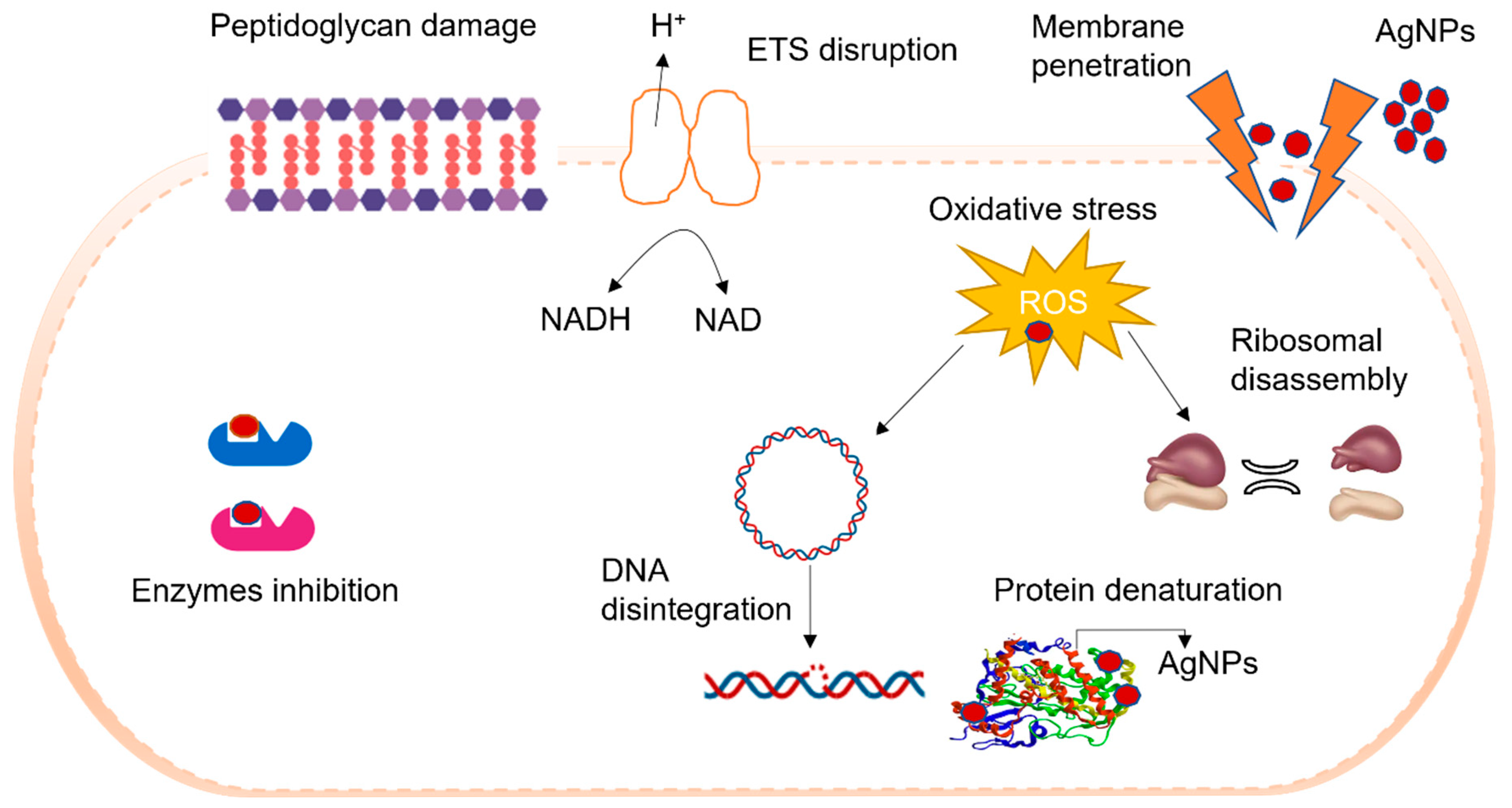
Correction: Islam et al. Biomedical Applications of Chinese Herb-Synthesized Silver Nanoparticles by Phytonanotechnology. Nanomaterials 2021, 11, 2757



Reference
- Islam, R.; Sun, L.; Zhang, L. Biomedical Applications of Chinese Herb-Synthesized Silver Nanoparticles by Phytonanotechnology. Nanomaterials 2021, 11, 2757. [Google Scholar] [CrossRef] [Scilit] [PubMed]

Disclaimer/Publisher’s Note: The statements, opinions and data contained in all publications are solely those of the individual author(s) and contributor(s) and not of MDPI and/or the editor(s). MDPI and/or the editor(s) disclaim responsibility for any injury to people or property resulting from any ideas, methods, instructions or products referred to in the content. |
© 2026 by the authors. Licensee MDPI, Basel, Switzerland. This article is an open access article distributed under the terms and conditions of the Creative Commons Attribution (CC BY) license.
Share and Cite
Islam, R.; Sun, L.; Zhang, L. Correction: Islam et al. Biomedical Applications of Chinese Herb-Synthesized Silver Nanoparticles by Phytonanotechnology. Nanomaterials 2021, 11, 2757. Nanomaterials 2026, 16, 470. https://doi.org/10.3390/nano16080470
Islam R, Sun L, Zhang L. Correction: Islam et al. Biomedical Applications of Chinese Herb-Synthesized Silver Nanoparticles by Phytonanotechnology. Nanomaterials 2021, 11, 2757. Nanomaterials. 2026; 16(8):470. https://doi.org/10.3390/nano16080470
Chicago/Turabian StyleIslam, Rehmat, Leming Sun, and Lianbing Zhang. 2026. "Correction: Islam et al. Biomedical Applications of Chinese Herb-Synthesized Silver Nanoparticles by Phytonanotechnology. Nanomaterials 2021, 11, 2757" Nanomaterials 16, no. 8: 470. https://doi.org/10.3390/nano16080470
APA StyleIslam, R., Sun, L., & Zhang, L. (2026). Correction: Islam et al. Biomedical Applications of Chinese Herb-Synthesized Silver Nanoparticles by Phytonanotechnology. Nanomaterials 2021, 11, 2757. Nanomaterials, 16(8), 470. https://doi.org/10.3390/nano16080470