Article

Sb2S3-Based Dynamically Tuned Color Filter Array via Genetic Algorithm

1
Guangxi Key Laboratory of Multimedia Communications and Network Technology, School of Computer, Electronic and Information, Guangxi University, Nanning 530004, China
2
Center of Material Science, National University of Defense Technology, Changsha 410073, China
*
Authors to whom correspondence should be addressed.
Nanomaterials 2023, 13(9), 1452; https://doi.org/10.3390/nano13091452
Submission received: 2 April 2023 / Revised: 19 April 2023 / Accepted: 20 April 2023 / Published: 24 April 2023

Abstract

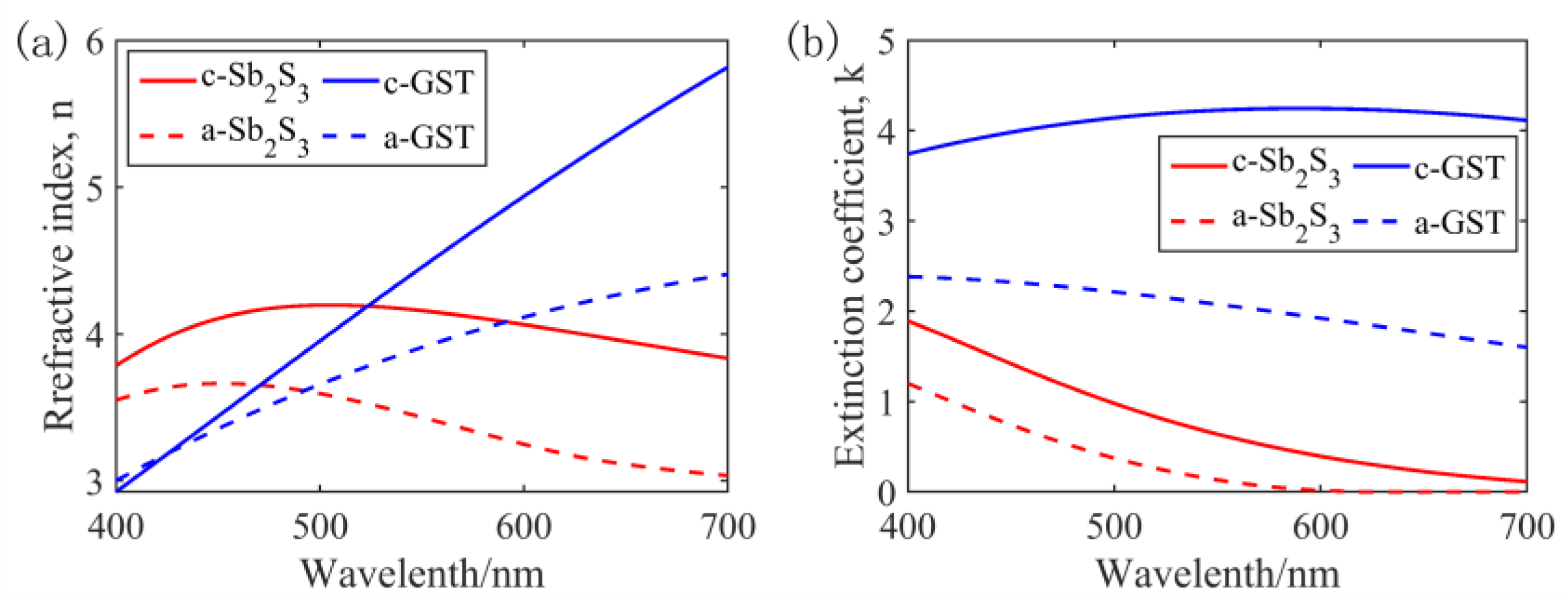
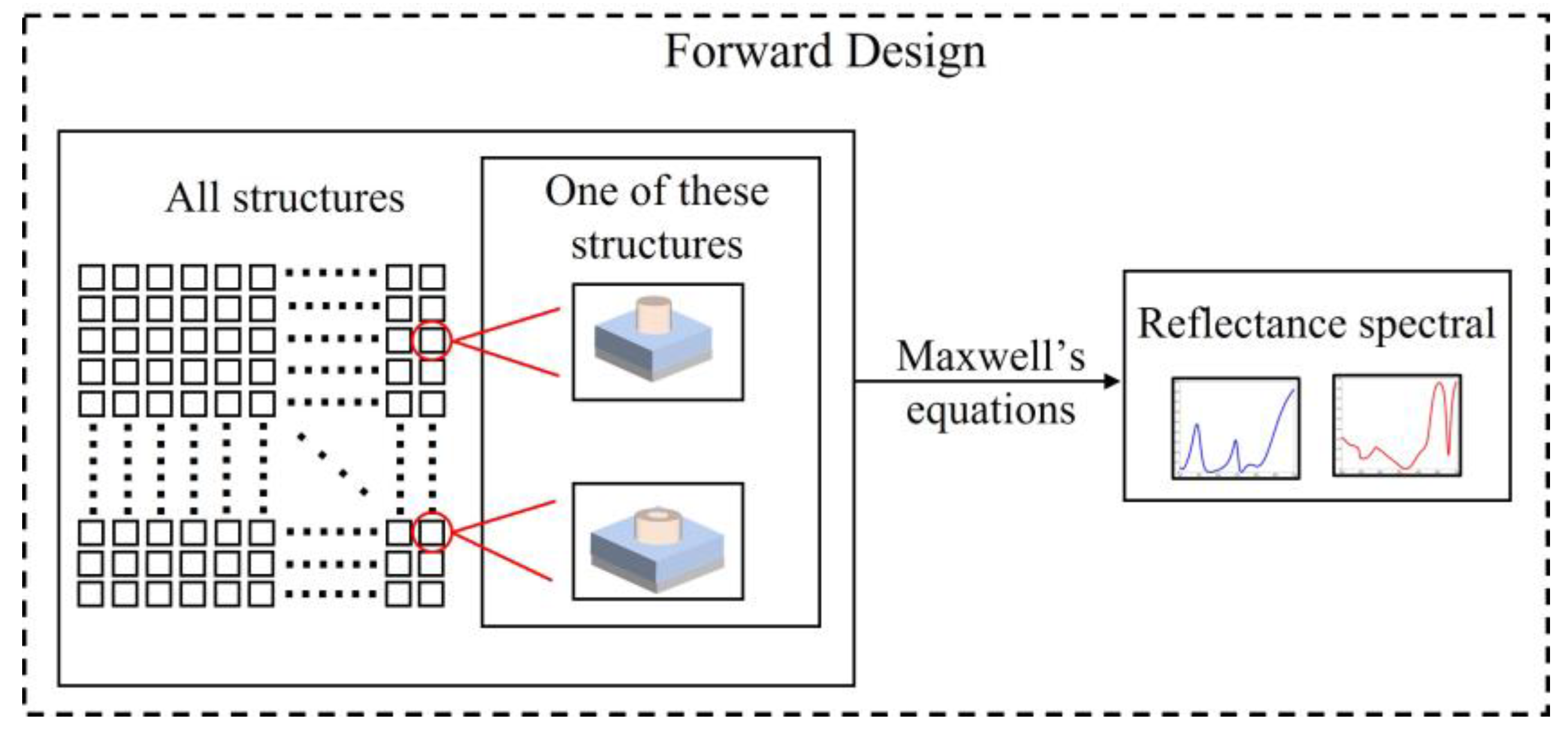
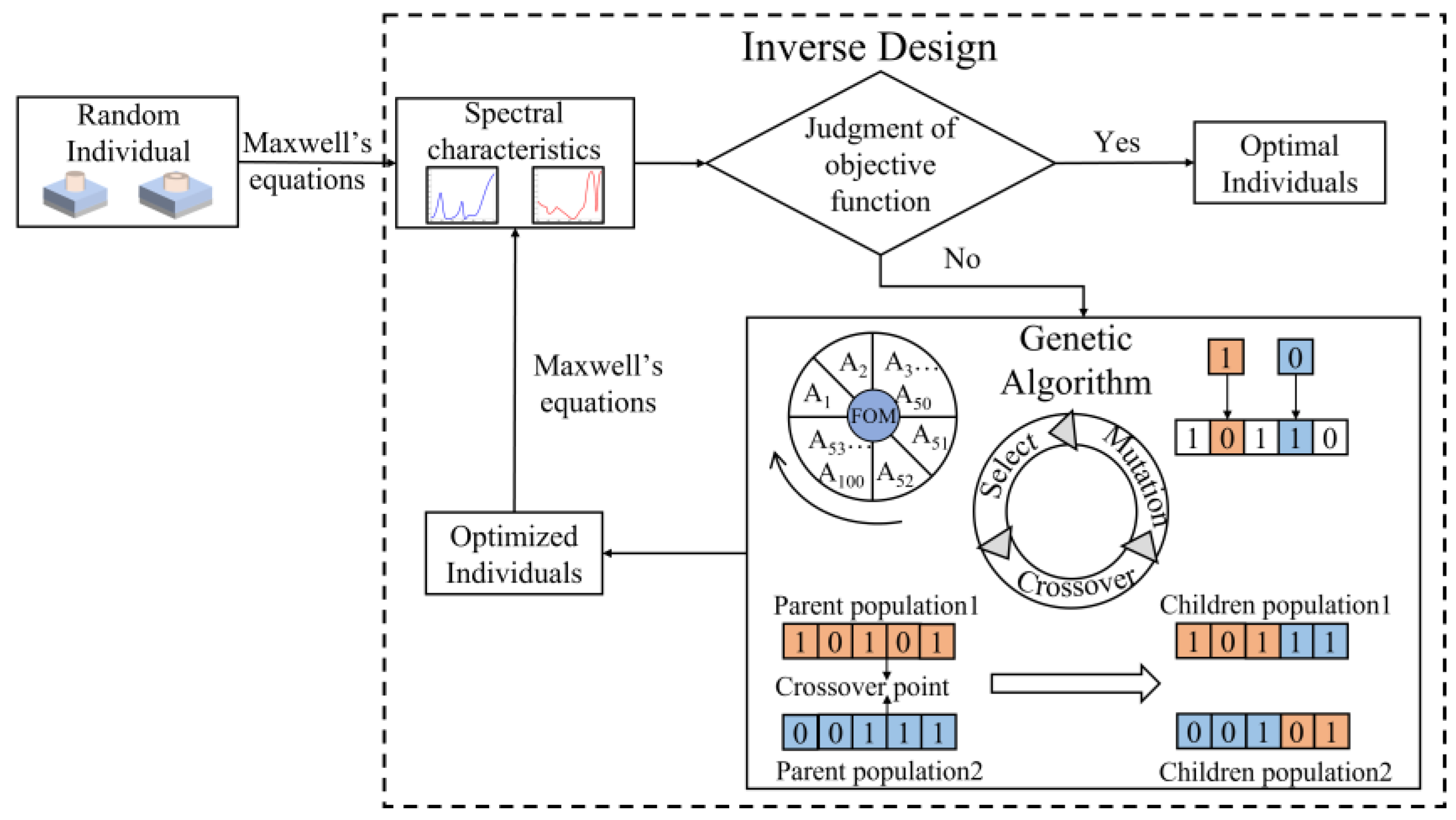
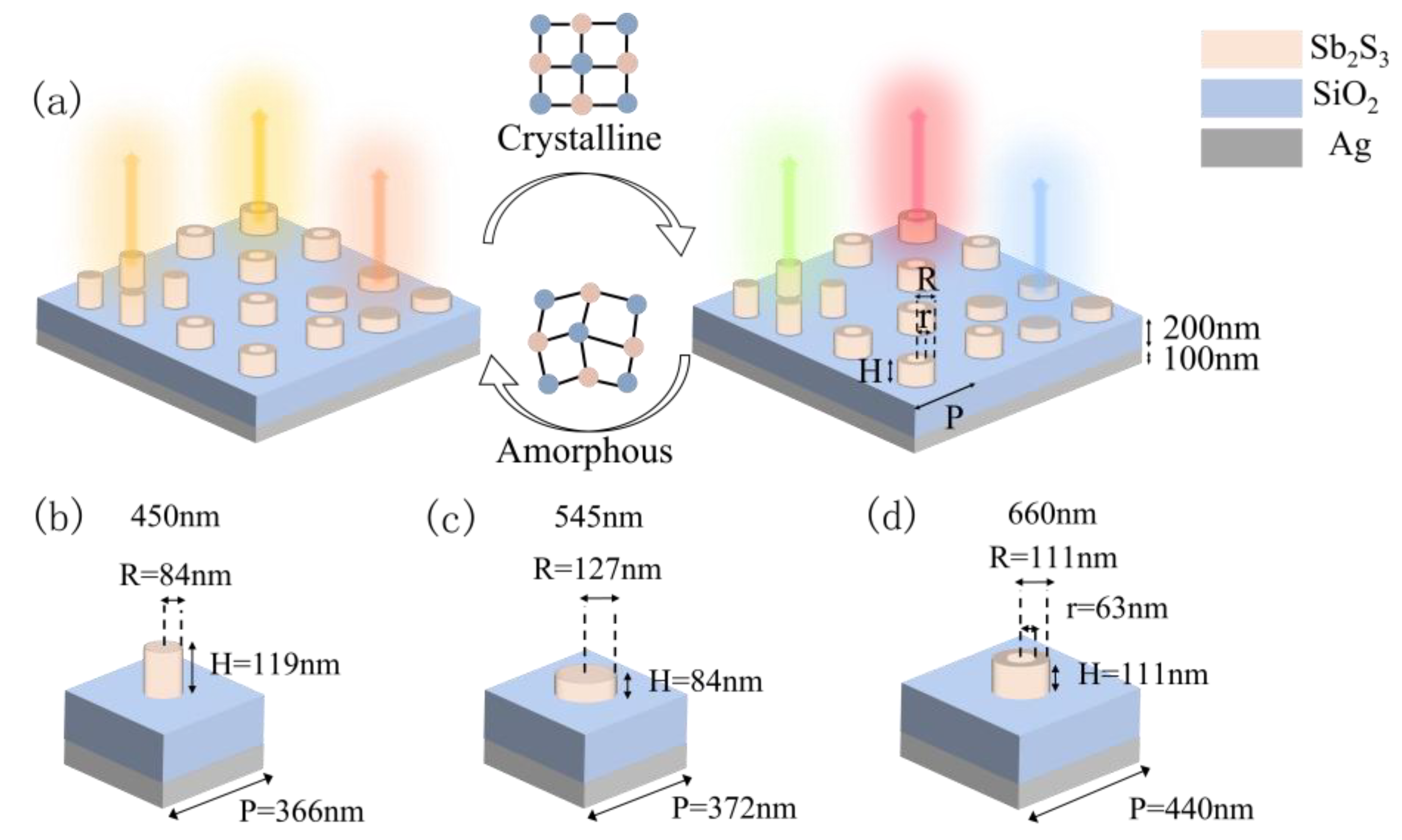
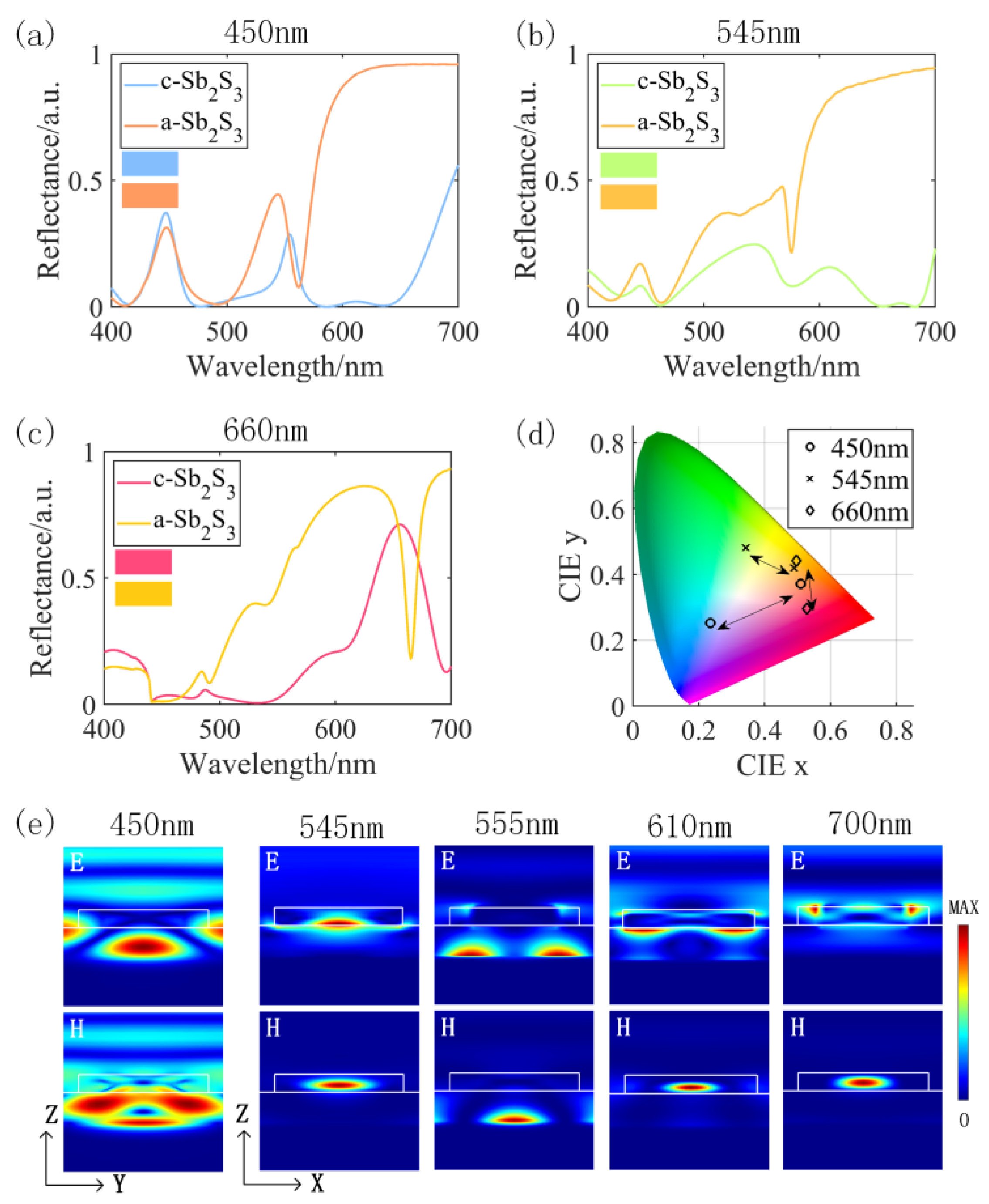
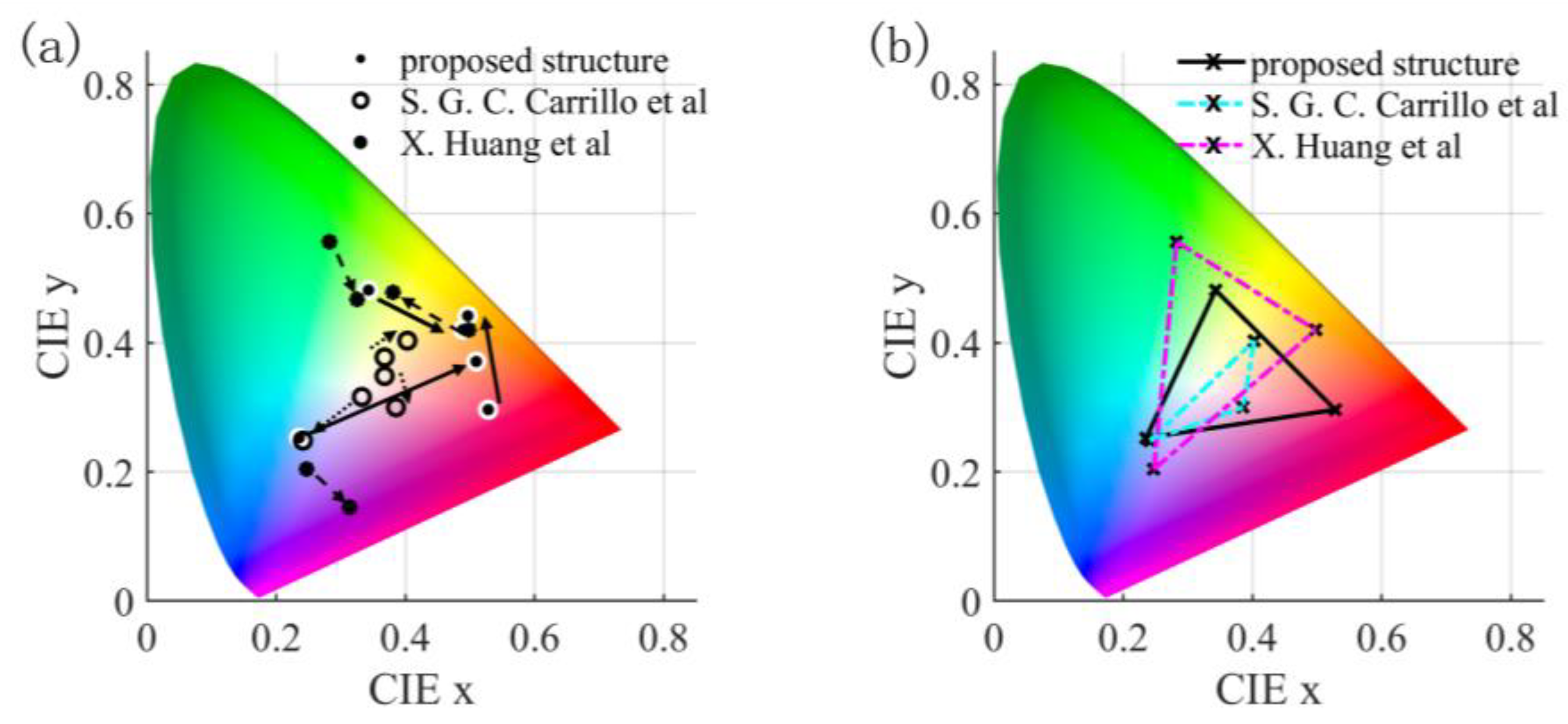
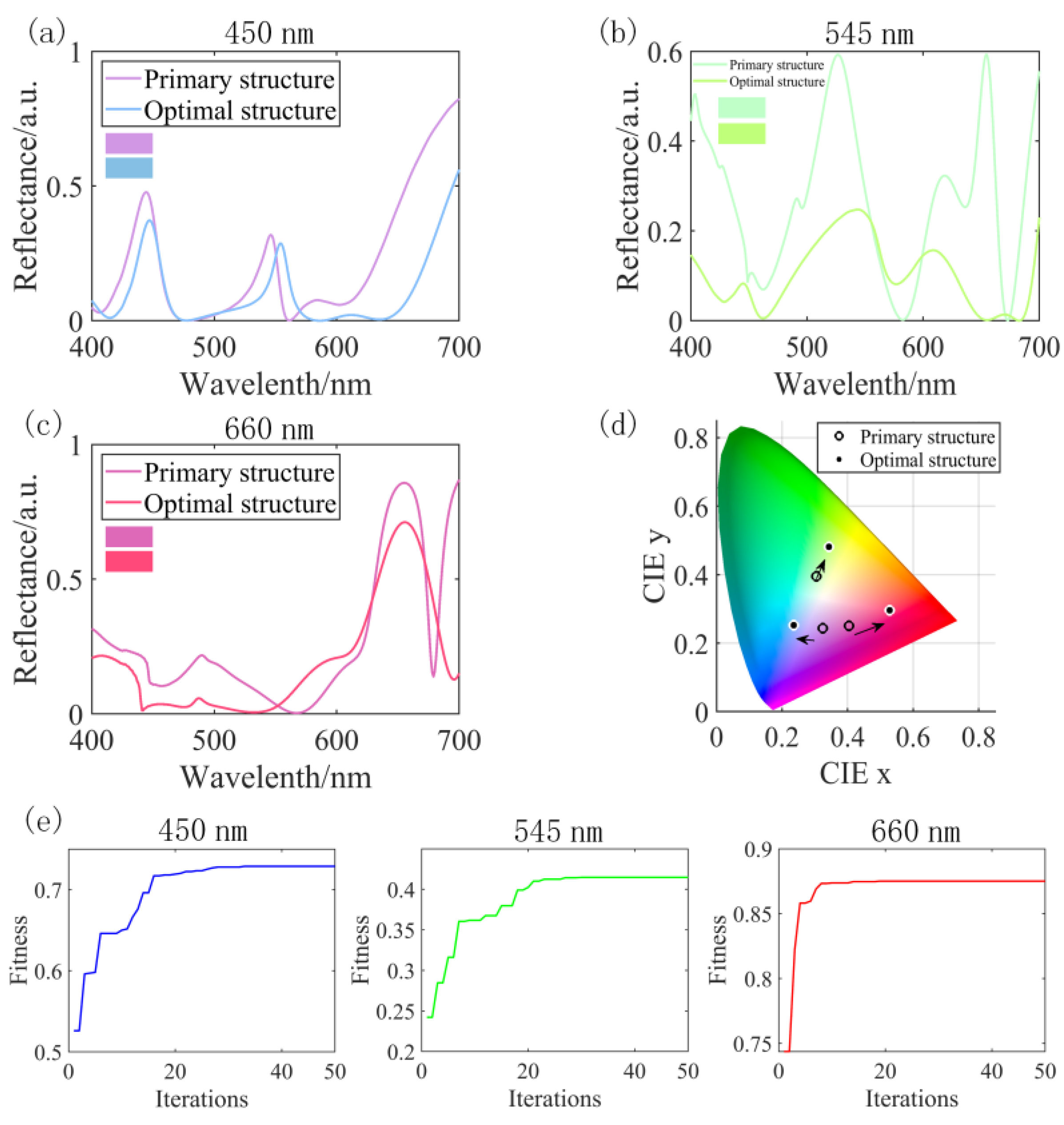
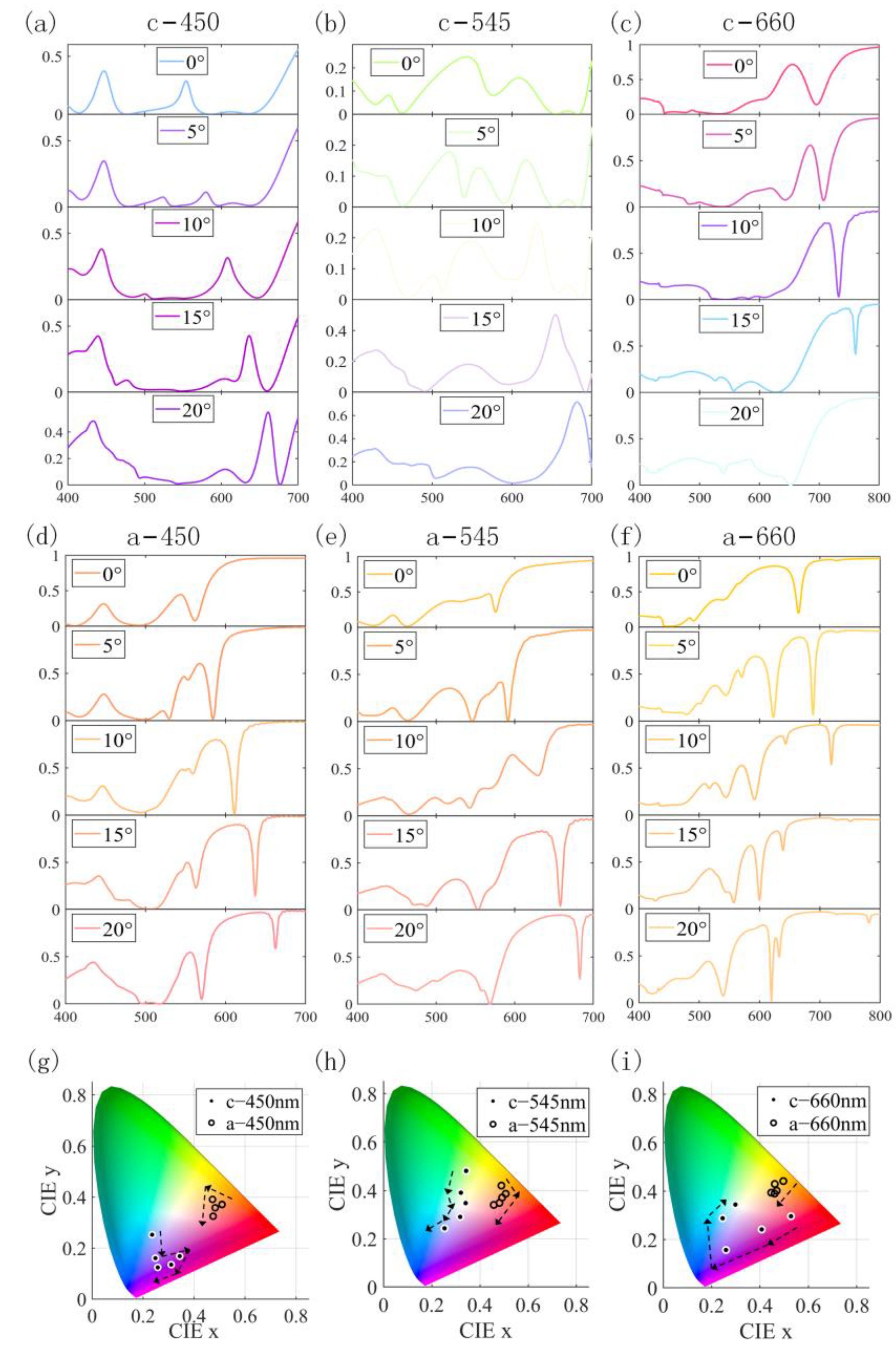
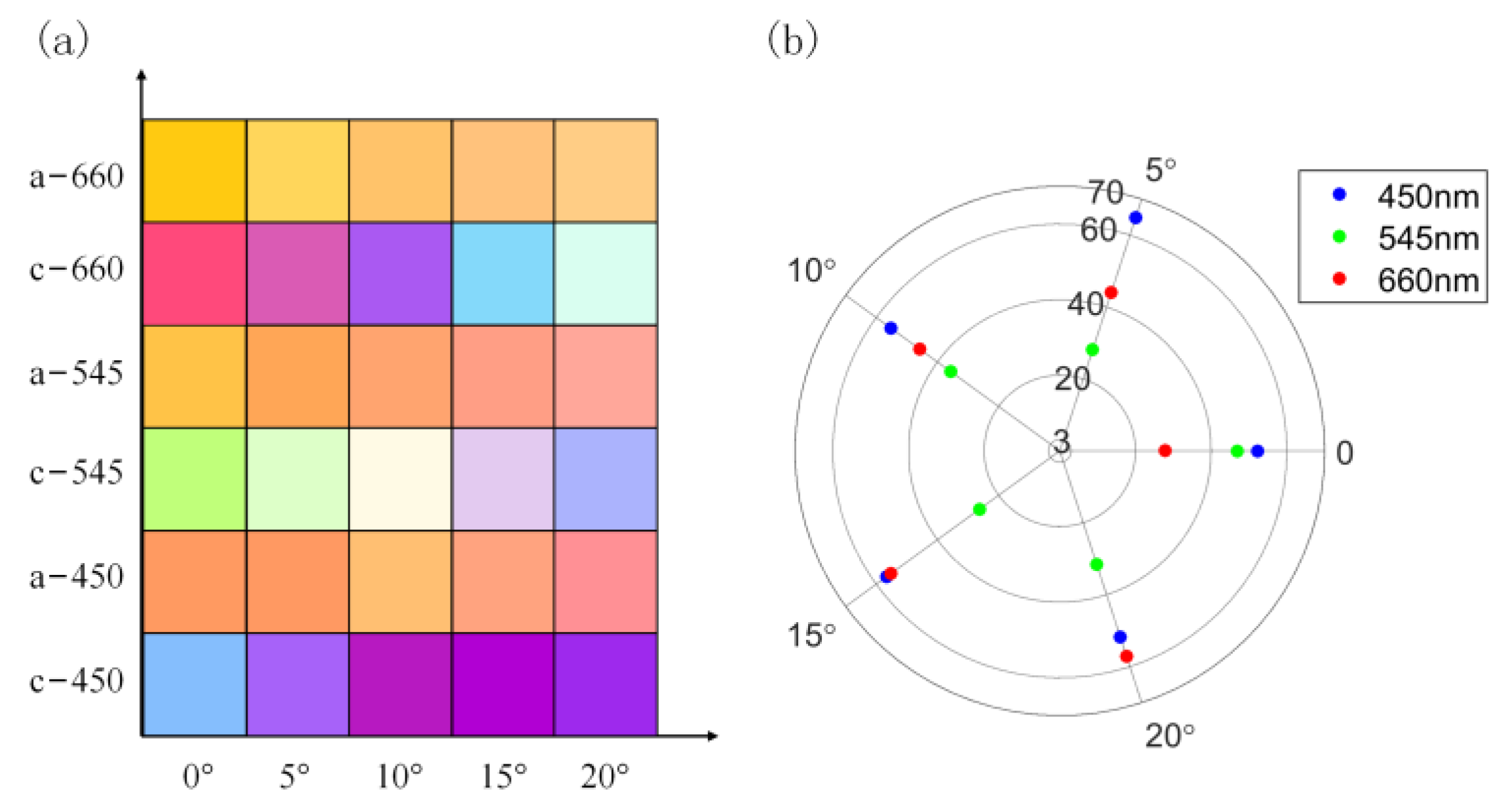
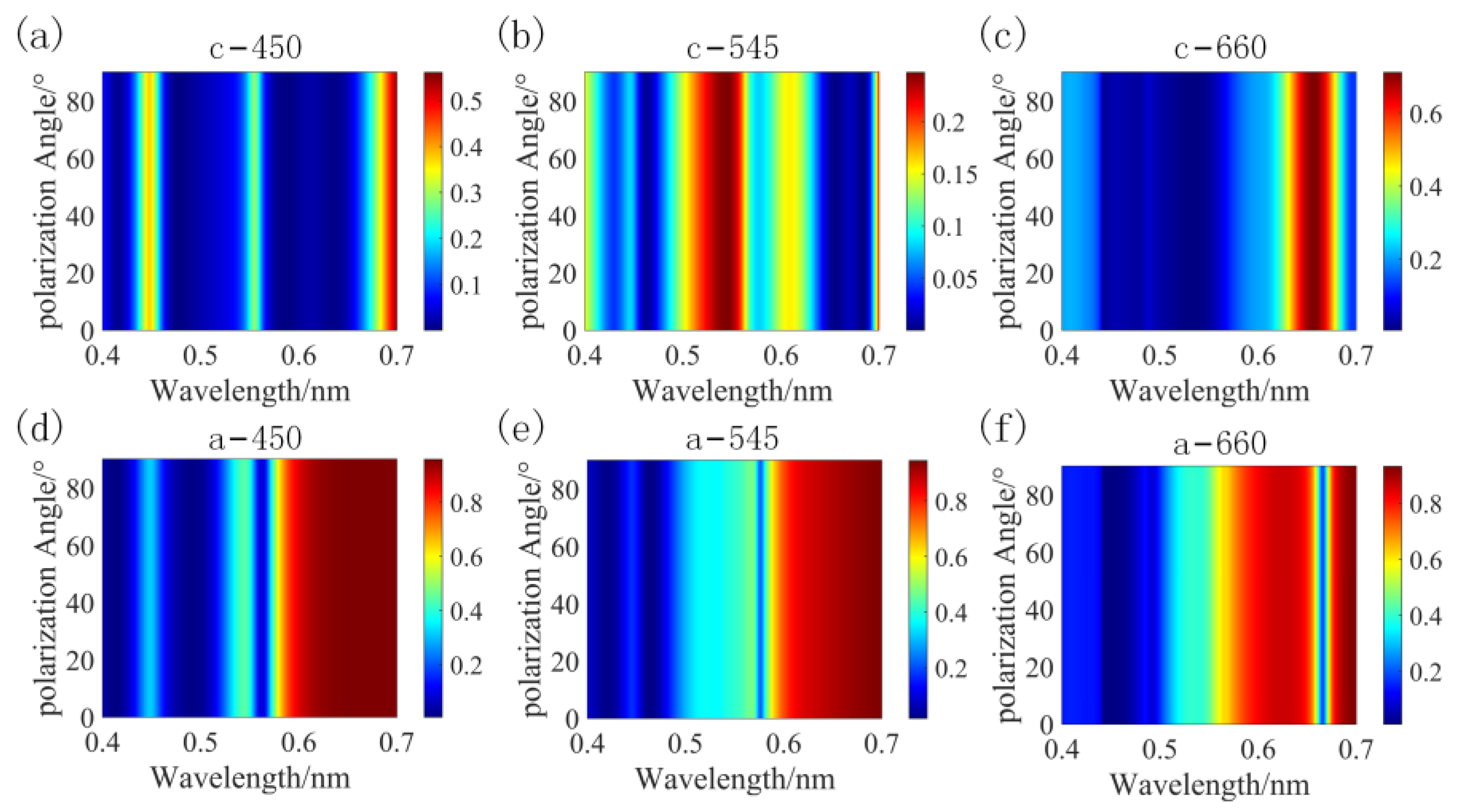
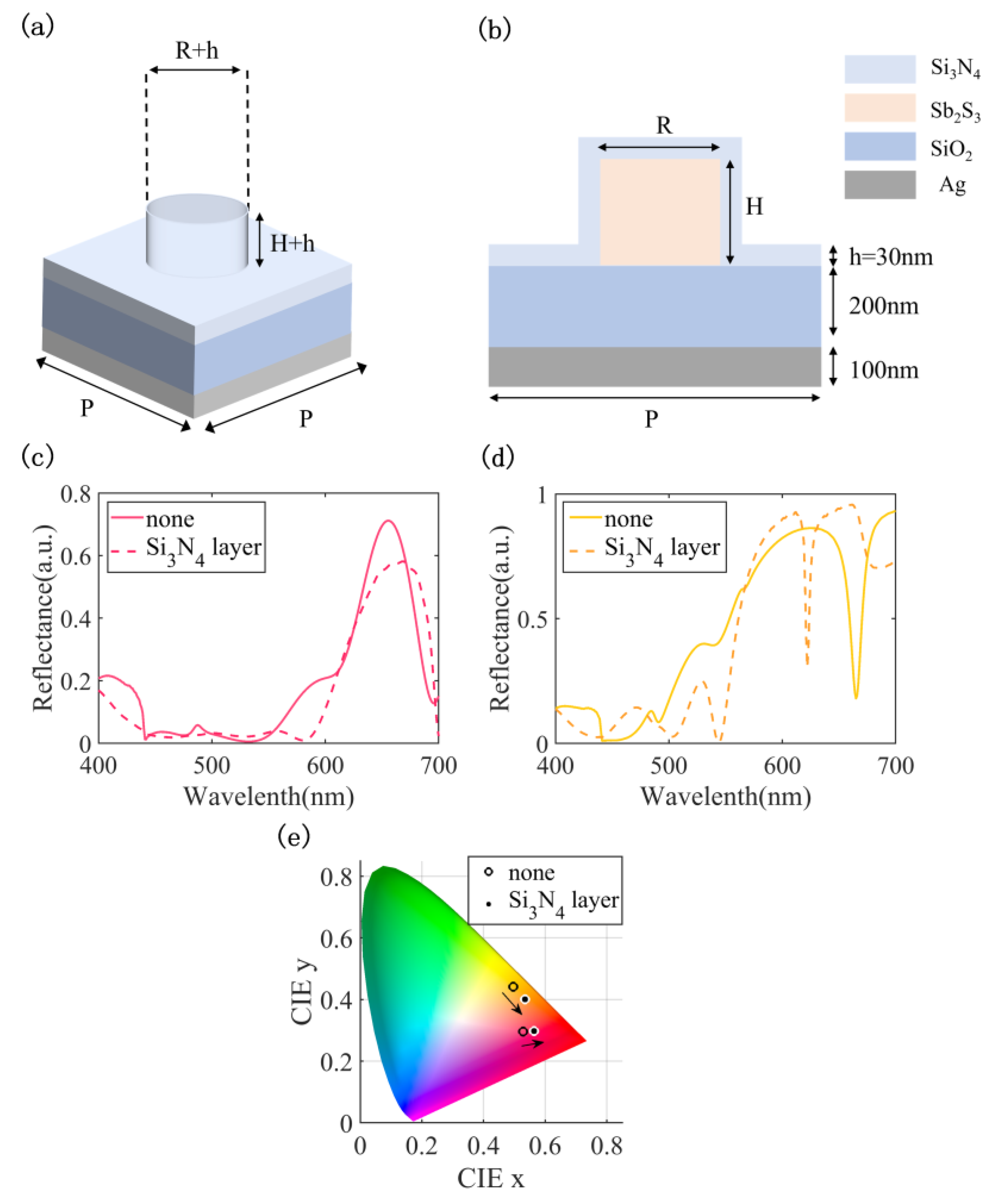
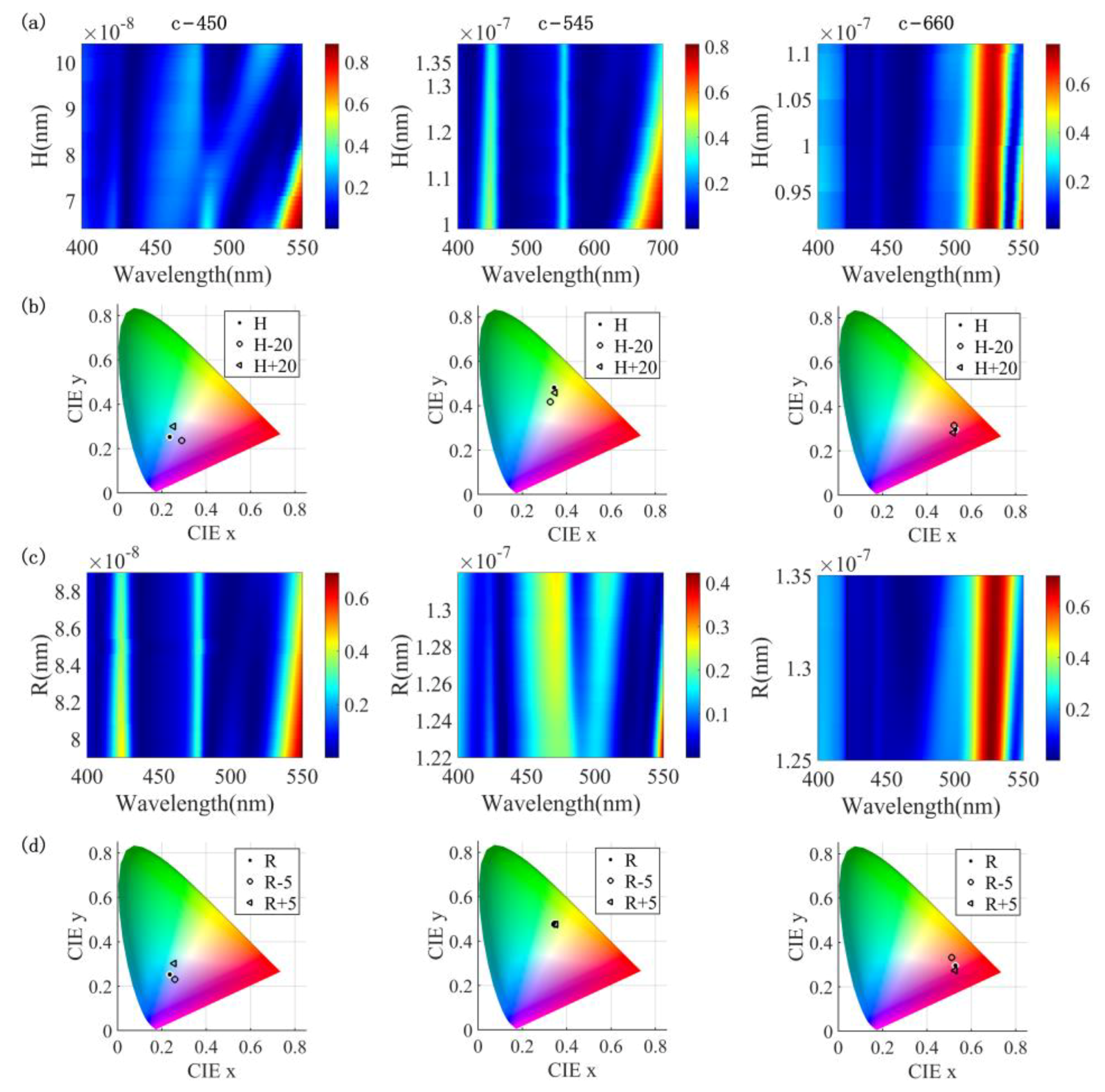
Color displays have become increasingly attractive, with dielectric optical nanoantennas demonstrating especially promising applications due to the high refractive index of the material, enabling devices to support geometry-dependent Mie resonance in the visible band. Although many structural color designs based on dielectric nanoantennas employ the method of artificial positive adjustment, the design cycle is too lengthy and the approach is non-intelligent. The commonly used phase change material Ge2Sb2Te5 (GST) is characterized by high absorption and a small contrast to the real part of the refractive index in the visible light band, thereby restricting its application in this range. The Sb2S3 phase change material is endowed with a wide band gap of 1.7 to 2 eV, demonstrating two orders of magnitude lower propagation loss compared to GST, when integrated onto a silicon waveguide, and exhibiting a maximum refractive index contrast close to 1 at 614 nm. Thus, Sb2S3 is a more suitable phase change material than GST for tuning visible light. In this paper, genetic algorithms and finite-difference time-domain (FDTD) solutions are combined and introduced as Sb2S3 phase change material to design nanoantennas. Structural color is generated in the reflection mode through the Mie resonance inside the structure, and the properties of Sb2S3 in different phase states are utilized to achieve tunability. Compared to traditional methods, genetic algorithms are superior-optimization algorithms that require low computational effort and a high population performance. Furthermore, Sb2S3 material can be laser-induced to switch the transitions of the crystallized and amorphous states, achieving reversible color. The large chromatic aberration ∆E modulation of 64.8, 28.1, and 44.1 was, respectively, achieved by the Sb2S3 phase transition in this paper. Moreover, based on the sensitivity of the structure to the incident angle, it can also be used in fields such as angle-sensitive detectors.
Keywords: structural color; genetic algorithm; inverse design; phase change material; Mie resonance structural color; genetic algorithm; inverse design; phase change material; Mie resonance