Transfersome Encapsulated with the R-carvedilol Enantiomer for Skin Cancer Chemoprevention

 , ,
, ,  , and
, and 
Abstract
1. Introduction
2. Materials and Methods
2.1. Chemicals and Reagents
2.2. Preparation of R-carvedilol-Loaded Transfersomes and Carbopol Gel
2.3. Determination of Particle Size, Zeta Potential and Encapsulation Efficiency
2.4. In Vitro Drug Release Analysis
2.5. Ex Vivo Skin Permeation Analysis
2.6. Transmission Electron Microscopic (TEM) Analysis
2.7. HPLC Analysis
2.8. Cell Culture and MTT Assay (2D)
2.9. EpiDerm Skin Irritation Test (3D)
2.10. Acute and Repeat Dose Dermal Toxicity Study in Mice
2.11. UV-Induced Acute Skin Inflammation
2.12. RNA Isolation and qPCR Analysis
2.13. Chronic UV-Induced Skin Tumorigenesis
2.14. Statistical Analysis
3. Results
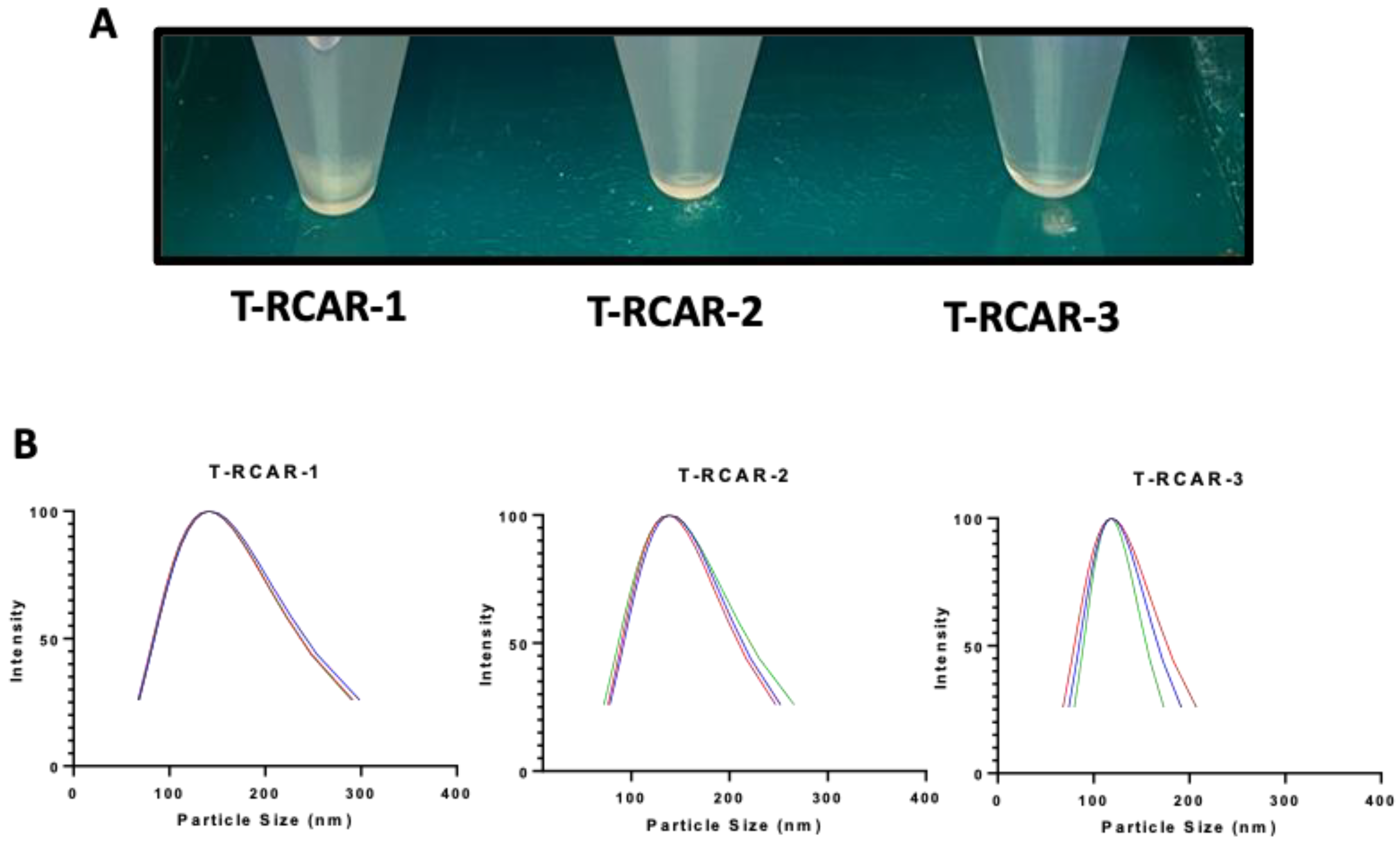
3.1. Transfersome Preparation, Characterization, and Selection
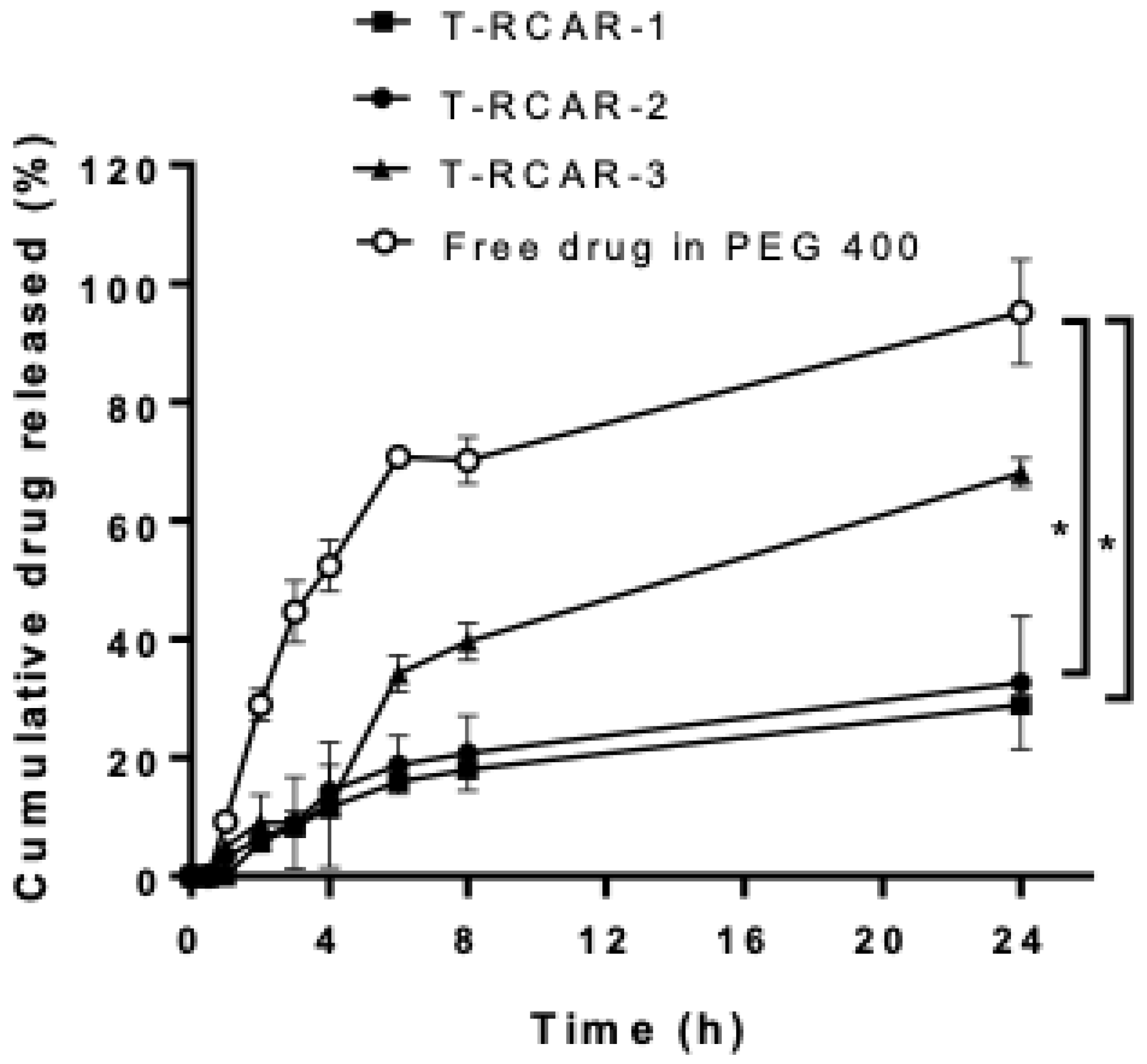
3.2. In Vitro Drug Release Testing for R-carvedilol-Loaded Transfersomes (T-RCARs)
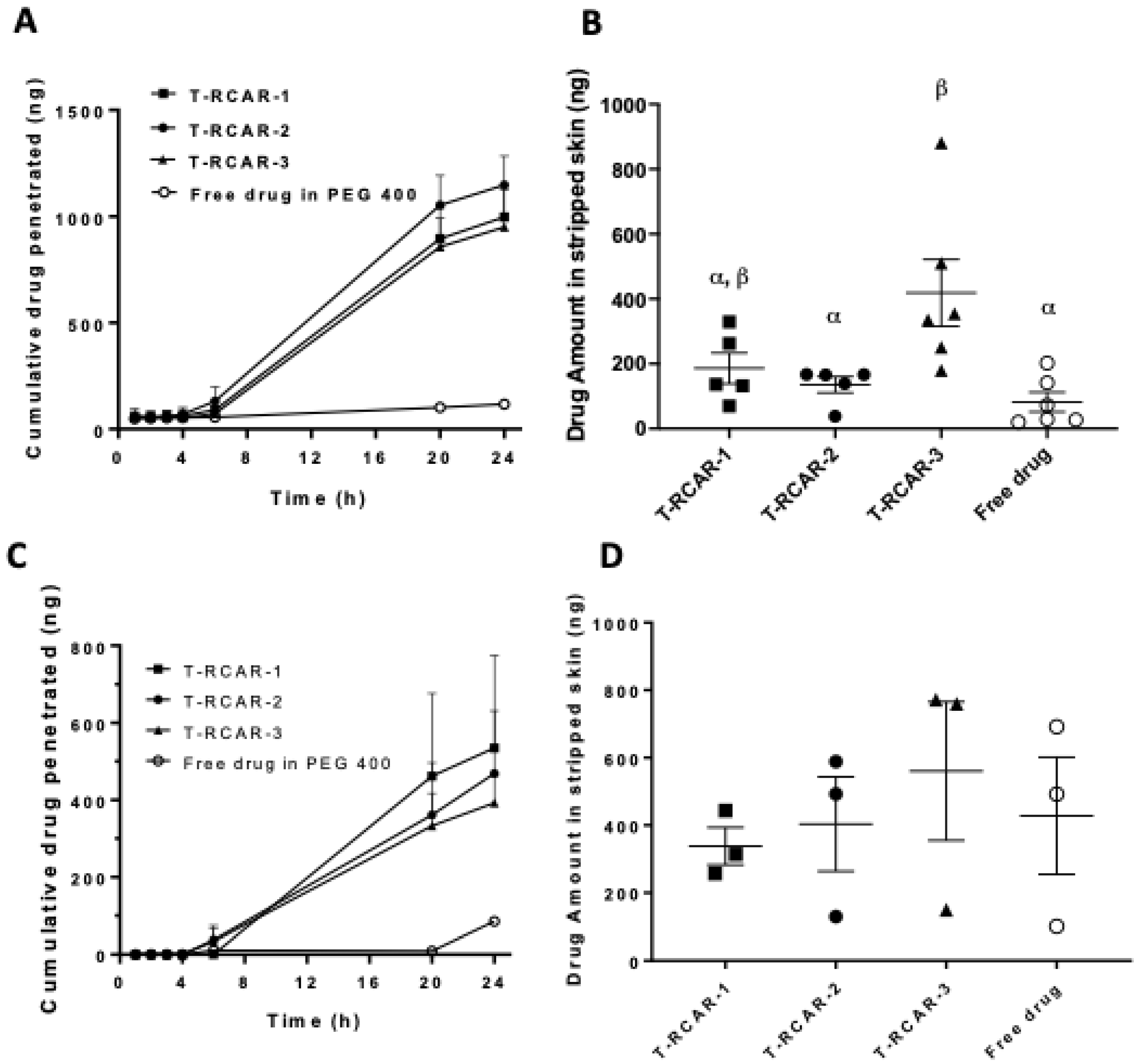
3.3. Ex Vivo Drug Penetration and Skin Retention of T-RCARs
3.4. Stability of T-RCAR Formulations
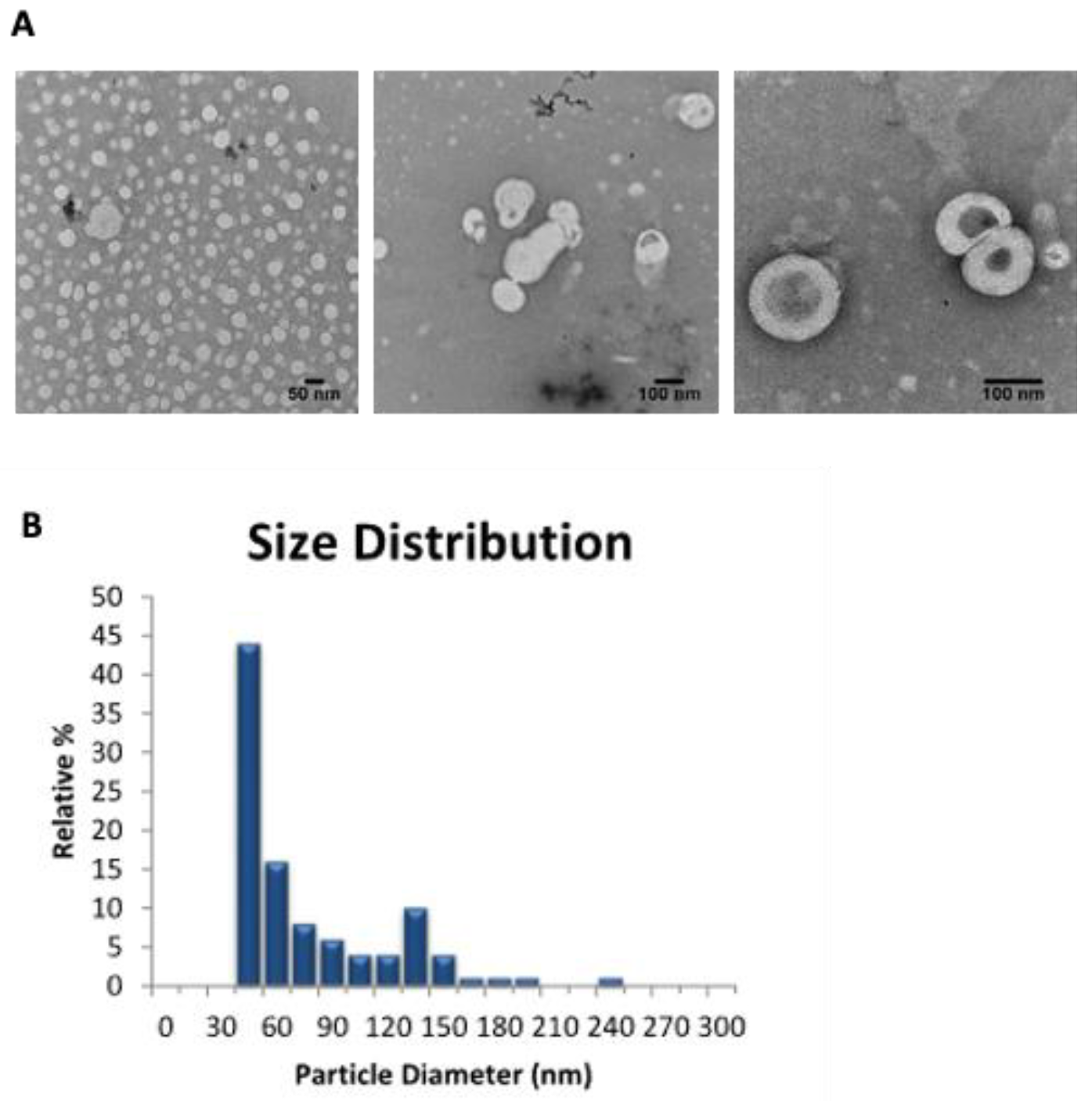
3.5. Morphological Study of T-RCAR-3
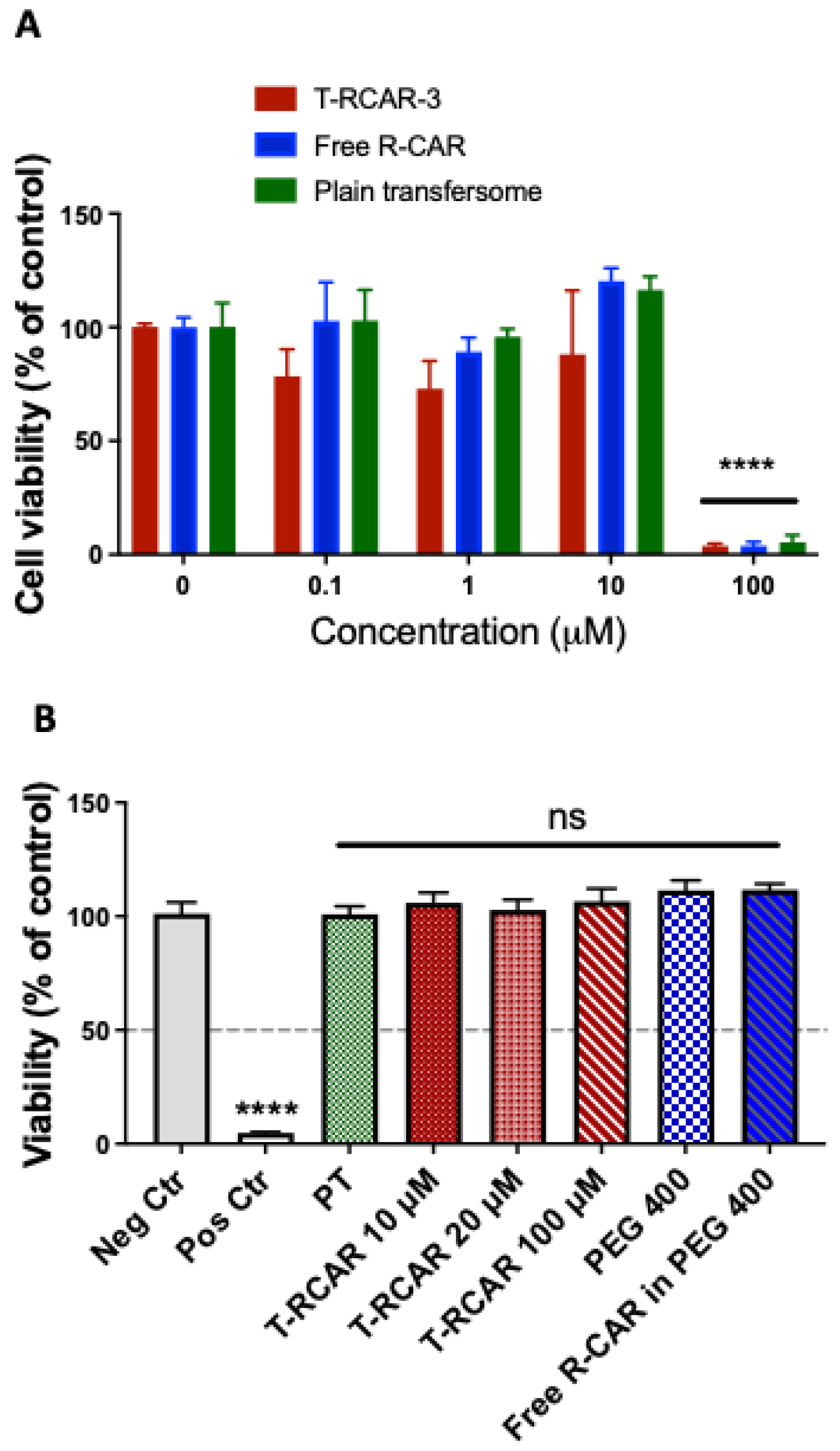
3.6. In Vitro Toxicity and Skin Irritation Study of T-RCAR-3
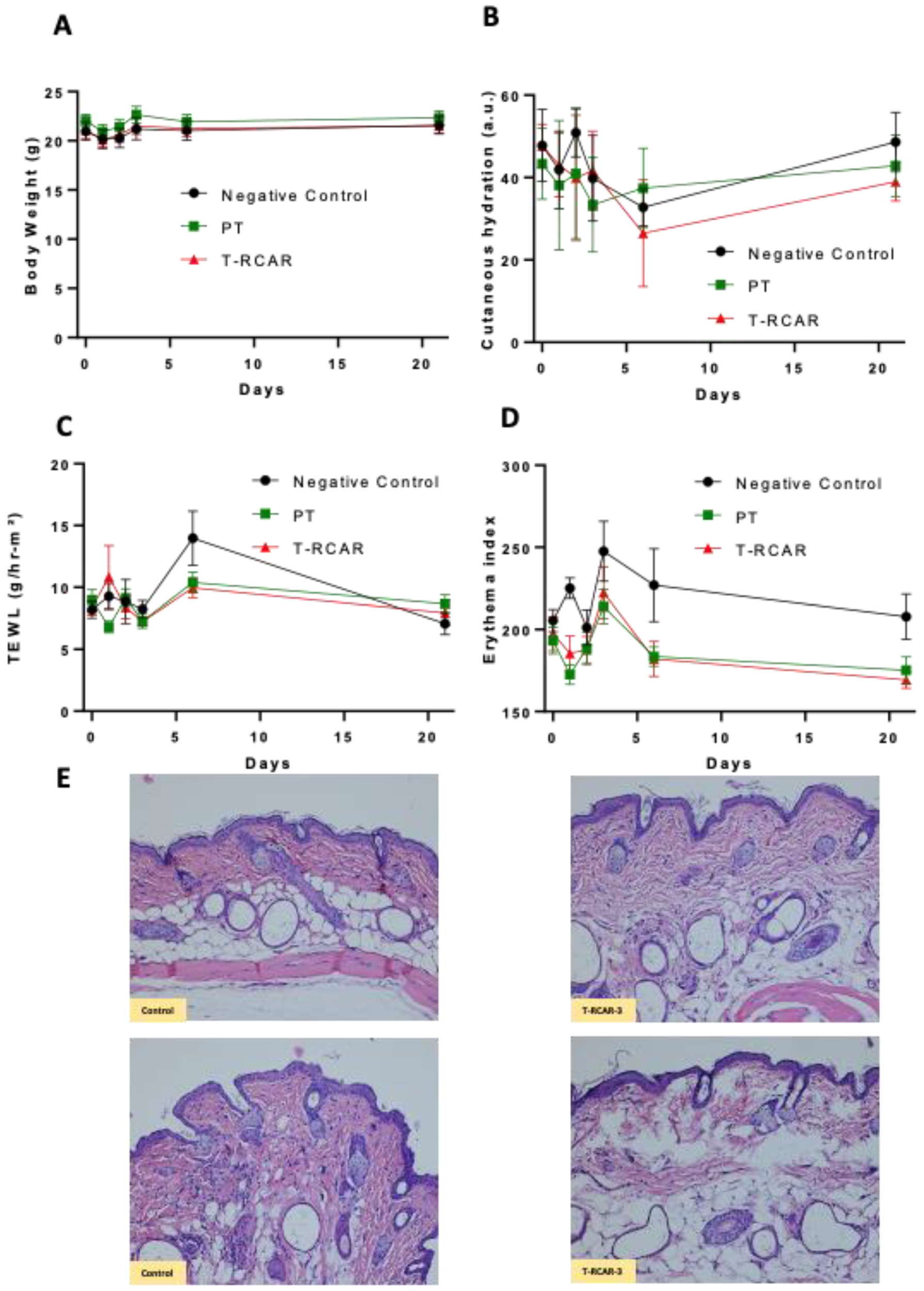
3.7. In Vivo Dermal Toxicity and Irritation Study of T-RCAR-3
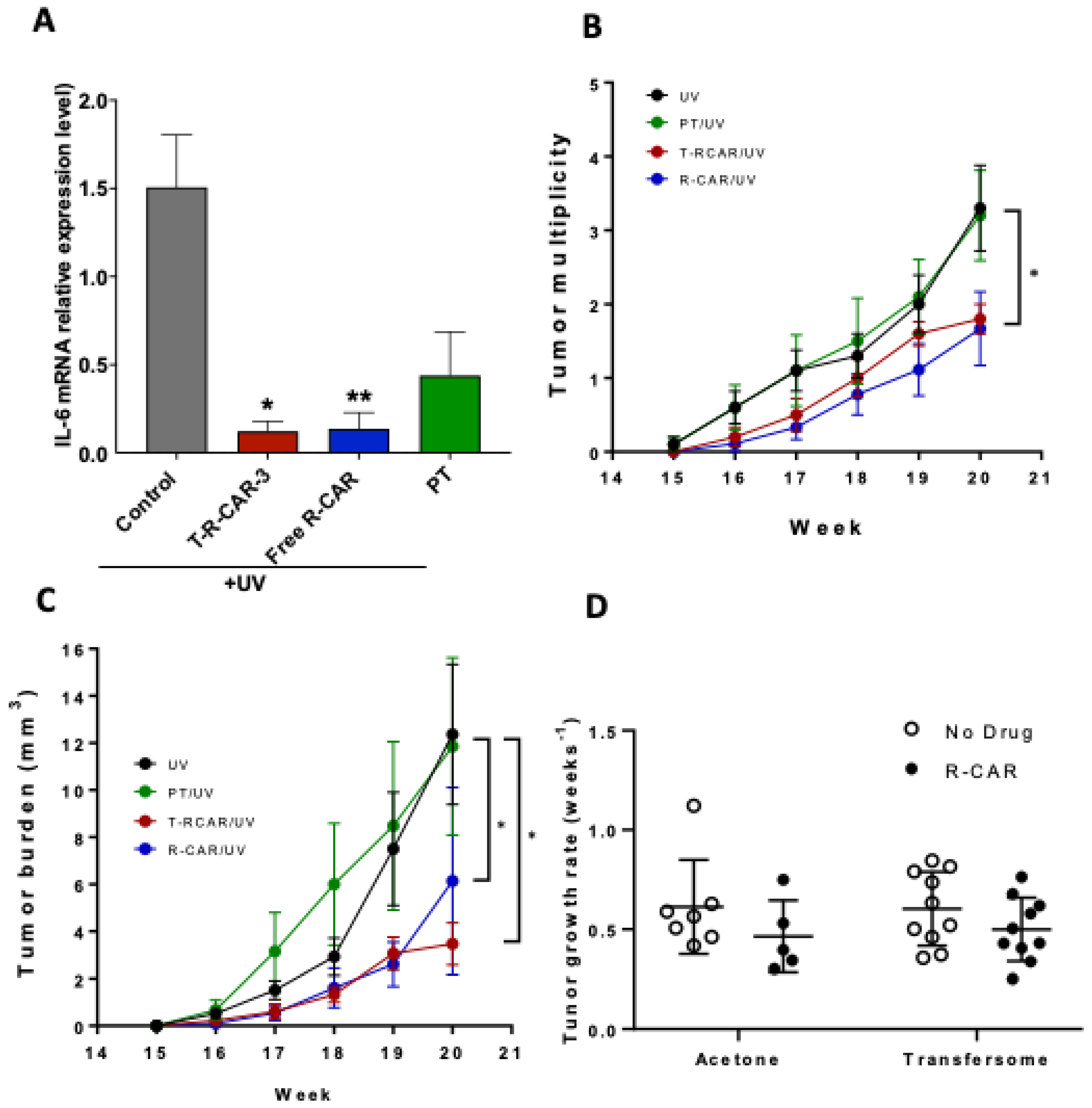
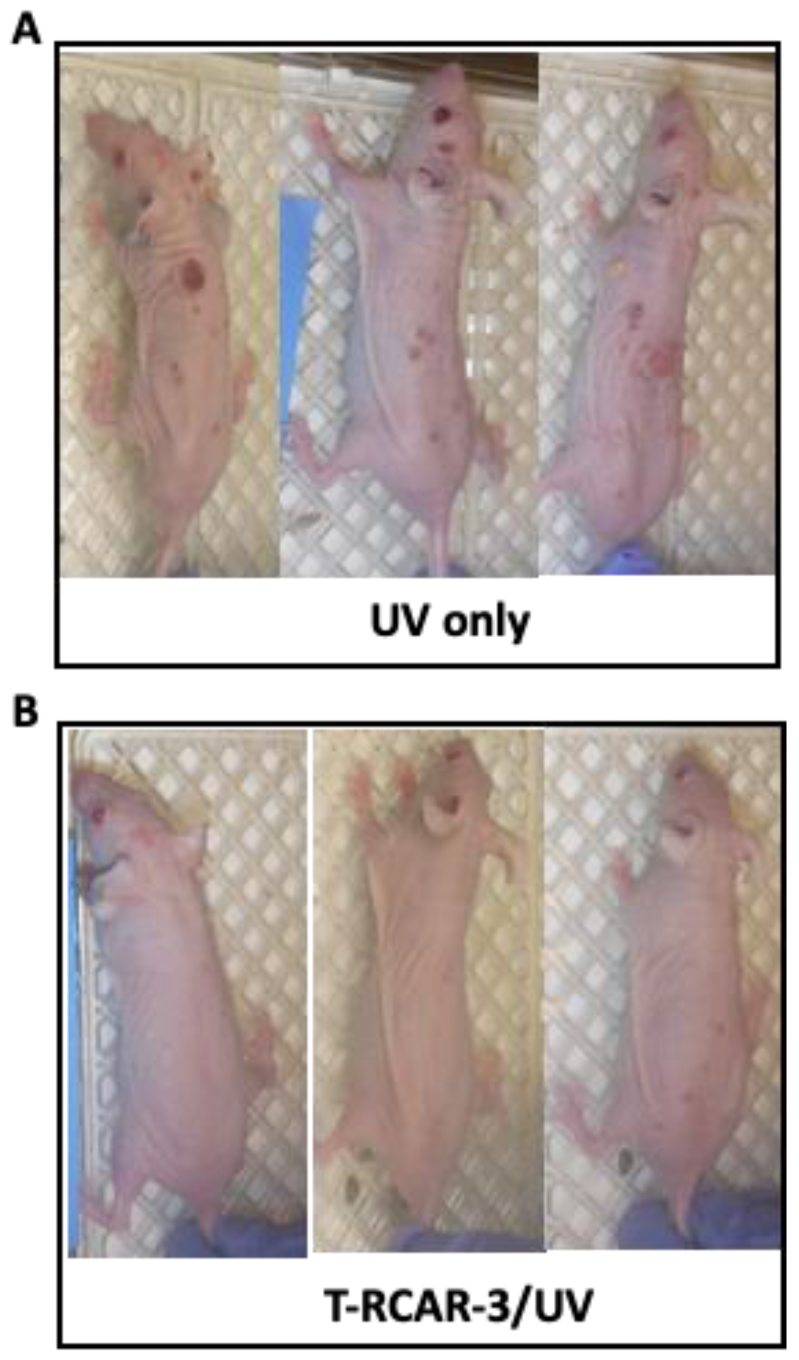
3.8. Effects of T-RCAR-3 on UV-Induced Skin Inflammation and Carcinogenesis in Mice
4. Discussion
5. Conclusions
6. Patents
Author Contributions
Funding
Institutional Review Board Statement
Data Availability Statement
Acknowledgments
Conflicts of Interest
References
- Hanay, C.; Osterwalder, U. Challenges in Formulating Sunscreen Products. Curr. Probl. Dermatol. 2021, 55, 93–111. [Google Scholar] [CrossRef] [Scilit]
- Nemer, K.M.; Council, M.L. Topical and Systemic Modalities for Chemoprevention of Nonmelanoma Skin Cancer. Dermatol. Clin. 2019, 37, 287–295. [Google Scholar] [CrossRef] [Scilit] [PubMed]
- Chang, A.; Yeung, S.; Thakkar, A.; Huang, K.M.; Liu, M.M.; Kanassatega, R.S.; Parsa, C.; Orlando, R.; Jackson, E.K.; Andresen, B.T.; et al. Prevention of skin carcinogenesis by the beta-blocker carvedilol. Cancer Prev. Res. 2015, 8, 27–36. [Google Scholar] [CrossRef] [Scilit]
- Huang, K.M.; Liang, S.; Yeung, S.; Oiyemhonlan, E.; Cleveland, K.H.; Parsa, C.; Orlando, R.; Meyskens, F.L., Jr.; Andresen, B.T.; Huang, Y. Topically Applied Carvedilol Attenuates Solar Ultraviolet Radiation Induced Skin Carcinogenesis. Cancer Prev. Res. 2017, 10, 598–606. [Google Scholar] [CrossRef] [Scilit]
- Henderson, L.S.; Tenero, D.M.; Baidoo, C.A.; Campanile, A.M.; Harter, A.H.; Boyle, D.; Danoff, T.M. Pharmacokinetic and pharmacodynamic comparison of controlled-release carvedilol and immediate-release carvedilol at steady state in patients with hypertension. Am. J. Cardiol. 2006, 98, 17L–26L. [Google Scholar] [CrossRef] [Scilit]
- Zhang, J.; Zhou, Q.; Smith, C.D.; Chen, H.; Tan, Z.; Chen, B.; Nani, A.; Wu, G.; Song, L.S.; Fill, M.; et al. Non-beta-blocking R-carvedilol enantiomer suppresses Ca2+ waves and stress-induced ventricular tachyarrhythmia without lowering heart rate or blood pressure. Biochem. J. 2015, 470, 233–242. [Google Scholar] [CrossRef] [Scilit] [PubMed]
- Fujimaki, M. Stereoselective disposition and tissue distribution of carvedilol enantiomers in rats. Chirality 1992, 4, 148–154. [Google Scholar] [CrossRef] [Scilit] [PubMed]
- Stahl, E.; Mutschler, E.; Baumgartner, U.; Spahn-Langguth, H. Carvedilol stereopharmacokinetics in rats: Affinities to blood constituents and tissues. Arch. Pharm. 1993, 326, 529–533. [Google Scholar] [CrossRef] [Scilit]
- Tenero, D.; Boike, S.; Boyle, D.; Ilson, B.; Fesniak, H.F.; Brozena, S.; Jorkasky, D. Steady-state pharmacokinetics of carvedilol and its enantiomers in patients with congestive heart failure. J. Clin. Pharmacol. 2000, 40, 844–853. [Google Scholar] [CrossRef] [Scilit]
- Nichols, A.J.; Sulpizio, A.C.; Ashton, D.J.; Hieble, J.P.; Ruffolo, R.R., Jr. The interaction of the enantiomers of carvedilol with alpha 1- and beta 1-adrenoceptors. Chirality 1989, 1, 265–270. [Google Scholar] [CrossRef] [Scilit]
- Bartsch, W.; Sponer, G.; Strein, K.; Muller-Beckmann, B.; Kling, L.; Bohm, E.; Martin, U.; Borbe, H.O. Pharmacological characteristics of the stereoisomers of carvedilol. Eur. J. Clin. Pharmacol. 1990, 38 (Suppl. S2), S104–S107. [Google Scholar] [CrossRef] [Scilit]
- Cleveland, K.H.; Liang, S.; Chang, A.; Huang, K.M.; Chen, S.; Guo, L.; Huang, Y.; Andresen, B.T. Carvedilol inhibits EGF-mediated JB6 P+ colony formation through a mechanism independent of adrenoceptors. PLoS ONE 2019, 14, e0217038. [Google Scholar] [CrossRef] [Scilit]
- Liang, S.; Shamim, M.A.; Shahid, A.; Chen, M.; Cleveland, K.H.; Parsa, C.; Orlando, R.; Andresen, B.; Huang, Y. Prevention of skin carcinogenesis by the non-beta-blocking R-carvedilol enantiomer. Cancer Prev. Res. 2021, 14, 527–540. [Google Scholar] [CrossRef] [Scilit]
- Von Mollendorff, E.; Reiff, K.; Neugebauer, G. Pharmacokinetics and bioavailability of carvedilol, a vasodilating beta-blocker. Eur. J. Clin. Pharmacol. 1987, 33, 511–513. [Google Scholar] [CrossRef] [Scilit]
- Benson, H.A.E.; Grice, J.E.; Mohammed, Y.; Namjoshi, S.; Roberts, M.S. Topical and Transdermal Drug Delivery: From Simple Potions to Smart Technologies. Curr. Drug Deliv. 2019, 16, 444–460. [Google Scholar] [CrossRef] [Scilit] [PubMed]
- Roberts, M.S.; Cheruvu, H.S.; Mangion, S.E.; Alinaghi, A.; Benson, H.A.E.; Mohammed, Y.; Holmes, A.; van der Hoek, J.; Pastore, M.; Grice, J.E. Topical drug delivery: History, percutaneous absorption, and product development. Adv. Drug Deliv. Rev. 2021, 177, 113929. [Google Scholar] [CrossRef] [Scilit] [PubMed]
- Abdullah Shamim, M.; Yeung, S.; Shahid, A.; Chen, M.; Wang, J.; Desai, P.; Parsa, C.; Orlando, R.; Meyskens, F.L., Jr.; Kelly, K.M.; et al. Topical carvedilol delivery prevents UV-induced skin cancer with negligible systemic absorption. Int. J. Pharm. 2022, 611, 121302. [Google Scholar] [CrossRef] [Scilit] [PubMed]
- Chen, M.; Shamim, M.A.; Shahid, A.; Yeung, S.; Andresen, B.T.; Wang, J.; Nekkanti, V.; Meyskens, F.L., Jr.; Kelly, K.M.; Huang, Y. Topical Delivery of Carvedilol Loaded Nano-Transfersomes for Skin Cancer Chemoprevention. Pharmaceutics 2020, 12, 1151. [Google Scholar] [CrossRef] [Scilit]
- El Zaafarany, G.M.; Awad, G.A.; Holayel, S.M.; Mortada, N.D. Role of edge activators and surface charge in developing ultradeformable vesicles with enhanced skin delivery. Int. J. Pharm. 2010, 397, 164–172. [Google Scholar] [CrossRef] [Scilit]
- Elsayed, M.M.; Abdallah, O.Y.; Naggar, V.F.; Khalafallah, N.M. Lipid vesicles for skin delivery of drugs: Reviewing three decades of research. Int. J. Pharm. 2007, 332, 1–16. [Google Scholar] [CrossRef] [Scilit]
- Elsayed, M.M.; Abdallah, O.Y.; Naggar, V.F.; Khalafallah, N.M. Deformable liposomes and ethosomes as carriers for skin delivery of ketotifen. Pharmazie. 2007, 62, 133–137. [Google Scholar]
- Cevc, G.; Blume, G. New, highly efficient formulation of diclofenac for the topical, transdermal administration in ultradeformable drug carriers, Transfersomes. Biochim. Biophys. Acta 2001, 1514, 191–205. [Google Scholar] [CrossRef] [Scilit]
- Mahmood, S.; Taher, M.; Mandal, U.K. Experimental design and optimization of raloxifene hydrochloride loaded nanotransfersomes for transdermal application. Int. J. Nanomed. 2014, 9, 4331–4346. [Google Scholar] [CrossRef] [Scilit]
- Faller, C.; Bracher, M.; Dami, N.; Roguet, R. Predictive ability of reconstructed human epidermis equivalents for the assessment of skin irritation of cosmetics. Toxicol. Vitr. 2002, 16, 557–572. [Google Scholar] [CrossRef] [Scilit] [PubMed]
- Mohammed, Y.; Holmes, A.; Kwok, P.C.L.; Kumeria, T.; Namjoshi, S.; Imran, M.; Matteucci, L.; Ali, M.; Tai, W.; Benson, H.A.E.; et al. Advances and future perspectives in epithelial drug delivery. Adv. Drug Deliv. Rev. 2022, 186, 114293. [Google Scholar] [CrossRef] [Scilit] [PubMed]
- Dick, I.P.; Scott, R.C. Pig ear skin as an in-vitro model for human skin permeability. J. Pharm. Pharmacol. 1992, 44, 640–645. [Google Scholar] [CrossRef] [Scilit]
- Cross, S.E.; Anissimov, Y.G.; Magnusson, B.M.; Roberts, M.S. Bovine-serum-albumin-containing receptor phase better predicts transdermal absorption parameters for lipophilic compounds. J. Investig. Dermatol. 2003, 120, 589–591. [Google Scholar] [CrossRef] [Scilit] [PubMed]
- Gidado, I.M.; Qassem, M.; Triantis, I.F.; Kyriacou, P.A. Review of Advances in the Measurement of Skin Hydration Based on Sensing of Optical and Electrical Tissue Properties. Sensors 2022, 22, 7151. [Google Scholar] [CrossRef] [Scilit]
- Zhai, H.; Leow, Y.H.; Maibach, H.I. Human barrier recovery after acute acetone perturbation: An irritant dermatitis model. Clin. Exp. Dermatol. 1998, 23, 11–13. [Google Scholar] [CrossRef] [Scilit]
- Kandarova, H.; Hayden, P.; Klausner, M.; Kubilus, J.; Kearney, P.; Sheasgreen, J. In vitro skin irritation testing: Improving the sensitivity of the EpiDerm skin irritation test protocol. Altern. Lab. Anim. 2009, 37, 671–689. [Google Scholar] [CrossRef] [Scilit]
- Yao, A.; Kohmoto, O.; Oyama, T.; Sugishita, Y.; Shimizu, T.; Harada, K.; Matsui, H.; Komuro, I.; Nagai, R.; Matsuo, H.; et al. Characteristic effects of alpha1-beta1,2-adrenergic blocking agent, carvedilol, on [Ca2+] i in ventricular myocytes compared with those of timolol and atenolol. Circ. J. 2003, 67, 83–90. [Google Scholar] [CrossRef] [Scilit] [PubMed]



| ID * | Ratio | Characterization | 24-h Skin Penetration (%) | |||||
|---|---|---|---|---|---|---|---|---|
| Drug | SPC | Edge Activator | Mean Particle Size (nm) ± SD | PDI ± SD | Zeta Potential (mV) ± SD | % Encapsulation Efficiency | ||
| F1S | 1 | 3 | 0 | 106.15 ± 2.98 | 0.15 ± 0.02 | 8.0 ± 0.67 | 91.6 | 27 |
| F2S | 1 | 3 | 0.25 | 116.73 ± 1.19 | 0.22 ± 0.01 | 16.5 ± 4.72 | 96.5 | 22 |
| F3S | 1 | 3 | 0.5 | 96.50 ± 2.73 | 0.15 ± 0.01 | 8.0 ± 0.98 | 83.6 | 23 |
| F1T | 1 | 3 | 0 | 110.60 ± 0.57 | 0.16 ± 0.02 | 15.4 ± 0.60 | 71.5 | 25 |
| F2T | 1 | 3 | 0.25 | 107.02 ± 1.36 | 0.16 ± 0.02 | 10.34 ± 0.74 | 82.7 | 34 |
| F3T | 1 | 3 | 0.5 | 100.36 ± 0.39 | 0.17 ± 0.02 | 8.16 ± 2.06 | 80.6 | 33 |
| Batch ID | Formulation ID | Ratio | Characterization | |||||
|---|---|---|---|---|---|---|---|---|
| Drug | SPC | Tween 80 | Mean Particle Size (nm) ± SD | PDI ± SD | Zeta Potential (mV) ± SD | % Encapsulation Efficiency | ||
| 1-1 | T-RCAR 1 | 1 | 3 | 0 | 110.6 ± 0.57 | 0.18 ± 0.02 | 34.4 ± 0.60 | 71% |
| 1-2 | T-RCAR 1 | 1 | 3 | 0 | 91.88 ± 0.95 | 0.17 ± 0.02 | 38.83 ± 1.45 | 92% |
| 1-3 | T-RCAR 1 | 1 | 3 | 0 | 119.77 ± 1.75 | 0.13 ± 0.03 | 37.53 ± 1.23 | 71% |
| 107.42 ± 14.21 | 0.16 ± 0.026 | 36.92 ± 2.28 | 78 ± 12 | |||||
| 2-1 | T-RCAR 2 | 1 | 3 | 0.25 | 107.02 ± 1.36 | 0.16 ± 0.02 | 30.34 ± 0.74 | 83% |
| 2-2 | T-RCAR 2 | 1 | 3 | 0.25 | 91.46 ± 1.51 | 0.16 ± 0.05 | 32.87 ± 1.67 | 91% |
| 2-3 | T-RCAR 2 | 1 | 3 | 0.25 | 123.30 ± 4.94 | 0.12 ± 0.02 | 33.67 ± 1.89 | 81% |
| 107.26 ± 15.92 | 0.15 ± 0.023 | 32.29 ± 1.74 | 85 ± 5.5 | |||||
| 3-1 | T-RCAR 3 | 1 | 3 | 0.5 | 100.36 ± 0.39 | 0.17 ± 0.02 | 32.16 ± 2.06 | 81% |
| 3-2 | T-RCAR 3 | 1 | 3 | 0.5 | 89.22 ± 1.37 | 0.16 ± 0.02 | 34.6 ± 0.46 | 89% |
| 3-3 | T-RCAR 3 | 1 | 3 | 0.5 | 101.52 ± 3.85 | 0.14 ± 0.02 | 37.8 ± 0.15 | 81% |
| 97.03 ± 6.79 | 0.16 ± 0.015 | 34.85 ± 2.83 | 84 ± 4.6 | |||||
| Week | Mean Particle Size (nm) ± SD | PDI ± SD | % Encapsulation Efficiency |
|---|---|---|---|
| T-RCAR formulation 3 batch 1 | |||
| 1 | 105.11 ± 2.75 | 0.076 ± 0.020 | 83 |
| 2 | 114.97 ± 3.32 | 0.06 ± 0.02 | |
| 3 | 108.98 ± 0.77 | 0.07 ± 0.01 | |
| 4 | 113.59 ± 3.26 | 0.06 ± 0.02 | |
| 5 | 111.52 ± 0.7 | 0.06 ± 0.01 | 83 |
| T-RCAR formulation 3 batch 2 | |||
| 1 | 96.01 ± 3.75 | 0.07 ± 0.011 | 81 |
| 2 | 106.73 ± 2.68 | 0.07 ± 0.01 | |
| 3 | 102.28 ± 0.57 | 0.05 ± 0.02 | |
| 4 | 105.24 ± 2.21 | 0.09 ± 0.01 | |
| 5 | 104.36 ± 1.75 | 0.08 ± 0.01 | 83 |
| T-RCAR formulation 3 batch 3 | |||
| 1 | 108.93 ± 2.73 | 0.096 ± 0.027 | 83 |
| 2 | 118.34 ± 1.32 | 0.08 ± 0.03 | |
| 3 | 115.8 ± 0.6 | 0.07 ± 0.01 | |
| 4 | 119.99 ± 3.16 | 0.07 ± 0.04 | |
| 5 | 116.72 ± 0.45 | 0.07 ± 0.03 | 83 |
Disclaimer/Publisher’s Note: The statements, opinions and data contained in all publications are solely those of the individual author(s) and contributor(s) and not of MDPI and/or the editor(s). MDPI and/or the editor(s) disclaim responsibility for any injury to people or property resulting from any ideas, methods, instructions or products referred to in the content. |
© 2023 by the authors. Licensee MDPI, Basel, Switzerland. This article is an open access article distributed under the terms and conditions of the Creative Commons Attribution (CC BY) license (https://creativecommons.org/licenses/by/4.0/).
Share and Cite
Shamim, M.A.; Shahid, A.; Sardar, P.K.; Yeung, S.; Reyes, J.; Kim, J.; Parsa, C.; Orlando, R.; Wang, J.; Kelly, K.M.; et al. Transfersome Encapsulated with the R-carvedilol Enantiomer for Skin Cancer Chemoprevention. Nanomaterials 2023, 13, 929. https://doi.org/10.3390/nano13050929
Shamim MA, Shahid A, Sardar PK, Yeung S, Reyes J, Kim J, Parsa C, Orlando R, Wang J, Kelly KM, et al. Transfersome Encapsulated with the R-carvedilol Enantiomer for Skin Cancer Chemoprevention. Nanomaterials. 2023; 13(5):929. https://doi.org/10.3390/nano13050929
Chicago/Turabian StyleShamim, Md Abdullah, Ayaz Shahid, Pabitra K. Sardar, Steven Yeung, Jeremiah Reyes, Jenny Kim, Cyrus Parsa, Robert Orlando, Jeffrey Wang, Kristen M. Kelly, and et al. 2023. "Transfersome Encapsulated with the R-carvedilol Enantiomer for Skin Cancer Chemoprevention" Nanomaterials 13, no. 5: 929. https://doi.org/10.3390/nano13050929
APA StyleShamim, M. A., Shahid, A., Sardar, P. K., Yeung, S., Reyes, J., Kim, J., Parsa, C., Orlando, R., Wang, J., Kelly, K. M., Meyskens, F. L., Jr., Andresen, B. T., & Huang, Y. (2023). Transfersome Encapsulated with the R-carvedilol Enantiomer for Skin Cancer Chemoprevention. Nanomaterials, 13(5), 929. https://doi.org/10.3390/nano13050929