Review

Biodegradable Poly(Lactic Acid) Nanocomposites for Fused Deposition Modeling 3D Printing


Department of Chemistry and Macromolecules Innovation Institute, Virginia Tech, Blacksburg, VA 24061, USA
*
Author to whom correspondence should be addressed.
Nanomaterials 2020, 10(12), 2567; https://doi.org/10.3390/nano10122567
Submission received: 30 November 2020 / Revised: 15 December 2020 / Accepted: 16 December 2020 / Published: 21 December 2020
(This article belongs to the Special Issue Functional Biodegradable Nanocomposites)

Abstract

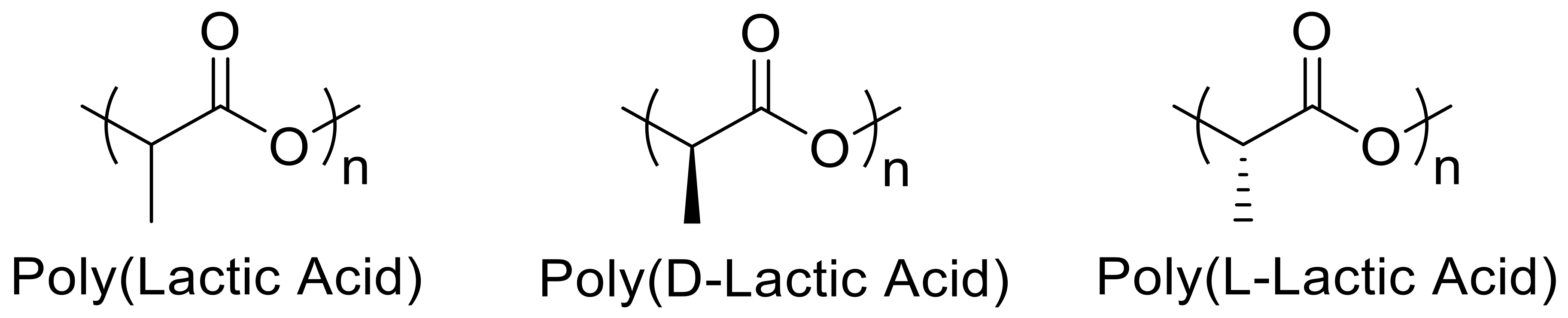
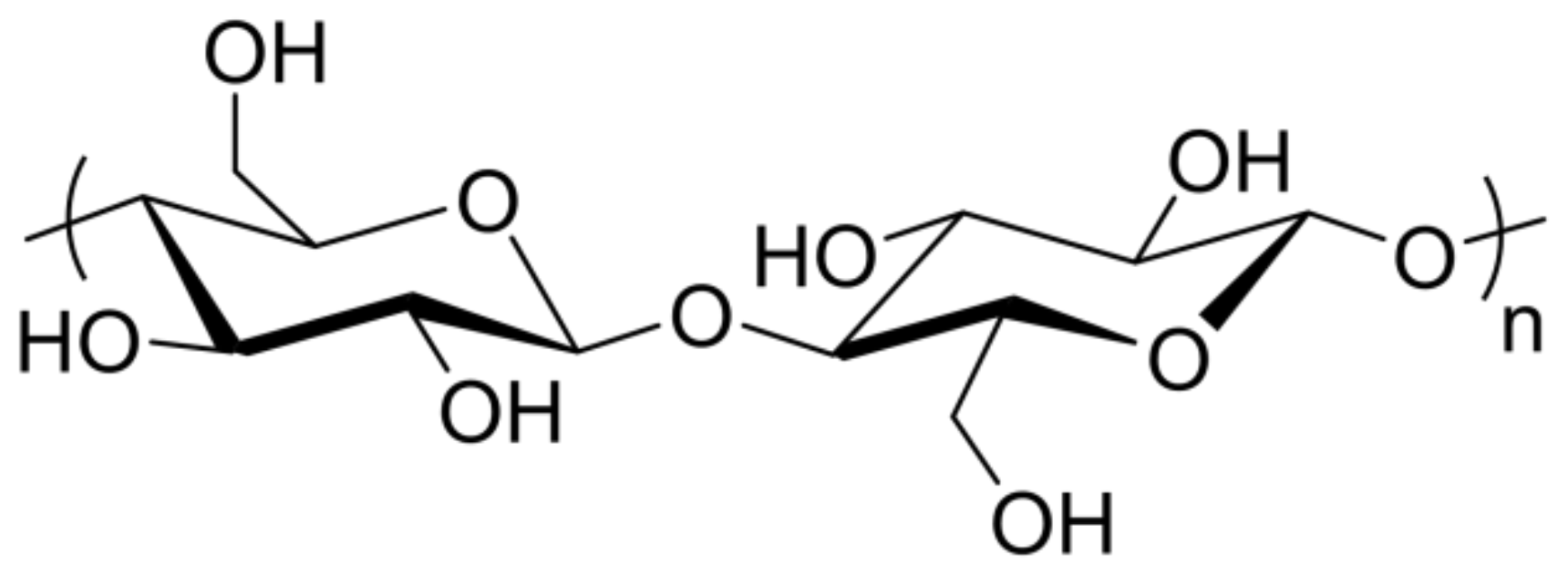
3D printing by fused deposition modelling (FDM) enables rapid prototyping and fabrication of parts with complex geometries. Unfortunately, most materials suitable for FDM 3D printing are non-degradable, petroleum-based polymers. The current ecological crisis caused by plastic waste has produced great interest in biodegradable materials for many applications, including 3D printing. Poly(lactic acid) (PLA), in particular, has been extensively investigated for FDM applications. However, most biodegradable polymers, including PLA, have insufficient mechanical properties for many applications. One approach to overcoming this challenge is to introduce additives that enhance the mechanical properties of PLA while maintaining FDM 3D printability. This review focuses on PLA-based nanocomposites with cellulose, metal-based nanoparticles, continuous fibers, carbon-based nanoparticles, or other additives. These additives impact both the physical properties and printability of the resulting nanocomposites. We also detail the optimal conditions for using these materials in FDM 3D printing. These approaches demonstrate the promise of developing nanocomposites that are both biodegradable and mechanically robust.
Keywords: 3D printing; poly(lactic acid) (PLA); additive manufacturing (AM); fused deposition modeling (FDM); cellulose; carbon nanoparticles 3D printing; poly(lactic acid) (PLA); additive manufacturing (AM); fused deposition modeling (FDM); cellulose; carbon nanoparticles