1. Introduction
Hemodialysis is a type of renal replacement therapy. It uses a machine to extract blood, filter it through an artificial kidney, and remove toxins and excess water from the body, thereby substituting for the kidney’s detoxification function [
1]. Before undergoing hemodialysis, it is necessary to establish a good vascular access site. Clinically, the commonly used vascular access methods are categorized into three types: autologous arteriovenous fistula (AVF), central venous catheter (CVC), and arteriovenous graft (AVG) [
2]. The AVF procedure involves connecting an artery to a vein, utilizing the patient’s own blood vessels. Due to its high-quality vascular access, lower risk of occlusion, and fewer complications, AVF is considered the first choice [
3]. However, achieving successful AVF maturation remains a significant challenge, with success rates ranging from 44% to 74% [
3,
4]. When AVF fails to mature or becomes occluded, percutaneous transluminal angioplasty (PTA) is used as an adjunct therapy. If PTA fails, metallic stent implantation may be considered [
5].
Swinnen et al. [
6] conducted a study on the use of metallic stents, which were placed at the arteriovenous anastomosis site via venous catheters. Results showed that 75% of patients achieved AVF maturation within six months, and 88% achieved maturation within 12 months. While metallic stents aid in maturation, they are not yet a definitive treatment due to potential long-term complications, such as restenosis and thrombosis [
7]. Biodegradable vascular stents (BVSs), which metabolize over time in the body, overcome these limitations and eliminate the need for secondary surgeries [
8].
Biodegradable metals, particularly magnesium-based alloys, have drawn significant attention due to their excellent biocompatibility and biodegradability. These materials have found applications in orthopedics and dentistry [
9]. Studies on iron-based materials suggest good mechanical properties but slow degradation, often taking several years [
10]. Pure zinc, while possessing an ideal corrosion rate, has a tensile strength of 120 MPa, far below the 300 MPa required for stent fabrication [
11]. Pure magnesium degrades rapidly in aqueous environments, dissolving entirely within 1 to 3 months [
12]. As a result, research has focused on magnesium alloys with tailored properties to balance strength and degradation rates [
13,
14].
Kandala et al. [
15] developed an AZ31 magnesium alloy stent, which remained intact during a 28-day implantation period without life-threatening effects. However, concerns about potential toxicity from aluminum and heavy metals in some magnesium alloys, such as AZ31, have arisen. Manganese and zinc are relatively non-toxic alloying elements that also enhance corrosion resistance and mechanical properties [
16]. ZM21 magnesium alloy, composed of magnesium, manganese, and zinc, has demonstrated a lower corrosion rate compared to AZ31 in vitro [
17].
Magnesium alloy stents degrade rapidly, often being absorbed by the body too quickly to support vascular dilation adequately [
18]. Surface treatments can improve stent performance by enhancing corrosion resistance [
19]. For instance, Chen et al. [
20] applied plasma electrolytic oxidation (PEO) to AZ31 magnesium alloy, achieving superior corrosion resistance at a specific current density. Additionally, anodization and hydrothermal synthesis methods have been used to create protective thin films, such as Mg(OH)
2 and Mg-Al layered double hydroxide (LDH) thin films, on magnesium alloys [
21,
22,
23,
24]. These thin films improve corrosion resistance but are not sufficient for long-term protection against chloride ion-induced degradation.
LDH compounds, known for their unique structure, are widely researched for applications in supercapacitors, drug delivery, and corrosion protection [
25]. Studies have shown the effectiveness of LDH coatings in improving the corrosion resistance of magnesium alloys [
26,
27,
28,
29,
30]. However, the interaction between chloride ions and magnesium hydroxide can accelerate degradation, resulting in pH elevation and rapid magnesium ion release [
31]. Elevated pH levels (>8.5) have been shown to significantly reduce cell viability [
32].
This study aims to extend the degradation time of ZM21 magnesium alloy stents by using surface treatments to reduce the formation of soluble magnesium chloride. Initially, AZ31 magnesium alloy was employed as a well-documented and cost-effective benchmark for preliminary process screening, evaluating different surface treatments including anodization, the application of Mg(OH)2, and Mg-Al LDH thin films. Subsequently, ZM21 tubes were used to verify the transferability of the optimized LDH parameters across different substrates and to characterize film thickness and chemical composition under varying reaction times. Finally, the optimal treatment was applied to ZM21 stents, which were selected for their superior clinical safety as an aluminum-free material, thereby avoiding the potential neurotoxicity risks associated with AZ31. The goal is to achieve a post-degradation solution pH below 8.5 and magnesium ion concentrations below 300 μg/mL, making the stents suitable for AVF treatment applications. Biochemical simulation tests will validate the designed stents’ compatibility for biomedical use. ZM21 tubes will also be used to evaluate the thickness and chemical composition of thin films with different reaction times.
2. Materials and Methods
2.1. AVF Stent Implantation
The results from Swinnen et al. [
6] and Aalami et al. [
33] showed that by implanting stents at arteriovenous sites, AVF maturation success rate can be improved. However, due to the rapid degradation and cytotoxicity [
34], magnesium alloy stents still possess issues that prevent them from being utilized fully. This study aims to develop a corrosion-resistant coating for magnesium alloy stents in order to improve the corrosion rate and lower toxicity of stents.
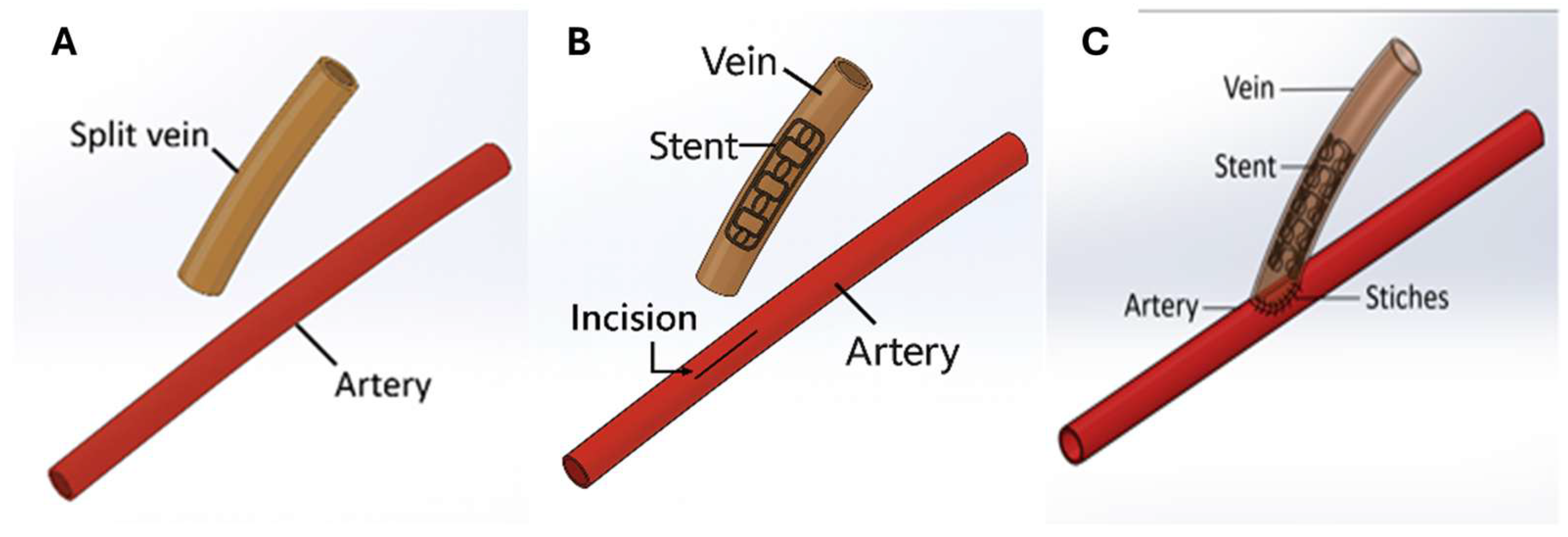
The implantation process of an AVF stent is illustrated in
Figure 1. First, the tissue surrounding the artery and vein was dissected. Hemostatic clamps were then used to clamp the vein and artery to stop bleeding. The vein was severed, and one side of the incision was cut axially to create a fan-shaped opening. Sutures were inserted into the incision for subsequent stitching (
Figure 1A). After completing these steps, the compressed stent and balloon were inserted a few millimeters from the incision site via the vein. The balloon was inflated with water until the target pressure was reached, then deflated and removed to complete the stent placement (
Figure 1B). An incision was made in the artery, and the sutures from the fan-shaped opening of the vein were threaded one by one around the arterial incision. This allows the fan-shaped vein incision to fully cover the arterial incision. The final bridging process was completed as shown in
Figure 1C.
Due to magnesium-alloy-based stents being toxic and degrading rapidly after being exposed in blood, coatings on these stents can help alleviate the hazardous chemicals being released into blood vessels and also increase corrosion resistance. Therefore, various coatings, including alkaline thin films, anodized thin films and LDH thin films, were used to determine the best coating method.
2.2. Preparation of Magnesium Alloy Samples
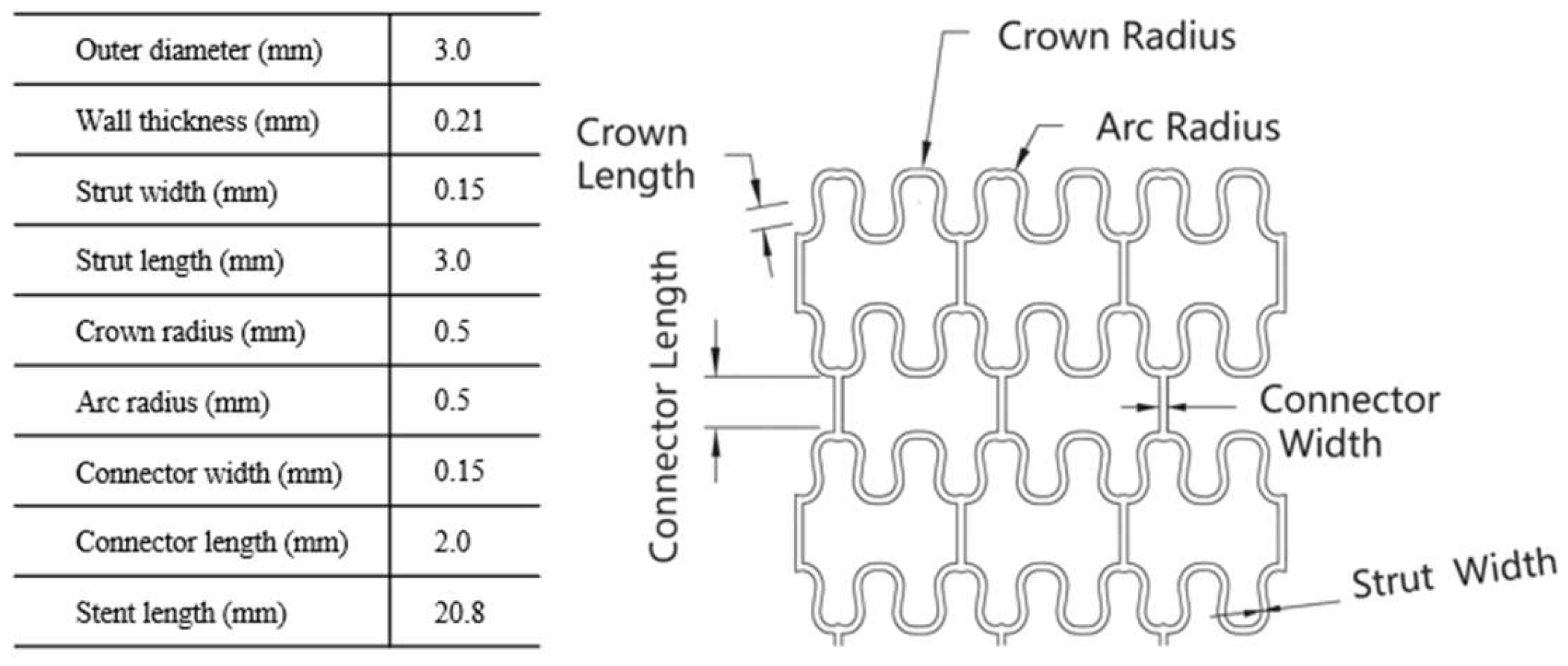
The ZM21 stent for assisting AVF maturation was designed using Creo 3.0 and optimized with the assistance of ANSYS Workbench 2022 R2 (ANSYS Corp.; Pennsylvania; U.S.) finite element analysis software. The stent was composed of three fundamental structural units: Strut, Crown, and Connector. Each layer of the stent structure (Ring) consisted of four or six Crowns, and multiple Rings were connected by Connectors to form a complete stent. The stent designed in this study has an outer diameter of 3 mm, which can be compressed onto a 5Fr (1.7 mm) balloon catheter and expanded to an outer diameter of 5.4 mm, as shown in
Figure 2. This design was based on the smallest recommended vein diameter of 2 mm for AVF, as well as the kidney disease outcomes quality initiative (KDOQI) guidelines, which recommend that a mature fistula should have a diameter of ≥6 mm [
35]. However, some experts suggest that a mature fistula with a diameter of ≥5 mm is sufficient to begin dialysis [
36]. Additionally, Feldman et al. [
37] demonstrated that veins with a diameter greater than 5 mm have a 67% chance of maturing, while those with a diameter less than 5 mm have a maturation probability of less than 58%. Therefore, this study’s stent design aims for an outer diameter between 5 mm and 6 mm, with the expectation that the vein will mature successfully to a diameter exceeding 6 mm.
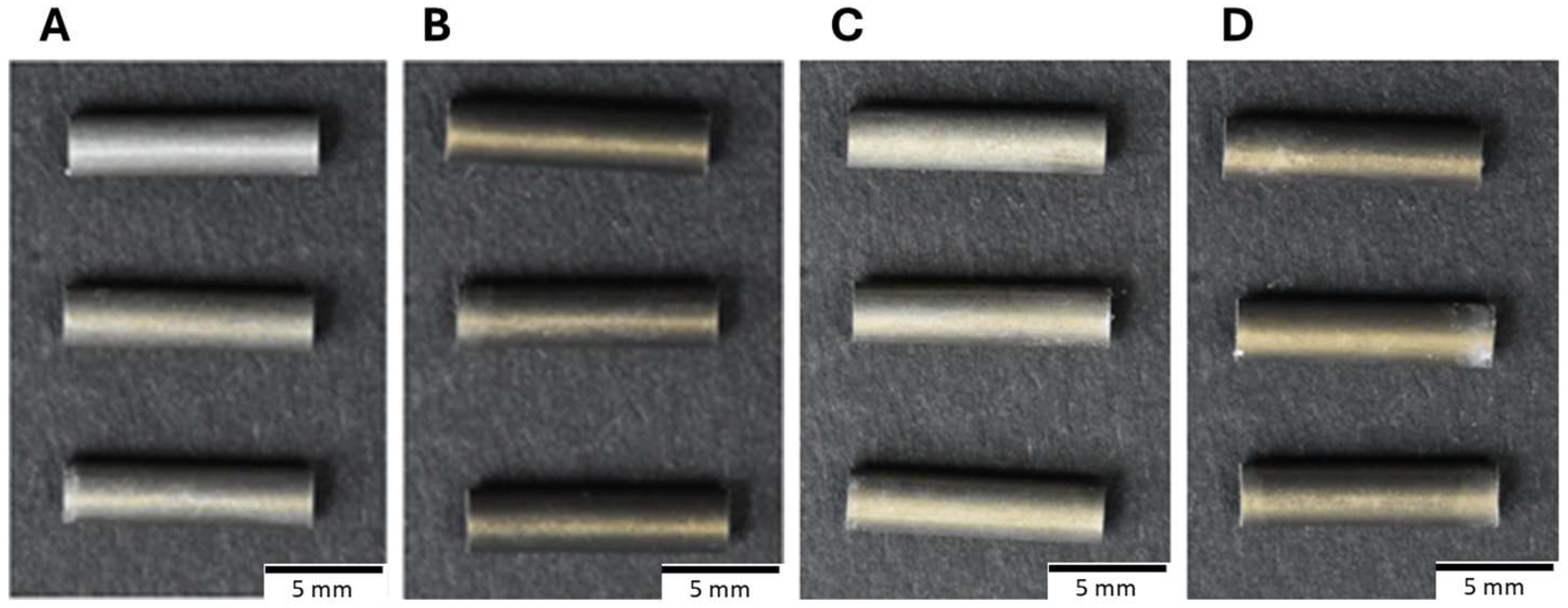
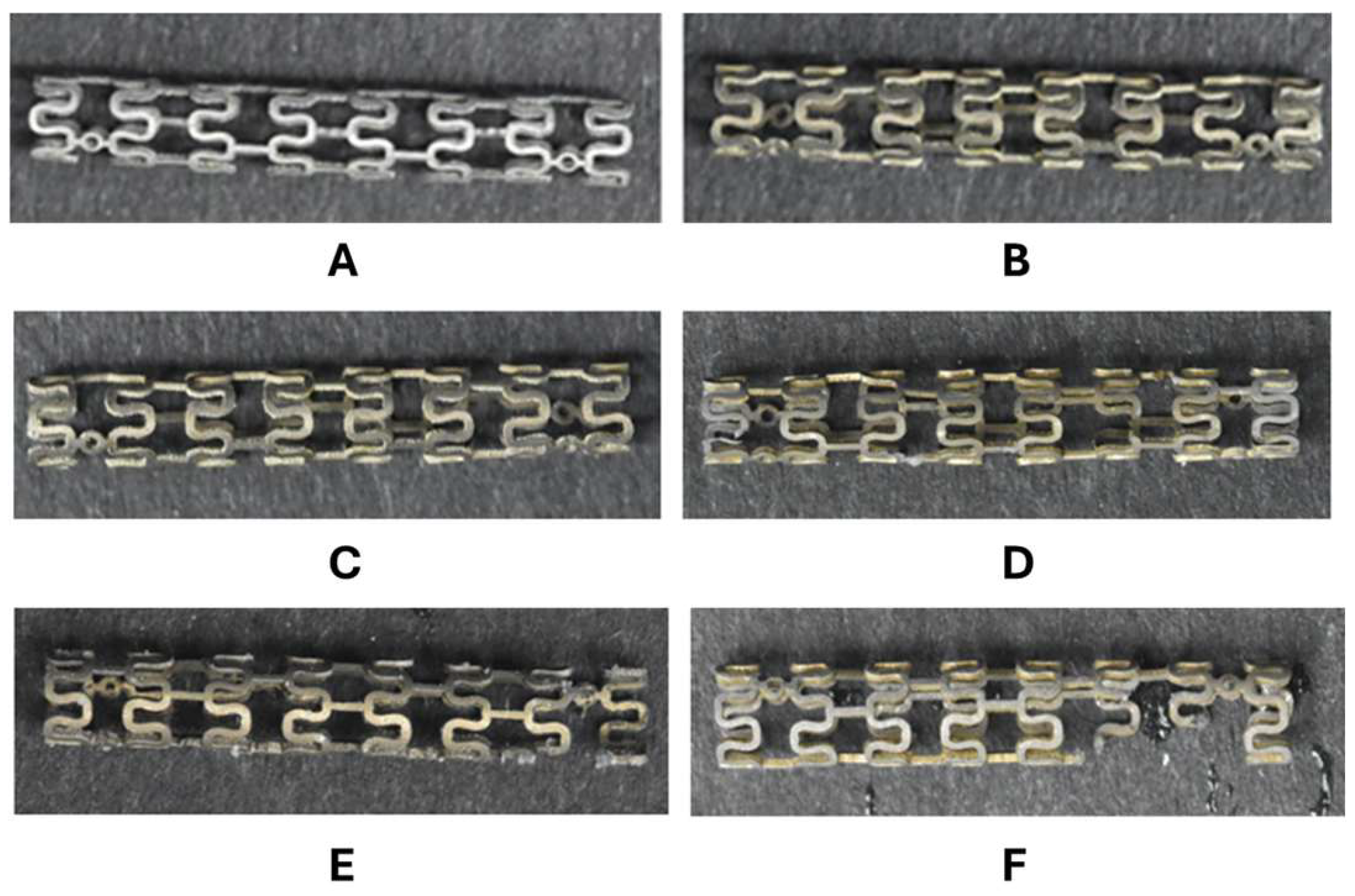
To determine the best coating method, AZ31 specimens were used first before experiments with ZM21 specimens. The AZ31 magnesium alloy plates were cut into samples measuring 10 mm × 10 mm × 4 mm. The cut samples were polished with #1200 silicon carbide sandpaper to remove oxide layers and contaminants, resulting in a smooth surface. The ZM21 magnesium alloy was processed into magnesium alloy stents using femtosecond laser machining. To determine thickness and chemical composition of the LDH thin films, ZM21 tubes were cut into dimensions of an outer diameter of 3 mm, inner diameter of 2.5 mm and length of 12 mm. Both the cut AZ31 and ZM21 specimens (
Table 1) were ultrasonically cleaned in an acetone solution and subsequently dried in a hot air circulation oven. After fabrication, the stents were measured for dimensions using an optical microscope.
2.3. Fabrication of Thin Film Coatings
The overall experimental design, including the specific labeling of all sample groups and their corresponding fabrication parameters such as voltage, hydrothermal temperature, and reaction time, is summarized in
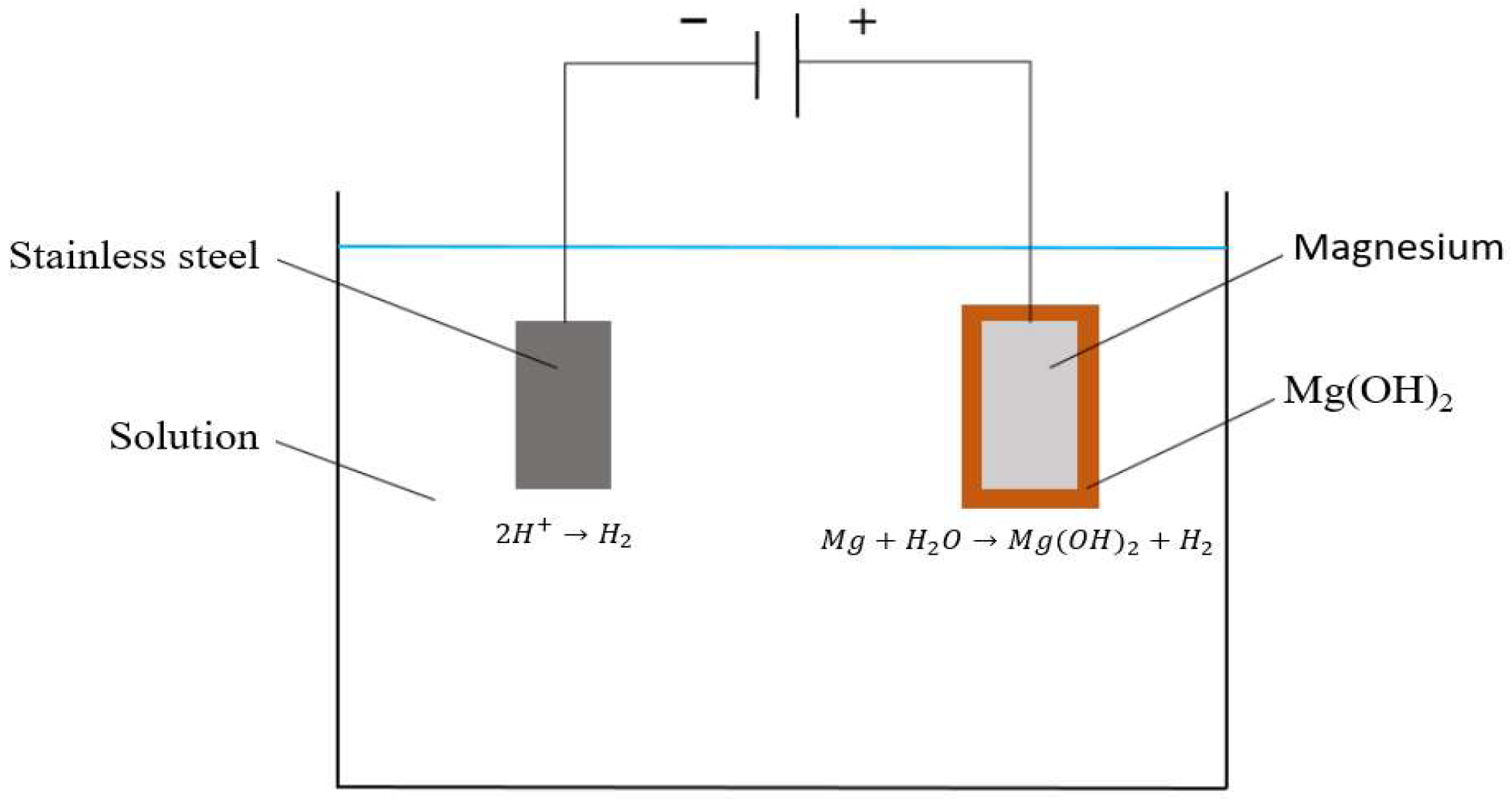
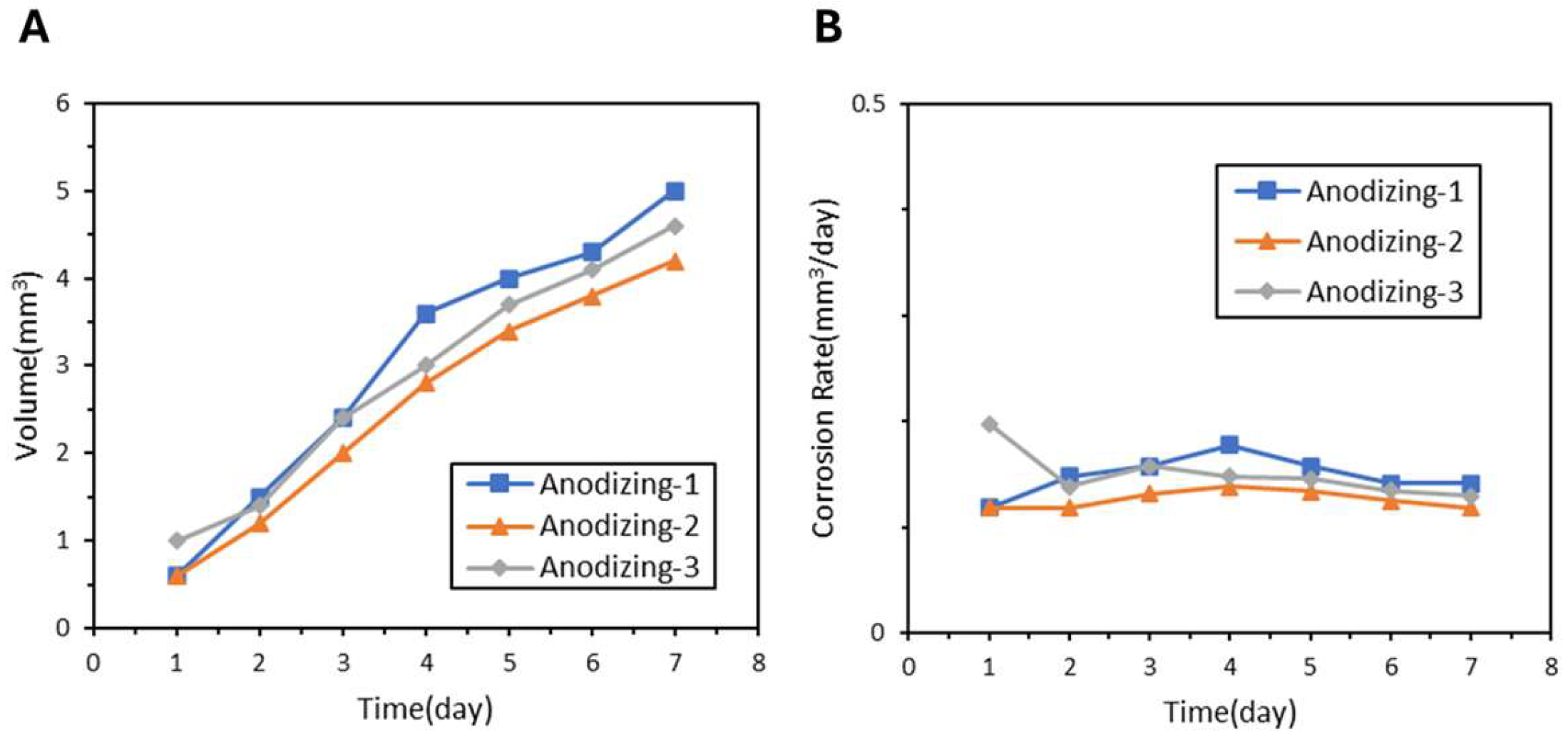
Table 2. To fabricate the anodizing thin film, the AZ31 magnesium alloy samples were connected to the anode (positive electrode) of a power source, while a stainless-steel electrode served as the cathode (negative electrode). These were placed in a 300 mL NaOH (1 M) solution, and a constant voltage of 3 V was applied. After reaction times of 10, 30, and 60 min, the samples were removed, rinsed with deionized water, and coated with Mg(OH)
2 thin films (
Figure 3). The samples were labeled as Anodizing-1, Anodizing-2, and Anodizing-3, respectively.
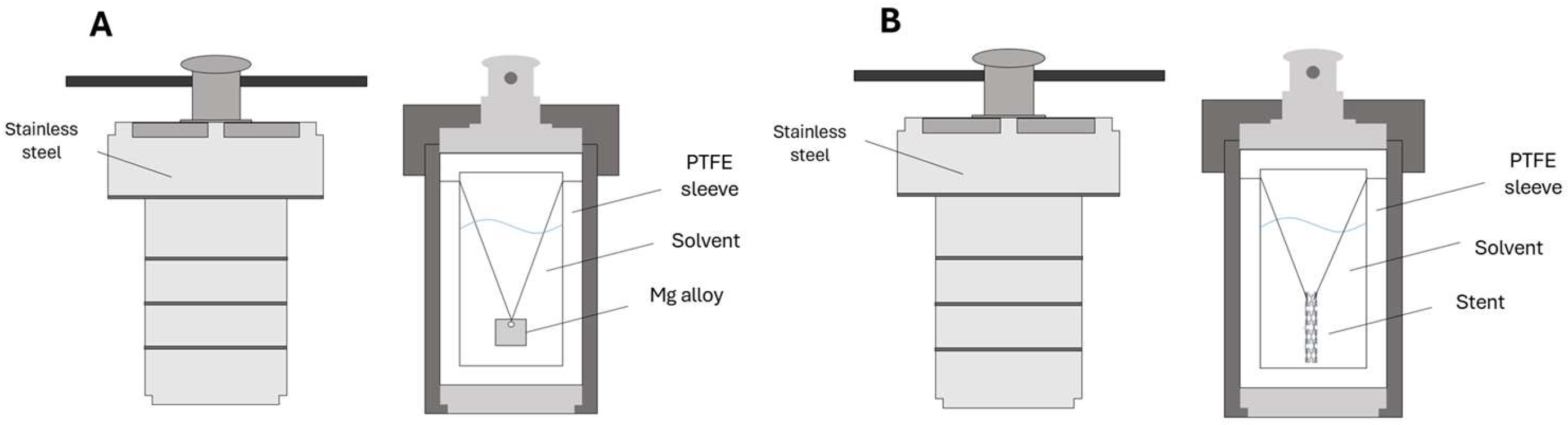
To fabricate the alkaline thin film, the method used in this experiment was the hydrothermal synthesis process. The AZ31 magnesium alloy samples were placed in a PTFE-lined stainless-steel autoclave to create Mg(OH)
2 thin films (
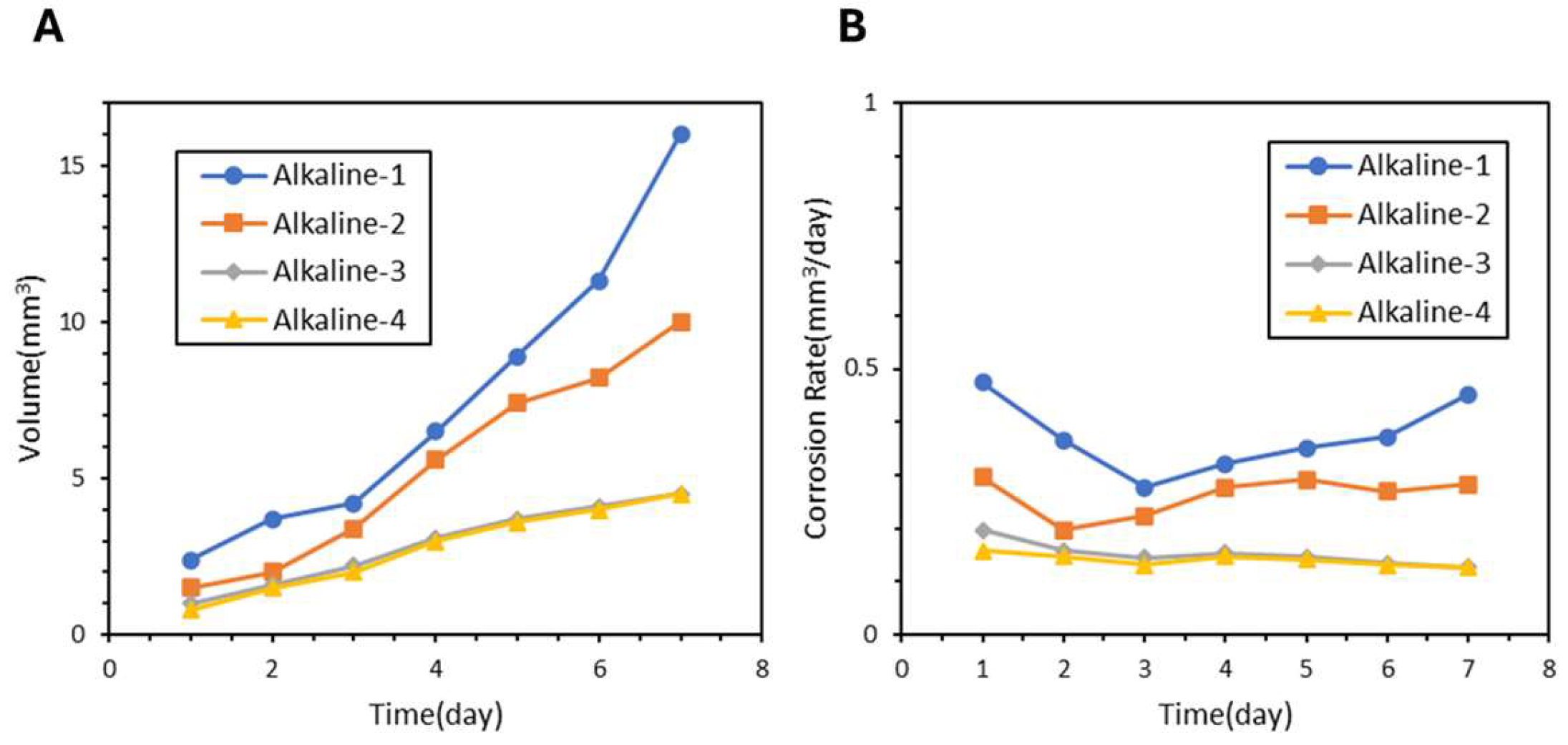
Figure 4A). A mixture of 400 μL NaOH (10 M) solution and 50 mL deionized water was gently poured into the PTFE-lined autoclave containing the samples. The autoclave was then placed in a high-temperature oven maintained at 90 °C. The reaction times in the autoclave were 8, 12, 24, and 72 h. After the reaction, the samples were removed and rinsed with deionized water. These samples were labeled as Alkaline-1, Alkaline-2, Alkaline-3, and Alkaline-4, respectively.
To prepare Mg-Al LDH thin film (
Figure 4B) for AZ31, the AZ31 magnesium alloy samples were placed in a PTFE-lined stainless-steel autoclave. A solution of 50 mL Al(NO
3)
3·9H
2O (0.02 M) and 600 μL NaOH (10 M) was poured into the autoclave. The autoclave was placed in a high-temperature oven maintained at 120 °C. After 12 h, the samples were removed and rinsed with deionized water. For the ZM21 magnesium alloy stents, they were placed in a PTFE-lined stainless-steel autoclave. A solution of 50 mL Al(NO
3)
3·9H
2O (0.02 M) and 600 μL NaOH (10 M) was poured into the autoclave. The autoclave was placed in a high-temperature oven maintained at 120 °C. After 12 h, the stents were removed and rinsed with deionized water. The AZ31 magnesium alloy sample was labeled as LDH-S.
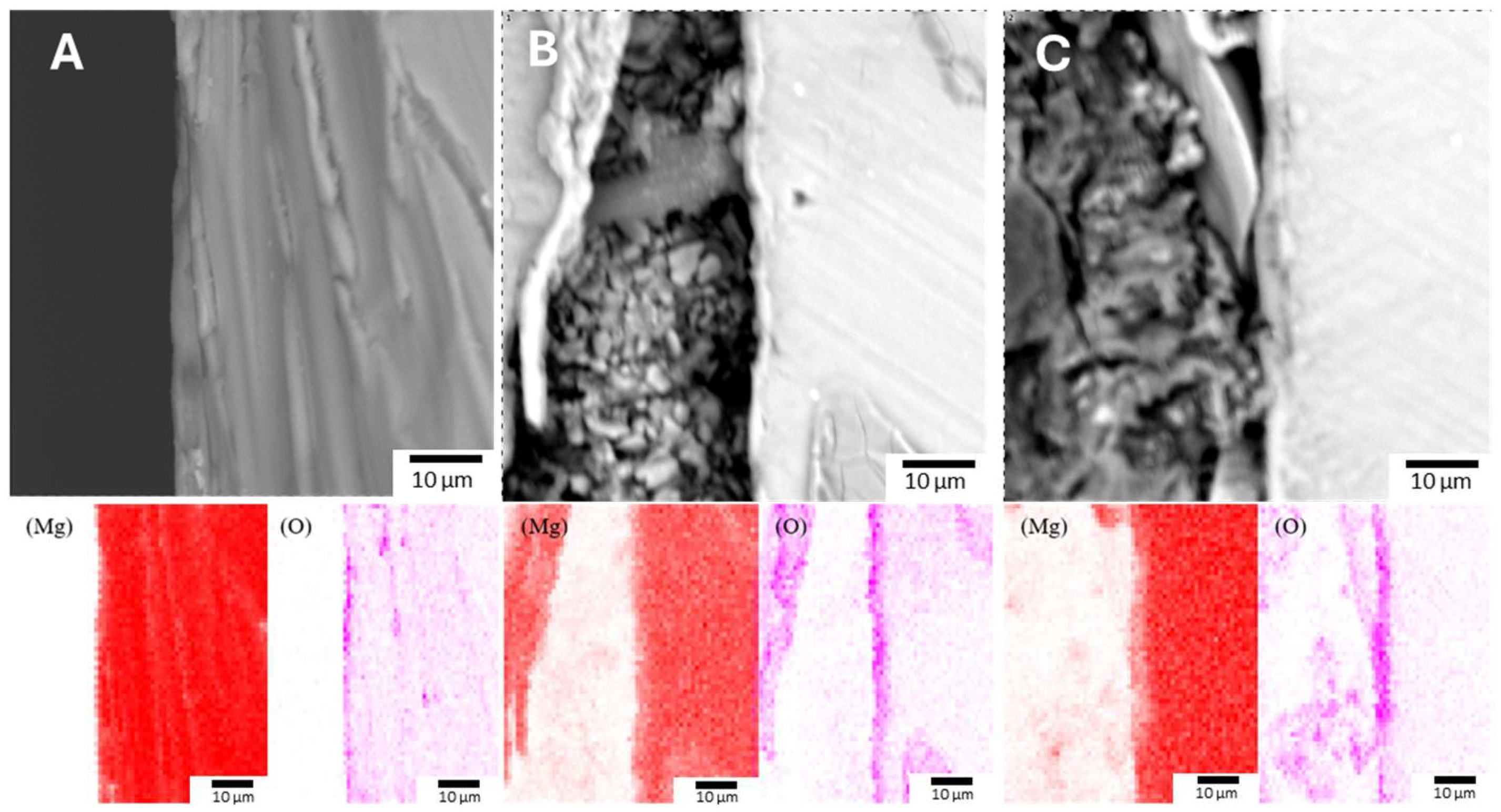
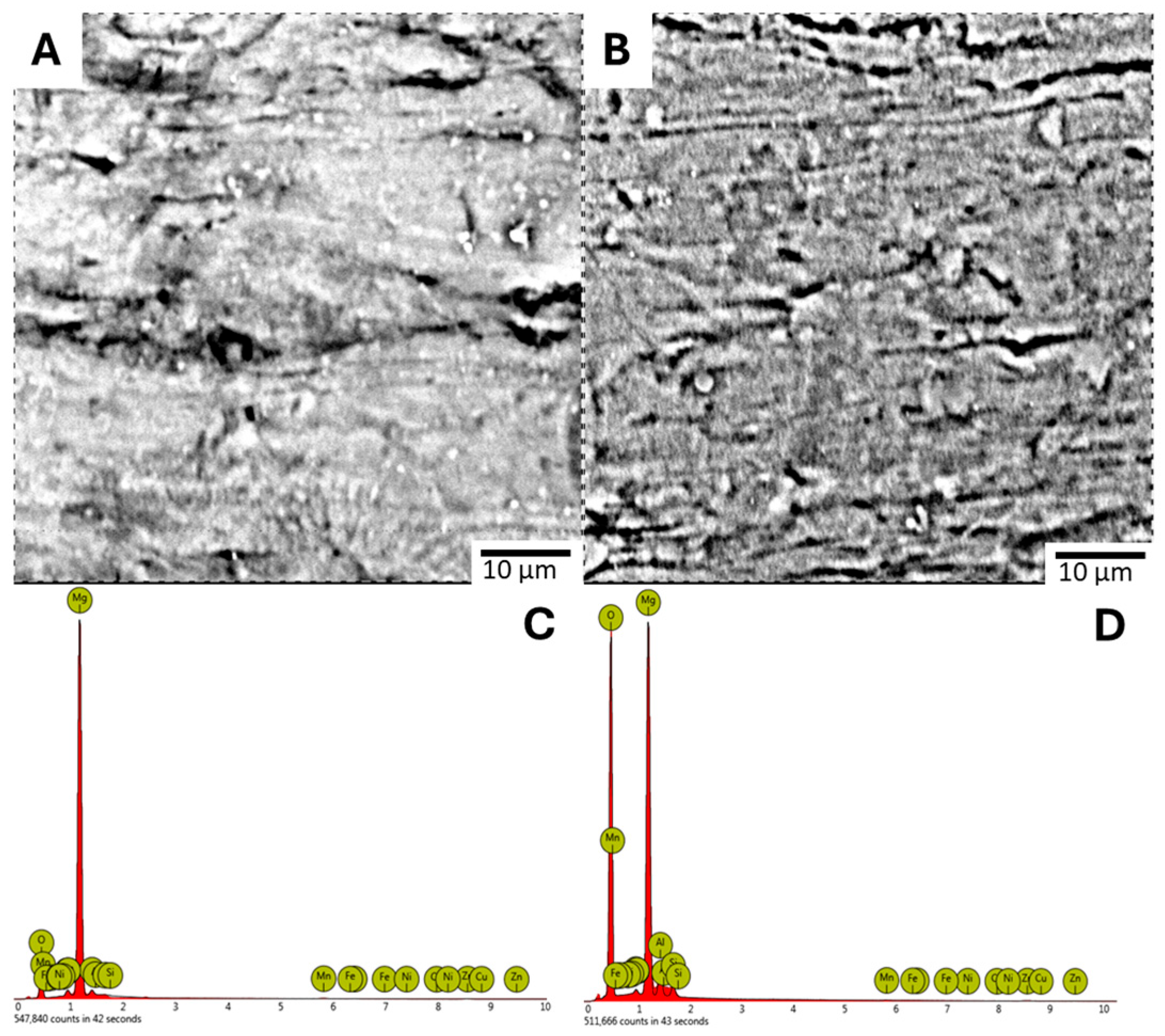
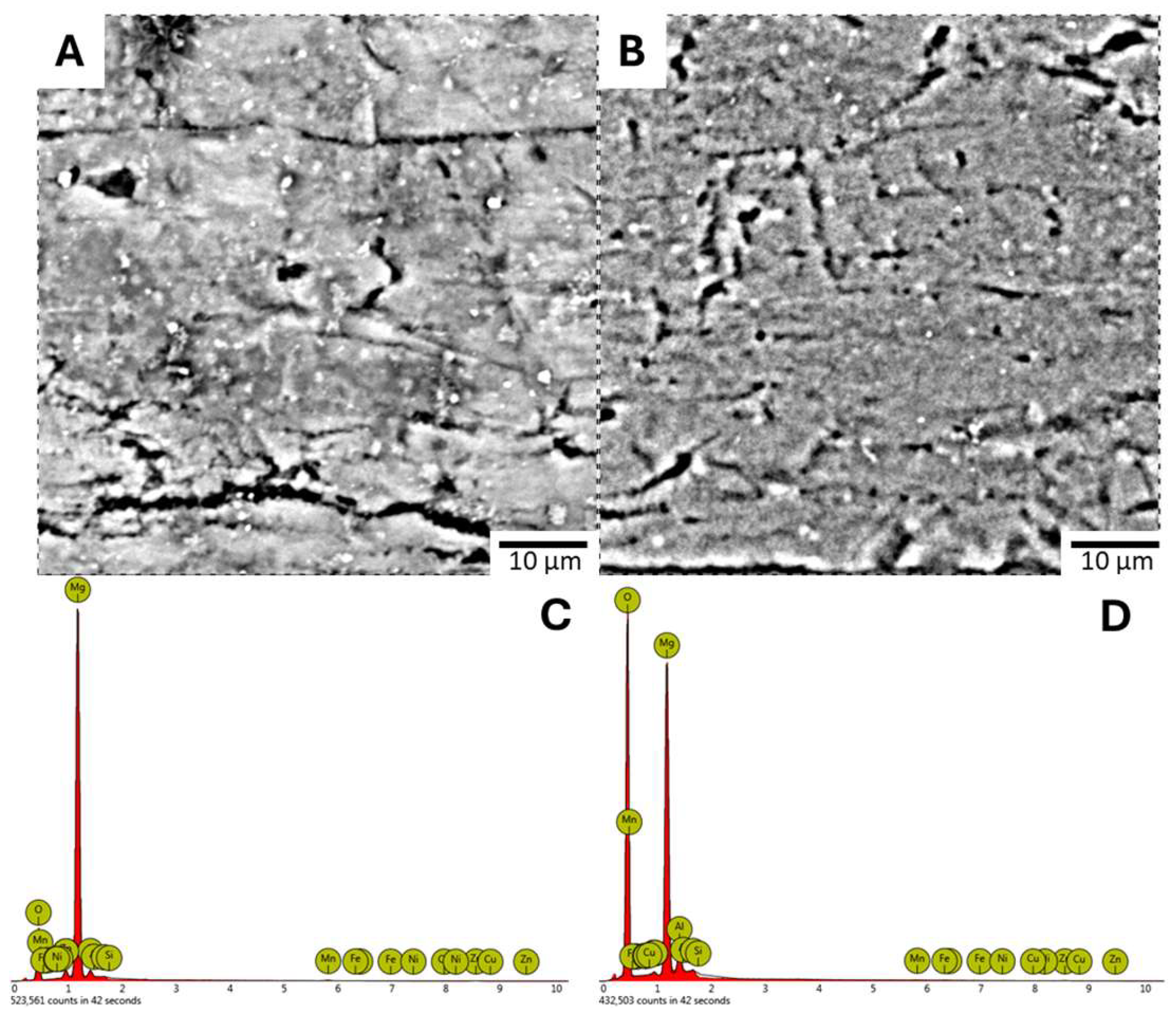
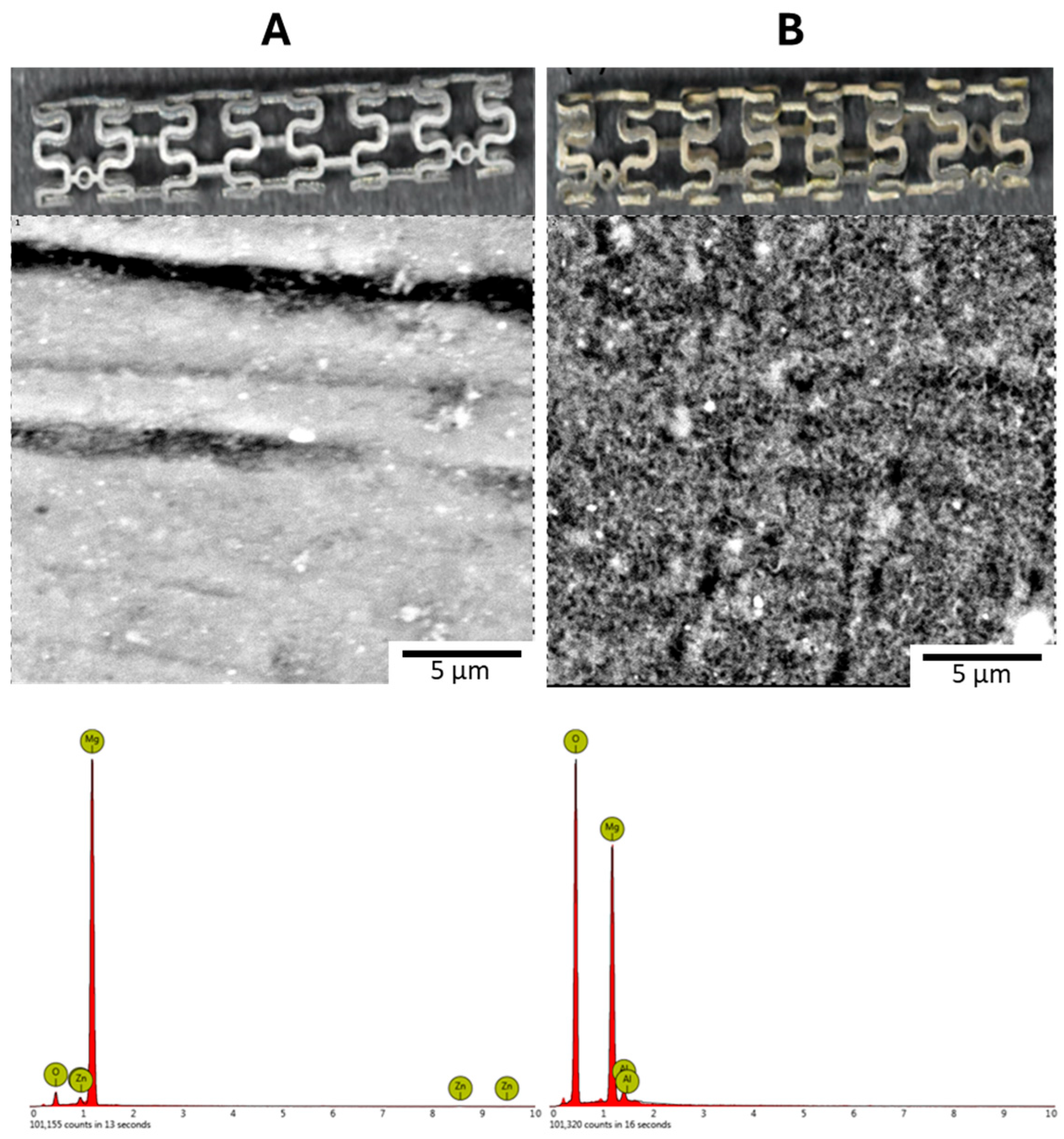
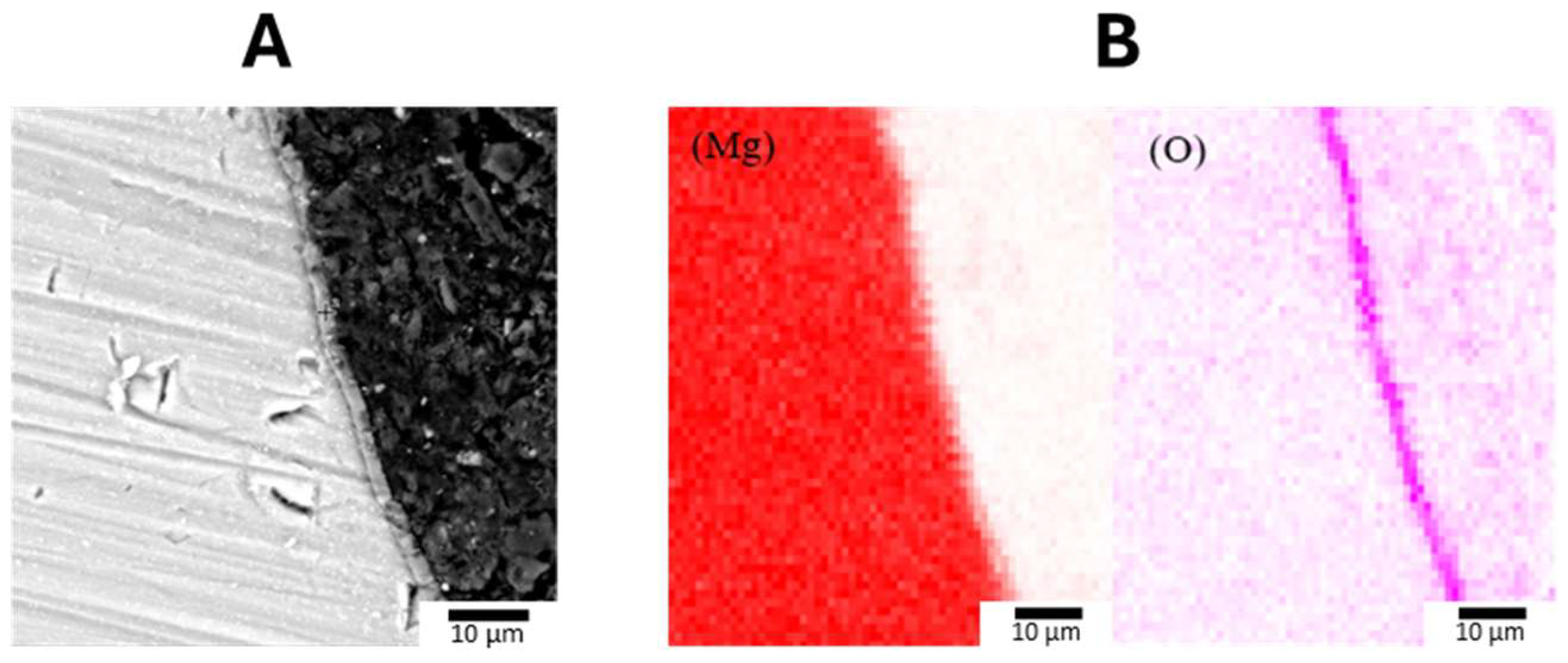
A scanning electron microscope (SEM, Phenom XL, Thermo Fisher Scientific Inc.; Waltham, MA, USA) was used to observe the surface, cross-sectional morphology, and thin film thickness of the untreated AZ31 sample (Bare sample), AZ31-Mg(OH)2 samples, and Mg-Al LDH samples, LDH tubes and stents. Film thickness was determined from cross-sectional SEM images. For each specimen, five equally spaced points along the coating were selected, and the local thickness at each point was measured. The mean of these five measurements was reported as the coating thickness. The chemical composition and elemental distribution of the samples were evaluated using energy-dispersive X-ray spectroscopy (EDS, Phenom XL, Thermo Fisher Scientific Inc.; Waltham, MA, USA).
2.4. In Vitro Degradation Tests
The samples subjected to in vitro degradation testing were selected from the groups defined in
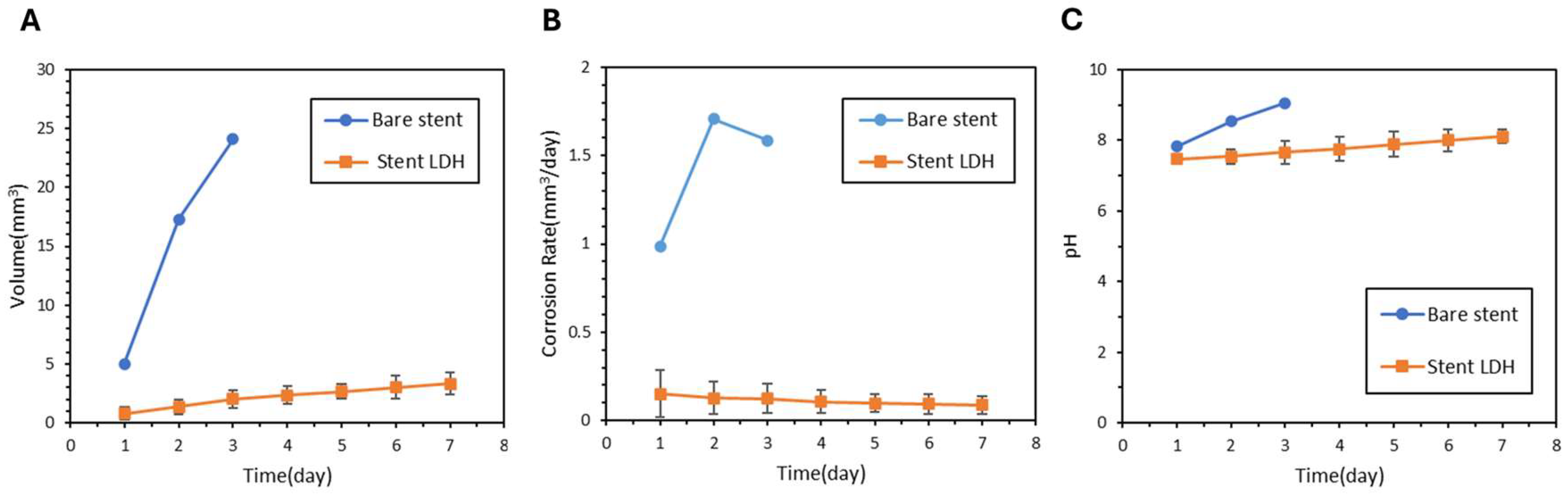
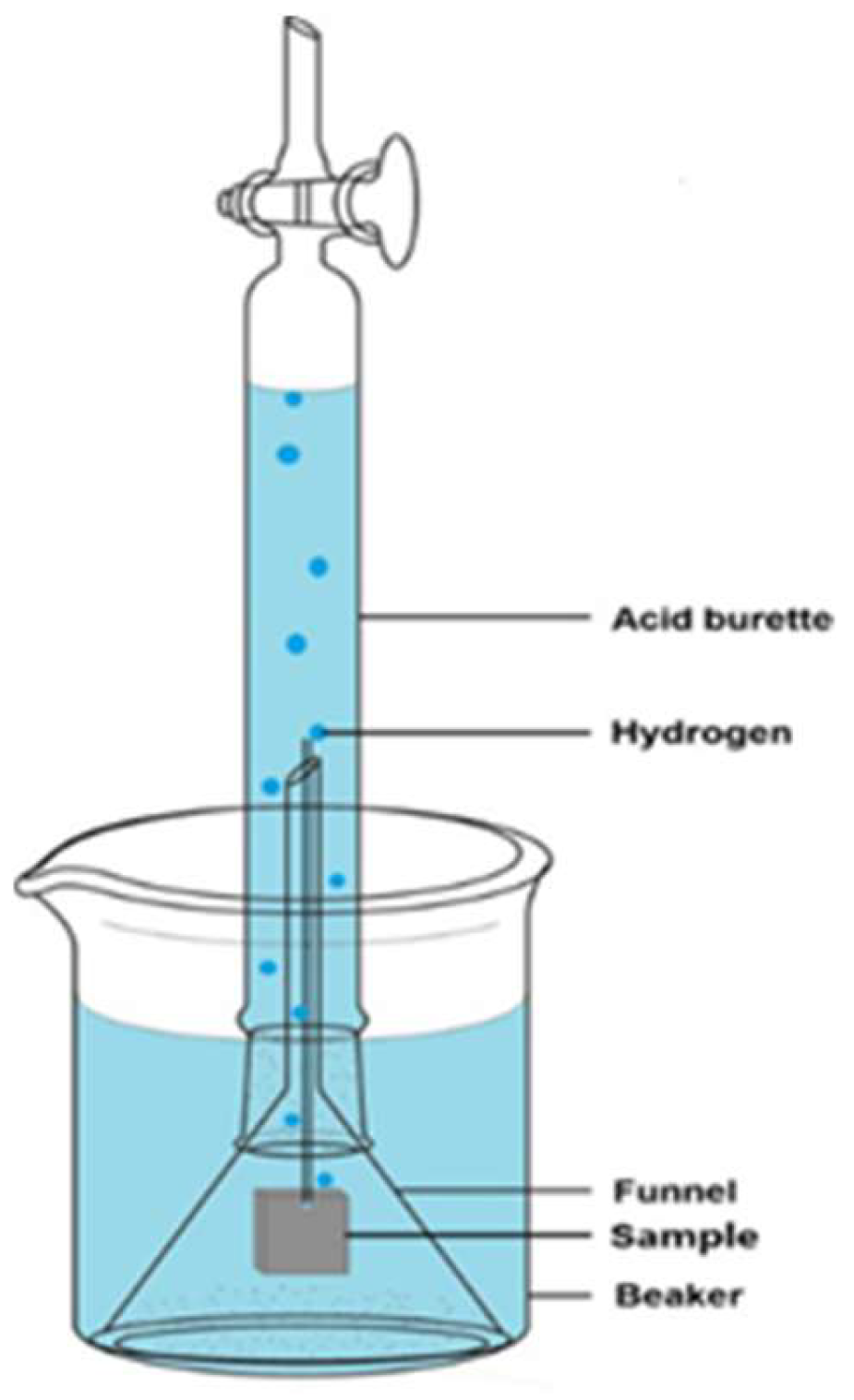
Table 2 and categorized into two stages: (1) a screening stage using all AZ31 alloy groups (Bare, Anodizing 1 to 3, Alkaline 1 to 4, and LDH-S) to identify the optimal coating technology, and (2) a final validation stage using ZM21 magnesium alloy stents (Bare Stent and Stent LDH) to verify performance for the intended clinical application. A static in vitro degradation simulation experiment (
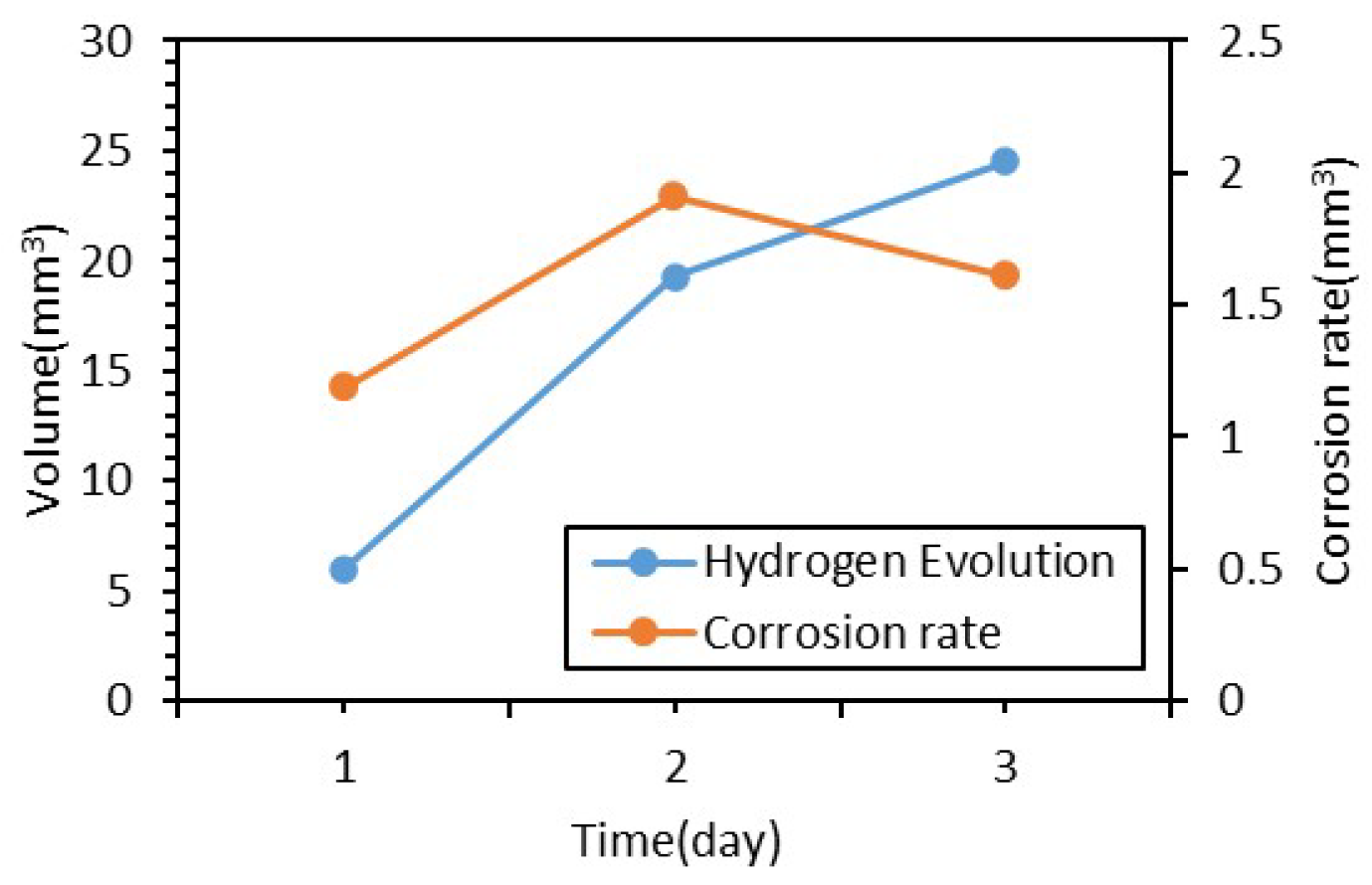
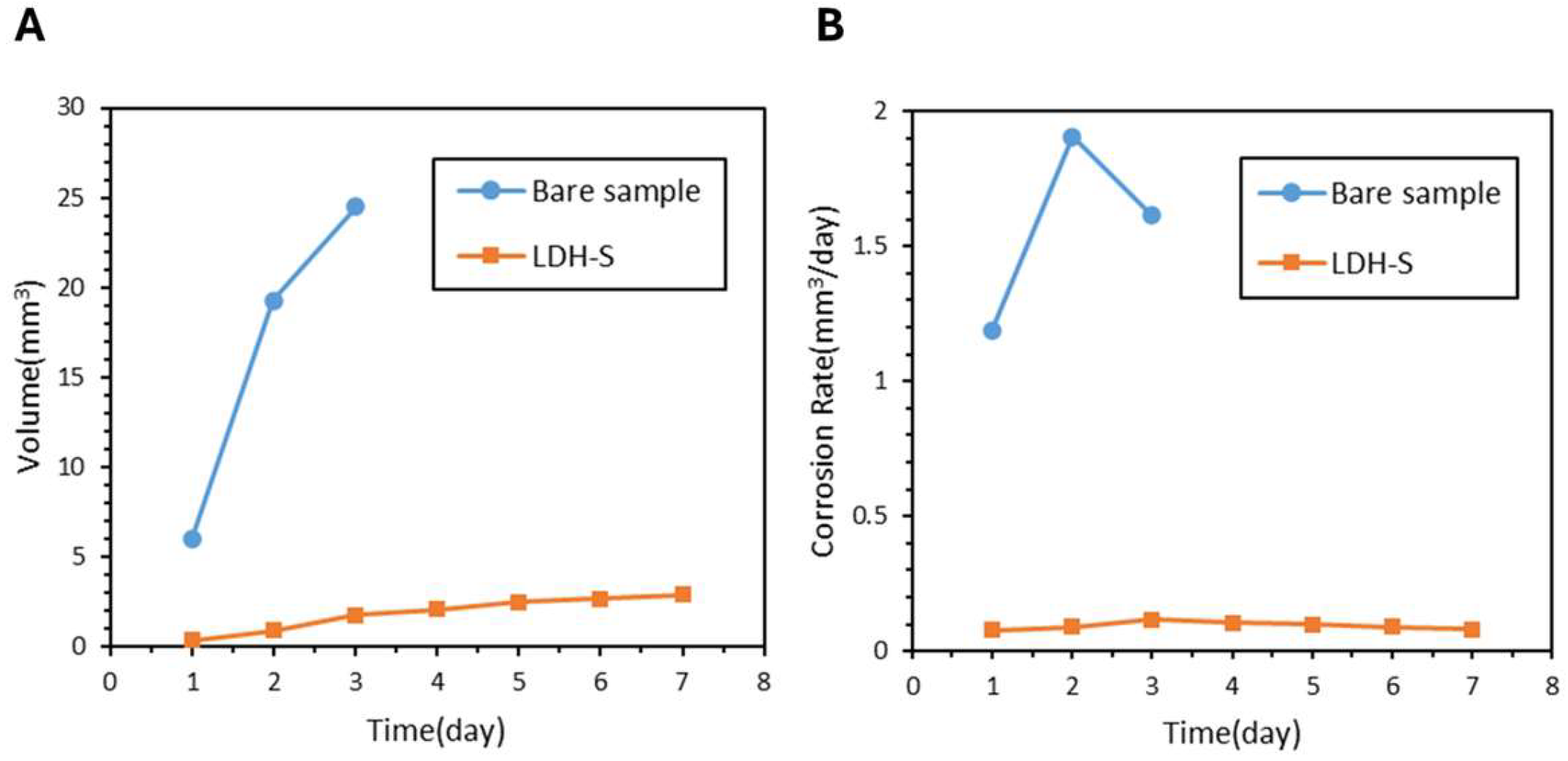
Figure 5) was conducted to observe the degradation behavior of magnesium alloys in conditions mimicking in vivo placement. Changes in structure and corrosion rate over time were monitored. A pH meter (PH5011A, GOnDO Electronic Co., Ltd.; Taipei, Taiwan) was used to measure pH changes in the solution. The specimens were secured to a funnel with a string. The funnel was then placed upside down in a beaker. An acid burette was filled with Phosphate-buffered Saline (PBS) and placed over the funnel to achieve vacuum. As hydrogen gas is generated, it is collected at the top of the acid burette by displacing the PBS solution. The volume of evolved hydrogen was determined by daily recording the change in the liquid level on the acid burette’s graduated scale. PBS was used for the simulation, with a solution pH of 7.4, and the degradation process was conducted at 37 ± 1 °C. All the specimens were subjected to the same setup for the degradation test. Corrosion rates were measured, and results for the Bare sample, anodized samples, alkaline thin film samples, and the LDH-S sample were compared.
Hydrogen gas release was recorded daily for 7 consecutive days for each sample group. To evaluate the long-term corrosion resistance, the hydrogen evolution method was employed for more accurate corrosion rate measurements, providing more reliable data. During the reaction between magnesium and water, reaction products may remain on the magnesium alloy stents, Equation (1), leading to measurement errors. Therefore, the hydrogen evolution method was more precise than conventional weight measurement methods. The atomic mass of magnesium (24.305) was used in conjunction with Equations (2) and (3) to calculate magnesium mass loss. Based on the volume of hydrogen gas, the corrosion rate of the tested samples was calculated using Equation (4).
n: Moles of hydrogen gas; P: Standard atmospheric pressure; V: Volume of hydrogen gas released; R: Gas constant; T: Temperature during measurement.
r: Corrosion rate; P: Standard atmospheric pressure; V: Volume of hydrogen gas released; R: Gas constant; T: Temperature during measurement; M: Moles of hydrogen gas; A: Original surface area of the sample; t: Time of placement.
The corrosion rates of magnesium alloy stents with different thin film thicknesses vary, which allows for tailoring the degradation time to meet patient needs. ZM21 tubes were placed in an autoclave. A solution of 50 mL Al(NO3)3·9H2O (0.02 M) and 600 μL NaOH (10 M) was added to the autoclave, and the temperature was maintained at 120 °C. The reaction time for forming Mg-Al LDH thin films was varied, with three replicates per group. Tubular samples with a reaction time of 4 h were labeled as Tube LDH-1, while those with a 12 h reaction time were labeled as Tube LDH-2. The formation time, structure, and thickness of the Mg-Al LDH thin films were observed.
To evaluate the effects of increased solution concentration, the concentration was raised to 50 mL Al(NO3)3·9H2O (0.04 M) and 600 μL NaOH (20 M), while reducing the reaction time. The temperature was maintained at 120 °C. Tubular samples with a reaction time of 4 h were labeled as Tube LDH-3, while those with a 12 h reaction time were labeled as Tube LDH-4. The structure and thickness of the Mg-Al LDH thin films were evaluated to determine if results comparable to those obtained with a 0.02 M aluminum concentration could be achieved.
2.5. Simulation Tests for Extraction-Based Biochemical Evaluation of Mg-Al LDH ZM21-Coated Stents
This study simulated conditions under which ZM21 magnesium alloy stents were placed in extraction methods during biochemical simulation using a static in vitro degradation experiment. Stent LDH was placed in beakers and subjected to a water bath at 50 ± 2 °C. Hydrogen gas release was recorded daily for 3 consecutive days to observe structural degradation. Magnesium mass loss was calculated using Equations (2) and (3), and the magnesium ion concentration in the solution was determined using Equation (5):
The pH of the test solution during magnesium alloy degradation was monitored using a pen-type pH meter (PH5011A, EZDO, Taipei, Taiwan). At each predetermined time point, the retractable electrode was immersed in the solution, and the pH value was recorded after the reading stabilized.
4. Discussion
4.1. Summary of Key Findings
The development of the ZM21 magnesium alloy stent with a layered double hydroxide (LDH) coating addresses a critical clinical gap in assisting autologous arteriovenous fistula (AVF) maturation. While AVF is the gold standard for vascular access in hemodialysis patients, maturation failure remains a significant hurdle, with success rates ranging from only 44% to 74%. This failure is primarily attributed to insufficient initial venous diameter, which restricts blood flow. Although research by Swinnen et al. [
6] demonstrated that implanting metallic stents could improve maturation success to 88% within 12 months, these permanent implants pose long-term risks such as in-stent restenosis and thrombosis. Biodegradable magnesium alloys offer a promising biocompatible alternative; however, their innate rapid degradation in chloride-rich environments often leads to premature structural failure, preventing sustained vascular support.
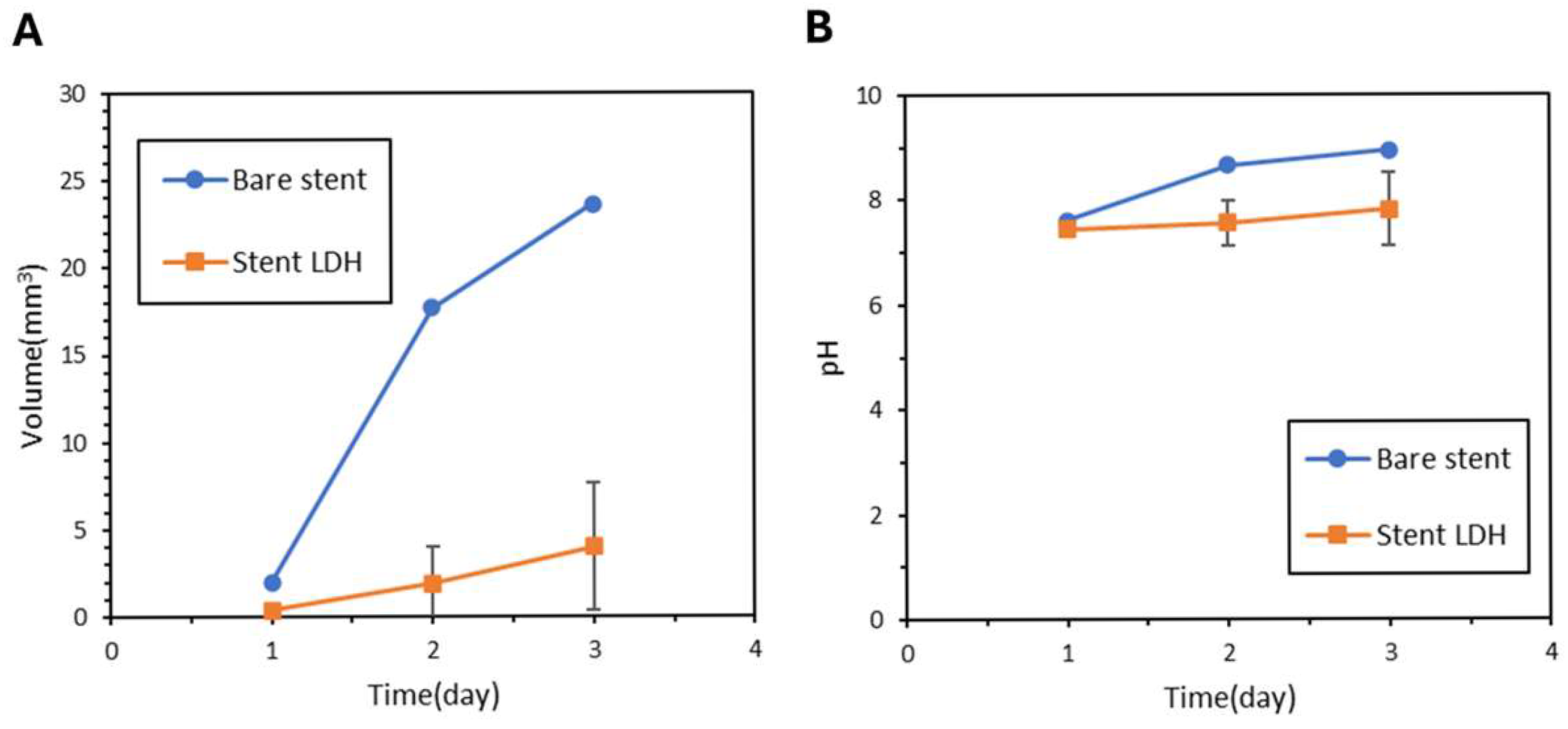
Our experimental results demonstrate that the Mg-Al LDH coating functions as a highly effective corrosion barrier, significantly outperforming traditional anodizing and alkaline surface treatments. Specifically, the LDH-coated ZM21 stents achieved a 94.9% reduction in average corrosion rate compared to untreated stents. The results highlight the excellent robustness and transferability of the optimized hydrothermal parameters (120 °C, 12 h) developed in this study. A comparative analysis across different substrates, such as the AZ31 sheet (LDH-S), the ZM21 tube (Tube LDH-2), and the ZM21 stent (Stent LDH), reveals highly consistent film thicknesses of 2.85 μm, 2.84 μm, and 2.71 μm, respectively. Furthermore, the functional performance remained remarkably stable, with the corrosion rate reduction being almost identical between the AZ31 sheet (95%) and the ZM21 stent (94.9%). This high degree of consistency in both physical dimensions and protective efficacy across different alloy compositions (AZ31 versus ZM21) and geometries (flat or tubular) demonstrates that the LDH coating process is highly controlled and can be reliably transferred from standard benchmark materials to complex, clinically relevant medical devices. This superior protection is derived from the dense structure of the LDH layer, which serves as a stable physical barrier and utilizes anion exchange properties to block aggressive chloride ions (Cl
-) from reaching the magnesium substrate. This mechanism effectively inhibits the conversion of the Mg(OH)
2 passivation layer into soluble magnesium chloride, which is a common cause of rapid degradation. Beyond corrosion resistance, the LDH coating acts as an active modulator of the biochemical interface by stabilizing the microenvironment during degradation. While bare magnesium stents cause rapid alkalization with pH levels exceeding 9.0, the LDH-coated stents maintained the solution pH around 7.8, which is well below the critical cytotoxic threshold of 8.5. Literature by Zhen et al. [
32] indicates that pH values exceeding this threshold significantly reduce cell viability. Furthermore, magnesium ion concentrations were kept within safe physiological ranges (<300 μg/mL), ensuring excellent biocompatibility and reducing the risk of chemically induced intimal hyperplasia. These findings suggest that the developed stent can reasonably be expected to achieve the first and second clinical objectives when implanted in AVF veins; however, further animal studies are required to validate these outcomes in vivo
4.2. Study Limitations and Future Directions
Despite the significant advancements demonstrated in this study, several limitations must be considered to facilitate the clinical translation of these stents. A primary limitation is that the current evaluations relied on static in vitro degradation and biochemical simulations, which cannot fully replicate the complex, dynamic physiological environment of a living organism, such as pulsatile blood flow, variable shear stress, and long-term metabolic interactions. Furthermore, due to the destructive nature of the sampling process and the significant time required for fabrication, notably the alkaline treatment which can take up to 72 h per specimen, measurements were recorded as single data points across the extended timeline. While the absence of error bars limits localized statistical comparisons, the reliability of the findings is supported by the clear and consistent trends observed throughout the continuous experimental period. Moreover, the substantial magnitude of the protective effect offered by the LDH coating compared to the bare samples underscores the validity of the observed performance gap.
Additionally, technical challenges in the fabrication process were identified; specifically, the suspension method used during the hydrothermal synthesis created points of adhesion where the wire contacted the stent surface. This resulted in localized coating delamination upon wire removal in some samples, such as Stent LDH-b, leading to increased magnesium ion release at those specific sites. Furthermore, while structural integrity was maintained for the initial three days, significant corrosion damage was evident by the seventh day, suggesting the need for further refinement of the coating thickness to meet specific clinical duration requirements.
Future research will focus on addressing these issues through systematic process optimization and advanced physiological testing. To ensure process reproducibility and coating uniformity for potential large-scale production, new fixture designs will be developed to minimize contact areas during the film formation process. Furthermore, dynamic fluid simulation experiments integrated with quantitative mechanical evaluations, specifically radial stiffness, fatigue resistance, and ductility, will be implemented to assess the mechanical stability and degradation behavior of the stents under realistic blood flow conditions. Future work will also investigate the microstructural evolution of the LDH layer, incorporate in vitro biological evaluations including cytotoxicity, cell adhesion, and proliferation, and further optimize its long-term stability in physiological environments. Ultimately, comprehensive animal studies are required to track the long-term metabolic pathways of the LDH-coated ZM21 stents and to validate their actual performance in promoting vessel dilation and tissue repair in vivo. These advancements may eventually allow the application of Mg-Al LDH coatings to a broader range of biodegradable magnesium-based implants, such as orthopedic hardware or other cardiovascular devices.
5. Conclusions
This study systematically explored the effectiveness of Mg-Al LDH coatings in enhancing the corrosion resistance and biocompatibility of AZ31 and ZM21 magnesium alloys through a series of in vitro static degradation and biochemical simulations. For the AZ31 magnesium alloy, the application of different surface treatment methods revealed that Mg-Al LDH coating offered the most significant improvement in corrosion resistance. Specifically, LDH-S samples reduced the average corrosion rate by 95%, which was superior to the 93.2% and 92.5% reductions achieved by anodized and alkaline-coated samples respectively. The LDH film effectively minimized contact between the substrate and chloride ions in the solution, thereby reducing hydrogen evolution and maintaining lower pH levels.
For ZM21 magnesium alloy stents, the LDH-coated versions achieved a 91.6% reduction in hydrogen evolution and a 94.9% reduction in corrosion rate compared to untreated stents. These coated stents maintained a pH of 7.65 and exhibited structural integrity up to the third day of degradation, effectively addressing the rapid degradation issue observed in untreated ZM21 stents. These findings underscore the role of LDH coatings in prolonging the functional lifespan of stents under physiological conditions. Furthermore, biochemical simulation tests suggested the potential biocompatibility of the stents, as all coated versions maintained pH levels below 8.5 and magnesium ion concentrations below 300 μg/mL. The coatings effectively maintained the extraction medium environment within a physiological range, indicating a reduced risk of adverse biological reactions. In conclusion, this study demonstrates that Mg-Al LDH coatings significantly enhance corrosion resistance and ensure biocompatibility, making them a transformative approach for the development of magnesium-based AVF stents.